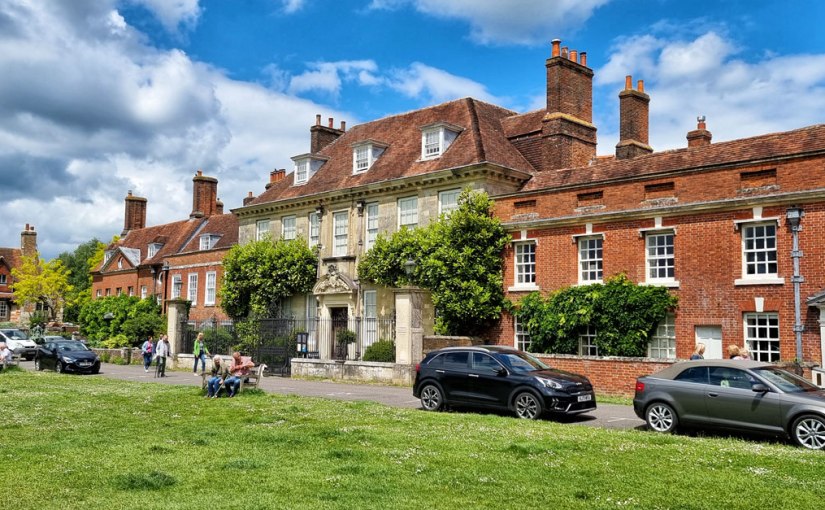
We didn’t spend a lot of time in Salisbury in June, because I was struggling with a ‘broken’ foot (my daughter insisted it was, but I thought possibly just torn ligaments – whatever, it was painful to walk on even after a month!). Apparently Salisbury has the largest Cathedral Close in Britain. It is a wonderful green space to escape the busy streets of Salisbury and to just explore and relax, with 21 Grade I listed buildings surrounding the magnificent cathedral, as well as museums and gardens.
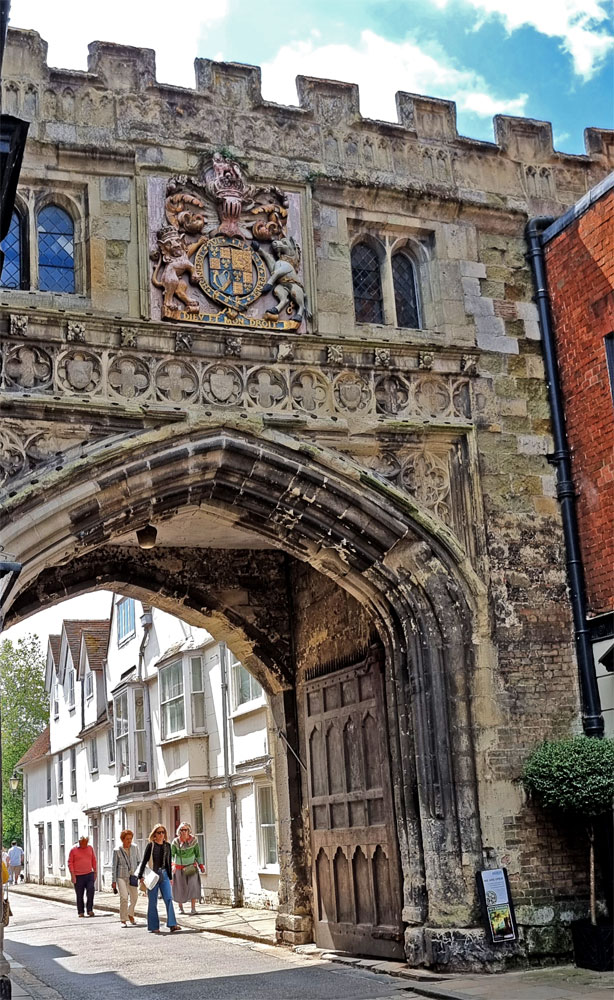
Built between 1327 and 1342 the High Street gate is the main point of entry into the Cathedral Close. It housed the small lock-up jail for those convicted of misdeeds within the Liberty of the Close. Beside the gate stands the Porters Lodge.
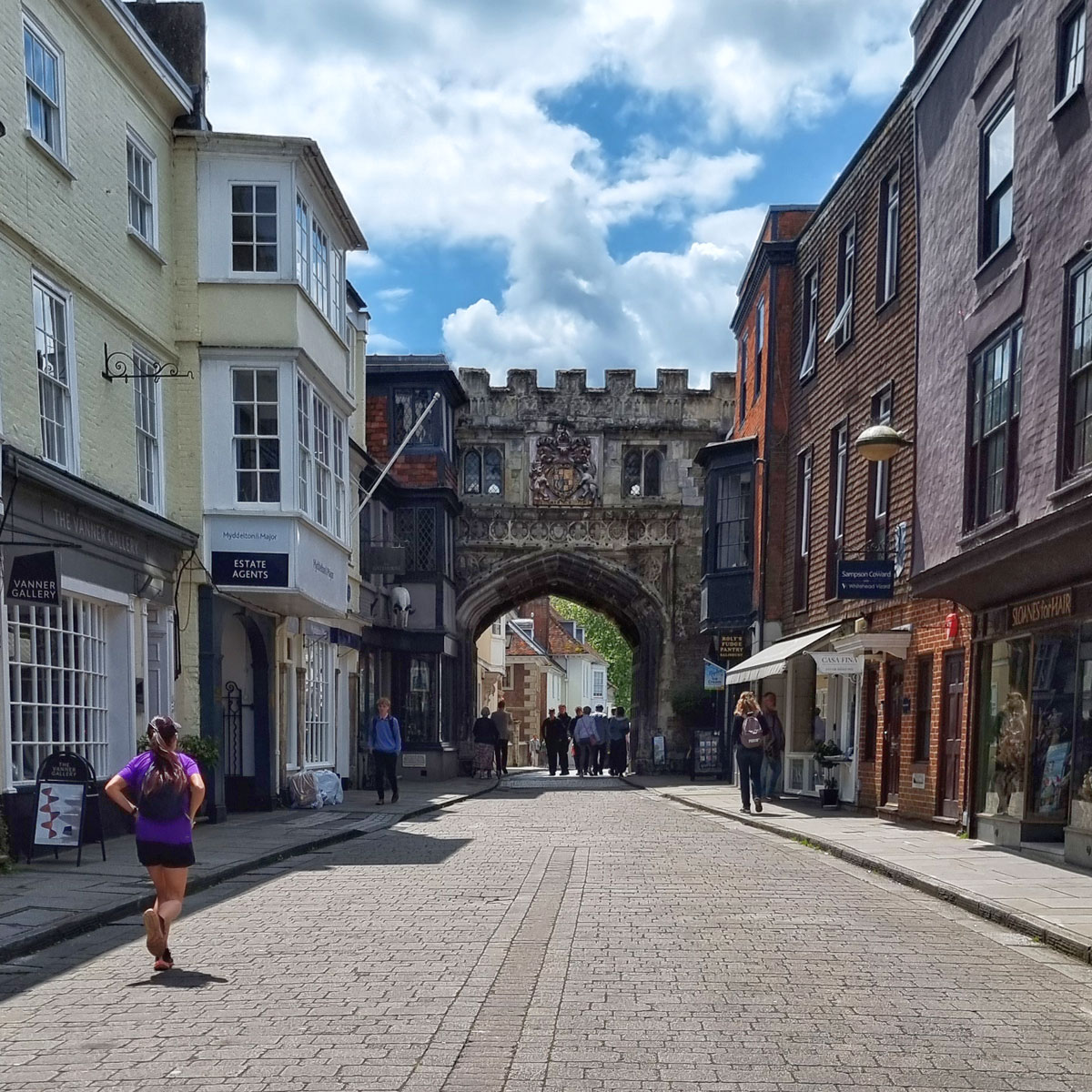
One of five gates in Salisbury’s ancient city wall and one of the four original gates, the High Street Gate (see below) joins St Ann’s Gate, the Queen’s Gate, and St Nicholas’s Gate. On the town side of the gate is the Stuart royal coat of arms which was added in the 17th century.
There are several buildings in the Close which are open to the public; others you can only stand and peer through the wrought iron railings and admire their moss covered gabled roofs, mullioned windows and beautiful gardens. It’s a shame that the cars spoil the views.
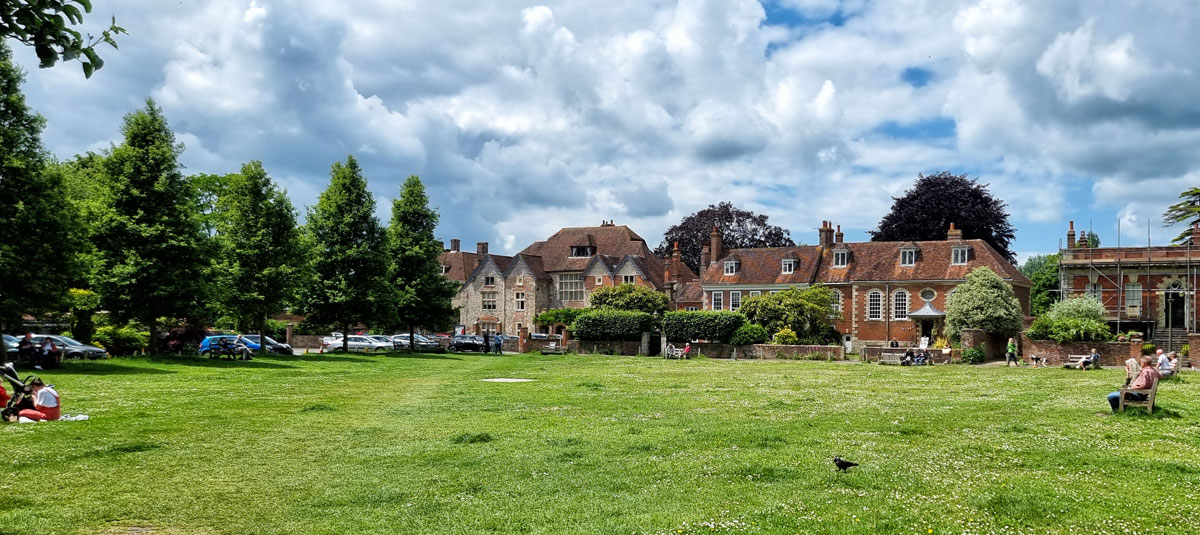
These buildings mostly stem from the 18th century, when Salisbury was a place of refinement, learning and culture, and the wealthy moved to the area and built their fine houses. A mixture of architectural styles and designs, narrow alleyways that lead off to mysterious places and grassy lawns dotted with benches.
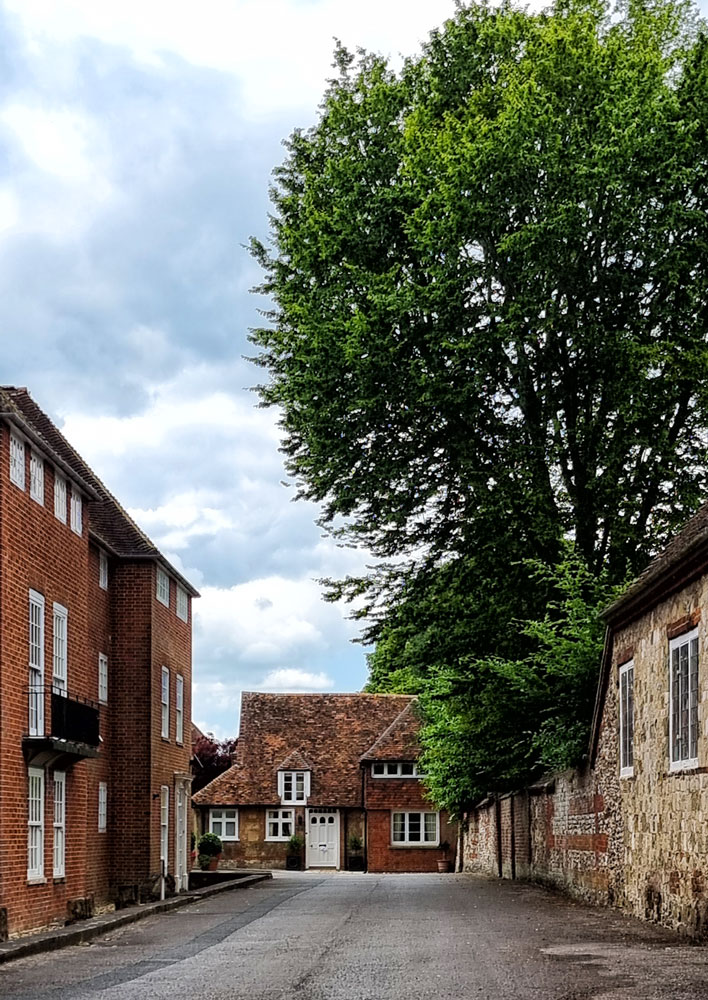
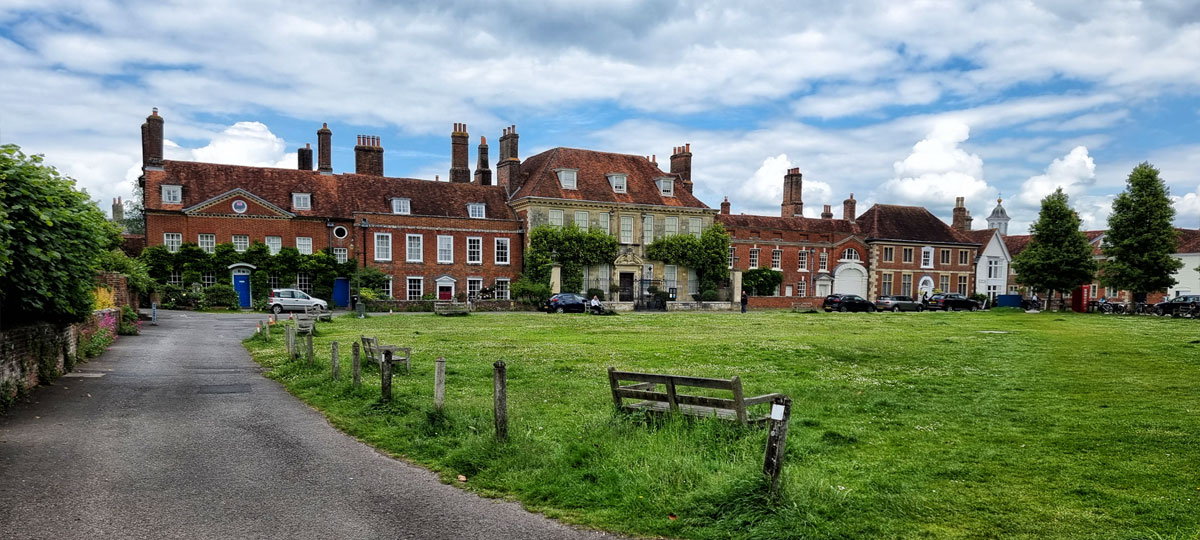
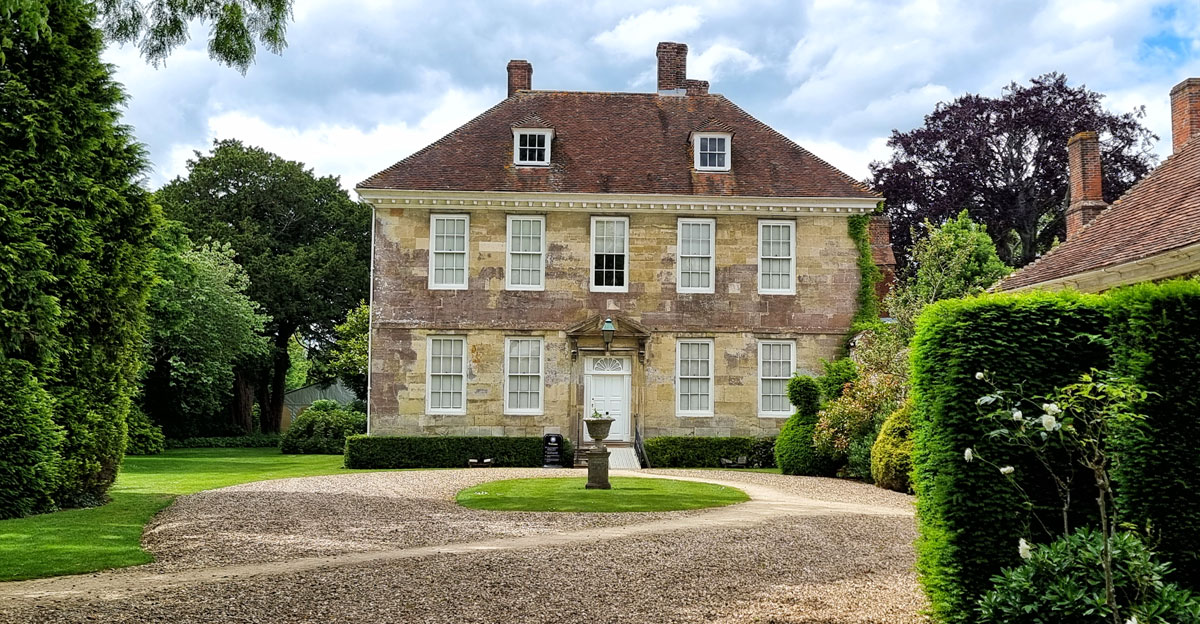
Arundells: Originally a 13th century canonry built around 1291, the last canon who lived here, Leonard Bilson, was imprisoned for practising magic and sorcery in 1562. The frontage is Georgian, the work of John Wyndham who lived there from 1718 – 1750. The house got the name of Arundells after James Arundell, the son of Lord Arundell who lived there from 1752 – 1803. Sir Edward Heath, British Prime Minister from 1970 – 1974, bought the house in 1985 and lived there until his death. After his death, the house passed to a trust who have opened it up to the public.
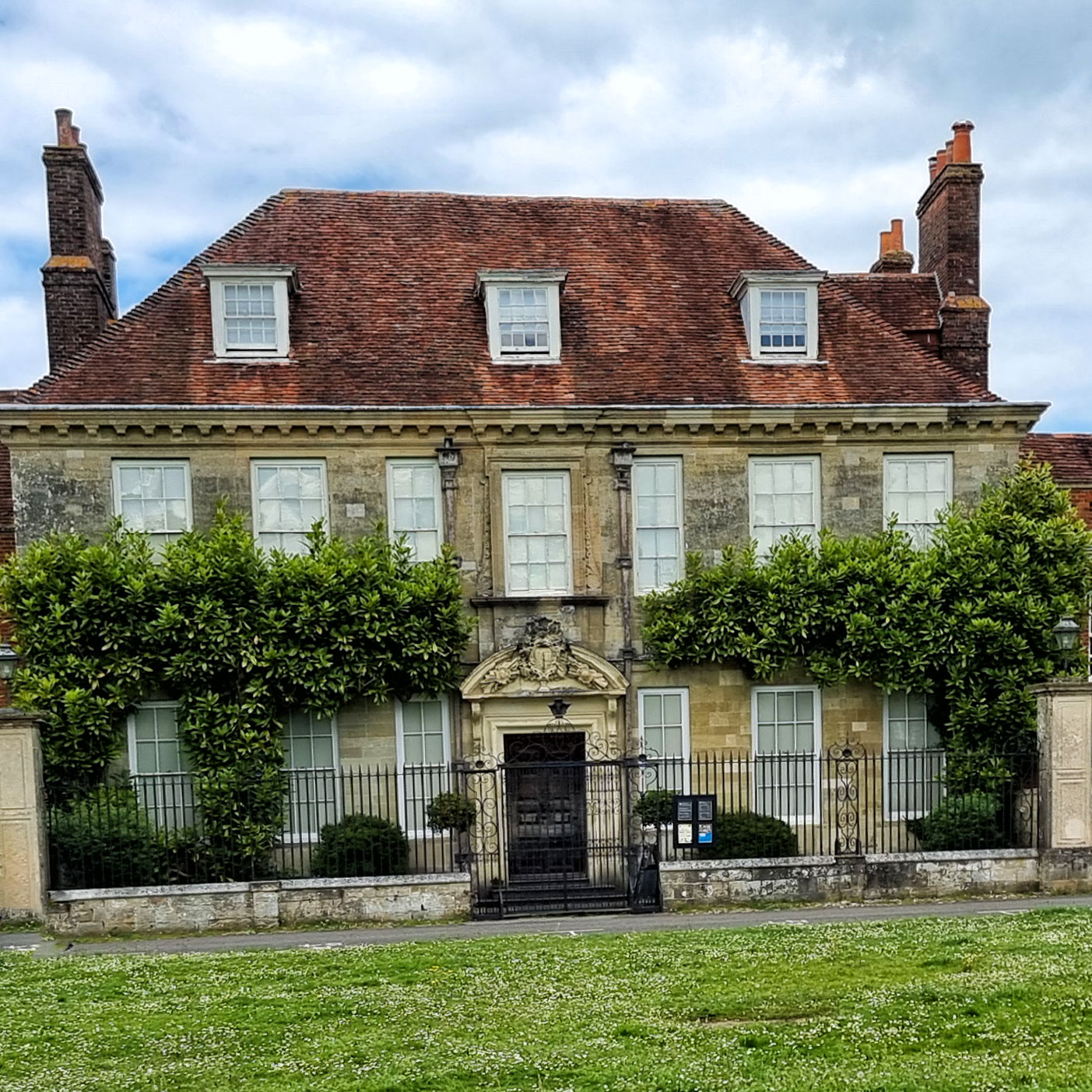
Mompesson House: Owned by the National Trust, this 18th century, Grade I listed house is open to the public. It was built for Sir Thomas Mompesson, who was MP for Salisbury on three occasions at the end of the 17th century. Unfortunately closed on the day of our visit.
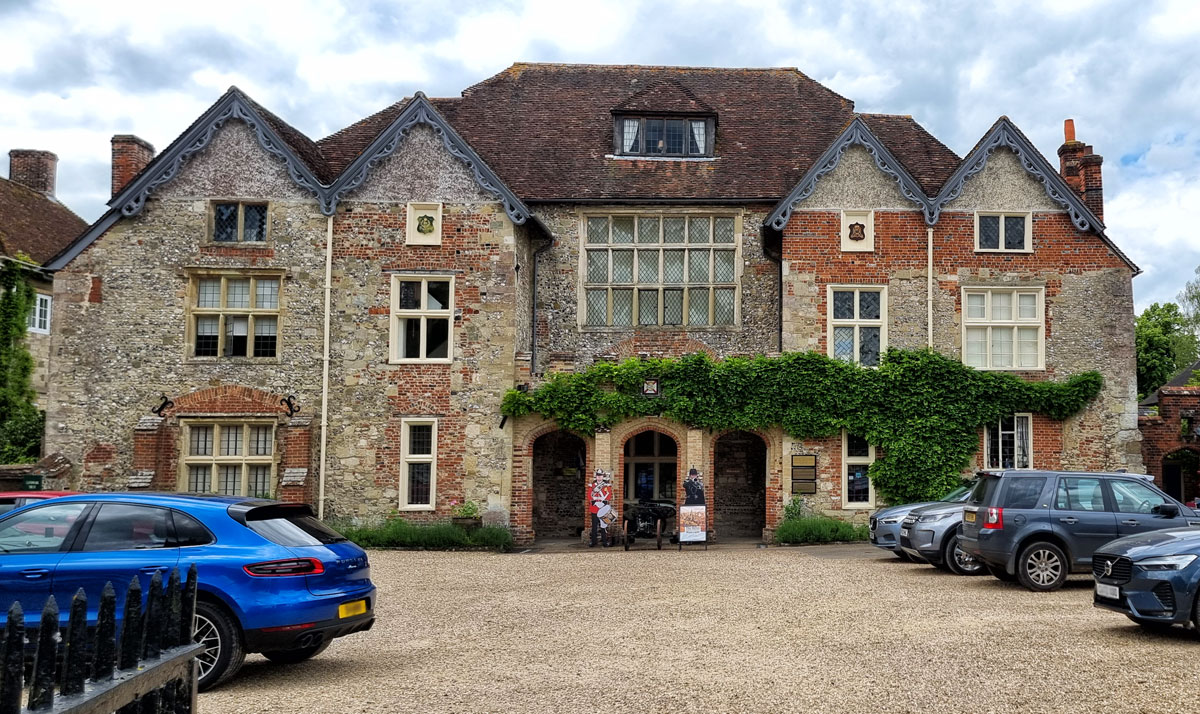
The Rifles Berkshire and Wiltshire Museum: Once a Medieval canonry, it was occupied by canons from 1227 until around the 15th century, when it passed to the Bishop of Salisbury and was used as a storehouse and administrative building, being known as ‘The Wardrobe’ from around 1543.
I am only sorry that my injury prevented me from further exploration as there is much more to see by continuing along the West Walk and around the River Avon and water meadows.

 TRAVEL WORDS
I love the history of these gorgeous places – so many stories in these old buildings.