Patti, Amy, Ann-Christine aka Leya and Tina host this weekly photography challenge that they set up to replace the defunct WPC. They invite you to join in with the goal to continue our creative community on WordPress.
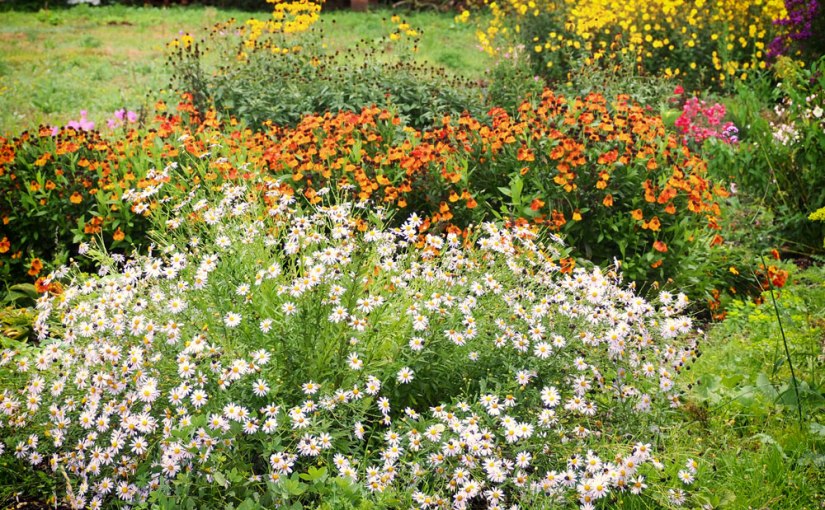
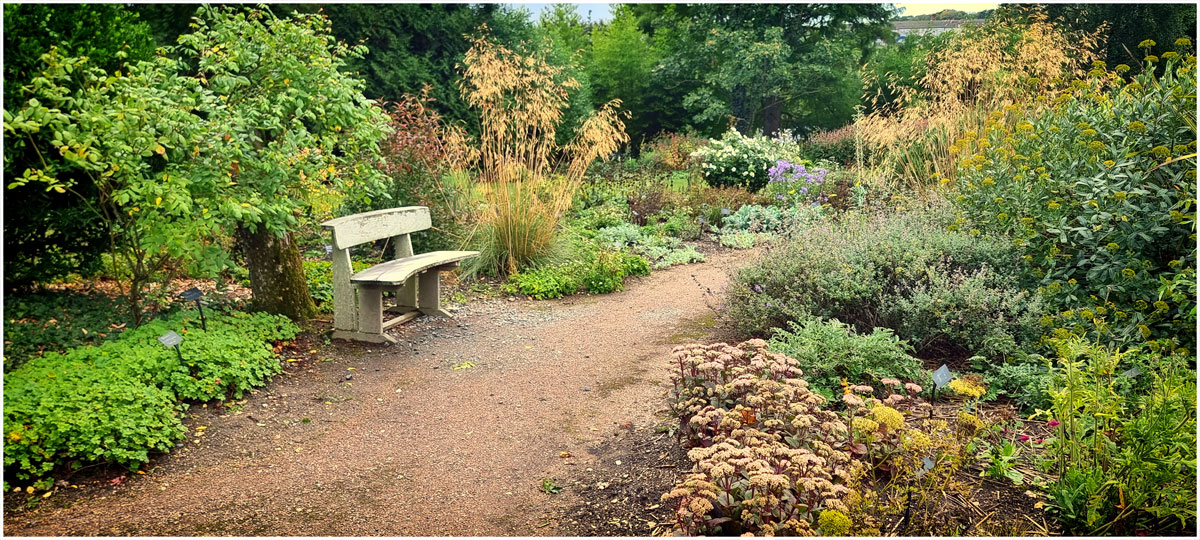
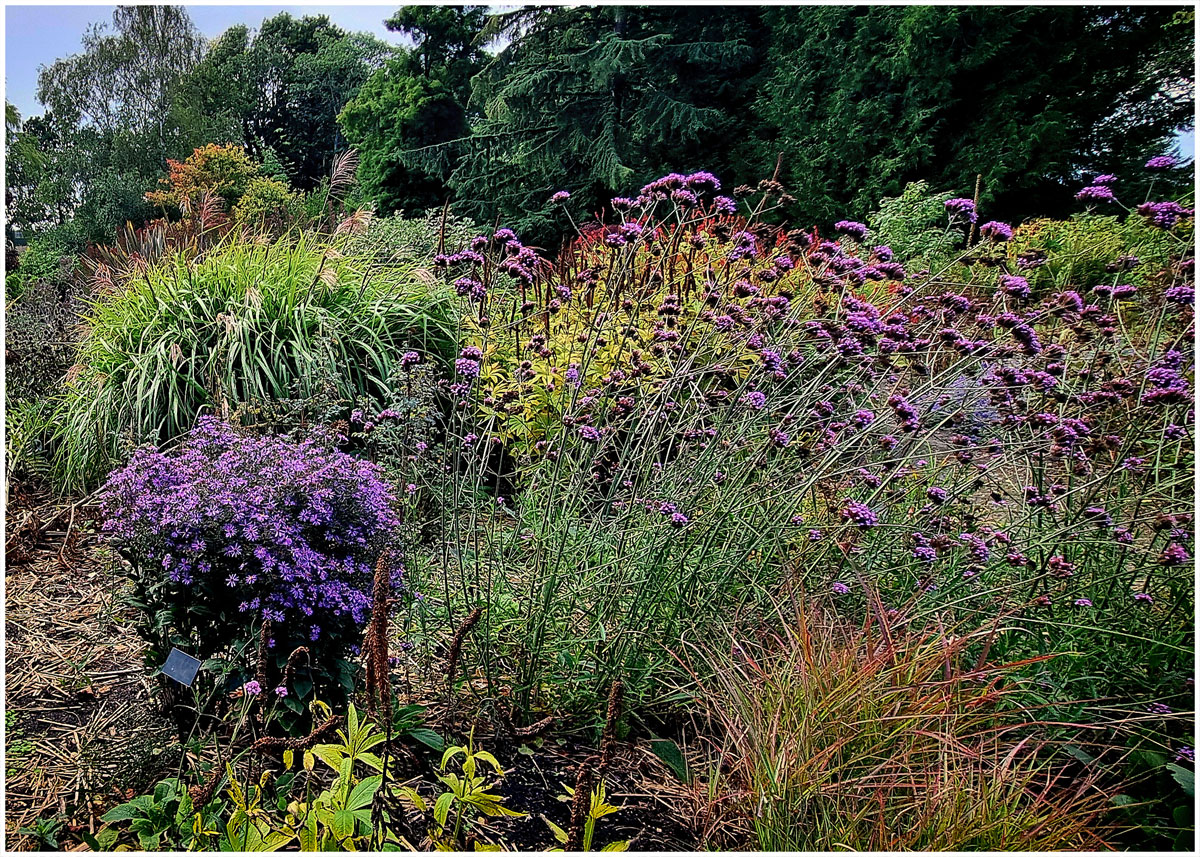
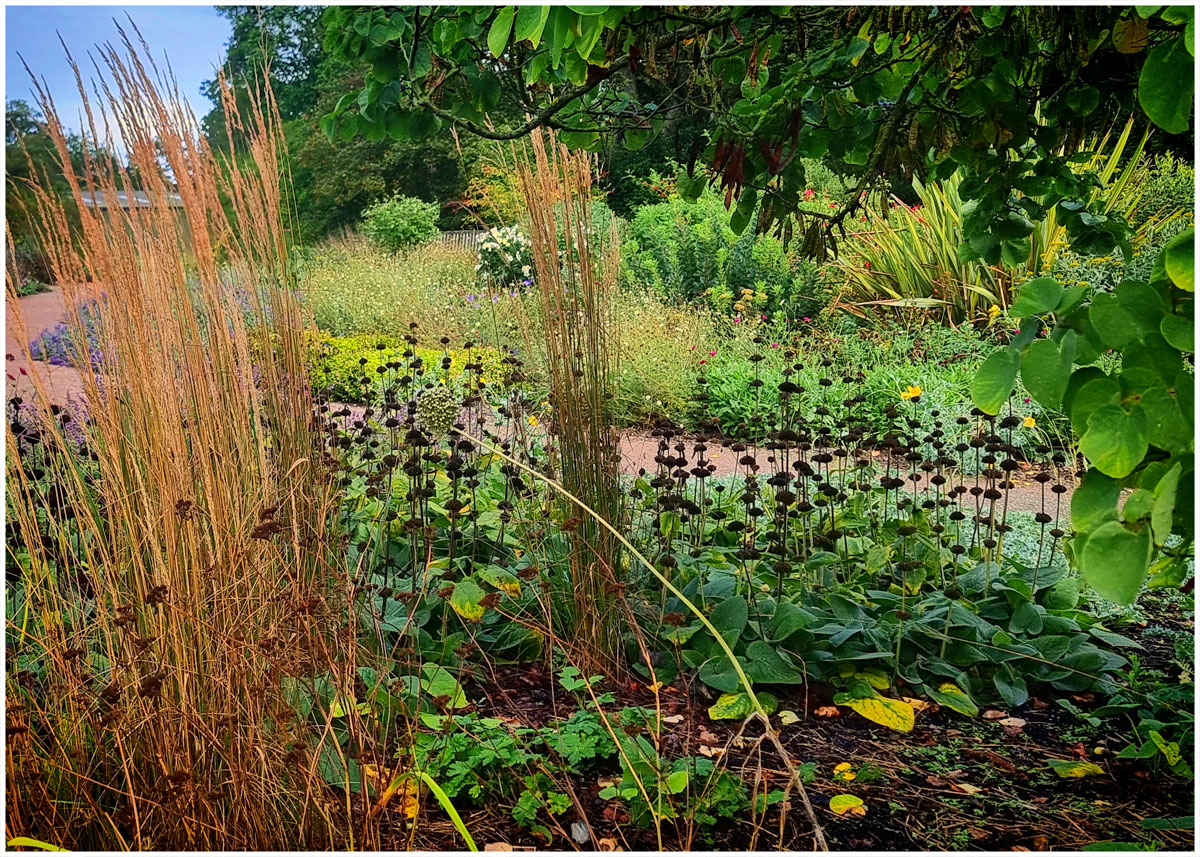
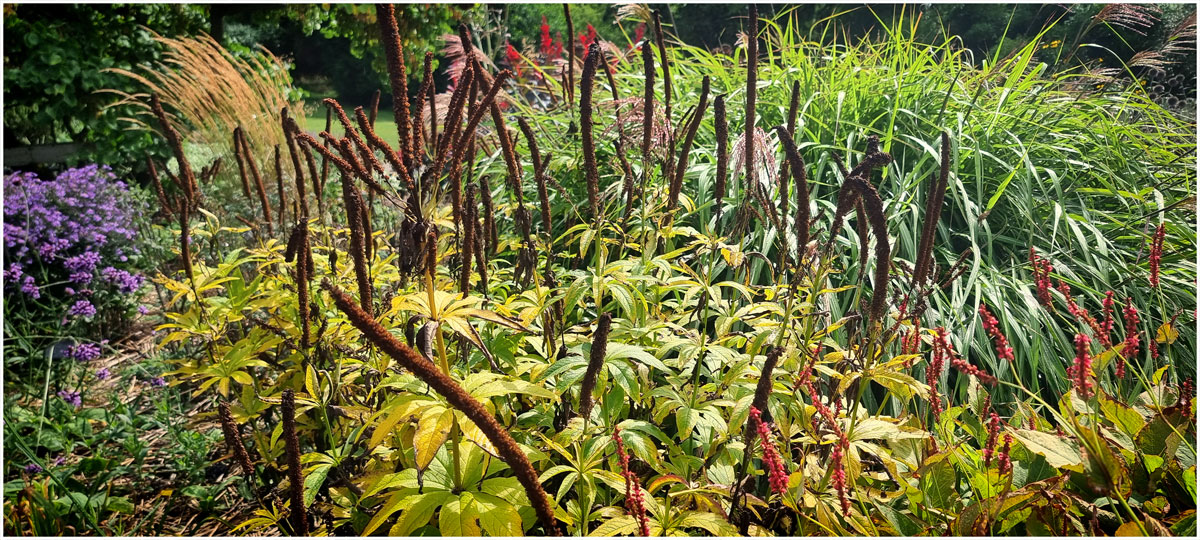
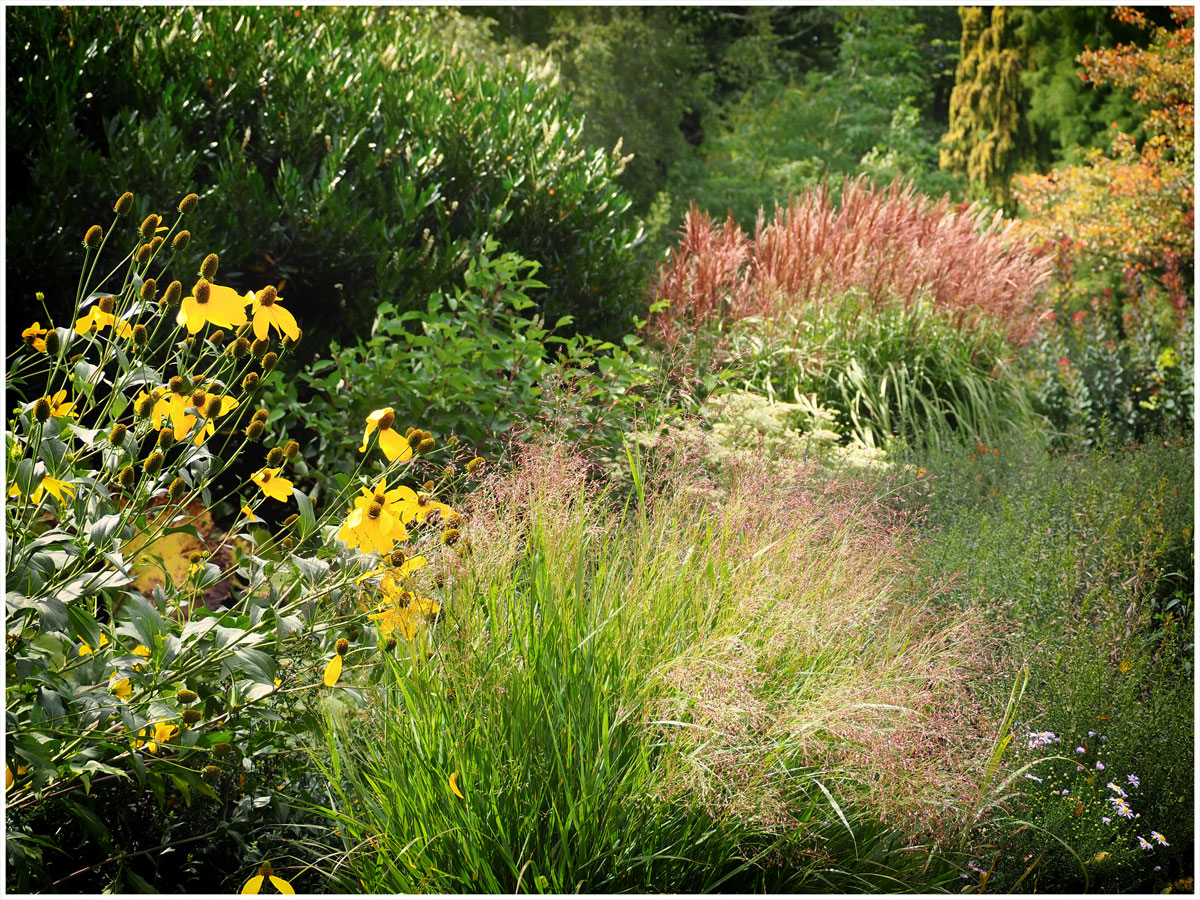
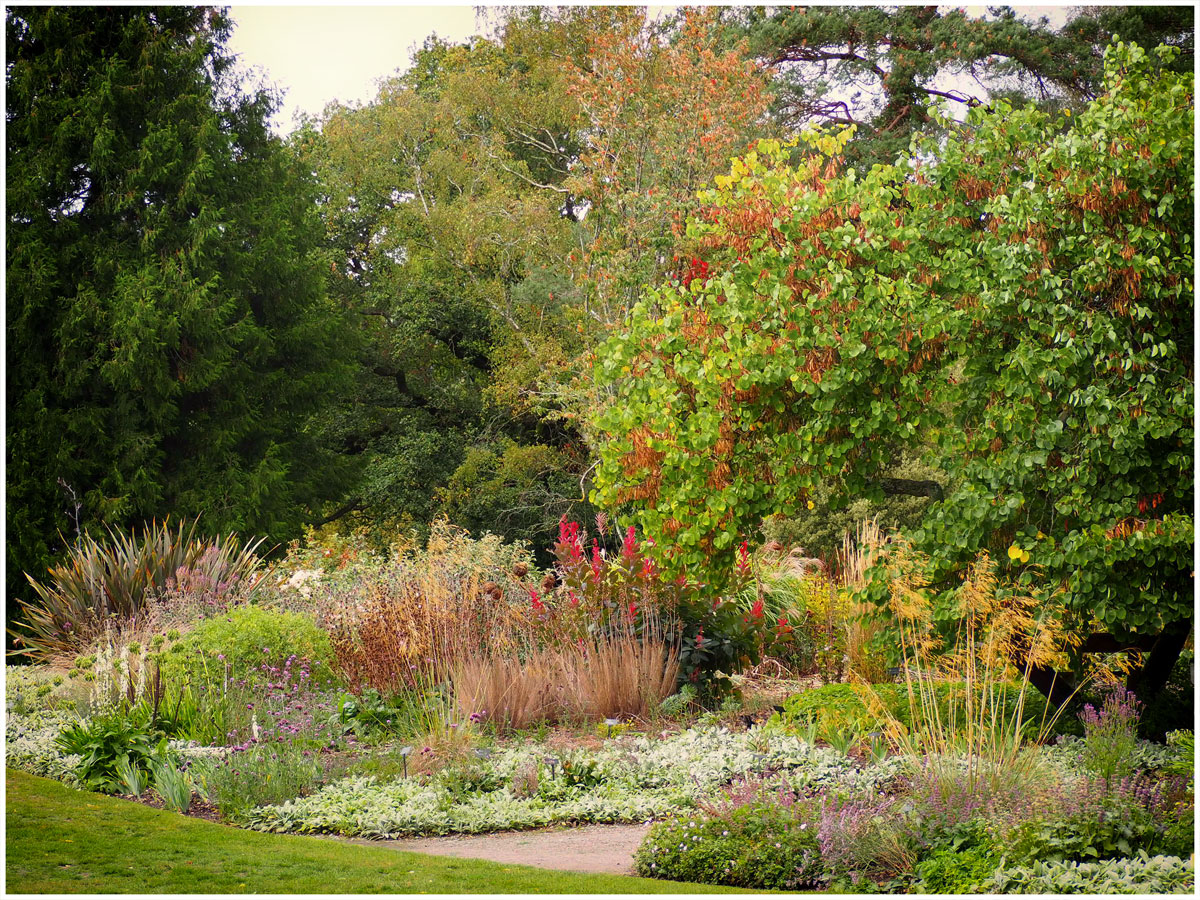
The heavy clay soil of the Reservoir Garden was improved by Beth’s team and replanted in 2017. The garden showcases a variety of ornamental grasses and prairie-style plants offering late season interest with an exciting new display of perennials, accessible via winding pathways.
There are plenty of benches on which to sit and contemplate the garden.
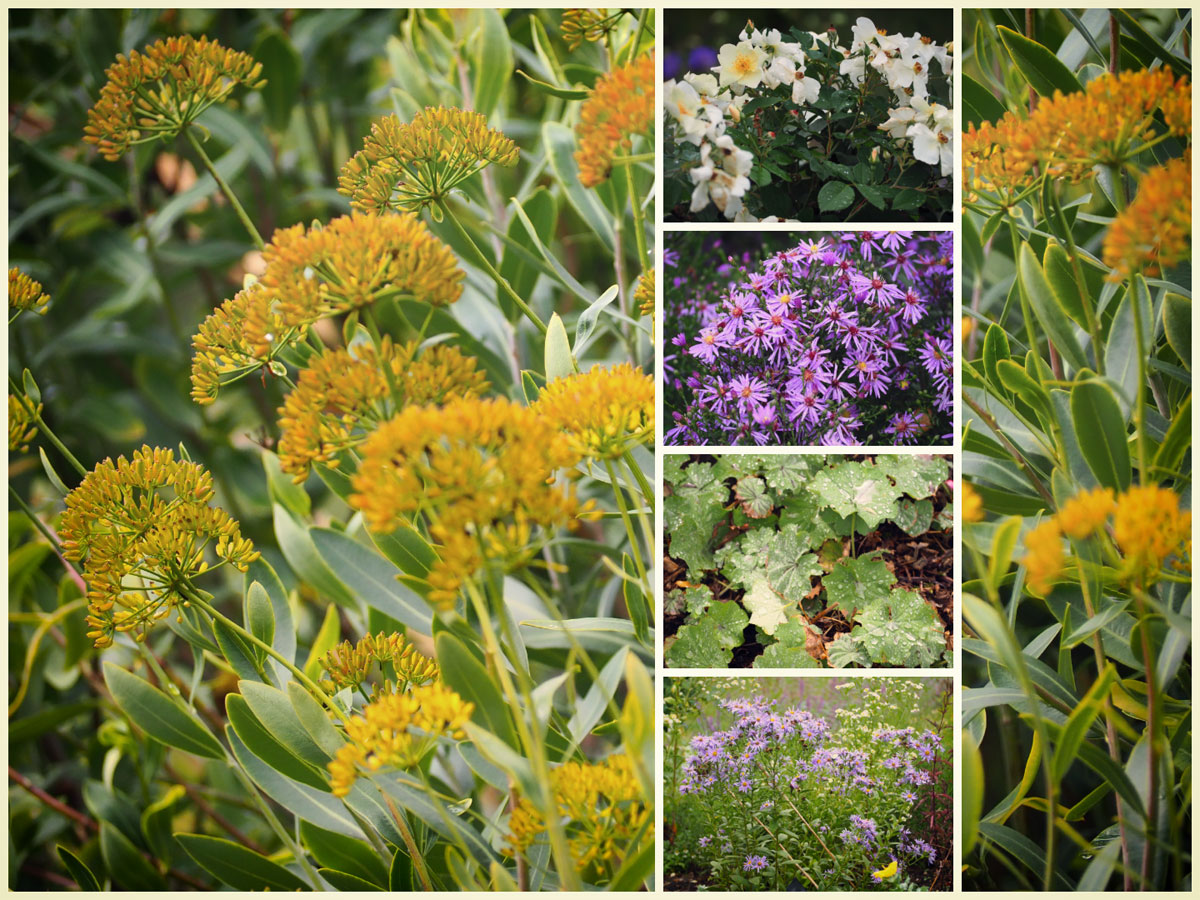
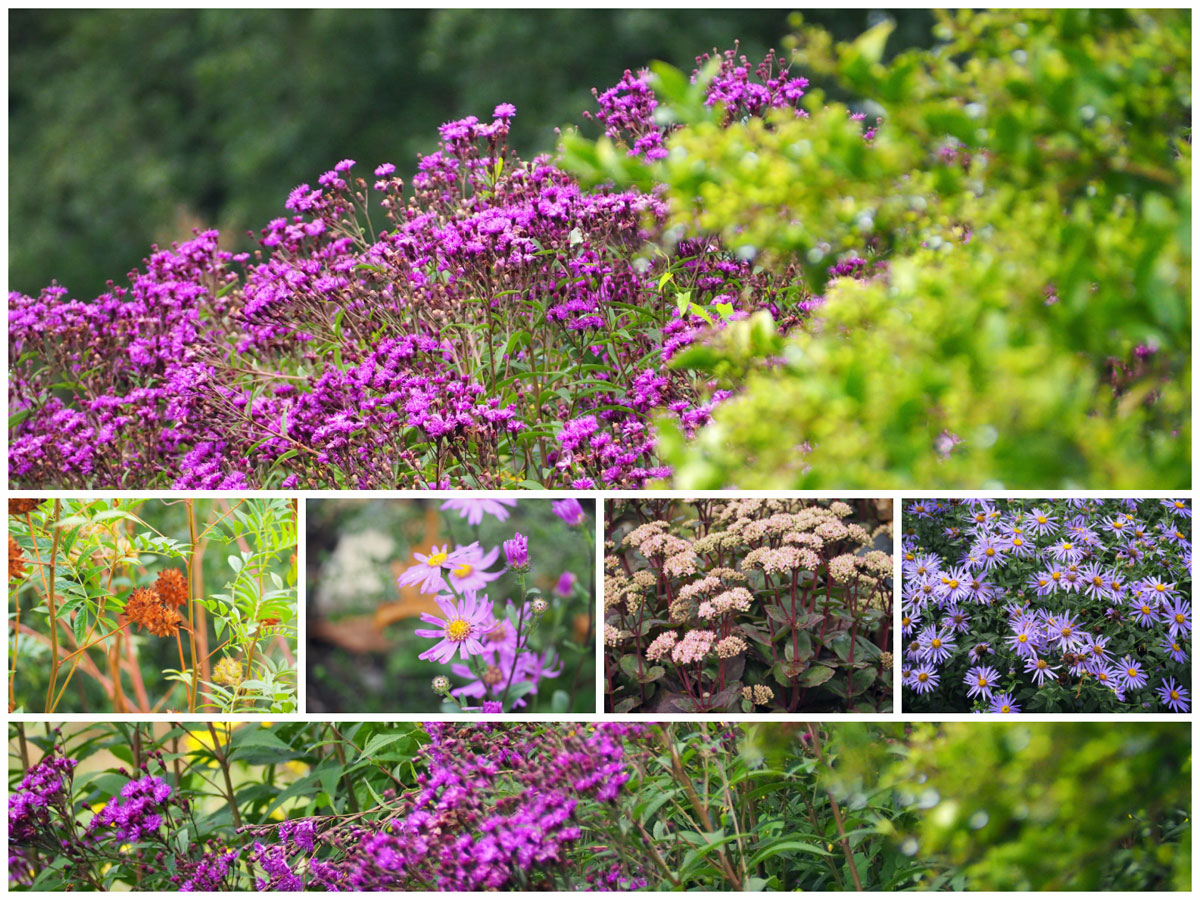
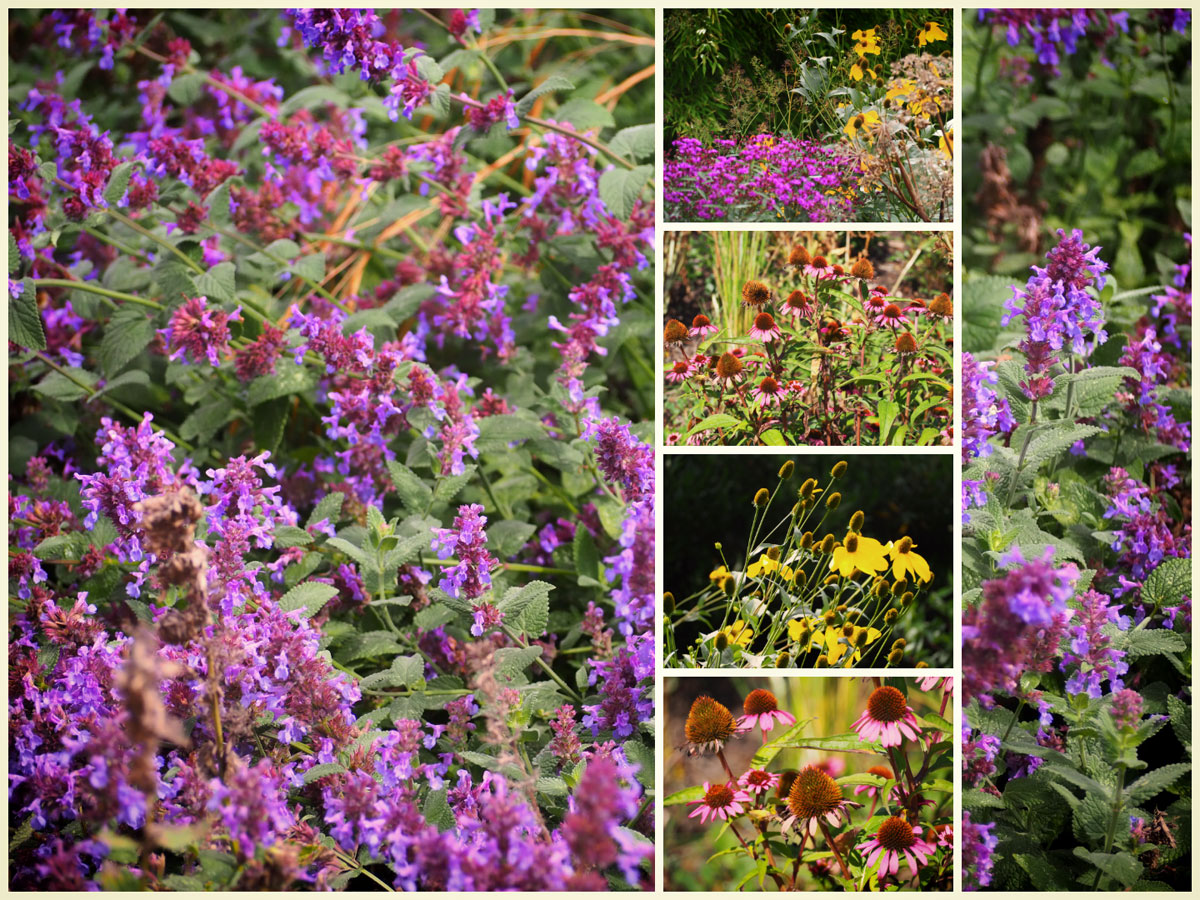
Lots of purpleAsters were a feature of this September gardenAnd seed heads. Phlomis russeliana are particularly effectiveWild seed heads of the VeronicastrumBeautiful flowering grasses soften the bordersPurple and Yellow contrasting coloursLovely prairie style planting
When I visited Beth Chatto’s Gardens in 2016 this area was a complete blank canvas. My favourite zone then was the gravel garden, but this year the Reservoir Garden with its naturalistic prairie planting, grasses wafting in the wind and the pops of colour from the asters, heleniums and rudbeckias intertwined with dramatic seed heads was by far my favourite area. In fact I sat here for a good half hour simply enjoying the peace.
I haven’t really been a sporty person since leaving school where I was involved with hockey and athletics. With four children to bring up there was never really any time, nor money and my physical activity has been limited to gardening, household chores and walking. Not exactly sporty! Though I did once do line dancing. OK not a sport. Though pretty physically demanding. I don’t suppose board games count? Thought not.
Fortunately other people are. Sporty.
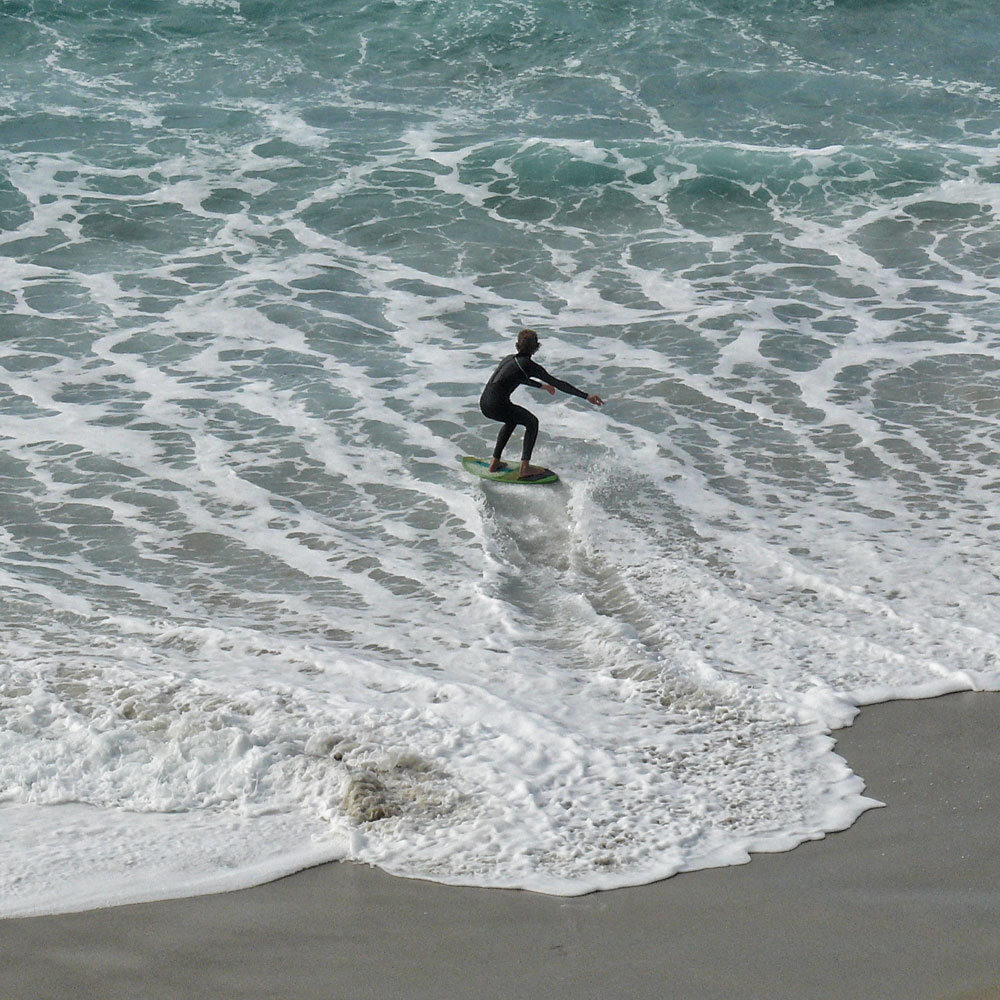
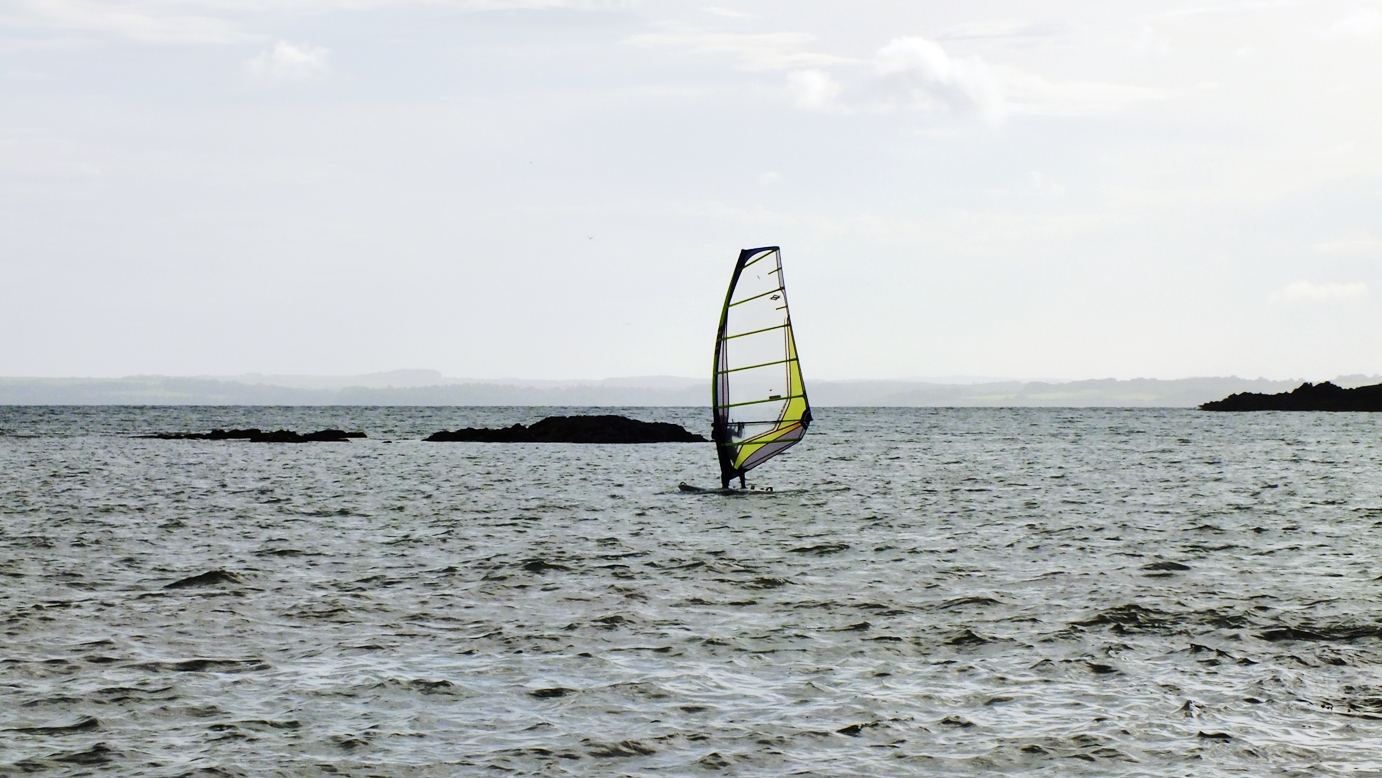
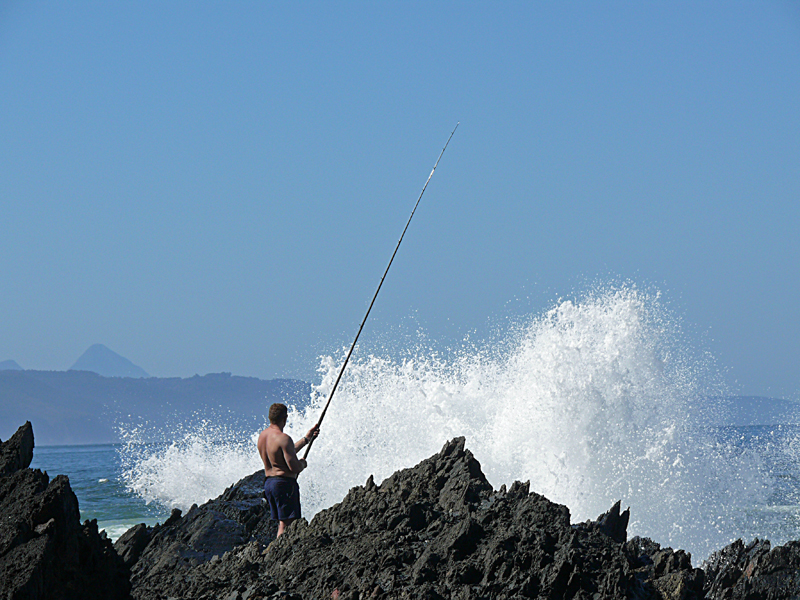
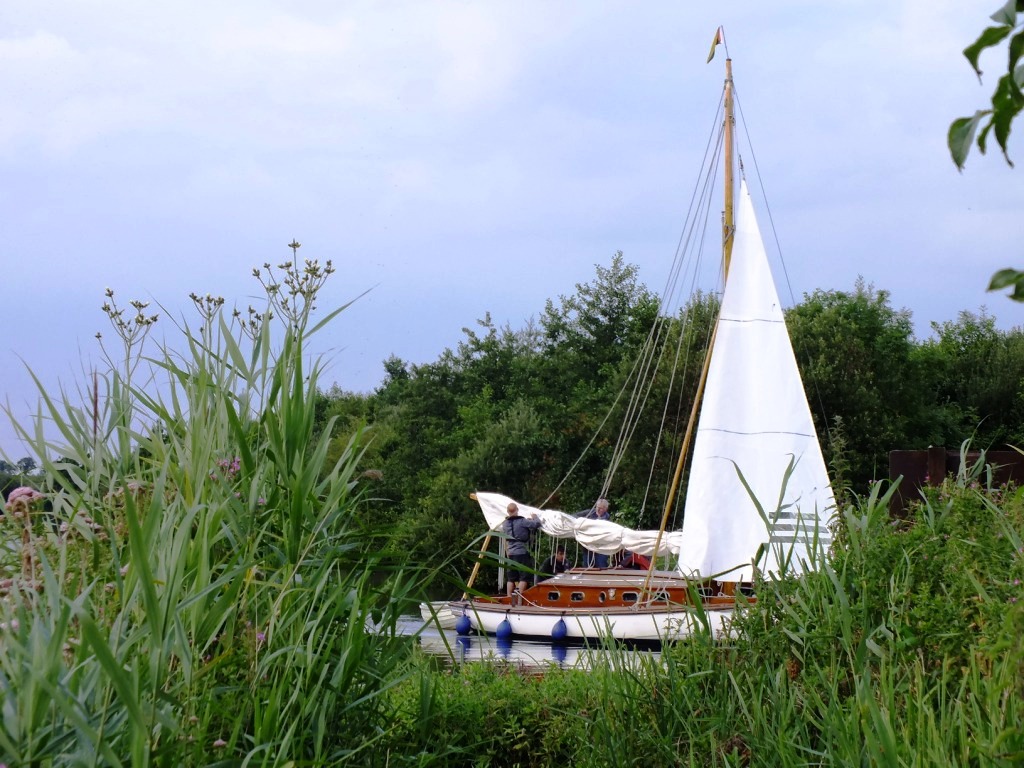
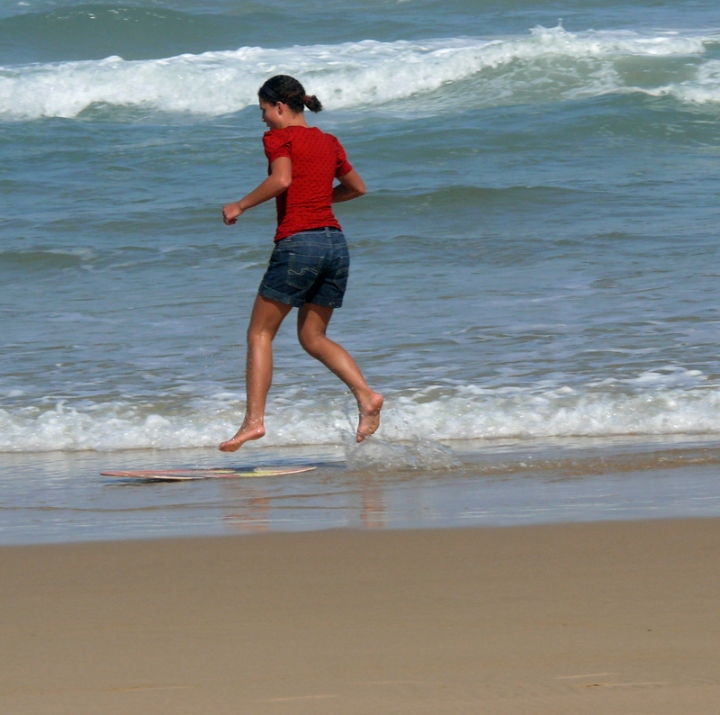
Young SurferStand up Paddleboarder (and surfers)Kite surfing – HayleSurfer – Gwithian BeachWindsurferMan fishing off the rocks in South AfricaSailing on the Broads, NorfolkSurf skimming in South Africa
Funnily all to do with water. The last one looks fun, though I would probably break my ankle!
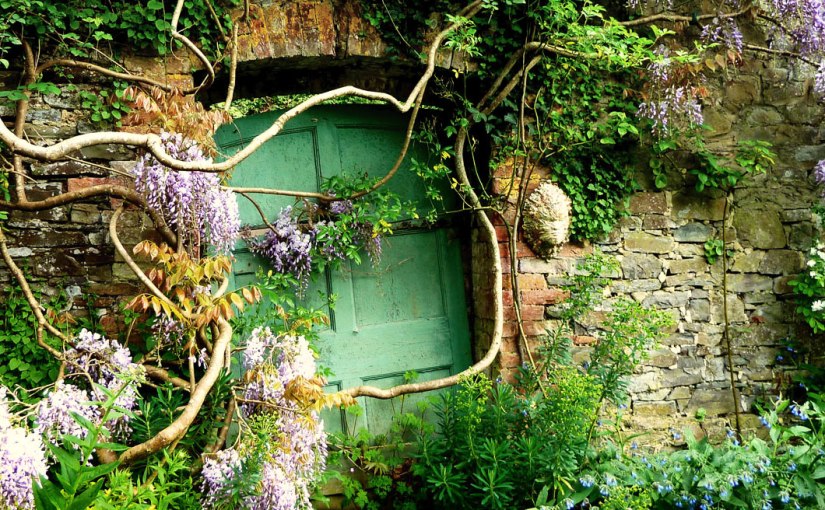
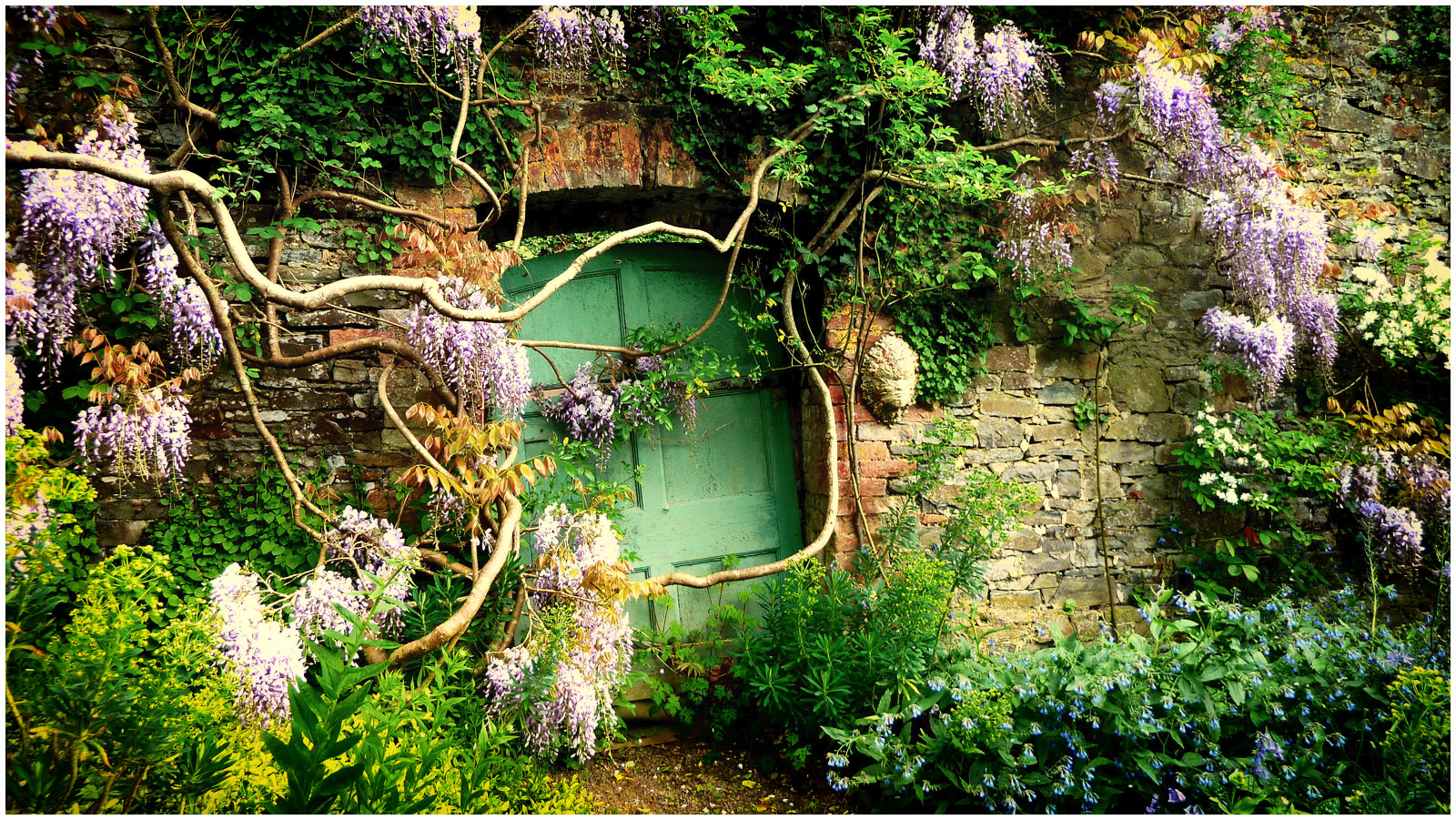
I used to photograph doors almost obsessively – and have several posts on this site about them. But for this week’s challenge from Sofia I wanted to simply show one door that I don’t think has been posted.
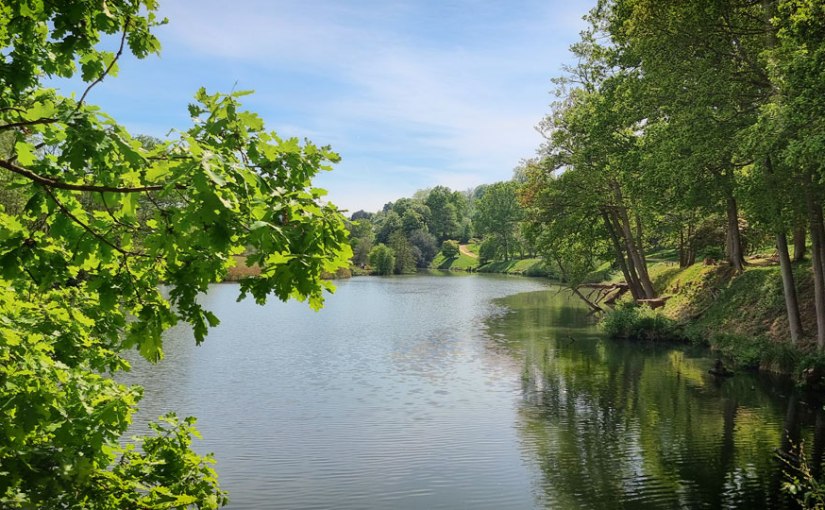
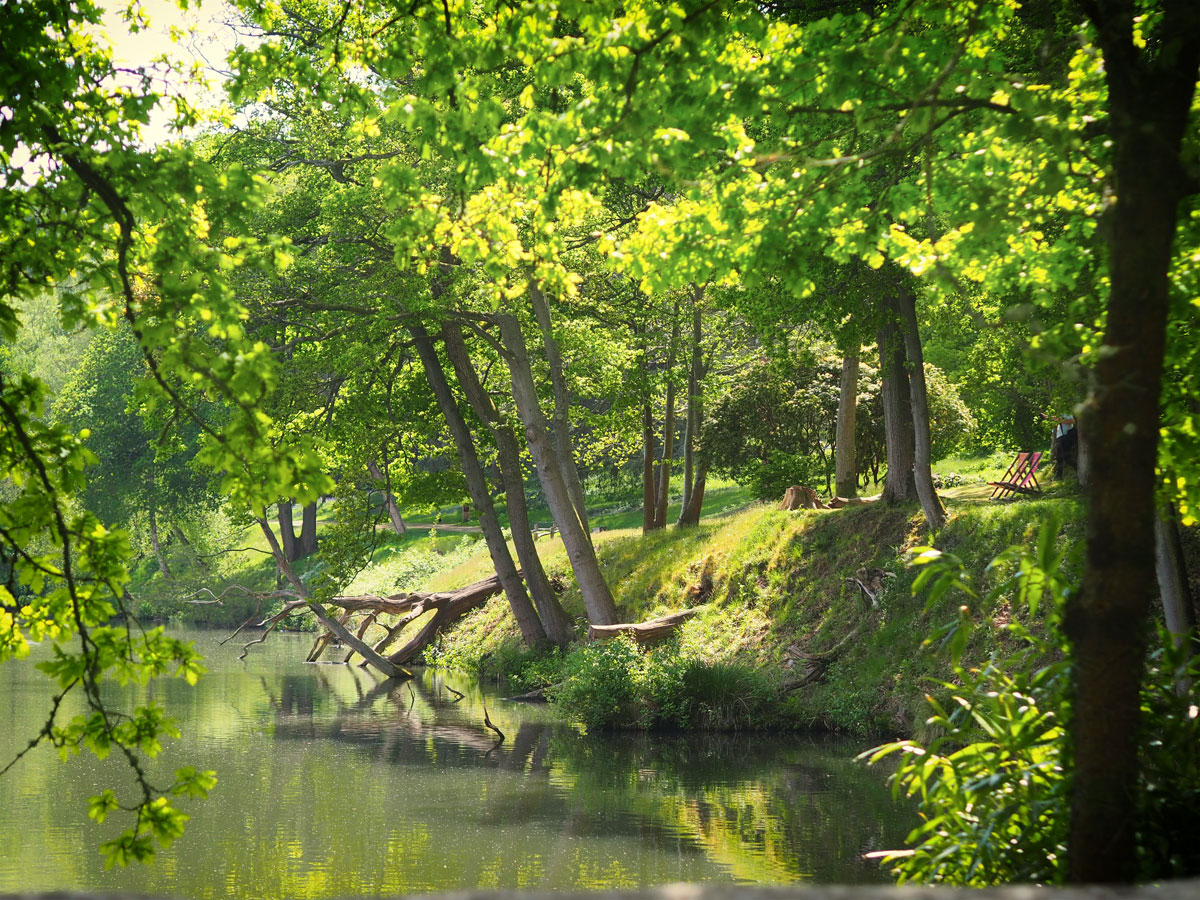
There is nothing like observing the fresh new greens of spring and the stillness of water on a hot day to bring a sense of serenity: a state of calm, peacefulness, and tranquility. Inner peace and stillness.
It’s been a while since I joined in with the Lens-Artists photo challenge, but the number 303 leapt out at me this week as I have just come back from a holiday based close to the A303 in Wiltshire so I thought it would be interesting to find connections between the sites we visited in and around that area.
Family Connections
The A303 is one of the main routes from London to the Southwest and a route I have travelled many, many times to visit my youngest son who is based in Wiltshire (military) and my daughter who lives in Surrey. It’s also famous for passing by the World Heritage site of Stonehenge, the world’s most famous prehistoric monument.
History
Stonehenge (2500 BC) is not the largest henge though, that title goes to Avebury and together they form the heart of a World Heritage Site which also includes Silbury Hill. We didn’t visit Stonehenge as we have done so not long ago, but we drove past it a few times this week so had a few sneaky glances! Instead we opted for a visit to Avebury.
Stonehenge
Avebury (2850 – 2200 BC): the henge survives as a huge circular bank and ditch, encircling an area that includes part of Avebury village. Within the henge is the largest stone circle in Britain – originally of about 100 stones – which in turn encloses two smaller stone circles.
A double avenue of stones leads away from the southern entrance towards the Sanctuary stone circles on Overton Hill, about a mile to the south-east. Unlike Stonehenge, this site is free to visit though you will have to pay for parking unless you are a National Trust or English Heritage member.
More recent history can be found at Old Sarum, an iron age hill fort dating back to 400 BC. Later occupied by the Romans during their conquest of Britain in AD 43, where perhaps a military fort was set up. It was during William the Conqueror’s reign that the strategic advantage of this place was recognised and a motte and bailey castle built.
Later, stone buildings were erected and in 1078-99 a cathedral was built after the 1075 Council of London decreed that the see should be moved from Sherborne to Old Sarum. Dissatisfaction with the site and poor relations with the garrison in the castle caused the cathedral to be moved to its present site in Salisbury (New Sarum) in 1220 and much of the stone from the old cathedral was used to build the new one.