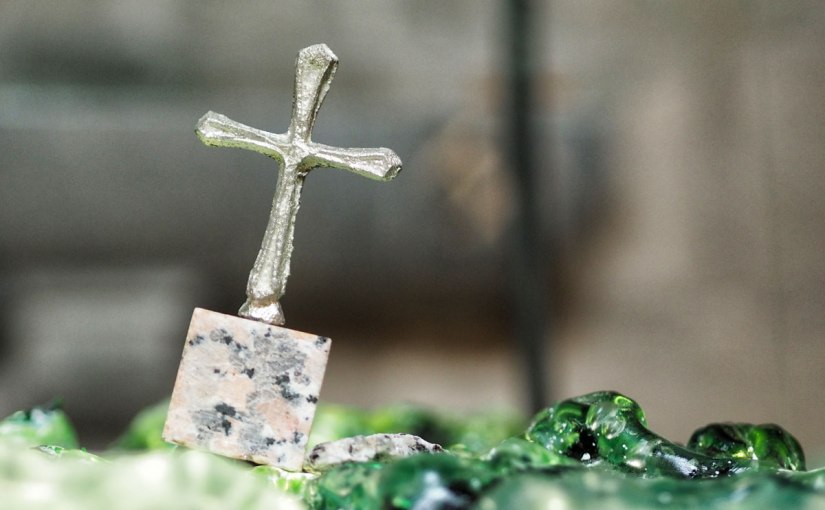
It’s been a long while since I was last in Truro (other than hospital visits) and I never did get around to writing about the cathedral. On my first visit I wasn’t very enthusiastic, but my second was better and I was more interested in looking around. At the time there was some kind of exhibition which was very attractive and which has reminded me that maybe I should make another trip to the city and cathedral.
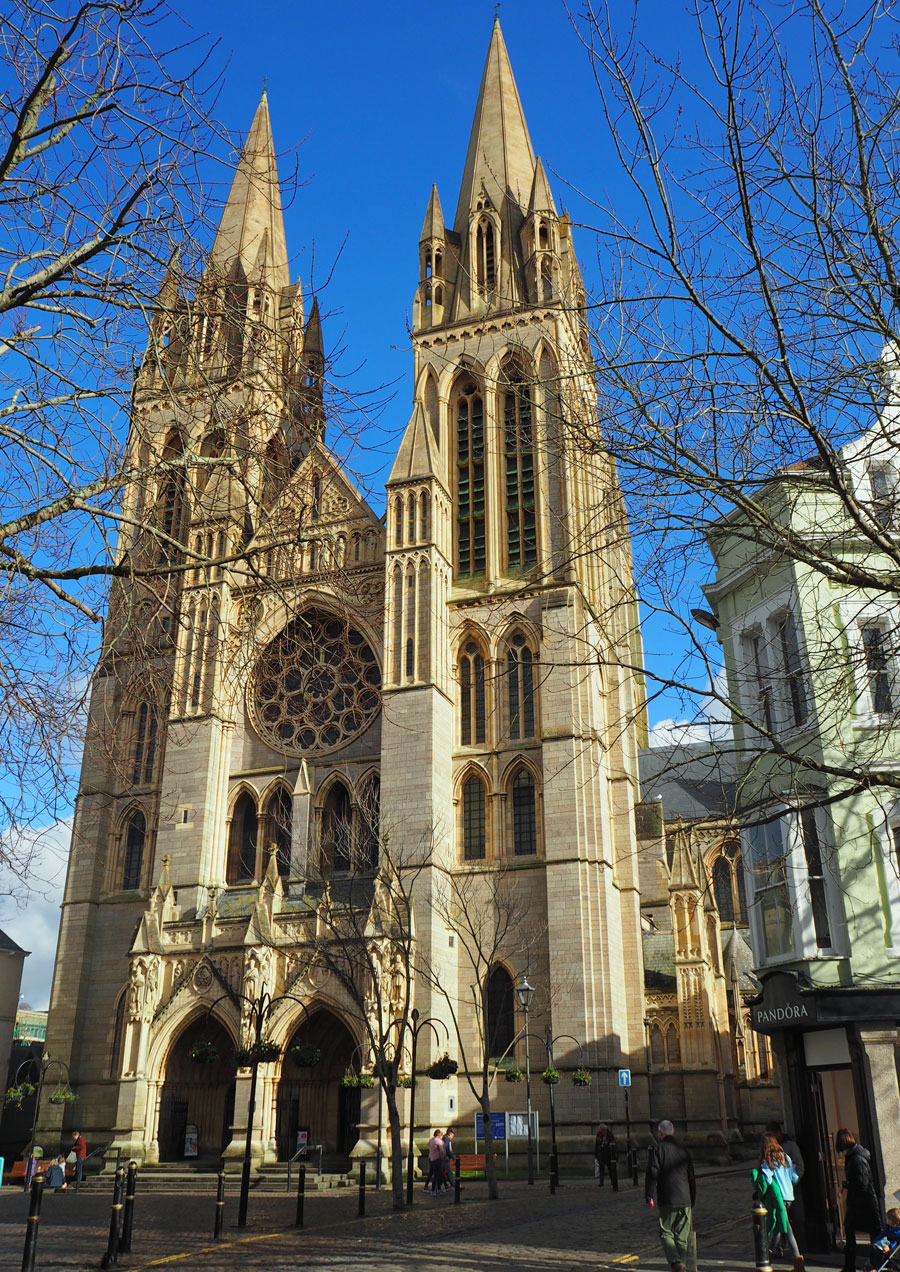
Formerly the site of St Mary’s Church, the Cornish Diocese of Truro was formed in 1867 and St Mary’s became the cathedral church. In 1880 the Foundation Stones of the cathedral were laid by Edward, the Prince of Wales, Duke of Cornwall. Work started on the cathedral under John Loughborough Pearson. Truro would be the first Anglican cathedral to be built on a new site since Salisbury Cathedral in 1220.
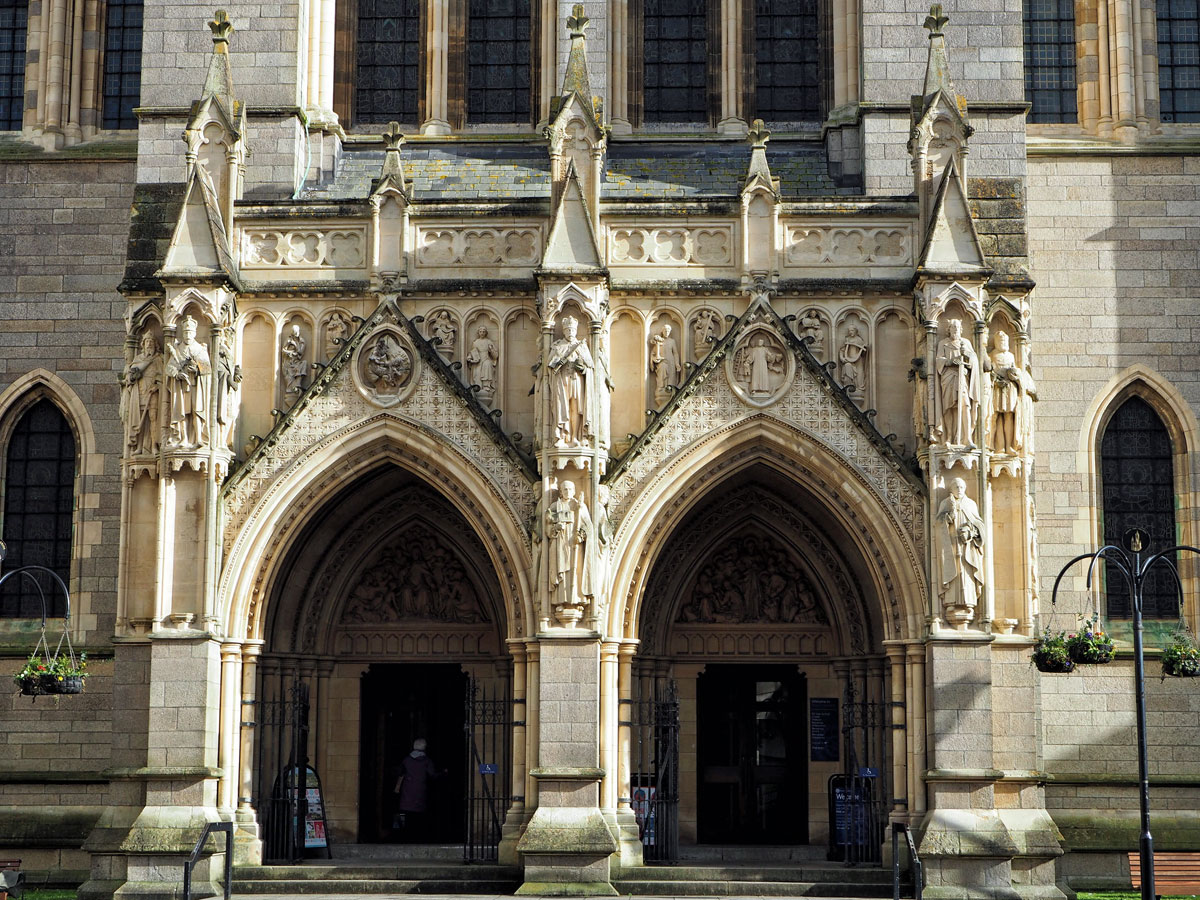
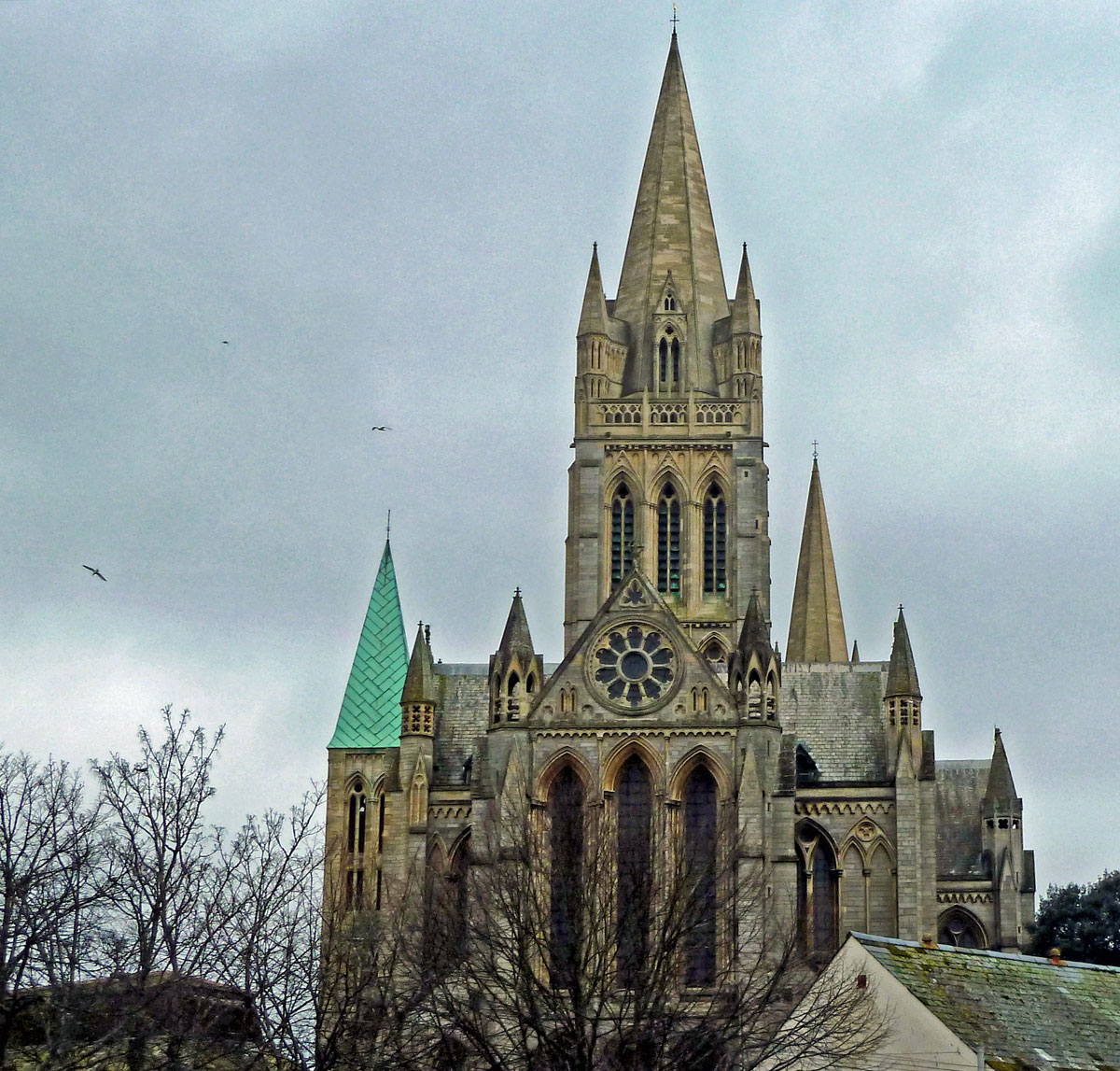
The architecture of the cathedral is often likened to that of Lincoln cathedral and French cathedrals like that at Caen: a mixture of Early English (Lincoln and Salisbury) and French Gothic. While the three simple spires are reminiscent of a French cathedral, Truro is only one of four cathedrals in the UK with three spires.
The light inside was wonderful on this day.
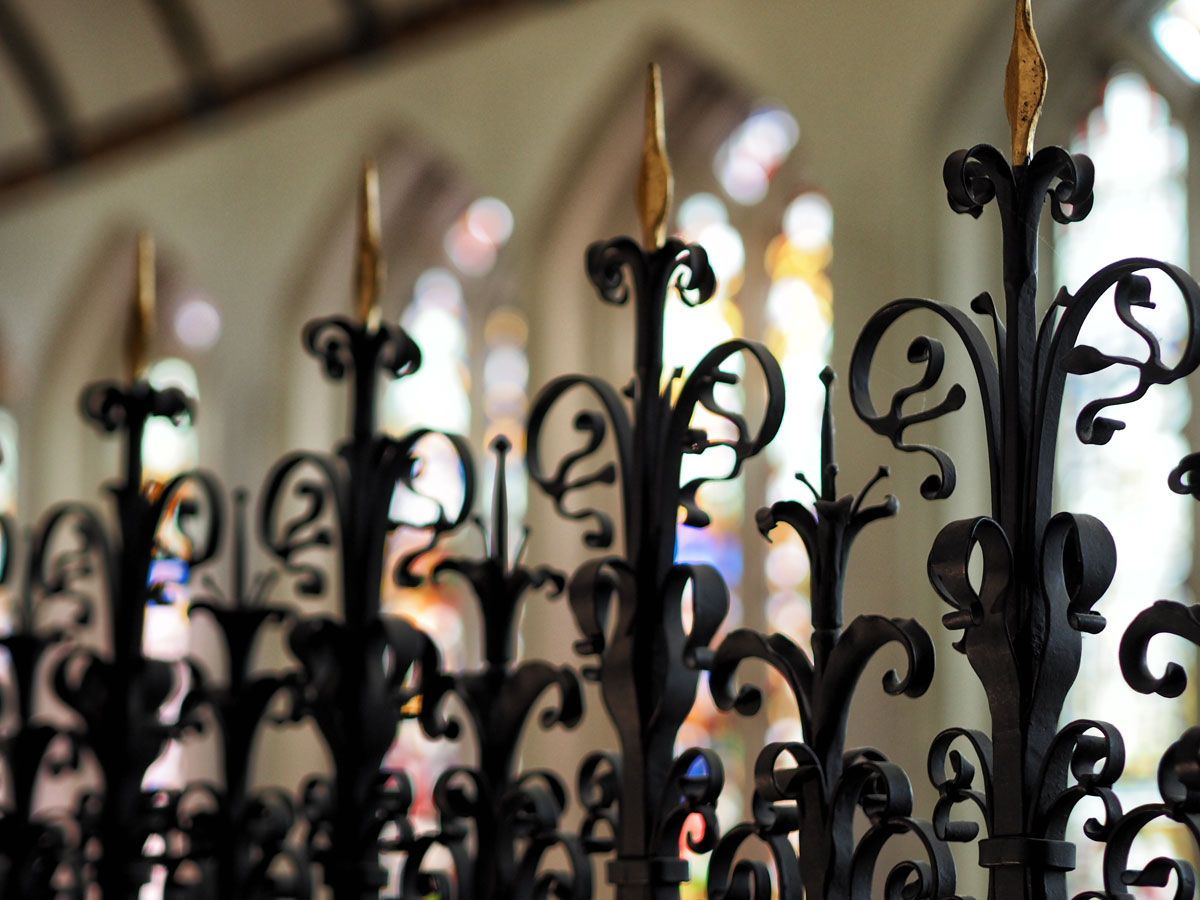
The Nave
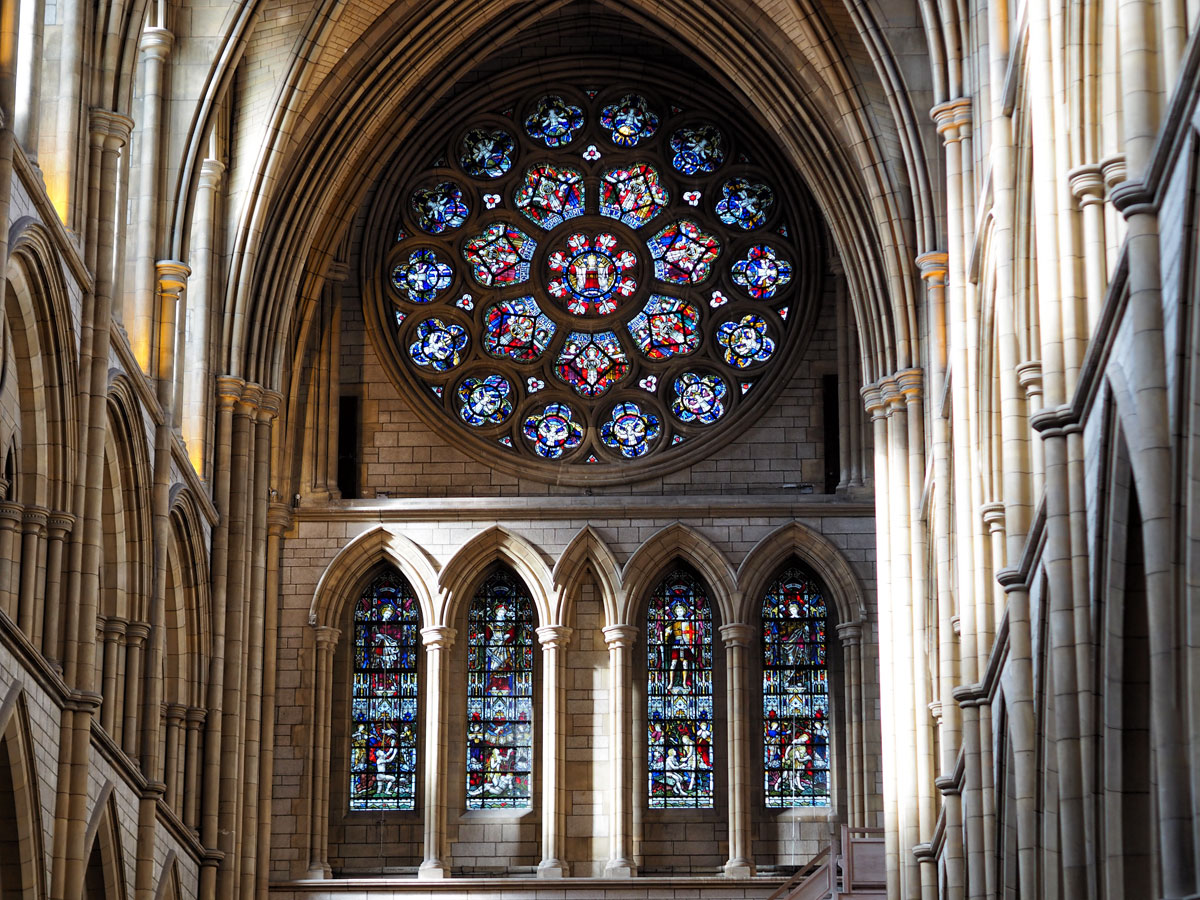
Truro cathedral has three beautiful circular rose windows, part of the large and inspiring collection of Victorian stained glass created by Clayton and Bell.
God the Father: Truro’s west rose is the first of the sequence of three rose windows on the theme of the Holy Trinity. It is divided into the irregular number of seven inner and fourteen outer sections: this is to accommodate seven angels holding shields signifying each of the six days of creation and the seventh Day of Rest in the inner ring.
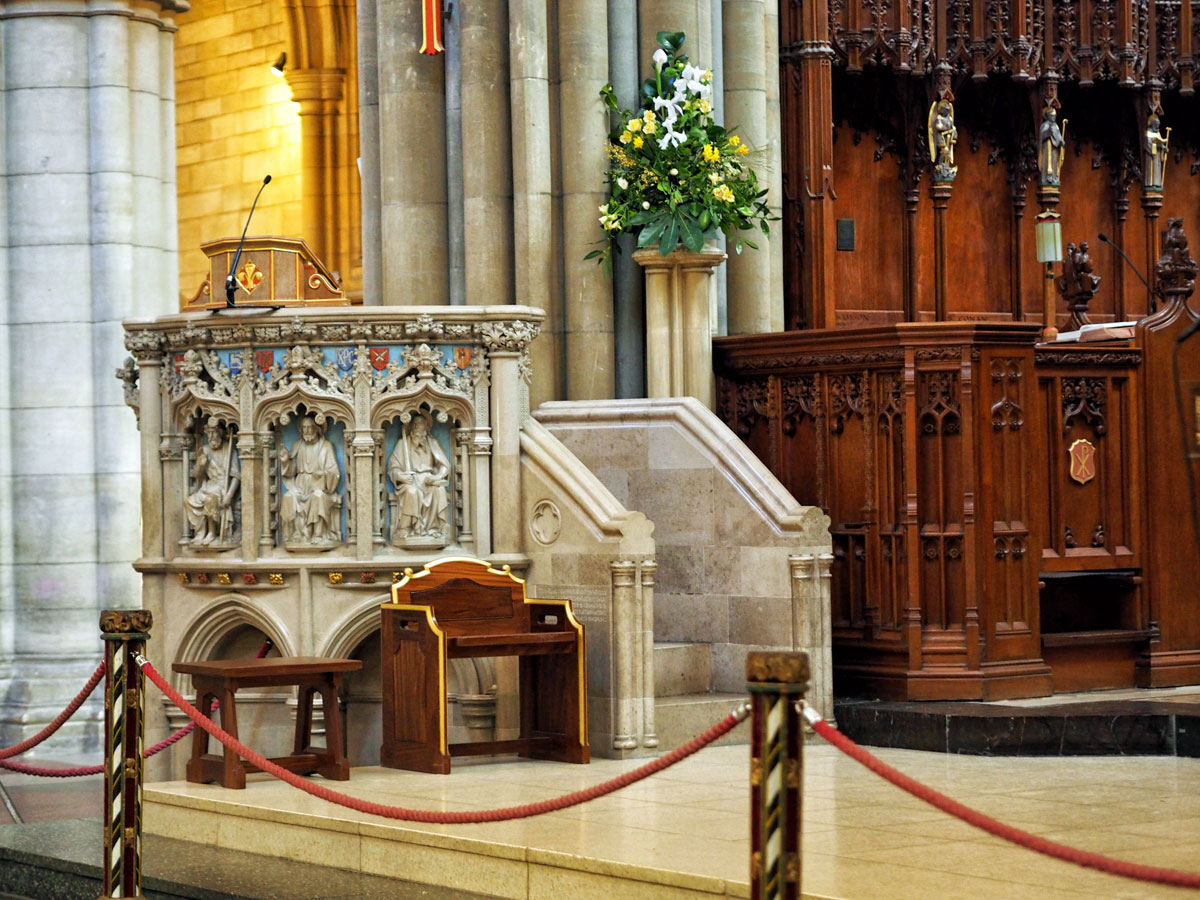
The statues of Bishops and saints are tinted, standing out amongst a sea of intricate wooden carvings. No misericords, unfortunately, nor are there any tombs in the floor of this Cathedral, far too young.
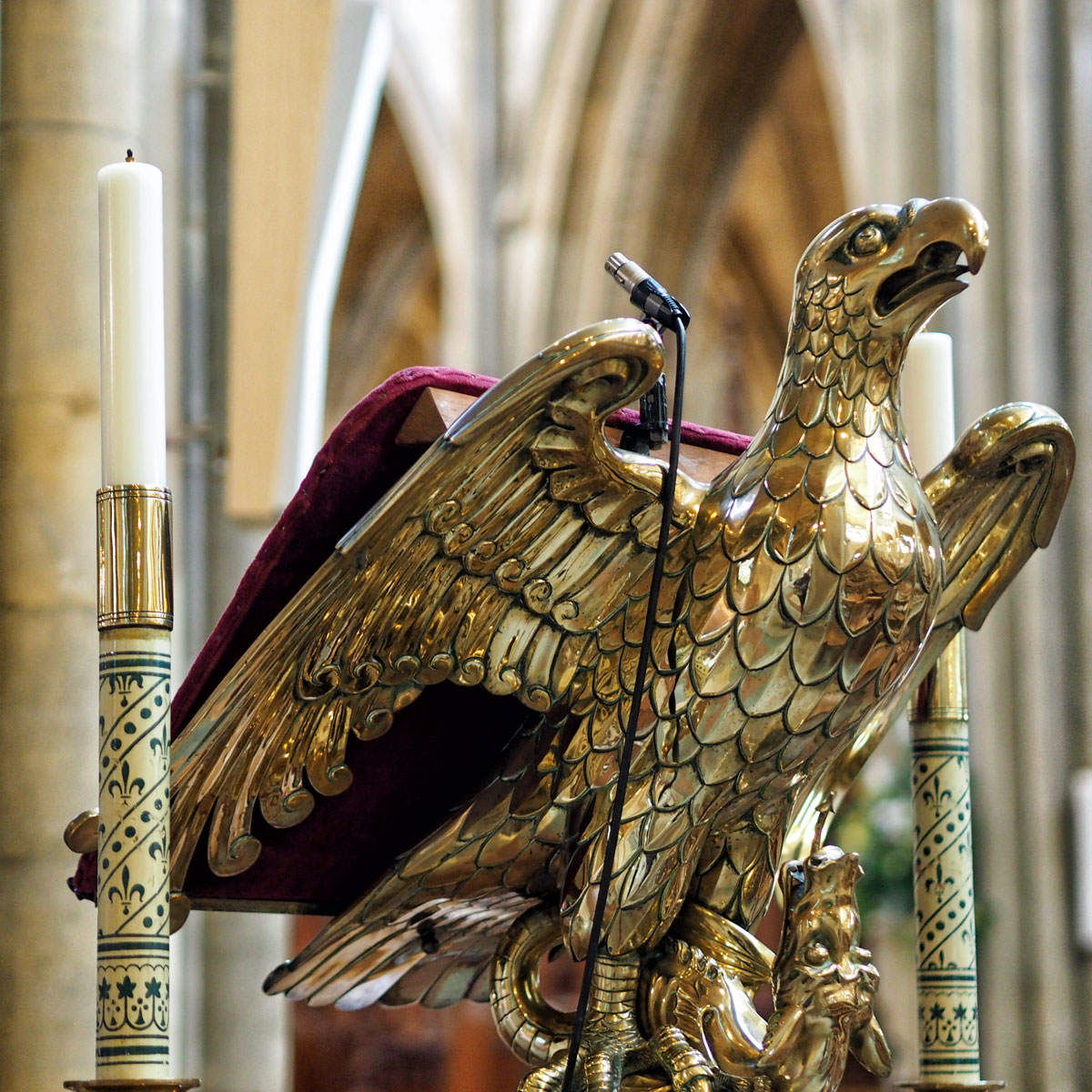
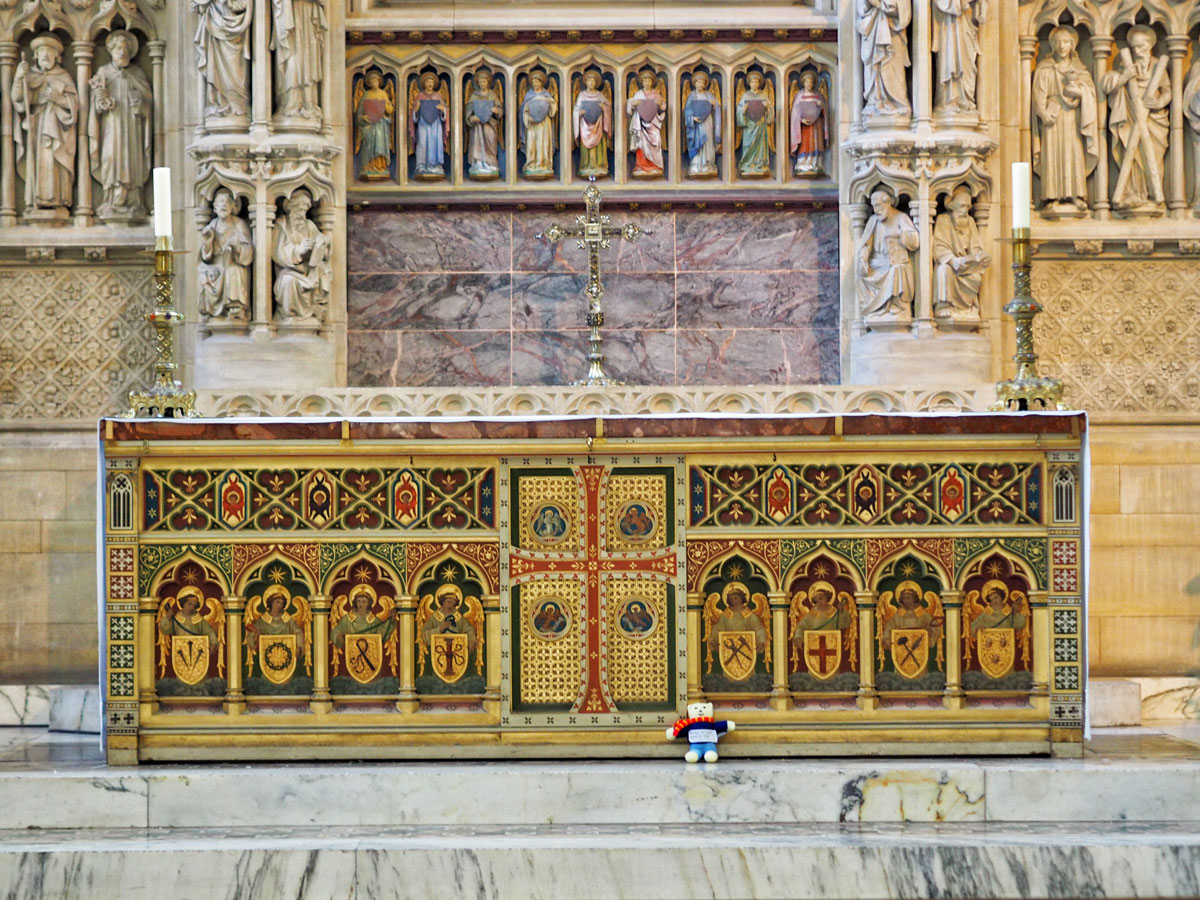
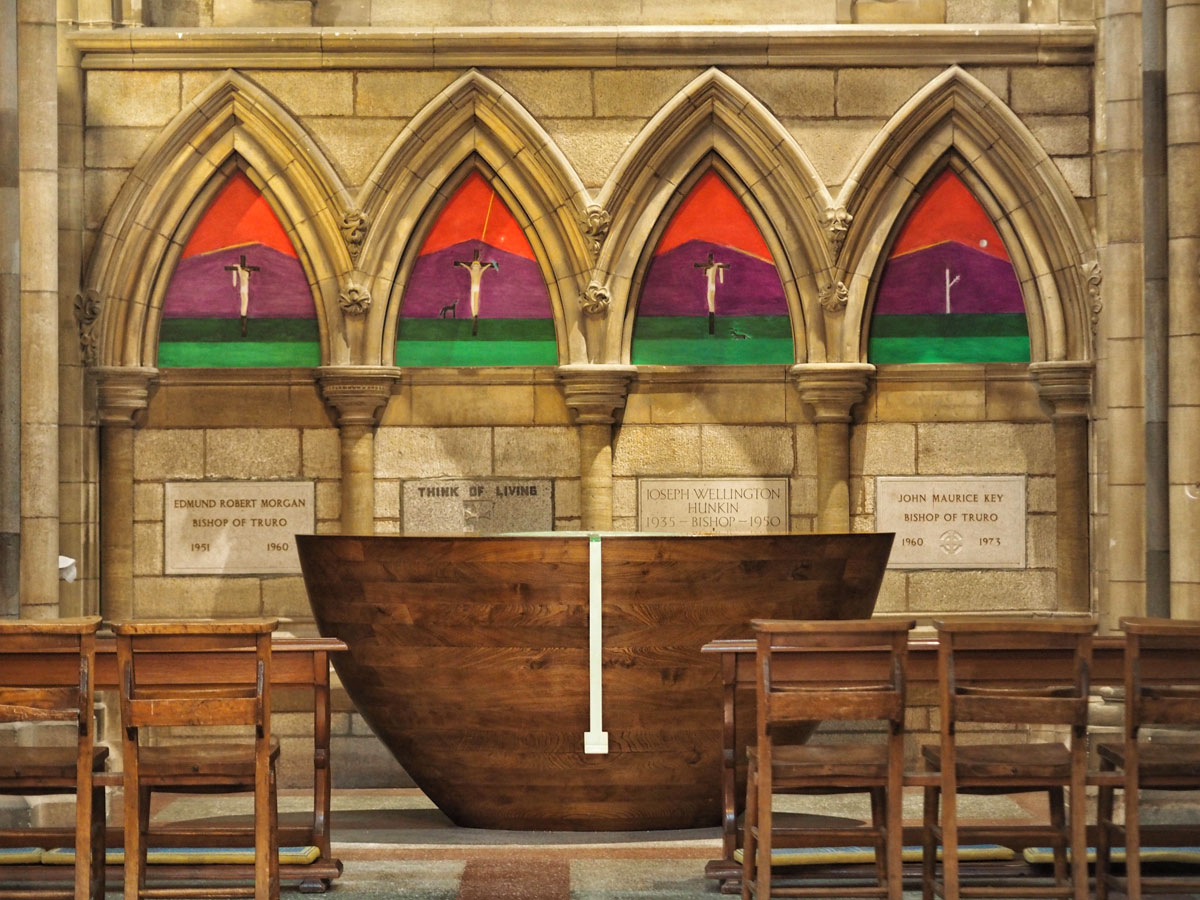
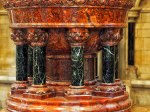
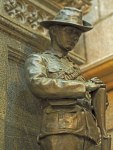
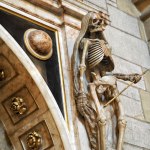
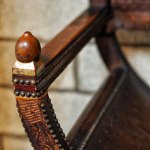
As usual, I wander around looking for quirky details, reflections, light, shadow, colours that appeal to me.
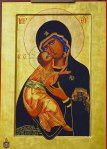
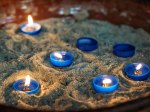
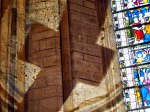
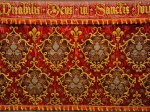
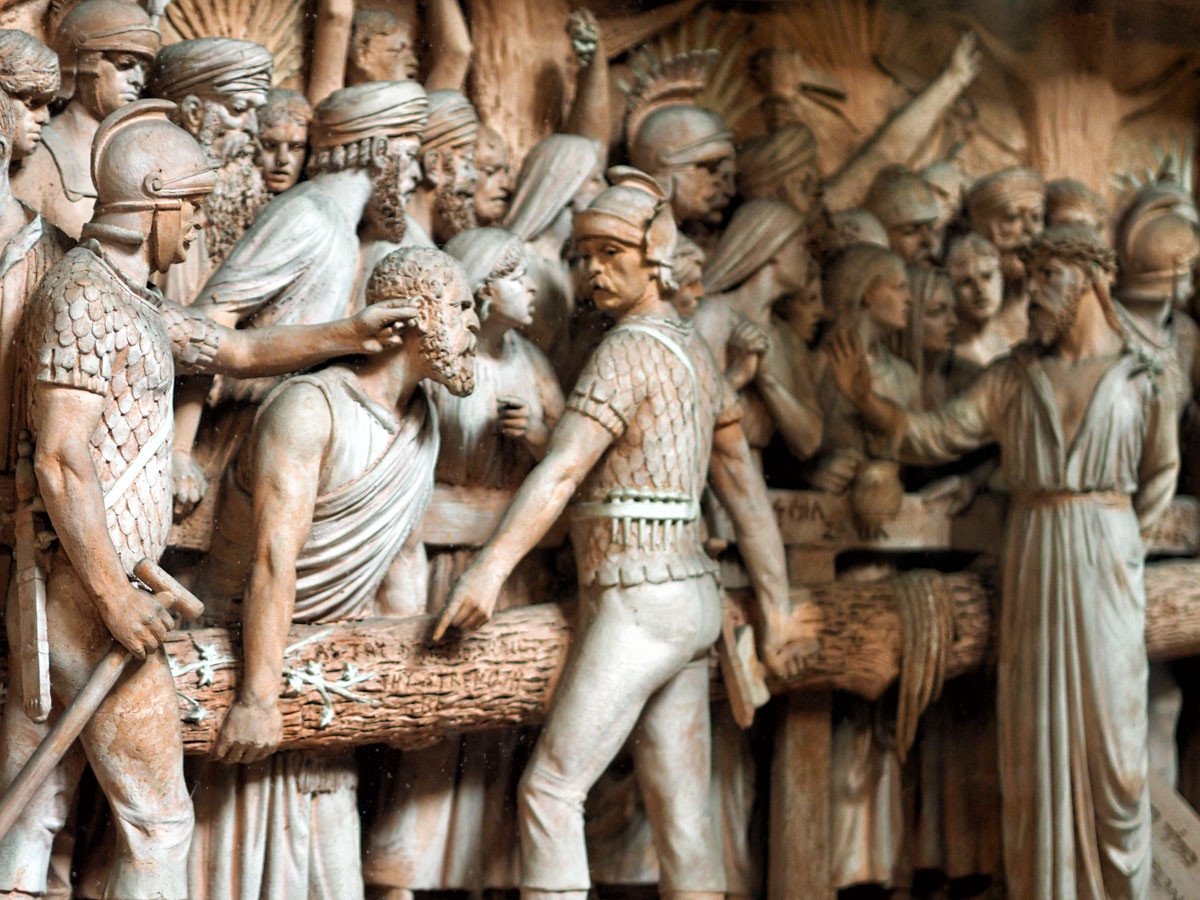
The Tinworth terracotta panel at Truro Cathedral is extraordinary. “Our Lord on His Way to Crucifixion” made by George Tinworth, master craftsman and chief designer at the Doulton company is one of only three surviving examples of his large-scale religious works and the only one still on public view.


I’ll be back next week with a look at a few of the stained glass windows that caught my eye.

 TRAVEL WORDS
It’s quite an impressive cathedral – when I saw the entrance, I knew the interior would be something special. And I wasn’t disappointed — those windows are absolutely beautiful. You have quite the eye for detail Jude.
Thanks for popping over to the other blog Corna, I thought you might like some of the content I post on this one. Though I really need to do more travelling!
What a magnificent cathedral! It would be an impressive place to visit…maybe someday. 🙂