
Those of you who have been following this blog for some time will remember that I once lived in Ludlow, Shropshire with the OH for several years (he was a Shropshire lad). We moved there to help support my mother-in-law who was struggling to cope living on her own. When we finally decided to drop anchor in Cornwall (having arranged care workers to call in daily) the OH still did a monthly journey back to visit his mum.
This song was written from that journey. But I’ll let David provide the narrative.
The song was actually mostly written on a train between Shrewsbury and Newport at a time when I was frequently commuting between Shropshire and Cornwall to visit my frail 94-year-old mother, who died a few months after, so it has particular resonance for me. It originally included a couple of extra verses about Hereford and the Vale of Usk, but after the ‘Wrekin’ chorus forced its way into the song, I decided to restrict it to the Shropshire-related verses. Maybe they’ll turn up sometime as another song.
(Note to anyone looking at this post in the Reader or on a phone you may need to visit the actual site to be able to view and listen to the music track)
Lyrics
Friends Around the Wrekin
The Abbey watches my train crawling Southwards
Thoughts of Cadfael kneeling in his cell
All along the Marches Line,
Myth and history, prose and rhyme
But those are tales I won’t be here to tell
The hill is crouching like a cat at play
Its beacon flashing red across the plain
Once we were all friends around the Wrekin
But some will never pass this way again
Lawley and Caradoc fill my window
Facing down the Long Mynd, lost in rain
But I’m weighed down with the creaks and groans
Of all the years I’ve known
And I don’t think I’ll walk these hills again
Stokesay dreams its humble glories
Stories that will never come again
Across the Shropshire hills
The rain is blowing still
But the Marcher Lords won’t ride this way again
The royal ghosts of Catherine and Arthur
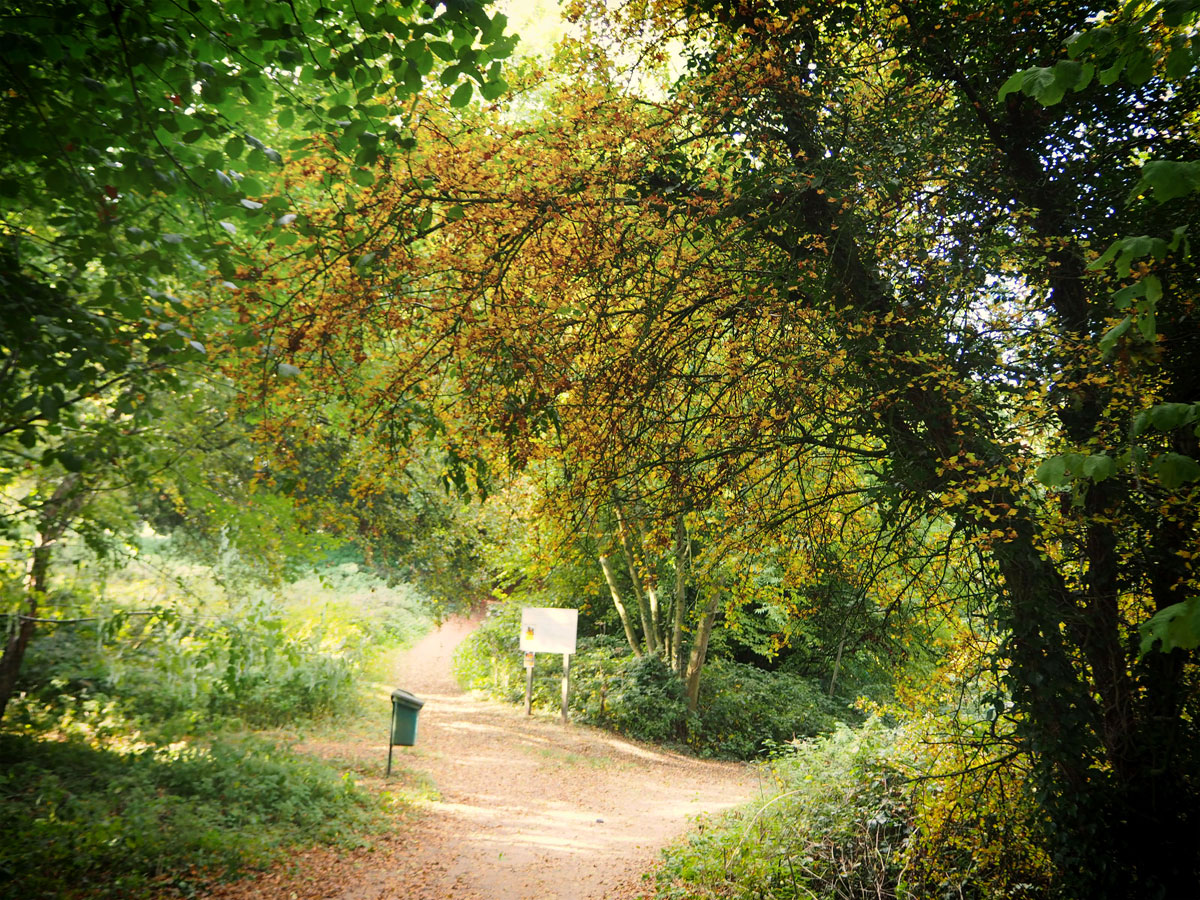
May walk the paths of Whitcliffe now and then
Housman’s ashes grace
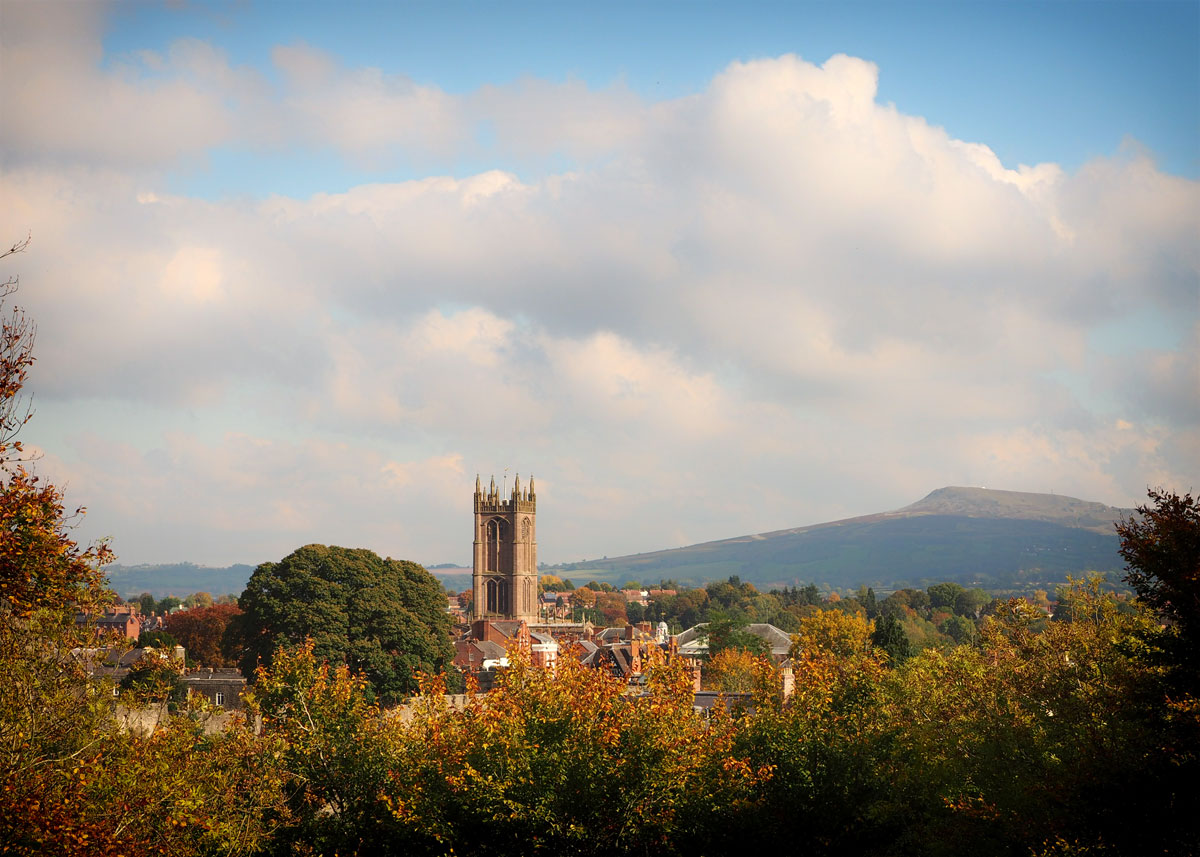
The Cathedral of the Marches
He will not walk Ludlow’s streets again
The hill is crouching like a cat at play
Its beacon flashing red across the plain
Once we were all friends around the Wrekin
But some will never pass this way again
And I may never pass this way again
Historical Notes
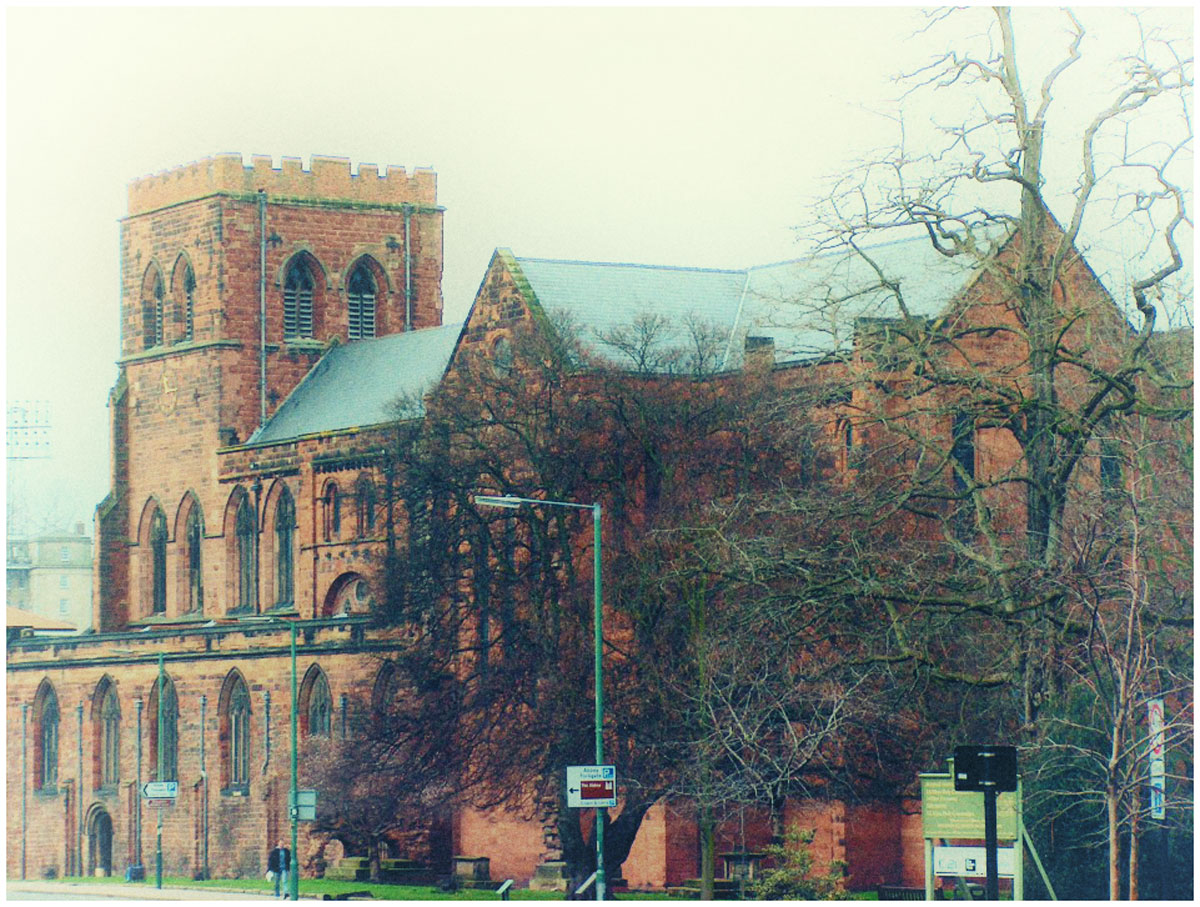
‘The Abbey’ is actually Shrewsbury’s Abbey Church: not much else of the Abbey survived the Dissolution in 1540 and then Telford’s roadbuilding in 1836. Cadfael is the fictional monk/detective whose home was the Abbey around 1135-45, according to the novels by ‘Ellis Peters’ (Edith Pargeter).
The Welsh Marches Line runs from Newport (the one in Gwent) to Shrewsbury. Or, arguably, up as far as Crewe, since it follows the March of Wales from which it takes its name, the buffer zone between the Welsh principalities and the English monarchy which extended well into present-day Cheshire.
‘The hill’ is the Wrekin, which, though at a little over 400 metres high is smaller than many of the other Shropshire Hills, is isolated enough from the others to dominate the Shropshire Plain.
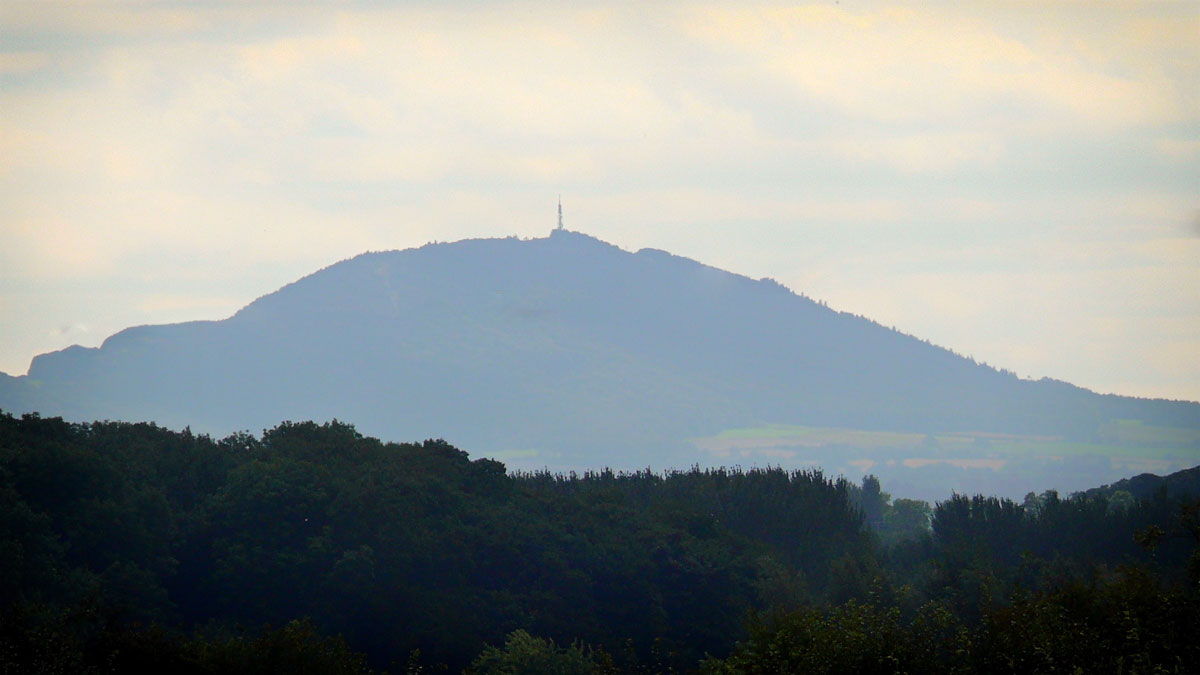
The beacon is at the top of the Wrekin Transmitting Station mast, though a beacon was first erected there during WWII. The Shropshire toast ‘All friends around the Wrekin’ seems to have been recorded first in the dedication of George Farquar’s 1706 play ‘The Recruiting Officer’, set in Shrewsbury.
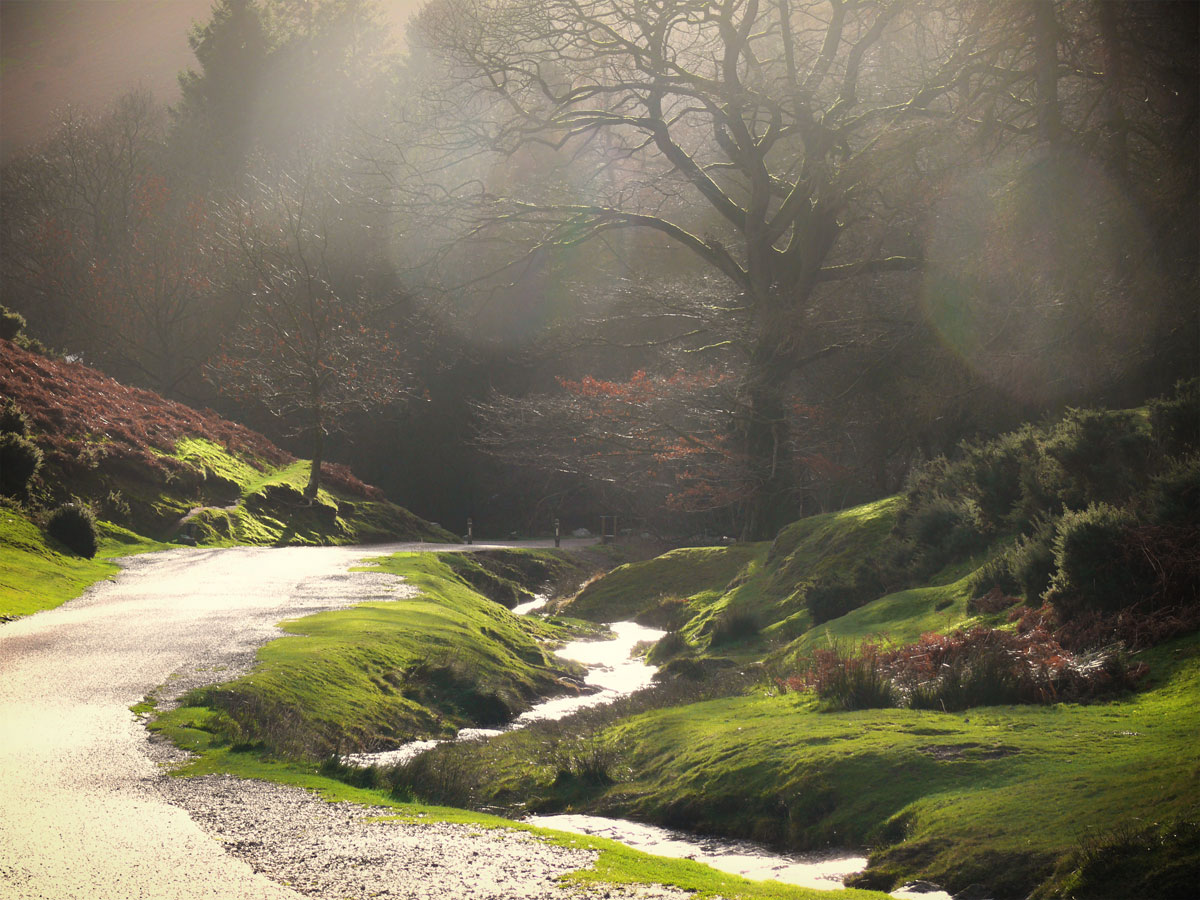
‘Lawley’ refers to the hill rather than to the township in Telford. The Lawley and Caer Caradoc do indeed dominate the landscape on the East side of the Stretton Gap coming towards Church Stretton from the North via the Marches Line or the A49, while the Long Mynd (‘Long Mountain’) pretty much owns the Western side of the Gap.

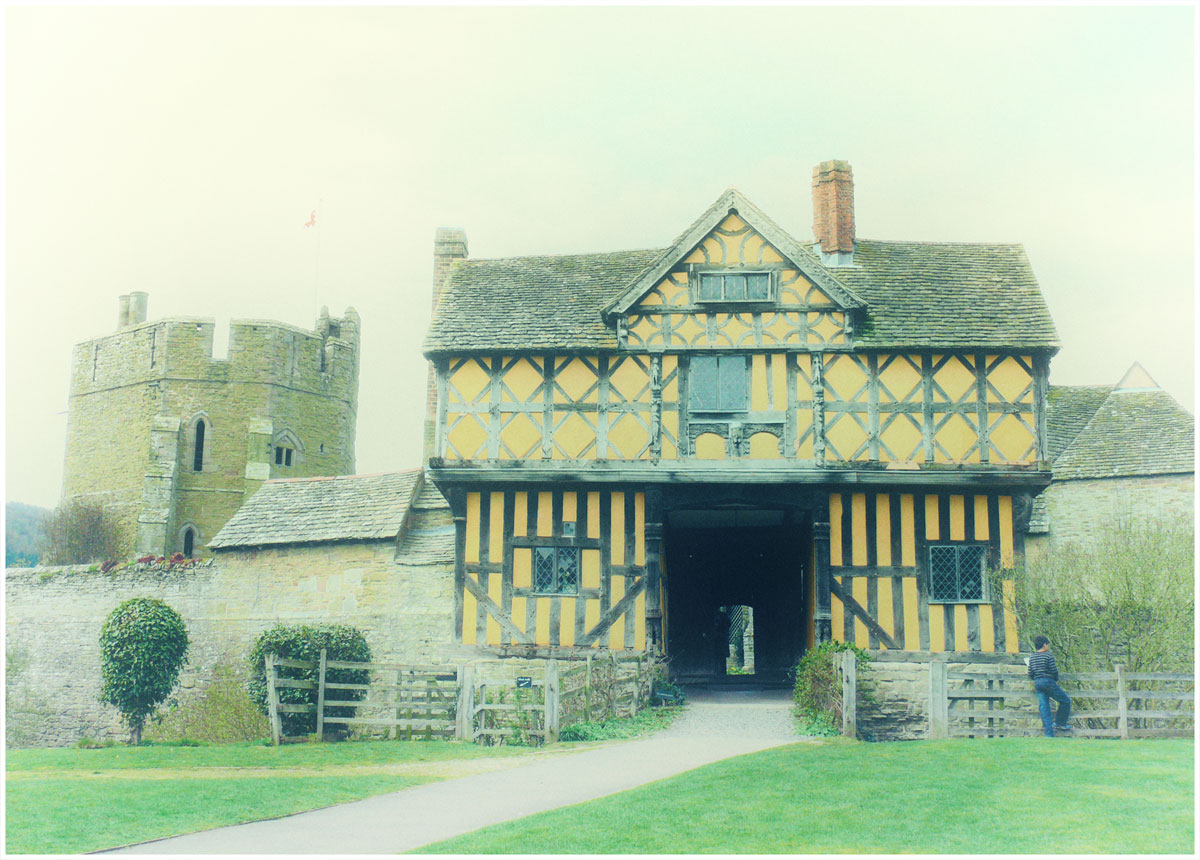
Stokesay Castle, near Craven Arms, is technically a fortified manor house rather than a true castle. It was built in the late 13th century by the wool merchant Laurence of Ludlow, and has been extensively restored in recent years by English Heritage, who suggest that the lightness of its fortification might actually have been intentional, to avoid presenting any threat to the established Marcher Lords.
Prince Arthur, elder brother of Henry VIII, was sent with his bride Catherine of Aragon to Ludlow administer the Council of Wales and the Marches, and died there after only a few months.
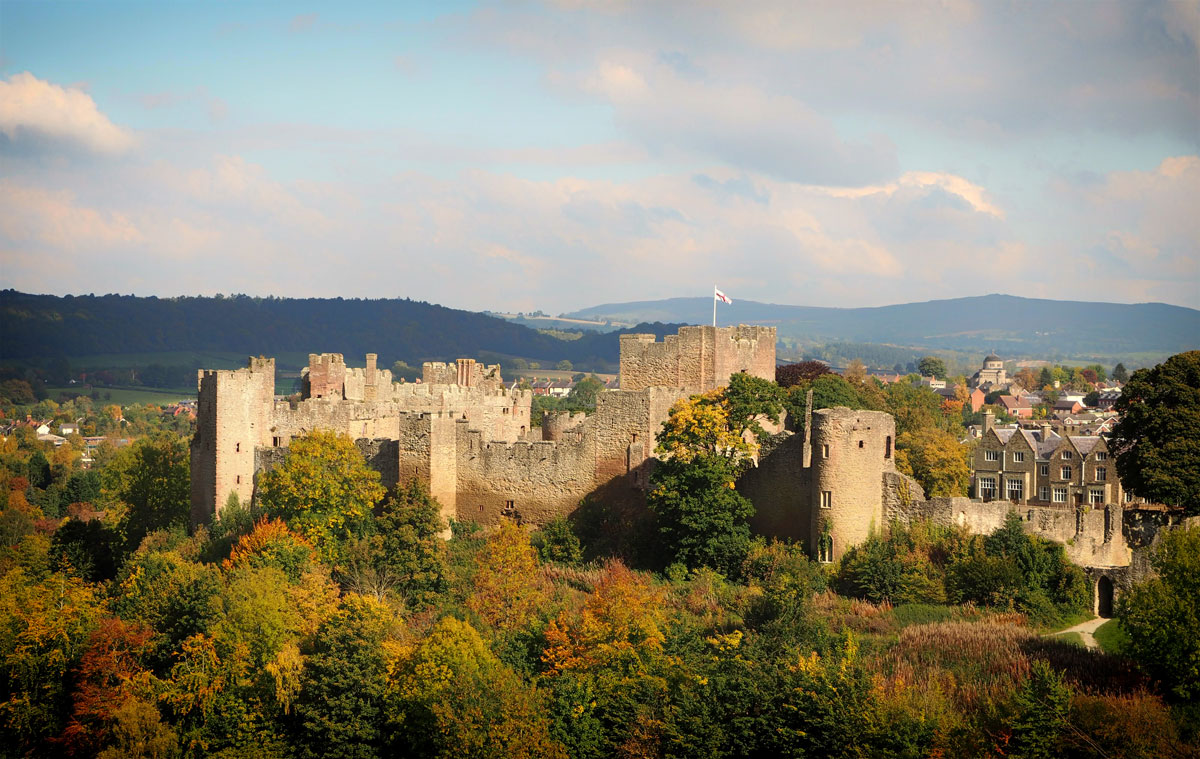
Catherine went on to marry and be divorced by Henry VIII, and died about 30 years later at Kimbolton Castle. Catherine is reputed to haunt both Kimbolton and Ludlow Castle lodge, so it’s unlikely that she also haunts Whitcliffe, the other side of the Teme from Ludlow Castle. (As far as I know, no-one is claimed to haunt Whitcliffe. Poetic licence…) The town itself does have more than its fair share of ghosts, though.
For some time it has puzzled me that in ‘A Ballad for Catherine of Aragon’, Charles Causley refers to her as “…a Queen of 24…” until I realized he was probably referring not to her age, but to the length of time (June 1509 until May 1533) that she was acknowledged to be Queen of England.
The ashes of A.E. Housman are indeed buried in the grounds of St. Laurence’s church, Ludlow, which is not in fact a cathedral, but is often referred to as ‘the Cathedral of the Marches’. It is indeed a church with many fine features and its tower is visible from a considerable distance (and plays a major part in Housman’s poem ‘The Recruit’).
RIP David: 1949 – 2025


 TRAVEL WORDS
I’m.keeping this post to read properly once my very poorly computer has been repaired. This post in particular deserves better than being listened to and looked at on a tiny phone screen.
It definitely is better on a computer screen. Sorry to hear yours is poorly.
In the great scheme of things I guess it’s fairly unimportant. Annoying though. I’m guessing you didn’t stay up to see the NY in. I slept through it all!
I watched a couple of films so I was late to bed, but I didn’t watch the fireworks. I’m not a fan of the big displays, every city trying to outdo each other. Such a waste of money.
Yup, expensive, unGreen … but occasionally fun!
What a marvellous post, Jude. I opened it up this morning then closed it again until I had time to savour it. (We are not out painting the town red tonight!) I love how you have woven the geography and the pictures with the music, and any song which references Catherine of Aragon, one of my earliest historical heroines, is a hit with me! Thank you for sharing this little bit of David with us.
All down to David. He was a prolific writer and songwriter and researched everything. I just added the photos.
There are lots of memories in this post Jude, and I hope they are mostly happy ones for you. We spent a day in Shrewsbury during our first UK trip in 1999 because I had just finished reading all the Cadfael novels. We went to the Abbey and the Shrewsbury Quest and had a nice walk around town. I’ve always thought I would love to go again and spend more time in Shropshire.
Lots of memories. I enjoyed my time in Shropshire.
Now it’s my turn to cry and give you a big hug. This is a beautiful tribute to David and I’m sure he was as proud of you as you are of him. I could play his song from your post. He was certainly a talented musician. Wonderful scenery and words to match his music. Just magical, Jude xx
Thanks Suzanne. This song always makes me cry. It’s almost like he had a premonition that he’d never go there again. Even though this was written 7 or 8 years ago.
The feelings behind the words and music never age xx
I commend you for managing to put together this post at a difficult time. ‘Tis a pretty and inherently nostalgic song that you closed with as a tribute. Good that you included the notes for a non-Brit to make sense of the song.
I caught the reference to Housman in your first sentence: “a Shropshire lad.” My father, gone now two dozen years, appreciated his poetry, which I therefore read as a teenager.
May 2026 be a year of healing for you.
All the OH”s work Steve. I just added my photos. He also put a lot of Housman to music too. I must admit that this particular song always makes me cry, but I do like it.
A lovely tribute, Jude. I’m glad you still have David’s beautiful music to listen to.
I never really listened to his songs, but I was used to hearing him play and he obviously did a lot of recording of his old material these last few years since he retired. It’s been bittersweet to go through his work.