Postcards from Around the World

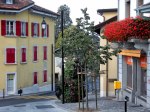
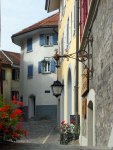
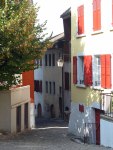
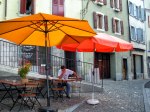
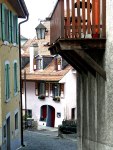
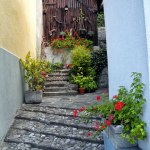
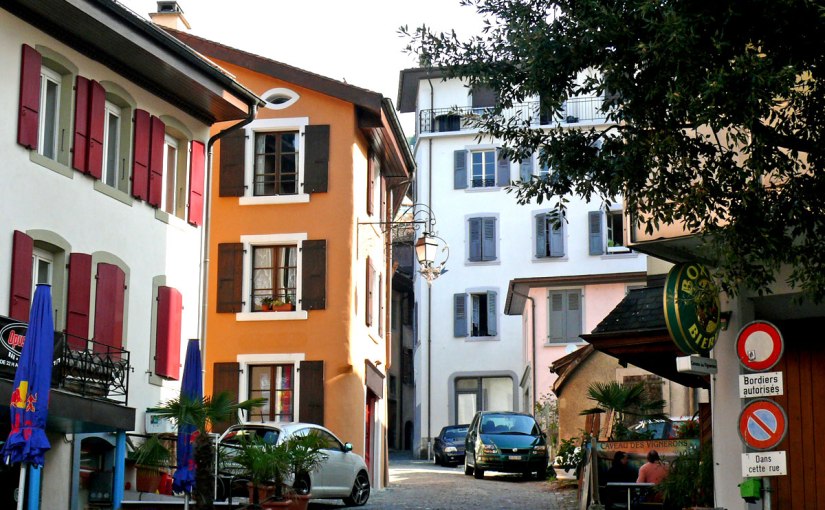
If you do visit Montreux, Switzerland then don’t spend all your time along the lakeside, beautiful though it is. A ten minute climb up above the lake you will find the Old Town with cobbled streets, beautiful buildings and panoramic views (even better when the fog isn’t hiding the Alps) and plenty of bistros for a coffee or glass of wine.
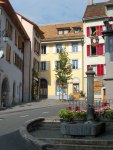
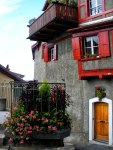
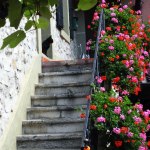
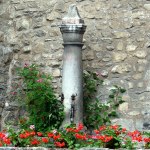
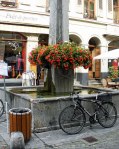
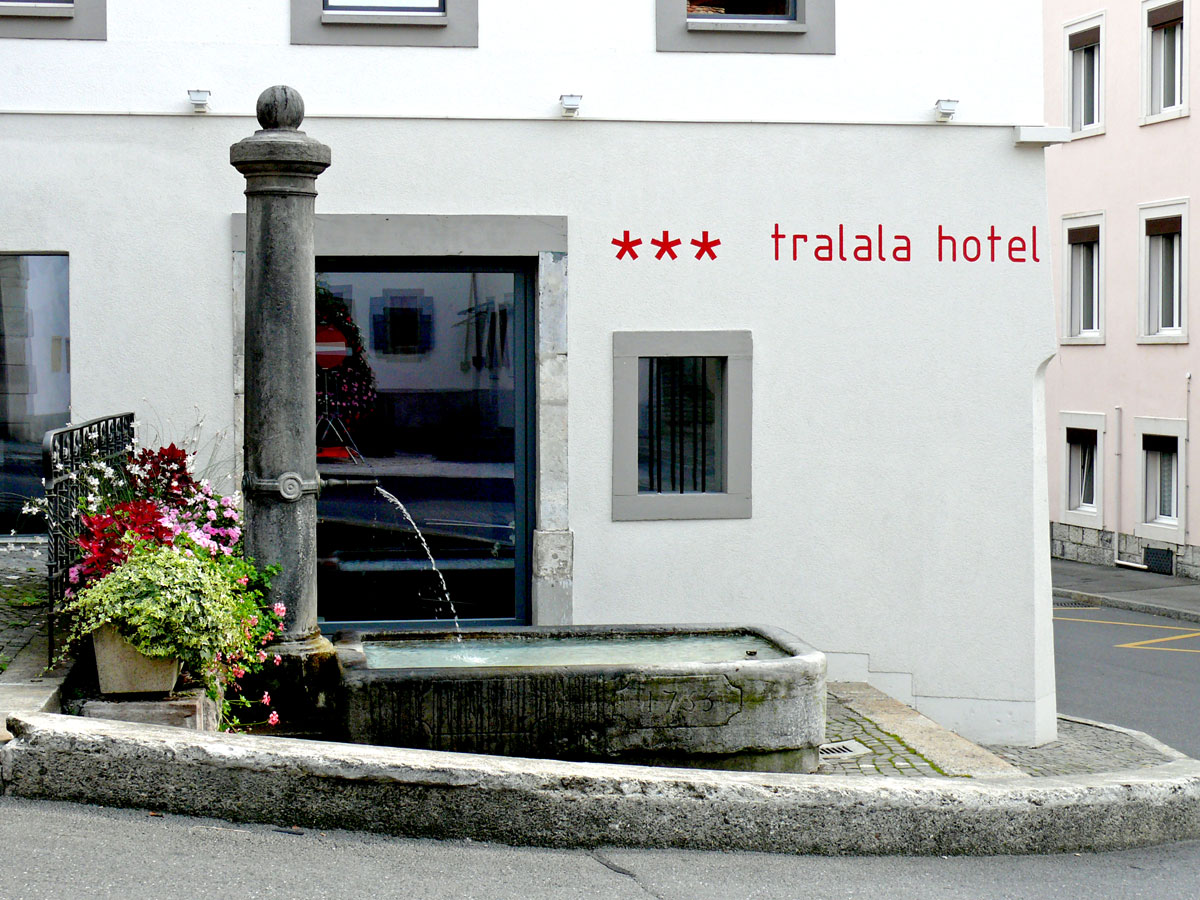
Don’t forget to look out for the many fountains fed by natural spring water, often with beautiful floral displays.
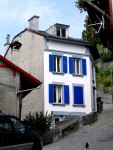
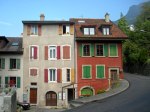
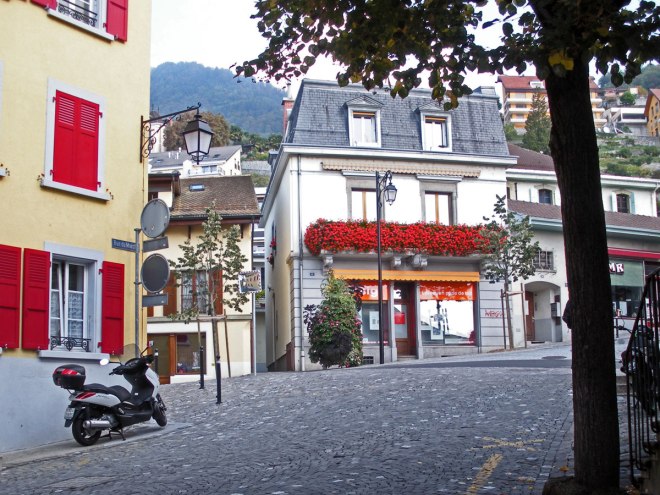
The streets and buildings boast steep winding lanes and pastel-painted houses. Stop at Montreux Museum for insight into town history.

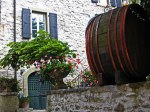
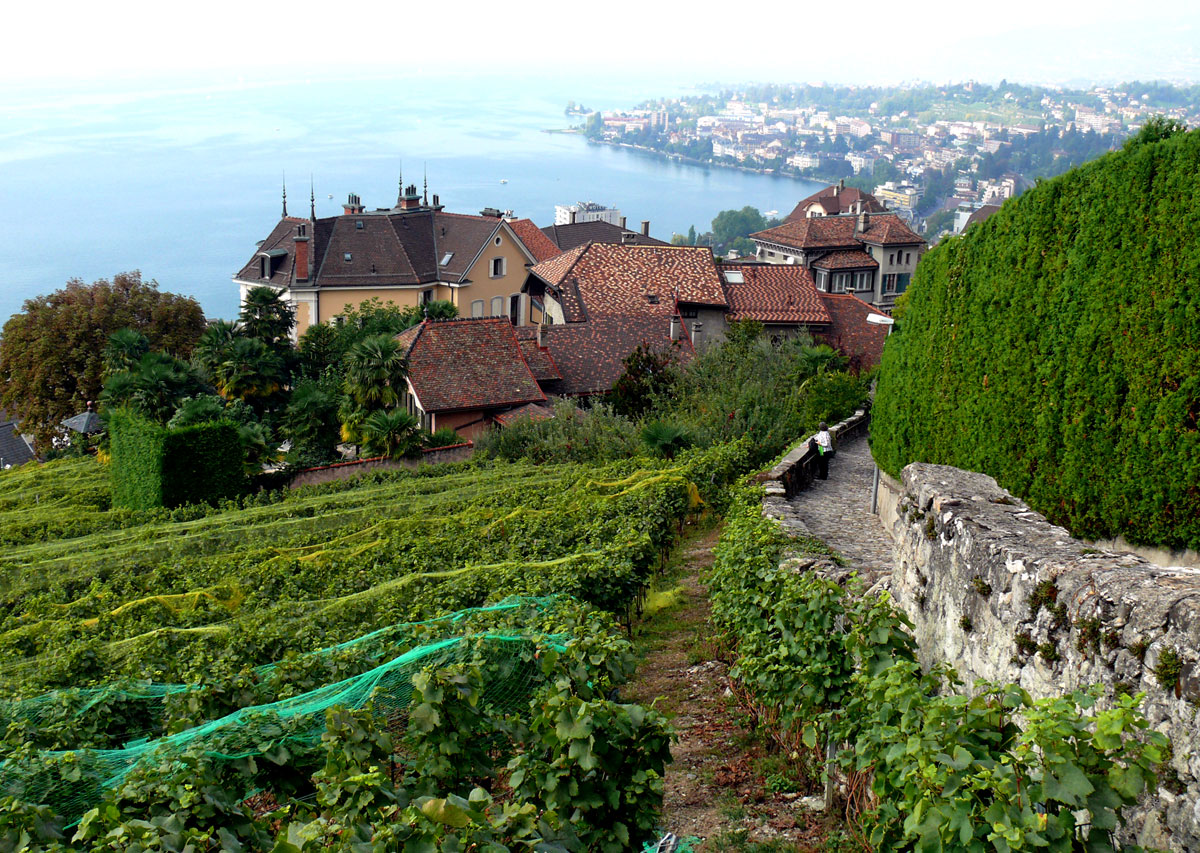
Continue above the Old Town along Rue du Petit Chêne and you will find yourself among grape vines.
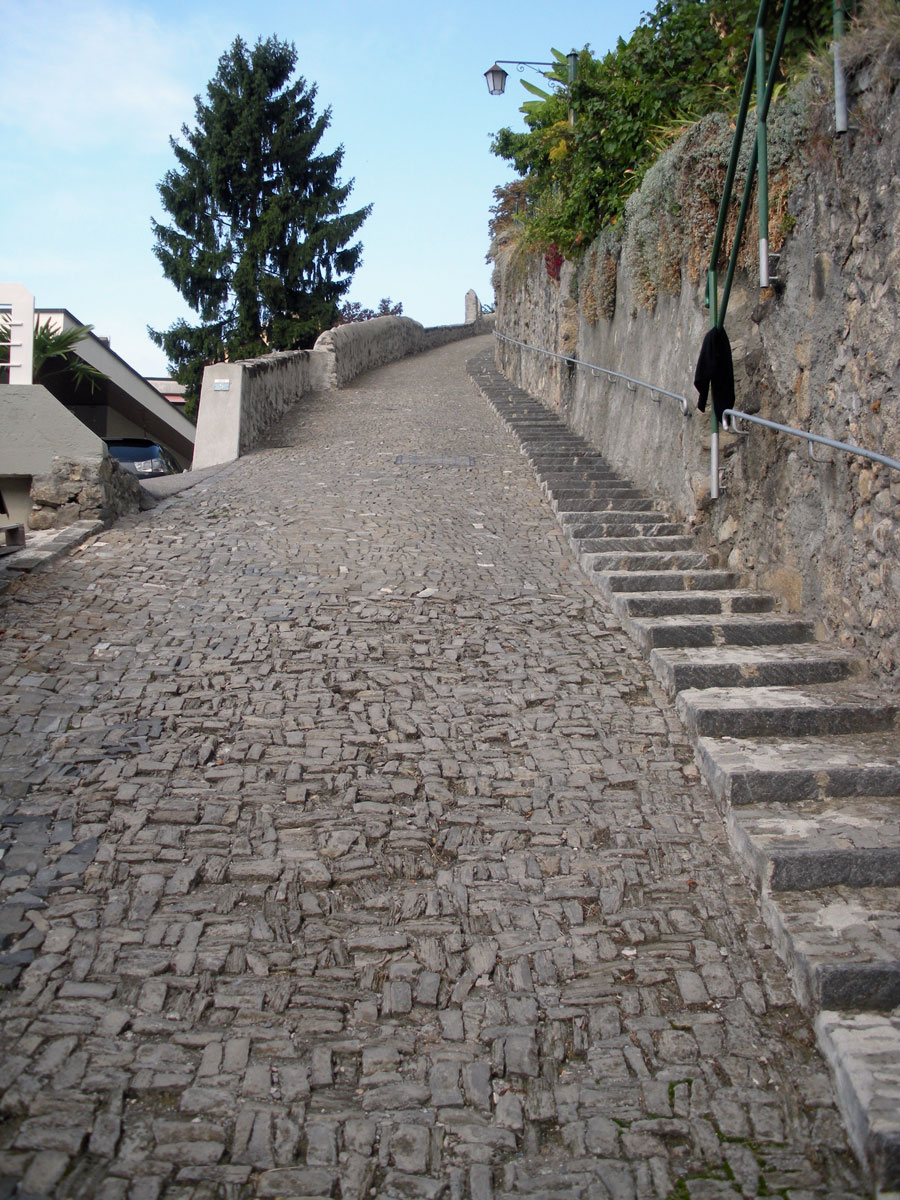
Views from the vineyard above Montreux

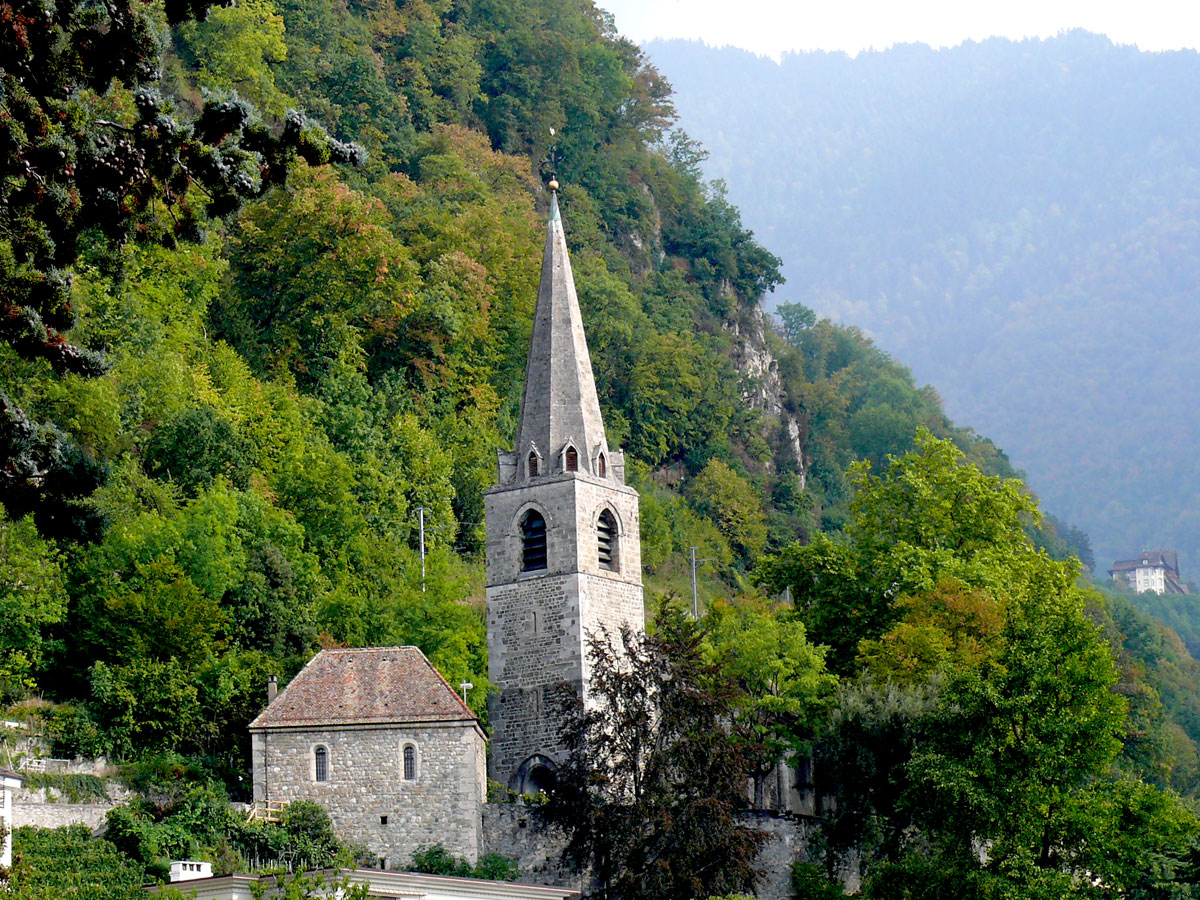
From here you can walk to the  St. Vincent temple where the views are also magnificent with Chillon Castle along the lakeside and yet more vineyards on the steep slopes.

St Vincent

The Old City is also the departure of beautiful walks. The trail to the wild Gorges du Chauderon leads along the Baye de Montreux River to Glion or Les Avants.

And since this was actually a walk I will link to Jo’s Monday Walks
Postcards from Around the World

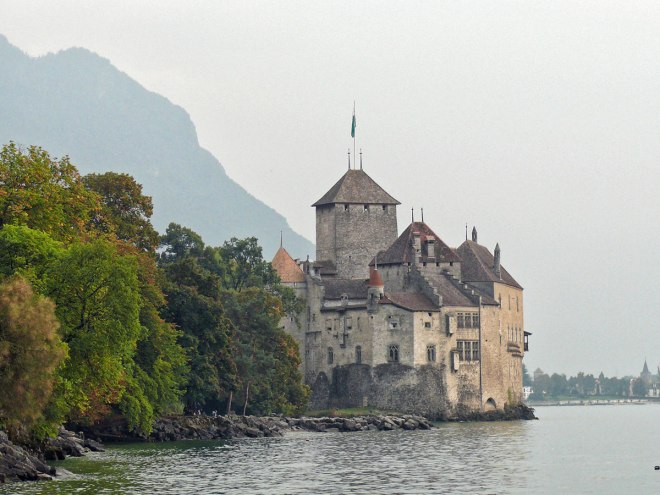
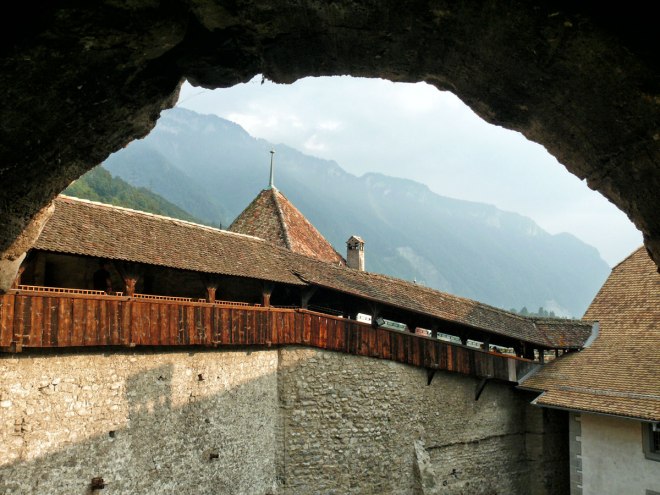
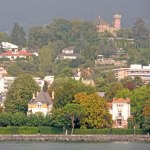
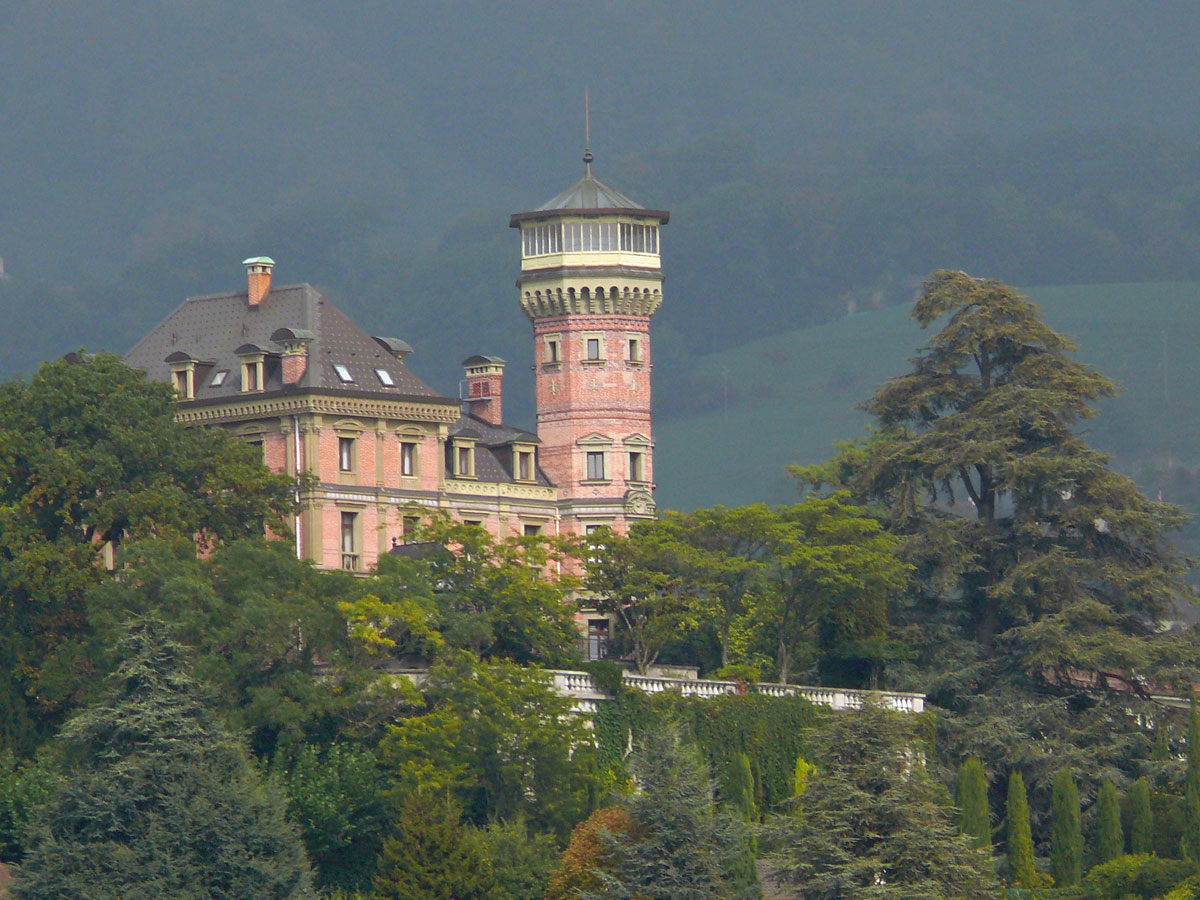
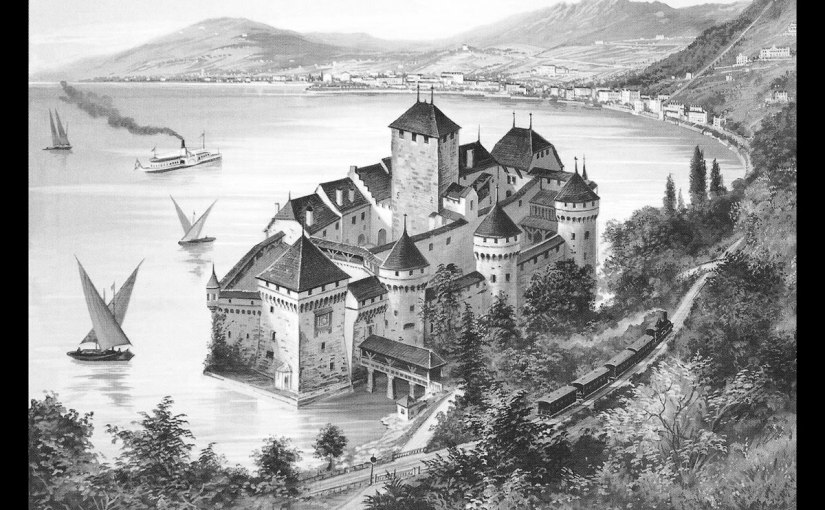
Taking a leisurely 40 minute CGN boat from Vevey, admiring the beautiful homes and hotels on the hillside above Lac Léman, we arrived at Chateau Chillon.

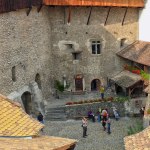
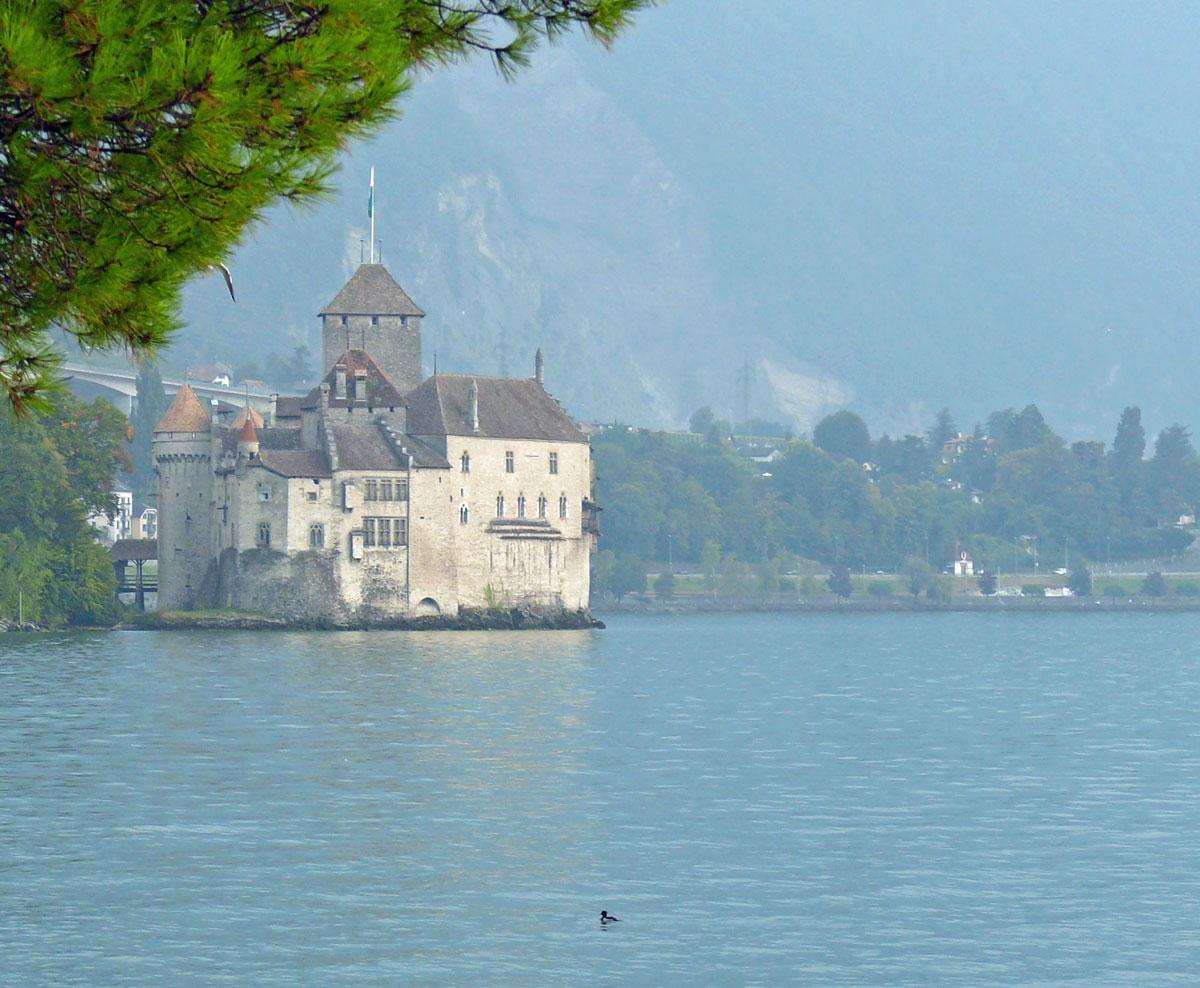
Built on a rocky island it took its name from the rock; the word ‘Chillon’ meant ‘rocky platform’ in an ancient language.
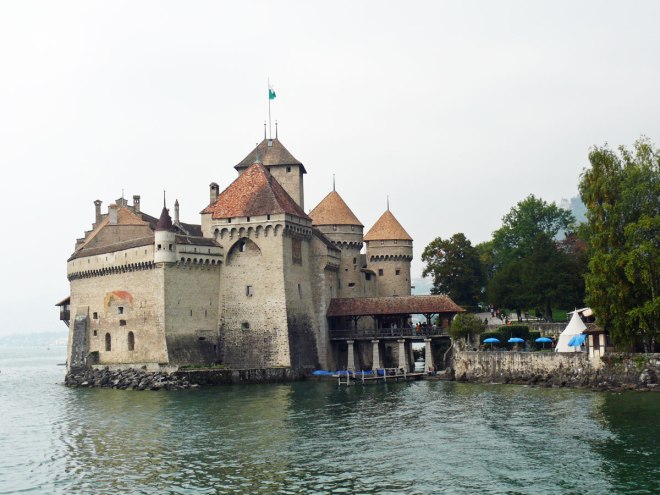
The history of the castle is marked by three great periods: those of the Savoy family (12th – 16th centuries), the Bernese bailiffs (16th – 18th centuries) and the Canton of Vaud (18th century to present day).
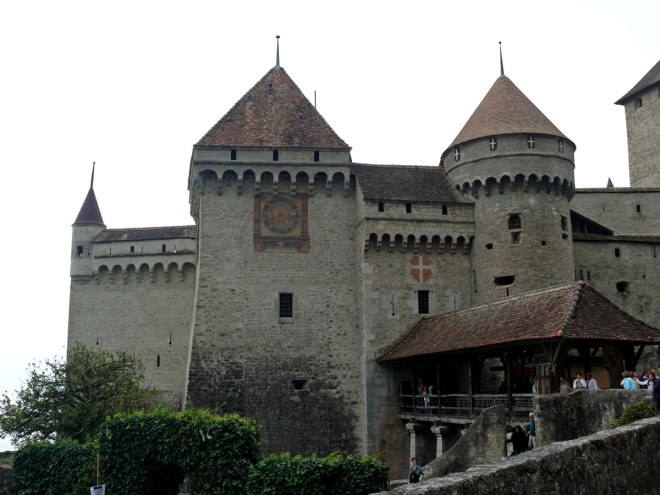
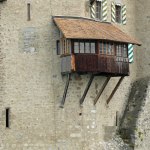
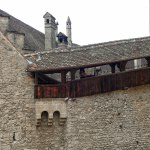
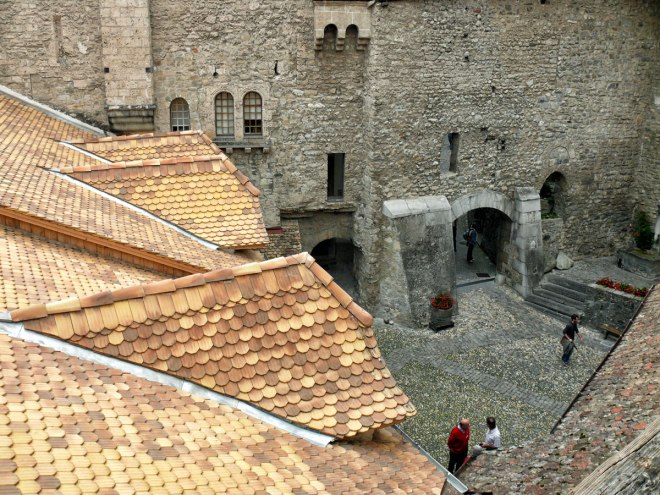
Chillon is unusual in that the shape of the castle moulds to the shape of the island on which it is built. It is connected to the land by a bridge (formerly a drawbridge, the remains of whose pulley system can still be seen).

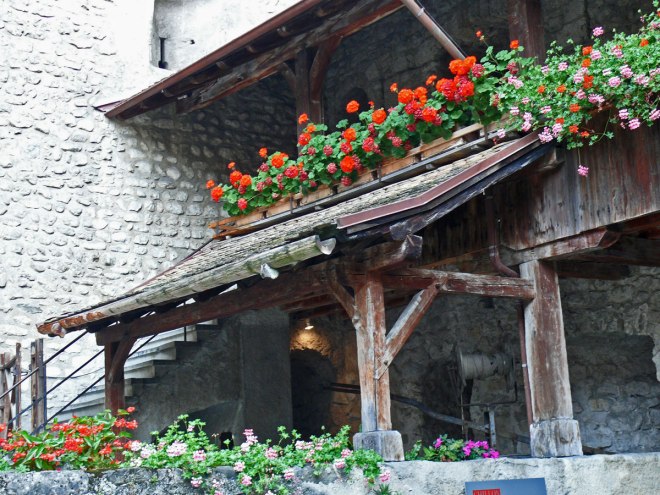
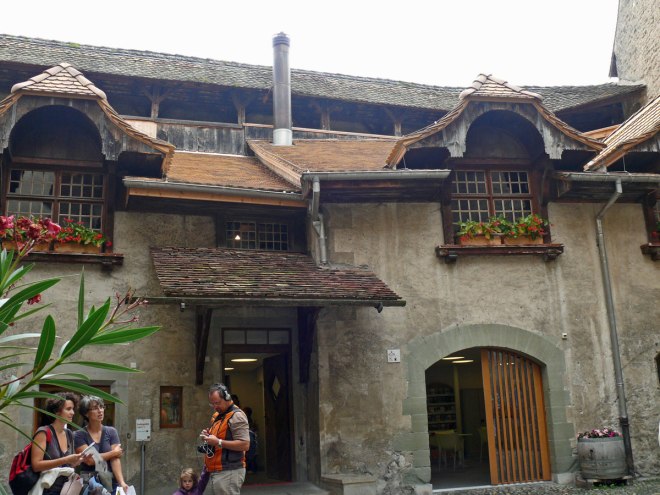
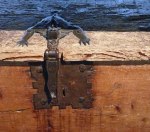
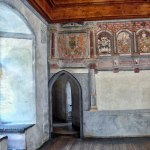
There are several courtyards and many rooms to explore the history of the castle.

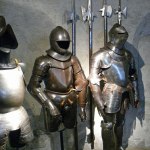
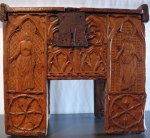
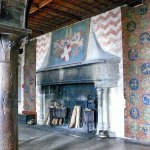
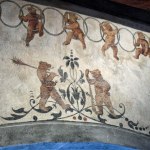
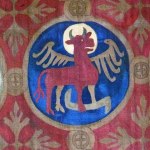
Furniture, Weapons and Armoury, Paintings and Murals, Architectural features and archaeological findings are some of the objects in the collections.

A full self-guiding tour takes approximately 1.5 – 2 hours, depending on how fast you walk and how much reading you do. Castle of Chillon is the result of several centuries of constant building, adaptations, renovations and restorations with excavations affirming this site has been occupied since the Bronze Age.

Postcards from Around the World

(From Vevey-Marché (lac) we caught a ferry boat to the Castle of Chillon which is at the far side of Montreux)

Vevey Plage

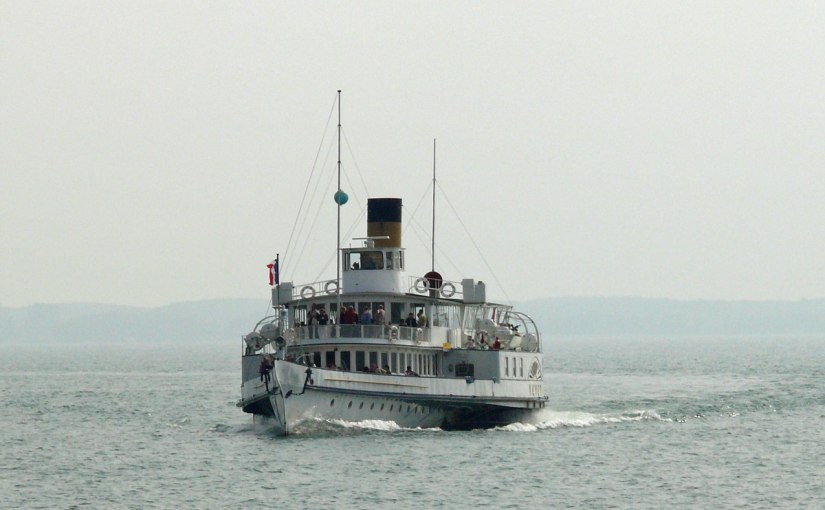
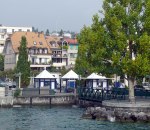
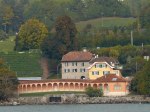
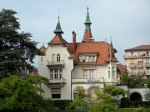
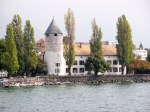
Taking a ferry on Lac Leman is the best way to view the beautiful houses and architecture along the shoreline.

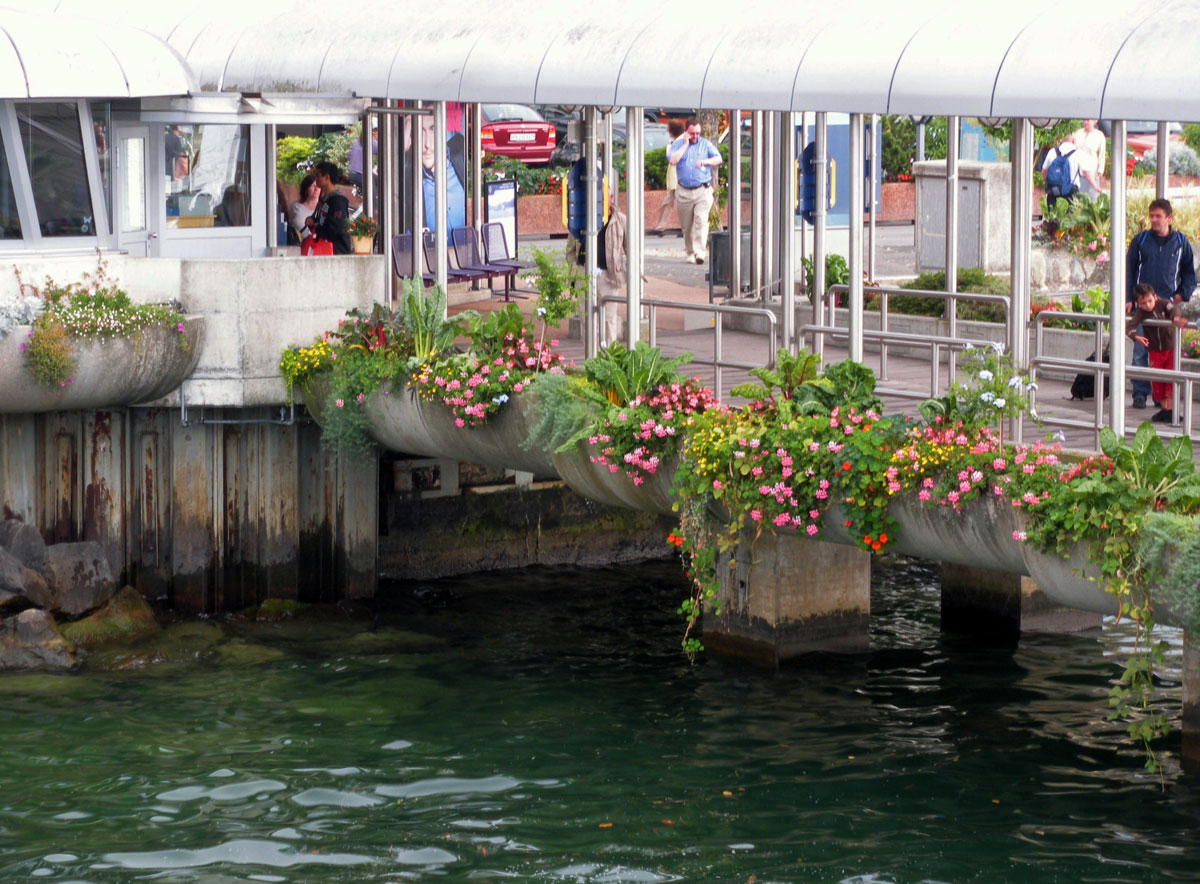
Floral displays on every one of the ferry terminals.

Montreux Ferry Terminal

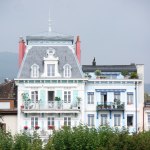
A glimpse of the hotels in Montreux and the famous statue of Queen singer, Freddie Mercury.

“If you want peace of mind, come to Montreux”, said Freddie Mercury (1946-1991). As well as living in Montreux, he also recorded six albums there with Queen, including “Made in Heaven”. In memory of his presence, Freddie Mercury’s bronze statue has stood on the lakeside promenade since 1996.

Château de Chillon

And a unique way to arrive at our destination.

Postcards from Around the World

I am beginning to spot a theme in my travels. Water. With the exception of  Paris and Prague most of the places I have visited are either on the coast or by a lake (and even those cities have a significant river to walk by)

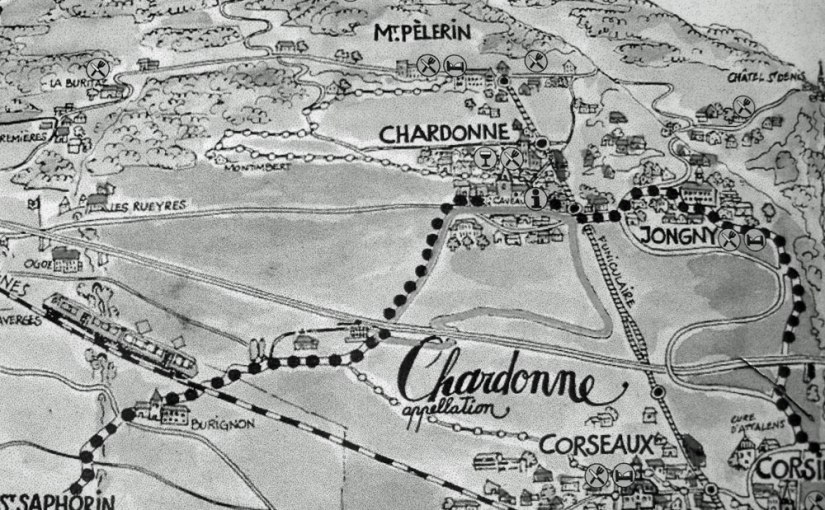
Which brings me to the next European location – Montreux in Switzerland, alongside the lovely Lac Léman or Lake Geneva and only a 40 minutes train ride away from Geneva. On our first day we caught a bus* to Vevey Funi and took the funicular railway up the mountainside to Mont Pèlerin (no views sadly because of the fog lingering over the water). In better weather I expect it is a wonderful place to visit and there are Lavaux Vineyard trails to explore with spring blossoms, autumn harvesting and numerous inns and taverns and wine tasting rooms if you stop off at Chardonne.

On returning to the lakeside we then walked back along the promenade (Quai Ernest-Ansermet) into Vevey town centre for a look around whilst waiting for the next ferry boat back towards Montreux.

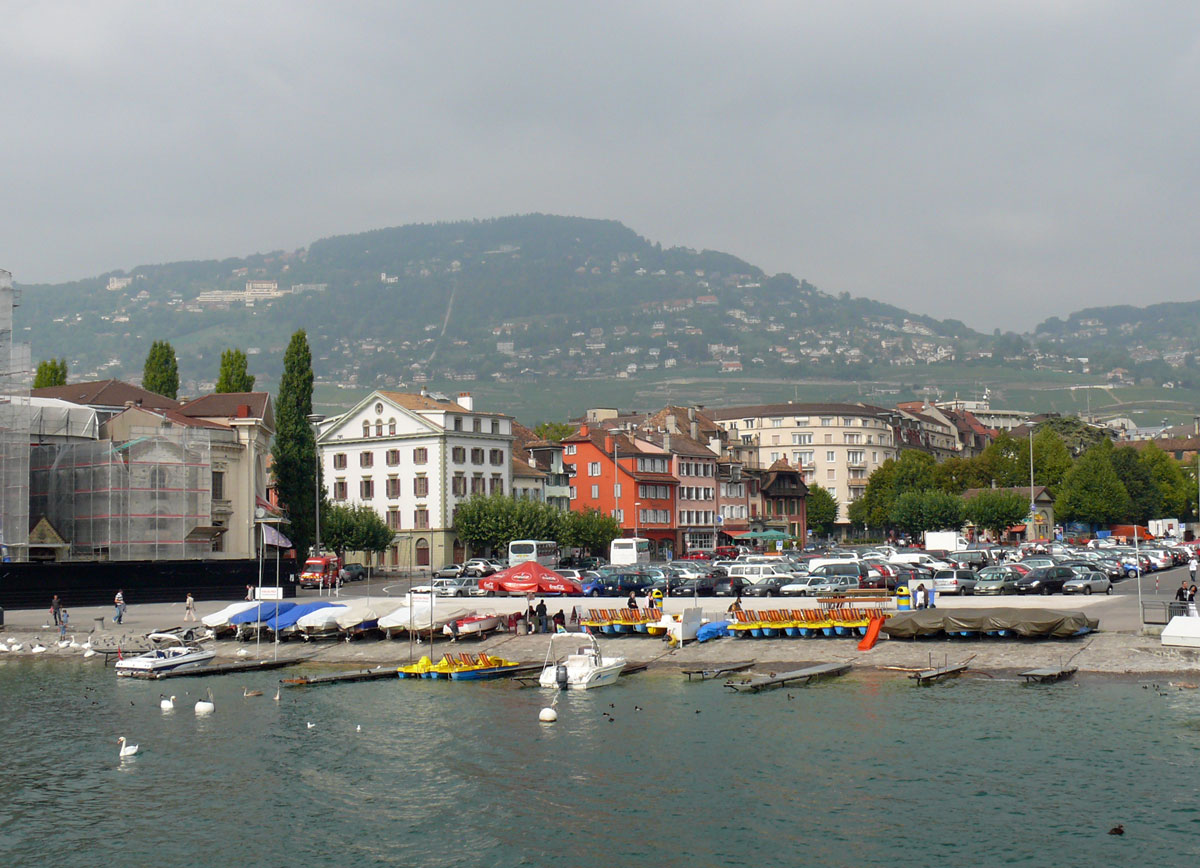
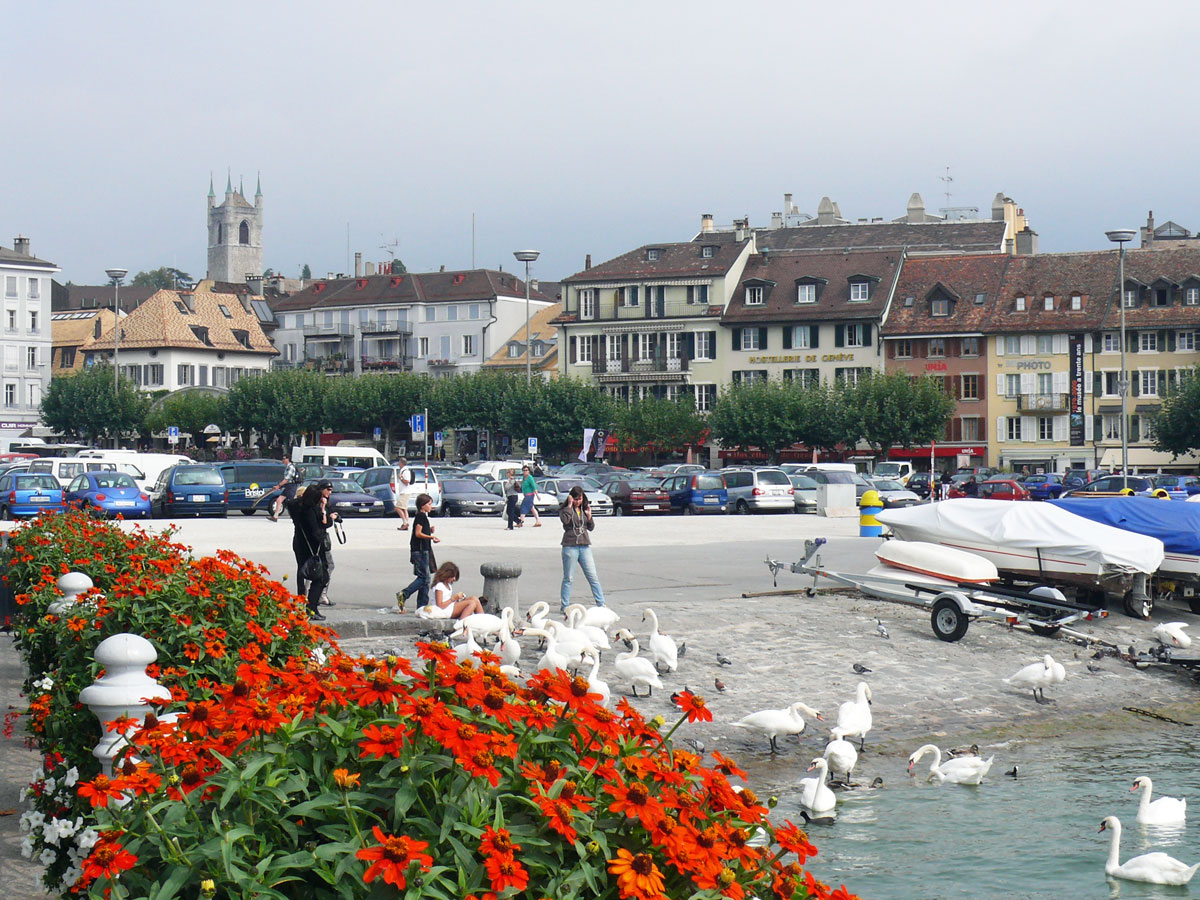
What is so delightful about Vevey is the floral lined promenade where swans float on the lake and boats pass by including the beautiful Belle Époque paddlewheel steamers.

Vevey Plage

The old town has many areas just for pedestrians and, as is common in Switzerland, has a pretty floral fountain.

(From Vevey-Marché (lac) we caught a ferry boat to the Castle of Chillon which is at the far side of Montreux, with the intention of visiting the castle in the afternoon before walking back via Quai des Fleurs and Quai Alfred Chatelanat to our hotel (2 miles). A full self-guiding tour takes approximately 1.5 – 2 hours, depending on how fast you walk and how much reading you do.)

*Guest cards

Postcards from Around the World

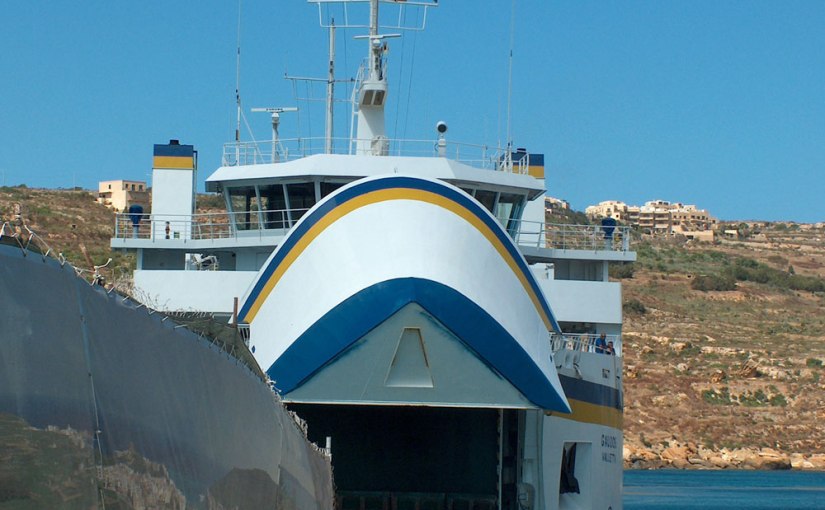
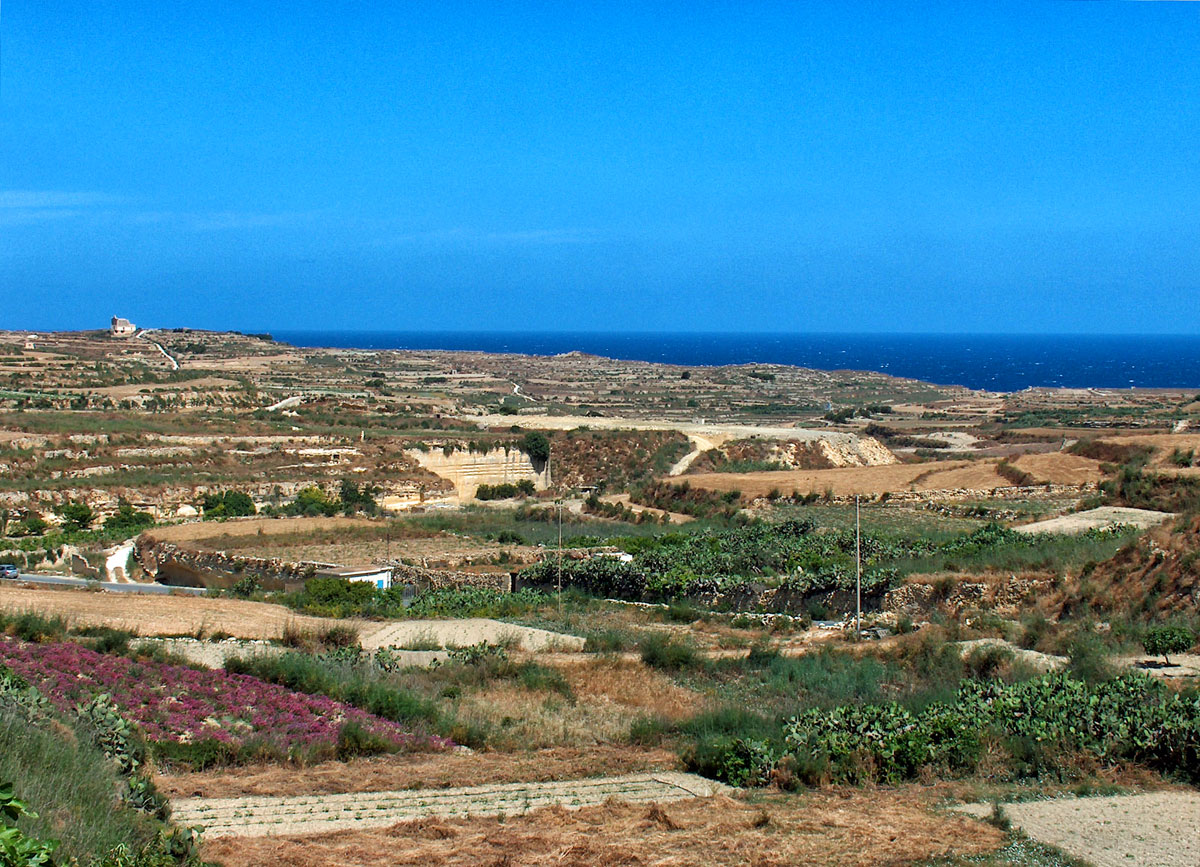
Remaining in the Mediterranean Sea, this week we are taking the ferry over from Malta to Gozo, the second largest island of the Maltese archipelago. It is a lot more rural and quieter where life seems a little slower.  The island is only 26 square miles but packs in quite a lot.

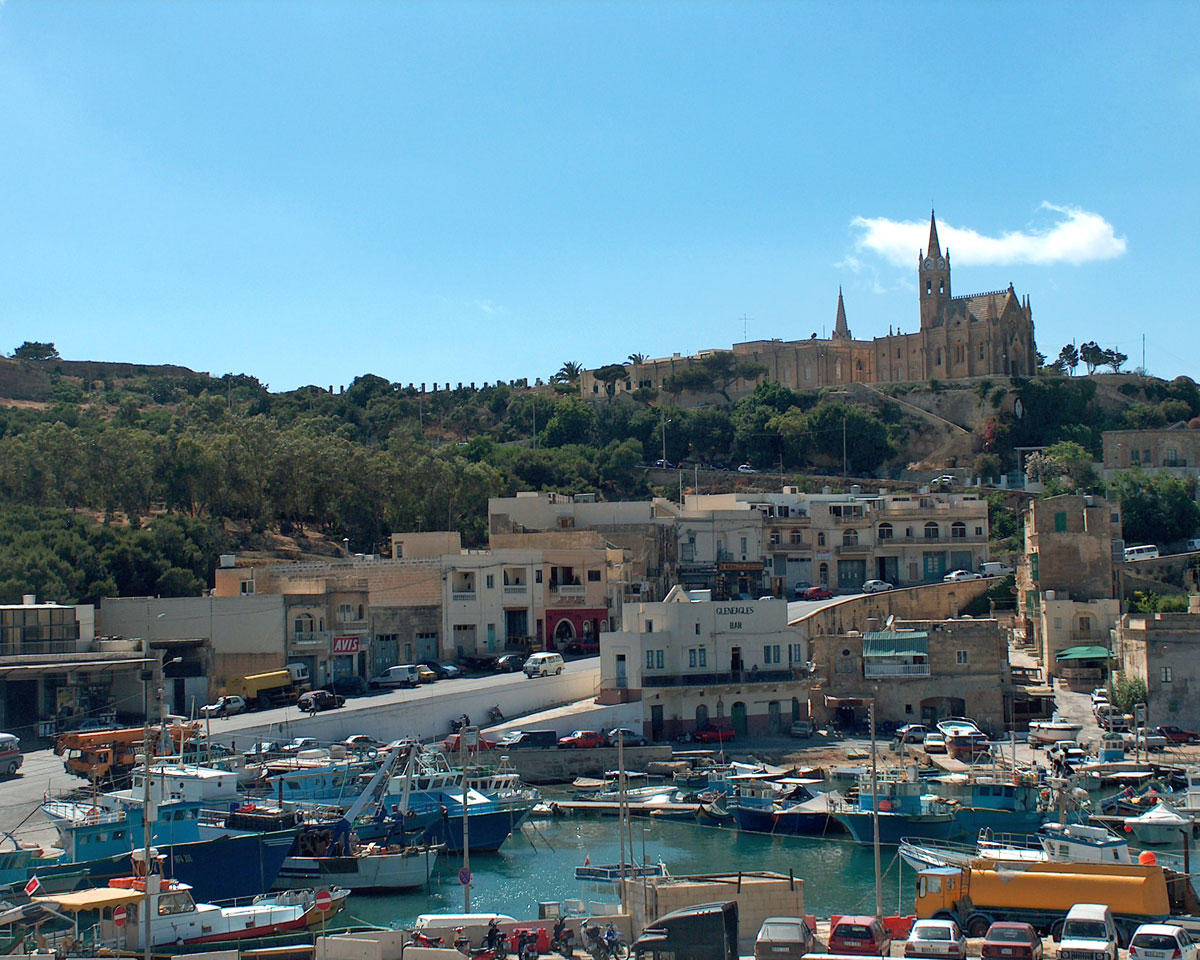
You arrive at Mġarr Harbour, with its quiet marina and church sitting on the hilltop overlooking the harbour.

We were on a day trip as it seemed the easiest way to explore the island since buses were fairly infrequent and we didn’t want the bother of hiring a car.

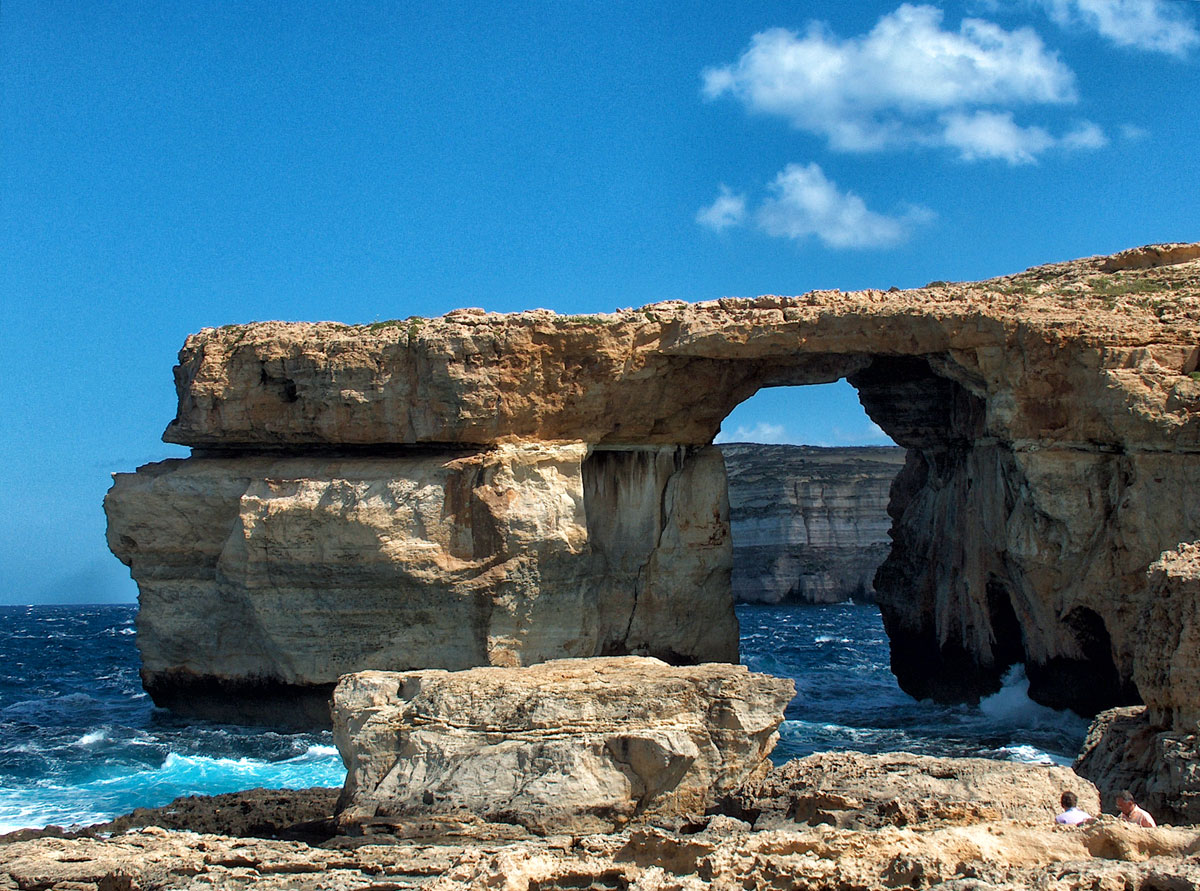
Azure Window before its collapse in March 2017

Our first stop was at Dwejra a small location on the West coast of the island of Gozo, known for its “inland sea” (small bay surrounded by high cliffs) and as the site where the Azure Window (naturally formed rock arch on the coast) could be found – we were lucky to see this, it collapsed during bad weather in March 2017.

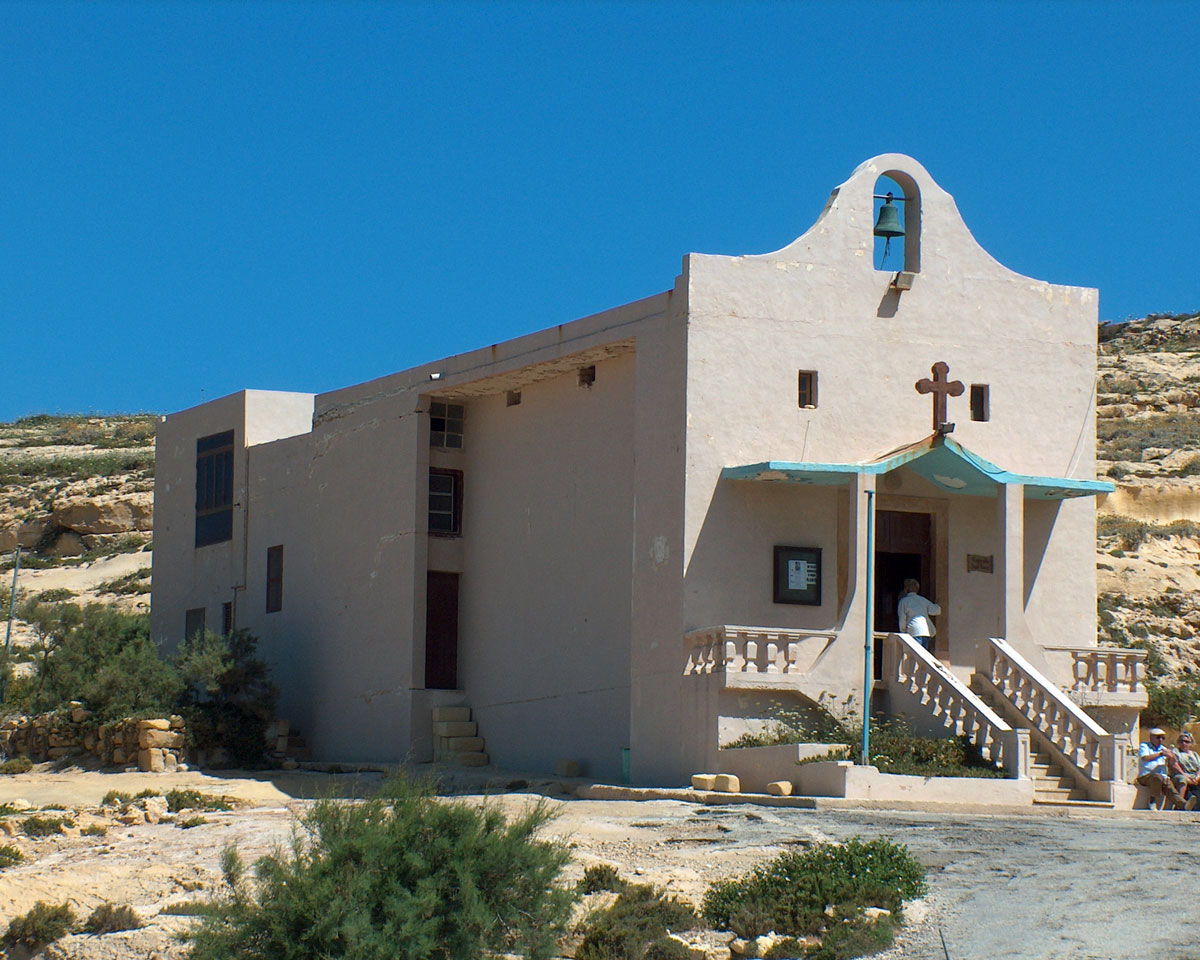
Gozo (like Malta) is not short of churches and other religious buildings, every little village has its own church, often extremely large in comparison to the population they serve. This one is a much more modest one.

The chapel at Dwejra was the last to be built in the countryside in Gozo. It was designed by Joseph Mizzi from San Lawrenz. The chapel was blessed on 25th July 1963.

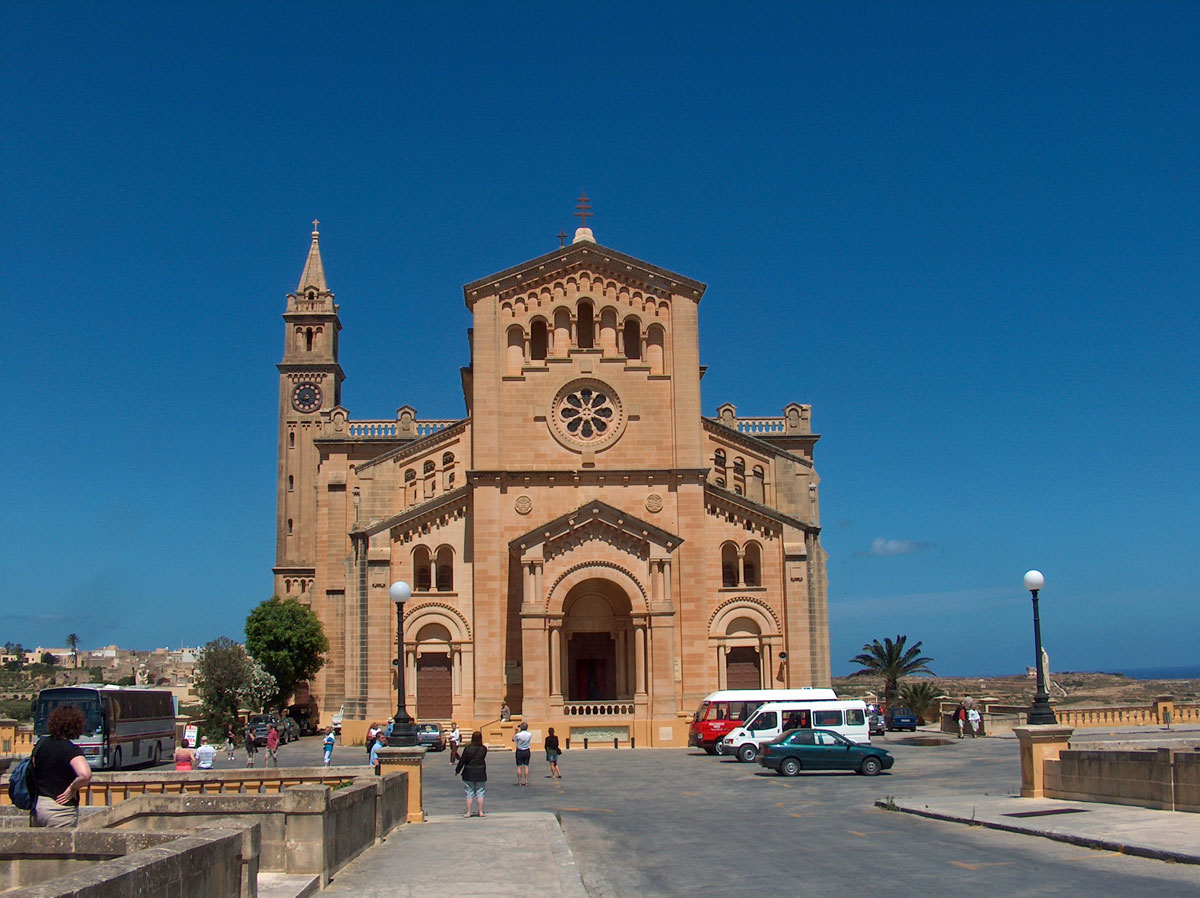
A much more imposing church is the Ta’ Pinu Basilica and Shrine (The Shrine of the Blessed Virgin of Ta’ Pinu) close to Għarb, which was a centre of pilgrimage.  The chapel remains in tact behind the altar and still contains the painting of the Assumption to Heaven of Our Lady from which the voice is said to have spoken to Karmni Grima. There is an chapel inside with some very unusual offerings and messages from people who were blessed by a miracle,

Our Lady of Ta’ Pinu was built between 1920 and 1931. In 1883 a woman from the village of Għarb, Karmni Grima, heard the voice of Our Lady at the small chapel that then occupied this site.

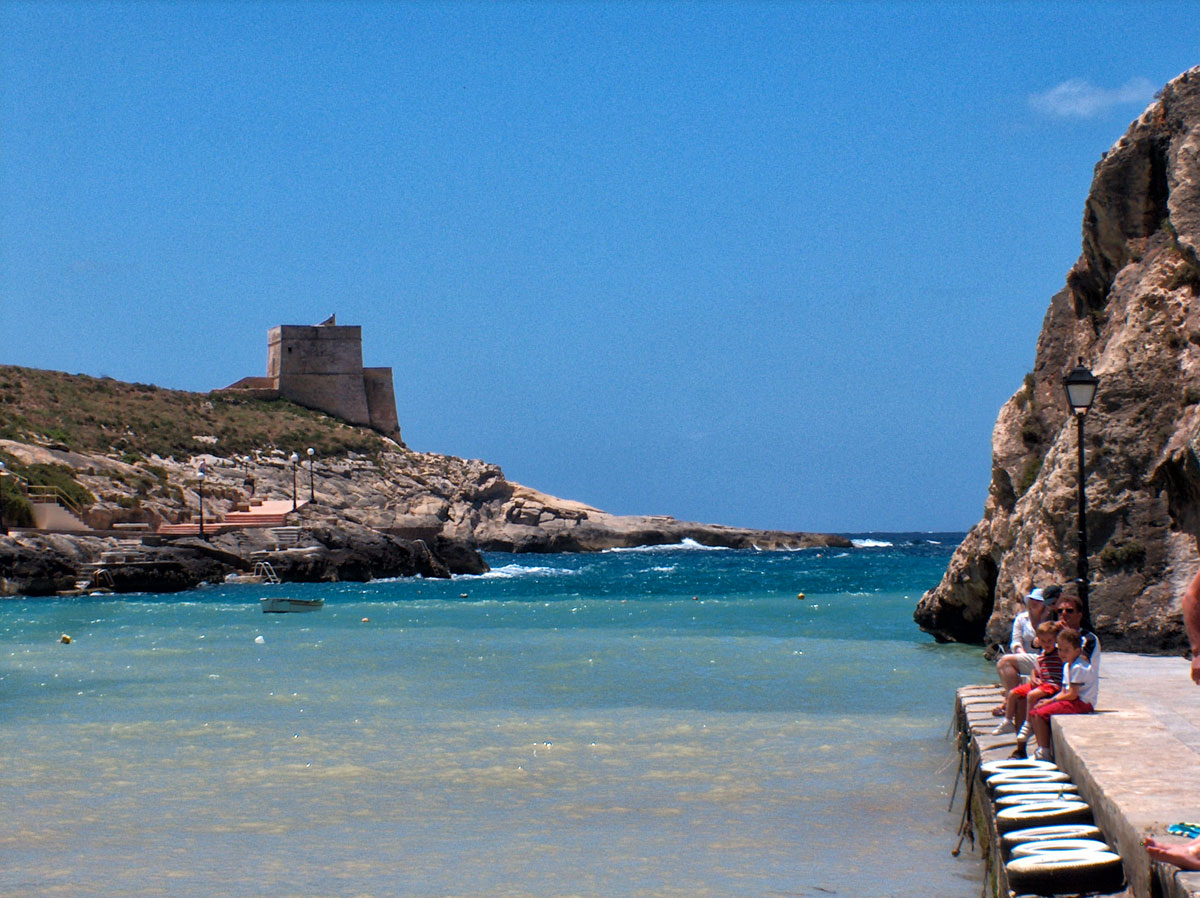
We visited Xlendi on the coast where we had a lovely walk along a promenade towards the tower with views along the coast with its high cliffs.

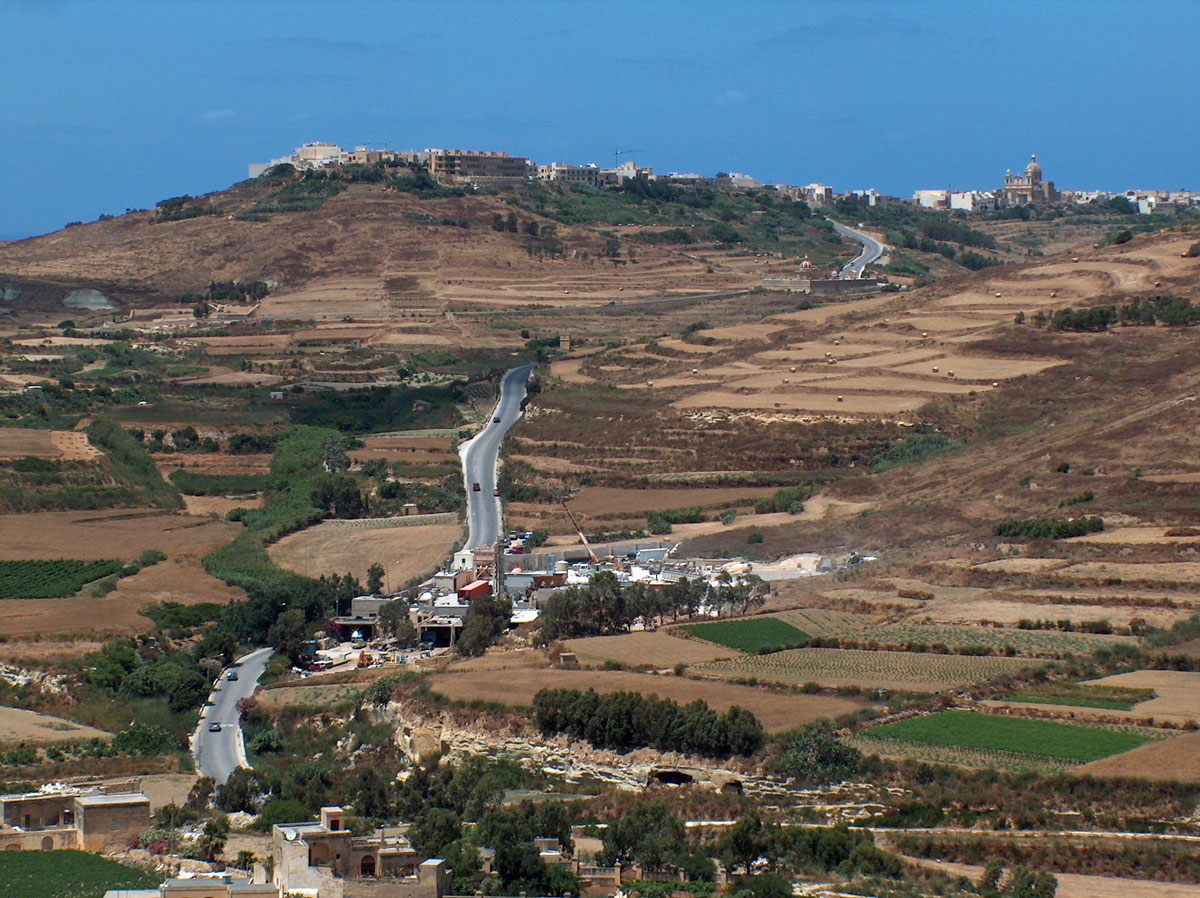
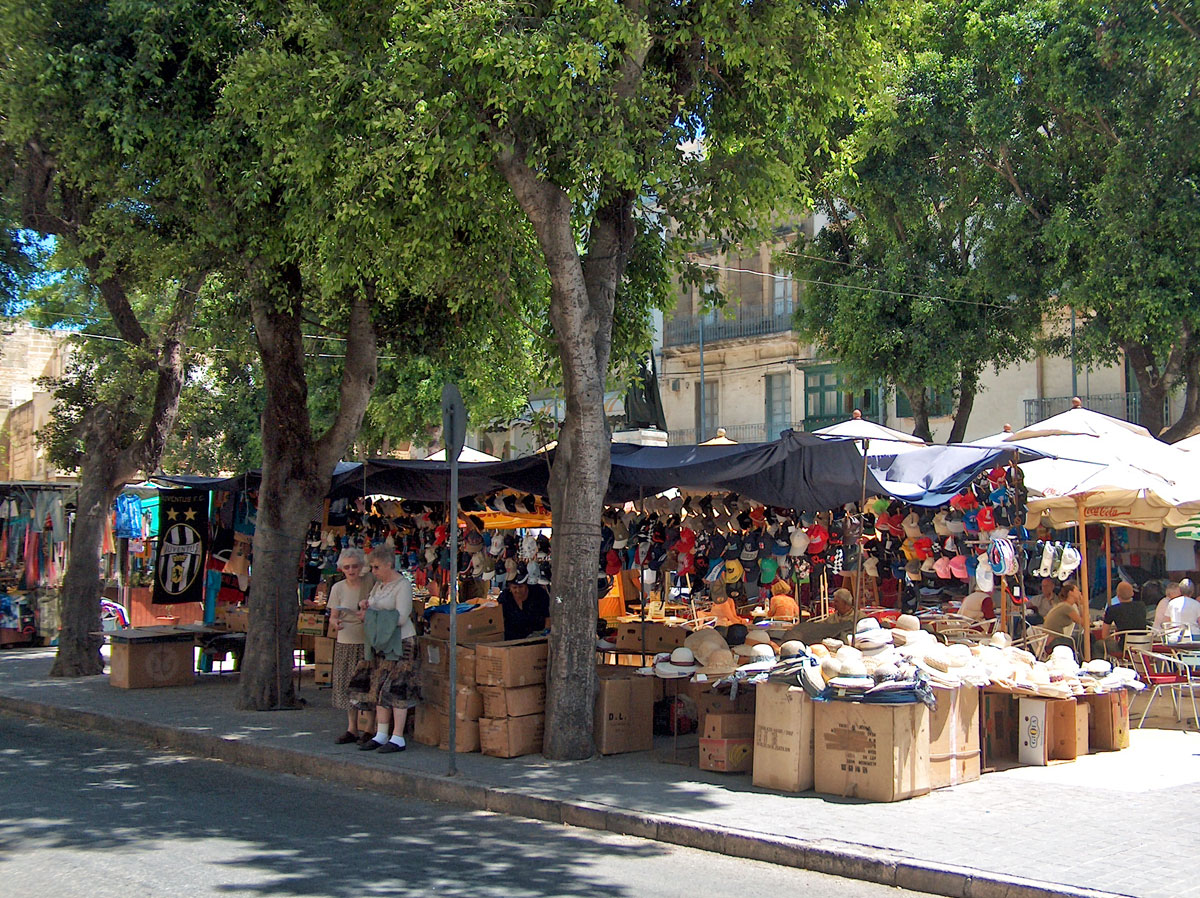
All roads in Gozo lead to the capital, ir-Rabat (Victoria), and, rising above it, the fortified Citadel accessible by a steep street climbing from Independence Square. Again you get incredible views over the entire island.