Postcards from Around the World

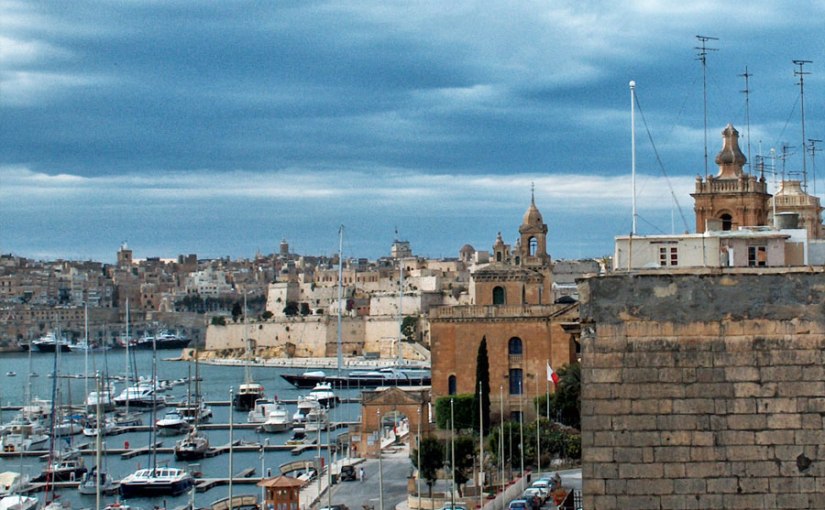
If you have visited Valletta, Malta, and the upper Barrakka Gardens then you have probably looked across the Grand Harbour towards the fortresses of the Three Cities: Vittoriosa / Birgu, Senglea and Cospicua which sit like a trio of villages in the heart of Malta’s historic centre.
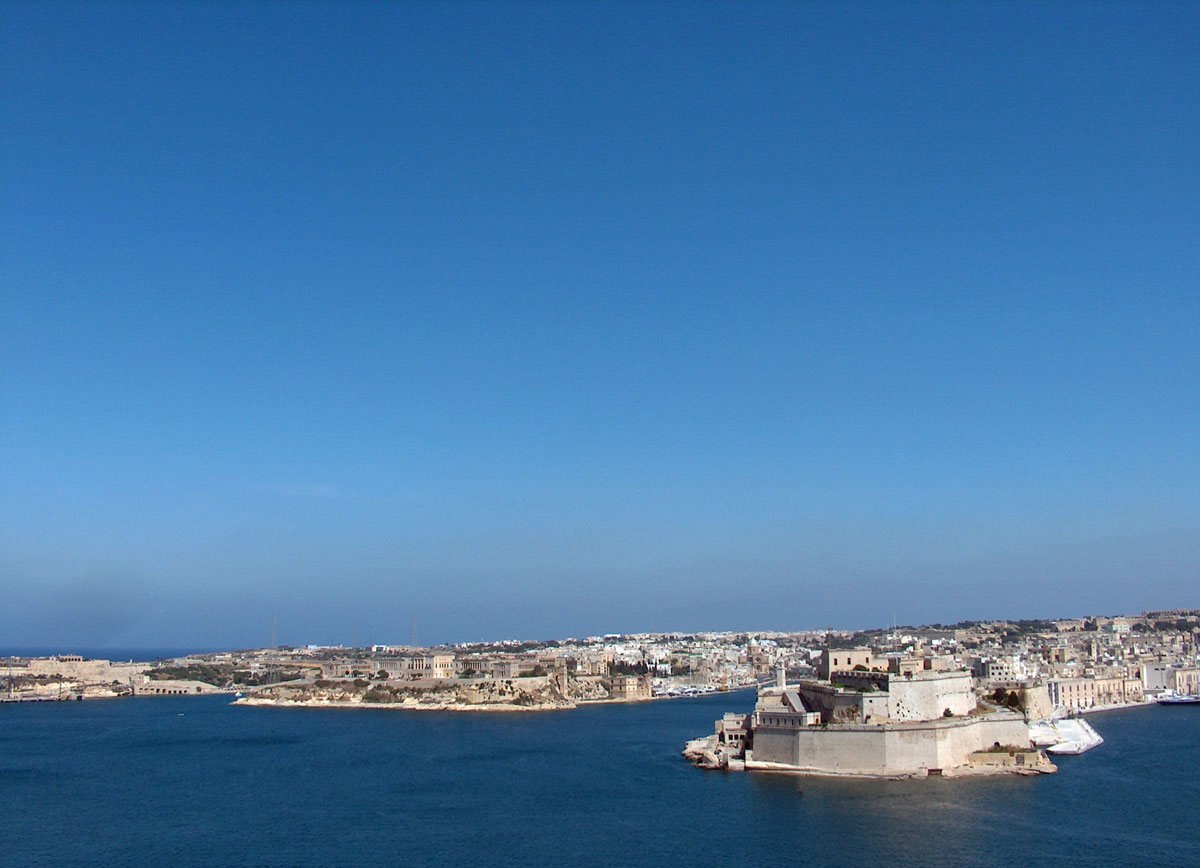
Fort St Angelo – Birgu. A restored medieval fort on the end of the peninsula.

The Vittoriosa Yacht Marina is the centre and heart of the Three Cities. It basically sits between all three of the neighbourhoods and its marina was likely a big reason for the heavy fortifications at the ends of Birgu and Senglea.
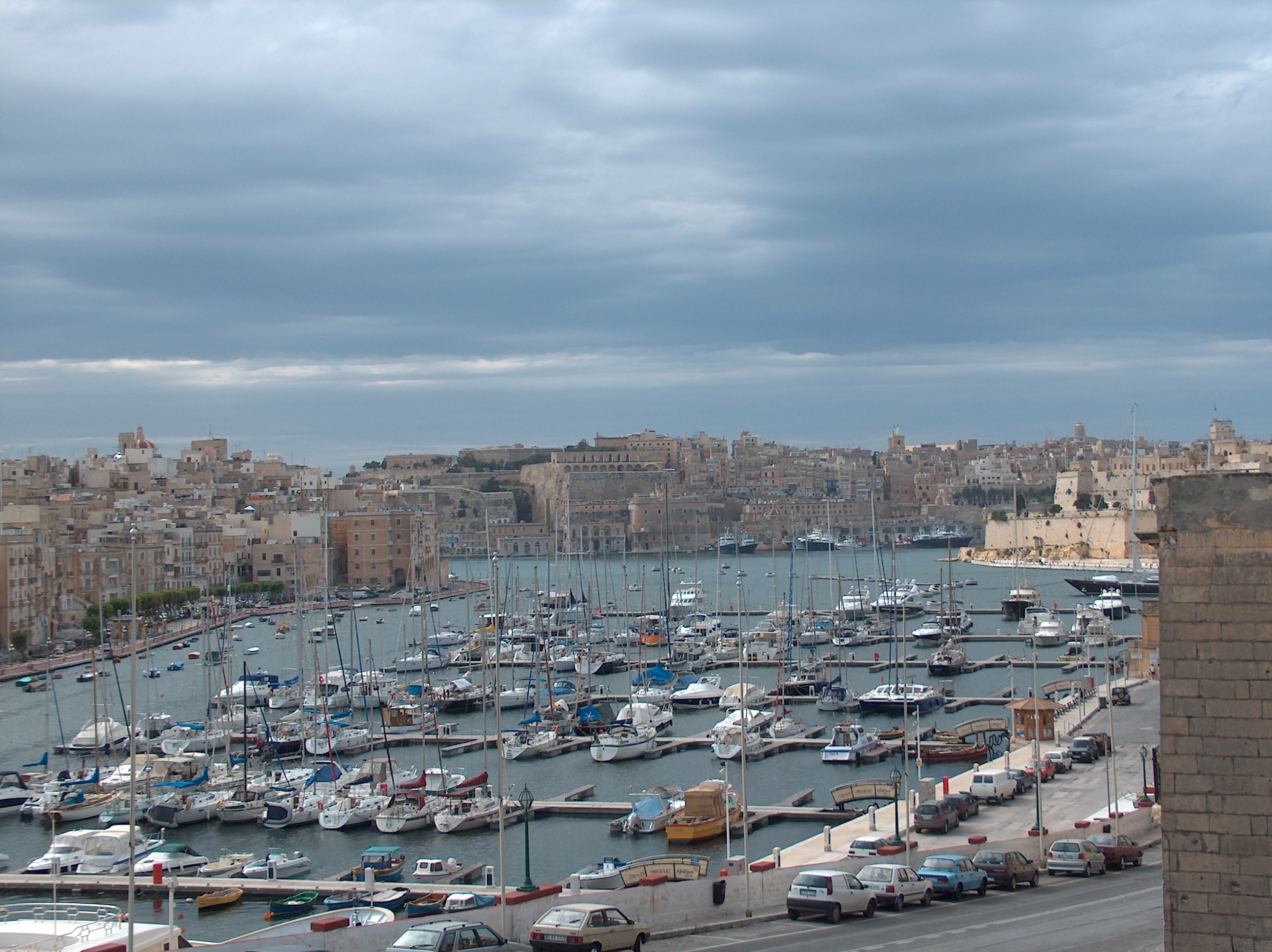
Vittoriosa Yacht Marina

The city, which sits on a narrow peninsular stretching across the Grand Harbour, was originally called Birgu, but was renamed Vittoriosa (meaning victorious) following the Great Siege of 1565, to commemorate the role it played in the defence of the island. This fortified city is one of the oldest in Malta and the first home of the Knights of the Order of St John, who settled on the island in 1530.
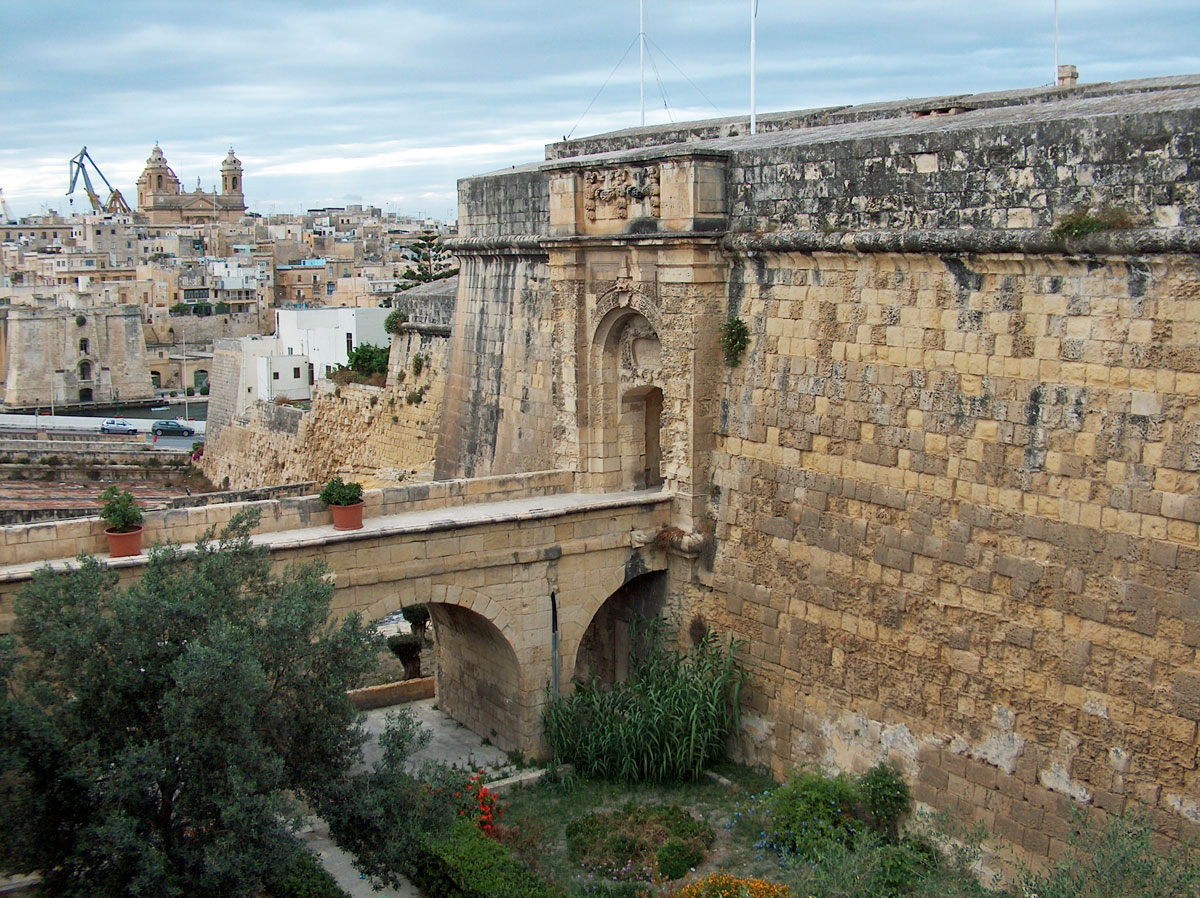
Vittoriosa Entry Gates

Birgu had four city gates, three of which still survive. They were designed by Charles François de Mondion in the 18th century, and are in the Baroque style:
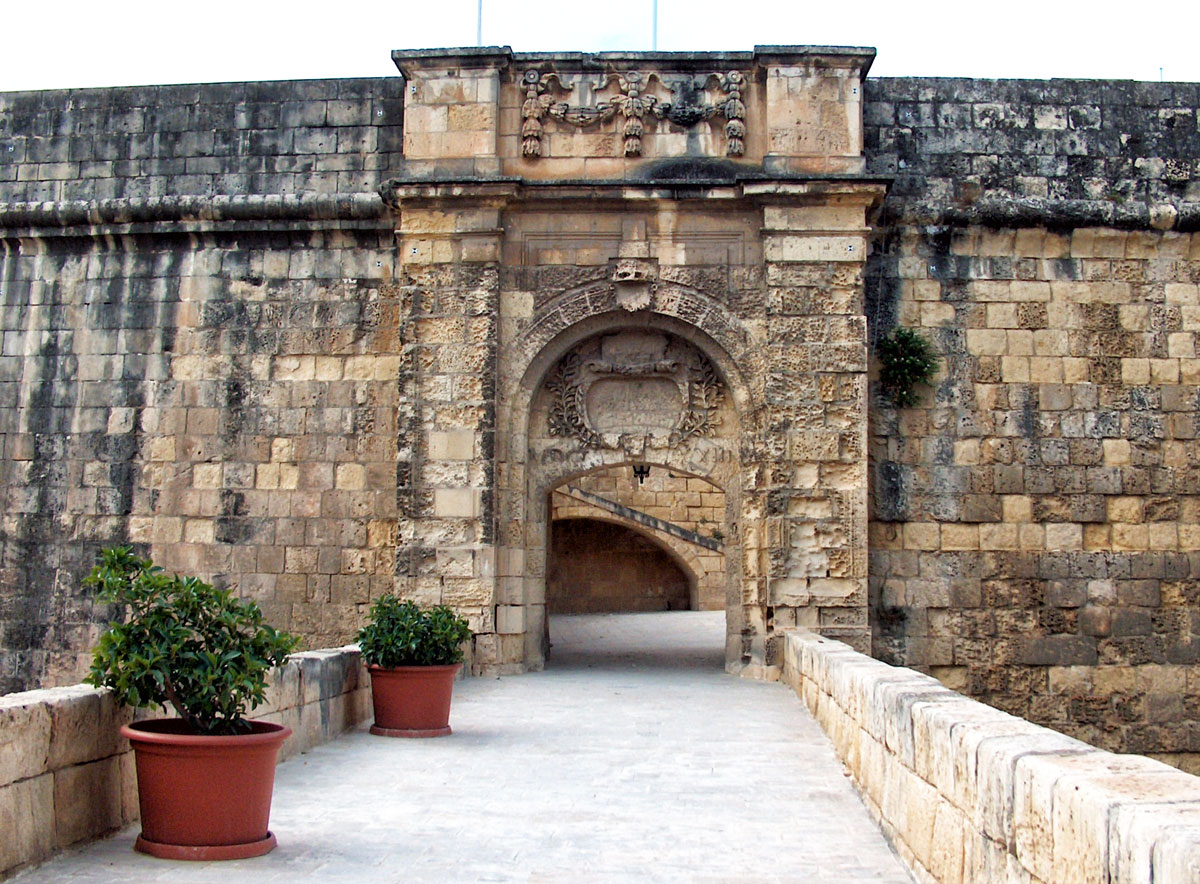
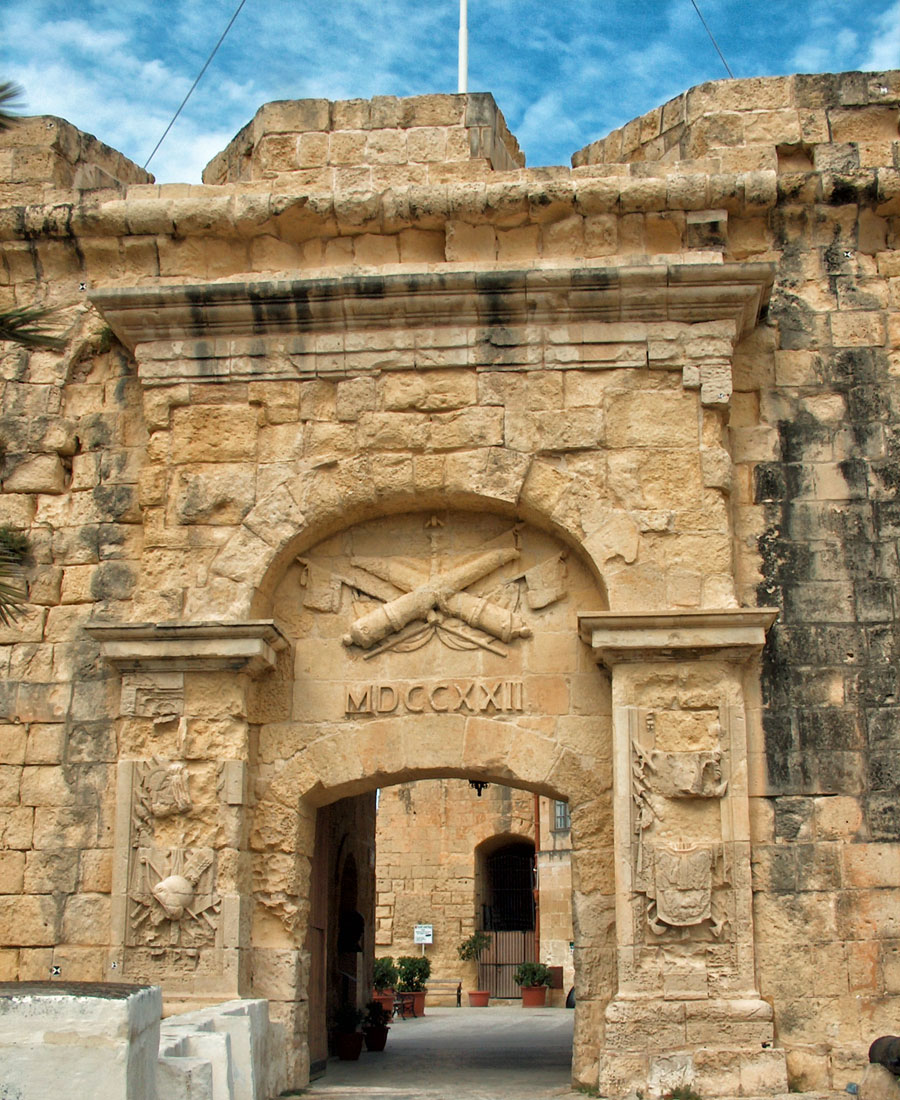
The main entrance to the city, known as Advanced Gate the second of the three main gates, located on the right face of St. John Bastion.
Couvre Porte Gate – the first of the three main gates, located within the west side of Couvre Porte Counterguard.
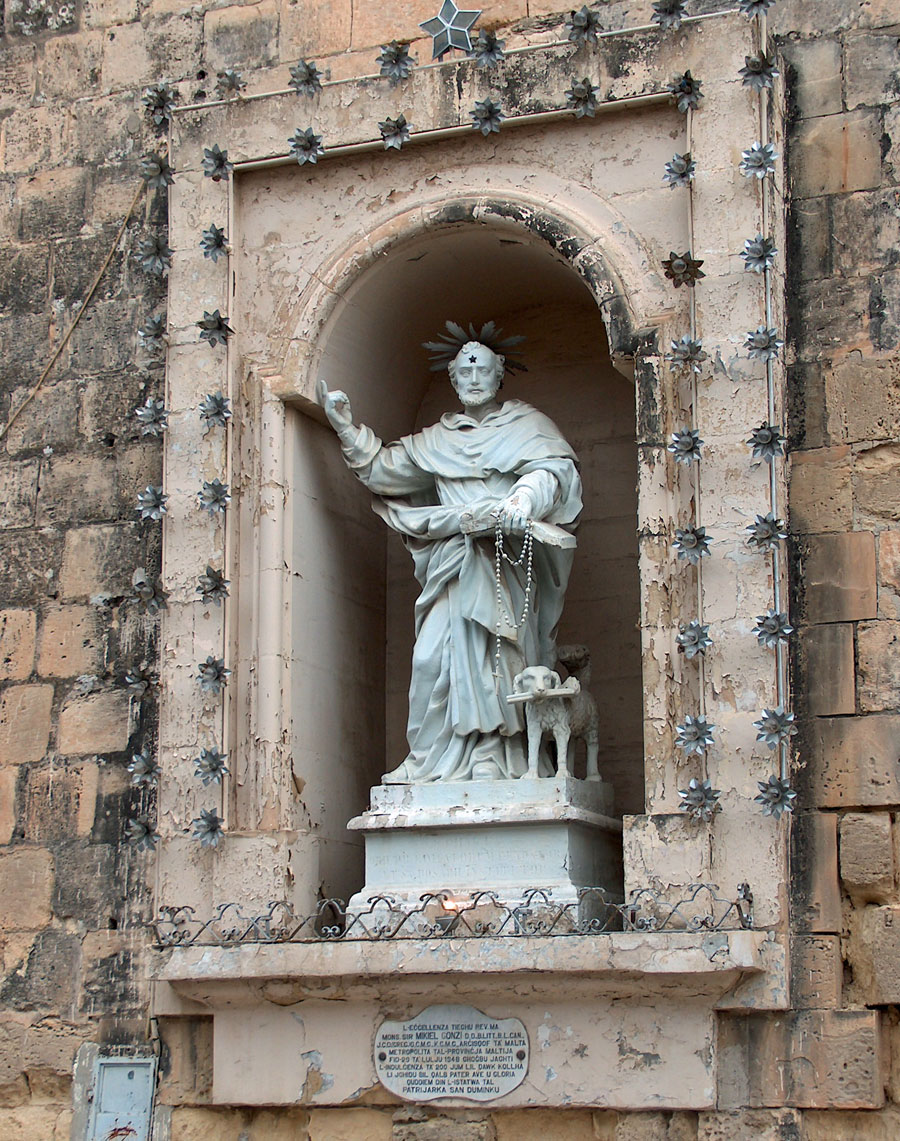
Niche of St Dominic – Birgu

Nobody expects the Maltese Inquisition!” From the 16th to 18th centuries, the Maltese Inquisition was conducted from the Inquisitor Palace in central Birgu. Not to be underestimated, the inquisitors of Malta had a fair amount of power and even produced several Popes during their tenure. Now a museum it was originally the official residence of Malta’s first inquisitor.

One of the best things to do is simply wander around the residential streets which are probably the most authentic of Maltese life. You’ll find a lot of the wonderful closed balconies that are an architectural feature of the whole country.

Coming off Victory Square are plenty of small backstreets that have a cosy, pedestrian vibe to them. Look for the small details of the balconies and doors in the maze of streets that have probably looked the same for hundreds of years.

Visiting the Three Cities is one of the best things to do in Malta, and you can get there easily by bus or ferry and the best way to explore the area is on foot.
Postcards from Around the World

Malta sits in the central Mediterranean Sea, the largest island of the Maltese archipelago between Sicily and the North African coast. It is a fascinating country with a long history related to a succession of rulers including the Romans, Moors, Knights of Saint John, French and British. Many historic sites can be seen including fortresses and underground chambers.
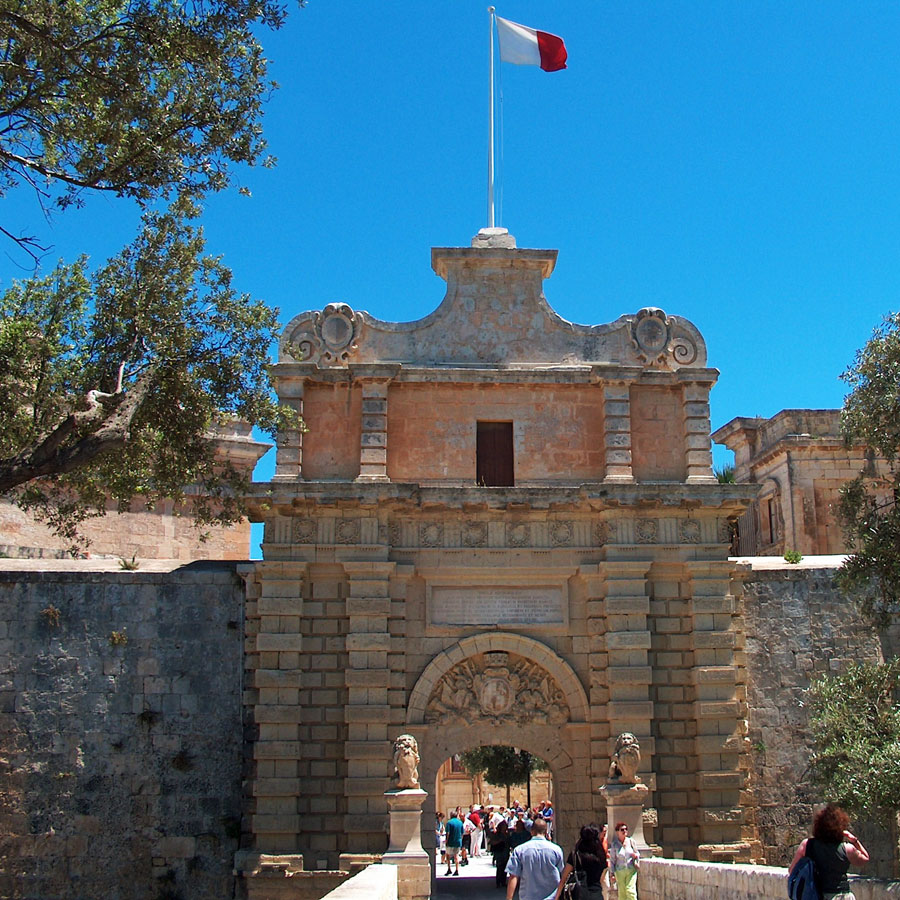
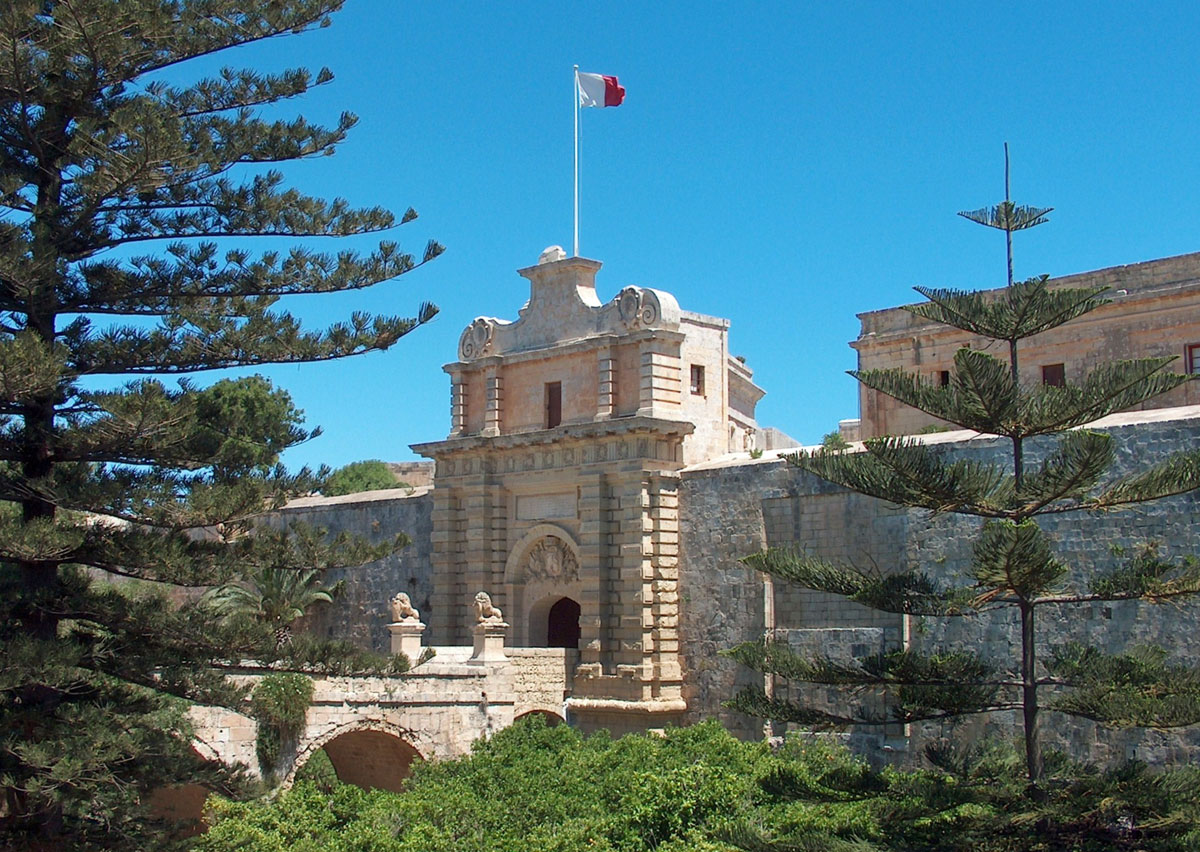
Entrance to the walled city of Mdina

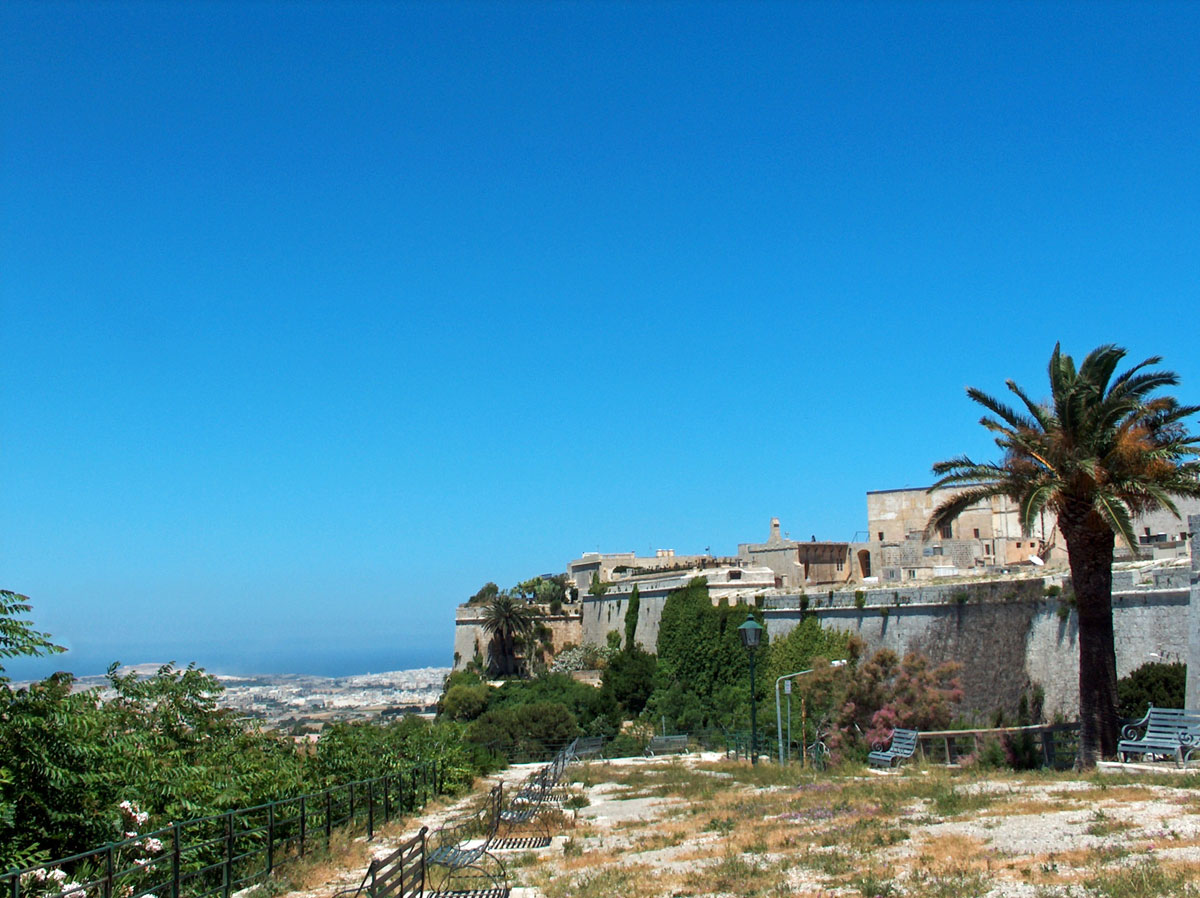
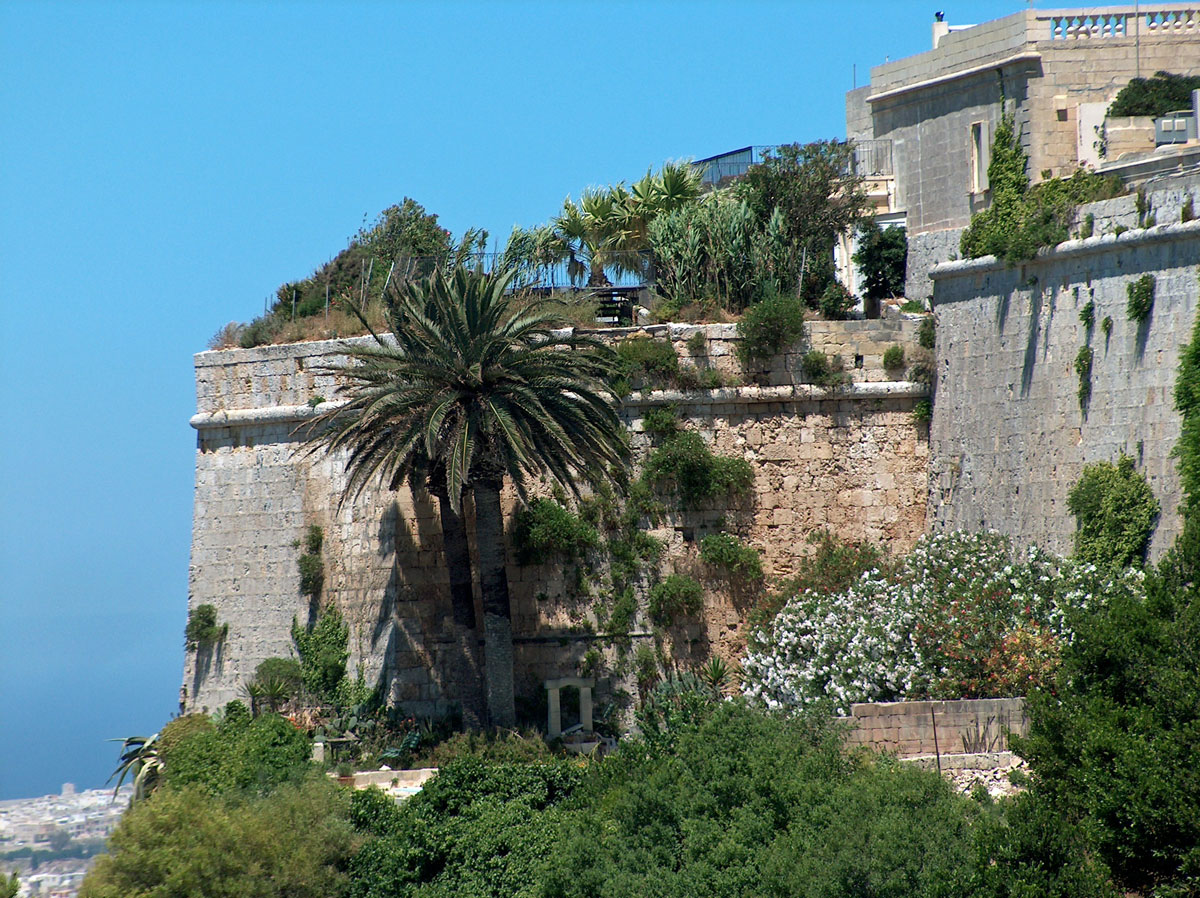
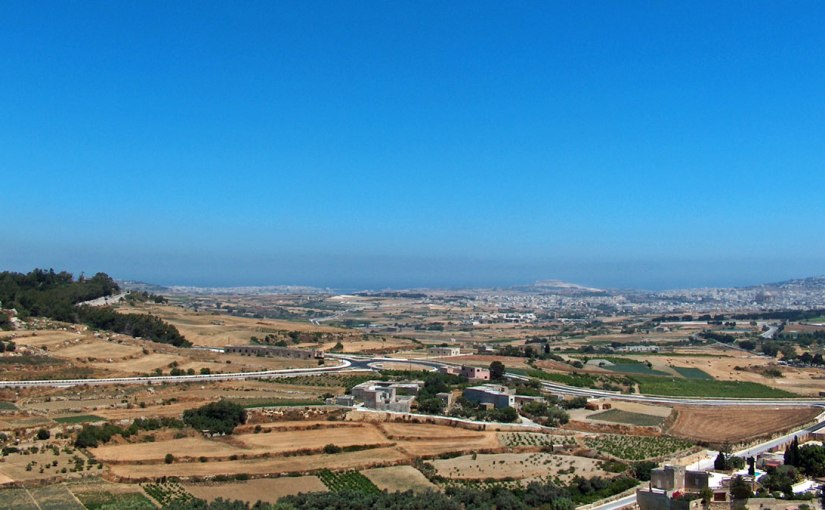
Valletta is the modern capital city, but in this week’s trip around the world I am taking you to the centre of the island to Mdina and Rabat. Sitting on top of a hill overlooking large parts of Malta, Mdina is a fortified medieval town enclosed in bastions, small but rich in history and once served as the island’s capital until the Knights of St John arrived in 1522.

It has a nickname of the Silent City, but this has nothing to do with keeping quiet or ghostly connections, but the fact that when the capital moved to Birgu also known by its title Città Vittoriosa (“Victorious City”) the streets were emptied of people.

Lions guard the city gate into the city

Mdina has had different names and titles depending on its rulers and its role but its medieval name describe it best – ‘Citta’ Notabile’: the noble city. The streets are very narrow and twist and turn so it feels like you are in a maze, but although popular it doesn’t seem busy.

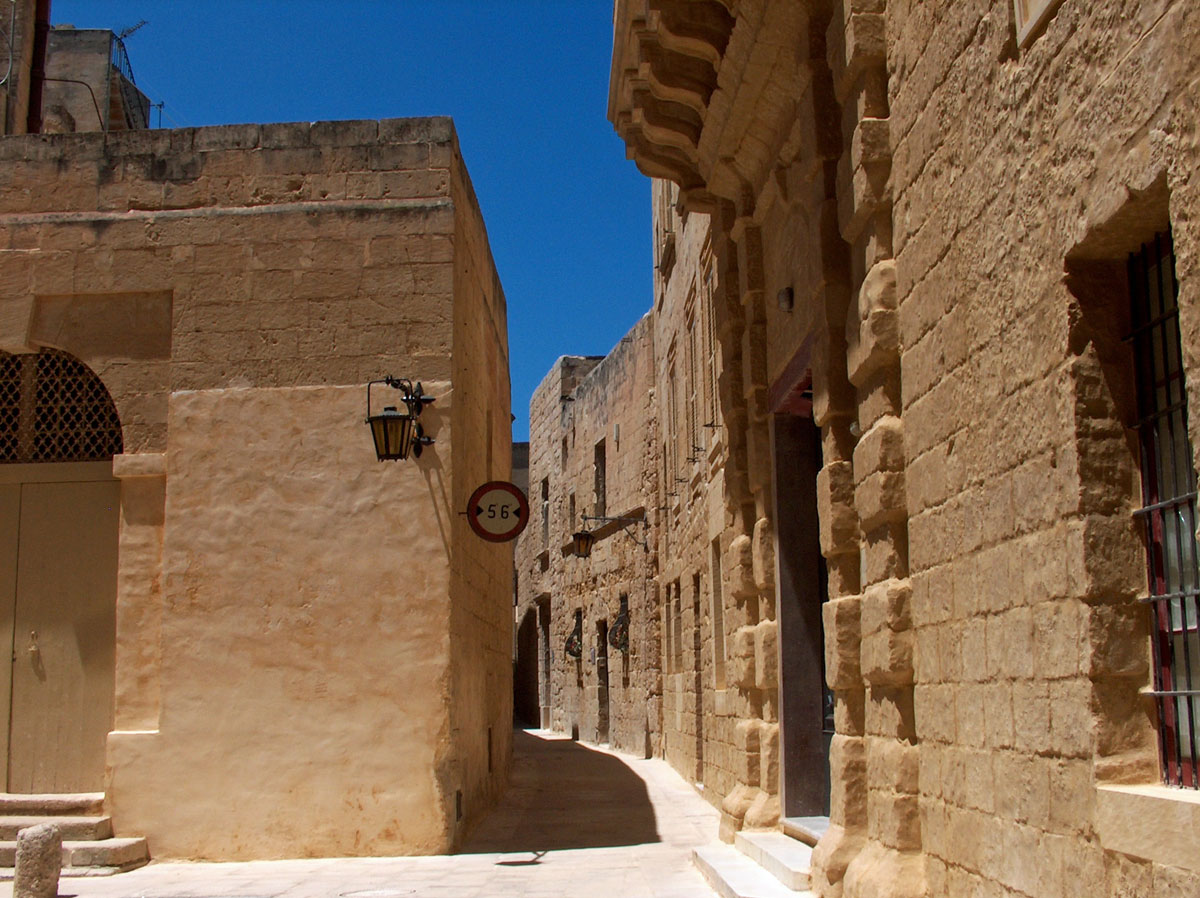
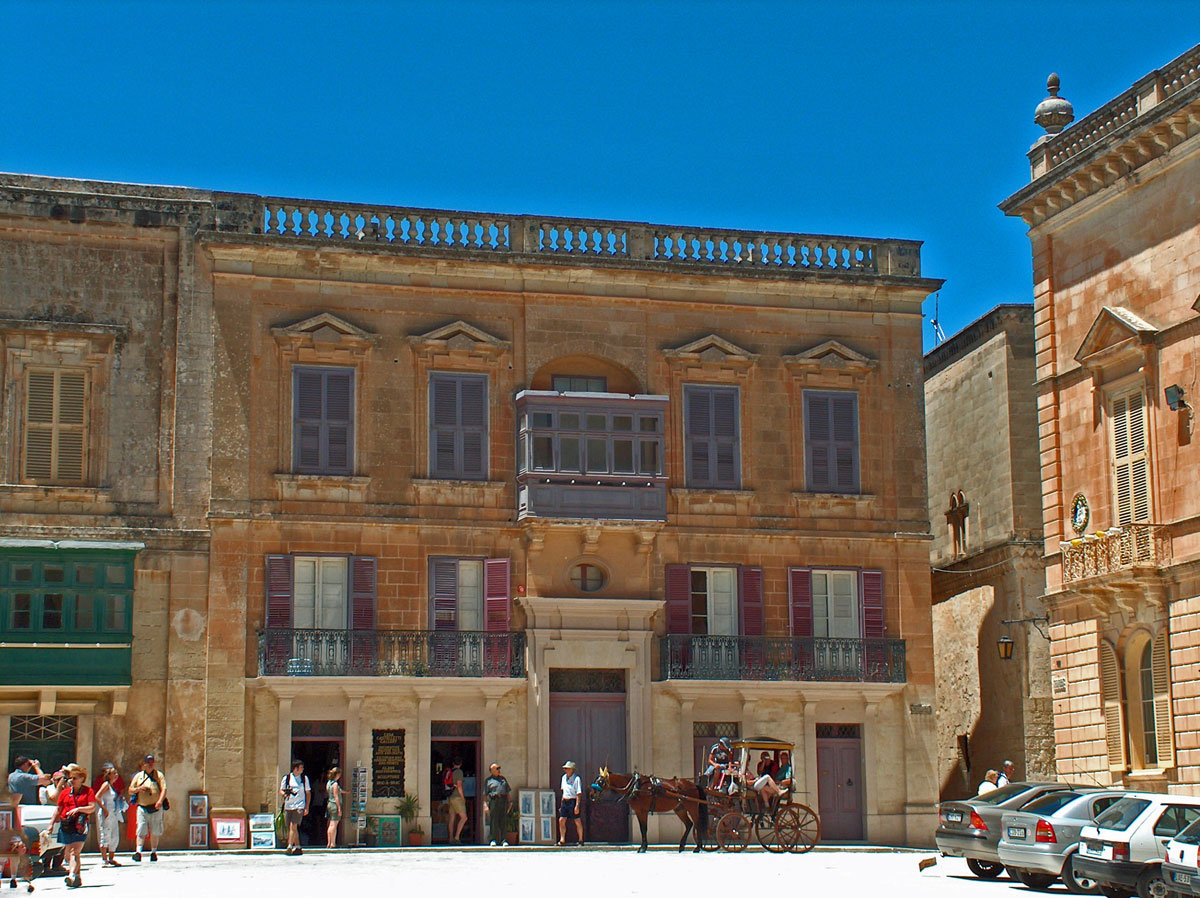
A typical street scene

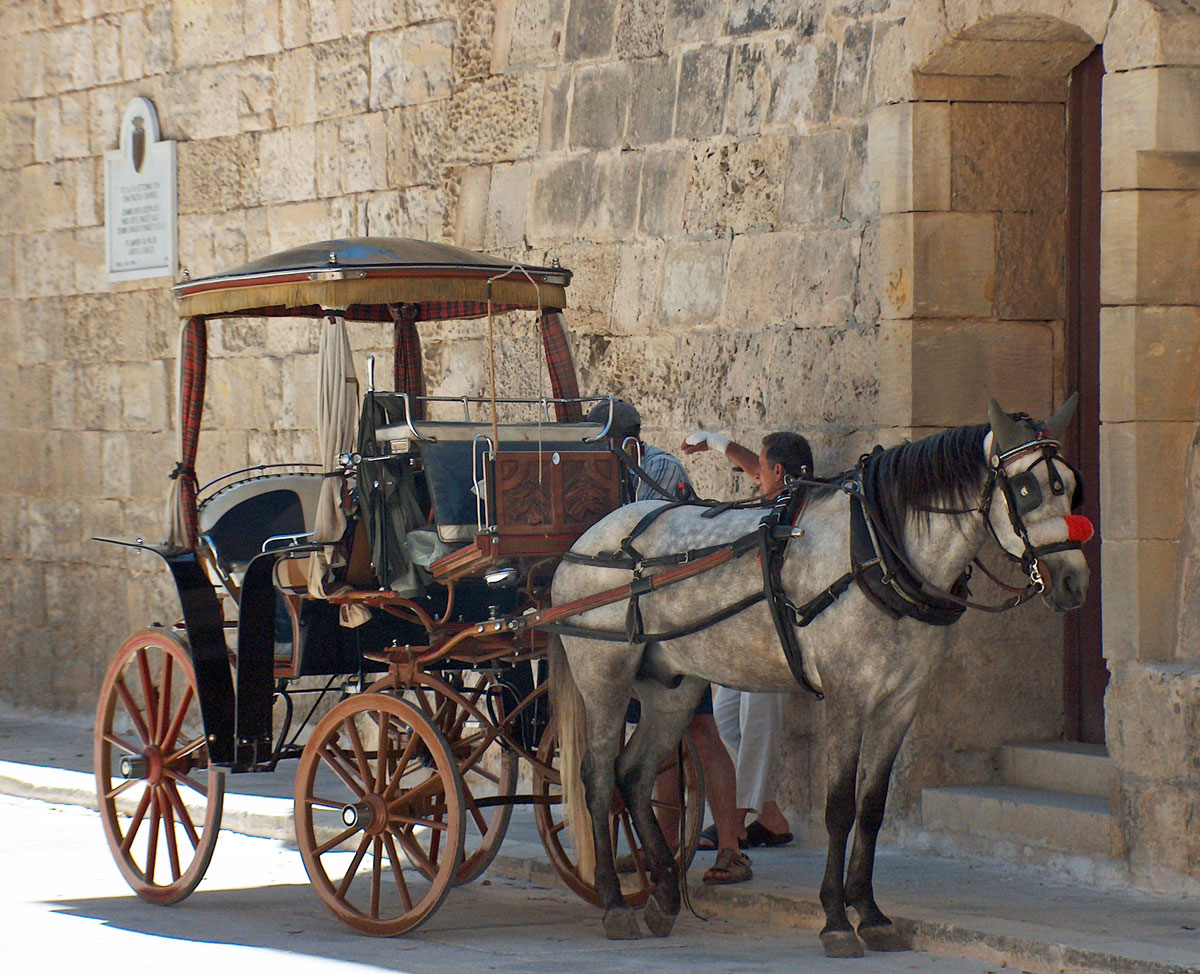
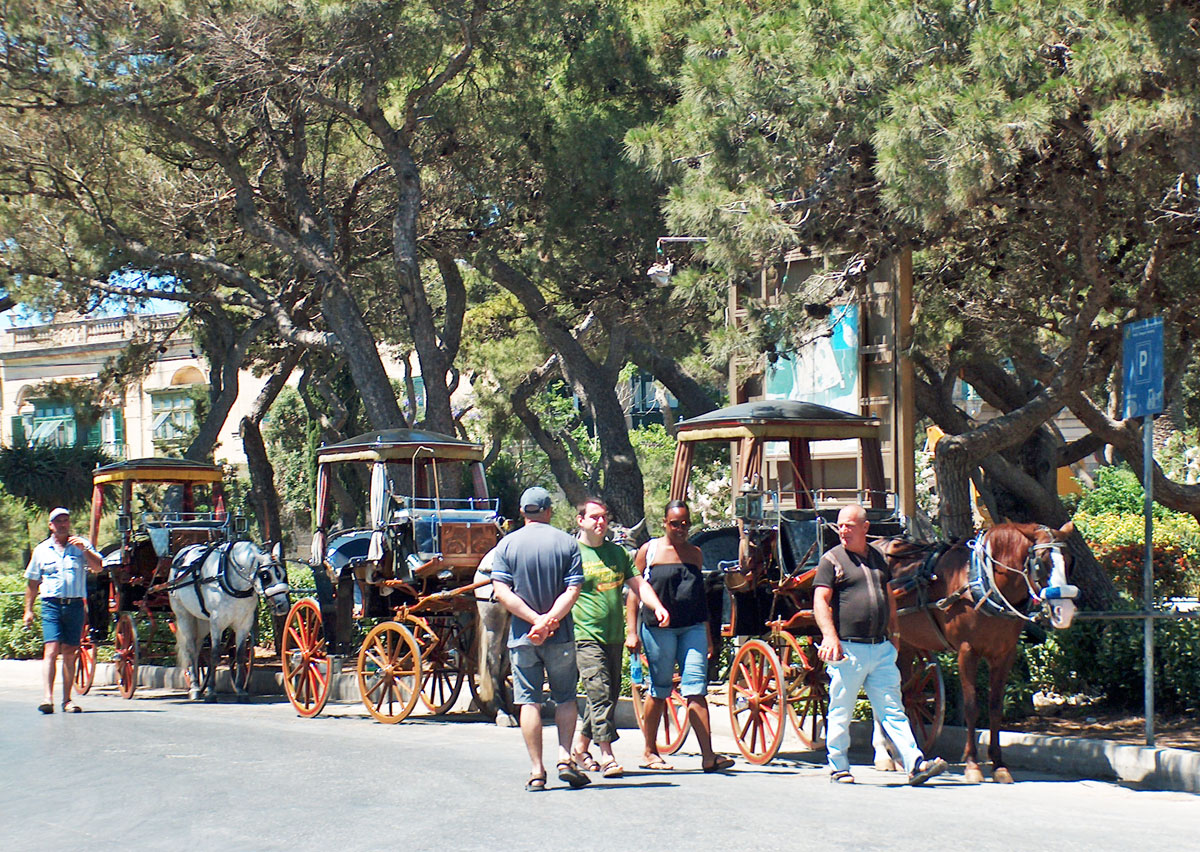
You’ll hear the sound of horses hooves as horse-drawn carriages (karozzin) are used to take tourists around the city.

Karozzin – the horse drawn carriages seen across Malta
Casa Castelletti Gallery, Triq Villegaignon
Karozzin waiting for custom

Surrounded by a ditch that has been turned into a public garden, you can wander around freely and enjoy the view of the age-old bastions from underneath.

Rabat which lies just outside the fortresses walls is a commercial centre and acts as a market to its large agricultural hinterland. It is also well established on the tourist map due to its archaeological and historical sites: The Roman Villa (Domus Romana), catacombs, St. Paul’s Grotto and the fine churches and monasteries.

This slideshow requires JavaScript.

Whilst you are visiting Mdina it makes sense to visit Rabat at the same time. Although we didn’t visit the catacombs of St Paul, I have on my previous visit to the island back in 1978 when I lived in Paceville / St Julian’s for a month. (Now recognised as a ‘party’ district with late night bars and clubs, back then it was a quiet residential area).

Note that you can reach Mdina / Rabat by bus from Valletta.

Postcards from Around the World

This week we are remaining in Slovenia, but heading to the capital city the delightfully named Ljubljana, the city of the dragons. And there are literally dragons everywhere: guarding the bridges, flying high on the city’s official flag, and even adorning the drain covers throughout the city.

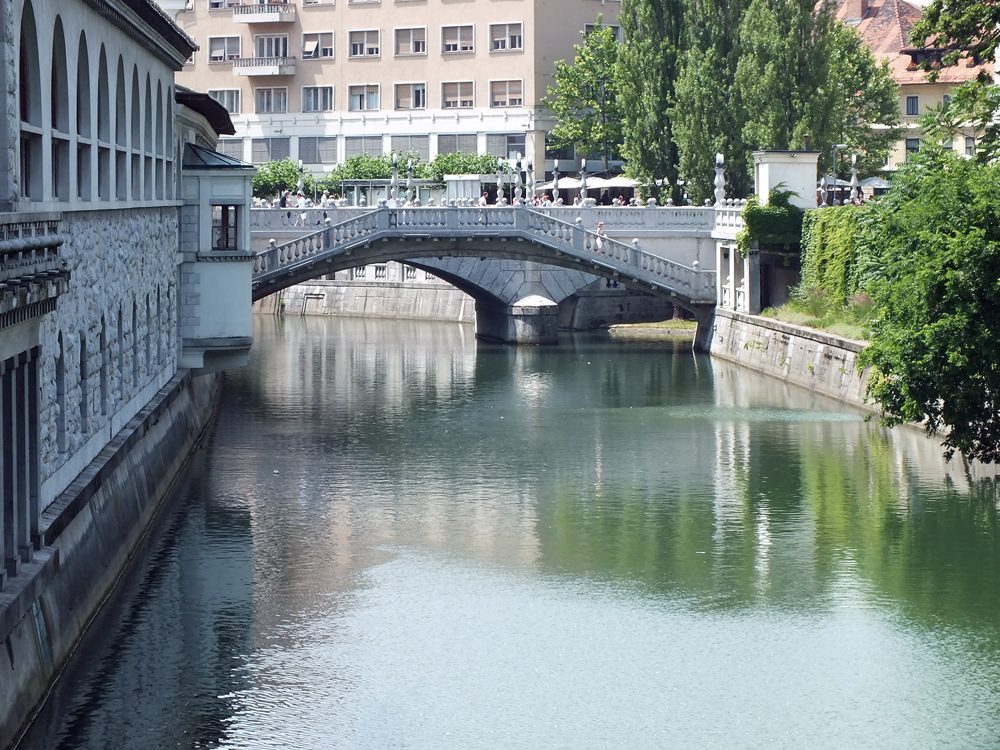
Not to mention bridges. There are in fact 17 bridges crossing the Ljubljanica River.

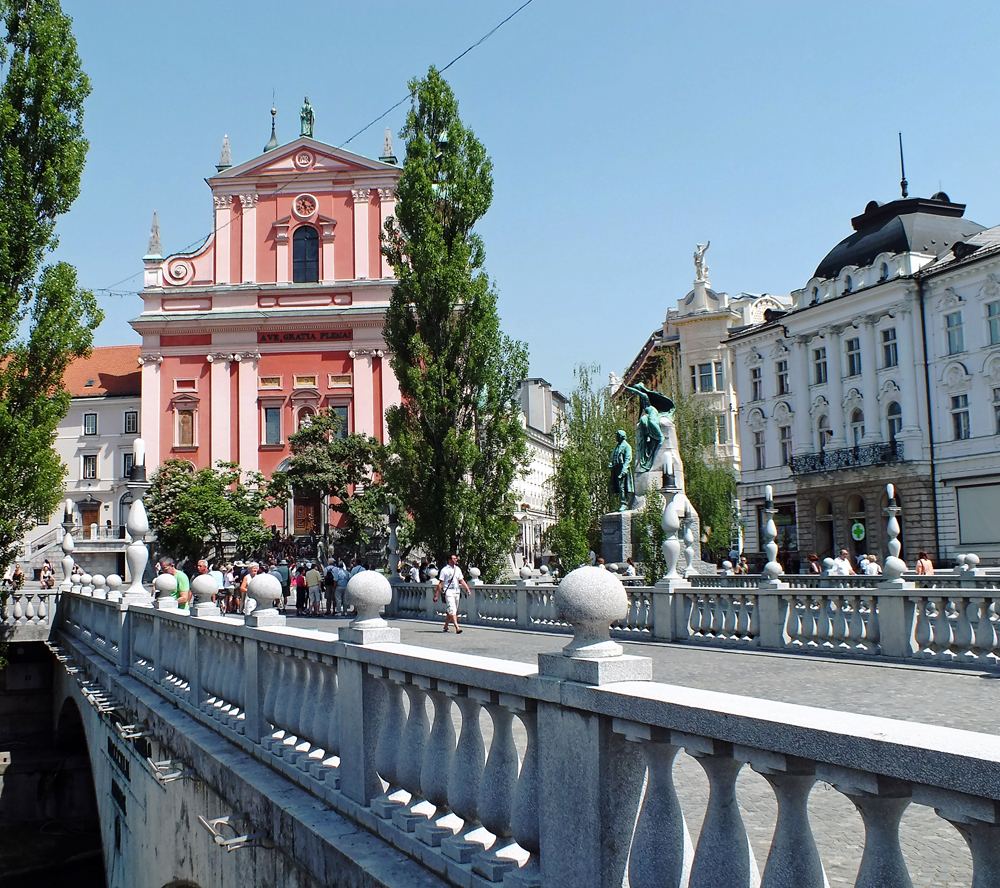
Triple bridge – Prešeren Square which is actually oval shaped and the centre of the historic old town. The pink church is the Franciscan Church of Annunciation.
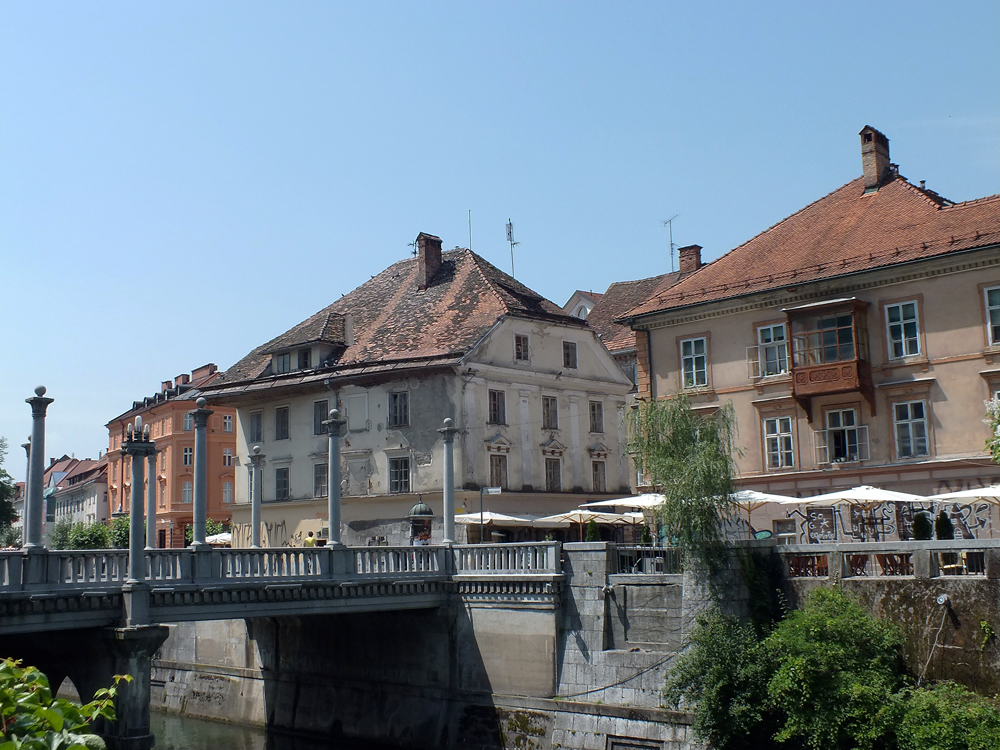
Cobbler’s bridge built by the architect Jože Plečnik between 1931 and 1932, was formerly occupied by a covered wooden bridge connecting the Mestni trg and Novi trg squares, two major parts of medieval Ljubljana. The bridge provided space for cobblers’ workshops – hence the name Cobblers’ Bridge. 
Triple Bridge. Between 1929 and 1932, the side bridges, intended for pedestrians, were added to the original stone bridge to a design by the architect Jože Plečnik, who thus created a unique architectural gem of Ljubljana.

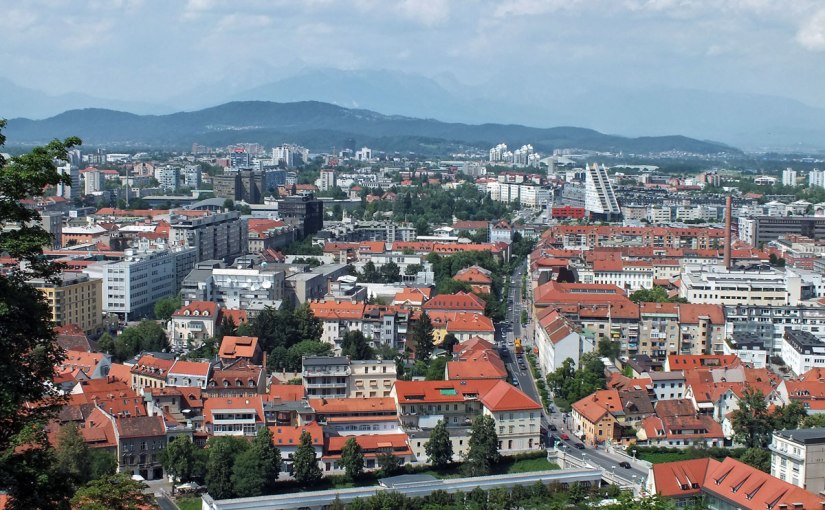
Between Castle Hill and the Ljubljanica River is the city’s Old Town, defined by three ‘squares’, which are actually more like narrow, cobbled streets. The whole area is pedestrianised and easily walkable with lots of charm and history.

I have blogged about this city before, but let me introduce you to some more of the interesting and quirky sights on my wander around.

Križanke – Knights of the Cross monastery. The architectural complex of Križanke is a popular open-air venue for performing arts in Ljubljana. The architect Jože Plečnik converted this former monastery between 1952 – 1956. The conversion of the Križanke complex was Plečnik’s last project.
The Križanke Summer Theatre with a capacity of 1,400, regularly hosts concerts of various types and is one of the main venues for the summer Ljubljana Festival.

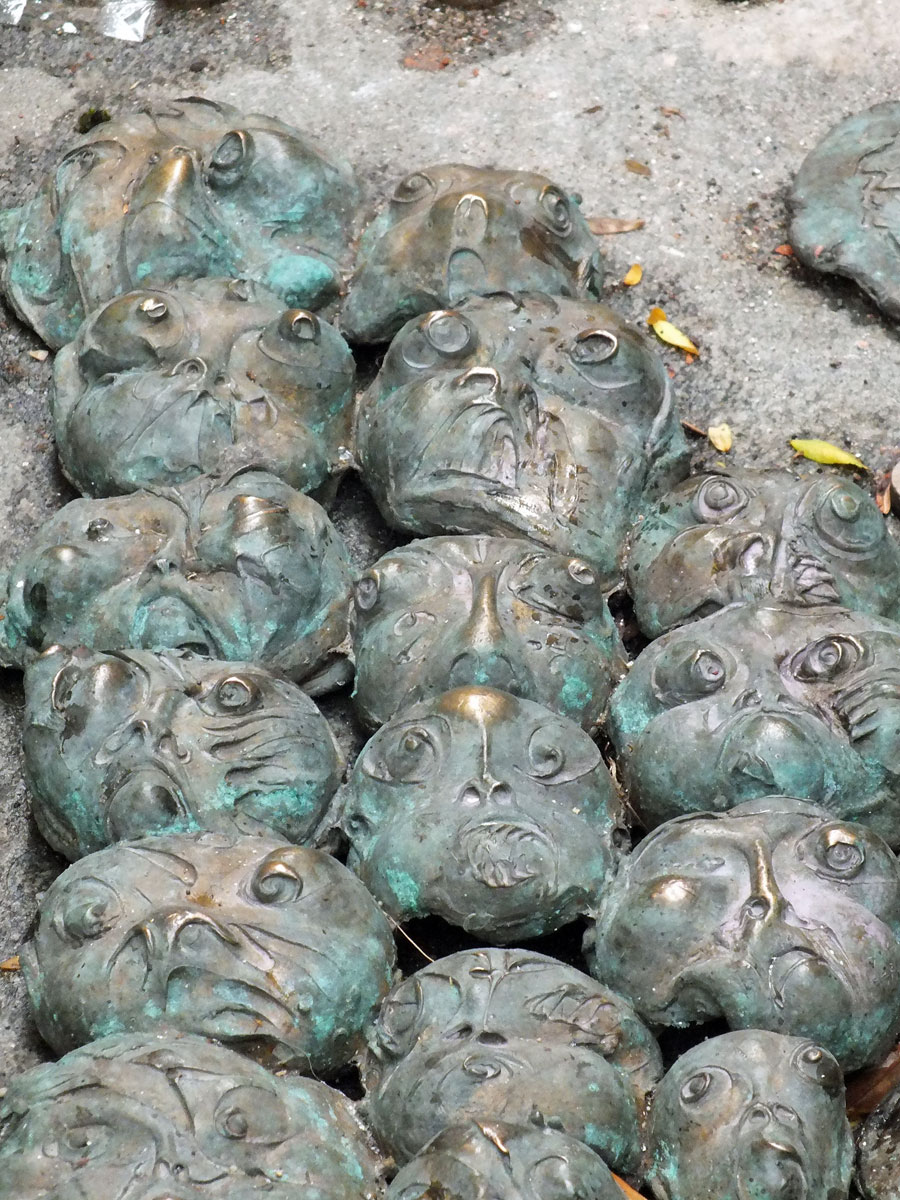
 “Locksmith Street,” is a narrow alley in the medieval old town in the Slovenian capital city. The entrance is marked by a key. In the middle of the cobblestoned street is a gully that appears to be flowing with hundreds of strange little faces. Some happy, some sad, some rather strangely distorted. There are 700 of these bronze faces running through the centre of the alley, culminating in a drinking fountain and a couple other odd sculptures, namely a bronze hand and a skeleton trapped in a cage.

Faces by Slovenian sculptor Jakov Brdar

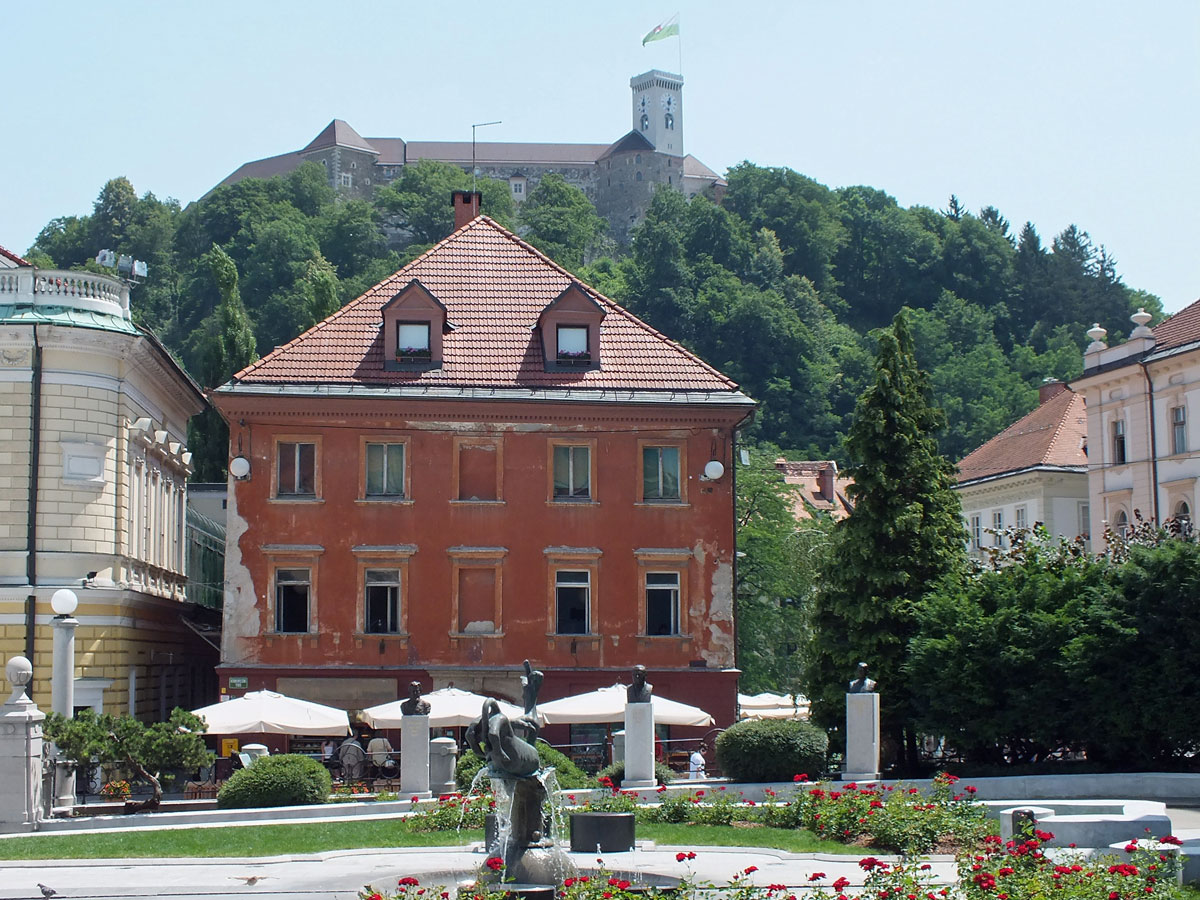
Ljubljana Grad, is the castle on top of the hill in the centre of the city. It was originally constructed in the 11th century as a medieval fortress, but most of the current structure dates back to the early 16th century, when most of the castle was rebuilt after a devastating earthquake. It’s been used for everything from a military defence fortress to an army hospital and even a prison; as late as the 1960s it was even used as public housing.

Ljubljana Grad / Castle

A good thing about this European city is that it is not overrun with passengers from cruise ships so although there are tourists it still very much feels like a city where locals live and work and have fun.

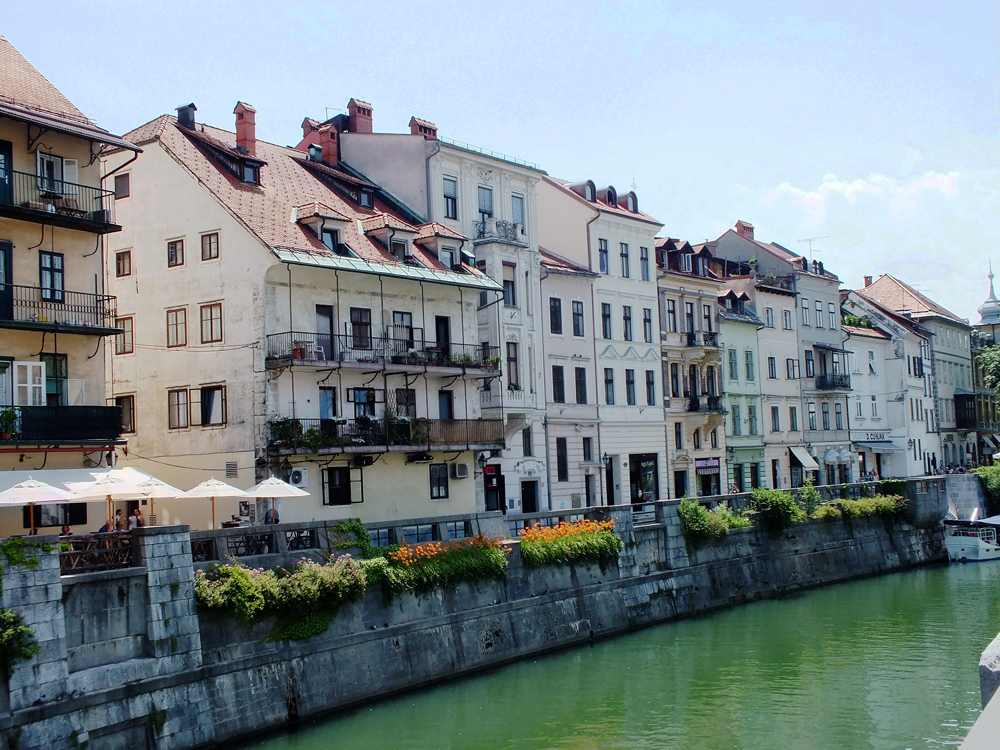
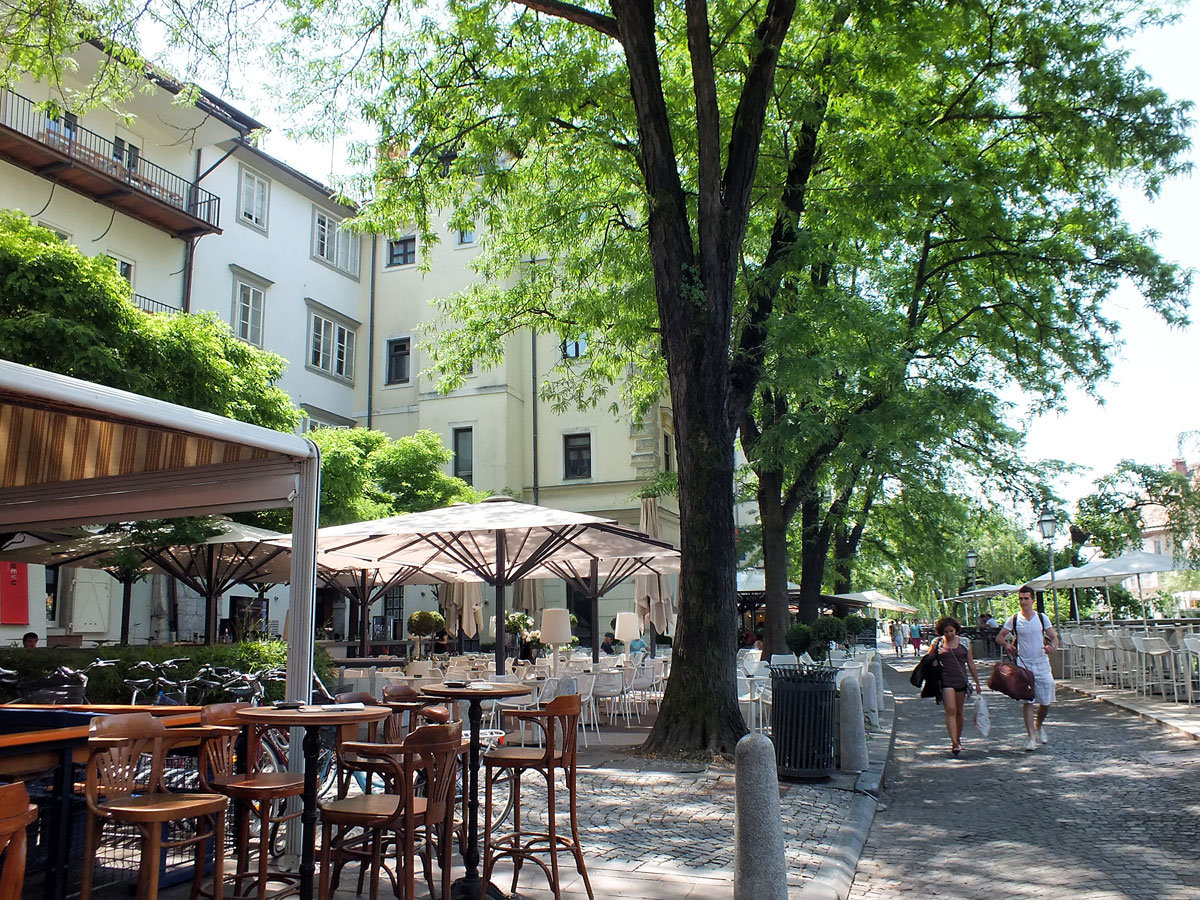
Along the Ljubljanica

The city has a vibrant café scene and one of the best places to be on a sunny day is sitting outdoors by the riverside watching the world go by. It feels a bit Mediterranean crossed with eastern European with street cafés, bars and restaurants, lovelocks, open air markets and Viennese Secessionist architecture and 19th-century wooden shop fronts, quiet courtyards and cobblestone passageways.

Postcards from Around the World

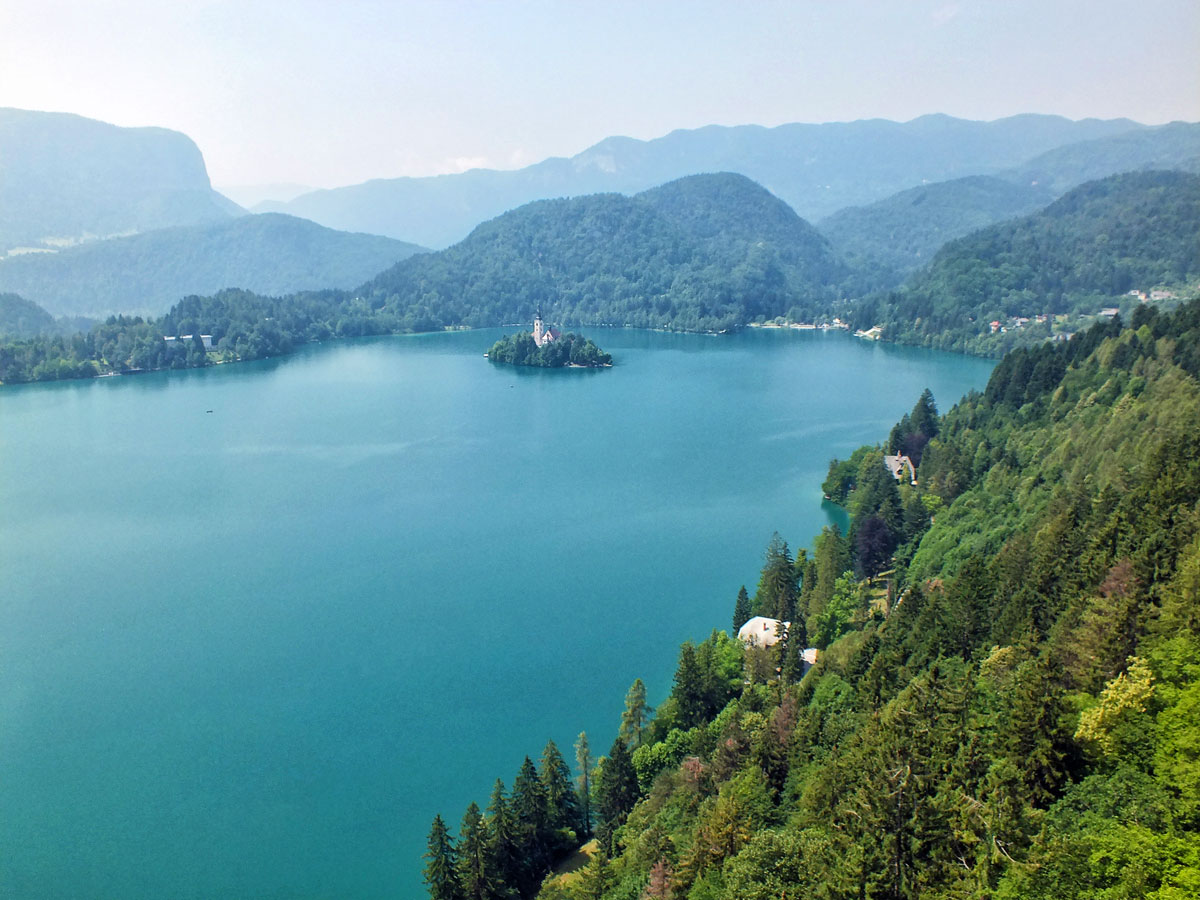
If you ever decide to visit Slovenia (and I recommend that you do) then Lake Bled is a must, located in the Julian Alps in the Gorenjska region of Slovenia, not far from the Austrian and Italian borders. The circumference of the lakeside is an easy flat 6km stroll with beautiful views in every direction.

A castle view of Lake Bled and the island with the Church of the Assumption (which demands a climb up the 99 stone-step staircase).

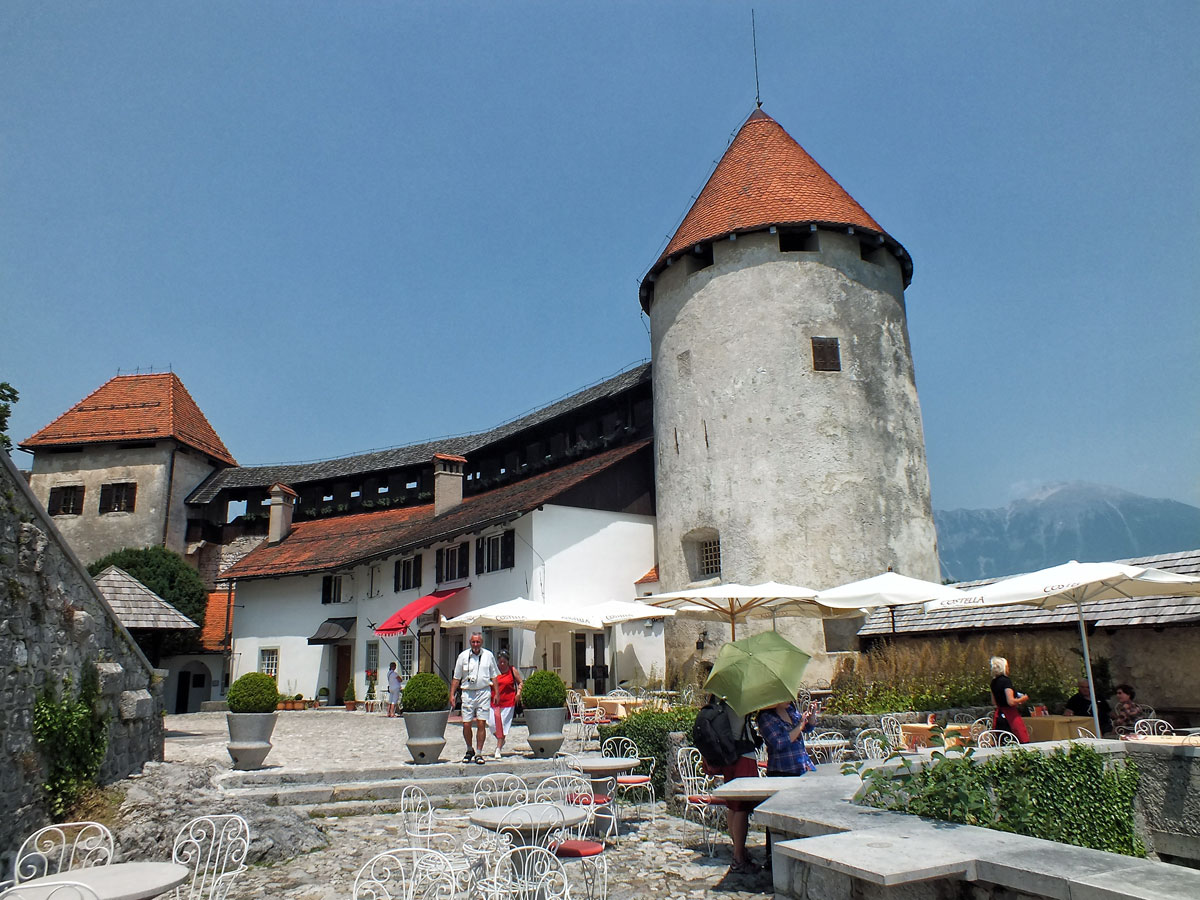
The fairy-tale castle is perched atop a limestone cliff towering 130 metres above the lake and also worth a visit. It’s a steep climb up there, but the views from the top are far reaching.

The castle is an interesting medieval fortress dating back to 1004 and was extended and fortified in the Middle Ages though extensively damaged by an earthquake in 1511. It was rebuilt much the same as we see it today with the castle buildings decorated with the images of coats-of-arms, painted in fresco technique, some are engraved in stone.

The castle was restored between 1951 and 1961 and the Bled Castle Printing Works was integrated in the building for servants at the lower courtyard, and the castle wine cellar has also been added slightly higher.

Nowadays there are exhibitions and cultural events held in the tower gallery and the castle courtyard.

There is a shop, a museum and a restaurant as well as a preserved Gothic chapel in the upper courtyard, dedicated to Bishop St Albuin and St Ingenuin.

It was built in the 16th century; a baroque image was added to it at the end of the 17th century and was decorated with illusionist frescoes.

Postcards from Around the World

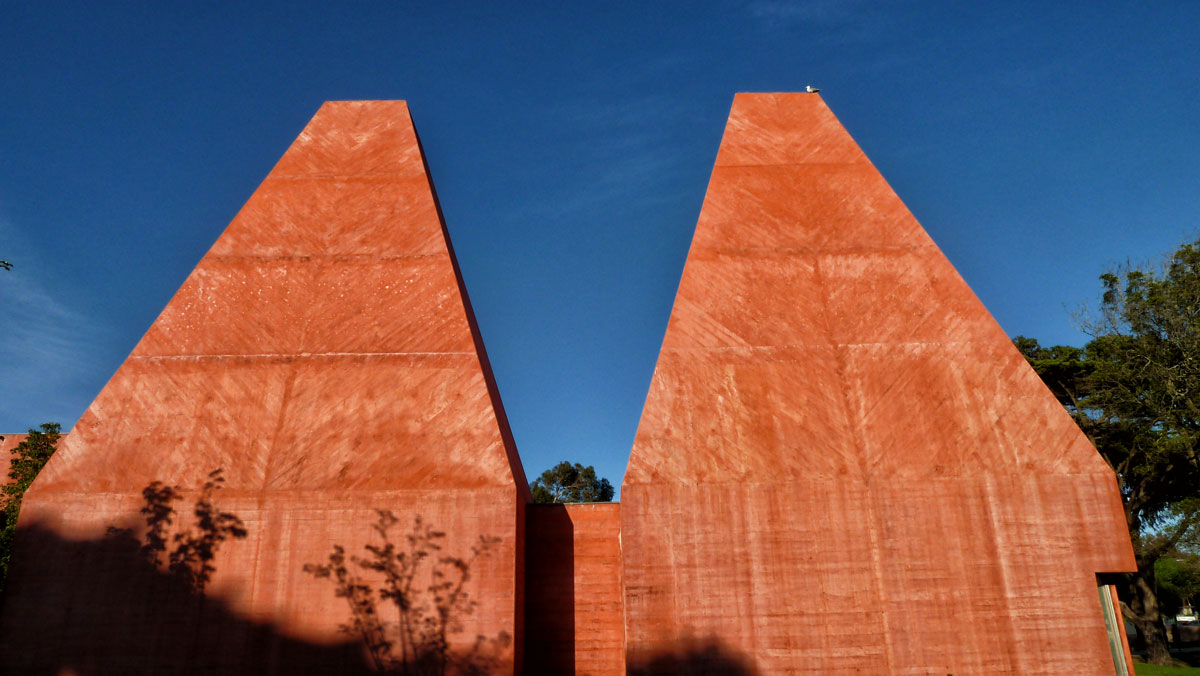
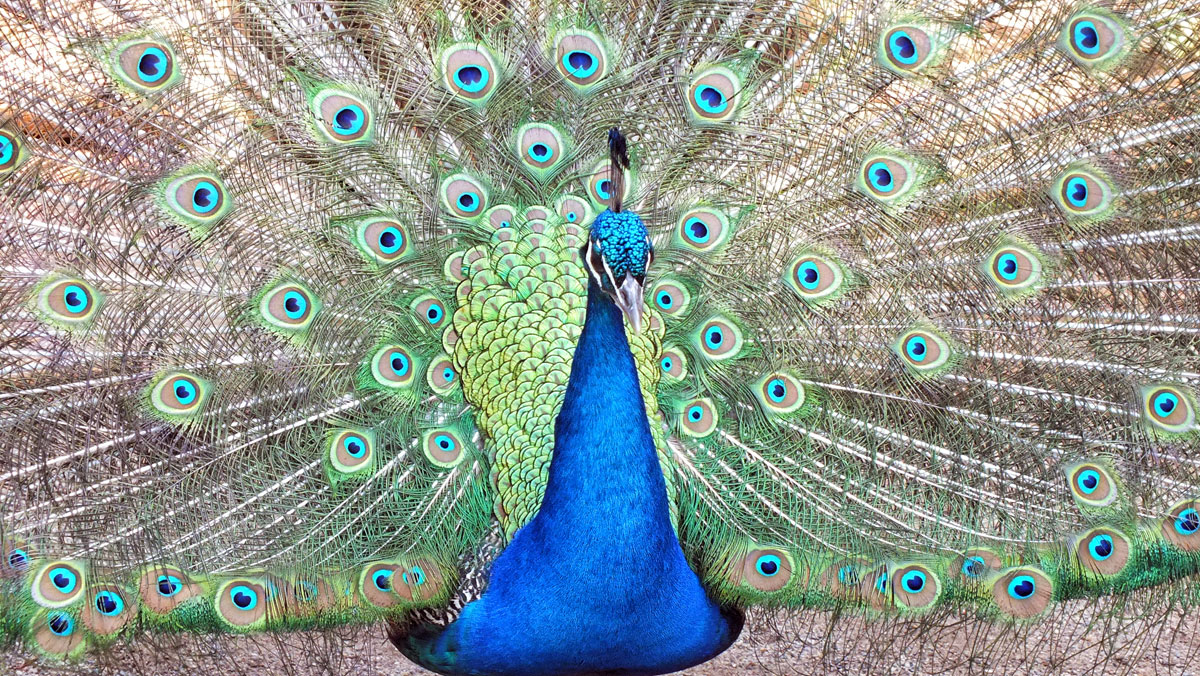
Whilst wandering around Cascais we found a short cut to the coastal road north past the interesting bold pyramid shaped towers of the Casa das Histórias Paula Rego which led into an extensive park (Marechal Carmona Park also known as Gandarinha Park) with gardens, architectural and sculptural interests and where we came across a peacock with the largest / longest tail I have ever seen.

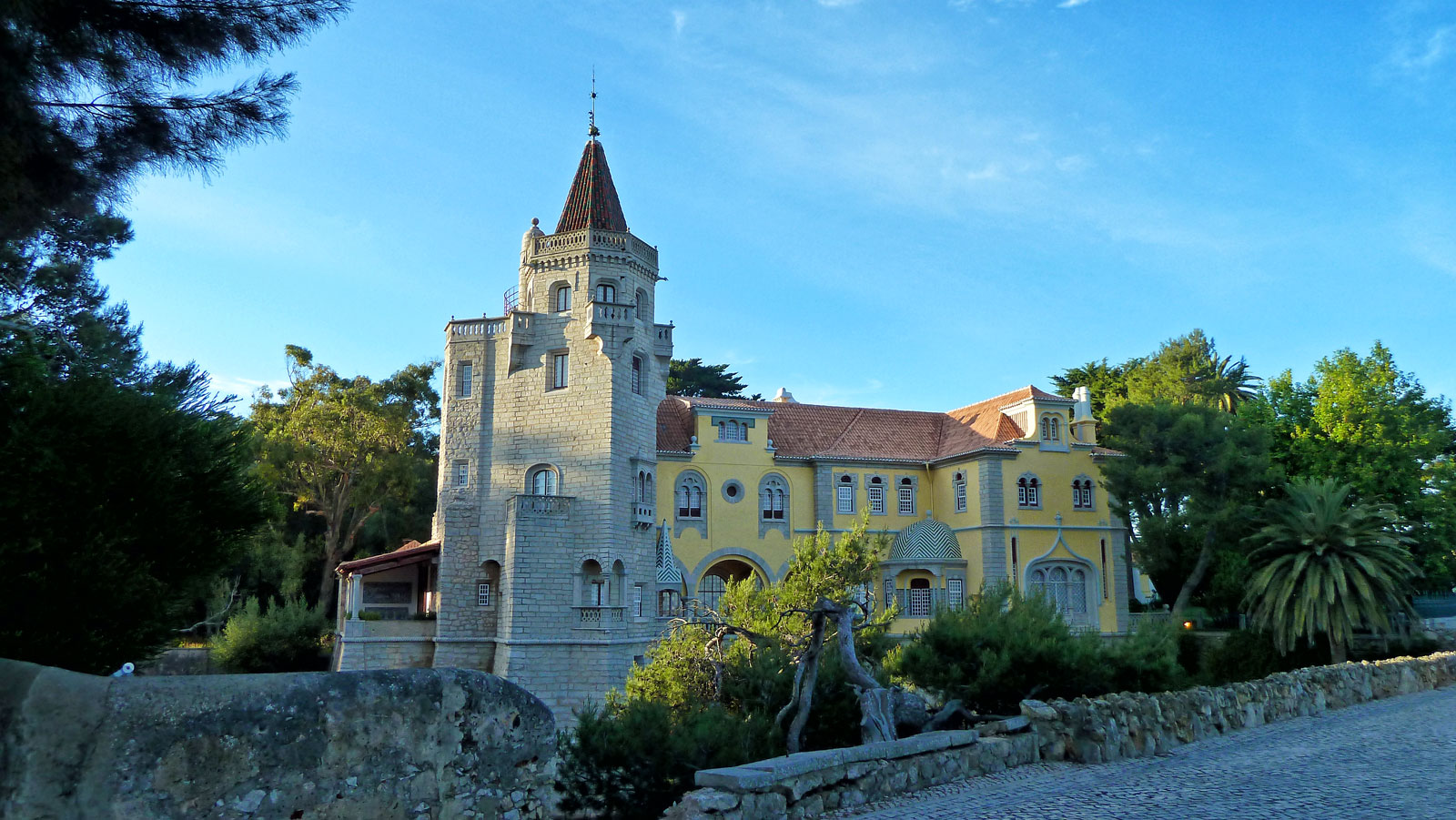
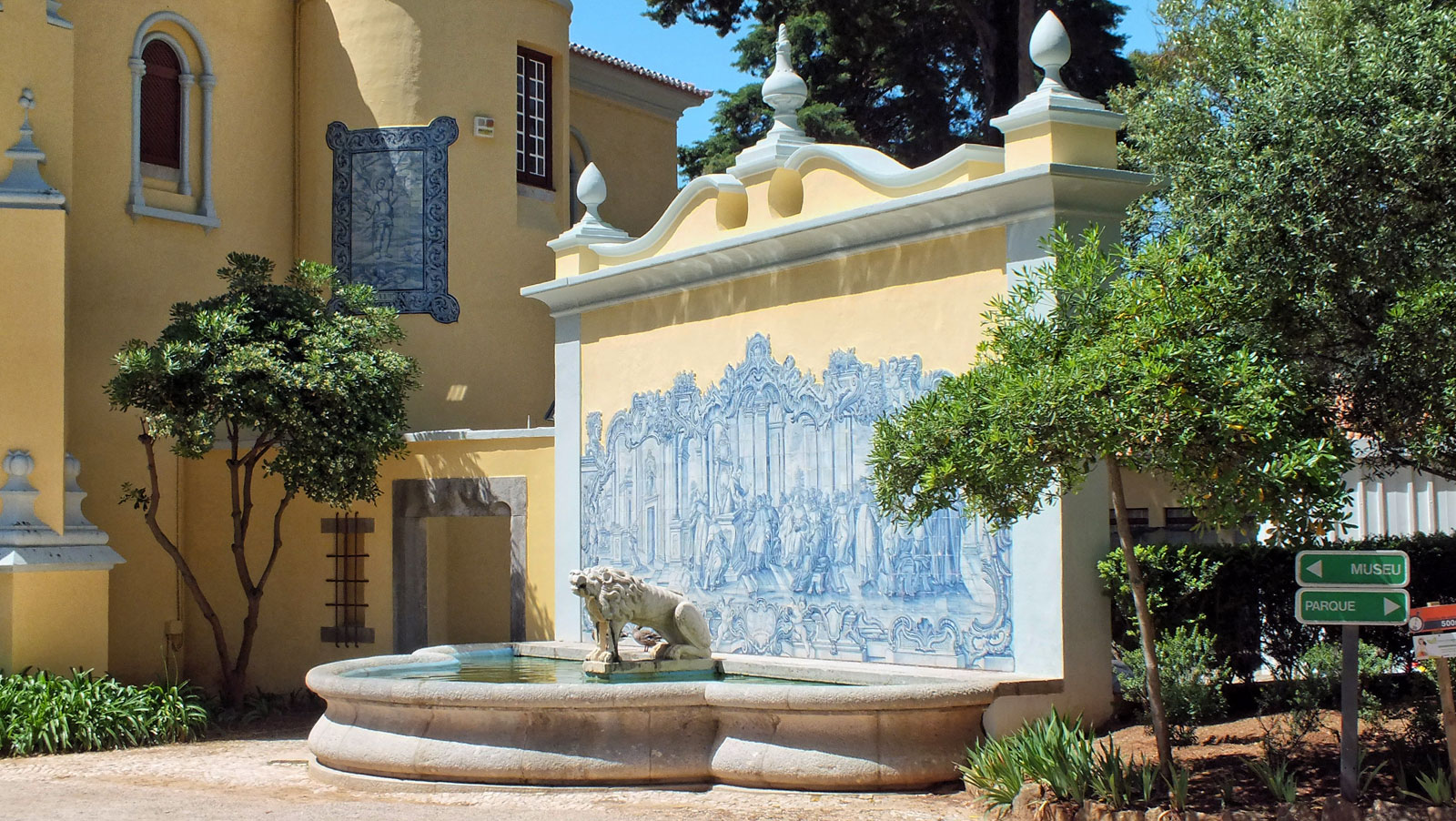
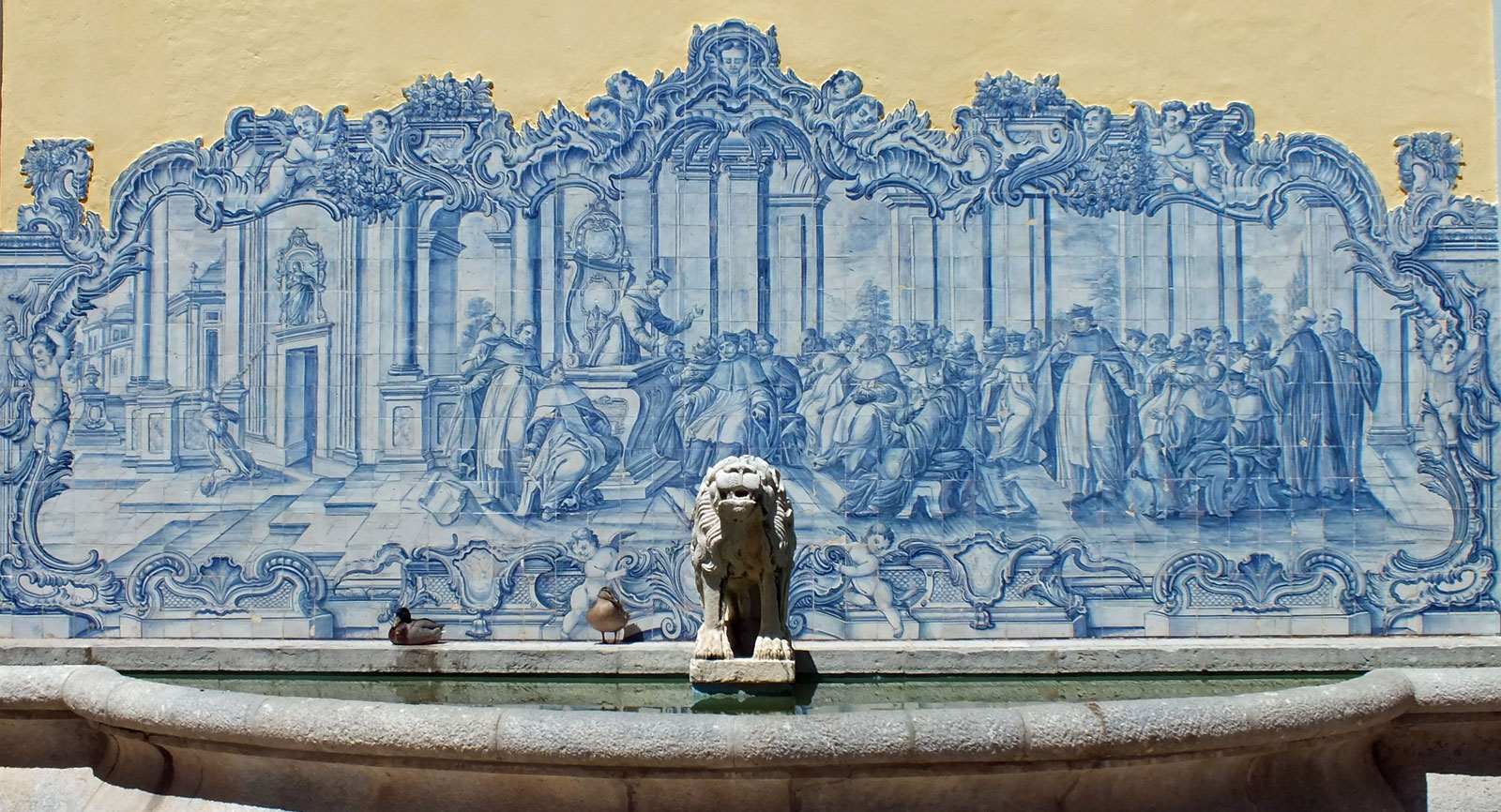
We also came across the Museu Condes de Castro Guimarães – a charming fairy-tale example of the revivalist architectural style built in 1897.

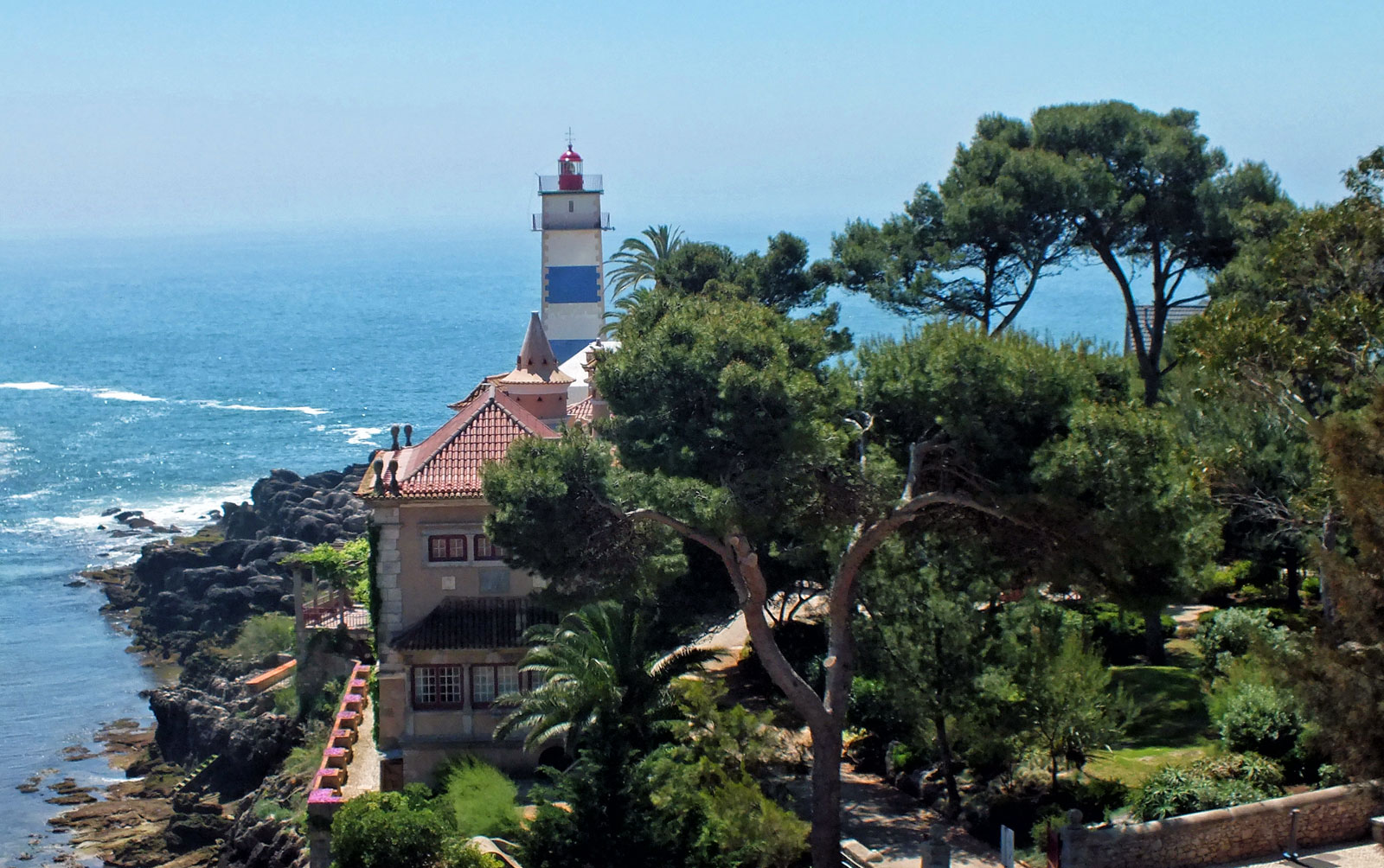
The museum’s exhibits include an impressive art collection, rare pieces of Indo-Portuguese furniture, a few prehistoric archaeological remains and a library and if you climb up to the tower there are impressive views over the Santa Marta bay and the Santa Marta Lighthouse.

Views from the tower to the Santa Marta Lighthouse

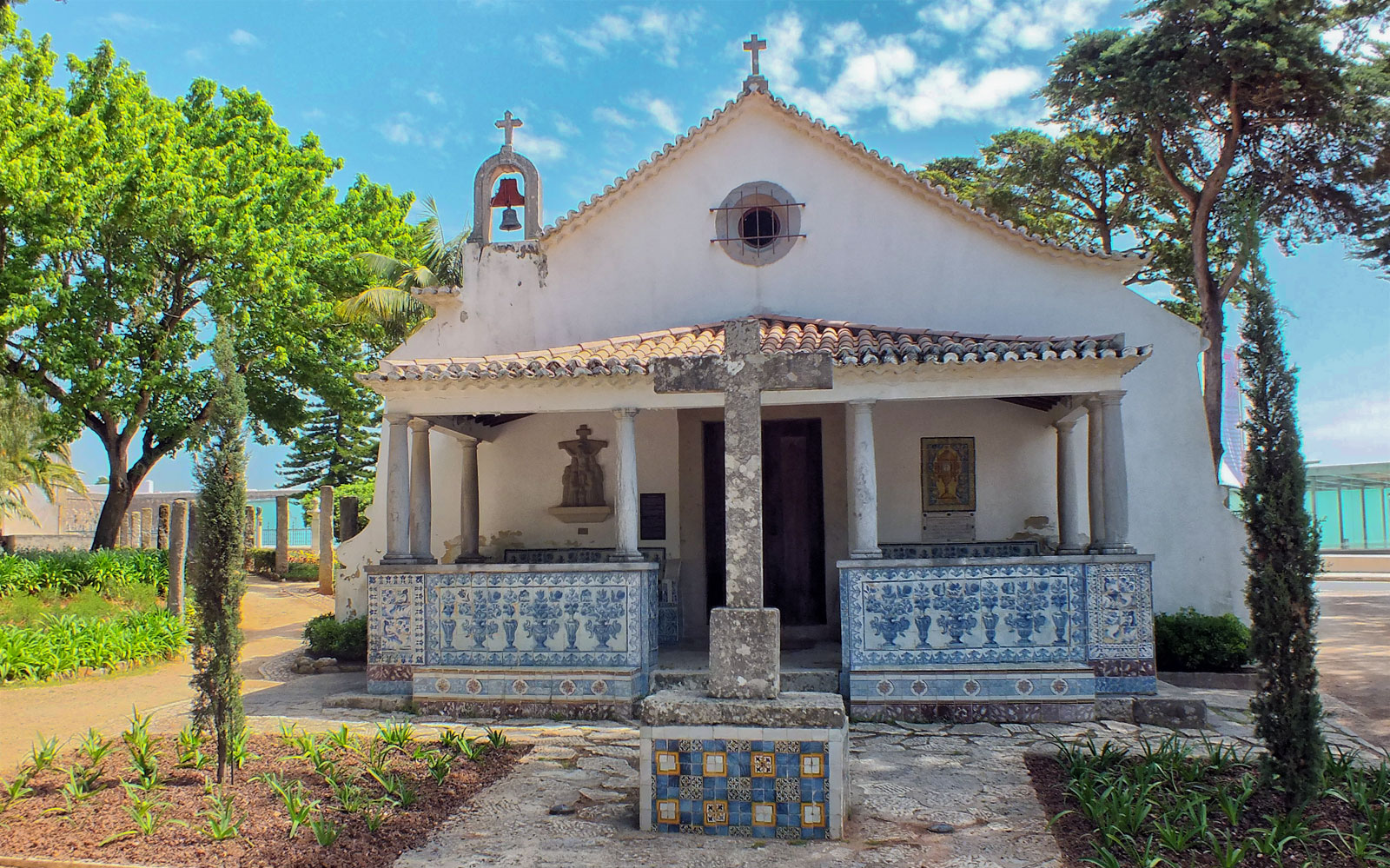
After visiting the museum and the pretty Chapel of Saint Sebastian, which is close by, we walked down to the lighthouse to have a closer look before going for lunch at a restaurant overlooking the bay.

Chapel Sao Sebastiao (17th century)

There is a lot more to this seaside resort than you might first think, plus it is an easy train ride into Lisbon and also a cheap bus ride to the historic town of Sintra. A perfect base in my opinion.