During July I will be joining in with Becky’s SimplyRed Squares.
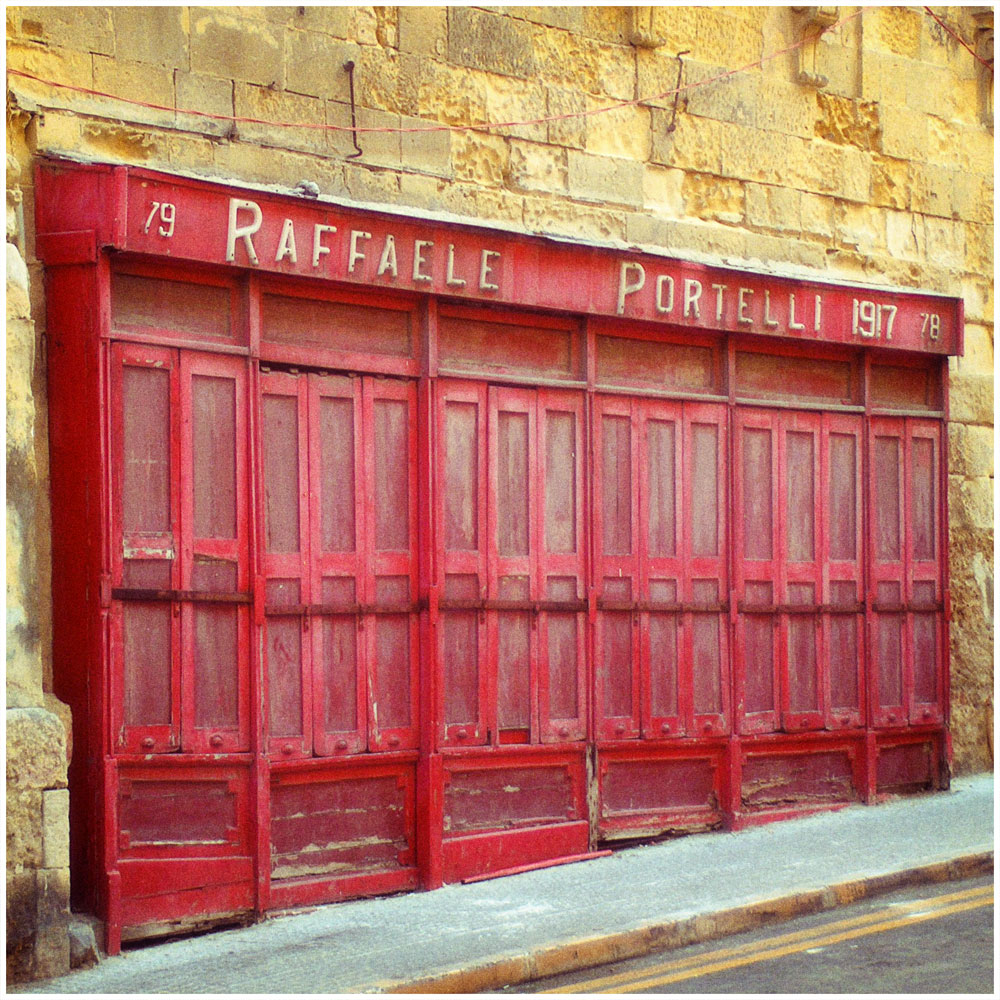
During July I will be joining in with Becky’s SimplyRed Squares.
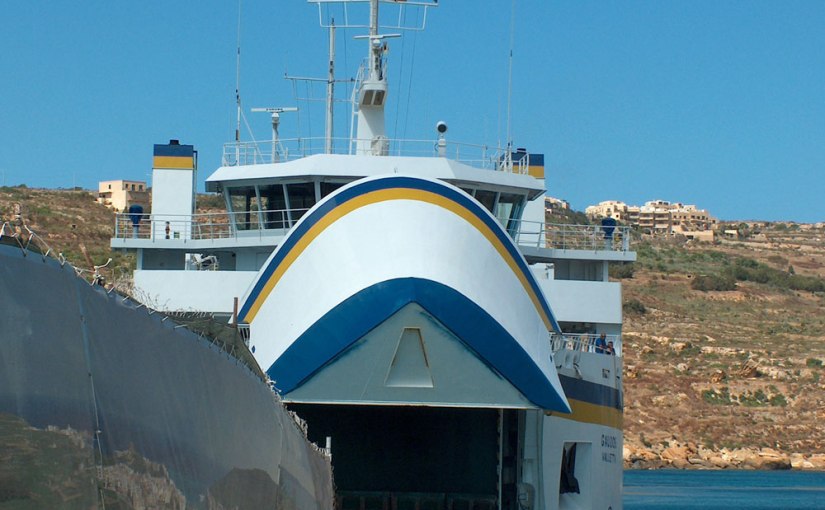
Remaining in the Mediterranean Sea, this week we are taking the ferry over from Malta to Gozo, the second largest island of the Maltese archipelago. It is a lot more rural and quieter where life seems a little slower. The island is only 26 square miles but packs in quite a lot.
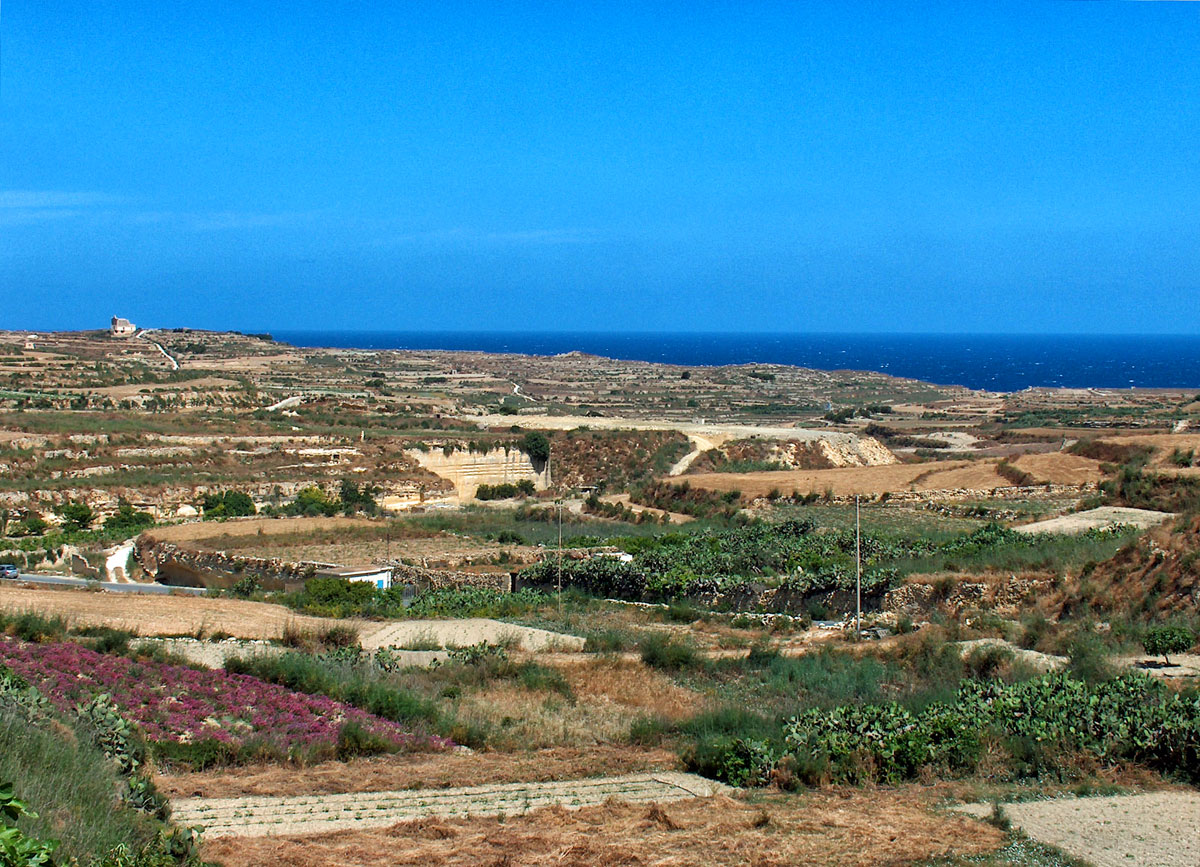
You arrive at Mġarr Harbour, with its quiet marina and church sitting on the hilltop overlooking the harbour.
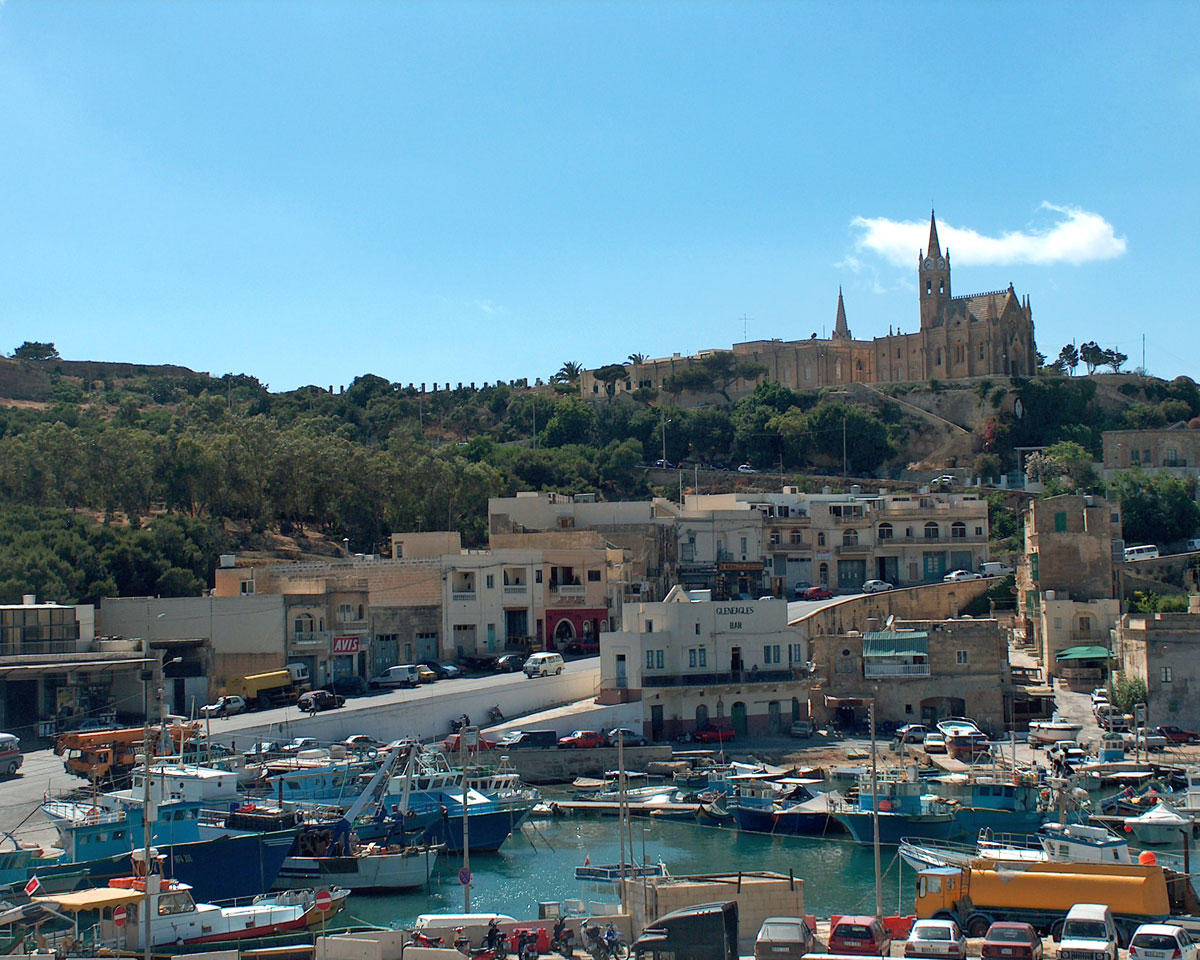
We were on a day trip as it seemed the easiest way to explore the island since buses were fairly infrequent and we didn’t want the bother of hiring a car.
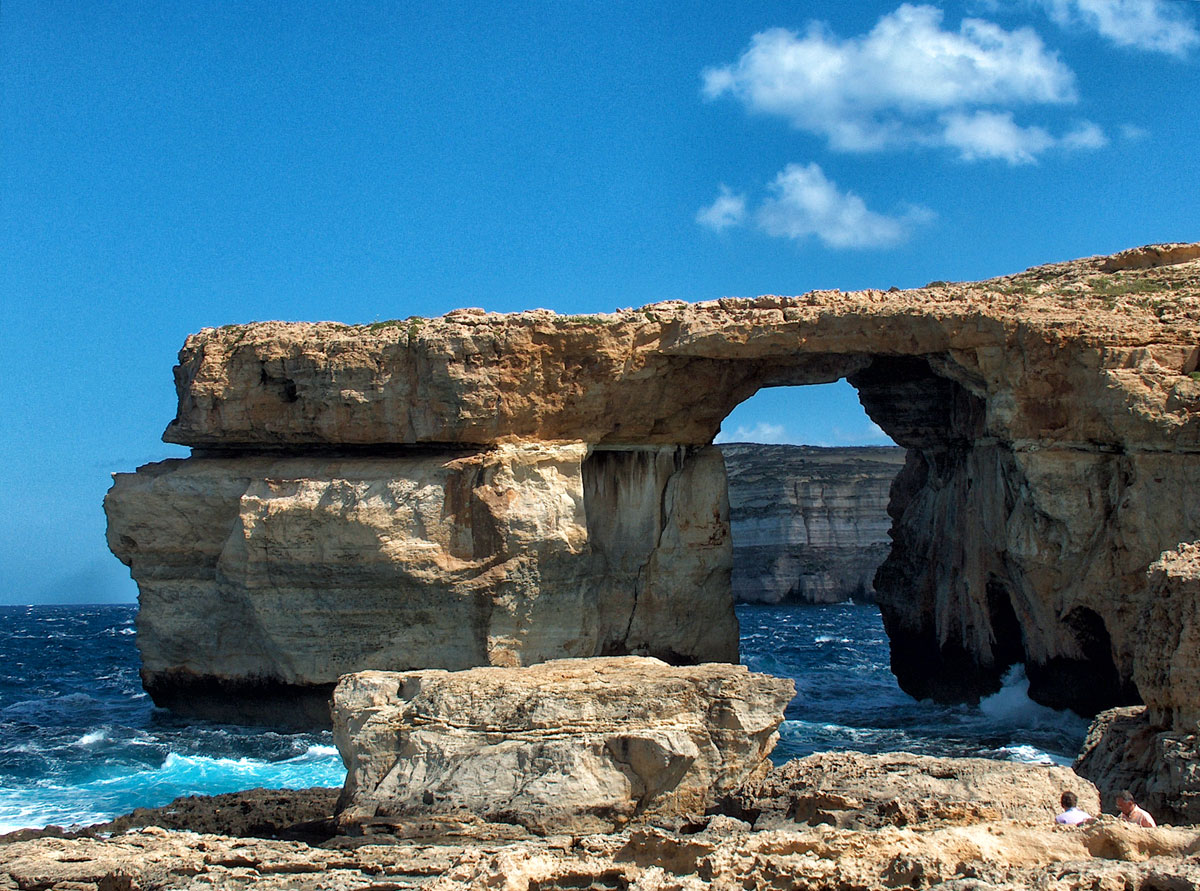
Our first stop was at Dwejra a small location on the West coast of the island of Gozo, known for its “inland sea” (small bay surrounded by high cliffs) and as the site where the Azure Window (naturally formed rock arch on the coast) could be found – we were lucky to see this, it collapsed during bad weather in March 2017.
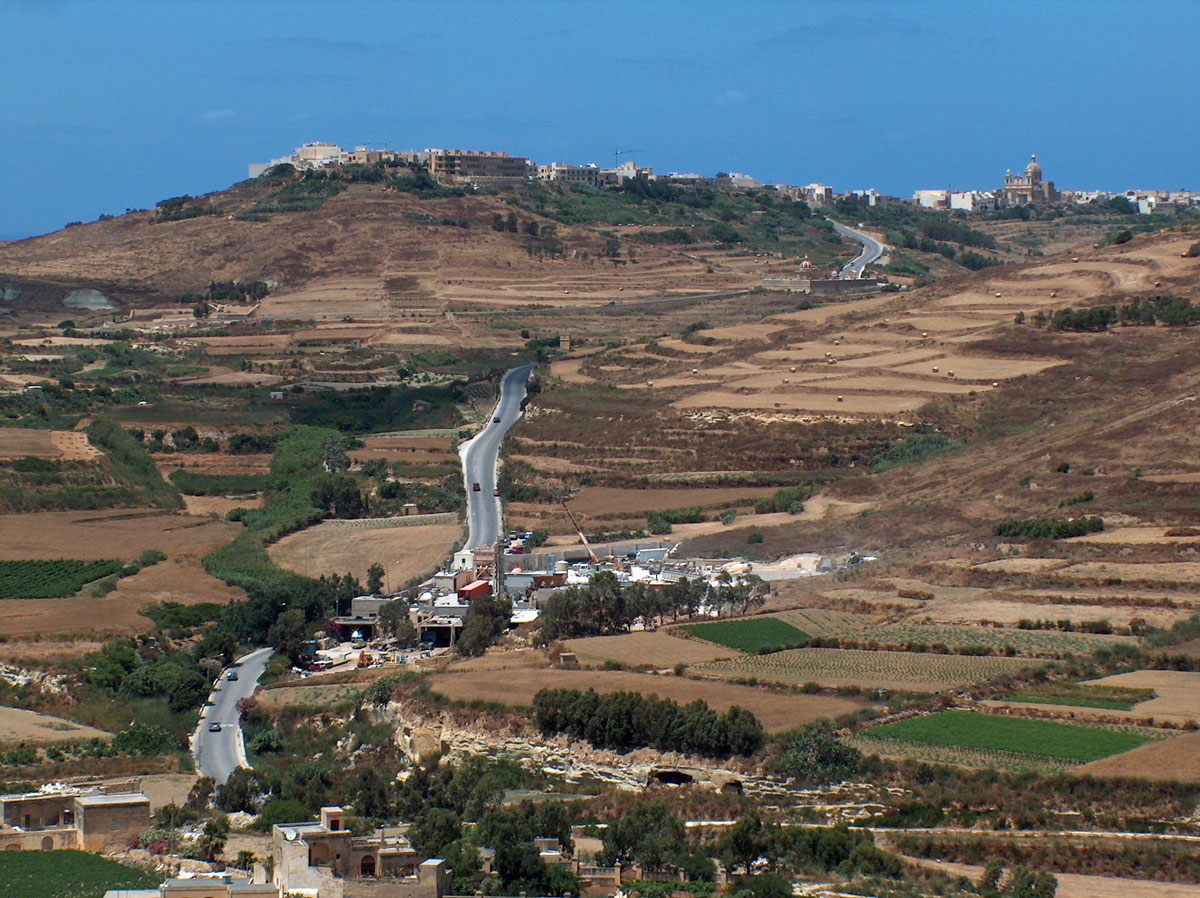
Gozo (like Malta) is not short of churches and other religious buildings, every little village has its own church, often extremely large in comparison to the population they serve. This one is a much more modest one.
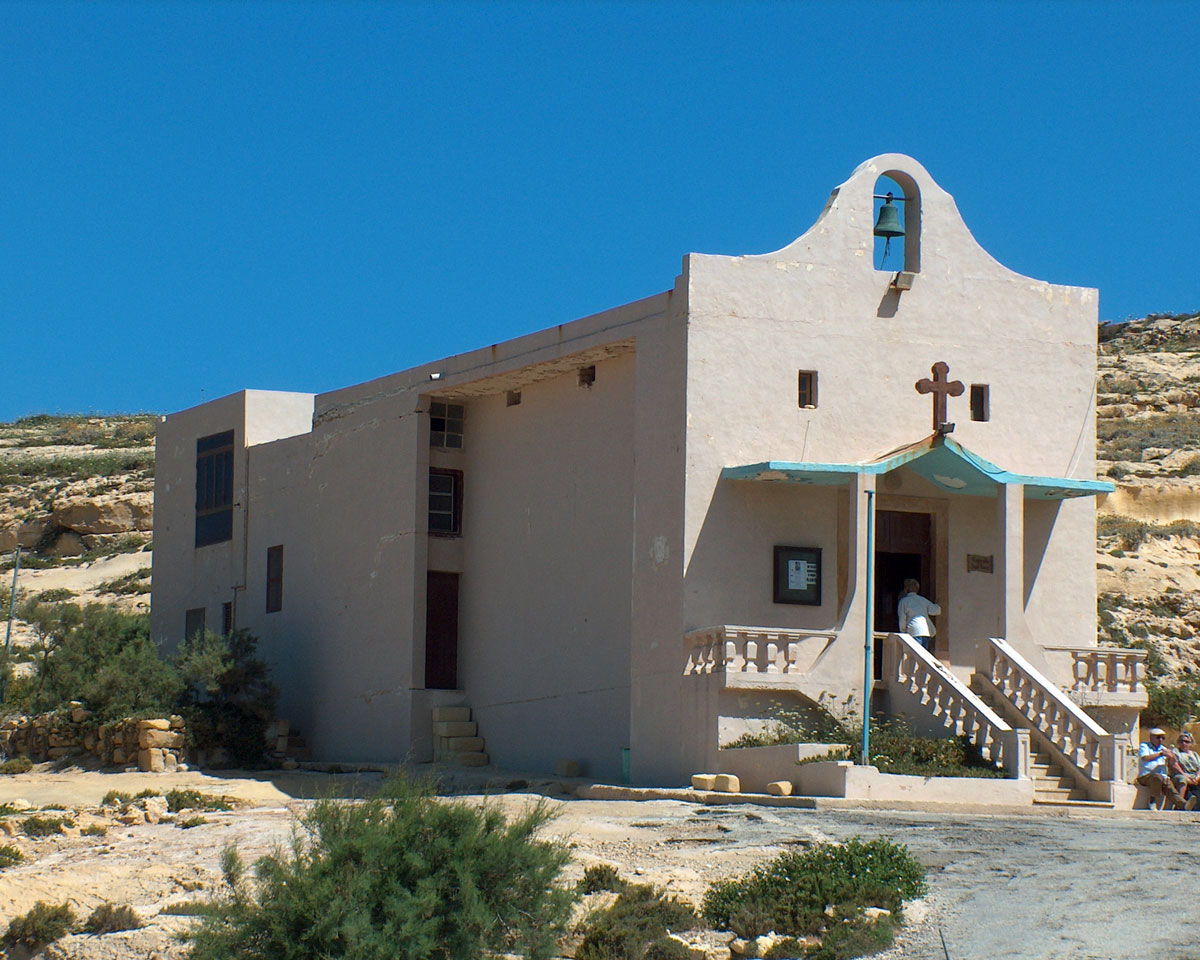
A much more imposing church is the Ta’ Pinu Basilica and Shrine (The Shrine of the Blessed Virgin of Ta’ Pinu) close to Għarb, which was a centre of pilgrimage. The chapel remains in tact behind the altar and still contains the painting of the Assumption to Heaven of Our Lady from which the voice is said to have spoken to Karmni Grima. There is an chapel inside with some very unusual offerings and messages from people who were blessed by a miracle,
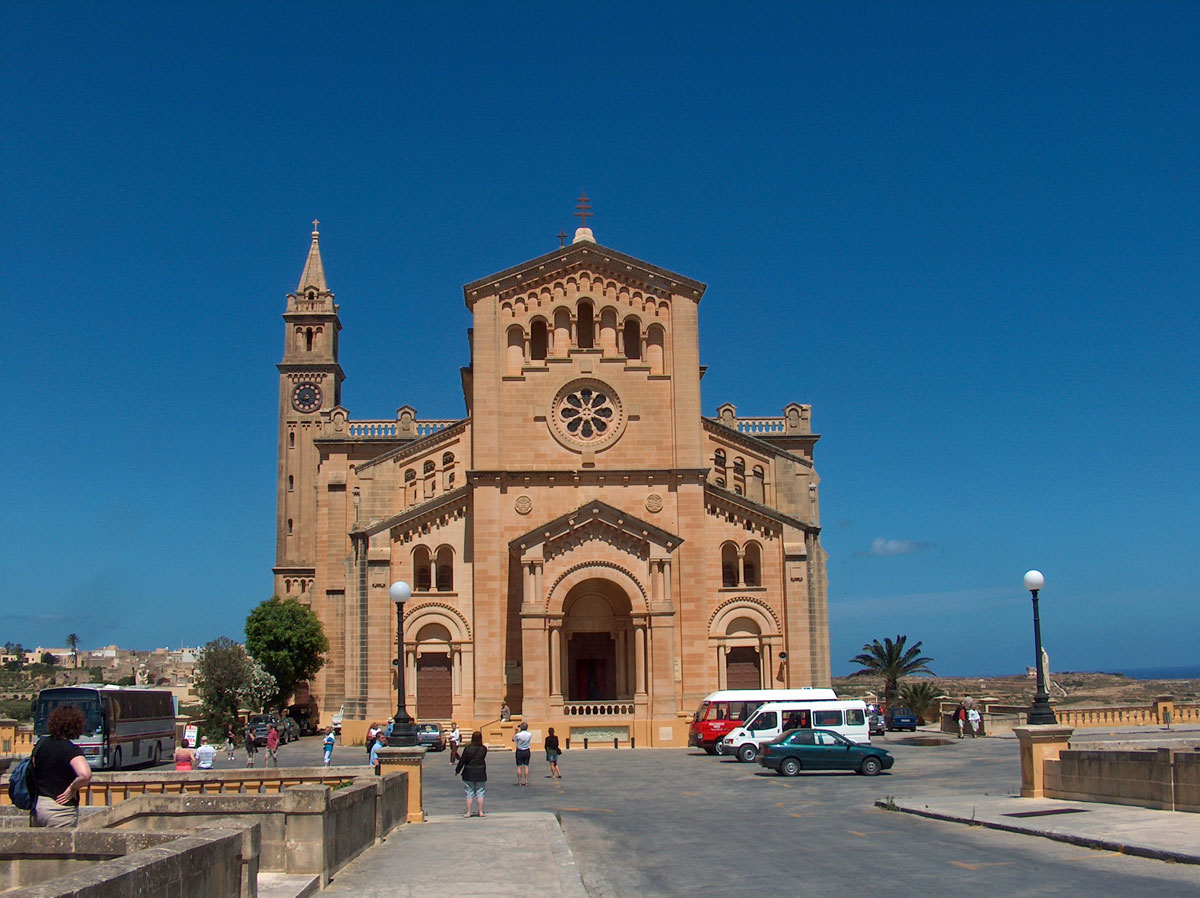
We visited Xlendi on the coast where we had a lovely walk along a promenade towards the tower with views along the coast with its high cliffs.
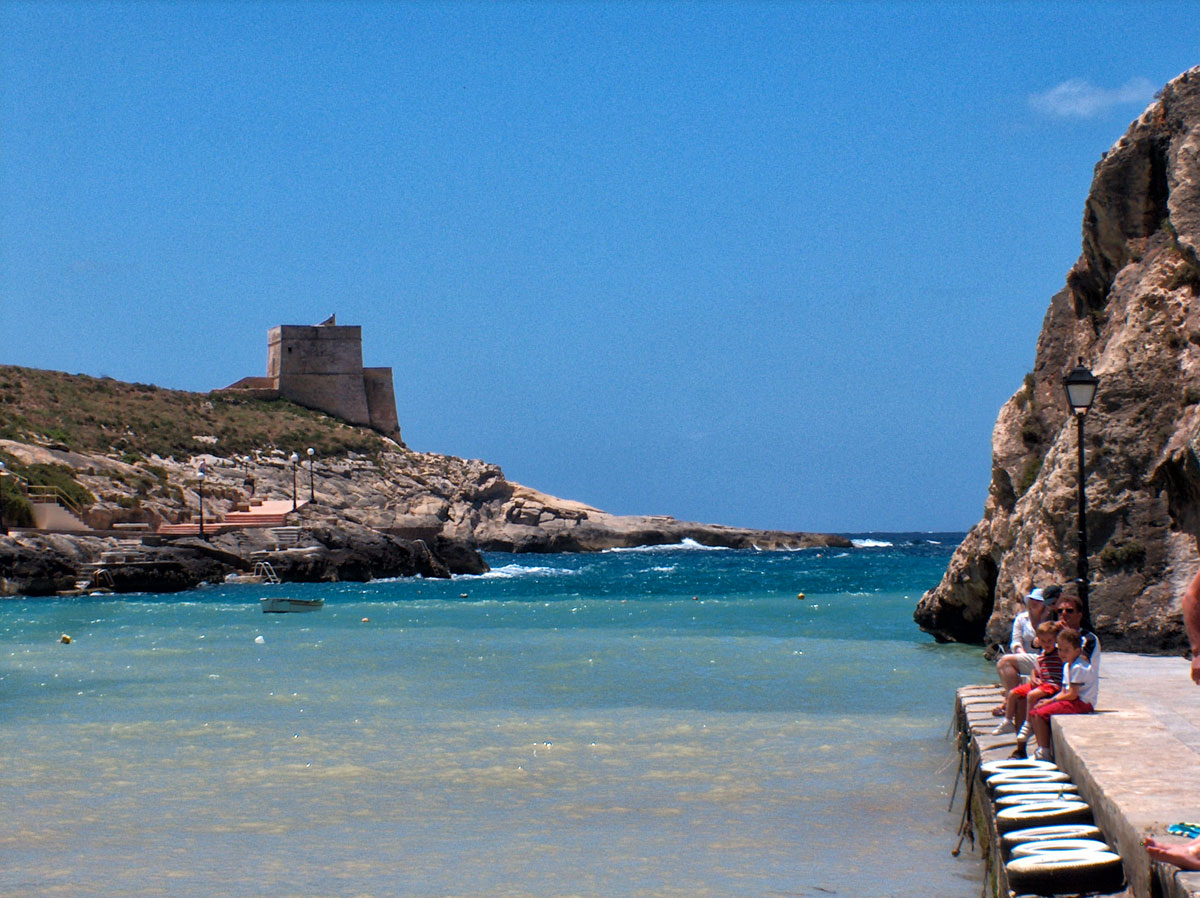


All roads in Gozo lead to the capital, ir-Rabat (Victoria), and, rising above it, the fortified Citadel accessible by a steep street climbing from Independence Square. Again you get incredible views over the entire island.
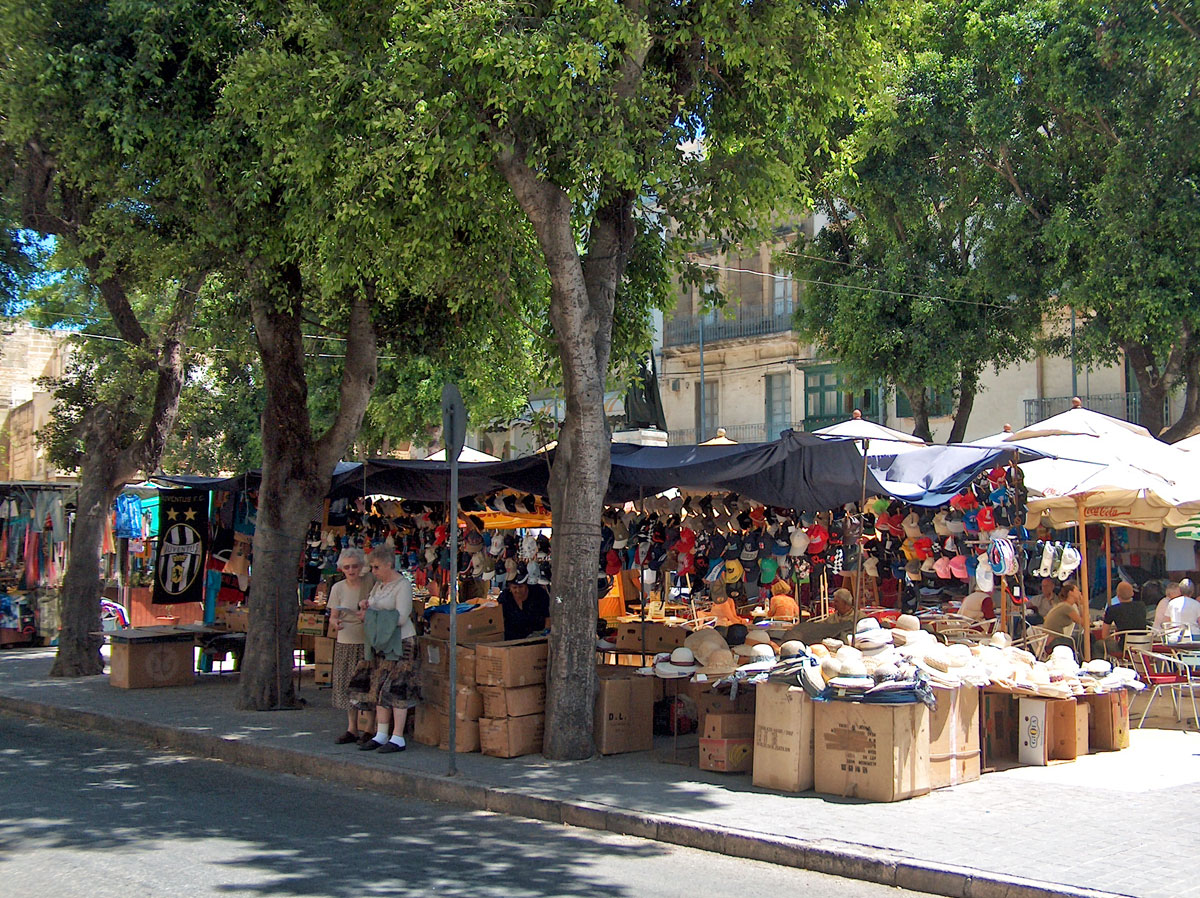


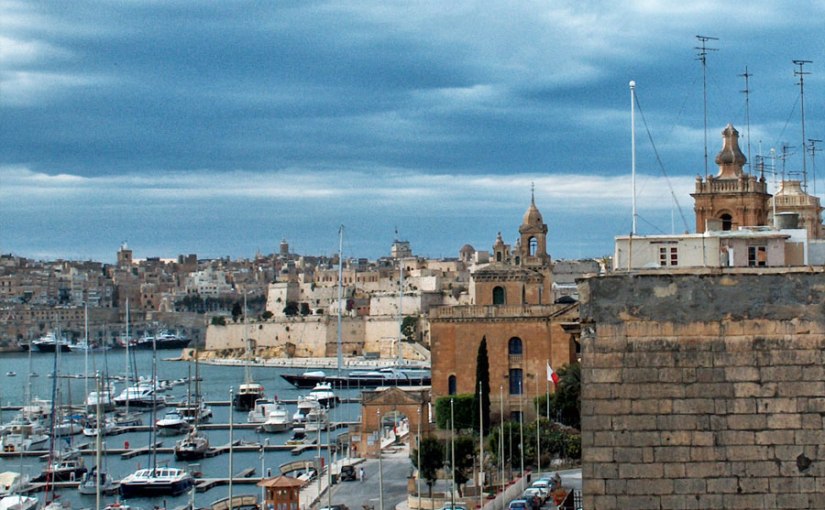
If you have visited Valletta, Malta, and the upper Barrakka Gardens then you have probably looked across the Grand Harbour towards the fortresses of the Three Cities: Vittoriosa / Birgu, Senglea and Cospicua which sit like a trio of villages in the heart of Malta’s historic centre.
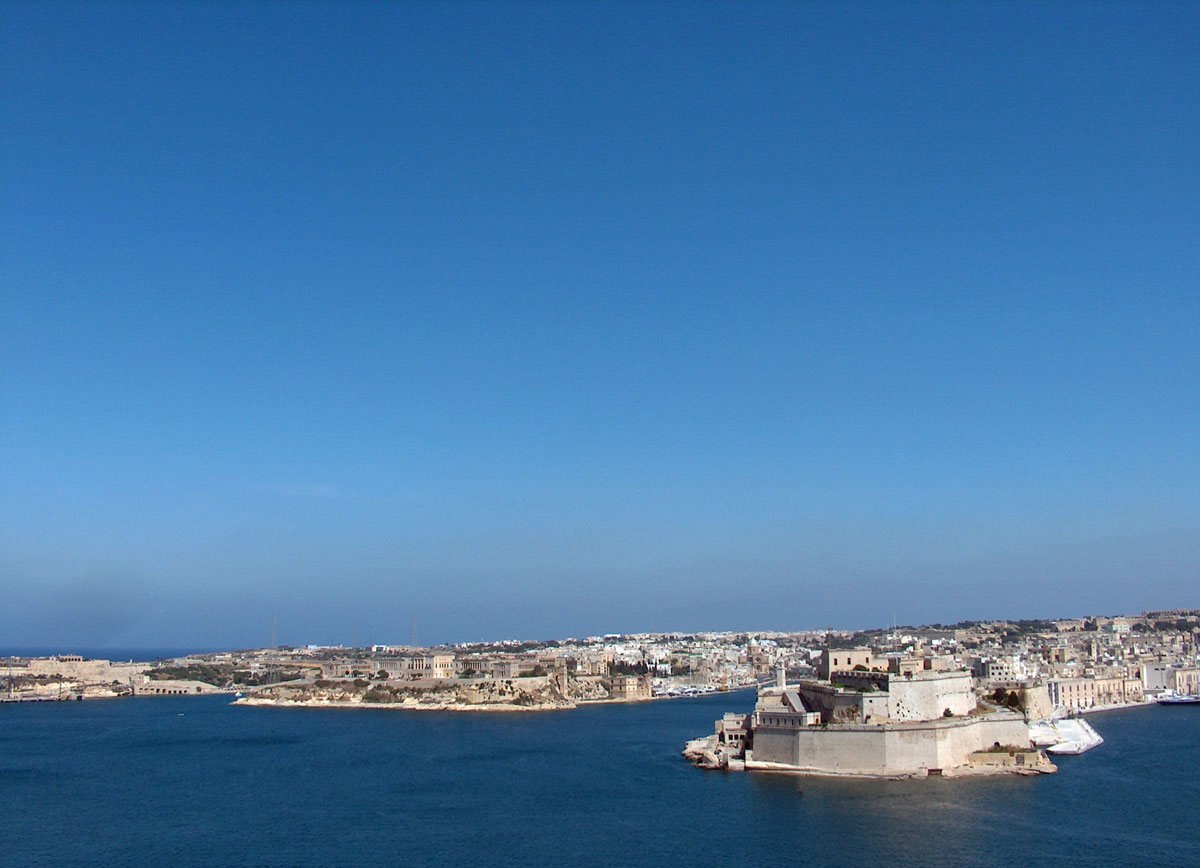
The Vittoriosa Yacht Marina is the centre and heart of the Three Cities. It basically sits between all three of the neighbourhoods and its marina was likely a big reason for the heavy fortifications at the ends of Birgu and Senglea.
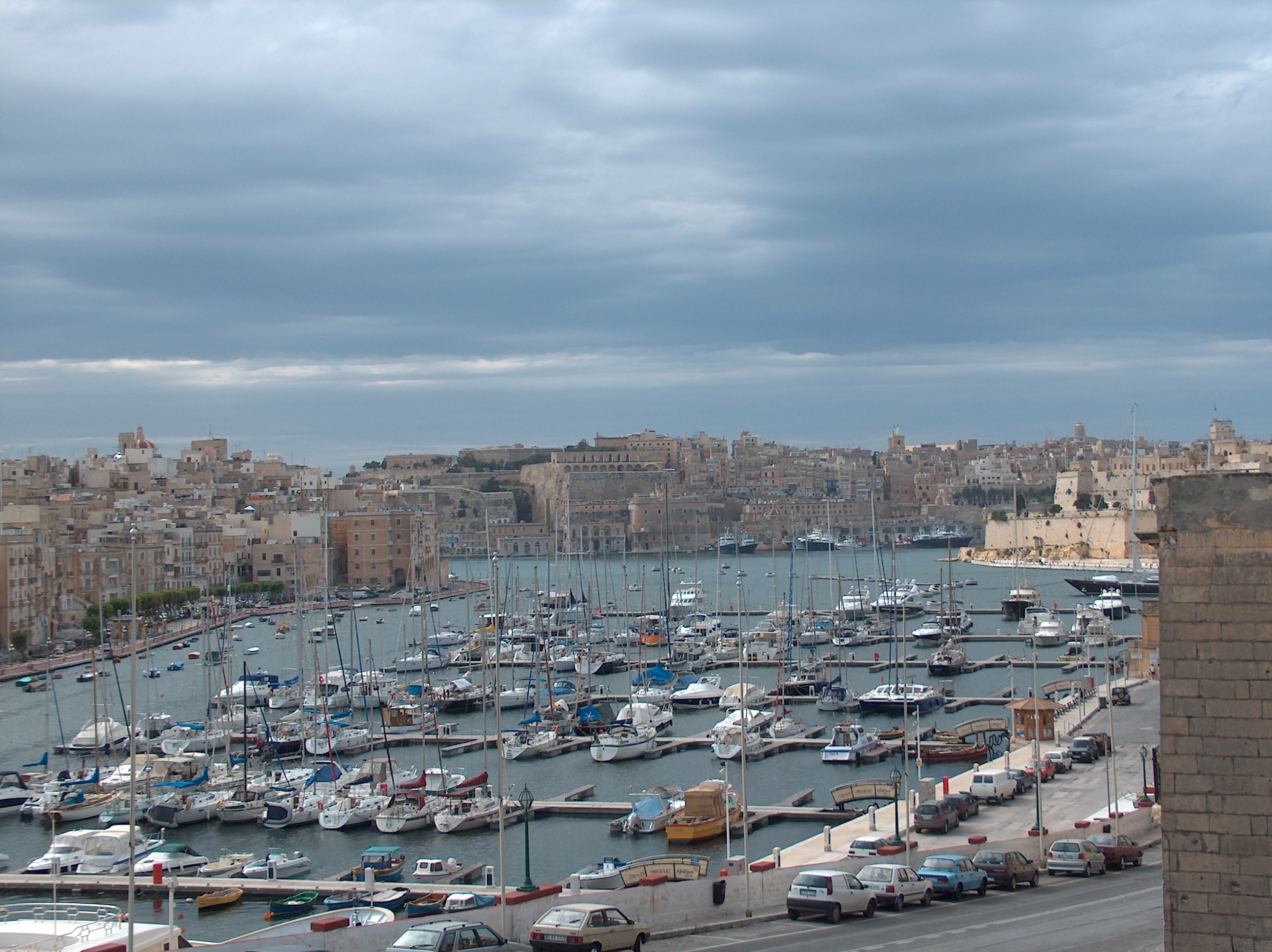
The city, which sits on a narrow peninsular stretching across the Grand Harbour, was originally called Birgu, but was renamed Vittoriosa (meaning victorious) following the Great Siege of 1565, to commemorate the role it played in the defence of the island. This fortified city is one of the oldest in Malta and the first home of the Knights of the Order of St John, who settled on the island in 1530.
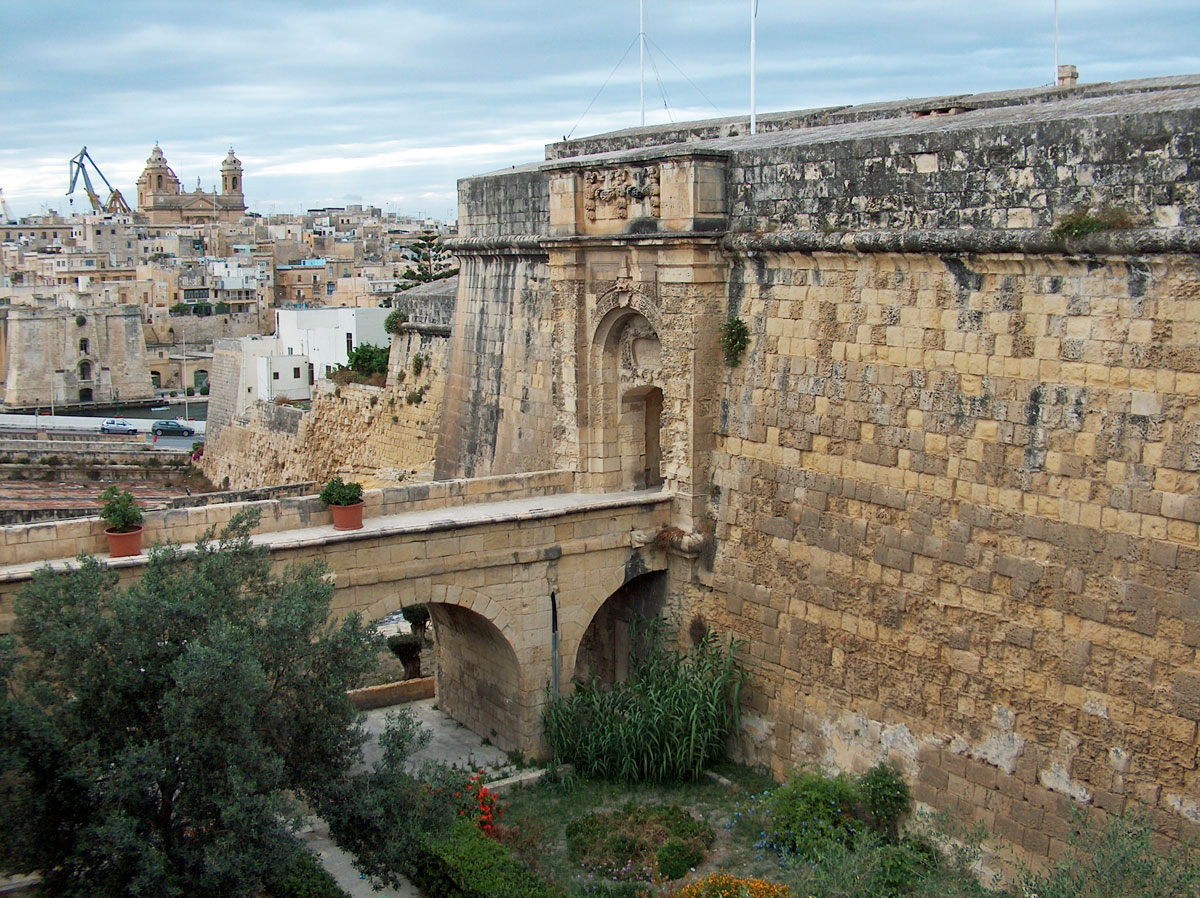
Birgu had four city gates, three of which still survive. They were designed by Charles François de Mondion in the 18th century, and are in the Baroque style:
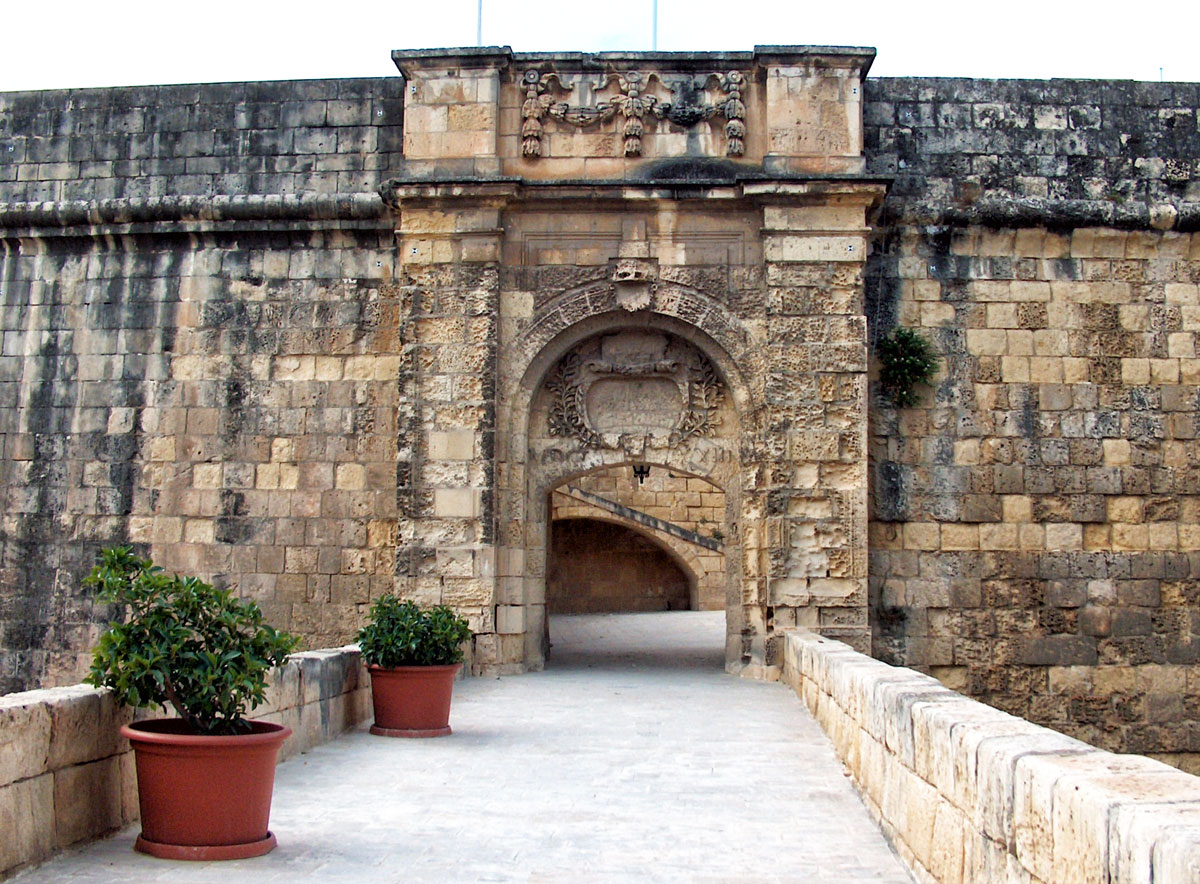
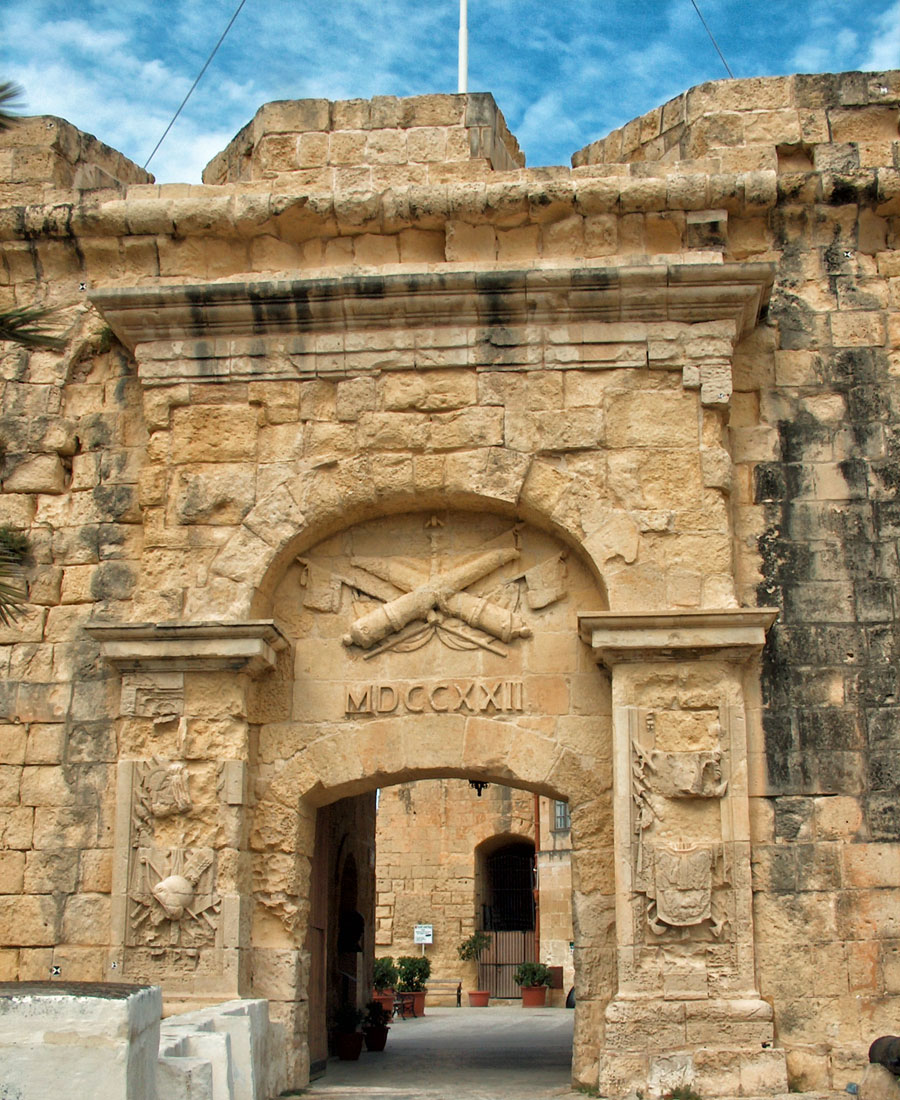
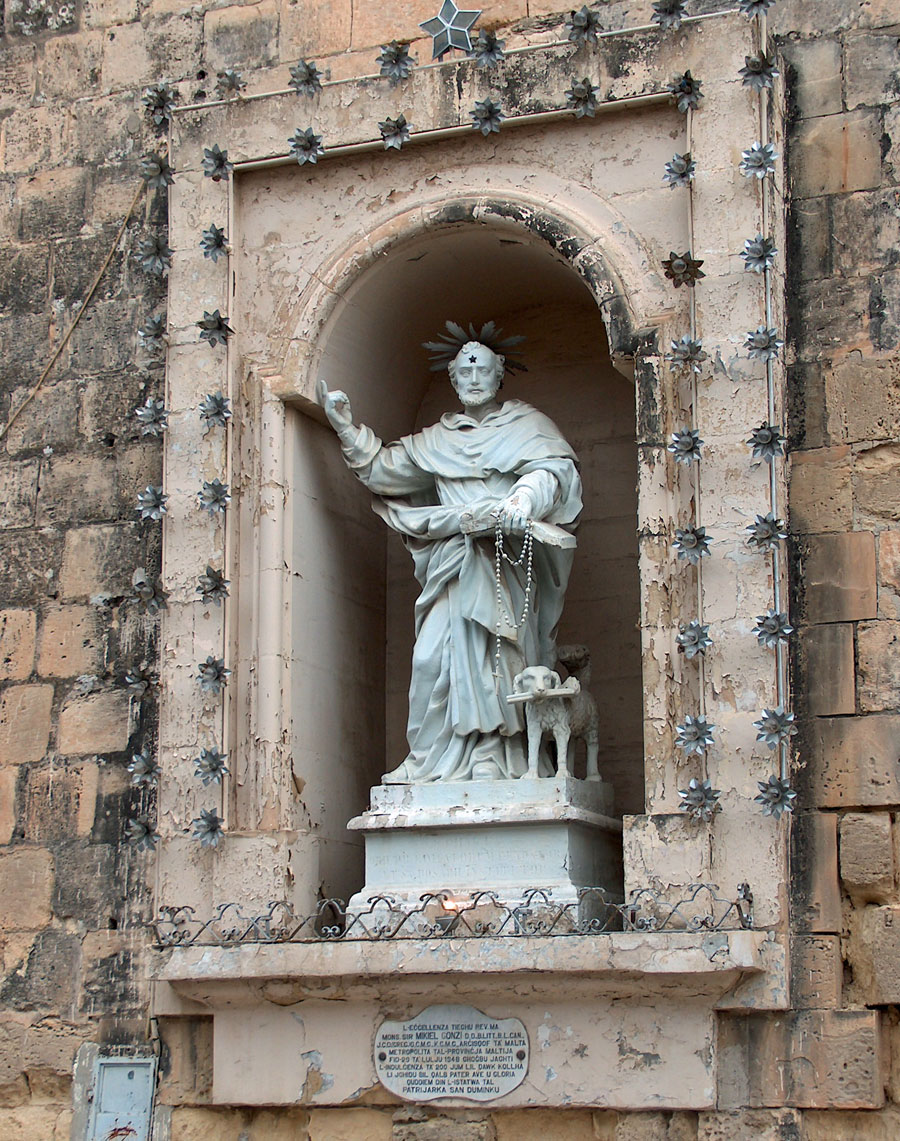
“Nobody expects the Maltese Inquisition!” From the 16th to 18th centuries, the Maltese Inquisition was conducted from the Inquisitor Palace in central Birgu. Not to be underestimated, the inquisitors of Malta had a fair amount of power and even produced several Popes during their tenure. Now a museum it was originally the official residence of Malta’s first inquisitor.


One of the best things to do is simply wander around the residential streets which are probably the most authentic of Maltese life. You’ll find a lot of the wonderful closed balconies that are an architectural feature of the whole country.


Coming off Victory Square are plenty of small backstreets that have a cosy, pedestrian vibe to them. Look for the small details of the balconies and doors in the maze of streets that have probably looked the same for hundreds of years.


Visiting the Three Cities is one of the best things to do in Malta, and you can get there easily by bus or ferry and the best way to explore the area is on foot.
Malta sits in the central Mediterranean Sea, the largest island of the Maltese archipelago between Sicily and the North African coast. It is a fascinating country with a long history related to a succession of rulers including the Romans, Moors, Knights of Saint John, French and British. Many historic sites can be seen including fortresses and underground chambers.
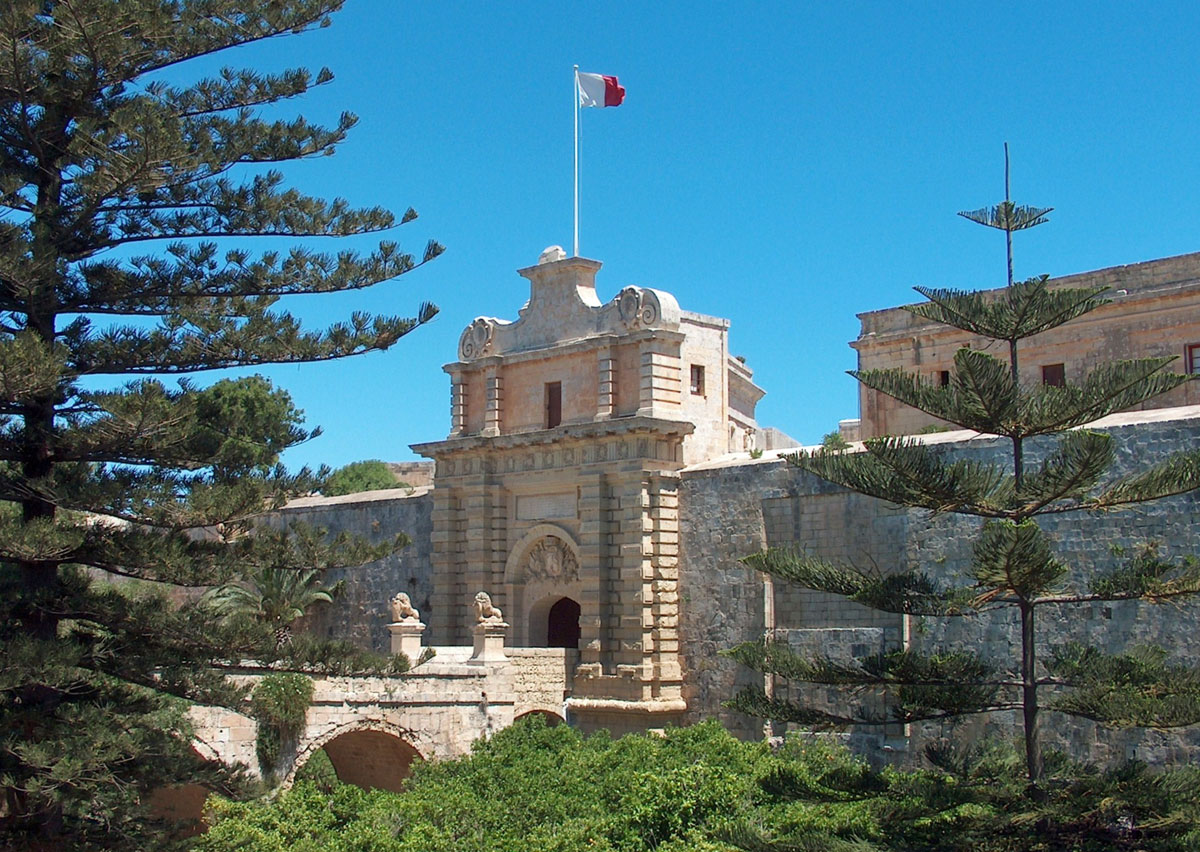
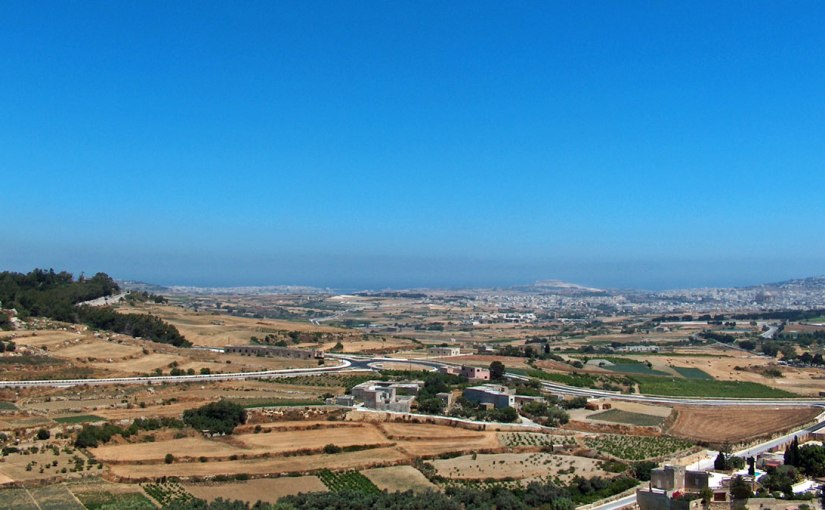
Valletta is the modern capital city, but in this week’s trip around the world I am taking you to the centre of the island to Mdina and Rabat. Sitting on top of a hill overlooking large parts of Malta, Mdina is a fortified medieval town enclosed in bastions, small but rich in history and once served as the island’s capital until the Knights of St John arrived in 1522.
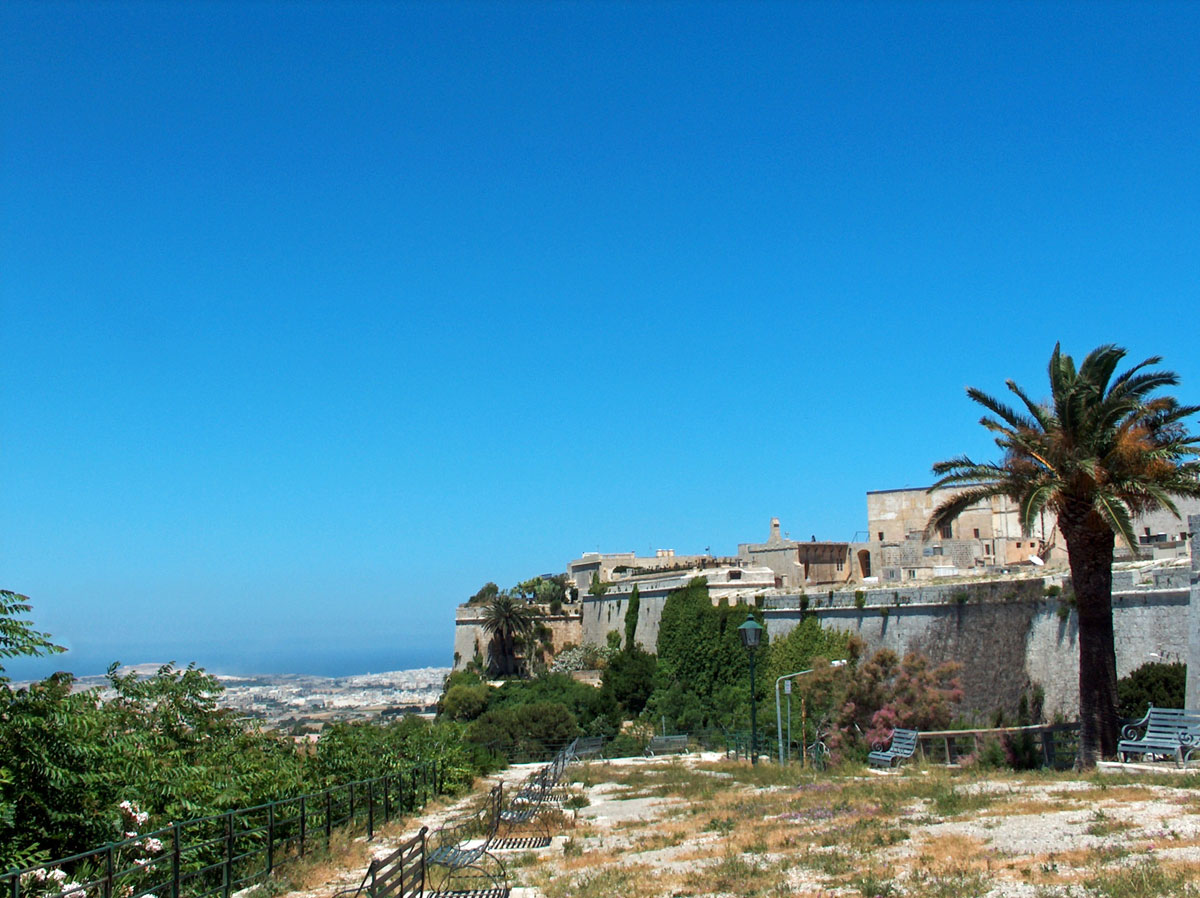
It has a nickname of the Silent City, but this has nothing to do with keeping quiet or ghostly connections, but the fact that when the capital moved to Birgu also known by its title Città Vittoriosa (“Victorious City”) the streets were emptied of people.
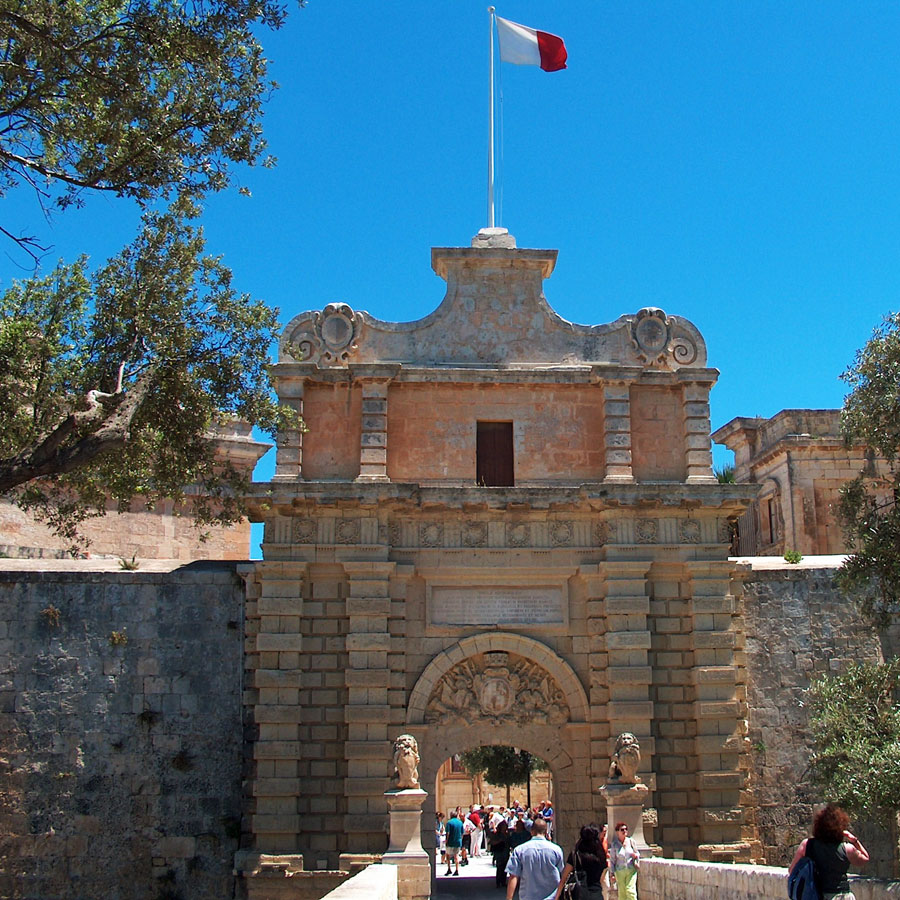
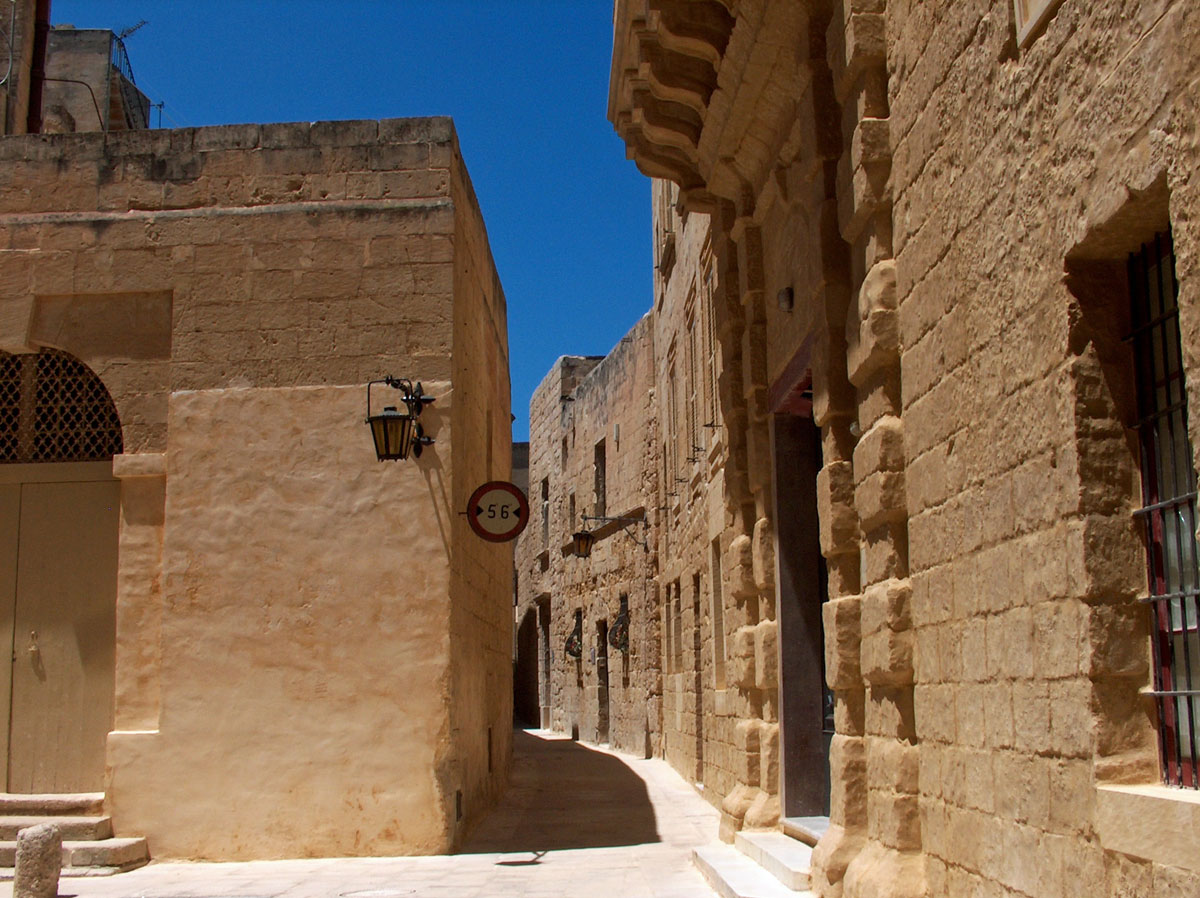
Mdina has had different names and titles depending on its rulers and its role but its medieval name describe it best – ‘Citta’ Notabile’: the noble city. The streets are very narrow and twist and turn so it feels like you are in a maze, but although popular it doesn’t seem busy.


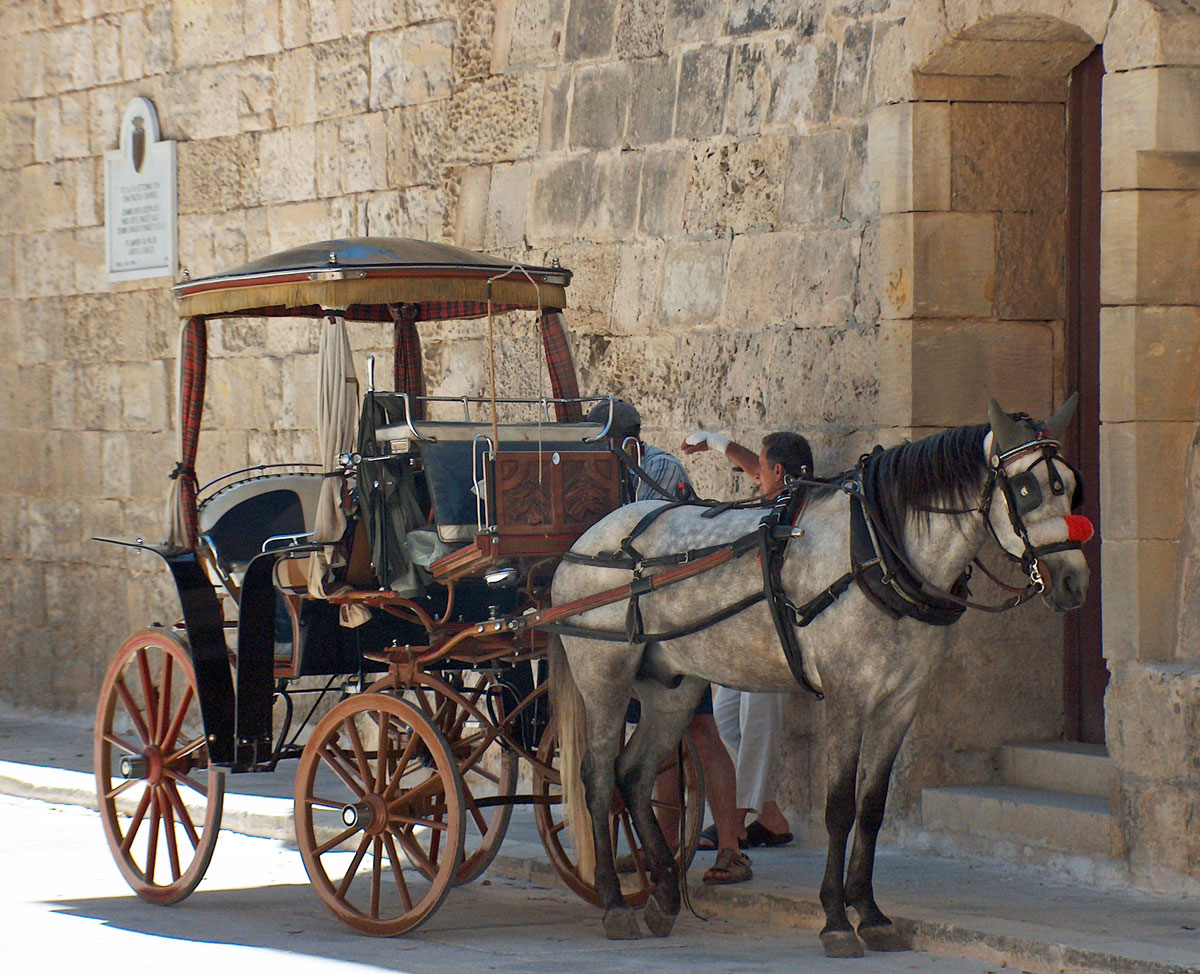
You’ll hear the sound of horses hooves as horse-drawn carriages (karozzin) are used to take tourists around the city.


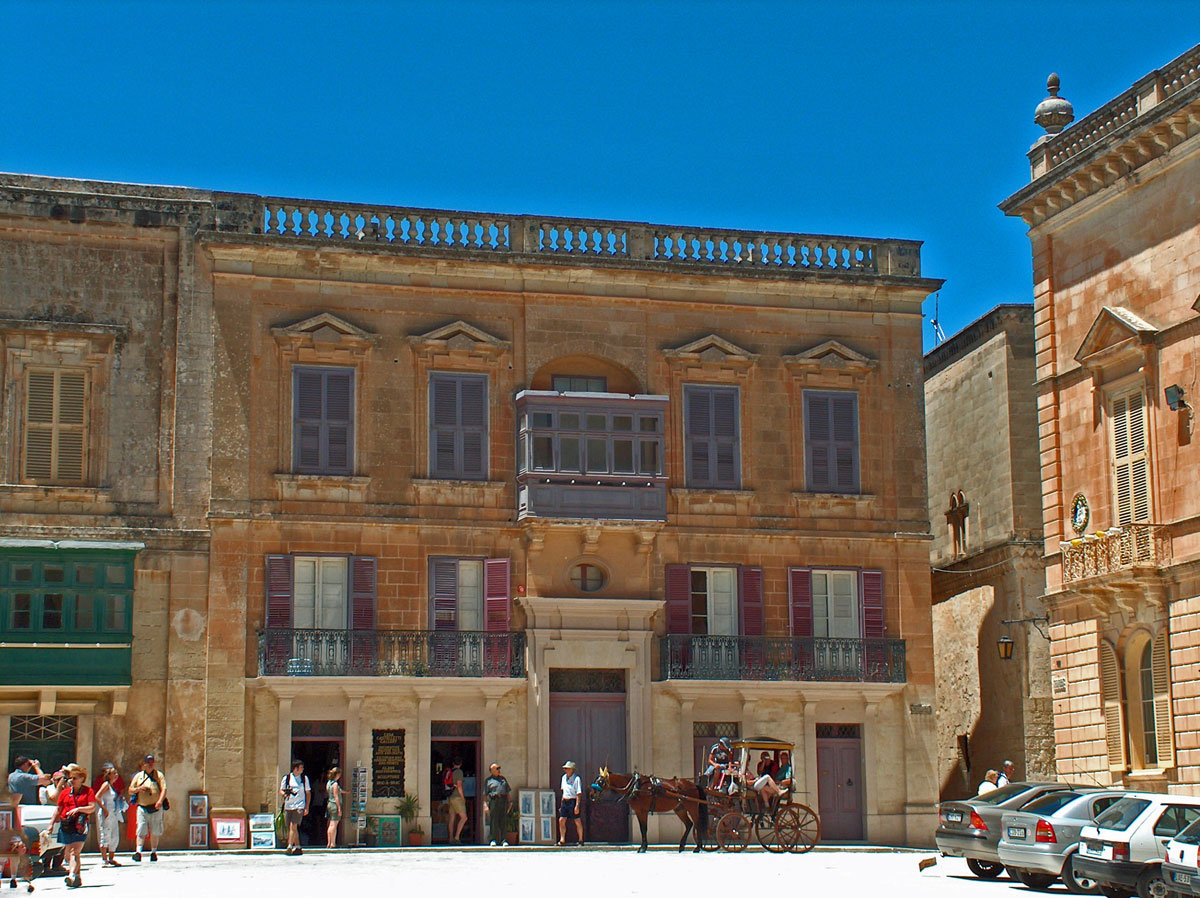
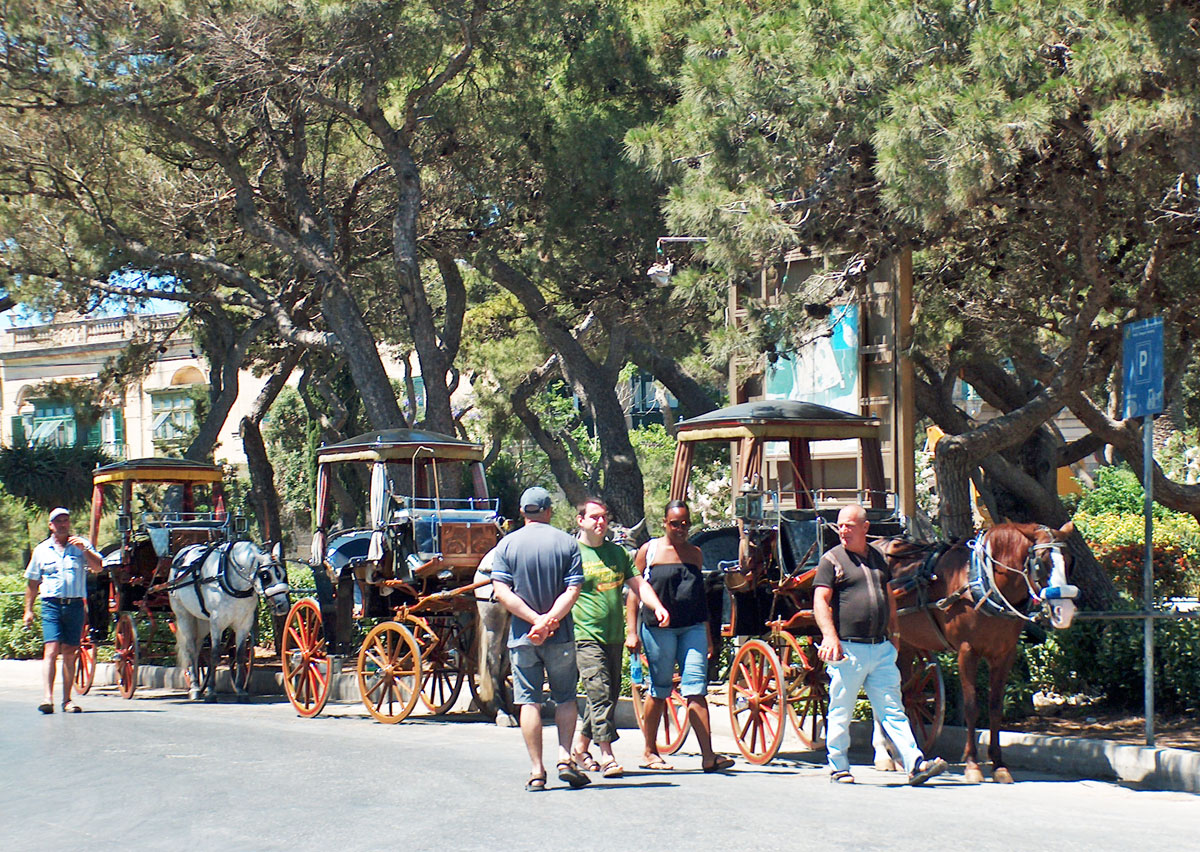
Surrounded by a ditch that has been turned into a public garden, you can wander around freely and enjoy the view of the age-old bastions from underneath.
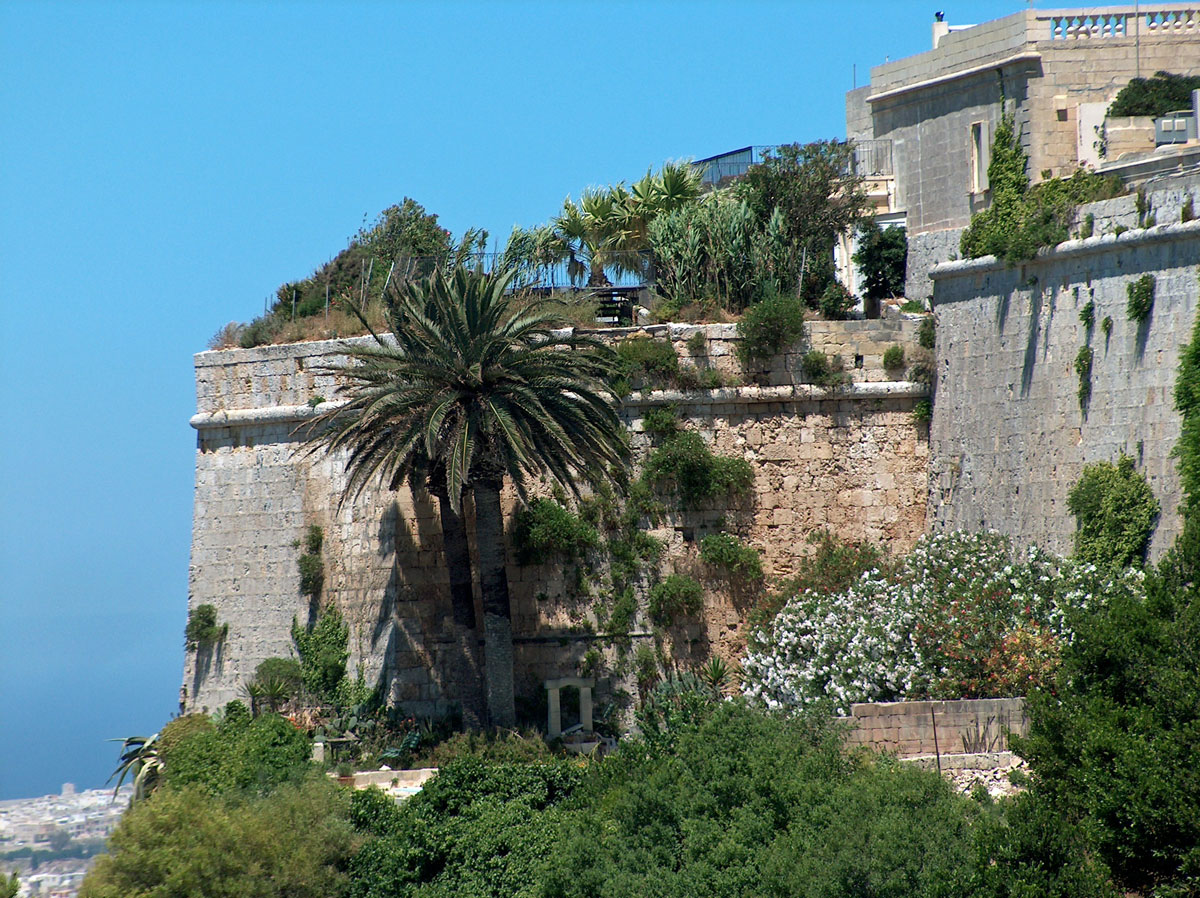
Rabat which lies just outside the fortresses walls is a commercial centre and acts as a market to its large agricultural hinterland. It is also well established on the tourist map due to its archaeological and historical sites: The Roman Villa (Domus Romana), catacombs, St. Paul’s Grotto and the fine churches and monasteries.
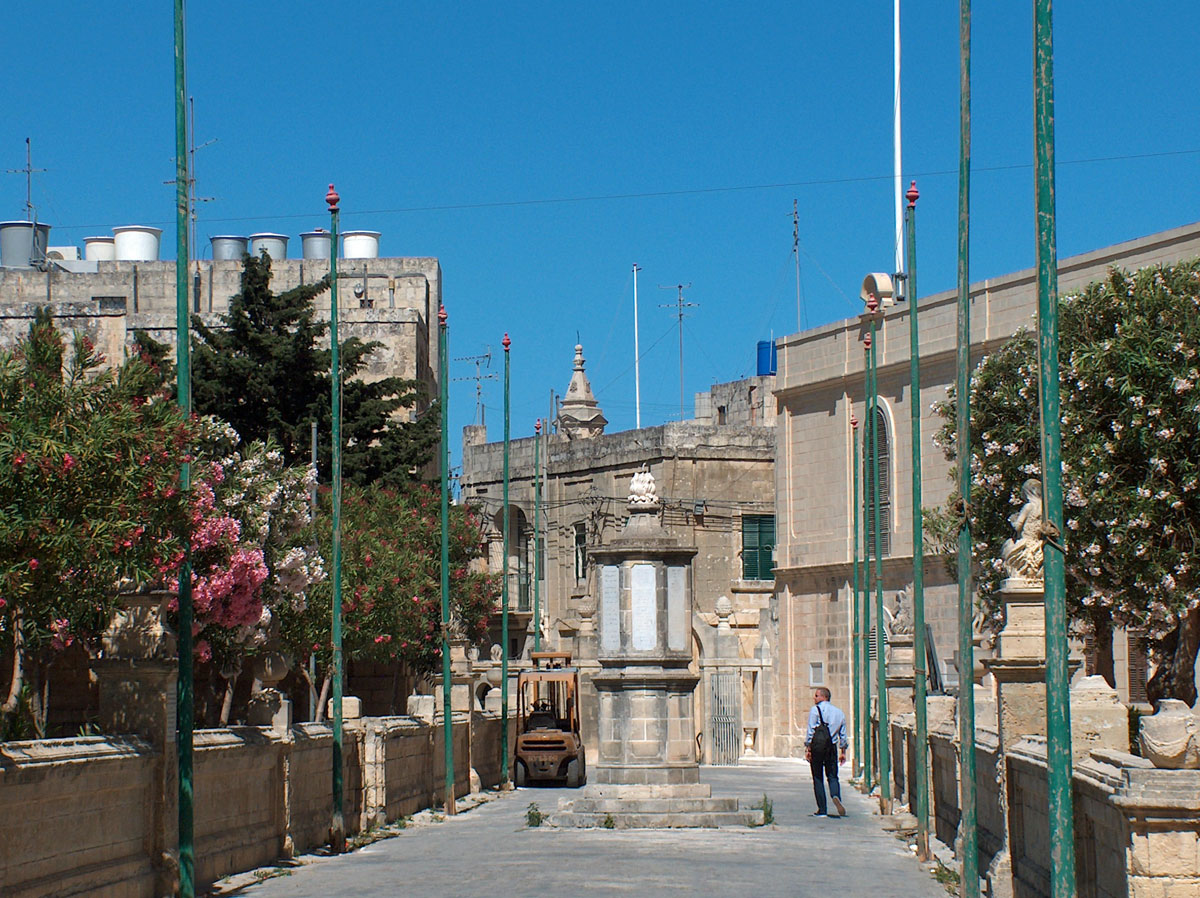
Whilst you are visiting Mdina it makes sense to visit Rabat at the same time. Although we didn’t visit the catacombs of St Paul, I have on my previous visit to the island back in 1978 when I lived in Paceville / St Julian’s for a month. (Now recognised as a ‘party’ district with late night bars and clubs, back then it was a quiet residential area).
Note that you can reach Mdina / Rabat by bus from Valletta.
 TRAVEL WORDS