Friends Around the Wrekin

Those of you who have been following this blog for some time will remember that I once lived in Ludlow, Shropshire with the OH for several years (he was a Shropshire lad). We moved there to help support my mother-in-law who was struggling to cope living on her own. When we finally decided to drop anchor in Cornwall (having arranged care workers to call in daily) the OH still did a monthly journey back to visit his mum.

This song was written from that journey. But I’ll let David provide the narrative.

The song was actually mostly written on a train between Shrewsbury and Newport at a time when I was frequently commuting between Shropshire and Cornwall to visit my frail 94-year-old mother, who died a few months after, so it has particular resonance for me. It originally included a couple of extra verses about Hereford and the Vale of Usk, but after the ‘Wrekin’ chorus forced its way into the song, I decided to restrict it to the Shropshire-related verses. Maybe they’ll turn up sometime as another song.

(You may need to view this post on the actual website in order to play the music)

Lyrics

The Abbey watches my train crawling Southwards
Thoughts of Cadfael kneeling in his cell
All along the Marches Line,
Myth and history, prose and rhyme
But those are tales I won’t be here to tell

The hill is crouching like a cat at play
Its beacon flashing red across the plain
Once we were all friends around the Wrekin
But some will never pass this way again

Lawley and Caradoc fill my window
Facing down the Long Mynd, lost in rain
But I’m weighed down with the creaks and groans
Of all the years I’ve known
And I don’t think I’ll walk these hills again

Stokesay dreams its humble glories
Stories that will never come again
Across the Shropshire hills
The rain is blowing still
But the Marcher Lords won’t ride this way again

The royal ghosts of Catherine and Arthur
May walk the paths of Whitcliffe now and then
Housman’s ashes grace
The Cathedral of the Marches
He will not walk Ludlow’s streets again

The hill is crouching like a cat at play
Its beacon flashing red across the plain
Once we were all friends around the Wrekin
But some will never pass this way again
And I may never pass this way again

Historical Notes

‘The Abbey’ is actually Shrewsbury’s Abbey Church: not much else of the Abbey survived the Dissolution in 1540 and then Telford’s roadbuilding in 1836. Cadfael is the fictional monk/detective whose home was the Abbey around 1135-45, according to the novels by ‘Ellis Peters’ (Edith Pargeter).
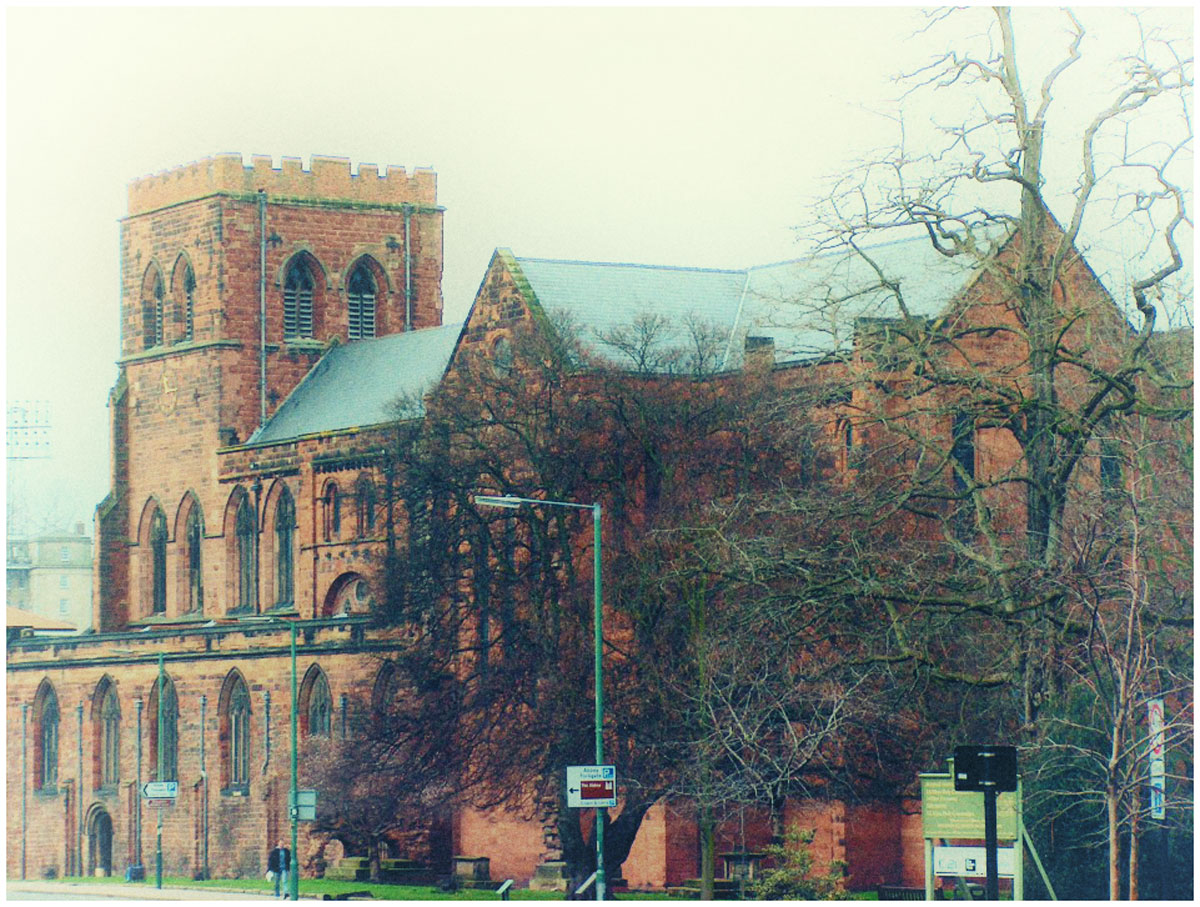
Shrewsbury Abbey

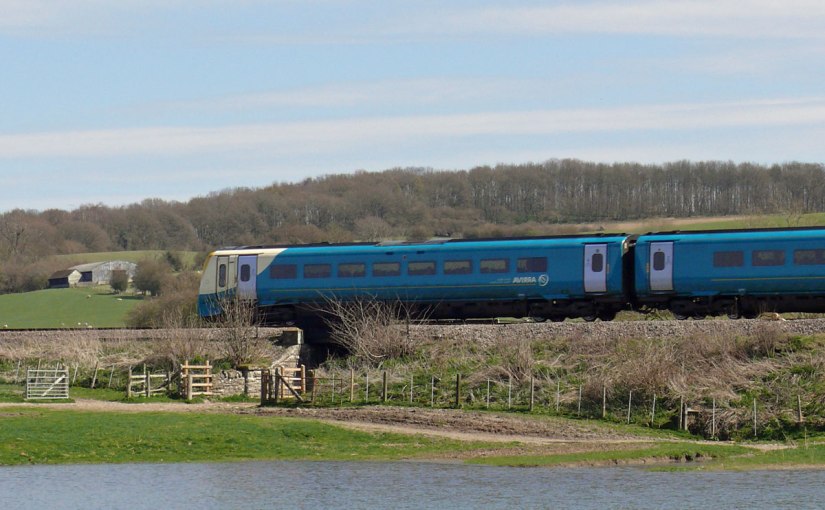
The Welsh Marches Line runs from Newport (the one in Gwent) to Shrewsbury. Or, arguably, up as far as Crewe, since it follows the March of Wales from which it takes its name, the buffer zone between the Welsh principalities and the English monarchy which extended well into present-day Cheshire.

‘The hill’ is the Wrekin, which, though at a little over 400 metres high is smaller than many of the other Shropshire Hills, is isolated enough from the others to dominate the Shropshire Plain.
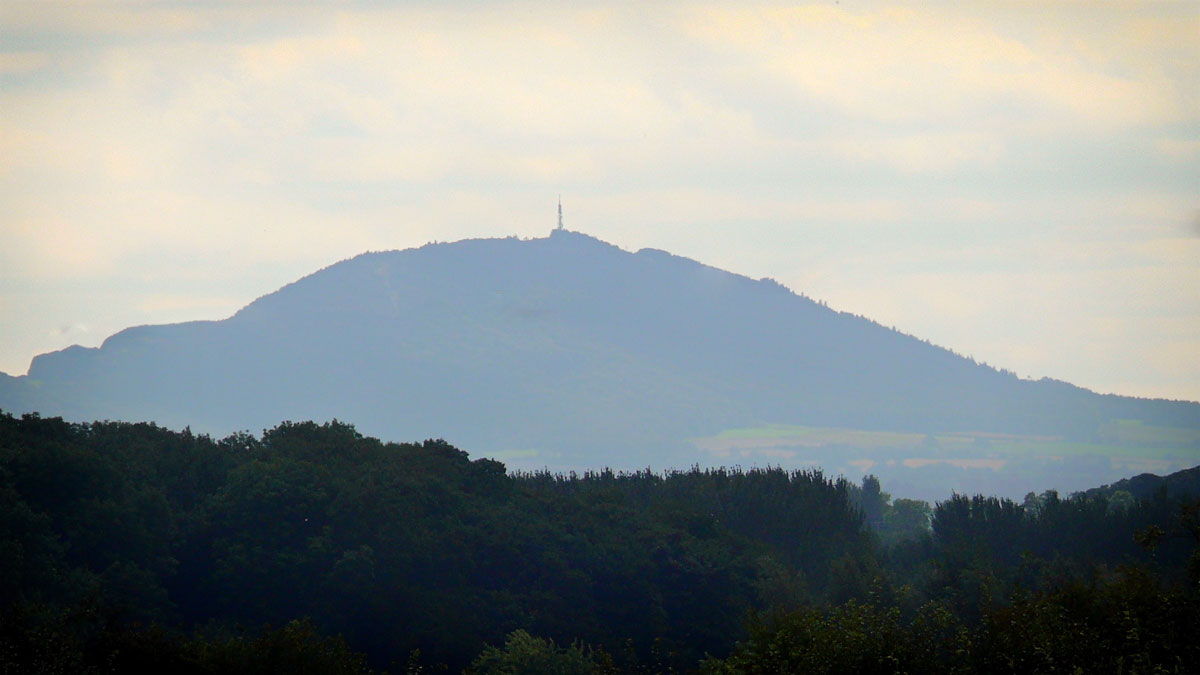
The Wrekin

The beacon is at the top of the Wrekin Transmitting Station mast, though a beacon was first erected there during WWII. The Shropshire toast ‘All friends around the Wrekin’ seems to have been recorded first in the dedication of George Farquar’s 1706 play ‘The Recruiting Officer’, set in Shrewsbury.
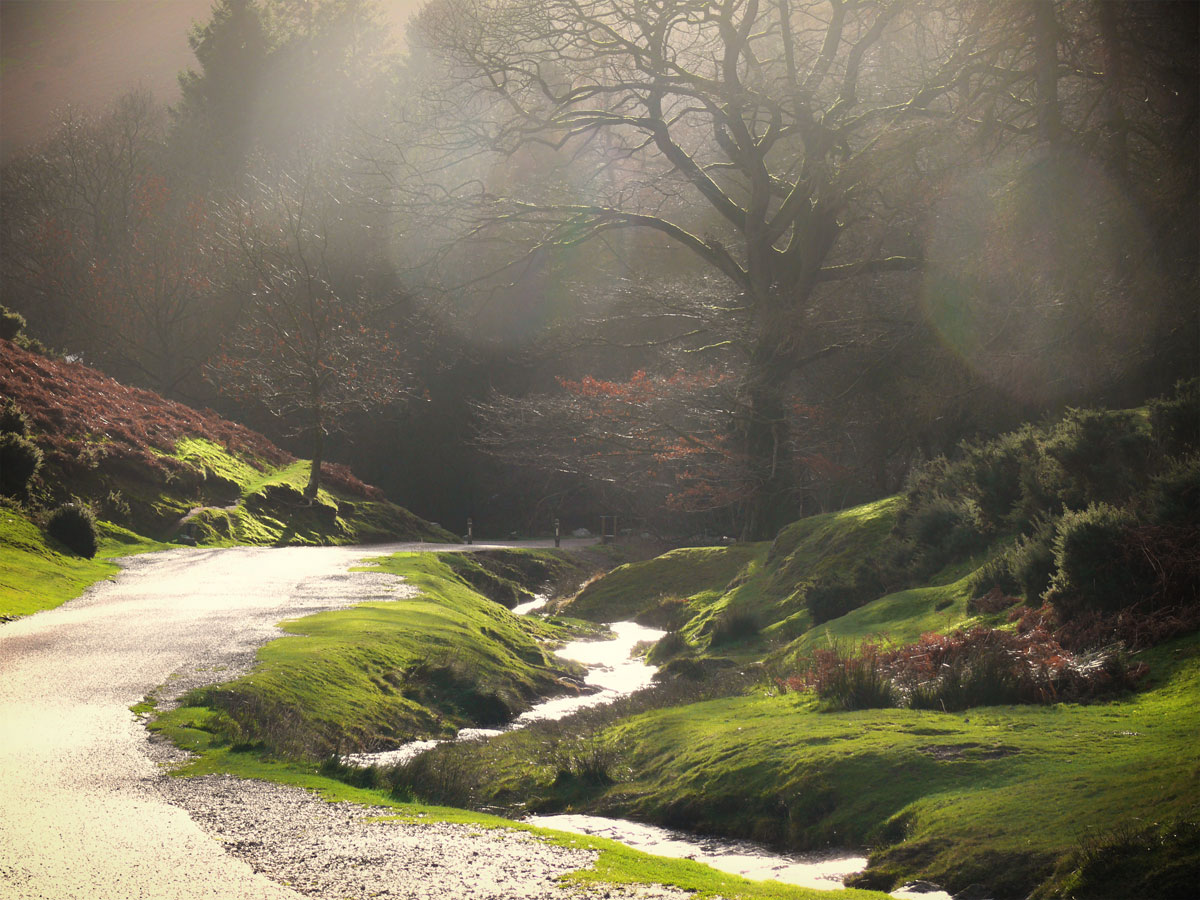
Carding Mill Valley – In the Shropshire Hills, near Church Stretton, connected to the Long Mynd.

‘Lawley’ refers to the hill rather than to the township in Telford. The Lawley and Caer Caradoc do indeed dominate the landscape on the East side of the Stretton Gap coming towards Church Stretton from the North via the Marches Line or the A49, while the Long Mynd (‘Long Mountain’) pretty much owns the Western side of the Gap.

Shropshire Hills on the east side of the Strettons

Stokesay Castle, near Craven Arms, is technically a fortified manor house rather than a true castle. It was built in the late 13th century by the wool merchant Laurence of Ludlow, and has been extensively restored in recent years by English Heritage, who suggest that the lightness of its fortification might actually have been intentional, to avoid presenting any threat to the established Marcher Lords.
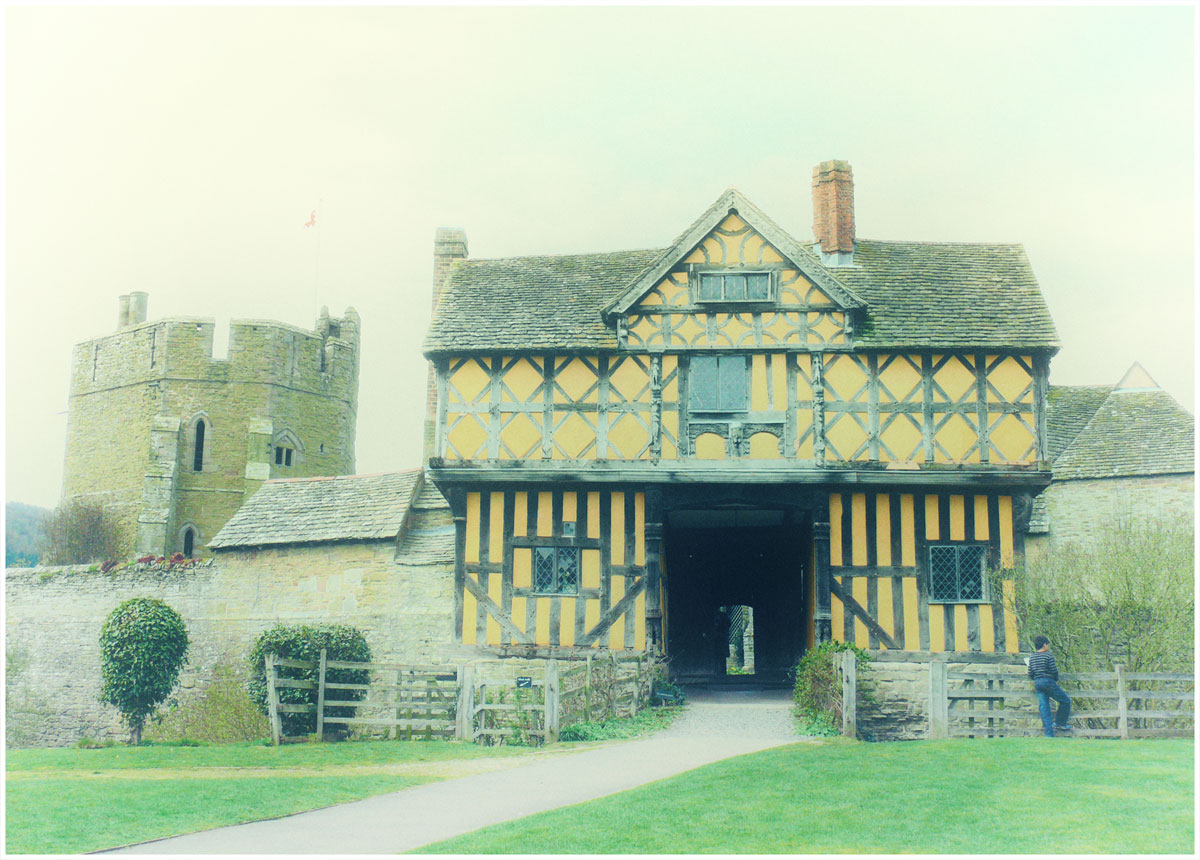
Stokesay castle and Gatehouse

Prince Arthur, elder brother of Henry VIII, was sent with his bride Catherine of Aragon to Ludlow administer the Council of Wales and the Marches, and died there after only a few months.
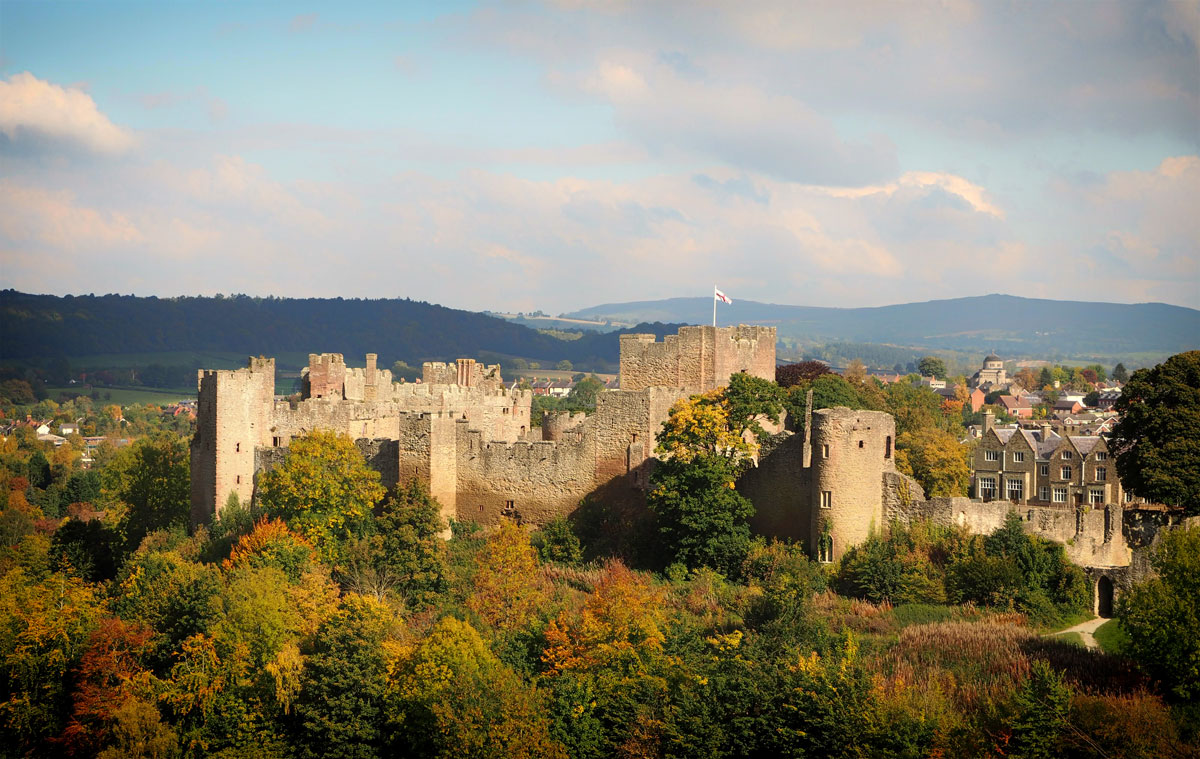
Ludlow Castle (once home to Arthur and Catherine of Aragon)

Catherine went on to marry and be divorced by Henry VIII, and died about 30 years later at Kimbolton Castle. Catherine is reputed to haunt both Kimbolton and Ludlow Castle lodge, so it’s unlikely that she also haunts Whitcliffe, the other side of the Teme from Ludlow Castle. (As far as I know, no-one is claimed to haunt Whitcliffe. Poetic licence…) The town itself does have more than its fair share of ghosts, though.
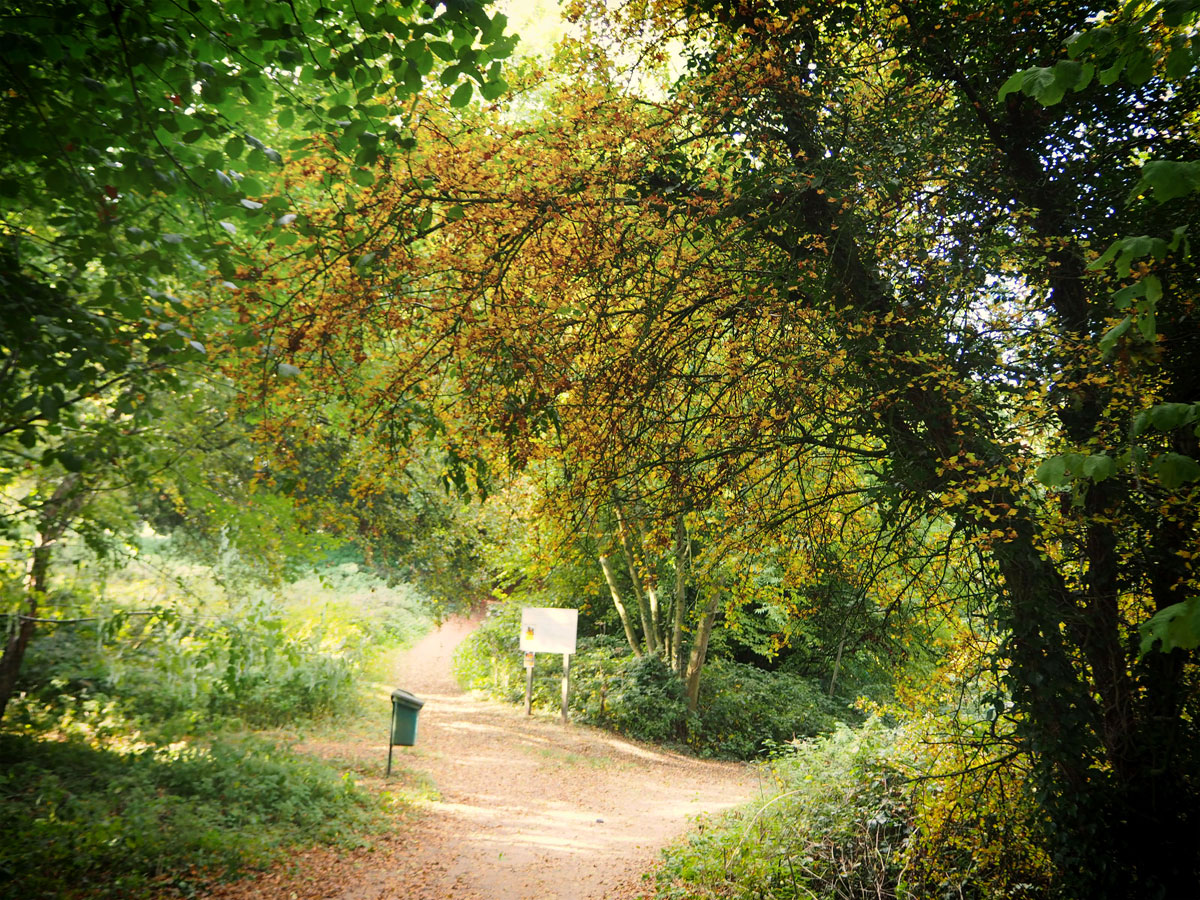
Whitcliffe Common

For some time it has puzzled me that in ‘A Ballad for Catherine of Aragon’, Charles Causley refers to her as “…a Queen of 24…” until I realized he was probably referring not to her age, but to the length of time (June 1509 until May 1533) that she was acknowledged to be Queen of England.

The ashes of A.E. Housman are indeed buried in the grounds of St. Laurence’s church, Ludlow, which is not in fact a cathedral, but is often referred to as ‘the Cathedral of the Marches’. It is indeed a church with many fine features and its tower is visible from a considerable distance (and plays a major part in Housman’s poem ‘The Recruit’).
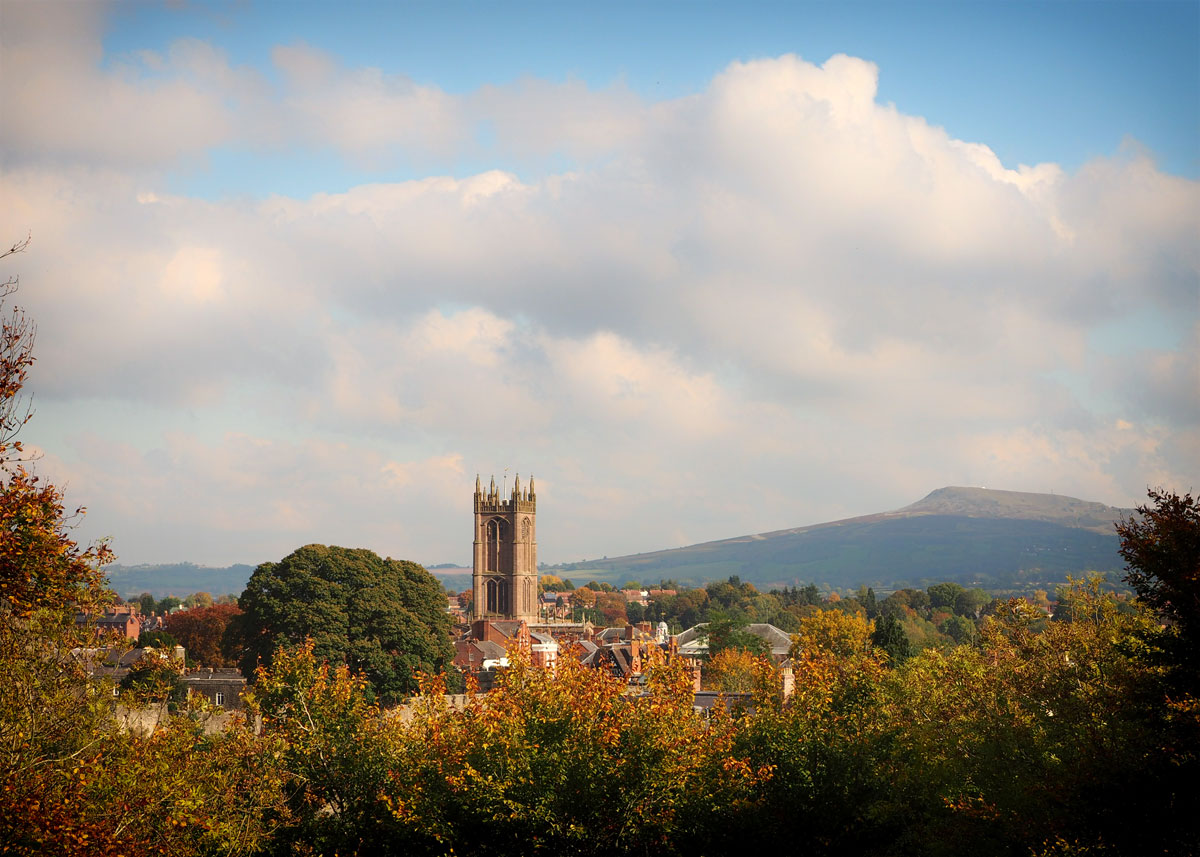
Cathedral of the Marches

RIP David: 1949 – 2025
David standing on the top of the Wrekin -25 01 2004 ( 3 months after our marriage) the only time I ever climbed up it and the only time I managed to persuade him to shave!

Hever Castle and Gardens: Part Three

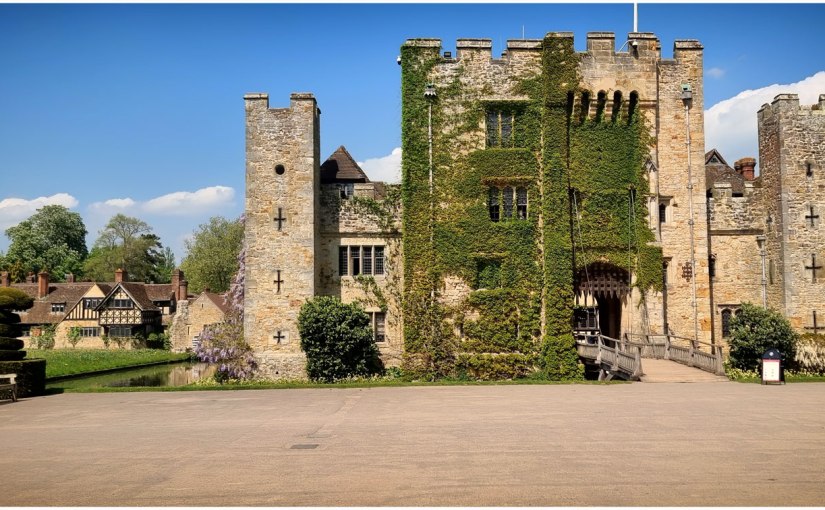
If you love your Tudor history, Hever Castle is the perfect place to get up close to several significant pieces of 16th century history. Built in 1271, it is the childhood home of Anne Boleyn, the second wife of Henry VIII who was Queen for only 1,000 days and mother of Elizabeth I. Anne’s family name was Bullen but when she was in France in the king’s court, she decided to adopt the way a French person would spell it phonetically.

As well as the beautiful gardens the castle itself is well worth visiting. It’s not very big for a castle, and some of the rooms are quite cosy you could say. Audio guides are included in Castle admission prices. They are available in English, French, German, Dutch, Russian and Chinese.

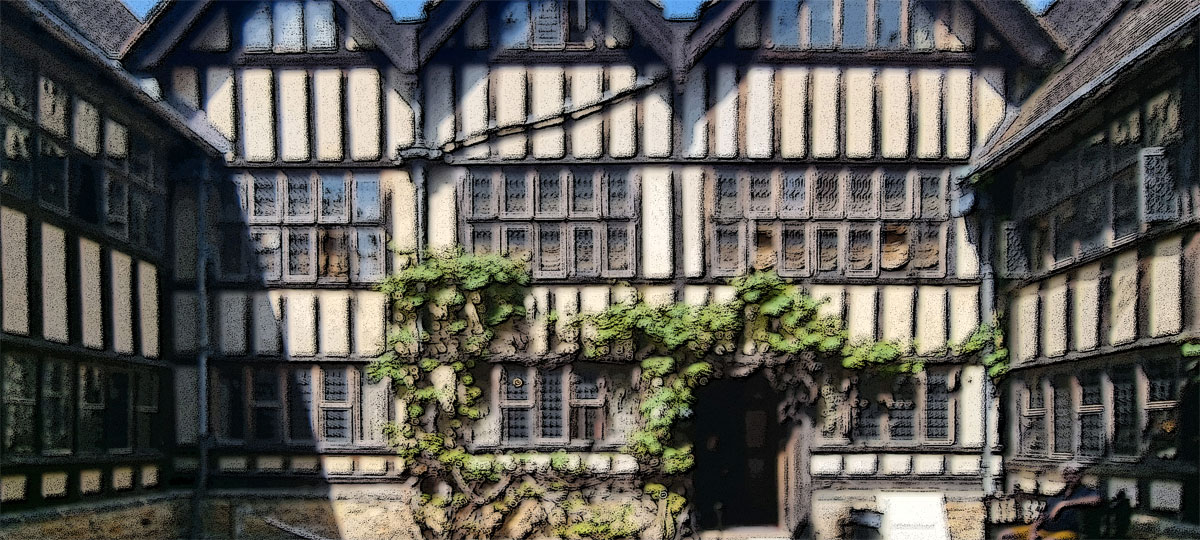
Inner Courtyard
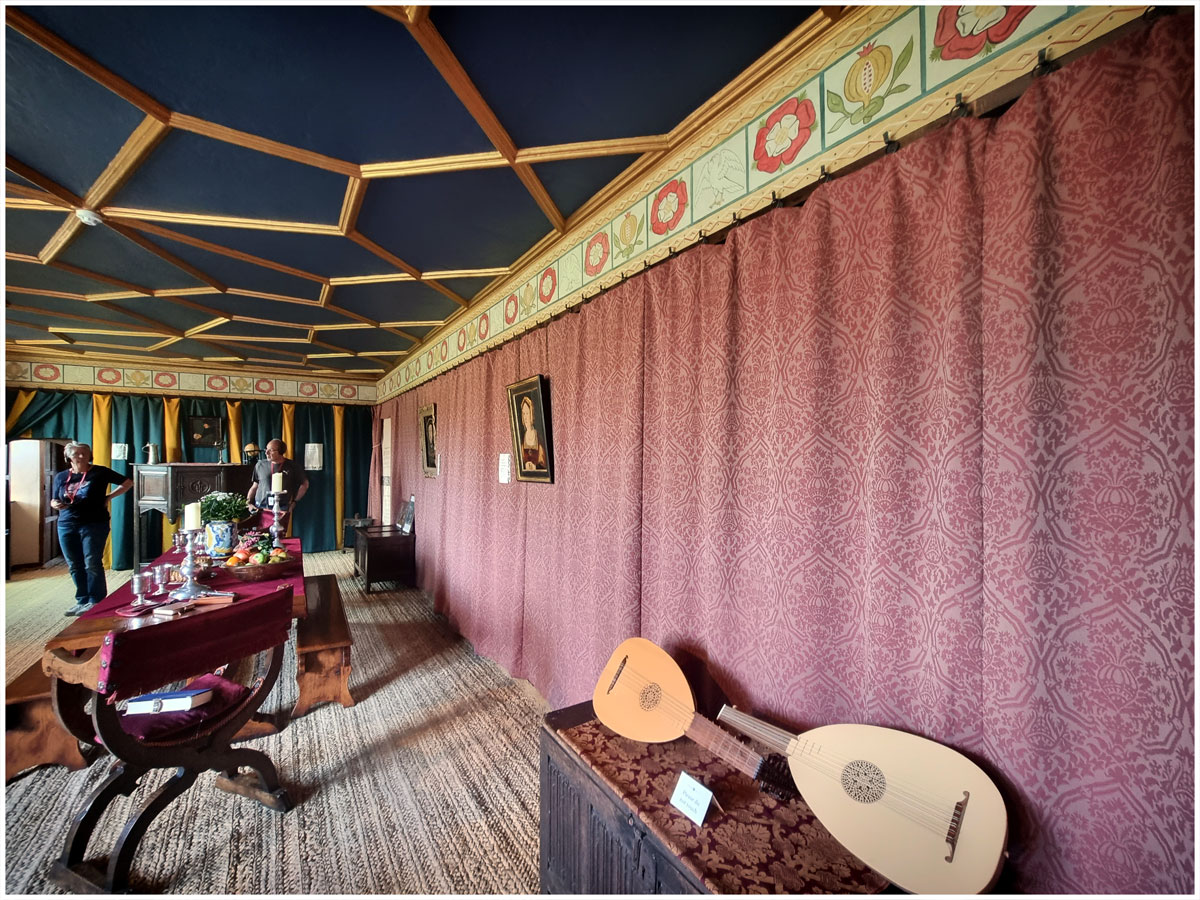
The Great Chamber – used by the Boleyn family for entertainment. music, reading, poetry readings and occasional dining.

I’m not usually keen on photographing interiors and especially when I only have my phone with me as the light can be poor, but I do like to grab shots of little details that I find interesting.

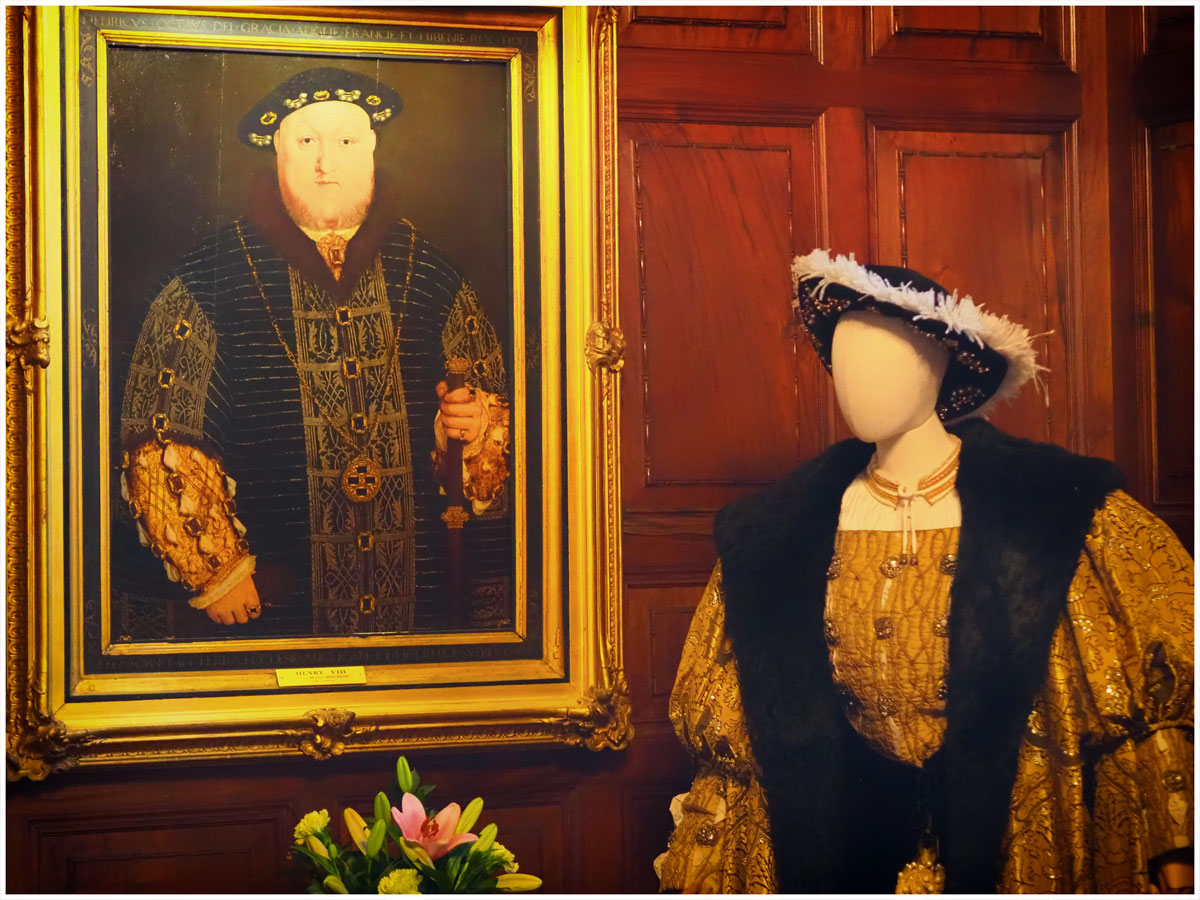
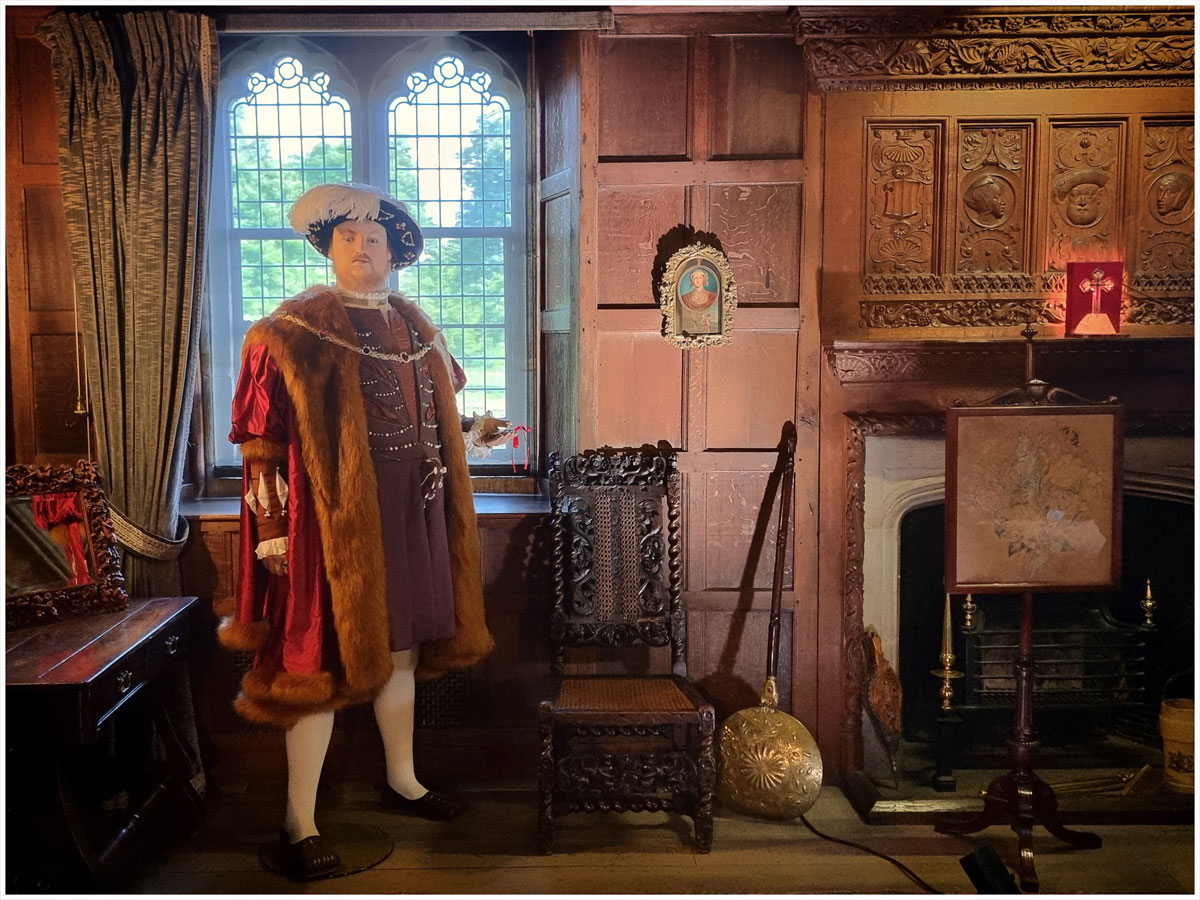
Henry VIII portrait and the costume as used in Wolf Hall and The Mirror and the Light (TV series)
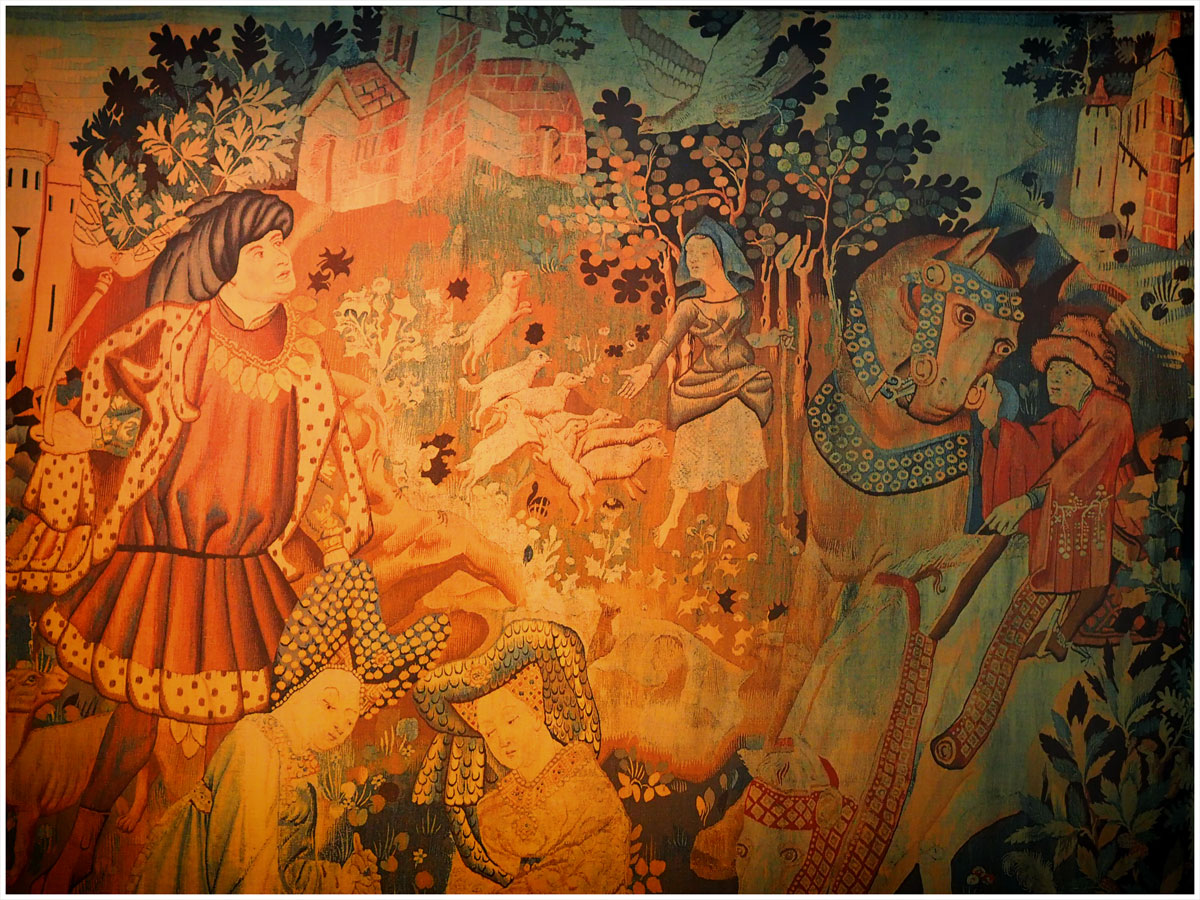
Wall tapestry
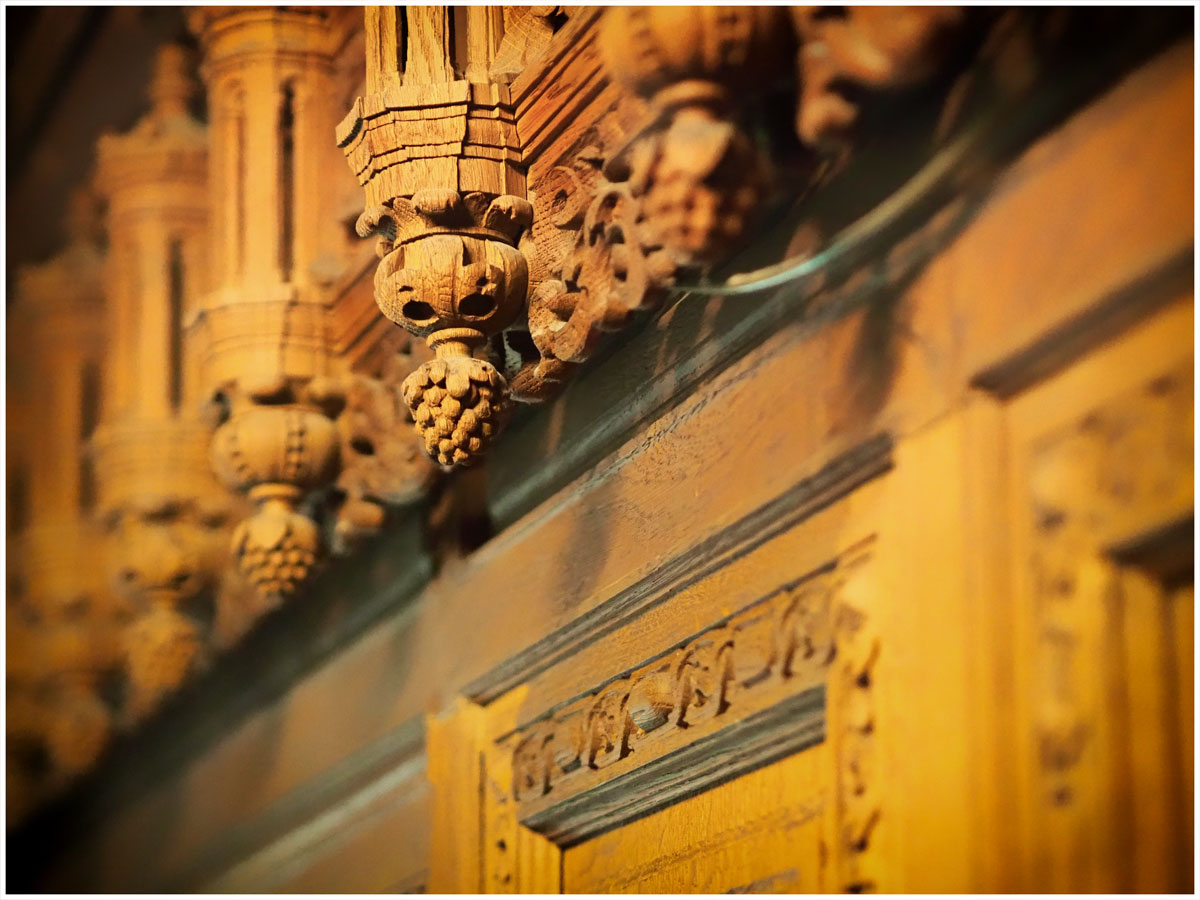
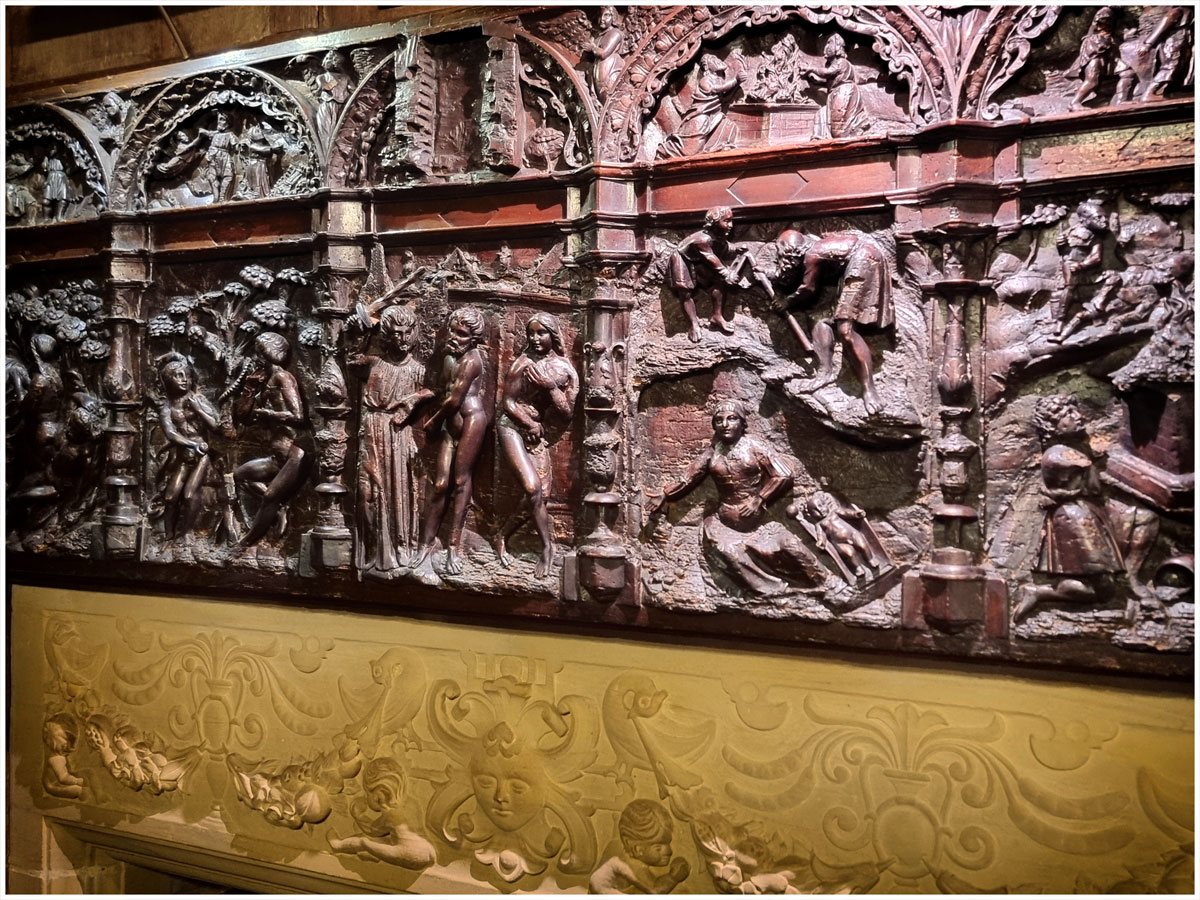
Carvings above a fireplace
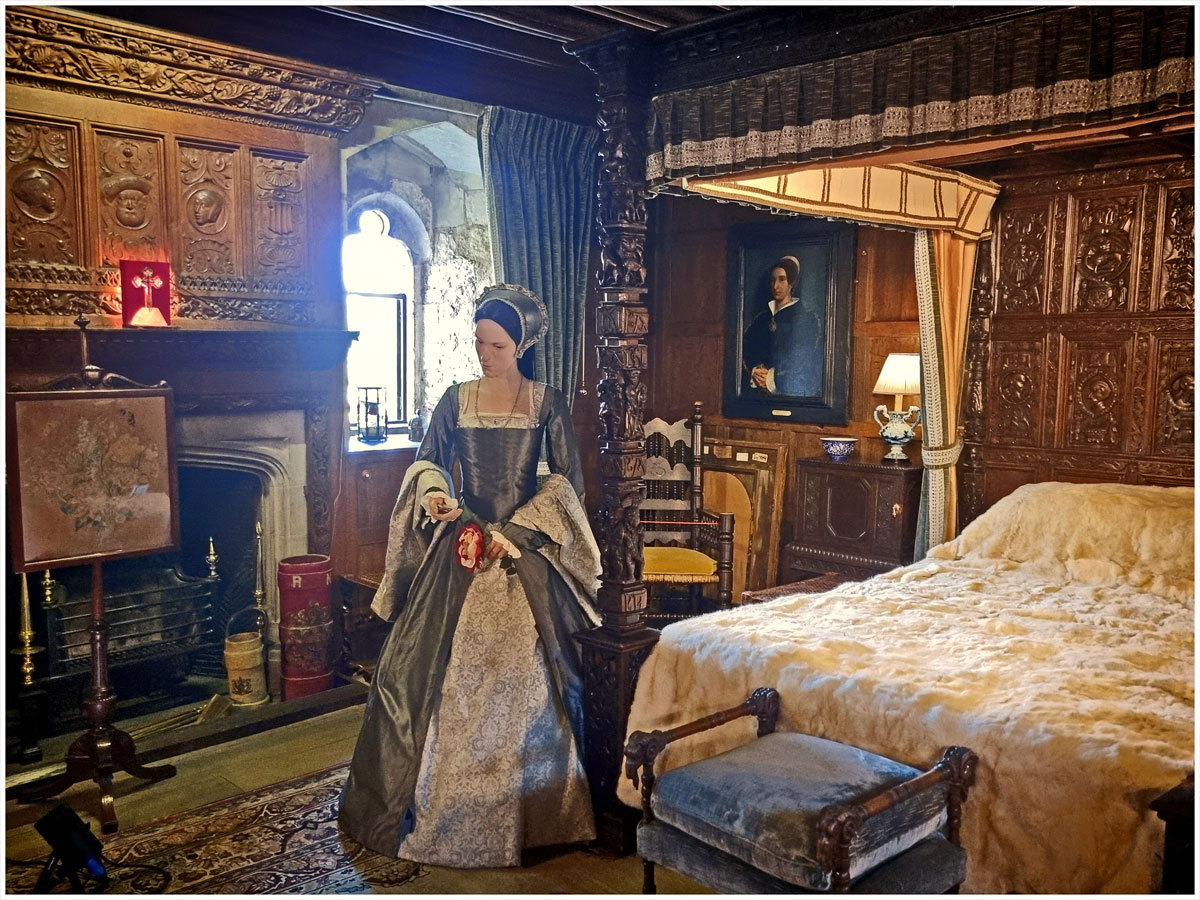
King Henry VIII’s Bedchamber, though it is believed that he would never have actually stayed the night here. The costume of Anne Boleyn from Wolf Hall and The Mirror and the Light (TV series)
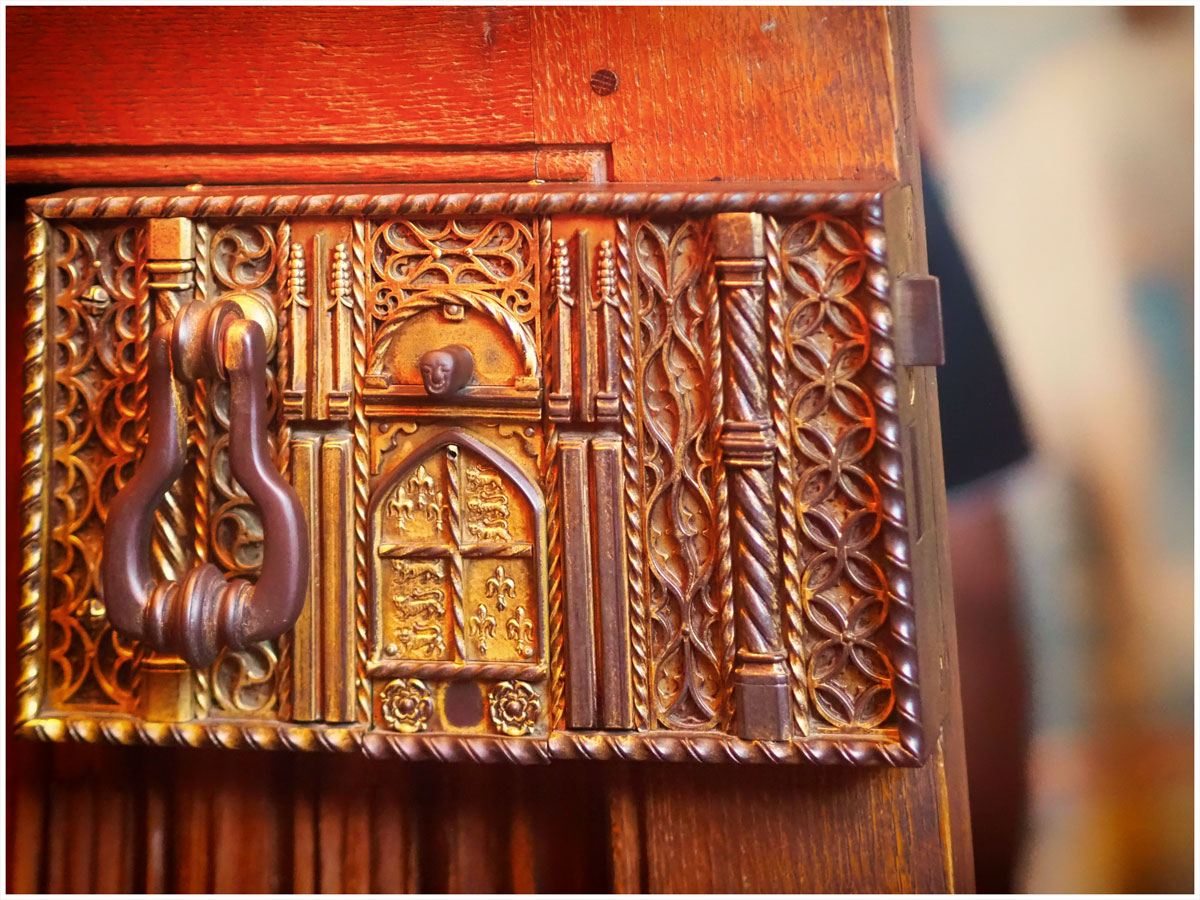
Intricate design on the door of the Great Hall
Another of Henry VIII costume in what is known as his bedchamber
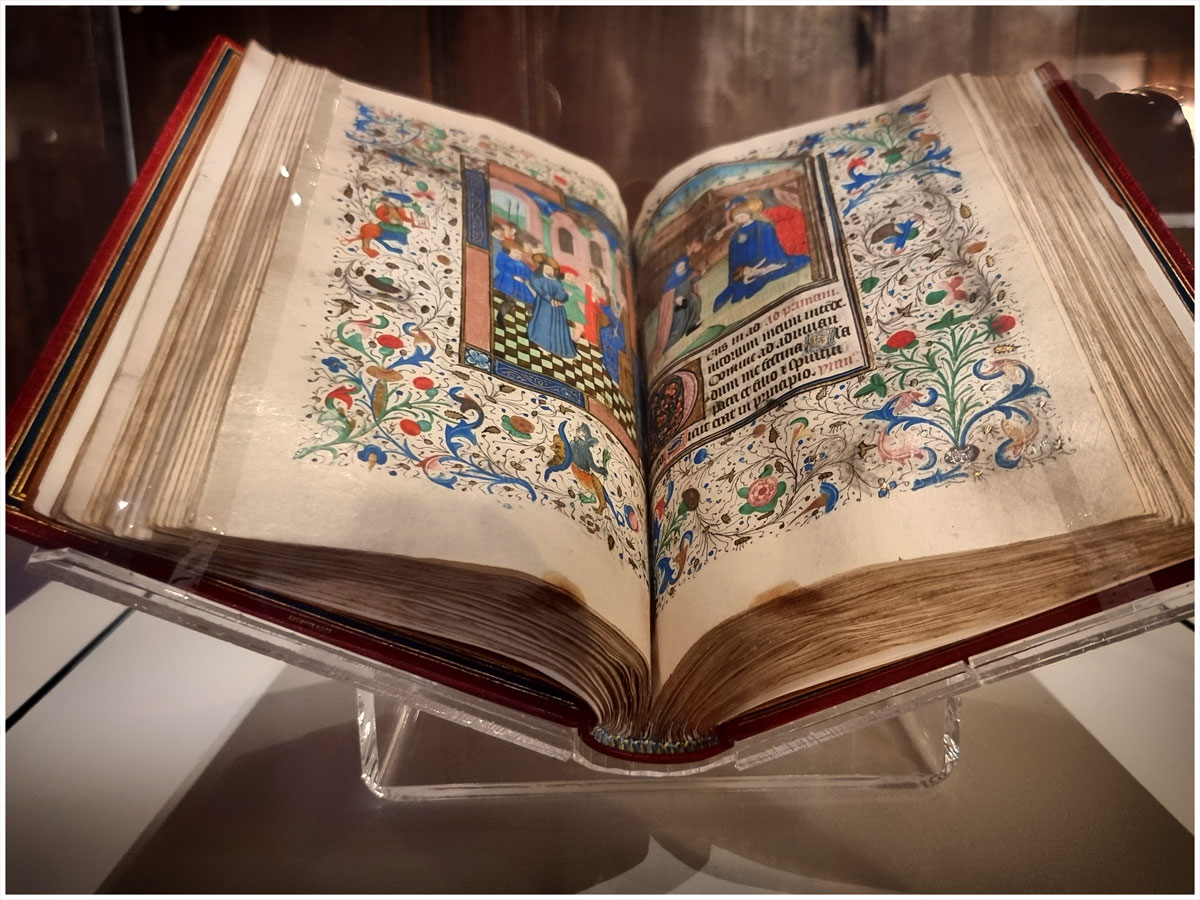
Anne Boleyn’s Book of Hours c, 1425 – 50 This prayer book was hand-written and illuminated in Bruges. Inside Anne has written her famous inscription “le temps viendra” (the time will come). She signed her name Anne Boleyn and and drew a small astrolabe or armillary sphere.
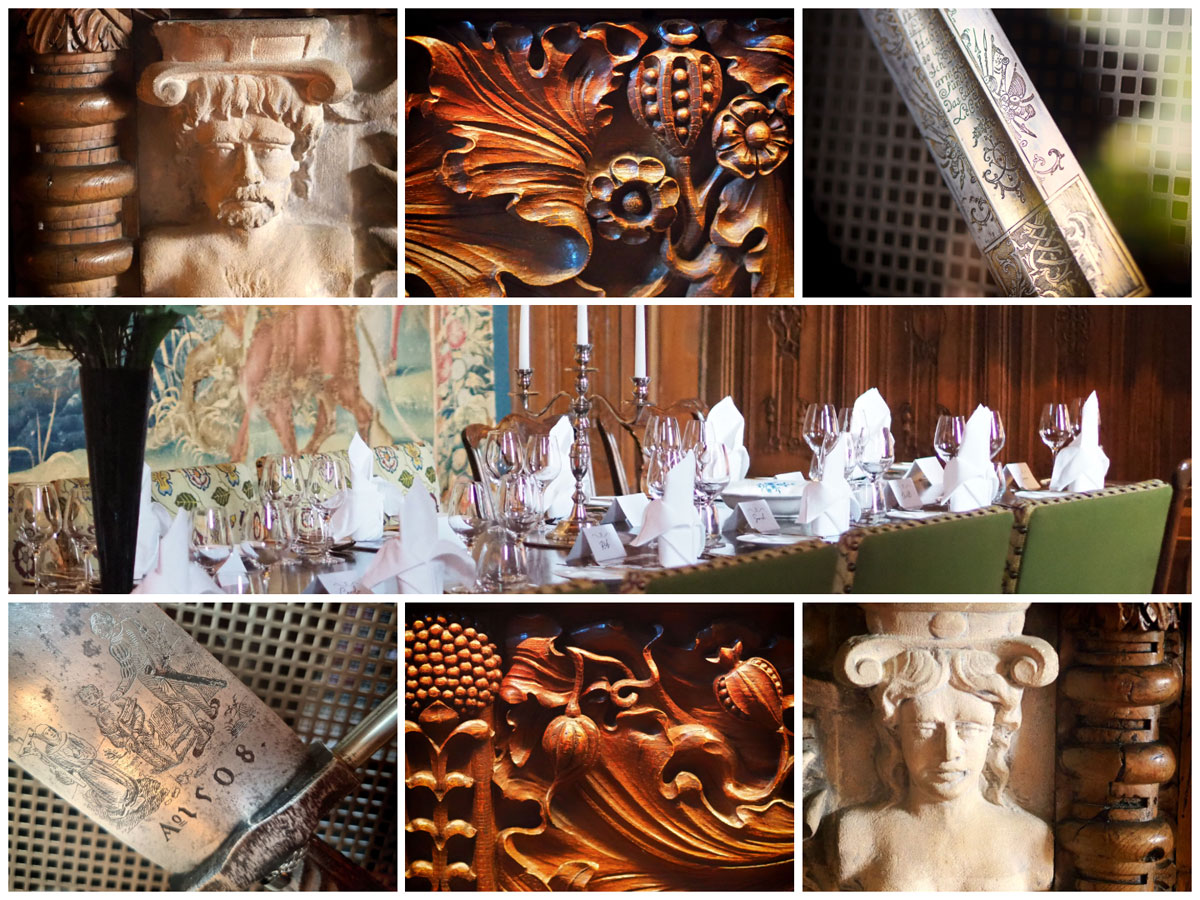
More detail of carvings on fireplaces, the dining table in the Great Hall and two German swords used for beheadings.

It takes about an hour to go around the castle and the Castle is usually busiest in the morning and early afternoon. I would recommend late afternoon to avoid school parties.

William Waldorf Astor used his fortune to restore and extend the Castle in the early 20th century.

[Wolf Hall is a British television series adaptation of two of Hilary Mantel’s novels, Wolf Hall and Bring Up the Bodies, a fictionalised biography documenting the life of Thomas Cromwell in the court of Henry VIII. The second series was adapted from The Mirror & the Light, the final novel in the trilogy. Both are excellent series and available in the UK on iPlayer.]

If you want to know more about Hever Castle,  Anne Boleyn and the rooms in the castle then I recommend visiting the website (link below).

Hever Castle & Gardens
Hever
Edenbridge
Kent TN8 7NG

Hever Castle and Gardens: Part Two

Although we didn’t manage to see all of the beautiful gardens we tried our best! Here are a few more photos from the estate.

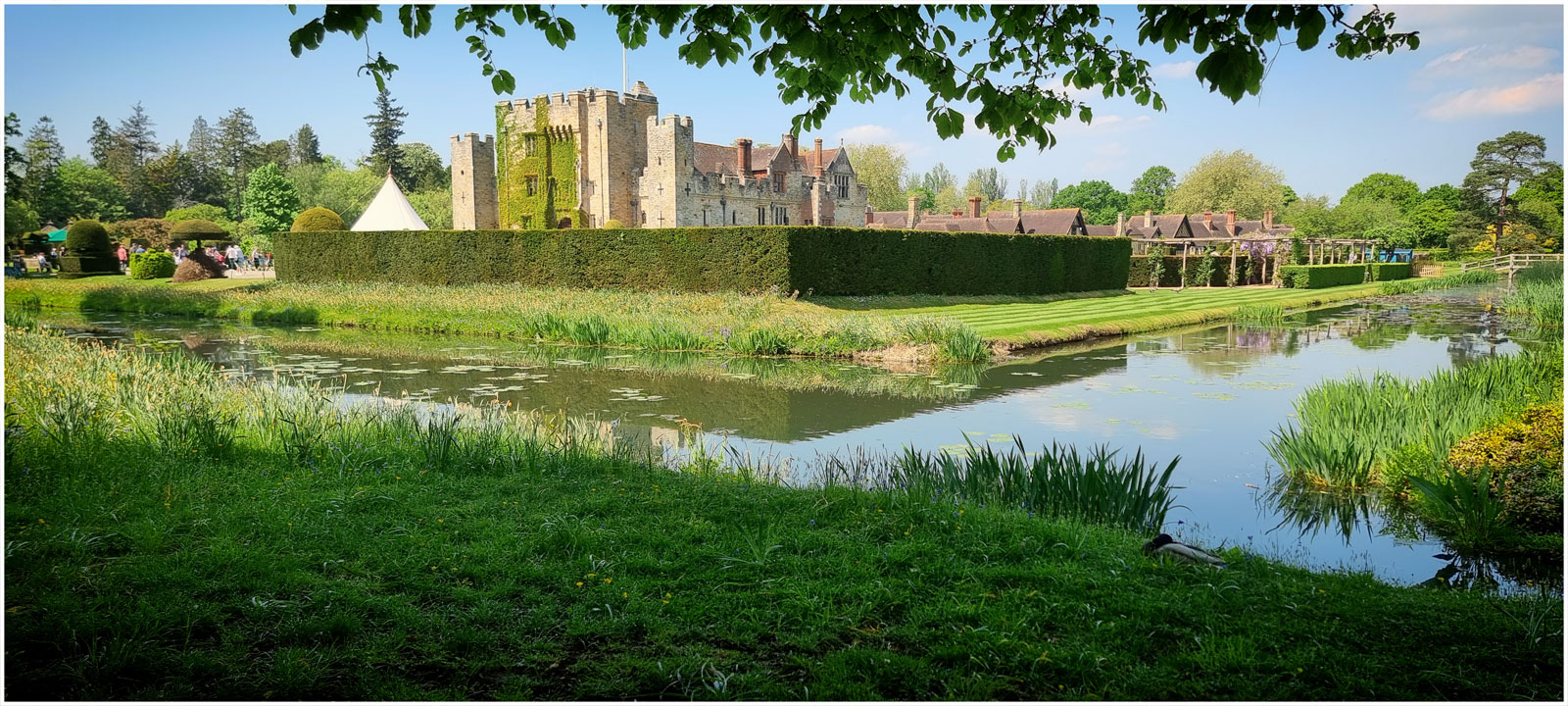
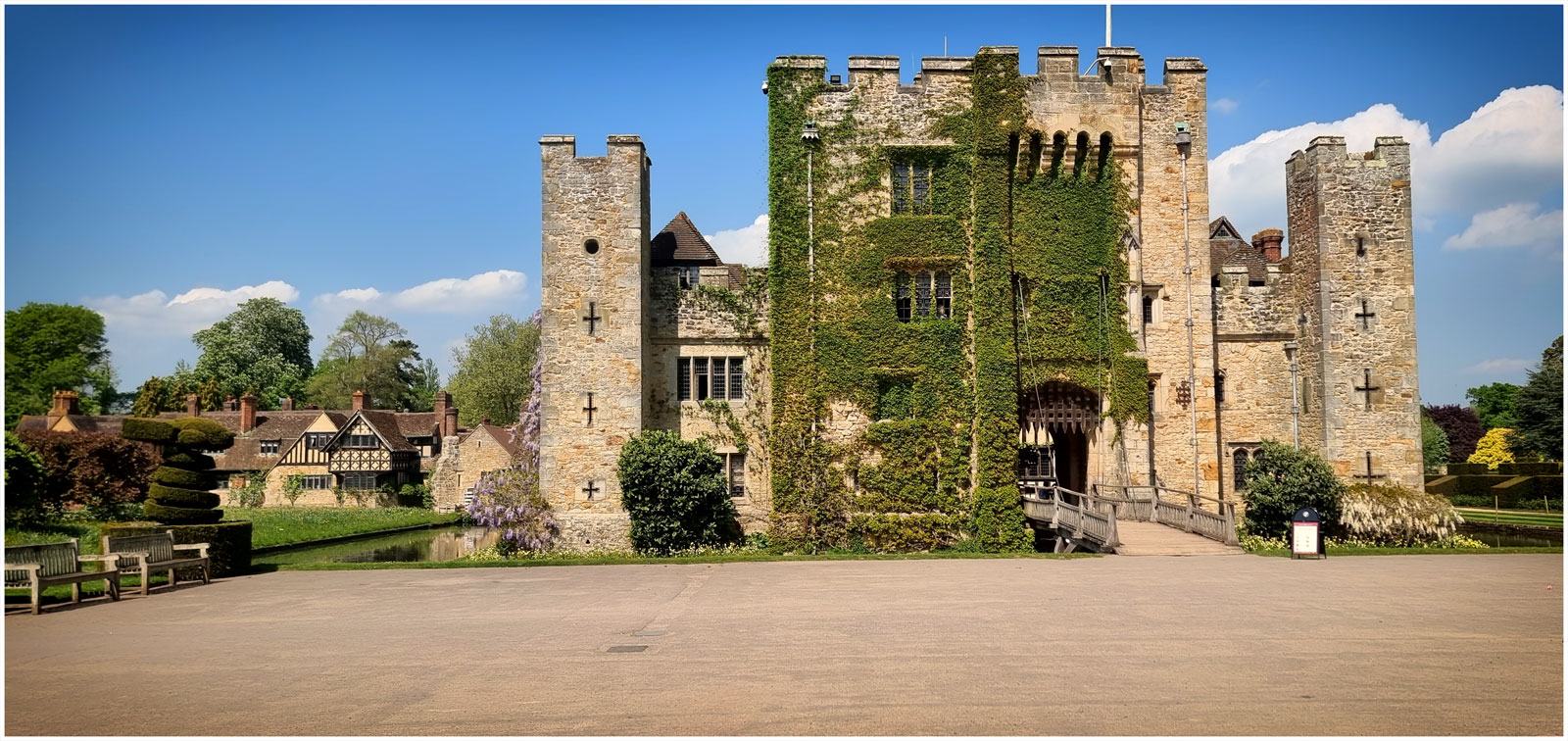
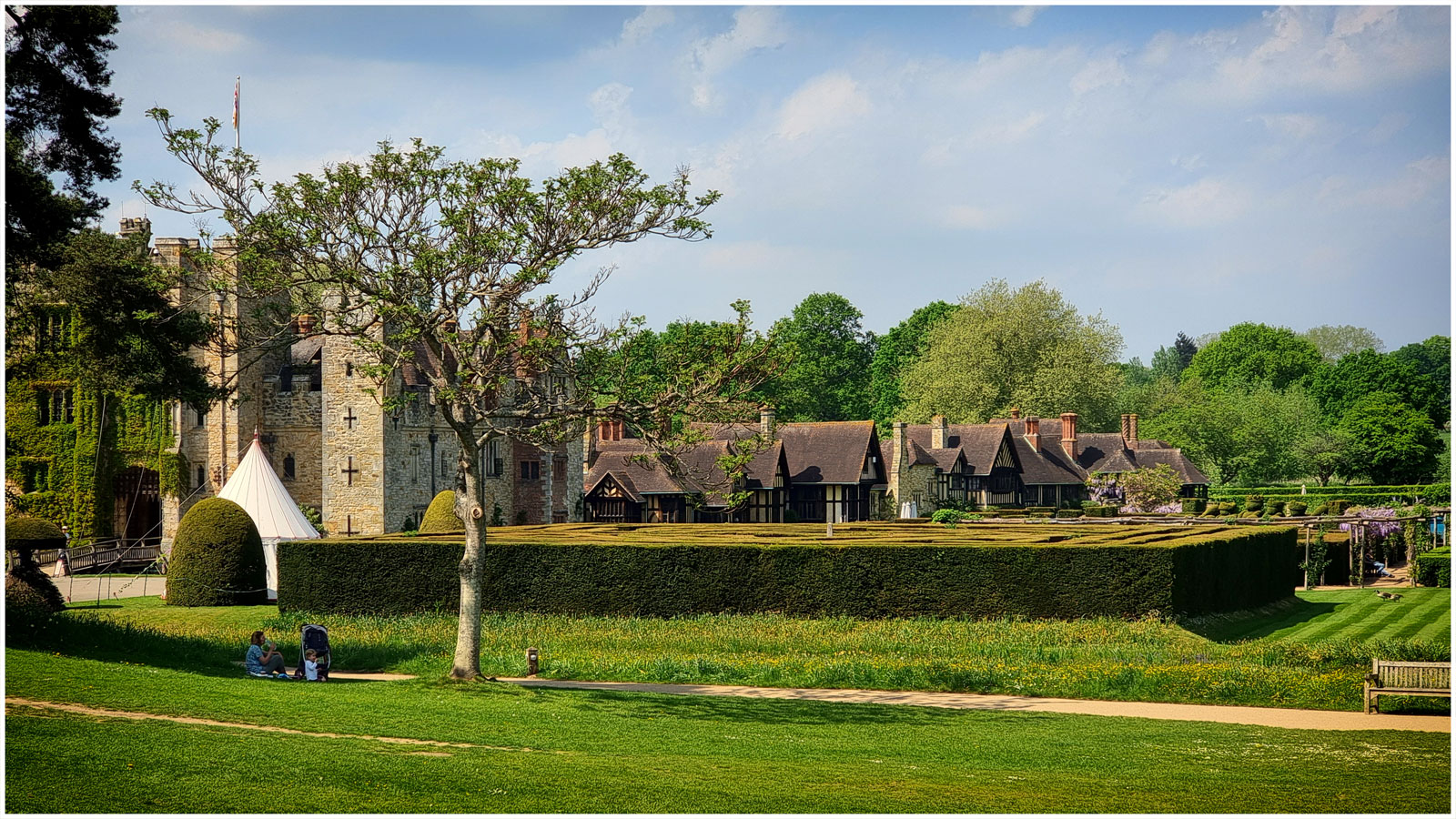
The Castle and outer moat and maze
A closer view – if you click on this image you might be able to make out the topiary chess set on the far right in the Tudor Garden
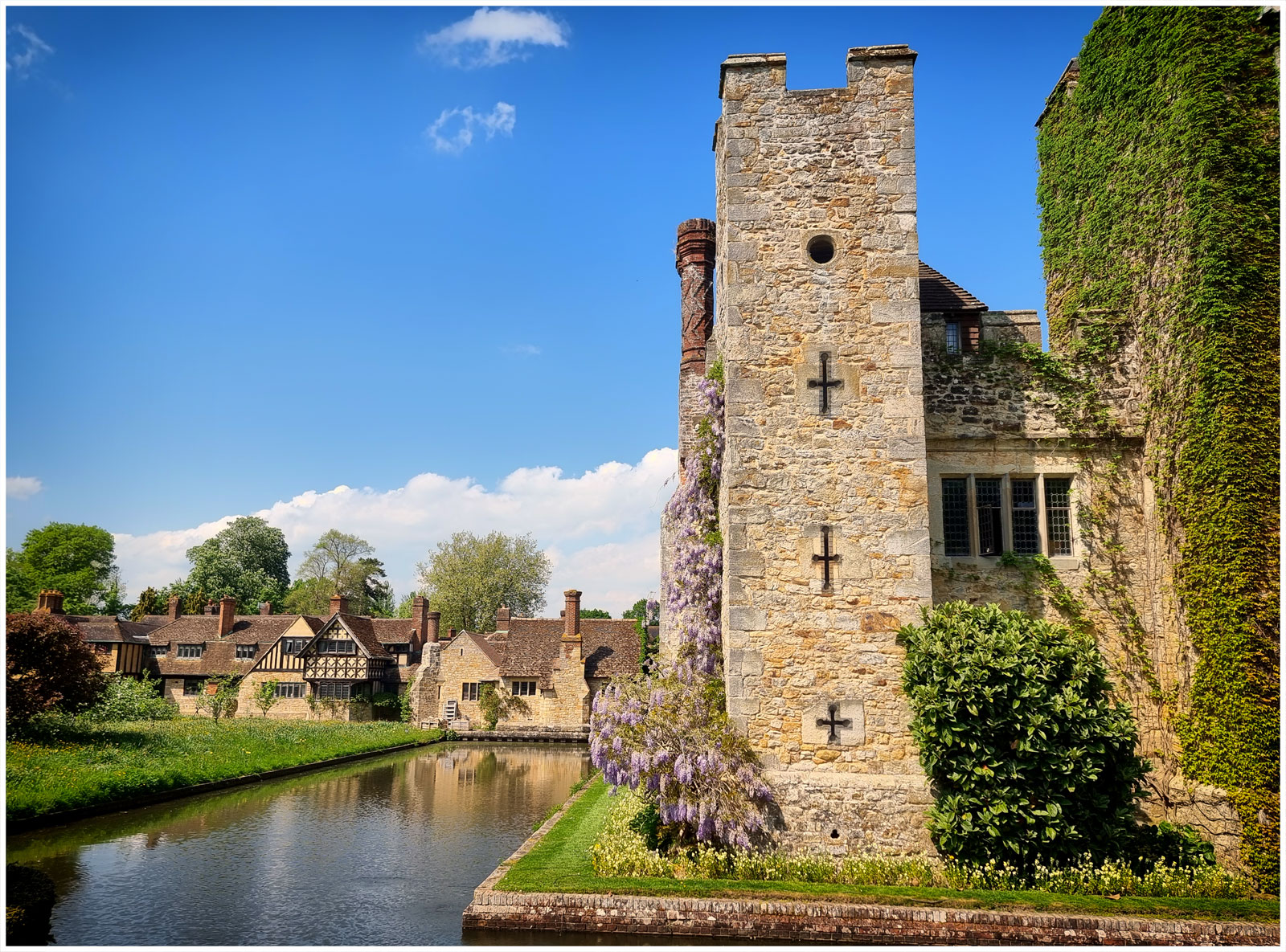
One of the towers and the inner moat
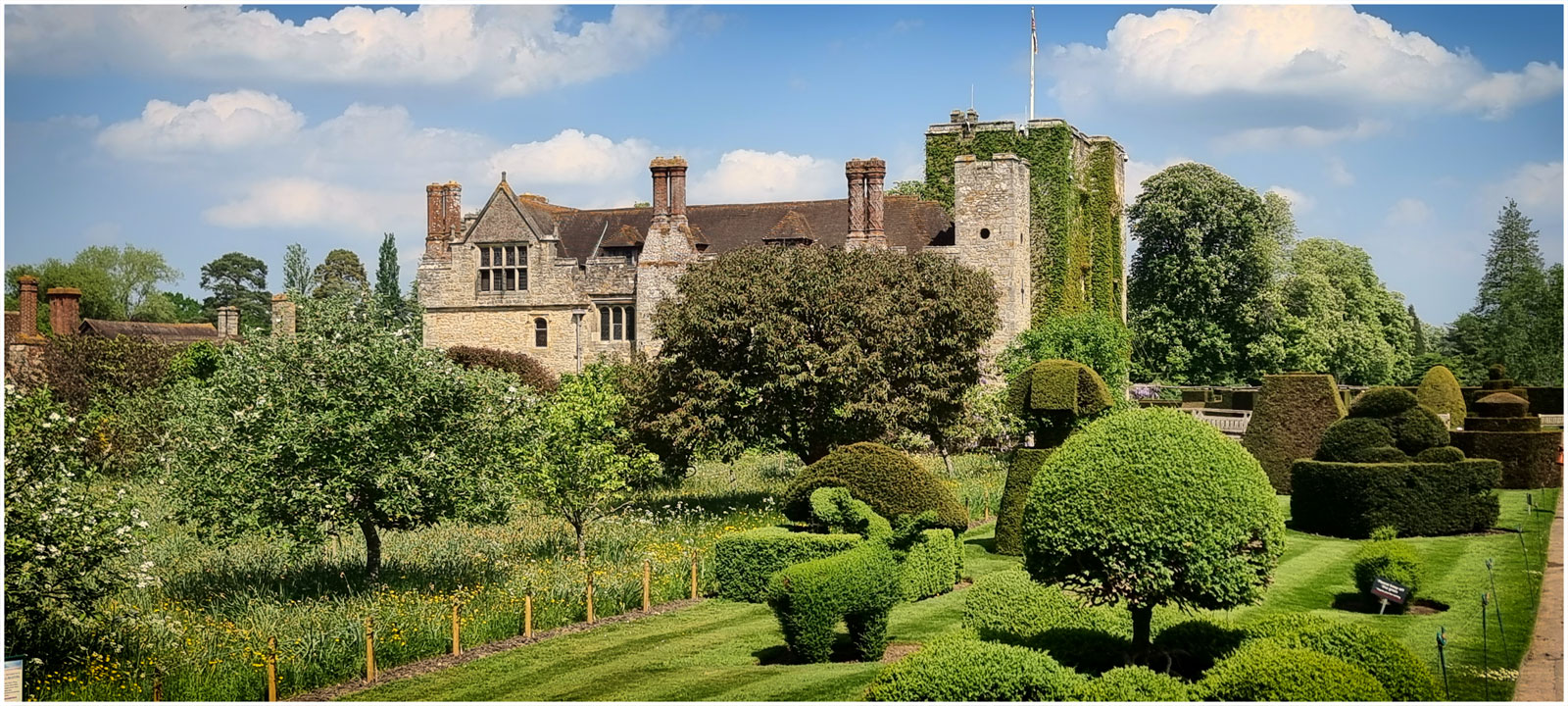
Castle from the opposite side and topiary
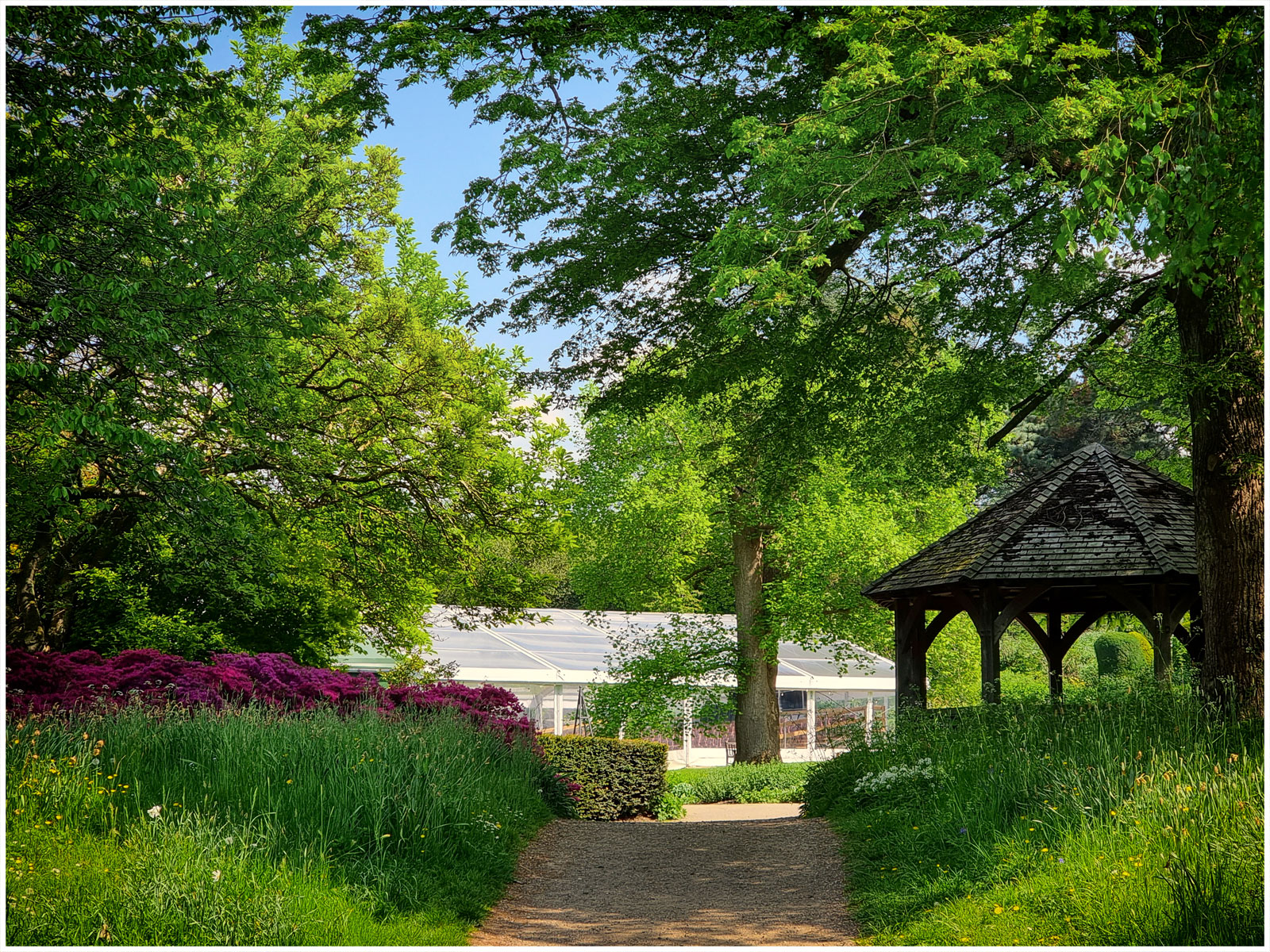
Shady area close to Anne Boleyn’s Walk – and the festival theatre
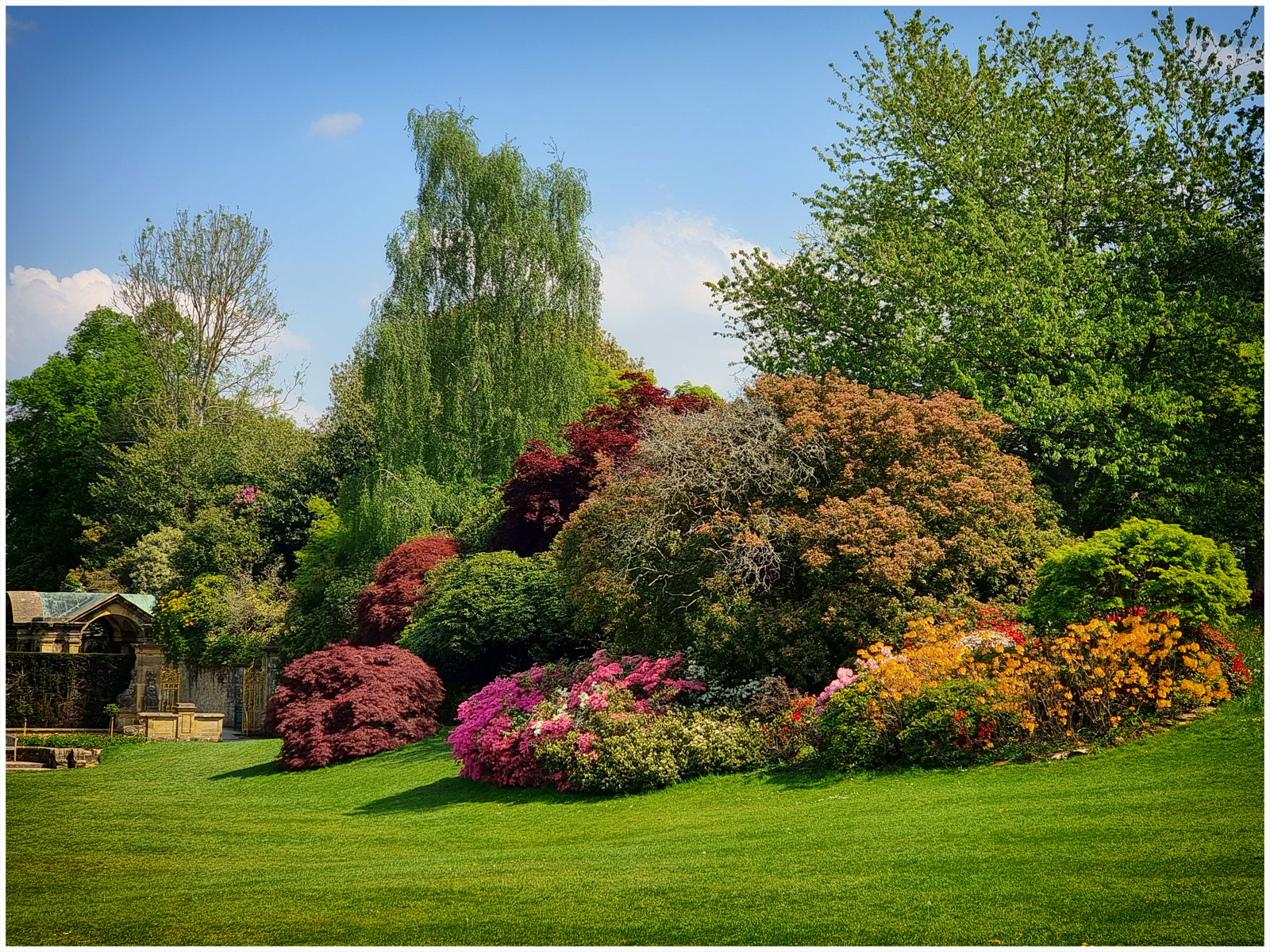
Rhododendrons and Azaleas
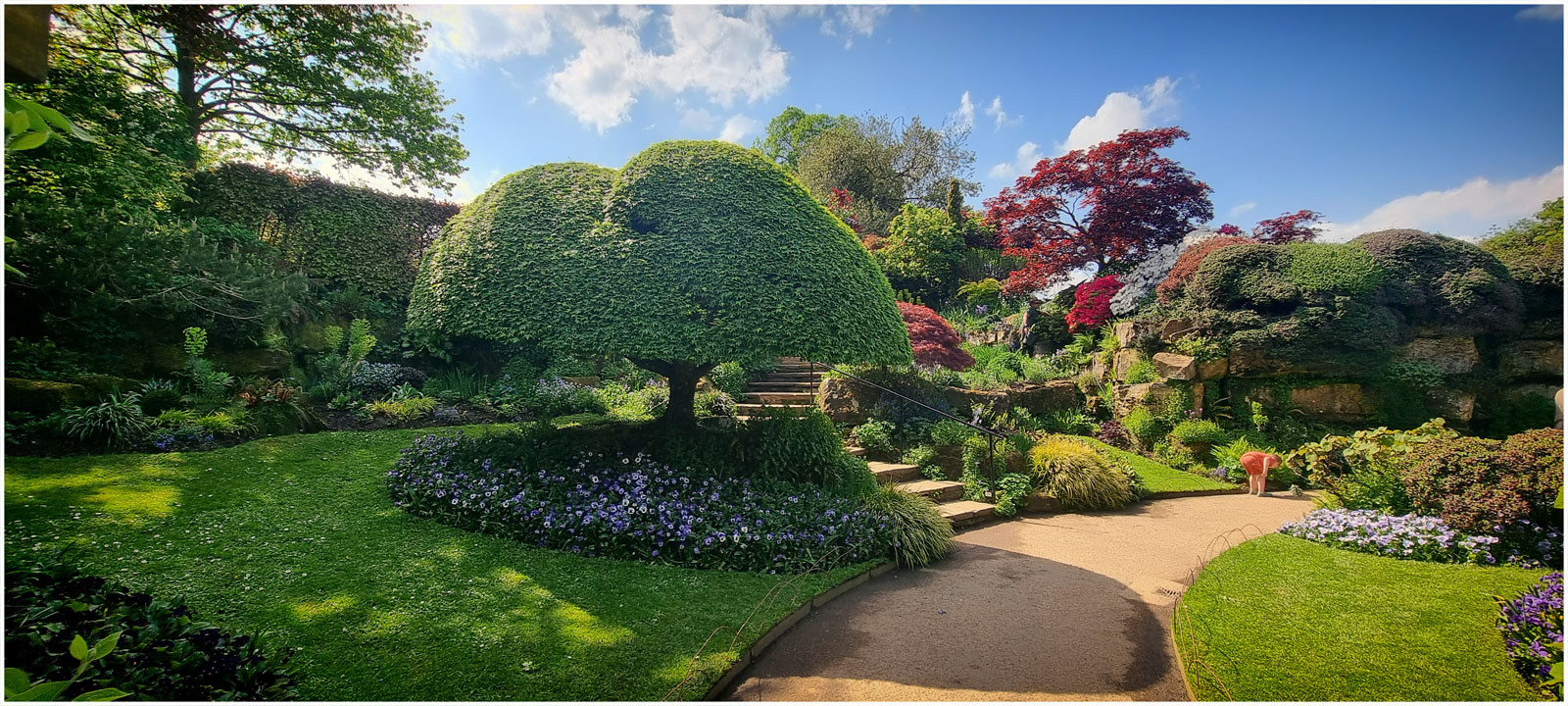
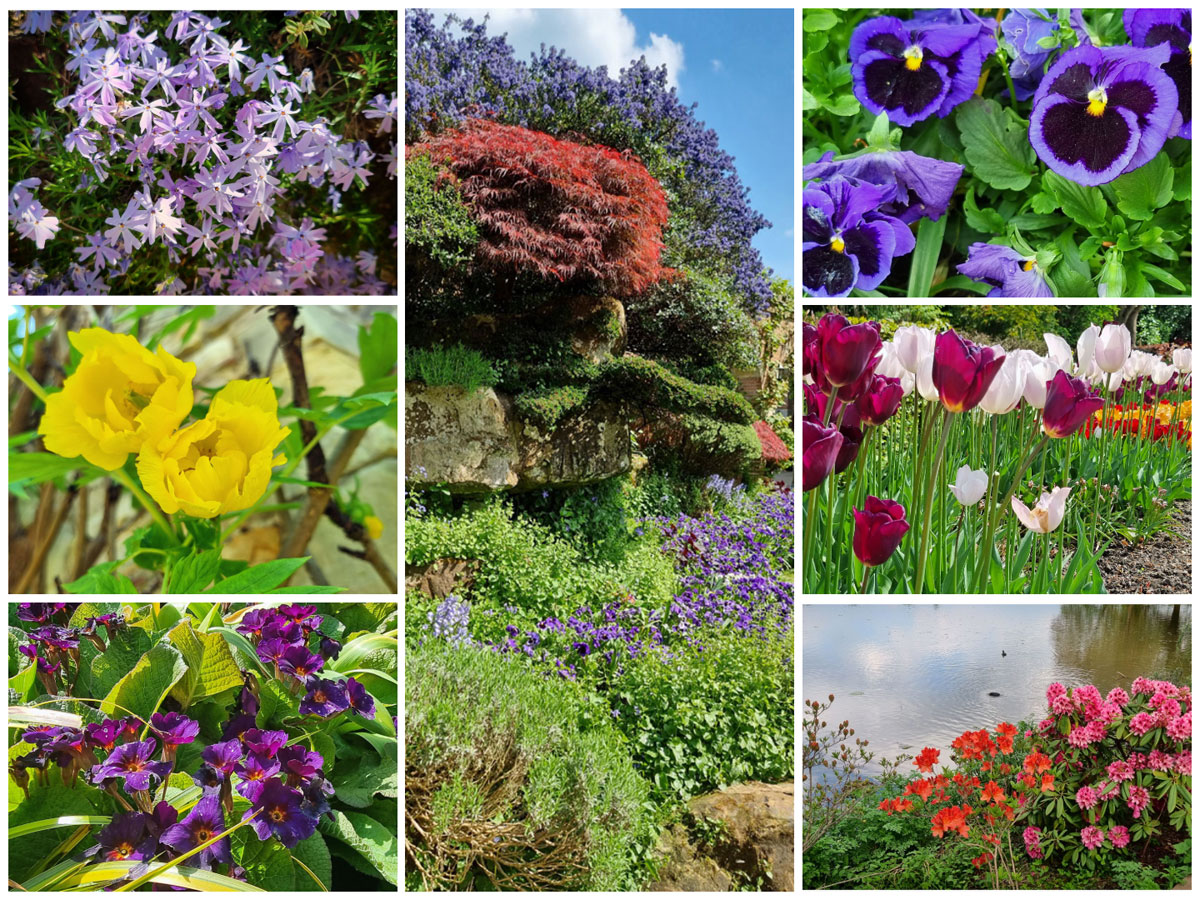
The Blue Corner – The plants are concentrated around huge rocks and steps leading to Sisters’ Pool Lawn and include blue hydrangeas, ceanothus and blue seasonal perennials.
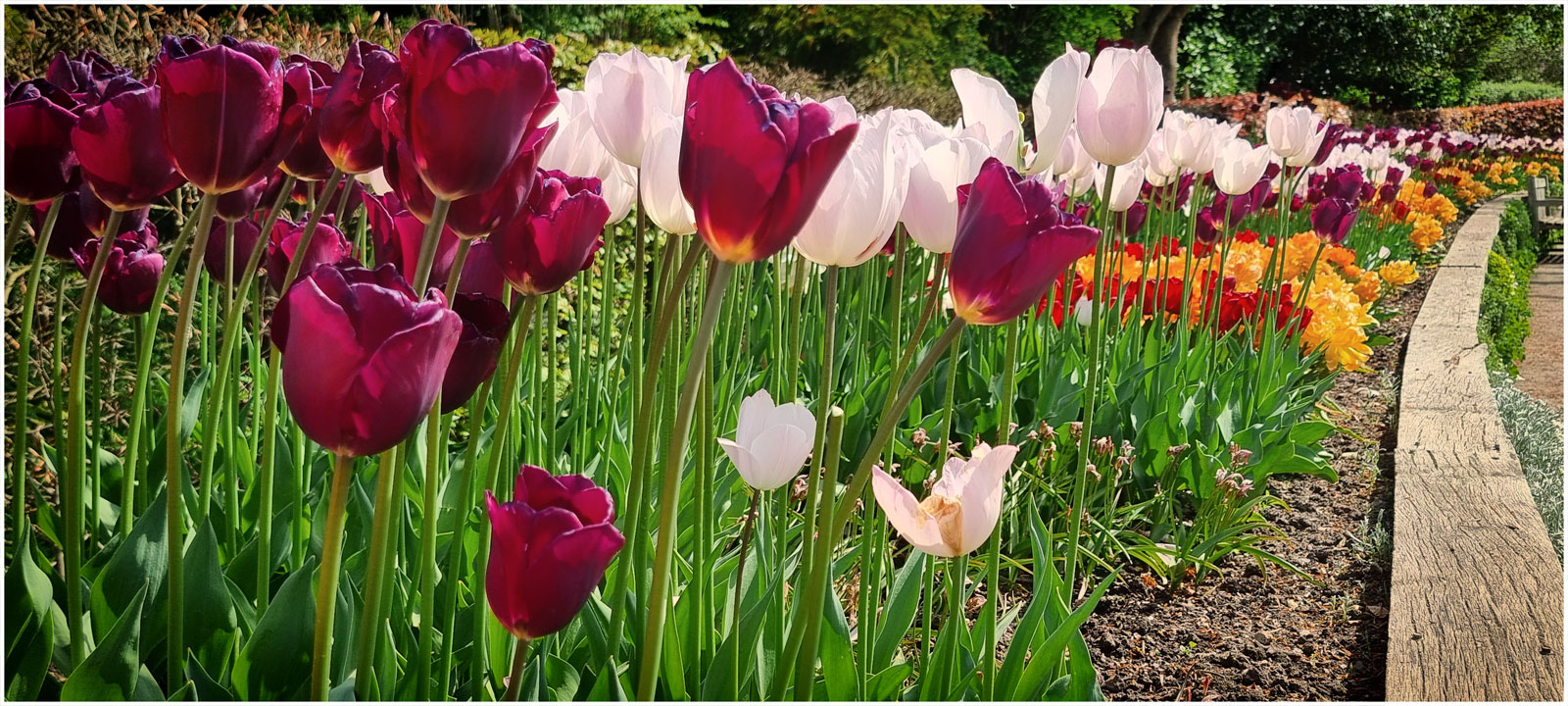
Hundreds of tulips in the border leading to the Two Sister’s Lawn and Pool
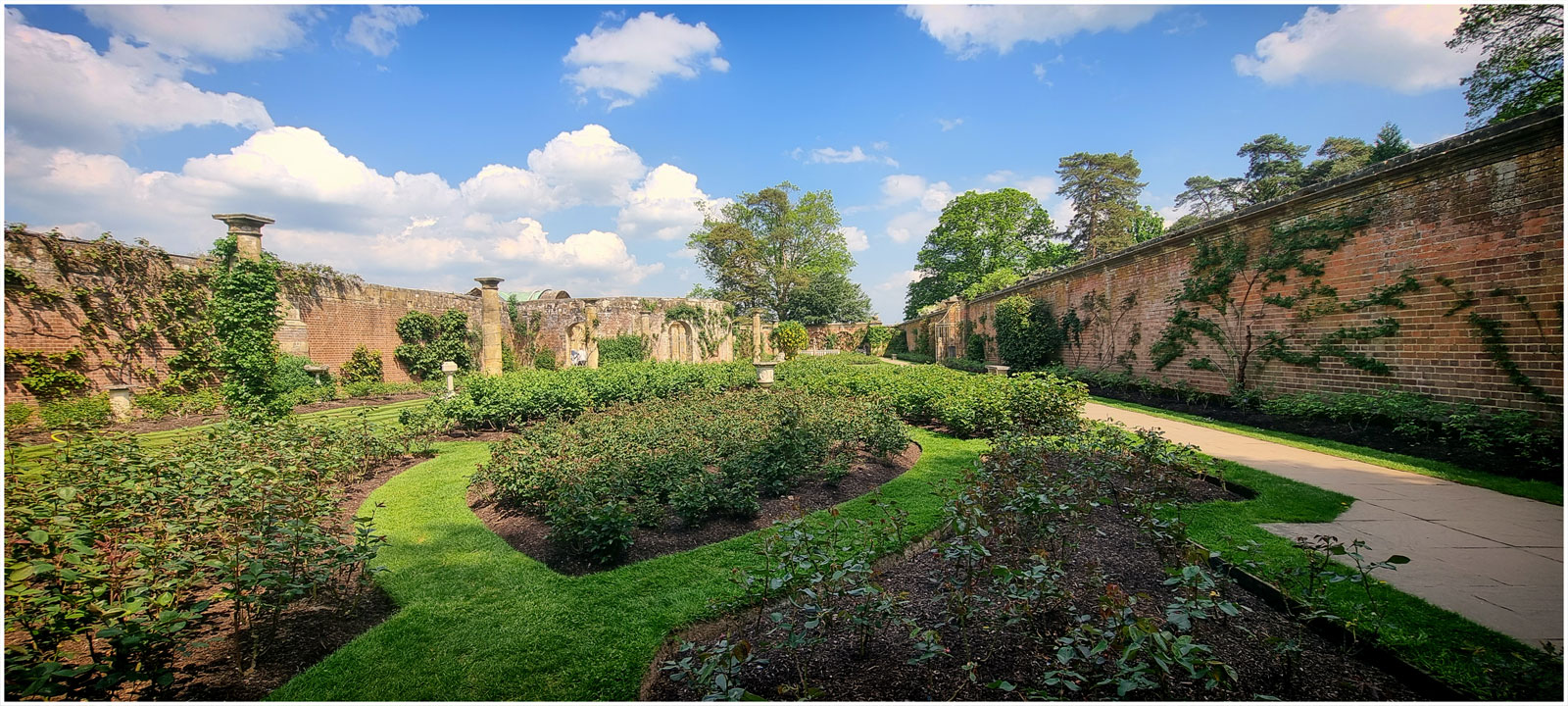
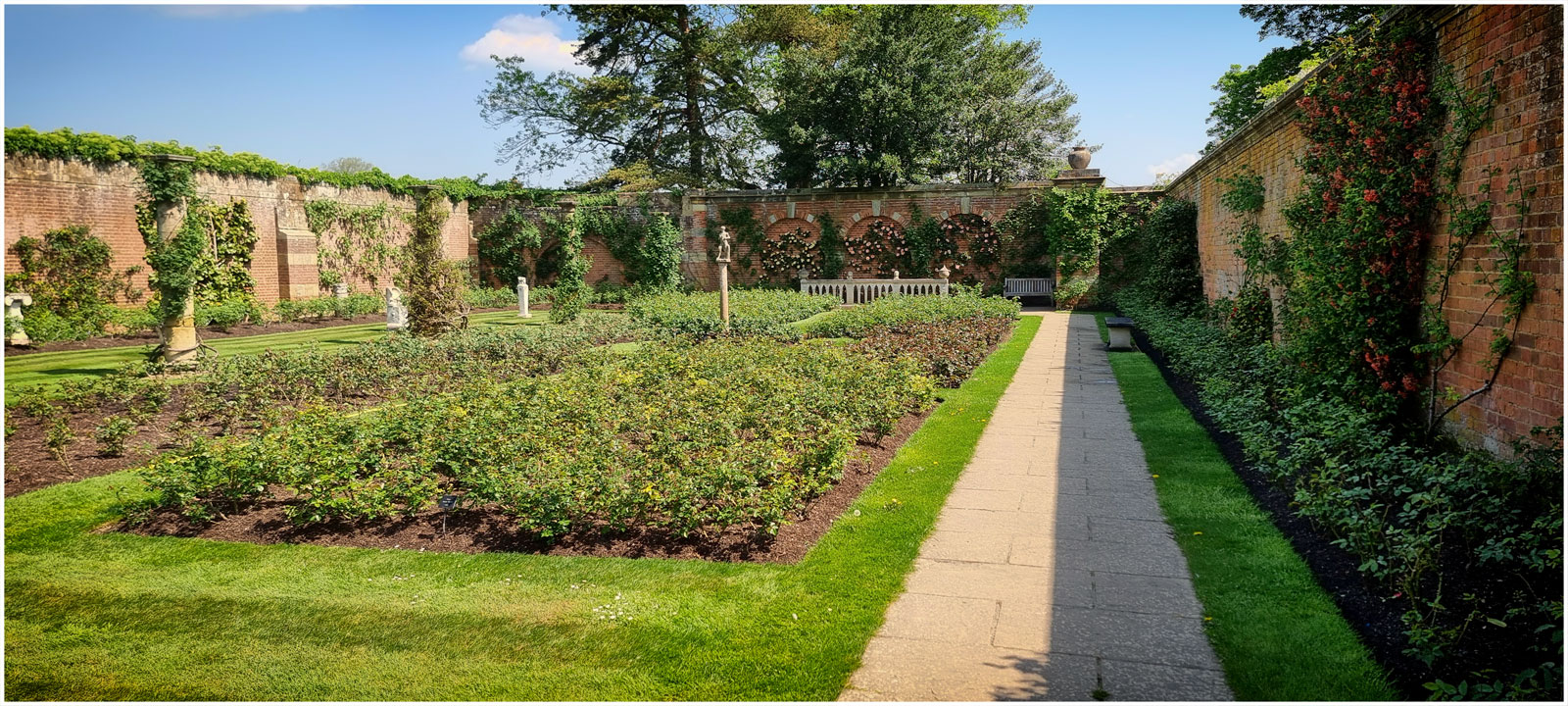
Rose Garden – best in June to September
Some of the lovely flowers in early May
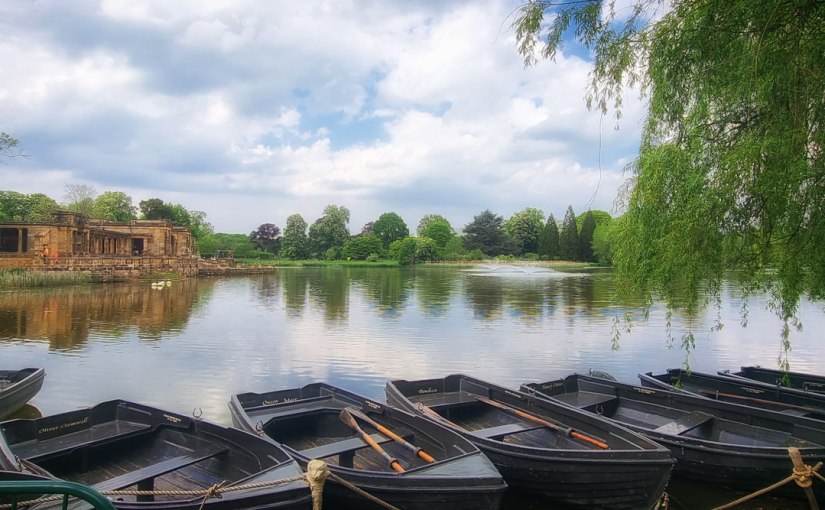
The Edwardian boathouse
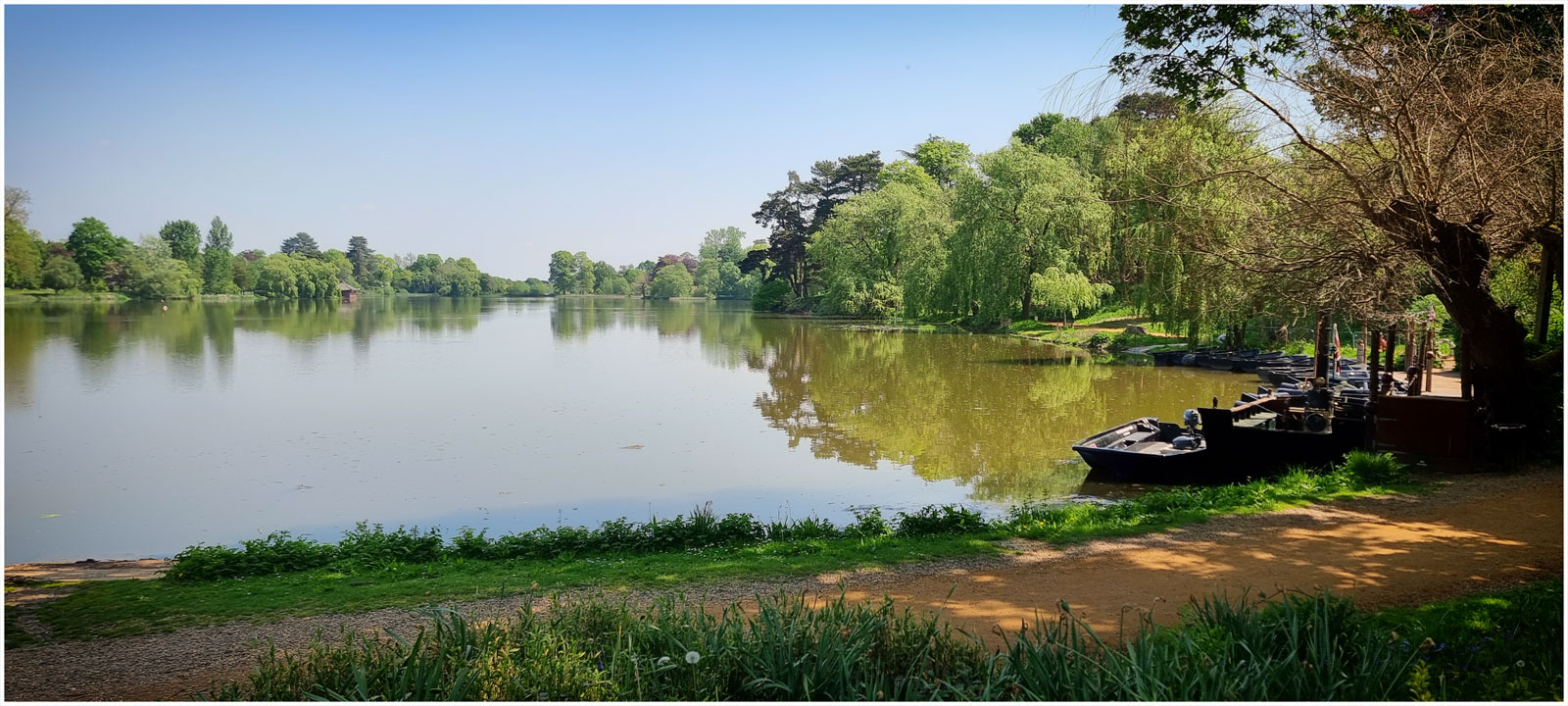
The 38 acre lake, the brainchild of William Waldorf Astor, was excavated and constructed by 800 men who were contracted in December 1904 to “carry on the works regularly and continuously by day and night (except on Sundays) when so ordered” and complete the work in two years! The lake was filled in July 1906.

It takes about an hour to walk around the lake and you might just make out the Japanese Tea House folly on the left-hand side. There is also a water maze too. The boats and pedalos  are available for hire on Weekends and Bank Holidays from Saturday 5 April 2025 and daily during school holidays. You can also take a 20 minute trip on the Lady Astor steam boat which you can just make out to the right of the photo above.
Hever Castle & Gardens
Hever
Edenbridge
Kent TN8 7NG

Jo’s Monday Walks

Hever Castle and Gardens: Part One

Whilst in Surrey over the early Spring Bank Holiday, I suggested that my daughter and I had a day out visiting Hever Castle and Gardens in Kent. It was a hot day so we didn’t have enough energy to stroll around the lake, nor did we visit the Tudor Garden with the topiary chess set! Two good reasons to return.

Dating back to the 14th century, Hever Castle was once the childhood home of Anne Boleyn, second wife of Henry VIII and Mother of Elizabeth I. It is well worth a visit especially of you are interested in Tudor history.

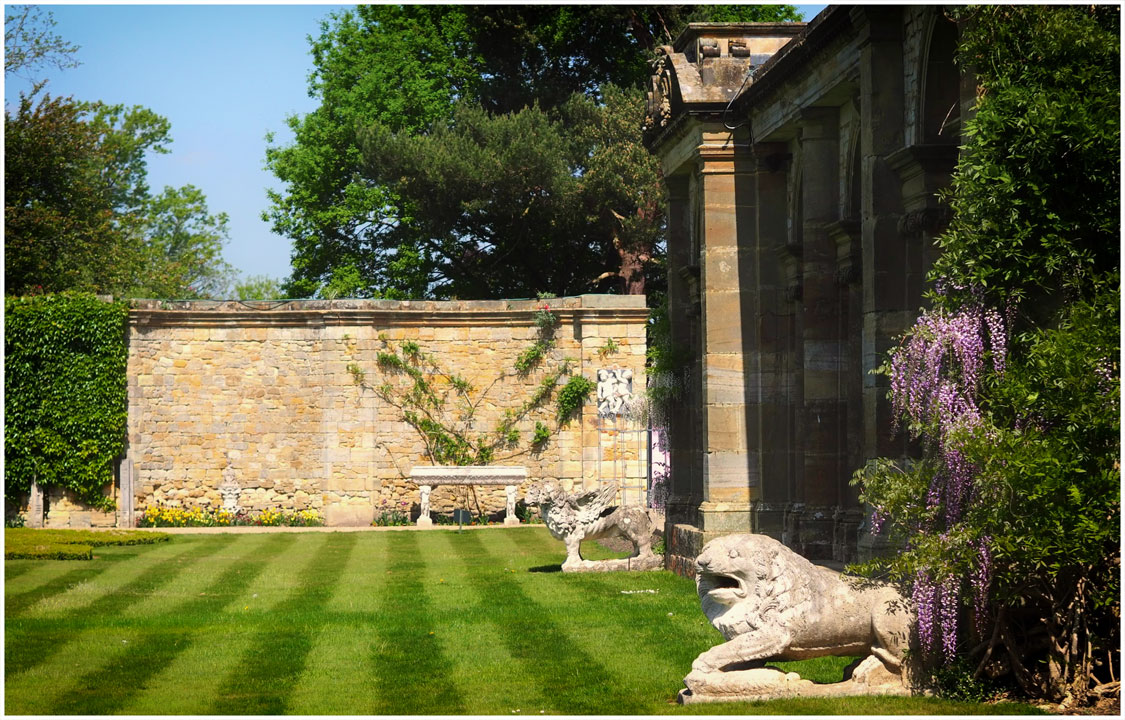
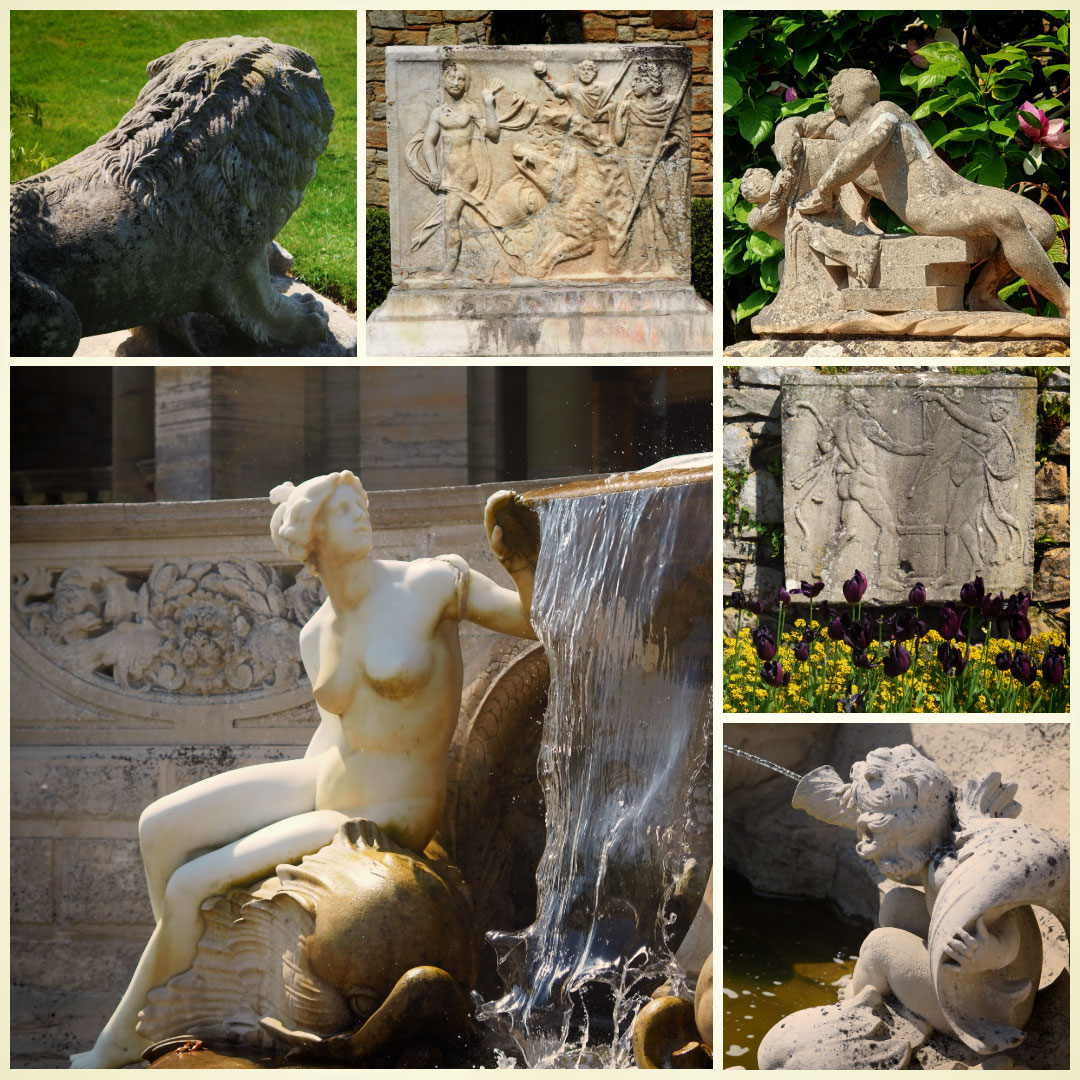
But for this post I am only exploring the beautiful gardens which were laid out between 1904 and 1908 by Joseph Cheal and Son. Until William Waldorf Astor bought Hever Castle in 1903, only a modest garden existed around the castle walls. One of the most magnificent areas of the gardens is the Italian Garden, which was designed to display William Waldorf Astor’s collection of Italian sculptures.

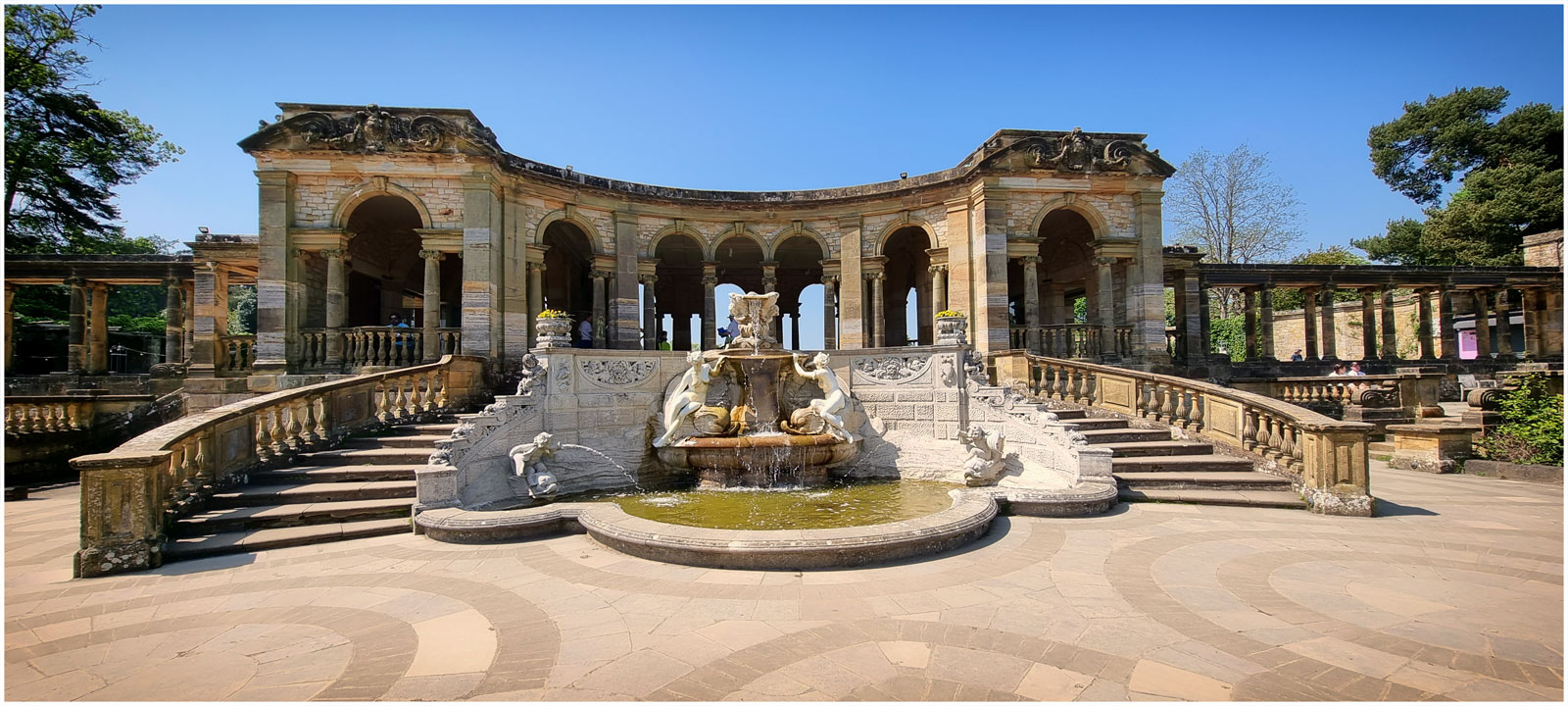
The impressive Loggia at the lake end of the garden is flanked by pillared colonnades and descends by balustrade steps to the piazza below with its classical sculpture inspired by the Trevi Fountain in Rome.
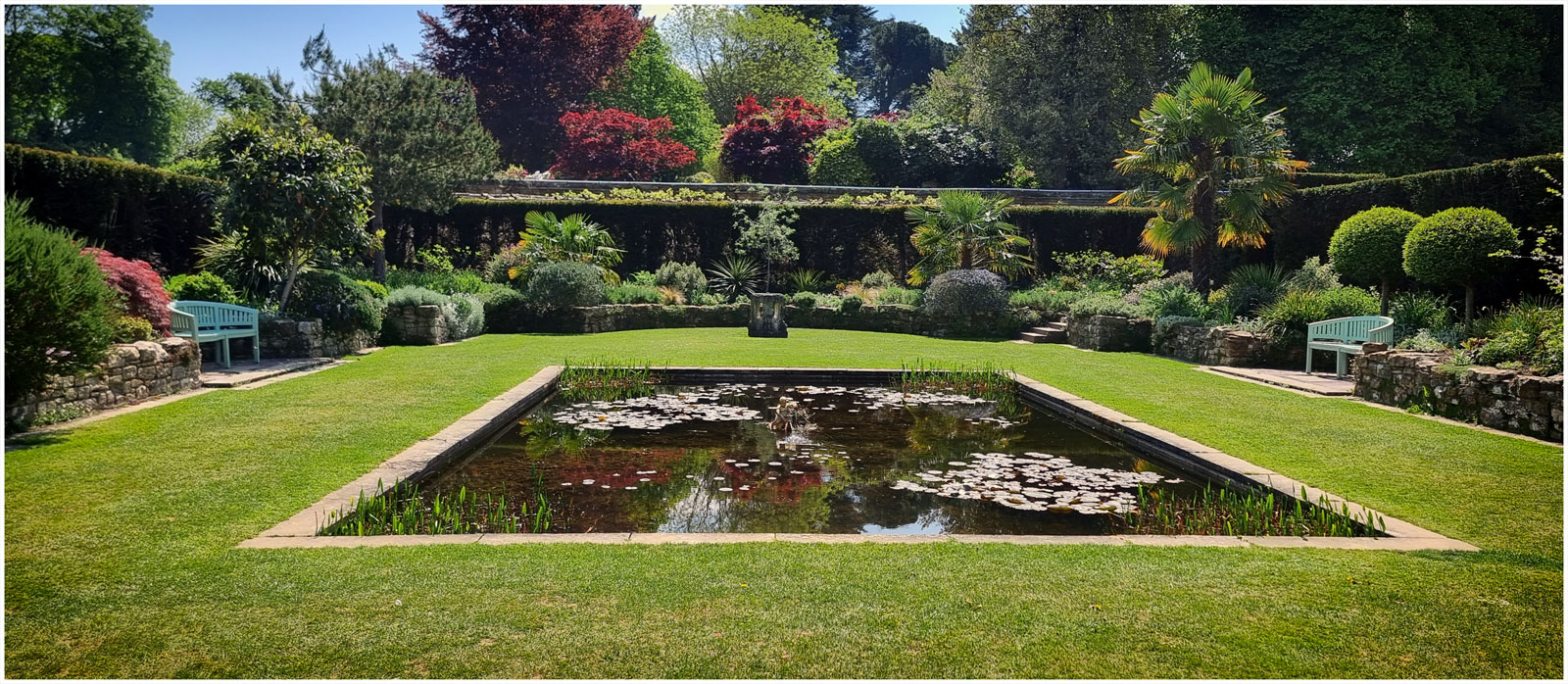
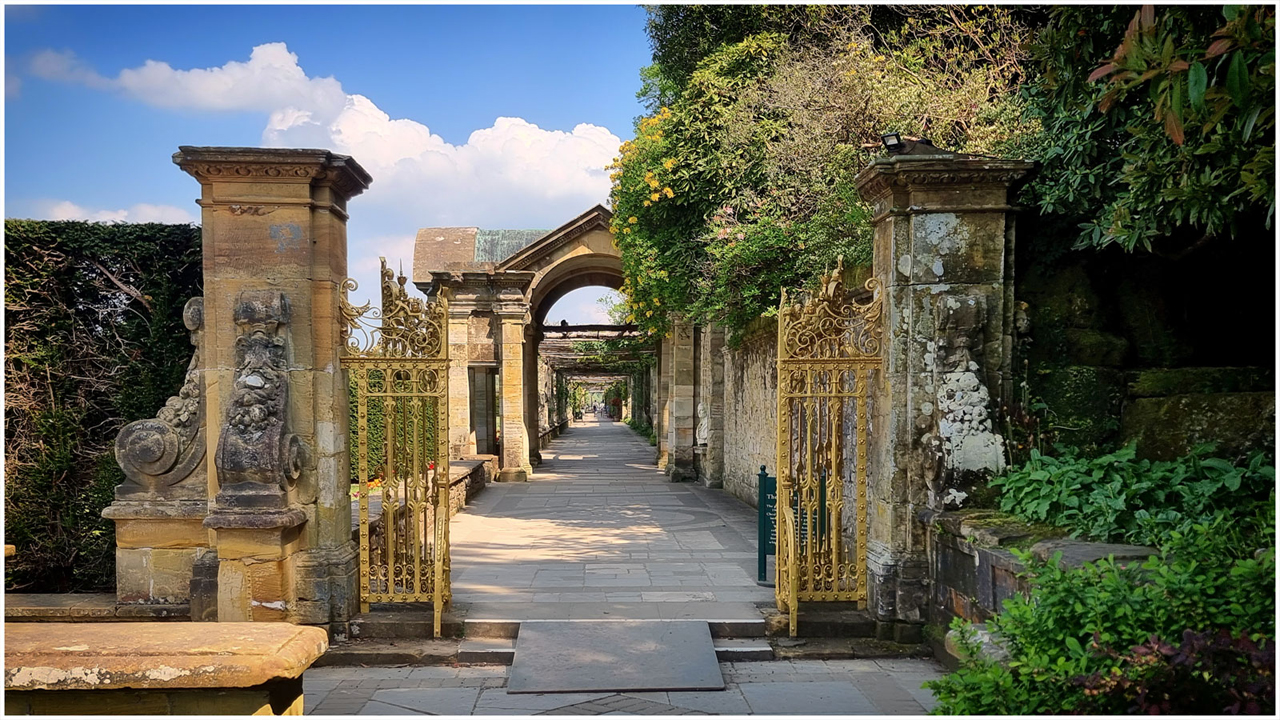
The Italian Garden. Covering four acres, the long sweeping lawns and tall clipped yew hedges form the central area of this magnificent garden, bordered by two twelve foot high walls made from local stone.
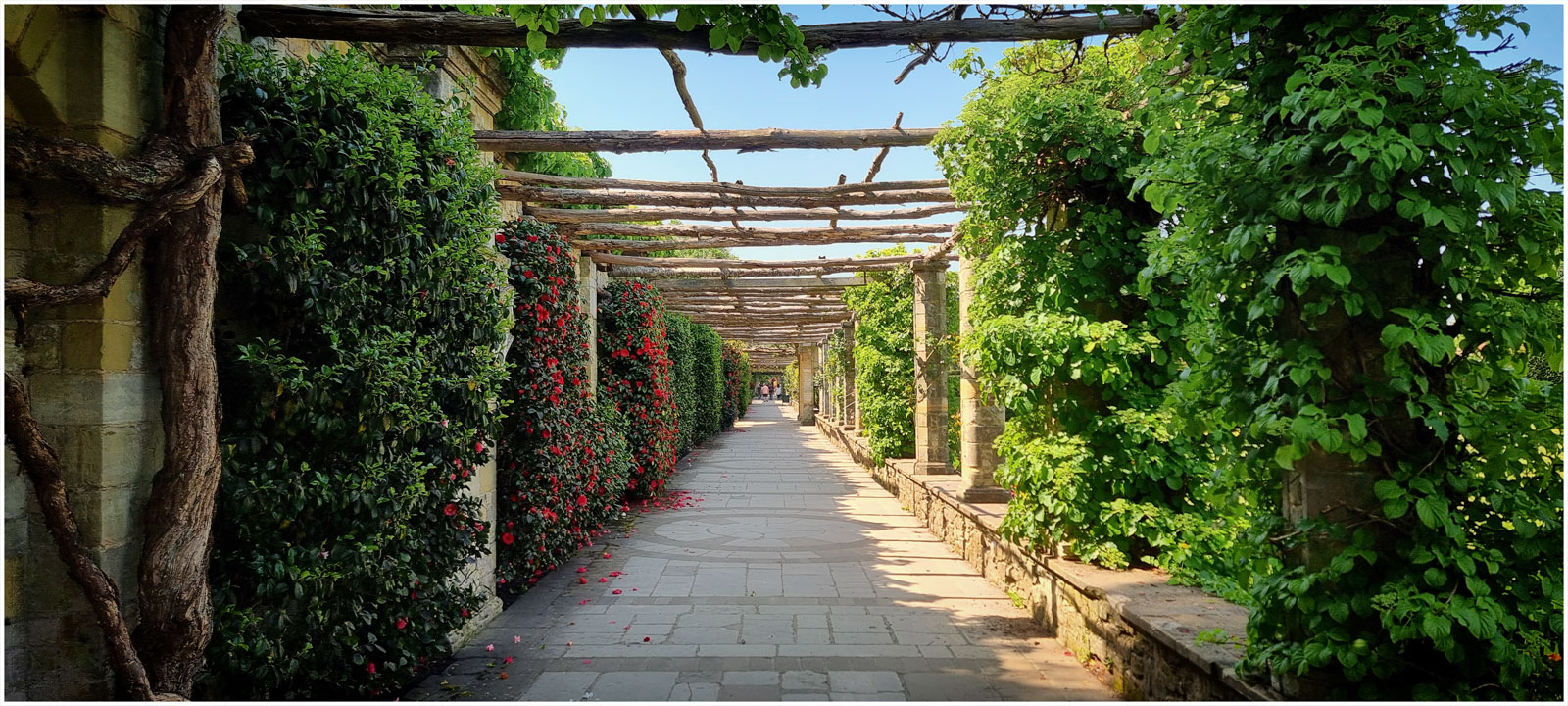
Along the south side runs the Pergola Walk with its shaded grottoes planted with ferns and moisture loving plants.
Pergola Walk
Italianate sculpture
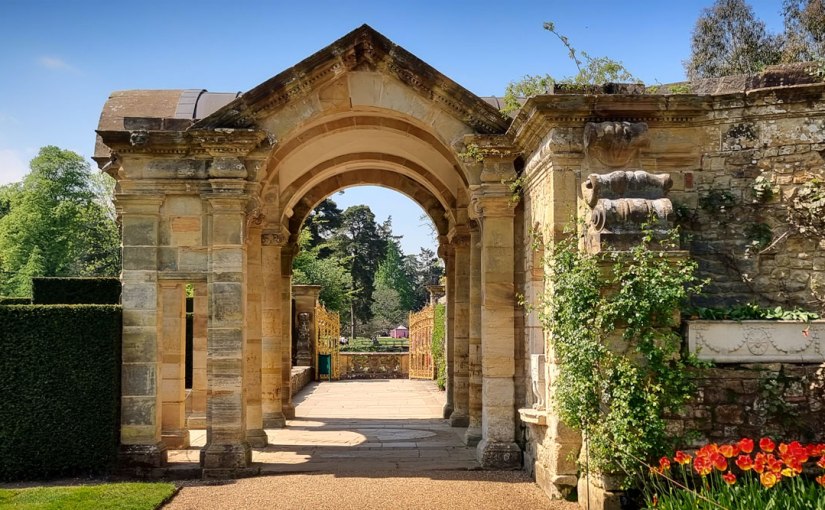
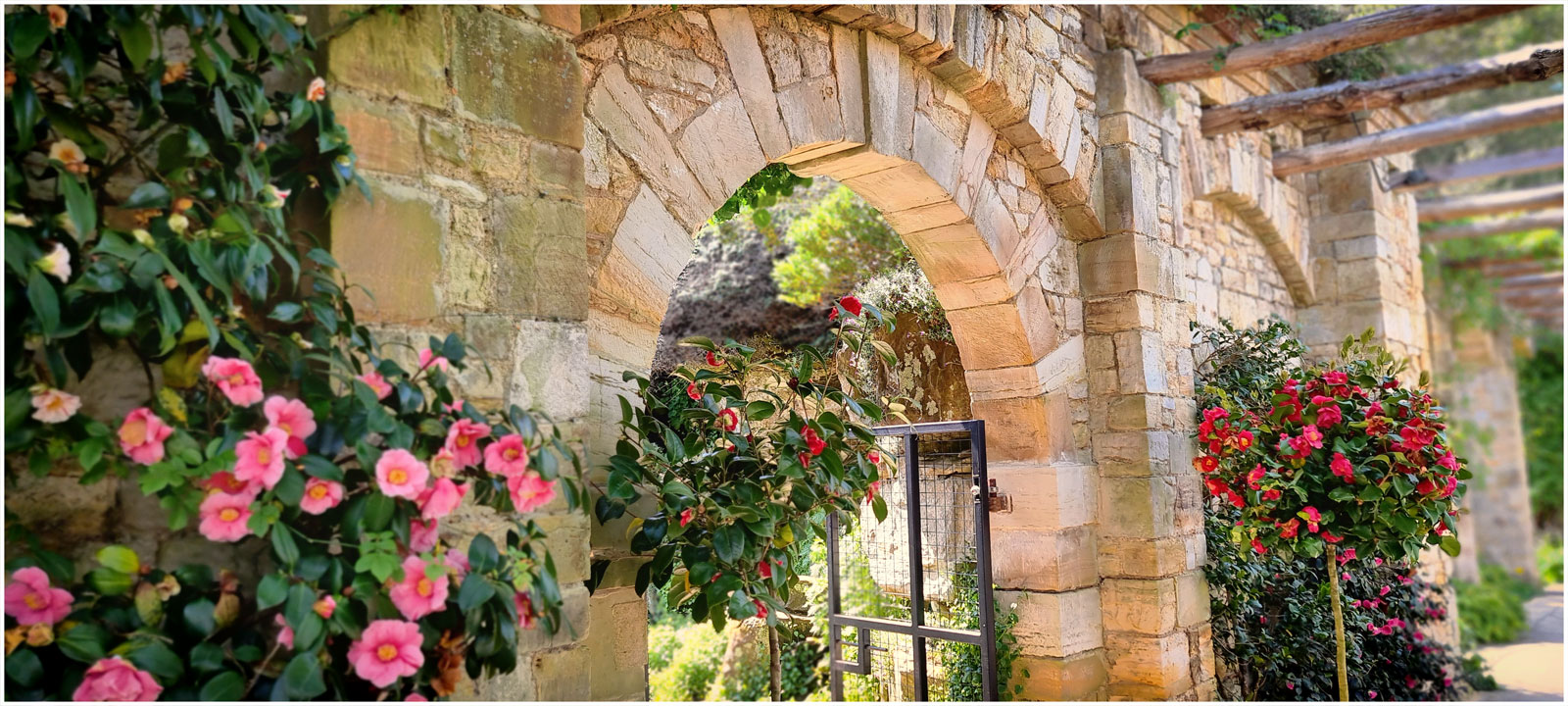
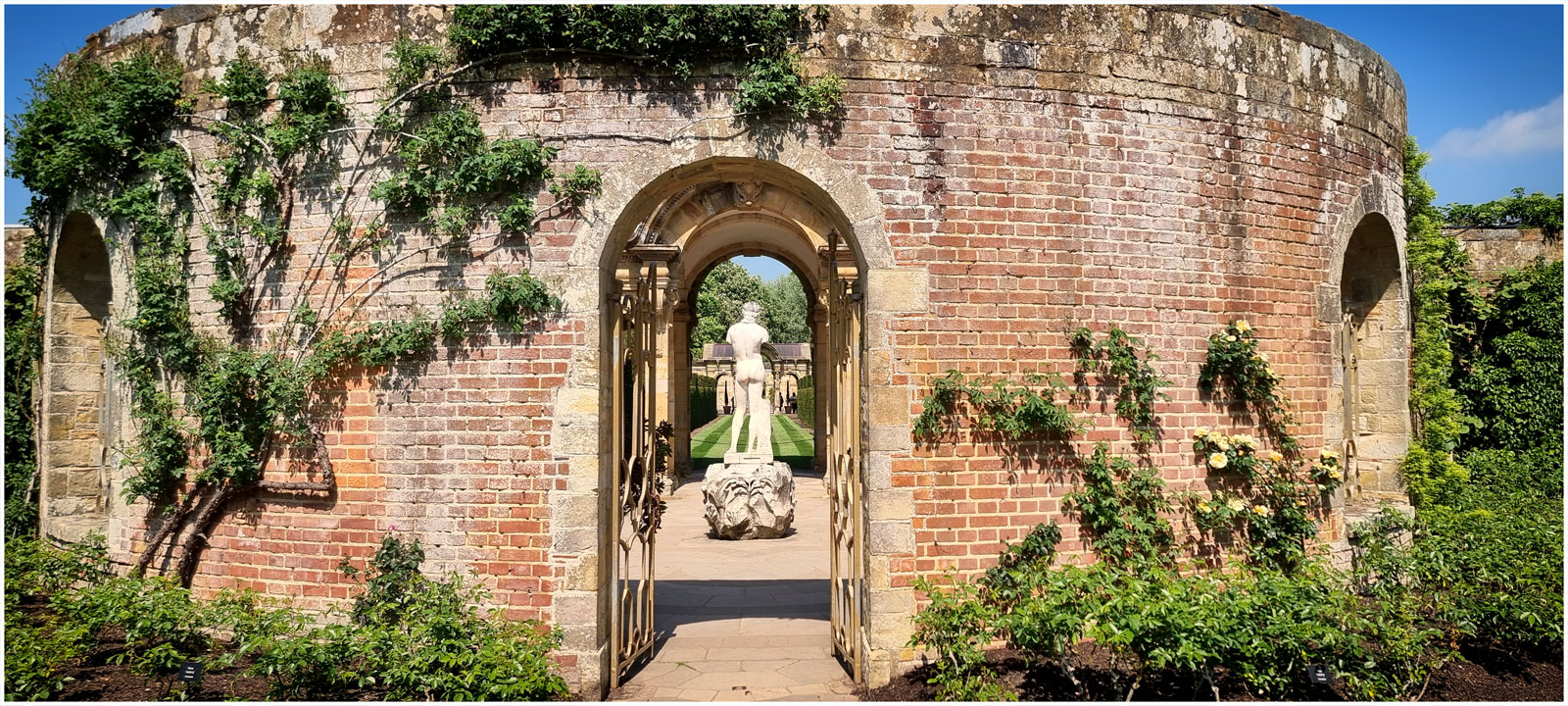
Entrance to the Pergola Walk and the Italian Garden with the stunning golden gates
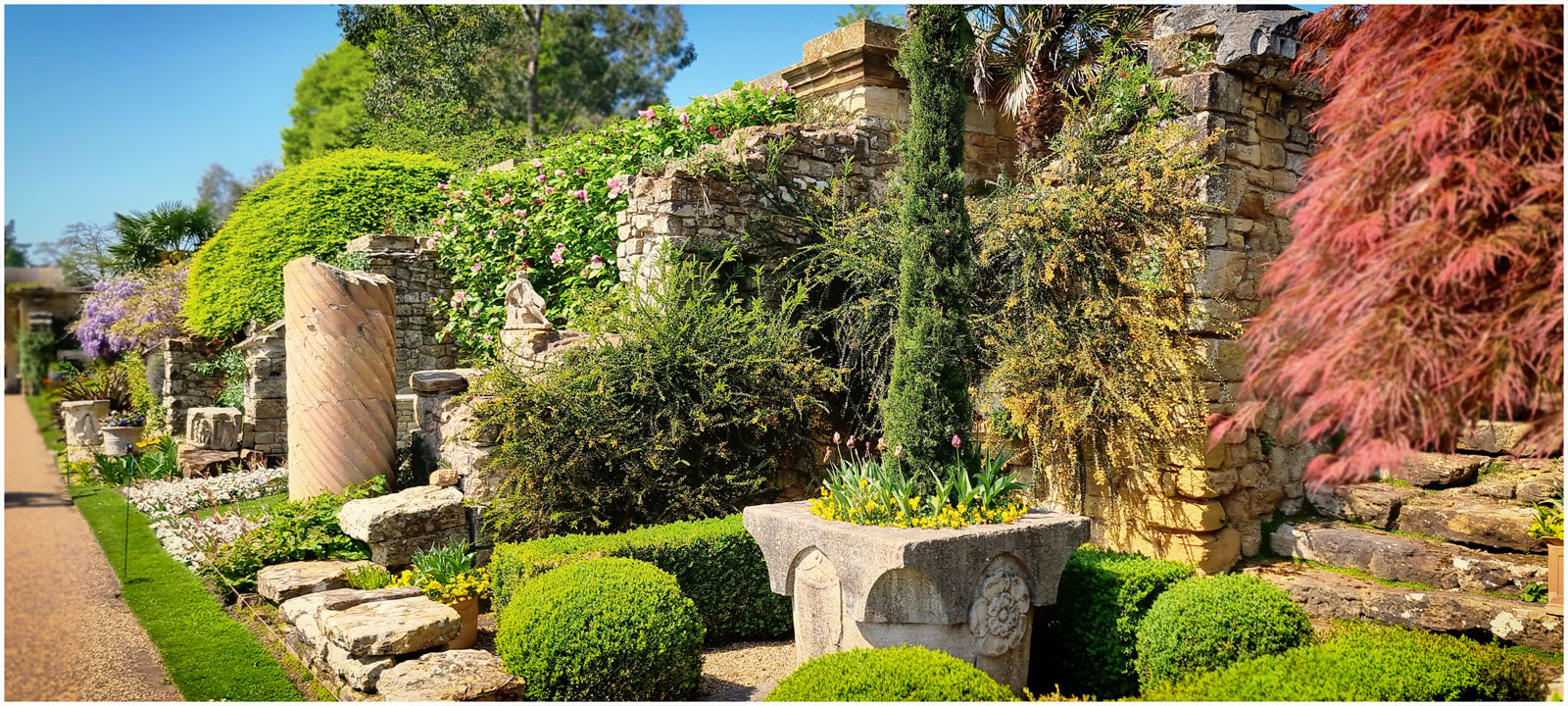
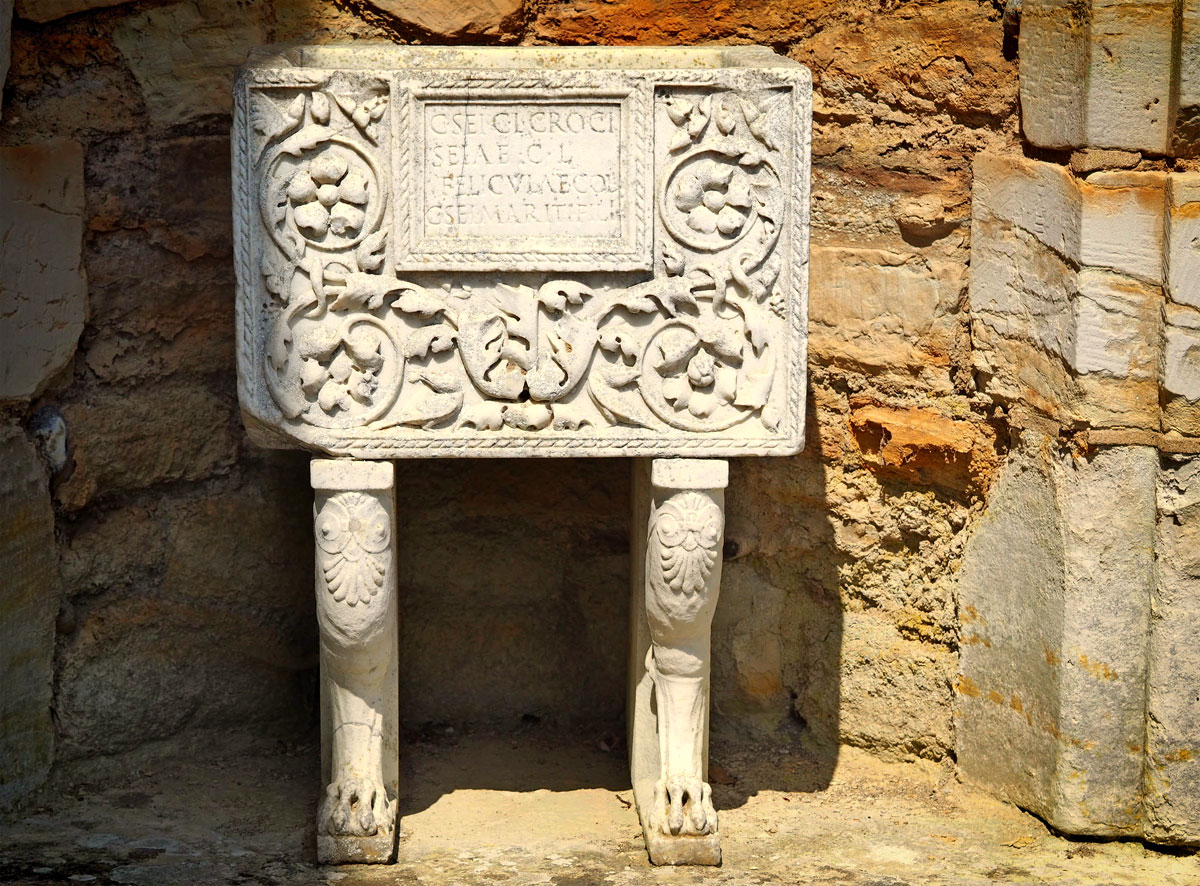
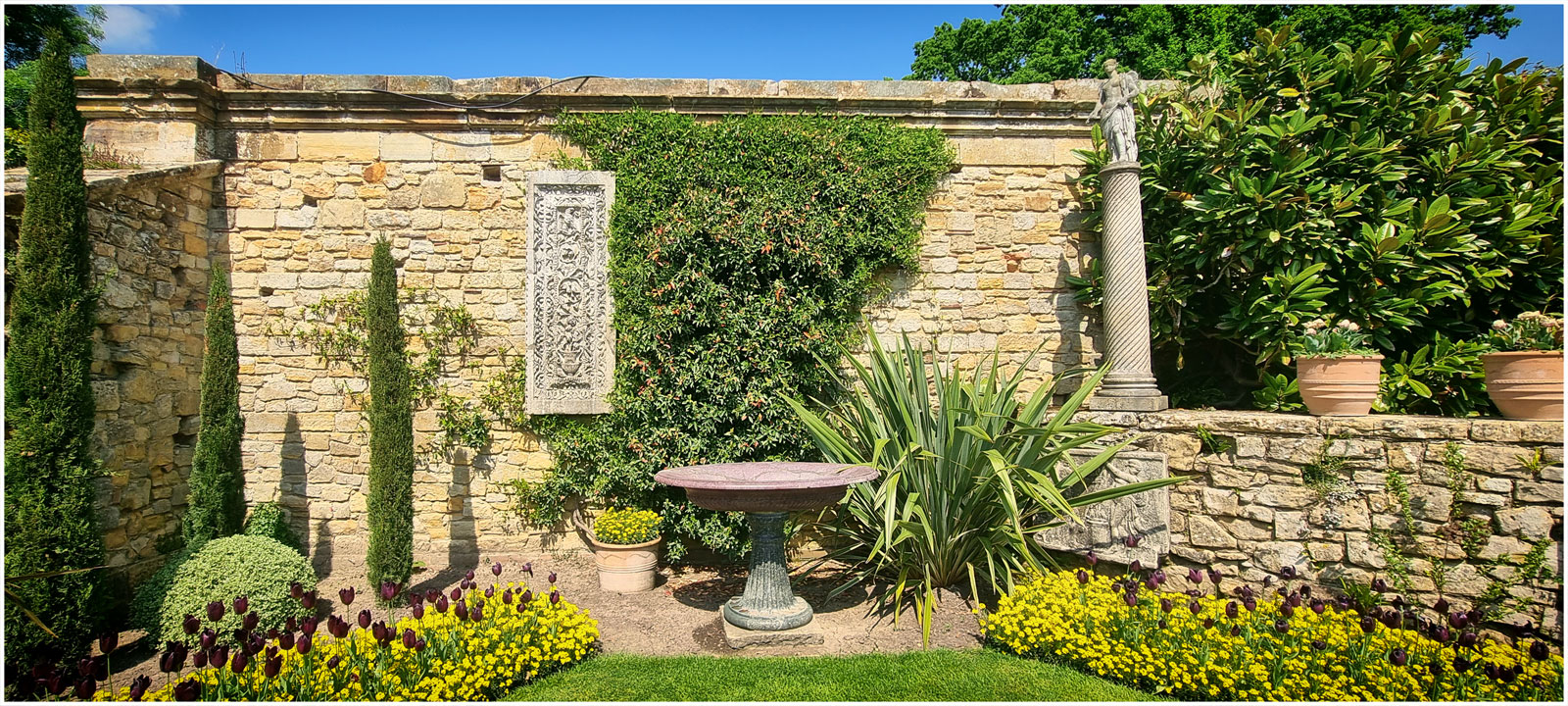
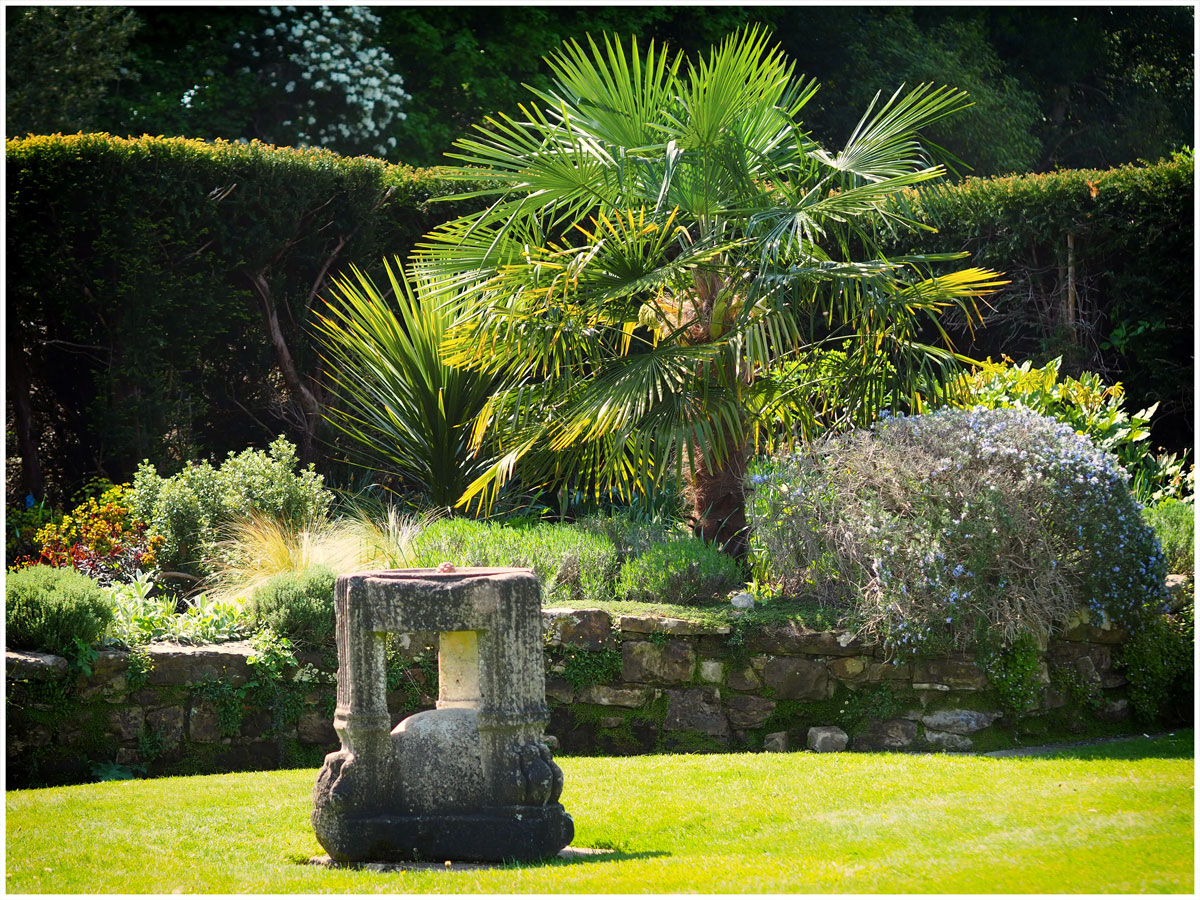
On the north side is the Pompeiian Wall which contains small bays showcasing antiquities in stone and marble enveloped with shrubs and climbing plants.
Italianate sculptures and antiquities
In one of the recessed bays
Pompeiian Wall
Hidden in the centre of the Italian Garden behind a tall hedge lies the Sunken Garden, an oasis of peace and quiet.
Sunken Garden
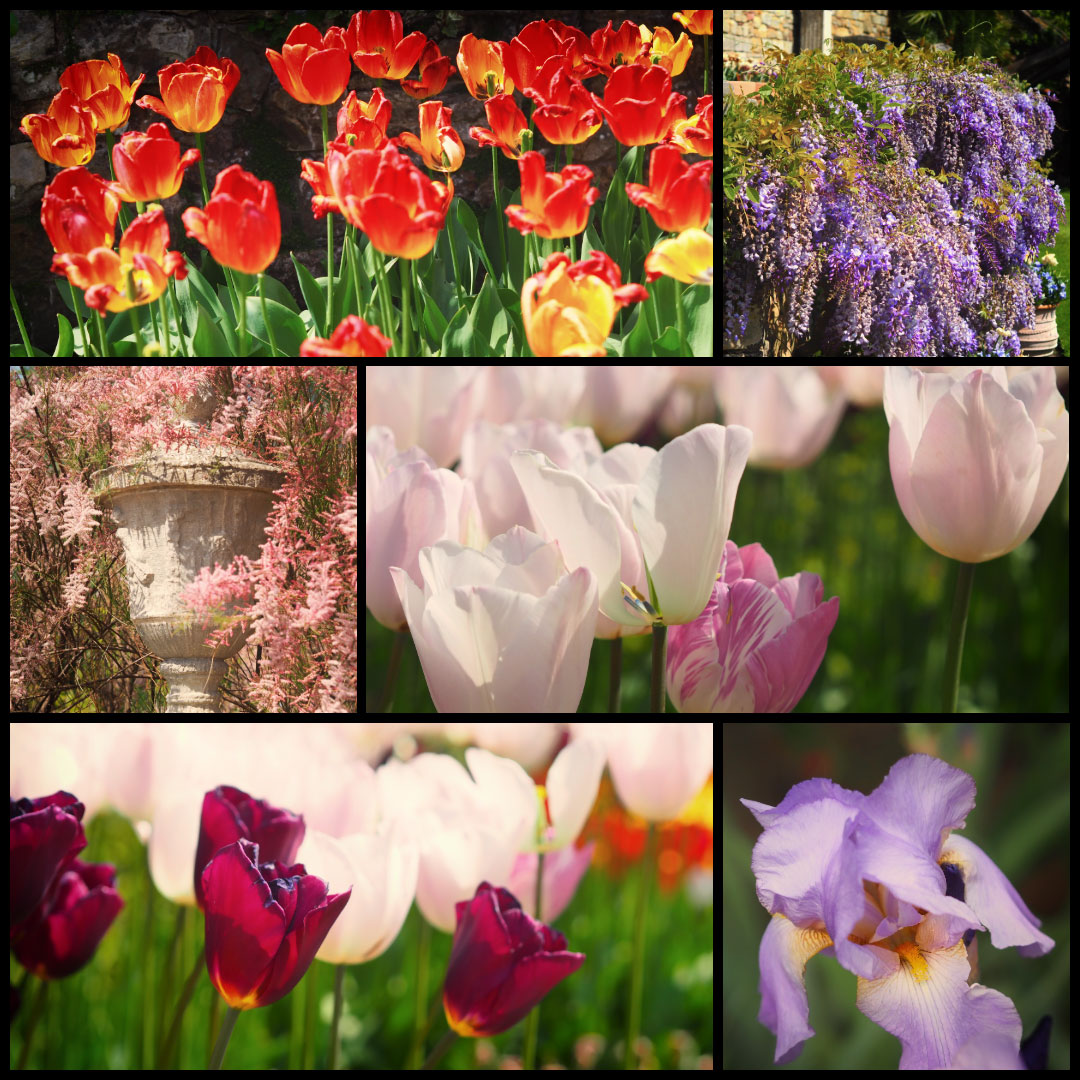
At the beginning of May the gardens were full of tulips, irises and wisteria. The planting is stunning and there is so much to see. Far more than I can possibly put in one post.
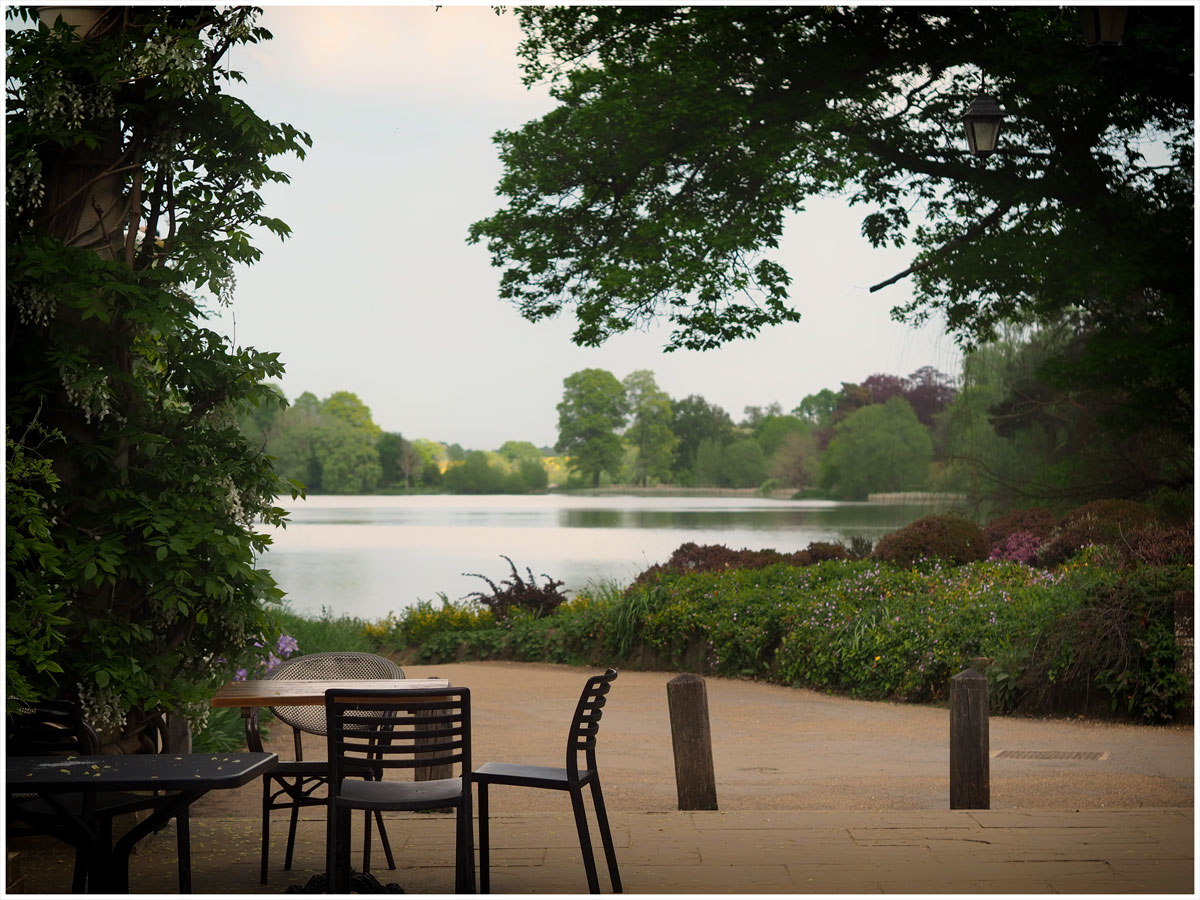
And to end, a glimpse of the lake from the Pavilion courtyard.

Then there is the Rose Garden,  the setting for over 5,000 roses which flourish from June until the end of September. Yet one more reason to return.

Hever Castle & Gardens
Hever
Edenbridge
Kent TN8 7NG

Jo’s Monday Walks

Truro Cathedral: Stained Glass

It was the largest stained glass project ever executed and has some of the finest Victorian stained glass in the country, produced by the leading company of the time: Clayton and Bell. The scheme has three big themes: the Trinity, Biblical stories and the history of the English church. Alongside these are three lesser themes: Cornwall, baptism and St Mary’s aisle.

There is a recommended route, so that the interrelationships between the windows in each part of the Scheme can be explored, but of course I hadn’t realised that. Now that I do it may be a good reason to return to the cathedral and be more observant.

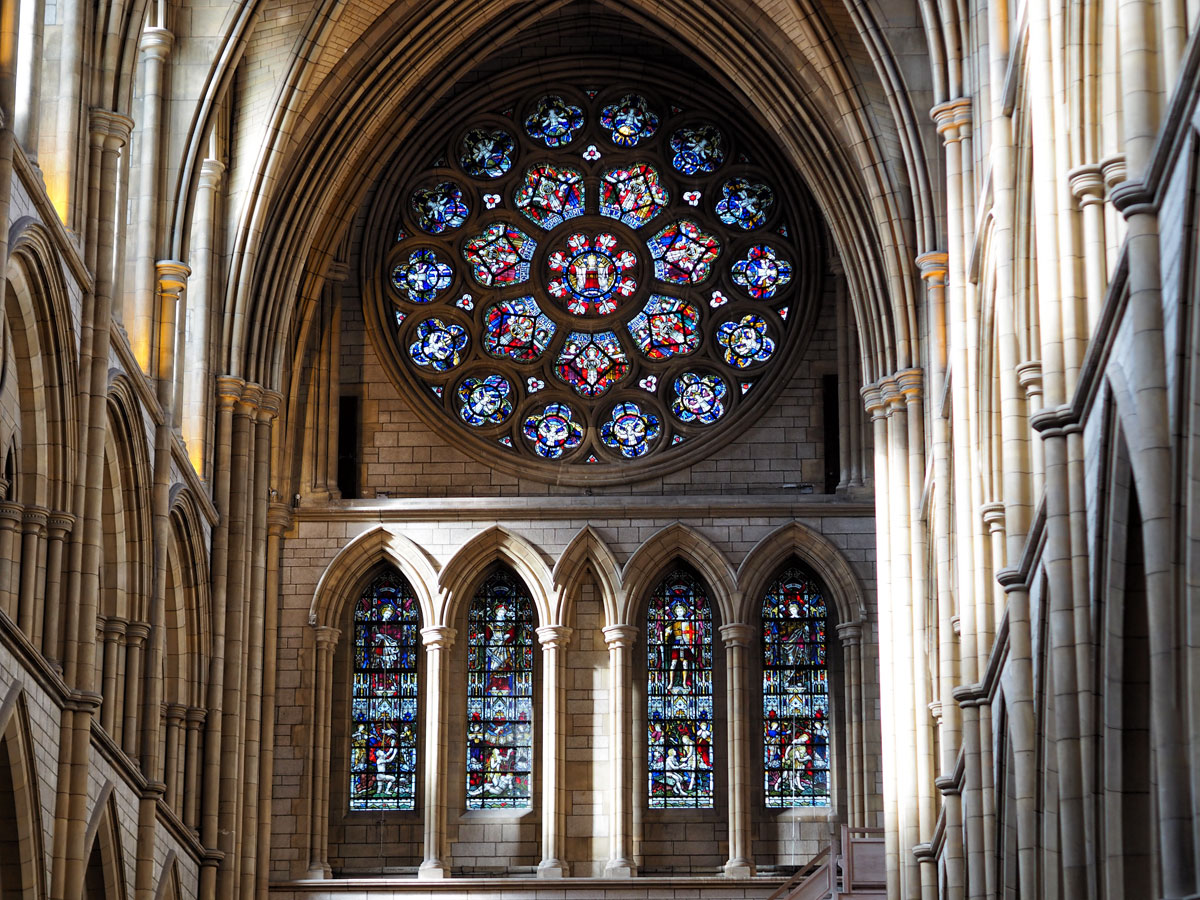
The rose windows

The greatest windows are the three great rose windows which reflect the Trinity;

God the Father/Creator appears in the great West window which is divided into seven sections for the seven days of creation

West window

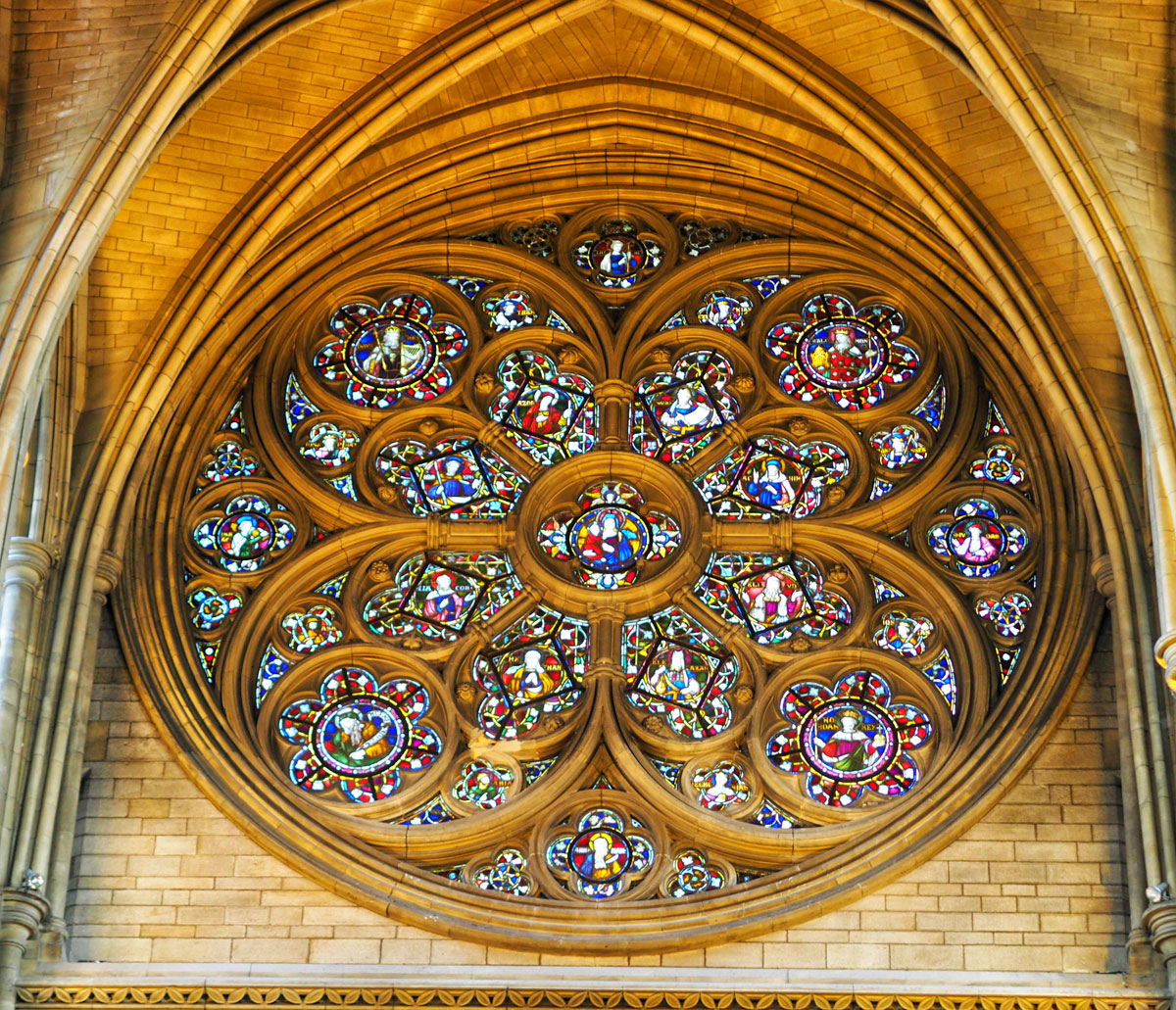
Jesus, the Son of God, is at the heart of the North transept rose surrounded by the prophets and his antecedents: Jacob, Isaac, Judah and Abraham, leading through to Mary and Joseph.

North window

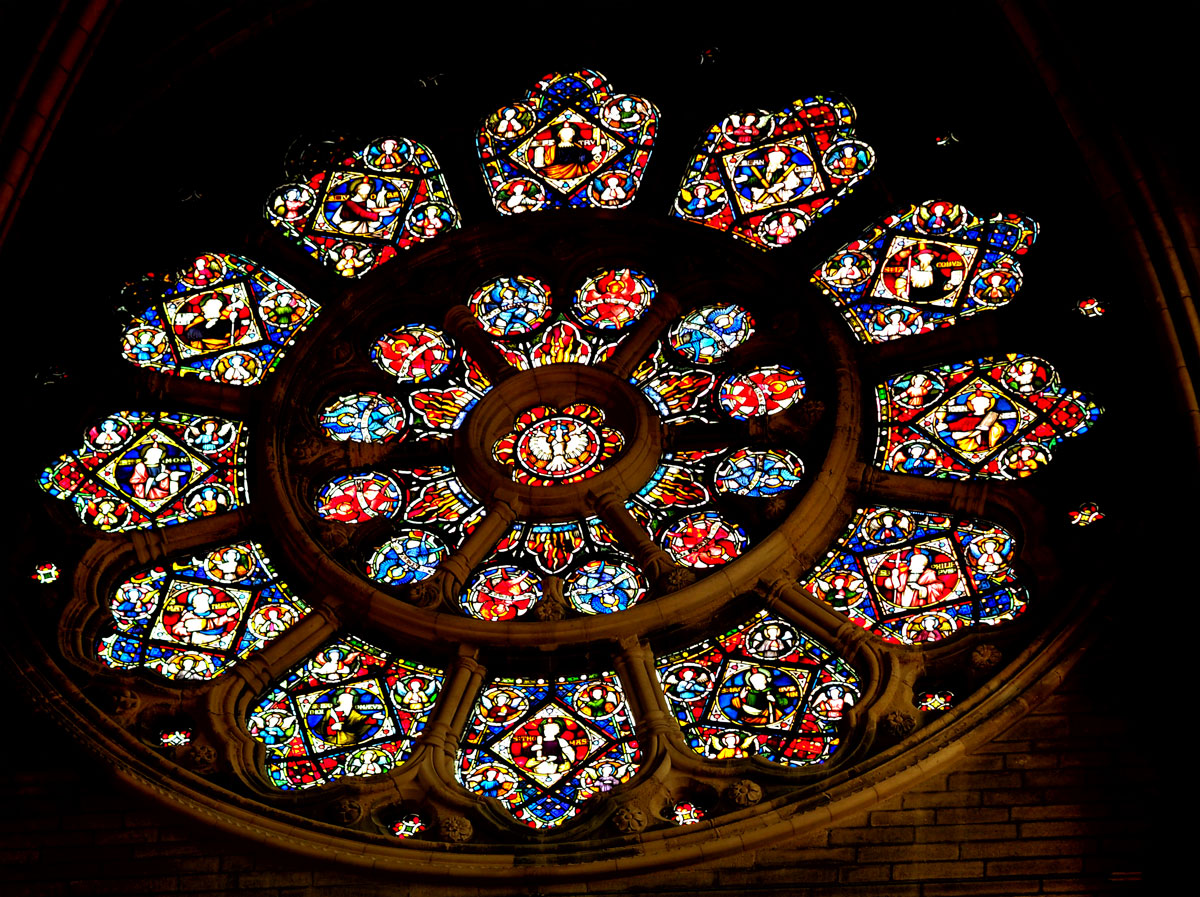
The Holy Spirit is at the centre of the South window with the twelve apostles around the edge.

South window

The biblical stories

The biblical stories are told in and around the quire. The great east windows tell the story of Christ and his Passion.

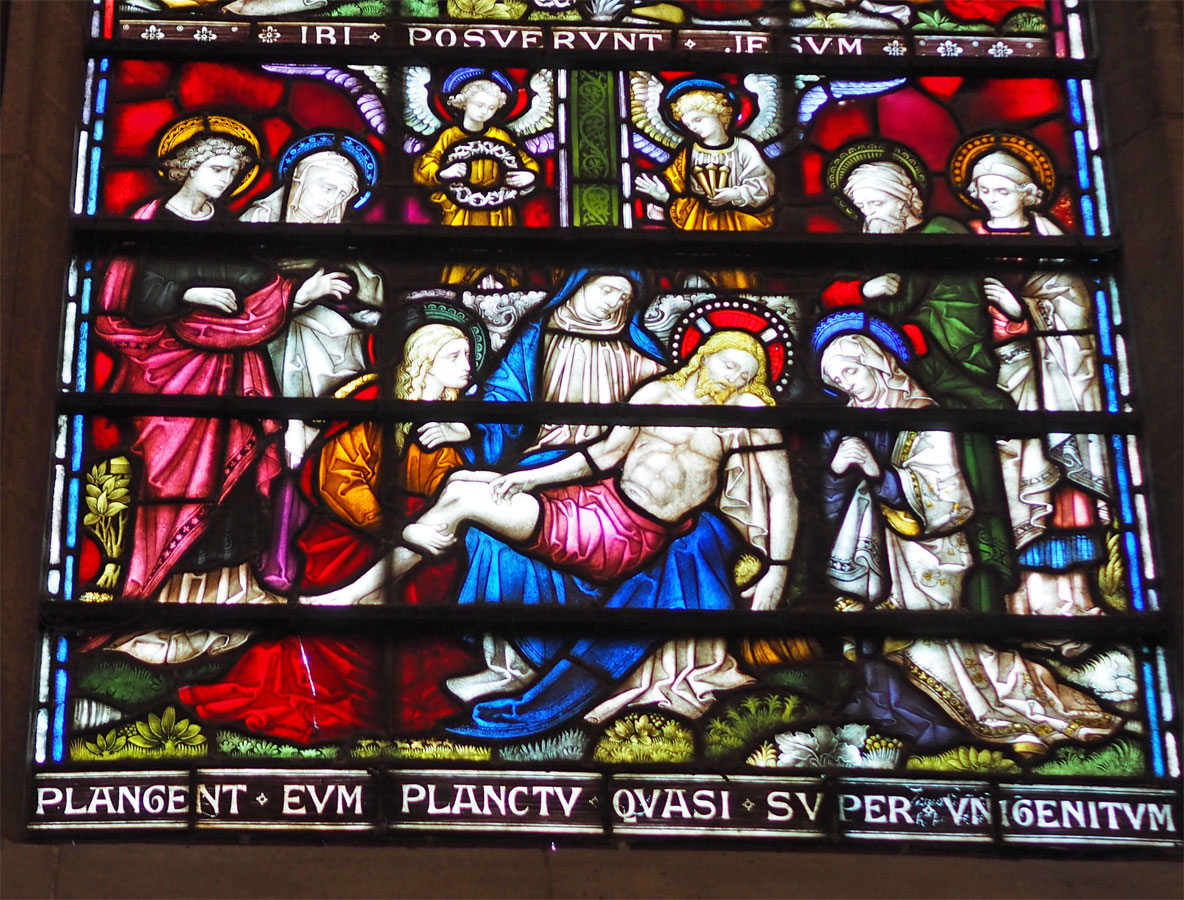
The Deposition. The angels at the top hold the Crown of Thorns and the nails with which Jesus was fixed to the Cross

PLANGENT · EVM · PLANCTV · QVASI · SVPER · VNIGENITVM (They shall mourn for him, as one mourneth for his only son) (Zechariah 12:10).
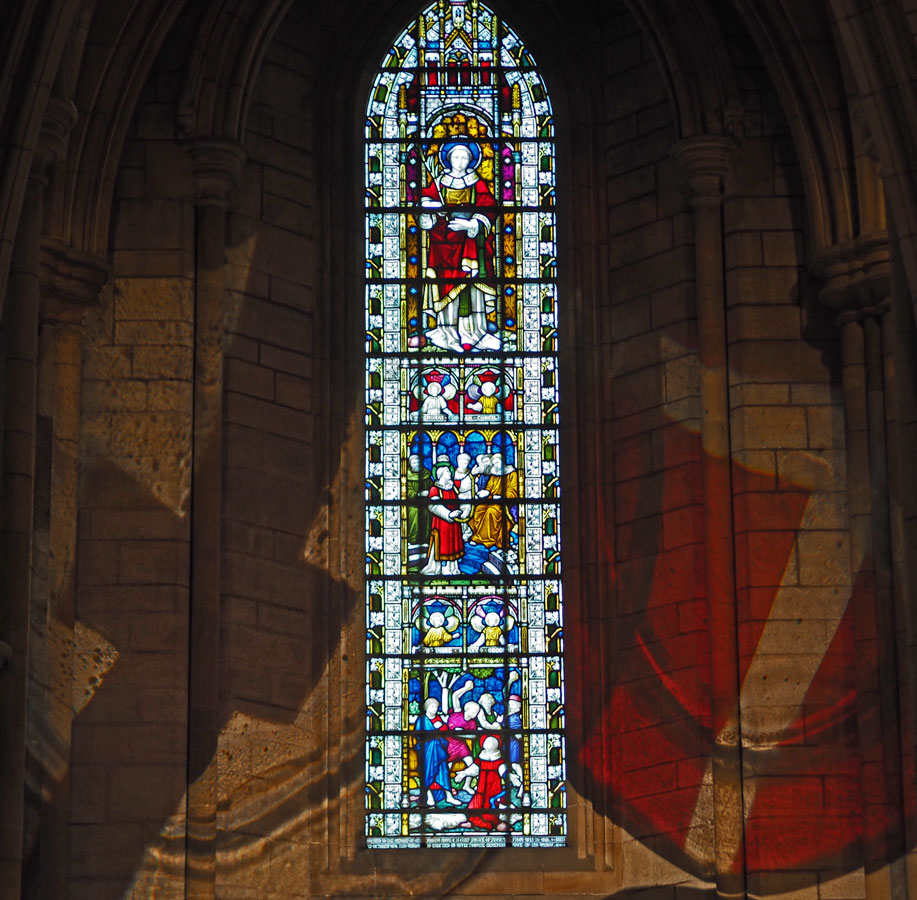
St Stephen. From top to bottom: St Stephen holding, in his left hand, a Gospel Book and, in his right, a martyr’s palm frond; He makes a speech before the Sanhedrin; Sub imbre saxeo obdormit (He goes to sleep under a shower of stone); The stoning of St Stephen

The history of the church

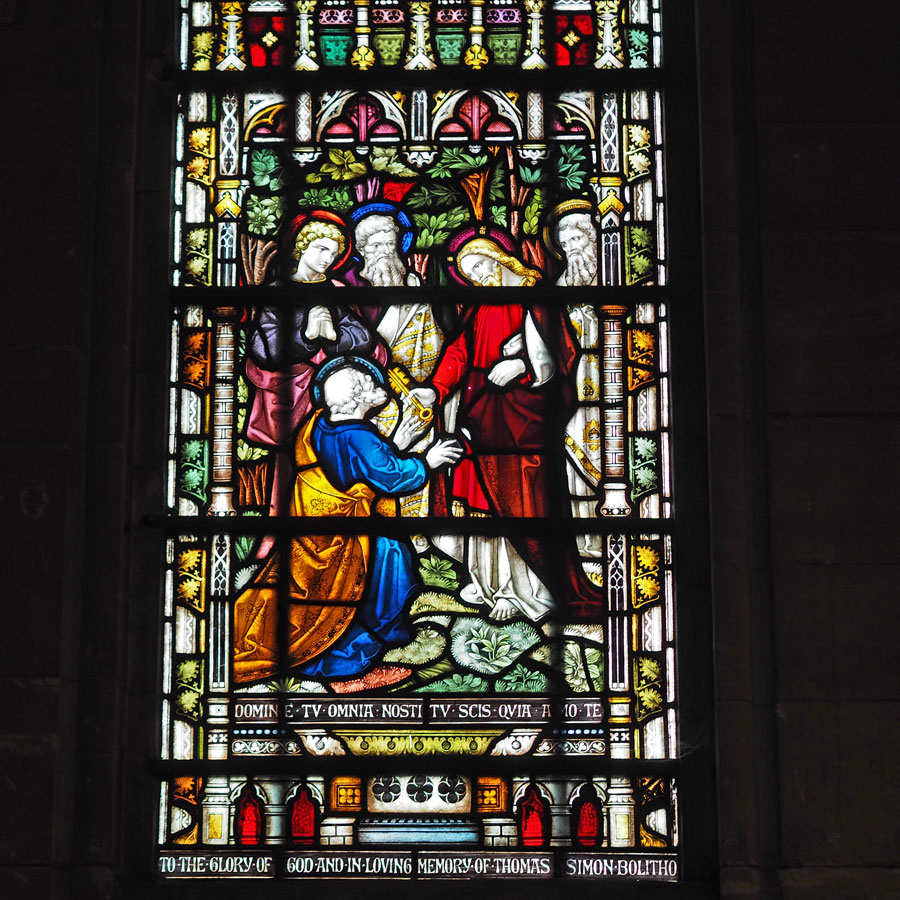
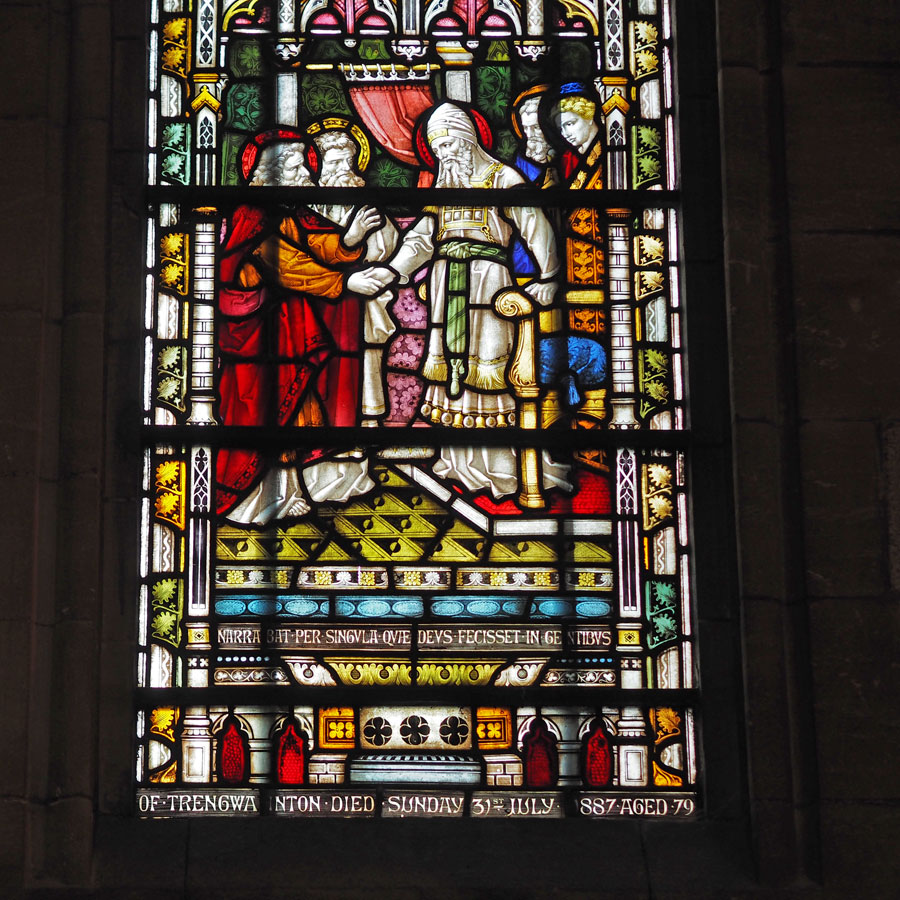
The choices reflect the late Victorian sensibilities and the enthusiasms of the two creators, like, for instance, the execution of King Charles I which I didn’t see. There is a flow to the sequence that does make sense. The theme starts in the South transept through to the retro-quire and quire. This section begins with St Peter receiving the keys from Christ and ends with St Benedict though my photos are rather more random.

Christ gives Peter the keys to the kingdom of Heaven. On the left is the youthful St John.
St James the Lesser, Peter and John receive St Paul and St Barnabas at the Council of Jerusalem.
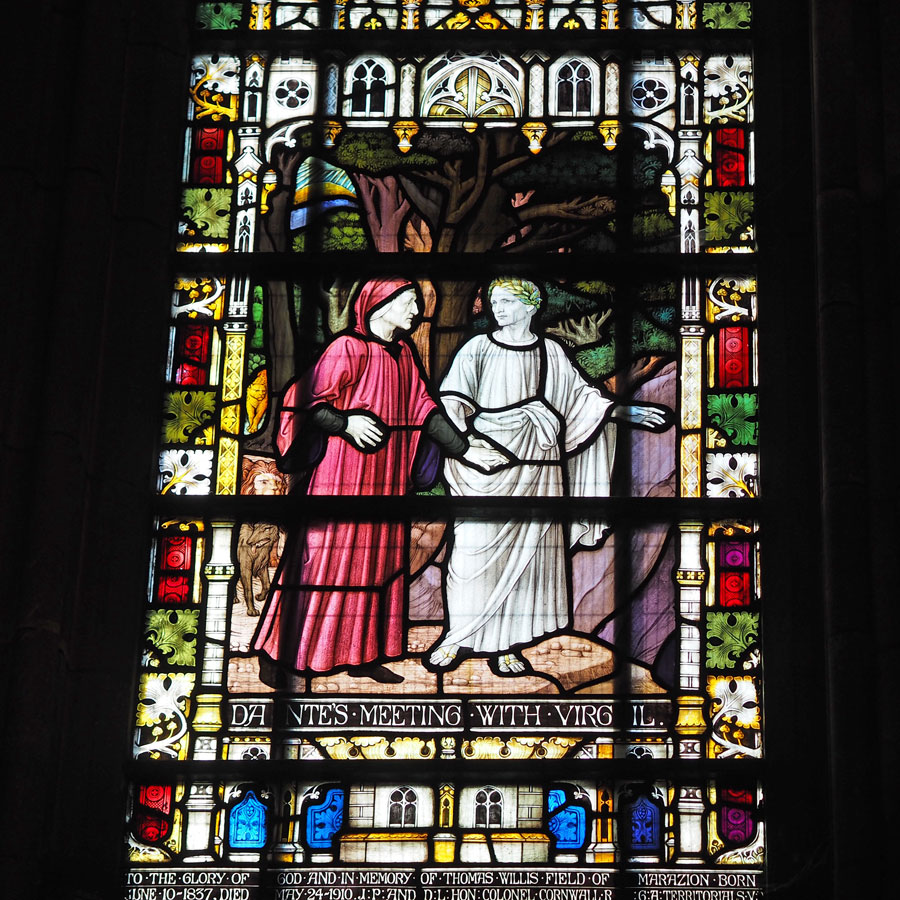
The opening scene of the Divina Commedia in which Virgil, in a toga with a laurel wreath on his head, starts to guide Dante on his journey through hell and purgatory. Behind Dante stand a lion, panther and she-wolf.
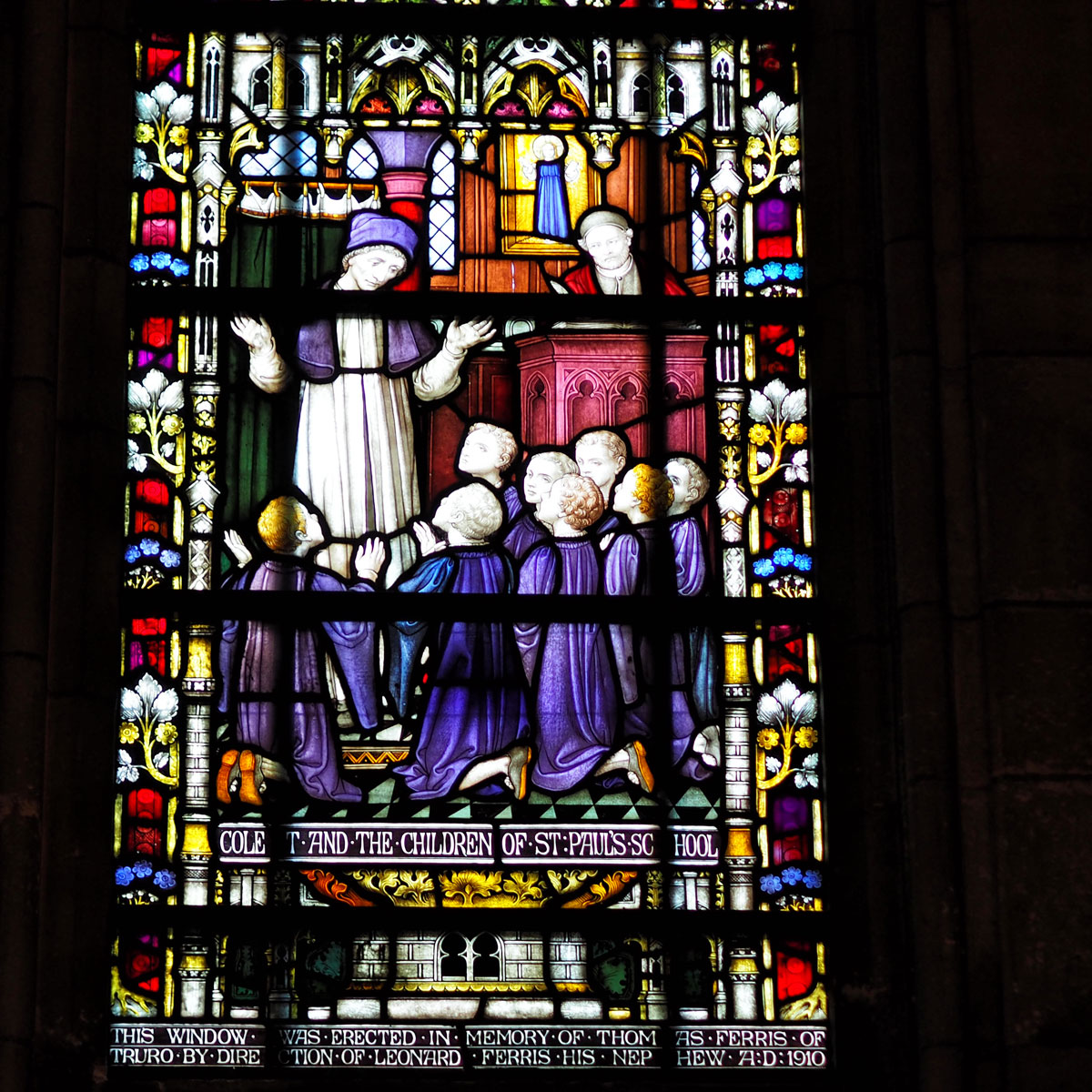
John Colet teaching the boys at St Paul’s Cathedral School in London.

In the foreground are eight boys kneeling and looking at Colet. The scene refers to the end of the preface to the Latin grammar that he wrote for the school: “And lift up your little white hands for me, which prayest for you to God … ” There is a picture of the Child Jesus in the background. In the rear at the High Master’s desk is the celebrated scholar William Lily, the first High Master of the school.

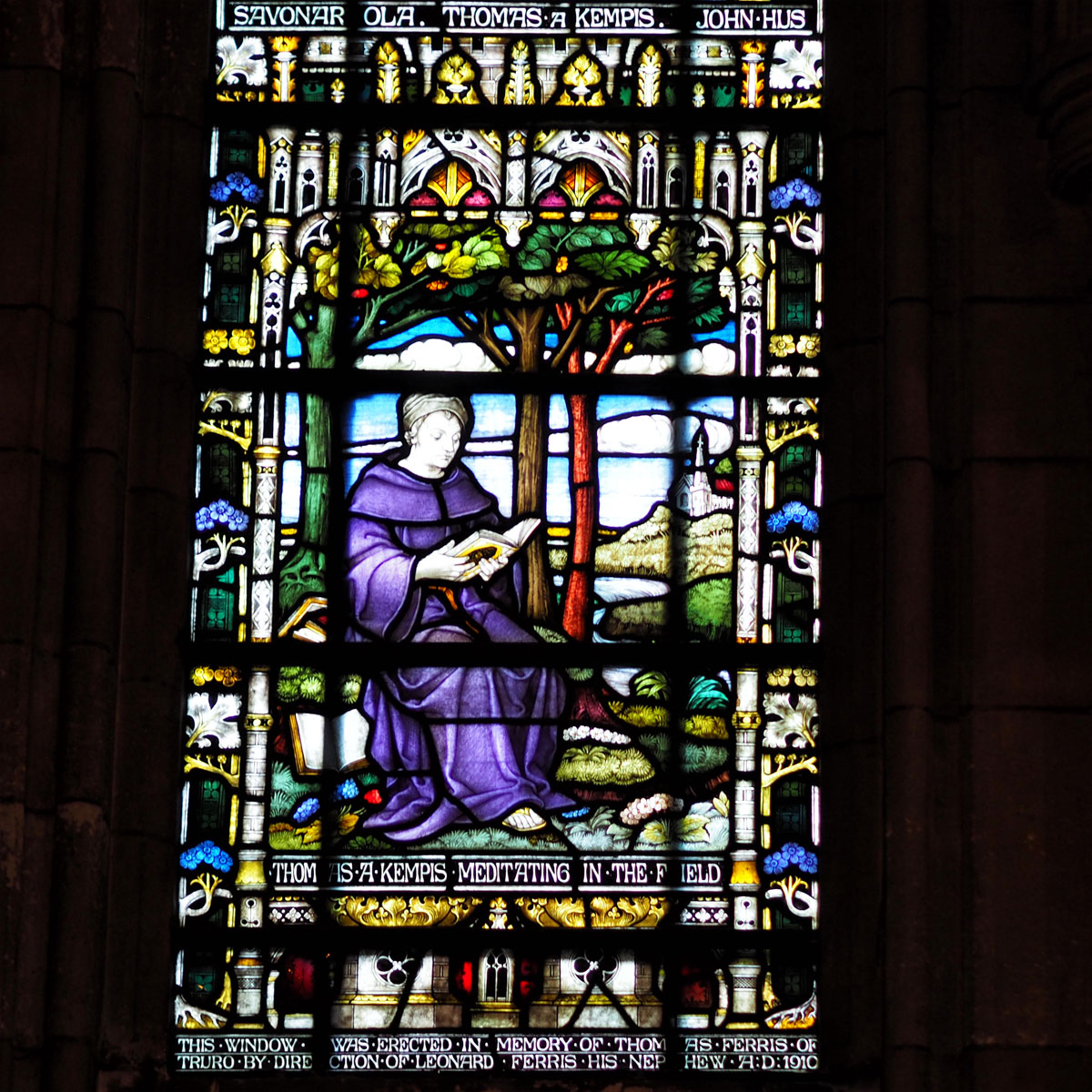
Thomas à Kempis meditating near the monastery of Sint Agnietenberg (Mount St Agnes, shown at the top right) near Zwolle in the Netherlands.
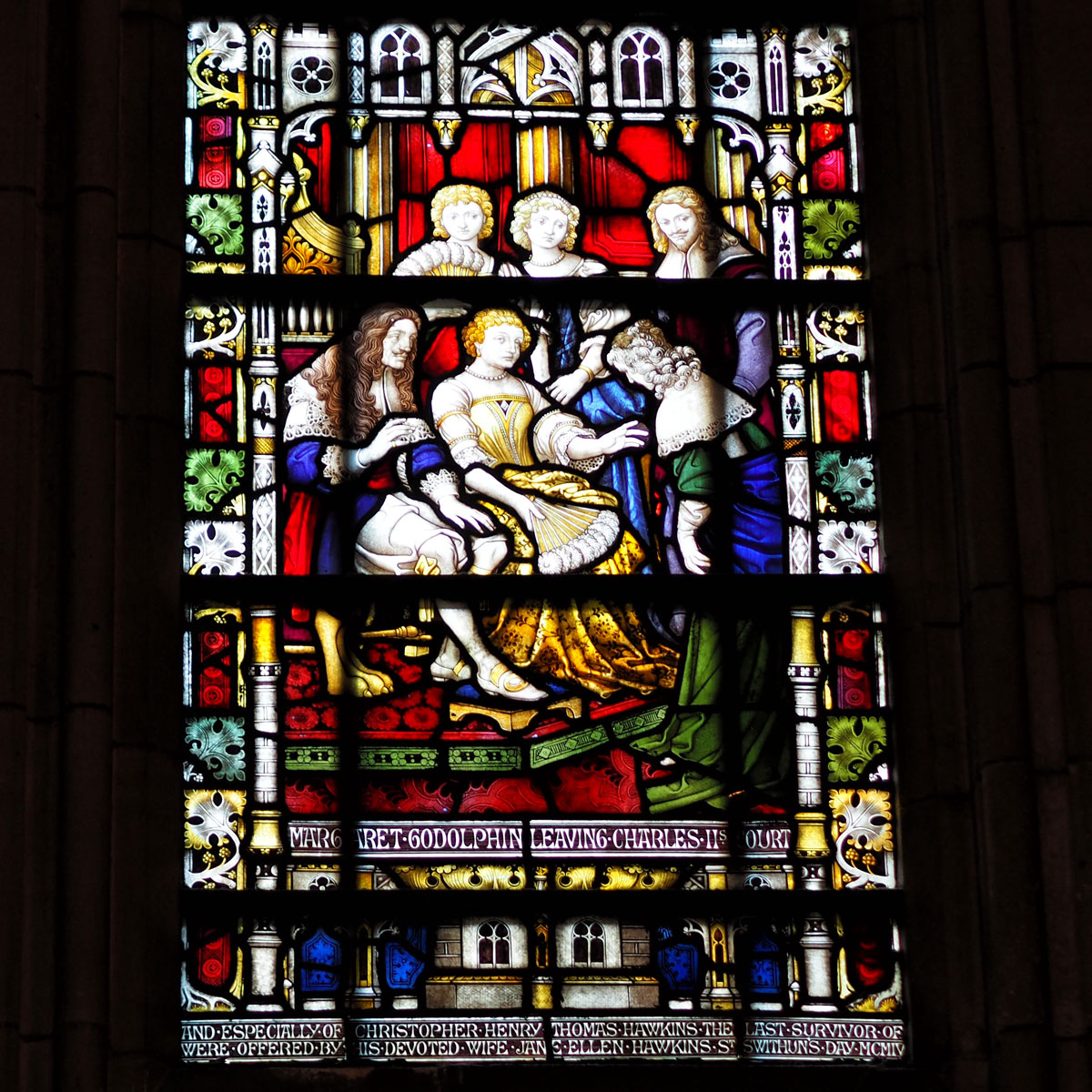
Margaret Godolphin on the point of resigning her post at the court. King Charles II and Queen Catherine are seated on a throne on a podium, and Margaret stands below on the right with her head bowed.

Margaret Godolphin, née Blagge, of Godolphin House between Helston and Penzance was a Lady in Waiting to the Queen at the court of Charles II. She was a vigorous opponent of the lax moral tone of the court and resigned her position there in protest. She died in  and is buried in Breage Church near Helston.

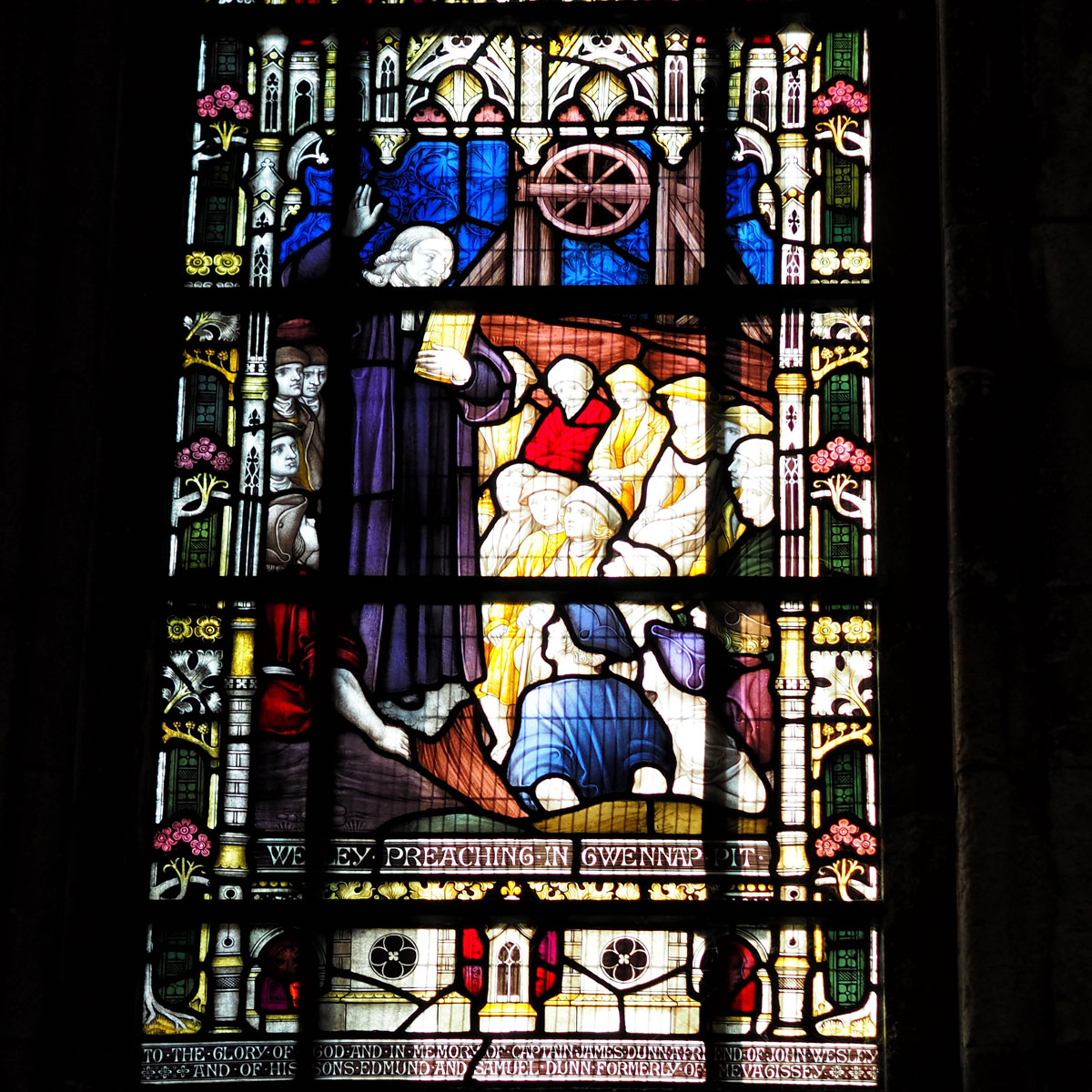
John Wesley preaching to the miners at the famous Gwennap pit near Redruth, the most renowned site for his field preaching in Cornwall. The figure of Wesley is surrounded by eighteen figures of miners and their families. A pit wheel and supports are in the background.
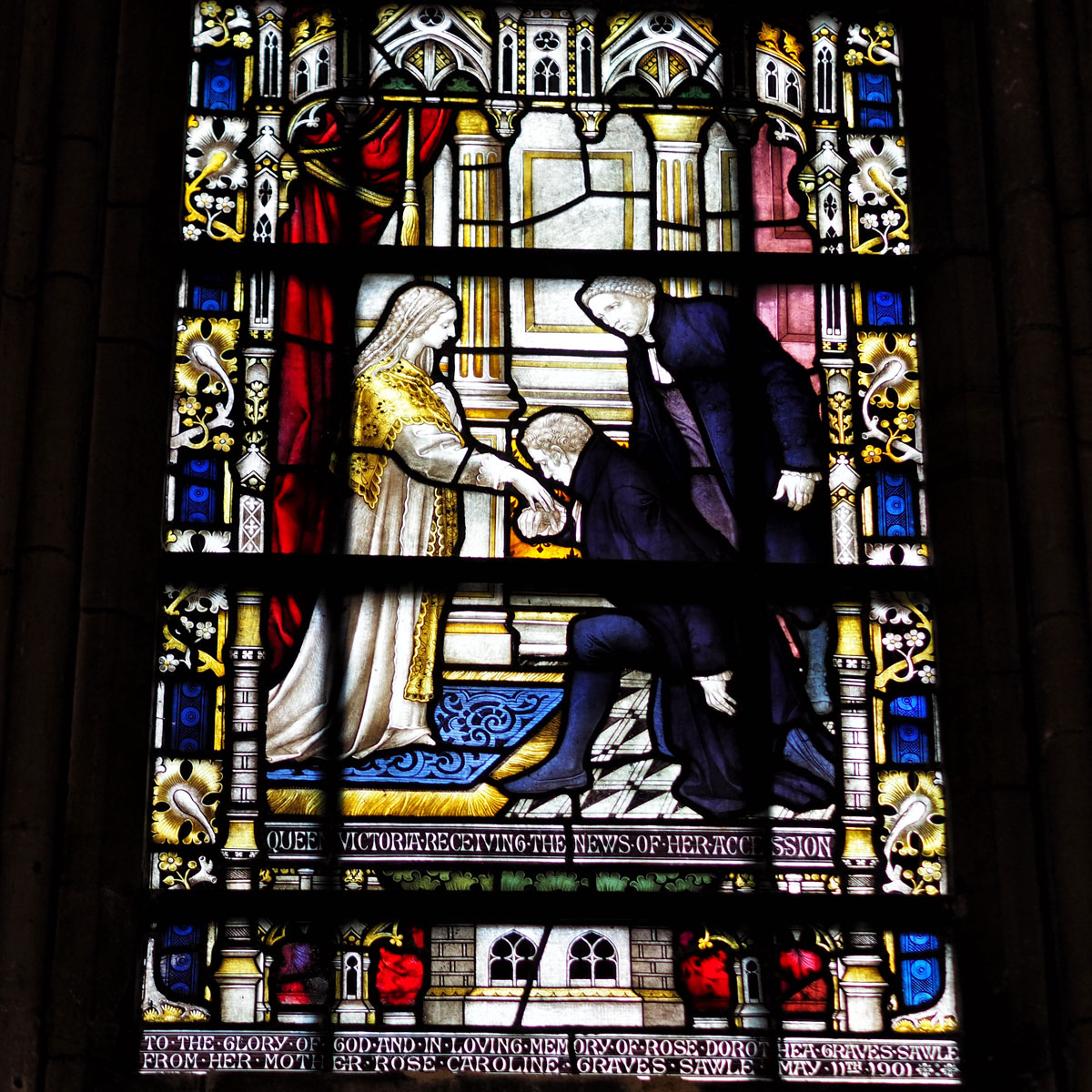
Victoria receiving news of her accession on 20th June 1837. In the foreground the young Queen, bareheaded and clothed in a nightdress and shawl, is holding out her right hand to the kneeling figure of Marquess Conyngham, the Lord Chamberlain. Behind Conyngham stands the bowing figure of Dr William Howley, Archbishop of Canterbury from 1828 to 1848
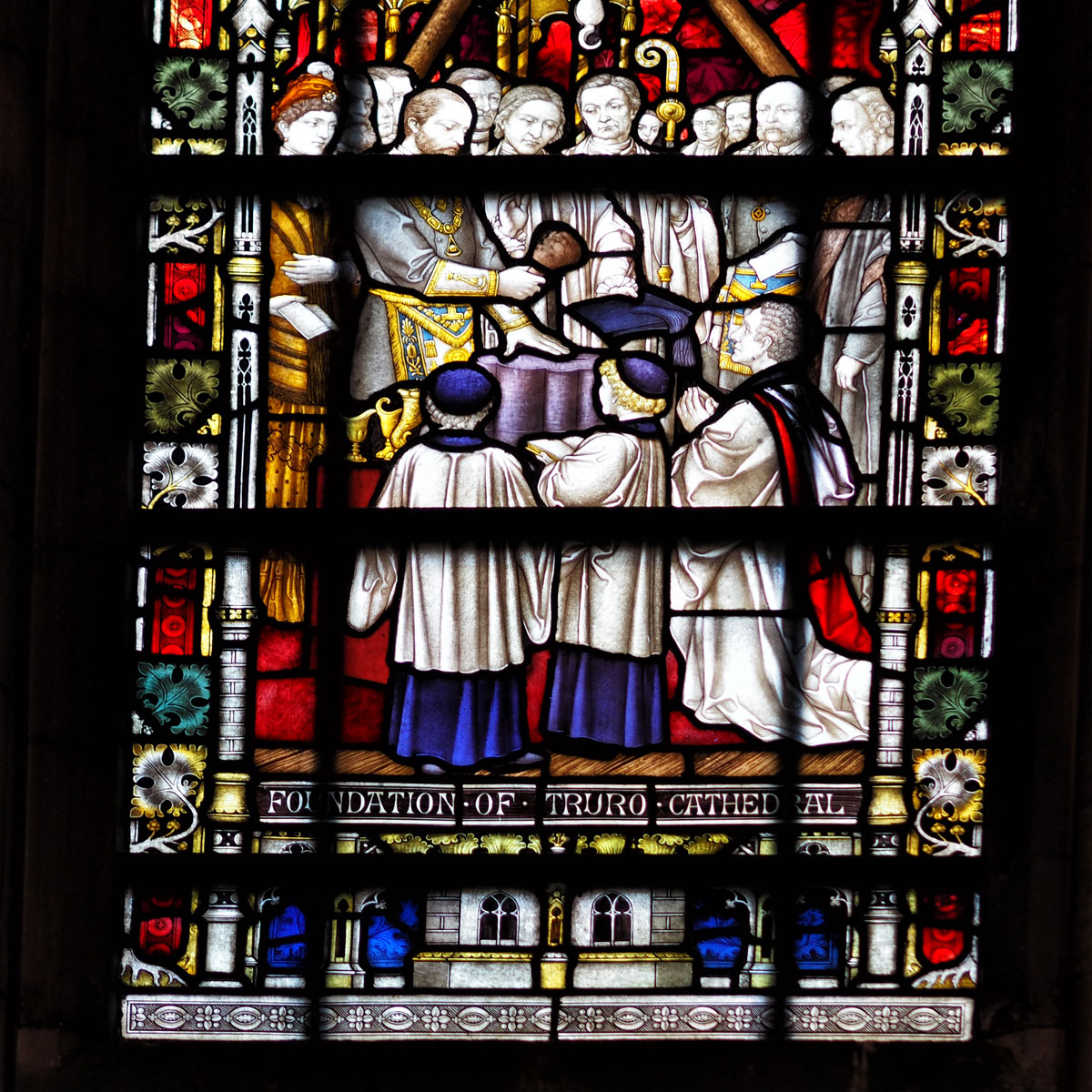
Albert Edward, Prince of Wales, lays the Foundation Stone of Truro Cathedral on 20th May 1880.

He is dressed in Masonic regalia and holds a maul. He is surrounded by a number of other figures associated with the occasion and the Cathedral, including the Princess of Wales, John Loughborough Pearson (Architect), Prince George and Prince Albert Victor. The background features scaffolding and other evidence of building work.

The other themes

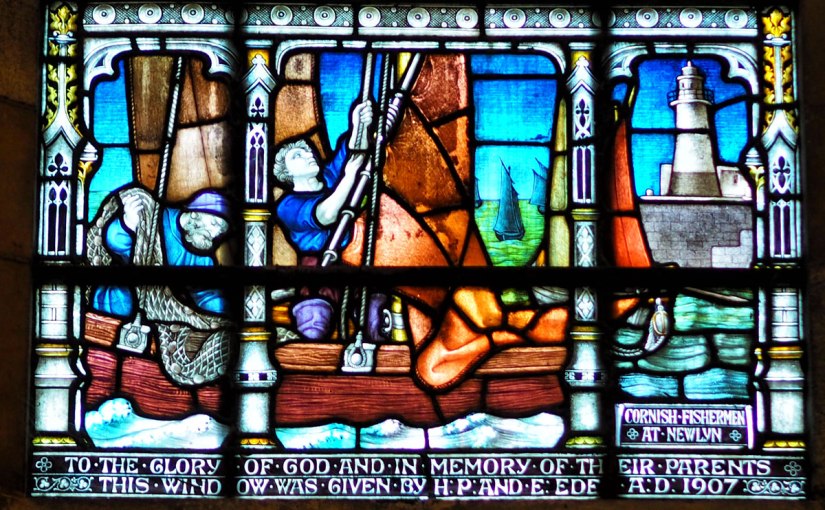
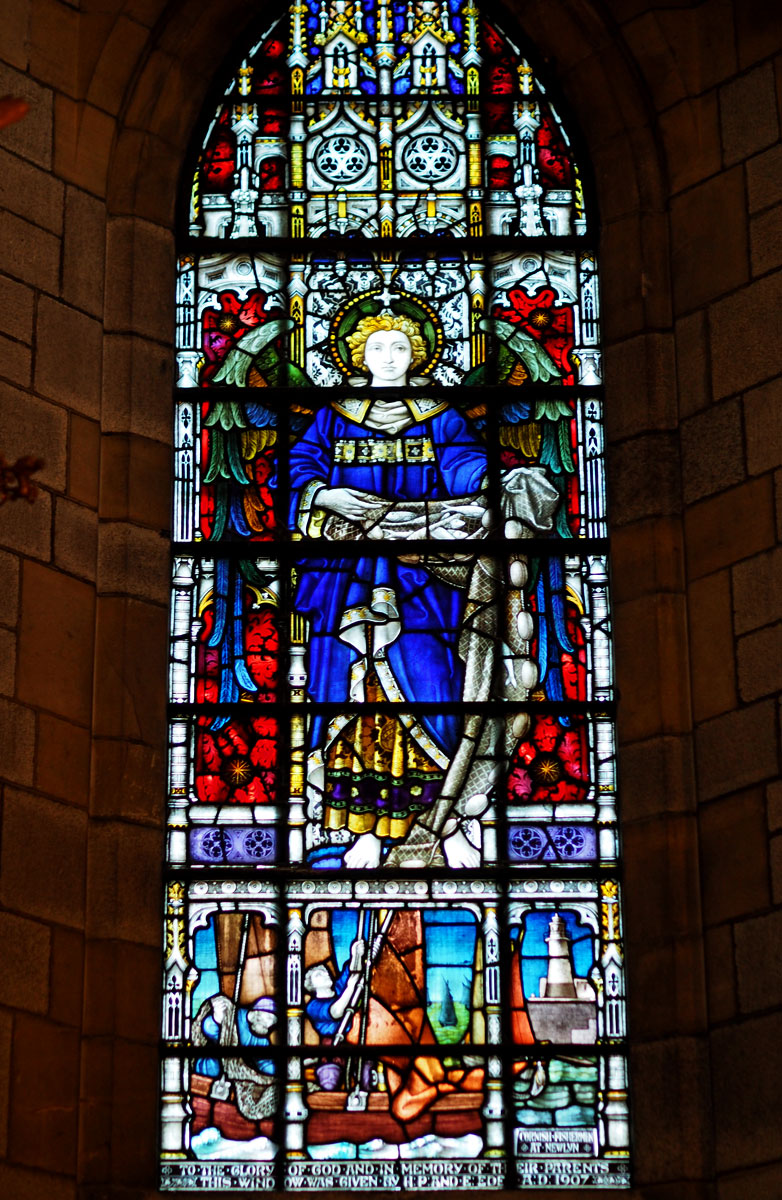
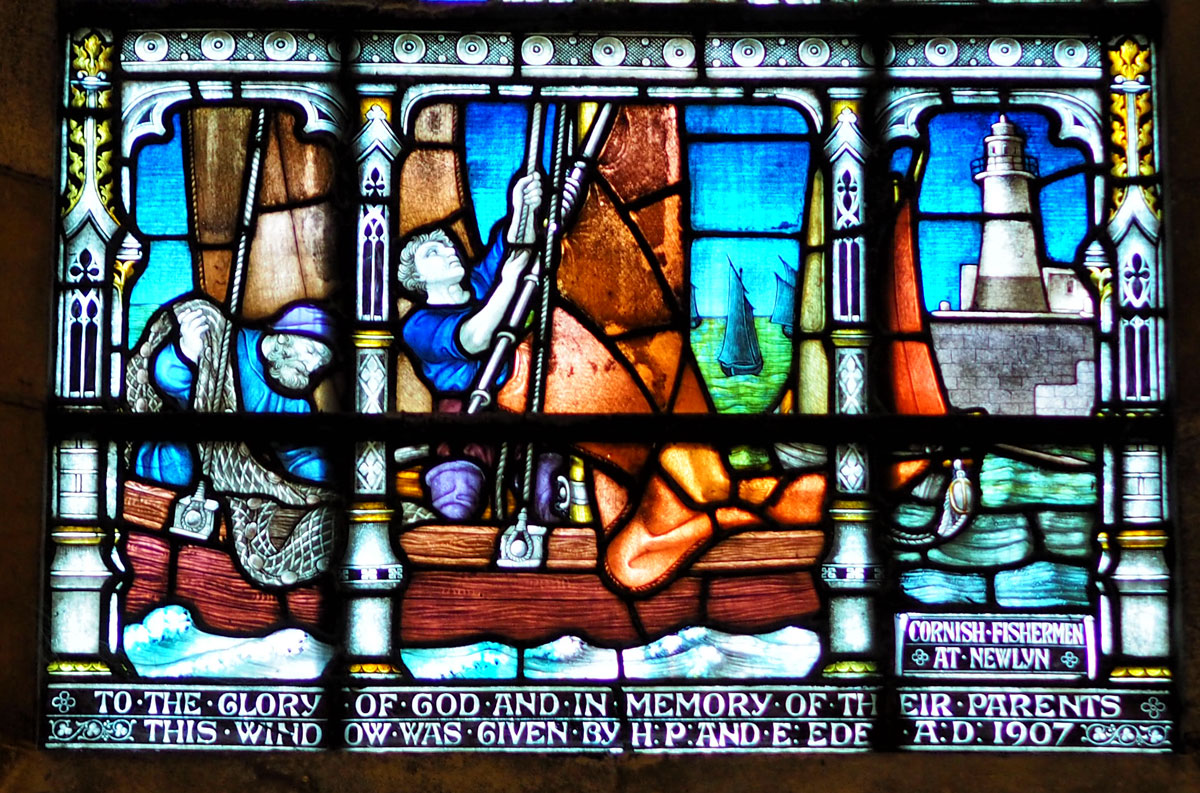
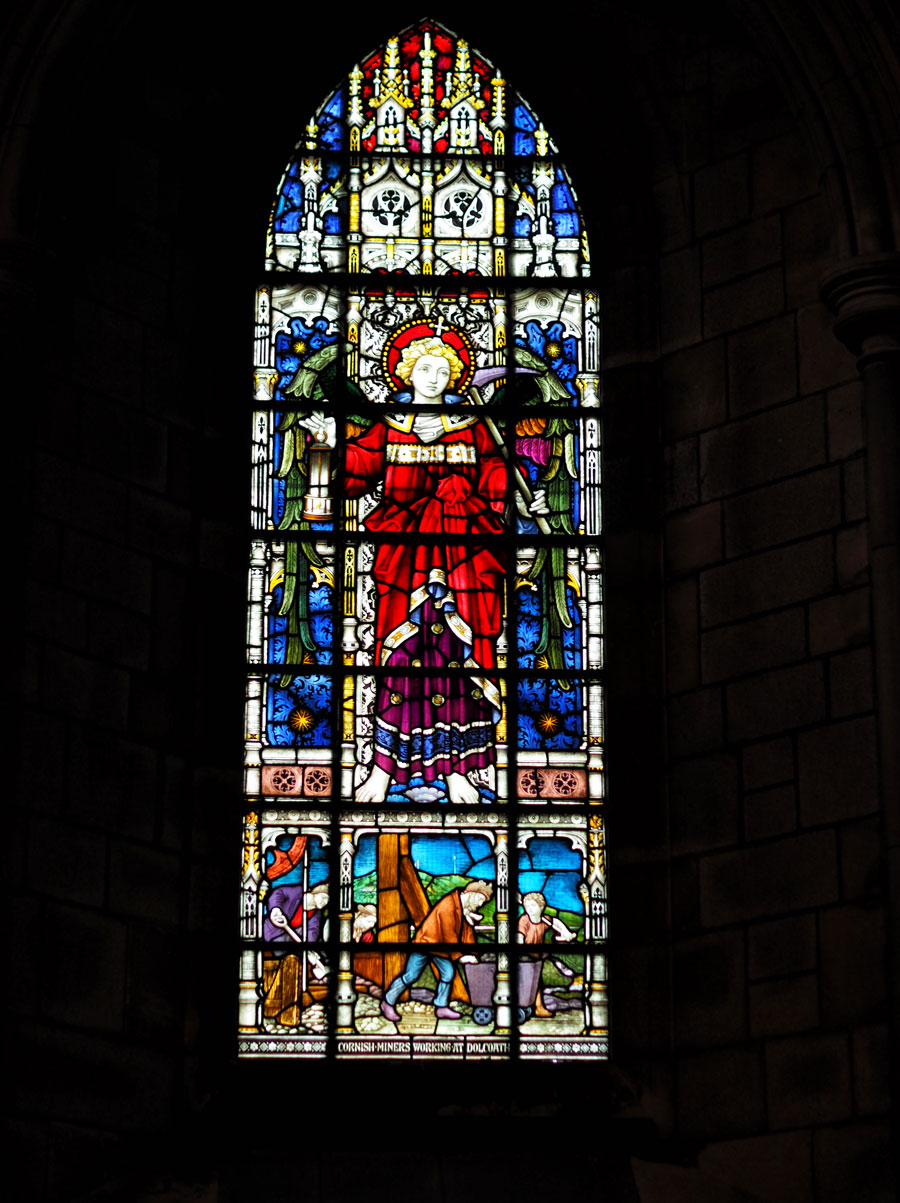
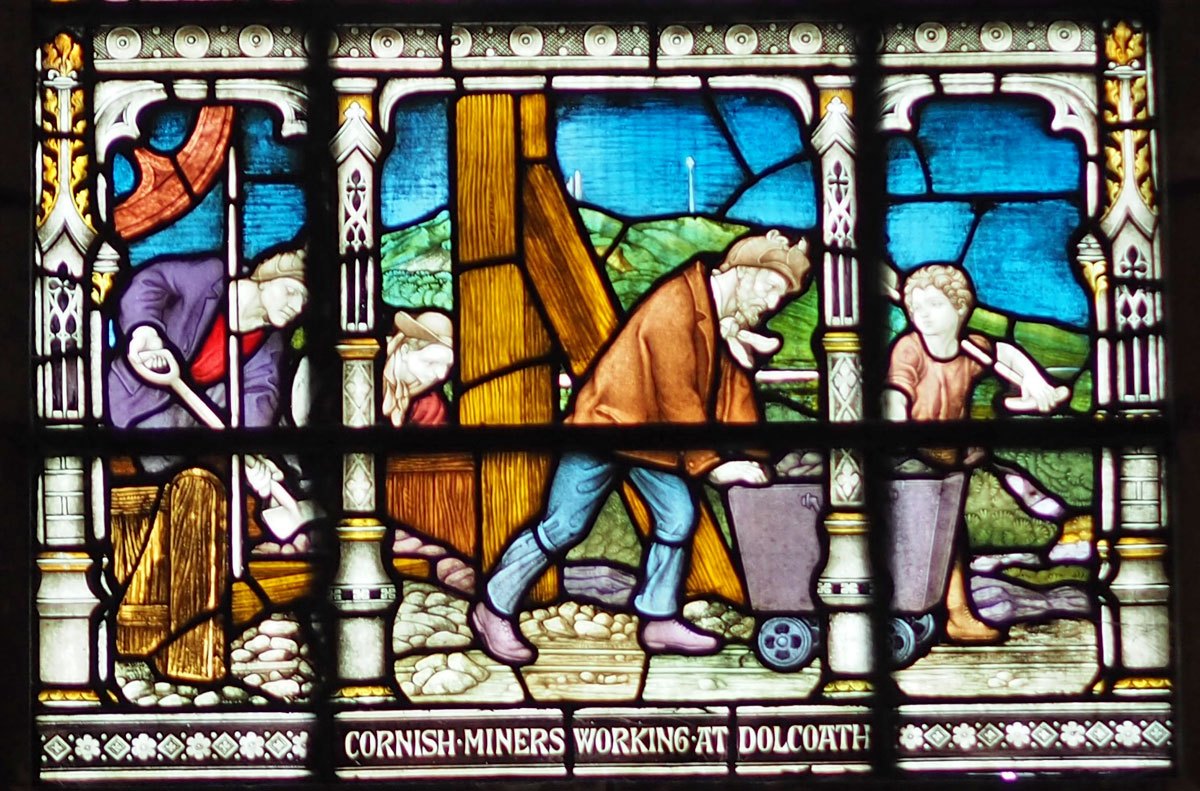
Cornwall’s industry is included in the west nave windows, which feature mining and fishing through images of miners, fishermen, Newlyn harbour and Dolcoath mine.

The guardian angel of fishermen dressed in flowing robes and depicted with long wings, bare feet, and a nimbus with a bejewelled rim. The angel holds a net full of fish with floats.
In the foreground is a fishing boat, with an older sailor sorting the fishing net while his younger companion raises the sail. In the distance is a fleet of fishing boats, and to the right is the Newlyn lighthouse and jetty.
The guardian angel of miners, dressed in flowing robes and depicted with long wings, bare feet, and a nimbus with a bejewelled rim. The angel holds a miner’s Davy safety lamp in its right hand, and its left hand holds a pickaxe resting against its left shoulder.
To the left and centre are the pit head with part of the pit wheel and men working. The hill in the background is Carn Brea; the cross on top of it is a monument to Francis Basset, 1st Baron de Dunstanville and Basset, and to the left are the remains of Carn Brea Castle. The Basset family were the original owners of the mineral rights to Dolcoath mine.

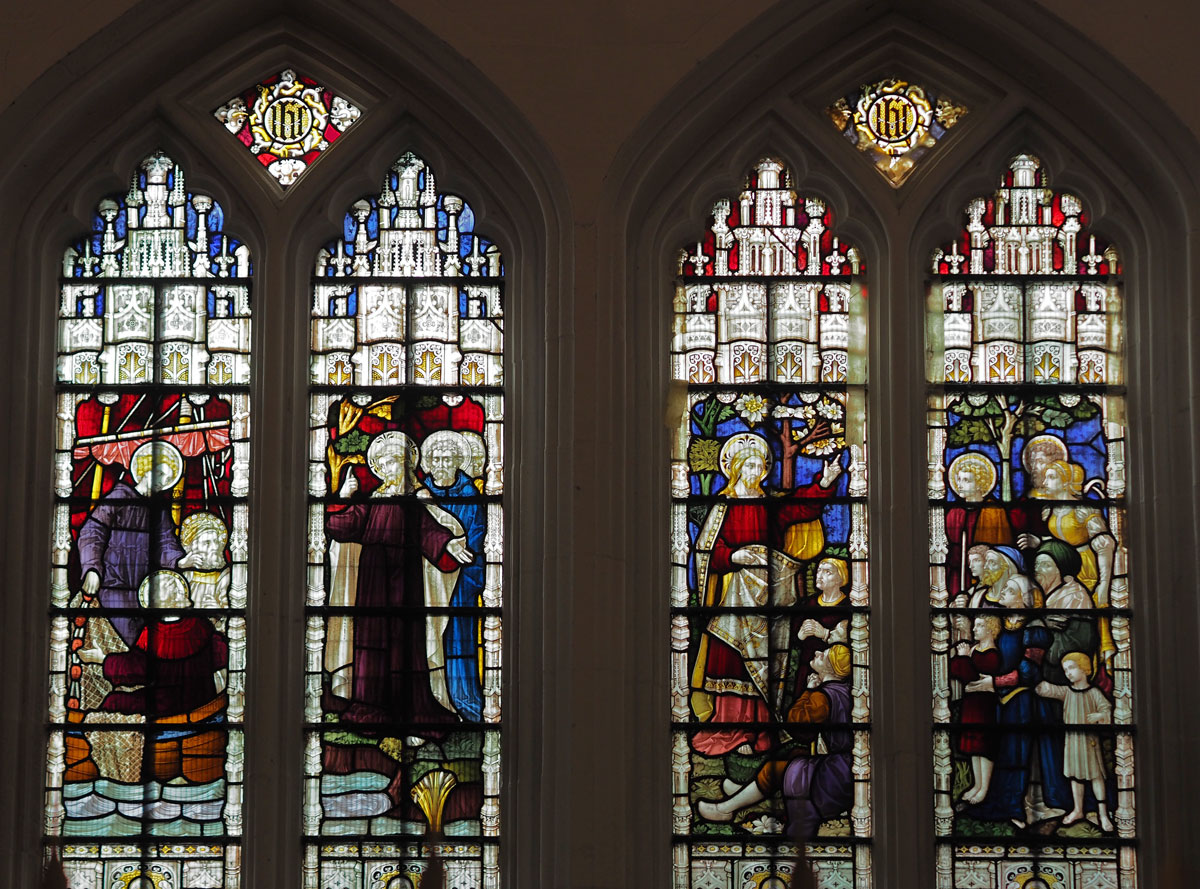
And finally, there are the windows in St Mary’s aisle, which has some mid-Victorian windows from the original St Mary’s church on traditional biblical subjects, as well as some medieval fragments.

On the left: Christ summons James and John, who are in a fishing boat with their father Zebedee. On the right: The Sermon on the Mount.
This five-light window is the largest in the south wall of the aisle.

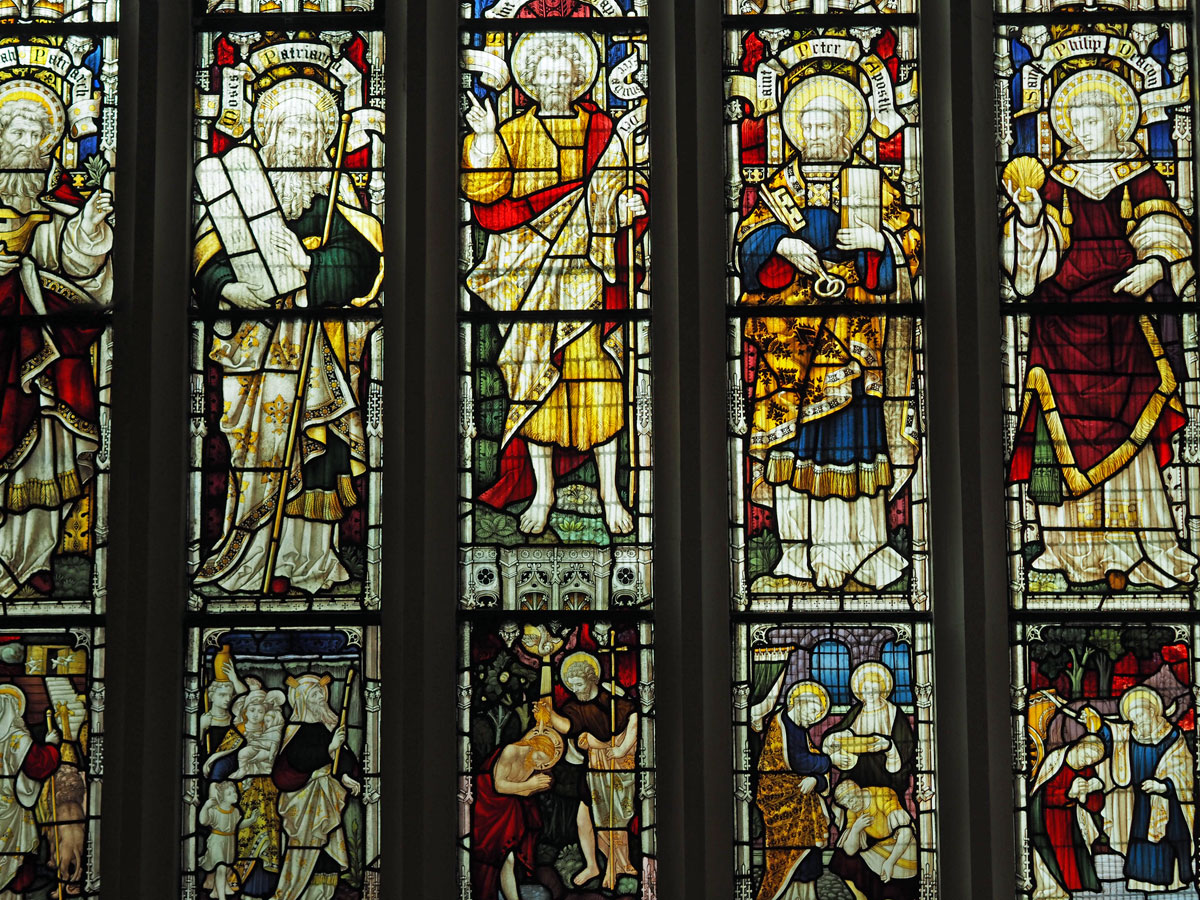
Each light shows a main figure above a related scene, and all are connected by the imagery and symbolism of water. This was, and still is, the baptistry area for the old parish church.

  1. In the first light, Noah, holding a model of the Ark and a leaf to represent the one the dove brought back to the Ark, is placed above a scene with Noah, his wife and sons supervising the entry of the animals (including giraffe and lion) into the Ark. (I appear to have unfortunately cut this one in half).
  2. In the second, Moses is shown carrying the two tablets of the Ten Commandments above a scene in which he leads the Israelites across the Red Sea.
  3. St John the Baptist, holding in his left hand a staff to which is attached a banner on which is written Ecce agnus Dei (Behold the lamb of God) above the scene of the Baptism of Christ.
  4. St Peter holding his keys and a clasped book above a scene of his baptism of Cornelius.
  5. Finally, St Philip holding a scallop shell is shown above a scene of his baptism of the Ethiopian eunuch, whose chariot and horse are in the background.

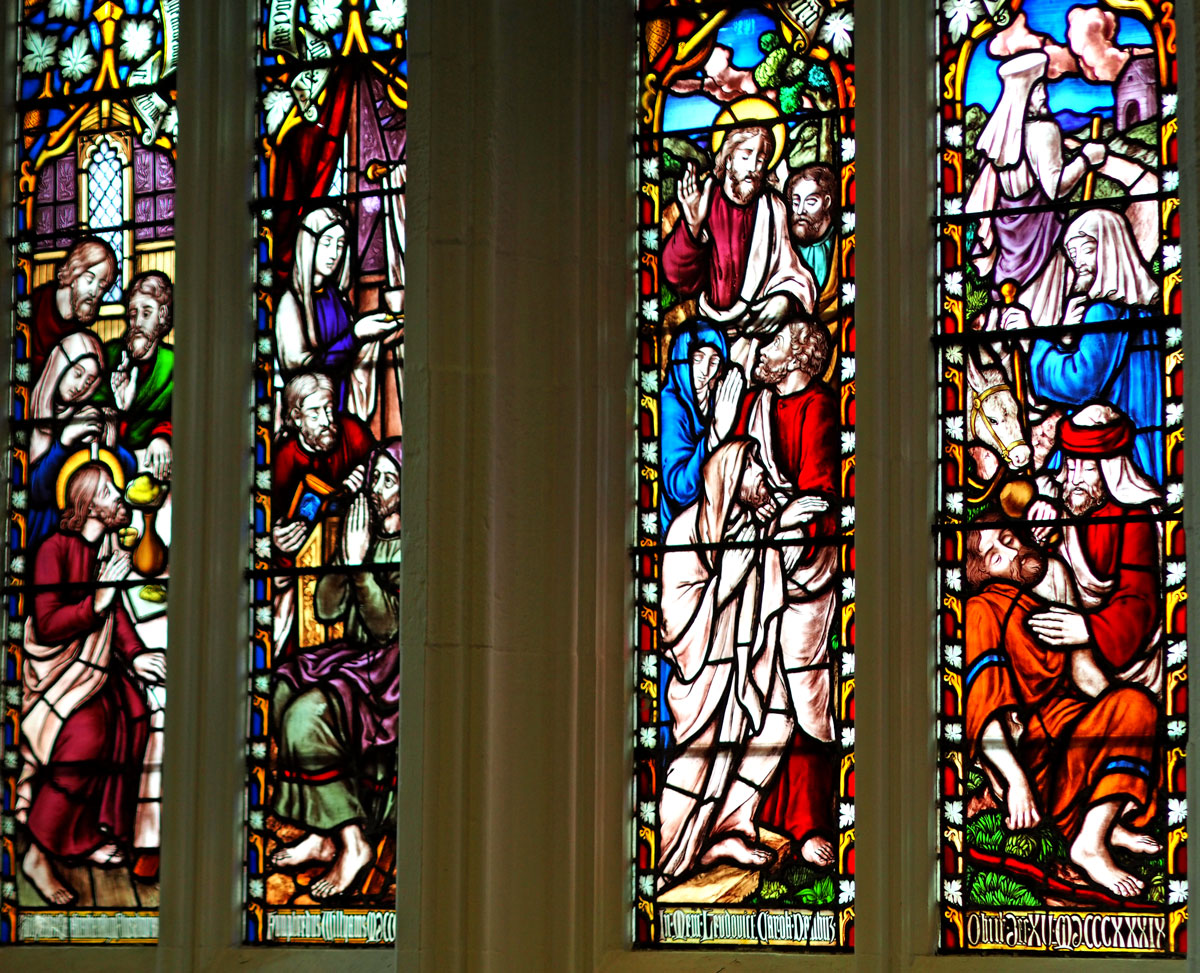
The six south wall windows are all by William Warrington. They are typical examples of his use of bold primary colours, strong leading, dramatic design, and heavy painted shading.

a. The supper at Bethany. Mary, the sister of Martha, anoints Christ. b. Visitation of the sick. c. The Raising of Lazarus. d. The Good Samaritan.

It’s obvious that I need to return!