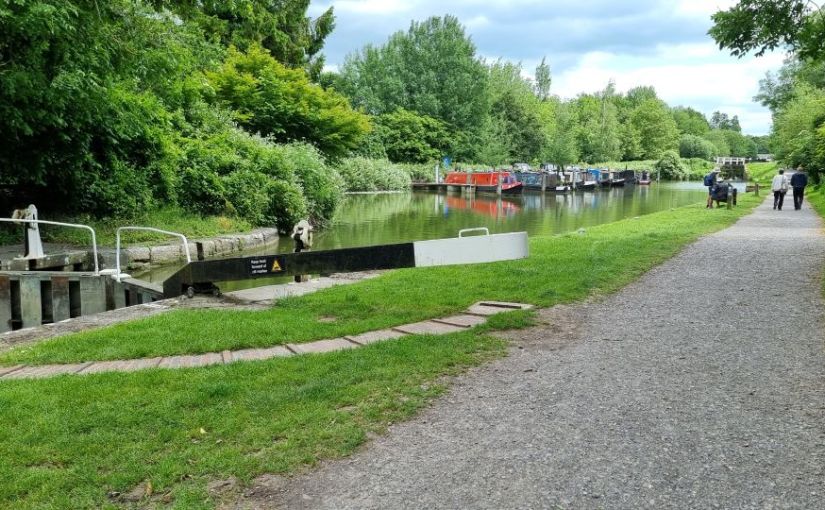
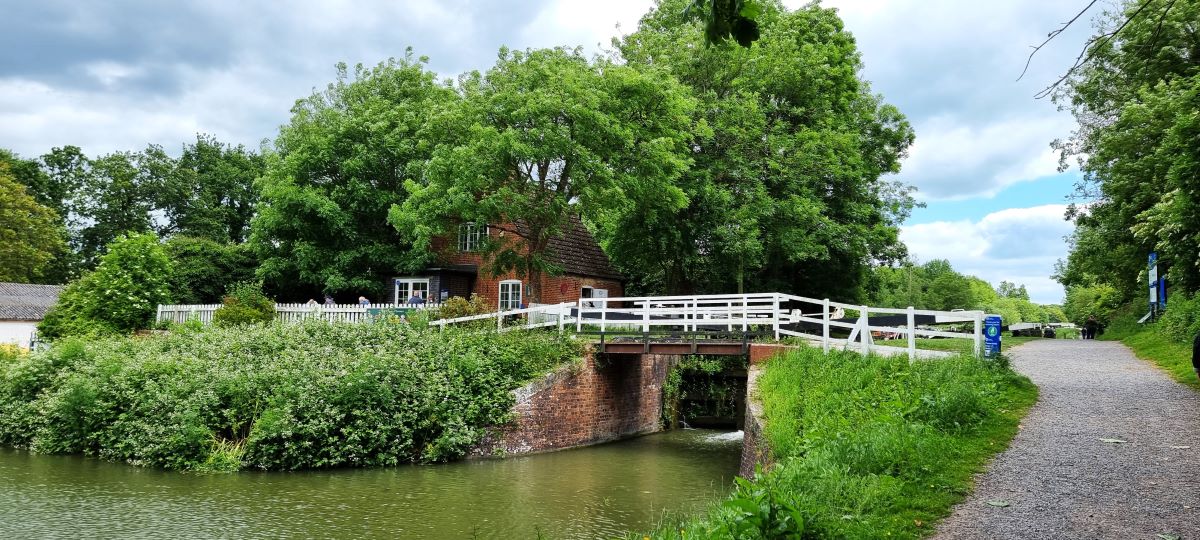
Caen Hill Locks are the longest continuous straight flight of locks in the country. Completed in 1810 by the famous canal engineer John Rennie.
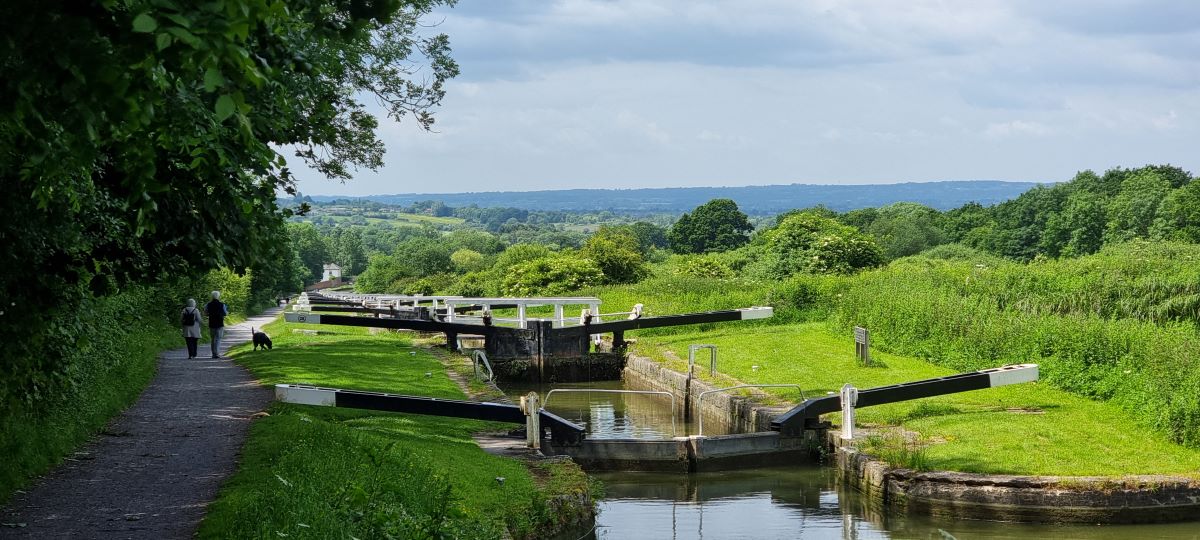
In order that boats could climb or descend the steep hill, 29 locks were built between Town Bridge and the bottom lock at Lower Foxhangers. In the middle of this is the ‘staircase’ of 16 locks known as Caen (pronounced cane) Hill with enormous side pounds that hold water to fill the locks. It has a rise of 237 feet in 2 miles.
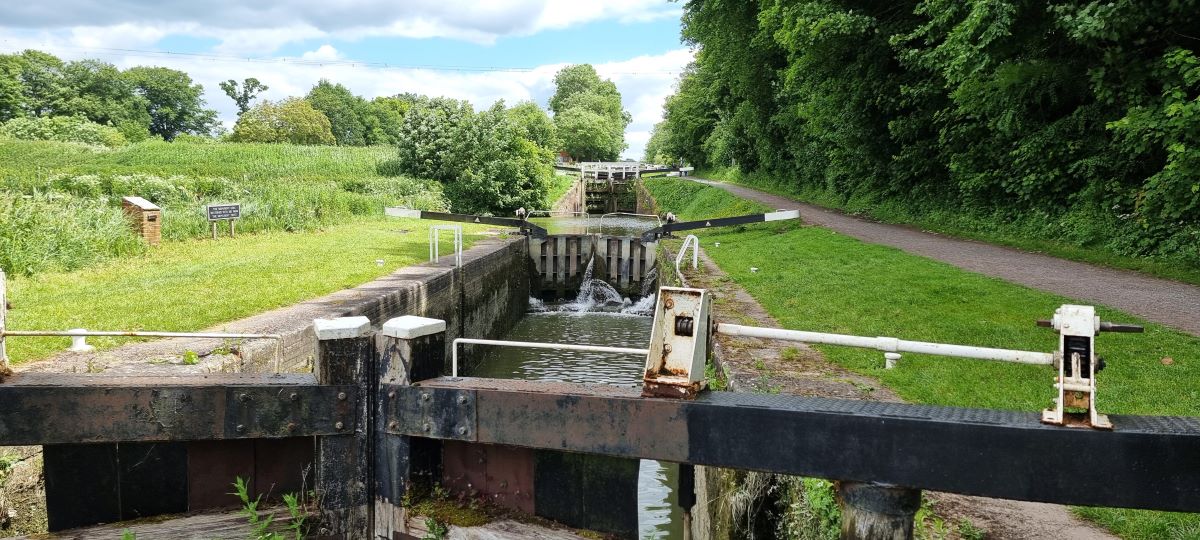
The side ponds keep it topped up with water – each holds 1 million gallons.
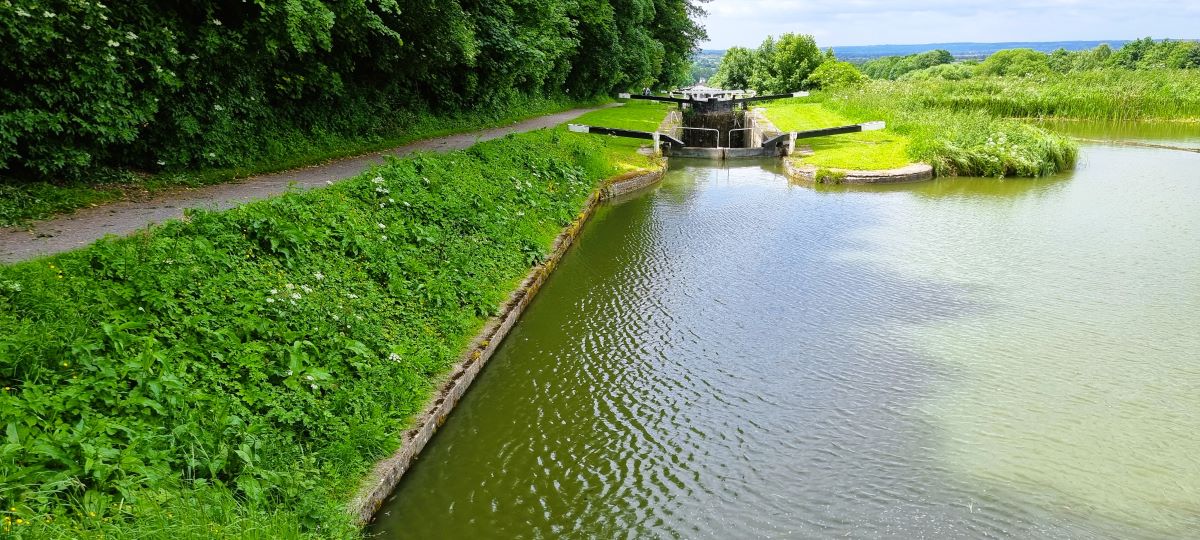
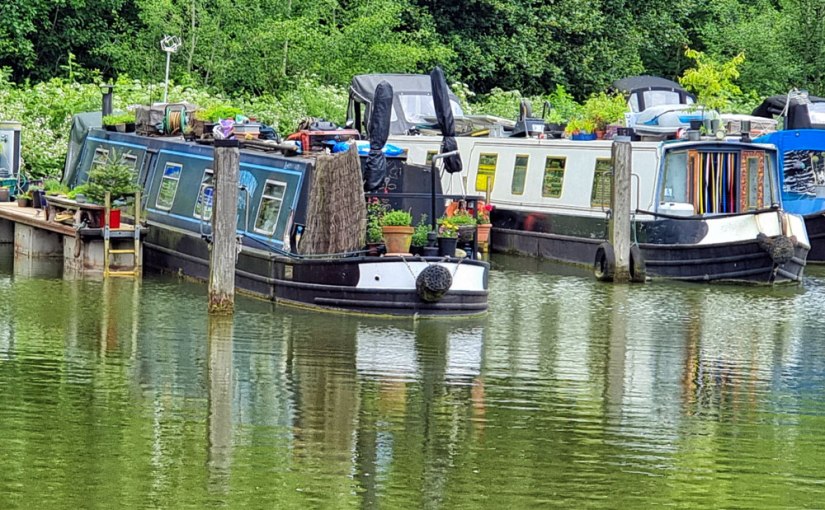
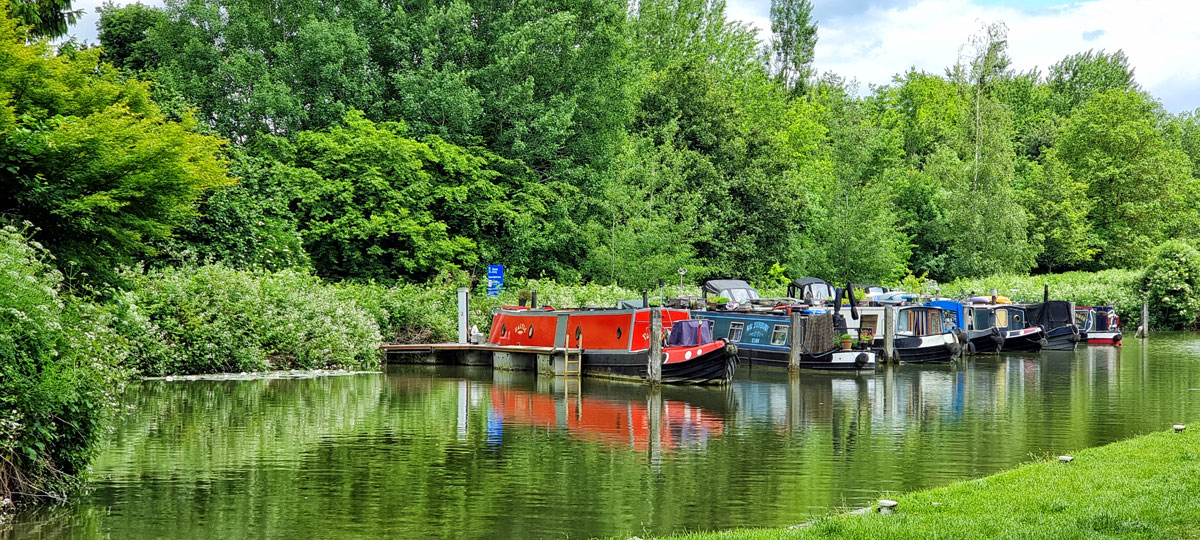
There is a café at lock 44 and mooring between locks 44 and 45.
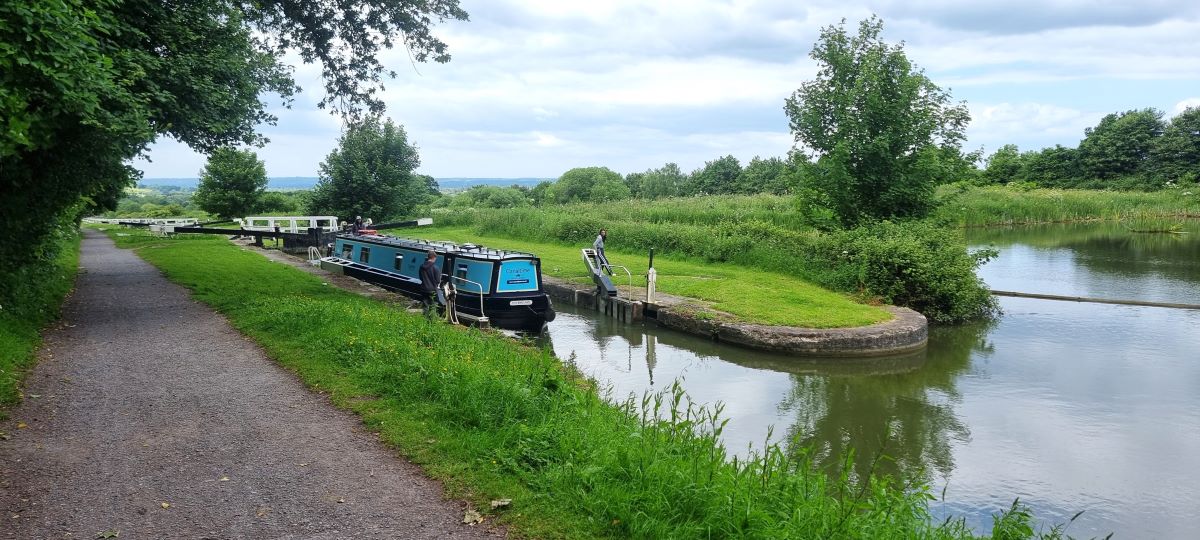
The Kennet & Avon Canal runs all the way from the River Thames to the River Avon, connecting the town of Reading with the World Heritage Site of Bath and Bristol. It is 87-miles (140km) long and is made up of two lengths of navigable river linked by a 57-mile (92km) canal section.
The Canal & River Trust cares for 2,000 miles of canals and rivers across England and Wales.
 TRAVEL WORDS