A – Z of Locations: U is for Ullswater

During this year I shall be posting photographs from places around the UK, many of which have not been published before. Where I have previously blogged about a location I will provide a link to the post, though you won’t be able to comment on it as I restrict comments to six months.

U is for Ullswater

Ullswater is the second largest lake in the Lake District and stretches over 8 miles from Pooley Bridge in the north to Glenridding. We arrived there from Patterdale after driving over the Kirkstone Pass.
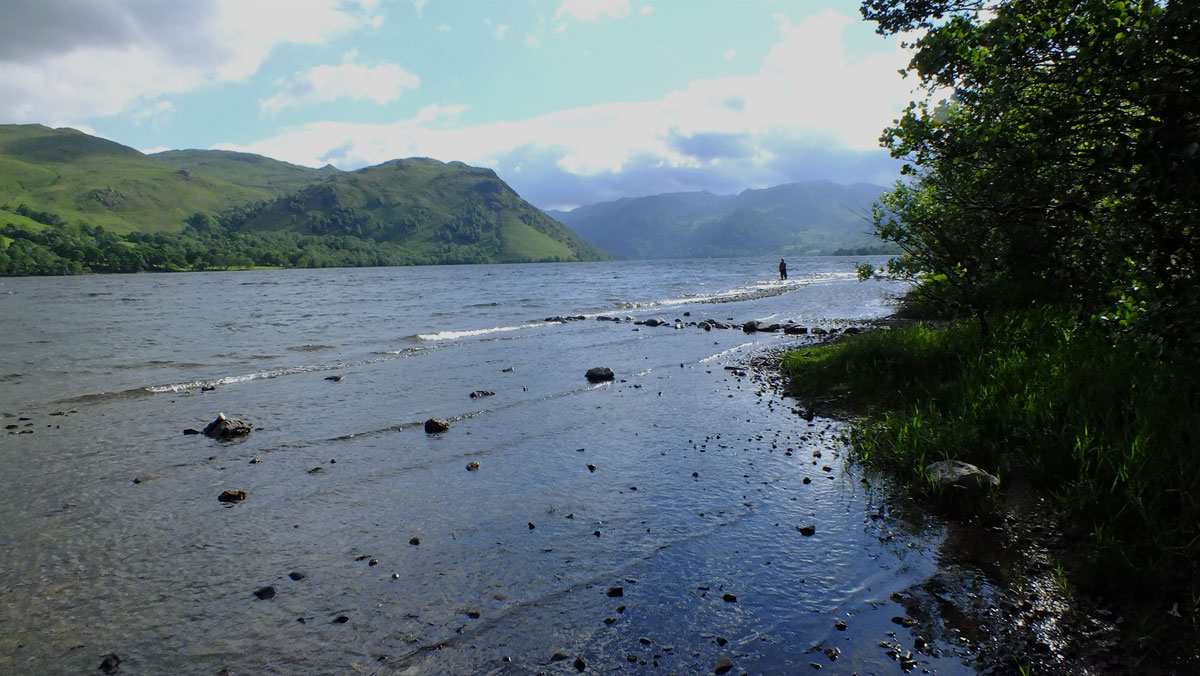
View towards Glenridding

The lake is shaped like a crooked finger, with high fells surrounding the Glenridding end and rolling farmland to the north.

Beda Fell and Sleet Fell opposite (right)

Ullswater was described by William Wordsworth as “the happiest combination  of beauty and grandeur which any of the Lakes afford.”

And it is here in 1802 that he wrote his most famous poem “Daffodils” after a walk through Gowbarrow Park with his sister Dorothy.

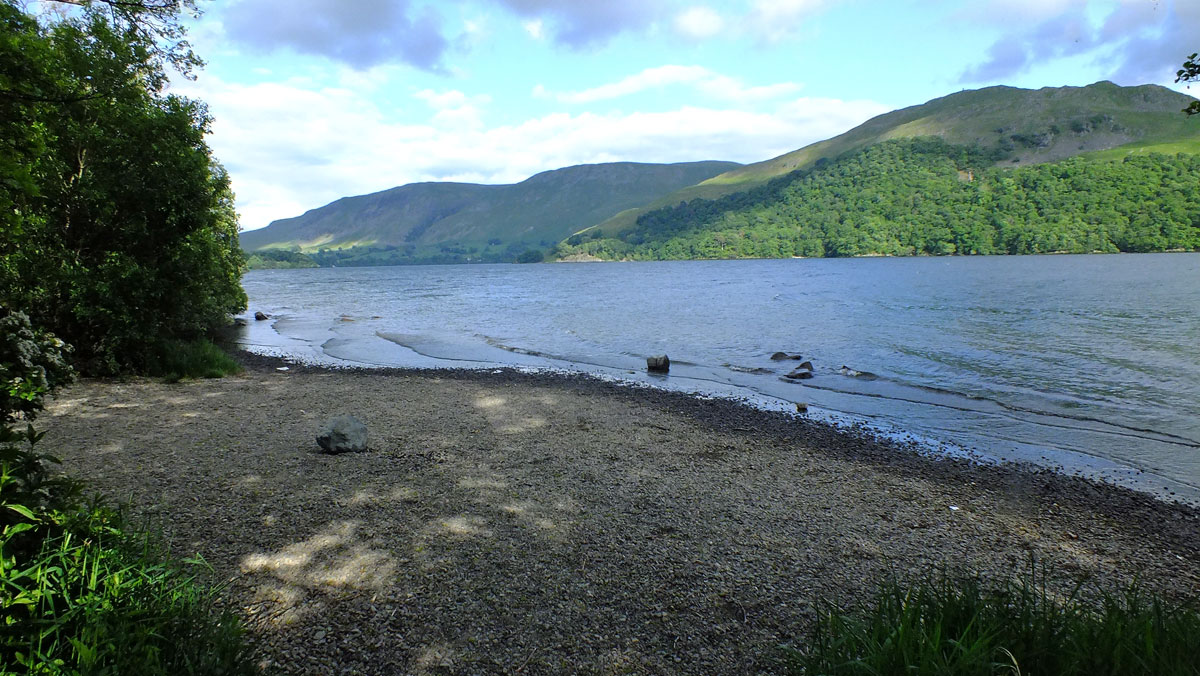
I wandered lonely as a cloud That floats on high o’er vales and hills, When all at once I saw a crowd, A host, of golden daffodils; Beside the lake, beneath the trees, Fluttering and dancing in the breeze.
View towards Glencoyne

Aira Force is on the north side of the lake, a 20m multiple waterfall with viewing bridges above and below to get close to the thundering water safely.  It was the inspiration for three other Wordsworth poems, including the “Somnambulist”.

As you can expect the area is popular with fell walkers with many water activities available such as sailing, canoeing and kayaking. There are also steamers around the lake on either a full return or one way cruise departing from Glenridding or Pooley Bridge (takes 1 hour). You can hop on and off at any of the four piers around the lake.

A – Z of Locations: T is for Truro

During this year I shall be posting photographs from places around the UK, many of which have not been published before. Where I have previously blogged about a location I will provide a link to the post, though you won’t be able to comment on it as I restrict comments to six months.

T is for Truro

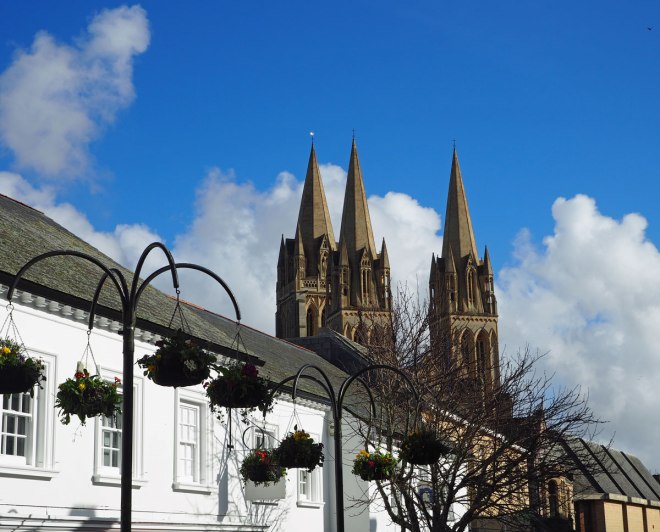
Truro  is the only city in Cornwall and the centre is, by city standards, quite a small one. Bodmin is still the county town and St Austell is the largest. For locals, Truro is the place you come to shop, study or have a good night out (and, rather less appealingly, to go to hospital). However, the city employs more people than other towns, with the major employers being the Royal Cornwall Hospital, Truro College and Cornwall Council so it is very busy.

Some cobbled streets remain (Pydar Street)

Look out for the leats along the streets; locally known as kennels, these Victorian channels that once kept the streets clean and the horses watered. There are some attractive Georgian buildings and some cobbled streets, but the layout of the city is very confusing.

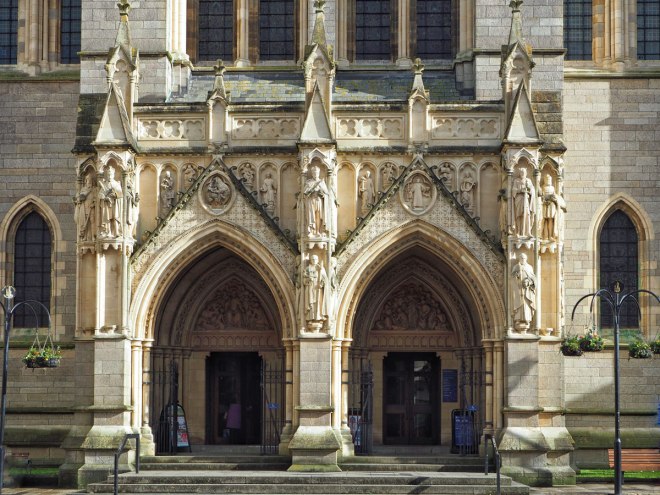
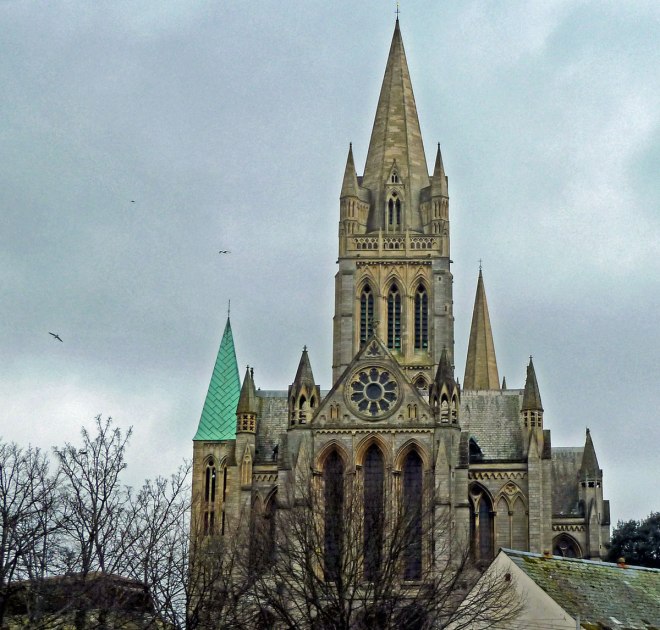
Truro cathedral (the Cathedral of the Blessed Virgin Mary) has one of the tallest spires of any church the UK. It is largely Victorian and Edwardian and was built after Truro had already gained city status in 1877.

Back in the past Truro was a market town and port and then became one of Cornwall’s five stannary towns, where copper and tin were brought to be assayed.
Coinage Hall: The current building was built as the Cornish Bank in 1848 on the site of the old Coinage Hall where twice yearly tin was brought here to be assayed and taxed.

In spite of its early history, few very pre-18th-century buildings remain today, and most of the town centre dates from Truro’s Georgian, Regency and Victorian heydays. Lemon Street in particular has some very fine Georgian houses.

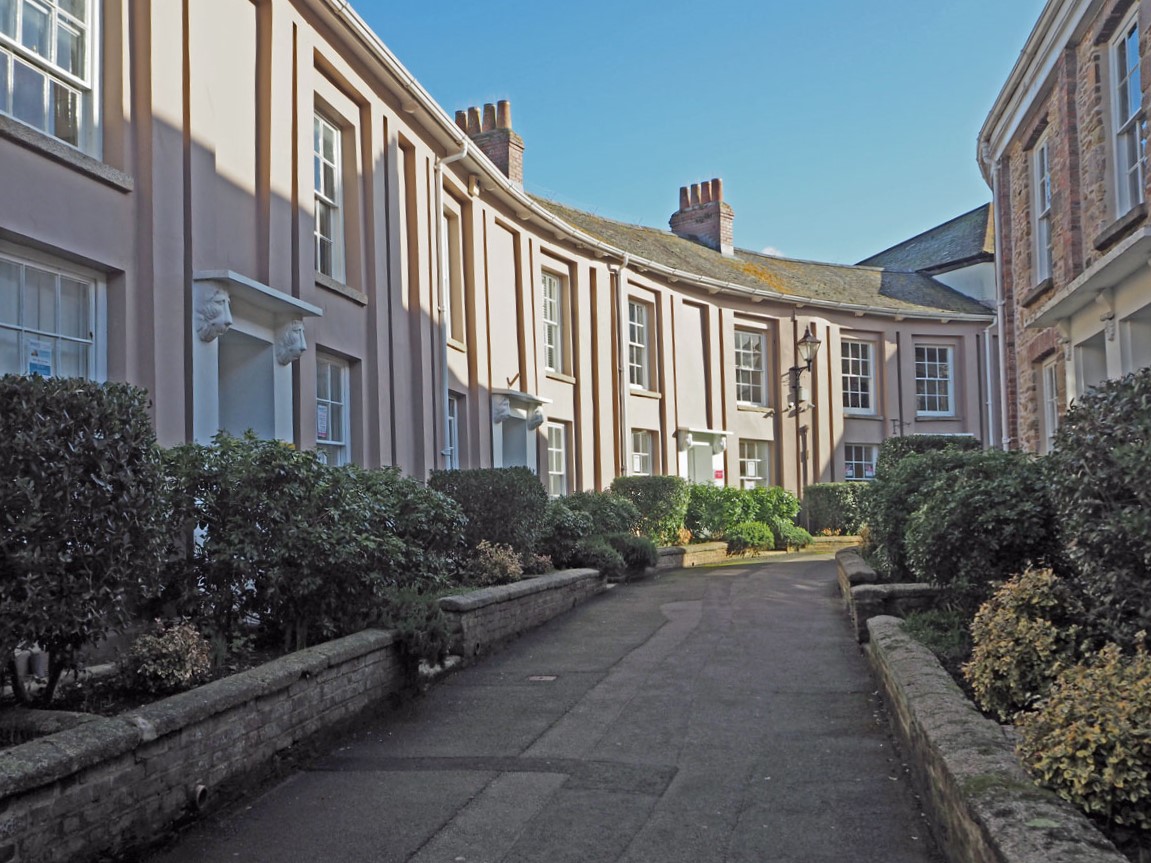
And one of the most puzzling streets I came across is Walsingham Place, a curious curved late Georgian terrace with lions. Apparently it began life as Caribee Island, a very boggy place; the name is thought to derive from the Caribbean, due to the large number of slave ships docking in Truro’s port. It wasn’t until the 1800s after Lemon Street was completed that Walsingham Place was constructed.

In 1851 it was reported that Walsingham Place was home to clerks, a wheelwright, butcher, wine and spirit merchant, ironmonger, fancy chair maker, English teacher, and the wife and family of an Inland Revenue officer called Mugford. Gradually the private residences changed to business premises, with the last domestic dweller thought to have moved out around ten years ago.

Walsingham Place with lions

And the lions? Well they were added in 1960  by architect John Crowther, but I have no idea why.

The Lions

For a more detailed walk around Truro please click here.

A – Z of Locations: R is for Rye

During this year I shall be posting photographs from places around the UK, many of which have not been published before. Where I have previously blogged about a location I will provide a link to the post, though you won’t be able to comment on it as I restrict comments to six months.

R is for Rye / Rye Harbour

Rye is an English town with a fascinating history near the coast in East Sussex about 20 miles east of Hastings and four miles from the white beach of Camber Sands. In the centre, cobbled lanes like Mermaid Street are lined with medieval, half-timbered houses.

Mermaid Street (The Mermaid Inn was rebuilt in 1420)
Walk along Mermaid Street and you’ll come across houses with names like “The House Opposite”, or the “House with Two Front Doors”.
One thing Rye isn’t short of is pubs. Here we have The Swan.

The redbrick Lamb House was once owned by writer Henry James. Nearby, the tower of the Norman St. Mary’s Church overlooks the town. The 14th-century Ypres Tower, which formed part of Rye’s defences, is now Rye Castle Museum.

Originally a seaport, Rye was incorporated in 1289 and became a full member of the Cinque Ports (a confederation of English Channel ports) about 1350. Now Rye Harbour lies 2 miles away from the actual town.

My only visit to Rye itself was back in November 2003 and I’m sad to say I don’t remember much about it other than it being quite cold and windy down by the sea. The second visit was a more pleasant one to the Nature Reserve in July 2014, but for some reason we didn’t bother to visit the town.

You can read about that visit here for a comprehensive walk along the shingle beach and an introduction to the wild flowers that grow in such an inhospitable landscape.

A – Z of Locations: Q is for Quex Park

During this year I shall be posting photographs from places around the UK, many of which have not been published before. Where I have previously blogged about a location I will provide a link to the post, though you won’t be able to comment on it as I restrict comments to six months.

Q is for Quex Park

The Quex Park estate dates back to the 15th century. There is a Victorian walled garden, cucumber pit, woodland walk, croquet lawn and resident doves and peacocks.

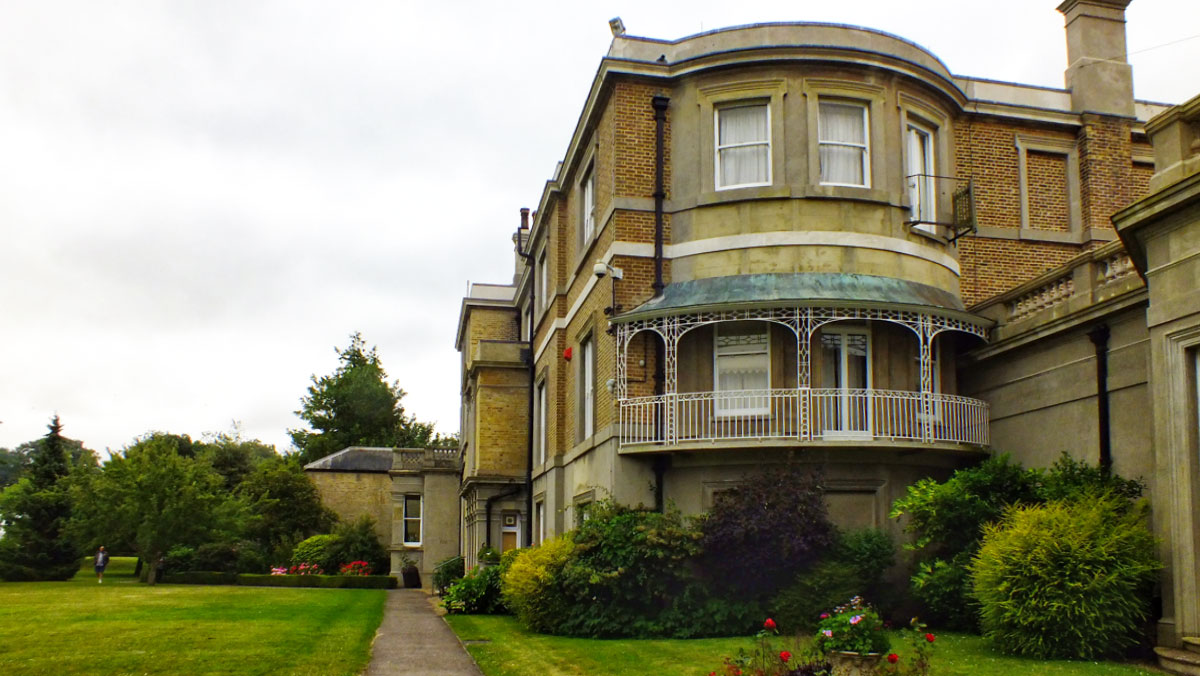
The Grade II listed Quex House is located in Birchington close to the Thanet coast in Kent and home to the Powell-Cotton Museum which houses unique natural history dioramas of African and Asian animals and wildlife, culturally significant and meaningful world-culture objects and, local archaeology from the Thanet coastline.

My visit though was to see the historic Victorian Walled Gardens

which is still undergoing restoration.

But these are not the only attractions at the site which has 15-acres of gardens, an activity centre, play areas, adventure golf, Jungle Jim’s, the Maize mazes and build a base to keep the kids amused.

There is also a craft village, Quex Barn to buy your organic fish, meat and vegetables or sit for something to eat, The Secret Garden Centre, Mama Feelgood’s café and a packed programme of events.

A – Z of Locations: P is for Portsmouth

During this year I shall be posting photographs from places around the UK, many of which have not been published before. Where I have previously blogged about a location I will provide a link to the post, though you won’t be able to comment on it as I restrict comments to six months.

P is for Portsmouth

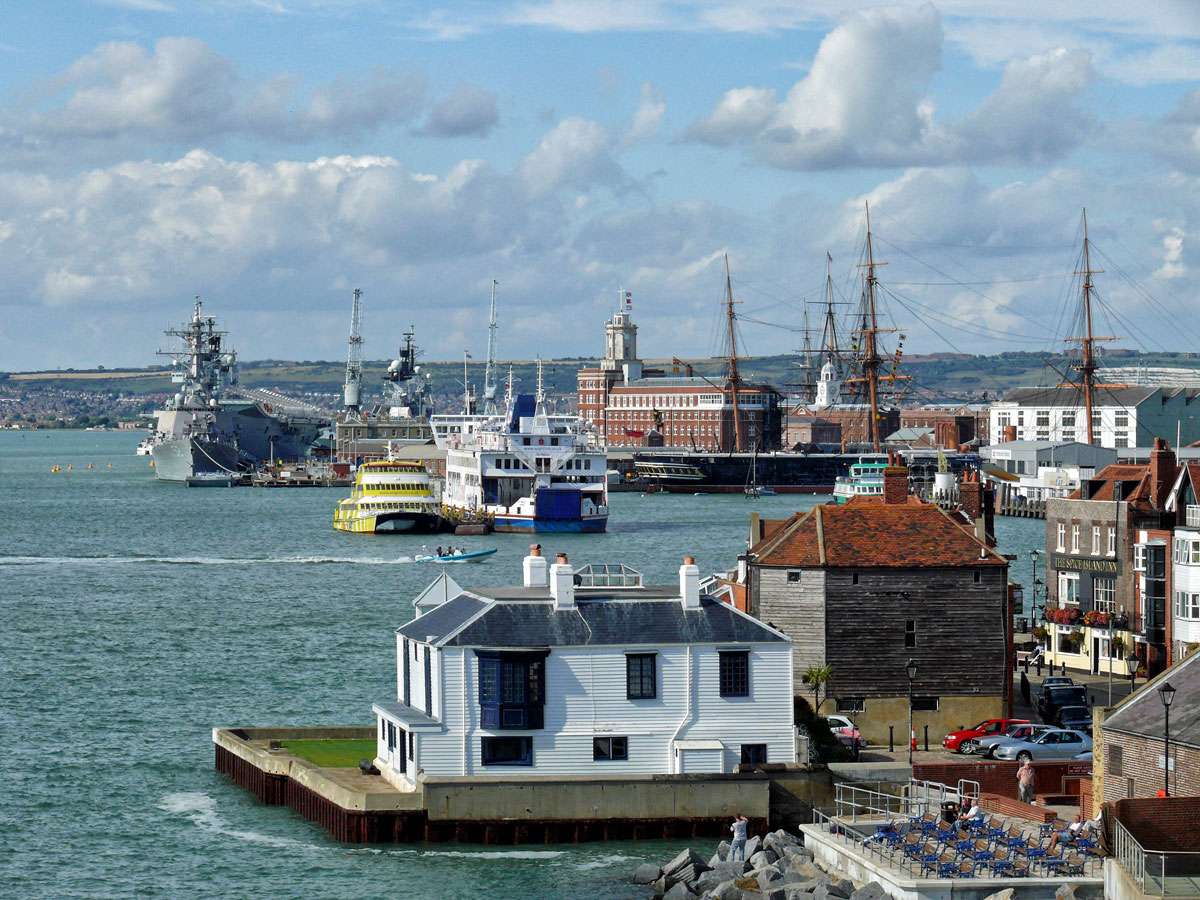
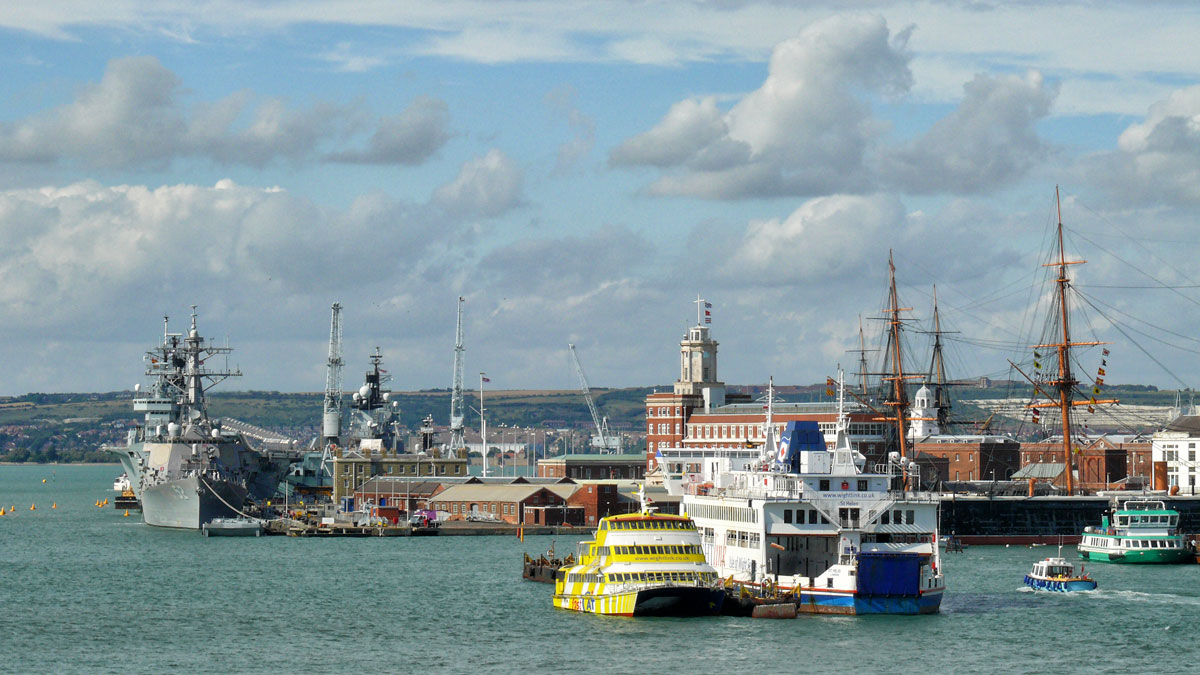
Portsmouth is a port city and naval base on England’s south coast, mostly spread across Portsea Island. It’s known for its maritime heritage and Portsmouth Historic Dockyard.

The dockyard is home to the interactive National Museum of the Royal Navy, the wooden warship HMS Victory, where Nelson died in the Battle of Trafalgar, and HMS Warrior 1860. The Tudor ship Mary Rose is also conserved in a dockyard museum.

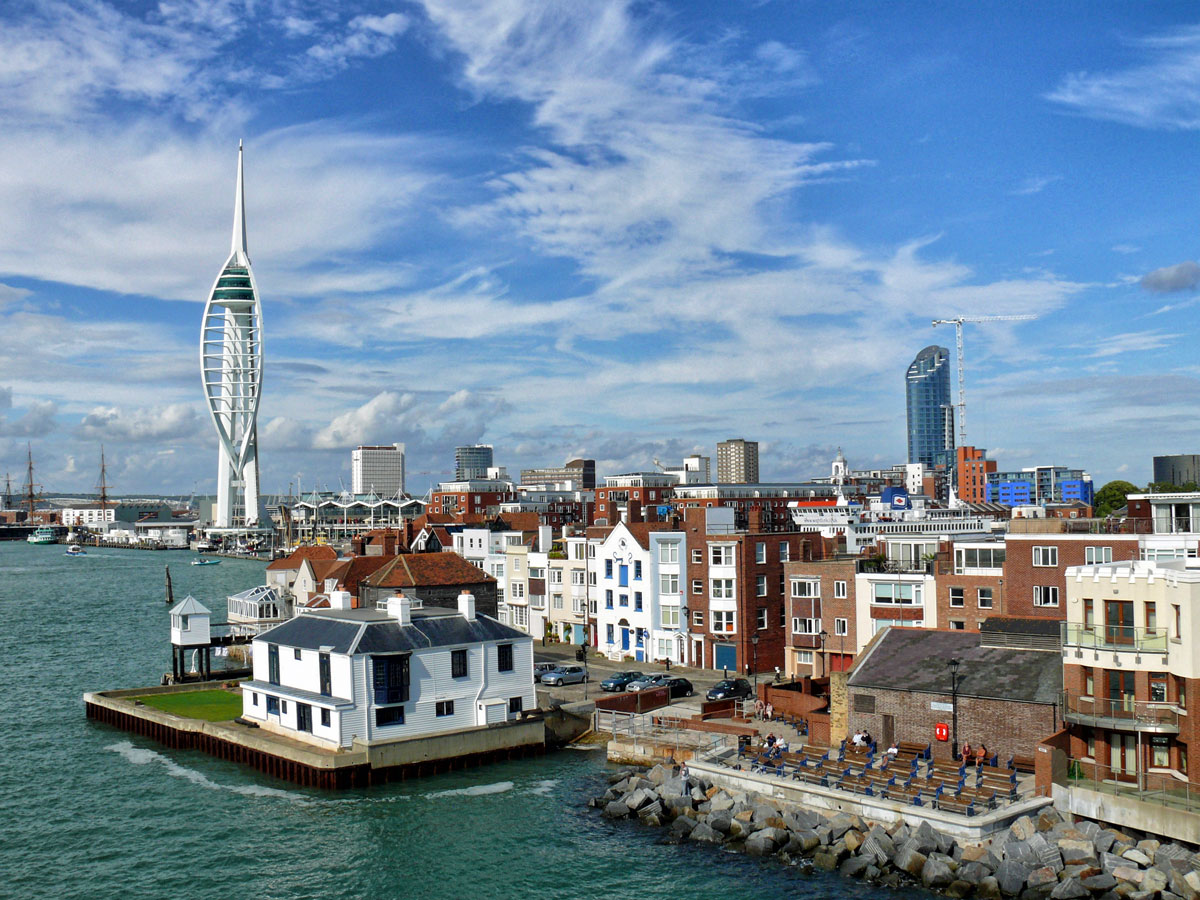
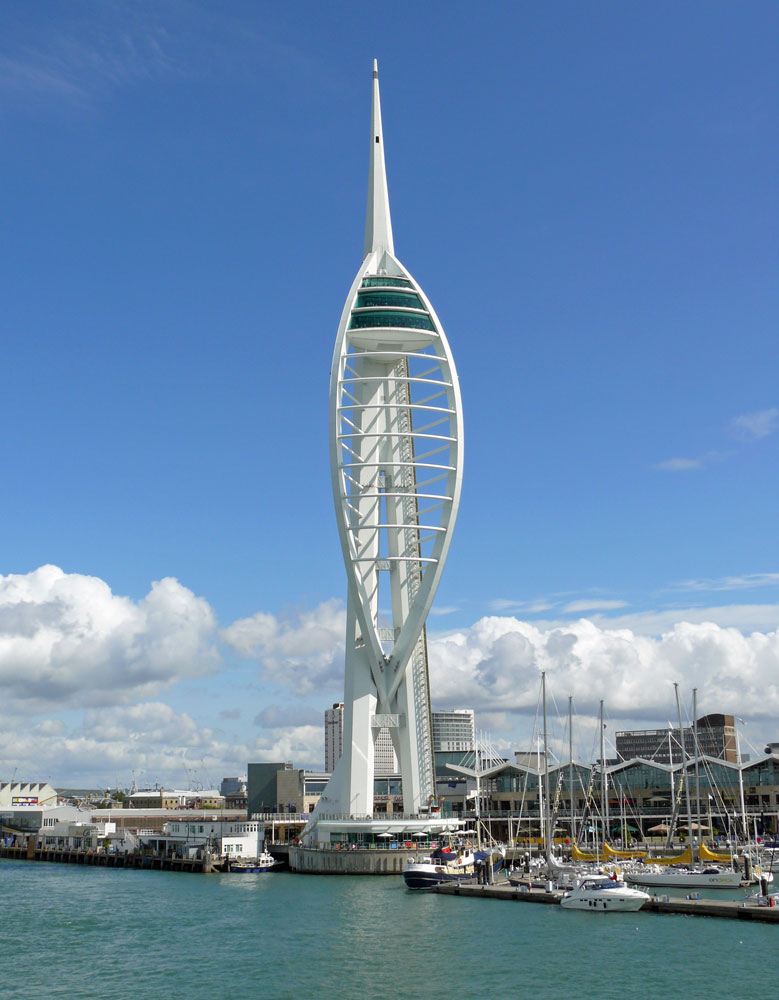
The Spinnaker Tower is a 170-metre landmark observation tower which reflects Portsmouth’s maritime history through its design and is named after a spinnaker, a type of sail that balloons outward. The tower was opened on 18 October 2005.

Having previously lived in Hampshire and Surrey and even done a spell of teaching in Portsmouth this is not a city that screams out ‘holiday’ destination to me, but it’s worth a day trip to visit the Historic Dockyard. There is also a good shopping mall, Gunwharf Quays, with plenty of places to eat, drink and stop for a coffee as well as the Spinnaker Tower. There is a railway station right in the harbour area and of course ferries leave here for nearby Gosport as well as the Isle of Wight, Jersey, France and Spain.

Oh and Portsmouth is also the birth place of Charles Dickens.  The house that now stands as his birthplace museum is situated on Old Commercial Road, but back then it was called Mile End Terrace.