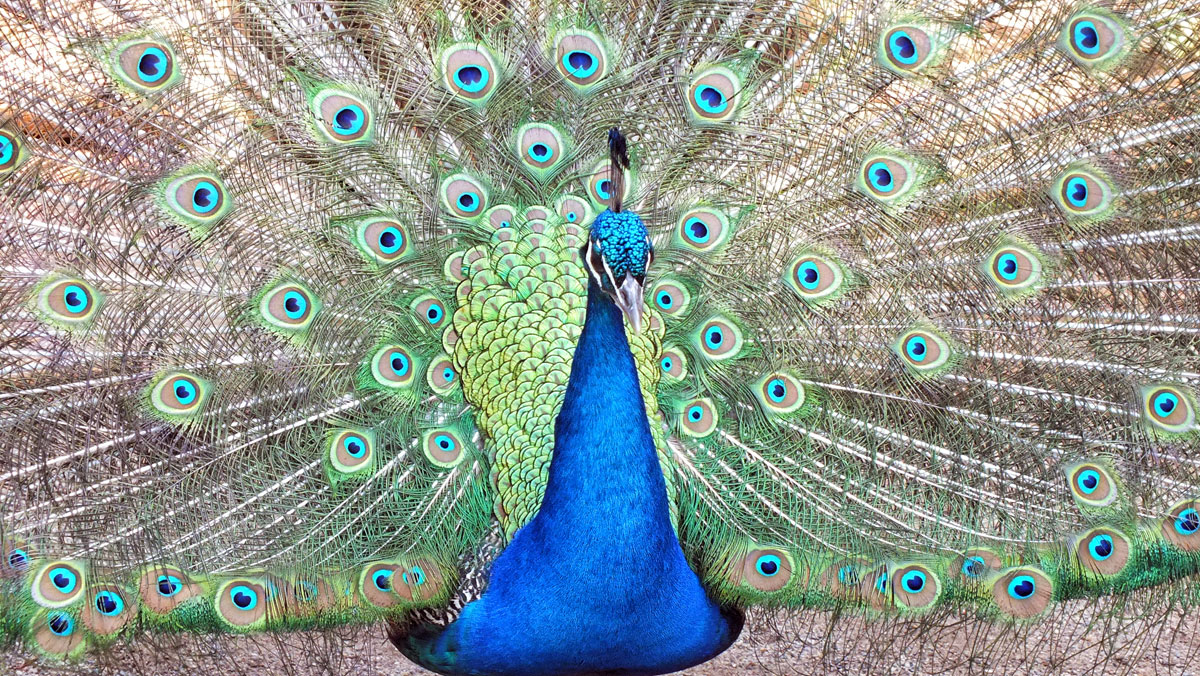
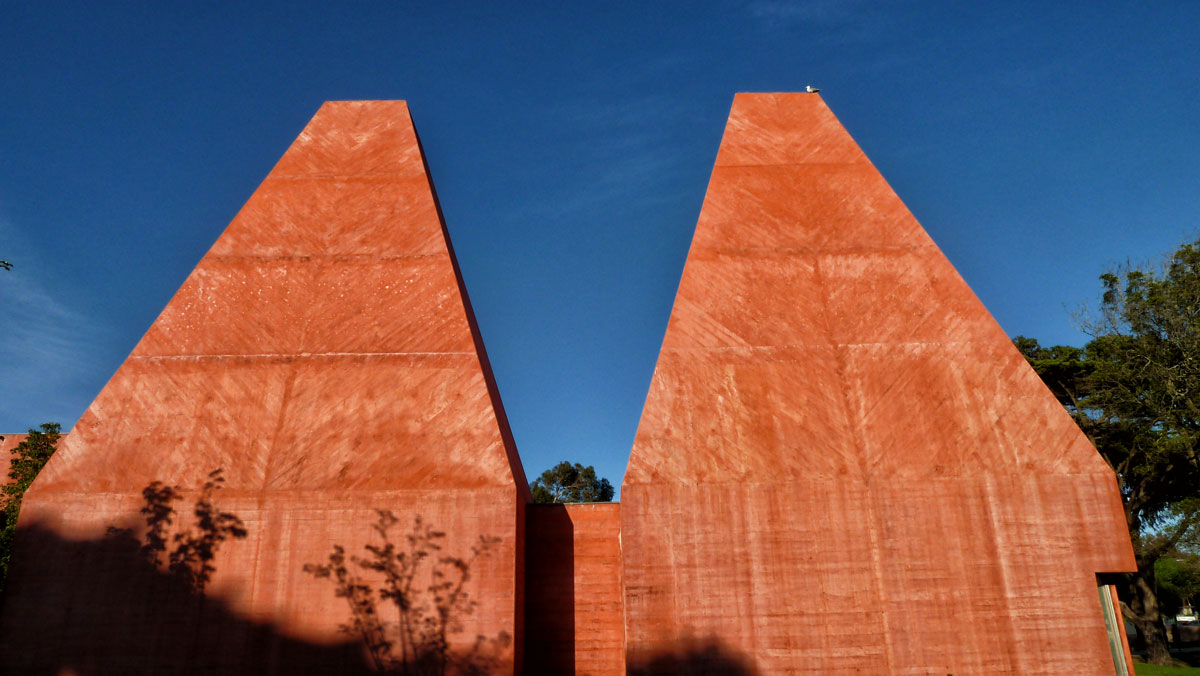
Whilst wandering around Cascais we found a short cut to the coastal road north past the interesting bold pyramid shaped towers of the Casa das Histórias Paula Rego which led into an extensive park (Marechal Carmona Park also known as Gandarinha Park) with gardens, architectural and sculptural interests and where we came across a peacock with the largest / longest tail I have ever seen.
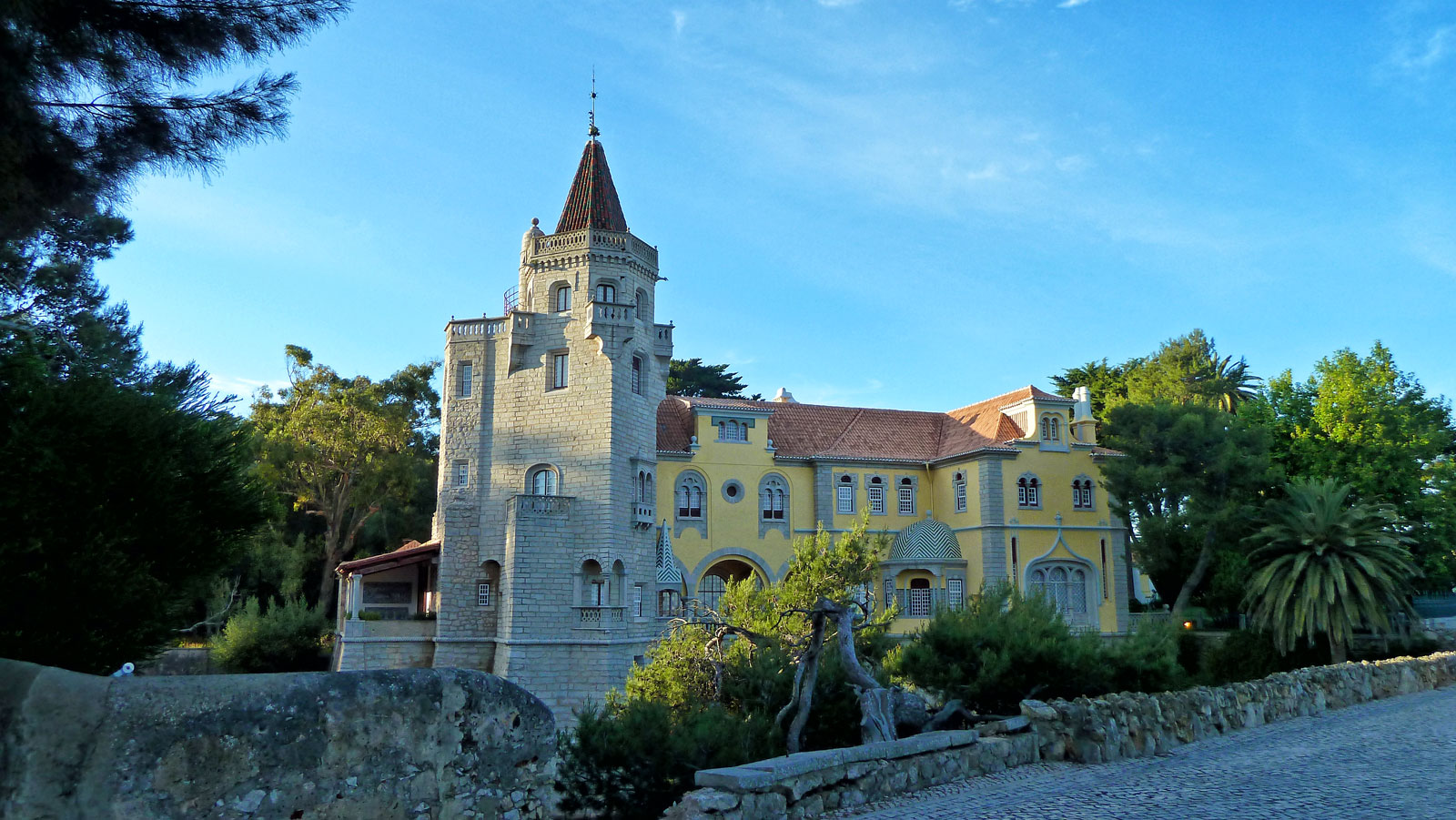
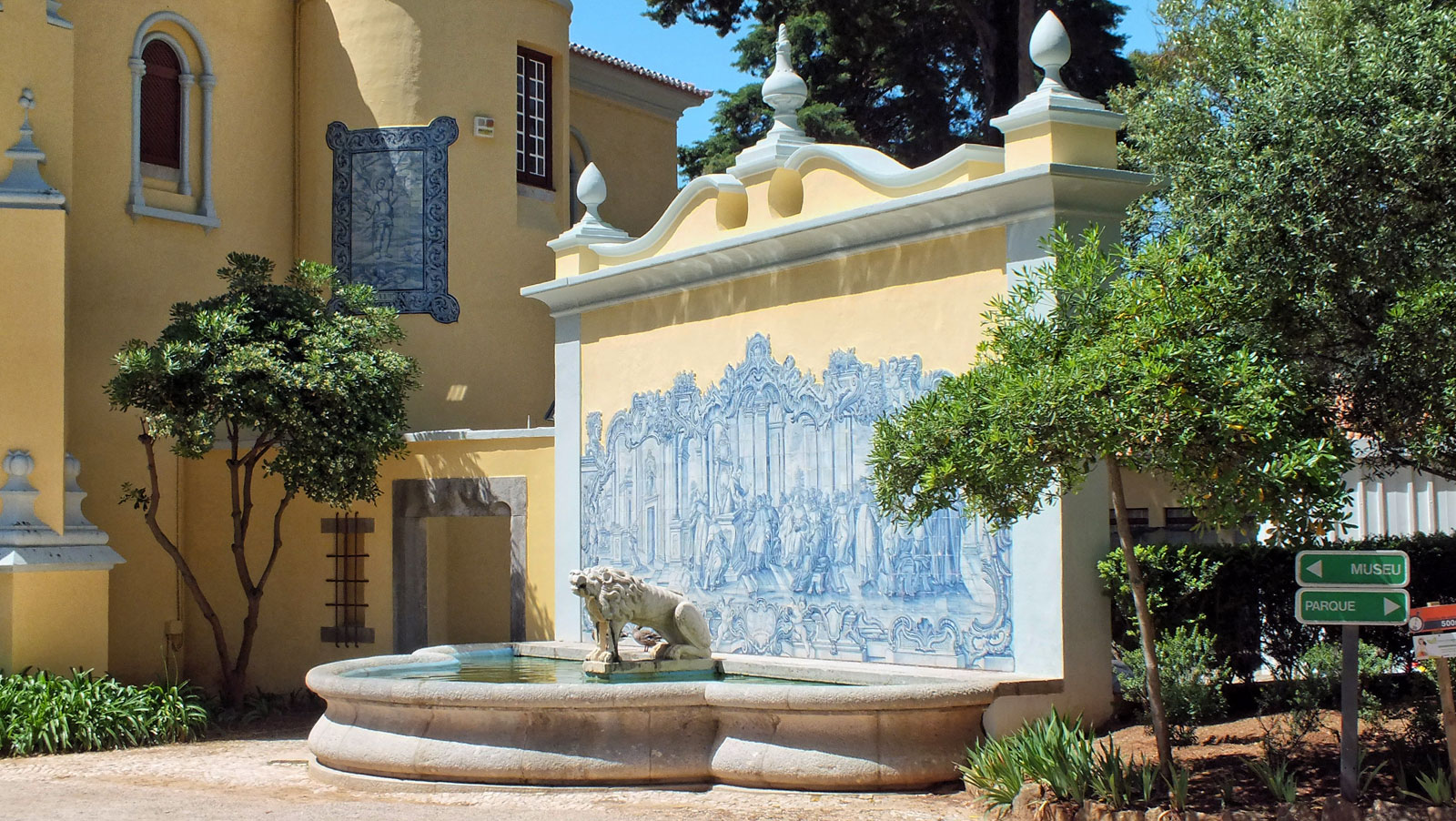
We also came across the Museu Condes de Castro Guimarães – a charming fairy-tale example of the revivalist architectural style built in 1897.
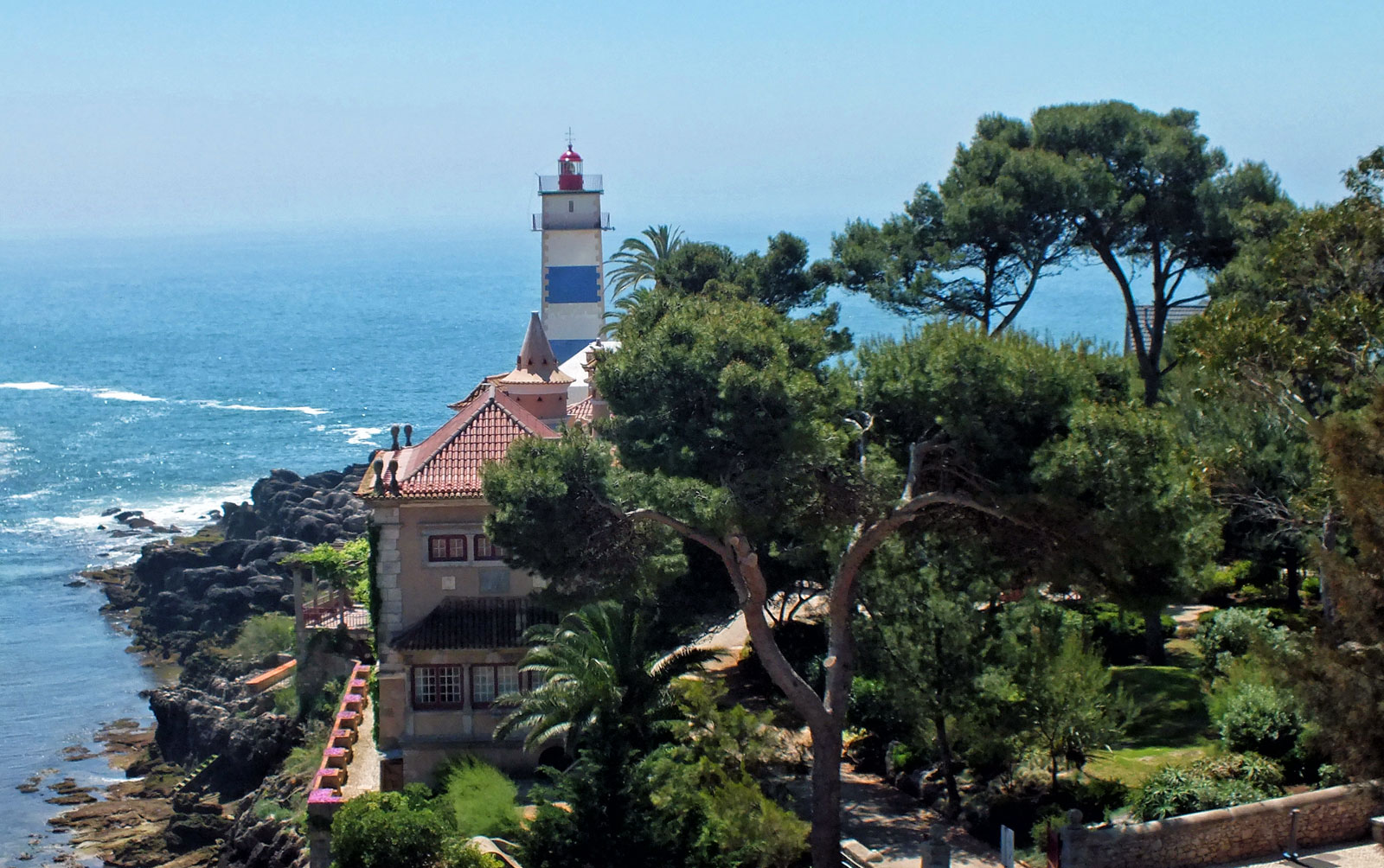
The museum’s exhibits include an impressive art collection, rare pieces of Indo-Portuguese furniture, a few prehistoric archaeological remains and a library and if you climb up to the tower there are impressive views over the Santa Marta bay and the Santa Marta Lighthouse.
Views from the tower to the Santa Marta Lighthouse
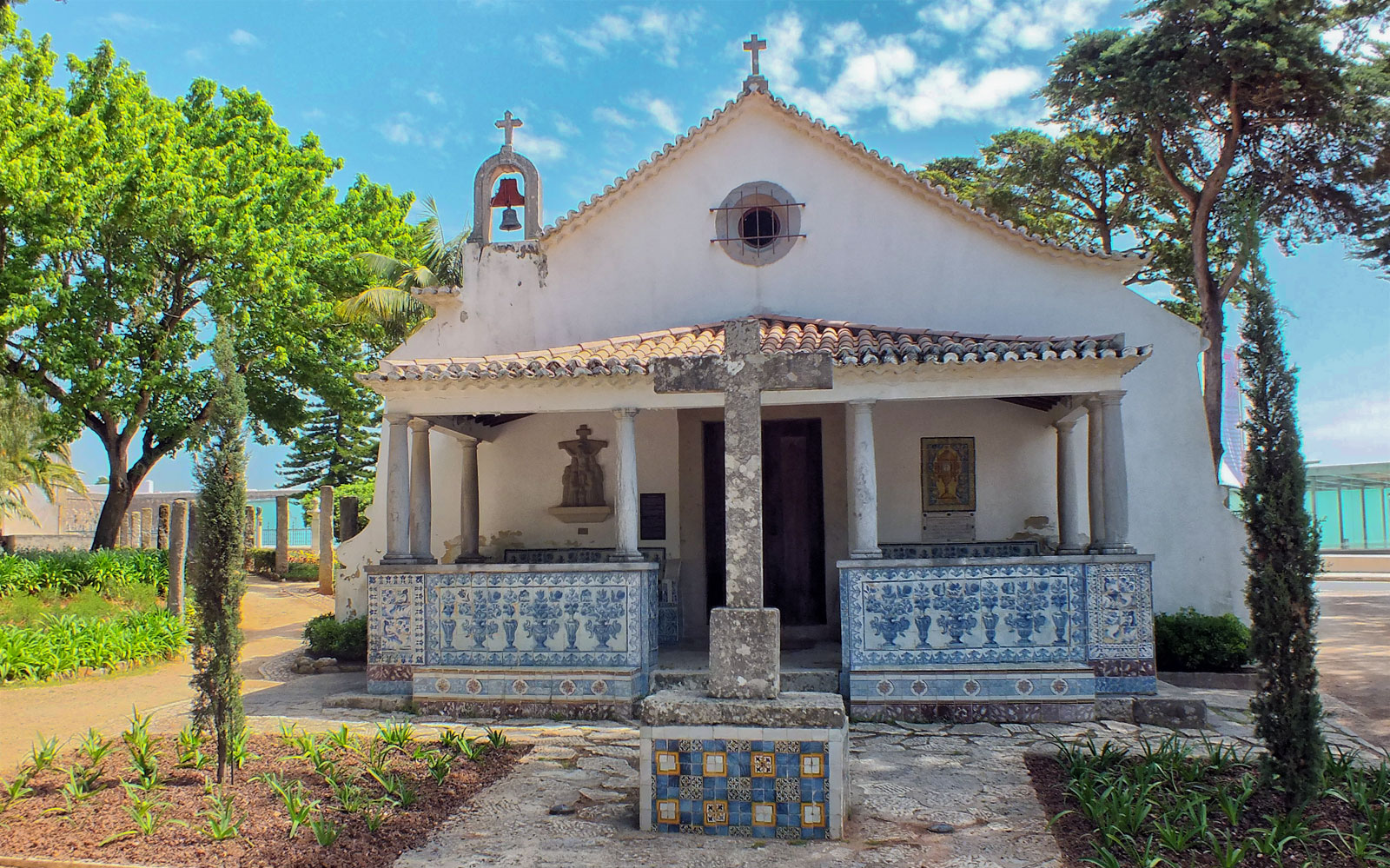
After visiting the museum and the pretty Chapel of Saint Sebastian, which is close by, we walked down to the lighthouse to have a closer look before going for lunch at a restaurant overlooking the bay.
Chapel Sao Sebastiao (17th century)
There is a lot more to this seaside resort than you might first think, plus it is an easy train ride into Lisbon and also a cheap bus ride to the historic town of Sintra. A perfect base in my opinion.
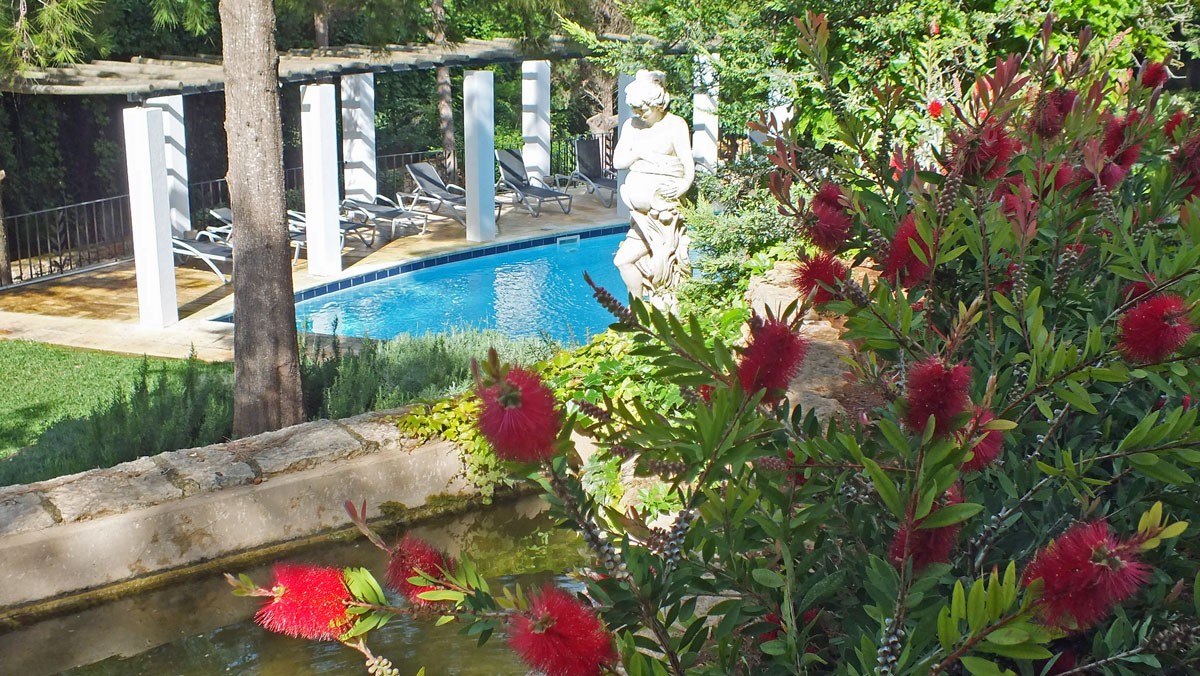
After spending several days in Lisbon we headed out of the city to Cascais for a few days, to a charming guest villa/hotel set amidst lush gardens (with a pool) and within 10 mins walk to the old town along a tree-lined street.
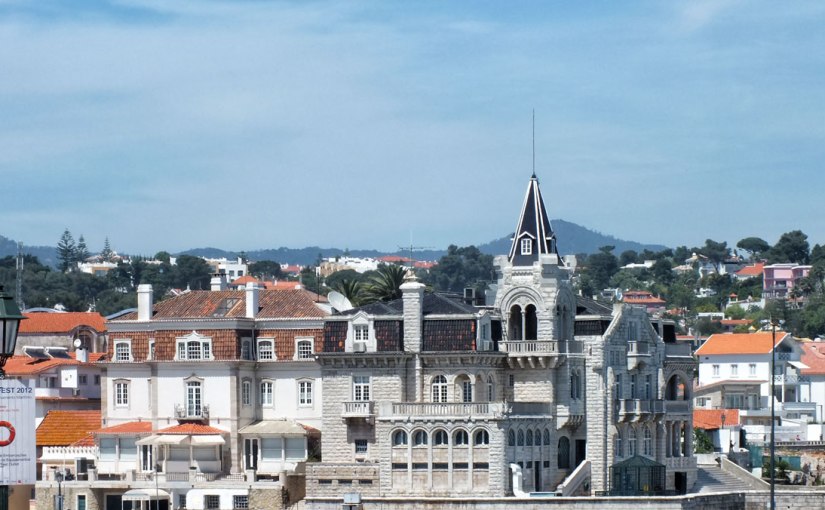
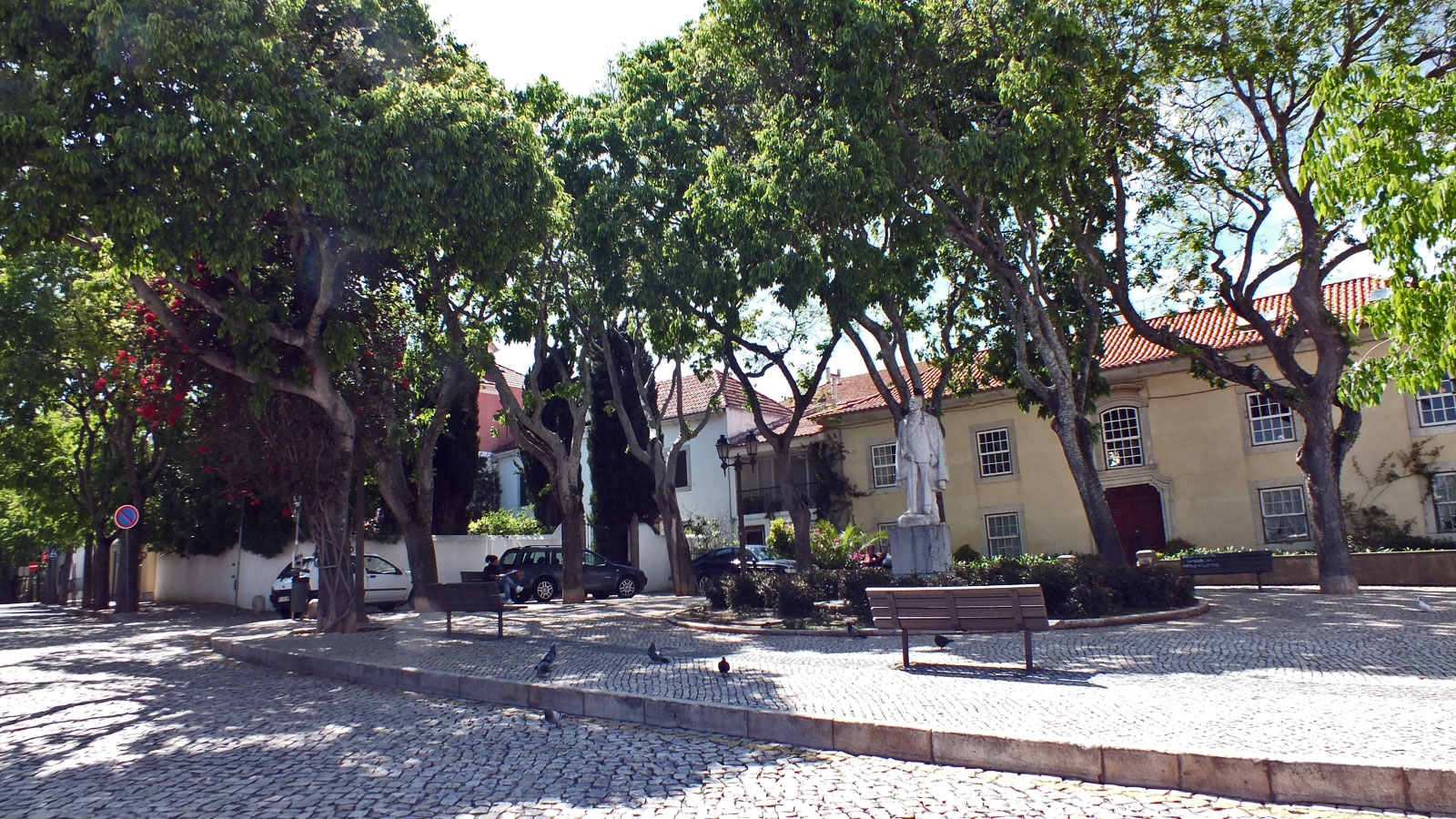
We happily wandered around exploring the maze of cobbled streets, finding authentic restaurants (including a marvellous steak restaurant Armazém 22 which is a little off the beaten track), secluded courtyards, benches with views.
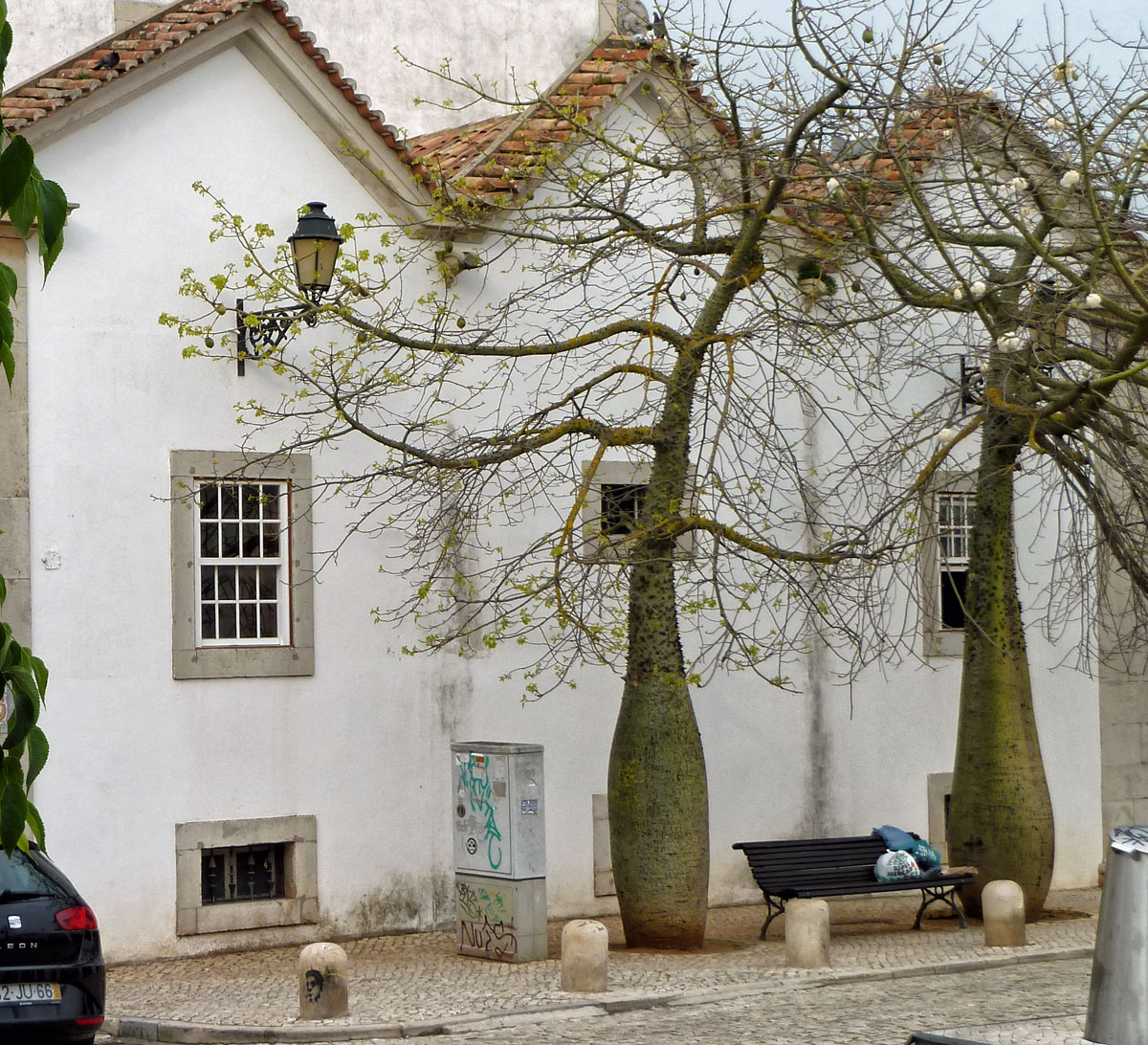
Silk Floss trees
As well as the usual Portuguese tiled façades the street signs are rather beautiful too.
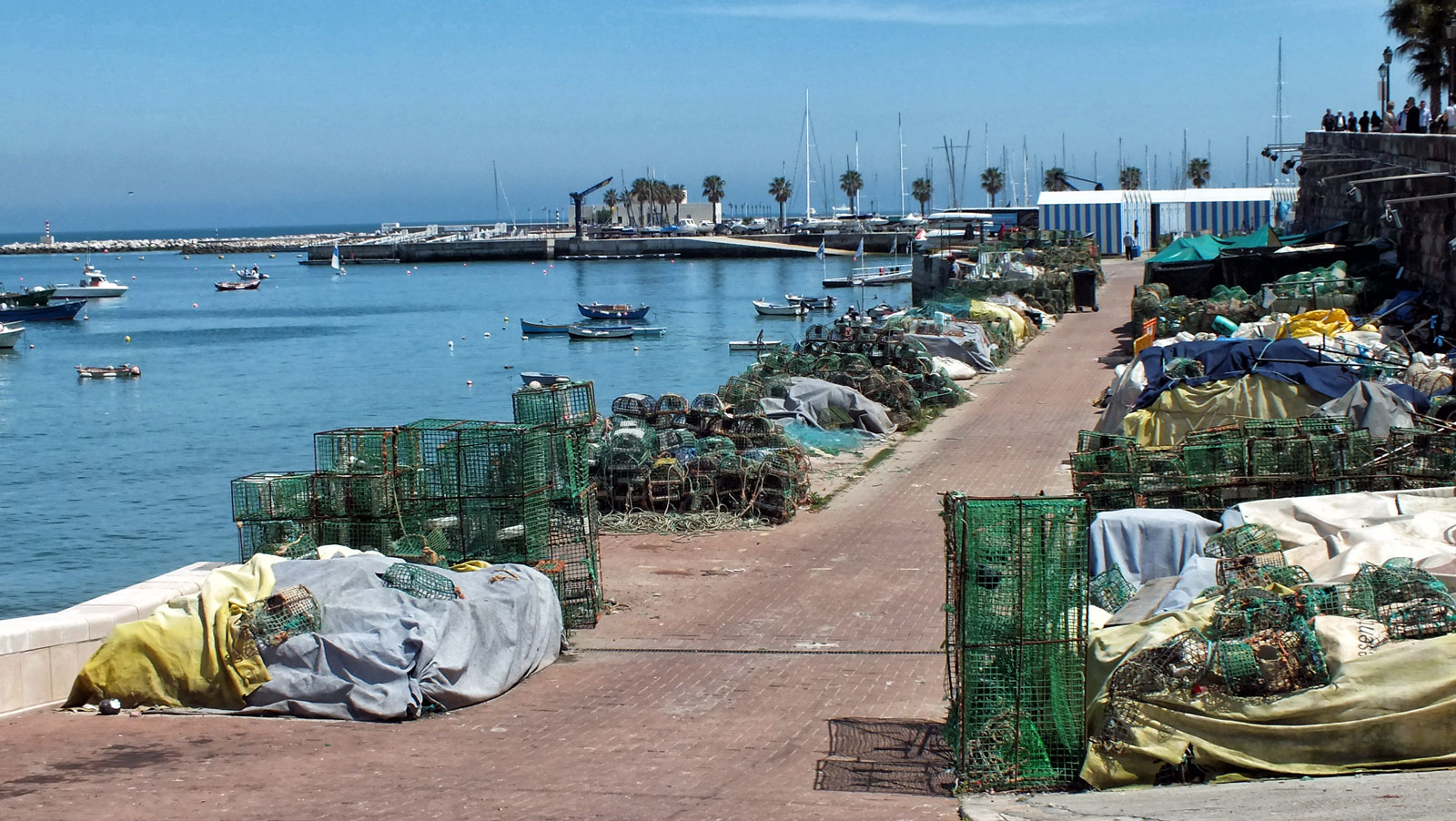
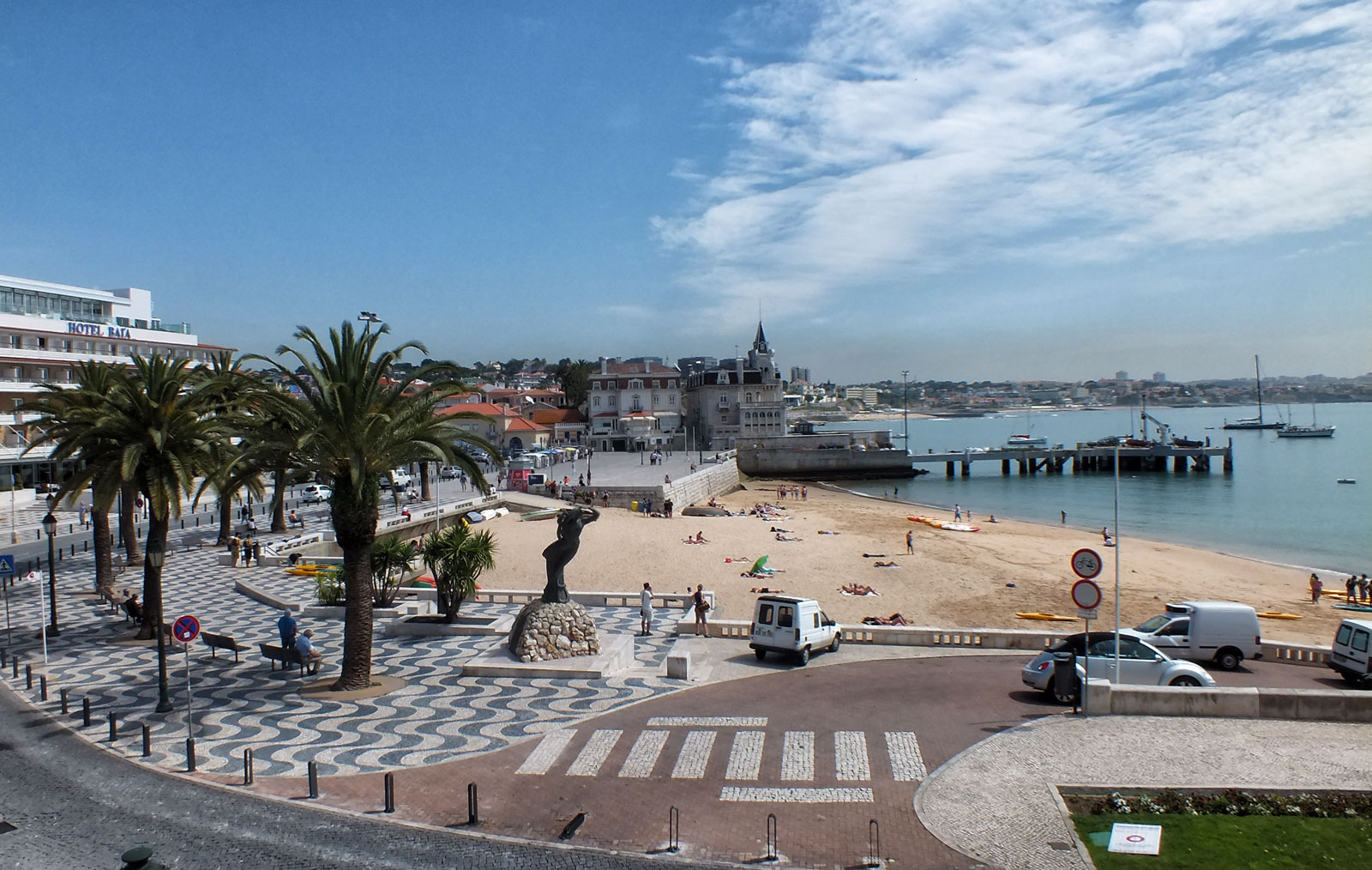
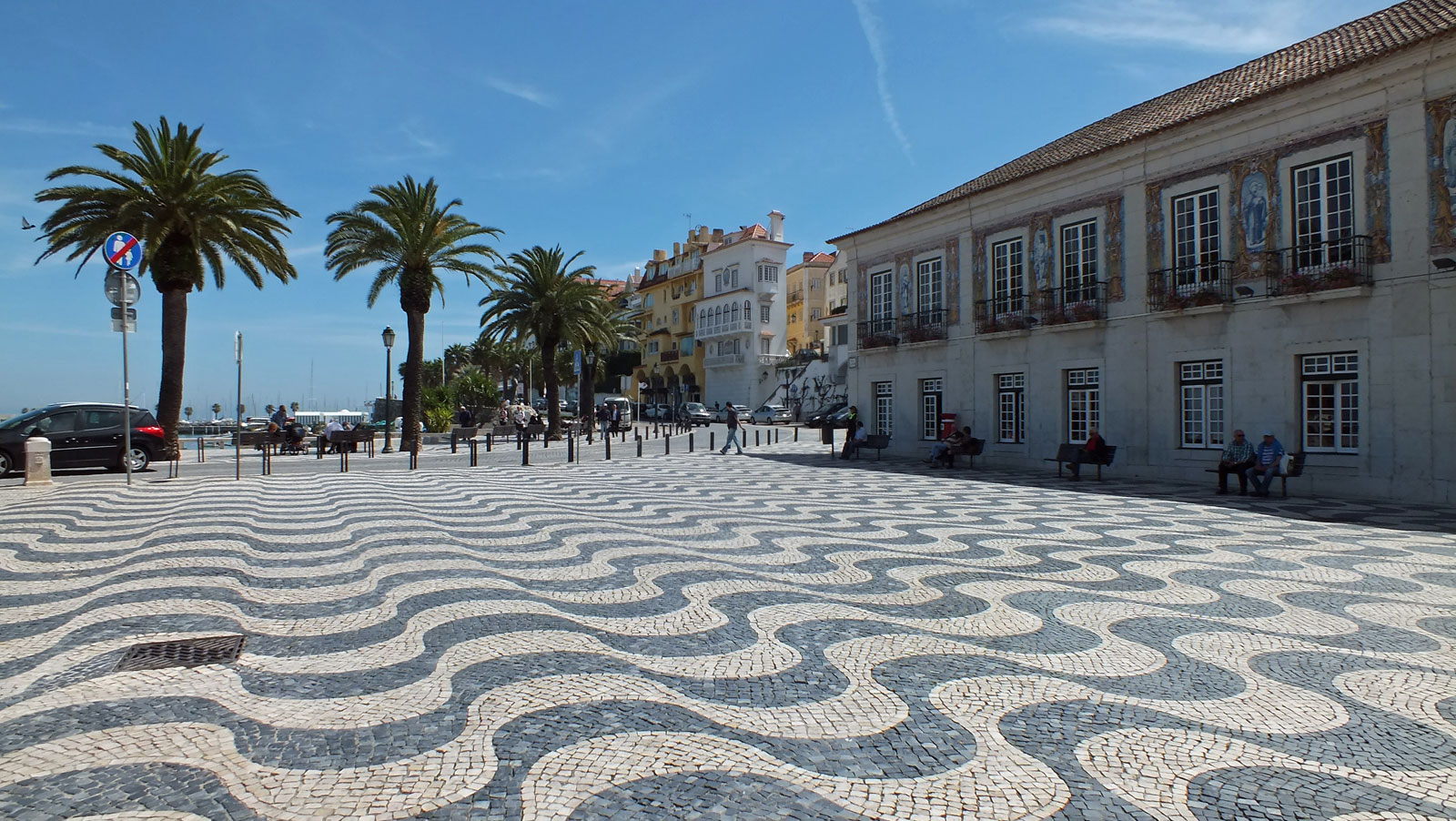
Marina where fishermen still mend their netsView from a bench over Praia da RibeiraMuseu da Vila and typical wavy paving.
There is more to Cascais than meets the eye. We enjoyed the few days we were there, mostly walking, and we discovered a lovely park with the most beautiful peacocks I have ever seen. More of that next time.
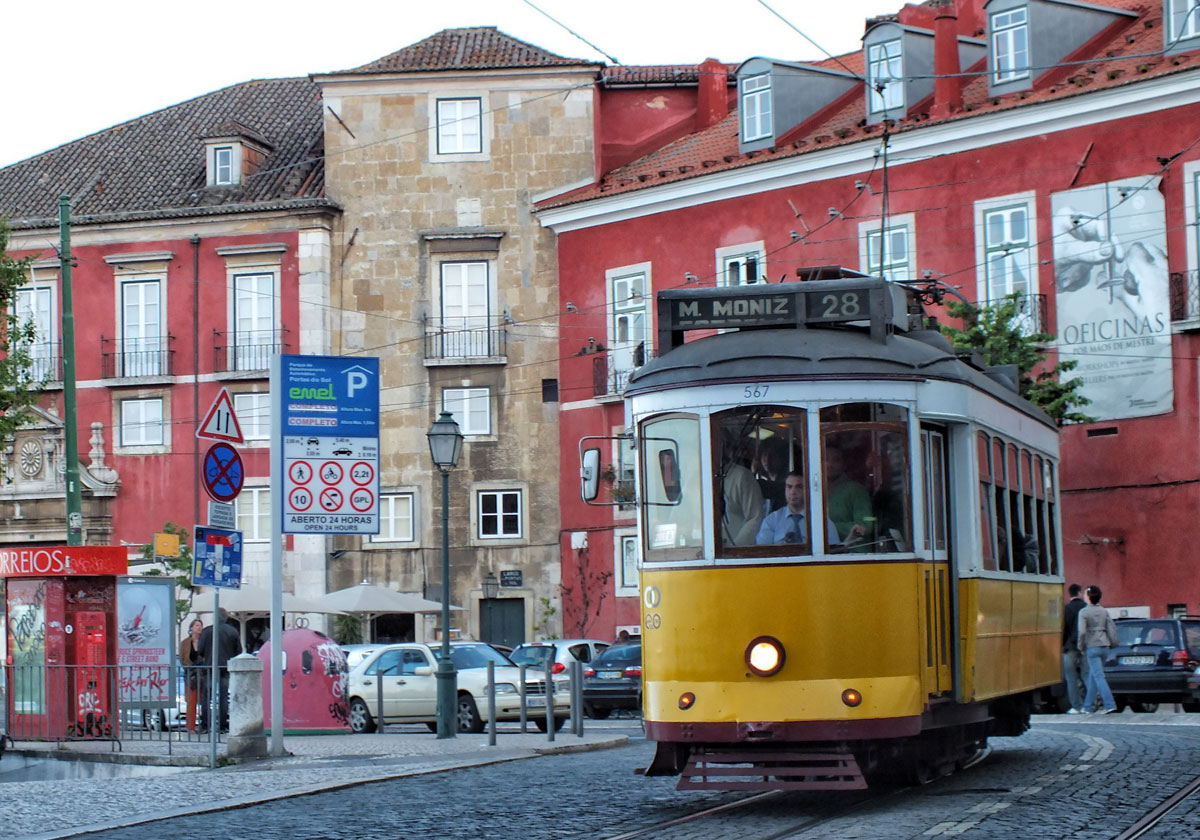
From Spain we are moving on to Portugal and the capital city of Lisbon. A compact city which despite its hills is very walkable, but you can also get onto one of the historic trams which is a common mode of transport for Lisbonites. The no. 28 is the best known, but there are others.
Tram 28 in Alfama district
And don’t miss the Glória funicular which leads to the São Pedro de Alcântara Miradouro overlook above Lisbon or the Santa Justa elevator designed by Ponsard, a disciple of the great master of iron works, Gustave Eiffel, more than a hundred years ago.
I spent a few days exploring, mainly walking around the various districts of Alfama, Bairro-Alto, Baixa-Chiado and Rossio and admiring the views from the various viewpoints around the city.
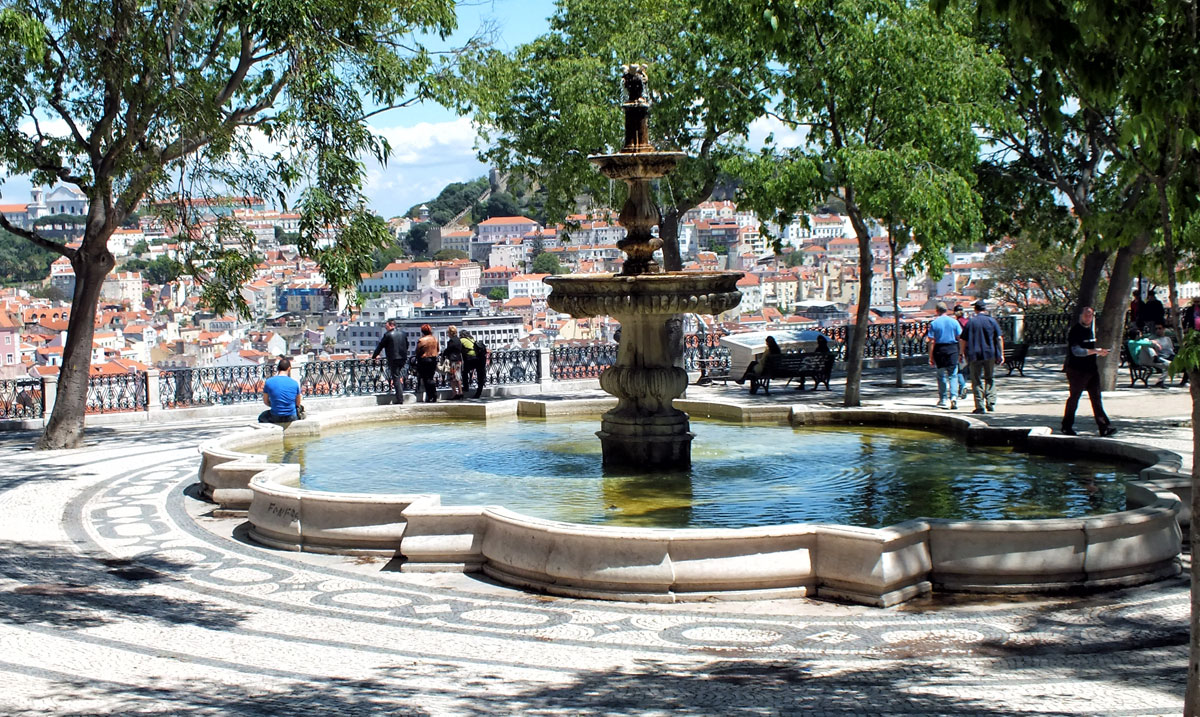
São Pedro de Alcântara Miradouro
But do not miss a visit out to Belém where you will find two unique monuments: Jerónimos Monastery and the Tower of Belém which are World Heritage Sites. This historical and scenic district, along the River Tagus, is about 3 miles (5 km) west of downtown Lisbon. Getting there by the 15E tram (which goes to the tower) proved difficult from the train station Cais Sodré, as by the time it reached this stop it was full. Patience paid off though and just when we were considering catching a bus, one came along with standing room.
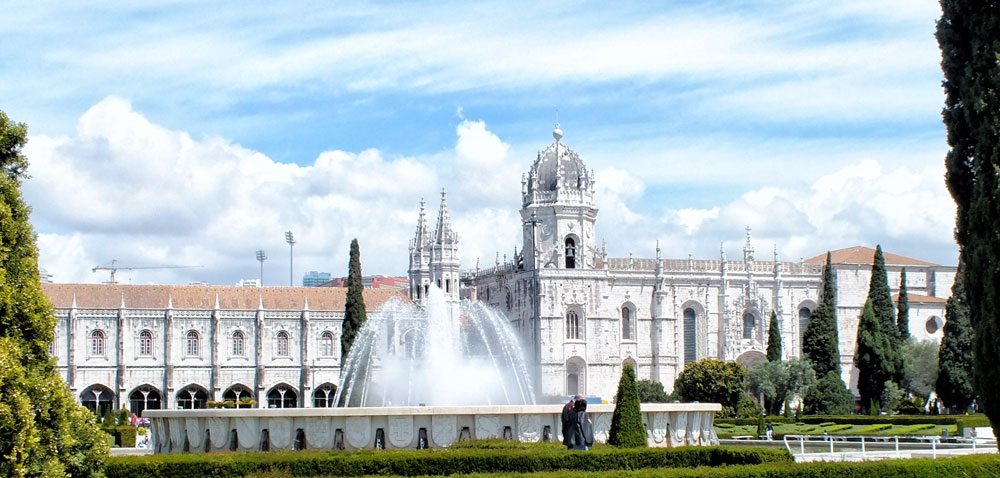
Jerónimos Monastery in the Gothic Manueline style
There was already a queue to get into the monastery and with time being short we opted to just look from the exterior and instead visited the nearby Maritime Museum which is a World of Discoveries. It reflects the importance of the experience and knowledge that the pioneering Portuguese navigators brought to the world. Great if you are fascinated by the Portuguese explorers (as I am).
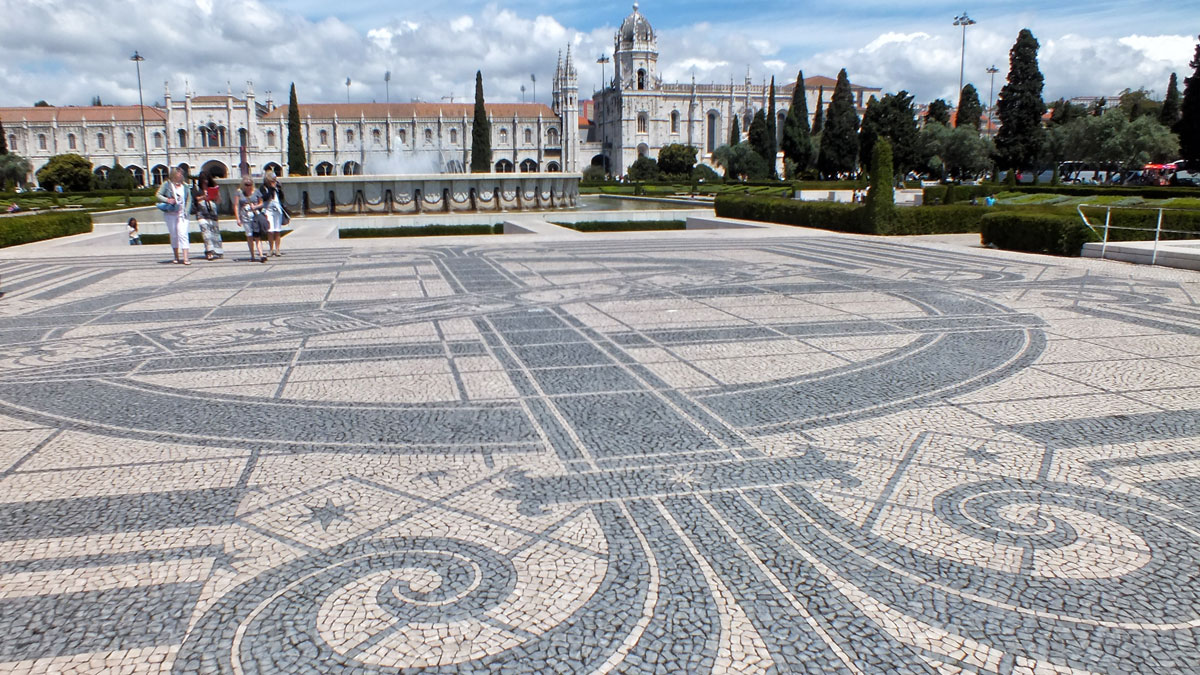
The Museum of Contemporary Art is worth a look too before crossing over to the Jardim da Praça do Império (Empire Square), built for the Portuguese World Exhibition (1940) which commemorated the 800th anniversary of the independence of Portugal and the 300th anniversary of the Restoration.
Park and Fountain
Because of a main road and railway lines you need to use an underpass to get to the area along the waterfront which is lovely.
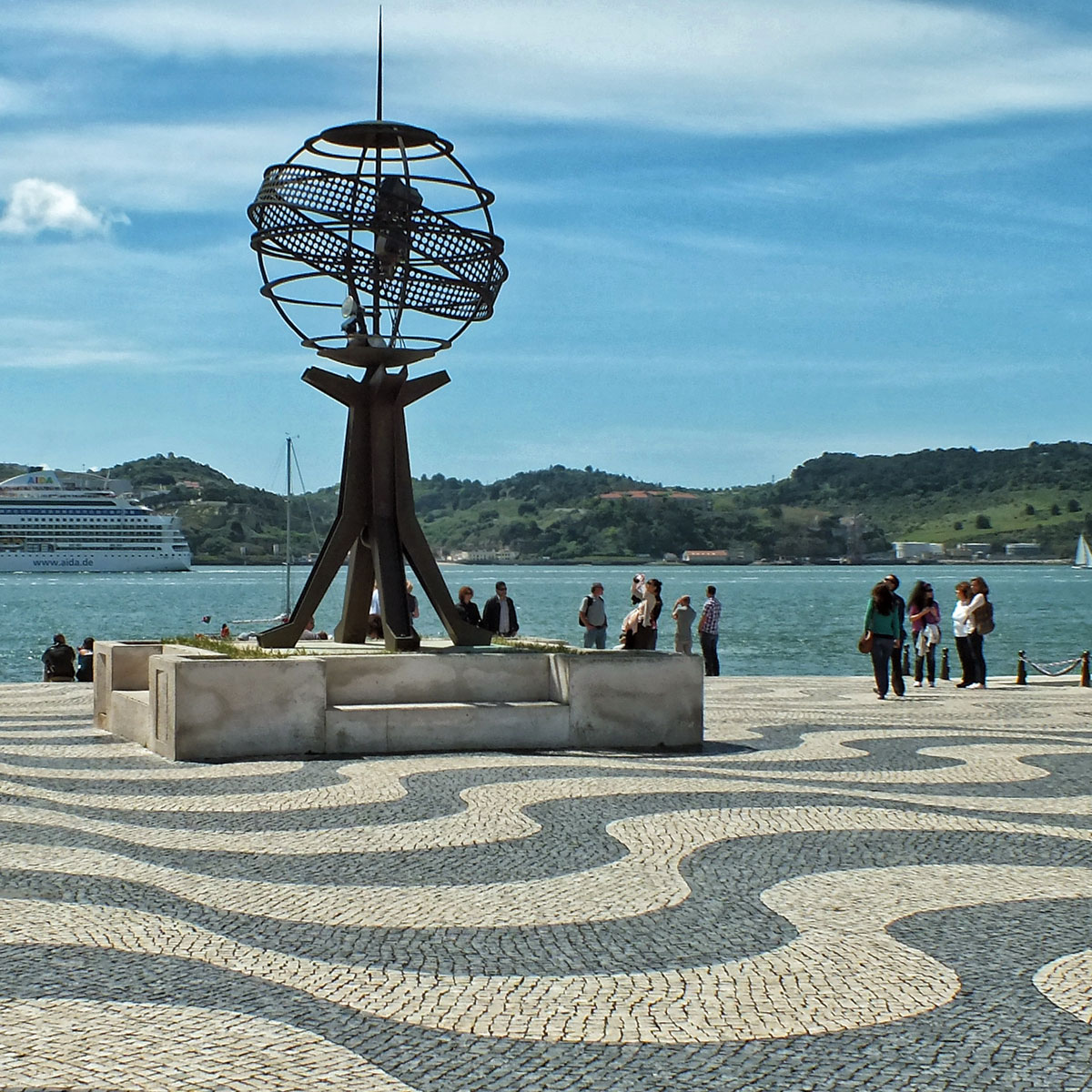
A symbol of Portuguese flag, the armillary sphere, place close to the “Padrão dos Descobrimentos”. By Edgar Barreira
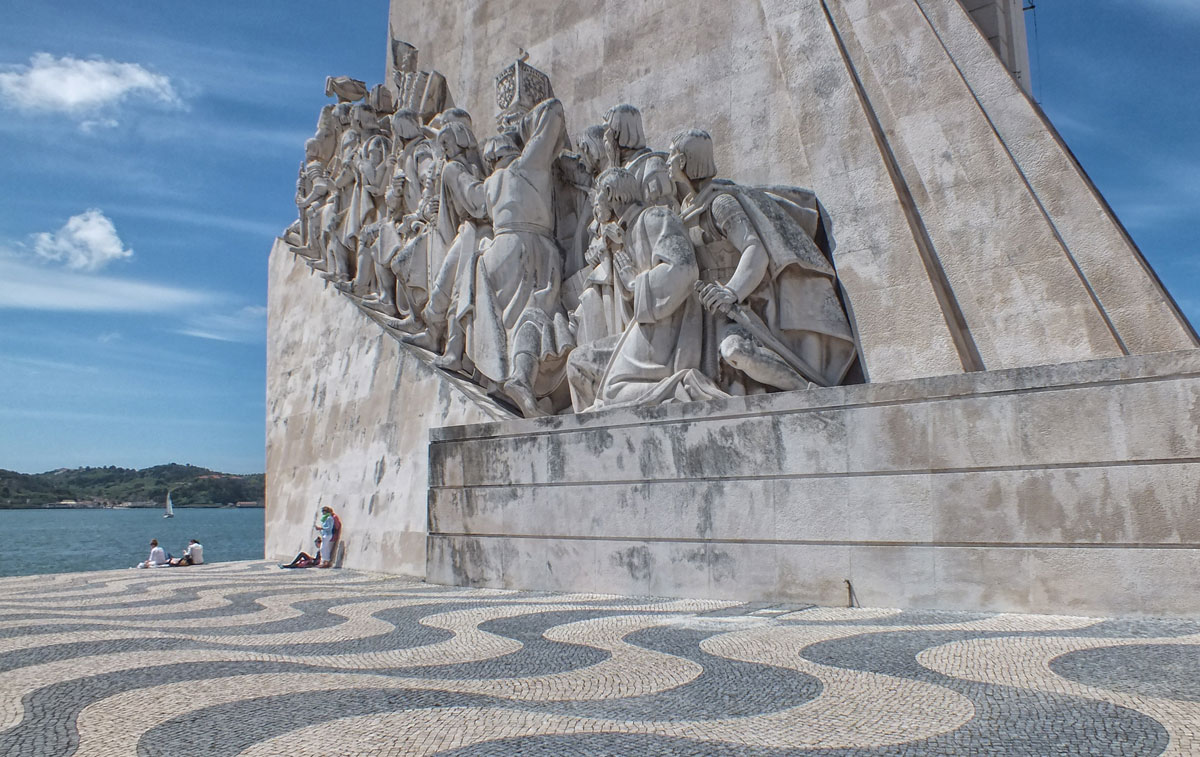
Here you find the extraordinary Monument to the Discoveries / Padrão dos Descobrimentos which was first erected in 1940 in a temporary form, as part of the Portuguese World Exhibition, built with perishable materials. The 171 ft (50 m) tall monument was reconstructed in 1960 to remember the 500th anniversary of Prince Henry the Navigator’s death. You can go up to the top but again be prepared to queue.
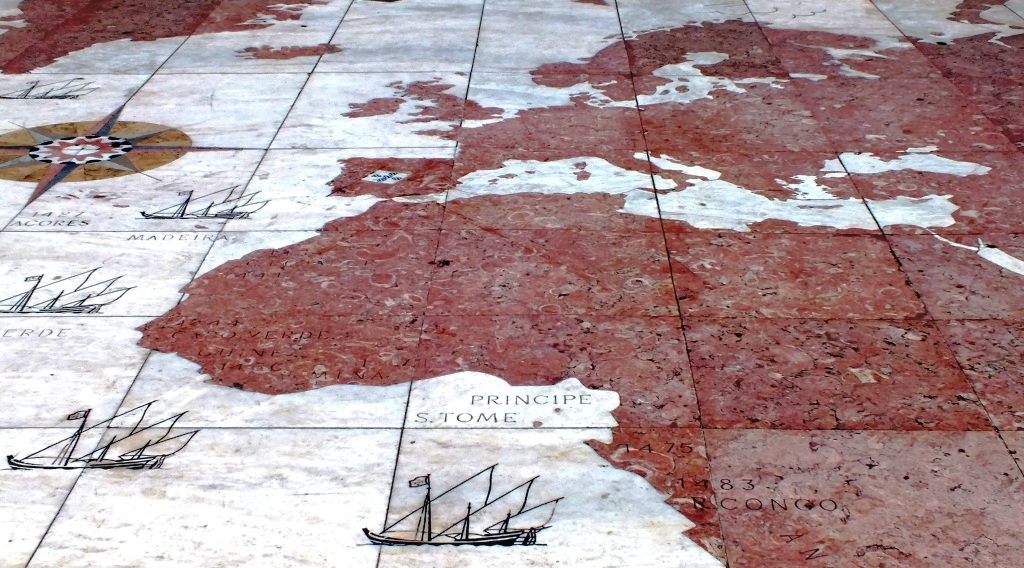
The figures includes explorers like Vasco da Gama and Magellan, monks, cartographers, kings, writers, navigators, and missionaries among many other professions. At the base of the monument is a large mosaic with a world map showing where the Portuguese explorers landed and important dates during their expeditions.
The Discovery Map
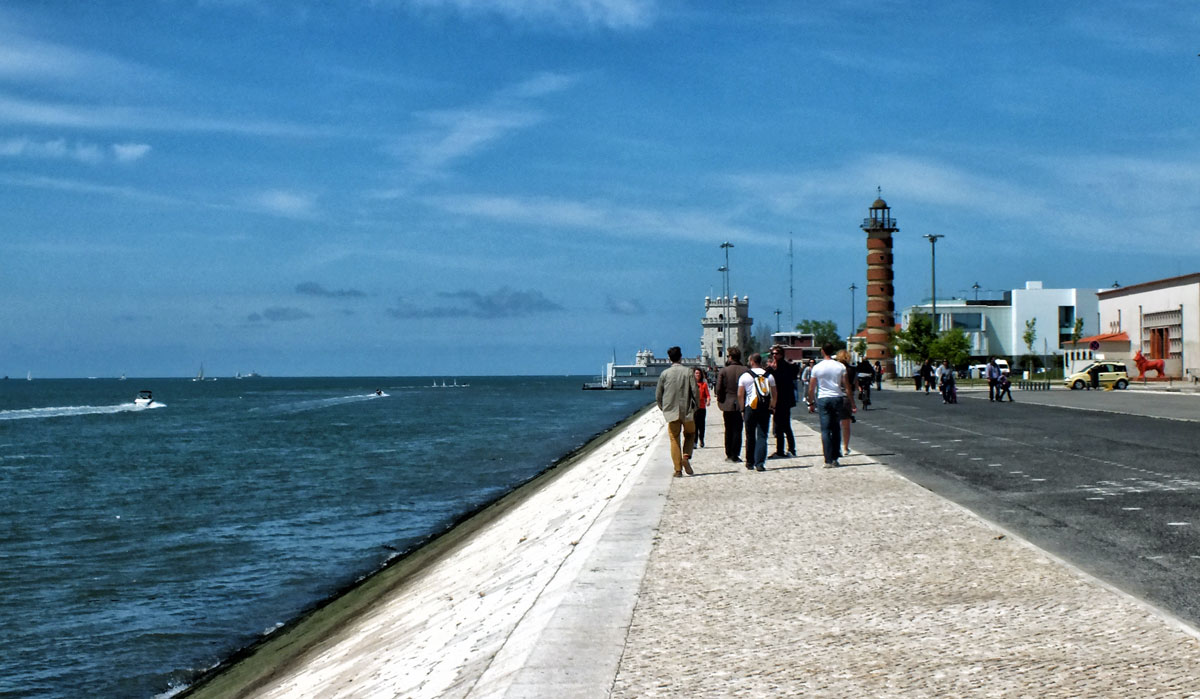
And there is a lovely walkway alongside the River Tagus to the Belém Tower,
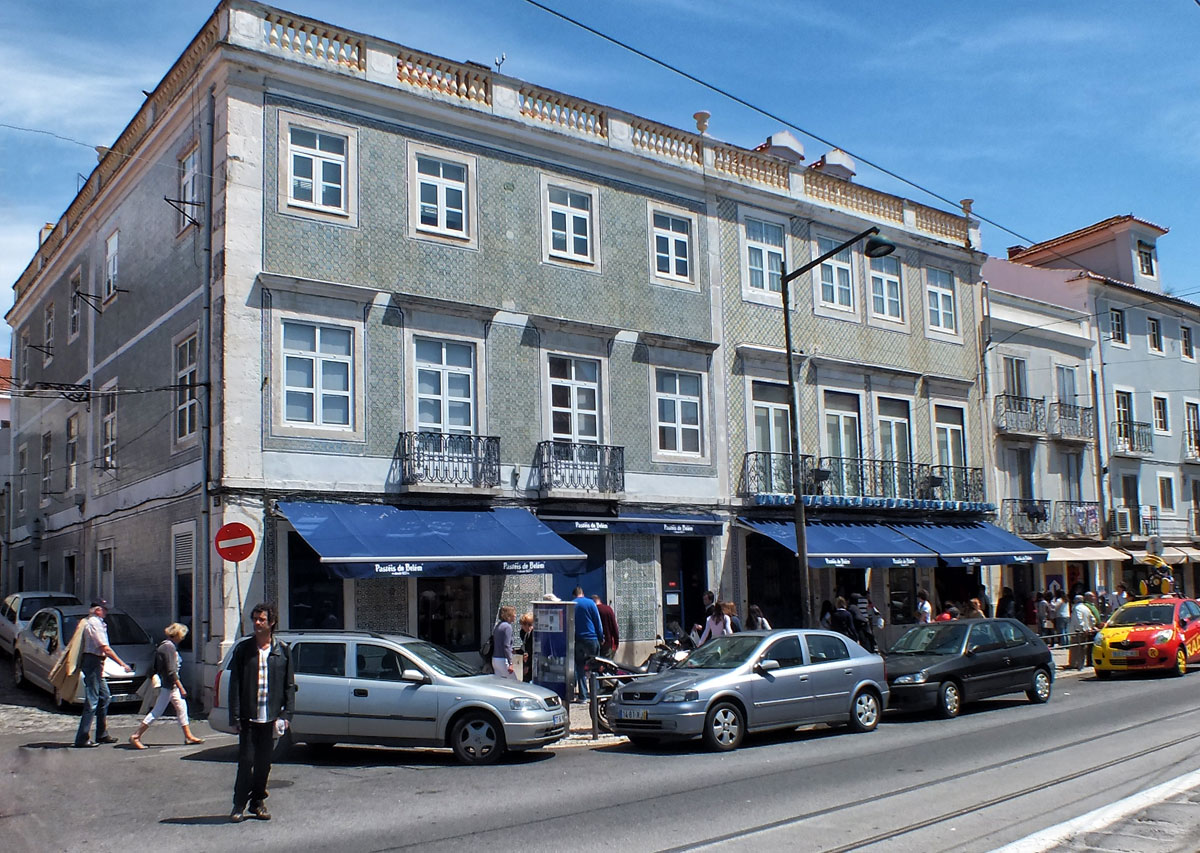
Of course our last stop was to the popular Pastéis de Belém patisserie which is the original home of the delicious Pasteis de Nata or Pasteis de Belém (custard tarts). Good coffee too.
The first thing my daughter and I did on arrival in Barcelona (after dropping our cases off at the hotel) was to join a free walking tour starting from Plaça de Catalunya and finishing at the waterfront. Of course a free walking tour is not exactly free, you are expected to offer a donation at the end of the tour, which in this case was well worth it.
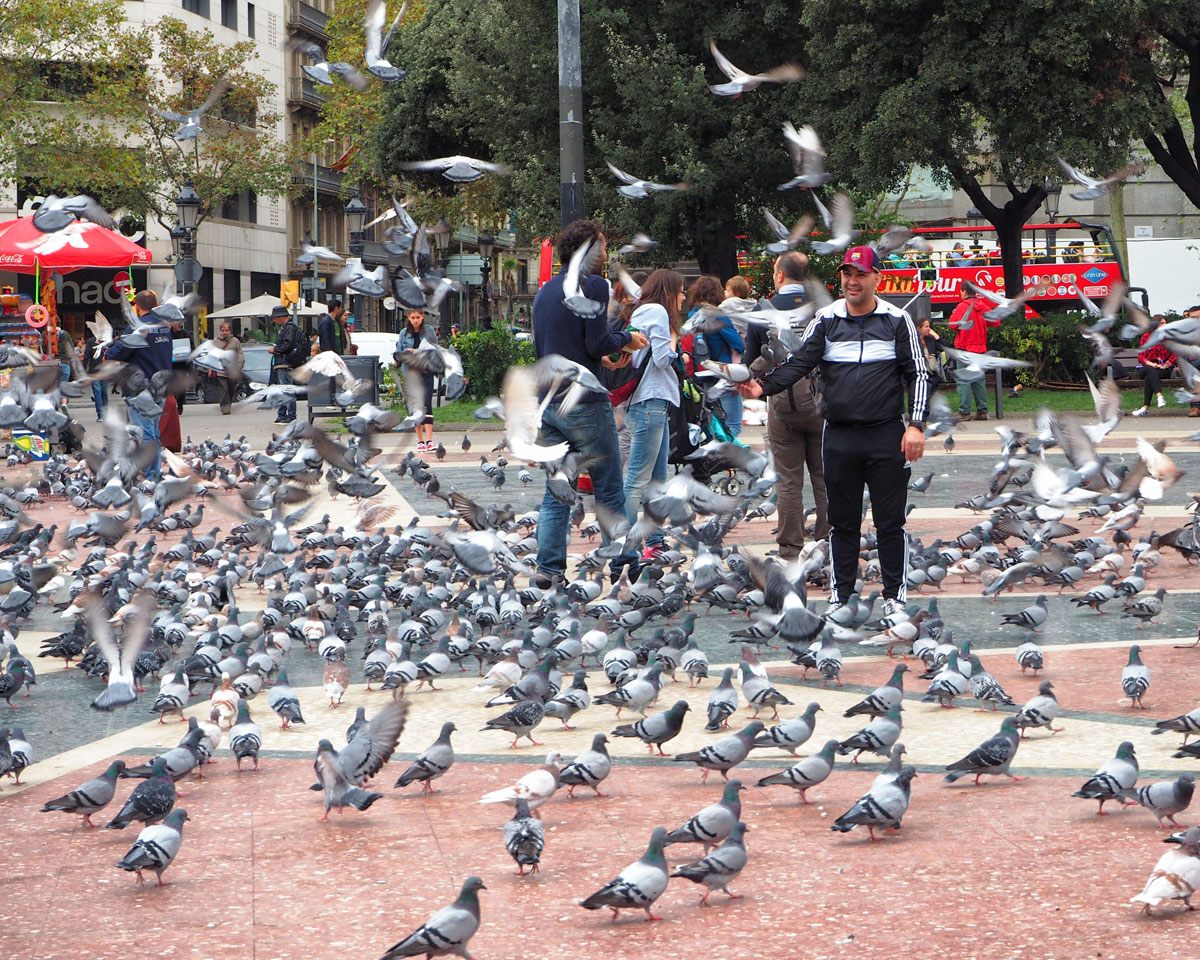
Feeding the pigeons in Plaça de Catalunya
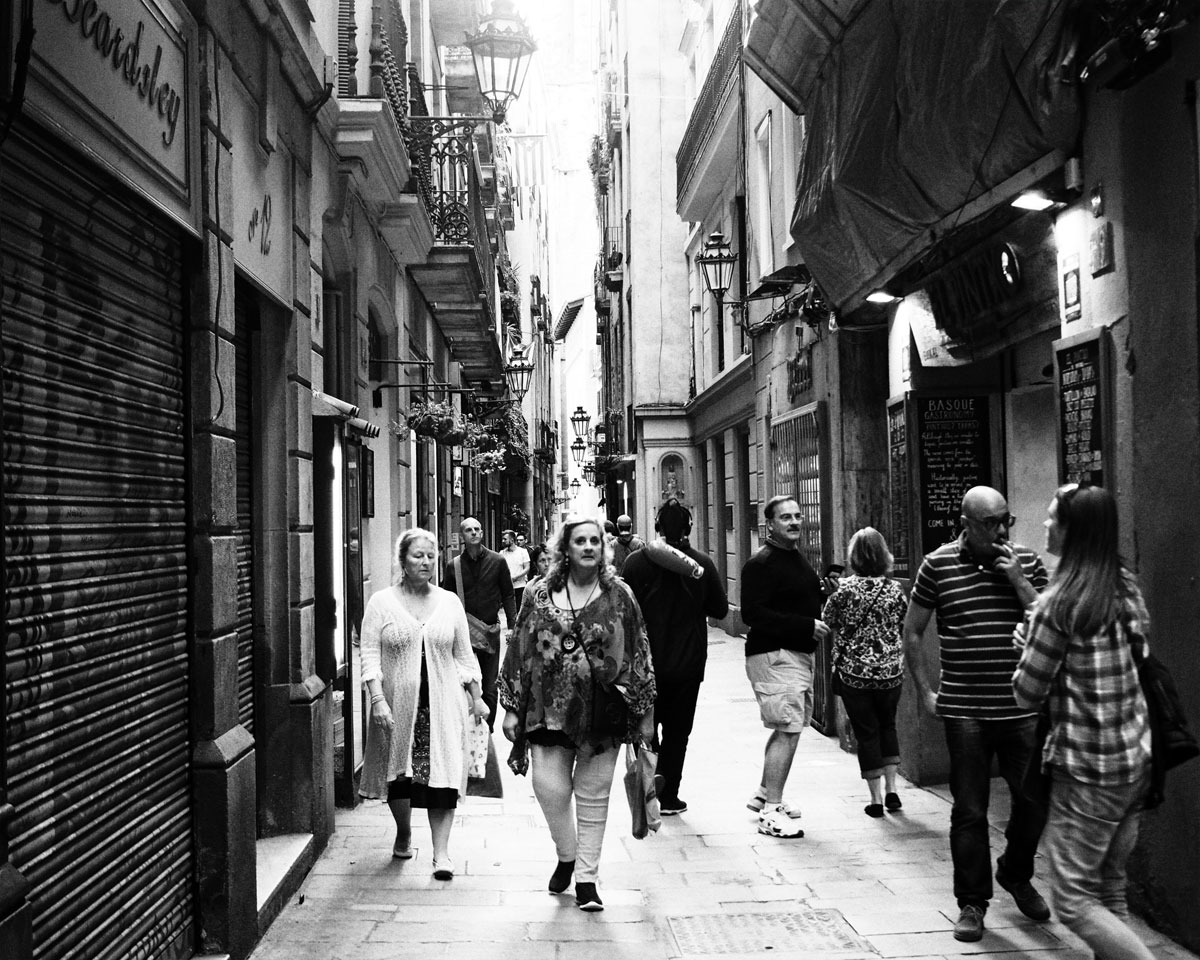
We wandered around the many back streets and the Gothic Quarter a stone’s throw from La Rambla and believe me there are so many narrow alleyways that when we tried to find some of the places later on by ourselves, we got completely lost.
Carrer Petritxol, in Barcelona’s Gothic Quarter – it has a lot of shops, murals, and art – and home to one of Barcelona’s most delectable treats: the perfect hot chocolate and churros.
Just about every shuttered doorway is covered in murals and graffiti and I was frantically snapping shots as we moved on.
Barcelona is a shopaholic’s paradise as well as being full of historical buildings and art. I was fascinated by these tiled murals that decorate the walls in this narrow pedestrian street, Carrer Petritxol, in Barcelona’s Gothic Quarter. It runs from Portaferissa to Plaça del Pi, not far from La Rambla. The murals tell stories of past events and famous residents or visitors.
There are several art galleries along this street as well as shoe shops, soap shops and chocolate shops!
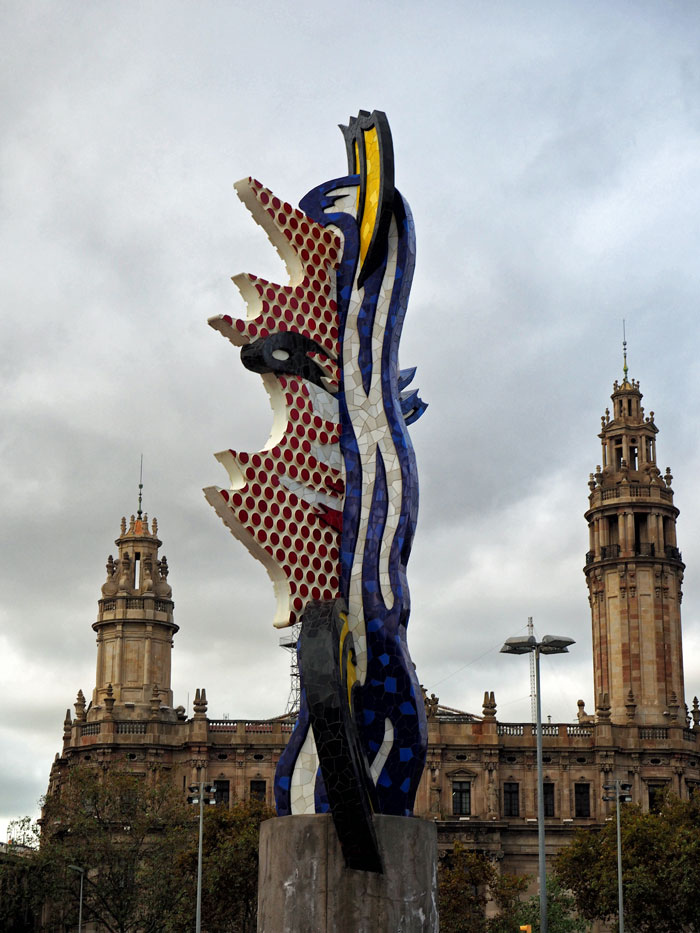
The end of the tour was at El Cap de Barcelona from where we headed down to the beach and the Makamaka restaurant for cocktails and some food.
Created in 1992, the Head of Barcelona is a 64-ft. abstract statue by American Roy Lichtenstein.
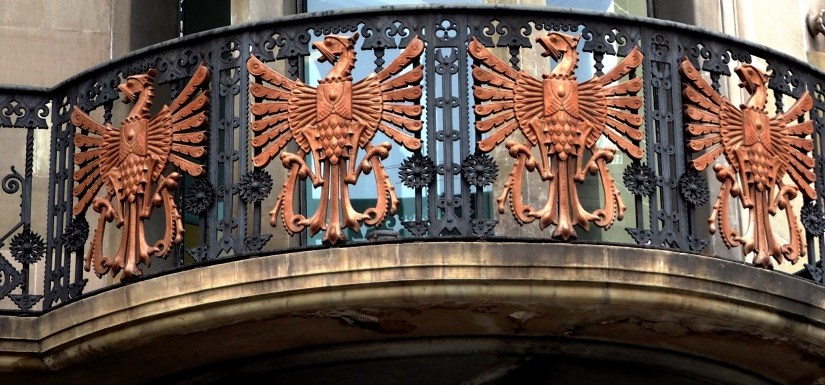
(The header photo is the balcony detail on the Casa Pia Batlló, which is located on the corner of Rambla Cataluña and Gran Vía de les Corts Catalanes. The building is in the Modernist style, built between 1891 and 1896 by the architect Josep Vilaseca i Casanovas.)
There hasn’t been an awful lot of travelling for this blog in recent years and whilst stuck at home during the dreadful wet weather I have been sorting through my photos. A very slow task! But I realised how many photos have never made it onto a blog post, so my idea for this year (2024) is to pick out some of my unused images for a journey around the world.
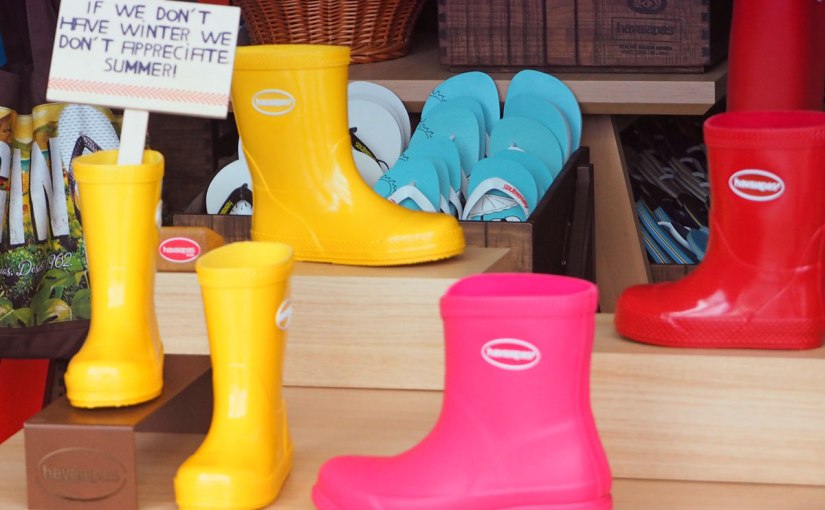
We’ll begin with this very apt photo of a shoe shop in Barcelona. Though I think you’d need rather longer boots to cope with our rainfall!
 Whilst wandering around Cascais we found a short cut to the coastal road north past the interesting bold pyramid shaped towers of the Casa das Histórias Paula Rego which led into an extensive park (Marechal Carmona Park also known as Gandarinha Park) with gardens, architectural and sculptural interests and where we came across a peacock with the largest / longest tail I have ever seen.