During this year I shall be posting photographs from places around the UK, many of which have not been published before. Where I have previously blogged about a location I will provide a link to the post, though you won’t be able to comment on it as I restrict comments to six months.
O is for Orford / Orford Ness
Orford Ness shingle spit
Orford Ness is a shingle spit linked to the mainland at Aldeburgh, stretching along the coast to Orford and divided from the mainland by the River Alde. It is ranked among the most important shingle features in the world, this National Nature Reserve sees rare and fragile wildlife thrive where weapons, including atomic bombs, were tested and perfected.
To reach the shingle spit you need to take a National Trust ferry ‘Octavia’ and once there you can follow trails through a stunning landscape and ex-military testing areas, buildings and displays.
Orford itself is one of the prettiest villages on the Suffolk Coast with a castle, pretty cottages and welcoming pubs to the picturesque quay offering river cruises.
During this year I shall be posting photographs from places around the UK, many of which have not been published before. Where I have previously blogged about a location I will provide a link to the post, though you won’t be able to comment on it as I restrict comments to six months.
N is for North Berwick
On our road trip to Scotland in 2016 we drove up the eastern side of England stopping off every couple of days to explore the surroundings. After leaving Alnwick in Northumberland our next destination was Edinburgh, but instead of driving along the A1 the whole way, we diverted onto the coastal route through Eyemouth, stopping at St Abbs, then Dunbar and Tantallon Castle and finally North Berwick.
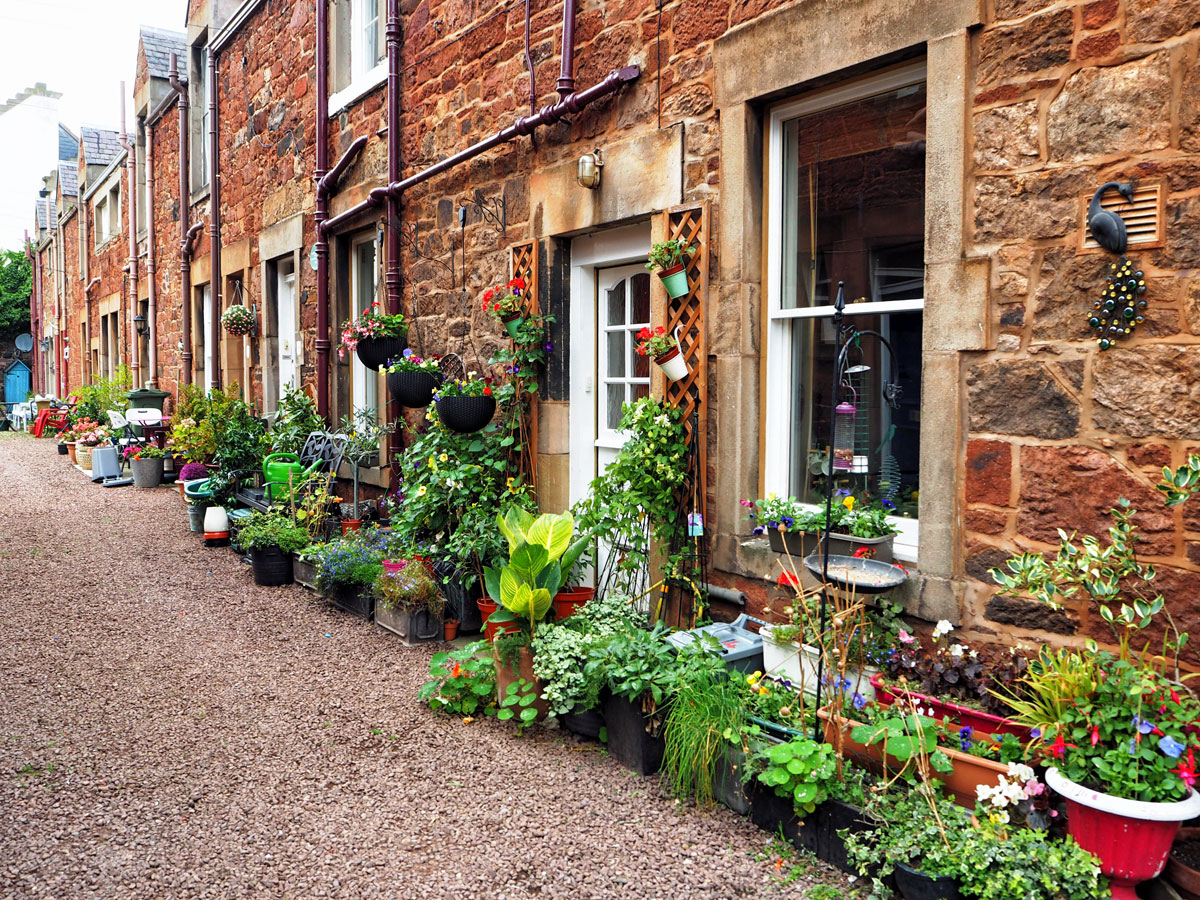
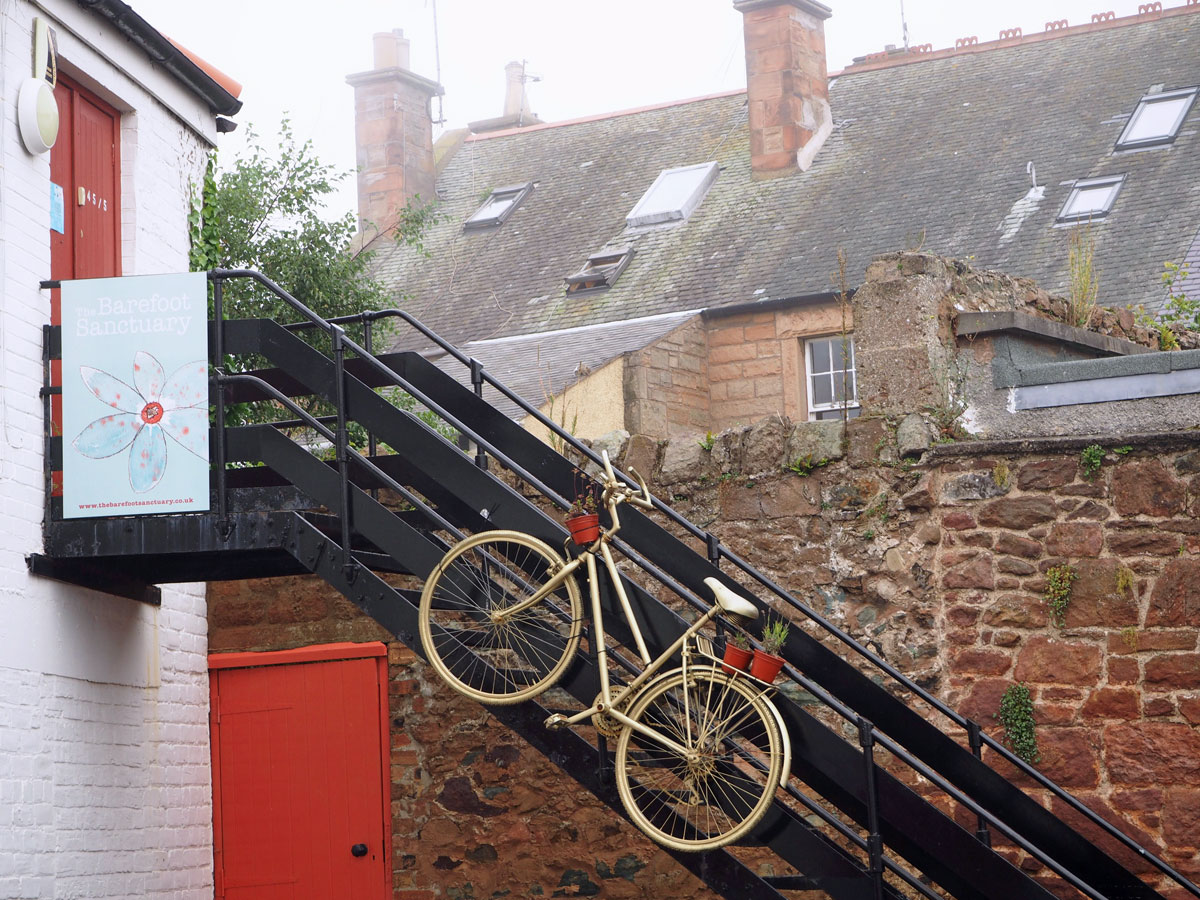
Pretty terraced cottages off Melbourne Place (leading to the harbour and beaches)Quirky shop in the Melbourne Place car park.
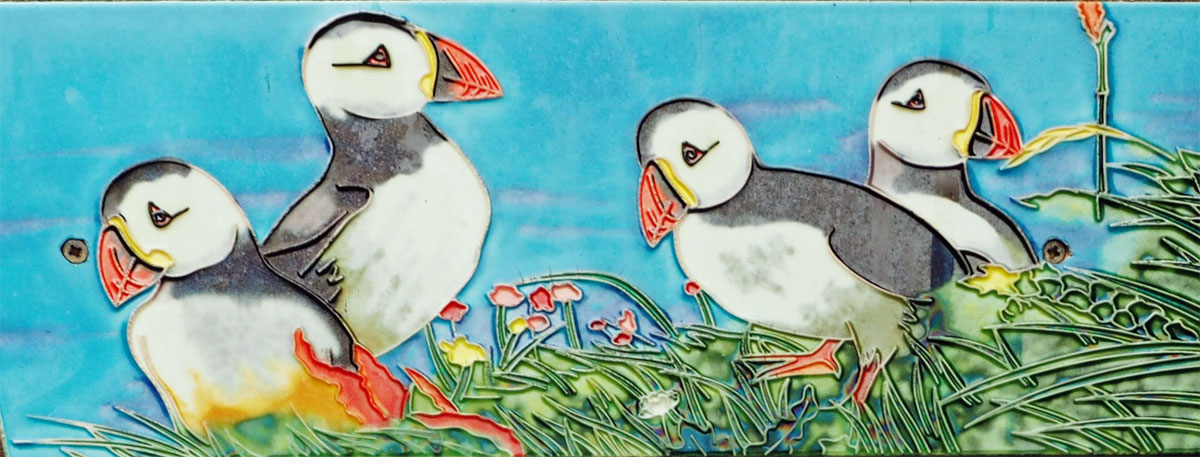
North Berwick is a seaside resort, only 30 minutes from Edinburgh, with a range of eclectic shops, cafes, fish and chip shops and bars and home to the Scottish Seabird Centre where you can learn about puffins, razorbills and more.
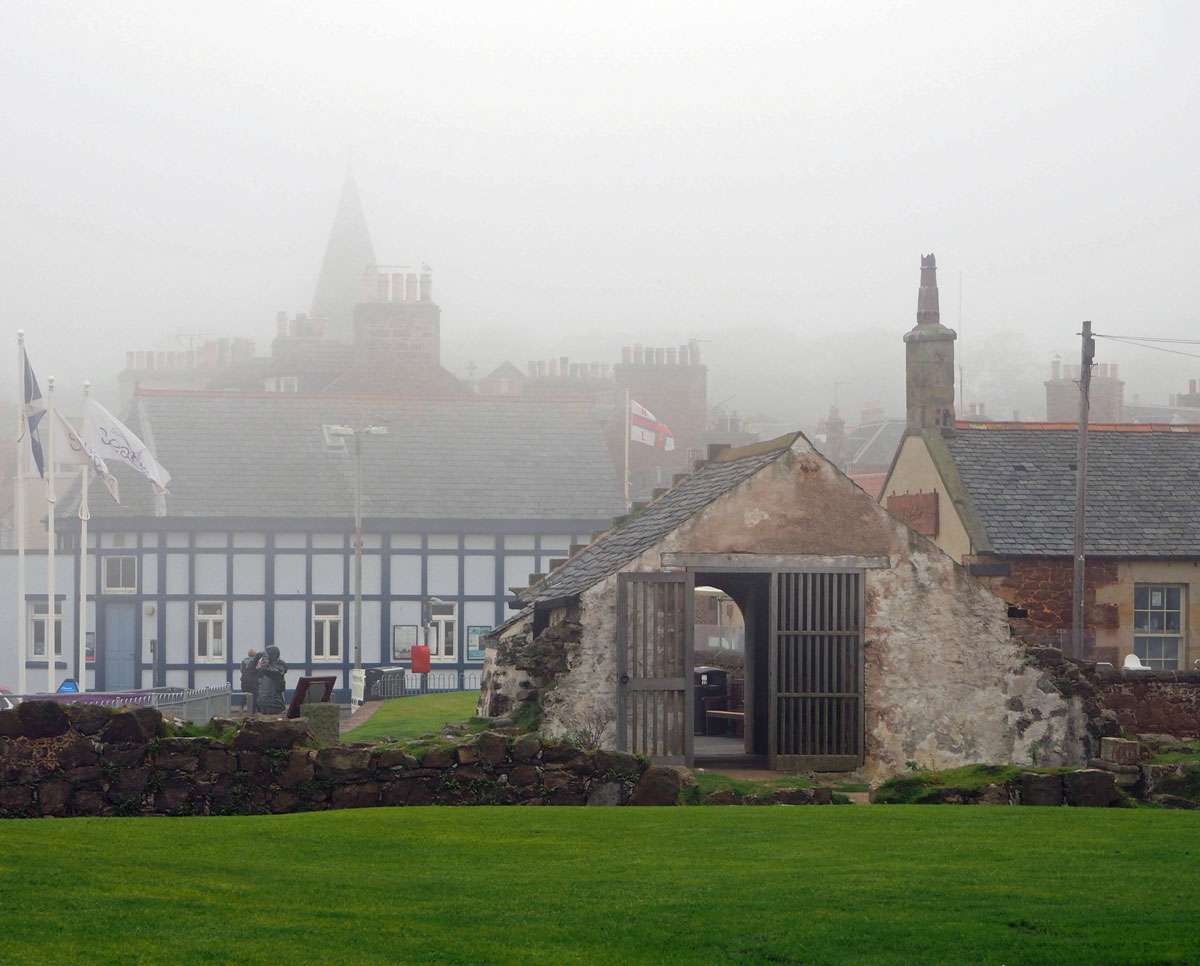
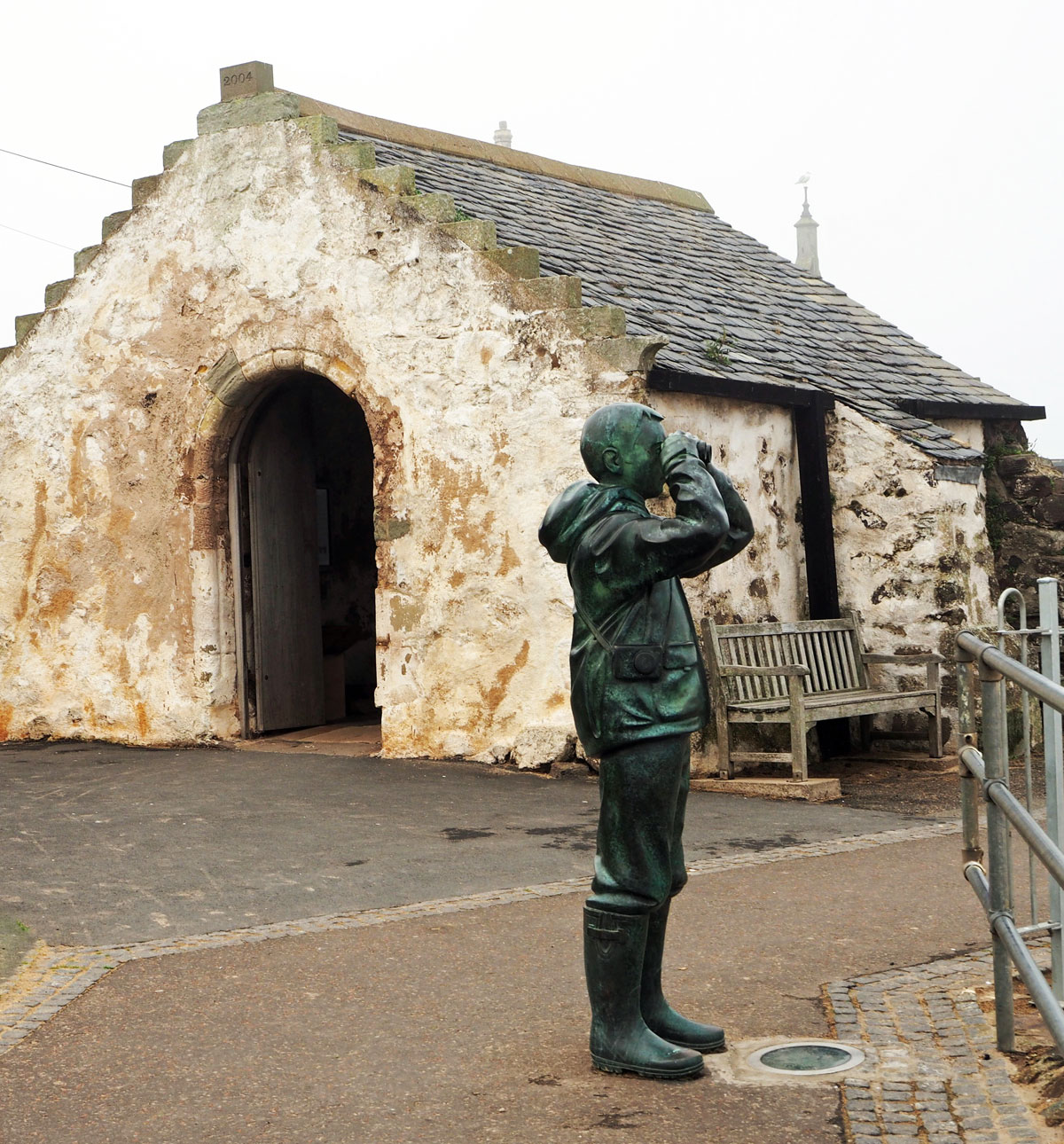
St Andrew’s Auld Kirk ruins. Built in the 12th century the church collapsed into the sea in the 17th century. There is a more detailed history inside the shell of the old porch .Life size bronze sculpture by Kenny Hunter called The Watcher. Dressed in outdoor wear, typical of a bird watcher or naturalist, who is gazing out towards Bass Rock through binoculars. Commissioned by the Scottish Seabird Centre through the Gateway Project.
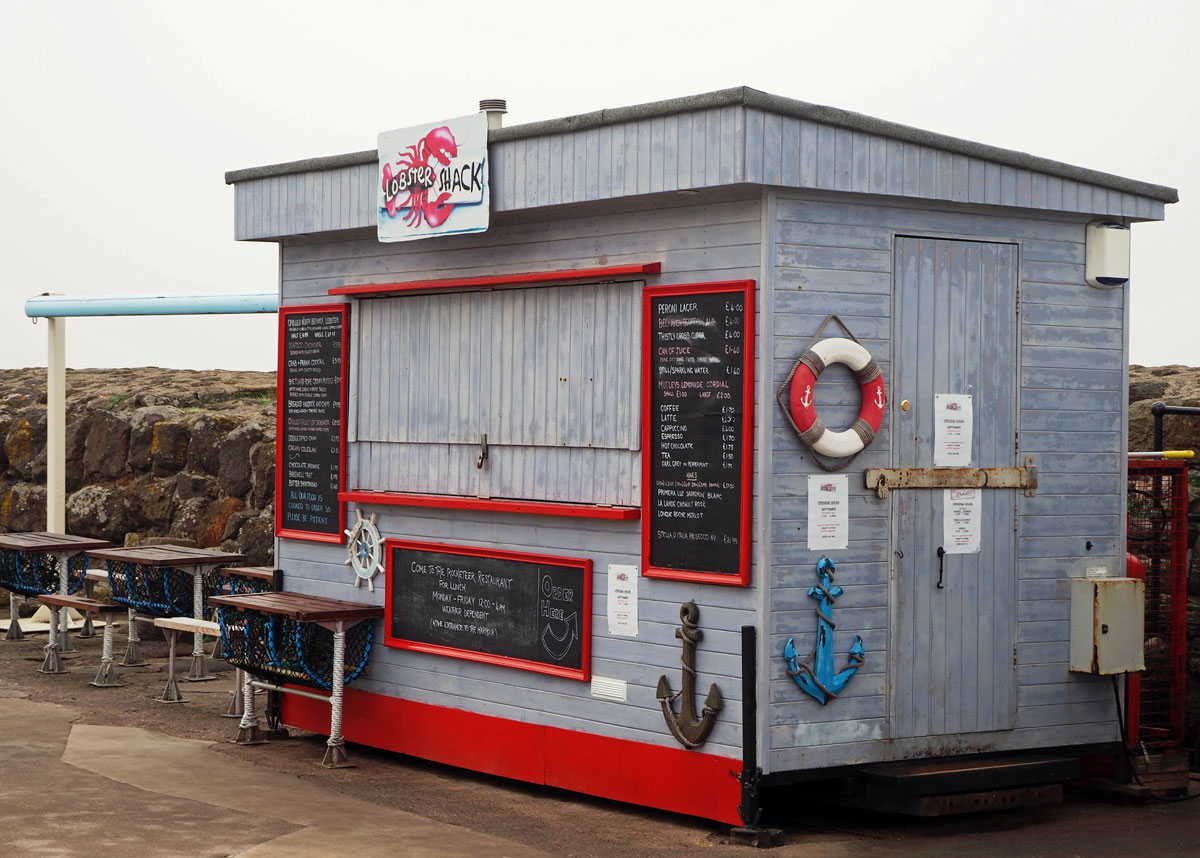
The aim was to visit the Lobster Shack for lunch and we were looking forward to a steaming bowl of chowder. Alas as so many plans fail, the shack was only open at the weekends and our arrival was a Thursday.
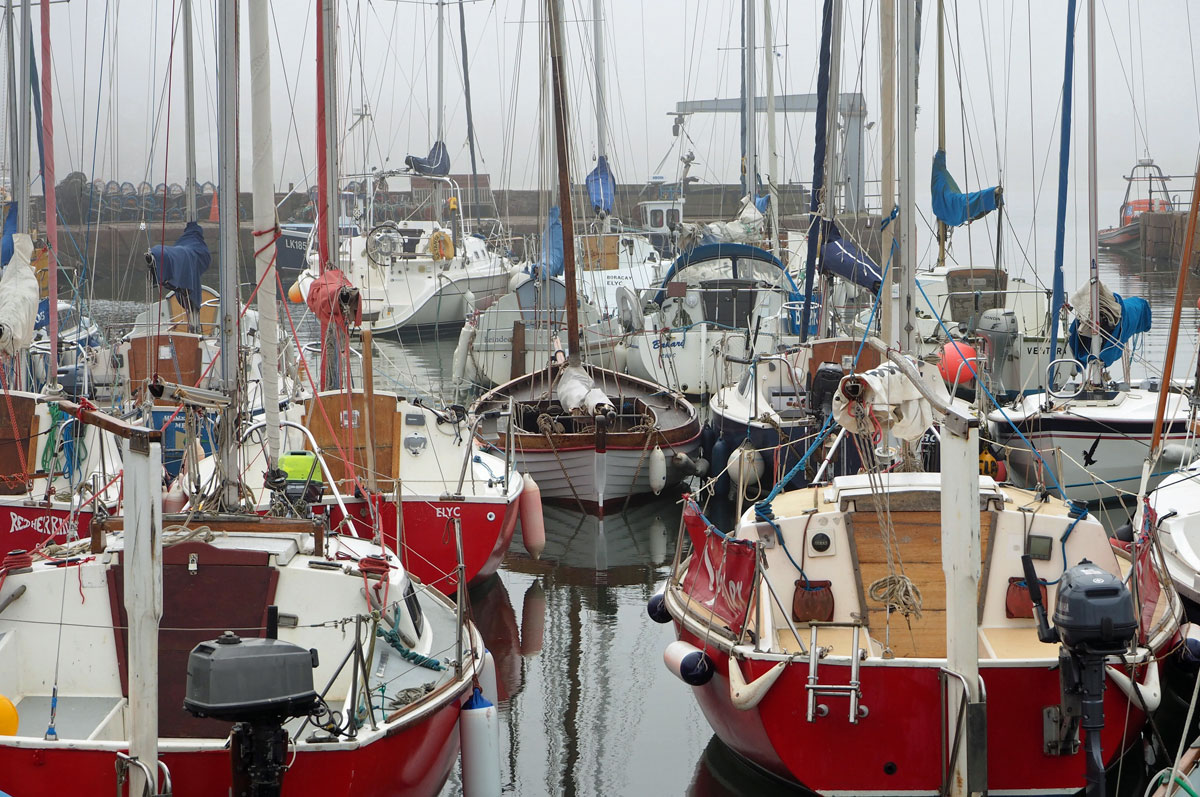
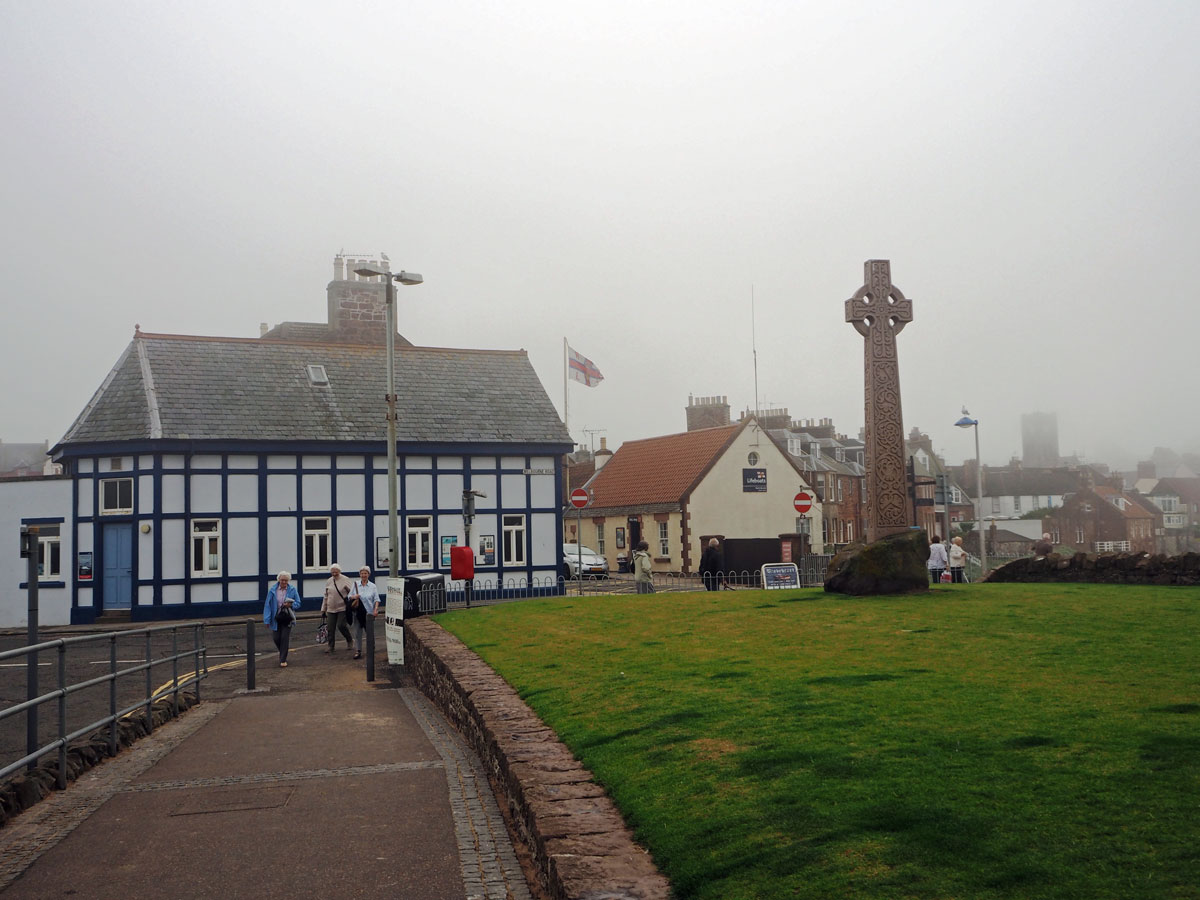
Lobster Shack – shutters down.The small harbour crammed with boats.Memorial cross
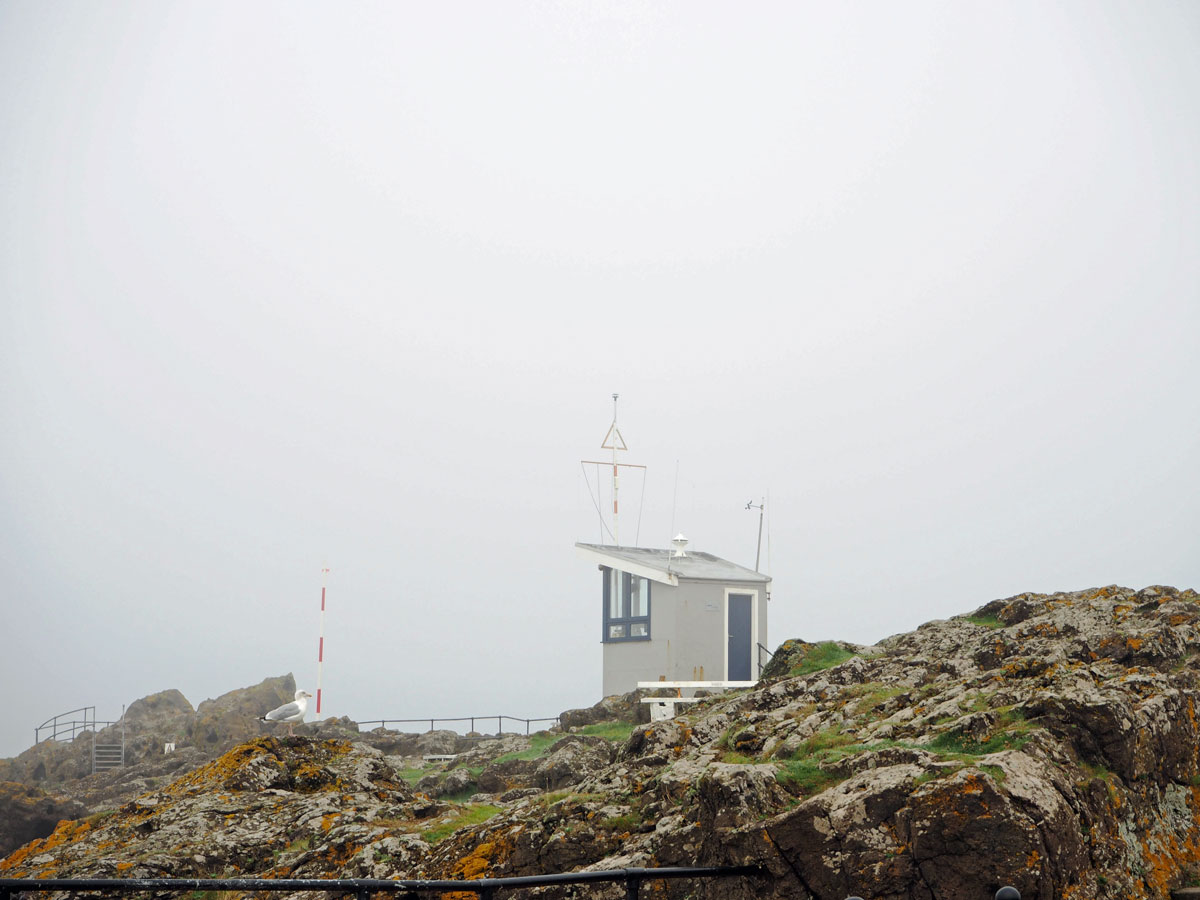
Another unusual event was that after weeks of hot weather we drove the entire journey from Alnwick in fog! Thick fog. So thick that we could not see the huge Bass Rock which is, according to the latest bird count, home to the world’s largest colony of Northern Gannets nor the steep conical hill known as “Berwick Law” , actually a volcanic plug that erupted from the landscape over 300 million years ago, which overlooks the town.
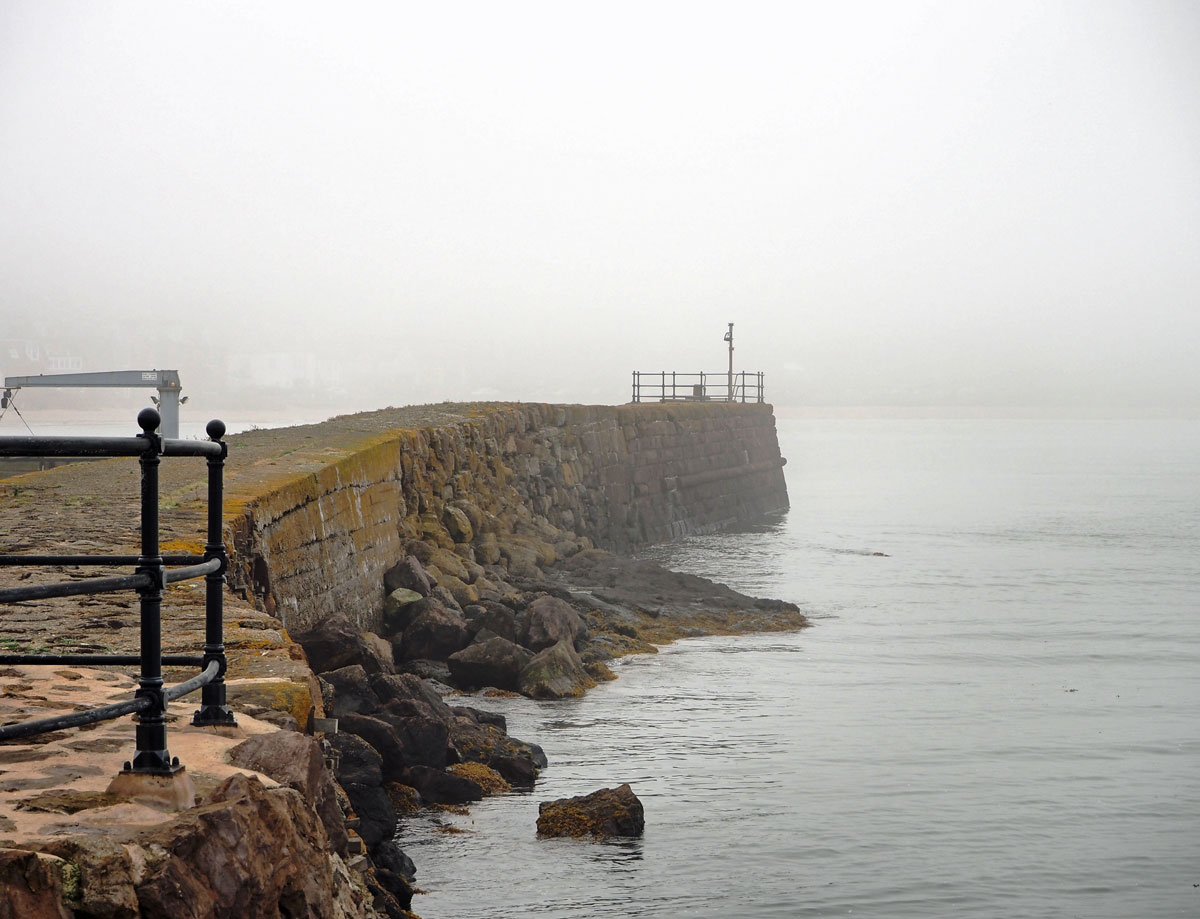
We had a wander around the old pier, despite not being able to see very much.
In fact we struggled to even see the beaches!
We eventually gave up and retired to the Seabird Café for a warming cup of coffee and some excellent cake. Still no views though.
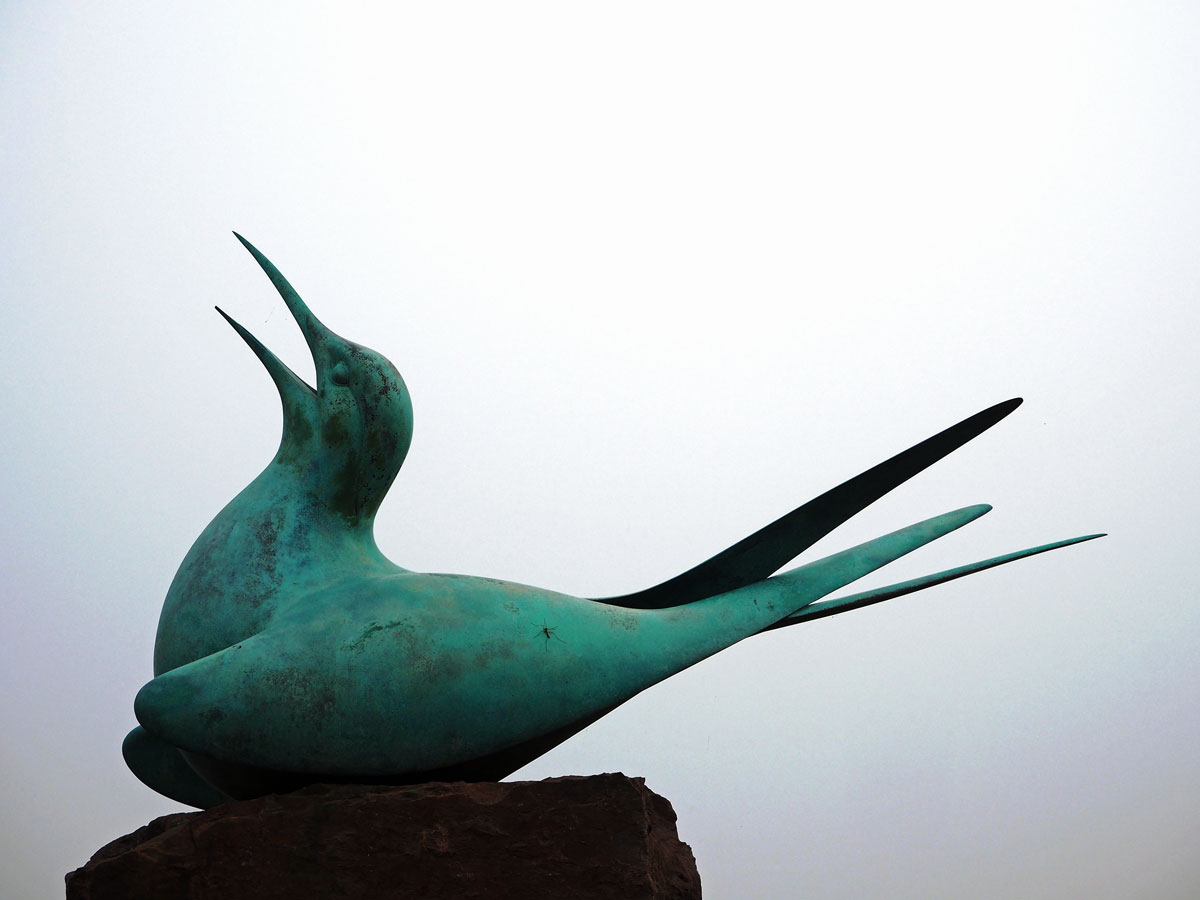
Arctic tern sculpture by Geoffrey Dashwood at Scottish Seabird Centre
I’m sure North Berwick is a lovely place to visit in better weather and I am glad that we stopped by despite the fog and lack of chowder.
During this year I shall be posting photographs from places around the UK, many of which have not been published before. Where I have previously blogged about a location I will provide a link to the post, though you won’t be able to comment on it as I restrict comments to six months.
M is for Market Drayton
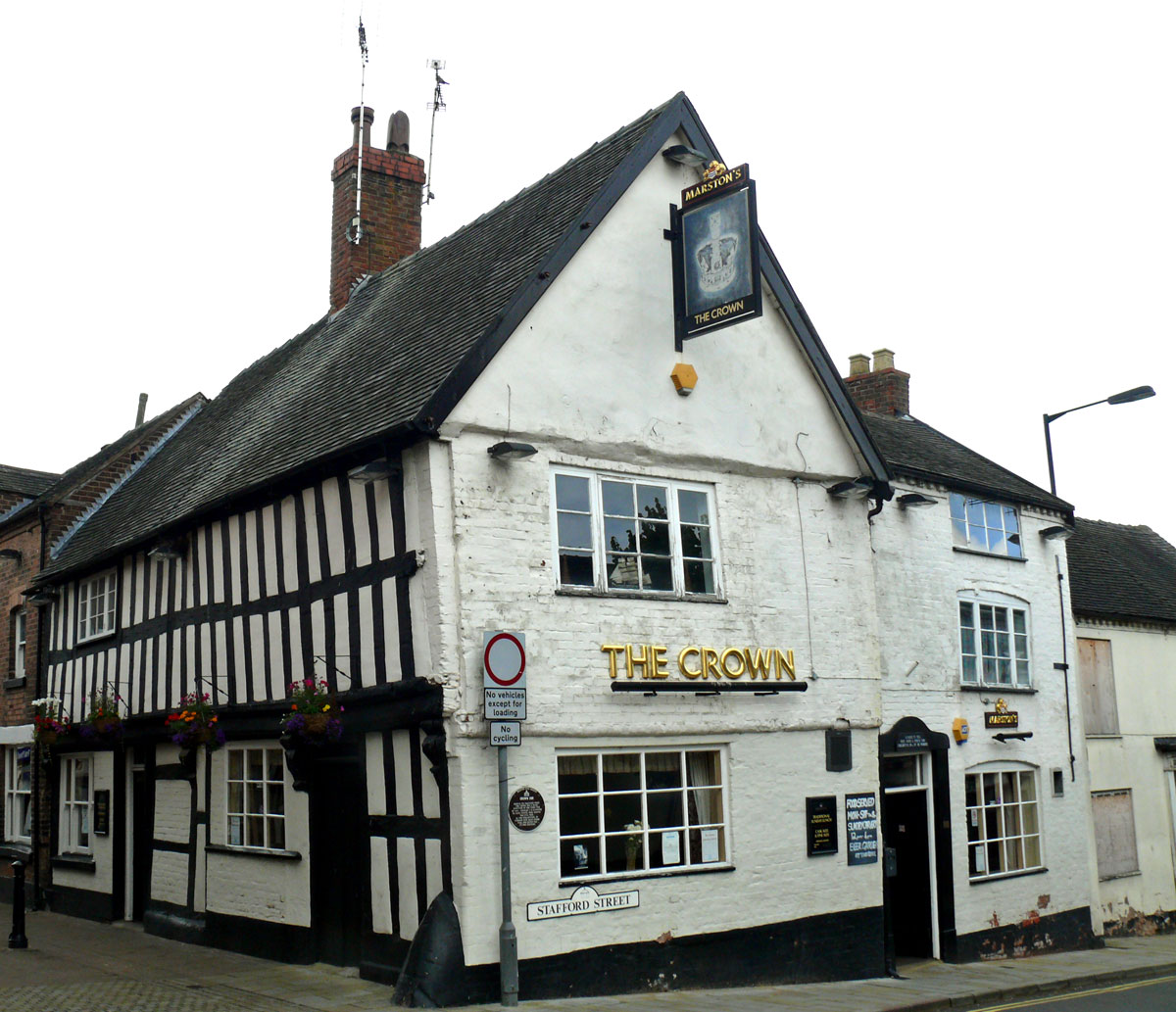
Market Drayton is a market town in the north of Shropshire, England, close to the Cheshire and Staffordshire borders. It lies on the River Tern. Home to Müller Dairy which produces yoghurts here and a microbrewery. It is also known for its gingerbread, which was first recorded in 1793. Today, the only surviving brand still being made in the town is Billington’s Gingerbread. There is even an annual Ginger and Spice festival.
Buttercross Market
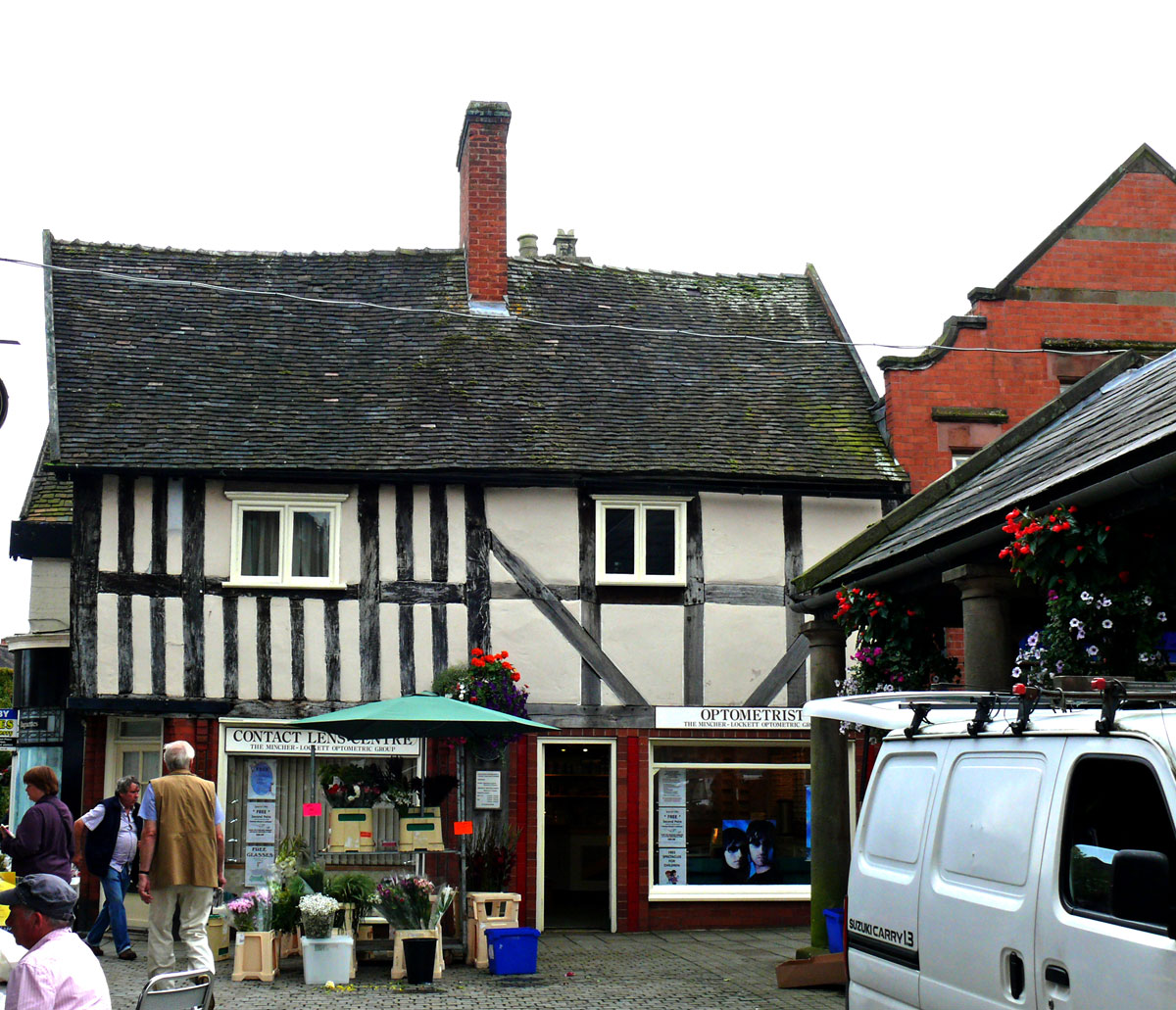
There are a number of listed buildings in the town including several timber-framed, 17th century shops and pubs around the town centre, plus Georgian and Victorian buildings. The streets converge on The Buttercross market shelter and on Wednesdays are filled with market stalls.
The town sits by the Shropshire Union canal about a mile from Tyrley Locks where a flight of five locks make this one of the most interesting sections of the canal.
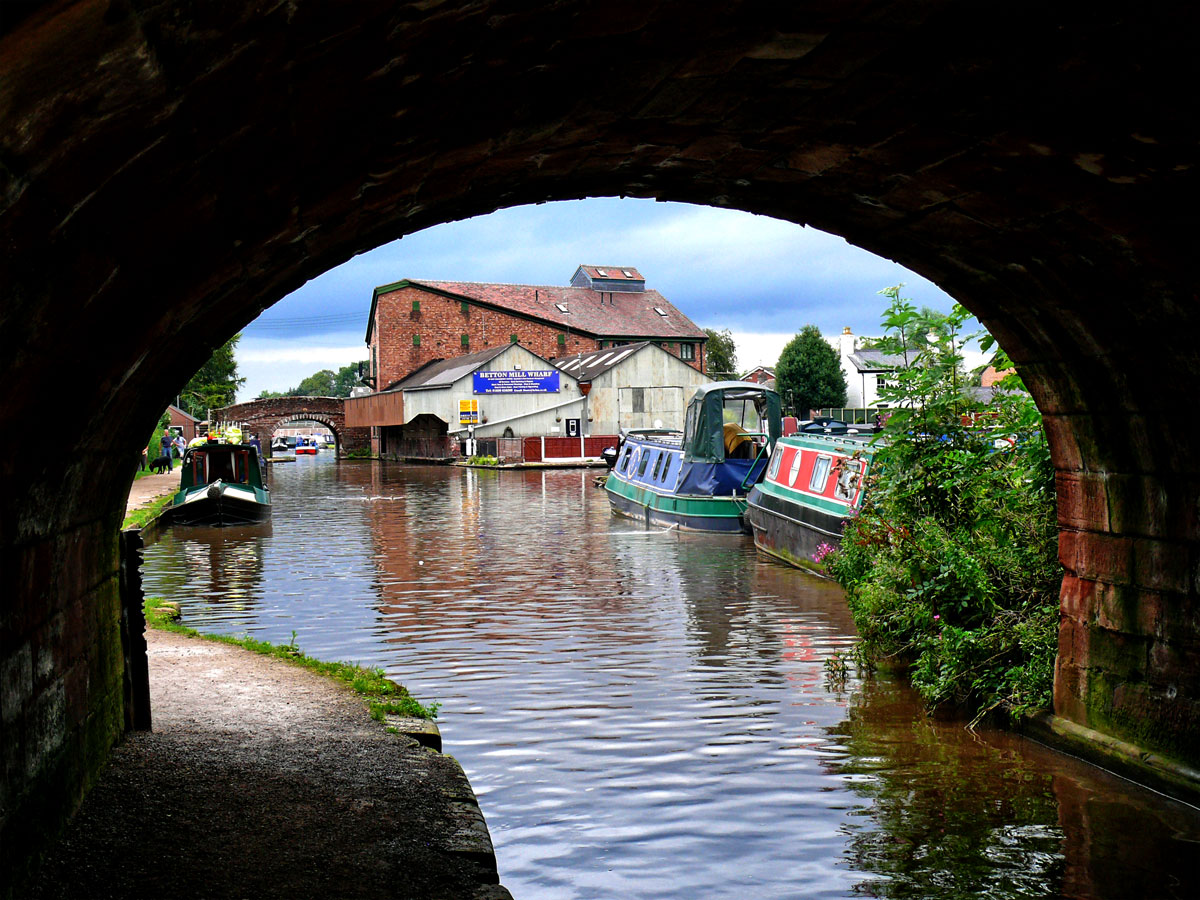
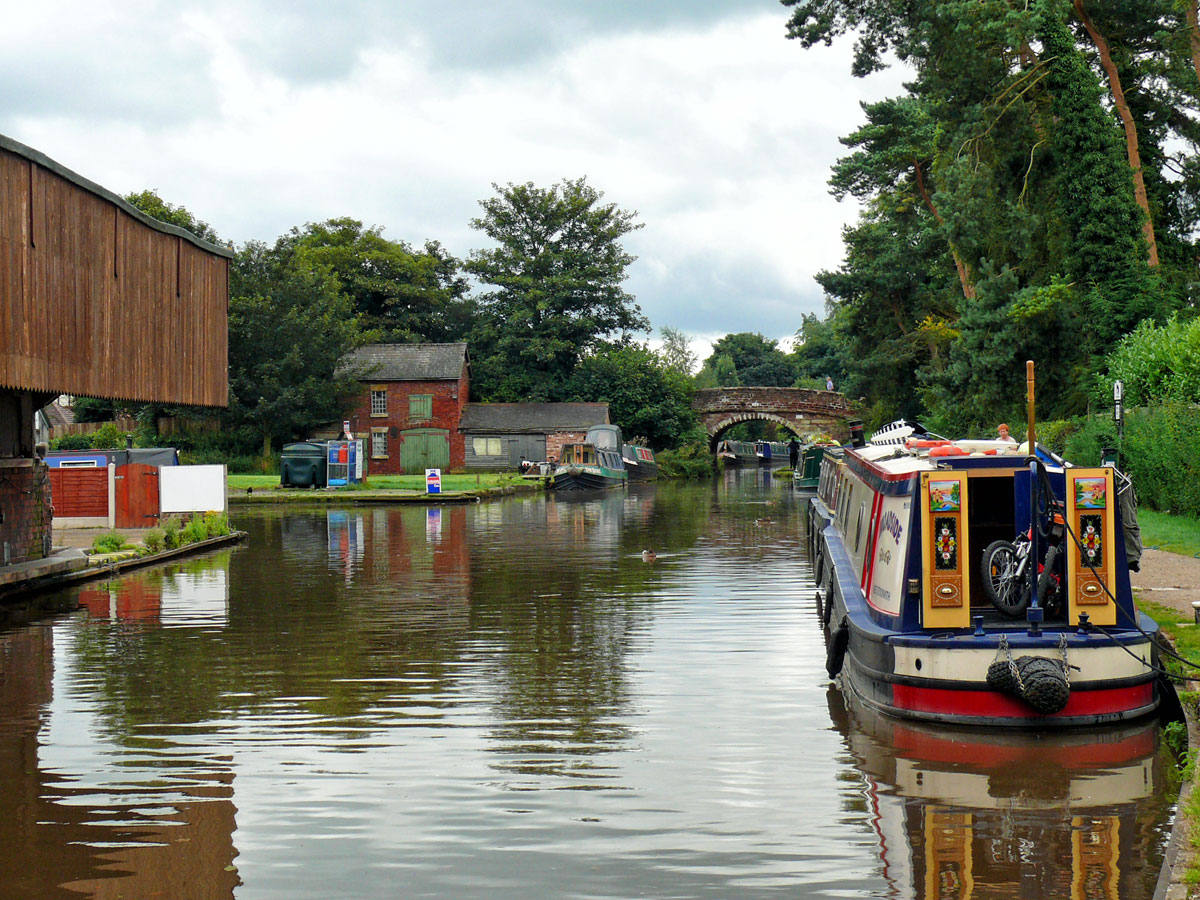
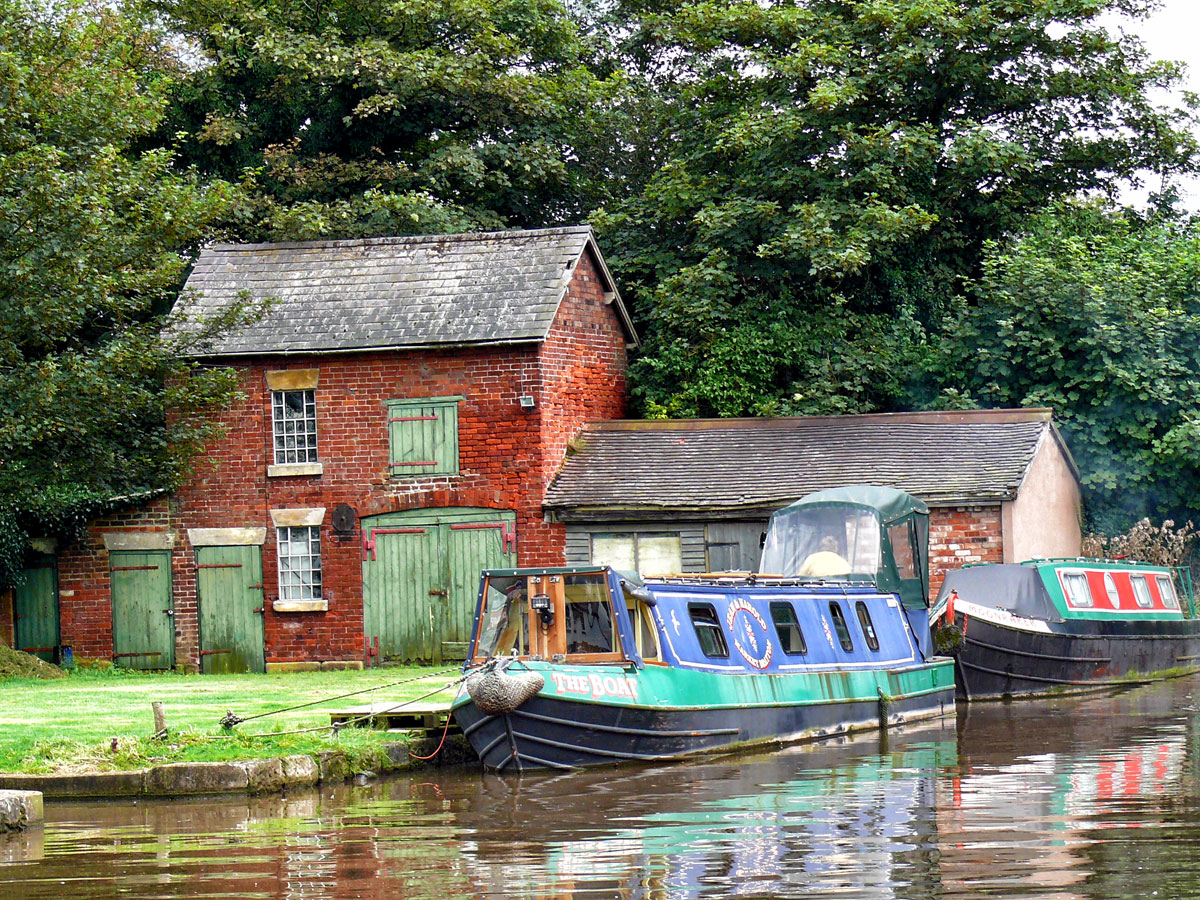
(Bridge No 62) View of Betton Mill, now converted into apartments and Betton Bridge (No 63) straight ahead.Shropshire Union Canal at Market Drayton.Shropshire Union Canal at Market Drayton.
During this year I shall be posting photographs from places around the UK, many of which have not been published before. Where I have previously blogged about a location I will provide a link to the post, though you won’t be able to comment on it as I restrict comments to six months.
L is for Lindisfarne
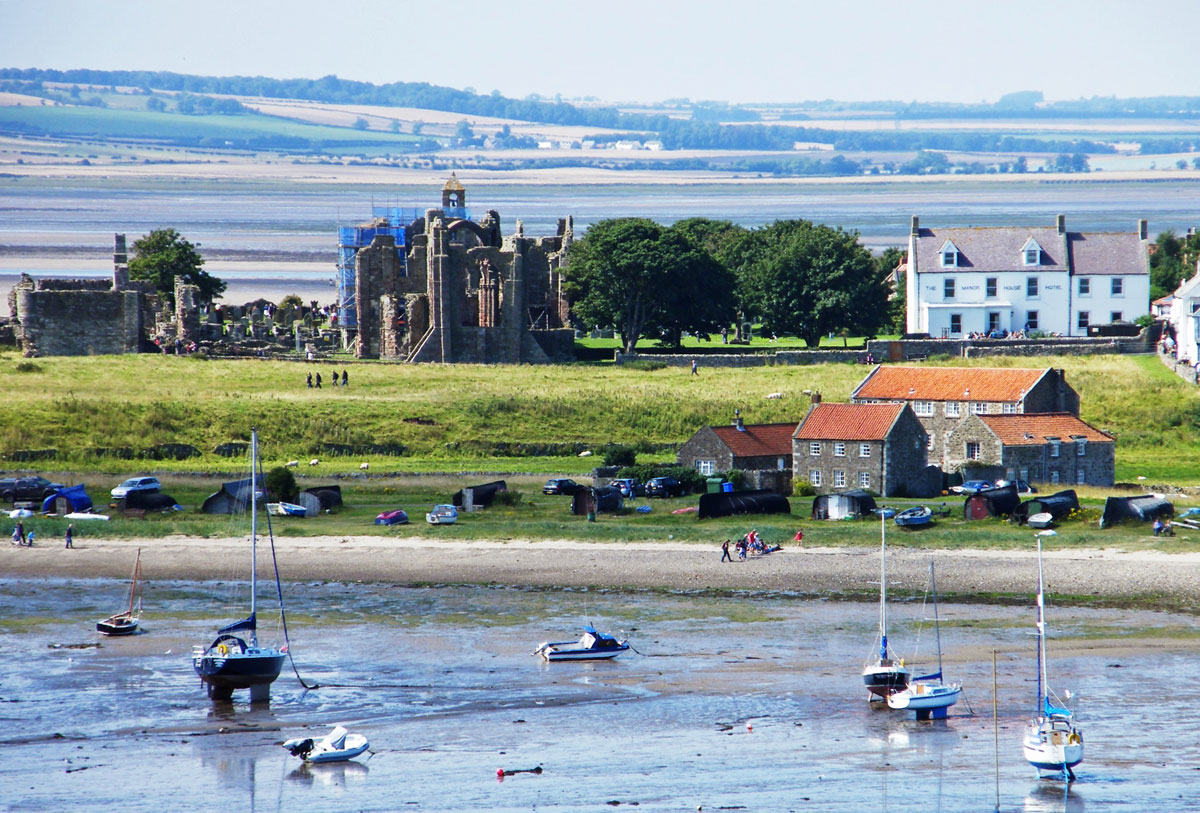
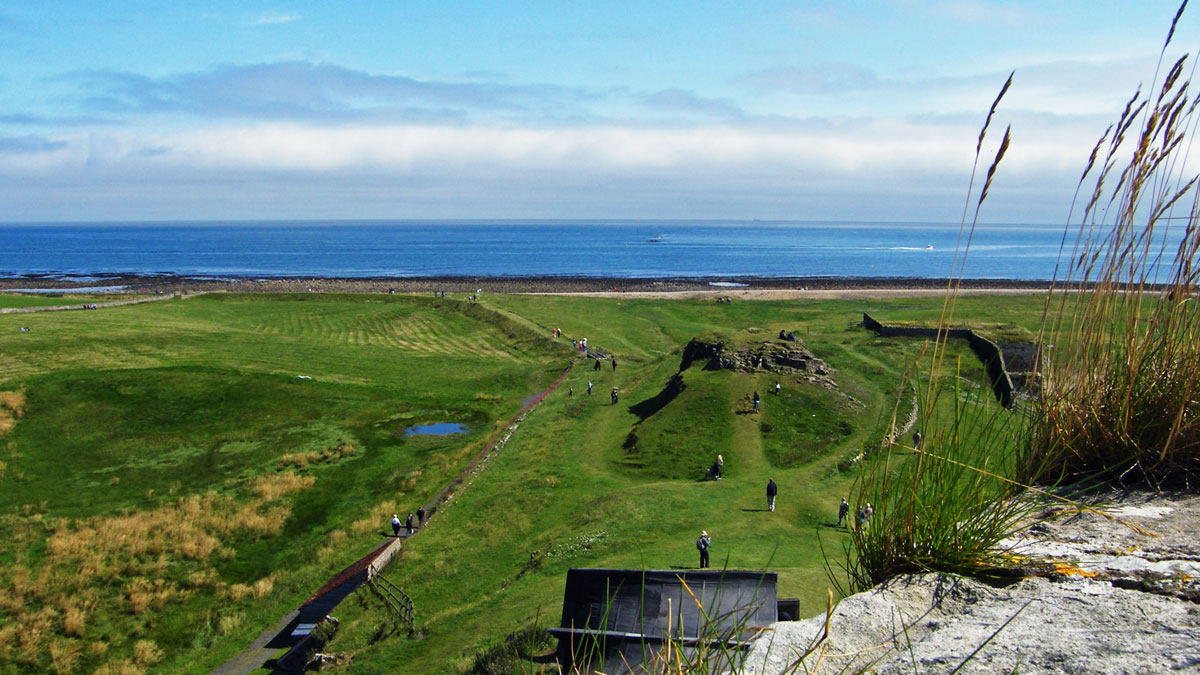
The Holy Island of Lindisfarne is situated off the coast of Northumberland. The island is cut off from the mainland by the tide twice a day. Possibly the holiest site of Anglo-Saxon England, in 685 Lindisfarne was founded by St. Aidan, an Irish monk, who came from Iona, the centre of Christianity in Scotland.
Disused Priory and the fascinating boatsheds in the harbour.
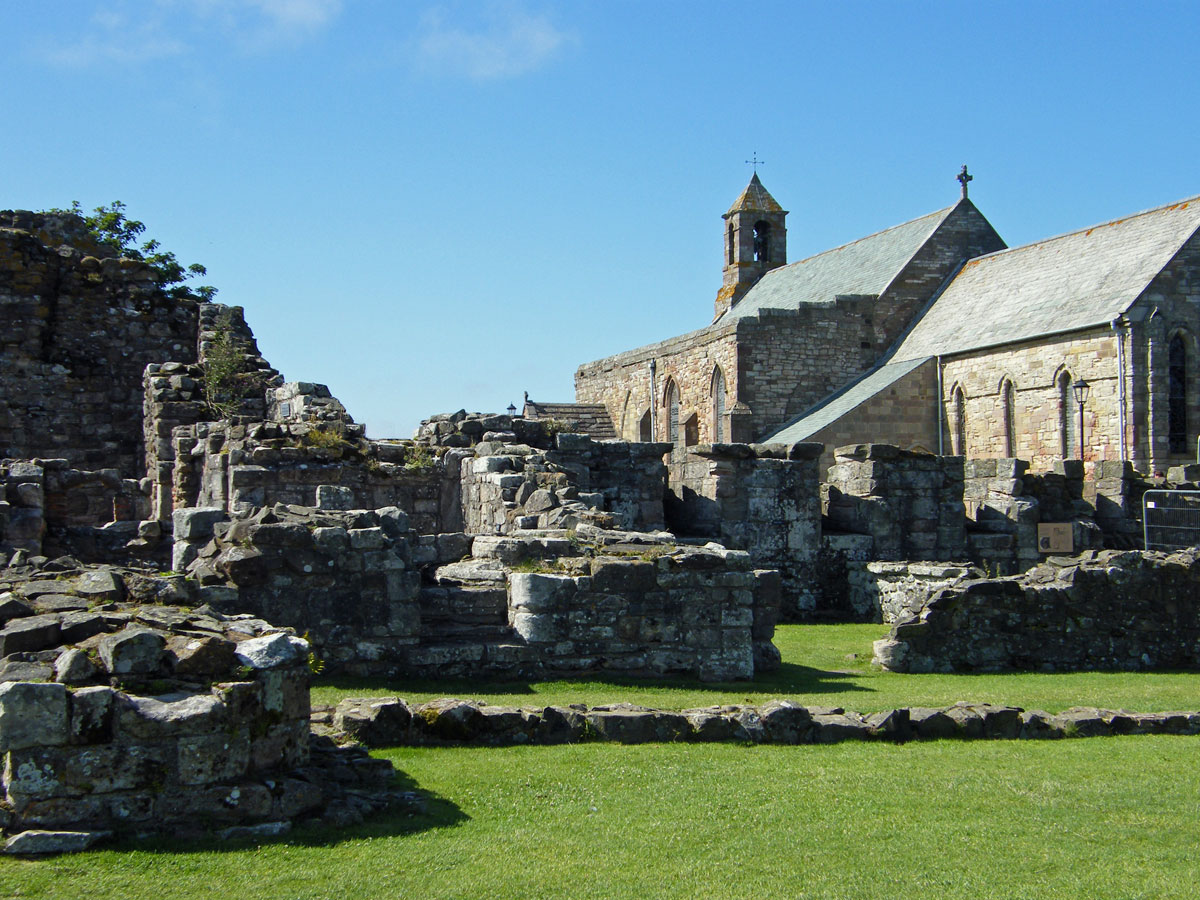
The island is a thriving community, with a busy harbour, shops, hotels and inns and still a place of pilgrimage for many although the priory is now in ruins
Ruins of the Priory and the Parish Church of St Mary the Virgin
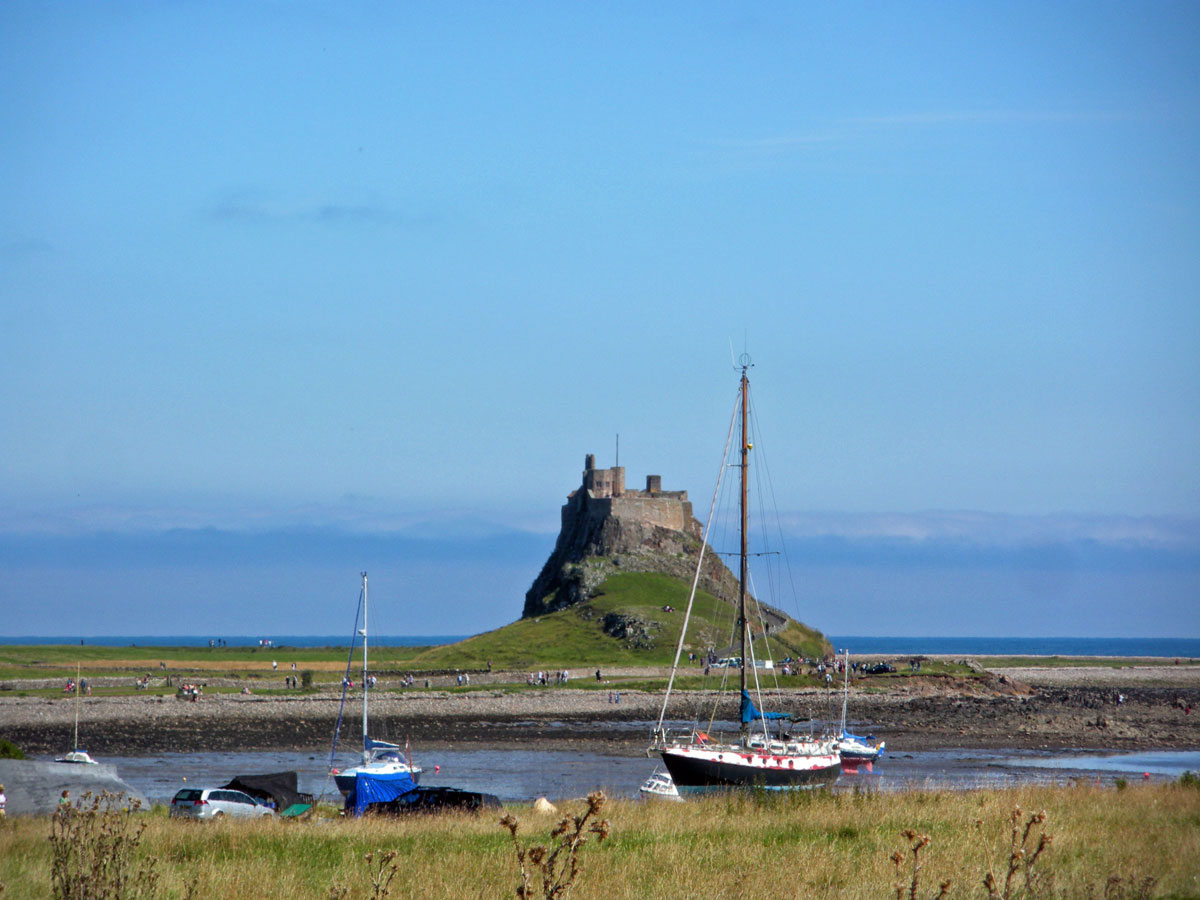
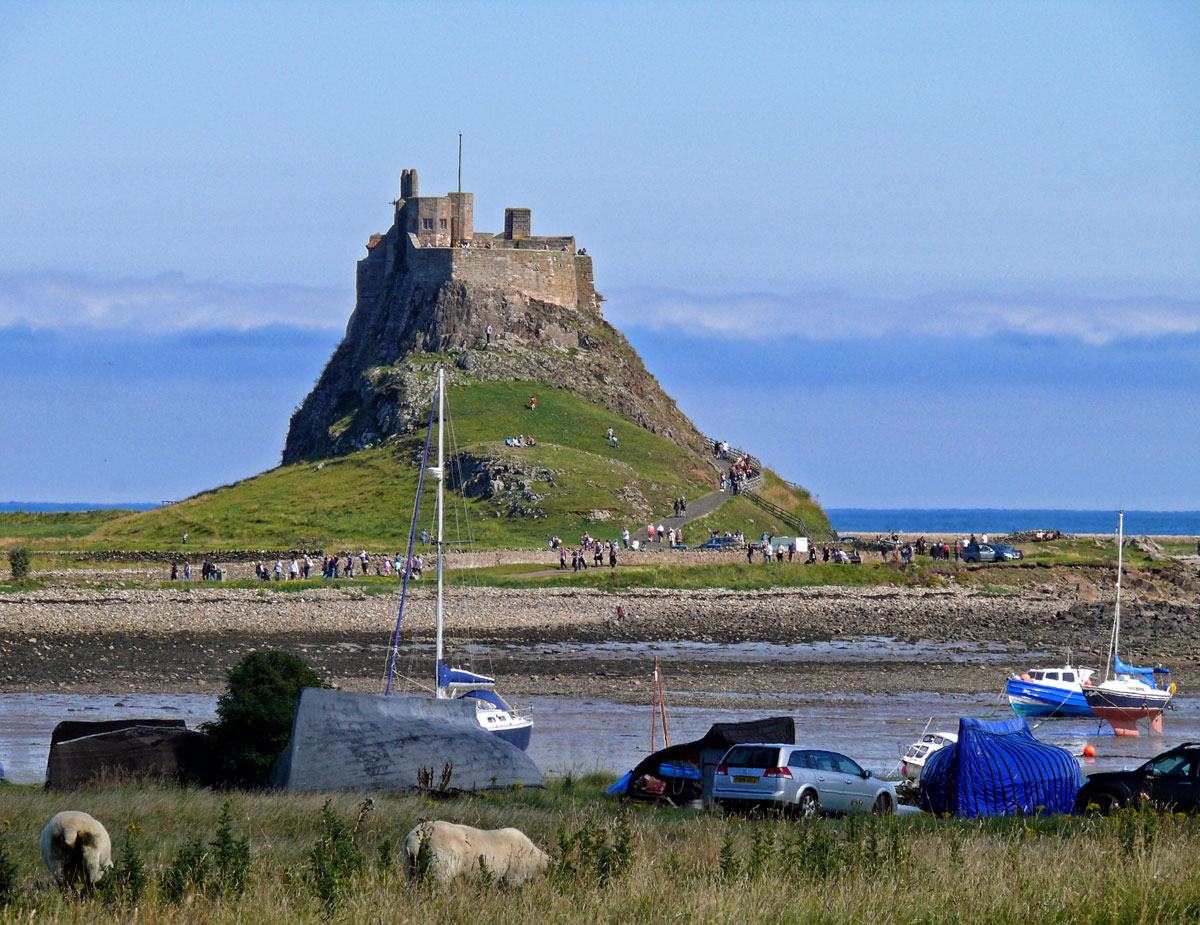
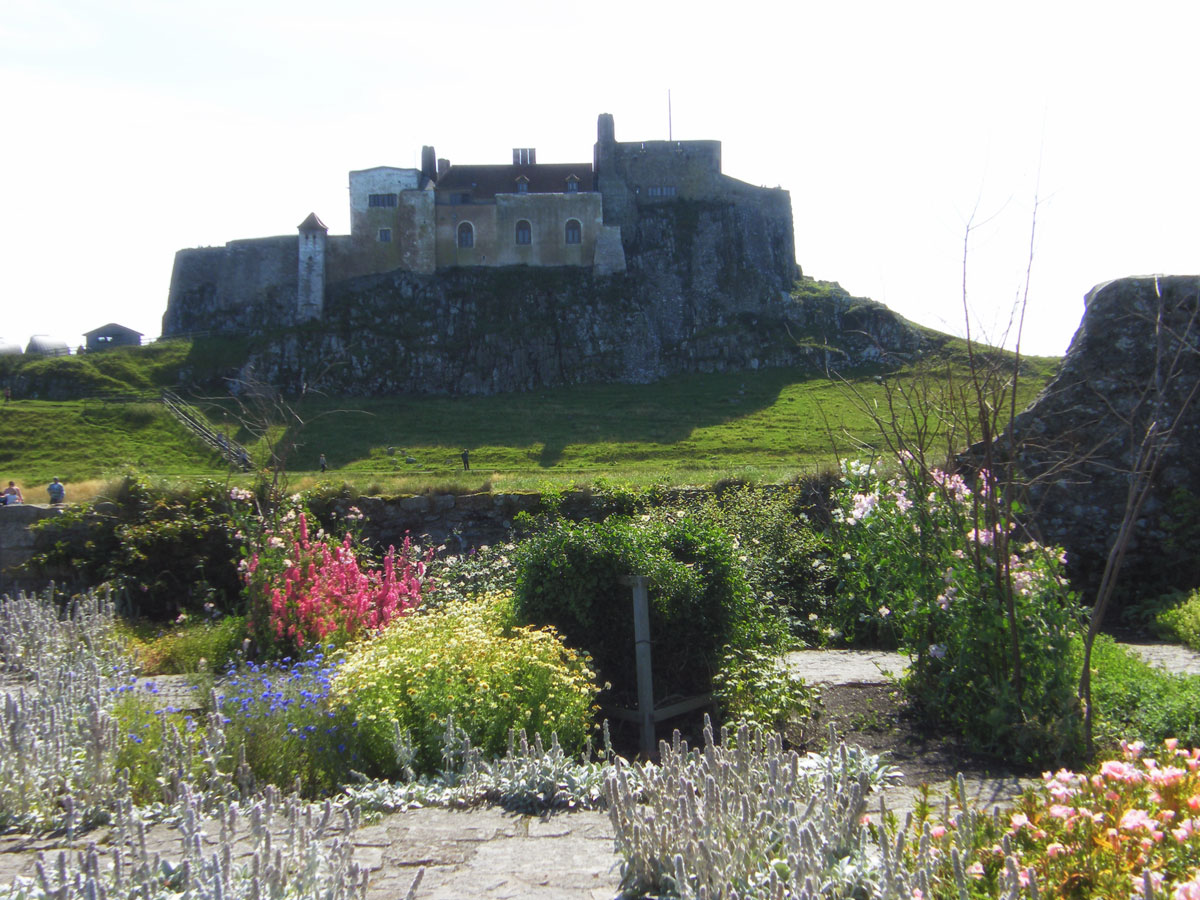
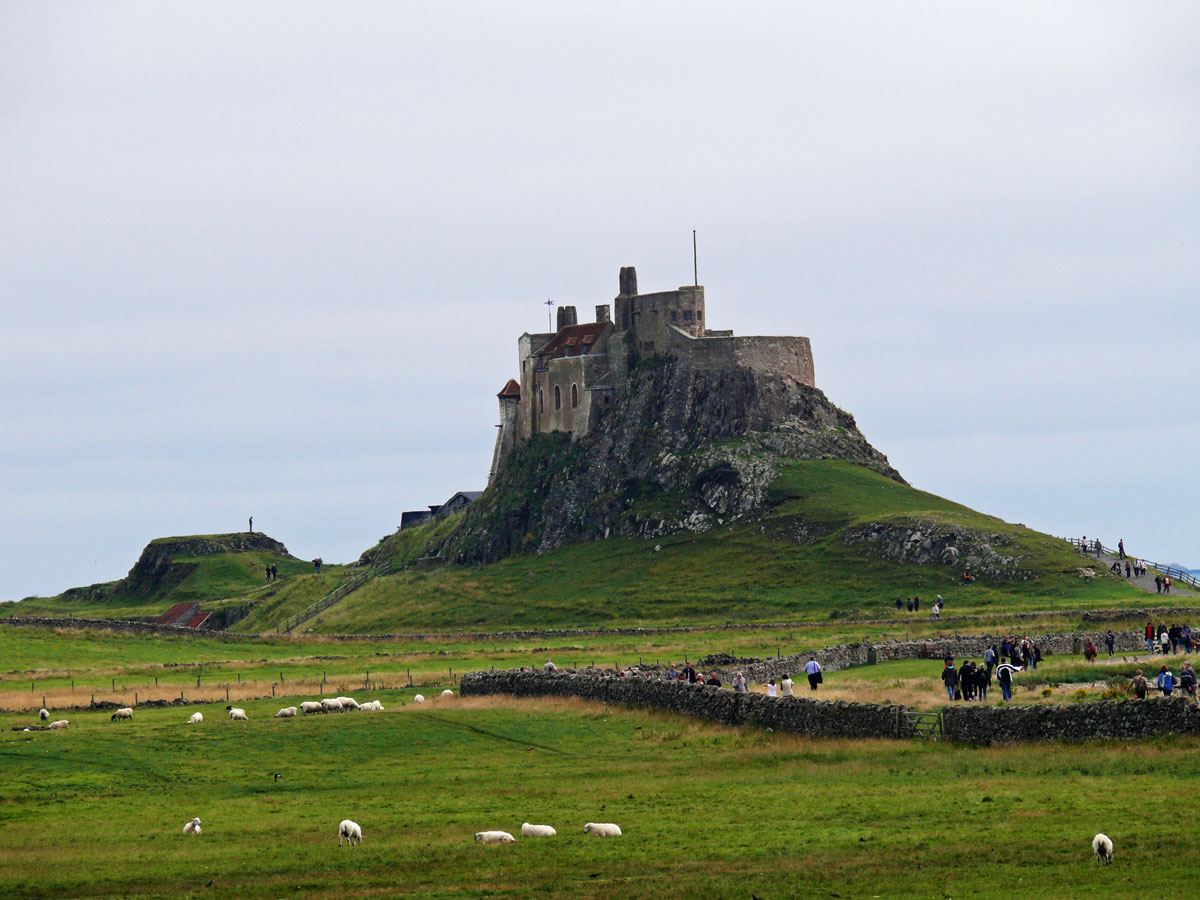
Lindisfarne is also famous for its castle (that’s not a castle) on an island (that’s not an island).
From the 1550s up until 1893 the castle was garrisoned by the government, at one point mounting 21 cannons.
The castle was strategically vital during the Scottish Wars of the mid-1500s and later saw action in the Civil Wars and the Jacobite Rebellion of 1715.
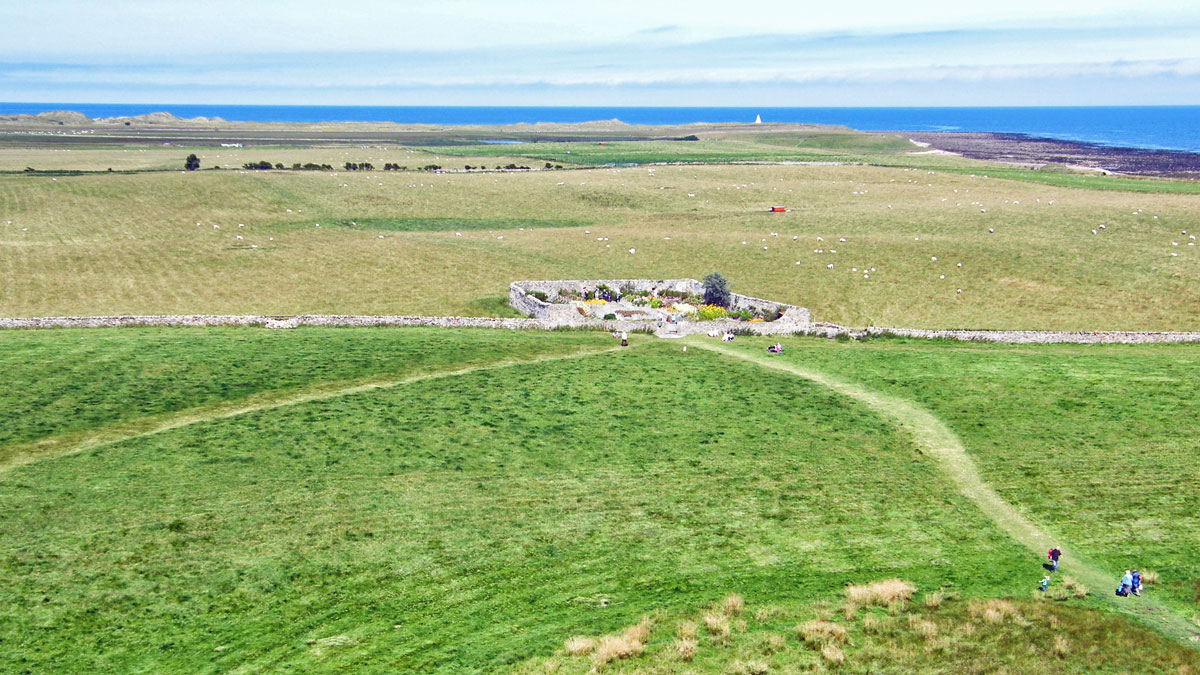
In the first decades of the 20th century, famed architect Sir Edwin Lutyens renovated the castle into a private holiday home for Edward Hudson, founder of Country Life magazine, while Jekyll made a planting plan for the garden and the castle surrounds.
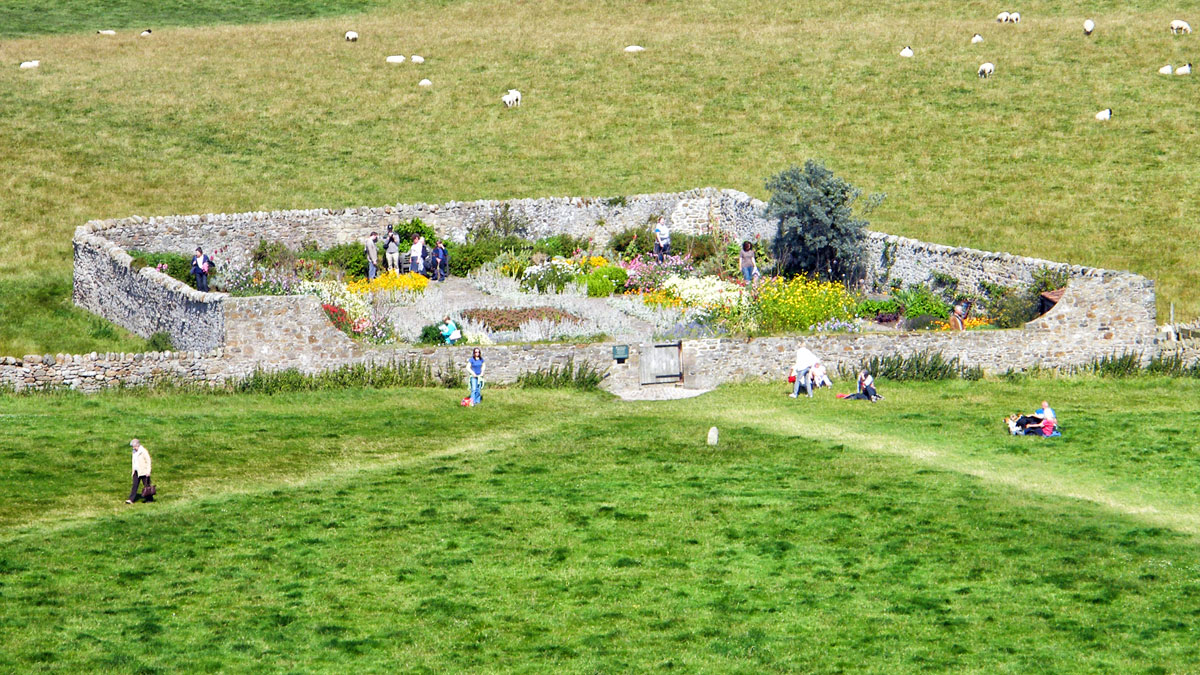
Jekyll’s first plan was for a vegetable garden but it was her second plan – a summer flower garden – that was planted in 1911.
This tranquil garden was created by Gertrude Jekyll on the site of a vegetable patch that once provided the castle’s soldiers with food. Gertrude Jekyll (1843-1932) is well known in the gardening world. A talented painter, photographer, designer and craftswoman; she was much influenced by Arts & Crafts principles and often worked in collaboration with the English architect, Sir Edwin Lutyens.
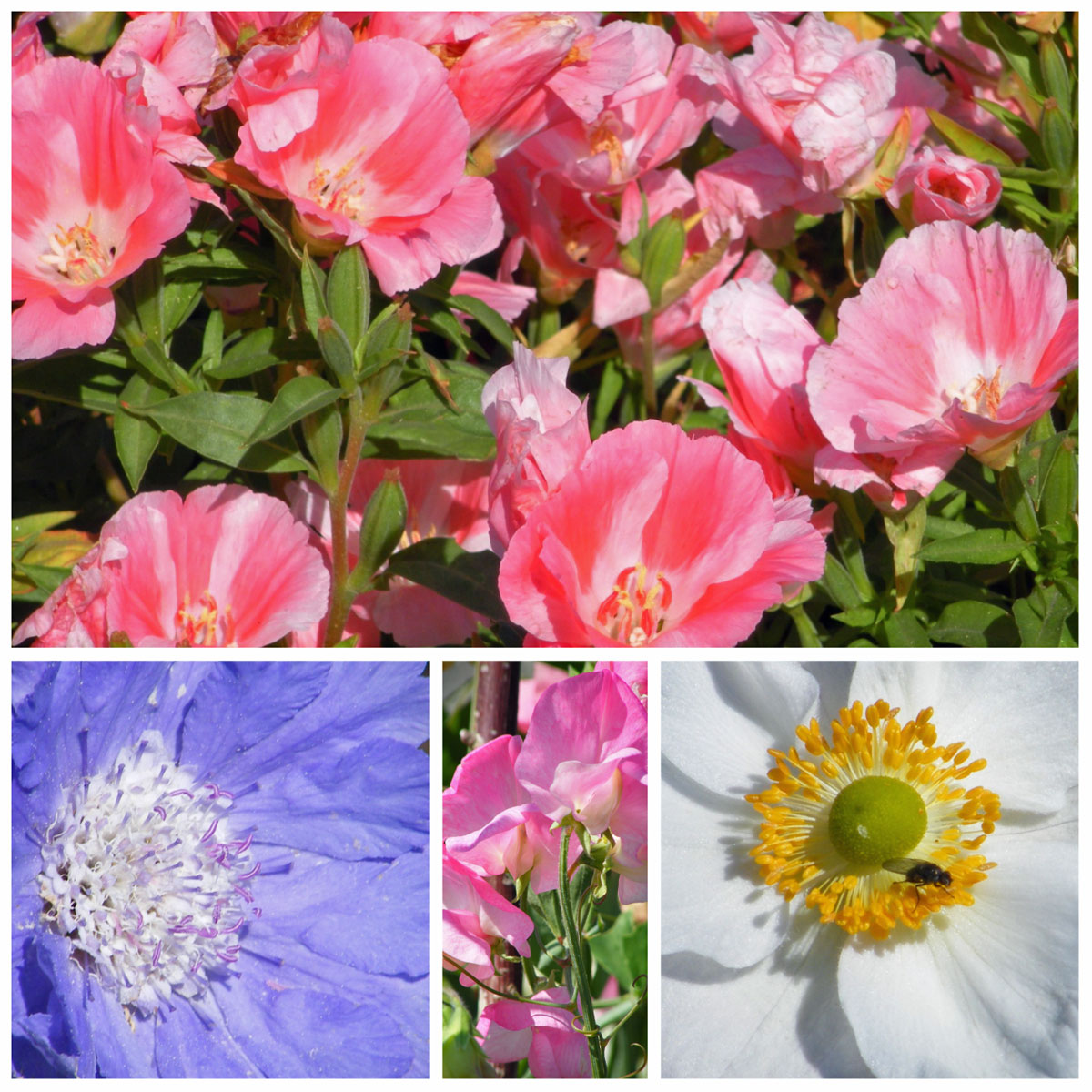
Jekyll designed the garden to have a wealth of colour during the summer months and to be especially prolific in August. Flowers include eight varieties of sweet peas, two of which are the delicate ‘Miss Wilmott’ and the deep crimson ‘Queen Alexander’.Jekyll’s original planting scheme was restored by the Trust in 2003. With its geometric layout of paths and beds, the garden is always interesting to look round.
Outside of the castle, there is a lot to explore. There are walks through the grass fields to the sand dunes where you can fly kites (it is an exposed place) visit the industrial Lime Kilns, look for seals and birdlife and enjoy the quiet beaches on the north side. Most visitors visit the castle and the priory and photograph the unique fisherman’s sheds made from old upturned fishing boats, one of the symbols of Holy Island.
Castle views and Lime KilnsLindisfarne Castle
It’s essential to check the tide times as the island is accessed via a long causeway which is impassable once the tide comes in. Though there is accommodation available on the island if you want to stay a little longer.
During this year I shall be posting photographs from places around the UK, many of which have not been published before. Where I have previously blogged about a location I will provide a link to the post, though you won’t be able to comment on it as I restrict comments to six months.
K is for Kirkstone Pass
The Kirkstone Pass with an altitude of 1,489 feet is the Lake District’s highest pass that is open to motor traffic. The A592, which follows the route of a drover’s road used by farmers, runs from Windermere to Patterdale, but we took the short three mile winding road from Ambleside through the mountains, known as ‘The Struggle’ which leads to the Kirkstone Pass Inn.
The steep twisty road is totally paved but curvy, narrow and very steep, hitting a harsh 17% of maximum gradient through some of the ramps. Due its steepness it was traditionally known as ‘The Struggle’.The StruggleThe Kirkstone Pass Inn stands close to the summit of the pass. Formerly an important coaching inn, it now caters primarily for tourists. It is the third highest public house in England.
Continuing past the inn towards Ullswater, you find yourself looking at this spectacular view.
Brothers Water is in the Hartsop valley and is a small lake in the eastern region of the Lake District. Once called Broad Water, it lies at the northern end of Kirkstone Pass, affording picturesque views on the descent towards Patterdale.
The Pass is only to be driven in good weather. It can get dangerous in the winter when covered with snow and ice.