Description: Every Tuesday I offer the “A to Z challenge”, walking step by step through the alphabet.
If you would like to join in then please click here
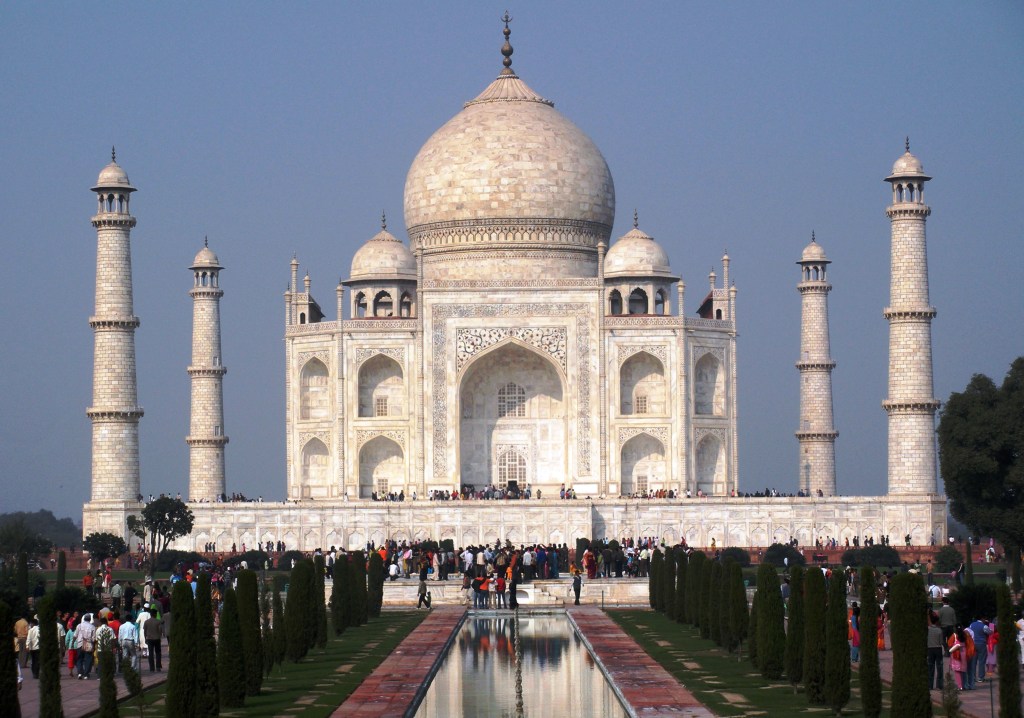
The five principal elements of the Taj Mahal complex—main gateway, garden, mosque, jawab and mausoleum (including its four minarets)—were conceived and designed as a unified entity.
A couple of weeks ago I used the Jawabto illustrate architecture for the letter J so this week I am going to show you the Mosque, Minarets and Mausoleum which were mentioned in that post. Remember, the Jawab is simply a building mirroring the Mosque for symmetry in the design.
Mausoleum and Minarets
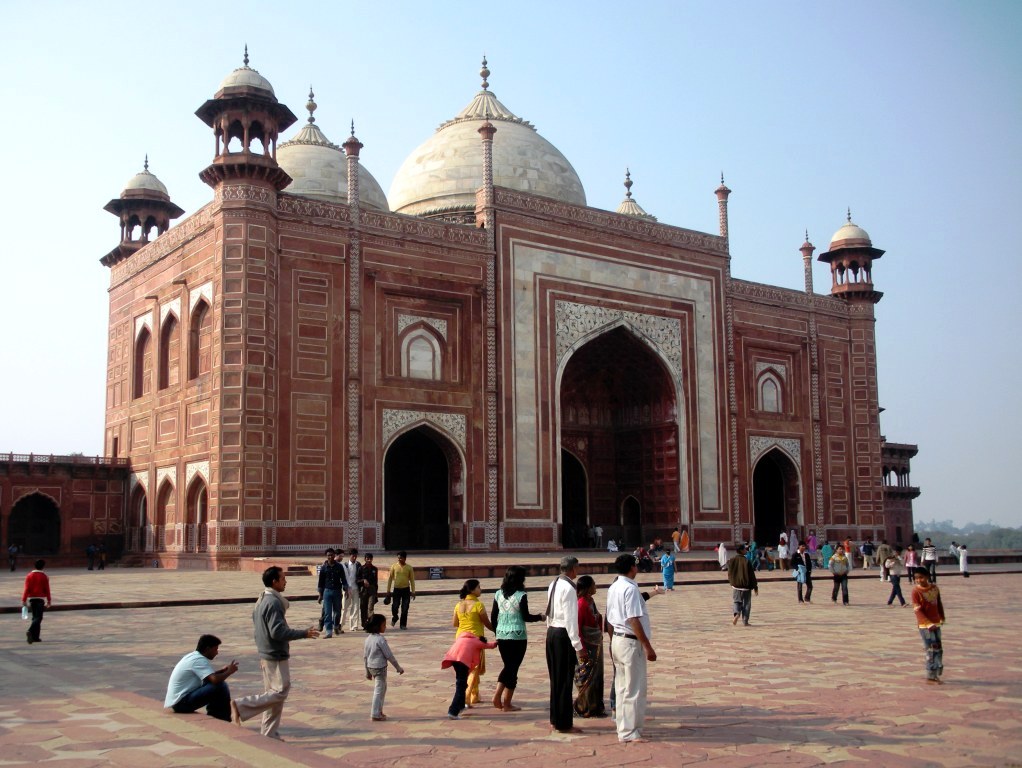
At the western side is the mosque (masjid) facing east, reported to have been built by Isa Muhammed 1631-1648. It is built of red sandstone and has one dominant portal known as an iwan.
Mosque
Either side of the major iwan are two smaller arches sandwiched between four towering pinnacles. The spandrels above the arches are studded with coloured marble inlay and the mosque dados feature naturalistic floral designs.
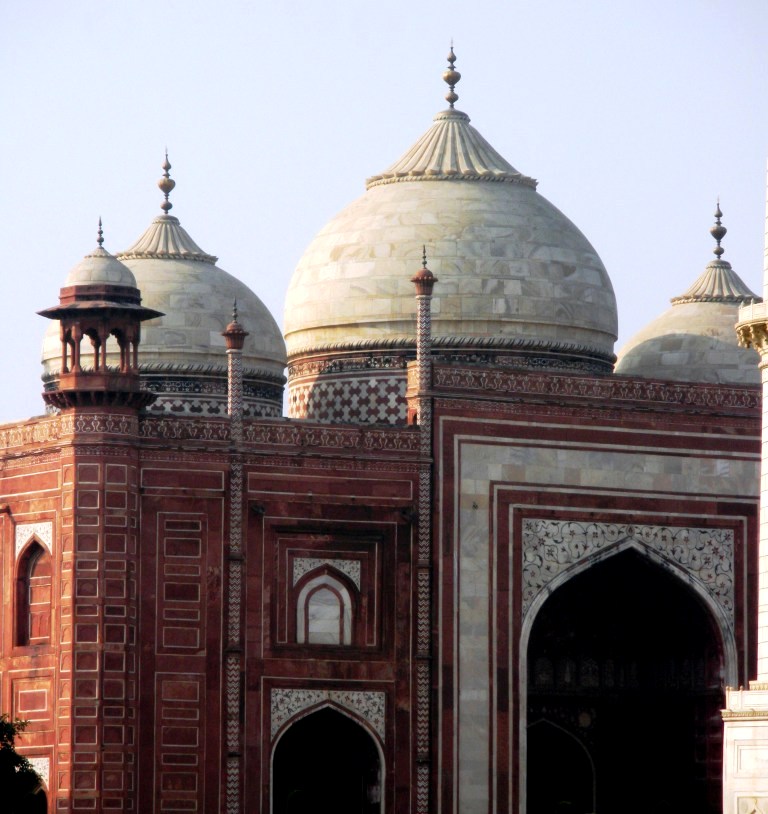
On the roof and complementing the arches below are three marble-coated domes. Inverted lotus shaped designs cloak the top of the domes, surmounted by gilded finials. On the four corners of the mosque are chattris, or domed kiosks, which have a marble coated veneer.
Mosque
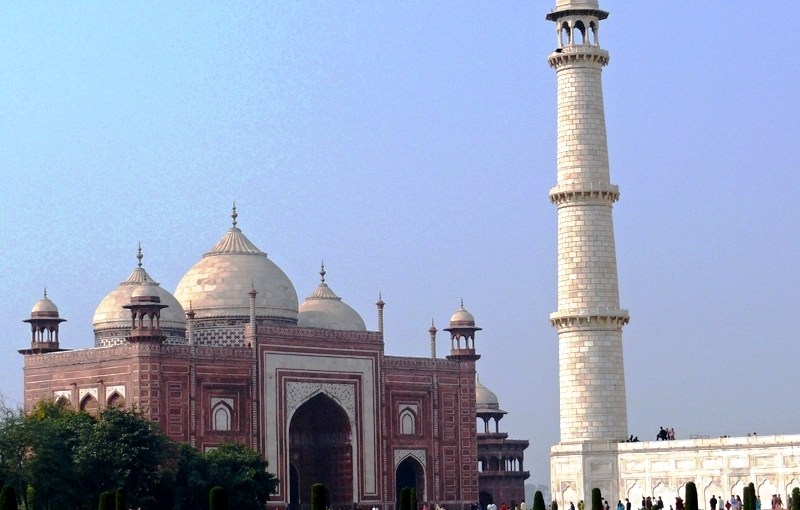
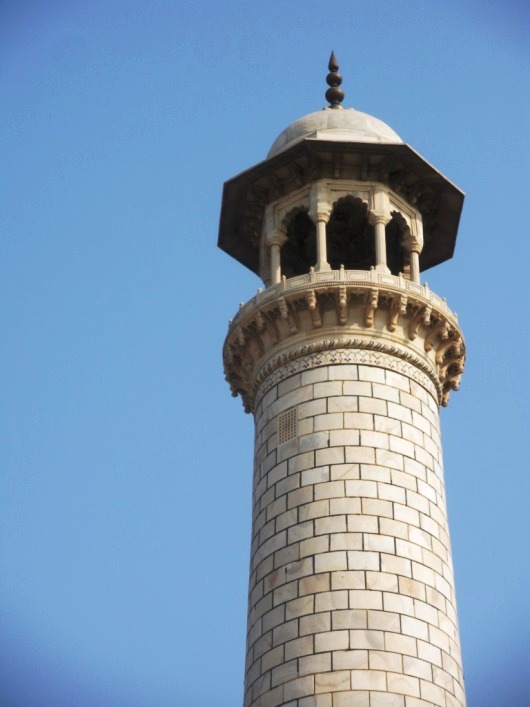
I will also include a minaret, four of these form part of the mausoleum, which have the same chattris as on the corners of the mosque and jawab.
Minaret and Chattri
One of the most beautiful structural compositions in the world, the Taj Mahal was designated a UNESCO World Heritage site in 1983.
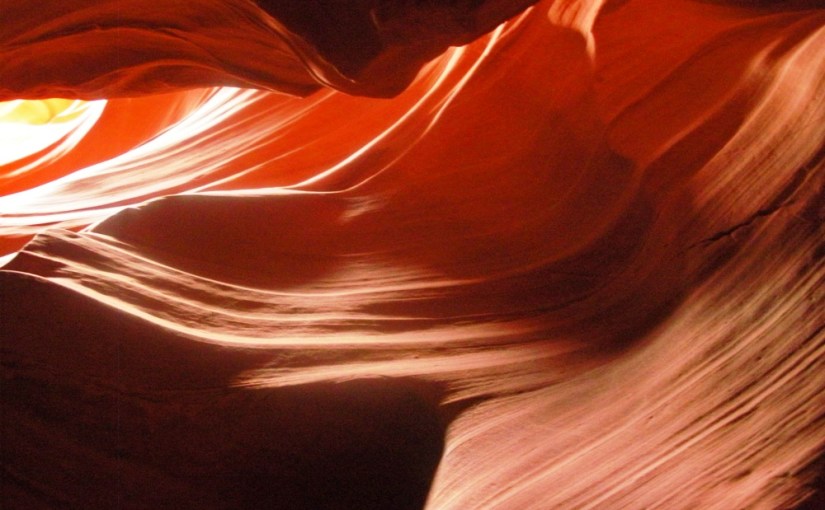
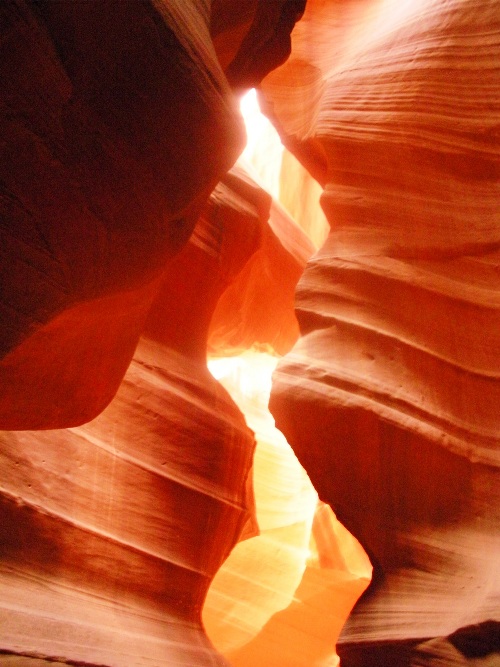
Sunday dawned cold and grey. But the photo trip was still on and we spent a couple of hours in the company of Charley from Overland Canyon Tours in the Antelope Canyon which is a few miles outside of Page where the slot canyons are majestic narrow passages with just enough space for a small group to walk the sandy floor – and for the occasional shafts of sunlight to shine down from above. [1]
The best time to visit is when the sun is overhead so you get those super shots of sunlight on the sand particles shimmering in the oranges, reds and yellows of the naturally carved sandstone. Unfortunately for us there was no sun, but that did not spoil our enjoyment of this incredible place. Even light flares added an interesting purple hue to the rocks. For those of you who are fitter than us you might like to visit the Lower Antelope Canyon which is reached by a series of ladders. All I can say that climbing the steps up into the cab of the Ute was hard enough!
In the afternoon we took a drive back down to Bitter Springs and turned right on to the 89A across the Navajo Bridge to visit Lees Ferry where you can get down to the edge of the Colorado and watch groups preparing to raft down the river. [2]
(click on an image to enlarge)
Preparing for rafting
At Lees Ferry
Rafts in waiting
Over the ten miles or so south of the Navajo bridge, the Colorado has several fascinating narrow tributary canyons including Seven-mile Draw, Soap Canyon, Jackass Creek and Badger Canyon. The layers of sandstone and shale that form the vermilion cliffs once extended five miles to connect to the same layers in the Echo cliffs. The Colorado River cut a canyon through the Navajo sandstone.
Navajo Bridges (old and new)
Navajo Bridge across the Colorado
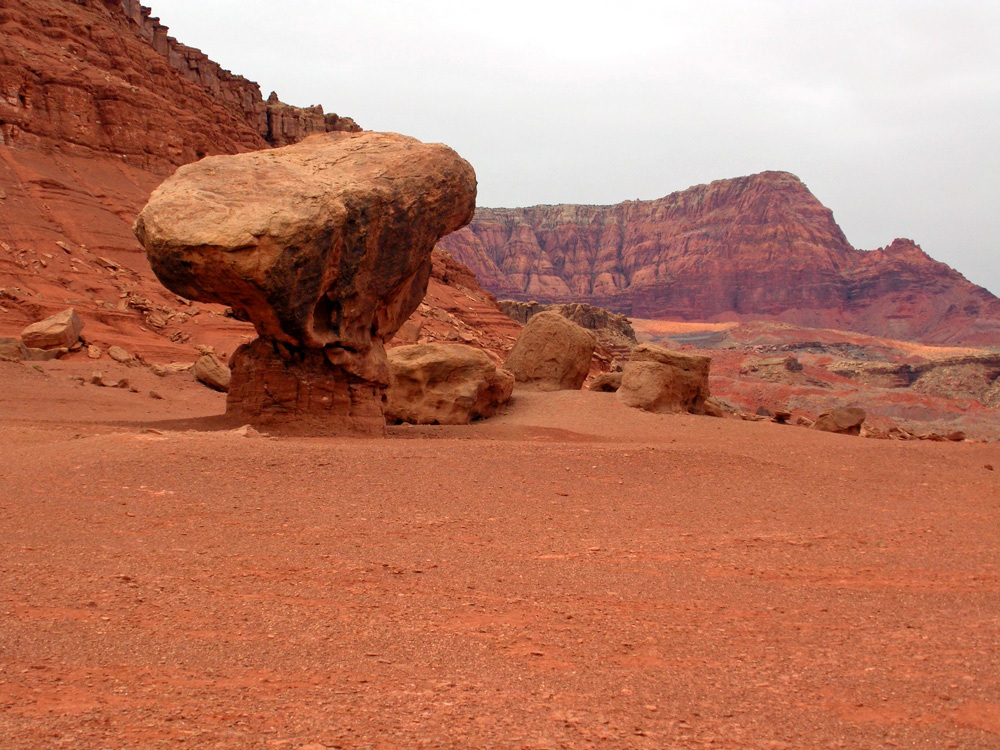
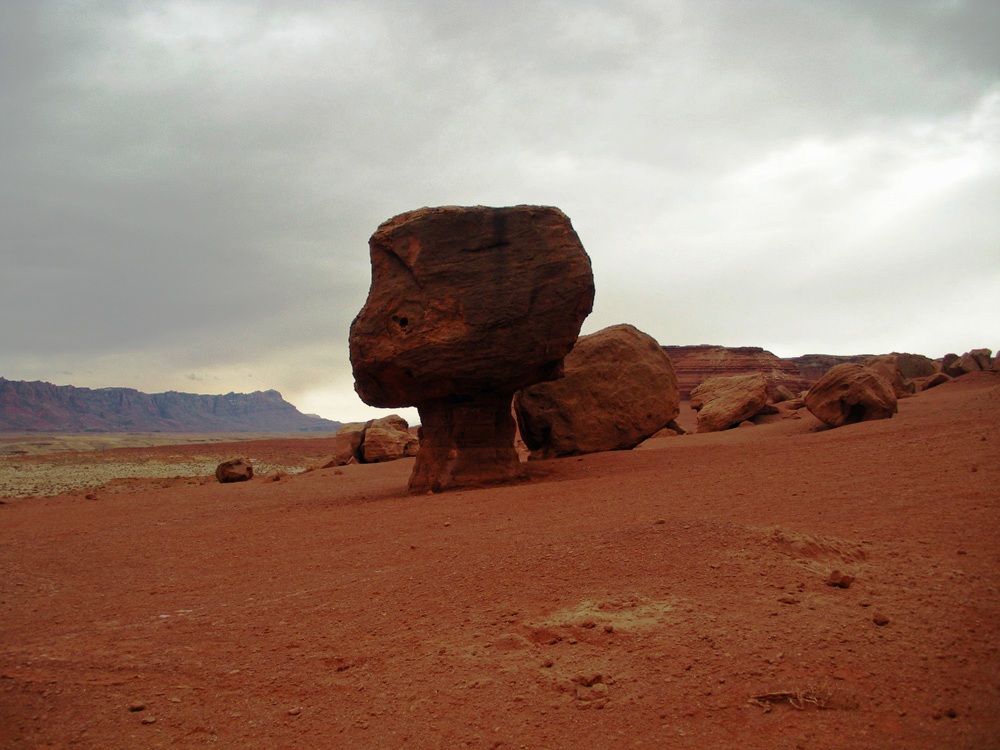
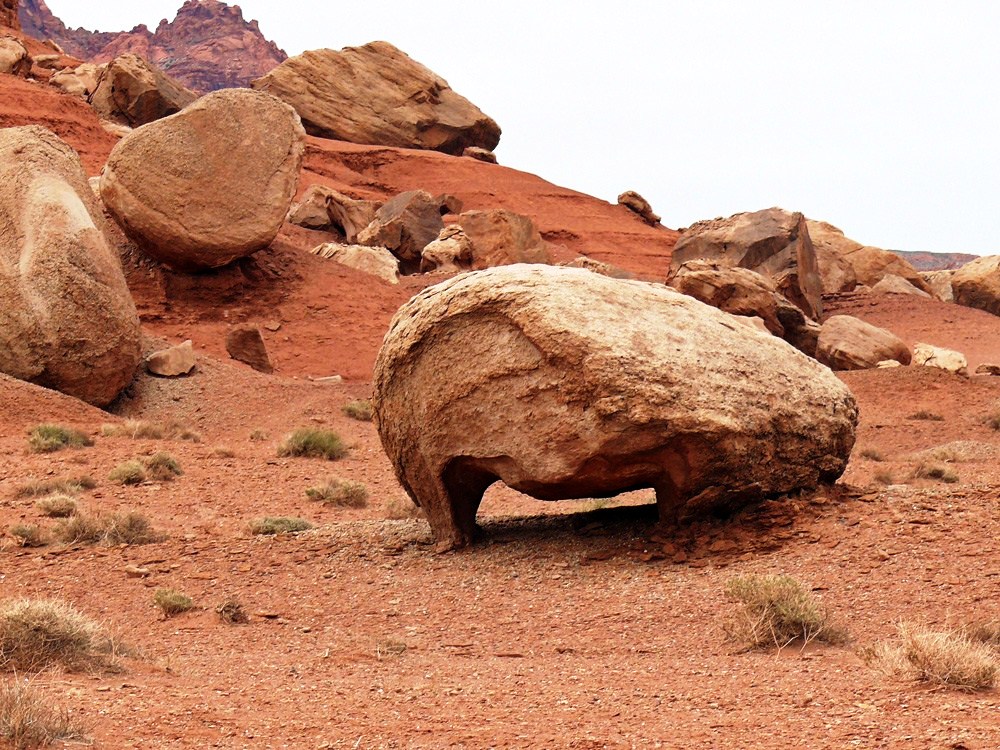
We stopped to marvel at the balanced rocks on the way back to Marble Canyon. Thousands of years ago a huge boulder of conglomerate broke from the cliff above and rolled to a stop here. Since then at least 6 feet of this slope has eroded away.
Balanced RocksBalanced Rocks
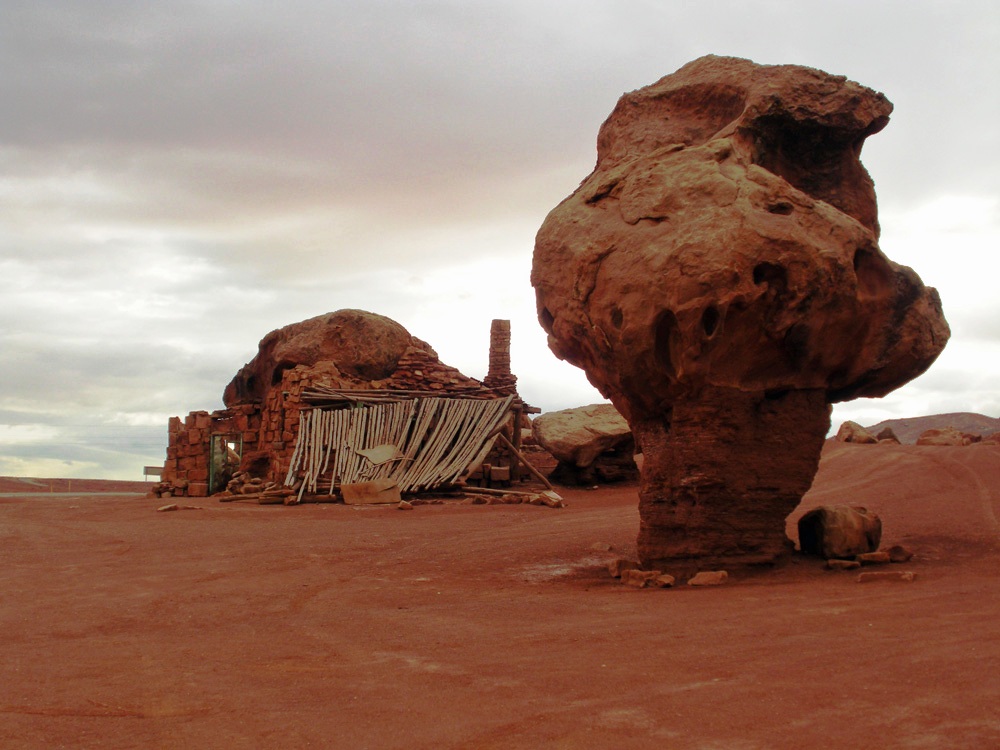
Ultimately the softer rock, now protected by the umbrella of harder conglomerate will erode, and the boulder will topple to the ground again.
Balanced Rocks
Several fallen boulders at the foot of the desolate Vermilion Cliffs on the Arizona Strip north of the Grand Canyon.
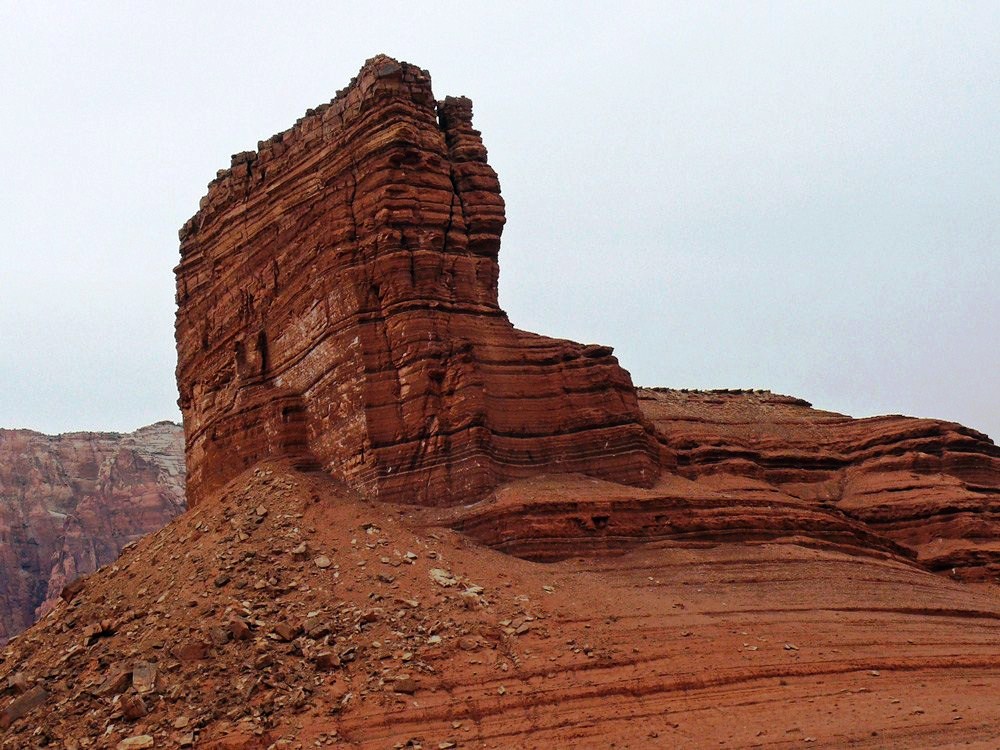
Hard upper layer – Shinarump Conglomerate – forms the cliff top.
At the 89a junction we turned right and drove to the Cliff Dwellers Lodge about nine miles further east to have an early dinner at the diner there.
Cliff Dwellers Lodge
During the Great Depression, a few white settlers built a small town of wooden structures with shingle roofs that still cling to gigantic boulders in a moon-like setting at the foot of Vermilion Cliffs.
Through the window of a cliff dweller’s homeTough living
Returning to Page after a very interesting day we managed to catch the sun setting on Echo Cliffs on the land of the Navajo Nation.
[1] When we did this trip it was OK to have any type of camera but now you need to have a SLR – point and shoot, IPads and IPhones are not accepted, if you have one of these you may find yourself on a normal tour. We had bridge cameras.
[2] There was a landslip in 2013 which meant that this route was not accessible for quite some time. It is advisable to check routes in this region before setting out.
In a post created specifically for this challenge, share a photo that brings a street to life.
Document the movement (or stillness) of a street: tell a story with your snapshot, capture a scene that reveals a bit about a place, or simply show us where you live — or a path you often take.
~ Cheri
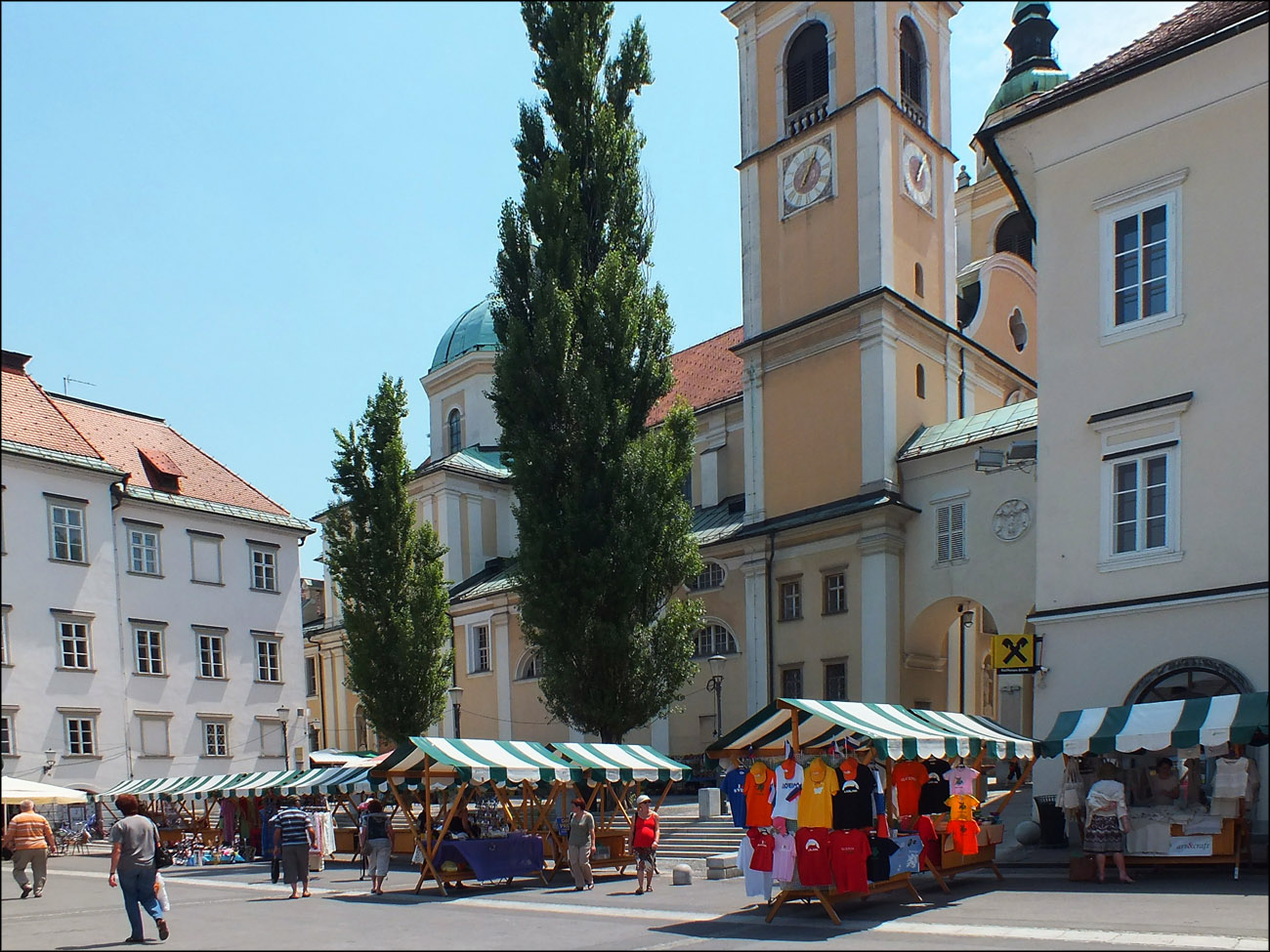
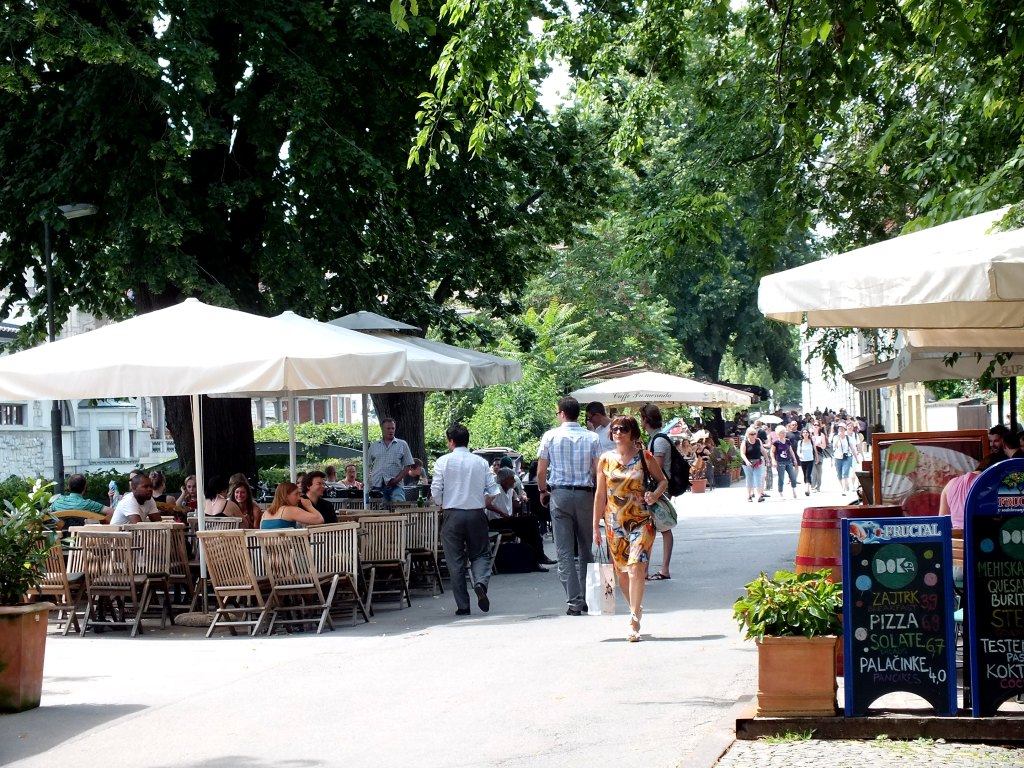
We are going to take a gentle stroll along the bank of the River Ljubljanica in Ljubljana, Slovenia on a lovely hot summer’s day. From being a former dull, grey town in a communist country, Ljubljana is now a hip small capital city with a vibrant café culture and beautiful Viennese Secessionist Architecture.
In the MarketMarket Stallsalong the LjubljanicaLove LocksCafé CultureCafé Culture
If you would like to see what others have come up with for this challenge then go to the Daily Post @ WordPress Weekly Photo Challenge
Read my previous posts on Ljubljana: Here and here.
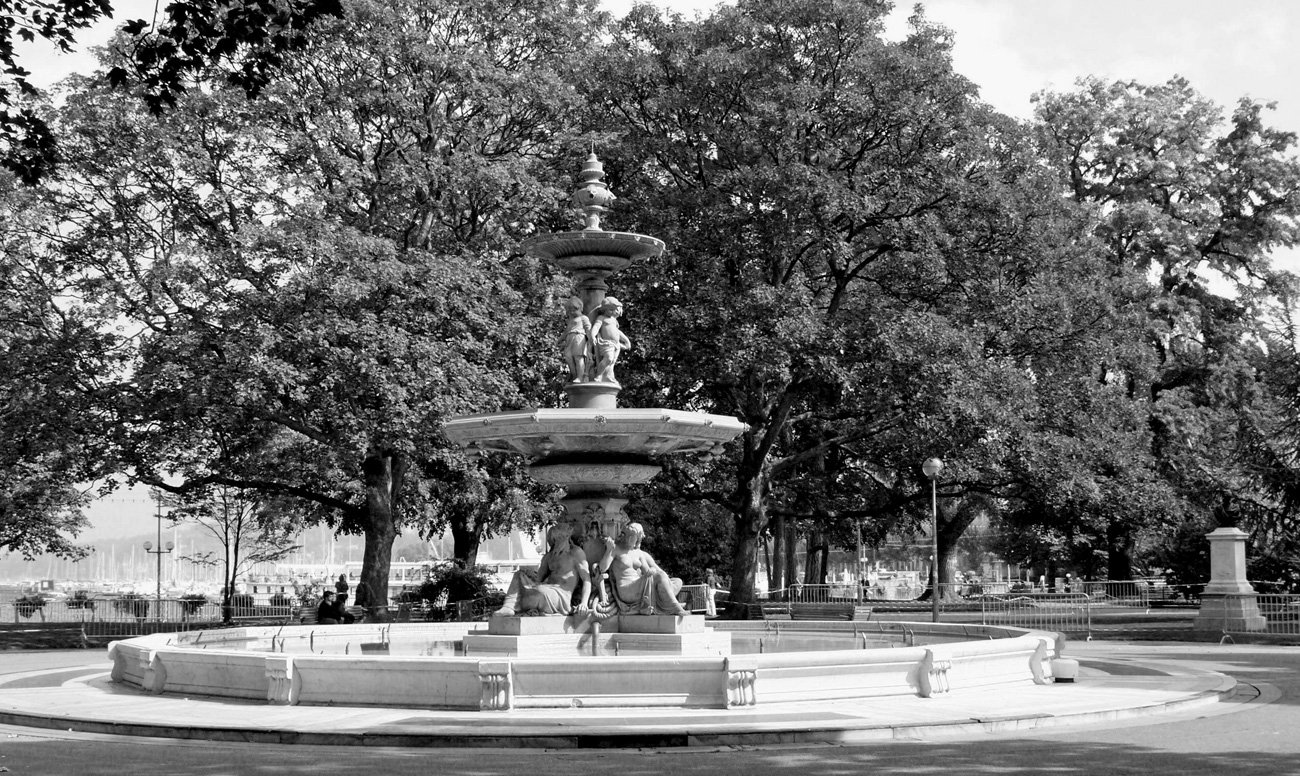
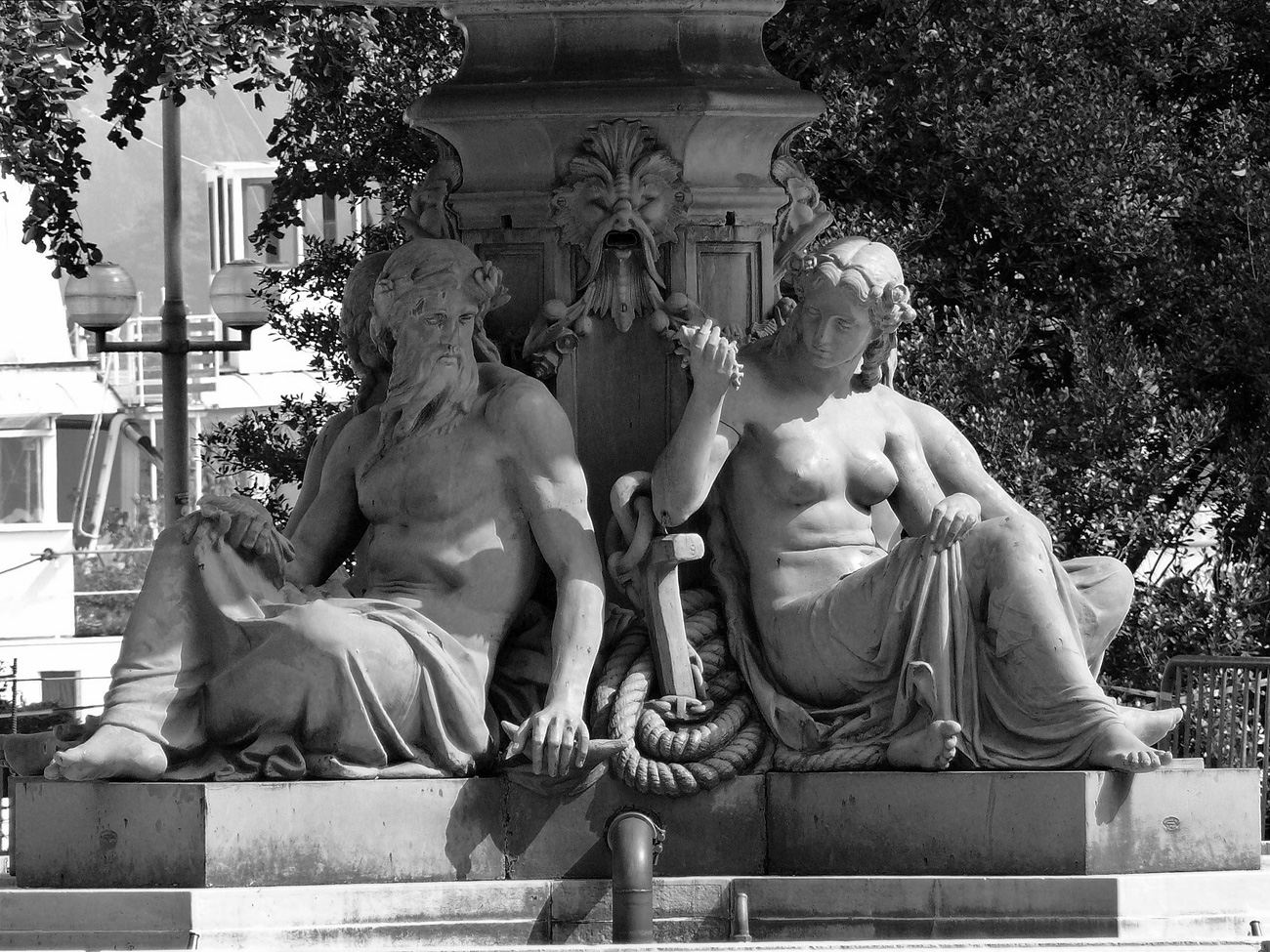
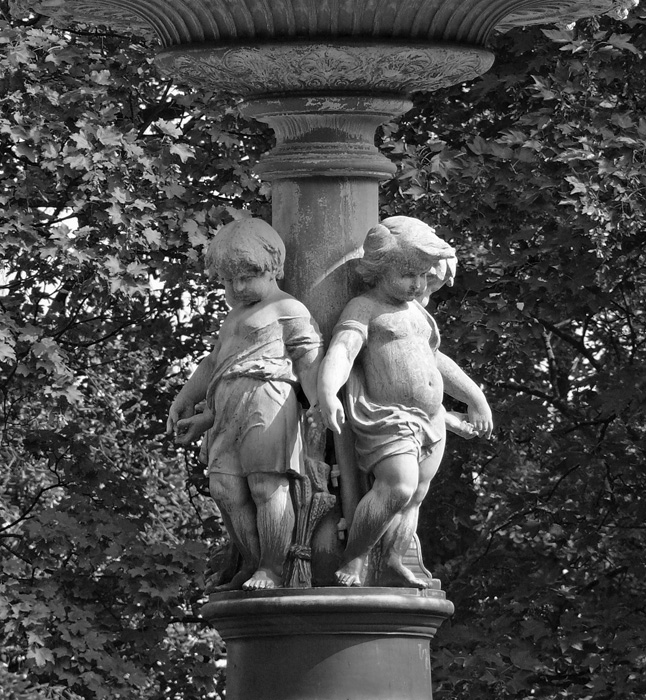
So I thought I’d take the opportunity to feature one of my favourite fountains in the Jardin Anglais in Geneva, Switzerland.
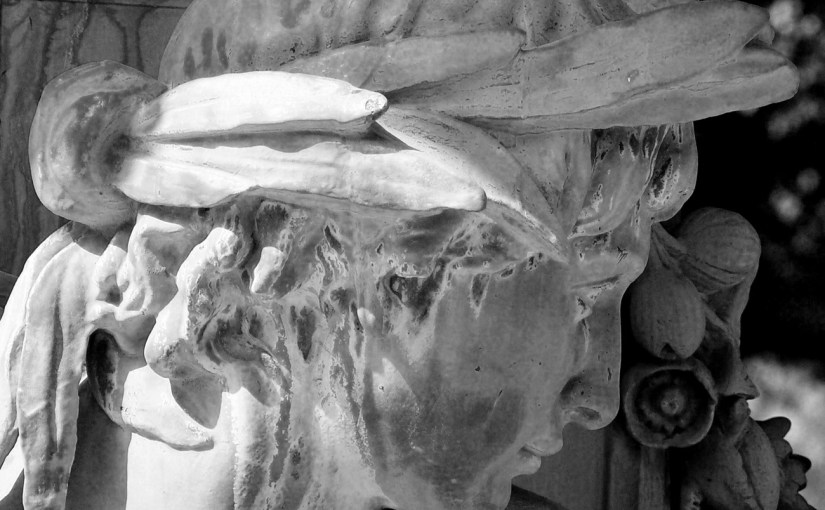
This large bronze fountain with its superposed basins borne by naiads was the work of the Parisian sculptor Alexis André in 1862.
KRINAIAI, the Naiads of fountains
THE NAIADES were fresh-water Nymphs who inhabited the rivers, streams, lakes, marshes, fountains and springs of the earth. They were immortal, minor divinities who were invited to attend the assemblies of the gods on Mount Olympos.
KRINAIAI, the Naiads of fountains
KRINAIAI, the Naiads of fountains
I am combining this post with this week’s Travel Theme challenge from Ailsa of “Where’s My Backpack?” who has written an interesting article about statues in Rome and is now urging everyone to find some suitable STATUES to join her this week. If you would like to join in with her challenge then please do. Everyone is welcome.
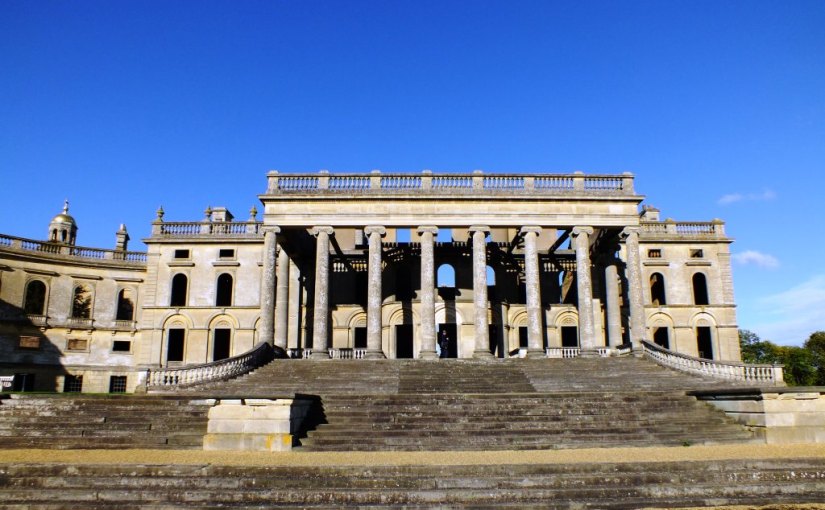
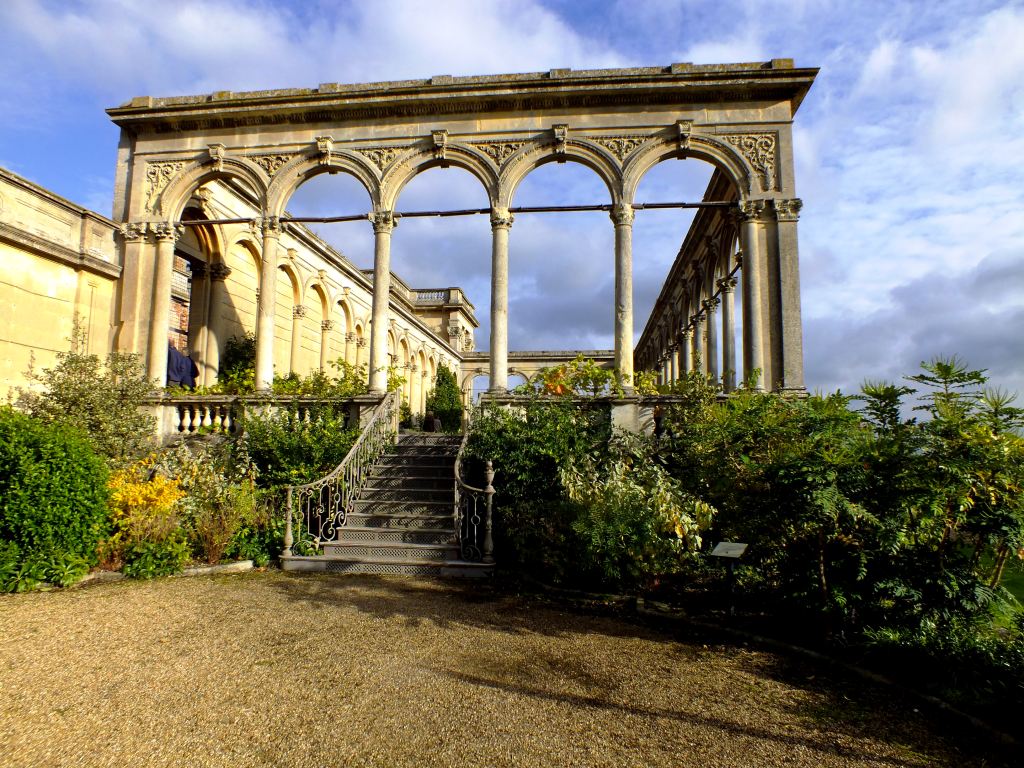
Witley Court in Worcestershire was once a grand Victorian country house, developed over several centuries, but it’s heyday was in the 19th century when the 1st Earl of Dudley invested heavily in the refurbishment of the house spending the equivalent of £100 million. His fortune came from the coal mines of the Black Country together with iron works, chemical factories and the railways.
After the First World War the family’s fortunes declined and the second Earl decided to sell it to a carpet manufacturer from Kidderminster. In 1937 the main part of the house was destroyed by fire, believed to have started in one of the kitchens. Now you see the shell of the house, without any glazing in the stone mullion window frames.
The South WingThrough the Door
The main attraction to the site is a restored working fountain which represents Perseus and Andromeda and reaches the original high cascades when fired on the hour between 11 am and 4 pm.
There are also lovely woodland walks and restored parterre gardens and the ruins of a gorgeous conservatory which once housed exotic plants and had an enormous cast-iron, plate glass roof.
















 TRAVEL WORDS