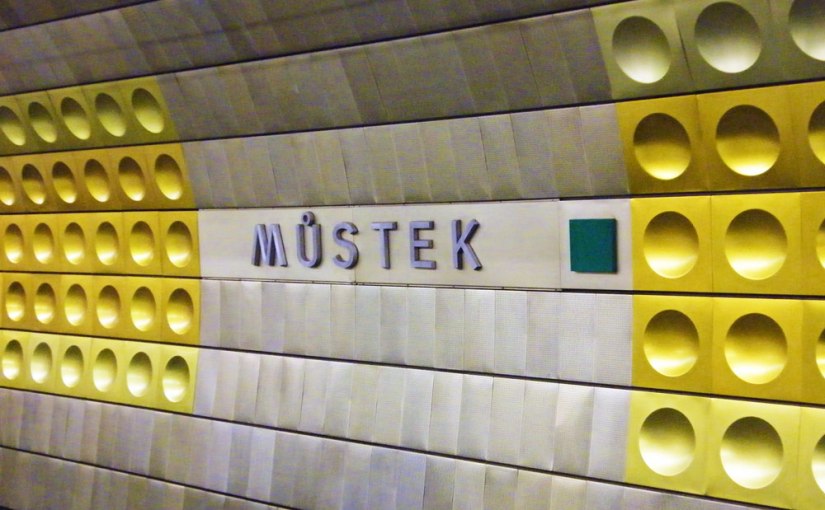
Prague is a photographer’s dream. Apart from the amazing architecture – Baroque, Gothic, Rococo, Renaissance, Art Nouveau – there are shops full of treasures from wooden puppets, Bohemia glassware, decorated eggs, jewellery – even the metro stations are among the most photogenic in Europe.
(Please click on an image to scroll through the gallery)
Inspired by pop art, artist Jiří Rathouský came up with the distinguishing colours for each of the individual stations. Colours are used to represent significant historical locations found on different lines.
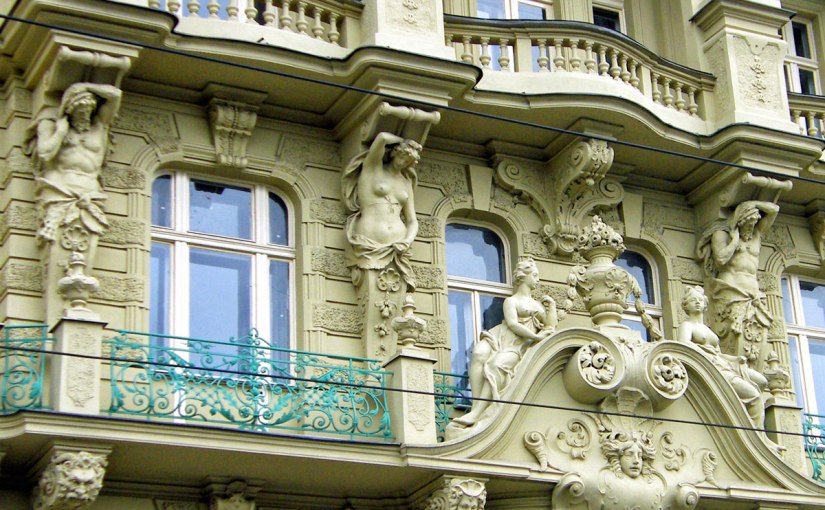
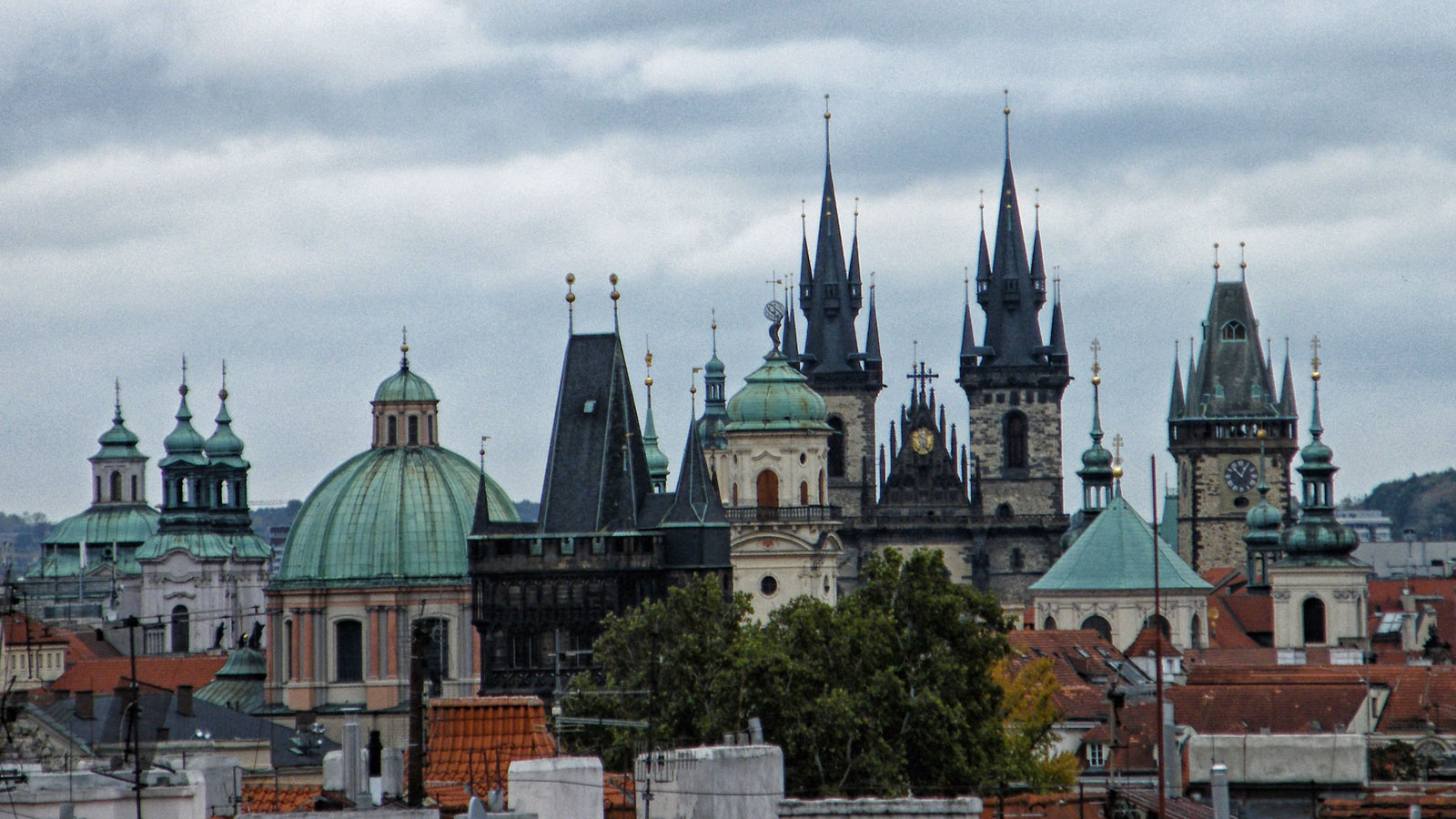
Prague is a fascinating city with a myriad of architectural styles from Romanesque to the more recent Gehry building ‘The Dancing House’. Art Nouveau, Renaissance, Gothic, Baroque and Rococo coexist – all I can say is better bring a good camera and don’t forget to look up.
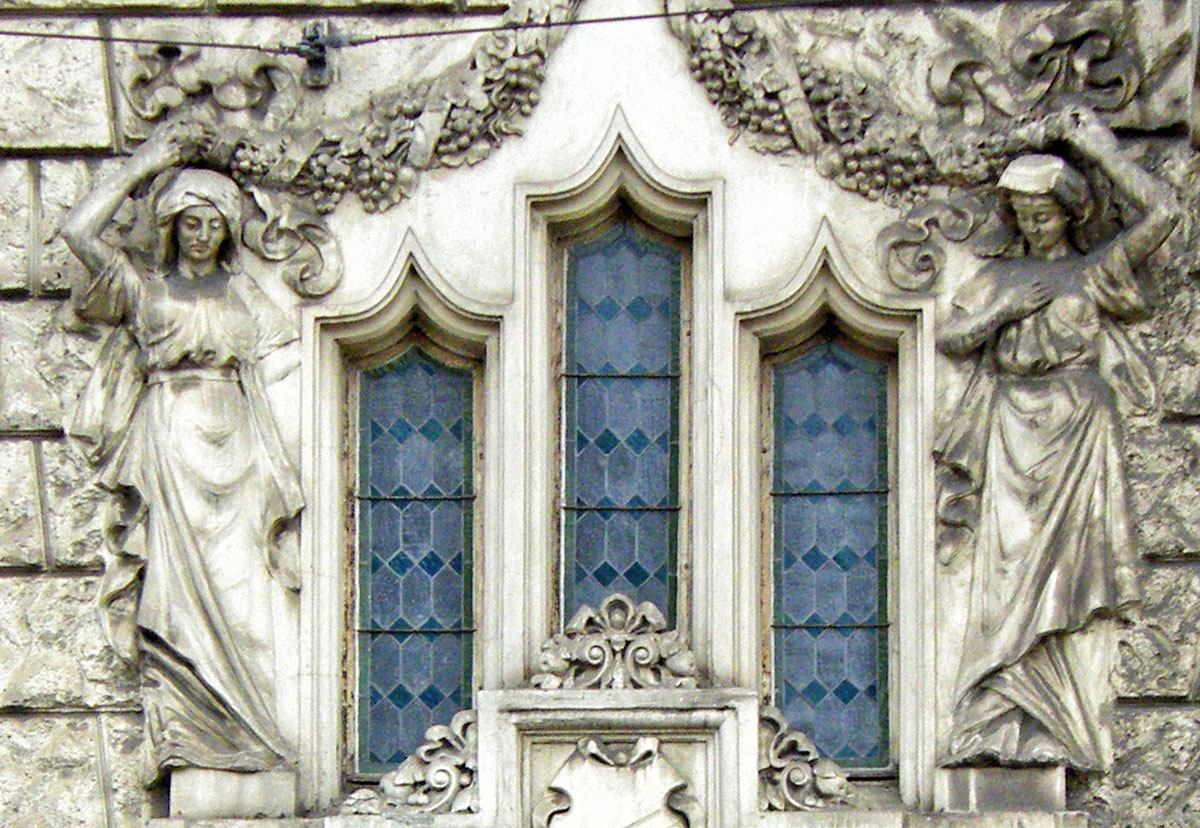
This week a selection of figures. Please click on an image to scroll through the gallery.
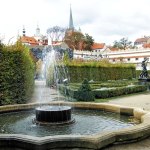
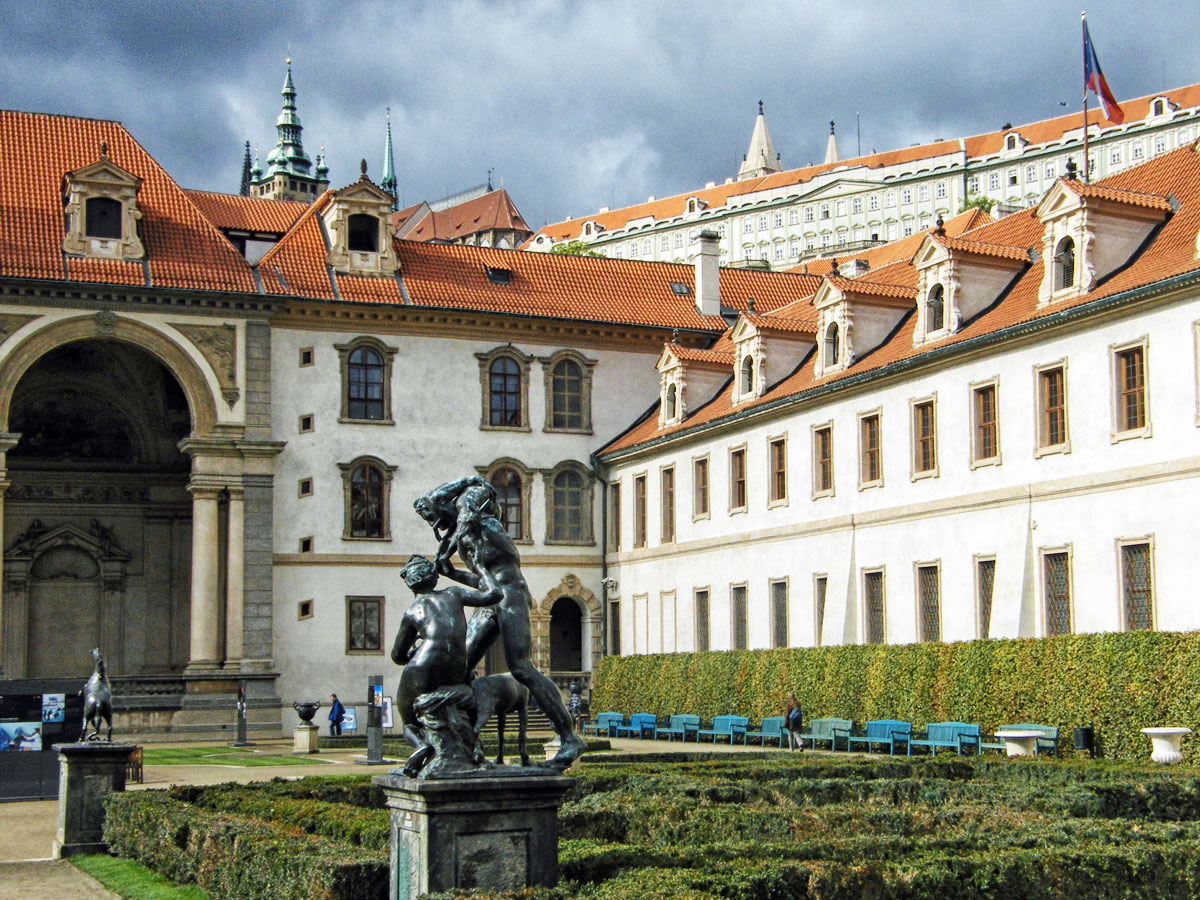
Wherever I travel I like to find a public garden to visit. Prague proved a little more difficult especially in late October, but then I read about the Wallenstein Gardens designed in the Italian style with a sala terrena (a garden pavilion), a grotto, an aviary and an artificial lake with an island.
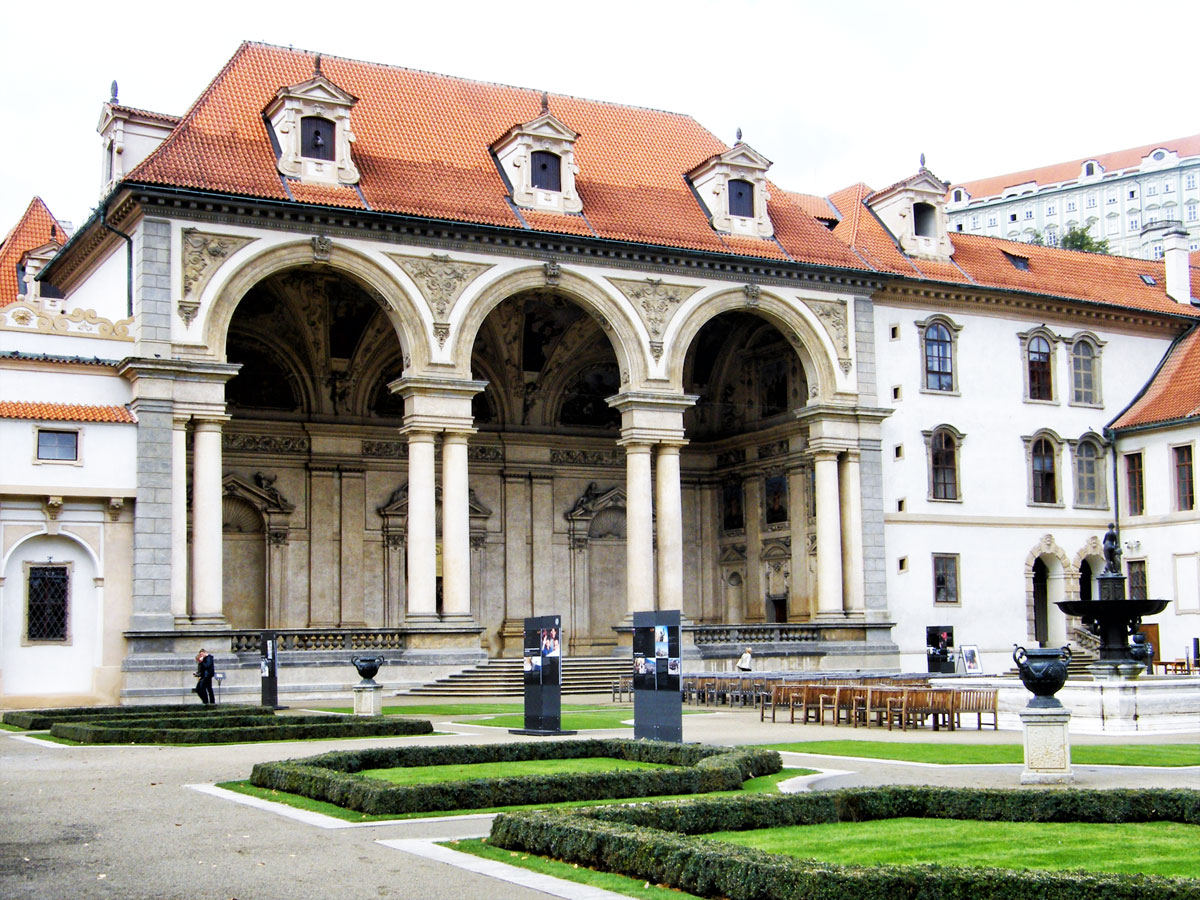
Sala Terrena, a loggia with three arches and richly decorated with frescoes.
The statues you see in the garden are replicas.¹ The original statues were taken as spoils of war by the Swedes during the Thirty Years’ War in the seventeenth century.
Hercules frees Deianeira from the centaur Nessus.
Hercules fighting the Dragon
Horses
Venus and Adonis
Apollo
Bacchus
They also took a statue of Venus by Benedikt Wurzelbauer which is the only one to have been returned. A copy of it and all the other sculptures have been replaced in the garden.
Venus
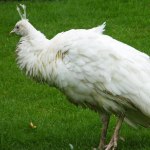
The garden lies in the middle of a beautiful Baroque complex, hidden behind a variety of buildings in Malá Strana. It is free to enter and is a peaceful place to get away from the madding crowds and sit for a while. Peacocks roam the grounds among the many sculptures.
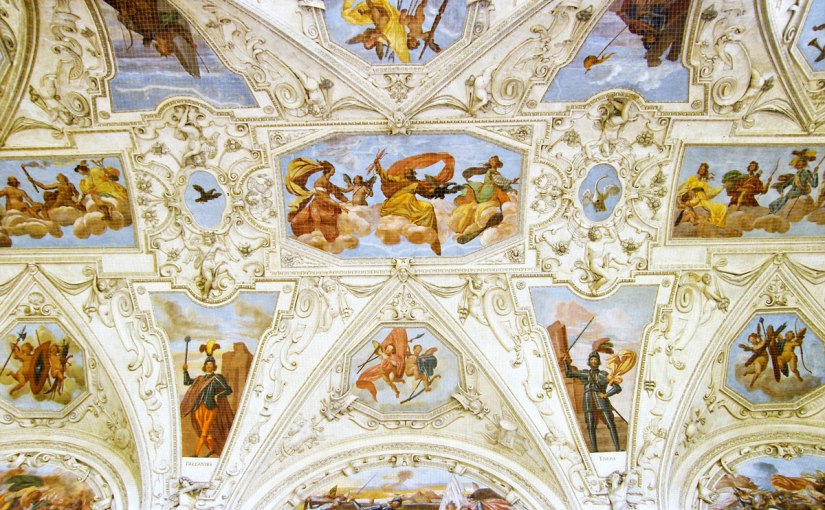
At one end is the Wallenstein Palace which houses the Czech Senate. The palace has a remarkable loggia with painted ceiling (header photo) and at the other end is the Wallenstein Riding School though you won’t find any horses here now.
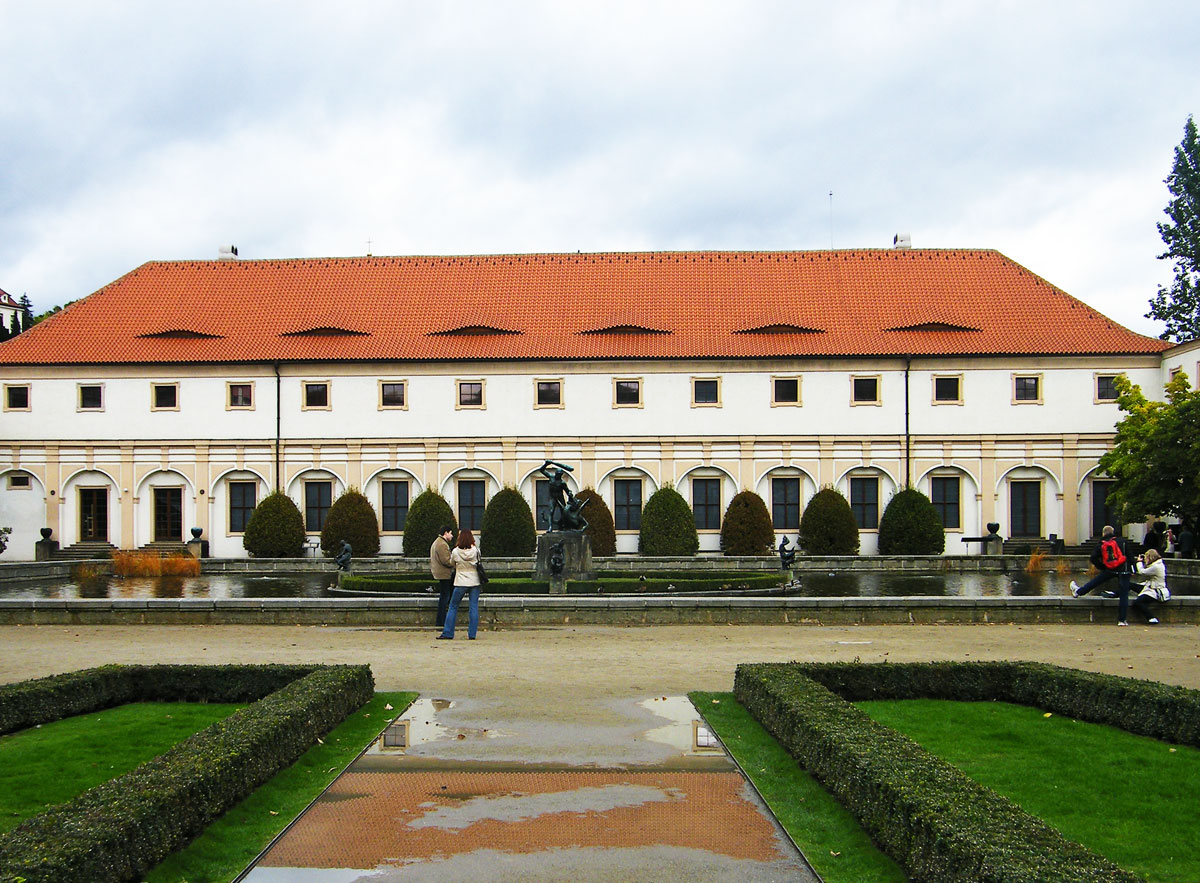
The Riding School
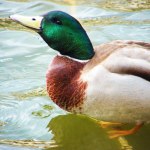
Today, it houses the meeting room and the National Gallery. It hosts various exhibitions of both Czech and international artists throughout the year. Next to the Wallenstein Riding School is a fish pond with koi, pike, and other ornamental fish, a fountain and statue in the middle. Feel free to feed the ducks.
The large fish pond and islet with the statue of Hercules fighting Hydra in the centre
A bizarre part of the garden (and one which I had noticed from the castle) is an enormous stalactite grey wall with hidden creatures among what looks like dripping mud.
During the summer season, the public can watch live concerts and performances here.
¹In the years 1625 and 1626, a collection of bronze statues and sculptural groups by significant Dutch sculptor Adrian de Vries, depicting antique gods and horses, one of the highlights of Mannerist sculpture was placed there. The Palace has been looted twice: at the end of the Thirty Years’ War in 1648 by mercenaries of the Swedish general Königsmark and during the War of the Austrian Succession in 1742 when the French established a depot there. The Swedes took all the sculptures to Sweden in 1648 where they are located at Drootningholm Palace.
Prague (the city of 101 spires apparently) is an easy city to get around either by foot (always the best way to explore I think) or using the trams or underground systems. We were staying a little outside the main areas of the Old Town and the Lesser Town in the Malmaison Riverside Hotel which is practically opposite the famous ‘Fred and Ginger’ or Dancing House.
The Charles Bridge (Karlův most) a medieval stone arch bridge that crosses the Vltava river
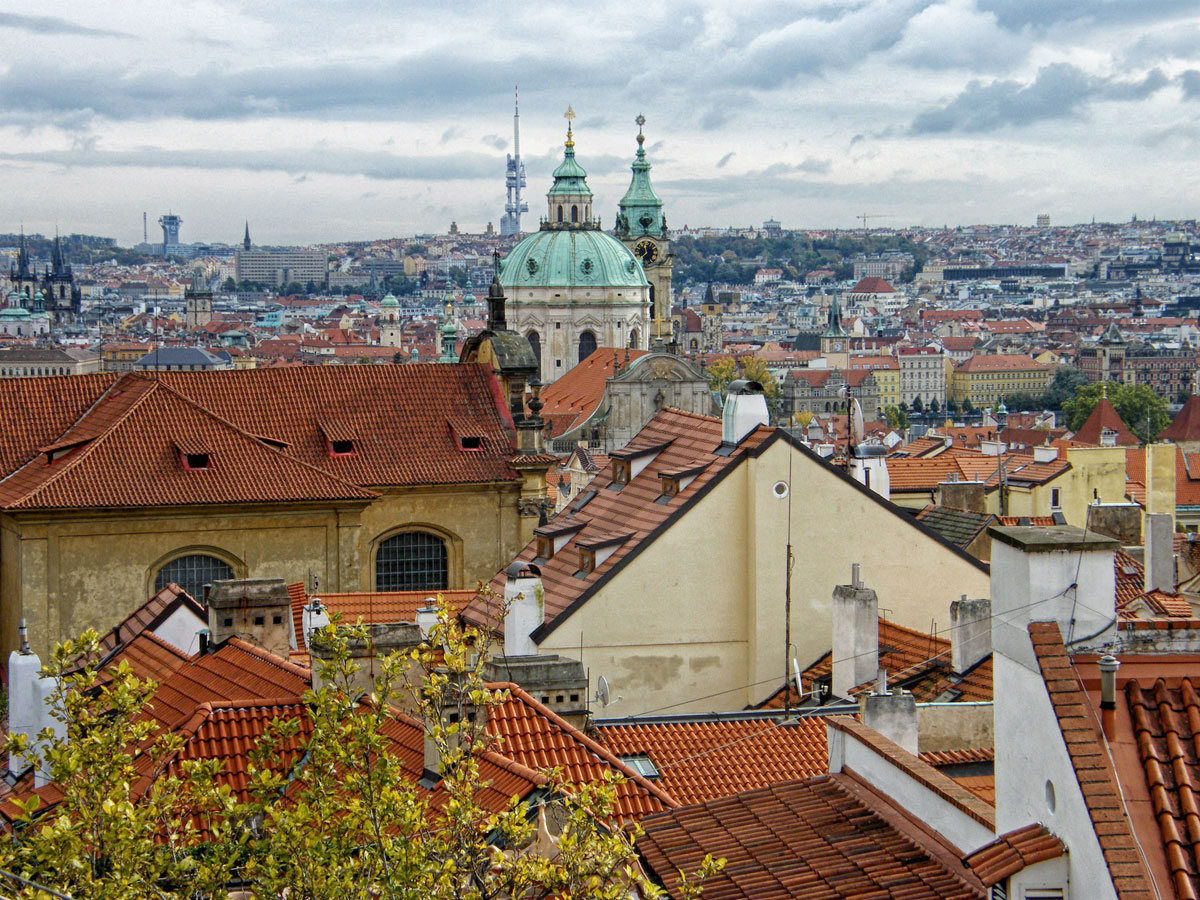
St. Nicholas Church at Lesser Town Square is the largest of Prague’s churches founded by the Jesuits.
Lesser Town bridge towers
The Žižkov Television Tower complete with Černý’s babies
Waldstein Gardens with St Vitus Cathedral
St Vitus Cathedral
Saint Wenceslas church
St. Nicholas Church
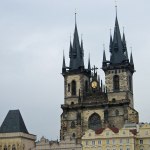
Church of Our Lady before Týn, is a Gothic church and a dominant feature of the Old Town
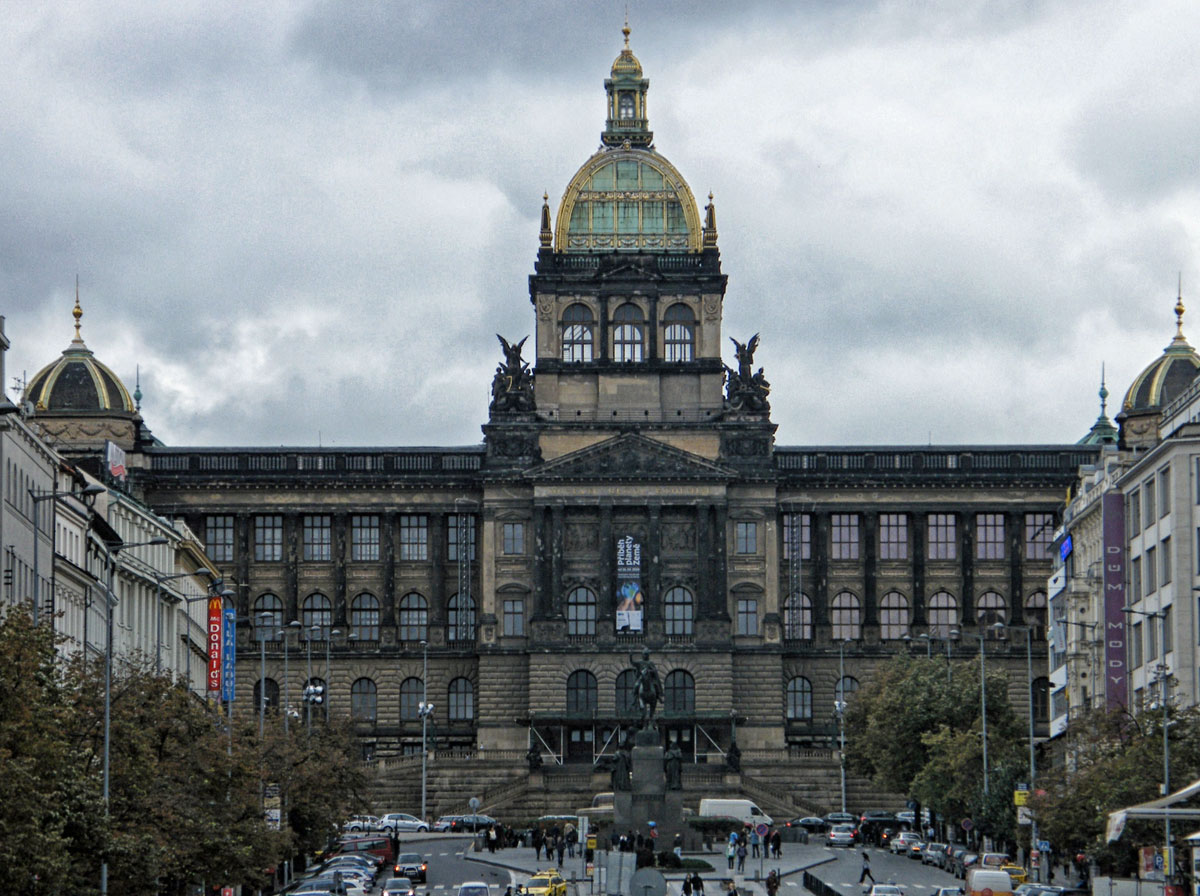
Wenceslas Square (Václavské náměstí) is the most vibrant, dynamic area of Prague with the National Theatre rising imposingly behind the statue of Saint Wenceslas.
View from Ke Hradu (the long slope up to the castle)
Walking through the Old Town you realise why Prague is often called ‘Paris of the East’ with its charming winding streets, medieval architecture and cultural landmarks. As you can tell from my photos, the weather wasn’t great during my visit (which was in the month of October), but nor was the place too busy.


























 TRAVEL WORDS