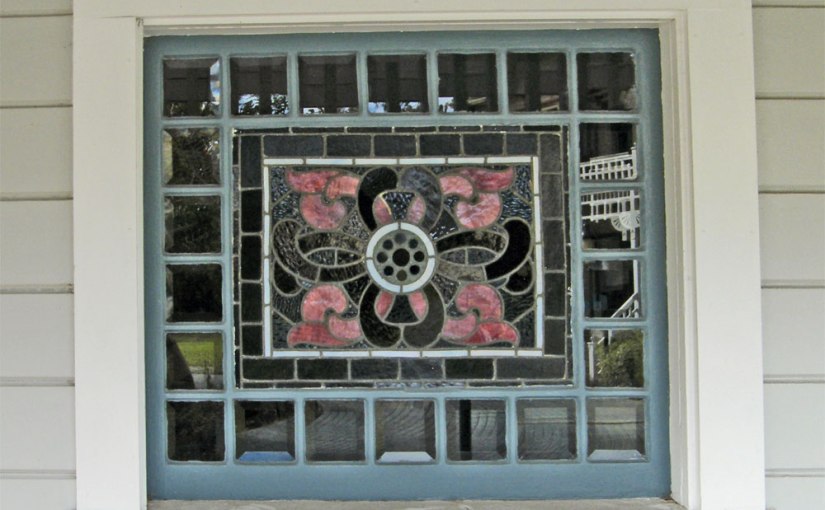
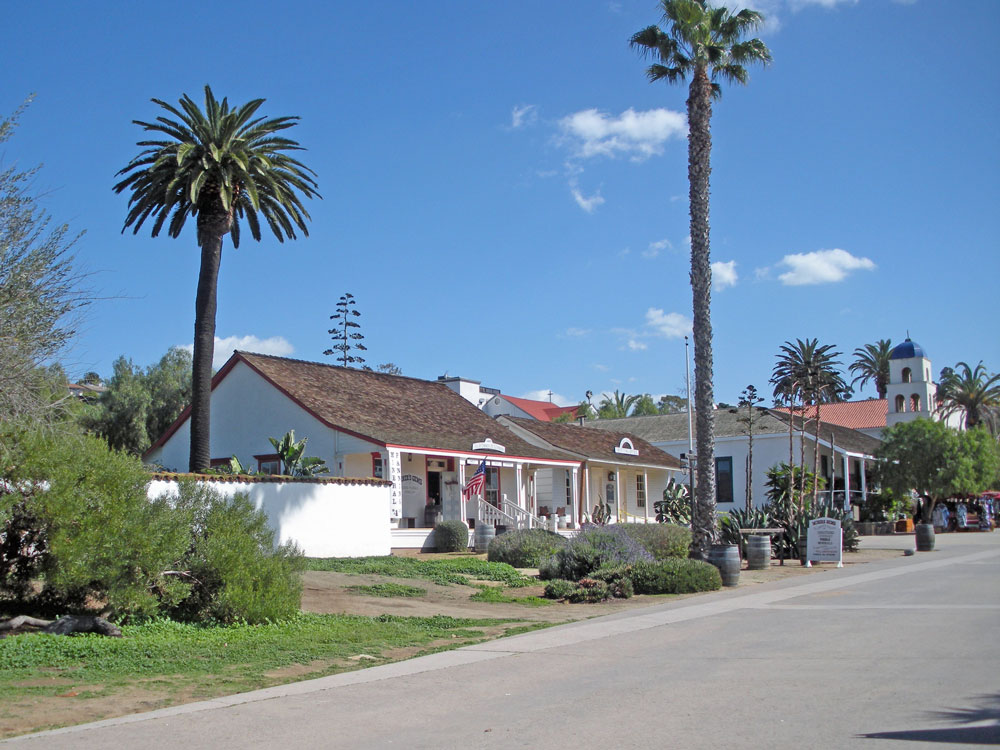
Adjacent to the Old Town San Diego State Historic Park is nearby Heritage County Park which features several restored Victorian homes and the city’s first synagogue. Several of the exteriors of the Victorian architecture of wealthy San Diego residents in the late 1880s-1890s have been restored although the interiors are currently undergoing improvements.
The Historic Buildings at Heritage County Park
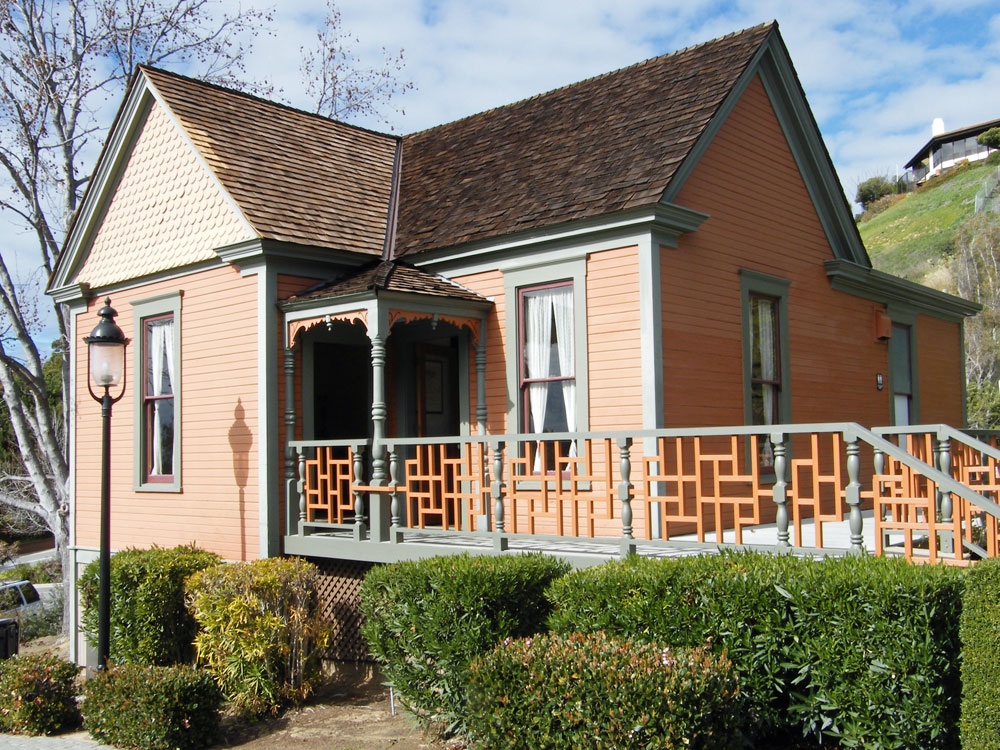
Senlis Cottage: 1896, moved to Heritage County Park in 1981 (Queen Anne Cottage)
Built in 1896, this modest four-room dwelling was home to gardener Eugene Senlis and his wife Lena. Eugene was employed by Kate Sessions, a renowned San Diego nurserywoman and horticulturalist.
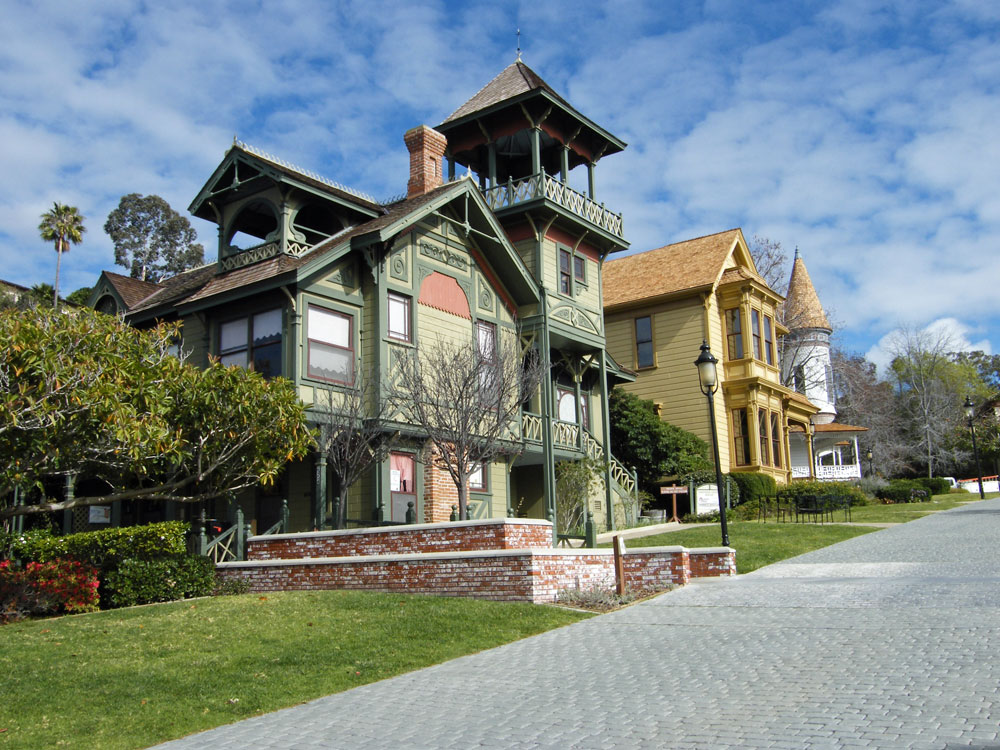
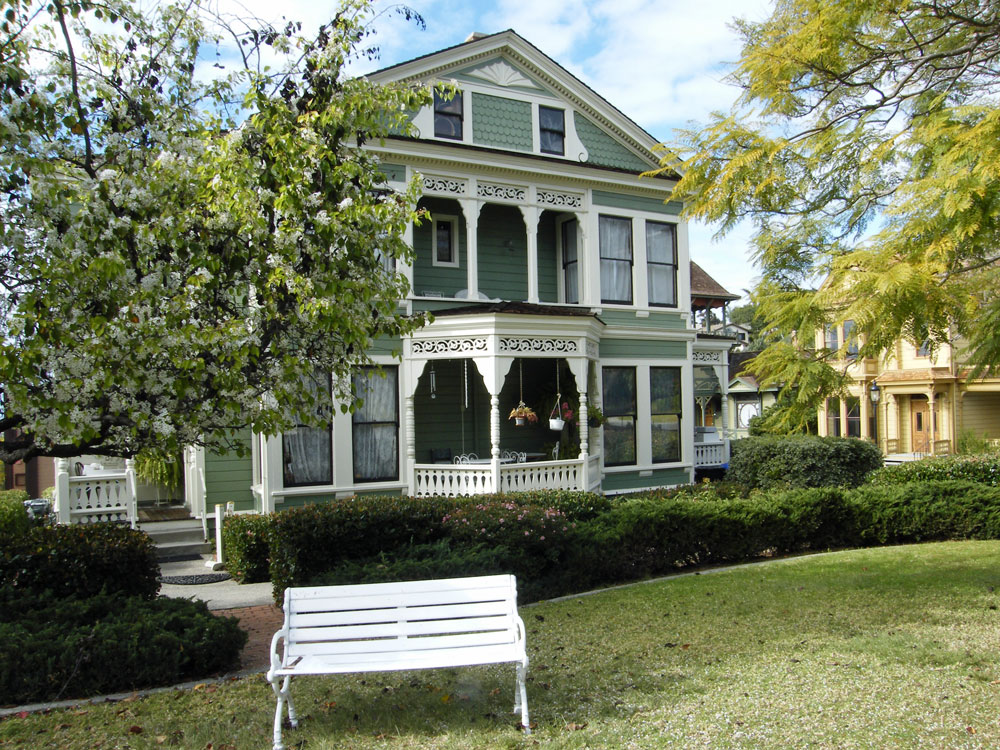
Sherman-Gilbert House: 1887, moved to Heritage County Park in 1971 (Stick Eastlake Style)
The Sherman-Gilbert House, recognized by its central tall square tower and abundance of millwork details, was originally built and owned by John Sherman who is deemed a master builder.
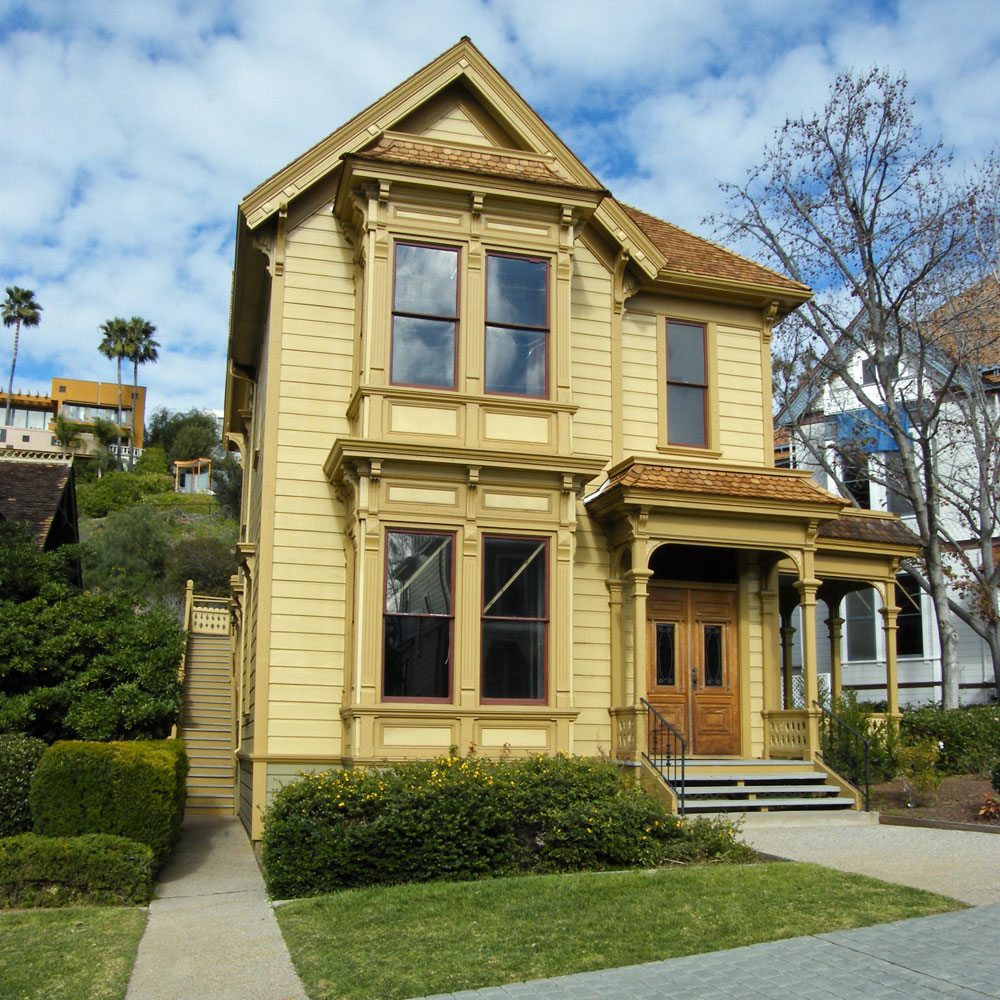
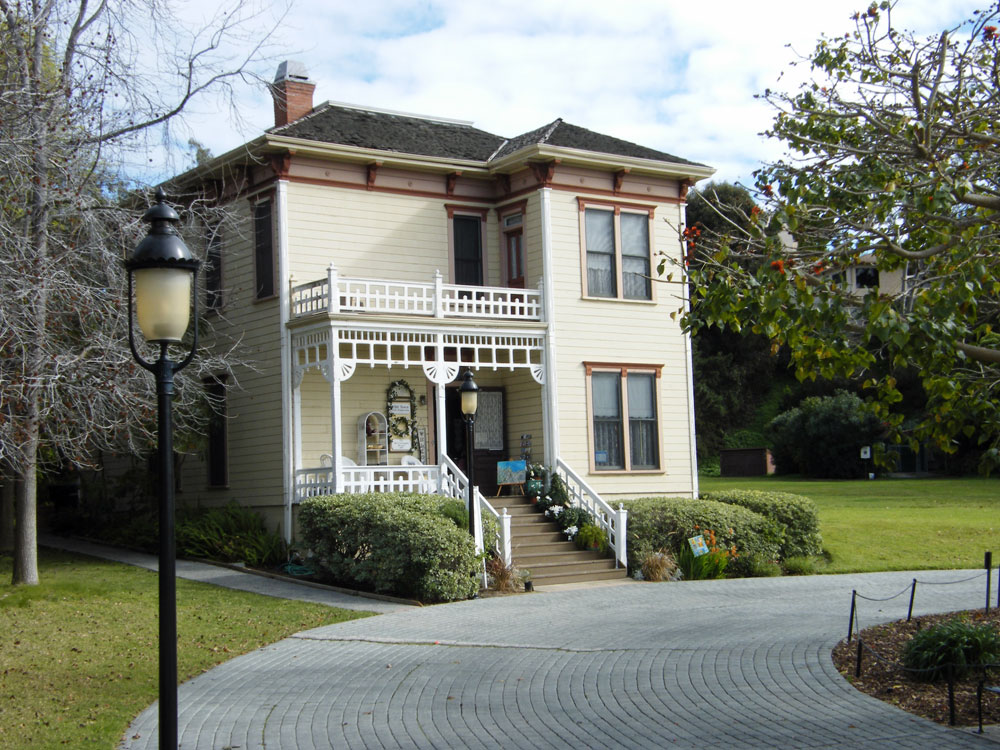
Bushyhead House: 1887, moved to Heritage County Park in 1976 (Eastlake Style)
This cheery yellow Eastlake style home, marked by a two-story projecting bay window and a richly ornamented porch, was built in 1887 by Edward Wilkerson Bushyhead.
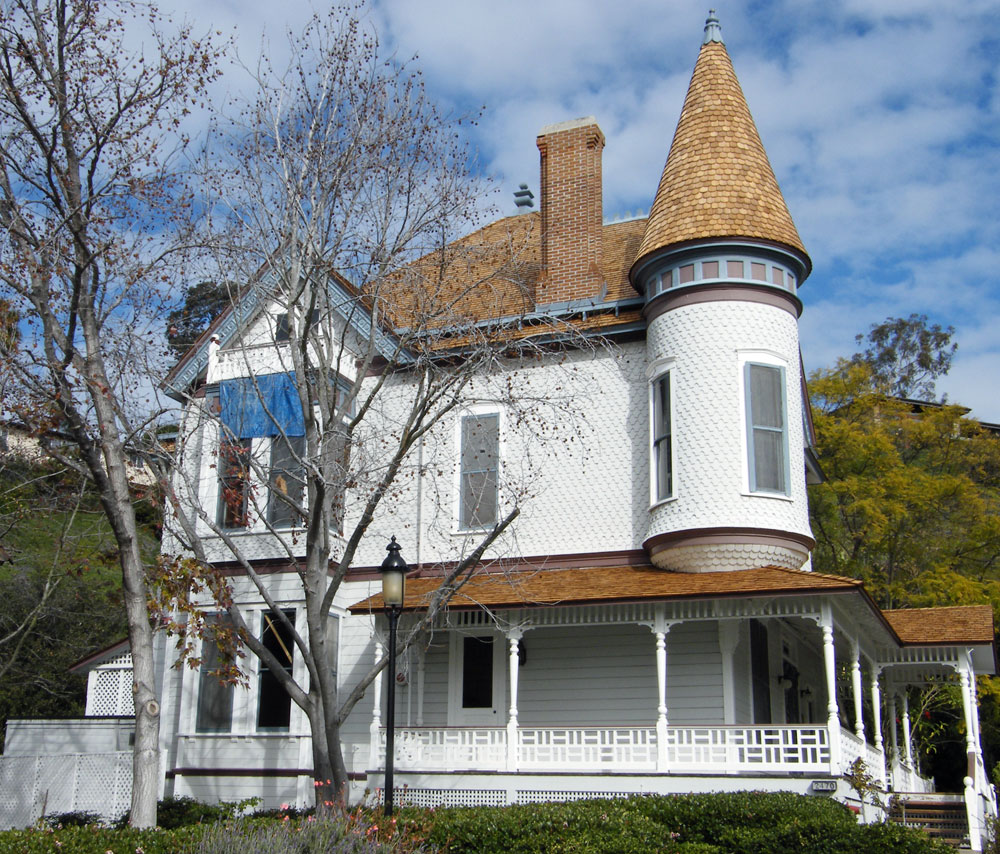
Christian House: 1889, moved to Heritage County Park in 1976 (Queen Anne style)
Boasting an extensive wrap-around porch, tall corner tower, and scalloped siding cladding the second floor, the Christian House is a vibrant example of a Queen Anne Victorian home, a style known for its decorative layers and variations. This home was owned by Harfield Timberlake Christian and his wife Myrtle.
McConaughy House: 1887, moved to Heritage County Park in 1981 (Italianate Style)
The home’s original owner and builder, John McConaughy, was renowned in San Diego for founding the area’s first cargo and passenger service, which operated between the city and the backcountry town of Julian.
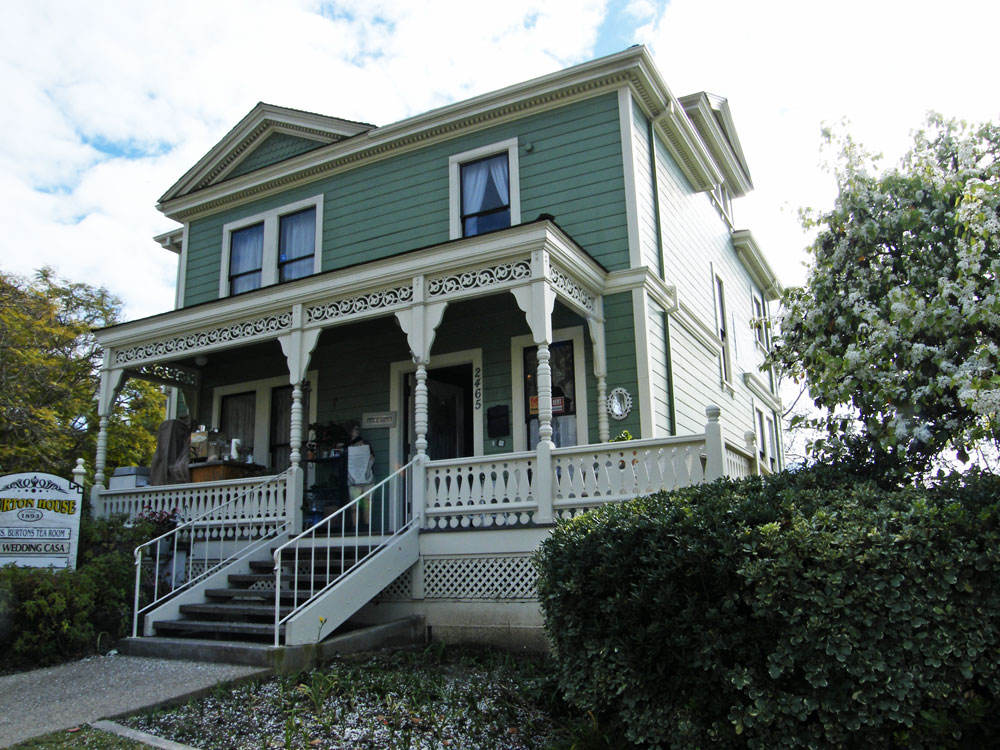
Burton House: 1893, moved to Heritage County Park in 1976 (Classic Revival Style)
Henry Guild Burton, the home’s original owner, was a retired Army physician who served in the Second Seminole War, Mexican-American War, and the American Civil War
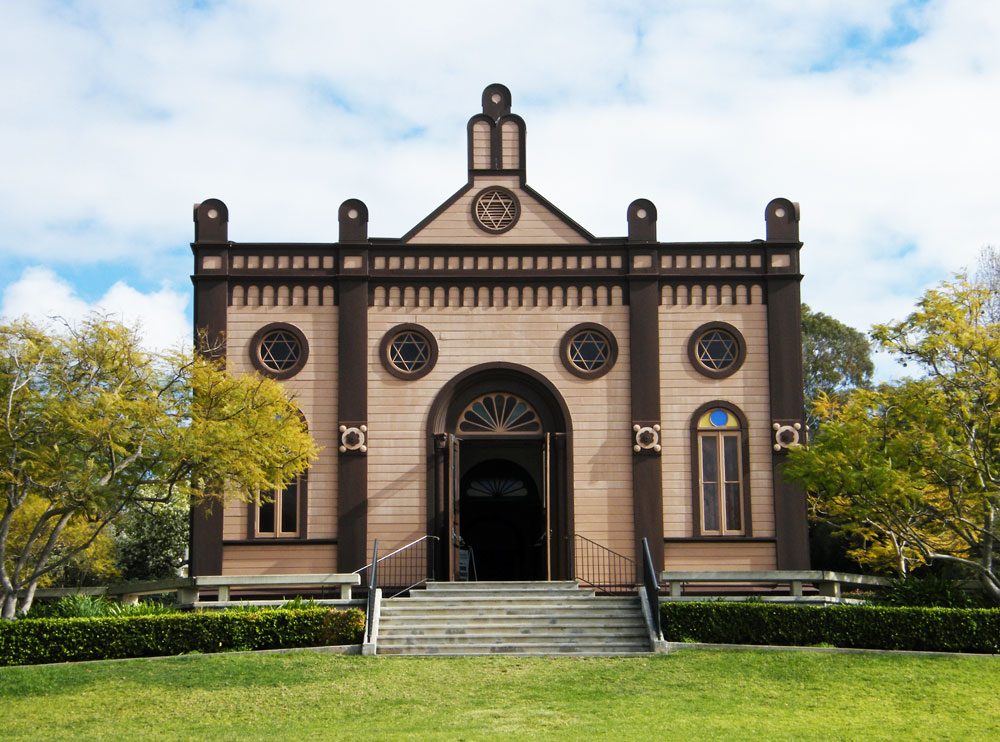
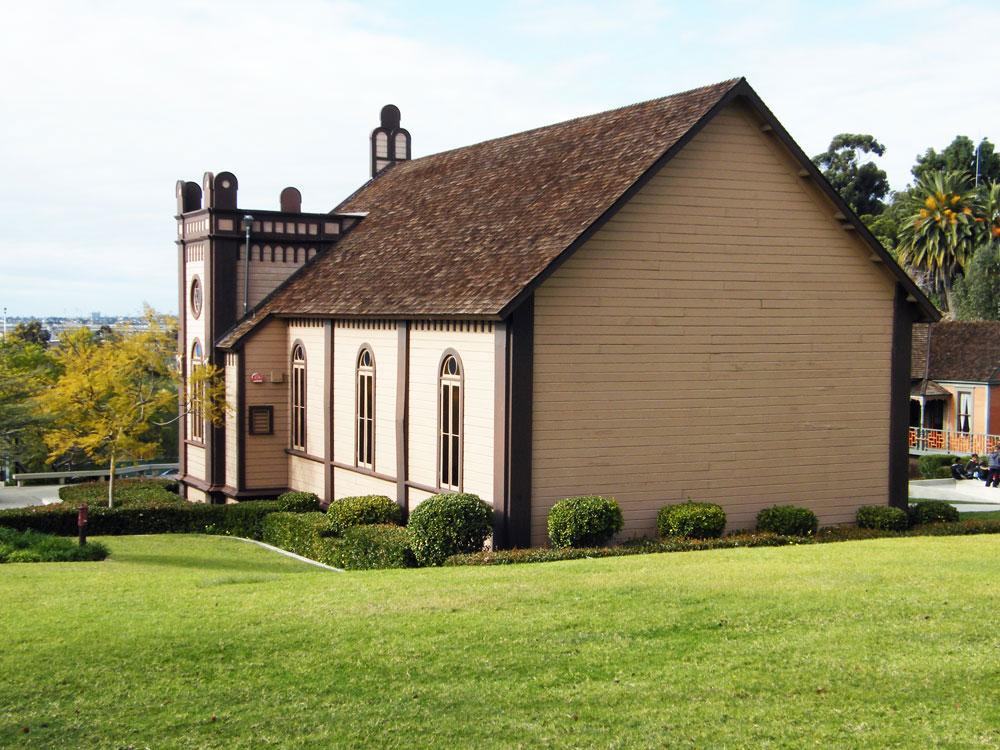
Temple Beth Israel: 1889, moved to Heritage County Park in 1978 (Synagogue architecture)
Constructed as San Diego’s first synagogue and the second oldest extant in the Western United States, Temple Beth Israel originally stood at the corner of Second Avenue and Beech Street downtown.
Heritage County Park arose from County Parks’ commitment to the preservation of San Diego’s cultural as well as natural resources. The park is a joint project with the Save Our Heritage Organisation.
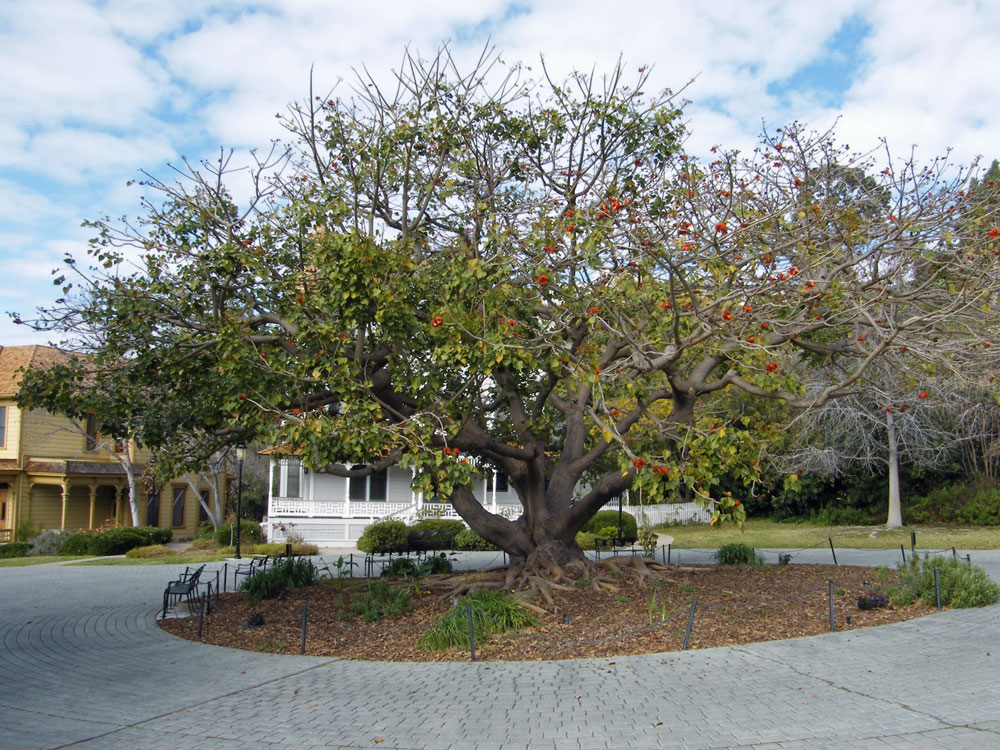
Brisbane Coral Tree – Erythrina x sykesii (Australia)
A document with more information by SOHO can be found here. San Diego Parks & Recreations have more recent information here
Note that my photos are from February 2009 and that the exterior colour of these houses may well have altered.
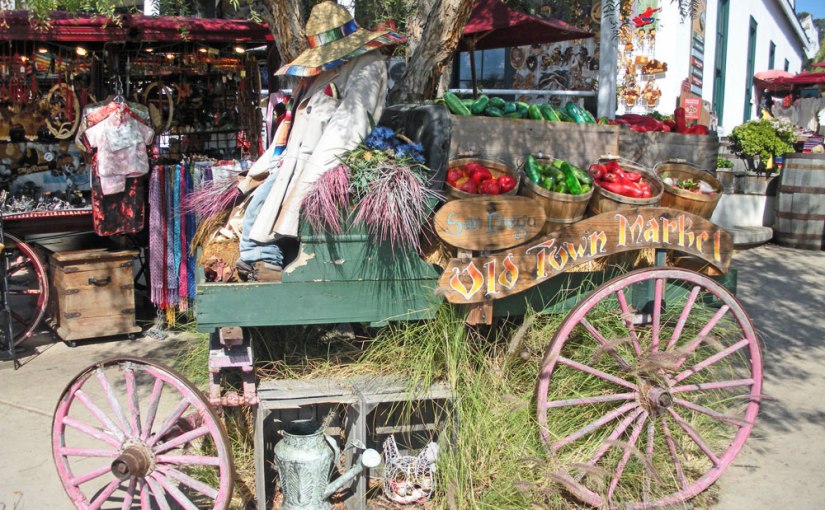
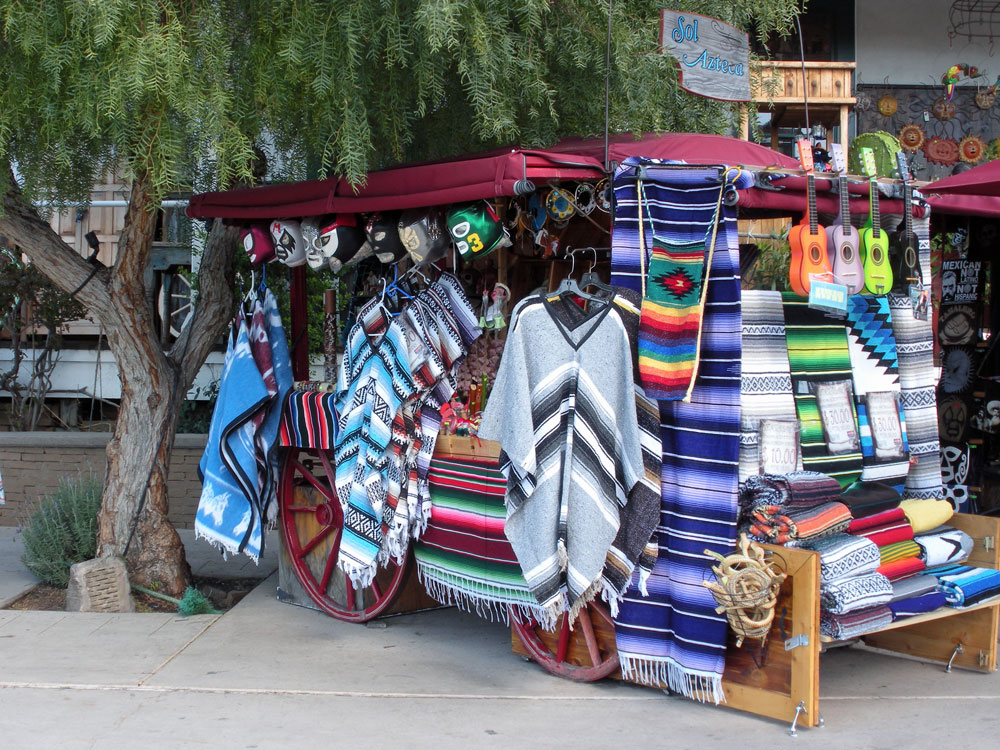
Old Town San Diego State Historic Park has history, restaurants (particularly Mexican cuisine) and shopping, as well as festivals and music events. Here are a few more images from the site.
Colourful
Historical
Floral
Source of information from Old Town San Diego guide.
Established in 1968, the Old Town San Diego State Historic Park is a living history museum that commemorates and preserves numerous historic buildings and recreates Old Town as it existed during the Mexican and early American periods, from its settlement in 1821, through 1872 when it lost its dominant position to Downtown.
The McCoy House was originally built in 1869, and was home to California’s first sheriff. It has been reconstructed. Prior to 1851 the land belonged to Maria Eugenia Silvas.
Five original adobe buildings are part of the complex, which includes shops, restaurants and museums. Other historic buildings include a schoolhouse, a blacksmith shop, San Diego’s first newspaper office, a cigar and pipe store, houses and gardens, and a stable with a carriage collection.
Casa de Estudillo
Constructed in 1825 as the home of Don Jose Antonio de Estudillo, a Spanish aristocrat. It became a sanctuary for women and children during the American occupation in 1846. For a number of years it was incorrectly identified as “Ramona’s Marriage Place” from Helen Hunt Jackson’s “Ramona”. The adobe structure is considered to be one of Old Town’s outstanding show places.
Casa de Estudillo
Church of the Immaculate Conception
Begun in 1868 by Father Antonio D. Ubach. Due to the boom that set in for the New San Diego, the church was not completed and dedicated until 1919.
Colorado House
Originally a hotel, now houses the Wells Fargo Museum. The building is a reconstruction of the 1860 original. The Wells Fargo Museum is a historically furnished Wells Fargo agent’s office, including one of the famous 30 Coaches shipped to Wells Fargo in 1867
Whaley House
One of the most historic buildings in Old Town San Diego, the Whaley House was built in 1857 by Thomas Whaley, a San Diego pioneer, as his family home. Over the course of history the Whaley House has served as a general store, county courthouse and theatre. Apparently known as the most haunted house in America and after-hours they run paranormal tours.
Whaley House
Robinson-Rose House
James Robinson built this two-story structure in 1853 as his family residence and as the home of the San Diego Herald, the San Diego and Gila Railroad office and other private offices.
Robinson-Rose House
San Diego Union Newspaper
This wood-frame structure was prefabricated in Maine and shipped around the Horn in 1851. This first office of the San Diego Union newspaper is restored as it was when the Union printed its first edition on October 10, 1868.
SD Union Newspaper (on the left)
Mason Street Schoolhouse
Built in 1865, the Schoolhouse was the first publicly owned school in San Diego County. The building was a one-room, wood-frame, shingle-roofed structure with a ten foot high ceiling. A pot-bellied iron stove heated the room, and a water bucket and dipper provided the only indoor plumbing. All eight grades were taught in the single room.
School House
Although it seems a little bit like a film set, it is still an interesting place to visit. And admission is free. Next time I will show you some of the more colourful aspects of this open museum.
Source of information from Old Town San Diego guide.
It’s been a while since I joined in with the Lens-Artists photo challenge, but the number 303 leapt out at me this week as I have just come back from a holiday based close to the A303 in Wiltshire so I thought it would be interesting to find connections between the sites we visited in and around that area.
Family Connections
The A303 is one of the main routes from London to the Southwest and a route I have travelled many, many times to visit my youngest son who is based in Wiltshire (military) and my daughter who lives in Surrey. It’s also famous for passing by the World Heritage site of Stonehenge, the world’s most famous prehistoric monument.
History
Stonehenge (2500 BC) is not the largest henge though, that title goes to Avebury and together they form the heart of a World Heritage Site which also includes Silbury Hill. We didn’t visit Stonehenge as we have done so not long ago, but we drove past it a few times this week so had a few sneaky glances! Instead we opted for a visit to Avebury.
Stonehenge
Avebury (2850 – 2200 BC): the henge survives as a huge circular bank and ditch, encircling an area that includes part of Avebury village. Within the henge is the largest stone circle in Britain – originally of about 100 stones – which in turn encloses two smaller stone circles.
A double avenue of stones leads away from the southern entrance towards the Sanctuary stone circles on Overton Hill, about a mile to the south-east. Unlike Stonehenge, this site is free to visit though you will have to pay for parking unless you are a National Trust or English Heritage member.
More recent history can be found at Old Sarum, an iron age hill fort dating back to 400 BC. Later occupied by the Romans during their conquest of Britain in AD 43, where perhaps a military fort was set up. It was during William the Conqueror’s reign that the strategic advantage of this place was recognised and a motte and bailey castle built.
Later, stone buildings were erected and in 1078-99 a cathedral was built after the 1075 Council of London decreed that the see should be moved from Sherborne to Old Sarum. Dissatisfaction with the site and poor relations with the garrison in the castle caused the cathedral to be moved to its present site in Salisbury (New Sarum) in 1220 and much of the stone from the old cathedral was used to build the new one.