Sant Pau Art Nouveau Site

This breathtaking site is full of wonderful mosaics, colours, sculptures, windows, artistic design and architectural details from the modernist era.

First I will show you the map of the site again so you can see where the pavilions are situated and then we’ll take a stroll around the site.
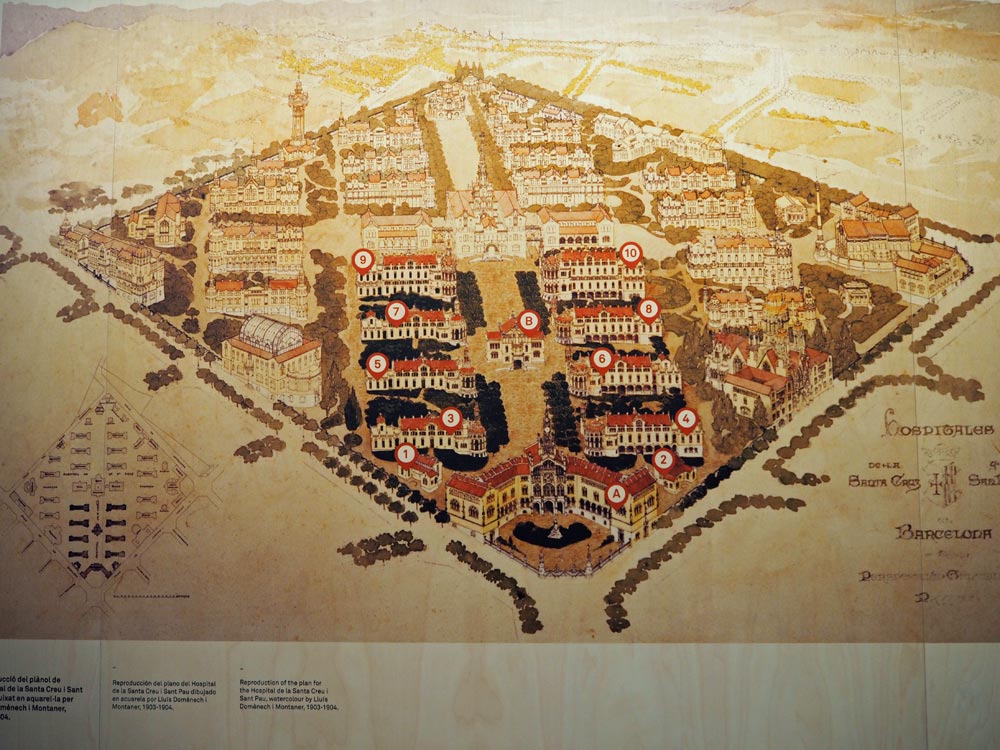
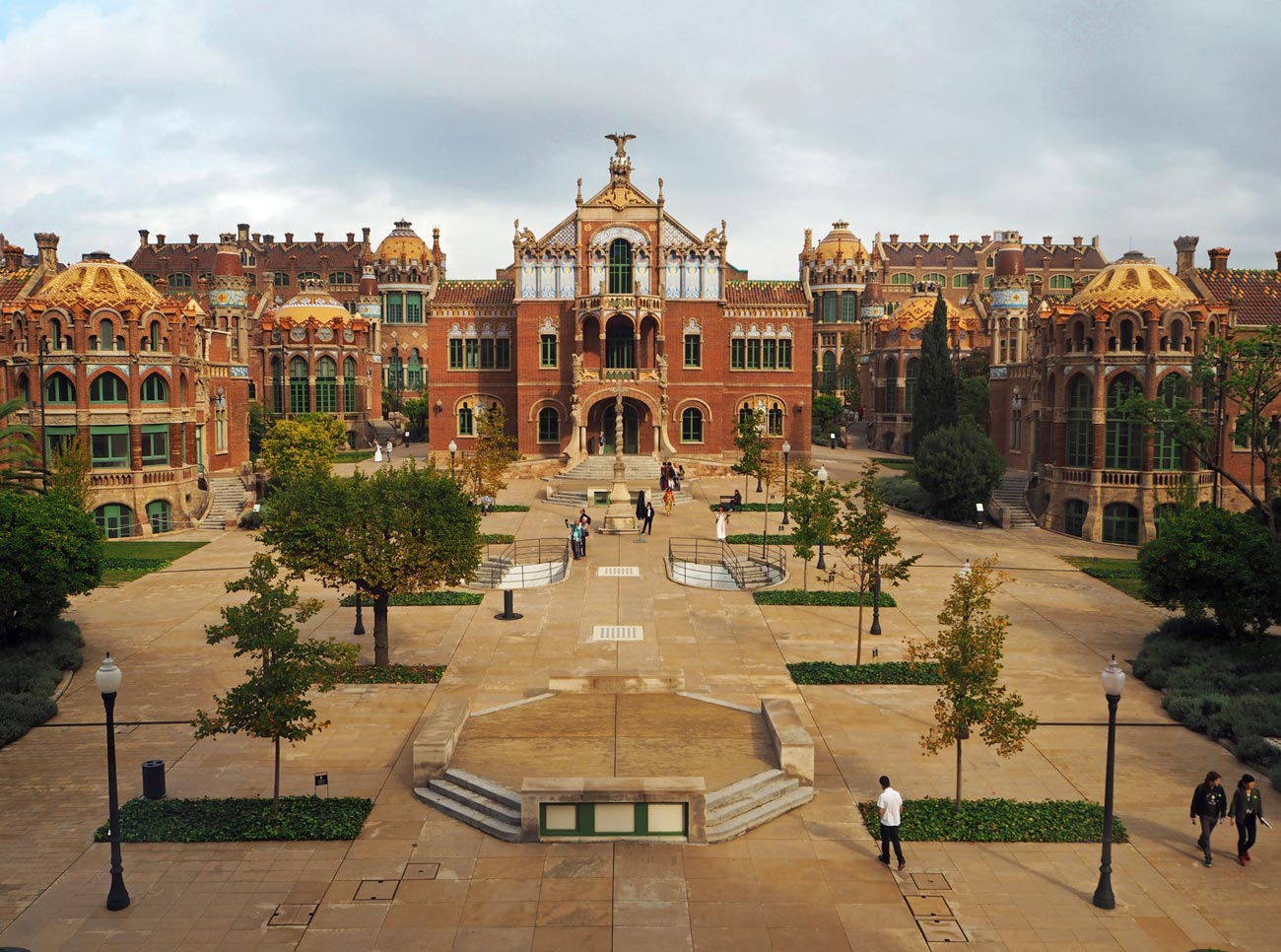
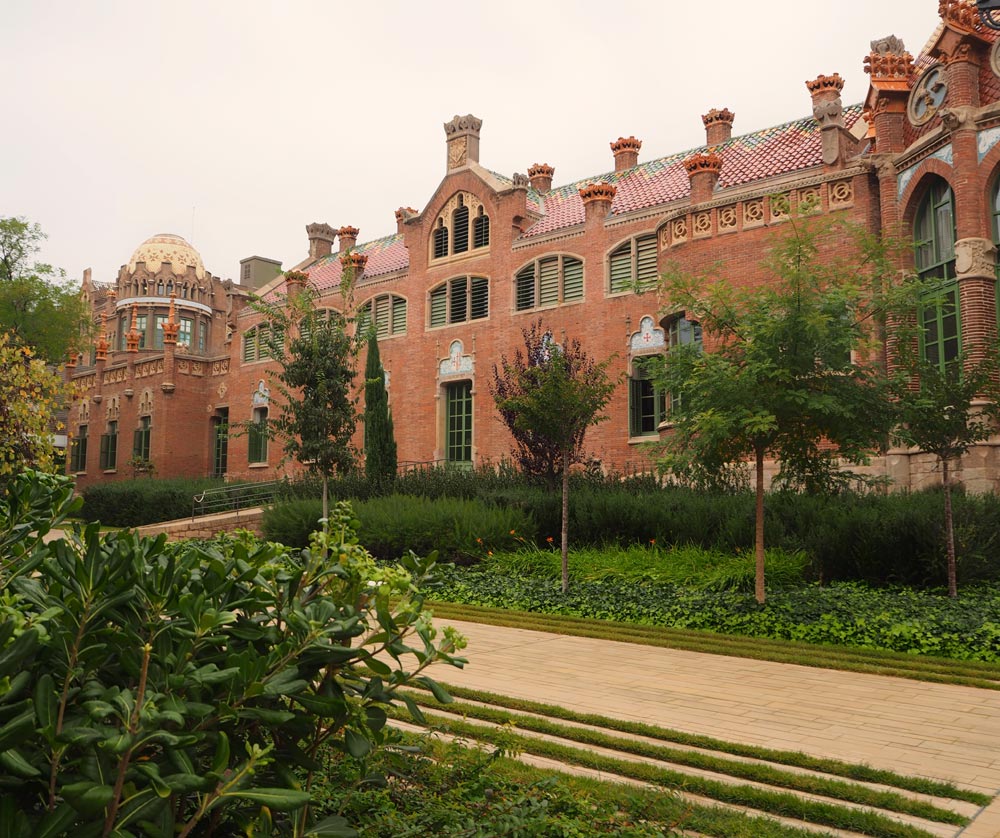
View from the Administration Pavilion (Building A on the map) looking at the Operations building (B) in the centre

After going through the entrance gate with our pre-booked tickets we found ourselves following the underground tunnel which brought us out just in front of the Casa D’Operacions (Sant Cosme and Sant Damia). For what felt like an eternity both my daughter and I were stunned into silence as we gazed around us.  From the front we were already in awe of the craftsmanship we had seen, but we didn’t expect such beauty to continue so meticulously.
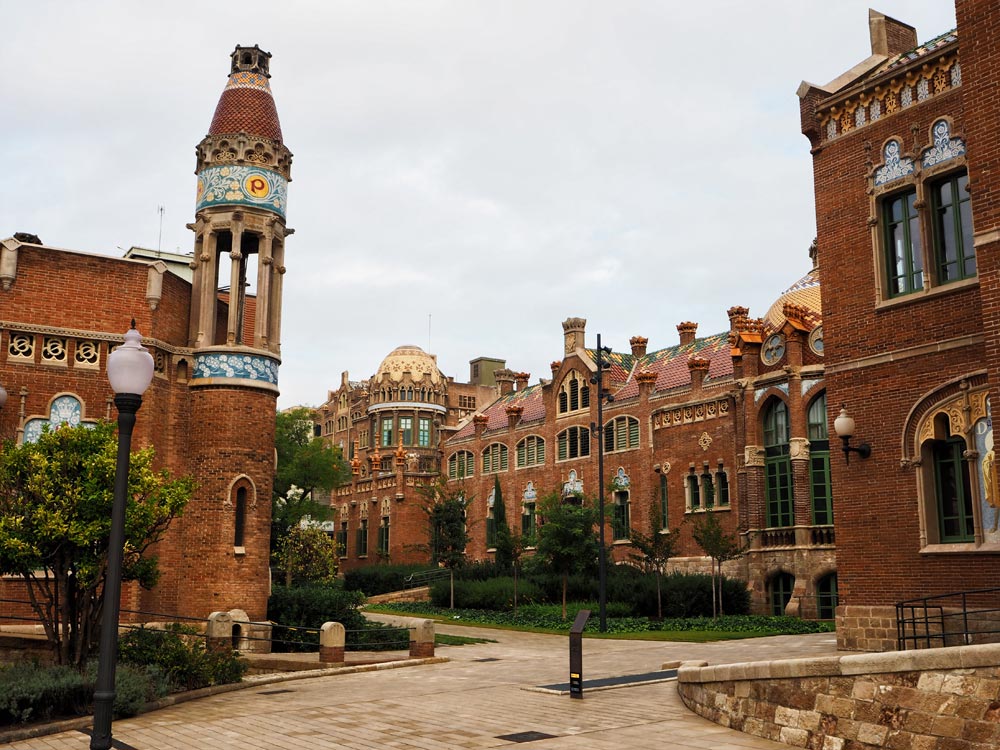
The grounds are so well laid out with lots of lovely planting of citrus trees, lavender, horse chestnut trees, lindens and deciduous trees all providing shade in the summer and warmth in the winter. Few of the original trees remain except for a couple of date palms. Bay, rosemary and lemon verbena and other medicinal plants grow in the parterres. The gardens were created to provide a pleasant space that would alleviate pain and suffering of the patients and their families. The plants helped to purify the air, fight bacteria, dust and toxic gases and shelter the exposed area from the weather. An idea hospitals of today would do well to replicate.
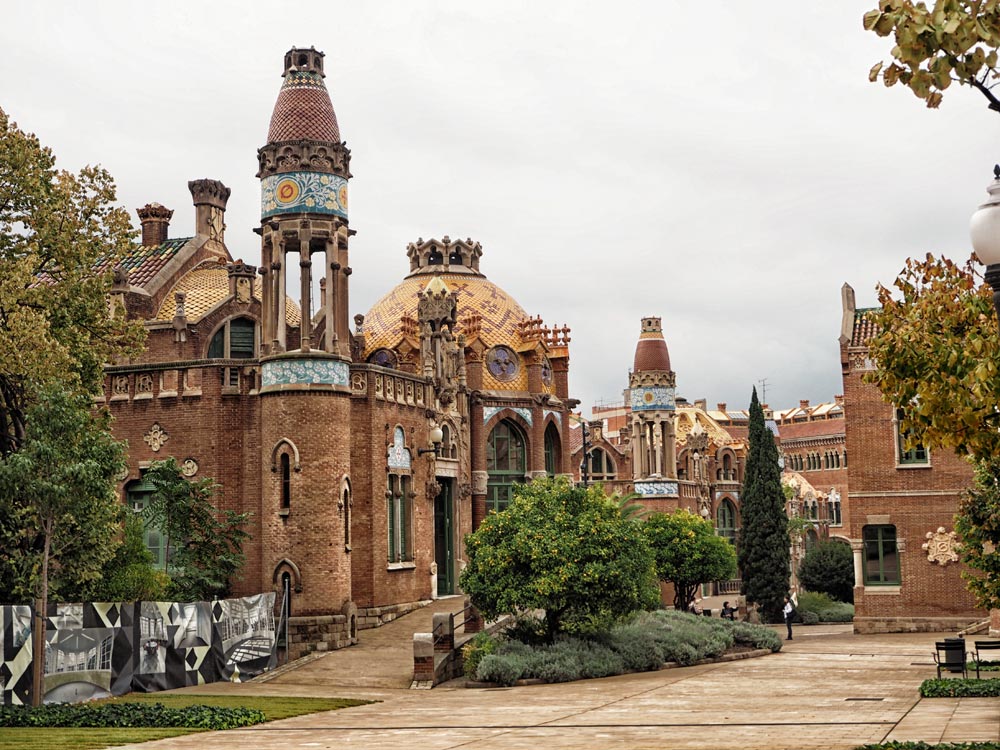
It was hard to know where to look. The symmetry of each building, the mosaic patterns on the roofs and domes, the elaborately decorated water turrets, the sculptures, the window shapes and the art nouveau style…

You can enter the operations building, but there is not much inside and the only other one that you can enter is Sant Rafael which shows how it was used as a ward. There is much to see externally though and each pavilion although built in the same style and using the same materials with the purpose of creating pleasant and natural surroundings for the patients have their differences.

Of the twelve main pavilions six have been finished and two are currently undergoing restoration. You can see how beautifully the work has been carried out when you see parts of the site still requiring refurbishment.

Next post we will visit the individual pavilions to take a look at the materials used and the differences which make them unique.
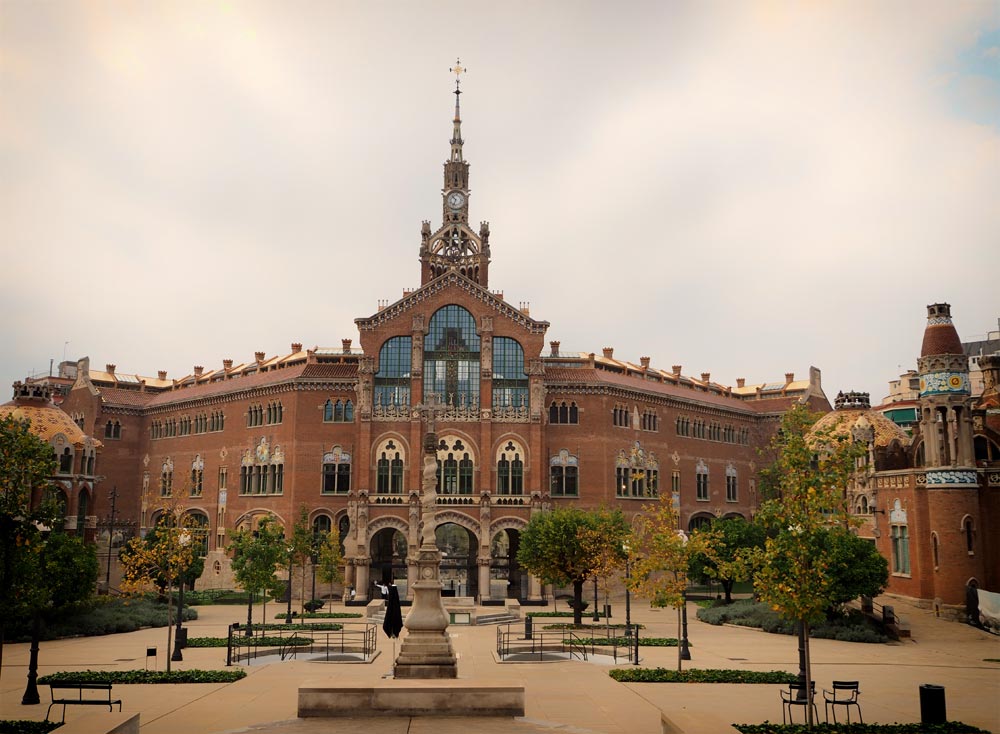
View of the Administration Pavilion (A) from the Operations building (B)

(In all of these posts I advise you to click on the photos to enlarge them as only then will you appreciate the incredible artistic detail. )


Source: All the information in these Sant Pau posts is taken from the admission booklet. 

How to get there:
Metro: L5 Sant Pau / Dos de Maig or L2 to Sagrada Familia and walk up Avenue de Gaudi
Bus: H8, 19, 20, 45, 47, 50, 51, 92, 117, 192
Sant Pau Art Nouveau Site

It was my friend Jo who pointed out this place in Barcelona. When she visited the site was still undergoing renovation, but knowing how much I love Art Nouveau she prompted me to seek it out during my visit to the city last October. So I did. And I loved it. So much so that I am going to have to break a post about the site into several parts as there is so much to share. To begin with we will take a look at the entrance to the site. The Administration Pavilion.

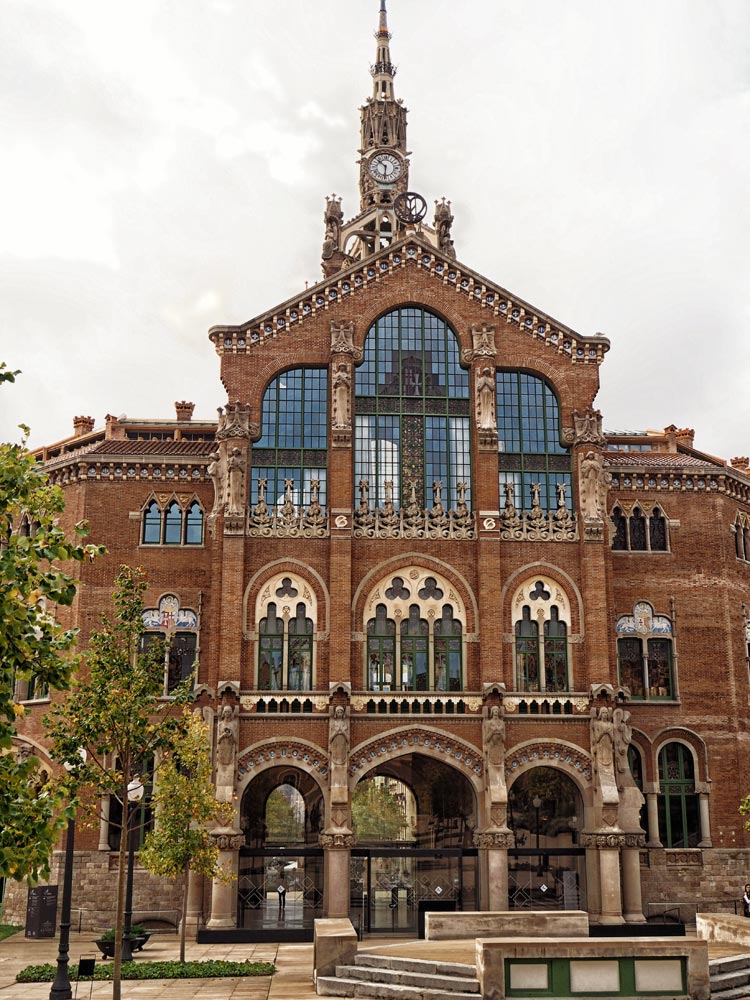
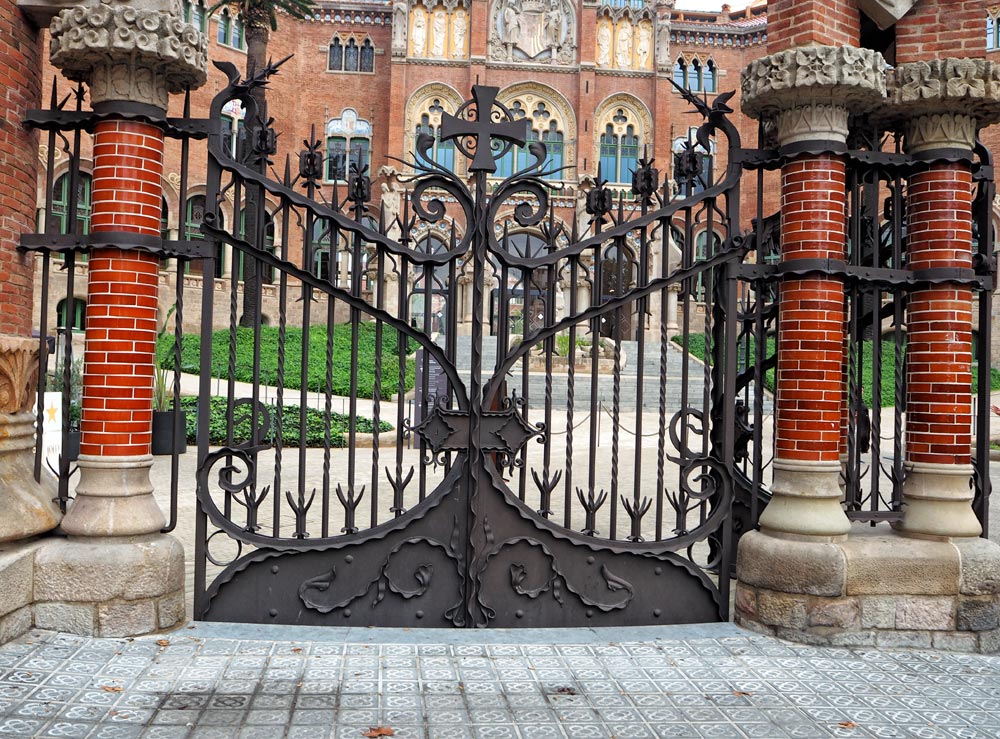
The entrance to the site is at the end of Avenue de Gaudi and at the other end the Sagrada Familia is situated. It was designed as a monumental altarpiece with one central and two lateral components in the form of a great ‘supreme being’ who welcomes with open arms, those who visit the site.

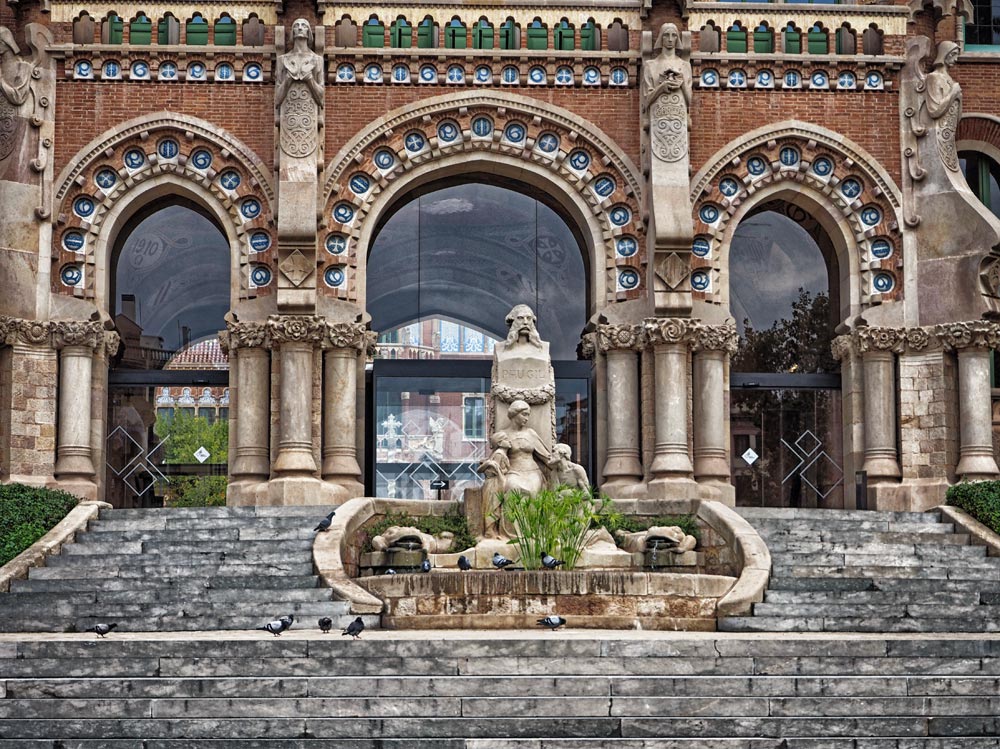
The origins of the Hospital de la Santa Creu i Sant Paul date back to 1401 when six Barcelona hospitals were merged. In 1902 work began on a new hospital to serve the growing needs of the city and the architect Lluis Domenech i Montaner was commissioned to build the new hospital which opened in 1930. It was funded by a legacy from banker Pau Gil whose statue adorns the front staircase.

Pau Gil (the banker who funded the building)

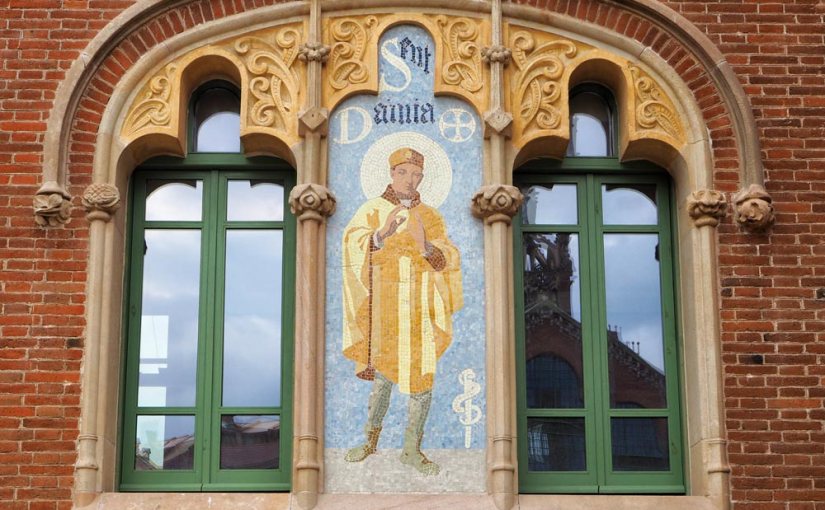
Designs by Francesc Labarta and mosaics by Marius Maragliano run around the facade.

It is a masterpiece of Catalan Modernism and a city within a city, with separate pavilions for the different medical specialities and landscaped gardens. Twenty-seven pavilions were built, sixteen of which are modernist. The buildings are linked by underground tunnels.

The pavilions are arranged along two main north/south and east/west axis 500m x 50m wide and adjacent streets 300m x 30m wide. The buildings are symmetrical which may be one reason that I find them appealing. And to visually even out their heights some are one storey and others two storeys above a basement.

From within the site you can see that the rear of the Administration Pavilion is as charming as the front. It was built between 1905 and 1910 and is the most ornate (wait until you see the interior), and was designed to be the main entrance as well as administration and hospital admission offices.

The Art Nouveau site was officially opened at the end of February 2014 after four years of refurbishment work. Of the twelve pavilions, six have been finished and two are ongoing. The completed pavilions will be used as functional work spaces.

I hope this has whetted your appetite as next time we are going to have a look inside the site.


Source: All the information in these Sant Pau posts is taken from the admission booklet. 

How to get there:
Metro: L5 Sant Pau / Dos de Maig or L2 to Sagrada Familia and walk up Avenue de Gaudi
Bus: H8, 19, 20, 45, 47, 50, 51, 92, 117, 192
Norwich Part II: The Royal Arcade

Opened in 1899, the 247 foot long covered avenue was designed and built by Dereham-born architect George Skipper and today it houses a wonderful mixture of shops and restaurants – plus the famous Colman’s Mustard Shop!

p9100028

Art Nouveau was so-called from Samuel Bing’s art shop “Maison l’art Nouveau” an international movement to bring together the finest designers and craftsmen to unify the designs of buildings, furnishings and decorative arts within.

Influenced by Japanese art and the Arts and Crafts Movement, the English Art Nouveau used flowing lines and symbols from nature. Continue reading Norwich Part II: The Royal Arcade

An Arts and Crafts Masterpiece

I can’t begin to imagine how many times I have driven past the sign to Watts Chapel along the A3 near Guildford in Surrey. Not knowing that this little gem lay hidden close by in Down Lane, Compton. Jenny of CharactersFromTheKitchen introduced me to this architectural delight a few months ago and I knew I would have to make the journey next time I was down in Surrey.

(Please click images to enlarge – there is an awful lot of detail in these images)

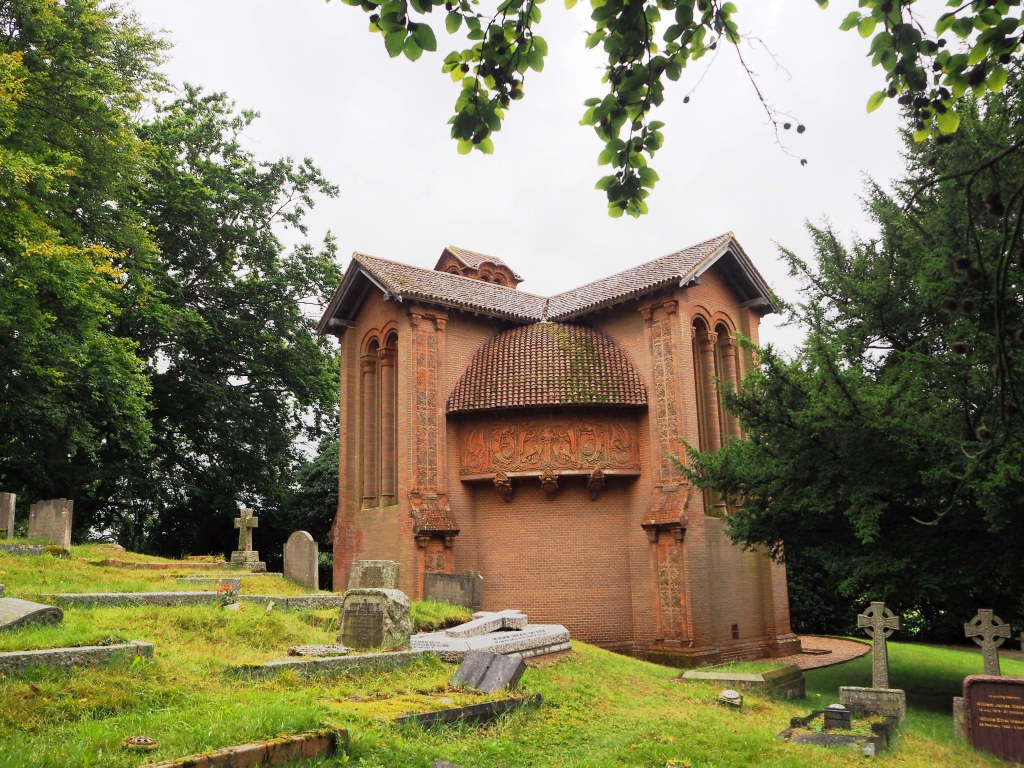
This morning, before the rain arrived again, I made my way to Watts Cemetery Chapel to the bright red brick of this Arts and Crafts masterpiece. Designed and decorated by Mary Seton Watts this example of Art Nouveau was completed in 1904. She dedicated it:

“to the loving memory of all who find rest near its walls, and for the comfort and help of those to whom the sorrow of separation remains”

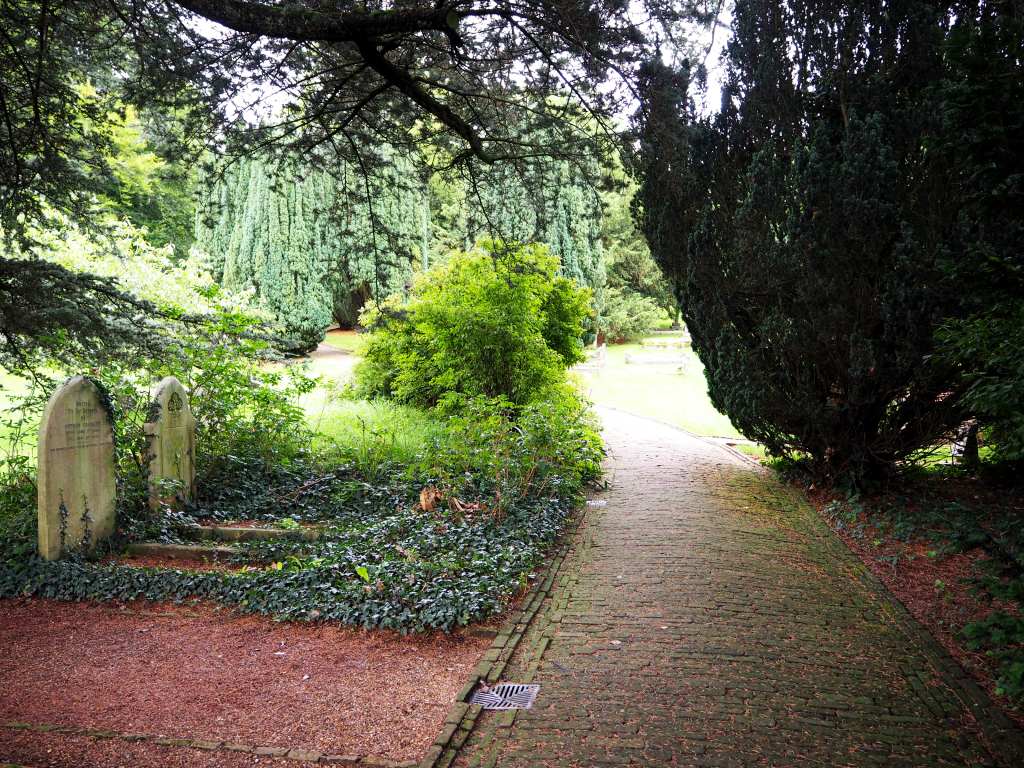
A steep, slippery cobbled pathway meanders through ancient yew trees

The Exterior: The Sign of Eternity

Continue reading An Arts and Crafts Masterpiece

O for OBECNÍ DŮM

frizztext hosts a weekly A – Z Challenge

A_Z logo

Event Type: General Blogging

Start Date: Tuesdays, recurring weekly

Description: Every Tuesday I offer the “A to Z challenge”, walking step by step through the alphabet.

If you would like to join in then please click here

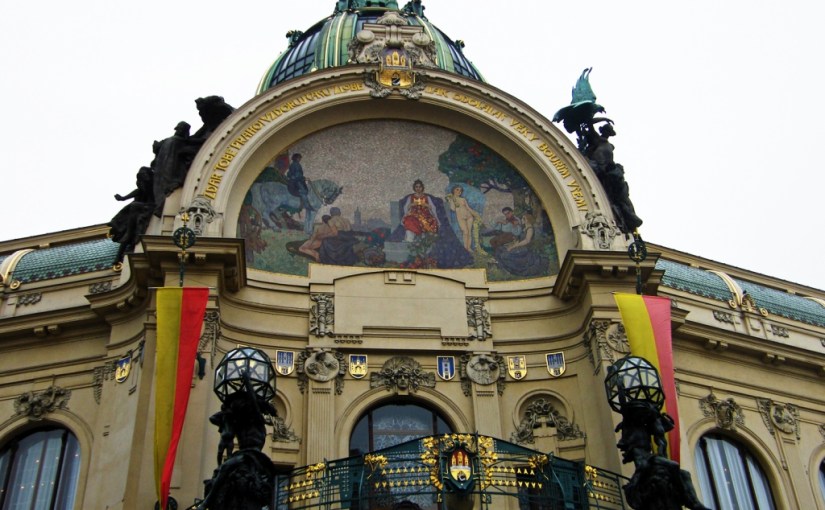
OBECNÍ DŮM / The Municipal House / Prague, Czech Republic

is Prague’s most prominent Art Nouveau building. It is a civic building and concert hall and located on Náměstí Republiky 5 next to the Powder Gate. It is a beautiful building from all aspects. The outside has intricate stonework, gold trimmings, frescos and stained glass windows.

The Smetana concert hall  is an architectural masterpiece, a mix of carved white stone and gold, illuminated by hundreds of lights, and with frescos by Karel Spillar adorning the walls. It is home to the Czech National Symphony Orchestra.

Postcard
Postcard
O (3)
Staircase
Lift / Elevator
Lift / Elevator

A couple of restaurants and an American bar can also be found inside the building though many of the rooms are closed to the public and open only for guided tours. Unfortunately we didn’t manage to time it right, so only had a glimpse of what lies inside.