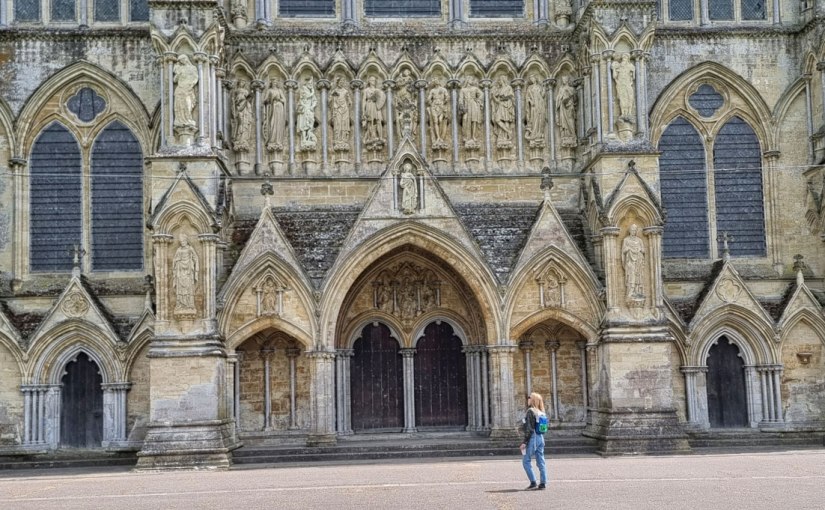
Please click on the image to enlarge
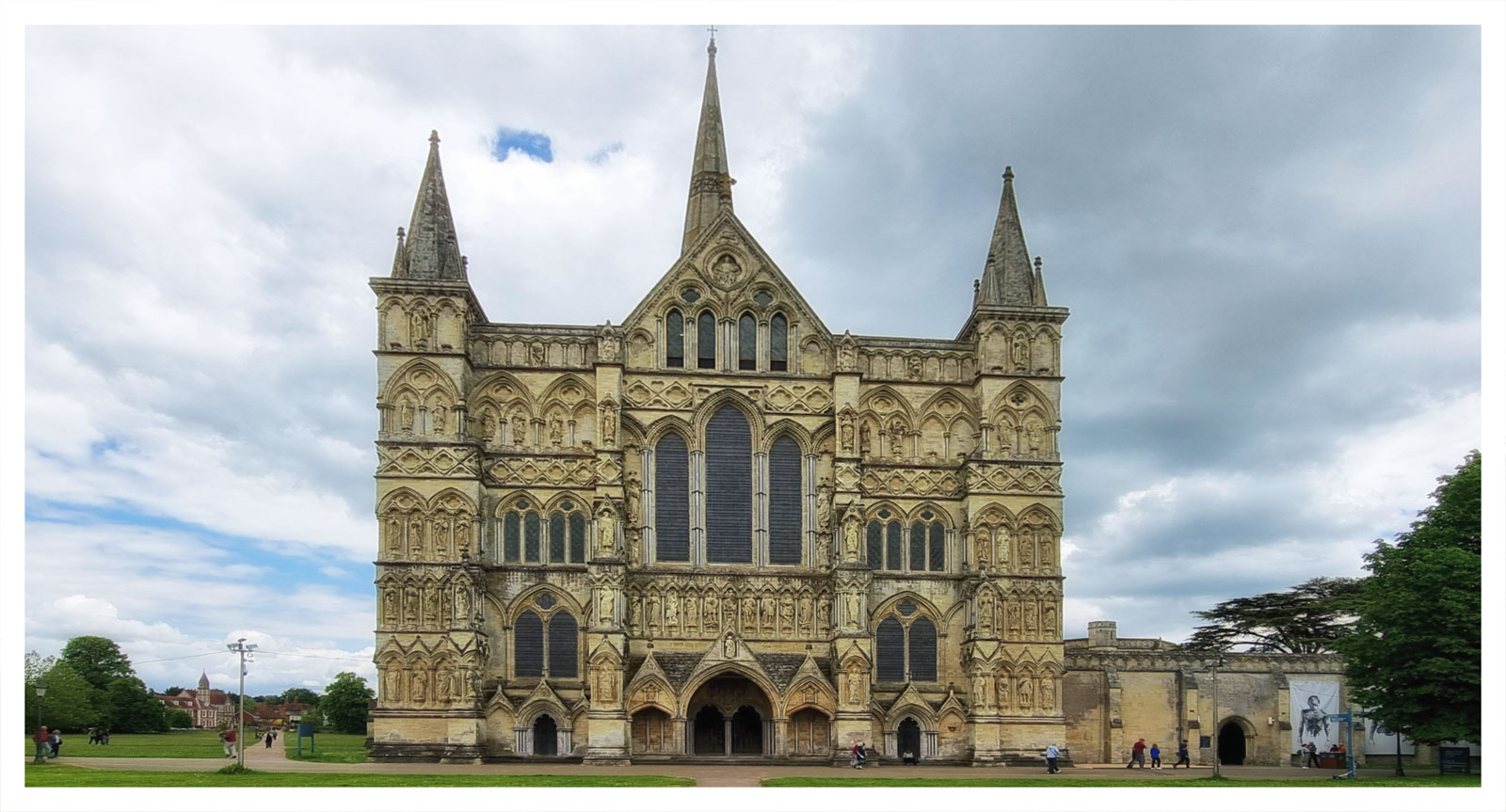
Please click on the image to enlarge
Please click to enlarge the image
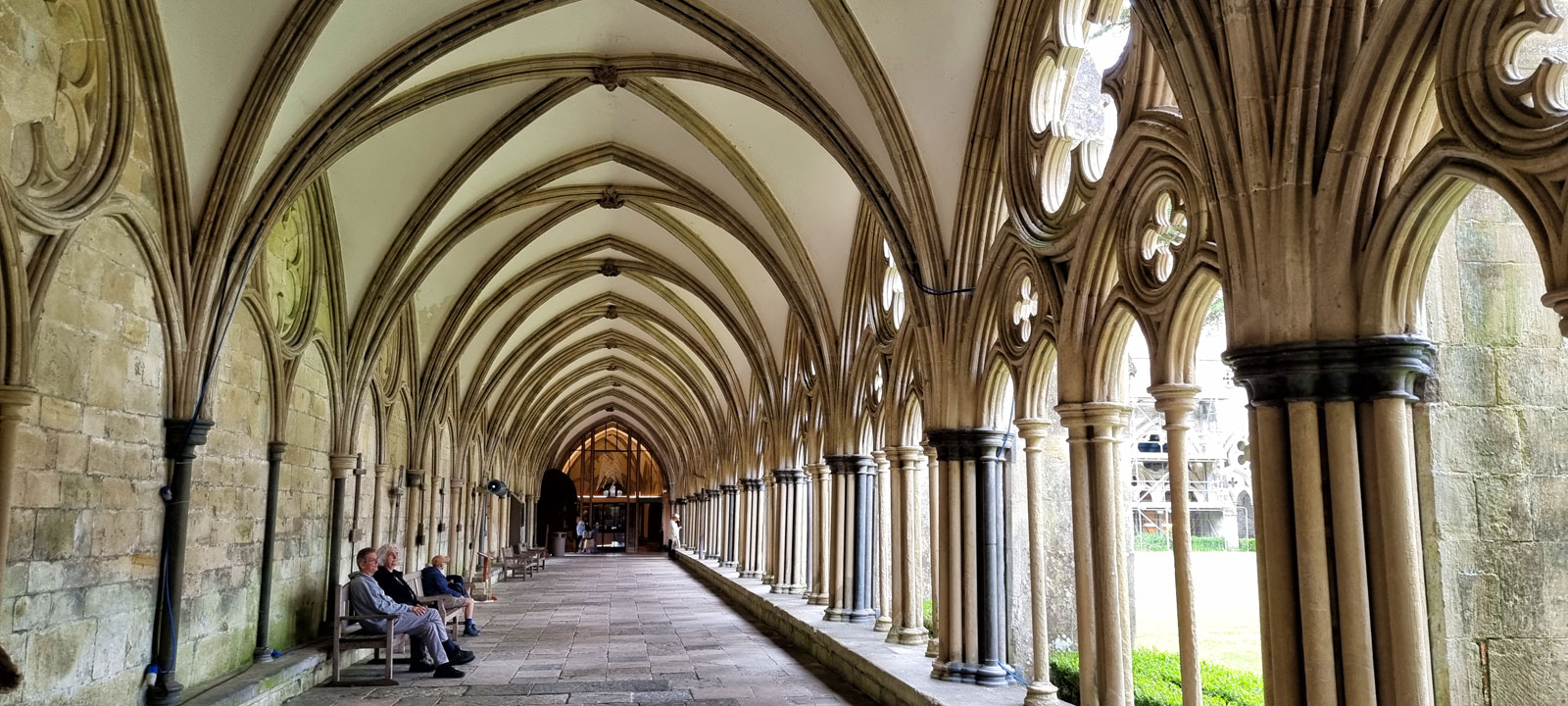
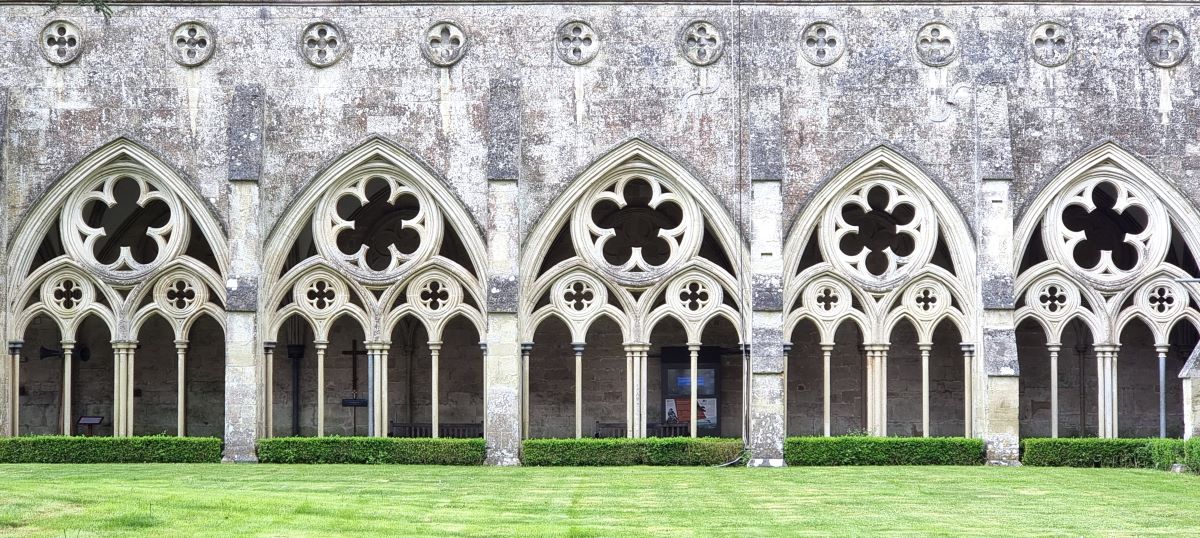
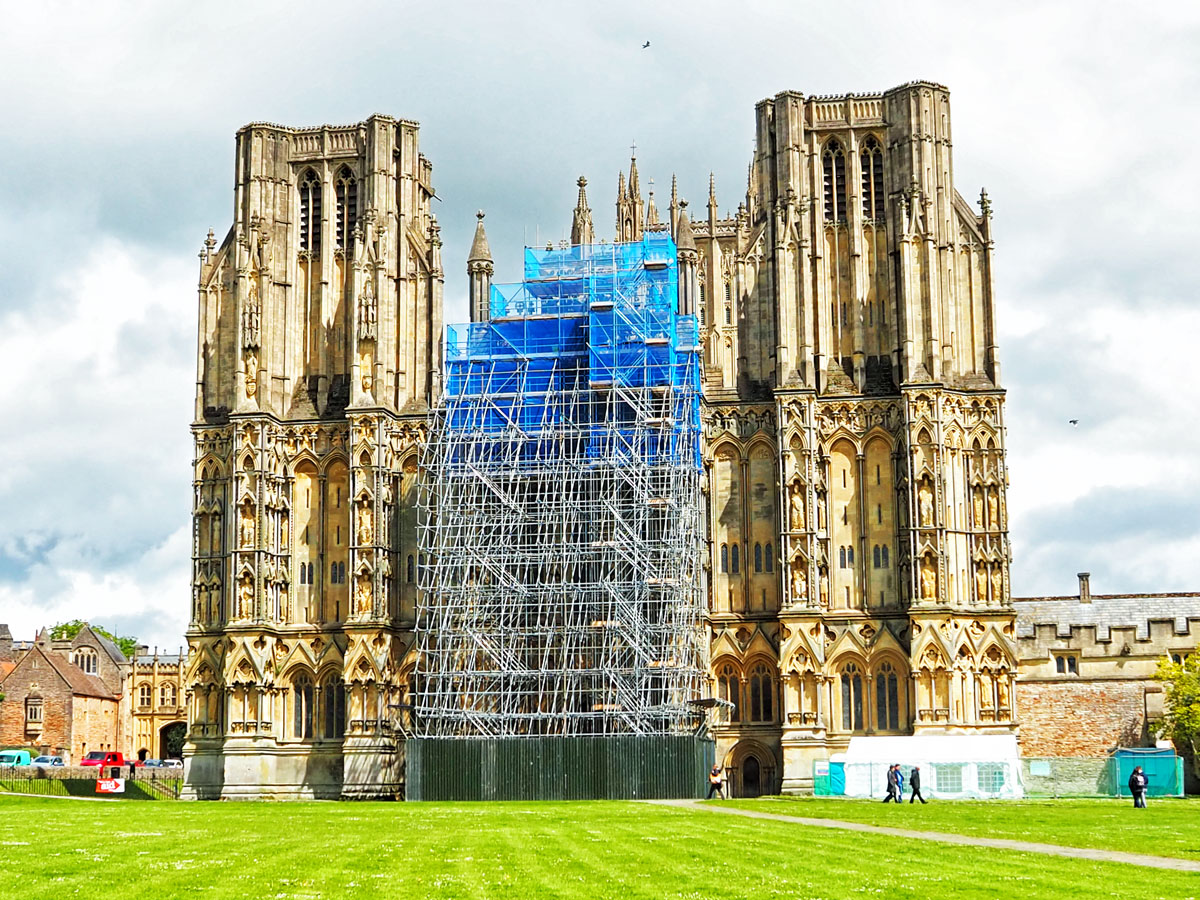
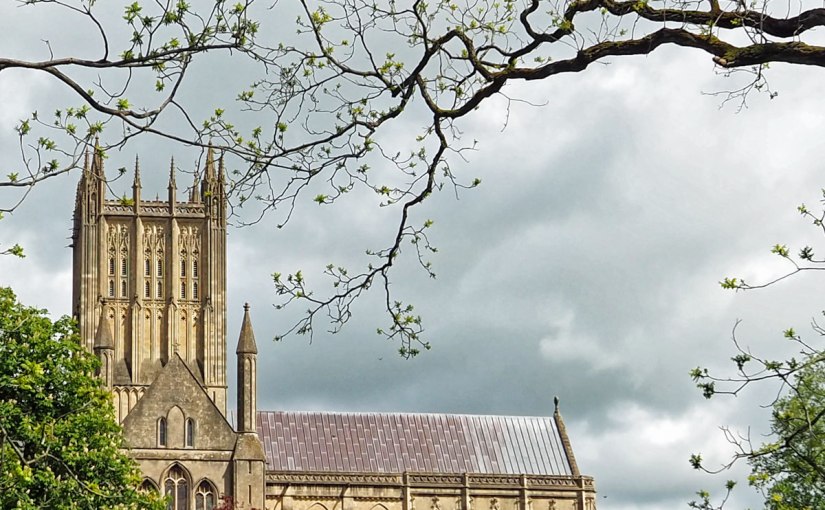
Our visit to Wells last May would not have been complete without a visit to the cathedral there. One of the many that we have not visited previously and a main reason for choosing to stay in England’s smallest city. Not that either of us is remotely religious, but we can’t help admire the craftsmanship that goes into these beautiful buildings, and even I can appreciate the peacefulness that can be found inside.
Master mason William Joy proposed the Scissor Arches (below) to prevent the collapse of a tower after a lead covered wooden spire was added in 1313. This proved to be too heavy for the foundations. Put in place between 1338 and 1348, they still stand today and are one of the most magnificent architectural features of Wells Cathedral.


The ‘new’ church which was to become the cathedral of the Bishop of Bath & Wells was the first to be built in the Early English Gothic style, during 1175 – c. 1250. It was built on a new site to the north of an old minster church. Over the following three hundred years there was extension and revision, in the Decorated and Perpendicular styles in turn, as architectural fashion dictated.


The famous Wells clock is considered to be the second oldest clock mechanism in Britain, and probably in the world, to survive in original condition and still in use. The original works were made about 1390 and the clock face is the oldest surviving original of its kind anywhere. When the clock strikes every quarter, jousting knights rush round above the clock and the Quarter Jack bangs the quarter hours with his heels.
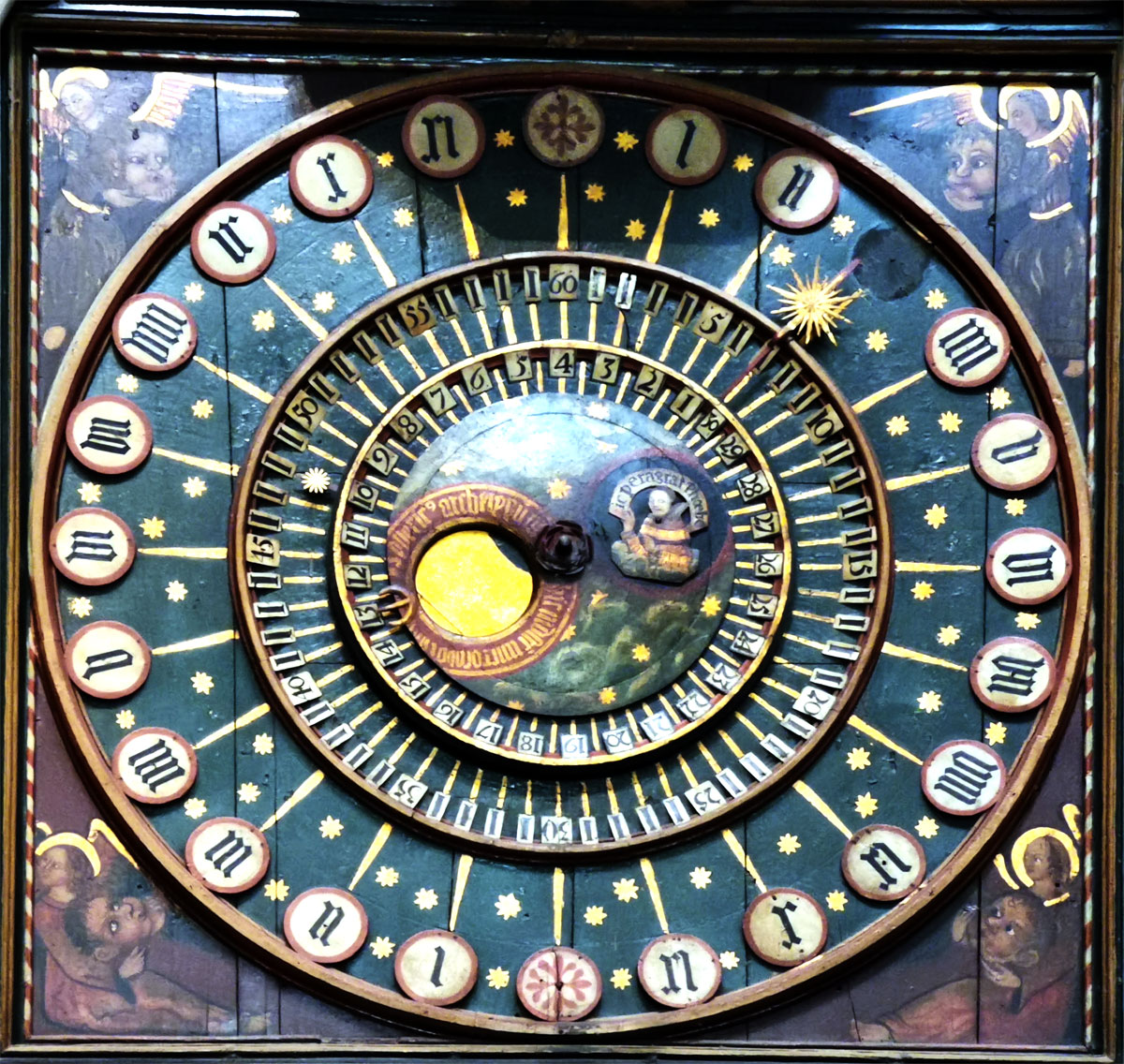
With its intricately painted interior dial depicting the Earth surrounded by the sun, moon and stars, it’s unique in showing a geocentric worldview – when the clock was created in 1390, most people still believed that the Earth was at the centre of the Universe.
Lincoln Cathedral: Choir Screen was written in February 2017 – one of several posts about this lovely cathedral which we visited in 2016 on a road journey up the east coast of England culminating in Scotland.
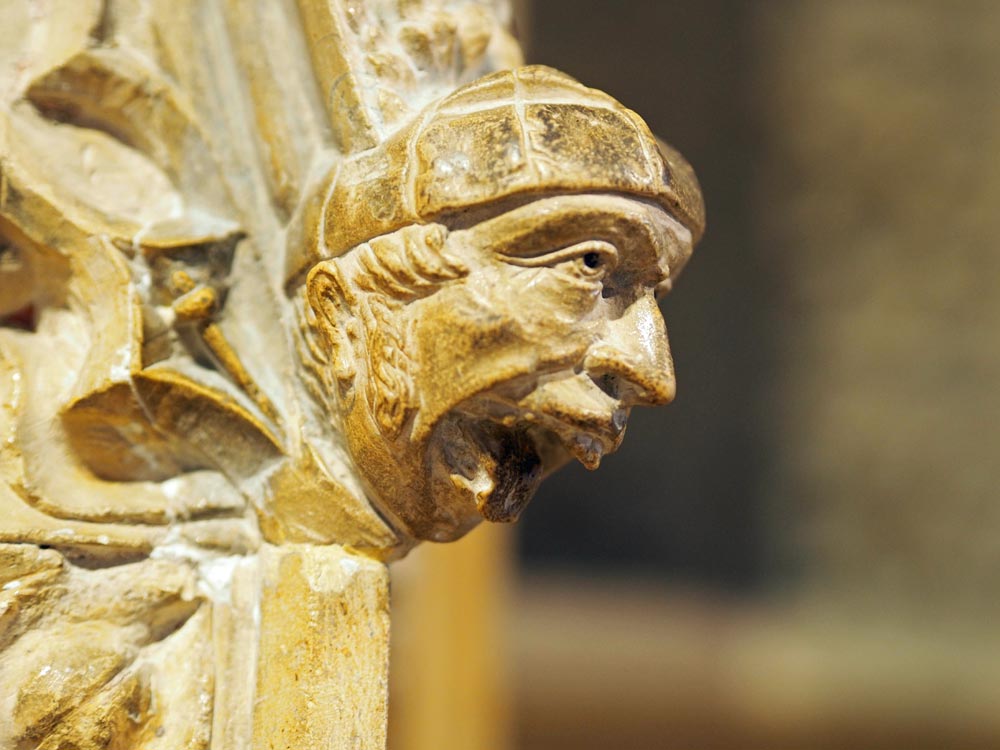
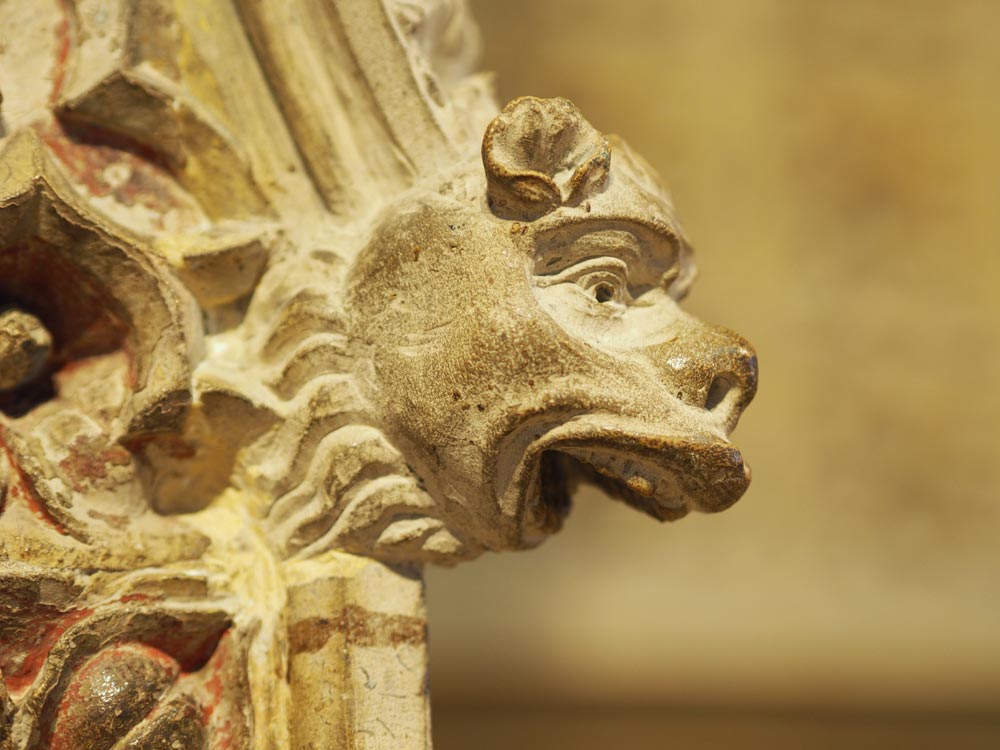
The †13C limestone choir screen is a marvellous example of decorated Gothic architecture with pinnacles and arches with tiny carved animal heads.
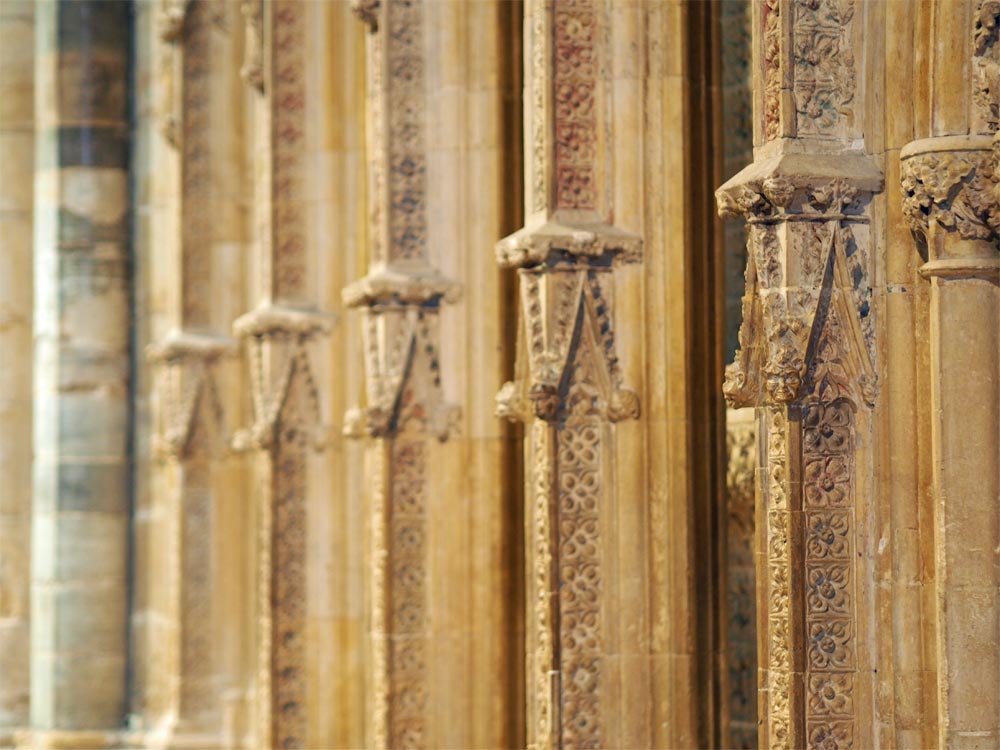
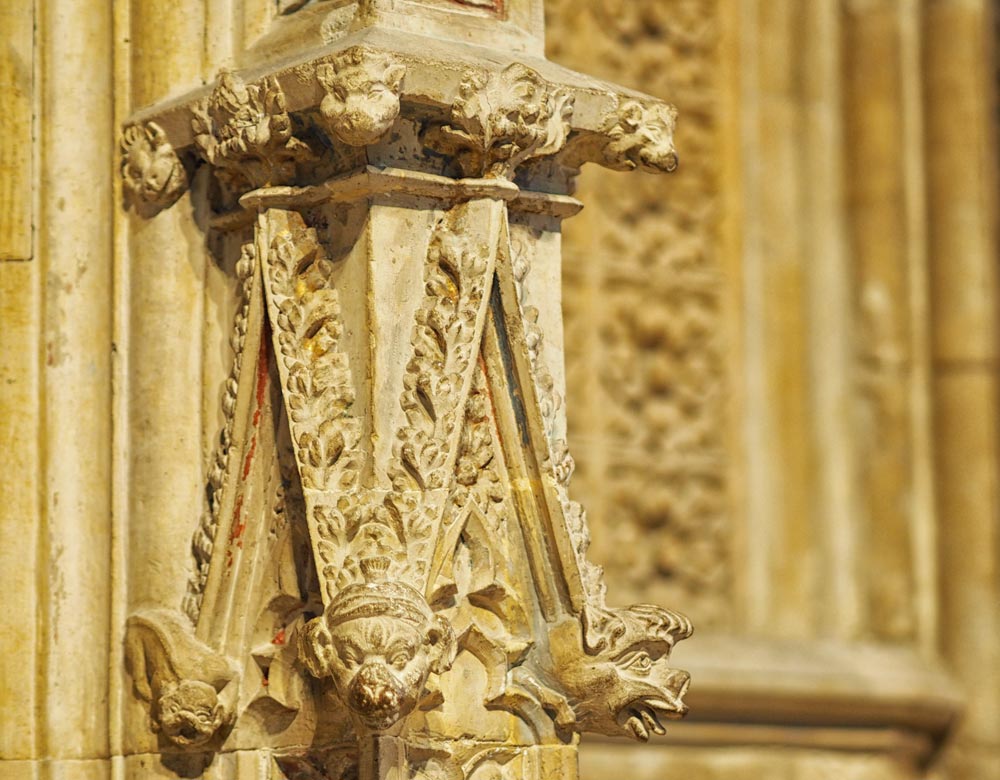


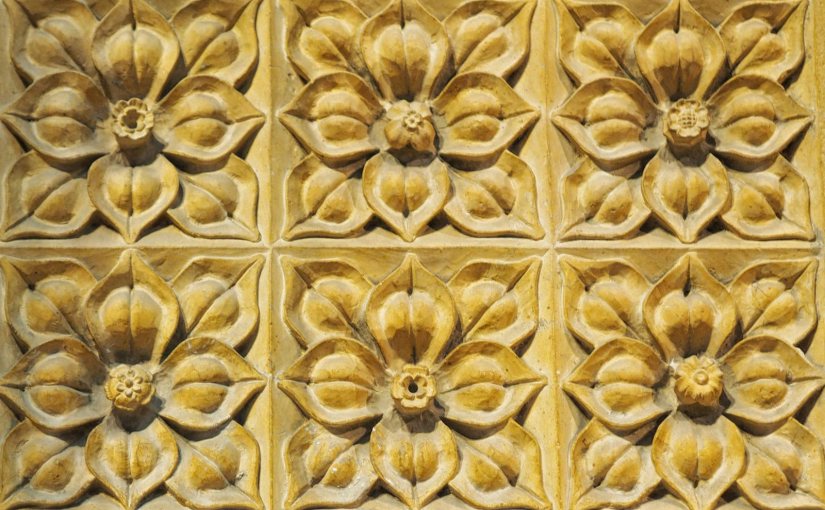
The walls of the screen are covered with carvings of leaves and flowers. Traces of red and blue paint can still be seen on them.


Carved head of a tongue-puller journeyman in his leather cap.




I only wish I lived closer as I could spend many an hour focussing on the details of this screen.
This post is a contribution to Fandango’s Flashback Friday. Have you got a post you wrote in the past on this particular day? The world might be glad to see it – either for the first time – or again if they’re long-time loyal readers.
 TRAVEL WORDS