Wordless Wednesday
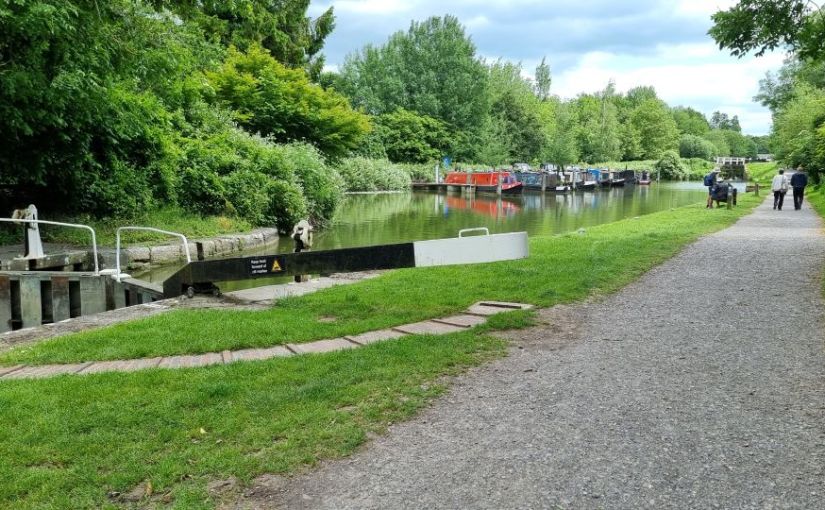
Caen Hill Locks are the longest continuous straight flight of locks in the country. Completed in 1810 by the famous canal engineer John Rennie.
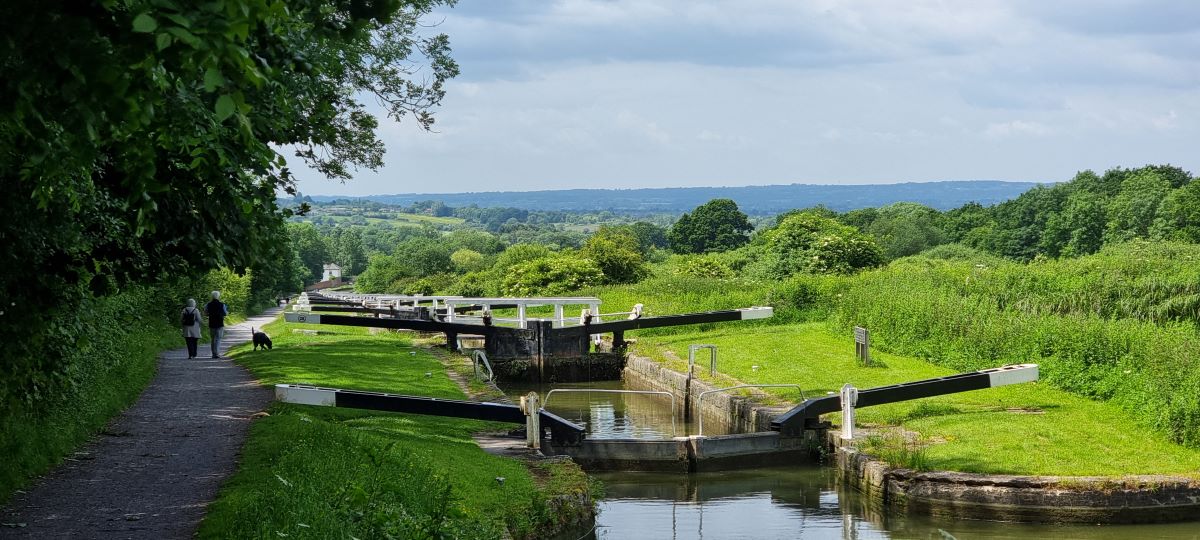
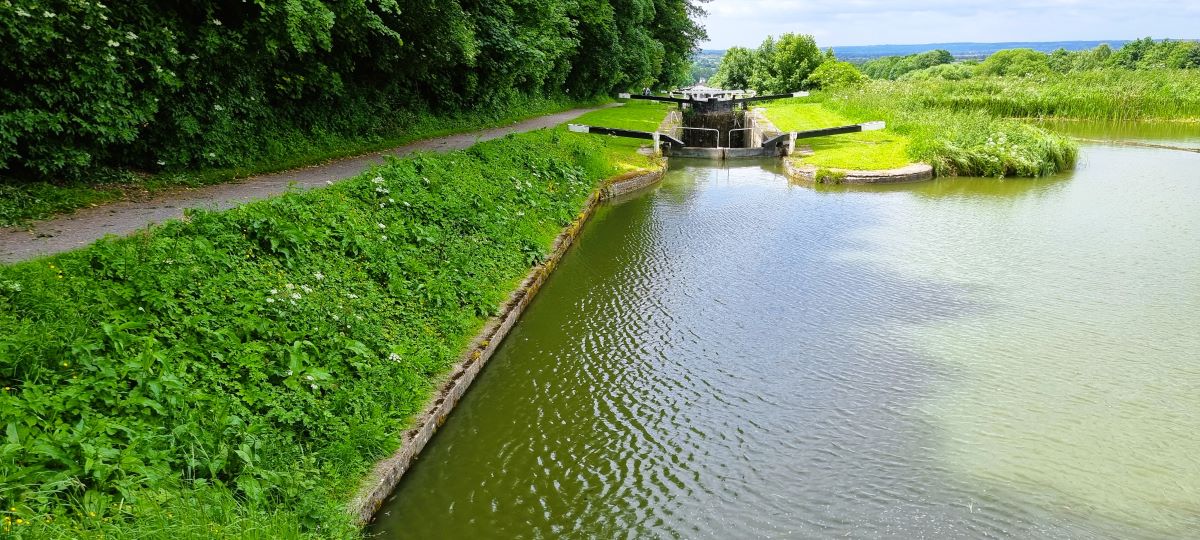
In order that boats could climb or descend the steep hill, 29 locks were built between Town Bridge and the bottom lock at Lower Foxhangers. In the middle of this is the ‘staircase’ of 16 locks known as Caen (pronounced cane) Hill with enormous side pounds that hold water to fill the locks. It has a rise of 237 feet in 2 miles.
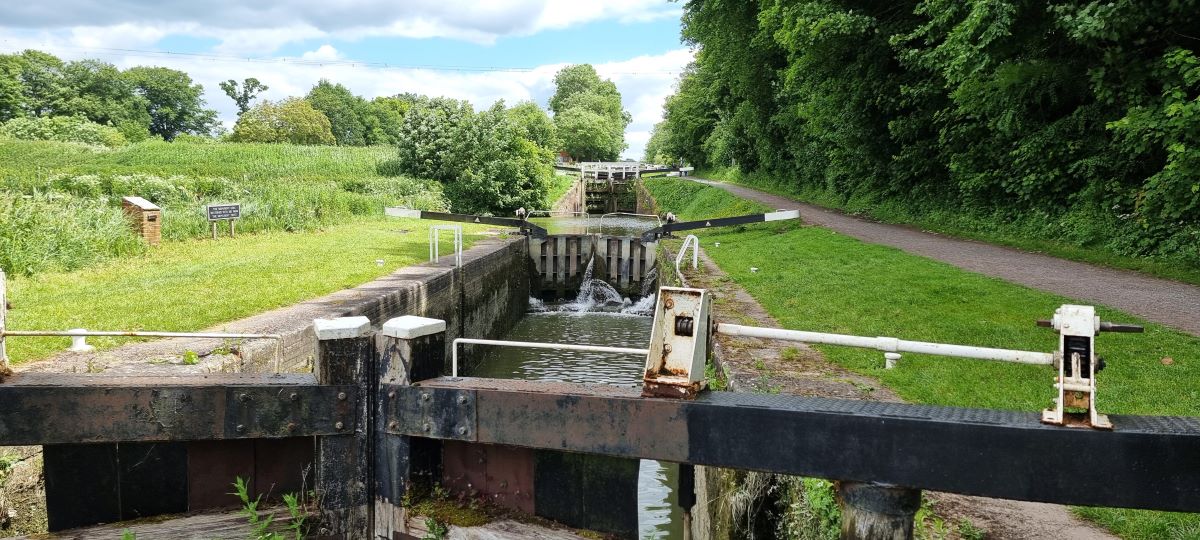
The side ponds keep it topped up with water – each holds 1 million gallons.
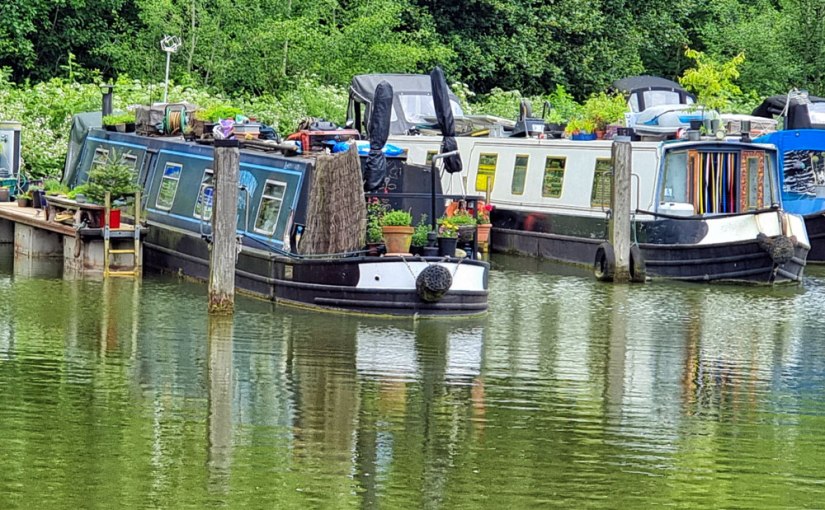
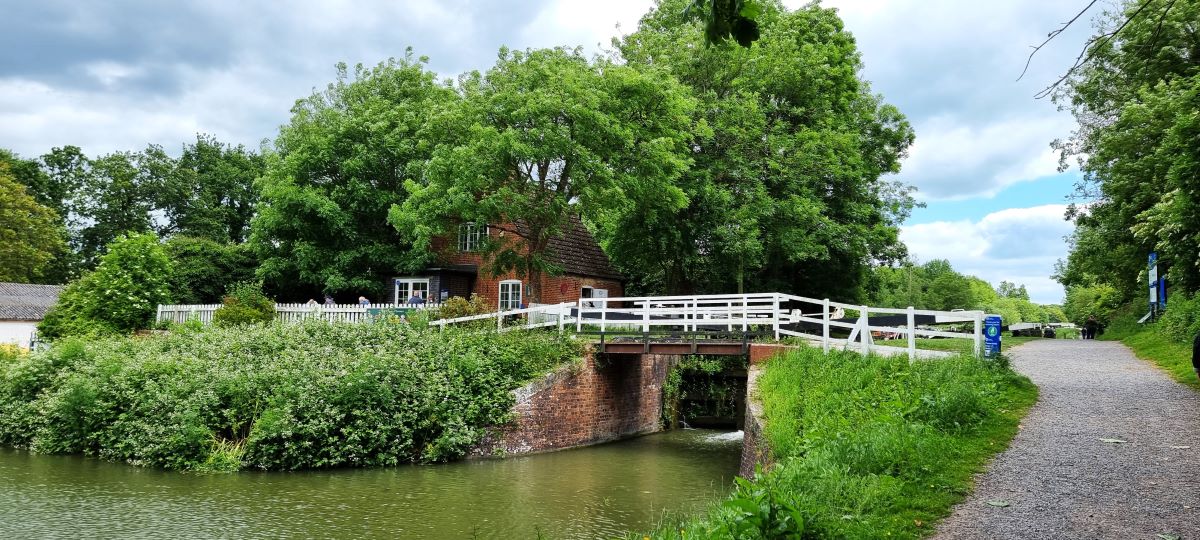
There is a café at lock 44 and mooring between locks 44 and 45.
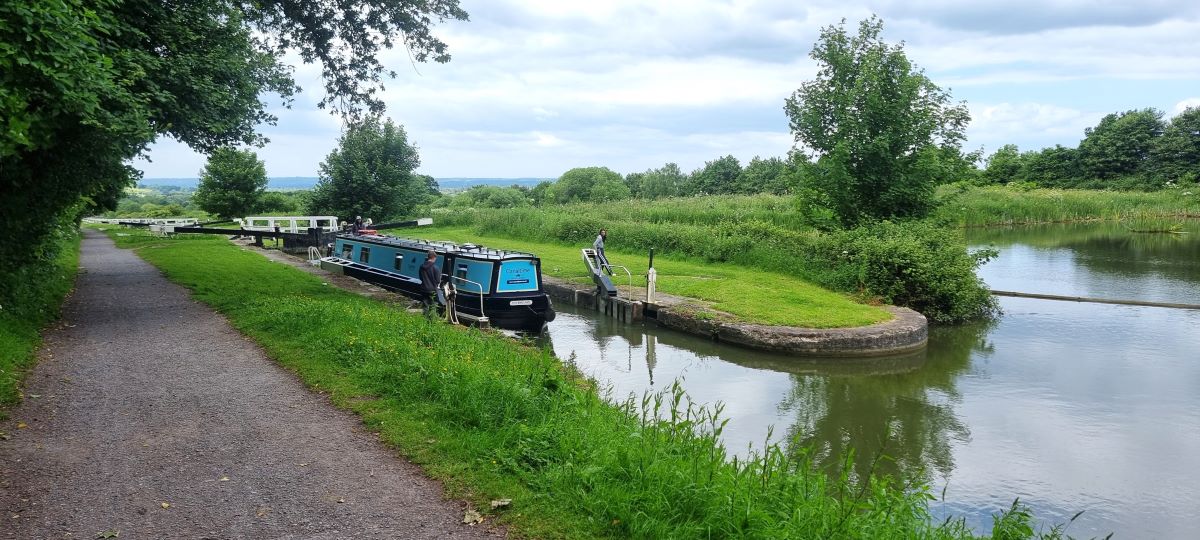
The Kennet & Avon Canal runs all the way from the River Thames to the River Avon, connecting the town of Reading with the World Heritage Site of Bath and Bristol. It is 87-miles (140km) long and is made up of two lengths of navigable river linked by a 57-mile (92km) canal section.
The Canal & River Trust cares for 2,000 miles of canals and rivers across England and Wales.
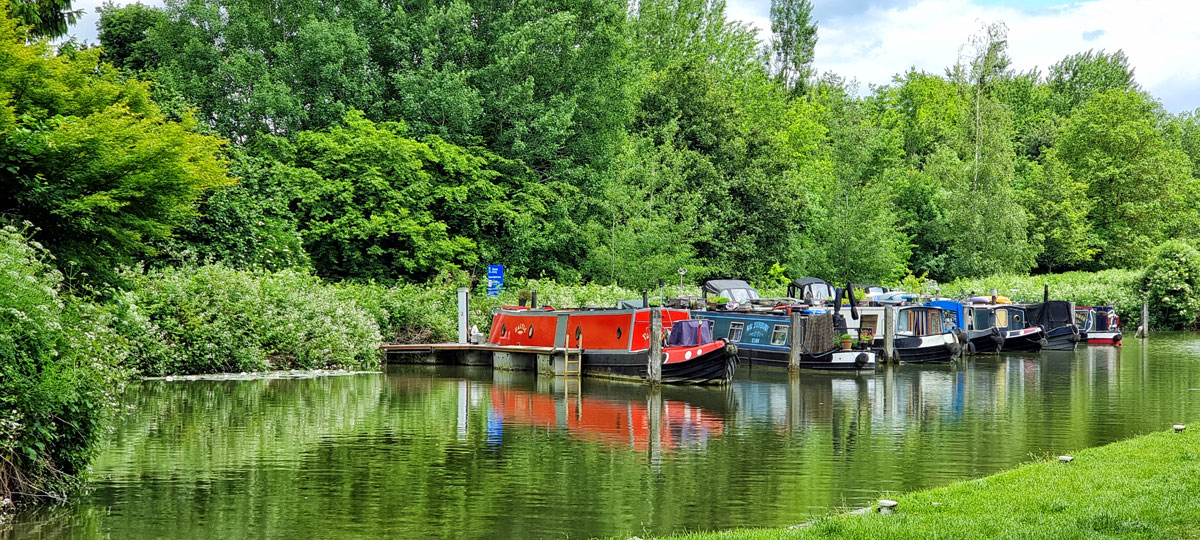
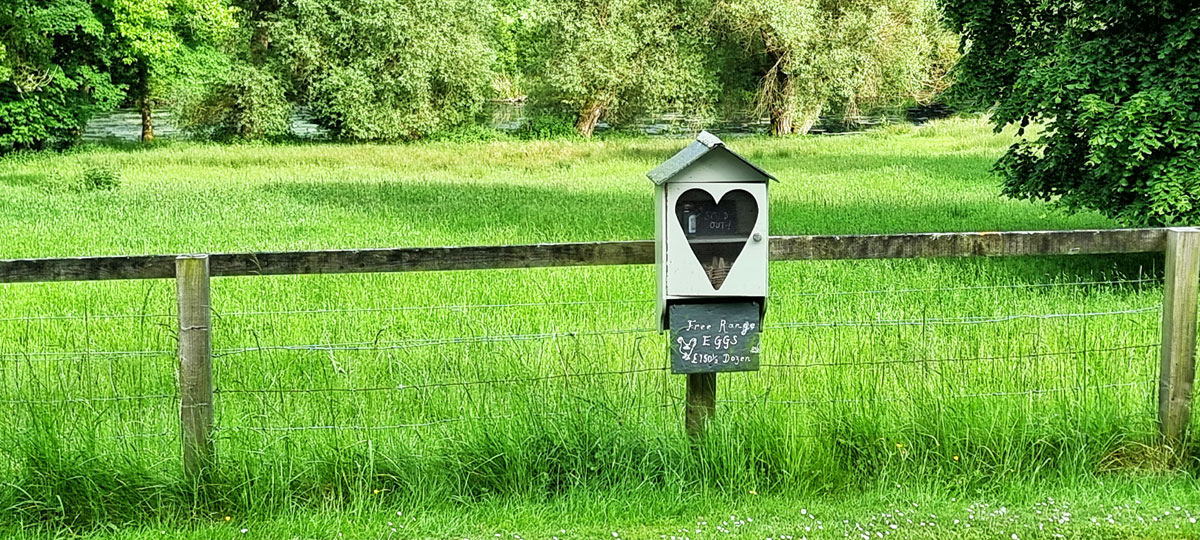
Lens-Artists Photo Challenge #305 | Two Rectangles
It’s been a while since I joined in with the Lens-Artists photo challenge, but the number 303 leapt out at me this week as I have just come back from a holiday based close to the A303 in Wiltshire so I thought it would be interesting to find connections between the sites we visited in and around that area.
The A303 is one of the main routes from London to the Southwest and a route I have travelled many, many times to visit my youngest son who is based in Wiltshire (military) and my daughter who lives in Surrey. It’s also famous for passing by the World Heritage site of Stonehenge, the world’s most famous prehistoric monument.
Stonehenge (2500 BC) is not the largest henge though, that title goes to Avebury and together they form the heart of a World Heritage Site which also includes Silbury Hill. We didn’t visit Stonehenge as we have done so not long ago, but we drove past it a few times this week so had a few sneaky glances! Instead we opted for a visit to Avebury.

Avebury (2850 – 2200 BC): the henge survives as a huge circular bank and ditch, encircling an area that includes part of Avebury village. Within the henge is the largest stone circle in Britain – originally of about 100 stones – which in turn encloses two smaller stone circles.
A double avenue of stones leads away from the southern entrance towards the Sanctuary stone circles on Overton Hill, about a mile to the south-east. Unlike Stonehenge, this site is free to visit though you will have to pay for parking unless you are a National Trust or English Heritage member.

More recent history can be found at Old Sarum, an iron age hill fort dating back to 400 BC. Later occupied by the Romans during their conquest of Britain in AD 43, where perhaps a military fort was set up. It was during William the Conqueror’s reign that the strategic advantage of this place was recognised and a motte and bailey castle built.
 Later, stone buildings were erected and in 1078-99 a cathedral was built after the 1075 Council of London decreed that the see should be moved from Sherborne to Old Sarum. Dissatisfaction with the site and poor relations with the garrison in the castle caused the cathedral to be moved to its present site in Salisbury (New Sarum) in 1220 and much of the stone from the old cathedral was used to build the new one.