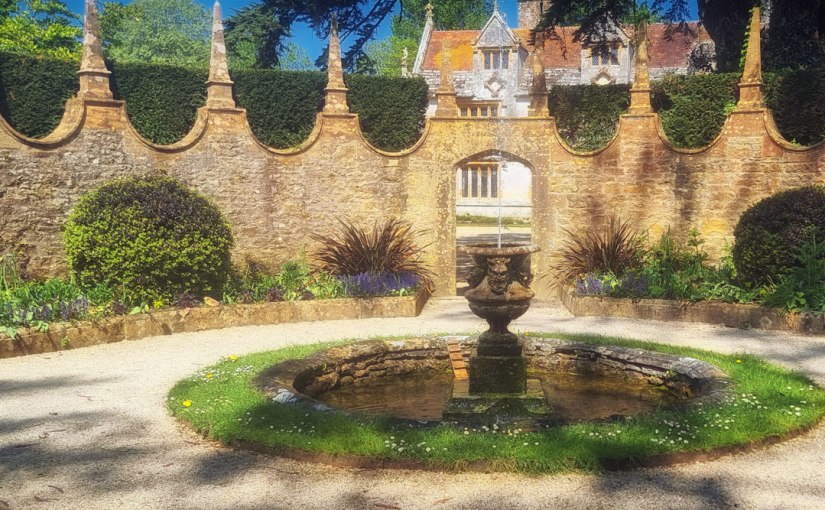
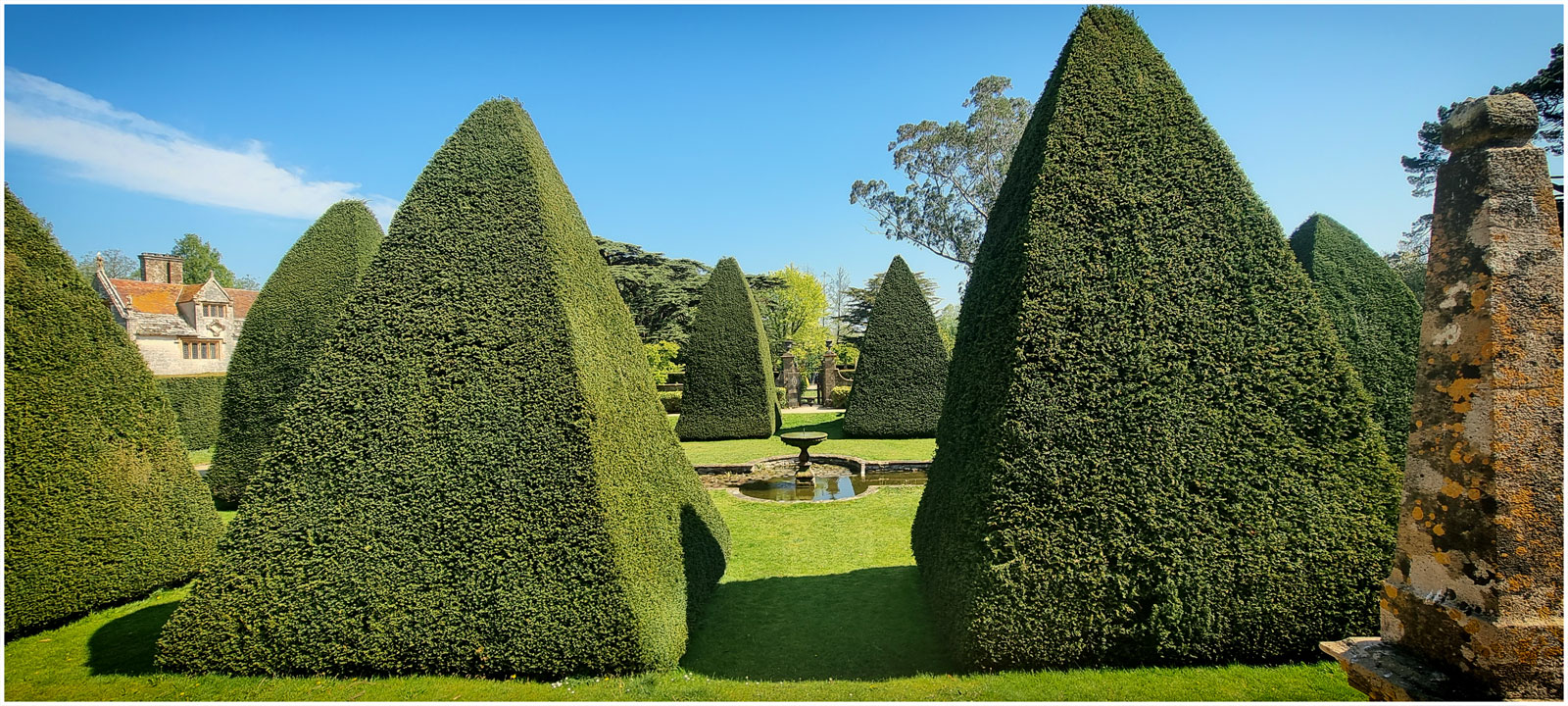
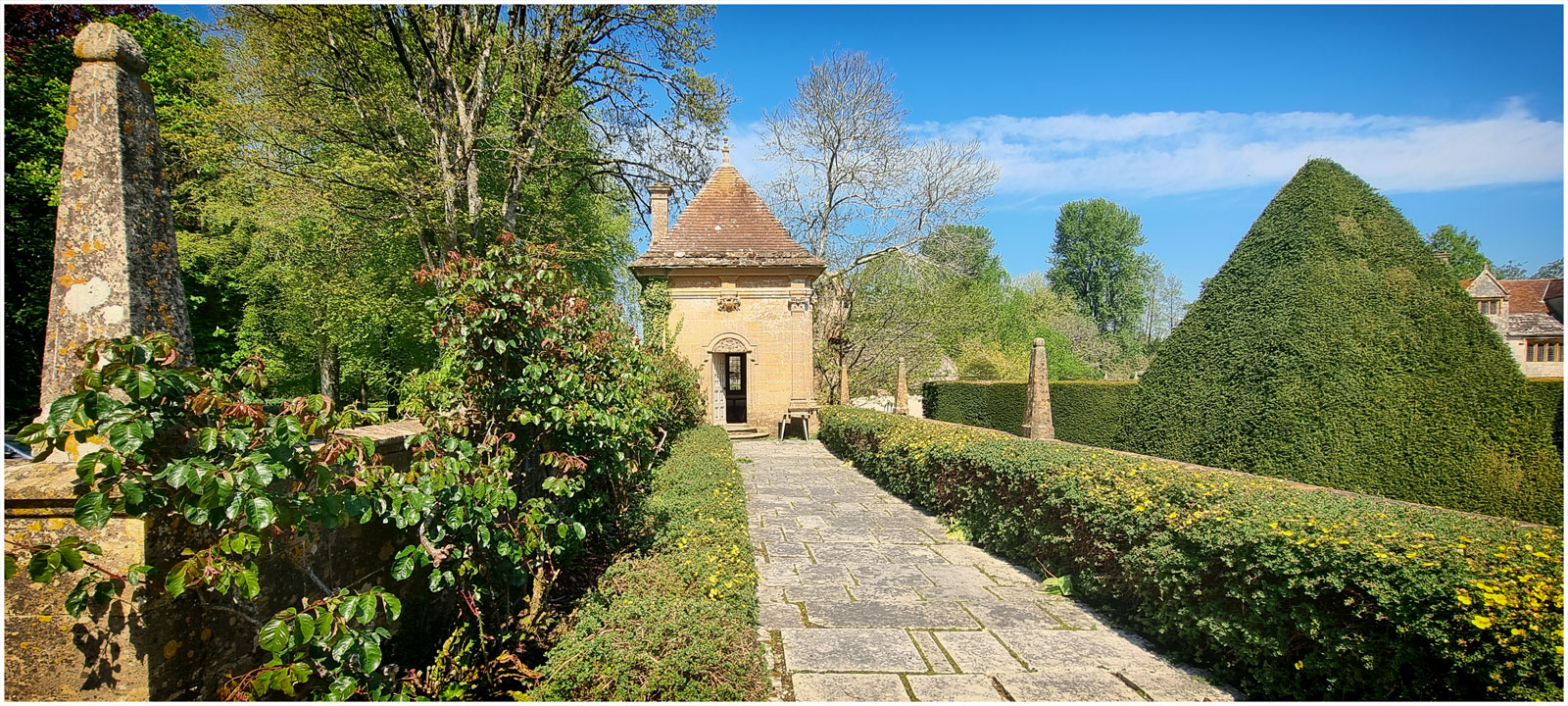
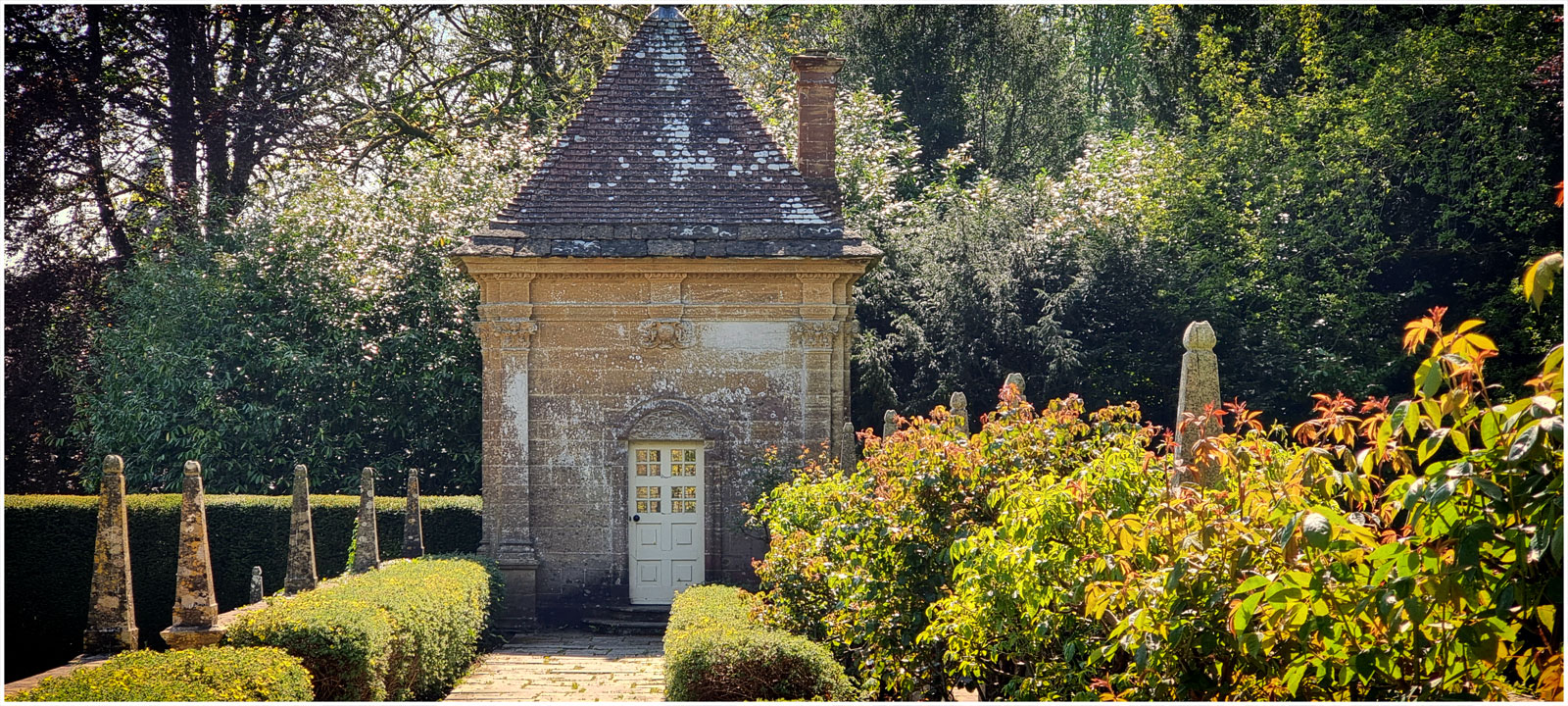
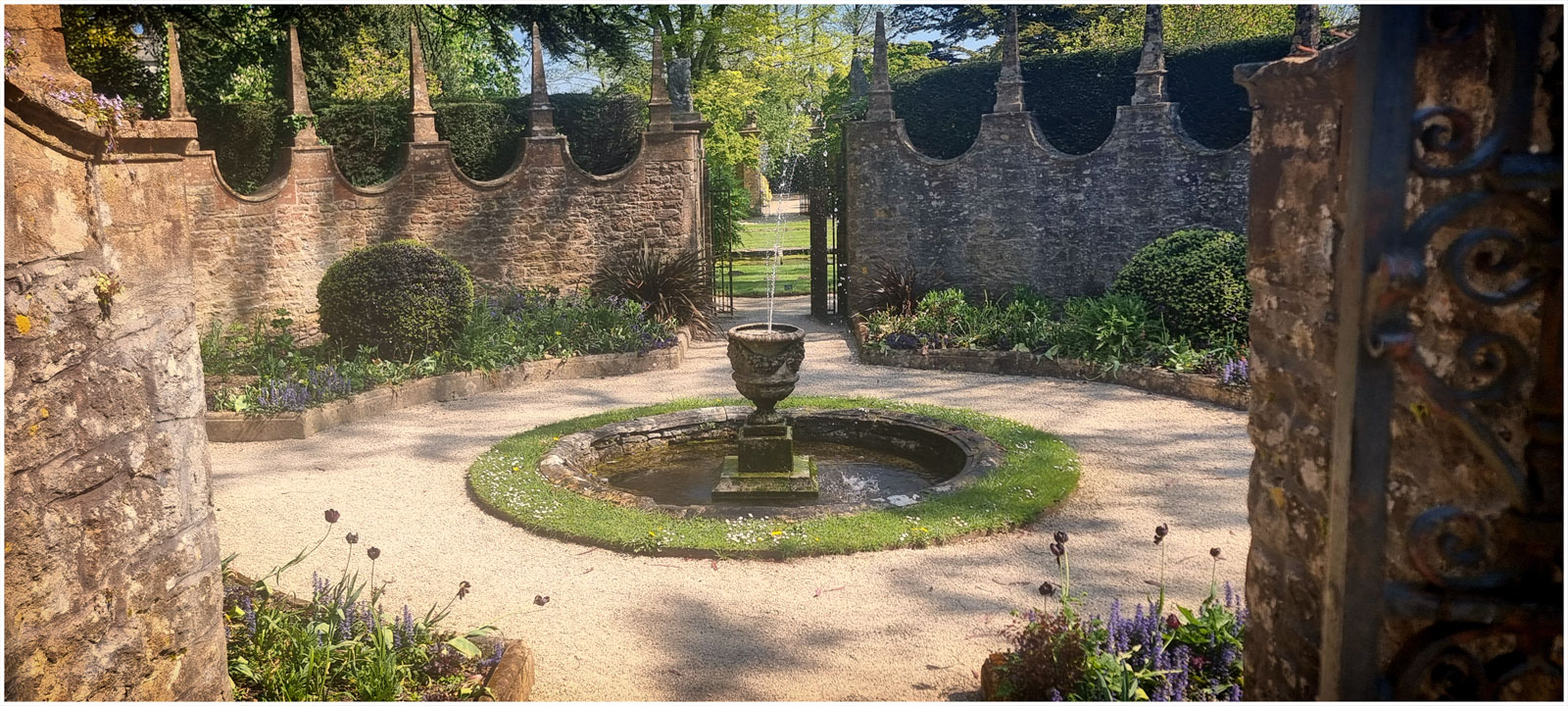
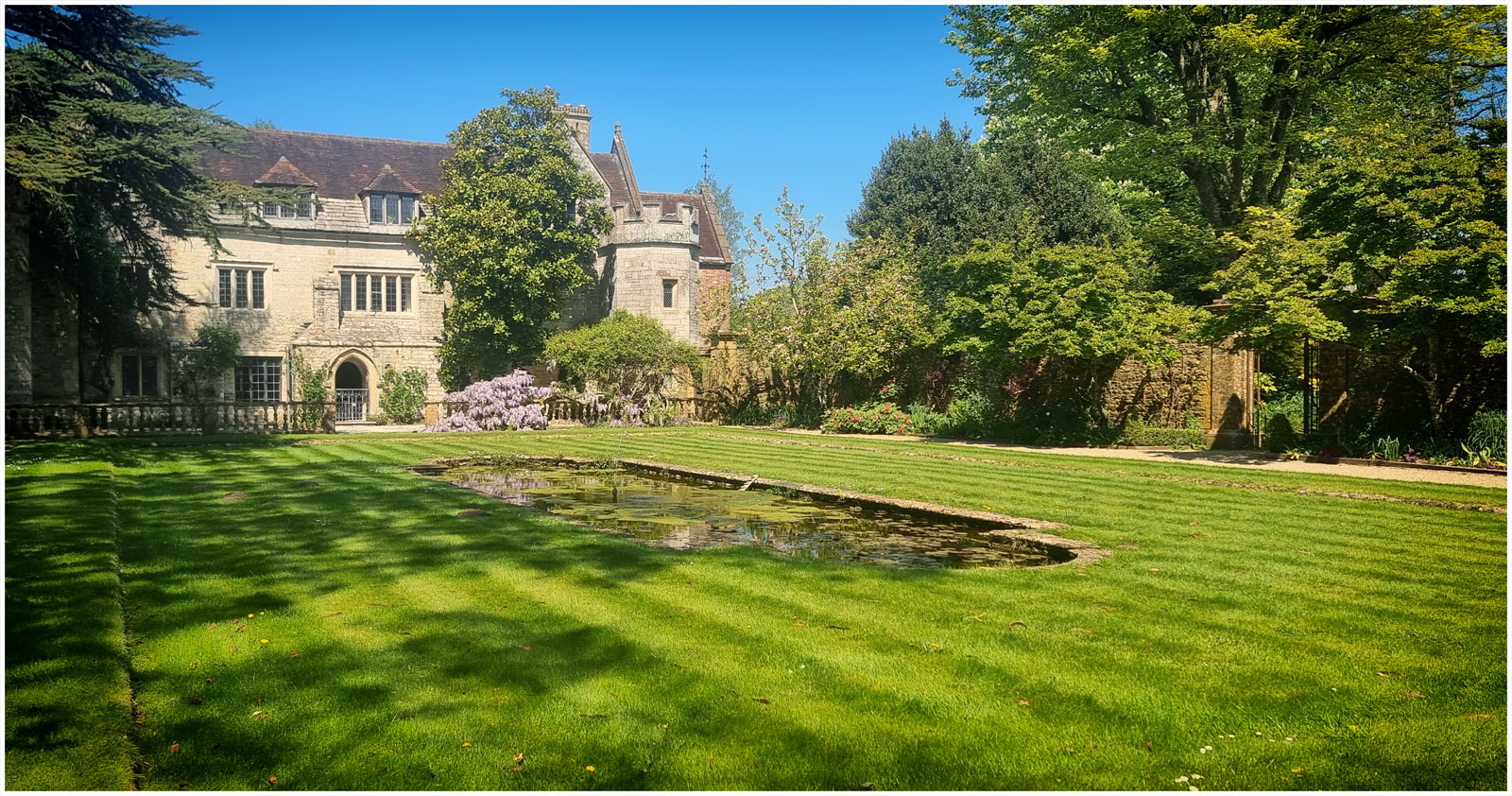
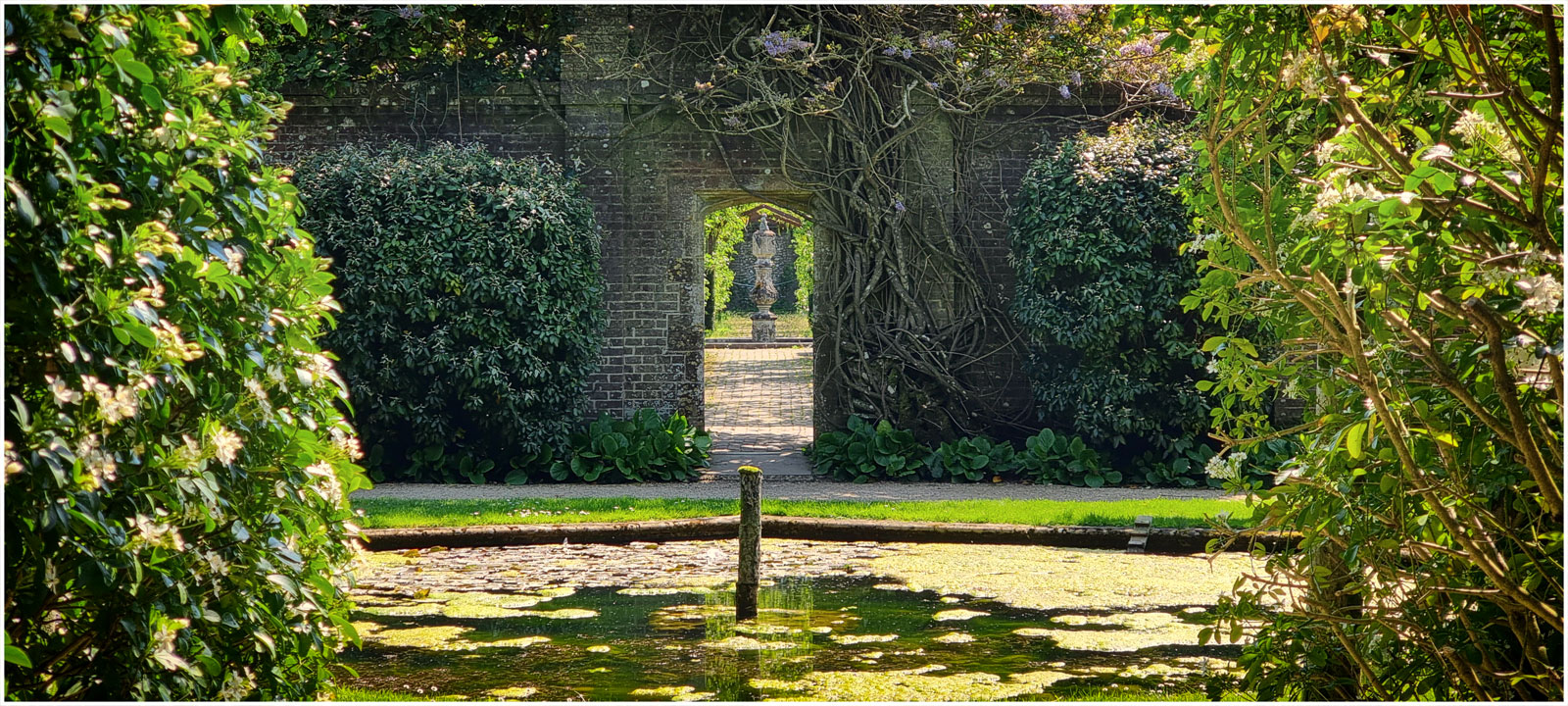
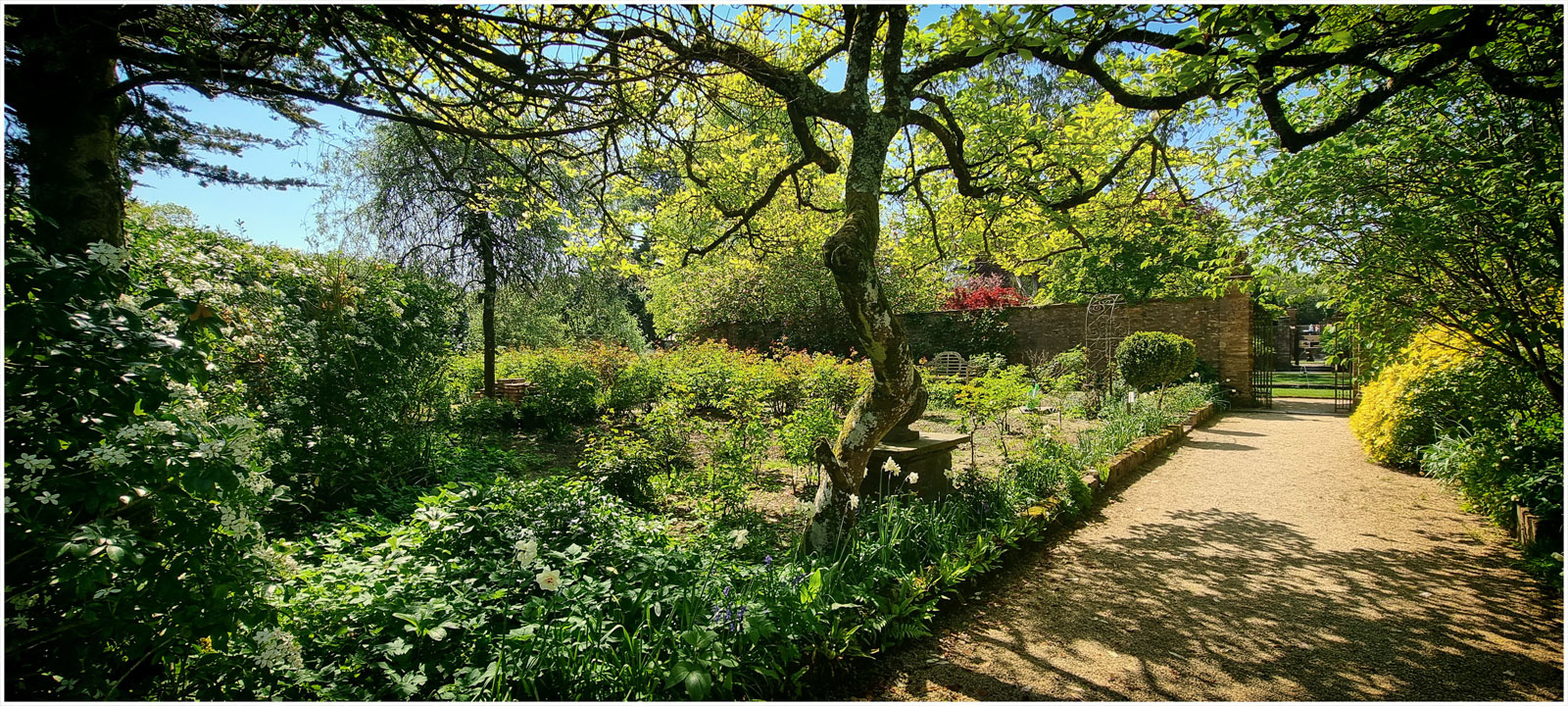
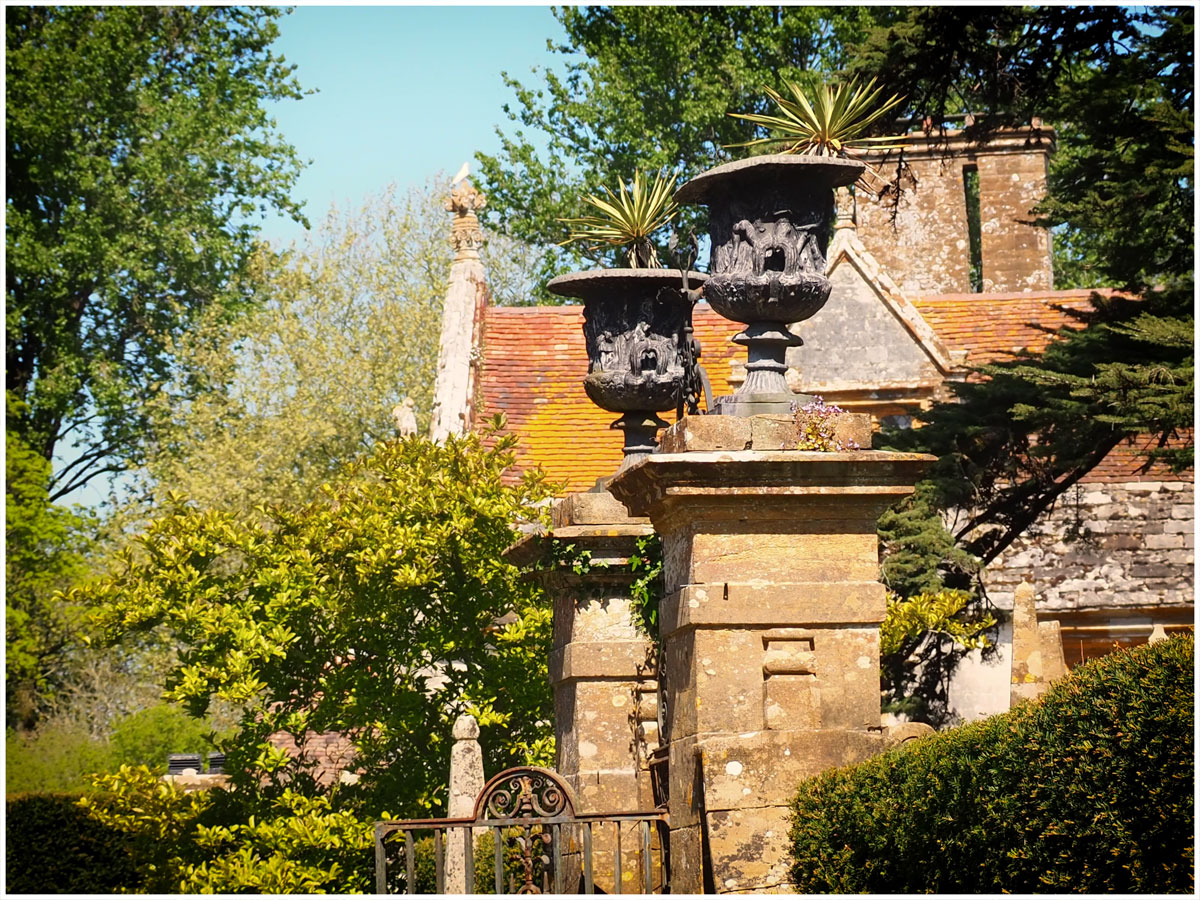
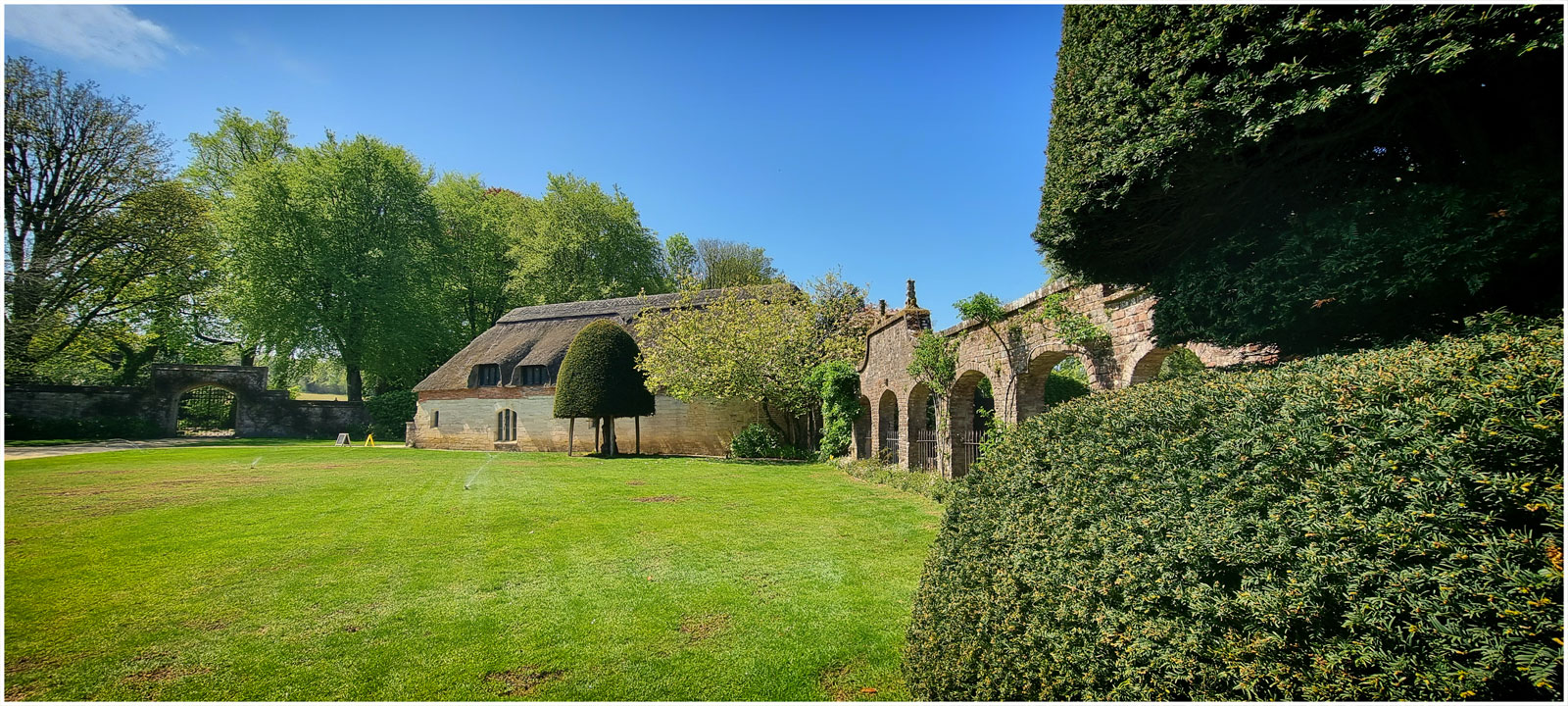
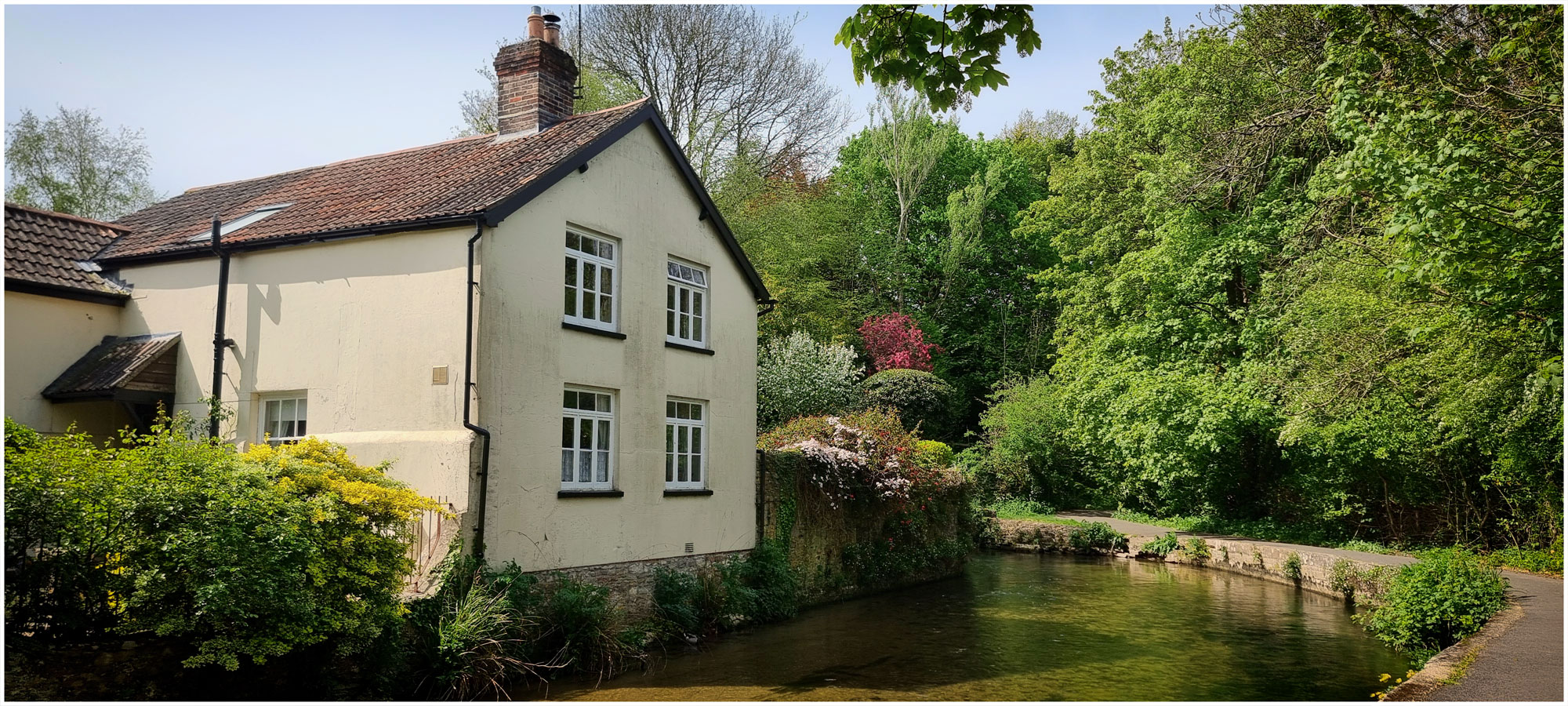
Athelhampton Hall, a 15th century manor house, was purchased in 1891 by Alfred Cart de Lafontaine. He commissioned Francis Inigo Thomas to create new gardens. He designed a series of linked gardens with ponds, ham stoned walls and raised terraces which have been maintained and improved over the centuries.
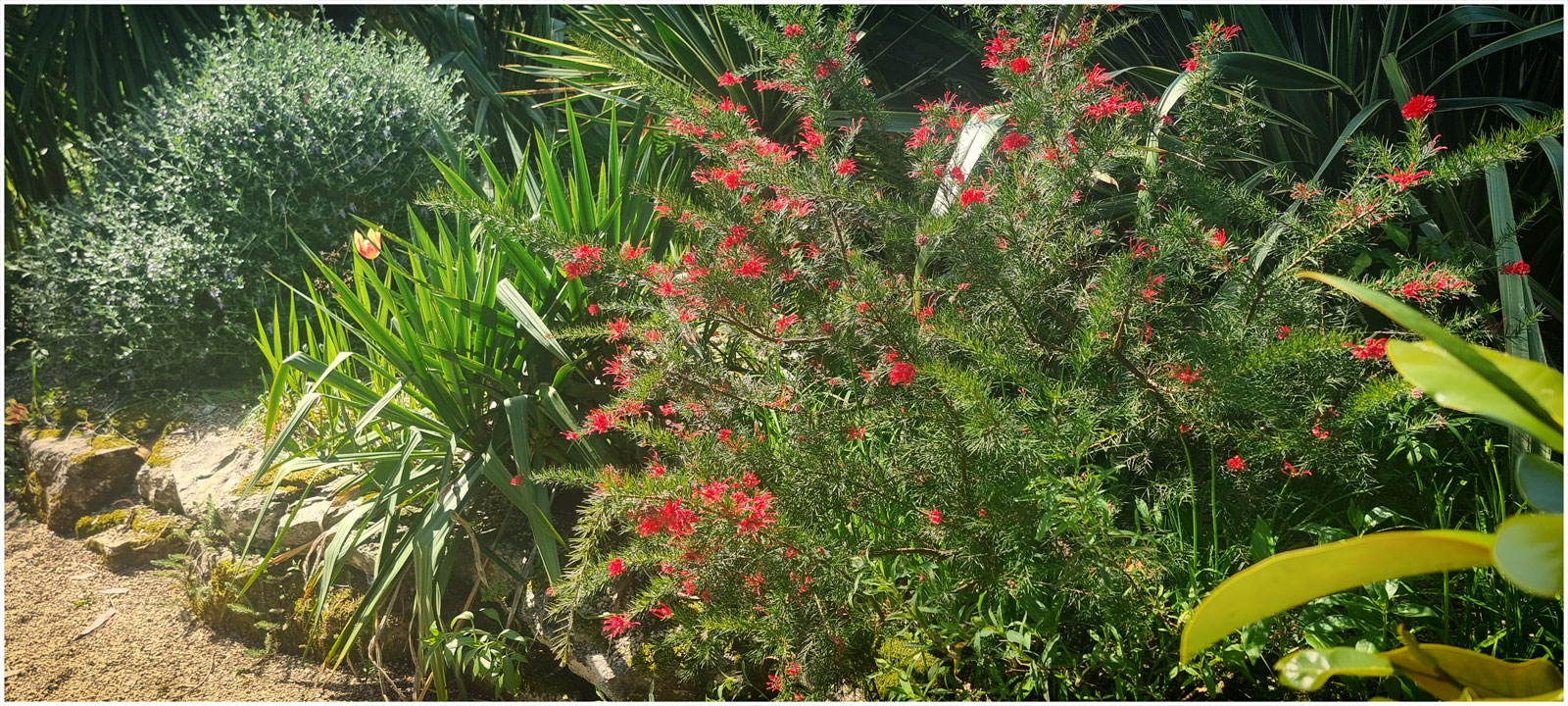
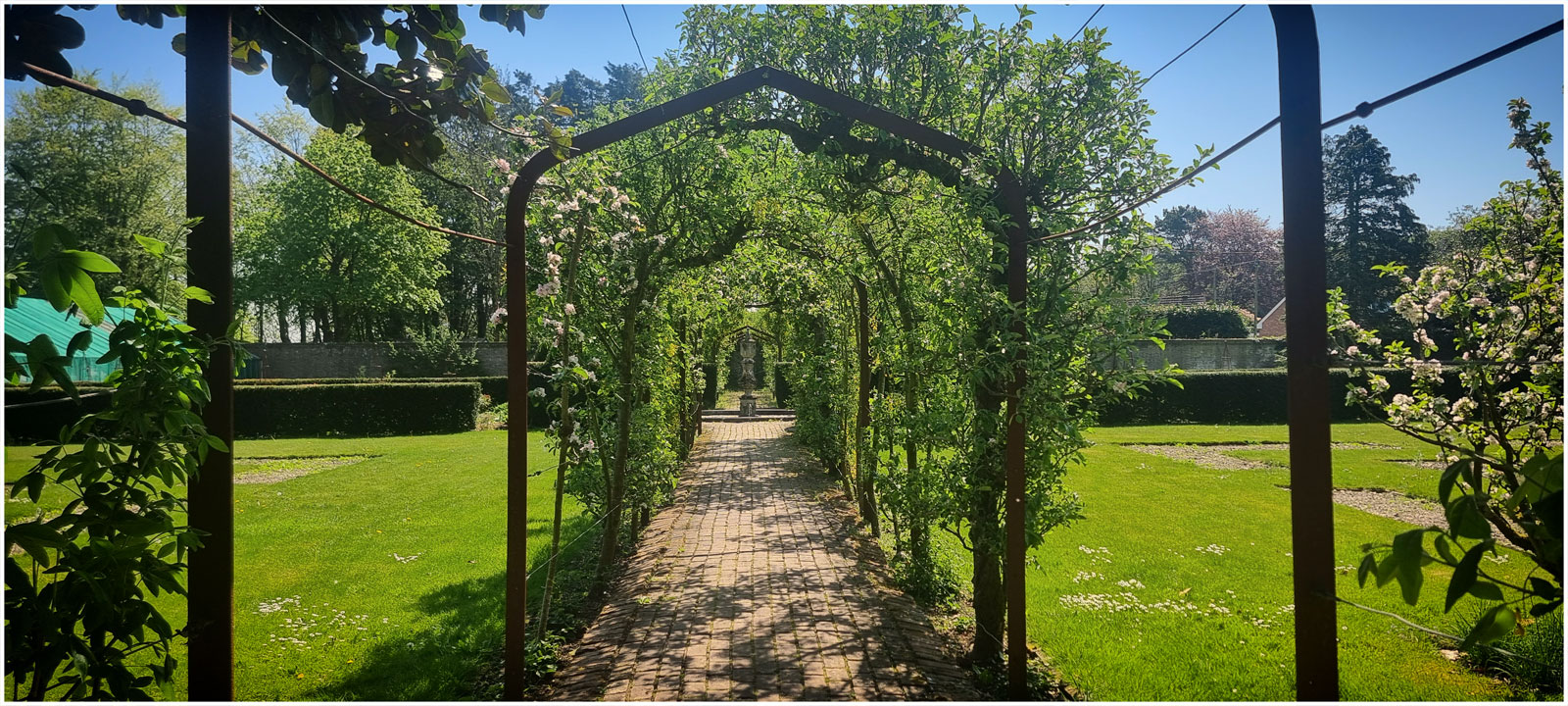
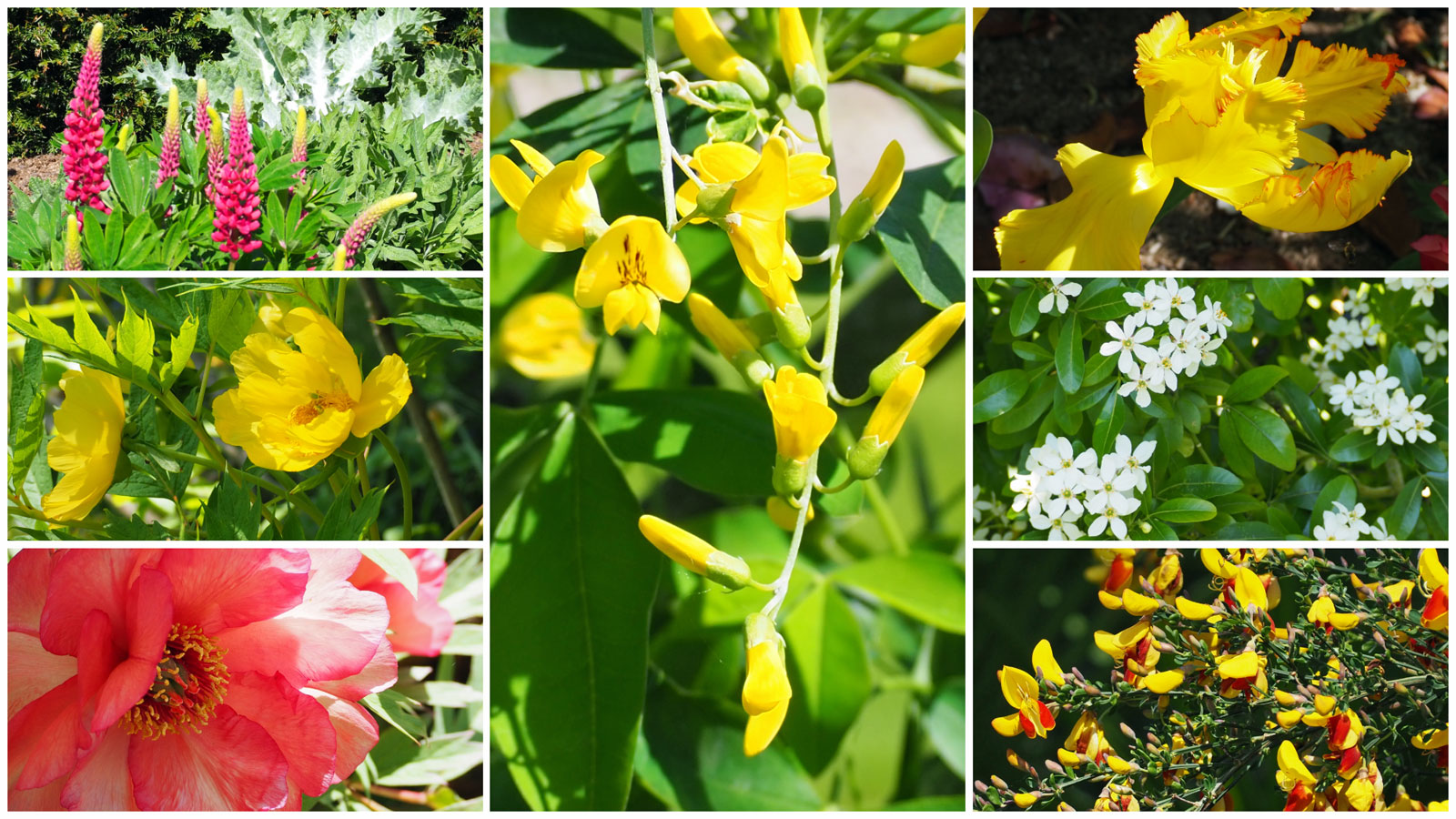
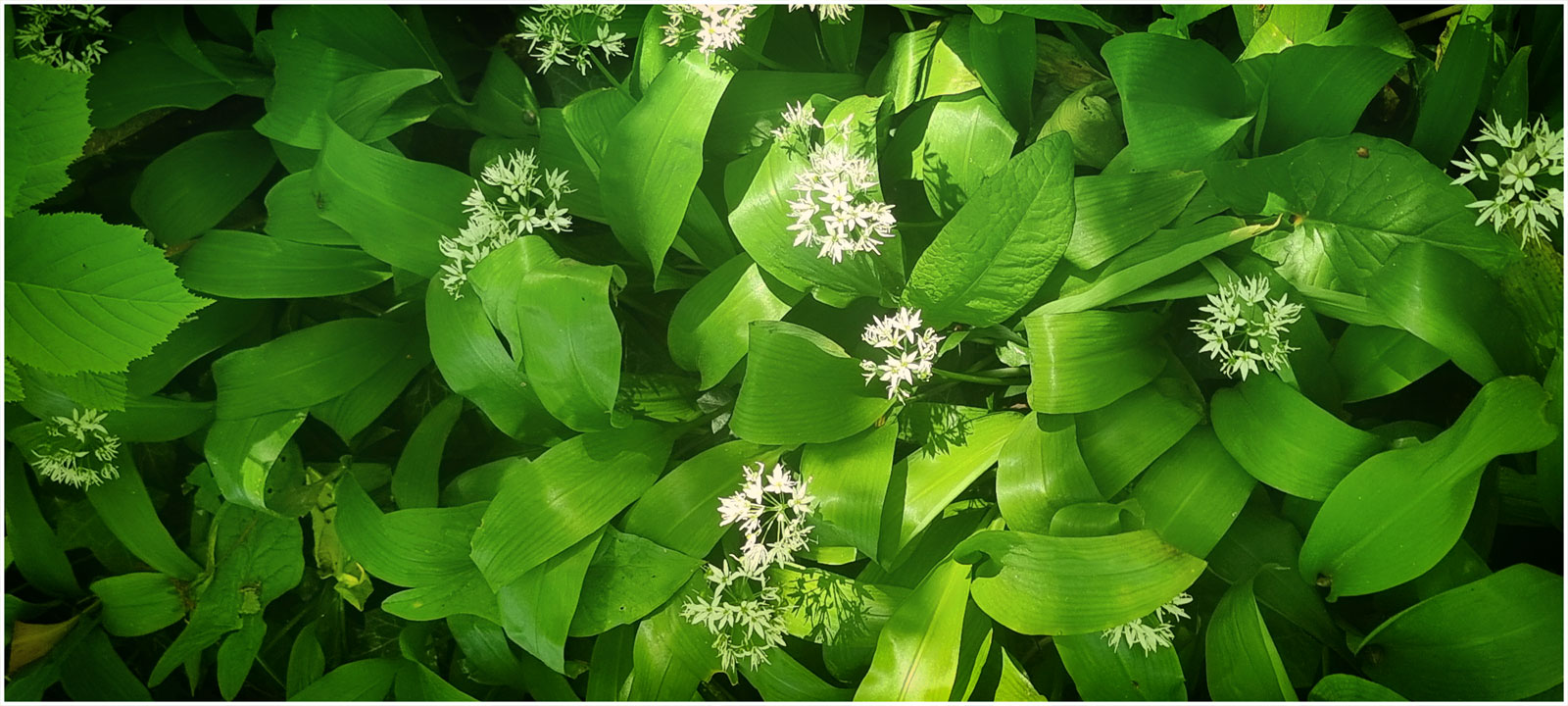
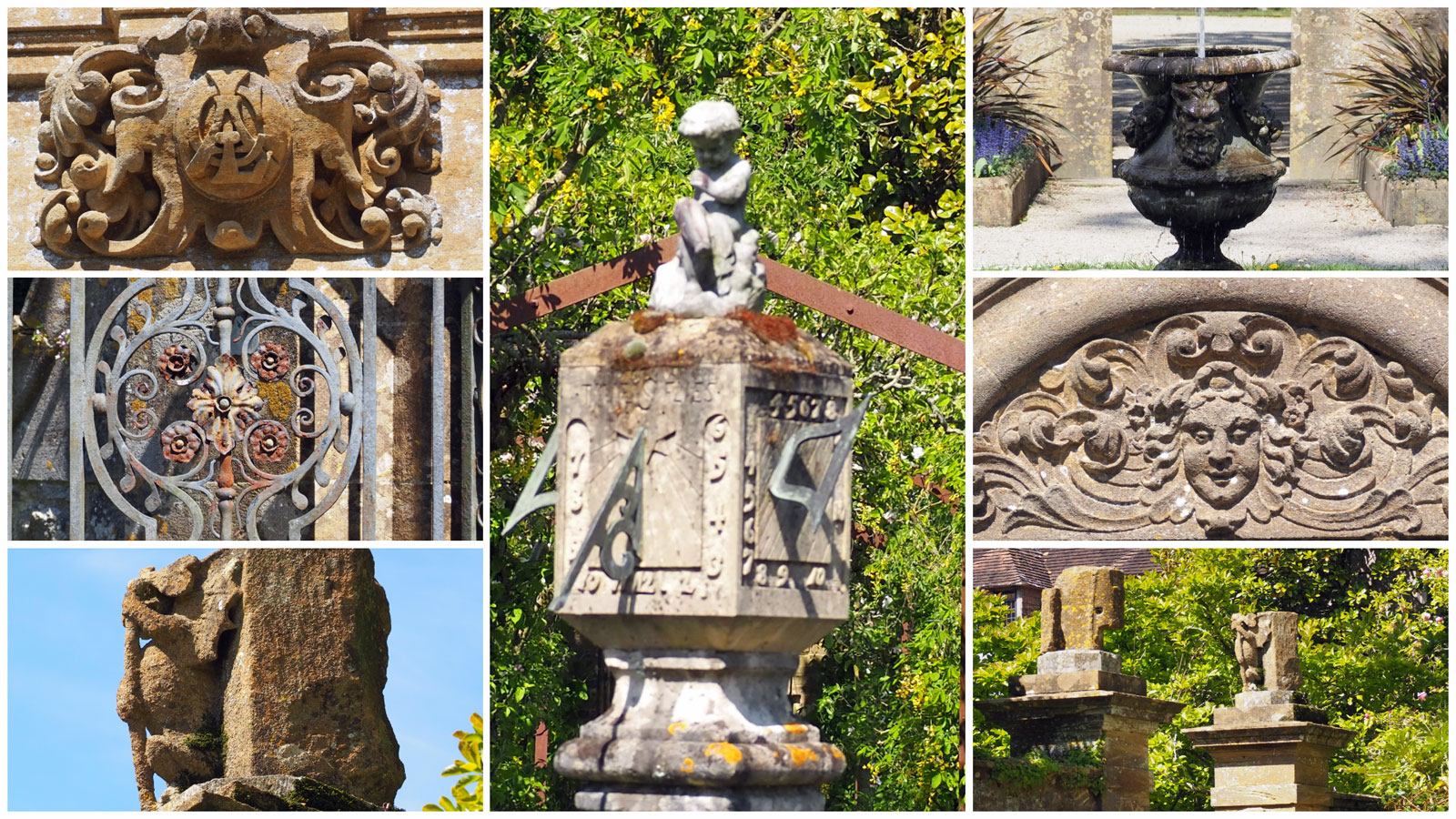
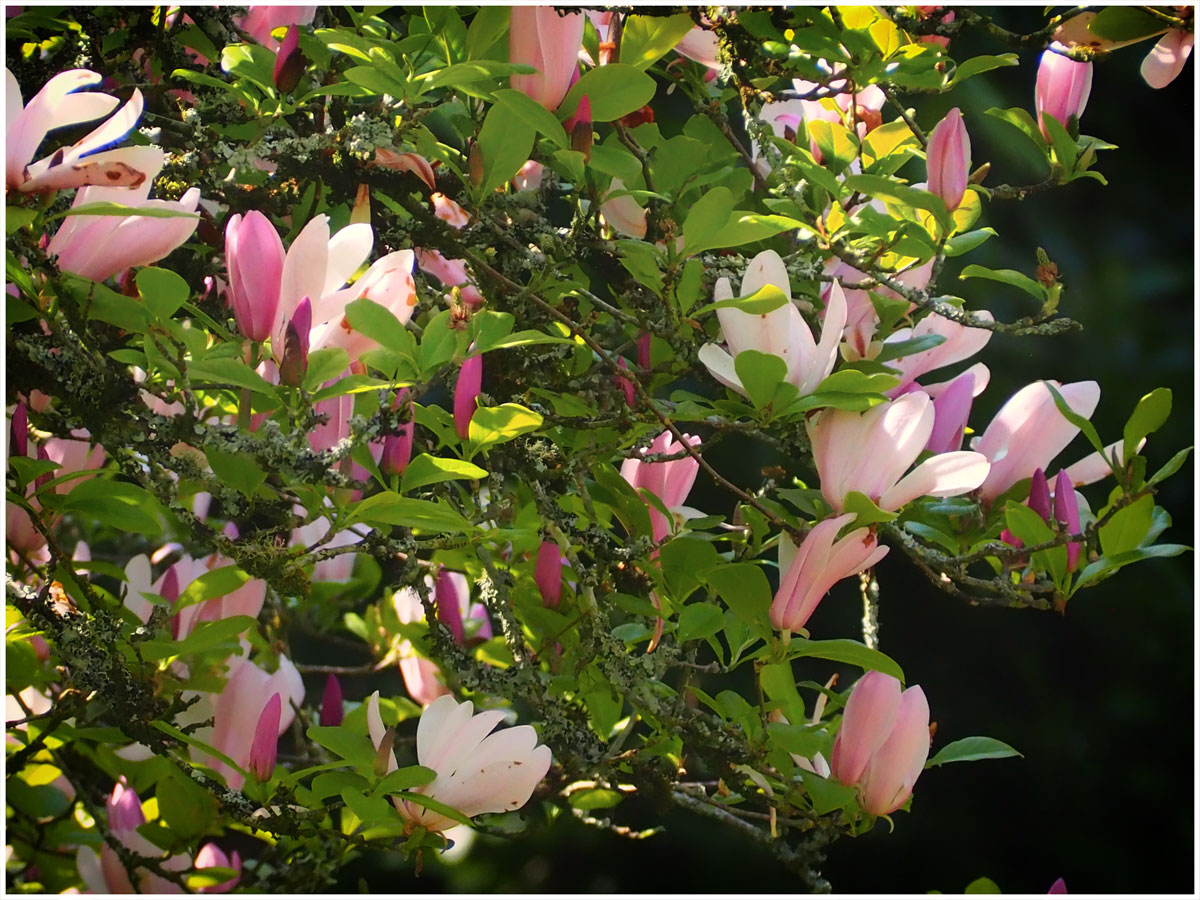
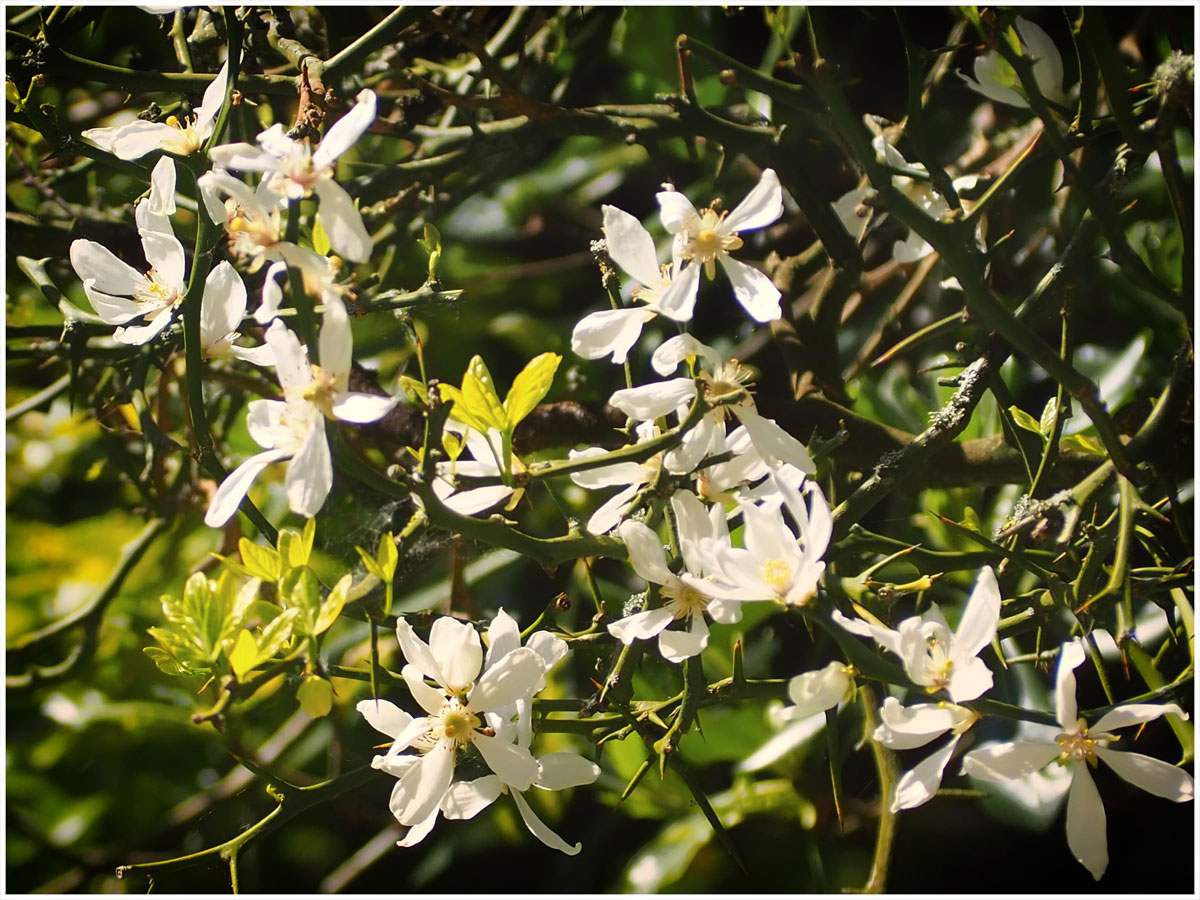
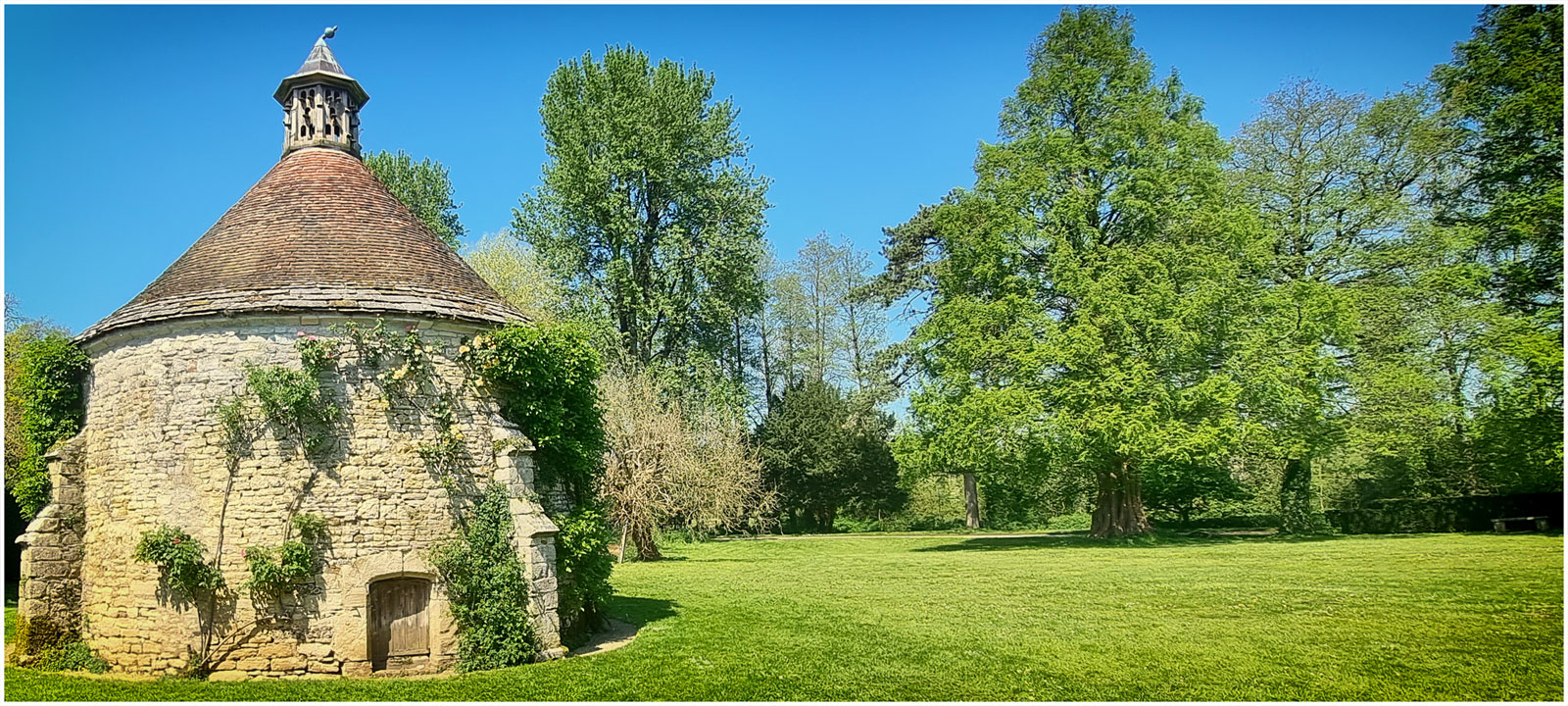
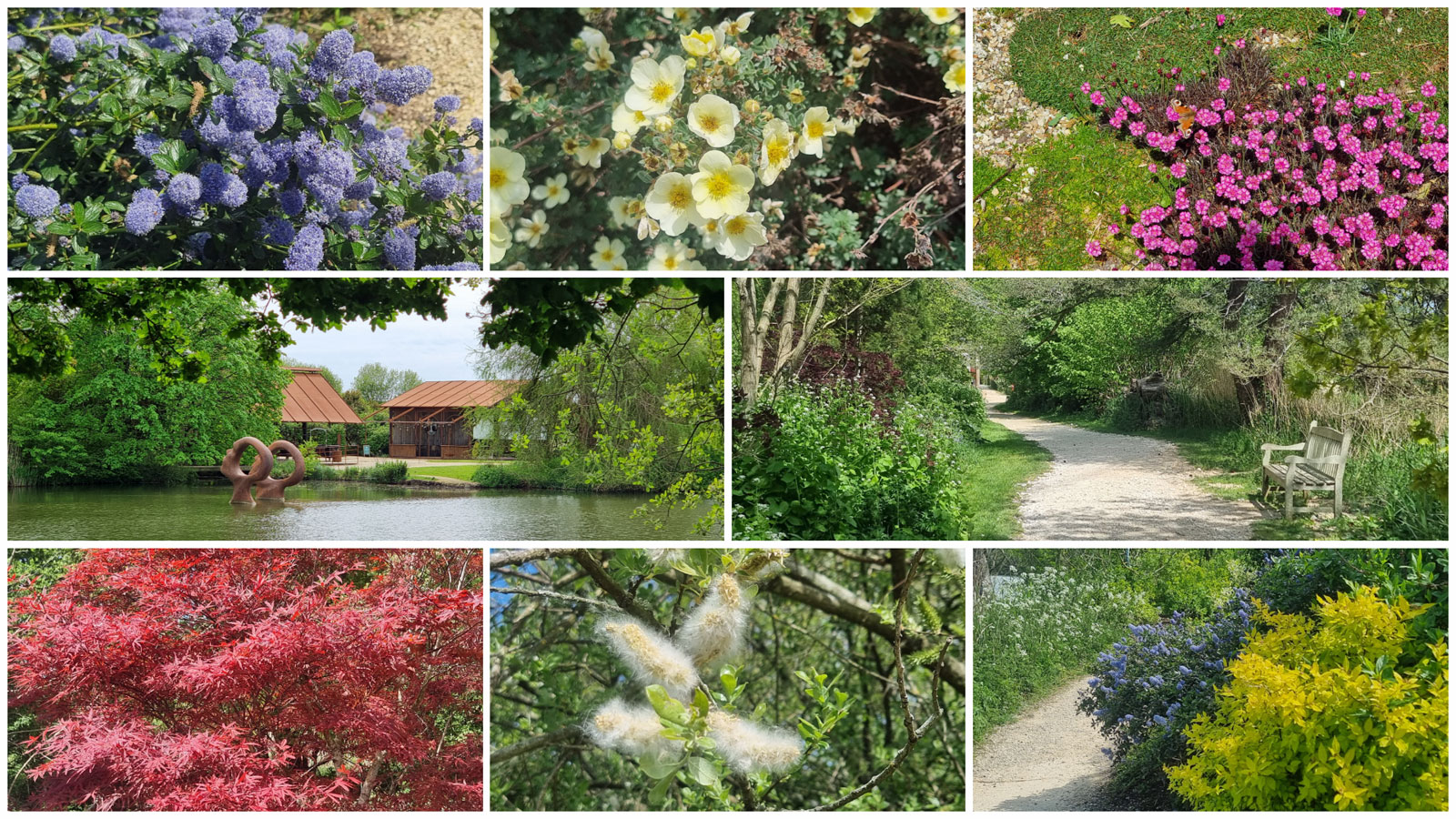
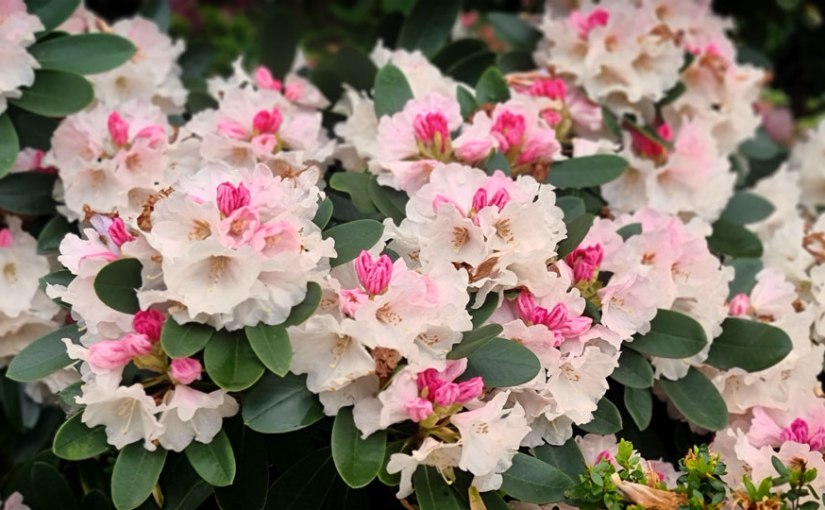
The Great Court with the dominant yew pyramidsThe raised stone terrace with a pair of garden pavilions – the houses of Summer and Winter, each with an ornate decorative stone. This is Summer.WinterThe Corona Garden is the principal focal point of the garden rooms, with a scalloped wall and obelisks.Lion’s Mouth Garden is now a Mediterranean style with donations of plants from Tresco Gardens.The walled kitchen garden has a tunnel of roses and laburnum.Lupins, Laburnum, Fringed tulip, Choisya, Common broom, Pink Peony, Yellow ‘Molly the Witch’ peonyGreen Court with pond and sunken lawn.Octagonal PondShady walk close to the White Garden and Rose GardenRanoms / Wild Garlic near the River PiddleStone urnsOld Cottage gardenDetailsMagnolias along the South WalkStar MagnoliaWest Lawn with the 25th century Dovecote. Which does house doves, but unfortunately I was too slow to capture them flying out.
I had a very pleasant wander around the 5 acre grounds on a sunny day. I spent some time sitting in the Lion’s Mouth Garden with a book, relaxing in the sunshine with just birdsong before continuing my wander. I finished with a very nice lunch in the Coach House restaurant. The Tudor house is open for visiting.
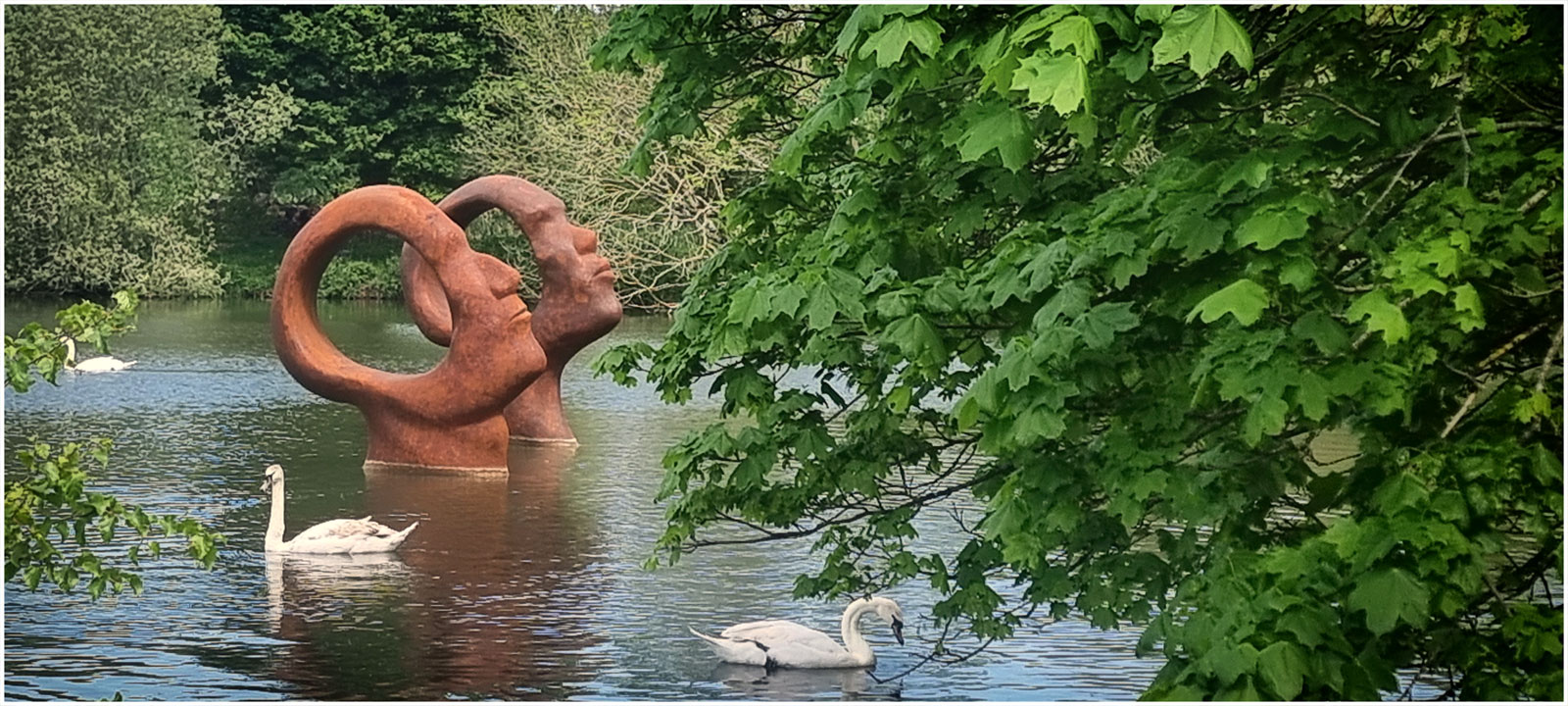
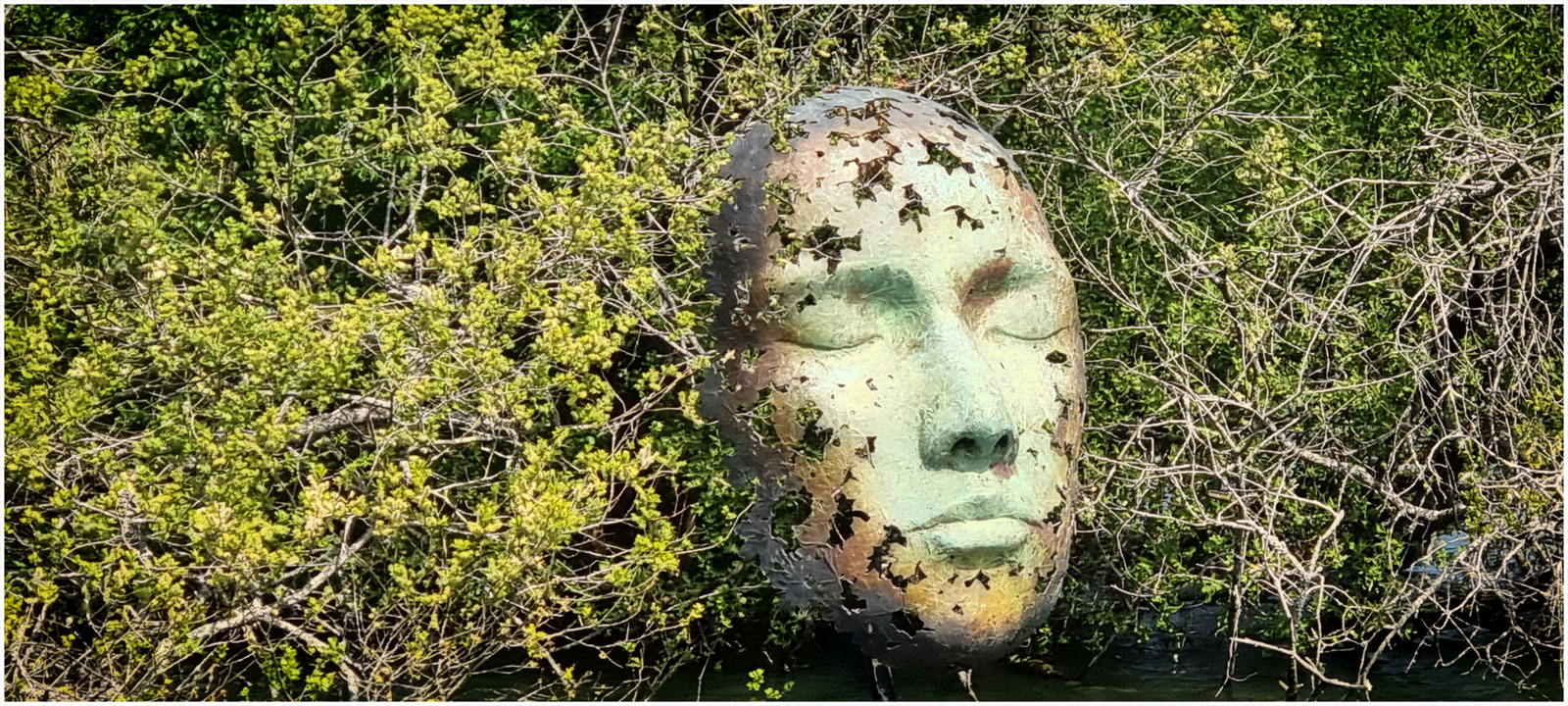
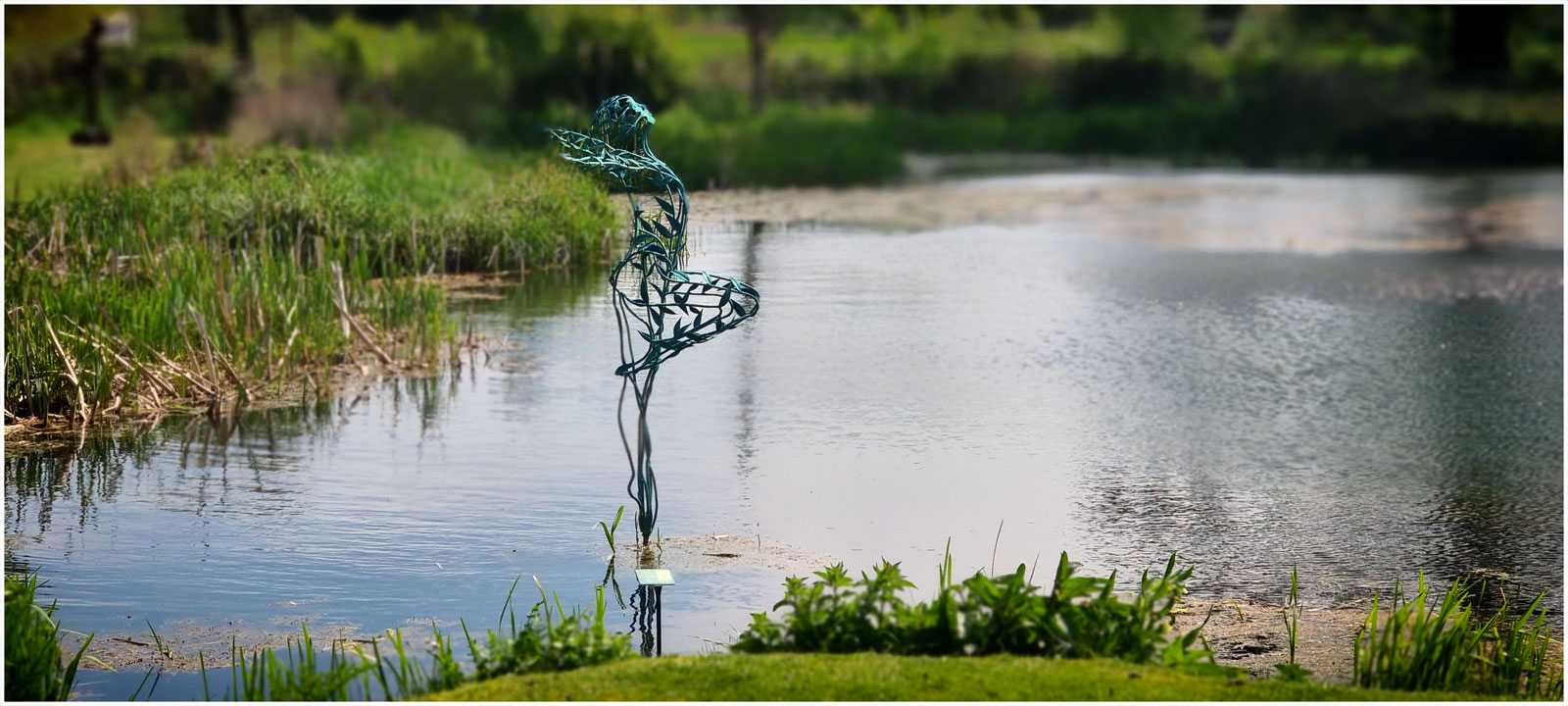
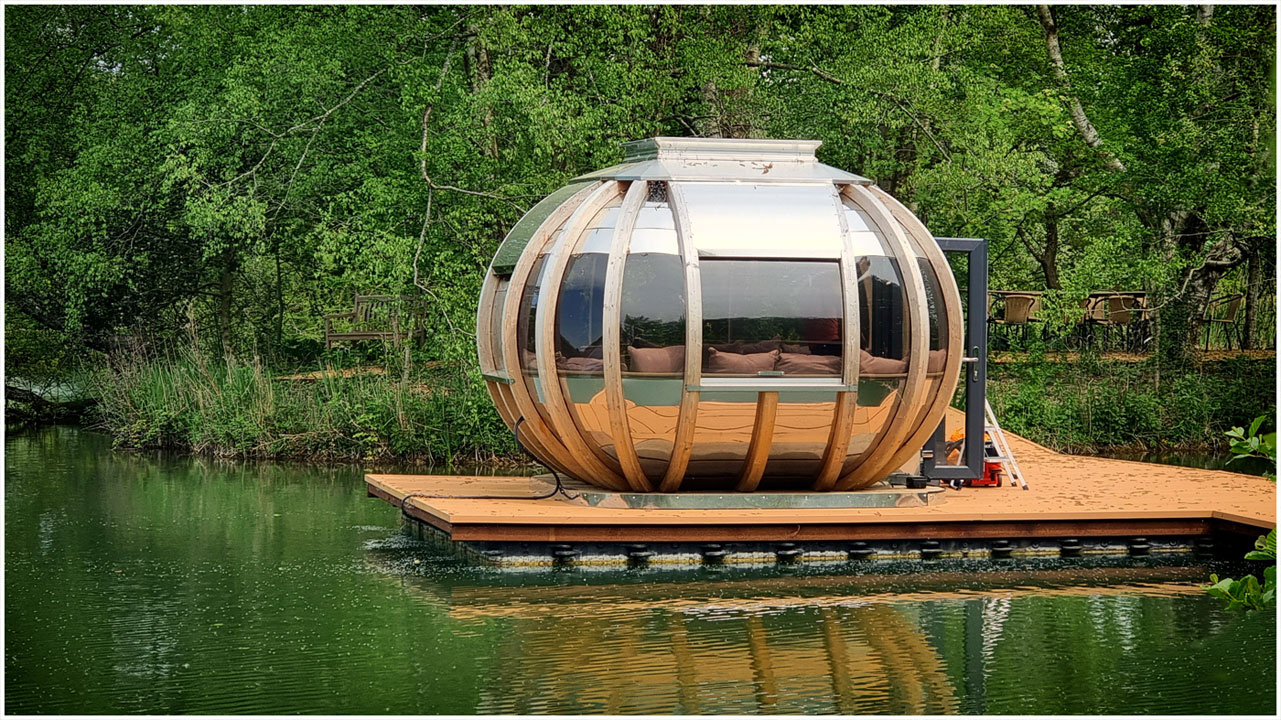
Simon and Monique Gudgeon are the creators of Sculpture by the Lakes, with over 100 sculptures in this 26 acre sculpture park many of them around the level meandering paths around the North Lake and Rainbow Lake. It makes for a lovely leisurely stroll through native trees and planting. There are several waterside venues available for private hire and an excellent Pantry offering self-service fresh, seasonal food with plenty of seating outdoors and around the park where to relax and unwind.
Showcasing the work of sculptor Simon Gudgeon and more than twenty other sculptors among the garden designed by Monique.
As Jo loves to be beside water I am sure she’d love this walk:
(please click on an image for an enlargement)
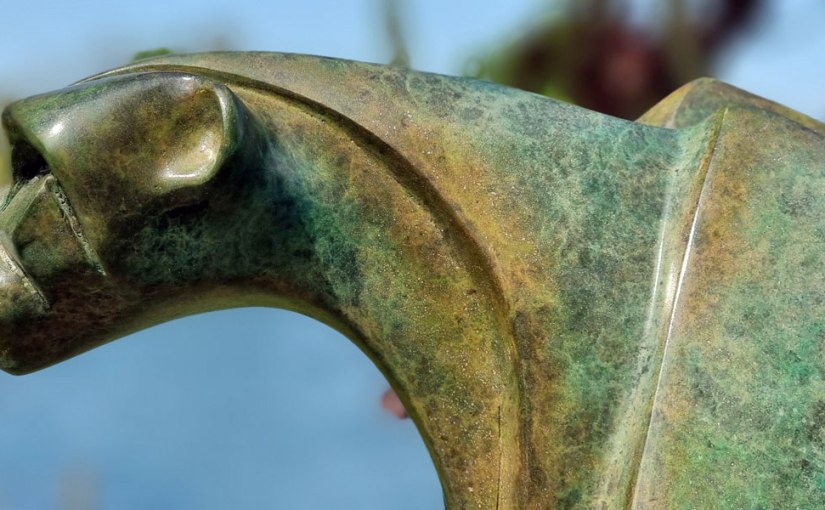
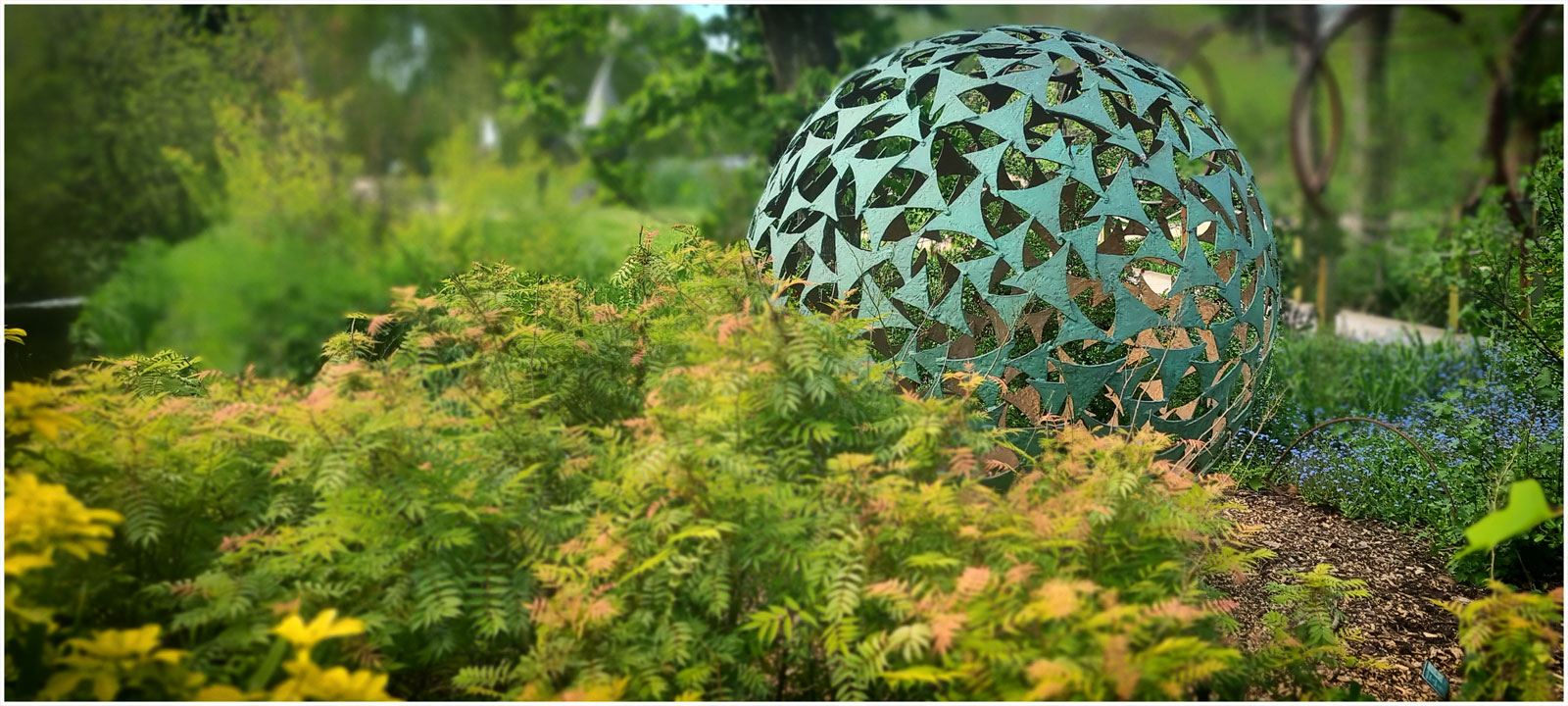
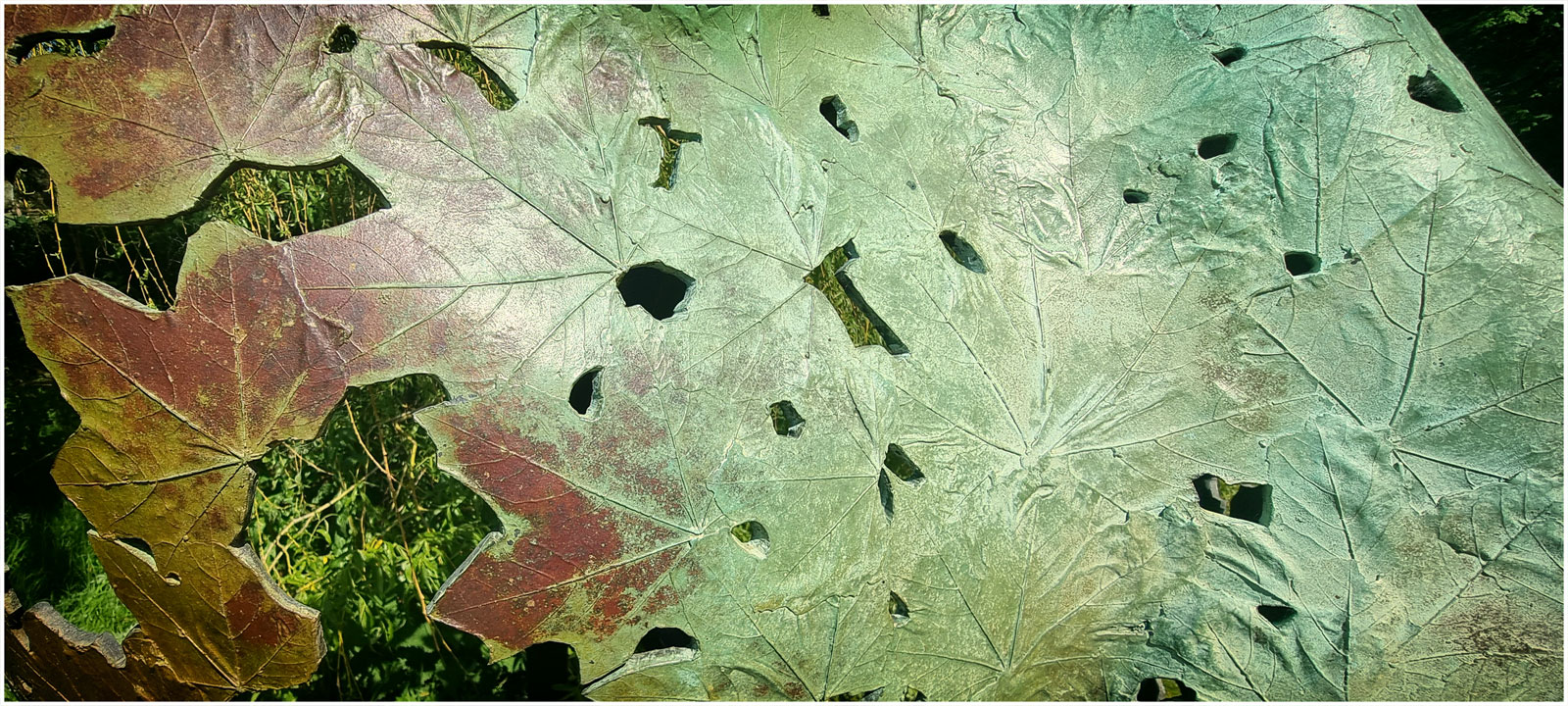
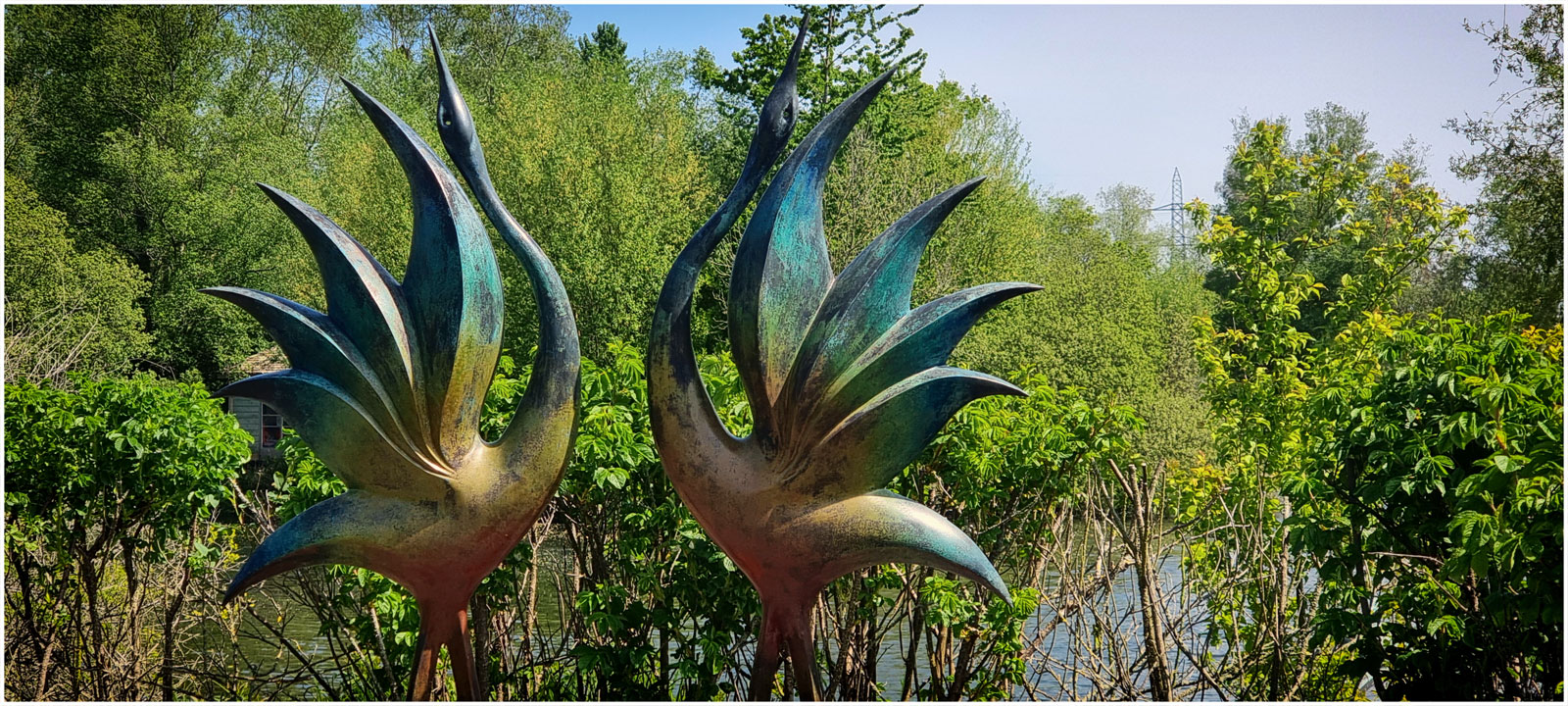
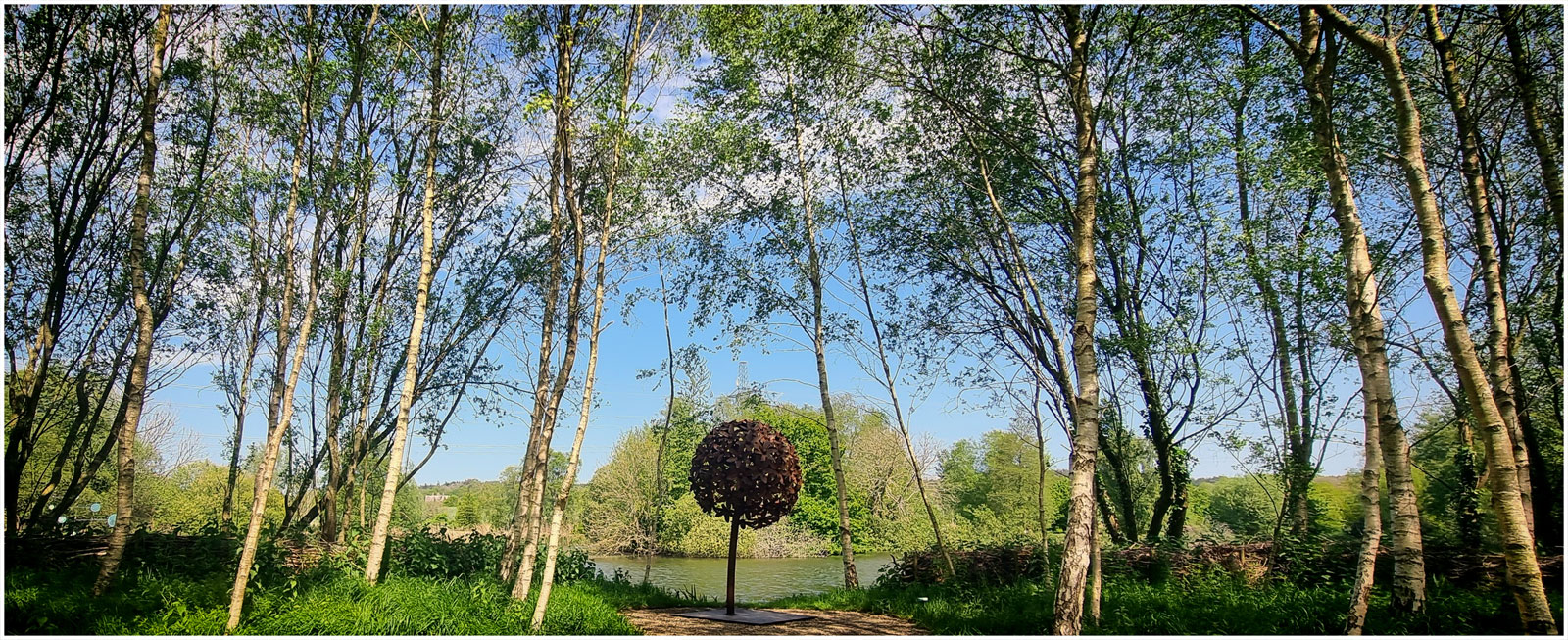
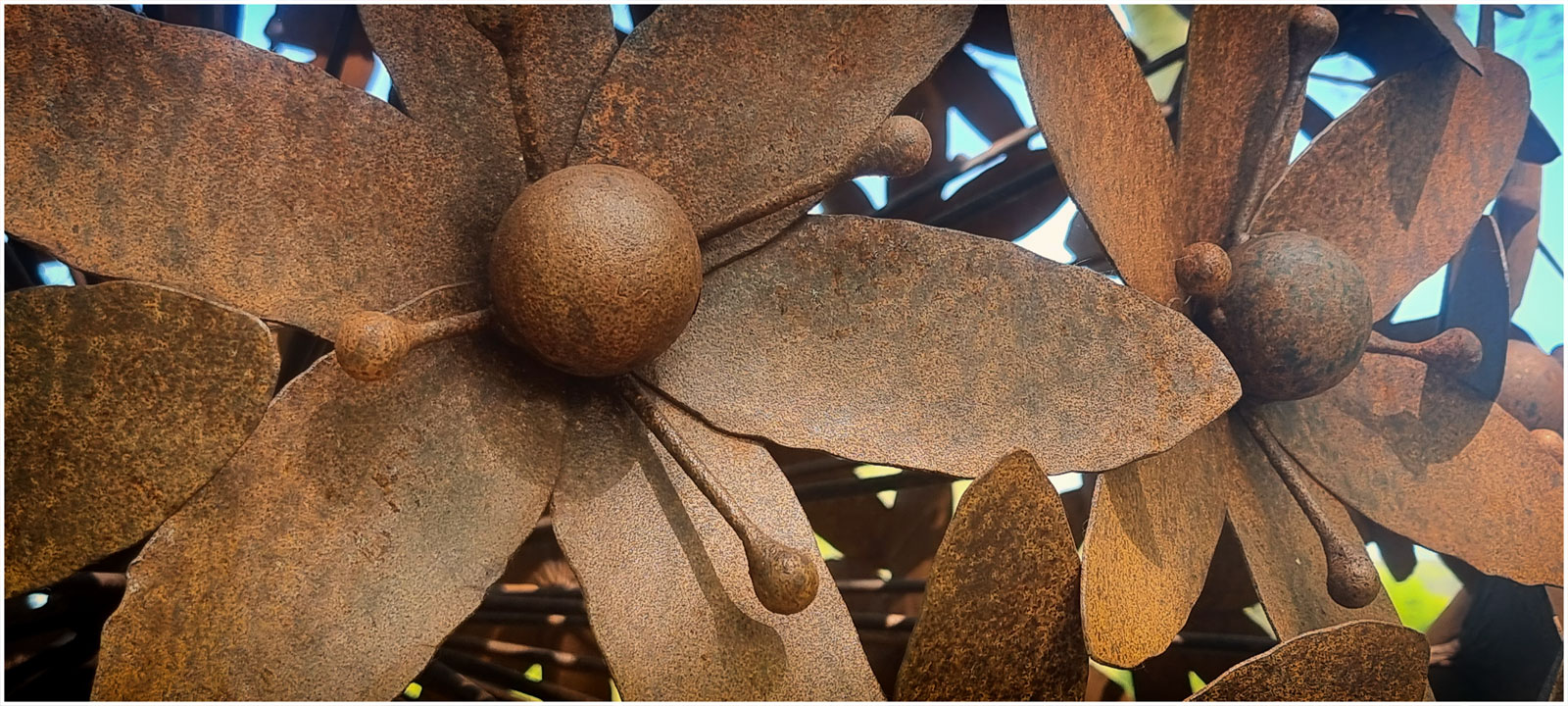
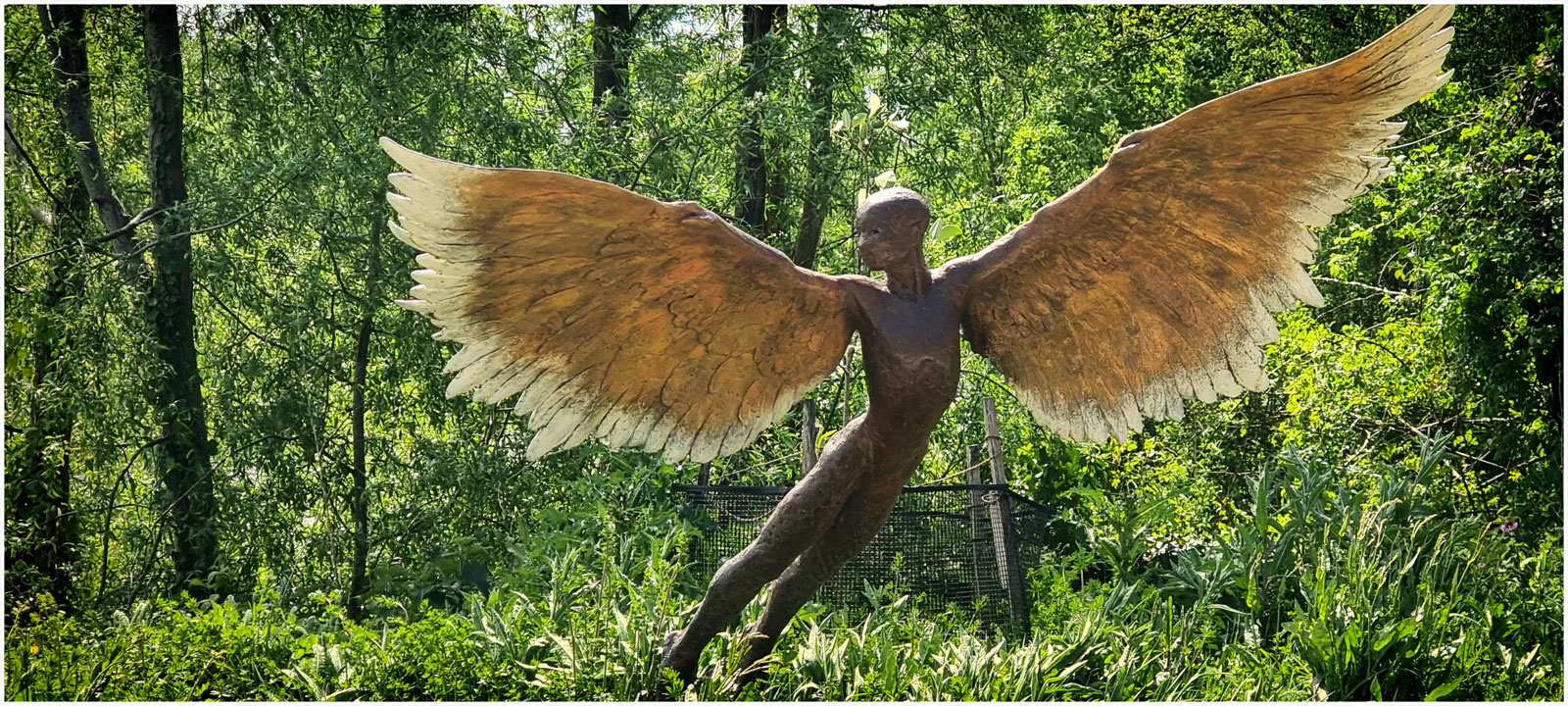
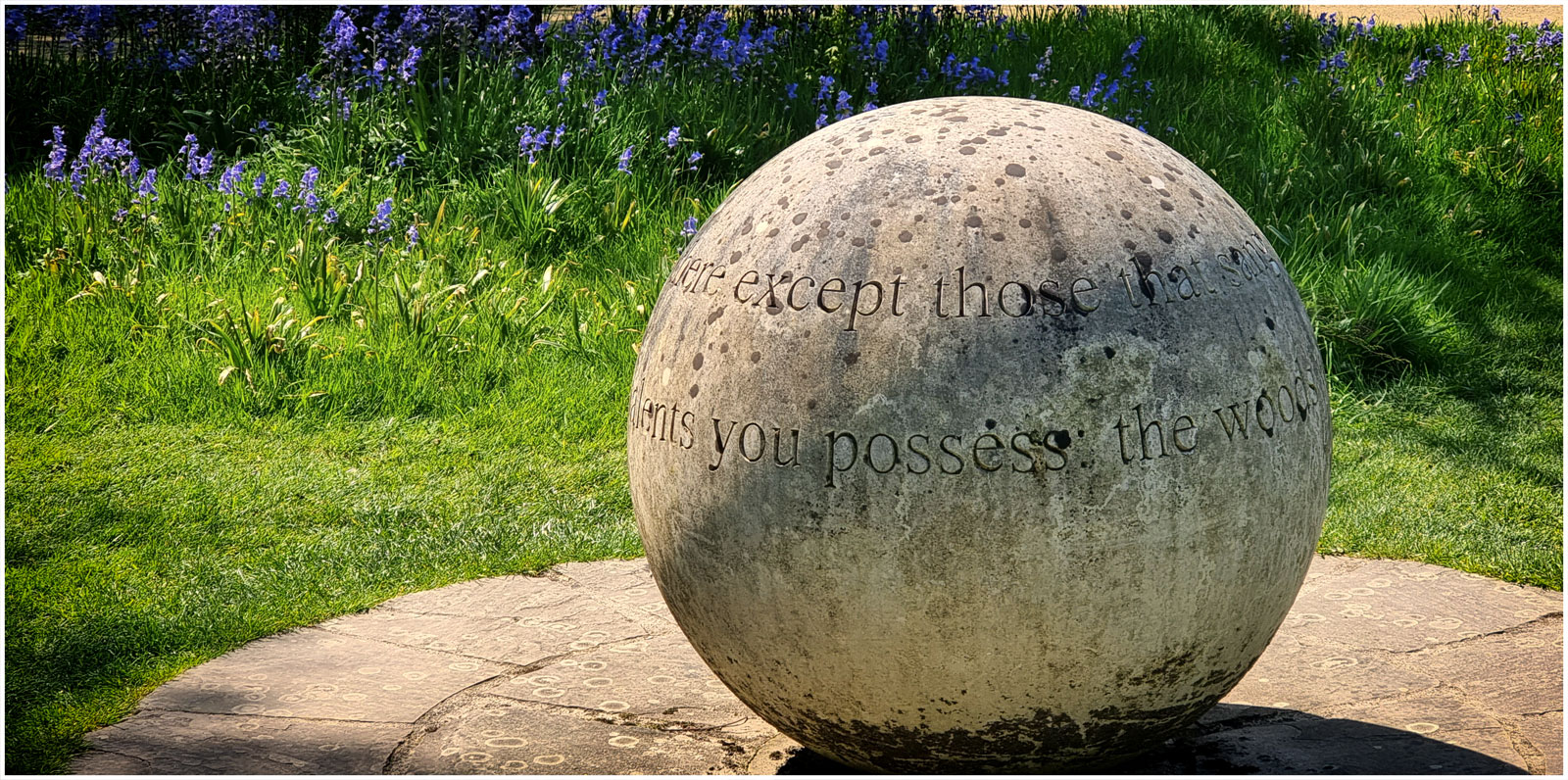
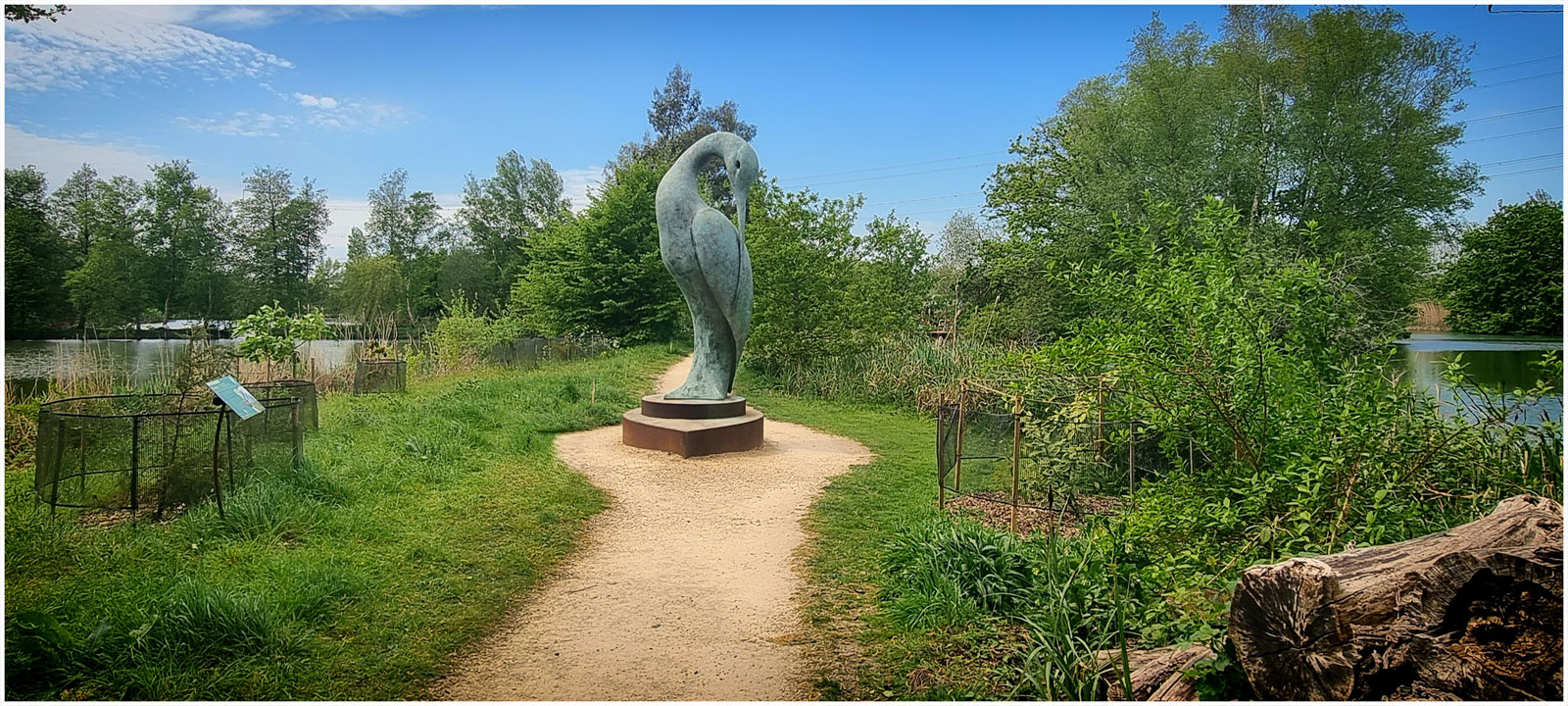
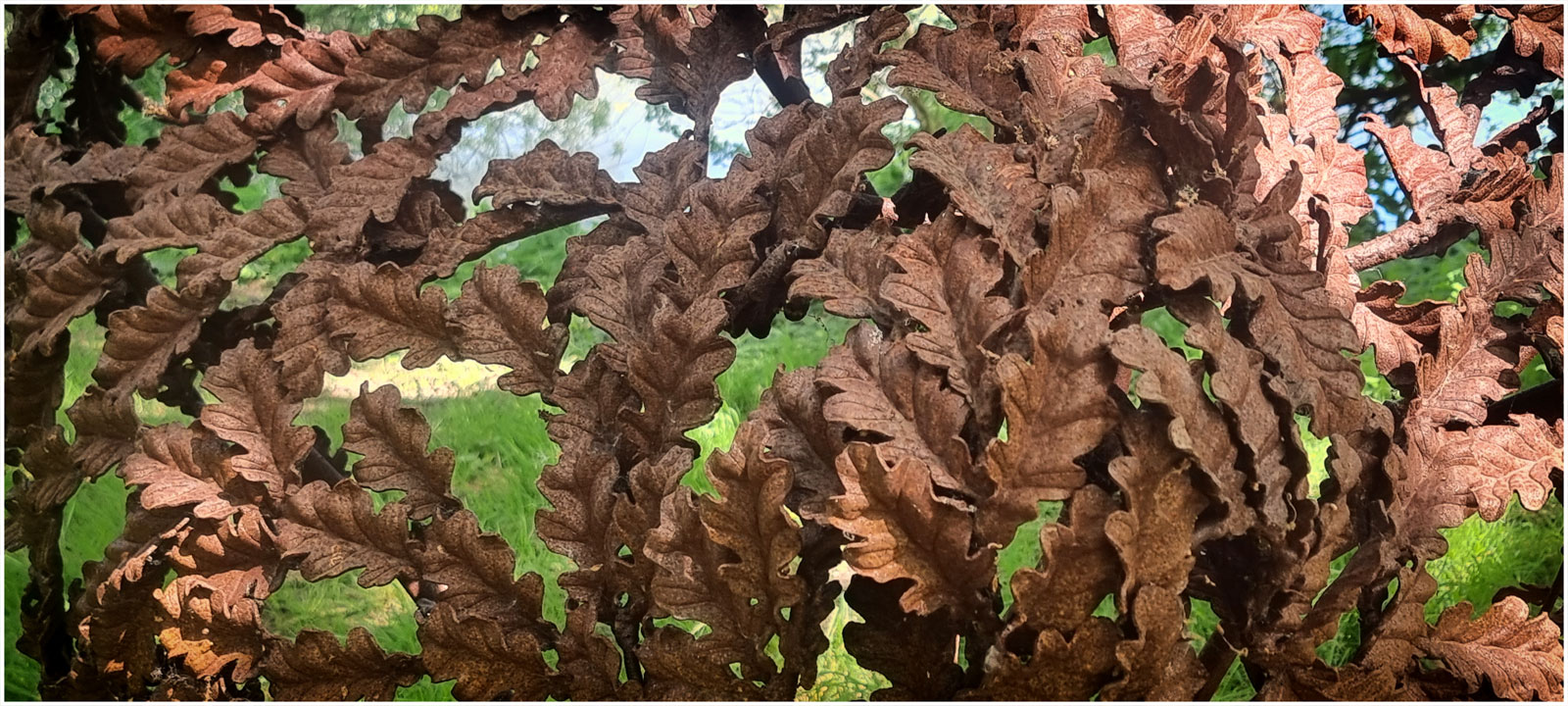
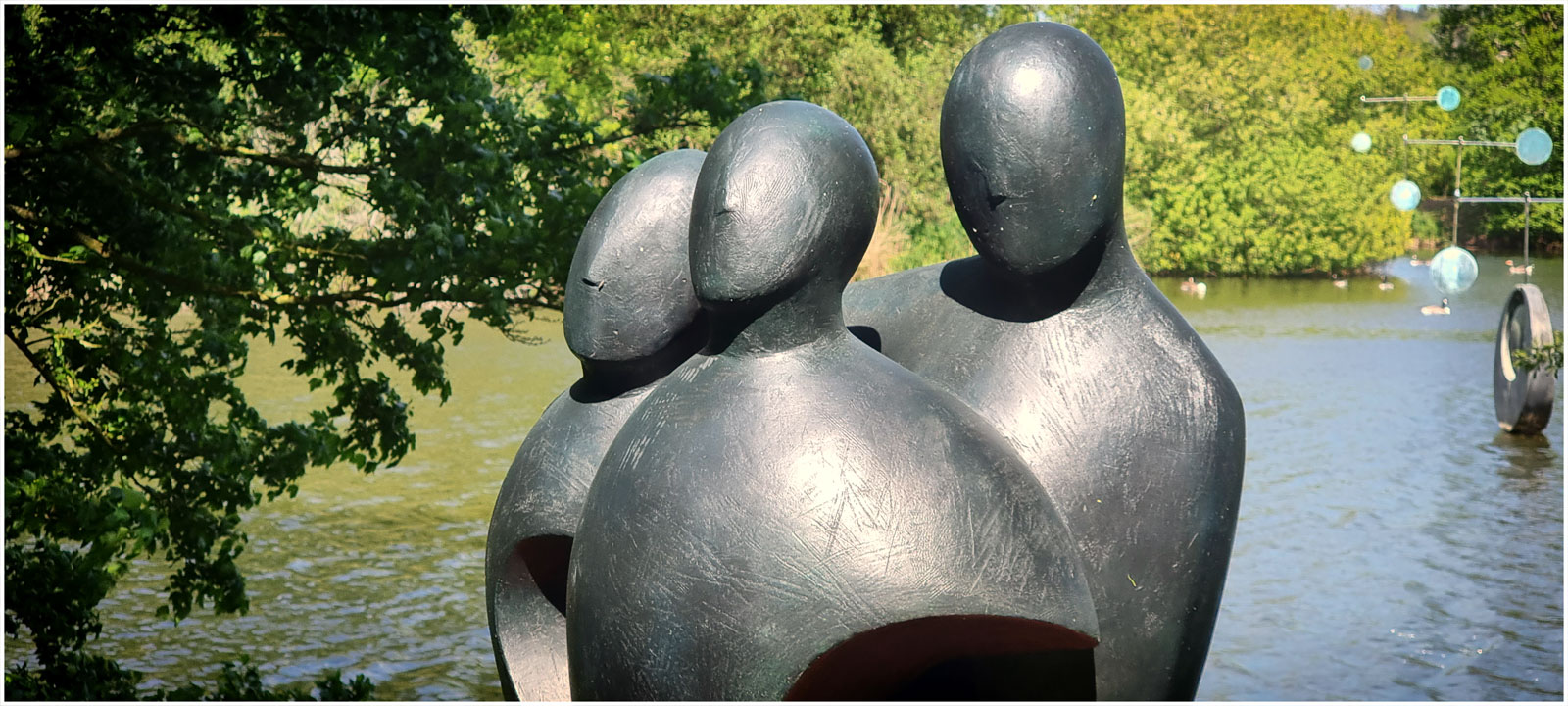
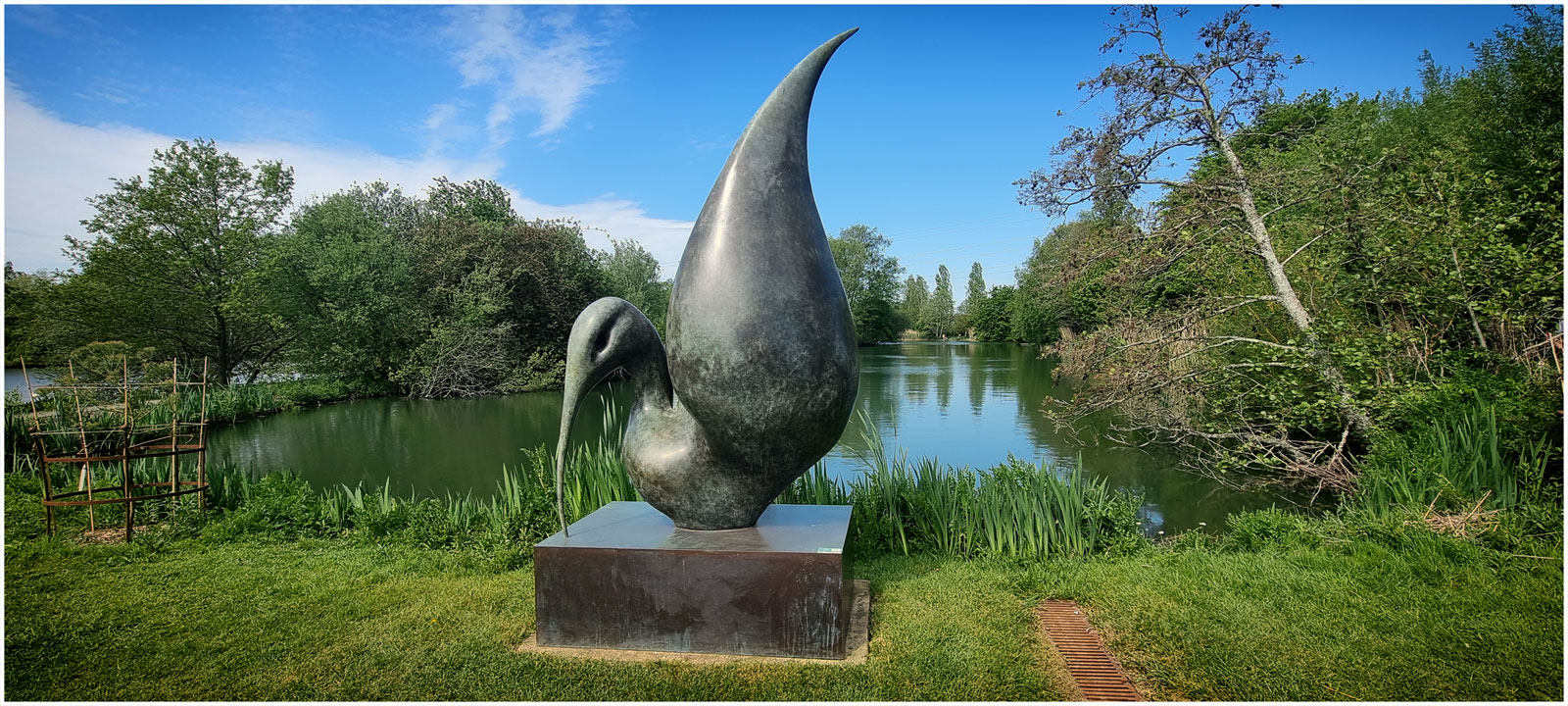
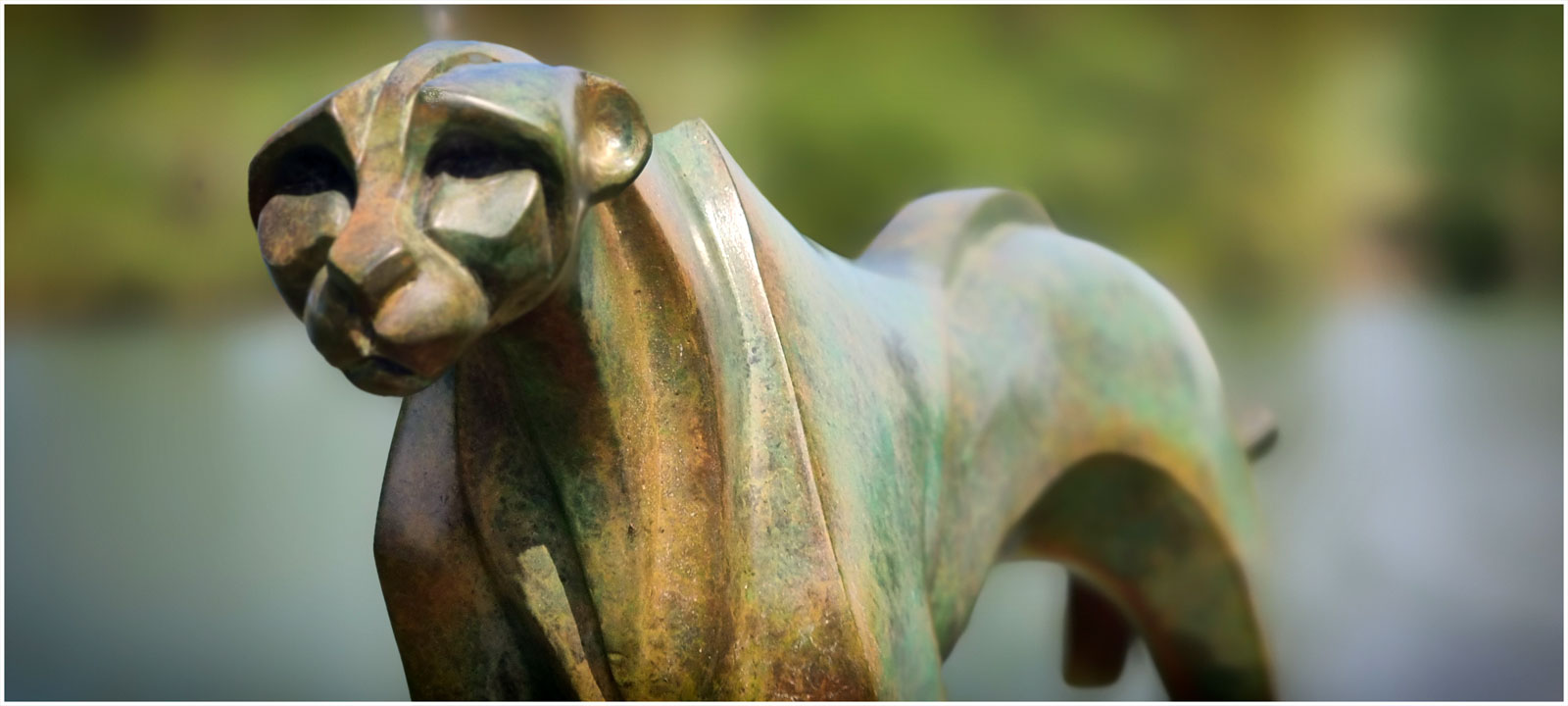
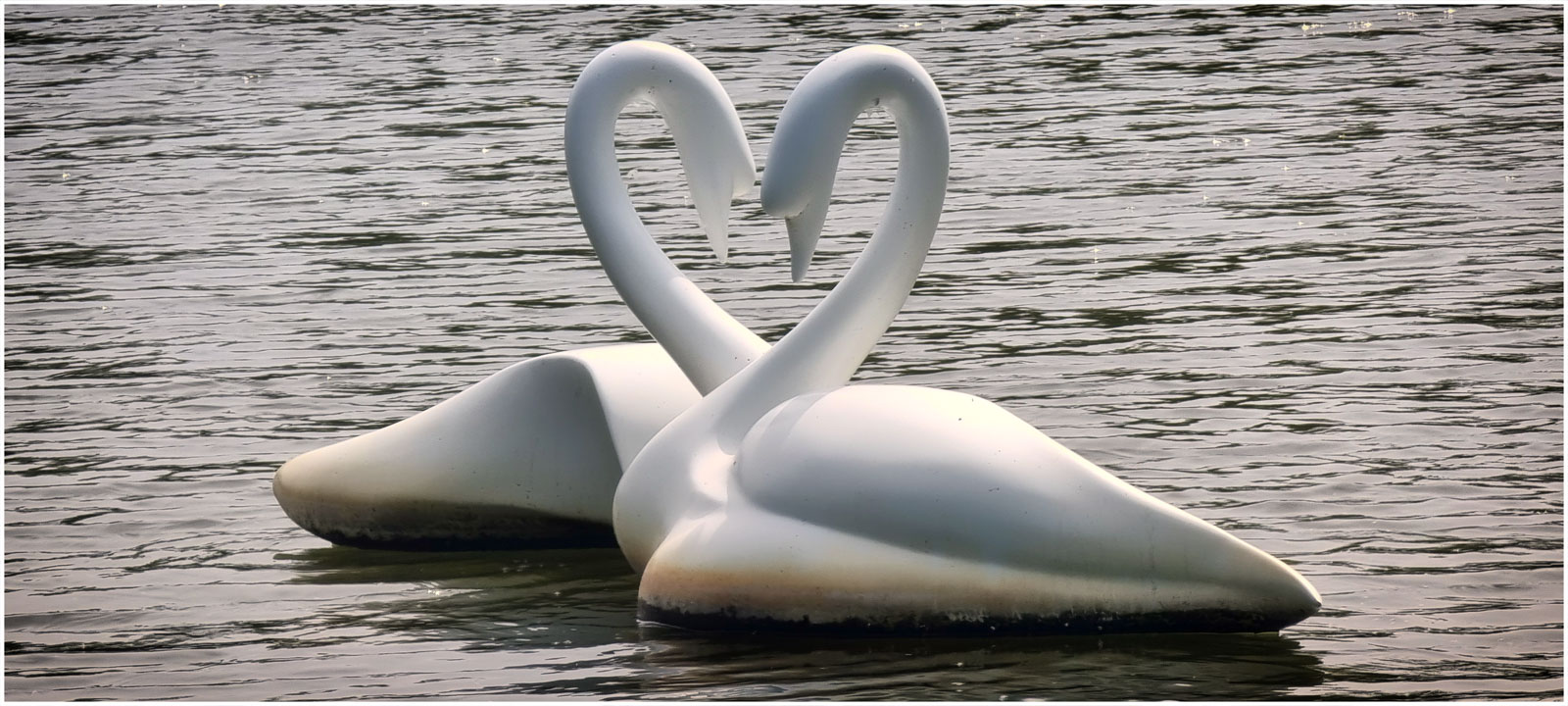
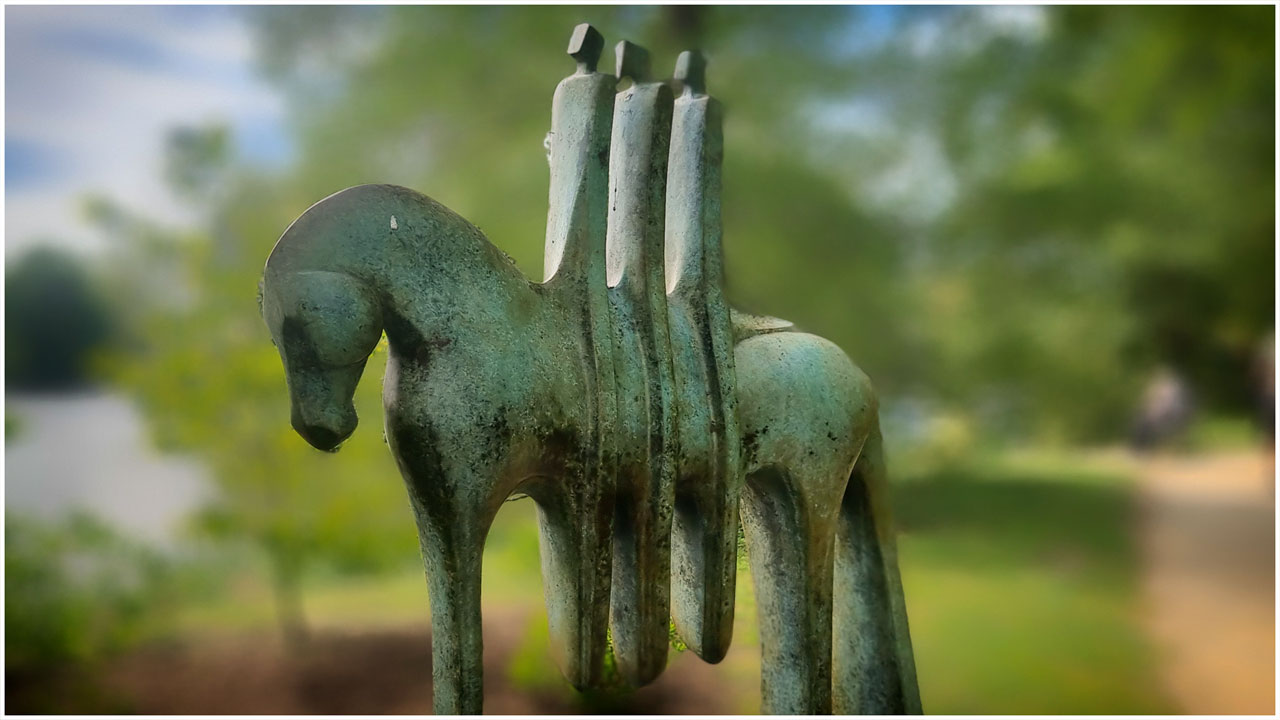
This is a Charles Elliott ‘Verdigris and Gold Sail Sphere’ Handmade Metal Garden Lighting Sphere Sculpture“Search for Enlightenment” by artist Simon Gudgeon.‘Leaf Spirit’ by Simon Gudgeon‘Leaf Spirit’ by Simon Gudgeon (close-up)‘Prima’ by Simon Gudgeon‘Dancing Cranes’ by Simon Gudgeon‘Allium’ by artist David Cutler.‘Allium’ by artist David Cutler. (close-up)‘Icarus II’ by Nicola Godden‘Sphere’ by Simon Gudgeon “Use what talents you possess: the woods would be very silent if no birds sang there except those that sang best.” Henry Van Dyke‘Isis’ by Simon Gudgeon. The sculpture is inspired by the Egyptian Ibis bird, a wading bird characterized by a long, down-curving bill.Oak Leaves (close-up)“Family Group” sculpture by artist Beatrice HoffmanIt’s not all about the sculptures‘Thoth’ by Simon Gudgeon.‘Walking Cheetah’ by Marie Ackers‘Swans’ by Simon GudgeonThe Lake House (for hire)‘Three Riders’ by Marie Ackers
Set in 26 acres alongside Dorset’s River Frome, with lakes, streams, meandering paths and plenty of places to sit it’s somewhere you can leave your busy life behind and enjoy peace and tranquillity in a beautiful and serene environment.
I do like to be close to water and if it can’t be the sea then a river will do as long as there is a walk alongside it. When I lived in Ludlow, Shropshire, I often walked along the River Teme doing a loop between the Dinham bridge near the castle and Ludford bridge. It was a pretty walk taking in the Whitcliffe common and the native woodland.
(please click on an image to enlarge in full)
Start of the walk off London Road
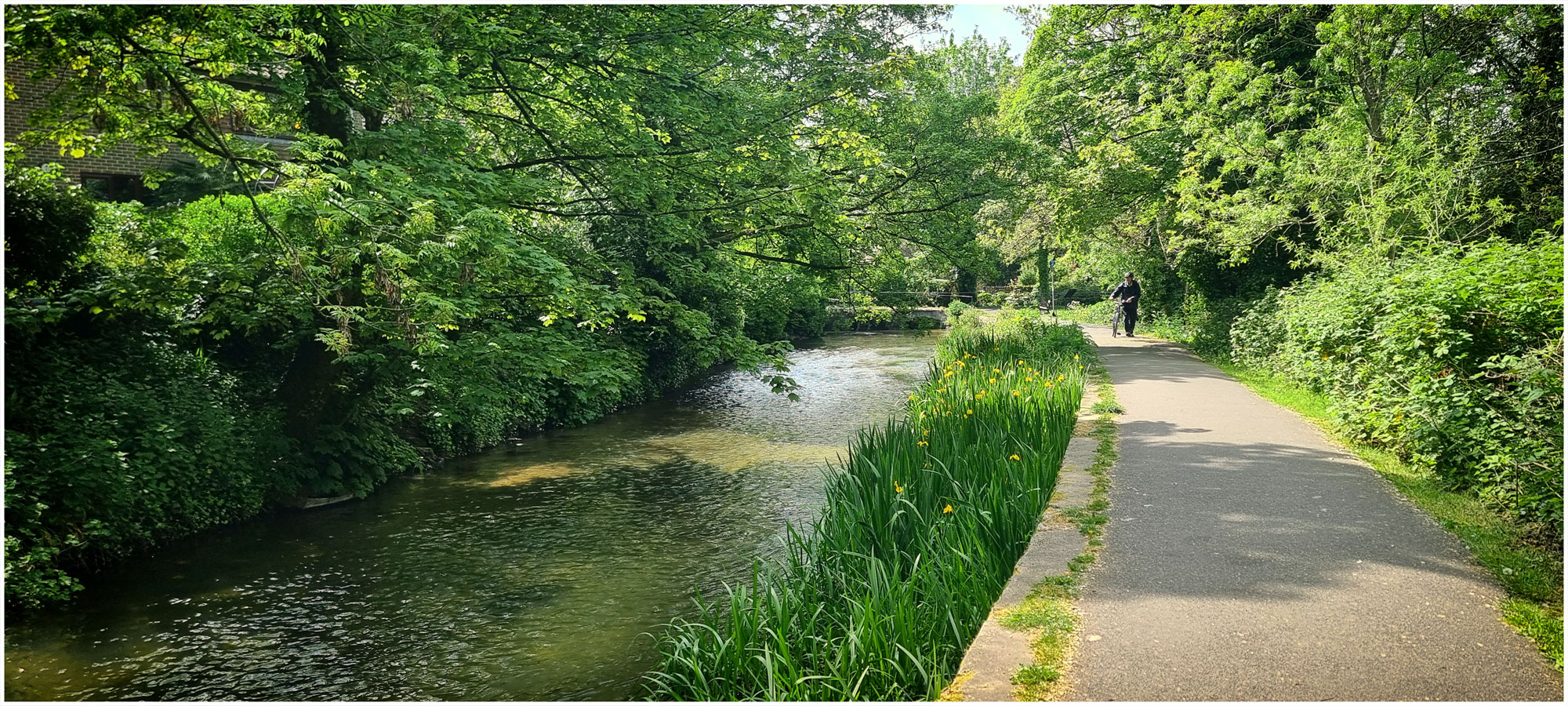
So when I chose Dorchester for my recent holiday I was pleased to find that there is a river walk which takes you out to the water meadows. And further afield if you want.
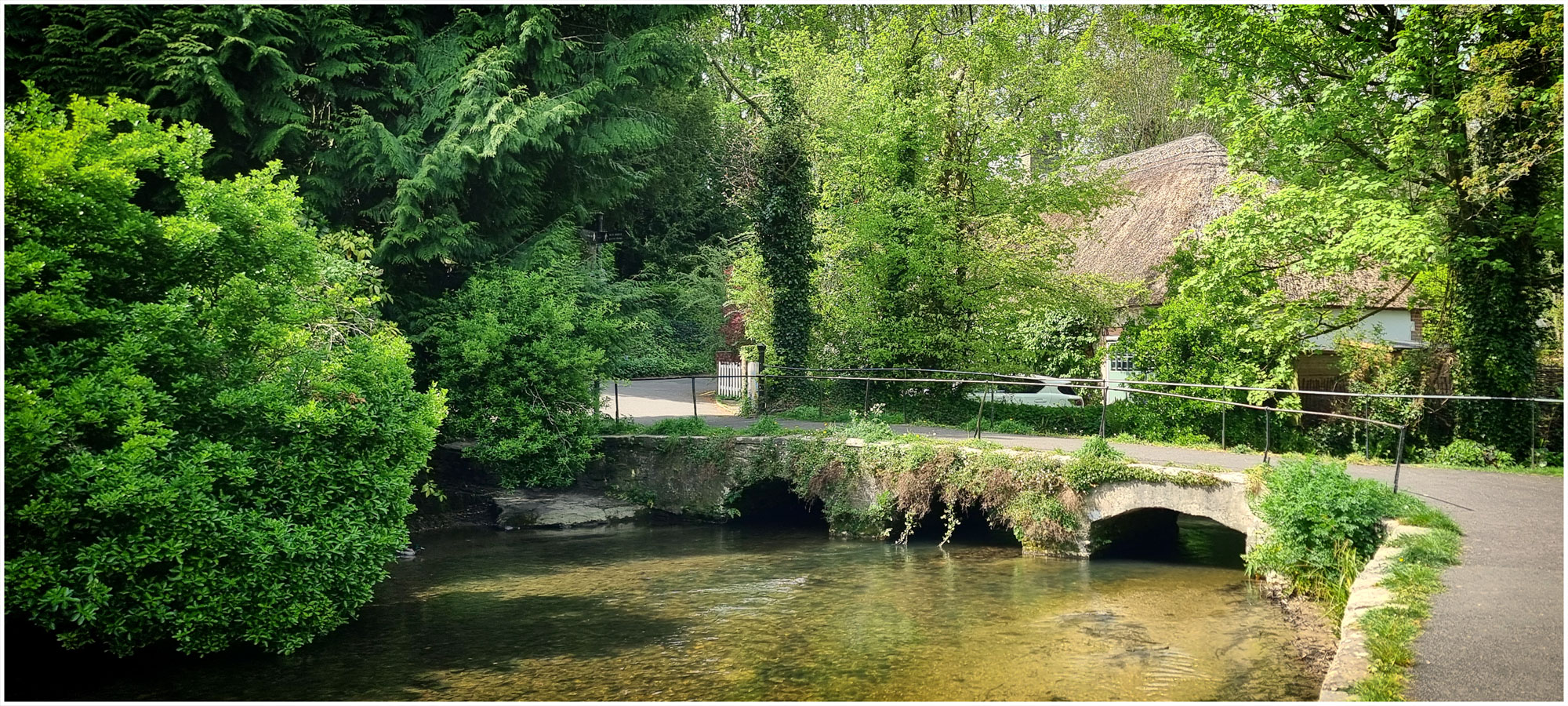
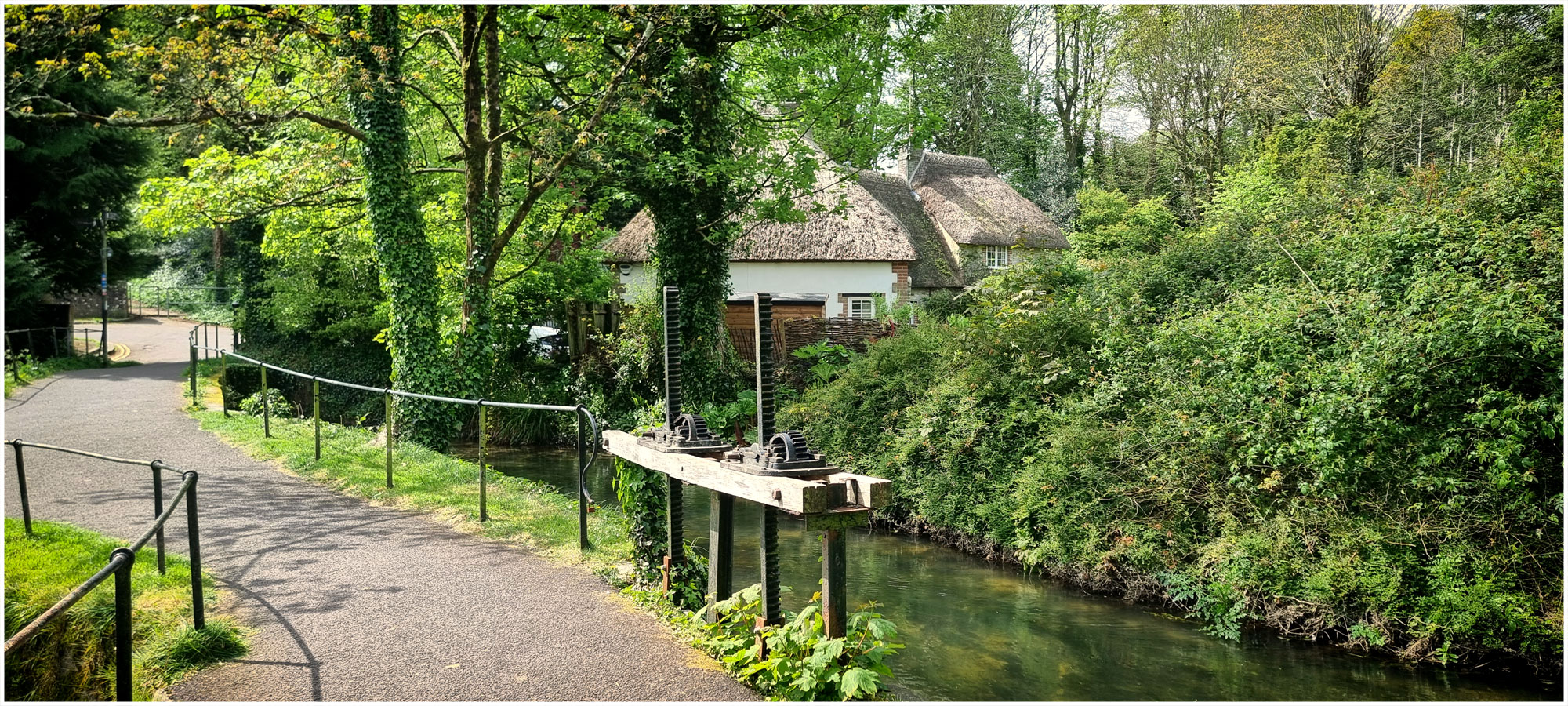
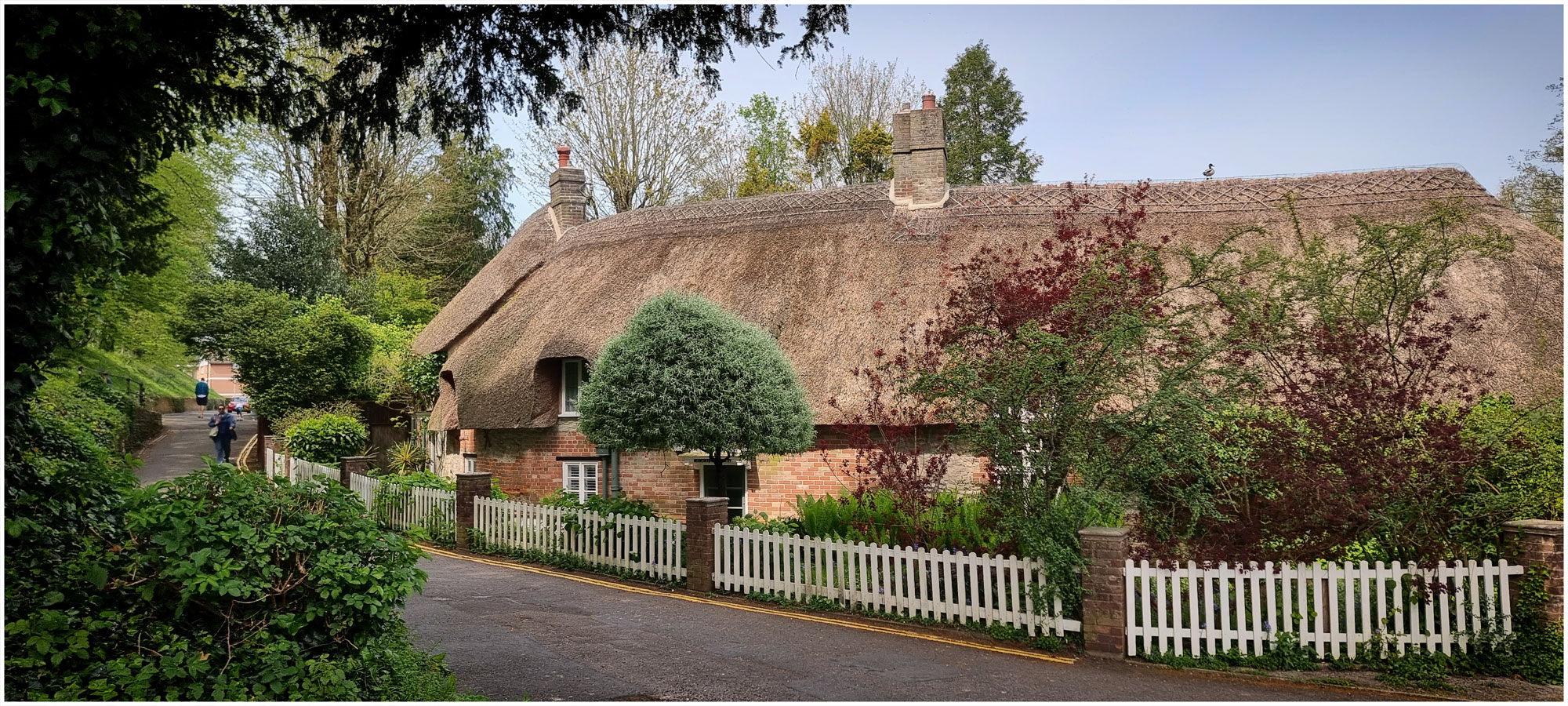
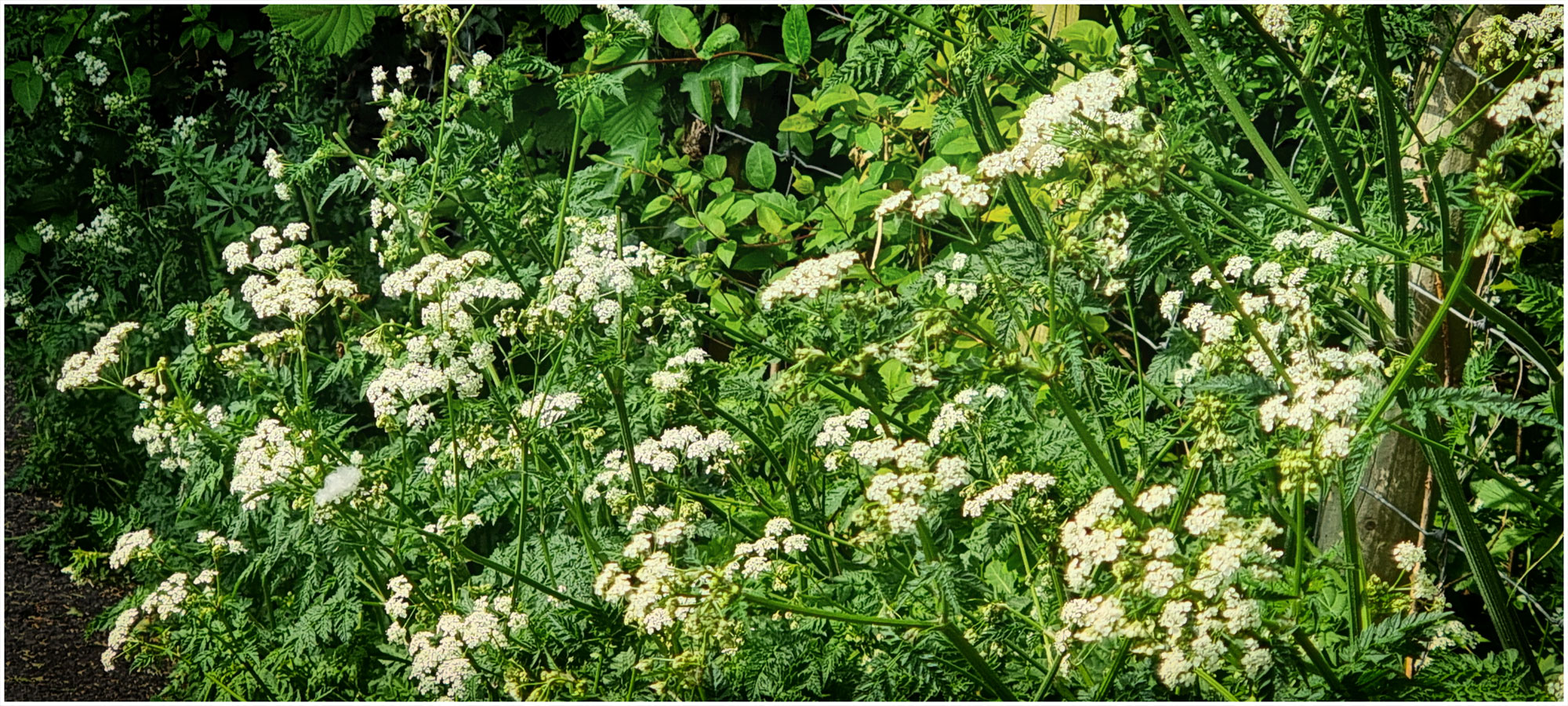
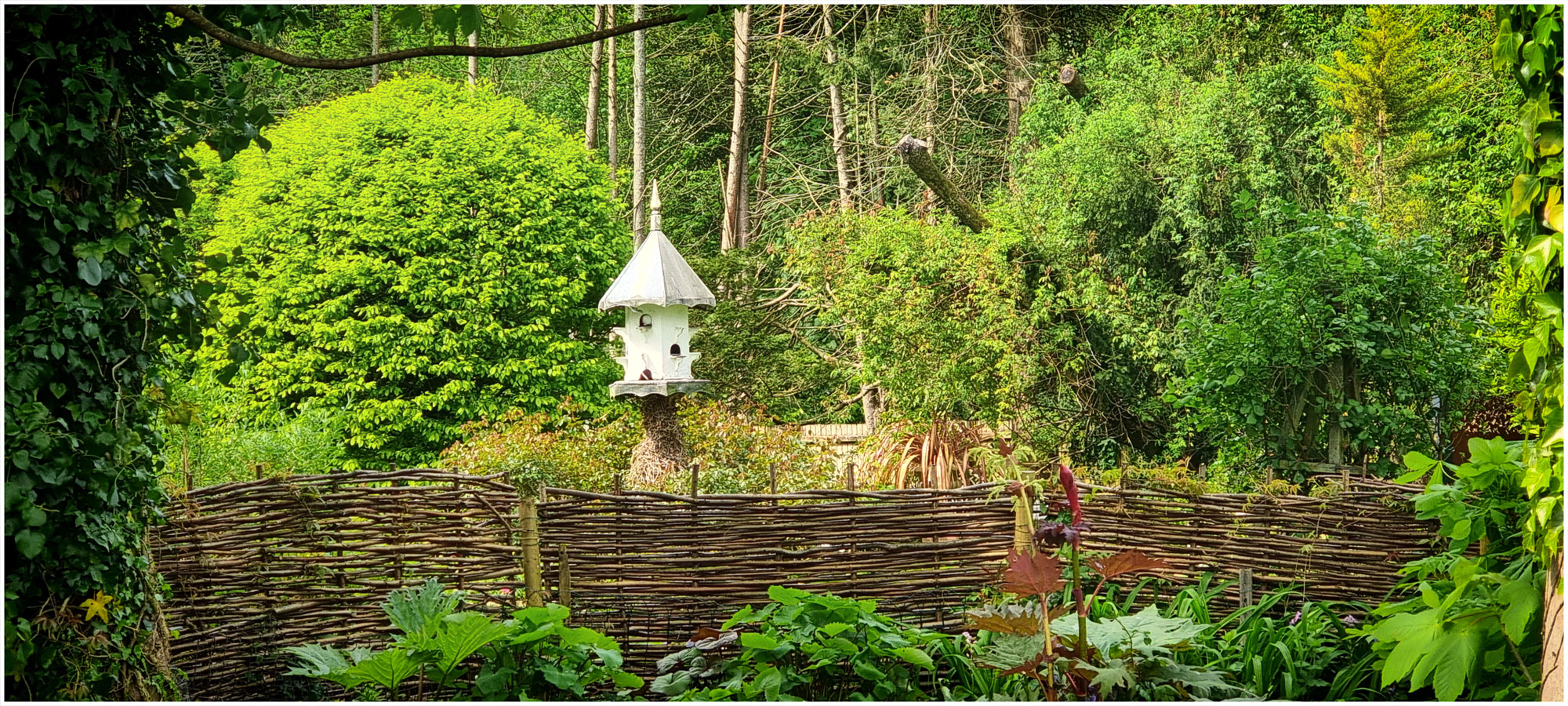
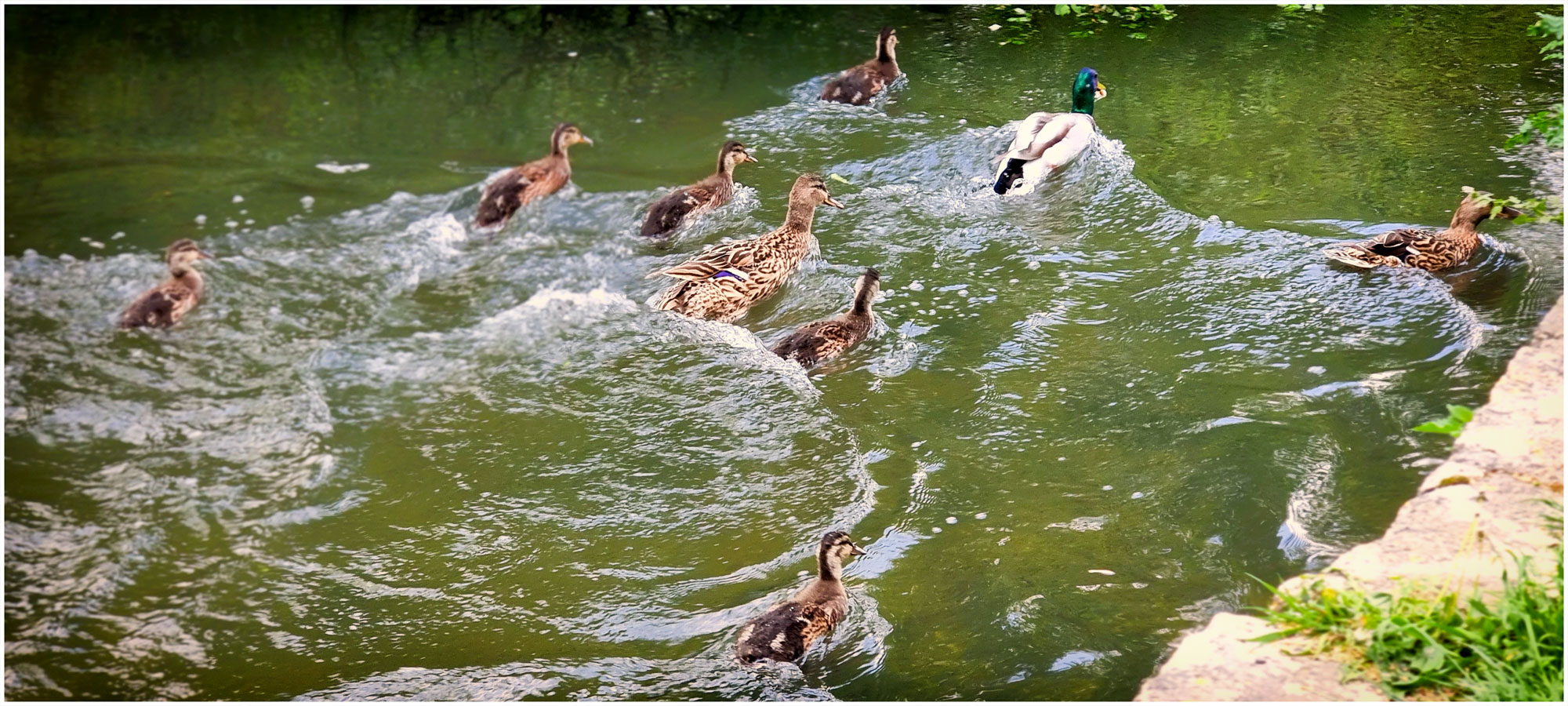
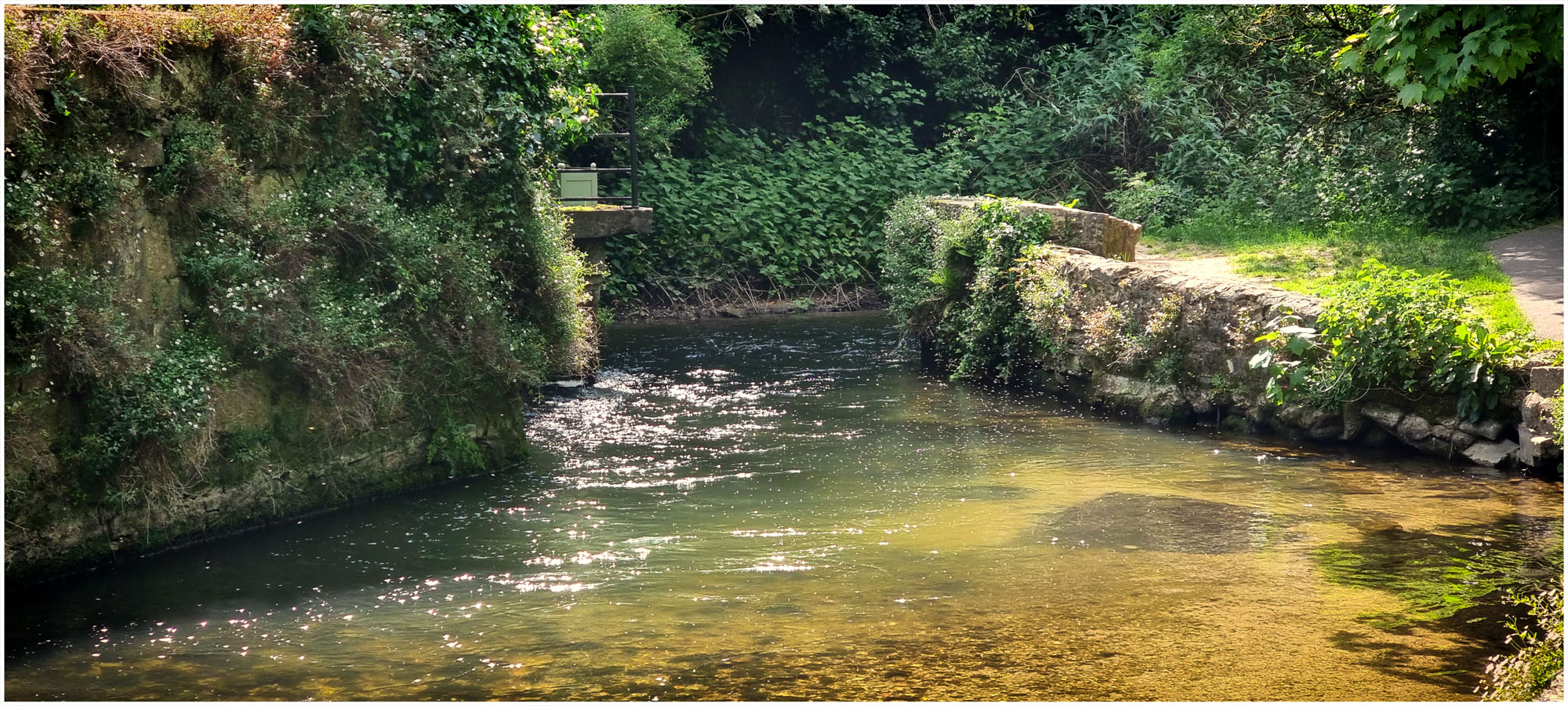
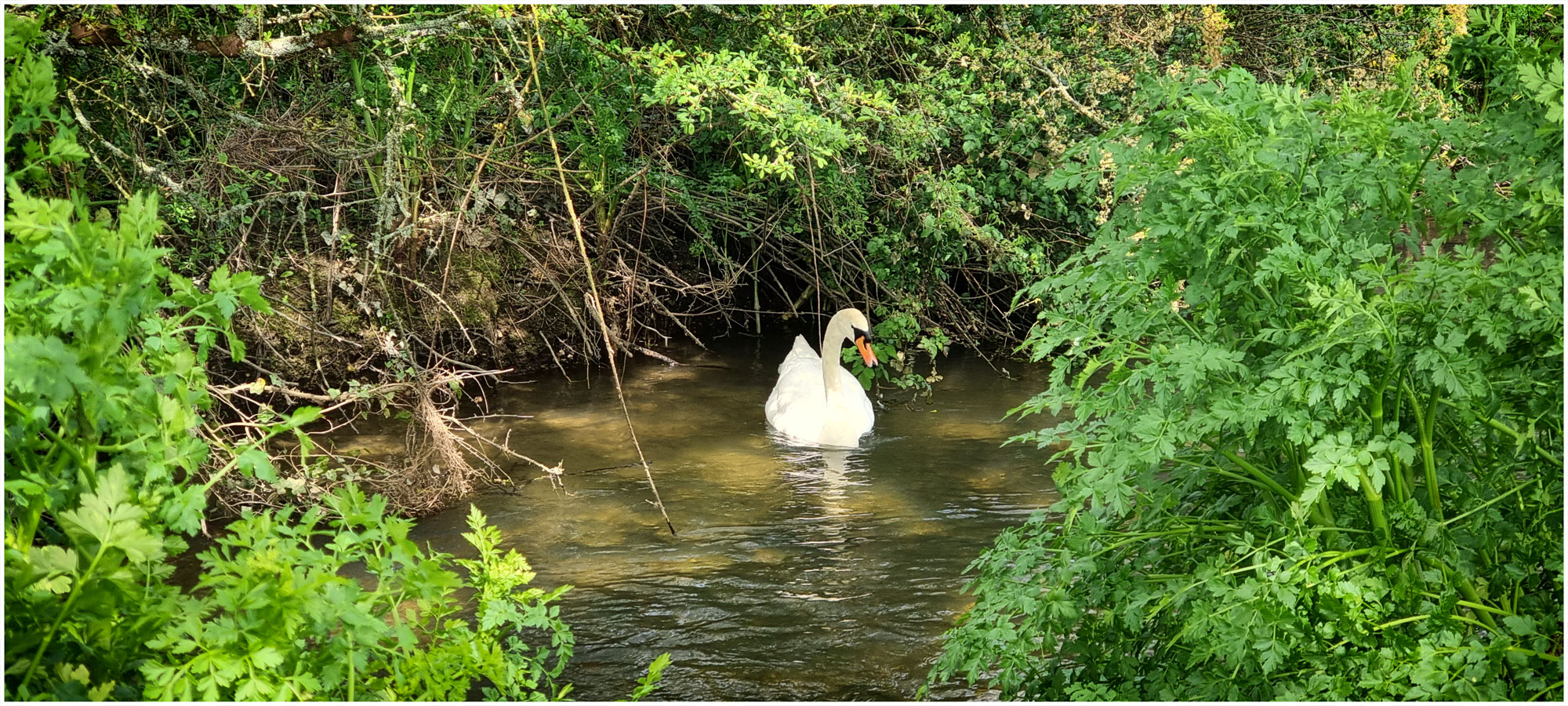
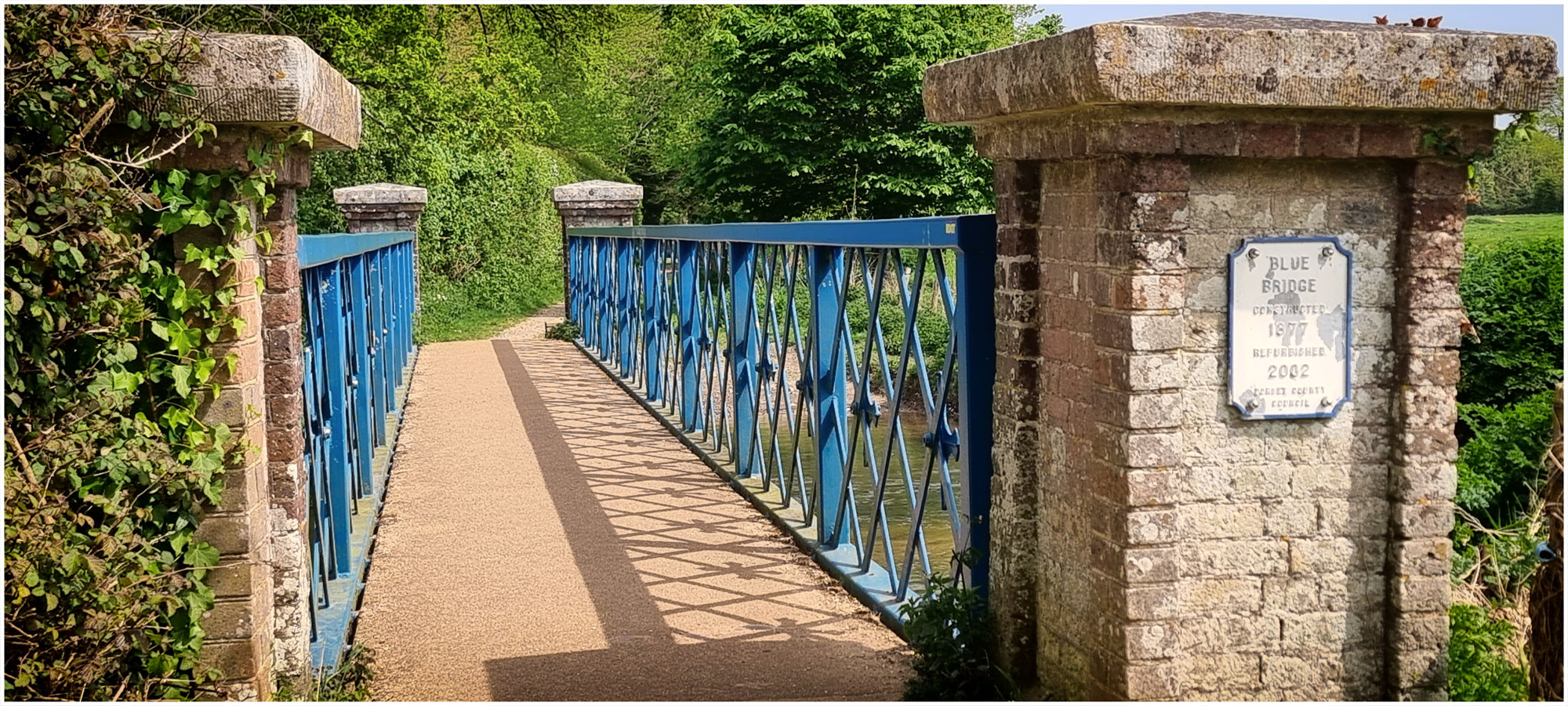
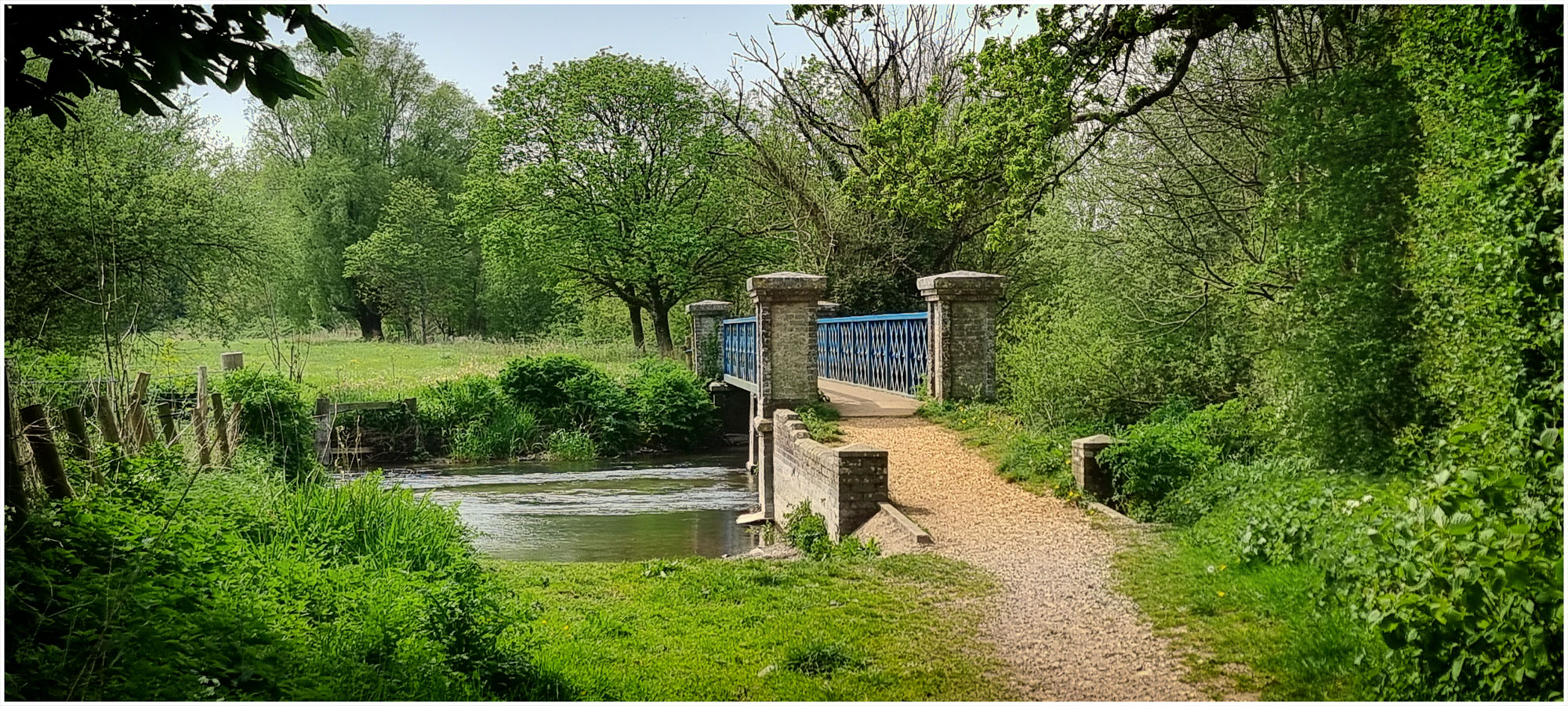
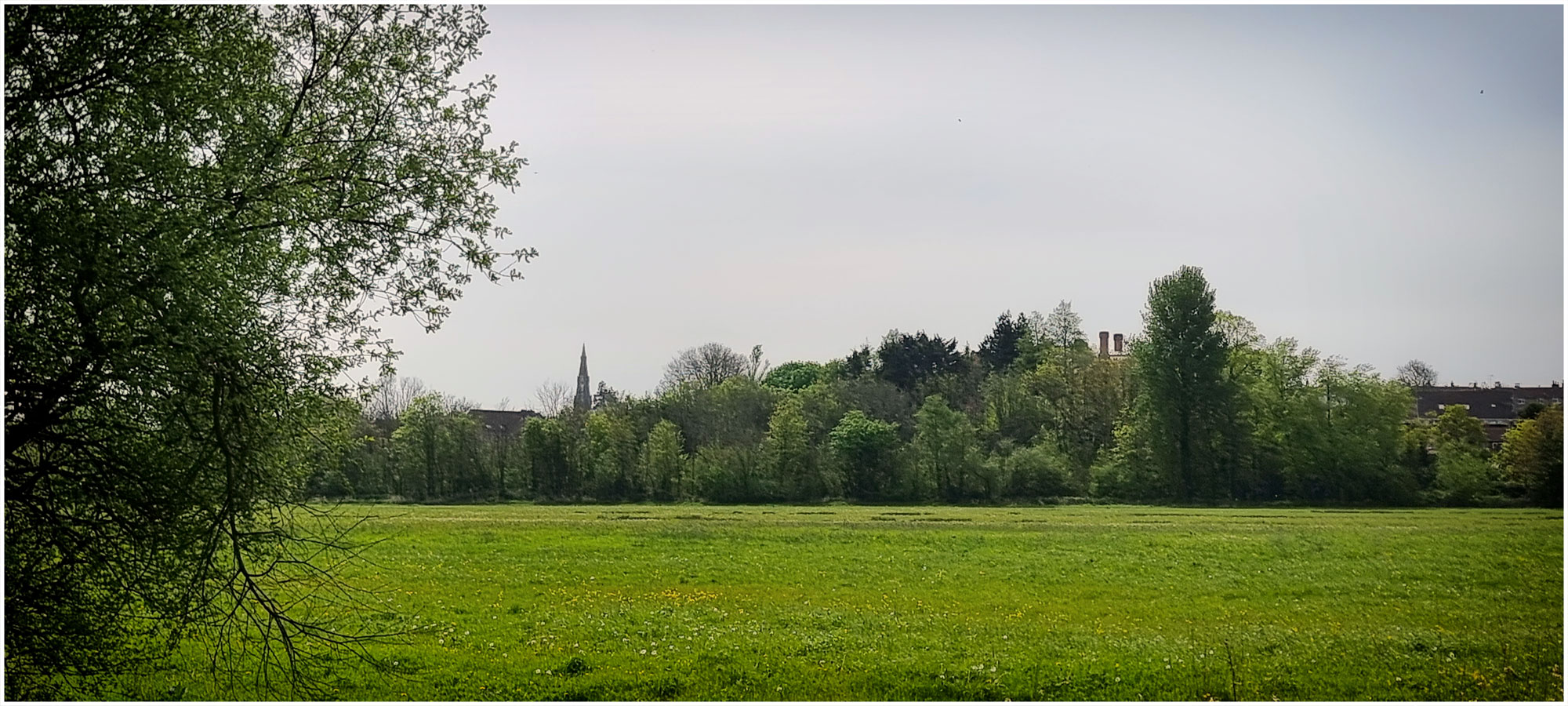
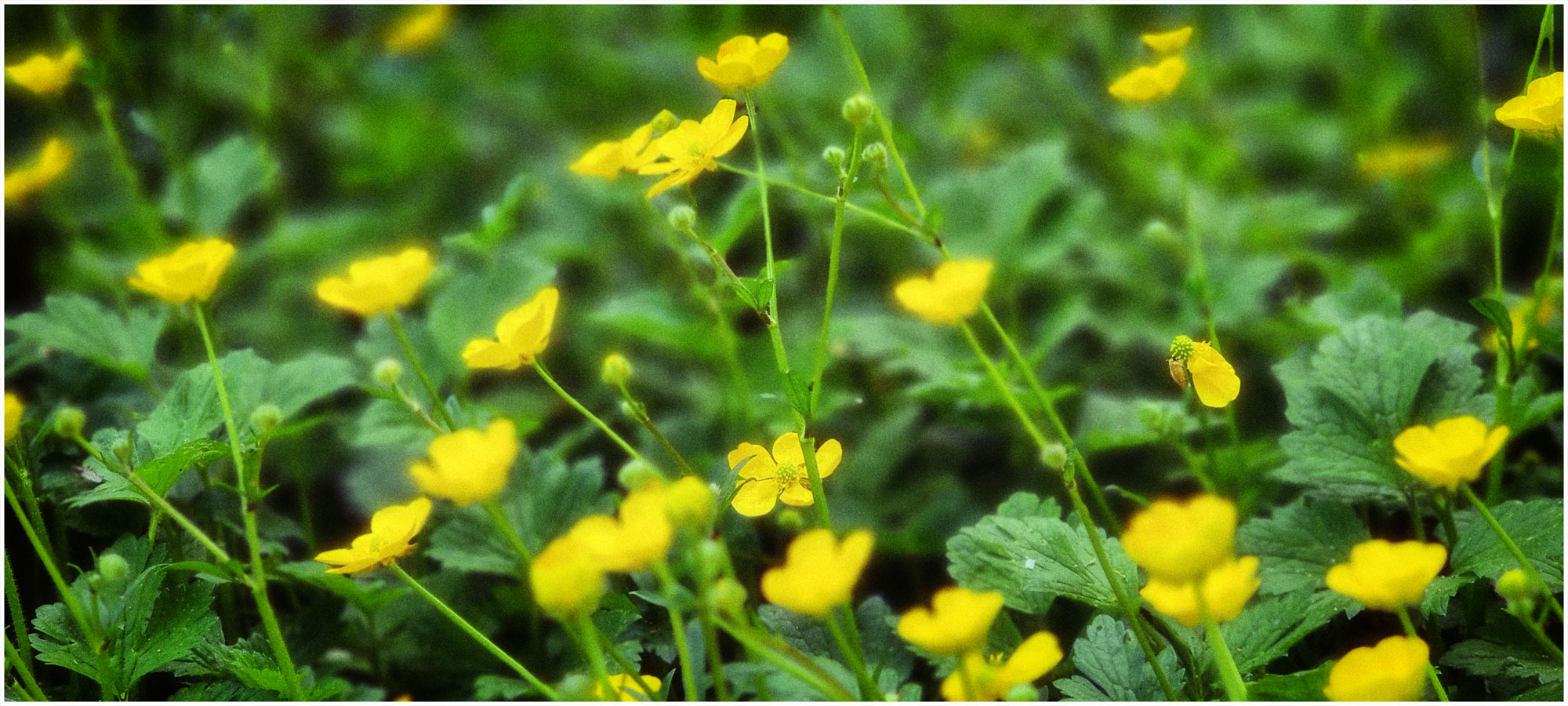
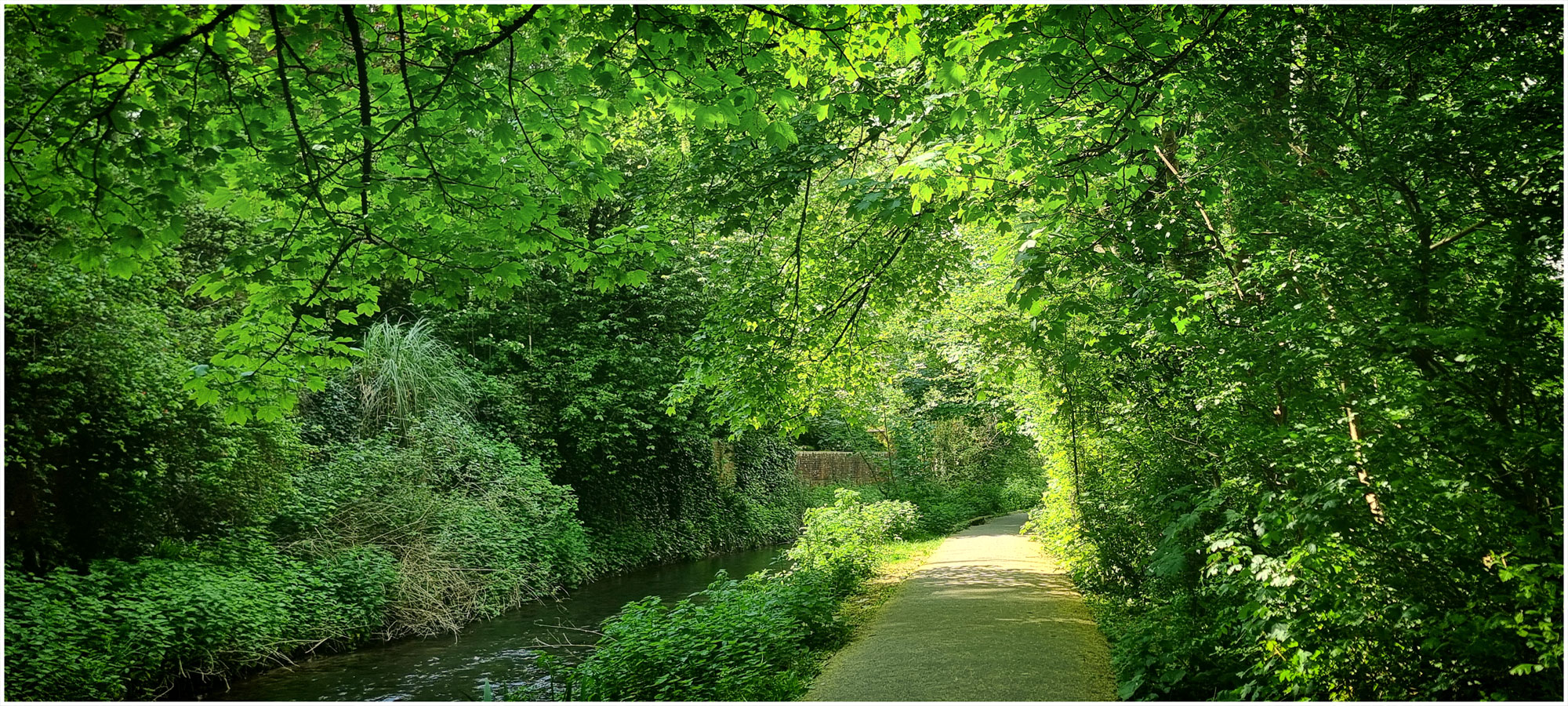
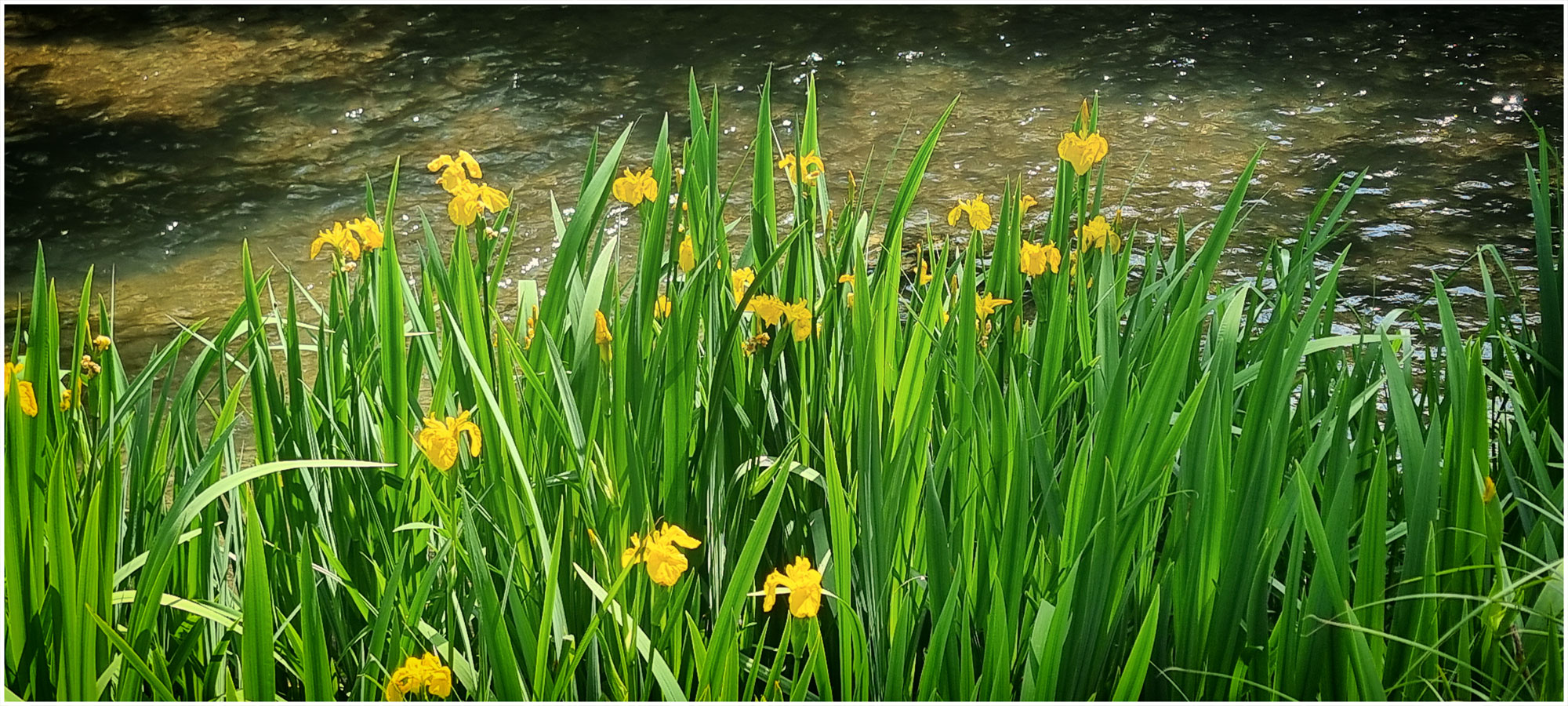
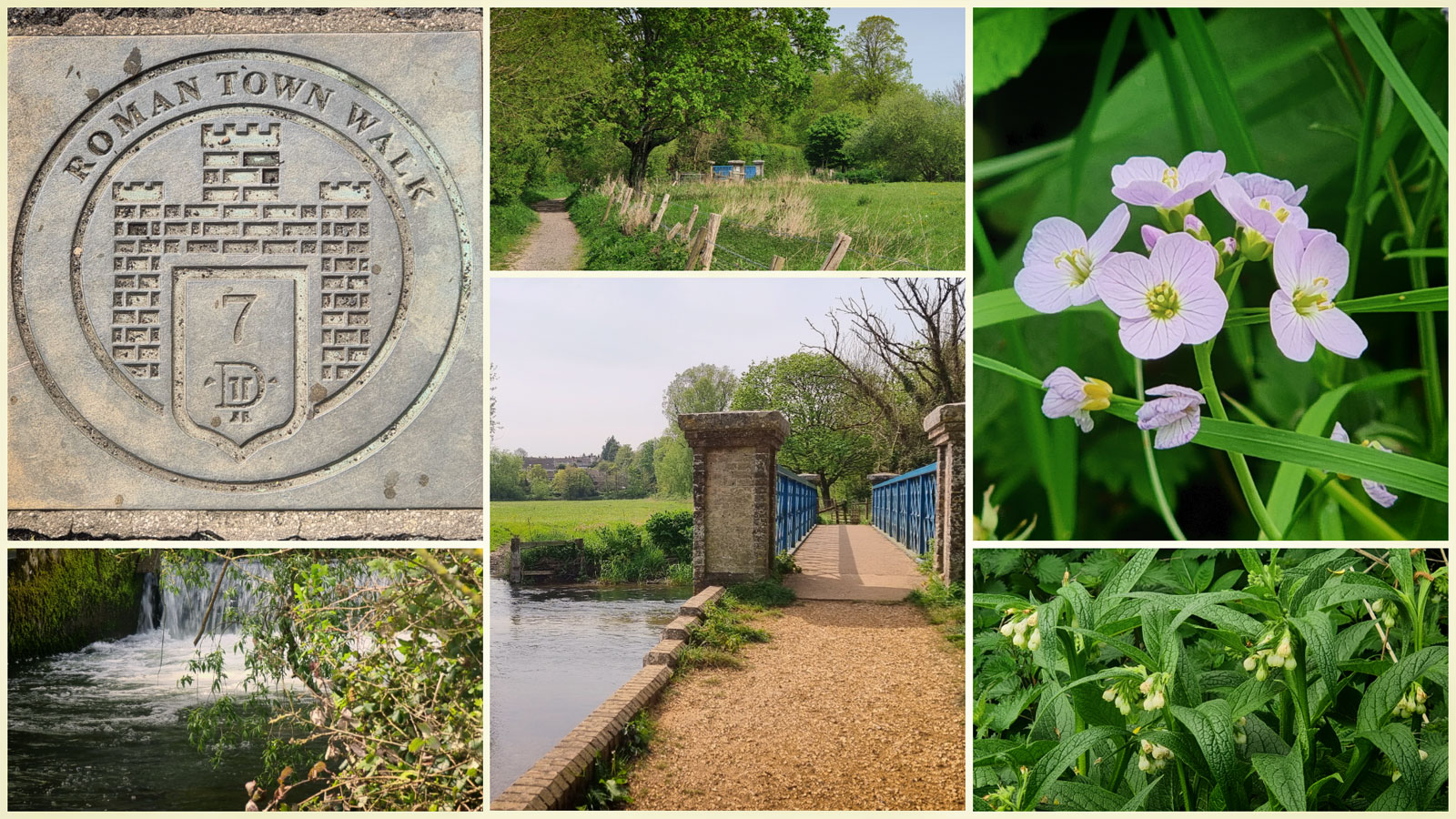
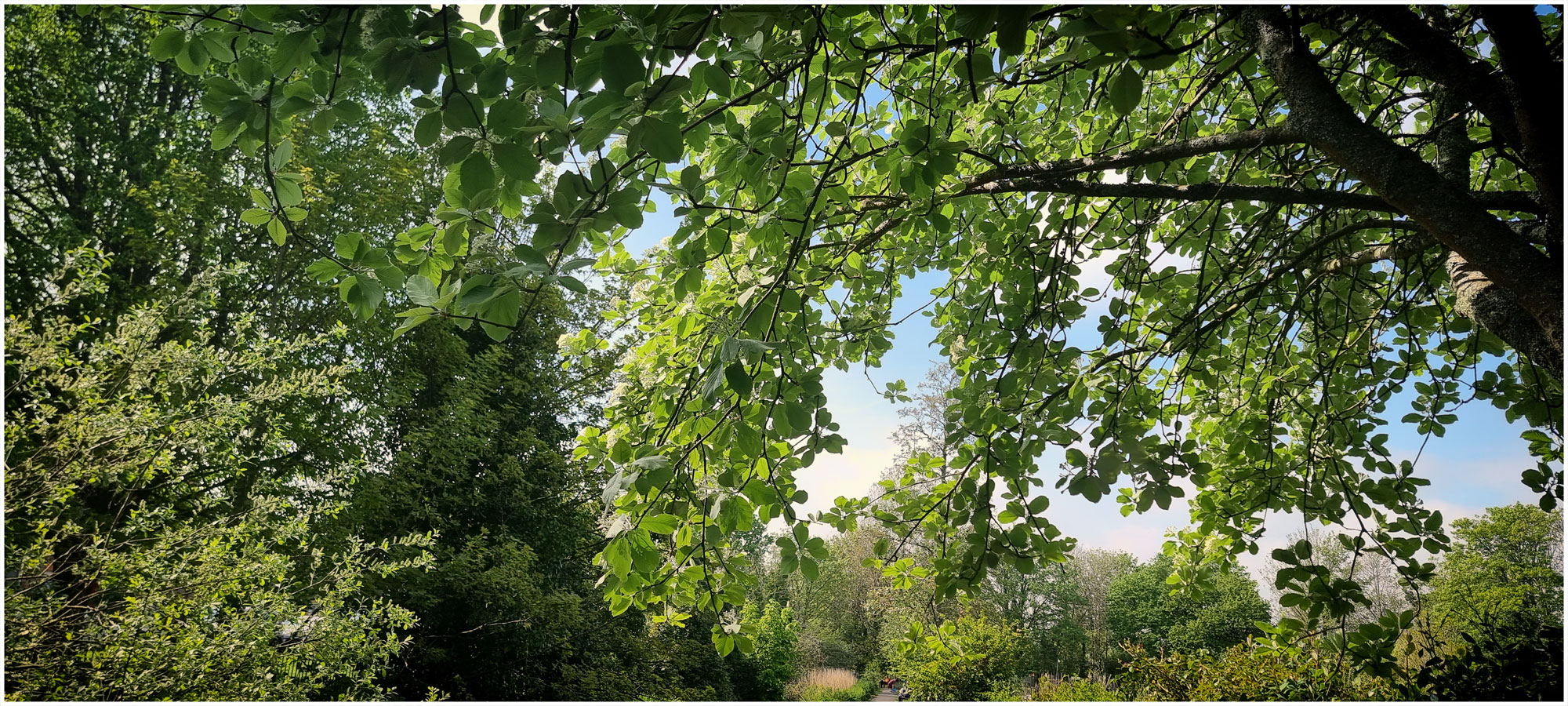
Peace and QuietWhere the river divides. Left into town, right towards the water meadows and blue bridge.The river divides into several streams in this area. This is the Mill Stream which powered Friary Mill.The Hangman’s Cottage.Cow ParsleyDove CoteA family outingSunlight on waterOne Swan a swimming (there were actually two)The Blue Bridge – leads out to the water meadowsThe Blue BridgeWater meadows. The system of water channels, weirs and hatches to regulate the flow of water was developed by Dutch engineers in the 17th century. A small amount of water meant that the grass continued to grow even through the winter. They are no longer maintained but in the late spring this is smothered in buttercups.ButtercupsA green tunnel – lovely shade on a hot dayIris pseudacorus, the yellow flag, yellow iris, or water flagWild flowers including comfrey and lady’s smock / cuckoo flower along a nature reserve boardwalk, a weir, the blue bridge and signs that the Romans were here. They built a town here in AD 43 (Durnovaria) and there are several Roman reminders around the town.Whitebeam. There are lots of native trees growing alongside the river and lots of birds too. Whilst sitting in the riverside reserve I heard many different species: sparrows, song thrush, robin, blue tit, chiffchaff, great tit, blackbird, wren and goldfinch among others. (Thanks to the Merlin app)
It is a lovely flat walk beside the river with several benches on which to sit and enjoy the birdsong and the mallards.
And as I know Jo loves to be beside water this one is for one of her Monday Walks.
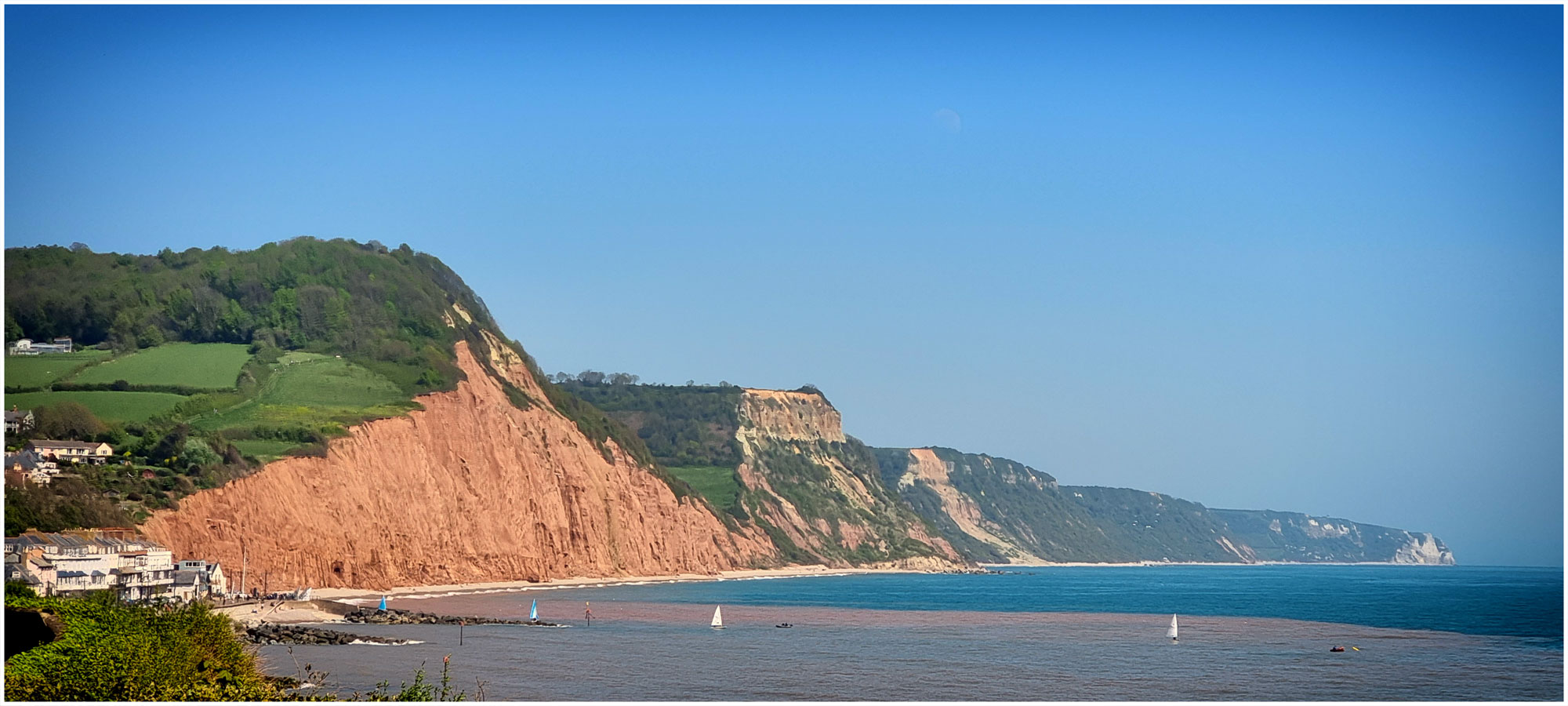
Short stopover en route at Sidmouth on the south Devon coast (The Red Coast).
The OH and I often had a spring break – either April or May. Sometimes heading for Surrey where we would spend time with my daughter and the grandchildren (if they were around) and David would often catch a train to spend a day with his daughter in London or a longer stay at her home in Colchester.
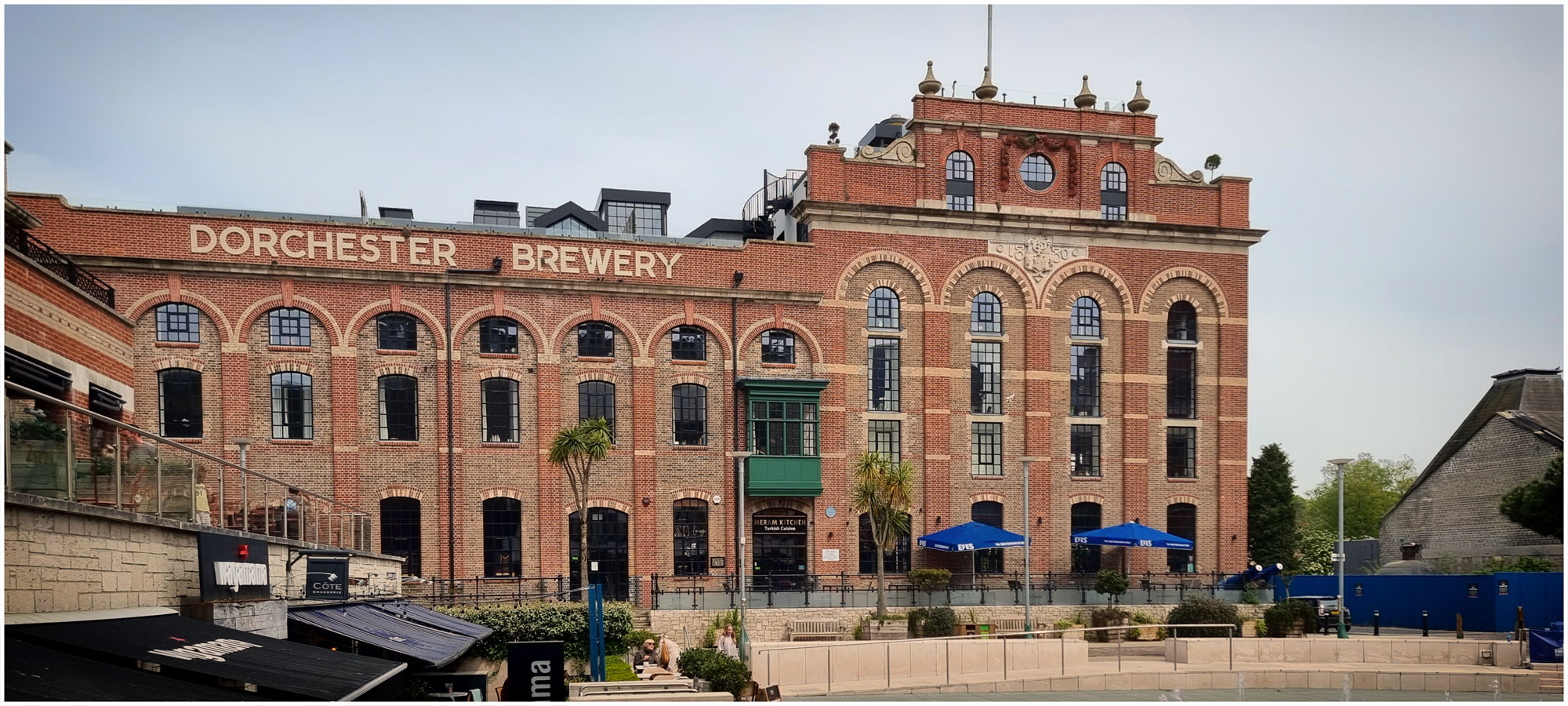
Brewery Square in Dorchester (known to the locals as Dorch) where shops, restaurants, a gym, a cinema, a Premier Inn and residential apartments can be found
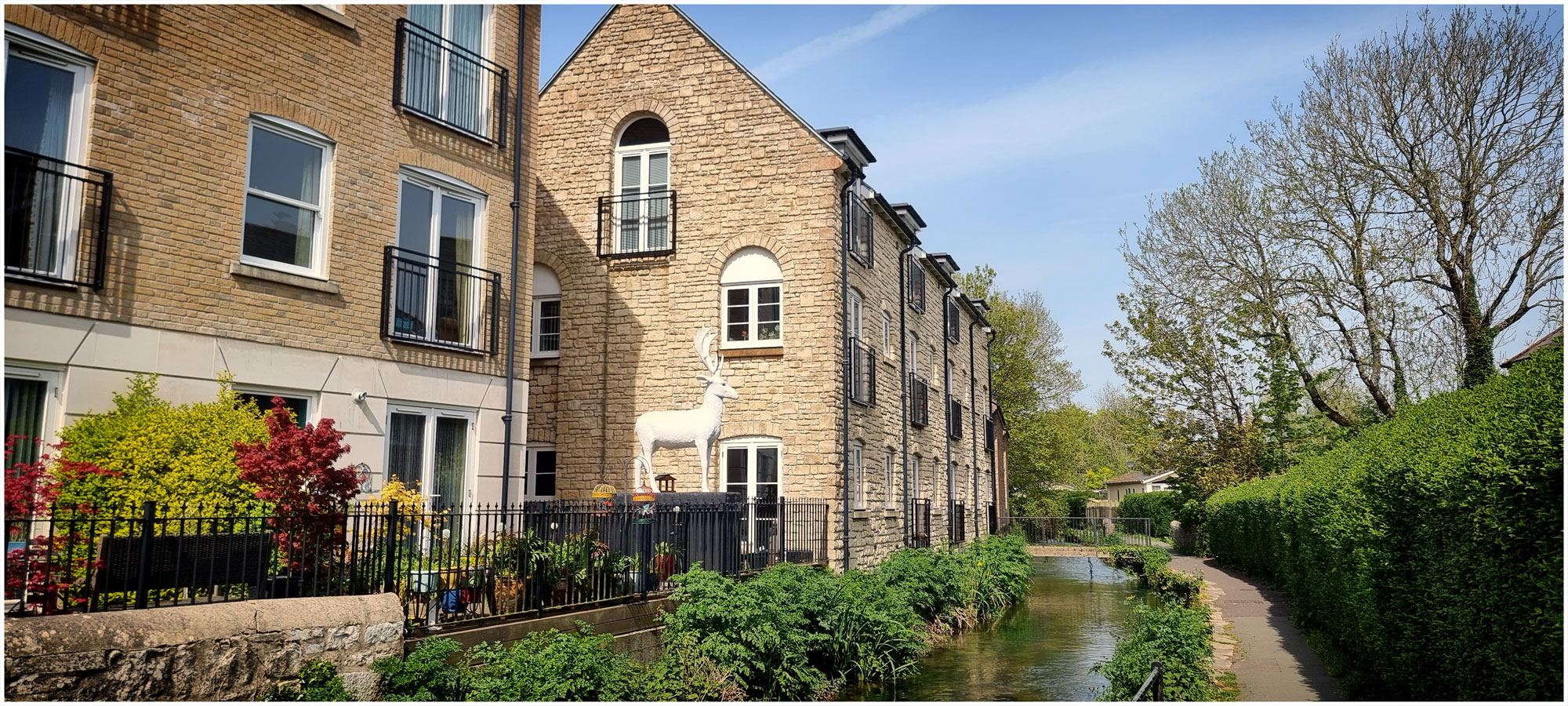
This year I had to do this on my own. Thinking about whether I should move nearer to family I chose to stay in Dorchester for a week, the historic county town of Dorset and home of the Victorian novelist Thomas Hardy, before moving on to Surrey for the early spring Bank Holiday. Dorchester gave me an opportunity to explore some of east Dorset which I haven’t visited in many years. I liked the old part, hated Poundbury (soulless) but wasn’t keen on all the traffic. It does have excellent transport links with two railway stations with a route to Bristol and one to London.
Walk along the River Frome
I walked along the River Frome. I walked around the town. I ate dinner at a lovely country inn, I walked on the Jurassic coast (shingle) had takeaway coffee and ice-cream (not at the same time) visited Wareham and Studland and several gardens. The weather remained dry, though not always warm, and I stayed in a lovely pristine quiet converted stable in the old part of the town. It wasn’t as difficult as I thought it might be. Before I met David I often had solo holidays and even when I accompanied him to conferences I spent many a day exploring on my own. The hardest part is during the evening and eating out alone. I just pretended I was away for work! And ate in the cottage most evenings.
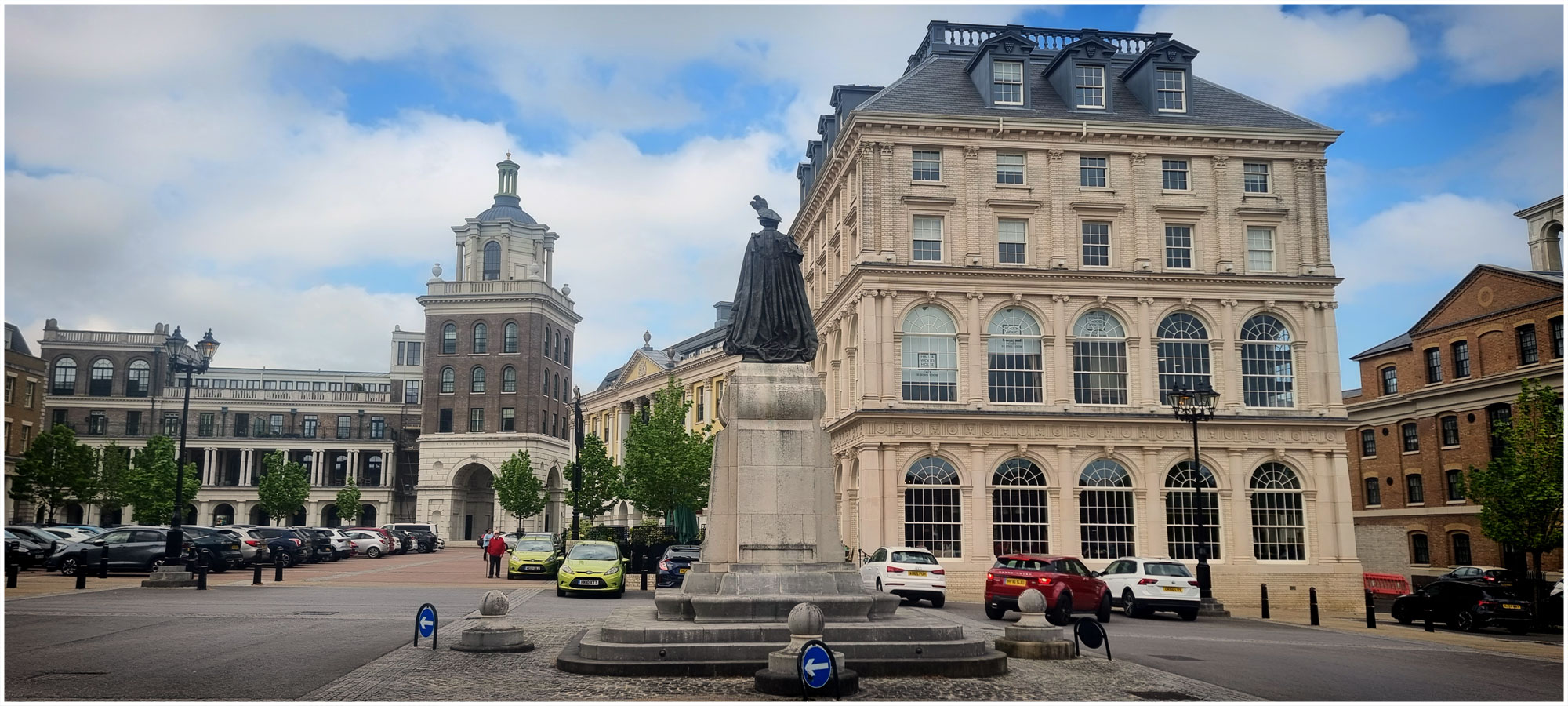
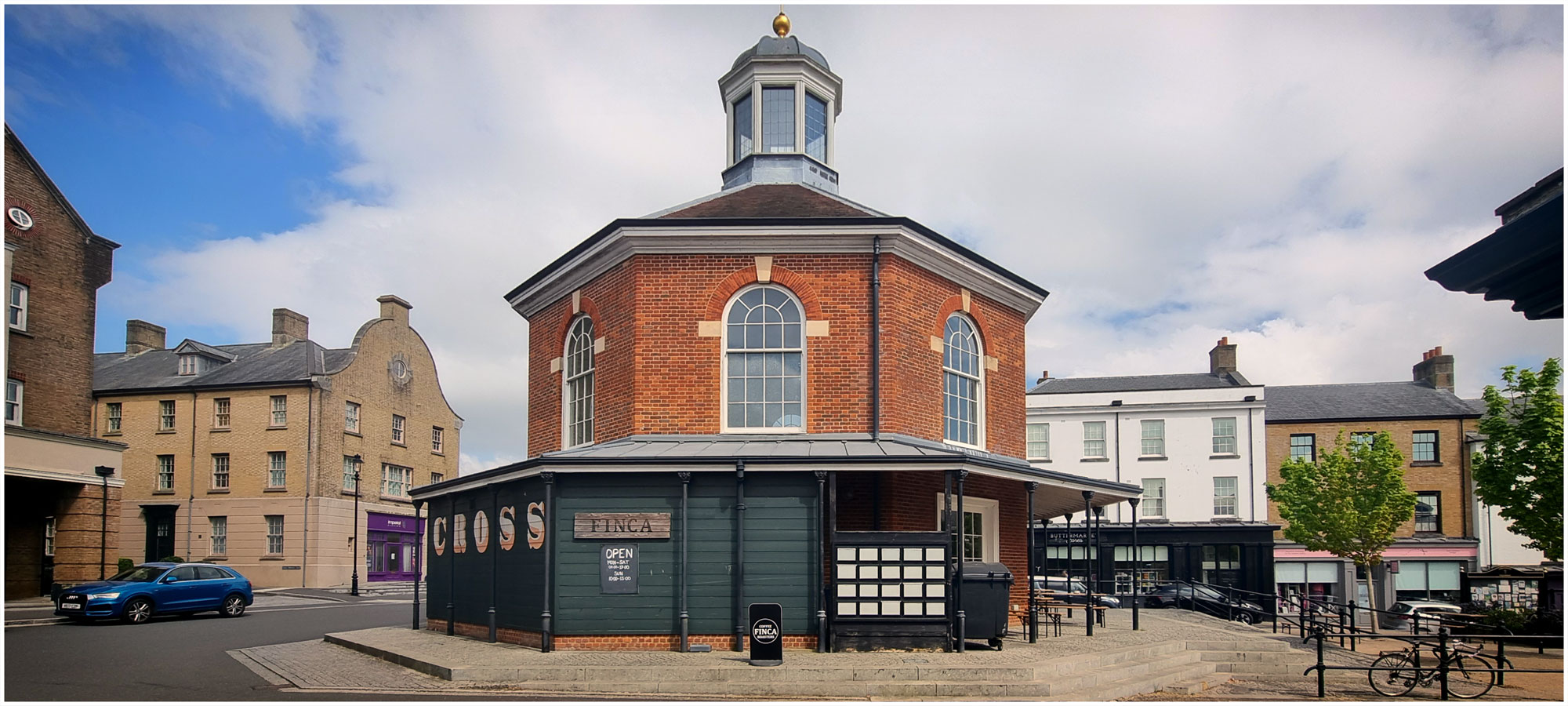
Poundbury – designed by King Charles III when he was Prince of Wales with a mix of Victorian and Georgian architecture. This is Queen Mother Square. It’s a strange place. No road markings and free parking. Lots of cars, hardly any people. Streets were empty, playground was empty. A lot like a film set. But a good coffee shop in the Buttercross.The Buttercross
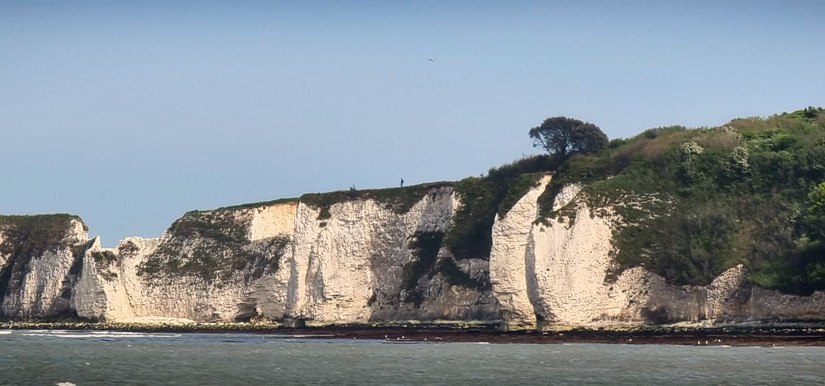
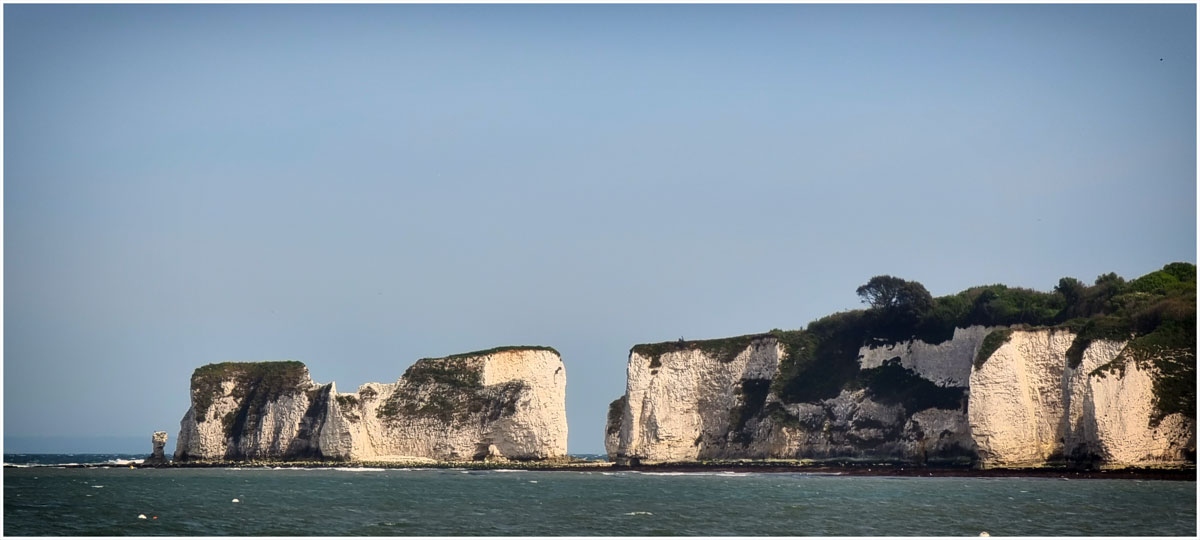
Old Harry Rocks, a series of white chalk stacks located at Handfast Point on the Isle of Purbeck in Dorset, England.
Location: They mark the easternmost point of the Jurassic Coast, a UNESCO World Heritage Site, and are situated between the towns of Studland and Swanage and once were connected to the Needles on the Isle of Wight.