Wordless Wednesday
Lens-Artists Photo Challenge #305 | Two Rectangles
It’s been a while since I joined in with the Lens-Artists photo challenge, but the number 303 leapt out at me this week as I have just come back from a holiday based close to the A303 in Wiltshire so I thought it would be interesting to find connections between the sites we visited in and around that area.
The A303 is one of the main routes from London to the Southwest and a route I have travelled many, many times to visit my youngest son who is based in Wiltshire (military) and my daughter who lives in Surrey. It’s also famous for passing by the World Heritage site of Stonehenge, the world’s most famous prehistoric monument.
Stonehenge (2500 BC) is not the largest henge though, that title goes to Avebury and together they form the heart of a World Heritage Site which also includes Silbury Hill. We didn’t visit Stonehenge as we have done so not long ago, but we drove past it a few times this week so had a few sneaky glances! Instead we opted for a visit to Avebury.

Avebury (2850 – 2200 BC): the henge survives as a huge circular bank and ditch, encircling an area that includes part of Avebury village. Within the henge is the largest stone circle in Britain – originally of about 100 stones – which in turn encloses two smaller stone circles.
A double avenue of stones leads away from the southern entrance towards the Sanctuary stone circles on Overton Hill, about a mile to the south-east. Unlike Stonehenge, this site is free to visit though you will have to pay for parking unless you are a National Trust or English Heritage member.

More recent history can be found at Old Sarum, an iron age hill fort dating back to 400 BC. Later occupied by the Romans during their conquest of Britain in AD 43, where perhaps a military fort was set up. It was during William the Conqueror’s reign that the strategic advantage of this place was recognised and a motte and bailey castle built.
 Later, stone buildings were erected and in 1078-99 a cathedral was built after the 1075 Council of London decreed that the see should be moved from Sherborne to Old Sarum. Dissatisfaction with the site and poor relations with the garrison in the castle caused the cathedral to be moved to its present site in Salisbury (New Sarum) in 1220 and much of the stone from the old cathedral was used to build the new one.

Salisbury Cathedral is built in the shape of a cross. It boasts Britain’s tallest spire (123m tall) and contains the oldest working mechanical clock in the world as well as the Magna Carta (great charter) written in 1215 about the rights of the English people against the severe rule of King John. It also contains blue Prisoners of Conscience Window and the Amnesty International candle burning for oppressed people around the world.

The soul should always stand ajar.
That if the heaven inquire,
He will not be obliged to wait,
Or shy of troubling her.Emily Dickinson, Time and Eternity

Often my favourite part of visiting cathedrals is the cloisters. Providing a place of calm and contemplation the cloisters here are Britain’s largest and look out onto two cedar trees, planted more than 150 years ago to commemorate Queen Victoria’s accession to the throne.

Which leads me to my last connection. Gardens. And there are several signposted from the A303. But first let’s revisit Avebury, where Benedictine monks once walked the ground that is now Avebury Manor Gardens.


There are traces of the work of later owners, from the 17th century orchard, the warm red brick of 18th century walls and elaborate topiary of 20th century owners.


Talking of Benedictine Monks reminded me that Shaftsbury Abbey, a mere 15 minute drive from the A303, was once home to Benedictine nuns who were responsible for providing medical care for themselves and the wider community and did so by gathering local plants and those grown specially in the garden. In AD 888, King Alfred the Great founded in Shaftesbury the first great abbey just for women. By the time of Henry VIII this had become the wealthiest and most important Benedictine nunnery in England, dominating and serving the town and lands around. It was the last abbey to be destroyed by Henry VIII in 1539.

Signposted off the A303 is another garden designed by a woman, Tintinhull House and Garden. Built in 1630 the house was bought by Captain and Mrs Reiss in 1933, when Phyllis decided to create a garden that she described as her ‘happy place’.

Now I can totally relate to that. A connection to Salisbury cathedral? There is an area called Cedar Court – once containing a Cedar of Lebanon now full of ornamental trees including beautiful magnolias.


Another garden signposted off the A303 is Lytes Cary Manor. Created by the Lytes family over five centuries they gave up the estate in the 18th century due to financial difficulties.

After 150 years of neglect it was bought by the Jenner family who restored the manor and created an Arts and Crafts inspired garden.

Which leads me to my final connection. Flowers. And specifically Roses. June is rose month and where better to go than Mottisfont walled garden which is home to the National Collection of Old English Roses (pre 1900). So many wonderful colours and forms and scents.


So there you have it. Who knew there could be so many connections with one road that connects the Southeast to the Southwest of England.
Lens-Artists Photo Challenge #303 | Connections

I thank everyone who has visited this blog over the last year and especially those of you who leave a comment. I wish you all a happy, safe, and healthy 2023 in which we can all create more blogging memories. I haven't blogged a lot on here this year simply because I haven't been out of Cornwall that often so most of my blogging takes part on Cornwall in Colours. Please join me there.

All photos are from Christmas Day 2010, Ashleworth, Gloucestershire
Over the Bank Holiday weekend I spent a couple of days visiting my daughter in Surrey. After a morning of gardening we decided to skip a visit to Wisley and instead head off to Richmond Park, one of the Royal Parks in London. It’s a place we’ve been to before when the grandchildren were small, but not for many years for me.
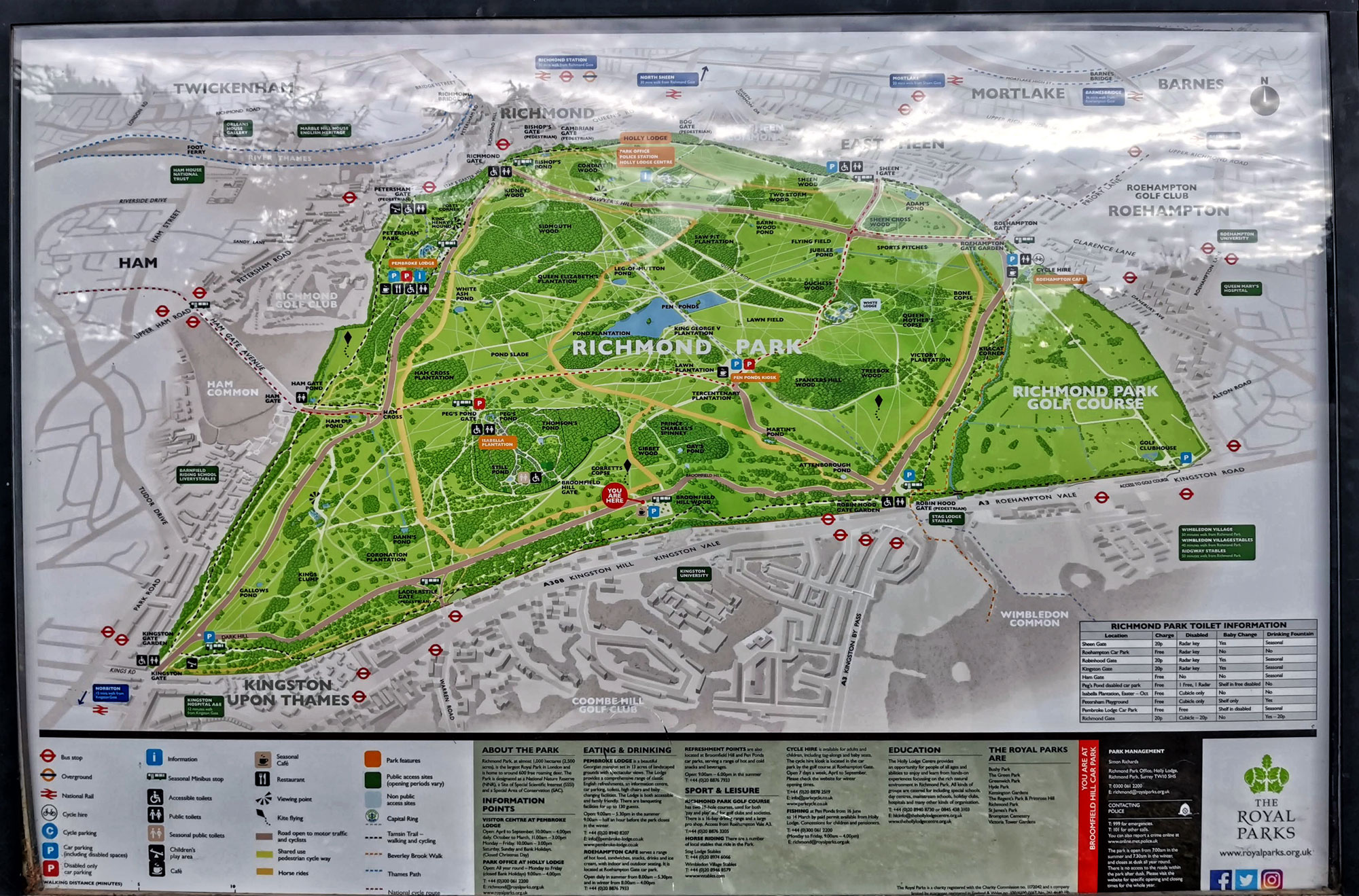
Isabella’s Plantation was a favourite spot with a pretty stream leading to a pond and stepping stones and tiny bridges for youngsters to enjoy, but it was rather disappointing to find it very overgrown with reeds, Greater Willow herb and Joe Pye Weed in particular. So much so that we couldn’t even see the stream and most of the ponds were hidden from view. I’m all for rewilding places, but they still require management and maintenance. However, it is still a popular place for families to find some peace and enjoy a picnic (relatively speaking as huge planes pass overhead constantly and the non-native ring-necked green parakeets screech above your head).


The Isabella Plantation is a 40 acre woodland garden set within a Victorian woodland plantation planted in the 1830’s. First opened to the public in 1953, it is best known for its evergreen azaleas, which line the ponds and streams and at their peak of flower in late April and early May. The site is managed very much with nature in mind and the gardens are run on organic principles. Native plants commonly grow alongside exotics throughout the Plantation. [source: Isabella Plantation]

I think spring time is probably the best season to visit this garden as there are many camellias and rhododendrons and azaleas planted and the native stuff would have died down over the winter.
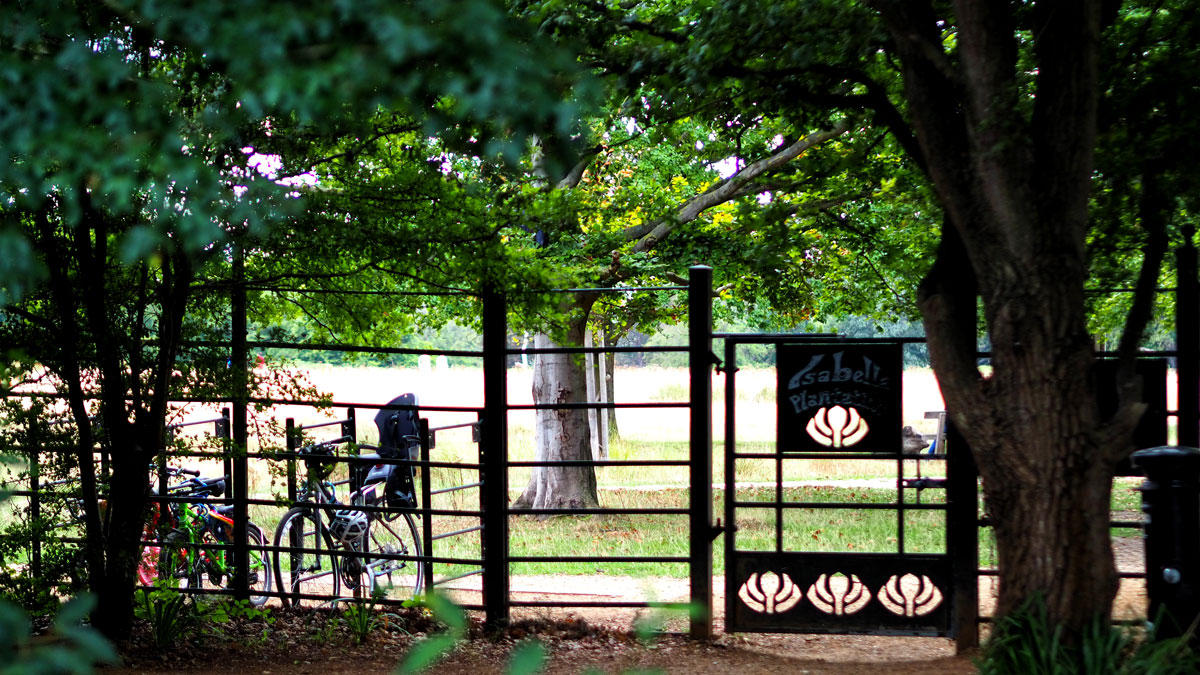
We exited through Peg’s Pond Gate and walked around the perimeter of the garden under the large trees – oaks, beech, horse chestnuts – enjoying the filtered light and listening to the parakeets. It must have been a welcome shady place to be during the heatwave.
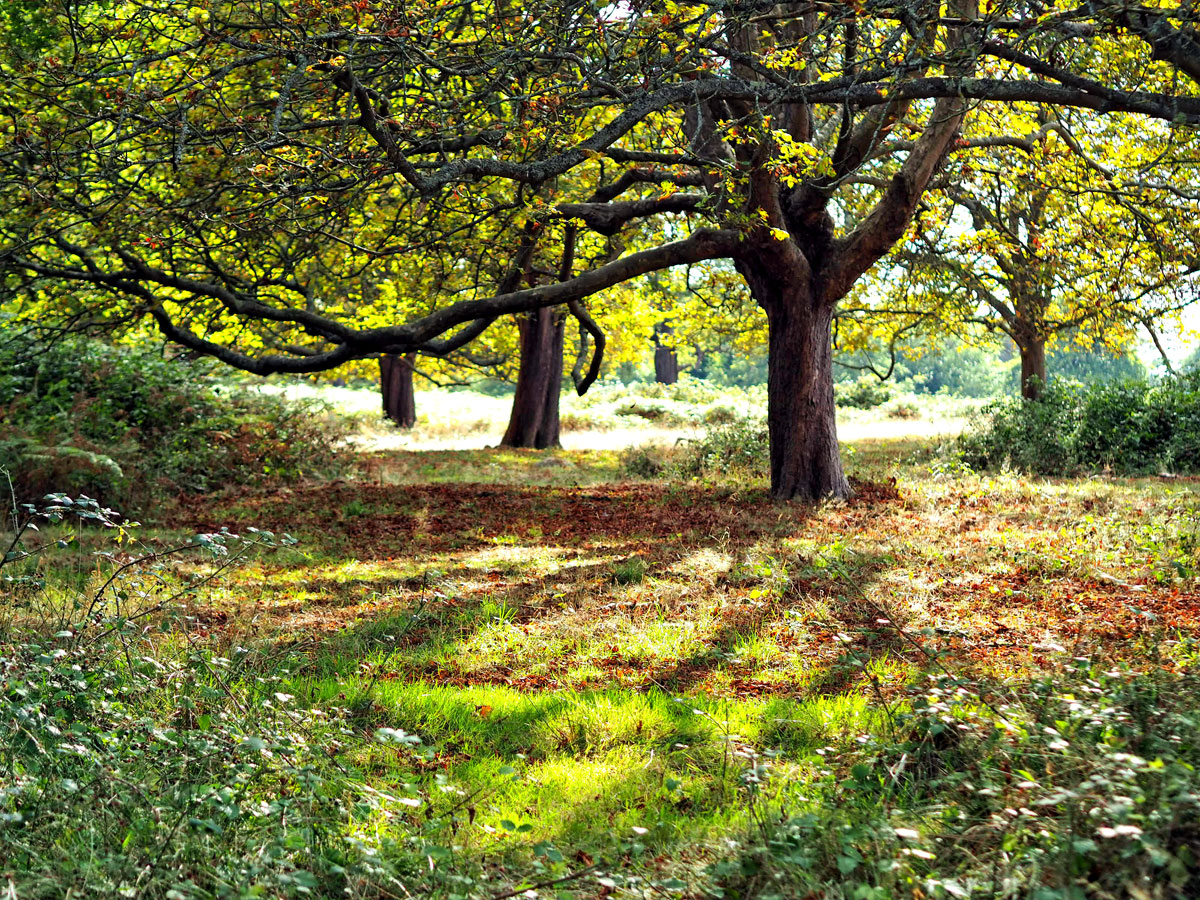


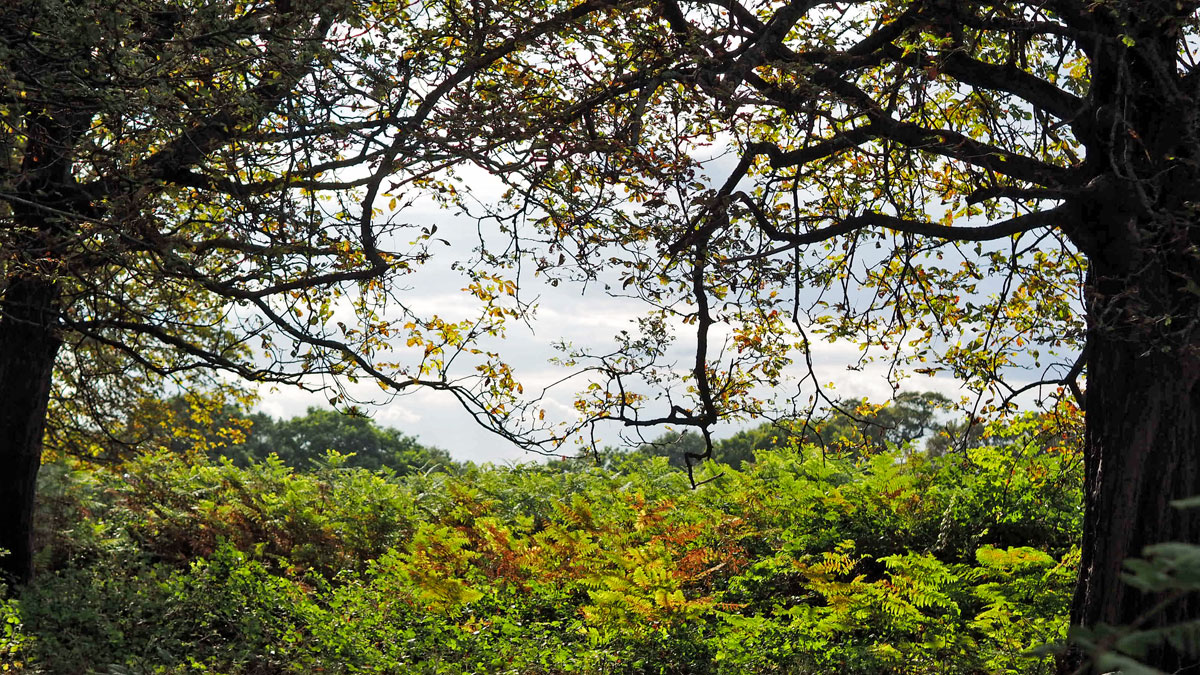
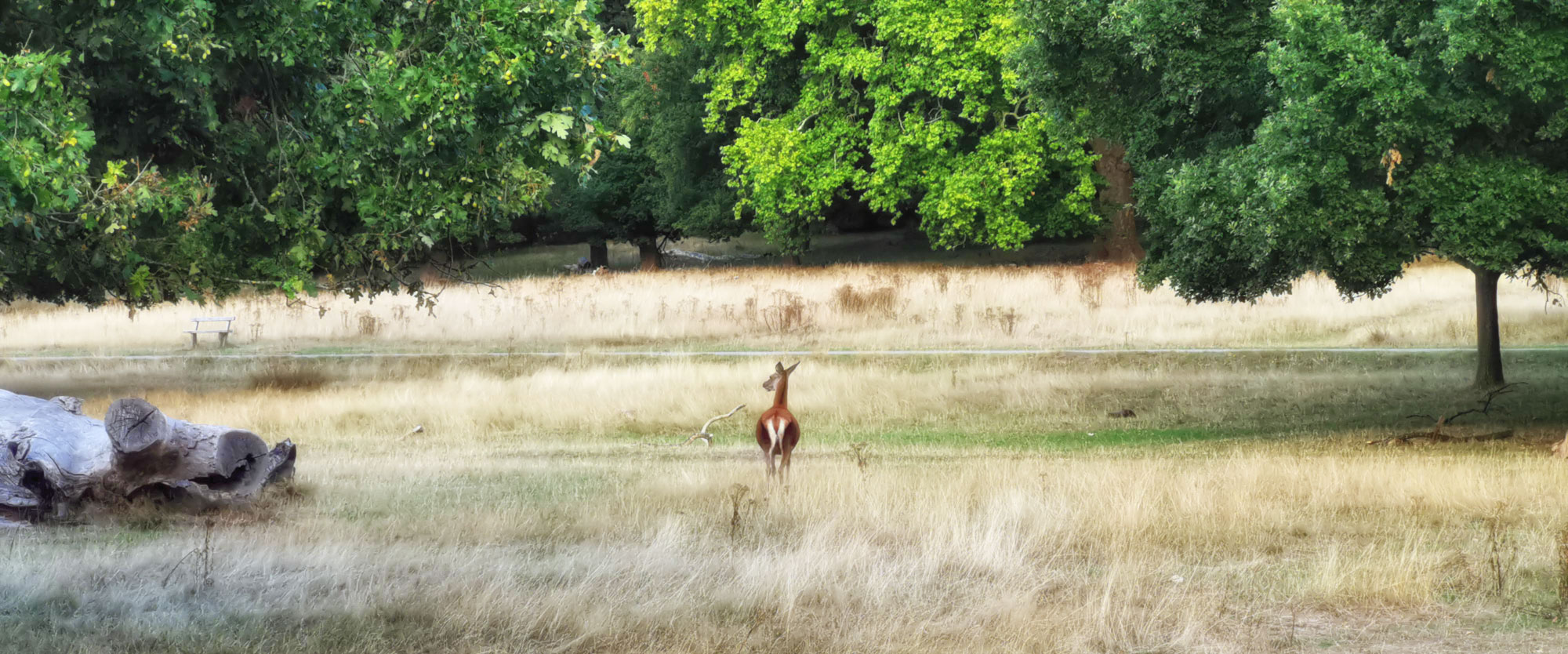
On arriving back at the car park we decided to walk up to Pen Ponds in the centre of the park so the dog could have a run off the lead. You still need to be careful with your dog as there are deer roaming freely in the park and during May – August dogs must be kept on leads throughout the park.
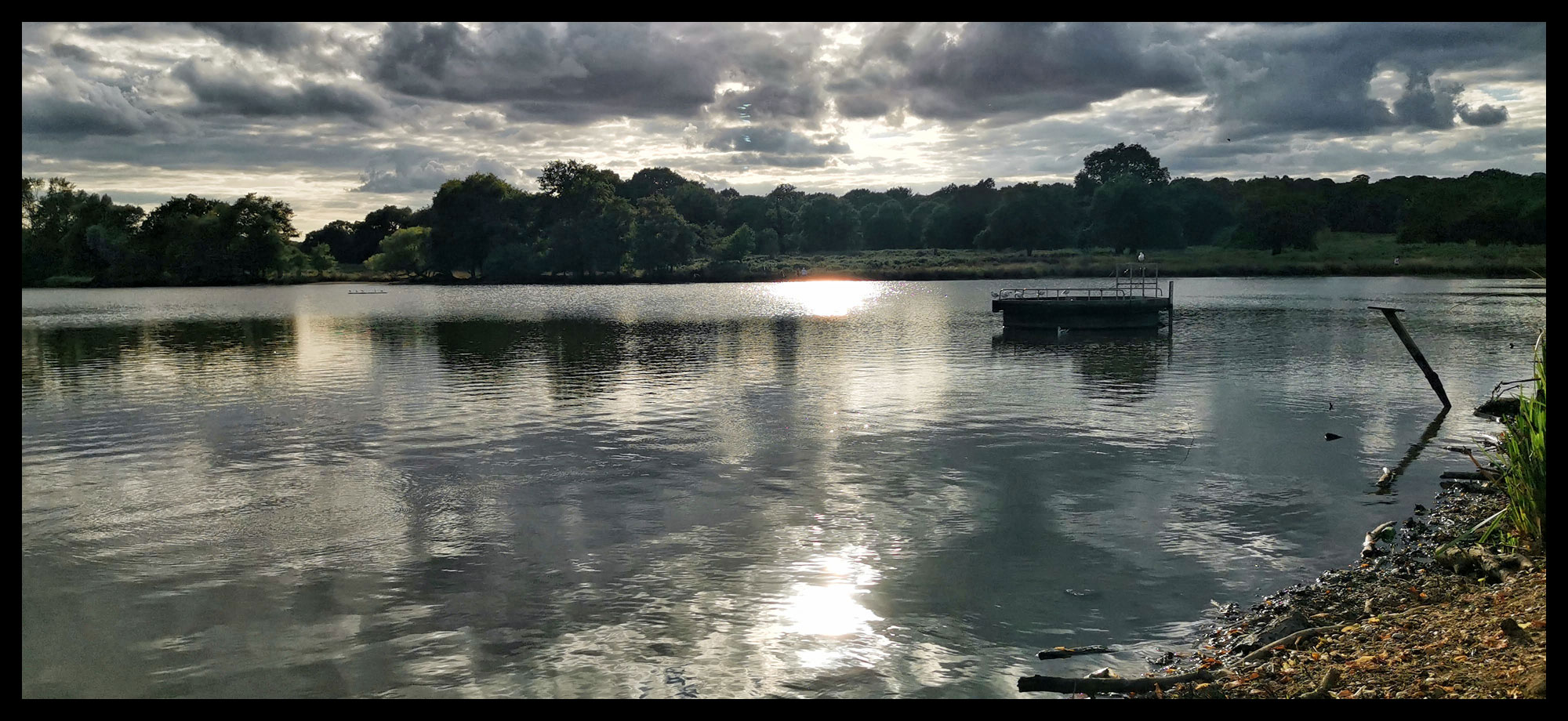
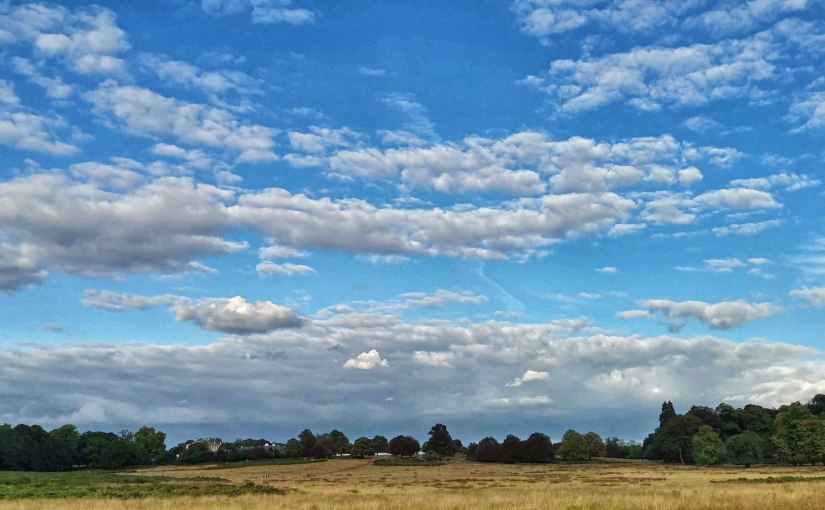
By the time we reached the ponds the sky had turned very black to the south, though still blue towards London. Despite the look of those clouds it didn’t rain a single drop.
And we were lucky enough to see a few of the deer.


 TRAVEL WORDS