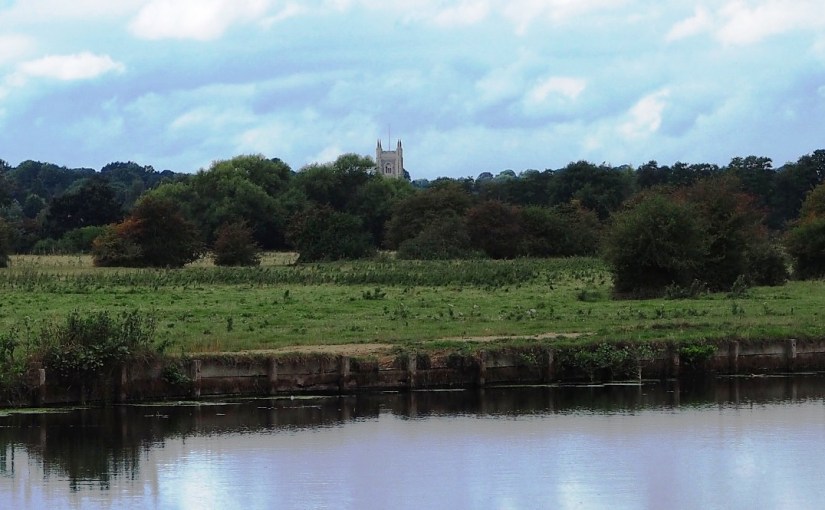
Whilst in Essex and with time to spare between checking out of one place and checking in to another, we decided to visit the quintessential English Dedham Valley on the borders of Essex and Suffolk where Constable drew inspiration for some of his paintings, notably “The Hay Wain“.
“The sound of water escaping from Mill dams …, willows, old rotten banks, slimy posts and brickwork. I love such things … as long as I do paint I shall never cease to paint such places.”
~ John Constable
The scene is rural England at its most romantic and although the spot which inspired him has altered slightly you can find the easily recognisable view at Flatford. The area is charming; narrow lanes lead to hamlets and meadows and there are plenty of riverside walks along the River Stour which meanders through this enchanting valley. Dedham, East Bergholt and Flatford is affectionatley known as ‘Constable Country’ and you can see examples of his work and information about the man at the National Trust exhibition centre located at Flatford.
It was going to be New York for my daughter’s 40th birthday getaway, until we saw the prices, and since we were only going for three days it made more sense to make it closer to home so we didn’t spend two of those days in the air. Yes we were going on another mother and daughter city break! Been a long time since the last one which was also to Spain just before my eldest grandson was born. He is now 14 years old. BA came to the rescue with some very decent European city breaks – hotels and flights for £350 each. We opted for Barcelona, a city neither of us had been to before and which has been well recommended by fellow bloggers. Thank you Restless Jo and Lucid Gypsy for all your help, advice and links.
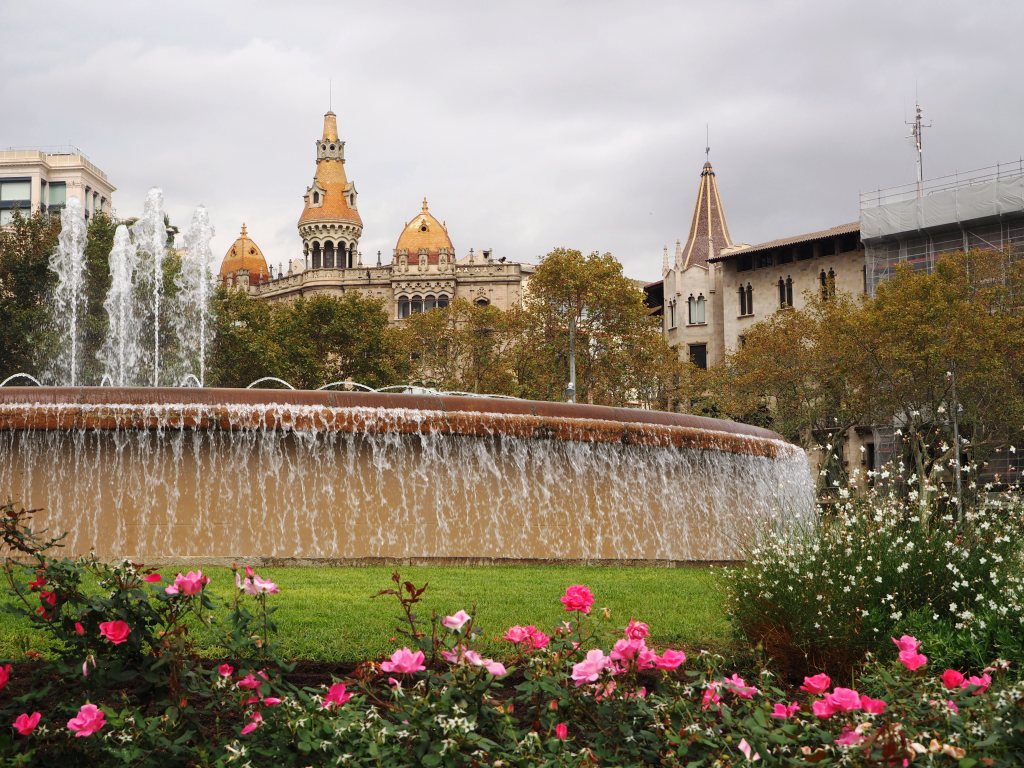
Placa de Catalunya
Day One
A very early start meant we were arrived at Barcelona airport by 9 am – we stopped for a coffee before boarding the Aerobus into the city, tickets were prepaid for so no problems whatsoever and the buses are every 5 minutes so no waiting like you have to at Heathrow. A smooth drive with a drop-off close to the hotel where we were able to stash our luggage and head out to explore. First thing though was breakfast. We quickly found a lovely bar where we had coffee, orange juice (the Spanish make the BEST orange juice) and buttery croissants. Then we simply wandered for a few hours until it was time to join a free walking tour of the Gothic Quarter. The architecture in Barcelona is so interesting – I spent most of my time gazing upwards at the windows, carved entrances, wrought-iron balconies – Gothic mansions, Catalan Art Nouveau, and the magnificent imaginative Gaudí and taking far too many photographs.
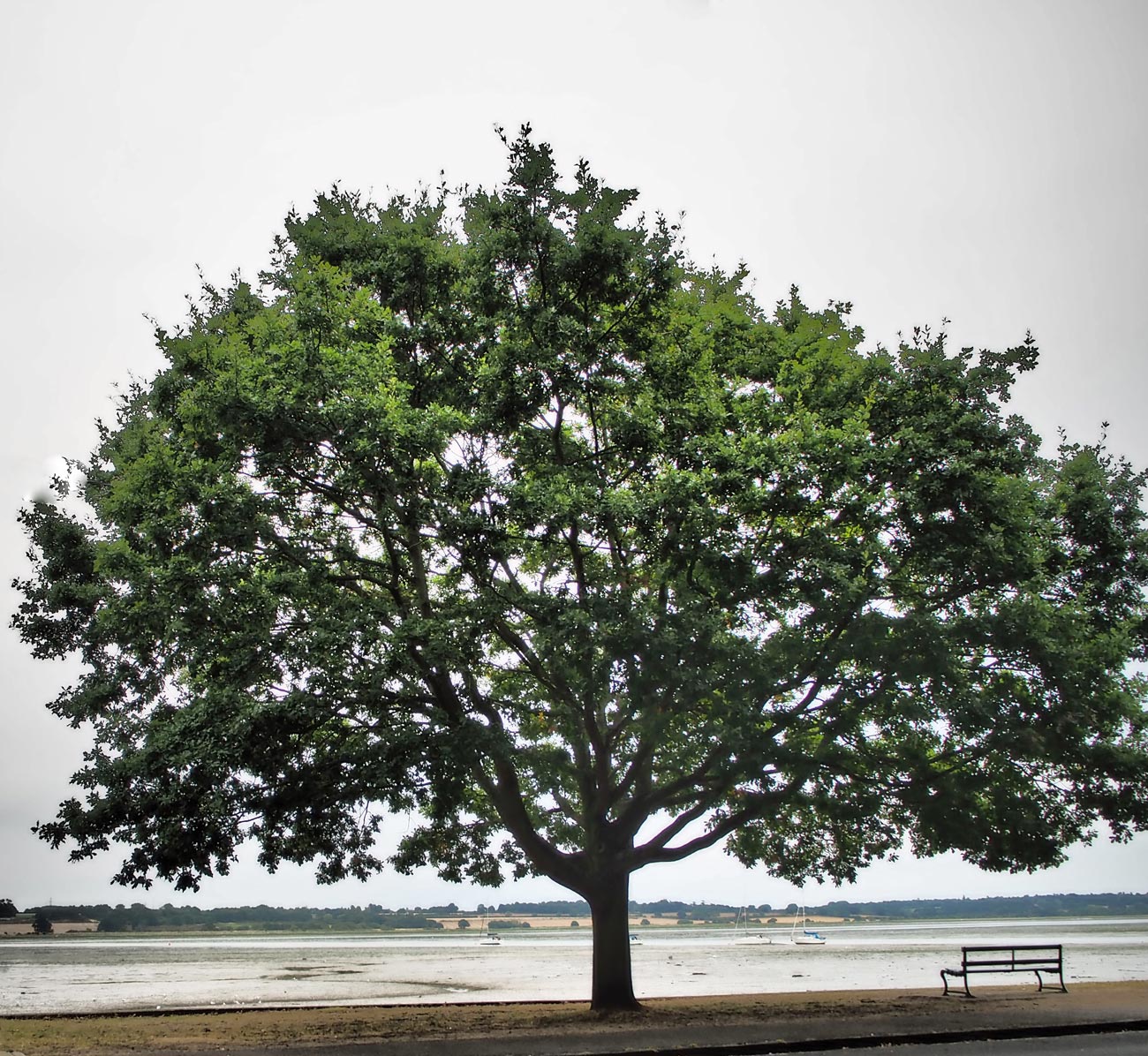
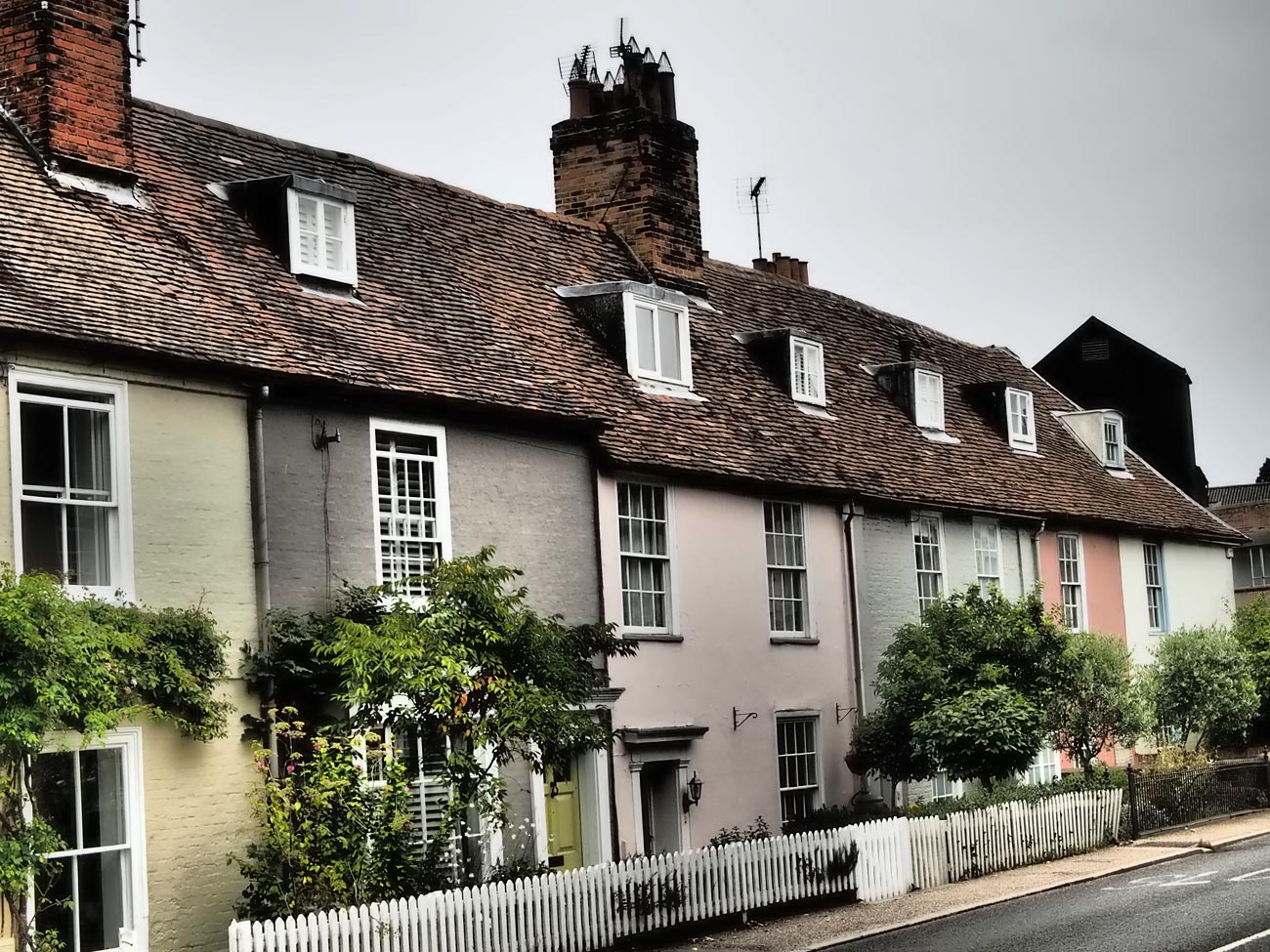
Our first stop on the recent trip up the east coast of Britain was in a little place called Mistley which is situated on the River Stour in Essex. You may have heard of Manningtree which is a little further up the river as it is the smallest town in England. Mistley’s use as a port can be traced back to the Roman occupation with archaeological evidence indicating that a Roman road connected its riverside to the important garrison town of Colchester (Camulodunum).
Both Manningtree and Mistley are attractive towns with Georgian and Victorian architecture. Manningtree was a centre for cloth in Tudor times with barges transporting it to London and it is believed that the reference to Falstaff in Shakespeare’s Henry IV as “that roasted Manningtree Ox” relates to the practice of roasting a whole ox at the town’s medieval annual fair.
We transferred to Bojewyan, slightly north of Pendeen on Friday 5 June from Penzance. Initially we’d only booked for a one week holiday/house-hunting trip, but at the last minute I managed to find an extension. I was looking forward to exploring the coastline in this wild region of West Penwith. It has a very different character to the rest of Cornwall; it feels almost like an island. Remote villages and hamlets are strung along one of the most beautiful roads in the land between St Just and St Ives. Travelling by road is slow, tractors, trucks, German campervans, French motorhomes, sharp bends, drystone granite walls, abandoned tin mines, carns, views across the patchwork arable fields, bleak moorland, gravel lay-bys barely big enough to fit two cars in to, a maze of hidden lanes and paths and tiny trout streams trickling down to the aquamarine coloured coast. Continue reading Just Back From… West Penwith
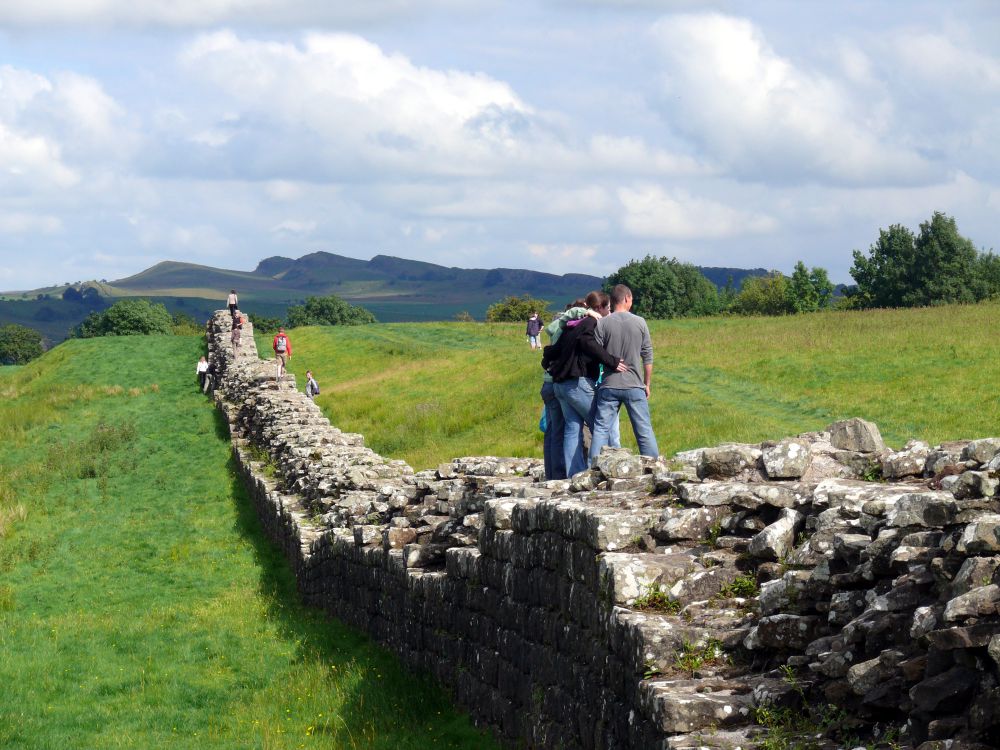
First there is Hadrian: milecastles, hill forts and temples and bucket loads of history from its turbulent English – Scottish conflicts. Where man and beast walk on the wall.
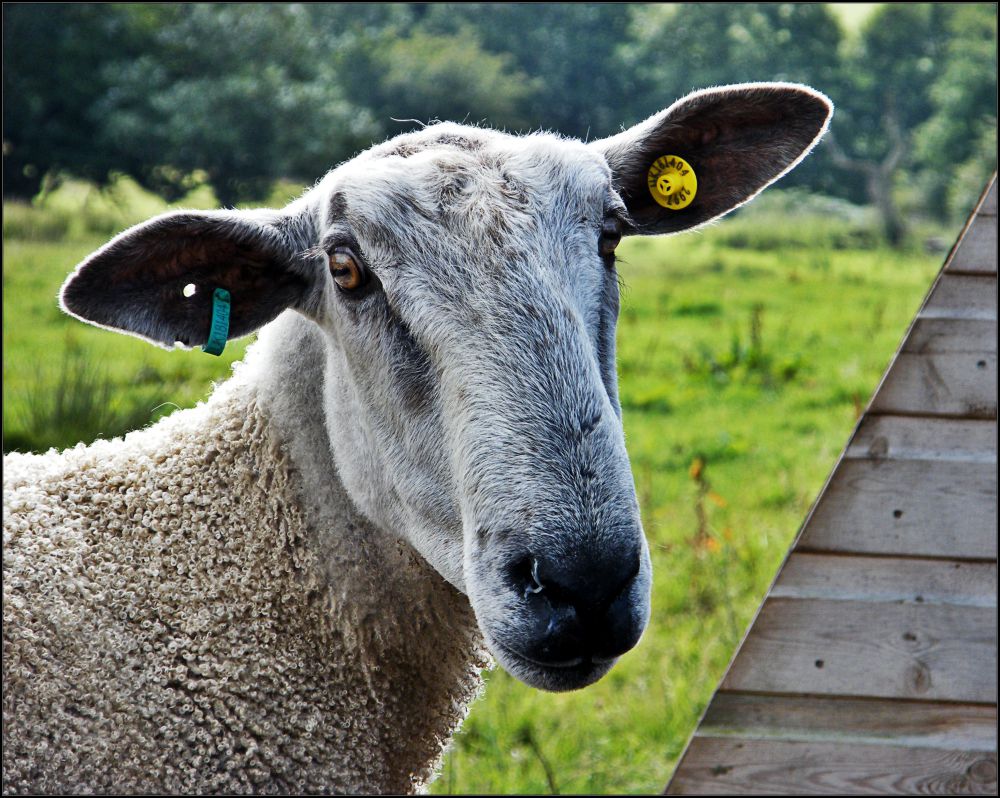
Then there are the green fells and bubbling rivers stained tea brown from all the tannin, and the heather-clad Pennine landscape where sheep abound and rare alpine plants can be found.
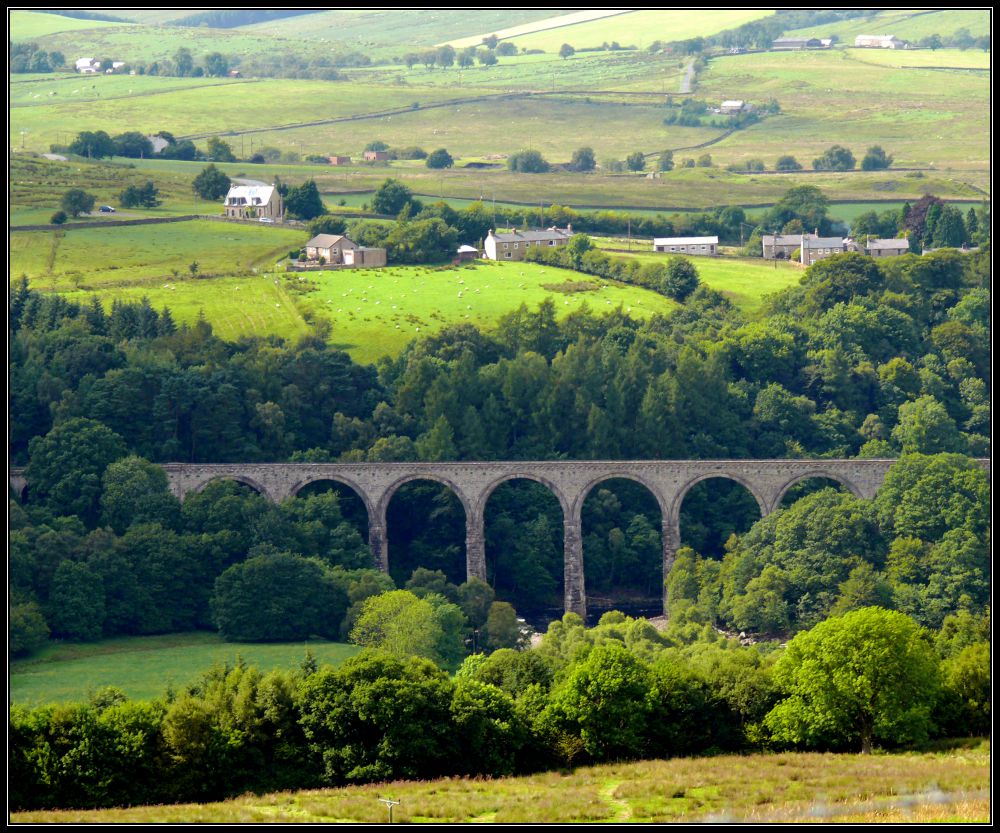
Mile after mile of roller coaster roads with their blind summits and hidden dips, twisting hairpin bends and narrow single lane bridges arching over wee burns. And long forgotten viaducts striding over a river many vertiginous feet below.
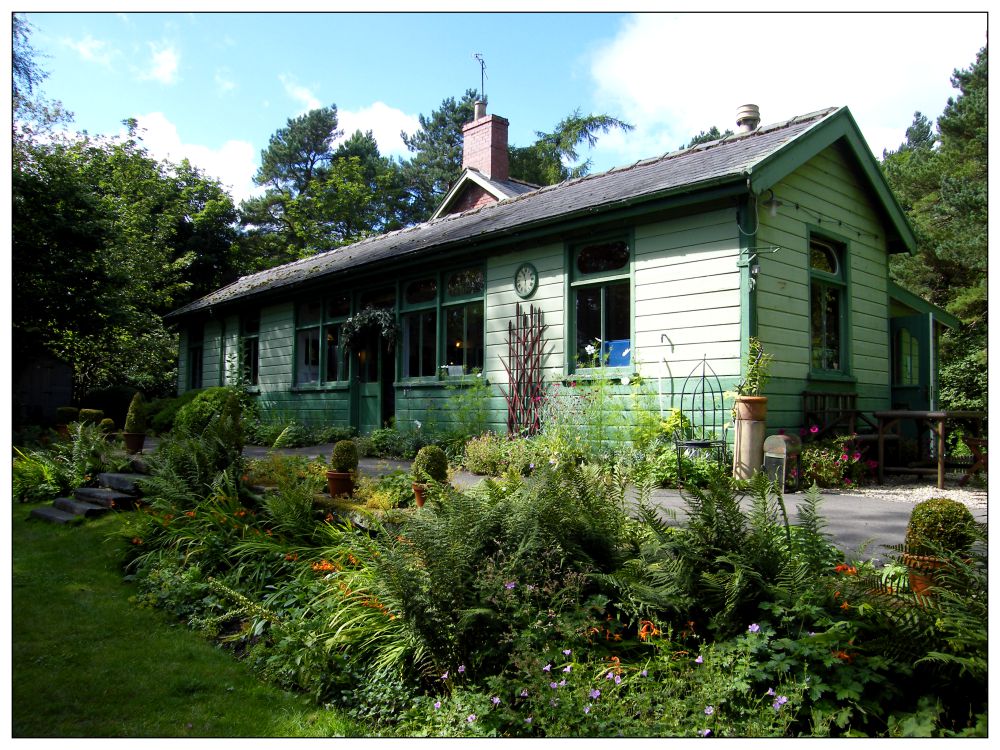
Invigorating walks lead past houses built in a golden stone with pots full of bright red geraniums and purple petunias cascade and where inviting tea-rooms with a friendly welcome are set amidst old rail tracks. Stop at a traditional pub, some dating back to the 12th century, others used as a meeting place in the Jacobite Rebellion, where smiling bar-staff greet you with their warm northern accent and make you reluctant to leave.
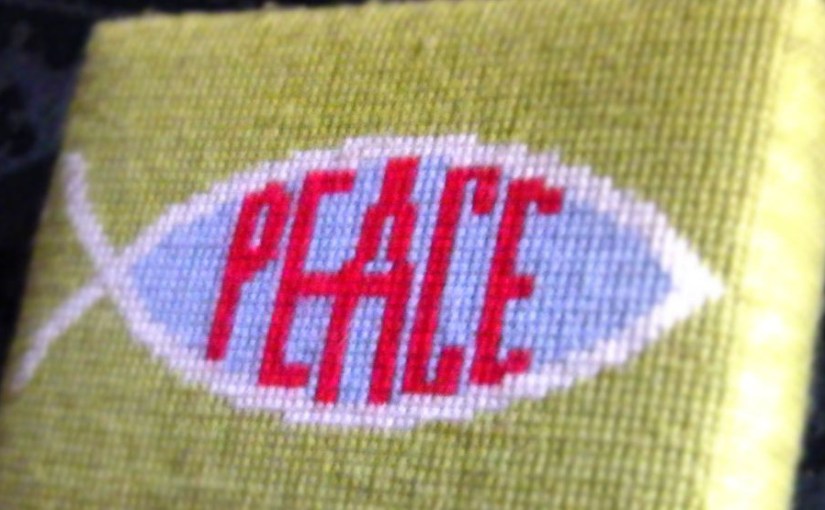
Explore villages and small towns where houses are crammed together supporting one another, wander down hidden snickets and narrow cobbled lanes with secret gardens. Where churches with ancient churchyards are open at all times welcoming strangers to view their beautiful stained glass windows, bell towers, carved pulpits and unusual altars or simply to admire the craftsmanship of the home-made pew cushions, lovingly stitched by the congregation.
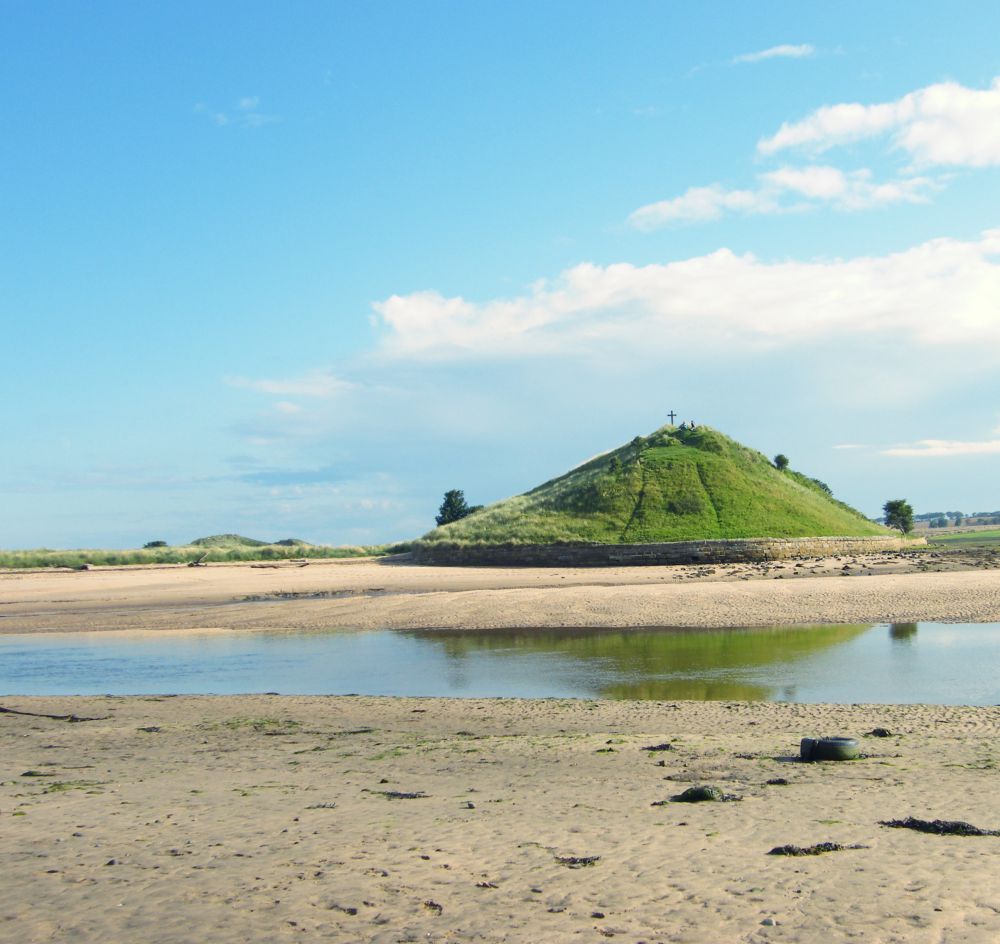
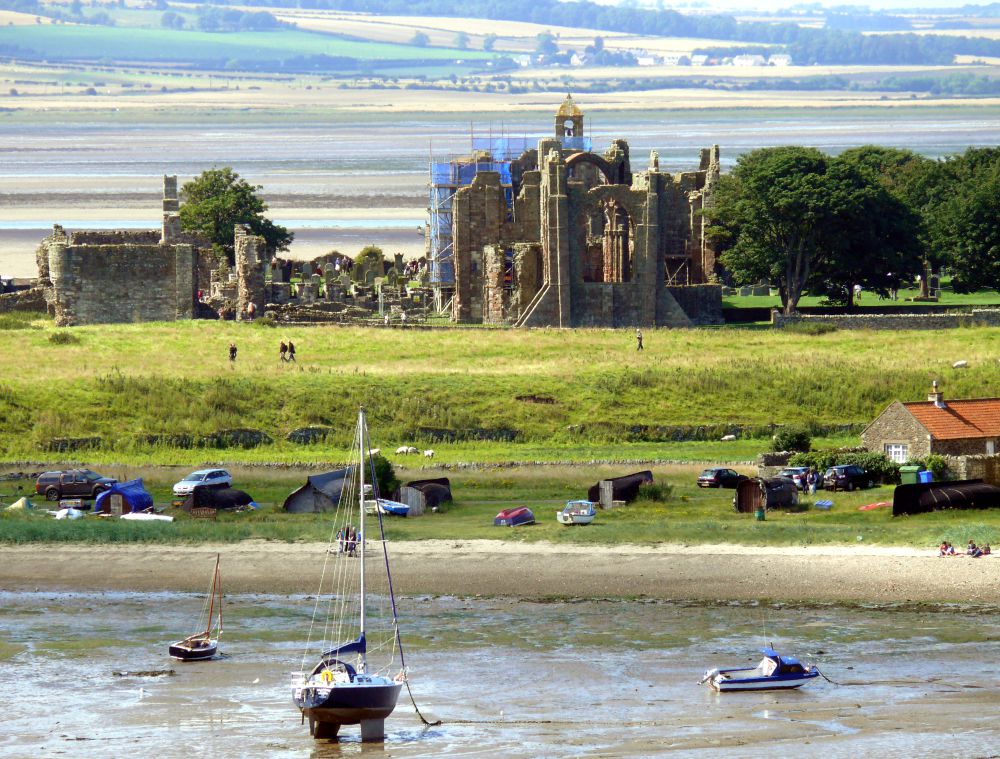
Finally there’s the coast and the castles. Wide, sandy beaches, river mouths and harbours and huge dunes with wild flowers. Tide timetables to consult, micro breweries and Craster kippers to taste, seals and summer sea-bird colonies to see and a walk to a castle last occupied during the Wars of the Roses. A church cut off from its village by the river changing its course in a violent storm over two centuries ago. History is around every corner.
Derwent reservoir
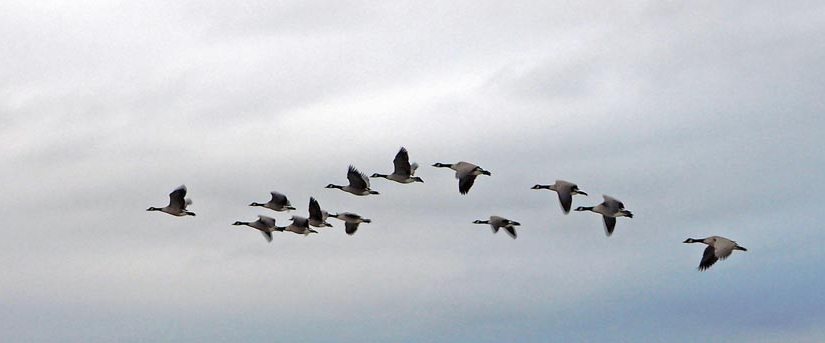
Herons and cormorants and twenty-five white swans on the River Coquet at Warkworth, swifts and finches flying in and out of the barns, stopping to briefly rest on the top of a stone wall beside you, but not long enough for a photo. The call of an owl, the sighting of a hawk. Dozens of rabbits scurrying around a churchyard at dusk. Grouse strutting nonchalantly along the lanes as if they know it’s not the shooting season.
And the sky – the big open sky – cumulus clouds, a rainbow over the fells, the zillion stars and the Milky Way. You want to gaze at it all the time. Your eyes are drawn upwards. And driving home in the dusk after a very long day you round a final bend and slam on the brakes as a young deer glides across the road in front of you. It stops, hesitates, eyes shining in the headlights before turning around to disappear back into the gloom of the woodland from whence it has come. Serendipity.