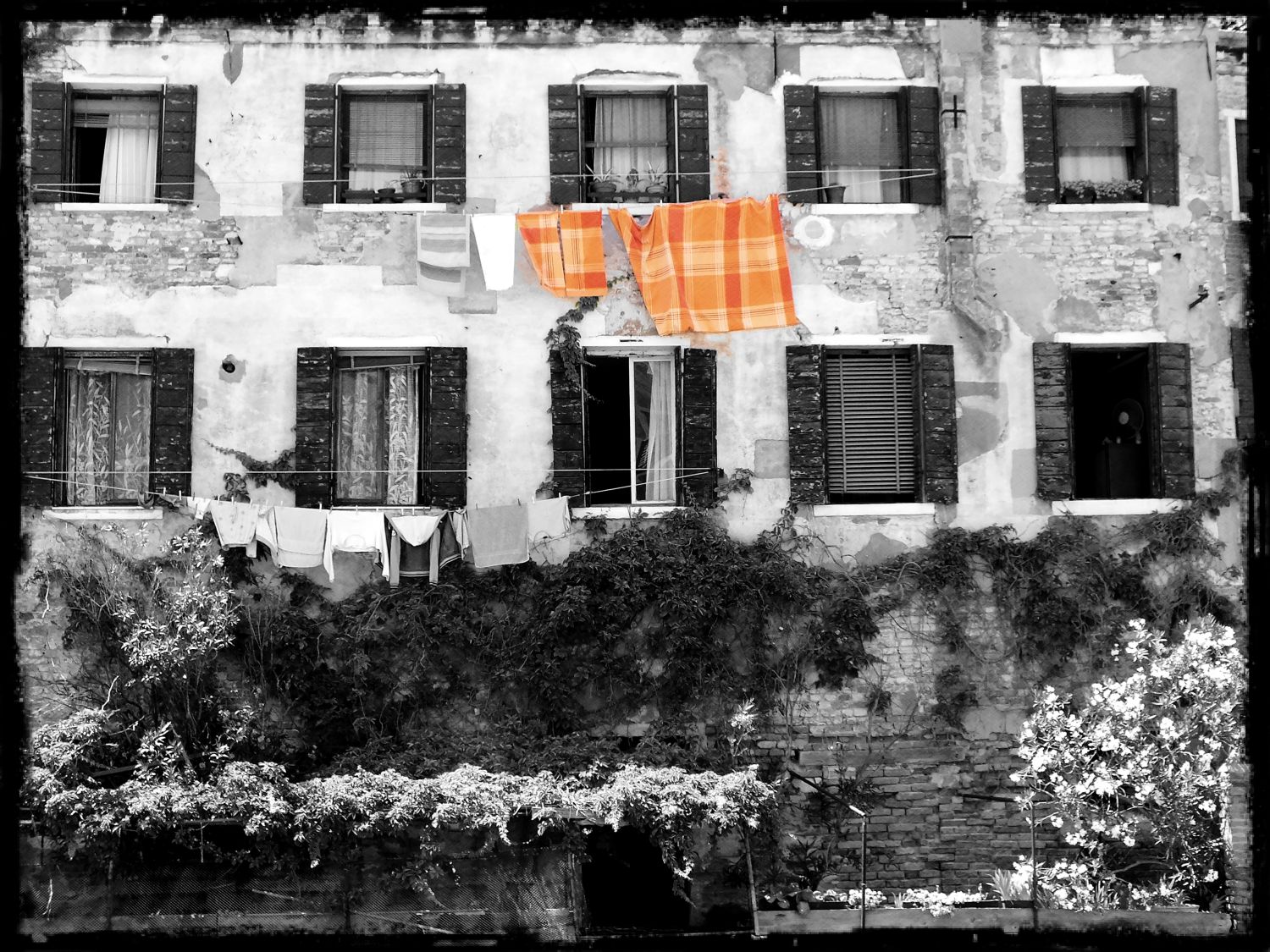
broken shutters hide
broken promises inside
shattered by your lies
Challenges from the Wordpress Community
broken shutters hide
broken promises inside
shattered by your lies

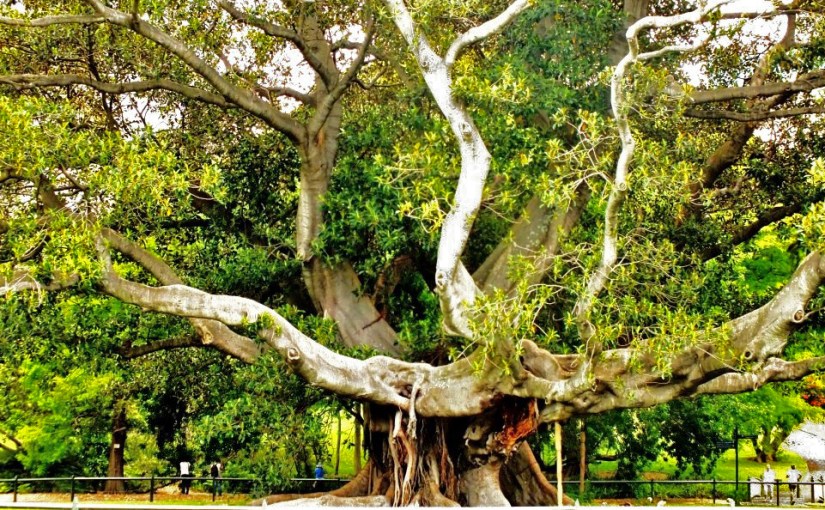
The Moreton Bay fig tree with its powerful buttresses and long dangling, intertwisted aerial roots creates a sense of awe and wonder. The characteristic “melting” appearance is due to its habit of dropping aerial roots from its branches, which upon reaching the ground, thicken into supplementary trunks which help to support the weight of its crown.
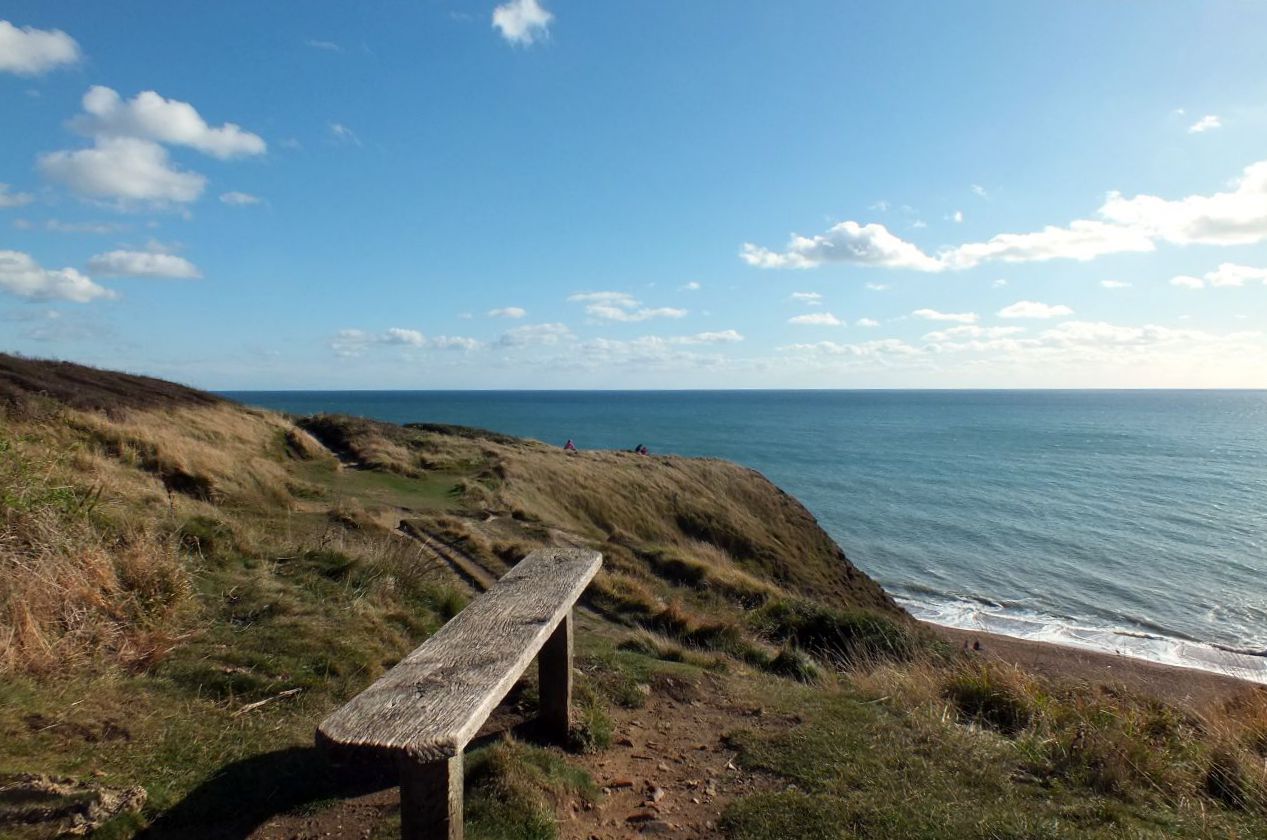
If you would like to join in with the Bench photo challenge then please take a look at my Bench Series page. No complicated rules, just a bench and a camera required 🙂
Debbie heads to La Barceloneta where lots of folk are lying around in the sun.
Pauline finds seclusion with a view.
Tgeriatrix is in Scheveningen where even the clouds are flat.
Aletta is in one of my favourite locations – Hermanus, originally known as Hermanuspietersfontein. See her post to find out why it was changed!
and The Restless One, offers not only benches with beaches, but also pubs with lobster rolls (hopefully). Pop along and join her along the North Yorkshire coast.
Trelissick’s colourful history stretches as far back as 1750 but it’s most distinguished owner was Leonard Cunliffe, a former director of the bank of England.
Cunliffe fell in love with this Cornish house as he sailed past it on his yacht Laranda in the early 1900s. In 1937 he passed the house down to his stepdaughter Ida and her husband Ronald Copeland. Ronald was the chairman of the Spode-Copeland firm of bone china manufacturers in Staffordshire and hence part of the potteries aristocracy. They lived at Trelissick throughout their careers donating the house and gardens to the National Trust in 1955
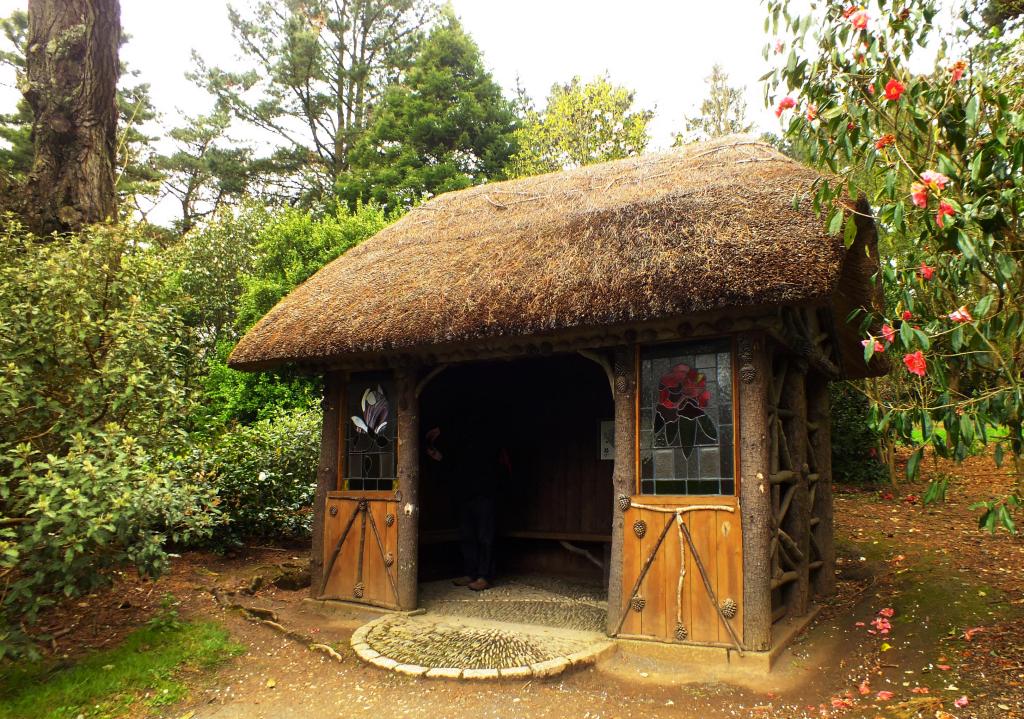
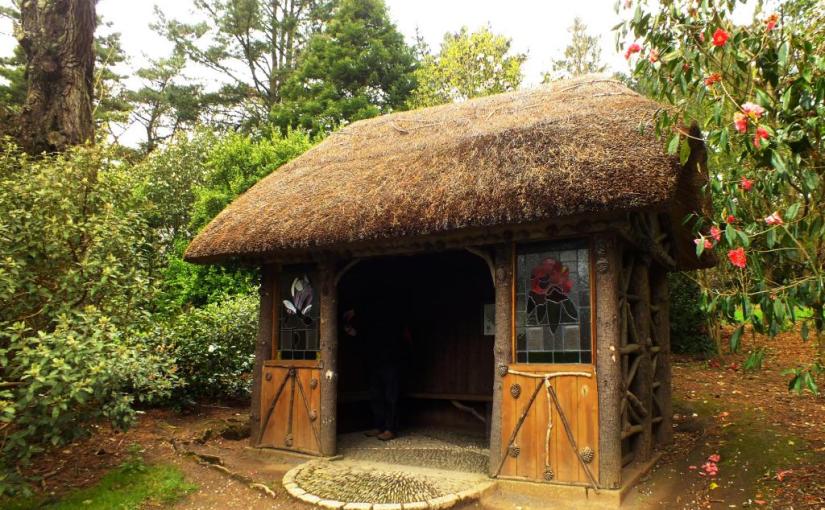
Trelissick has no less than four summer-houses. One in the area called Carcaddon* has two beautiful stained-glass windows.
The magnolia, “Rustic Rubera” window is for Ida Copeland and highlights her time as an MP for Stoke from 1931 to 1935 and contains an excerpt from her maiden speech to Parliament on the introduction of import duties on inferior ceramics being imported from abroad, taking away work from highly skilled people and threatening their livelihood.
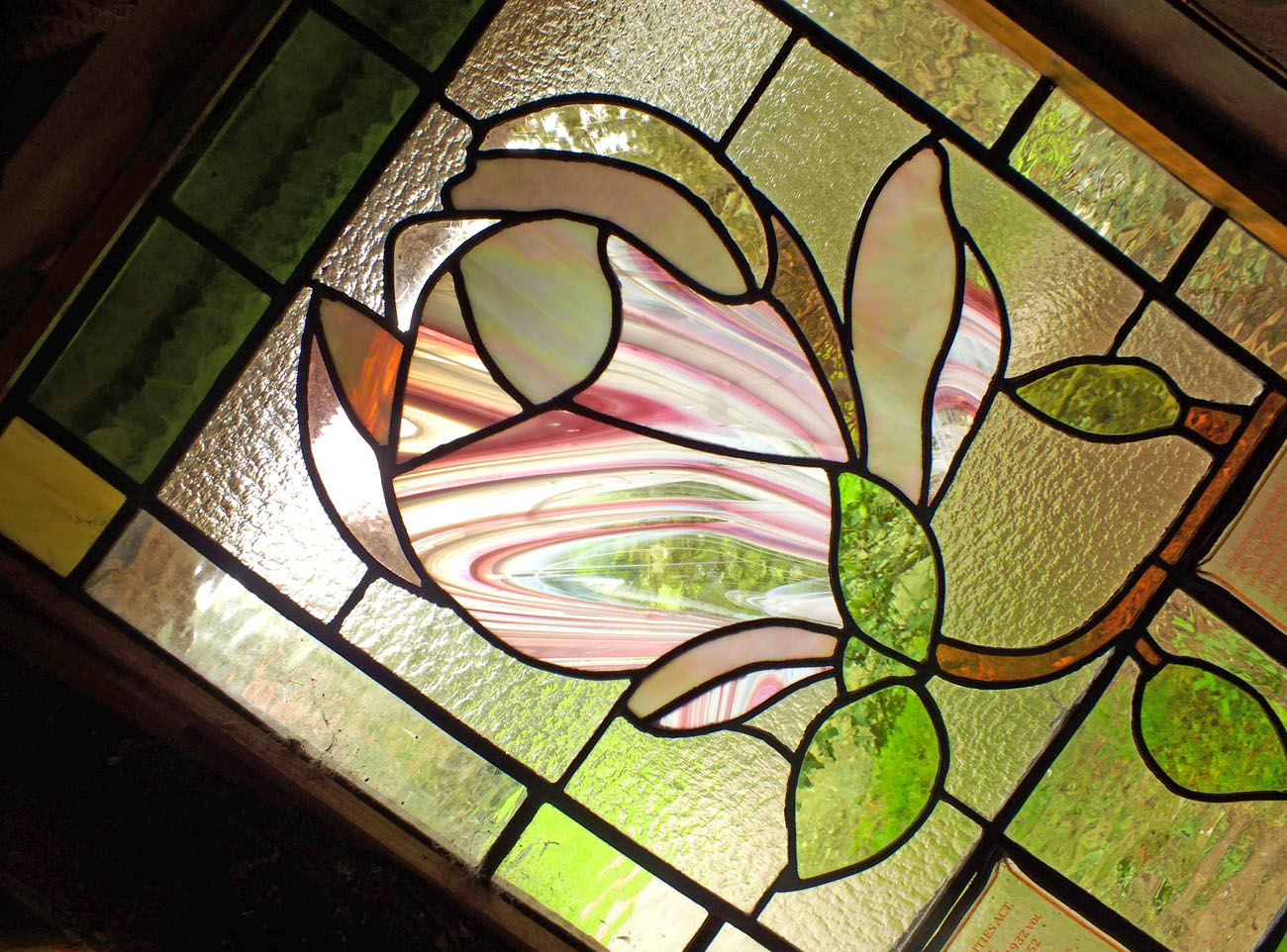


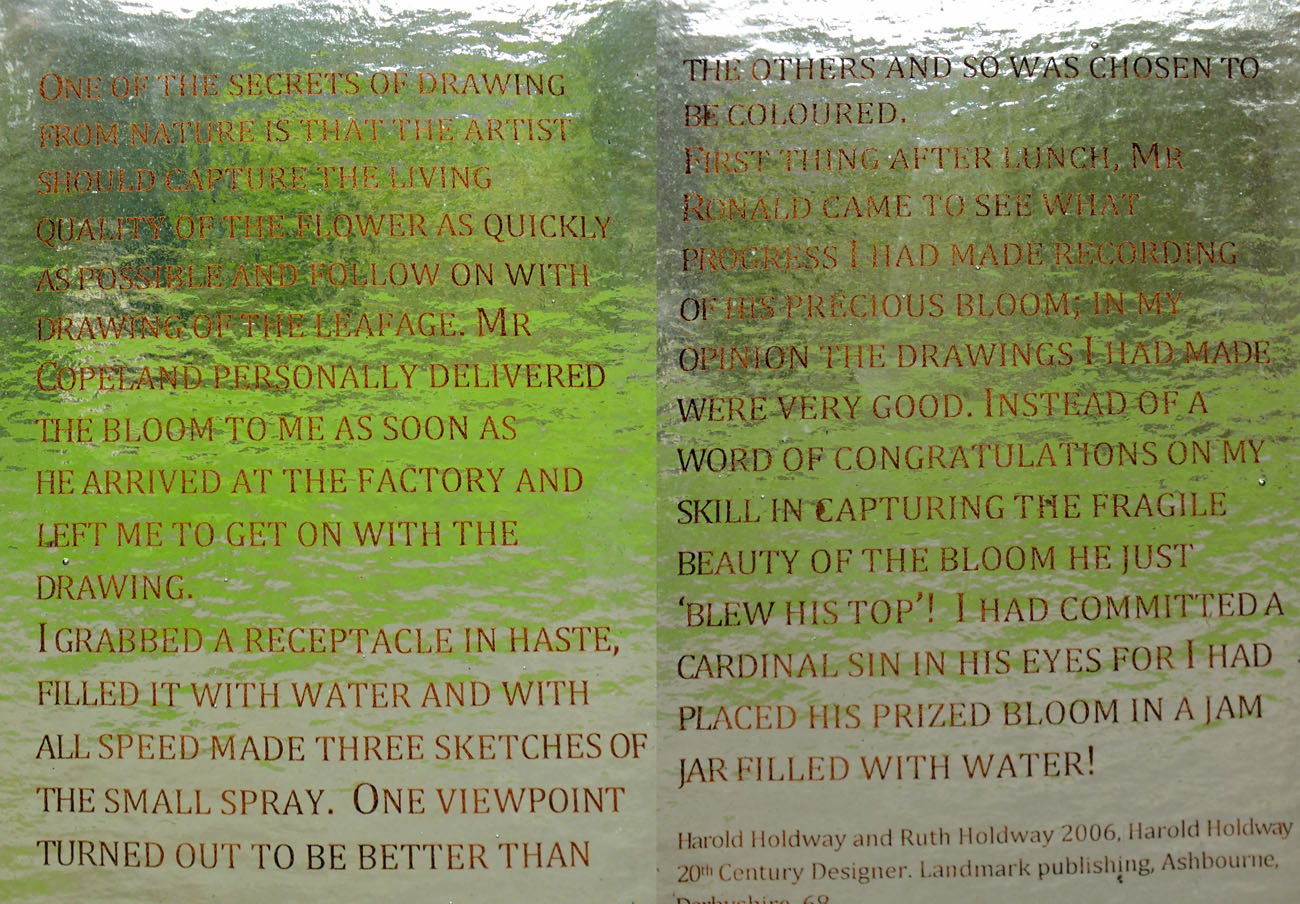
The rhododendron, “Taurus” window celebrates Ronald Copeland’s passion for rhododendrons and retells a story told by Harold Holdway, chief designer at the Copeland factory in Stoke. Mr Copeland took his prized rhododendrons from Trelissick and had Harold Holdway create designs from them for a Botanical series.


*The Cornish prefix ‘Car’ or ‘Caer’ denotes a fortified place. It contains mass plantings of daffodils followed by camellias, magnolias (including magnolia Trelissick), rhododendrons, viburnum and many other shrubs. Deutzia gives an early summer show, and lace-cap hydrangeas offer colour well into autumn.
This monthly challenge is hosted by Dawn from ‘The Day After’ who invites participants to post pictures of any windows that they find curious, inviting, photogenic, or in some way tell a story. Visit her blog to see more windows and/or to join in with the challenge.
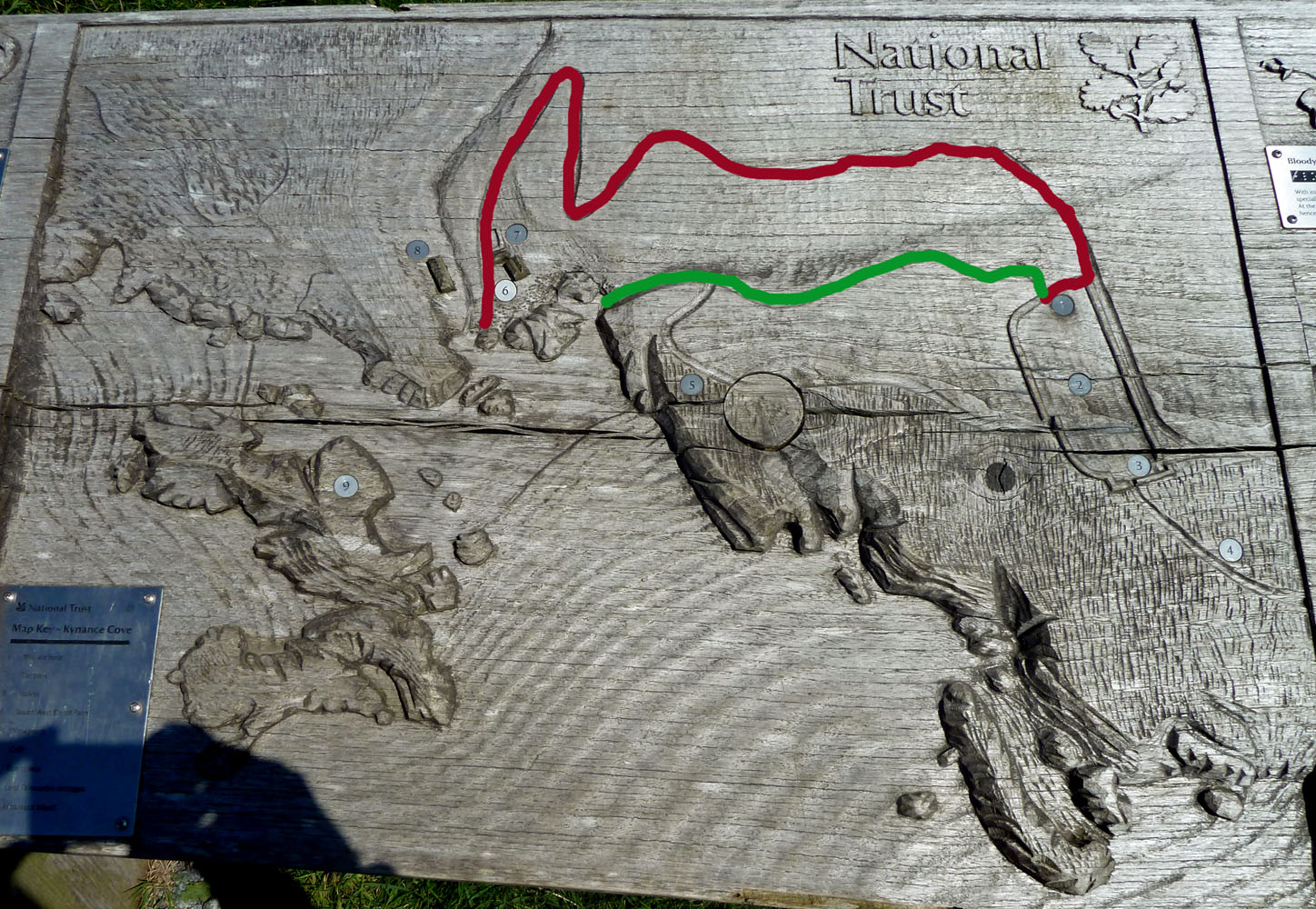
Kynance beach is probably one of the most beautiful in Cornwall set in an area of outstanding natural beauty AONB. In fact I have seen it voted as being one of the most beautiful in the world. It is certainly one of the most remote as it is practically at the end of the Lizard peninsula (the Lizard is Britain’s most southerly mainland point) and it is not a beach that you can drive up to. Oh no, getting there involves a short (10 – 15 mins green route) hike down a fairly steep narrow trail , littered with loose rocks and steep steps at the end, or a longer, winding (20 – 30 mins red route) stroll along an uneven track with exposed bedrock and slightly loose stone surface which brings you out at the back of the cove near the toilets and tea-room. We opted for the longer route suitable for wheelchairs and pushchairs without any steps.
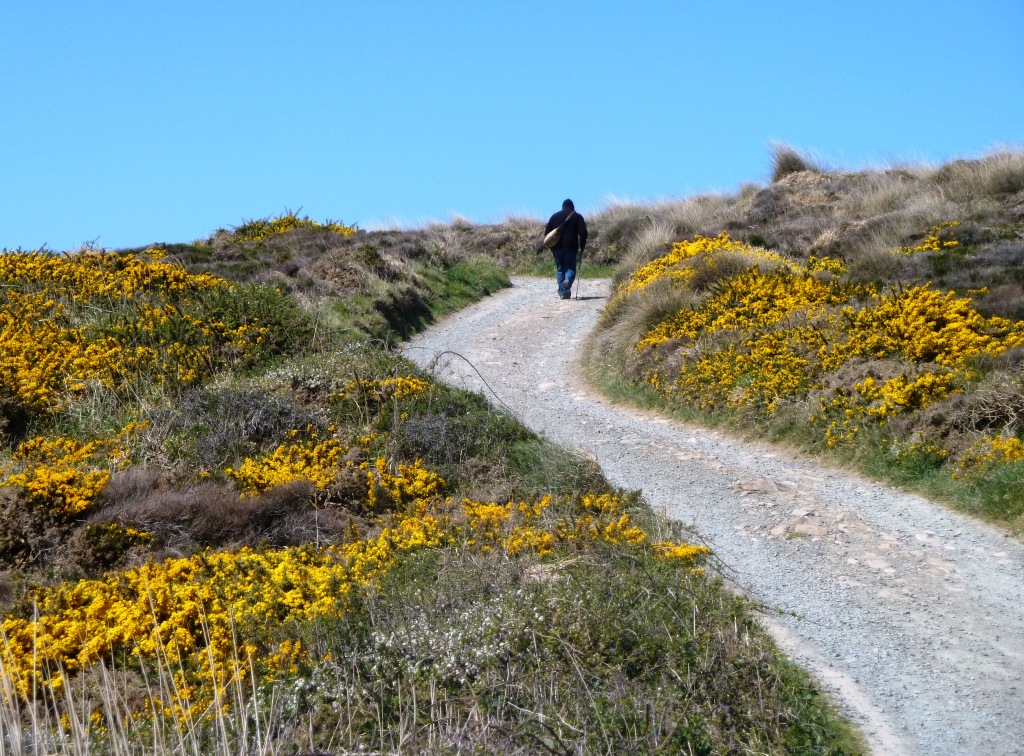
The trail winds itself down the cliffs to the beach passing through swathes of golden gorse and outcrops of rocks, some covered in the deep egg-yolk yellow lichens. The views over the bay are stunning.


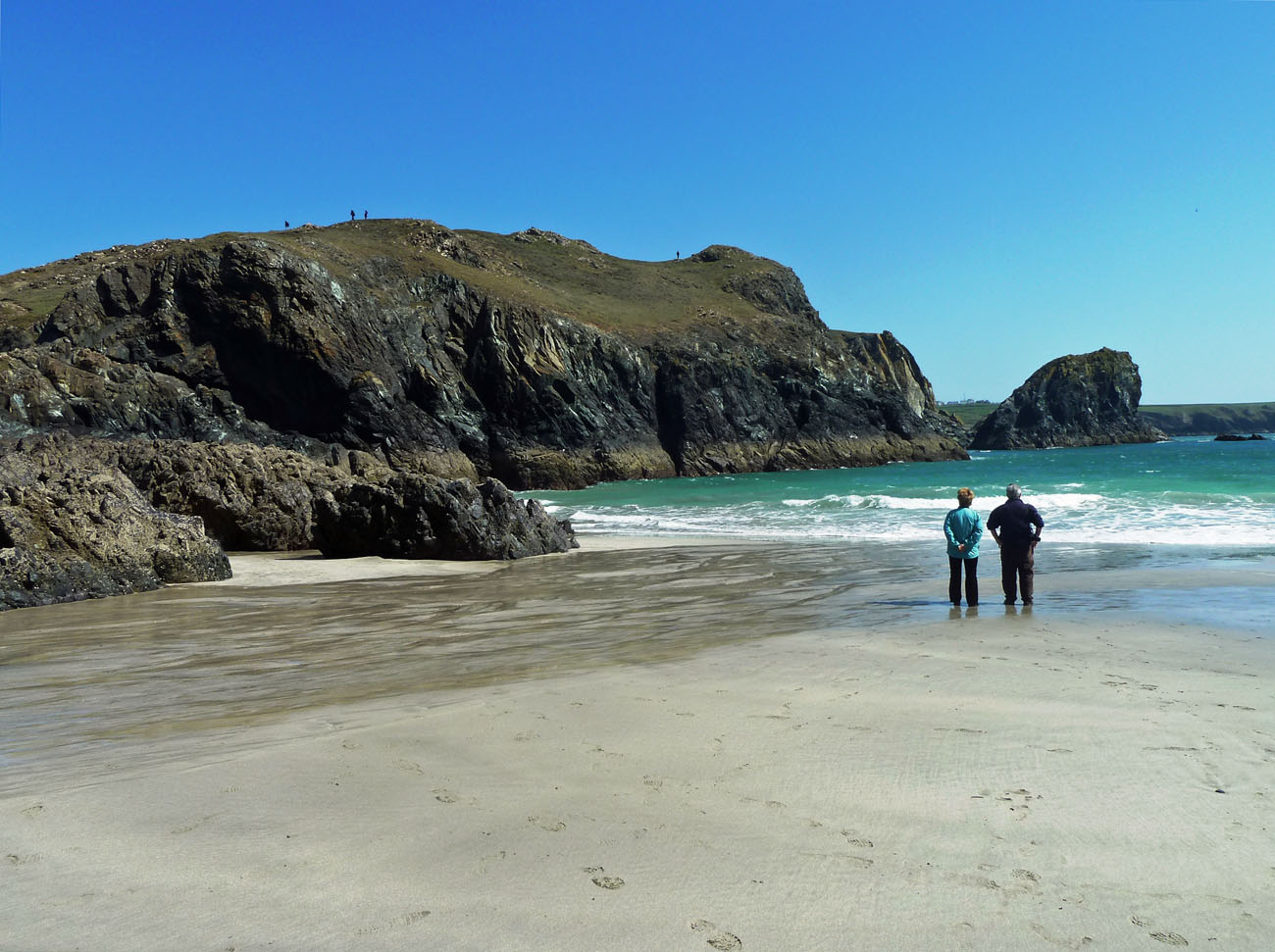
At low tide the white sands are revealed contrasting with the dark green and red serpentine rocks and the incredibly clear turquoise water. It is probably the most photographed and painted spot in the county. You can explore the towering rocks stacks and the caves with names such as The Parlour and The Drawing Room.


There is an excellent tea-room serving pasties and cream teas as well as sandwiches, drinks and beach stuff. We stopped for coffee and a cream tea and sat mesmerised by the colour of the sea whilst chaffinches hopped around our feet. I felt as though I had stepped back to New Zealand for a while.


From Kynance there is a fantastic 2 mile scenic walk around the coast to Lizard Point, but as the OH is not a cliff-top walker we drove there instead. I’ll show you what that looks like in another post 🙂
If you enjoy a walk, long or short, then have a look at Jo’s site where you are welcome to join in.
 TRAVEL WORDS