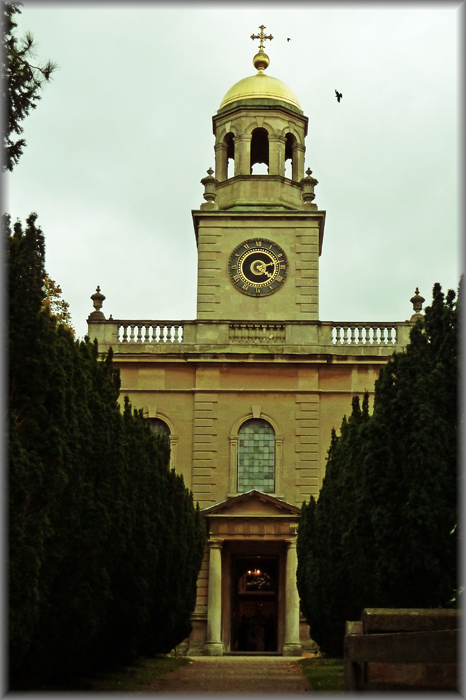
Following on from last week’s post about Witley Court today I am showing you the windows from the local parish church for Great and Little Witley. A more elaborate church on such a small scale I have never seen; thank goodness this didn’t burn down at the same time as the house. It is a very small church as you can see from the header photo above!
Nine of the ten windows made from stained and enamelled glass by Joshua Price in 1719 and 1721 from designs by an Italian artist are scenes from the New Testament. I’ll let you try and work out what they depict.
(click an image to enlarge)
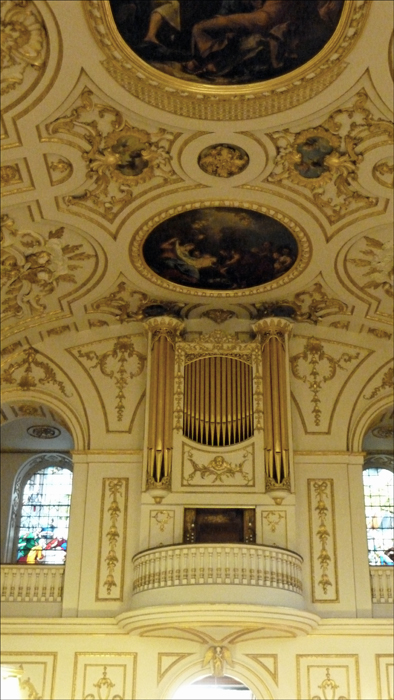
The pictures on the ceiling are painted by the Italian artist Antonio Bellucci (1654 -1726) and are oil on canvas.
This delectable baroque style church is St. Michael and All Angels Church, Great Witley.
Fortunate to have a lovely sunny day on Sunday (Mother’s Day in the UK) and an extra hour of daylight (the start of British Summer time so clocks went forward an hour) I was determined to get out of the house and go for a walk.
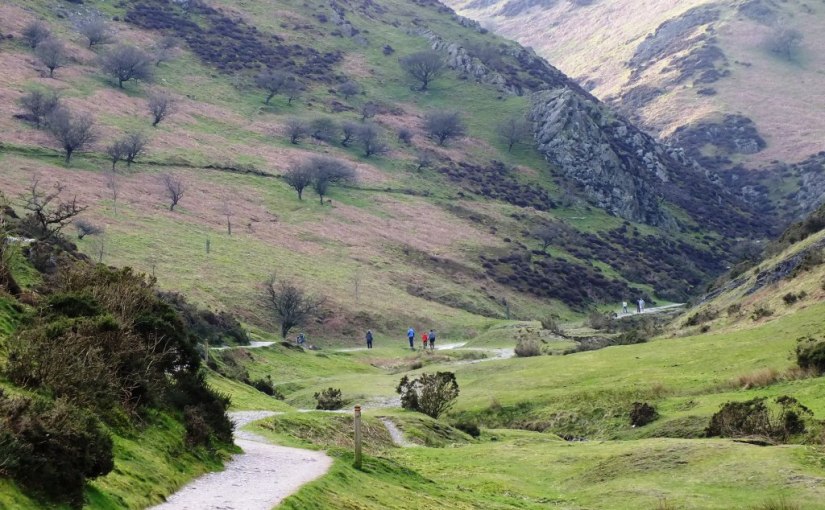
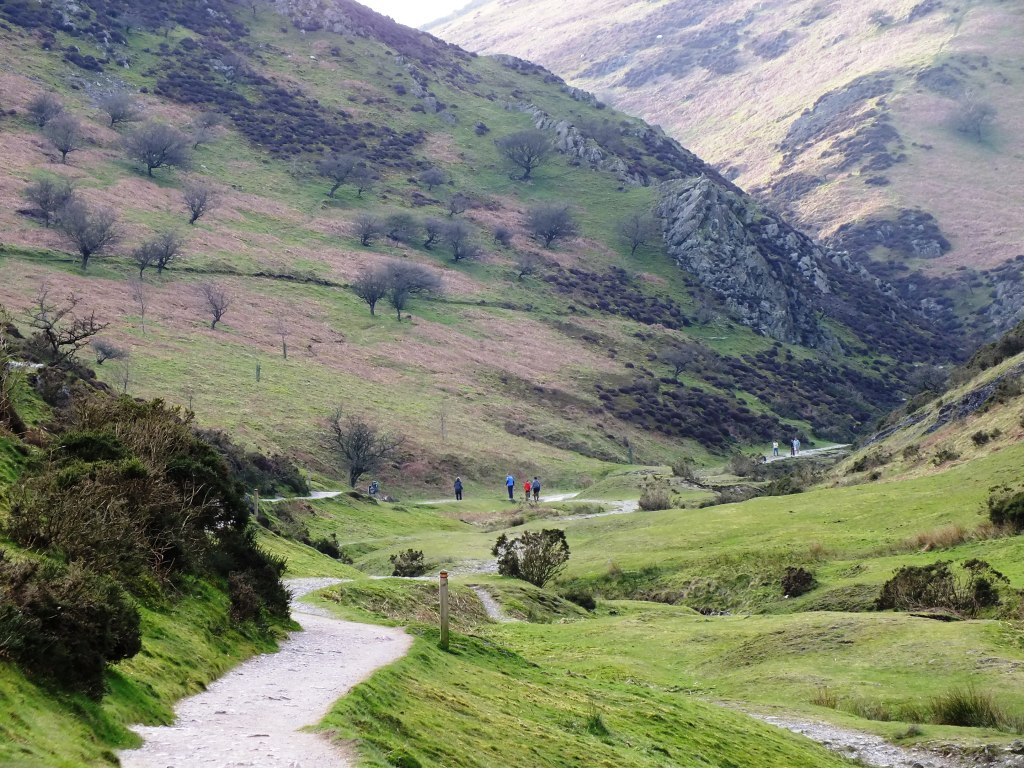
Cardingmill Valley lies on the edge of Church Stretton, a little Shropshire town that I still need to explore. Church Stretton is a small town and civil parish in Shropshire, England. The town lies entirely in the Shropshire Hills AONB, on the A49 road approximately 13 miles south of Shrewsbury, the county town, and 15 miles north of Ludlow. Wikipedia
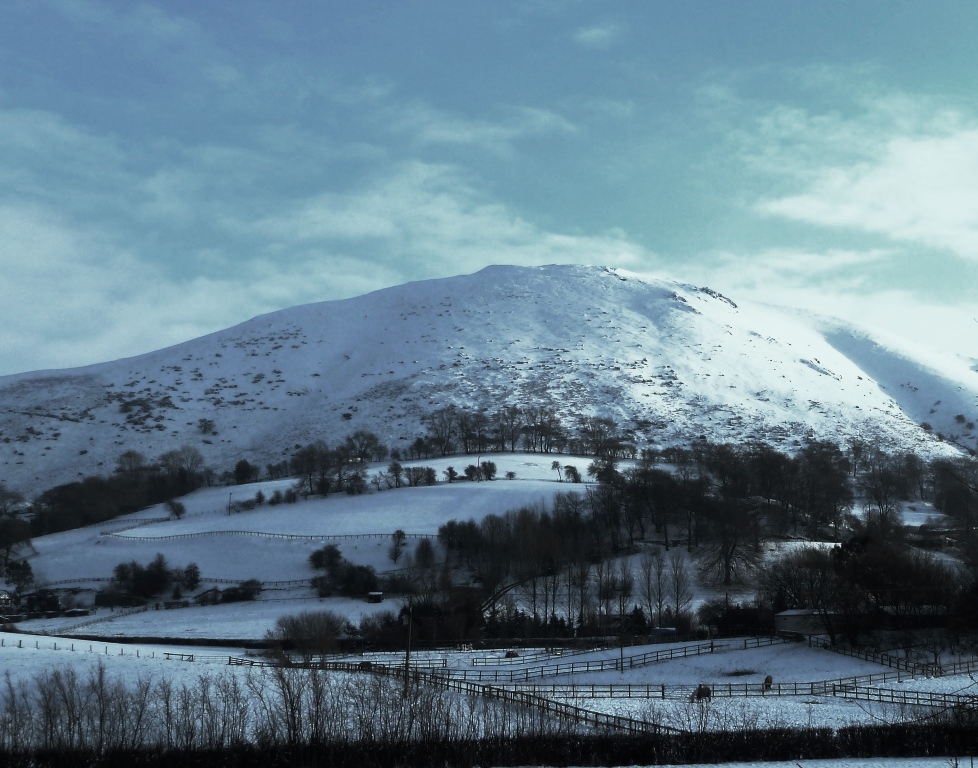
Just as Ludlow is the gastronomic capital of Shropshire, Church Stretton is the walking capital of the Shropshire Hills Area of Outstanding Natural Beauty. I have been here many times, it is my favourite part of Shropshire and has been called ‘Little Switzerland’ on account of its hills. And when coated in snow it is very pretty.
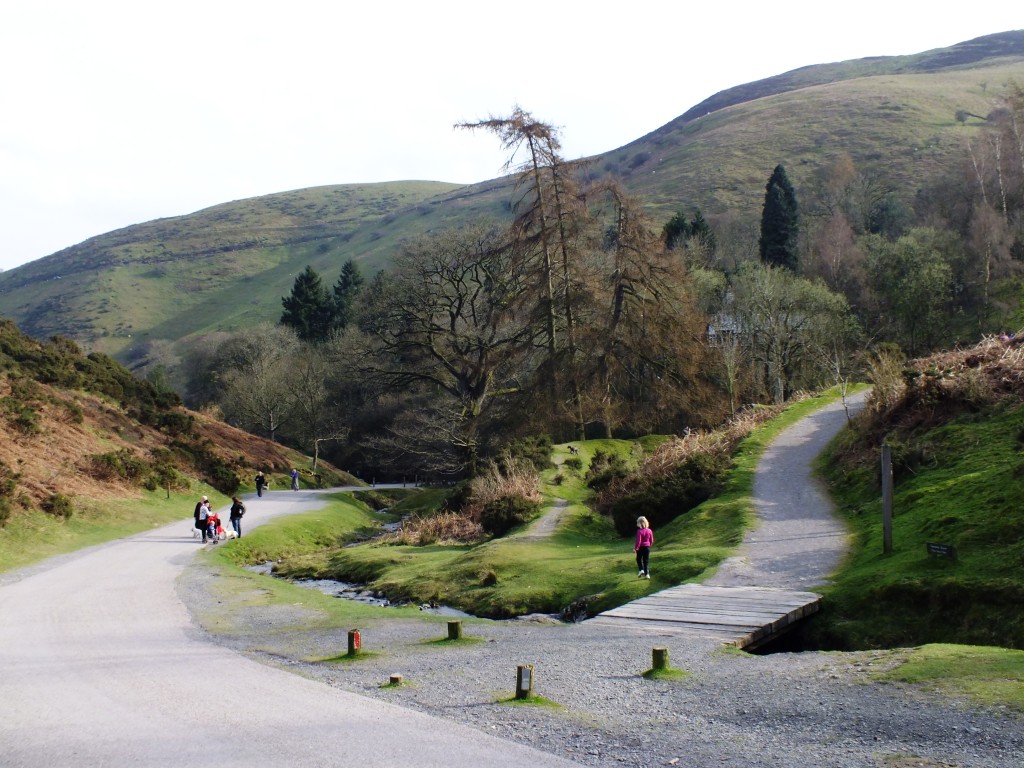
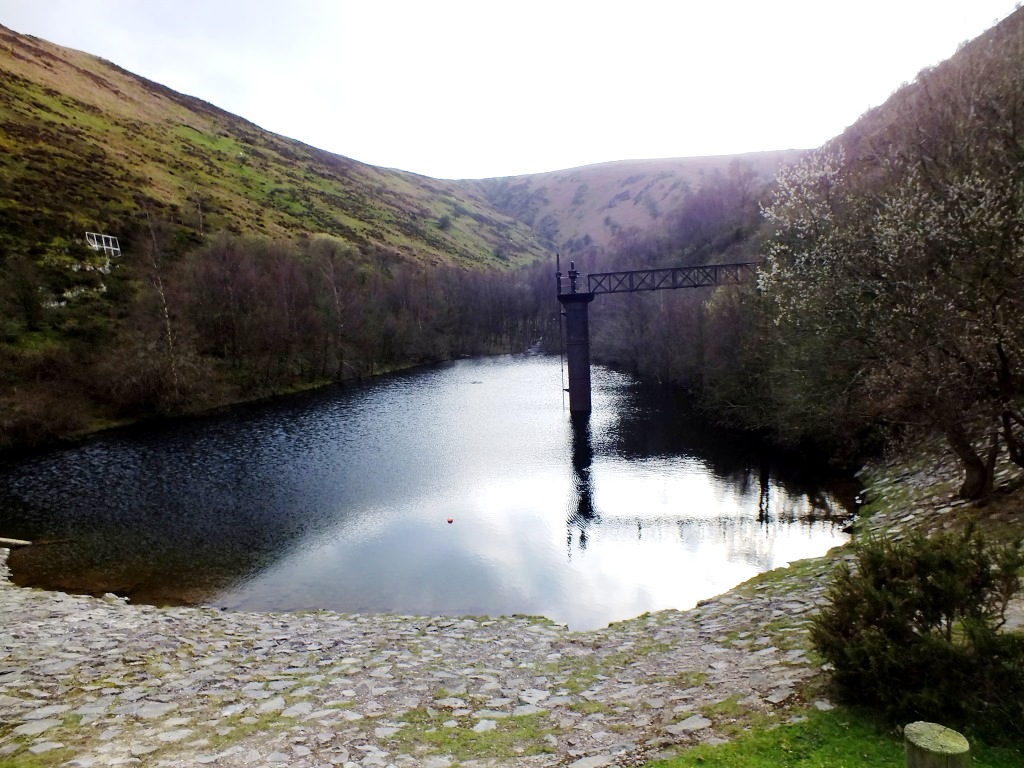
But on Sunday it was sunny and spring was springing. We could have taken any number of trails, but decided that we’d return to the Reservoir as it is a wide path and fairly flat.
Turn right onto the orange trail
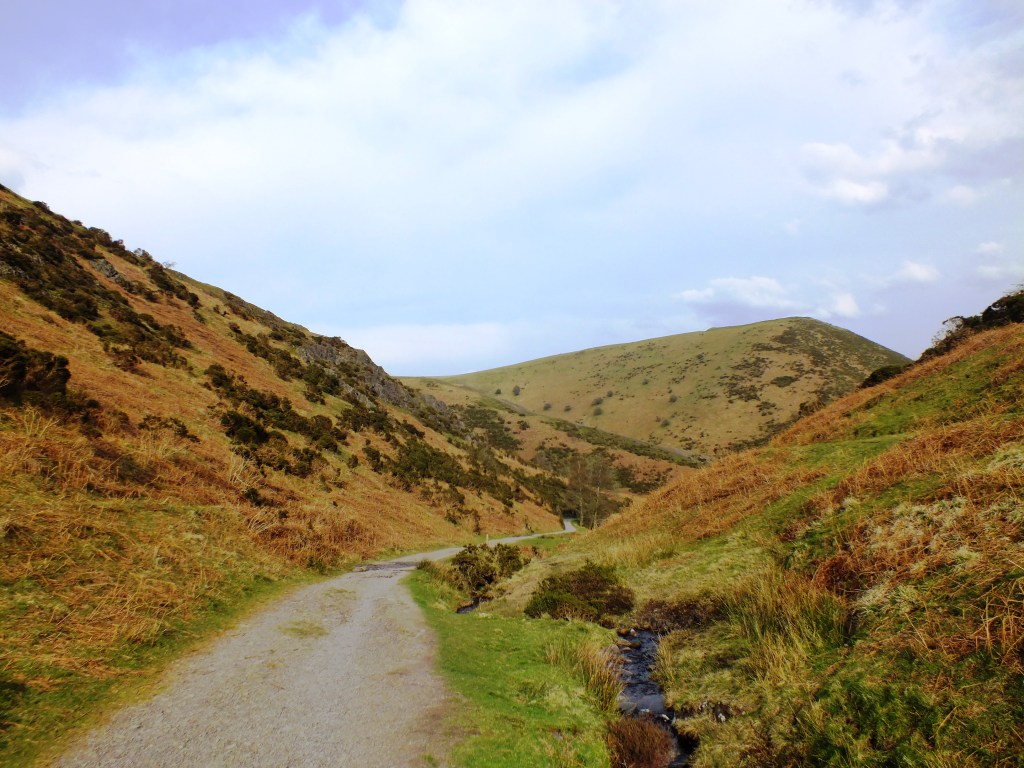
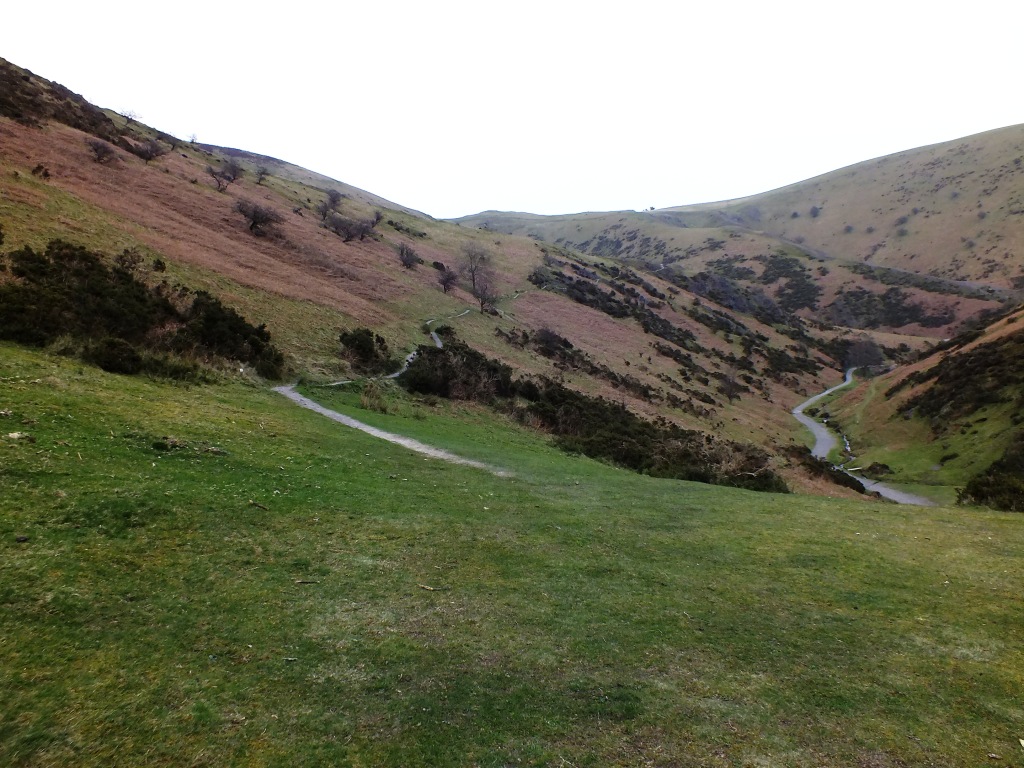
This trail is quite gentle and soon you are hidden amongst the hills with only the sound of birdsong and a burbling brook. A hidden lost world.
At the reservoir you do have to climb up quite a steep hill to reach the water, and the trail continues should you wish to head further onto the Long Mynd (Long Mountain).
You can swim in the reservoir, though the water probably isn’t all that warm today.
Before heading back to the car park I nipped over a stile to have a closer look at the reservoir and found this pair of Common Toads at the side of the path. I spared them their blushes and swiftly moved on.
Need to be nimble!
Amplexus
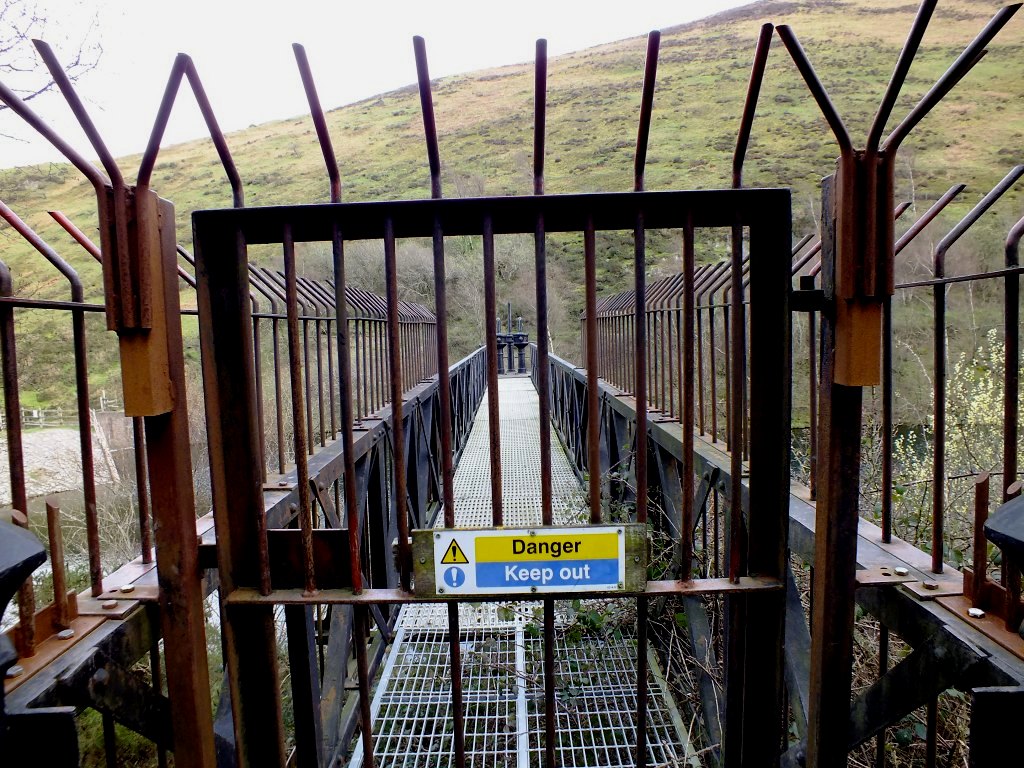
Doesn’t look as though we can go this way, so head back down the hill.
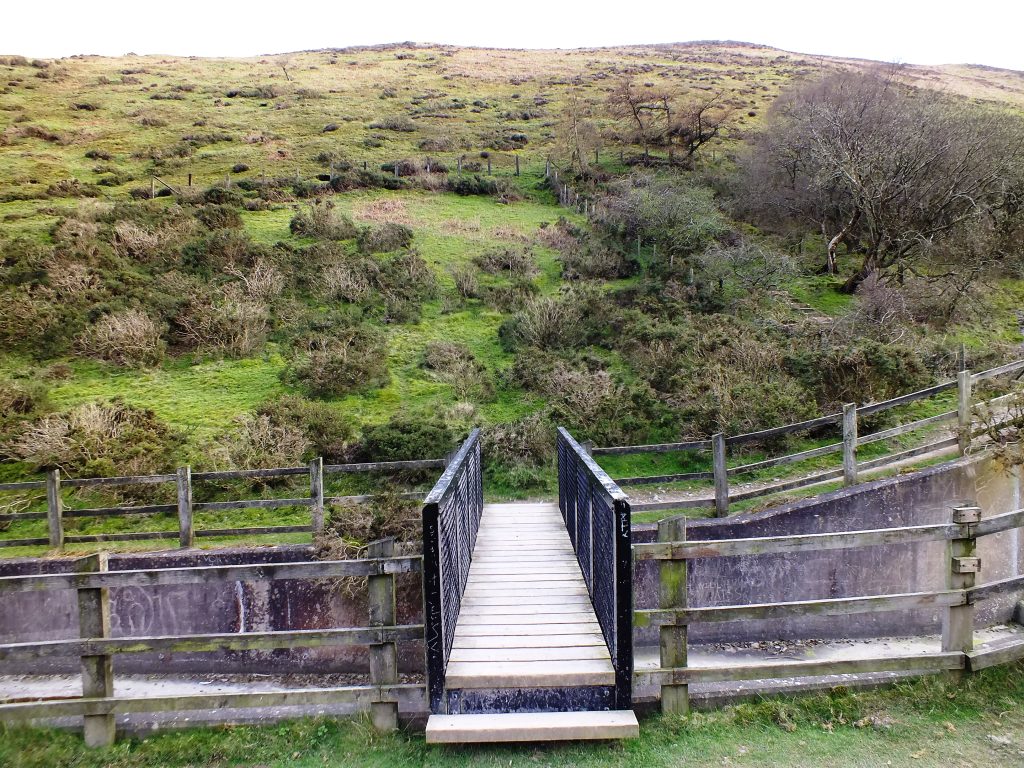
A choice of routes, but I’m going to stick to the one I came along, the other one looks as though it might end in a sheep trail and I’ve been there before and it didn’t end well.
Or you could go over the stream and head for a path on the other side.
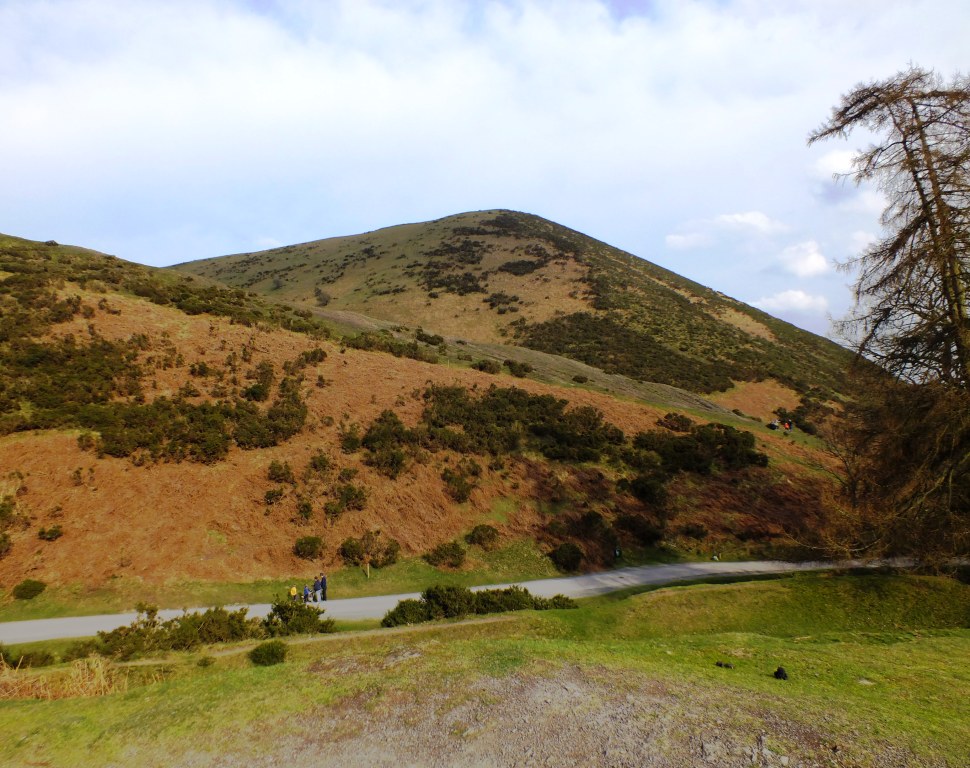
Returning on the orange route there are caves up on the left, and ahead on the top of that hill in front are the remains of an Iron Age Hill Fort.
Back at the road we could turn right and walk to the tea-room, but as it is now after 5 p.m. it will be closed.
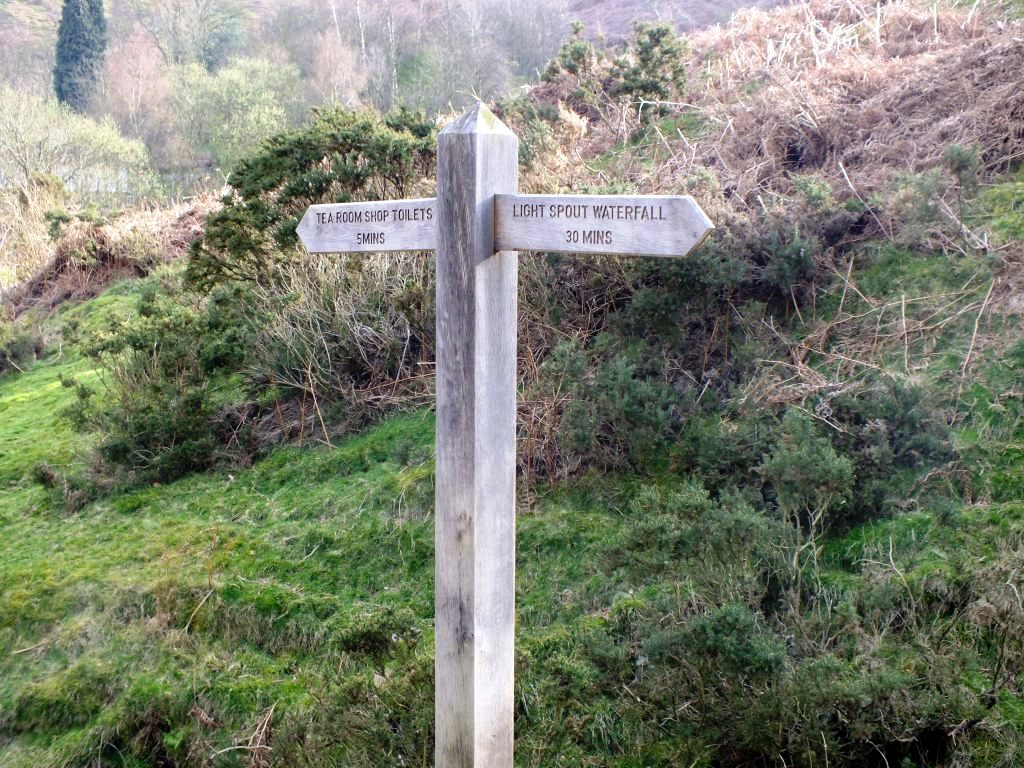
A typical “Which Way” fingerpost
We’ll head back to the car, after one last look around and go home for a well-deserved glass of red wine. If you decide to come for a walk here, please take note of the signs. Some people seem to think their dogs are much better controlled than they actually are around sheep, and watching a sheep being chased is not amusing for me or the sheep.
That means on a lead!
Yes, there are sheep grazing
Taking the red route next time…
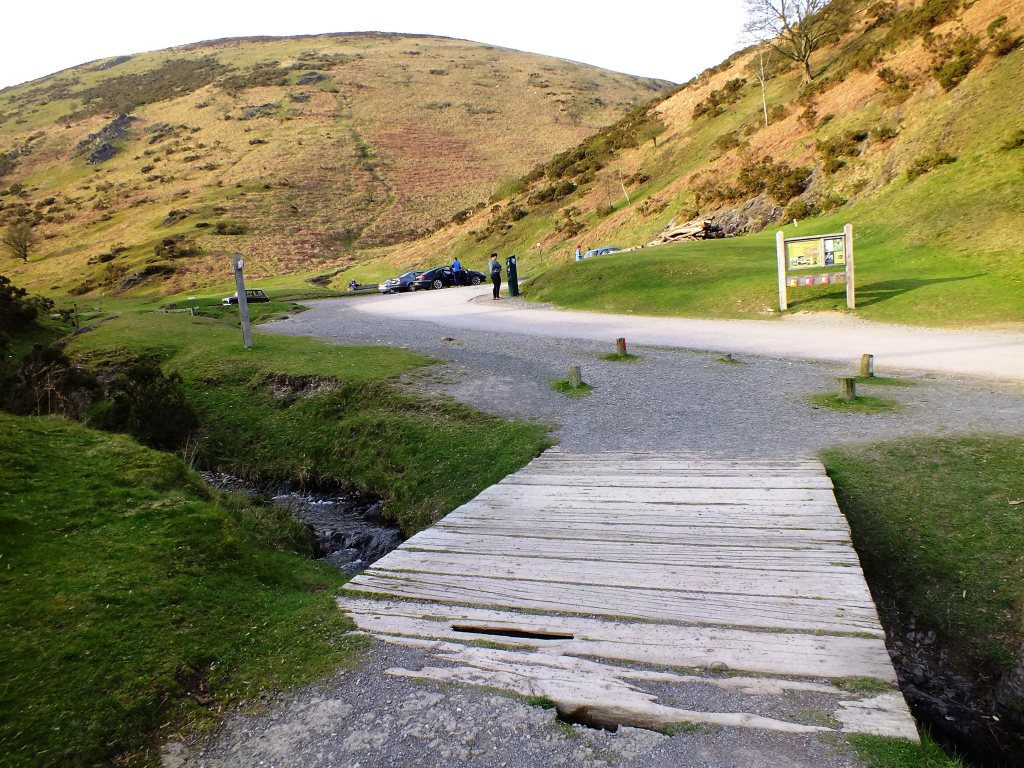
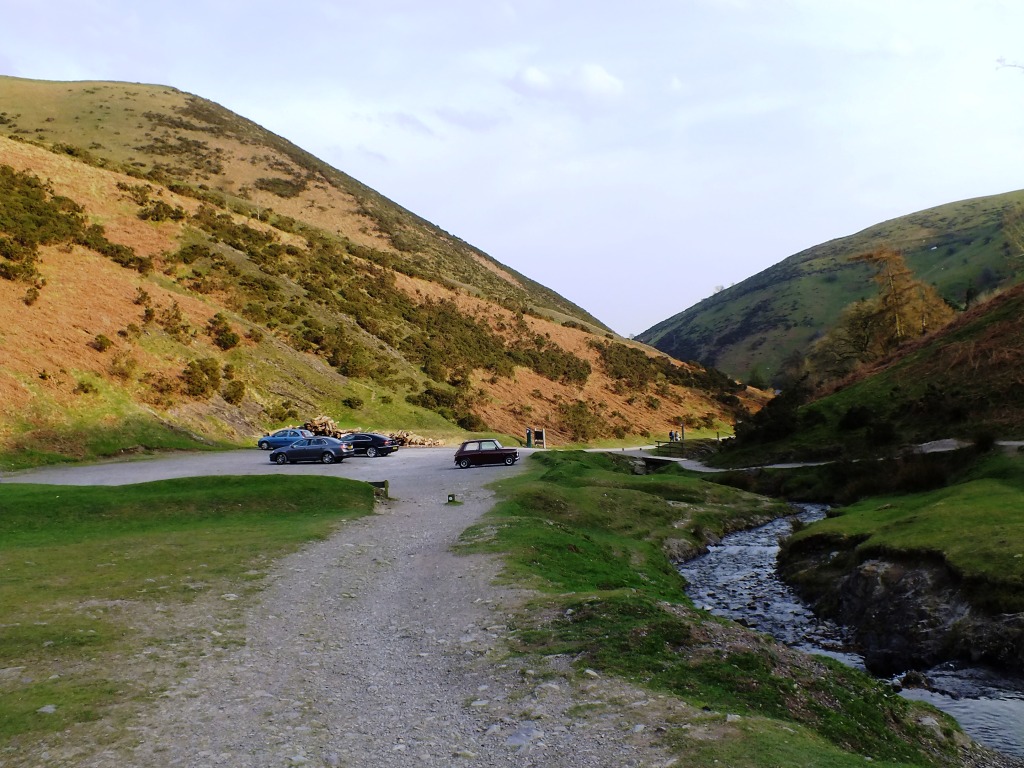
The Most Scenic Carpark?
Next time I’ll take you up the red route and see if we can find the waterfall.
Cee’s Which Way Challenge: There is no specific theme given. It just needs to be some sort of ‘Which Way’. The possibilities are endless.
Description: Every Tuesday I offer the “A to Z challenge”, walking step by step through the alphabet.
If you would like to join in then please click here
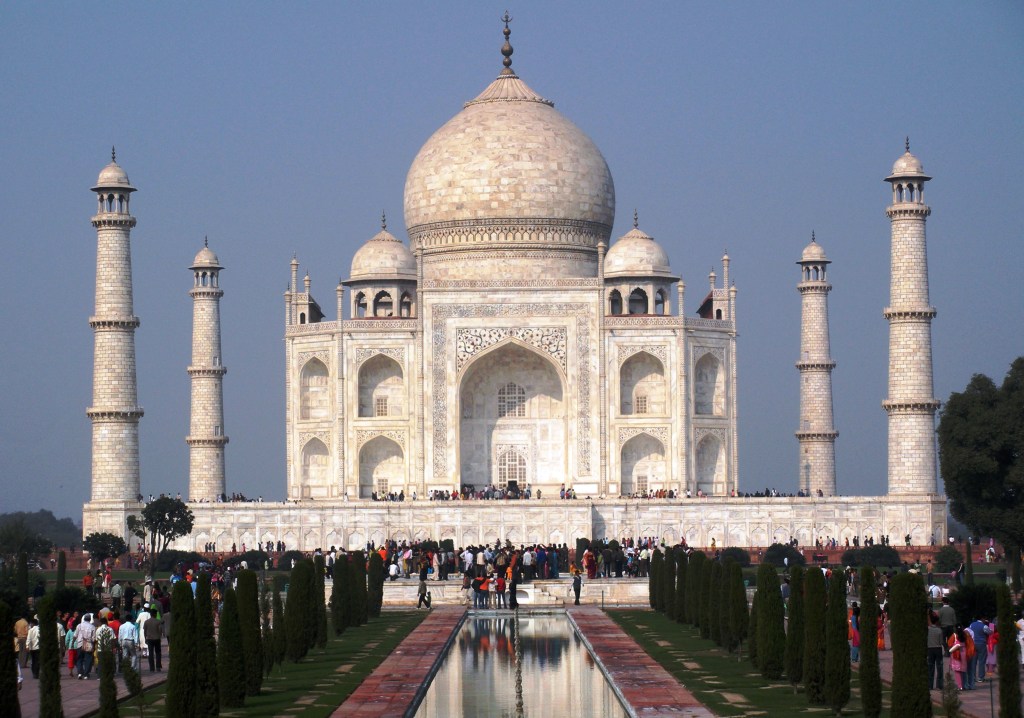
The five principal elements of the Taj Mahal complex—main gateway, garden, mosque, jawab and mausoleum (including its four minarets)—were conceived and designed as a unified entity.
A couple of weeks ago I used the Jawabto illustrate architecture for the letter J so this week I am going to show you the Mosque, Minarets and Mausoleum which were mentioned in that post. Remember, the Jawab is simply a building mirroring the Mosque for symmetry in the design.
Mausoleum and Minarets
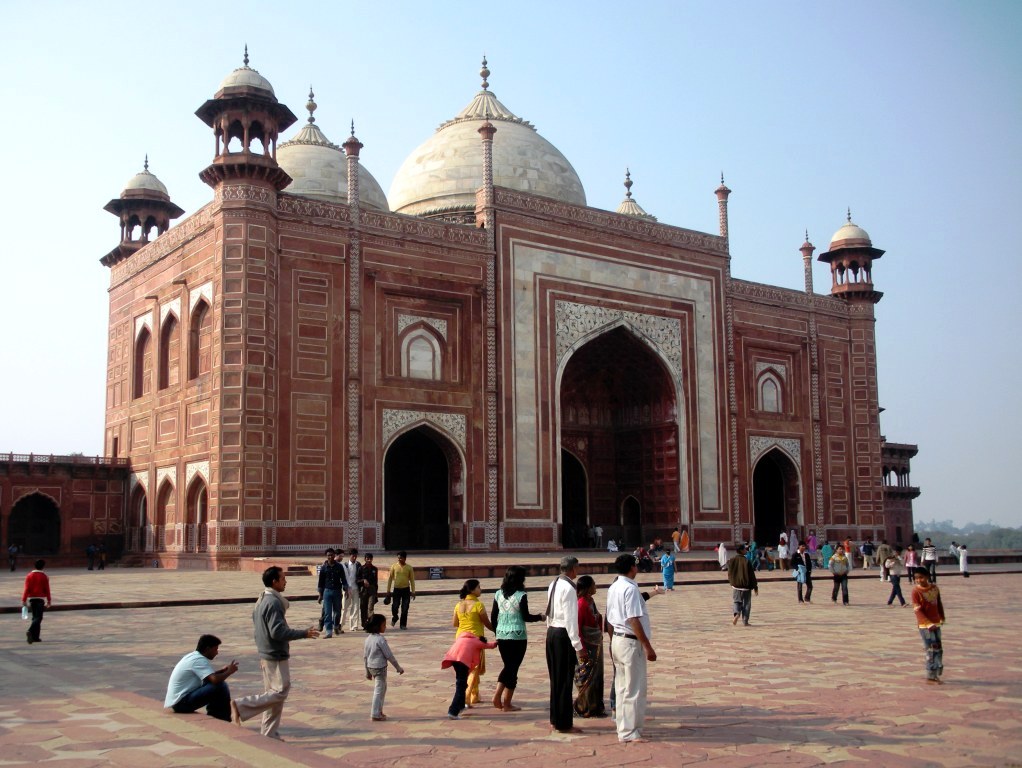
At the western side is the mosque (masjid) facing east, reported to have been built by Isa Muhammed 1631-1648. It is built of red sandstone and has one dominant portal known as an iwan.
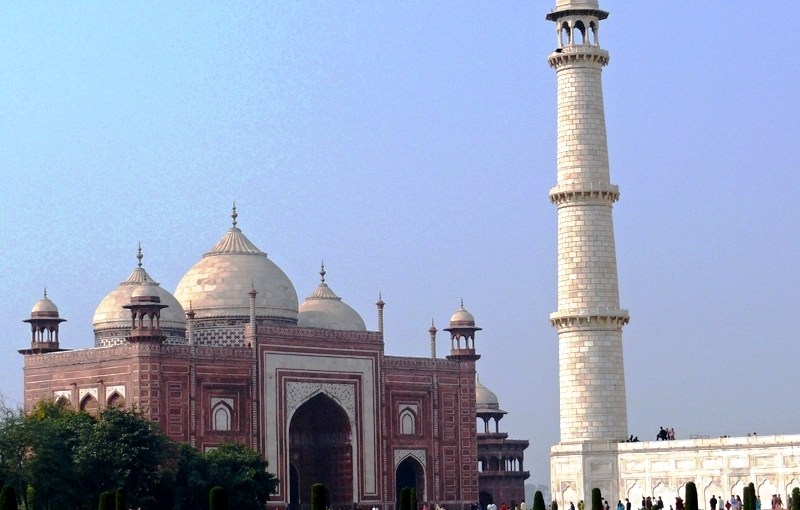
Mosque
Either side of the major iwan are two smaller arches sandwiched between four towering pinnacles. The spandrels above the arches are studded with coloured marble inlay and the mosque dados feature naturalistic floral designs.
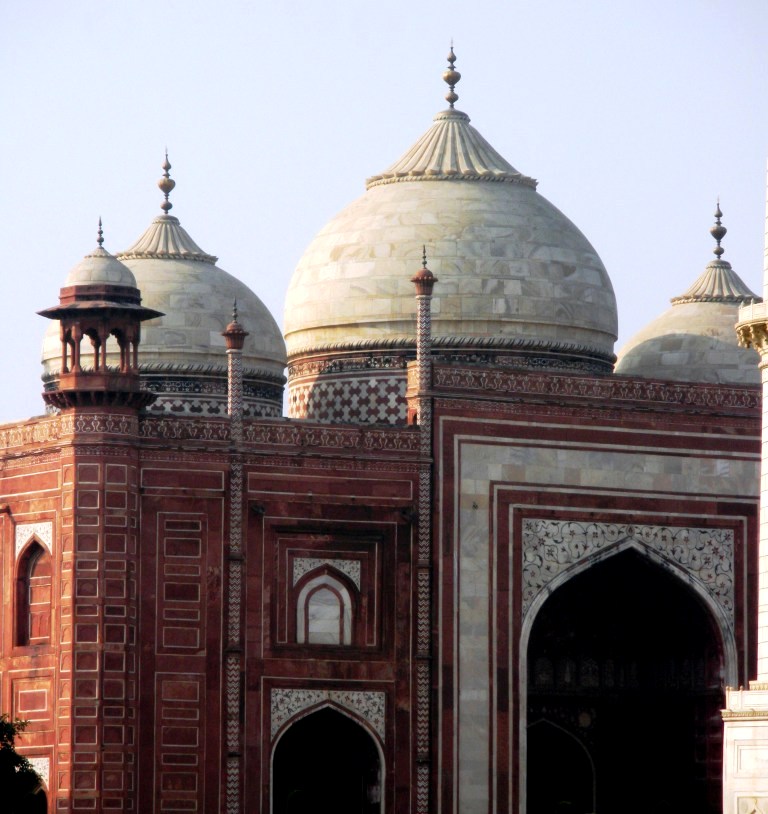
On the roof and complementing the arches below are three marble-coated domes. Inverted lotus shaped designs cloak the top of the domes, surmounted by gilded finials. On the four corners of the mosque are chattris, or domed kiosks, which have a marble coated veneer.
Mosque
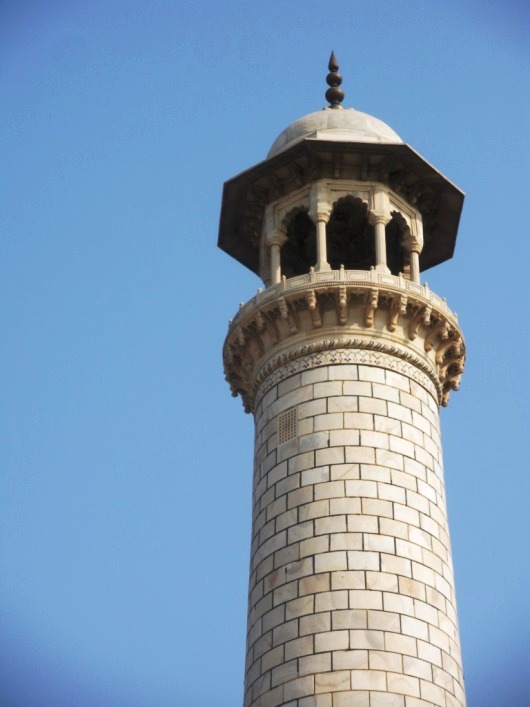
I will also include a minaret, four of these form part of the mausoleum, which have the same chattris as on the corners of the mosque and jawab.
Minaret and Chattri
One of the most beautiful structural compositions in the world, the Taj Mahal was designated a UNESCO World Heritage site in 1983.
In a post created specifically for this challenge, share a photo that brings a street to life.
Document the movement (or stillness) of a street: tell a story with your snapshot, capture a scene that reveals a bit about a place, or simply show us where you live — or a path you often take.
~ Cheri
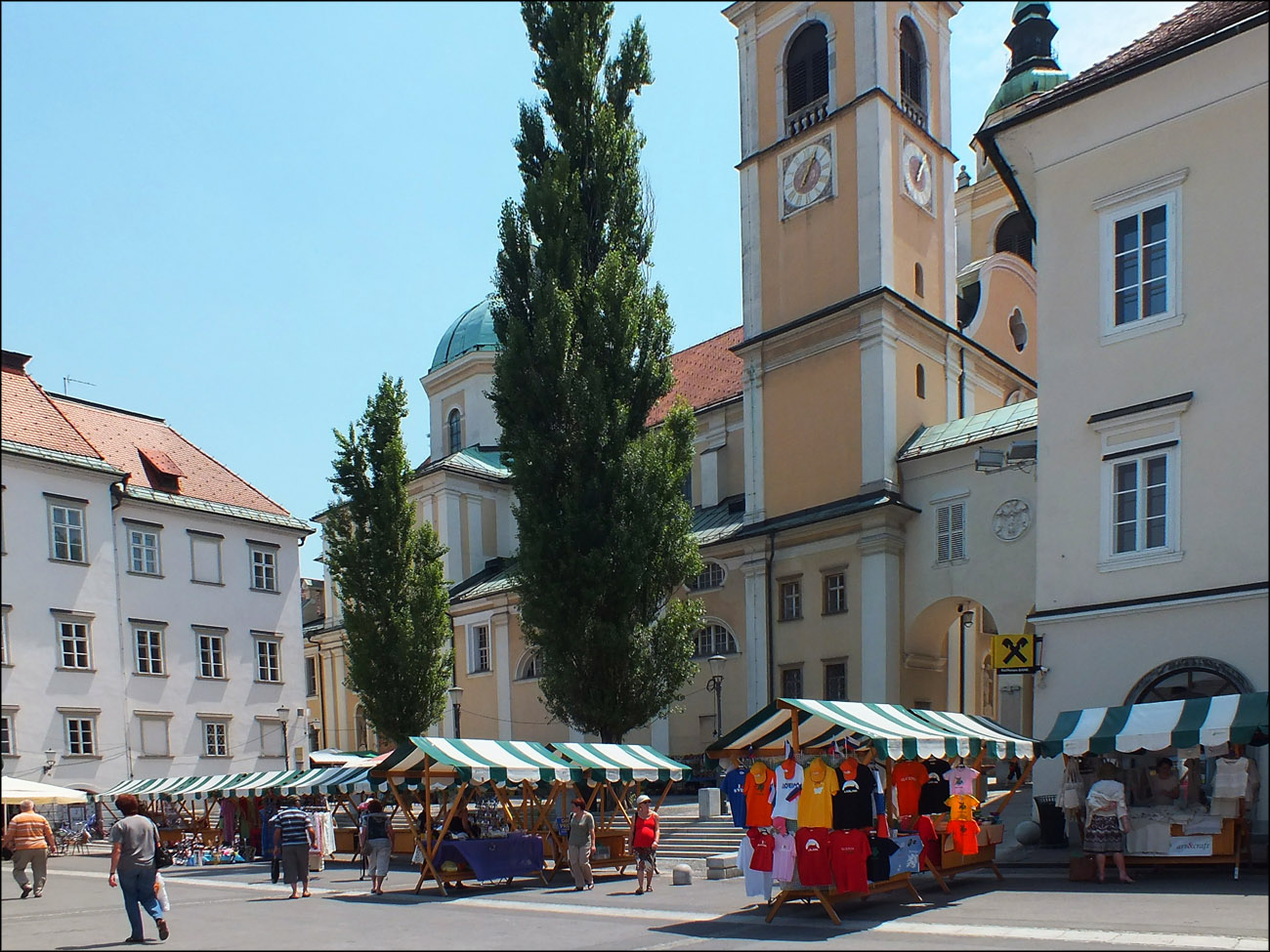
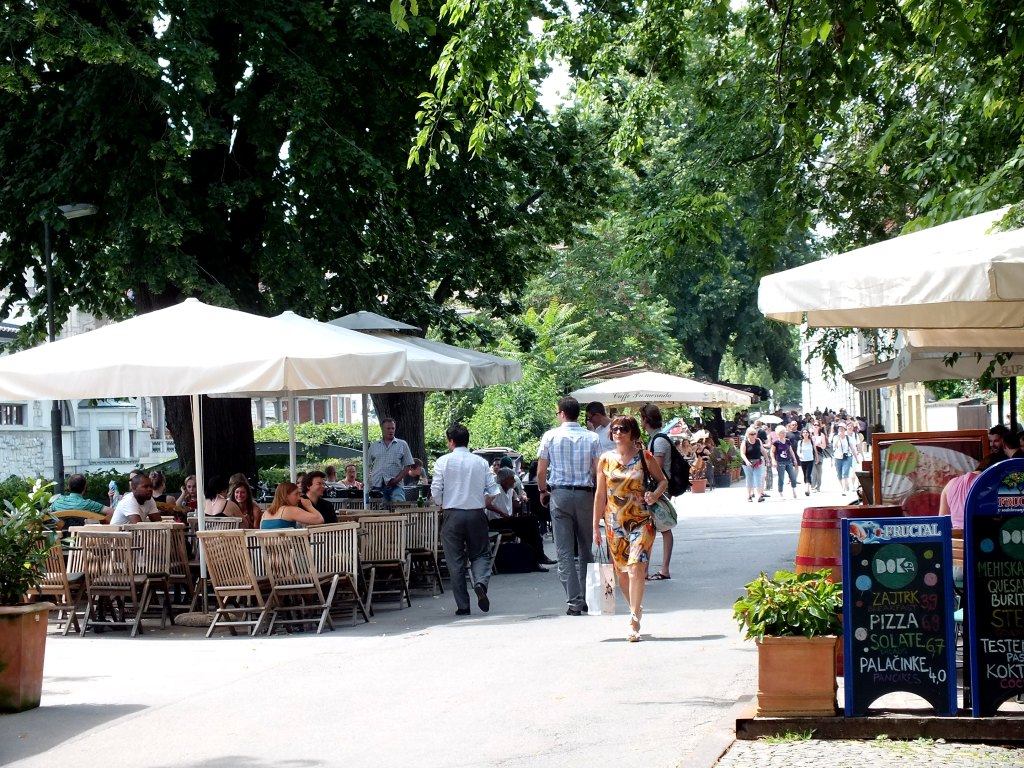
We are going to take a gentle stroll along the bank of the River Ljubljanica in Ljubljana, Slovenia on a lovely hot summer’s day. From being a former dull, grey town in a communist country, Ljubljana is now a hip small capital city with a vibrant café culture and beautiful Viennese Secessionist Architecture.
In the MarketMarket Stallsalong the LjubljanicaLove LocksCafé CultureCafé Culture
If you would like to see what others have come up with for this challenge then go to the Daily Post @ WordPress Weekly Photo Challenge
Read my previous posts on Ljubljana: Here and here.
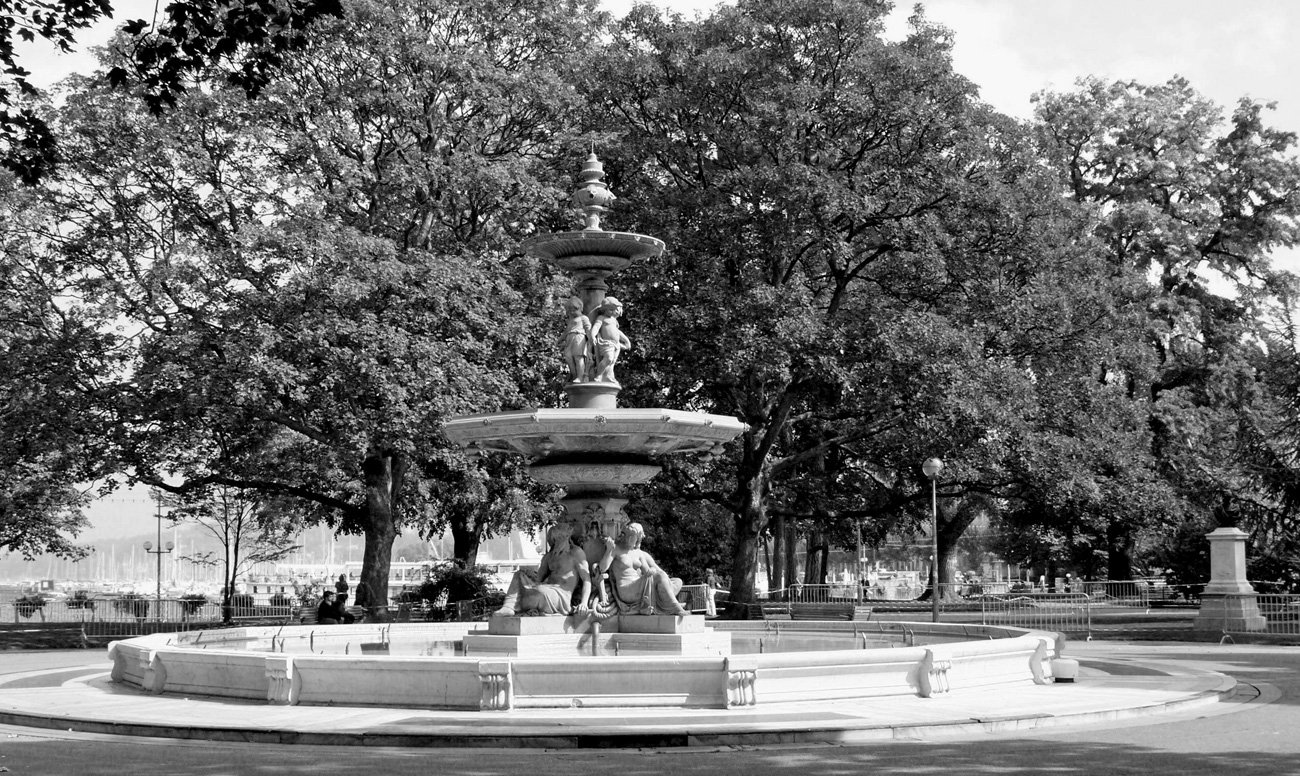
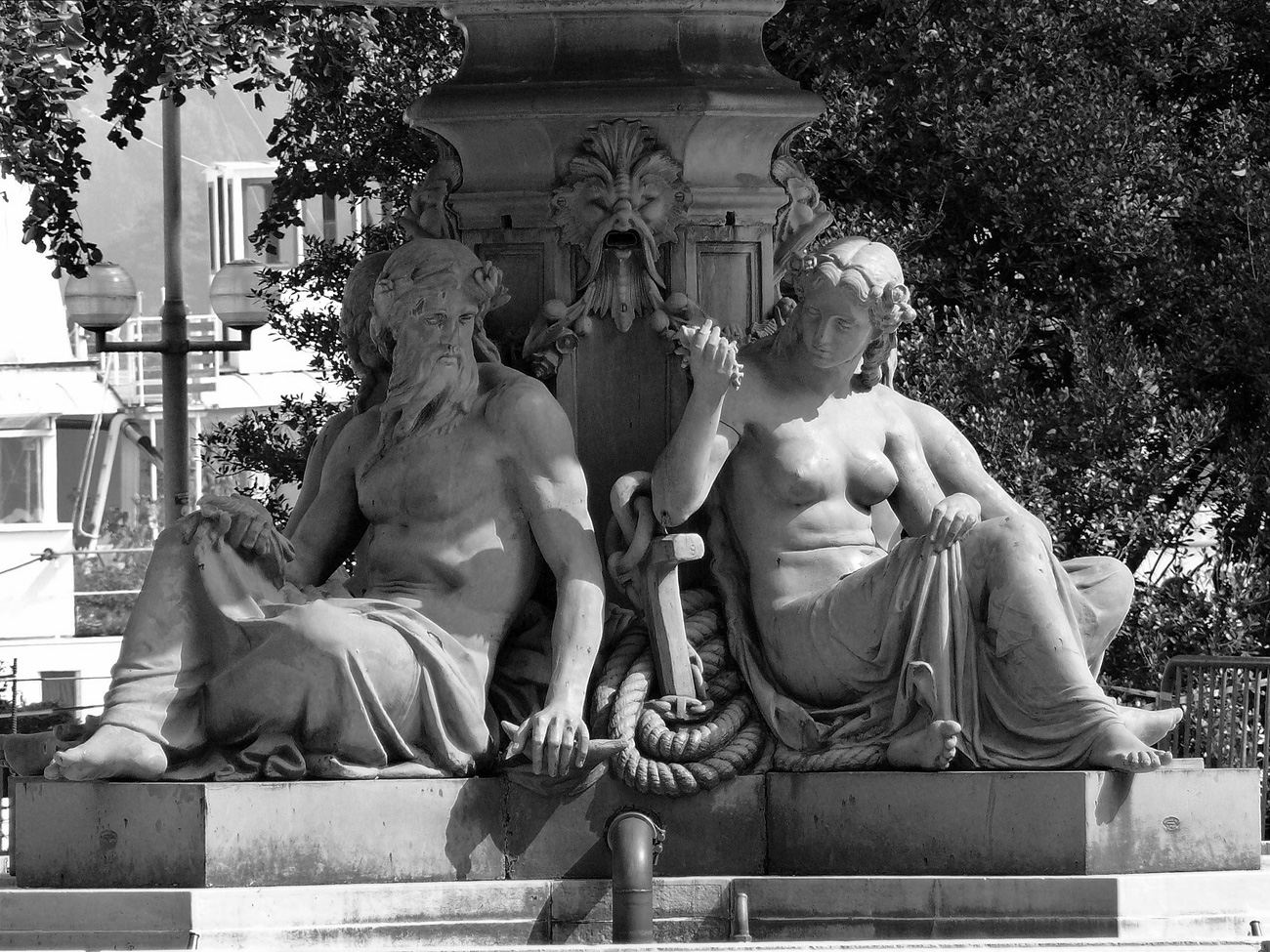
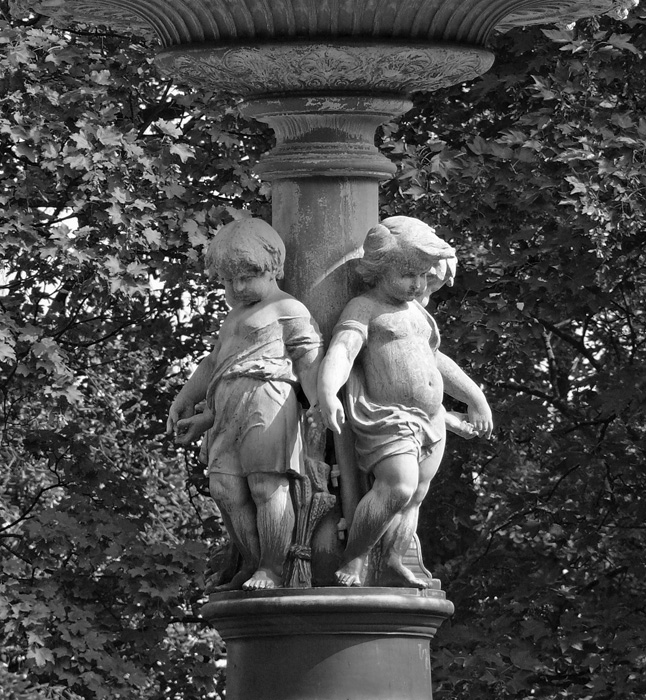
So I thought I’d take the opportunity to feature one of my favourite fountains in the Jardin Anglais in Geneva, Switzerland.
This large bronze fountain with its superposed basins borne by naiads was the work of the Parisian sculptor Alexis André in 1862.
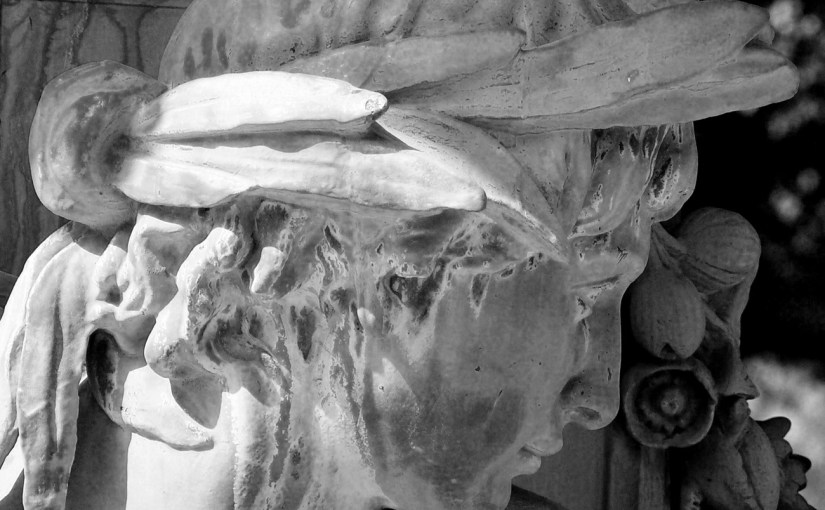
KRINAIAI, the Naiads of fountains
THE NAIADES were fresh-water Nymphs who inhabited the rivers, streams, lakes, marshes, fountains and springs of the earth. They were immortal, minor divinities who were invited to attend the assemblies of the gods on Mount Olympos.
KRINAIAI, the Naiads of fountains
KRINAIAI, the Naiads of fountains
I am combining this post with this week’s Travel Theme challenge from Ailsa of “Where’s My Backpack?” who has written an interesting article about statues in Rome and is now urging everyone to find some suitable STATUES to join her this week. If you would like to join in with her challenge then please do. Everyone is welcome.



















 TRAVEL WORDS