A – Z of Locations: R is for Rye

During this year I shall be posting photographs from places around the UK, many of which have not been published before. Where I have previously blogged about a location I will provide a link to the post, though you won’t be able to comment on it as I restrict comments to six months.

R is for Rye / Rye Harbour

Rye is an English town with a fascinating history near the coast in East Sussex about 20 miles east of Hastings and four miles from the white beach of Camber Sands. In the centre, cobbled lanes like Mermaid Street are lined with medieval, half-timbered houses.

Mermaid Street (The Mermaid Inn was rebuilt in 1420)
Walk along Mermaid Street and you’ll come across houses with names like “The House Opposite”, or the “House with Two Front Doors”.
One thing Rye isn’t short of is pubs. Here we have The Swan.

The redbrick Lamb House was once owned by writer Henry James. Nearby, the tower of the Norman St. Mary’s Church overlooks the town. The 14th-century Ypres Tower, which formed part of Rye’s defences, is now Rye Castle Museum.

Originally a seaport, Rye was incorporated in 1289 and became a full member of the Cinque Ports (a confederation of English Channel ports) about 1350. Now Rye Harbour lies 2 miles away from the actual town.

My only visit to Rye itself was back in November 2003 and I’m sad to say I don’t remember much about it other than it being quite cold and windy down by the sea. The second visit was a more pleasant one to the Nature Reserve in July 2014, but for some reason we didn’t bother to visit the town.

You can read about that visit here for a comprehensive walk along the shingle beach and an introduction to the wild flowers that grow in such an inhospitable landscape.

A – Z of Locations: Q is for Quex Park

During this year I shall be posting photographs from places around the UK, many of which have not been published before. Where I have previously blogged about a location I will provide a link to the post, though you won’t be able to comment on it as I restrict comments to six months.

Q is for Quex Park

The Quex Park estate dates back to the 15th century. There is a Victorian walled garden, cucumber pit, woodland walk, croquet lawn and resident doves and peacocks.

The Grade II listed Quex House is located in Birchington close to the Thanet coast in Kent and home to the Powell-Cotton Museum which houses unique natural history dioramas of African and Asian animals and wildlife, culturally significant and meaningful world-culture objects and, local archaeology from the Thanet coastline.

My visit though was to see the historic Victorian Walled Gardens

which is still undergoing restoration.

But these are not the only attractions at the site which has 15-acres of gardens, an activity centre, play areas, adventure golf, Jungle Jim’s, the Maize mazes and build a base to keep the kids amused.

There is also a craft village, Quex Barn to buy your organic fish, meat and vegetables or sit for something to eat, The Secret Garden Centre, Mama Feelgood’s café and a packed programme of events.

A – Z of Locations: P is for Portsmouth

During this year I shall be posting photographs from places around the UK, many of which have not been published before. Where I have previously blogged about a location I will provide a link to the post, though you won’t be able to comment on it as I restrict comments to six months.

P is for Portsmouth

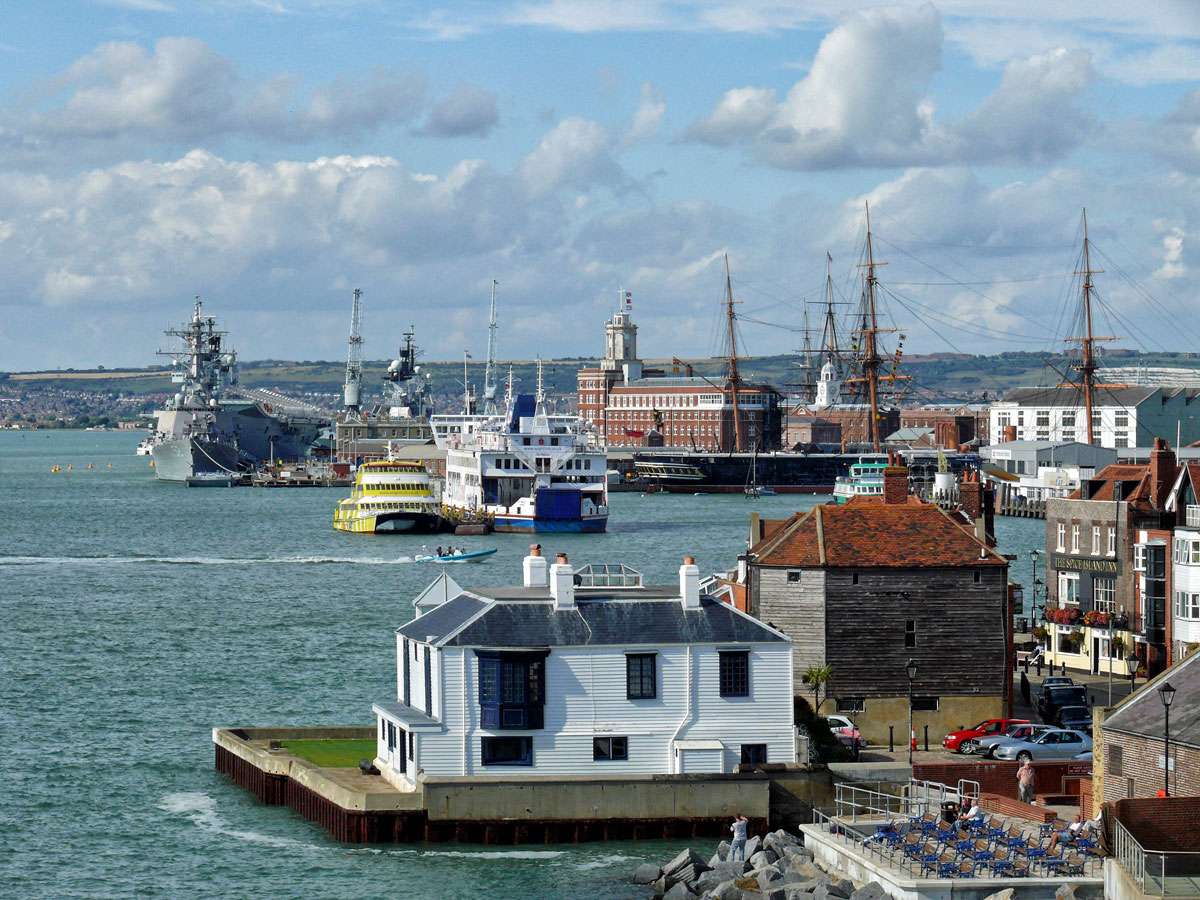
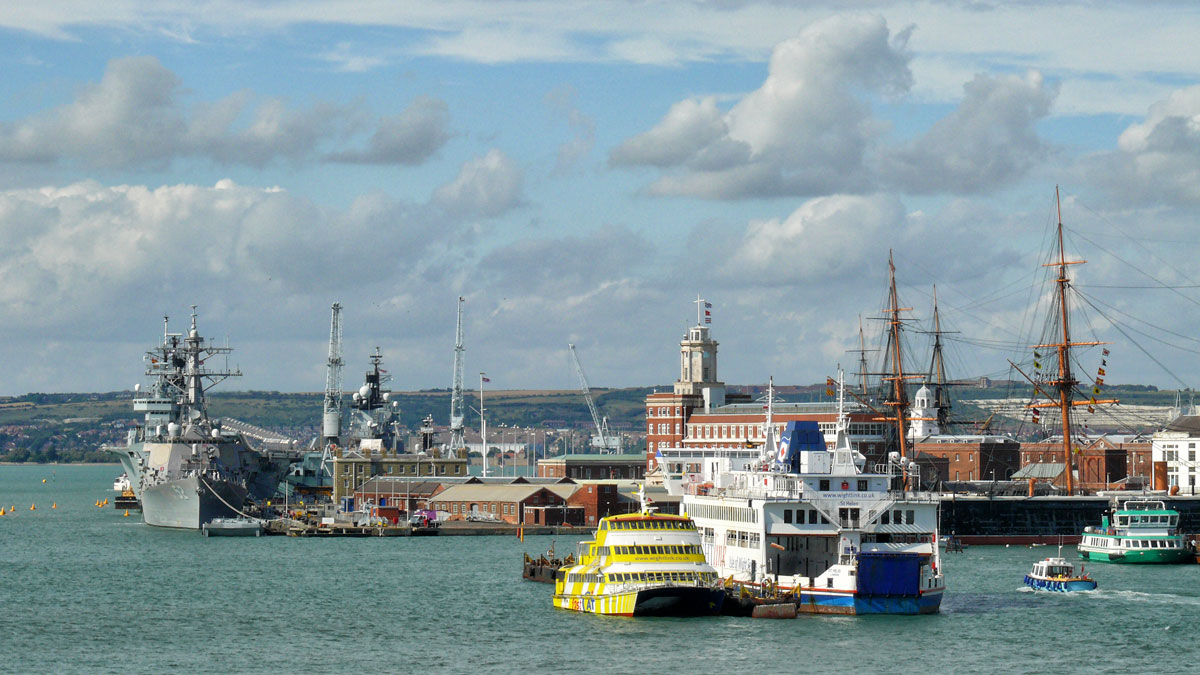
Portsmouth is a port city and naval base on England’s south coast, mostly spread across Portsea Island. It’s known for its maritime heritage and Portsmouth Historic Dockyard.

The dockyard is home to the interactive National Museum of the Royal Navy, the wooden warship HMS Victory, where Nelson died in the Battle of Trafalgar, and HMS Warrior 1860. The Tudor ship Mary Rose is also conserved in a dockyard museum.

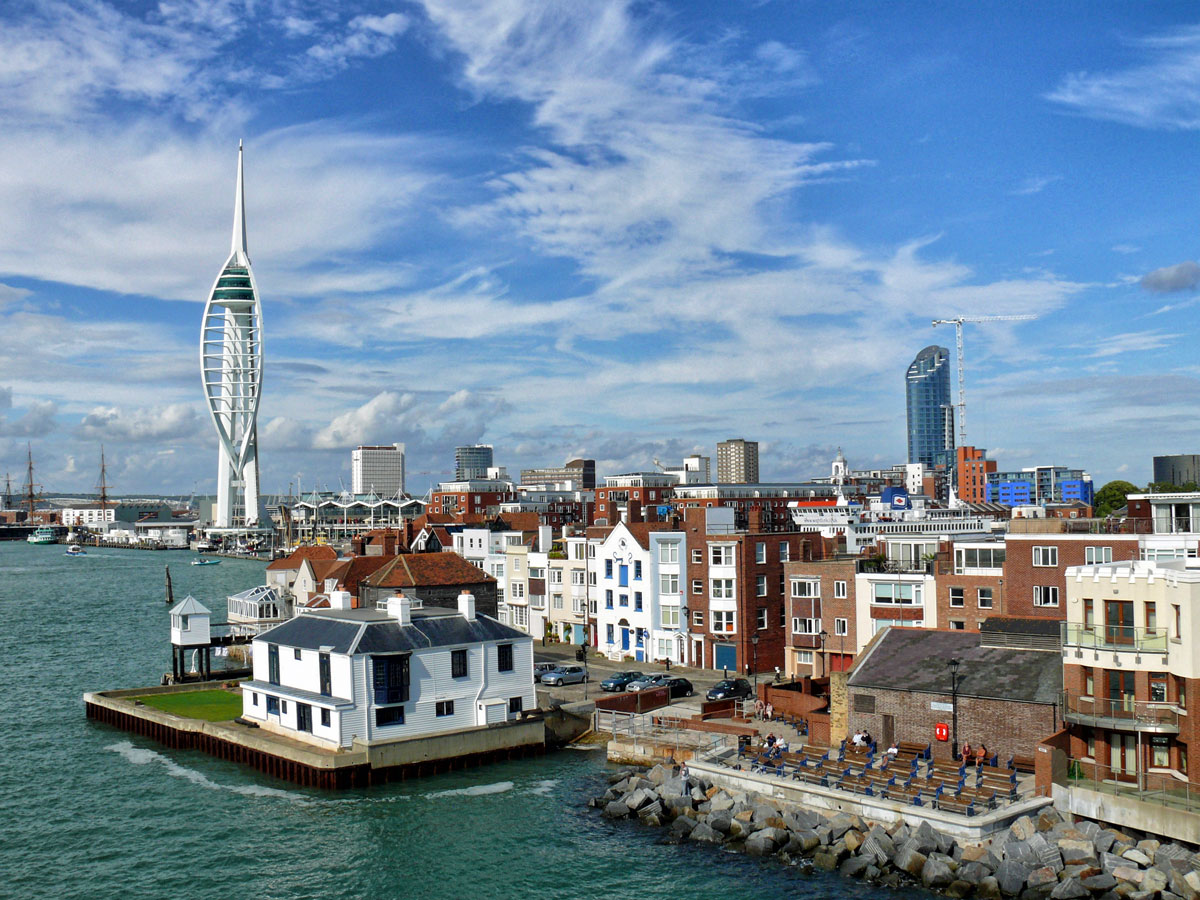
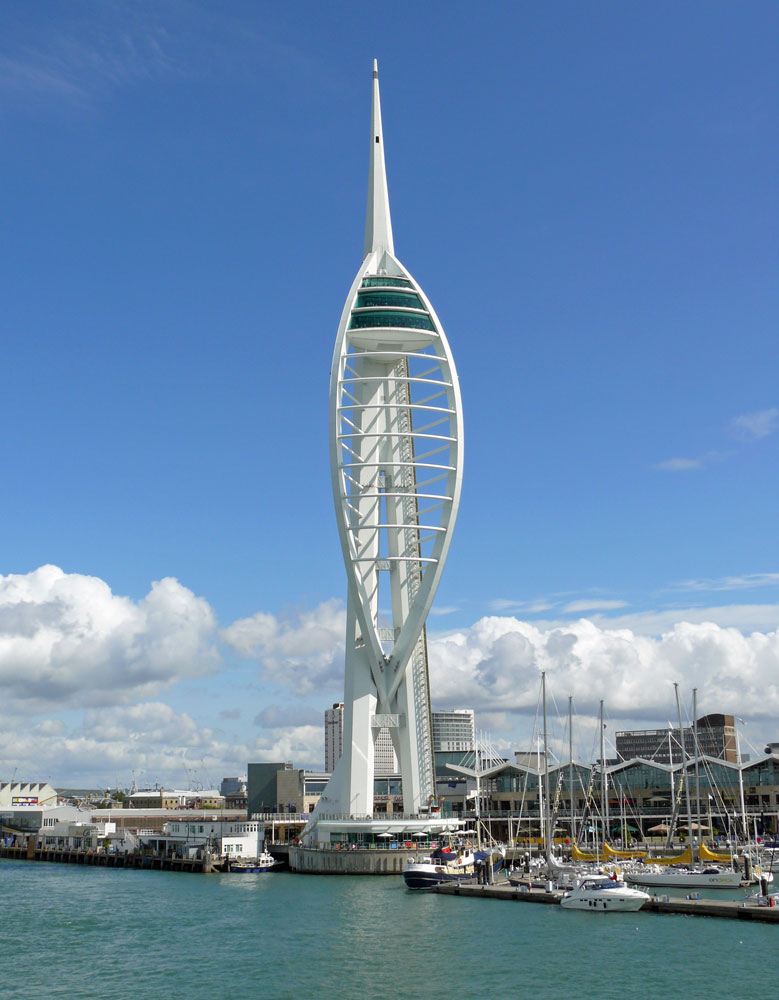
The Spinnaker Tower is a 170-metre landmark observation tower which reflects Portsmouth’s maritime history through its design and is named after a spinnaker, a type of sail that balloons outward. The tower was opened on 18 October 2005.

Having previously lived in Hampshire and Surrey and even done a spell of teaching in Portsmouth this is not a city that screams out ‘holiday’ destination to me, but it’s worth a day trip to visit the Historic Dockyard. There is also a good shopping mall, Gunwharf Quays, with plenty of places to eat, drink and stop for a coffee as well as the Spinnaker Tower. There is a railway station right in the harbour area and of course ferries leave here for nearby Gosport as well as the Isle of Wight, Jersey, France and Spain.

Oh and Portsmouth is also the birth place of Charles Dickens.  The house that now stands as his birthplace museum is situated on Old Commercial Road, but back then it was called Mile End Terrace.

A – Z of Locations: O is for Orford

During this year I shall be posting photographs from places around the UK, many of which have not been published before. Where I have previously blogged about a location I will provide a link to the post, though you won’t be able to comment on it as I restrict comments to six months.

O is for Orford / Orford Ness

Orford Ness shingle spit

Orford Ness is a shingle spit linked to the mainland at Aldeburgh, stretching along the coast to Orford and divided from the mainland by the River Alde. It is ranked among the most important shingle features in the world, this National Nature Reserve sees rare and fragile wildlife thrive where weapons, including atomic bombs, were tested and perfected.

To reach the shingle spit you need to take a National Trust ferry ‘Octavia’ and once there you can follow trails through a stunning landscape and ex-military testing areas, buildings and displays.

Orford itself is one of the prettiest villages on the Suffolk Coast with a castle, pretty cottages and welcoming pubs to the picturesque quay offering river cruises.

A – Z of Locations: N is for North Berwick

During this year I shall be posting photographs from places around the UK, many of which have not been published before. Where I have previously blogged about a location I will provide a link to the post, though you won’t be able to comment on it as I restrict comments to six months.

N is for North Berwick

On our road trip to Scotland in 2016 we drove up the eastern side of England stopping off every couple of days to explore the surroundings. After leaving Alnwick in Northumberland our next destination was Edinburgh, but instead of driving along the A1 the whole way, we diverted onto the coastal route through Eyemouth, stopping at St Abbs, then Dunbar and Tantallon Castle and finally North Berwick.

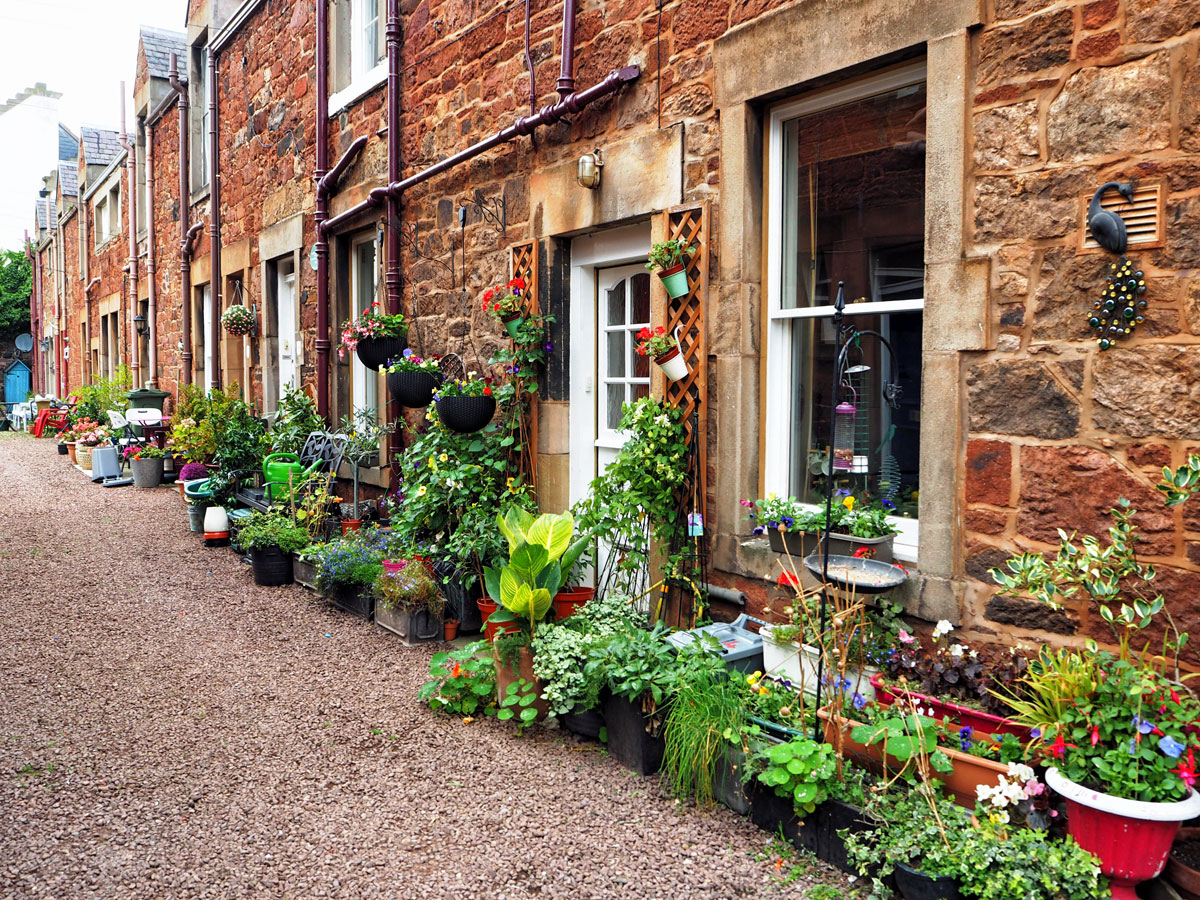
Pretty terraced cottages off Melbourne Place (leading to the harbour and beaches)
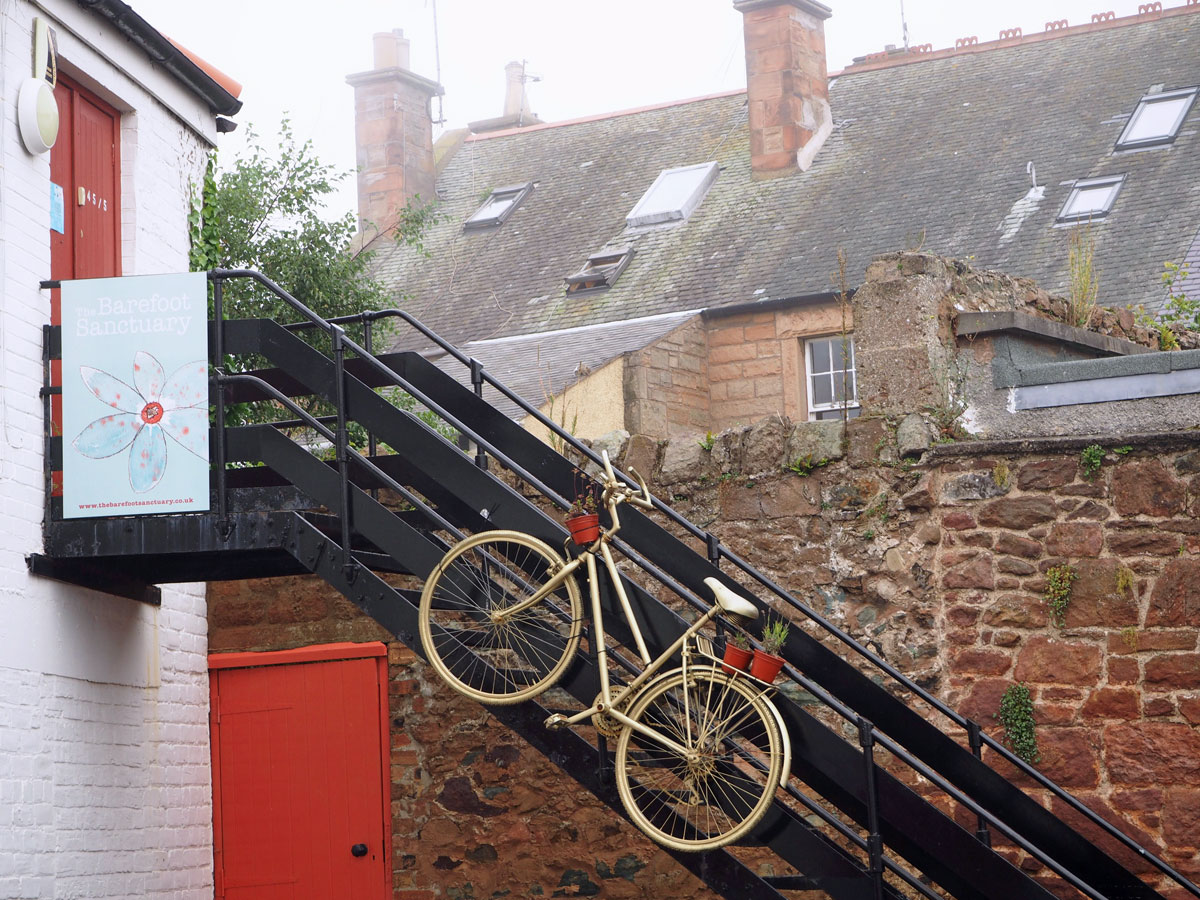
Quirky shop in the Melbourne Place car park.

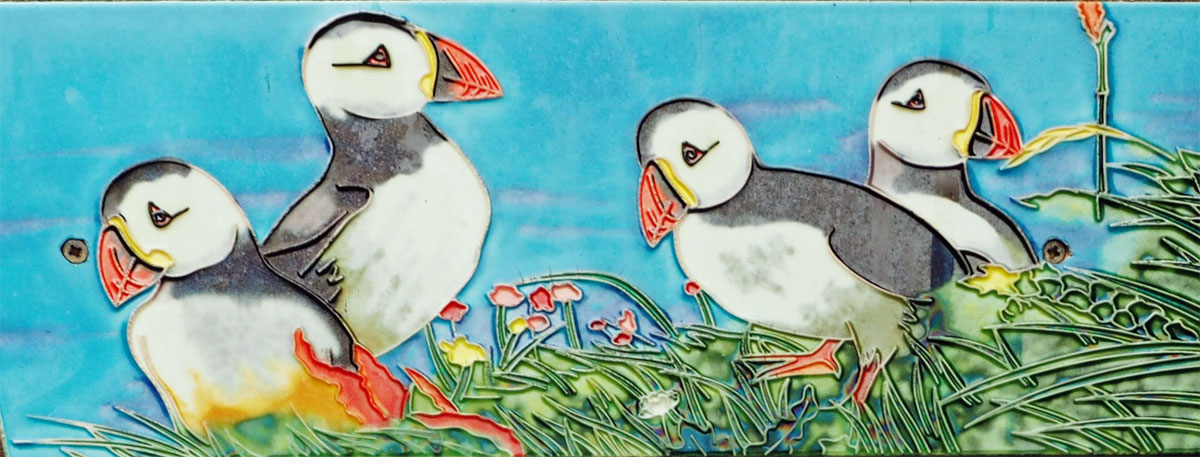
North Berwick is a seaside resort, only 30 minutes from Edinburgh, with a range of eclectic shops, cafes, fish and chip shops and bars and home to the Scottish Seabird Centre where you can learn about puffins, razorbills and more.

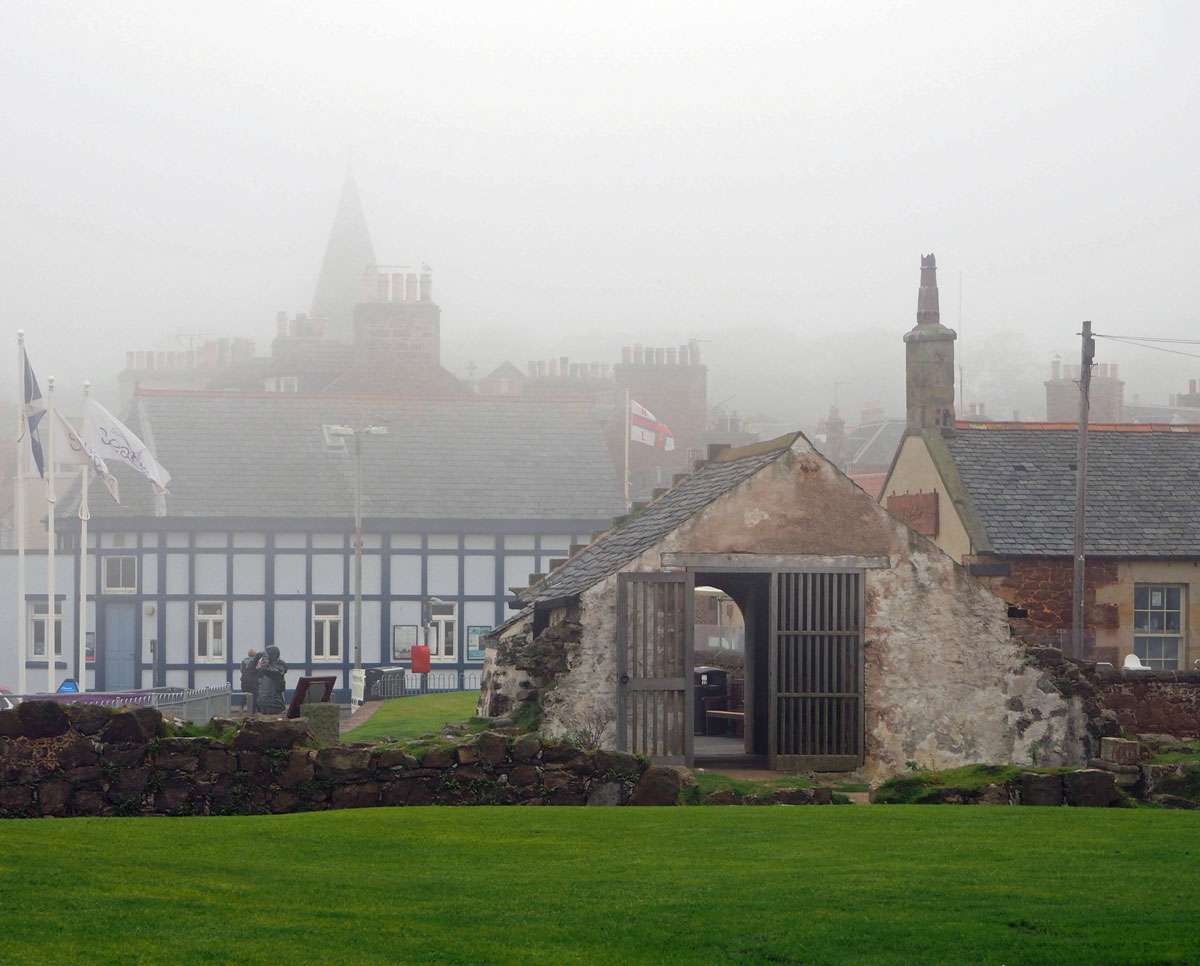
St Andrew’s Auld Kirk ruins. Built in the 12th century the church collapsed into the sea in the 17th century. There is a more detailed history inside the shell of the old porch .
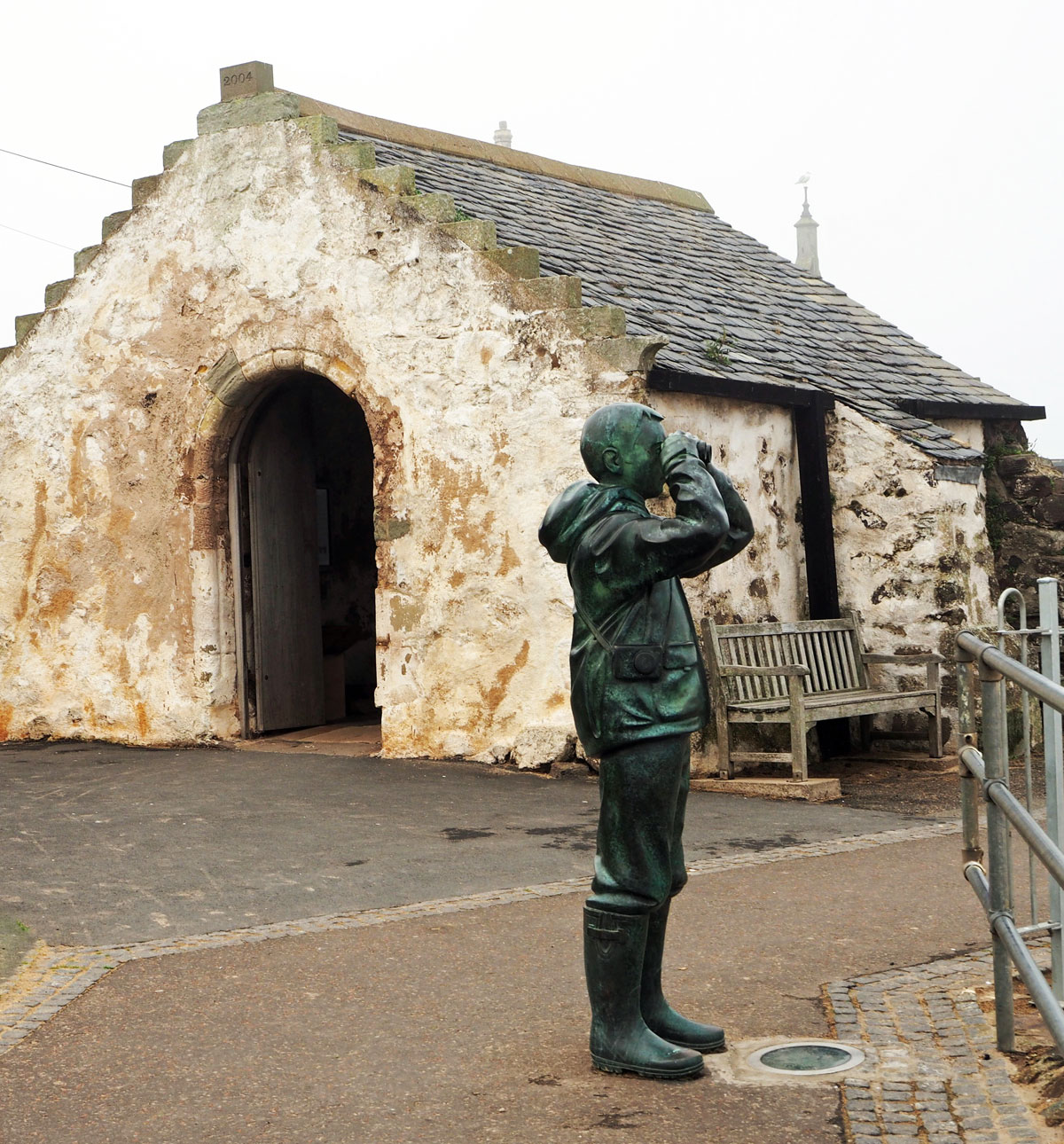
Life size bronze sculpture by Kenny Hunter called The Watcher. Dressed in outdoor wear, typical of a bird watcher or naturalist, who is gazing out towards Bass Rock through binoculars. Commissioned by the Scottish Seabird Centre through the Gateway Project.

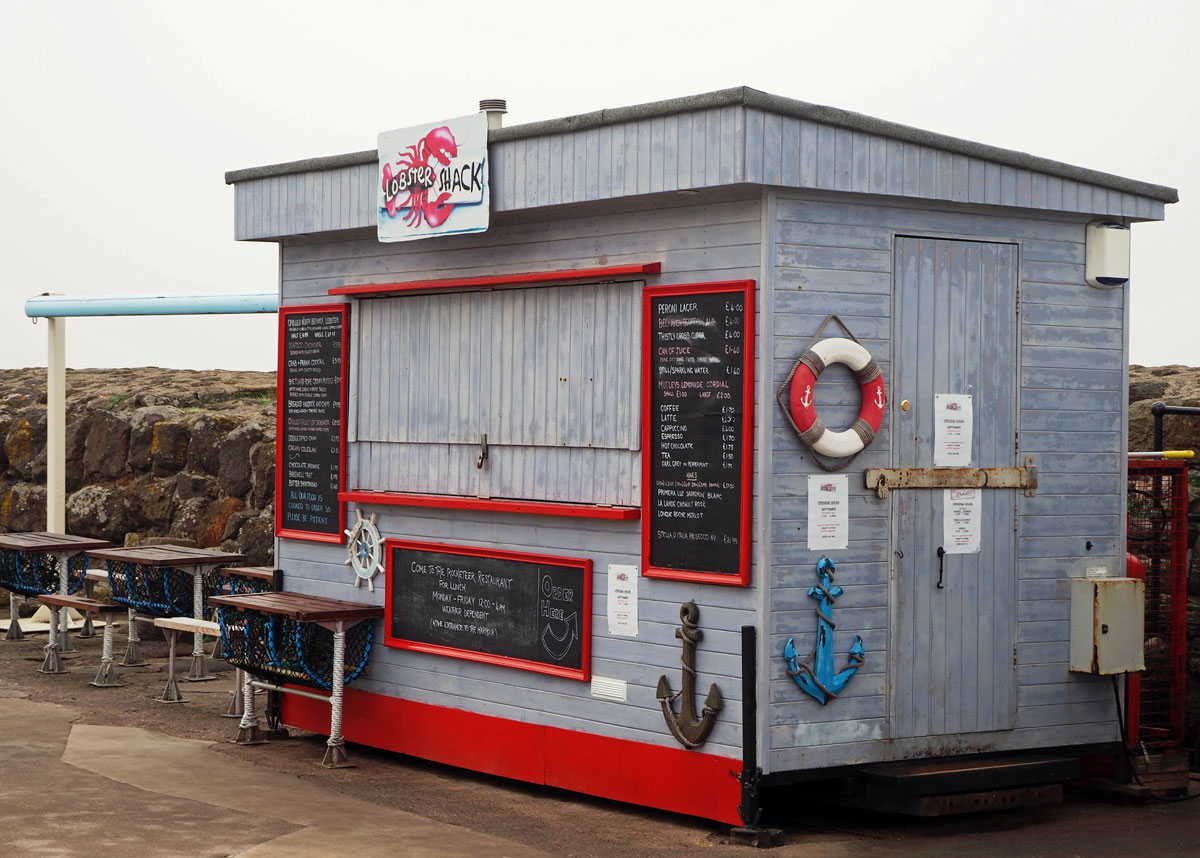
The aim was to visit the Lobster Shack for lunch and we were looking forward to a steaming bowl of chowder. Alas as so many plans fail, the shack was only open at the weekends and our arrival was a Thursday.

Lobster Shack – shutters down.
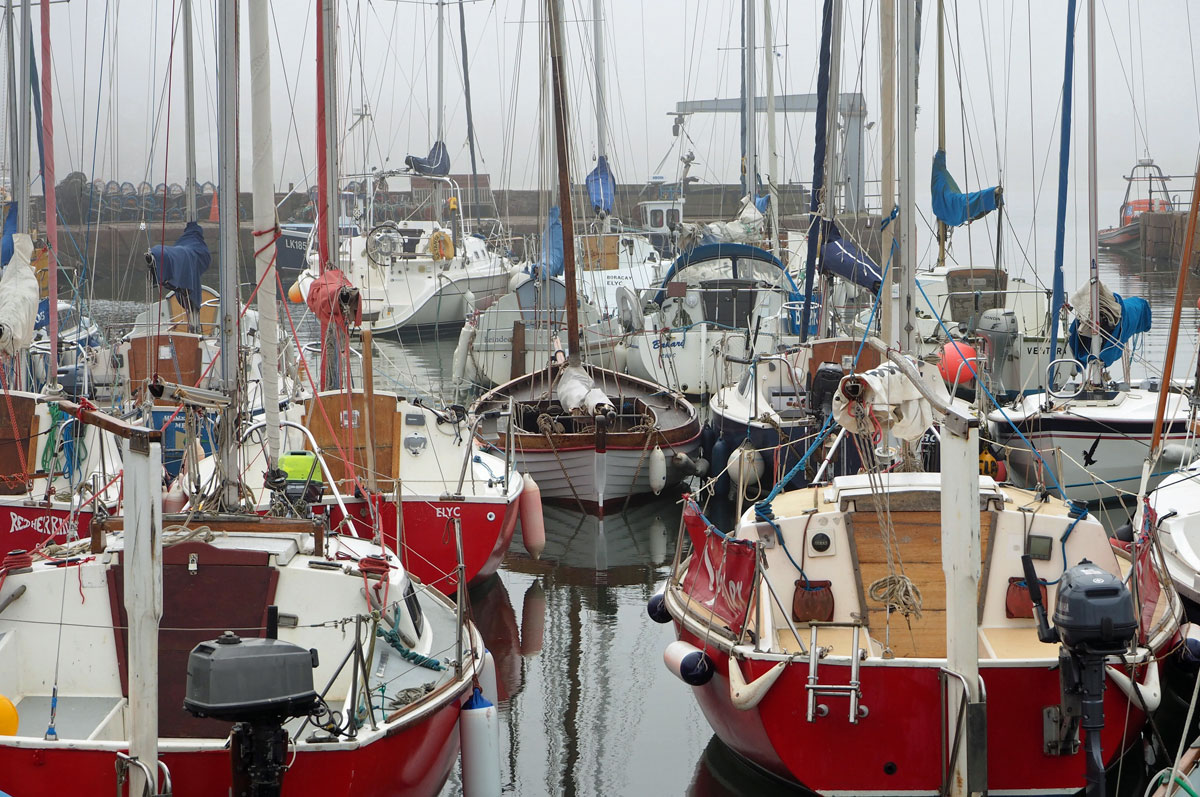
The small harbour crammed with boats.
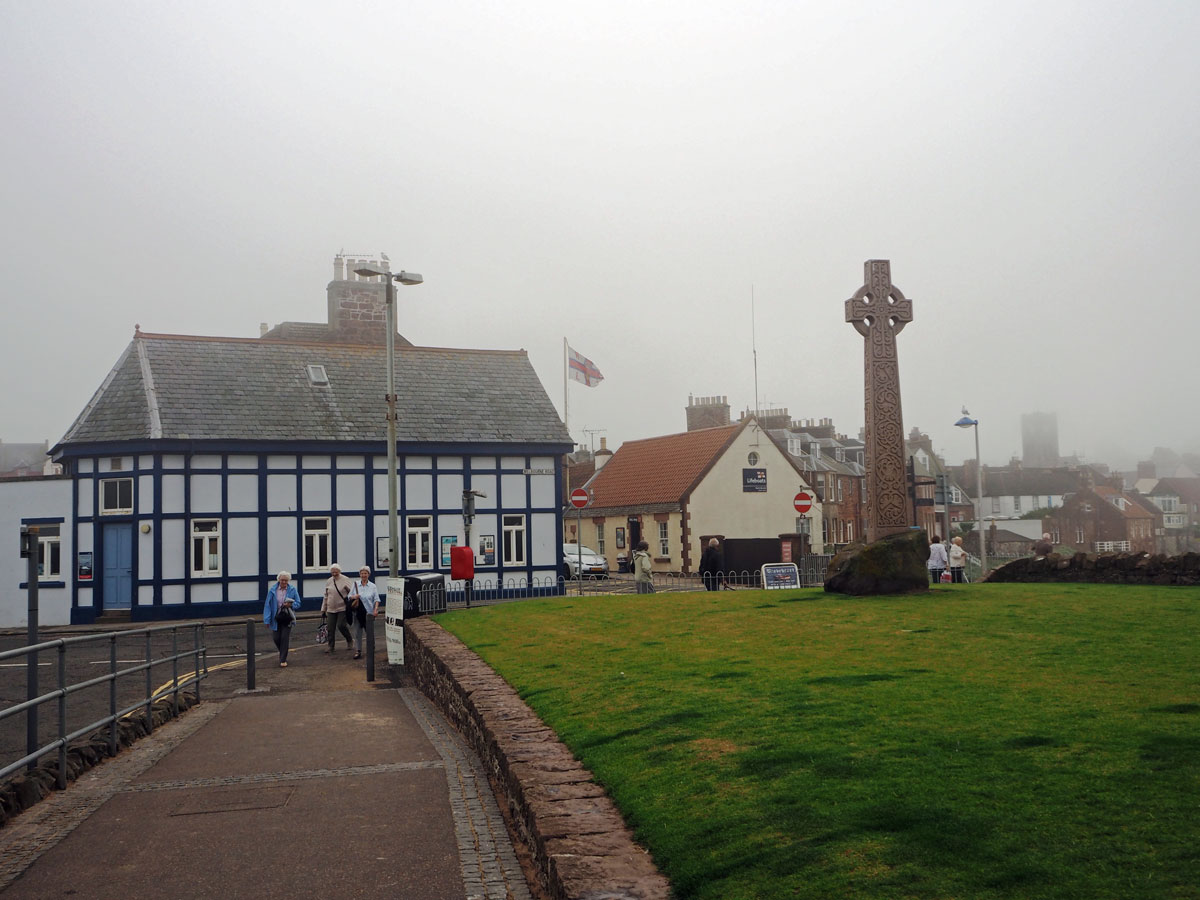
Memorial cross

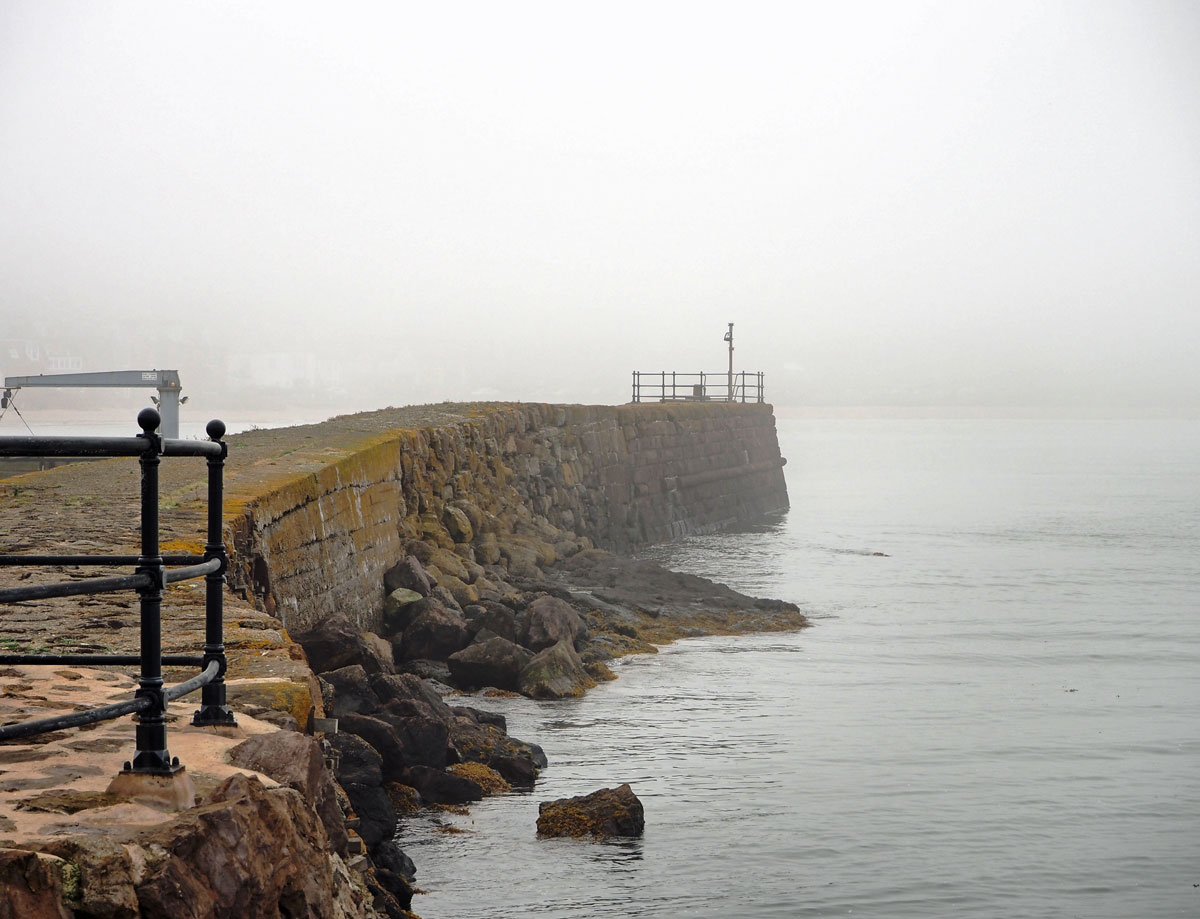
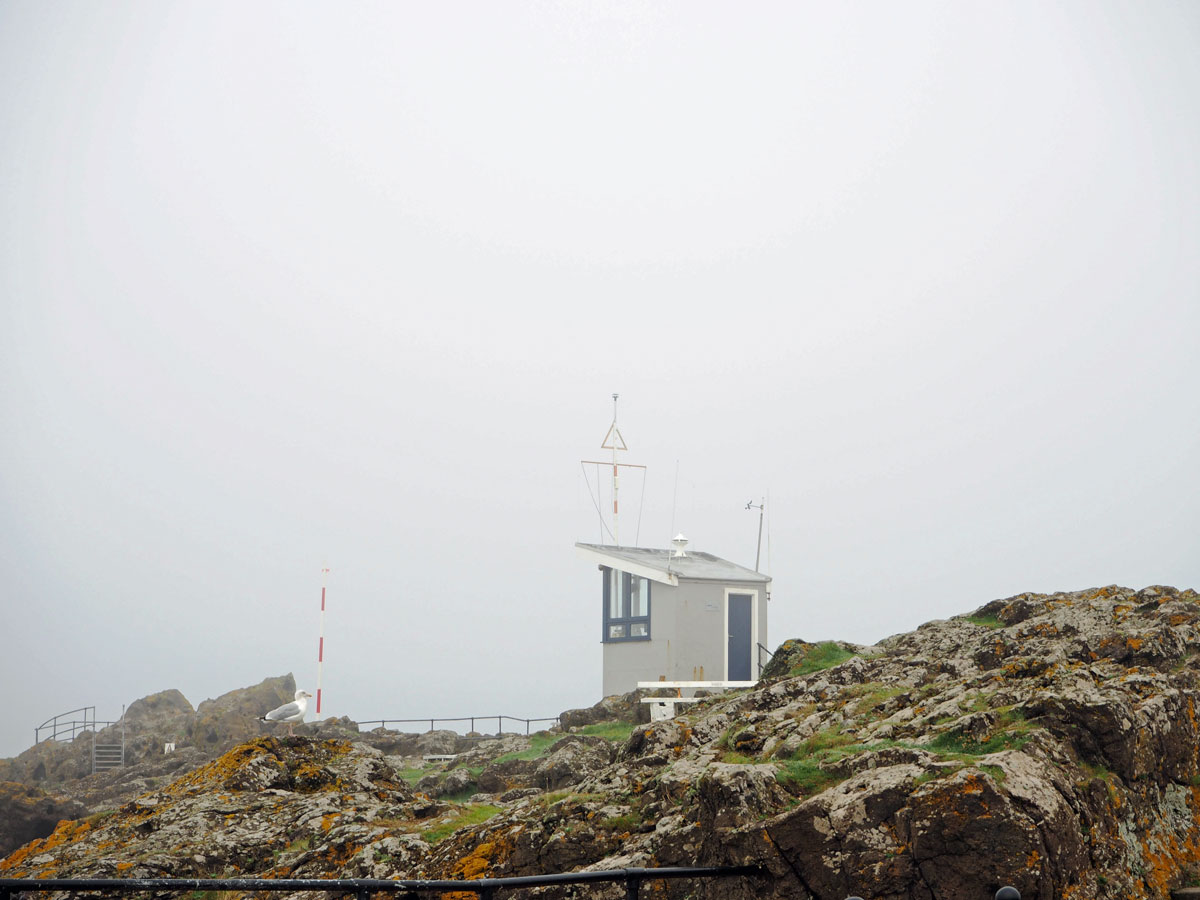
Another unusual event was that after weeks of hot weather we drove the entire journey from Alnwick in fog! Thick fog. So thick that we could not see the huge Bass Rock which is, according to the latest bird count, home to the world’s largest colony of Northern Gannets nor the steep conical hill known as “Berwick Law” , actually a volcanic plug that erupted from the landscape over 300 million years ago, which overlooks the town.

We had a wander around the old pier, despite not being able to see very much.

In fact we struggled to even see the beaches!

We eventually gave up and retired to the Seabird Café for a warming cup of coffee and some excellent cake. Still no views though.

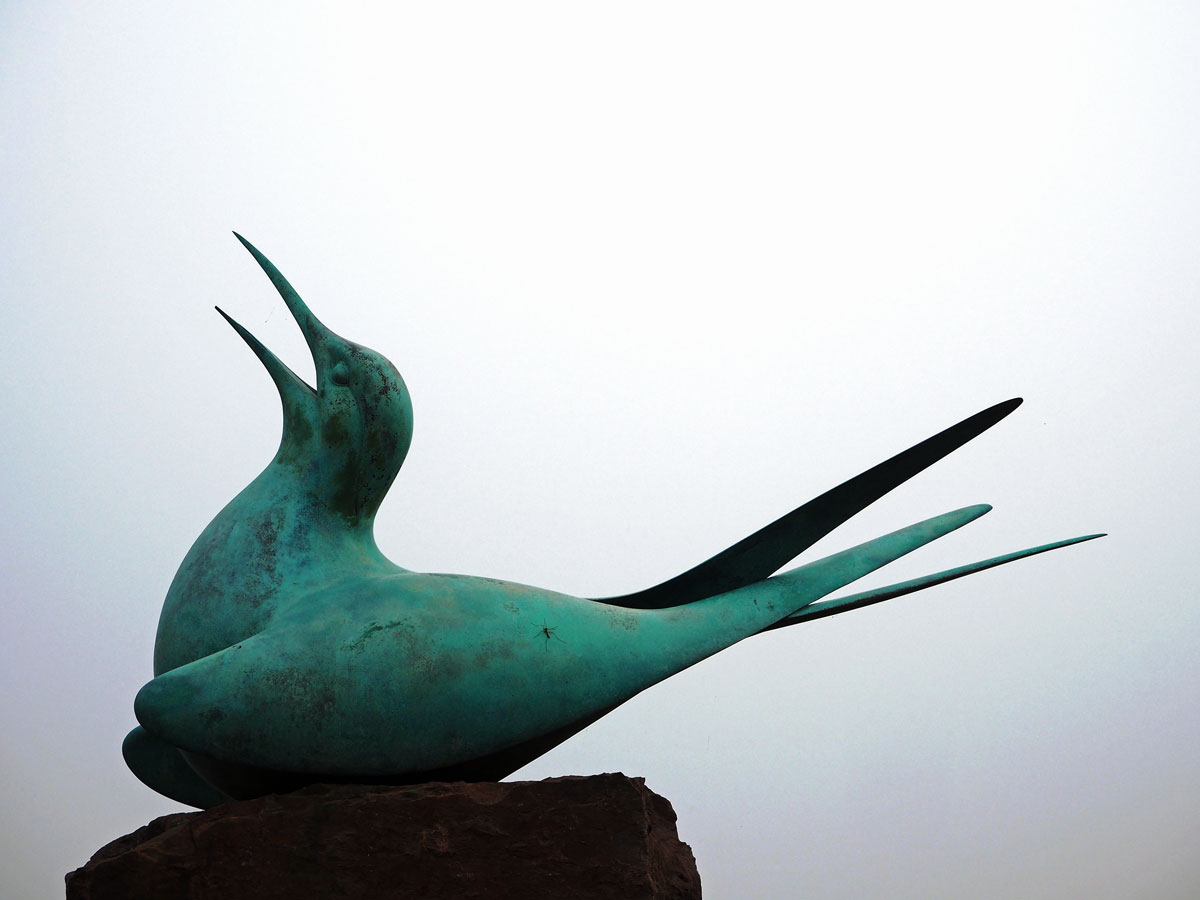
Arctic tern sculpture by Geoffrey Dashwood at Scottish Seabird Centre

I’m sure North Berwick is a lovely place to visit in better weather and I am glad that we stopped by despite the fog and lack of chowder.