O for OBECNÍ DŮM

frizztext hosts a weekly A – Z Challenge

A_Z logo

Event Type: General Blogging

Start Date: Tuesdays, recurring weekly

Description: Every Tuesday I offer the “A to Z challenge”, walking step by step through the alphabet.

If you would like to join in then please click here

OBECNÍ DŮM / The Municipal House / Prague, Czech Republic

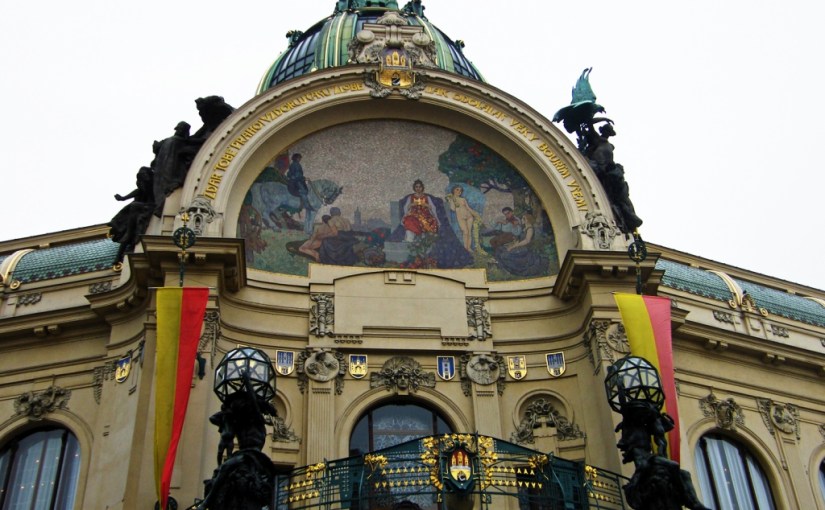
is Prague’s most prominent Art Nouveau building. It is a civic building and concert hall and located on Náměstí Republiky 5 next to the Powder Gate. It is a beautiful building from all aspects. The outside has intricate stonework, gold trimmings, frescos and stained glass windows.

The Smetana concert hall  is an architectural masterpiece, a mix of carved white stone and gold, illuminated by hundreds of lights, and with frescos by Karel Spillar adorning the walls. It is home to the Czech National Symphony Orchestra.

Postcard
Postcard
O (3)
Staircase
Lift / Elevator
Lift / Elevator

A couple of restaurants and an American bar can also be found inside the building though many of the rooms are closed to the public and open only for guided tours. Unfortunately we didn’t manage to time it right, so only had a glimpse of what lies inside.
N for Narodna in univerzitetna knjižnica

frizztext hosts a weekly A – Z Challenge

A_Z logo

Event Type: General Blogging

Start Date: Tuesdays, recurring weekly

Description: Every Tuesday I offer the “A to Z challenge”, walking step by step through the alphabet.

If you would like to join in then please click here

or National and University Library, Ljubljana, Slovenia.

N - national library in Ljubljana

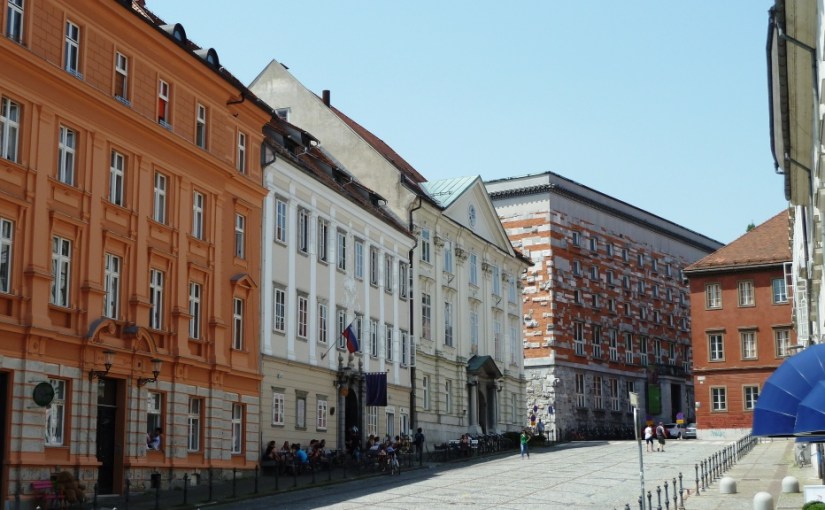
It is located in the centre of Ljubljana, between Turjak Street (Turjaška ulica), Gentry Street (Gosposka ulica), and Vega Street (Vegova ulica), in a building designed by the architect Jože Plečnik in the years 1930–31 and constructed between 1936–41. The building is considered one of the greatest achievements by Plečnik. Wikipedia

 “From the twilight of ignorance to the light of knowledge and enlightenment”

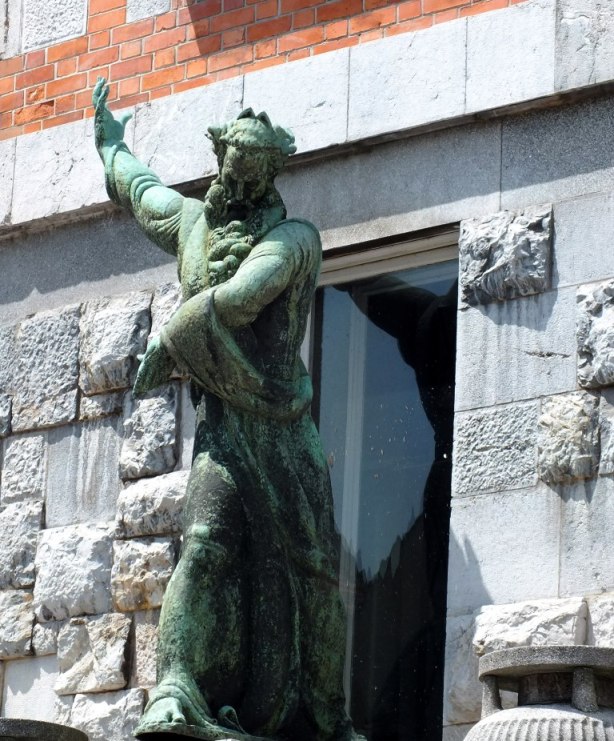
The building has a square ground plan and is a massive block with a court. The front façade, oriented toward Turjak Street, was designed as a combination of brick and stone embeddings, some of them archaeological remains from the place. It was modelled in the manner of the Italian palazzo and the handles of the main door end with a little head of Pegasus. The side entrance from the Lord Street is decorated with a sculpture of Moses, created by Lojze Dolinar.

N

Unfortunately we were being guided through the town by a friend so didn’t have a chance to get up close to this unusual building, nor go inside.  So if you have seen the interior I’d love to know what it is like.

Windows from the New Testament

This weekly challenge is hosted by Dawn from ‘The Day After’ who invites participants to post pictures of any windows that  they find curious, inviting, photogenic, or in some way tell a story. Visit her blog to see more windows and/or to join in with the challenge.

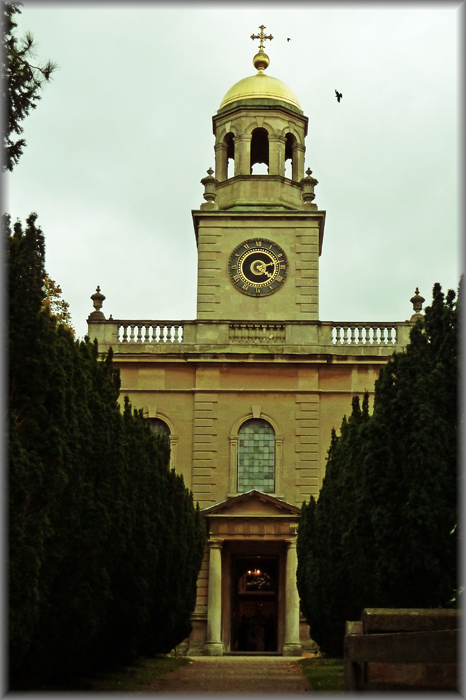
Following on from last week’s post about Witley Court today I am showing you the windows from the local parish church for Great and Little Witley. A more elaborate church on such a small scale I have never seen; thank goodness this didn’t burn down at the same time as the house. It is a very small church as you can see from the header photo above!

external

Nine of the ten windows made from stained and enamelled glass by Joshua Price in 1719 and 1721 from designs by an Italian artist are scenes from the New Testament. I’ll let you try and work out what they depict.

(click an image to enlarge)

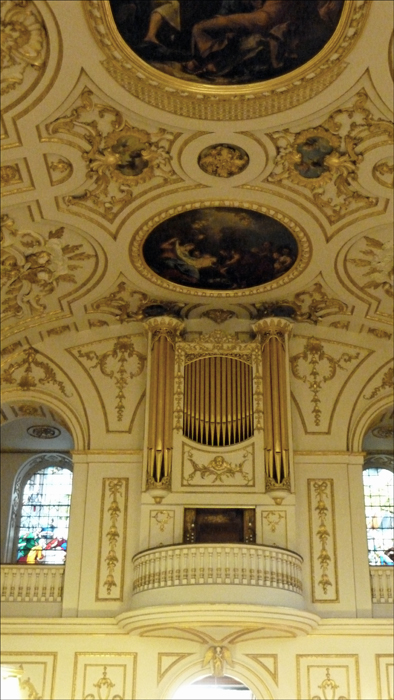
The pictures on the ceiling are painted by the Italian artist Antonio Bellucci (1654 -1726) and are oil on canvas.

interior

ceiling

This delectable baroque style church is St. Michael and All Angels Church, Great Witley.

Source: Great Witley Church

M for Mosque, Minarets and Mausoleum

frizztext hosts a weekly A – Z Challenge

A_Z logo

Event Type: General Blogging

Start Date: Tuesdays, recurring weekly

Description: Every Tuesday I offer the “A to Z challenge”, walking step by step through the alphabet.

If you would like to join in then please click here

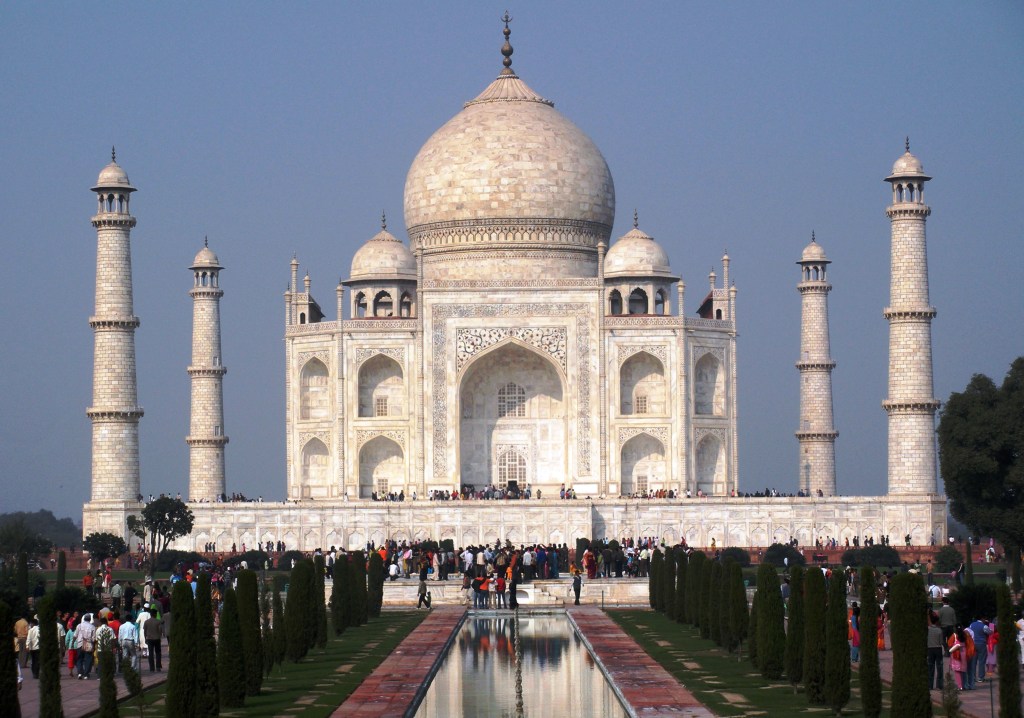
The five principal elements of the Taj Mahal complex—main gateway, garden, mosque, jawab  and mausoleum (including its four minarets)—were conceived and designed as a unified entity.

A couple of weeks ago I used the Jawab to illustrate architecture for the letter J  so this week I am going to show you the Mosque, Minarets and Mausoleum which were mentioned in that post. Remember, the Jawab is simply a building mirroring  the Mosque for symmetry in the design.

Mausoleum and Minarets

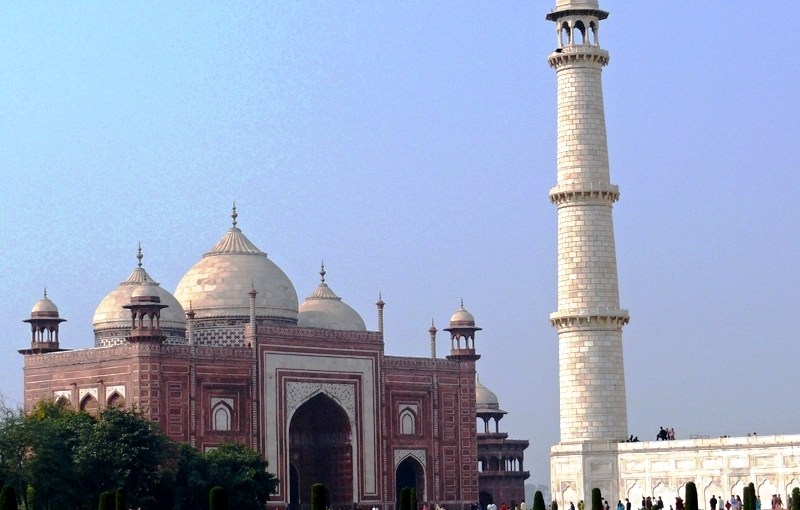
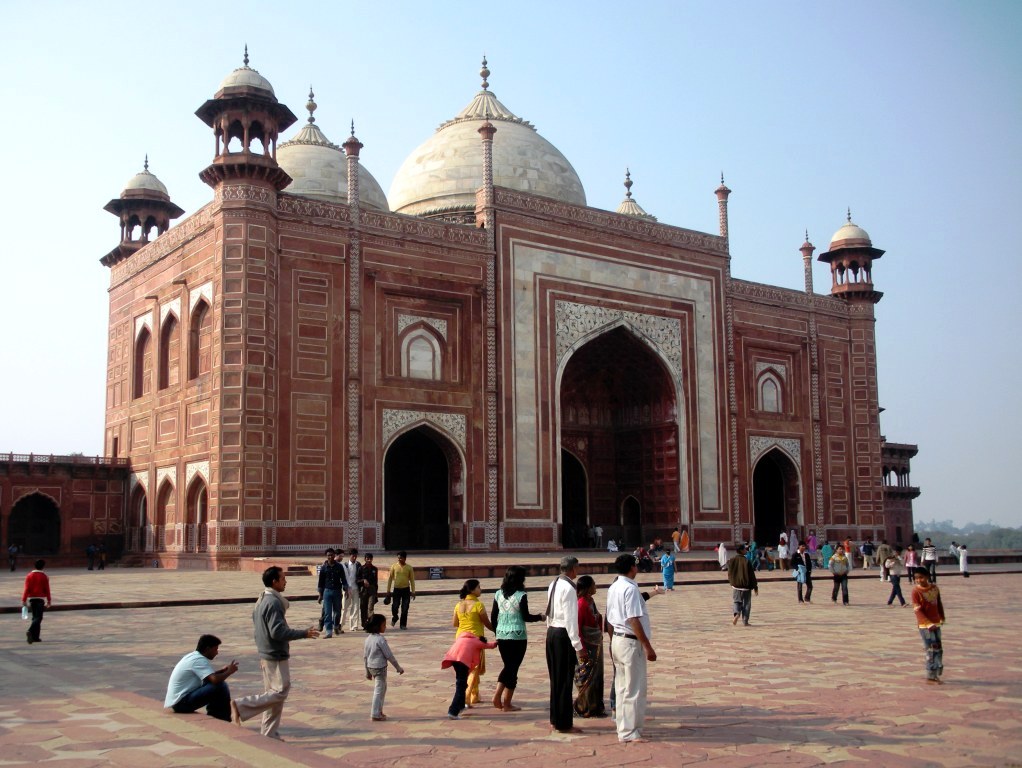
At the western side is the mosque (masjid) facing east, reported to have been built by Isa Muhammed 1631-1648. It is built of red sandstone and has one dominant portal known as an iwan.

Mosque
Mosque

Either side of the major iwan are two smaller arches sandwiched between four towering pinnacles. The spandrels above the arches are studded with coloured marble inlay and the mosque dados feature naturalistic floral designs.

mosque

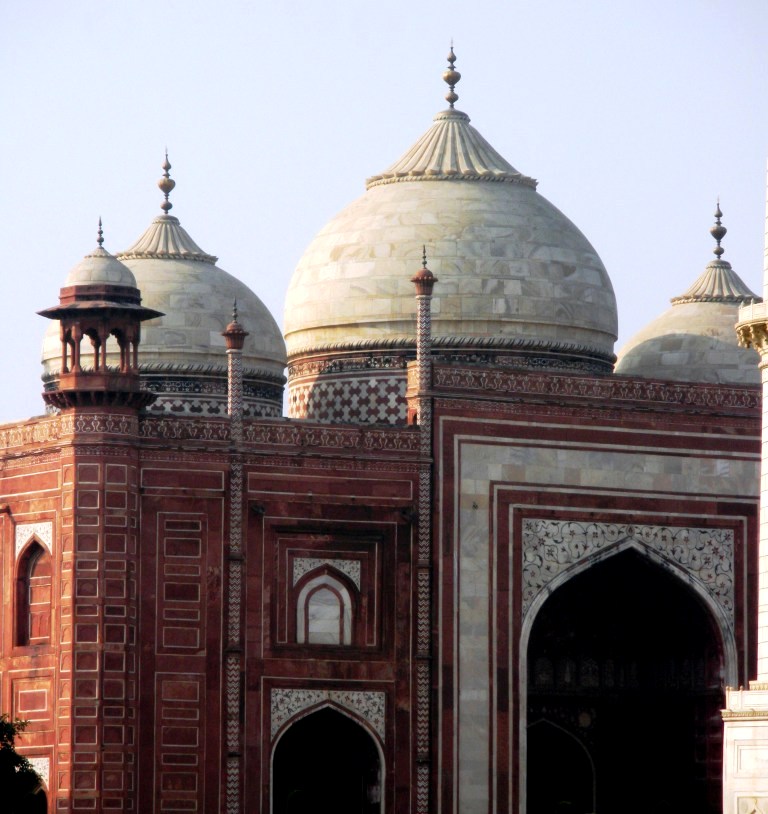
On the roof and complementing the arches below are three marble-coated domes. Inverted lotus shaped designs cloak the top of the domes, surmounted by gilded finials. On the four corners of the mosque are chattris, or domed kiosks, which have a marble coated veneer.

Mosque
Mosque

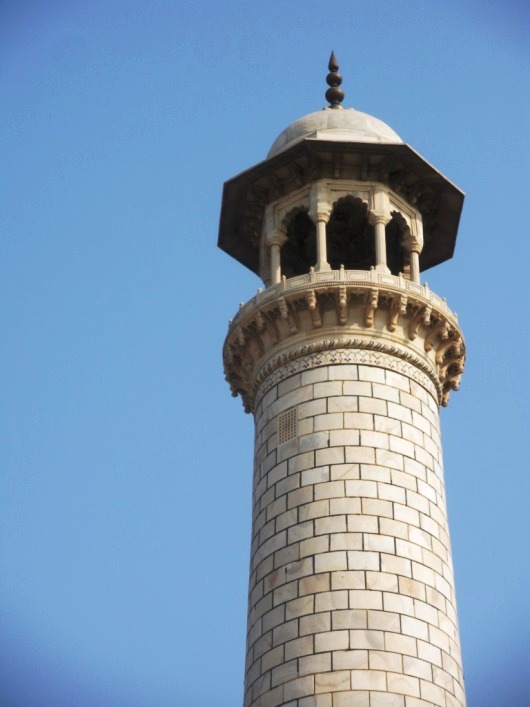
I will also include a minaret, four of these form part of the mausoleum, which have the same chattris as on the corners of the mosque and jawab.

Minaret and Chattri
Minaret and Chattri

One of the most beautiful structural compositions in the world, the Taj Mahal was designated a UNESCO World Heritage site in 1983.

Once there were windows…

This weekly challenge is hosted by Dawn from ‘The Day After’ who invites participants to post pictures of any windows that  they find curious, inviting, photogenic, or in some way tell a story. Visit her blog to see more windows and/or to join in with the challenge.

DSCF5016

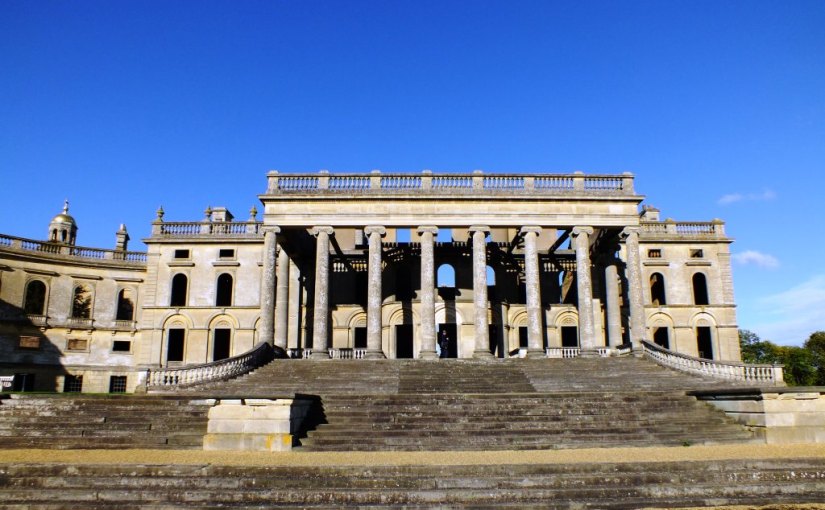
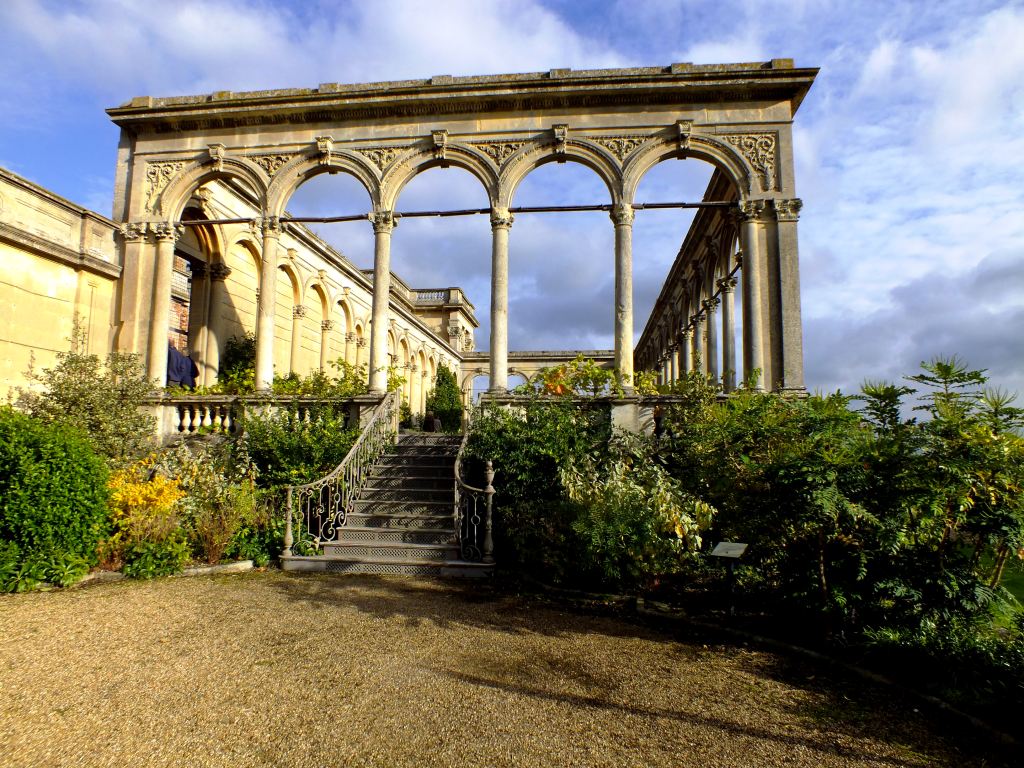
Witley Court in Worcestershire was once a grand Victorian country house, developed over several centuries, but it’s heyday was in the 19th century when the 1st Earl of Dudley invested heavily in the refurbishment of the house spending the equivalent of £100 million. His fortune came from the coal mines of the Black Country together with iron works, chemical factories and the railways.

DSCF5100

After the First World War the family’s fortunes declined and the second Earl decided to sell it to a carpet manufacturer from Kidderminster. In 1937 the main part of the house was destroyed by fire, believed to have started in one of the kitchens. Now you see the shell of the house, without any glazing in the stone mullion window frames.

The South Wing
The South Wing
Through the Door
Through the Door

The main attraction to the site is a restored working fountain which represents  Perseus and Andromeda and reaches the original high cascades when fired on the hour between 11 am and 4 pm.

fountainThere are also lovely woodland walks and  restored parterre gardens and the ruins of a gorgeous conservatory which once housed exotic plants and had an enormous cast-iron, plate glass roof.

conservatorySource: English Heritage and Information plaques on site.