Postcards from Around the World

Established in 1776, the Presidio of San Francisco has existed as a military fortification under Spanish, Mexican, and American rule. It became part of the Golden Gate National Recreation Area in 1994 when it was transferred to the National Park Service from the Army.
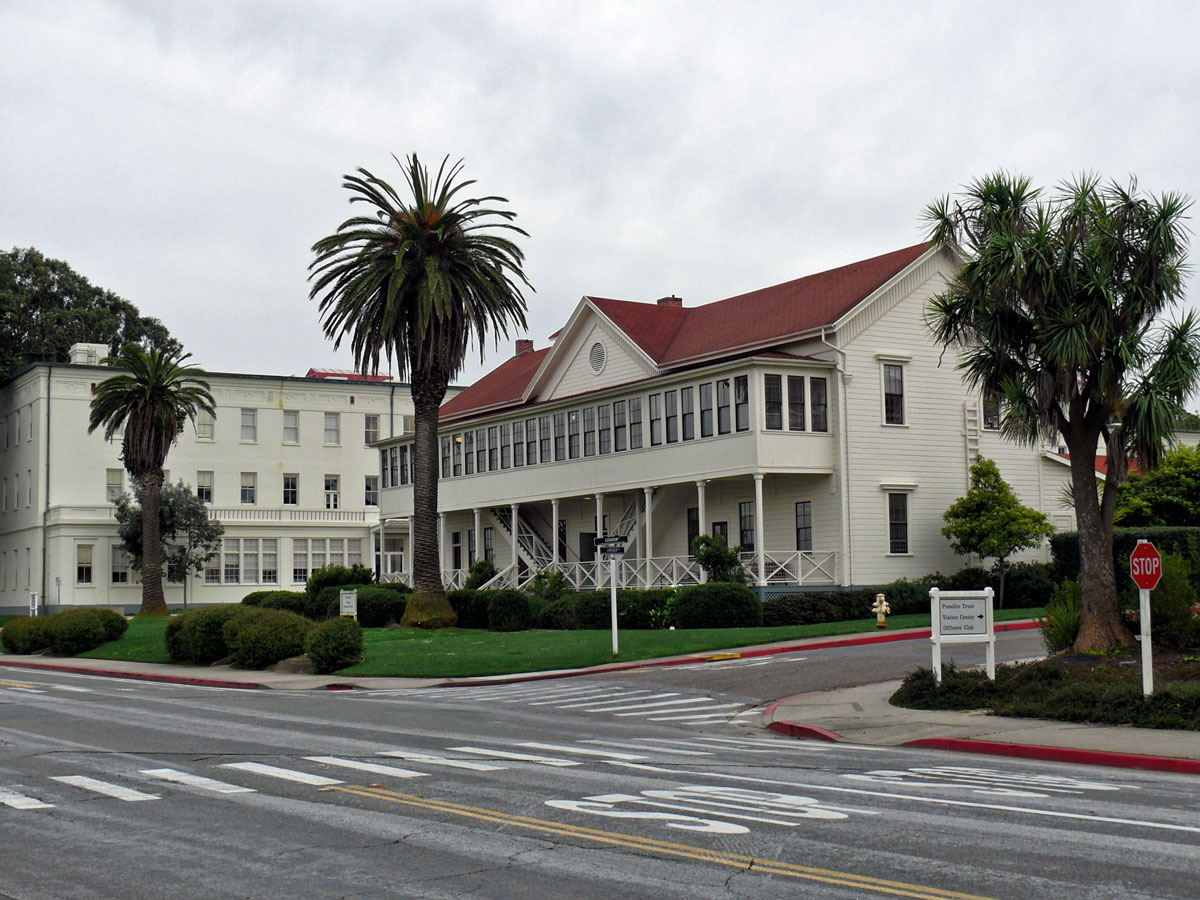
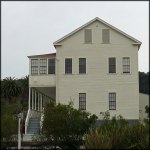
Barracks (Bldgs. 86–87, 1862, 2nd storey 1885) Graham Street

The Main Post is the heart of the Presidio where the  oldest existing buildings are found.
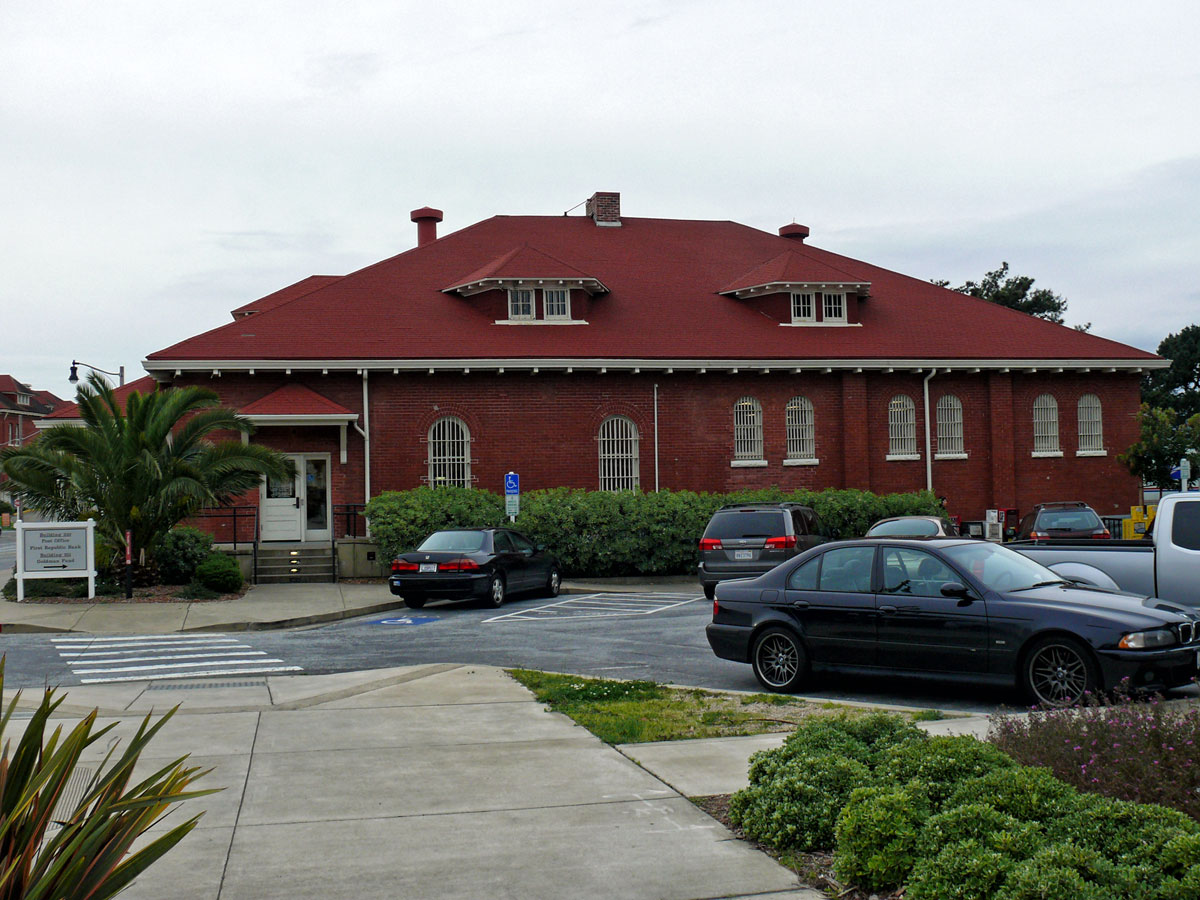
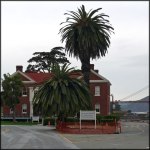
Guardhouse (Bldg. 210, 1900) is now the Presidio Visitor Centre (2017)
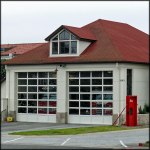
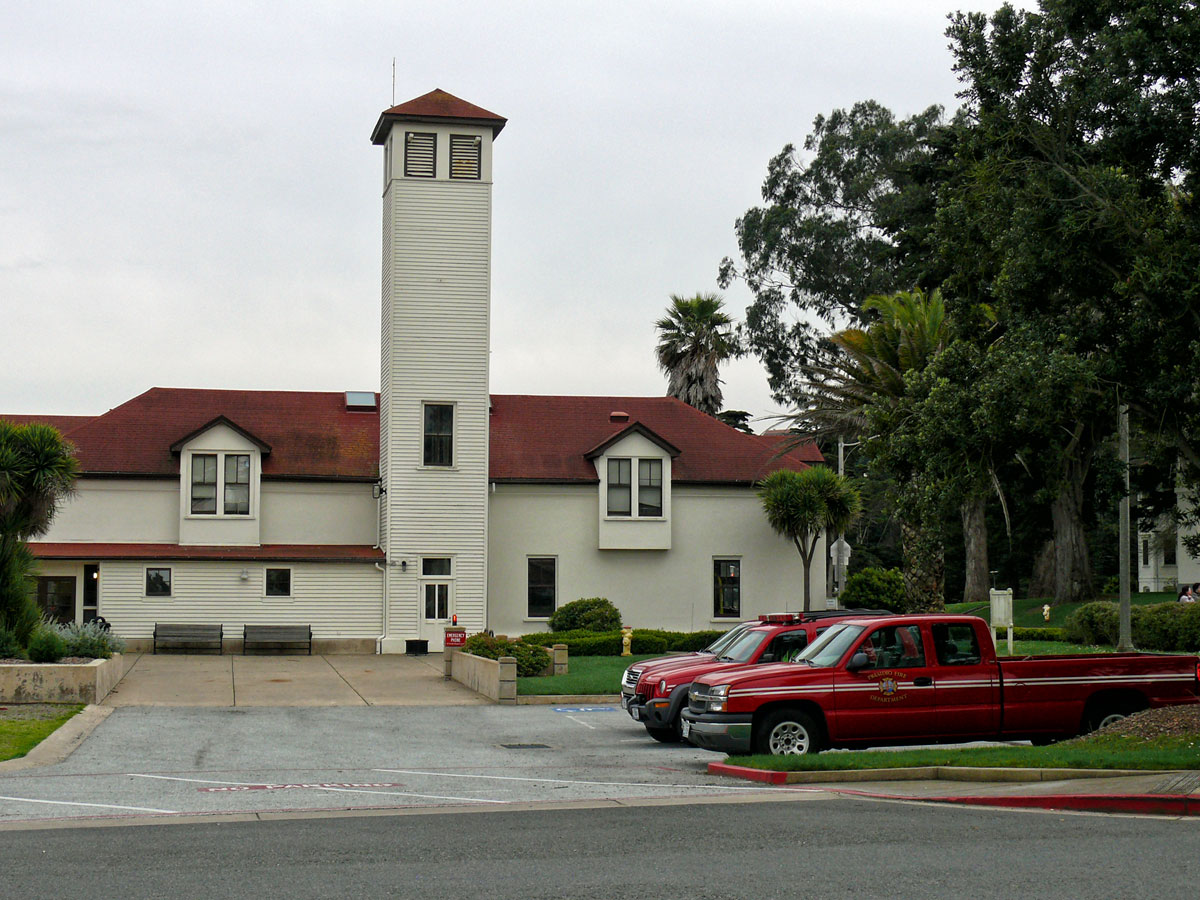
Fire Station (Bldg. 218, 1917)

In the 1890s, the Army built substantial brick barracks to house troops. They had heating, indoor plumbing, kitchens, rec rooms, and even space for tailors and barbers. The Main Parade Ground (now lawn) was constructed alongside so the soldiers could conduct drills and exercises. Today, the barracks have been reimagined as workplaces for a variety of organisations including the Walt Disney Family Museum.
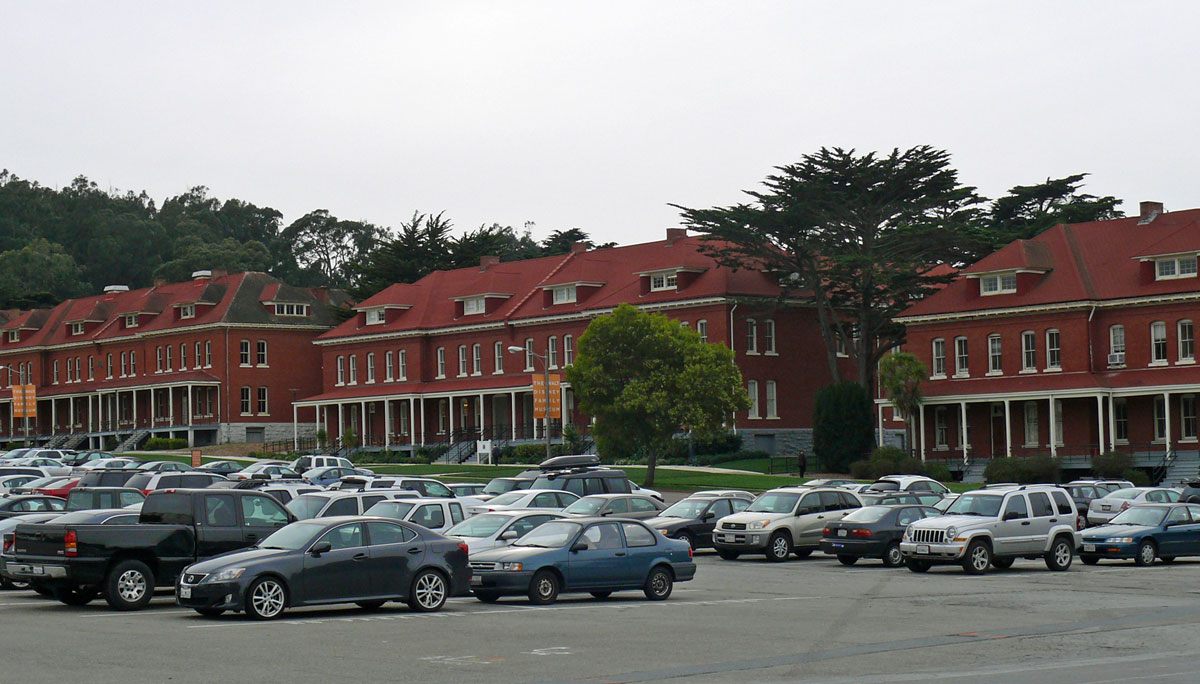
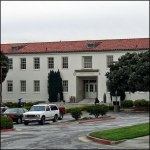
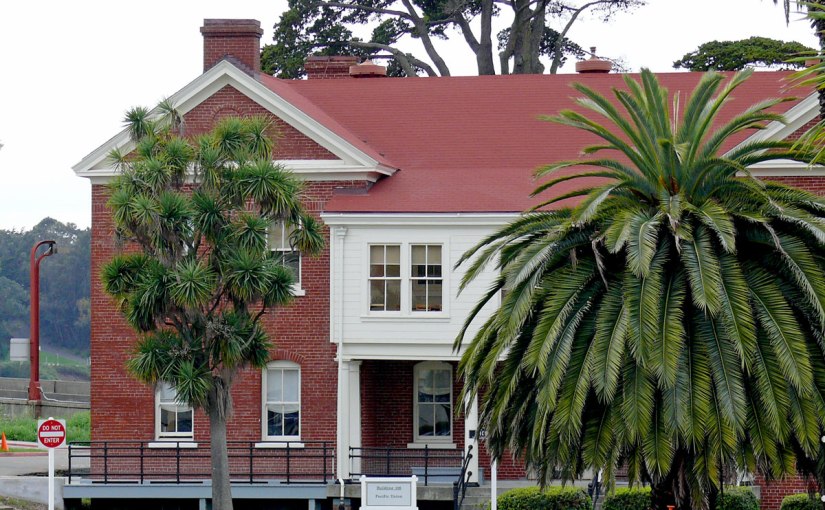
Enlisted Men’s Barracks (Bldg. 104, 1895–97)

Since 1997 the Presidio Trust has been busy renovating historic buildings in the park and a lot has changed since my visit there in 2010. It is an interesting place to visit and there is a shuttle bus that can take you all around the park.
Postcards from Around the World

Leaving Europe behind for now let’s go to San Francisco. A city I have visited on several occasions, but there are still bits and pieces that haven’t been on the blog.

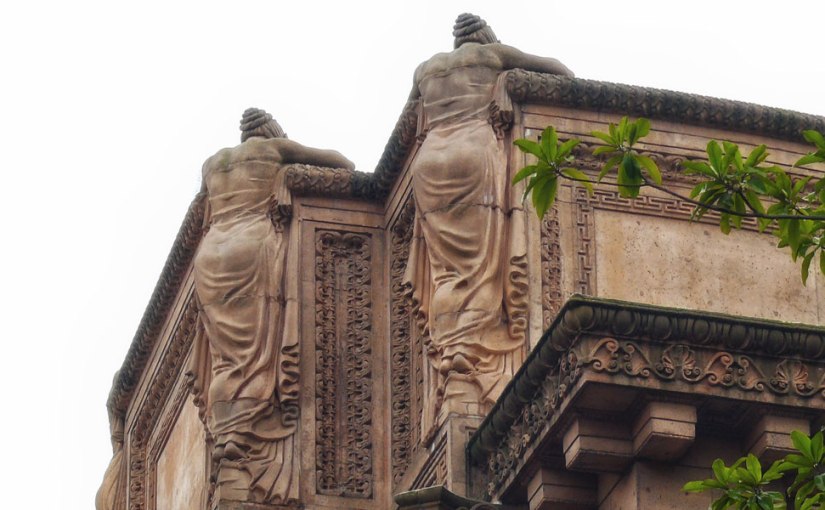
When I visited the iconic Palace of Fine Arts back in 2010 it was about to undergo a renovation. With its Greco-Roman rotunda and colonnades it is an impressive building and I am glad that it is now used for corporate events, private parties and weddings. With improved landscaped gardens and the pretty lagoon, it is a perfect place for a celebration.

The Romanesque structure was designed by architect Bernard R. Maybeck for the 1915 Panama-Pacific International Exposition, a world’s fair that celebrated the Panama Canal’s opening—and gave San Francisco a chance to shine after its devastating 1906 earthquake.

Today’s Palace duplicates the original, with a soaring colonnade and bas-relief urns, domed ceiling with allegorical paintings, and Corinthian columns topped with female figures draped in togas, their weeping faces turned away to symbolize “the melancholy of life without art.”

If you want to know more about San Francisco then please visit my older (and much longer) post about the city here.

Postcards from Around the World

The first thing my daughter and I did on arrival in Barcelona (after dropping our cases off at the hotel) was to join a free walking tour starting from Plaça de Catalunya and finishing at the waterfront. Of course a free walking tour is not exactly free, you are expected to offer a donation at the end of the tour, which in this case was well worth it.

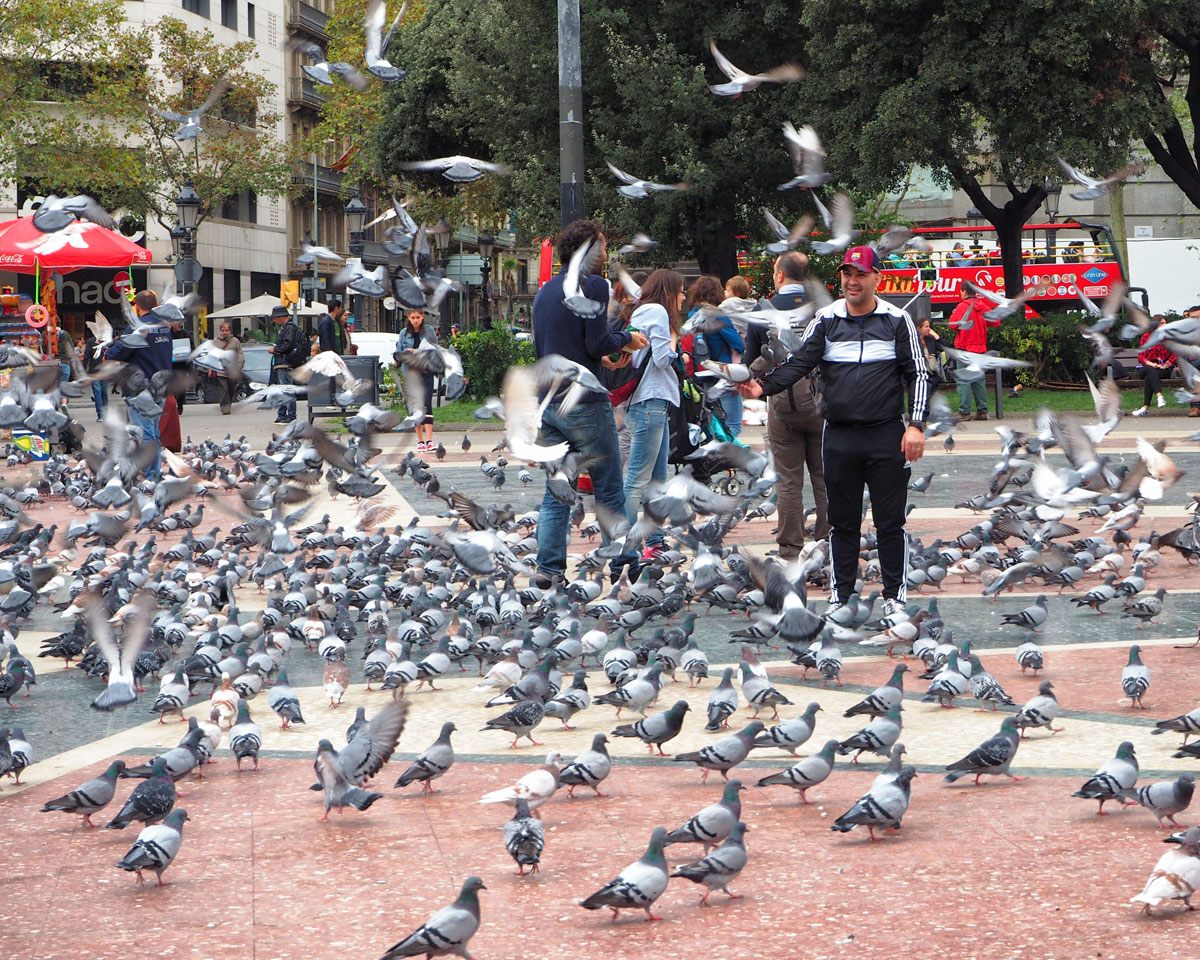
Feeding the pigeons in Plaça de Catalunya

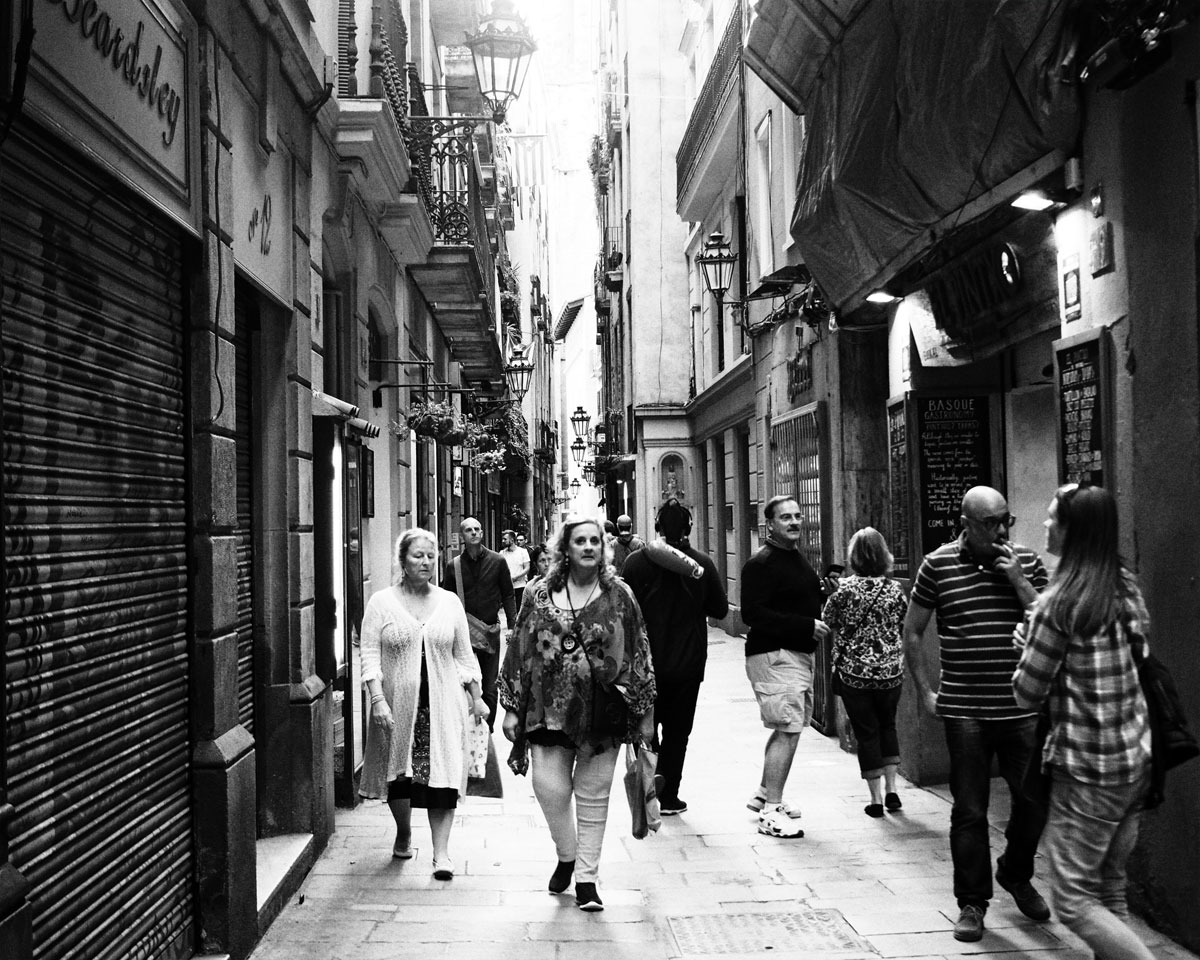
We wandered around the many back streets and the Gothic Quarter a stone’s throw from La Rambla and believe me there are so many narrow alleyways that when we tried to find some of the places later on by ourselves, we got completely lost.

Carrer Petritxol, in Barcelona’s Gothic Quarter – it has a lot of shops, murals, and art – and home to one of Barcelona’s most delectable treats: the perfect hot chocolate and churros.

Just about every shuttered doorway is covered in murals and graffiti and I was frantically snapping shots as we moved on.

Barcelona is a shopaholic’s paradise as well as being full of historical buildings and art. I was fascinated by these tiled murals that decorate the walls in this narrow pedestrian street, Carrer Petritxol, in Barcelona’s Gothic Quarter.  It runs from Portaferissa to Plaça del Pi, not far from La Rambla. The murals tell stories of past events and famous residents or visitors.

There are several art galleries along this street as well as shoe shops, soap shops and chocolate shops!

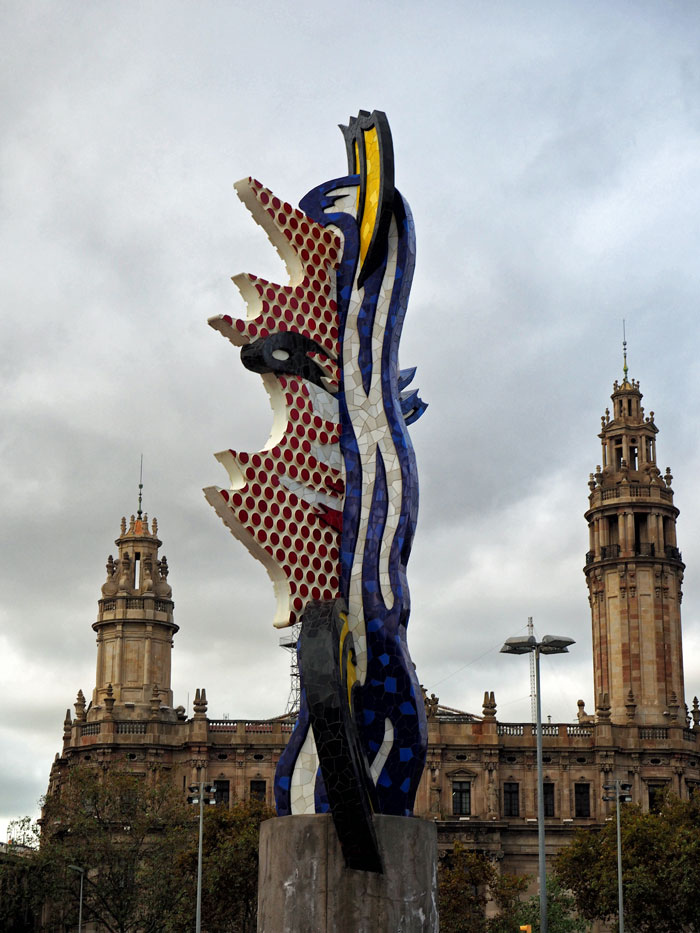
The end of the tour was at El Cap de Barcelona from where we headed down to the beach and the Makamaka restaurant for cocktails and some food.

Created in 1992, the Head of Barcelona is a 64-ft. abstract statue by American Roy Lichtenstein.

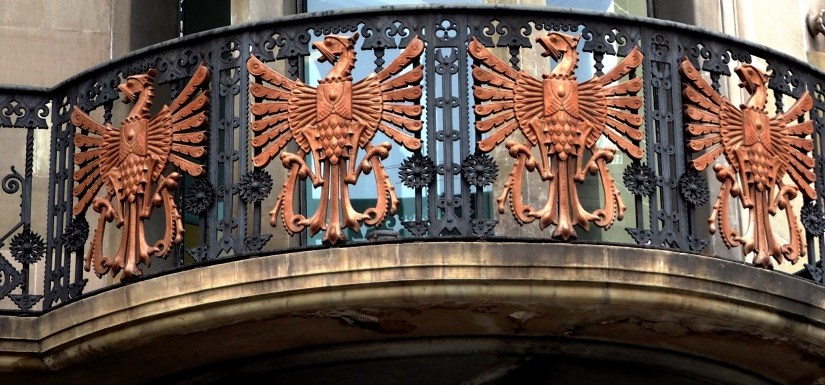
(The header photo is the balcony detail on the Casa Pia Batlló, which is located on the corner of Rambla Cataluña and Gran Vía de les Corts Catalanes. The building is in the Modernist style, built between 1891 and 1896 by the architect Josep Vilaseca i Casanovas.)

Rare Post Boxes

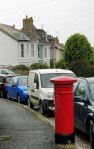
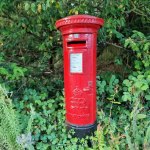
A few years ago I wrote my first post about post boxes – the ones you post letters in, not the mailboxes that belong to a house – and how many different ones there are. Recently I tracked down a couple of  Queen Victoria post boxes in my area and even more exciting (I know, it’s the nerd in me) I found a rare Edward VIII post box in the village where my daughter lives, so I got her to go and photograph it for me.

Britain got her first post boxes during the 1850s and shortly after the Post Office quickly settled on using the cipher of the reigning monarch on all letter boxes.

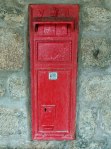
Cast Iron Queen Victoria Wall Mounted Post Box (1837 – 1901)

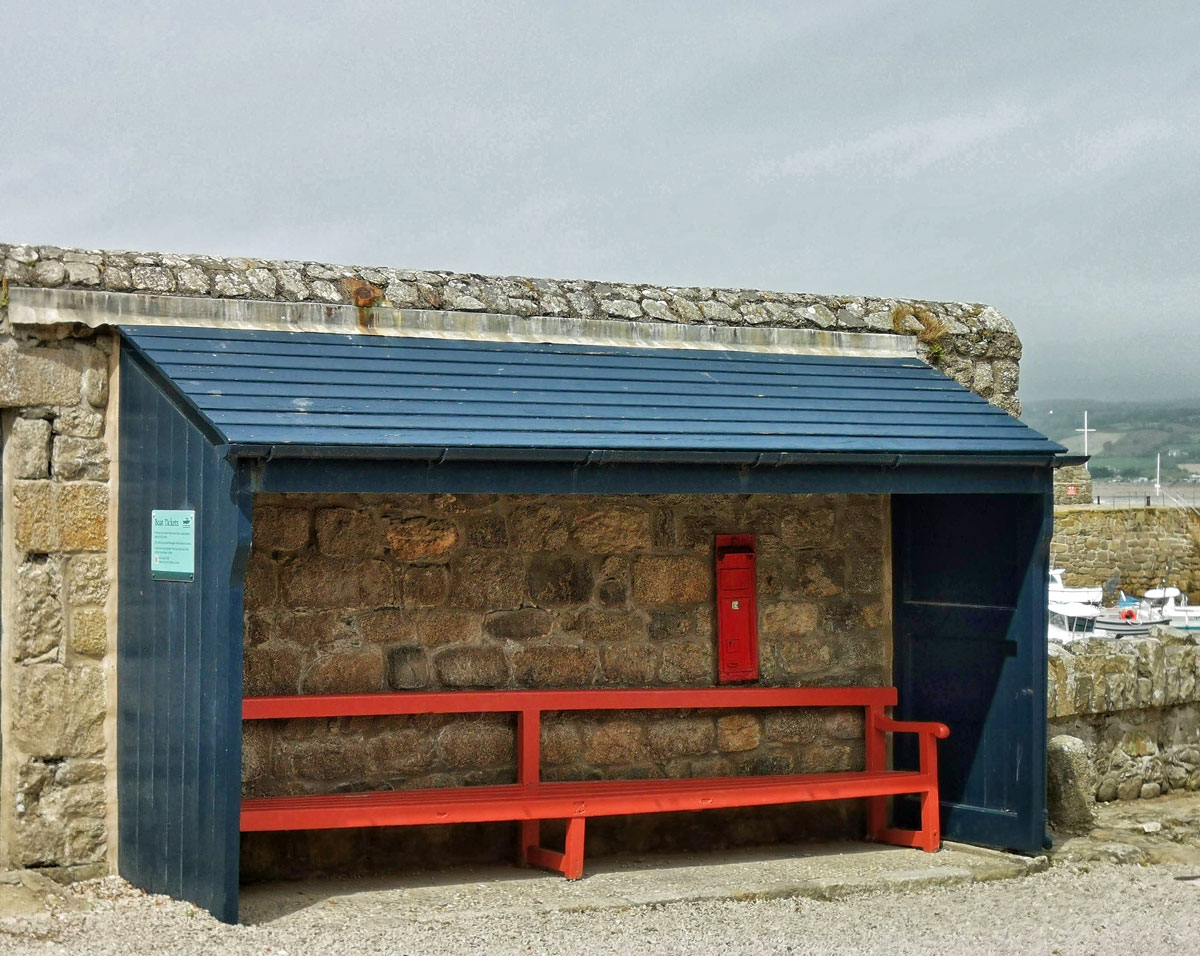
St Michael’s Mount Wall Mounted Post Box

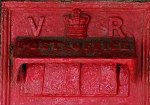
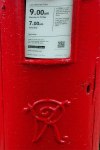
VR stands for Victoria Regina, Regina being Latin for queen, denoting that Queen Victoria was monarch when the box was installed.

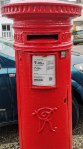
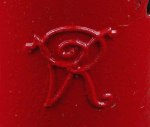
Below is the VR cipher that is found on Victorian pillar boxes – this one is located in Penzance. And if you look at my original post you will see the more elaborate VR cipher on the Penfold boxes.

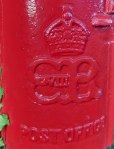
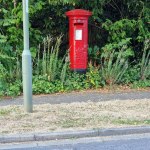
Below is an example of the short-lived King Edward VIII – EVIIIR – cipher. King for less than a year, (Jan – Dec 1936) these are the rarest of the royal ciphers to locate.

So the only monarch I am missing from my collection is one from the reign of Edward VII  (1901 – 1910). There are several in London and also Norfolk and Merseyside, but only one in Cornwall. Looks like I am going to have to track that one down!

There are over 800 different types of post boxes in the UK alone. Perhaps you have an unusual one to share? If you do then please post it and link to this one in the comments or via a pingback. I’d love to see it.