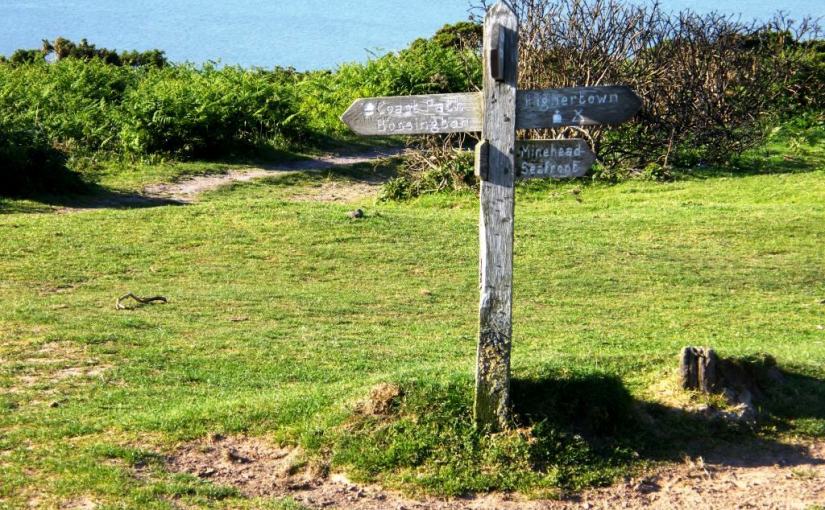
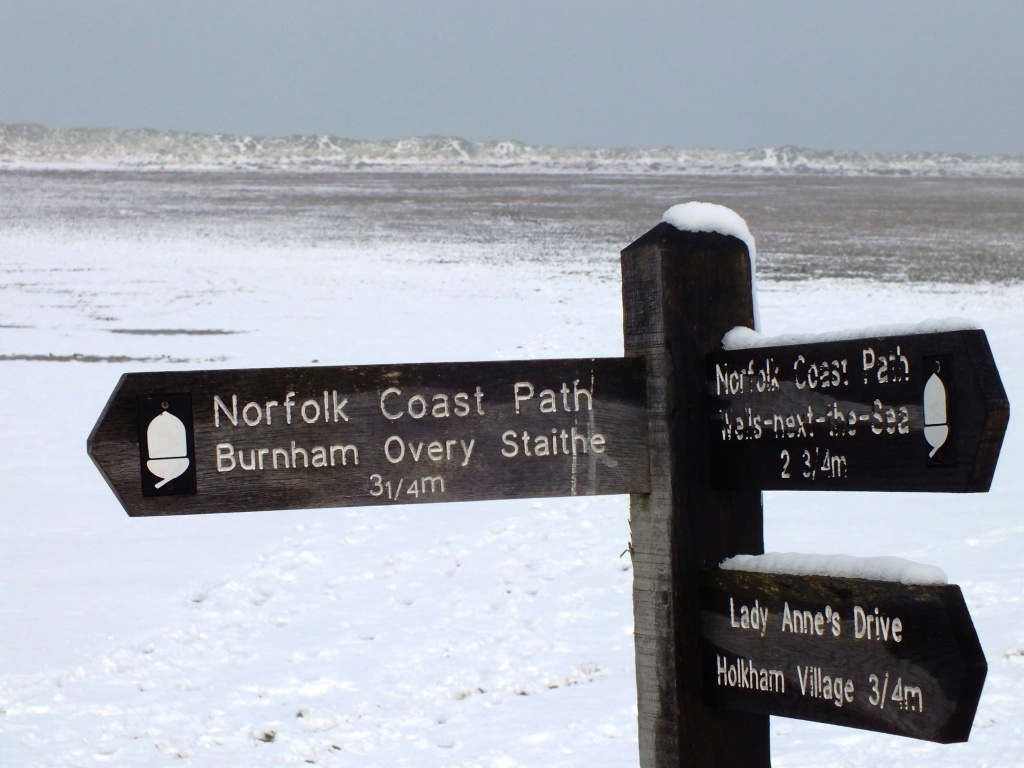
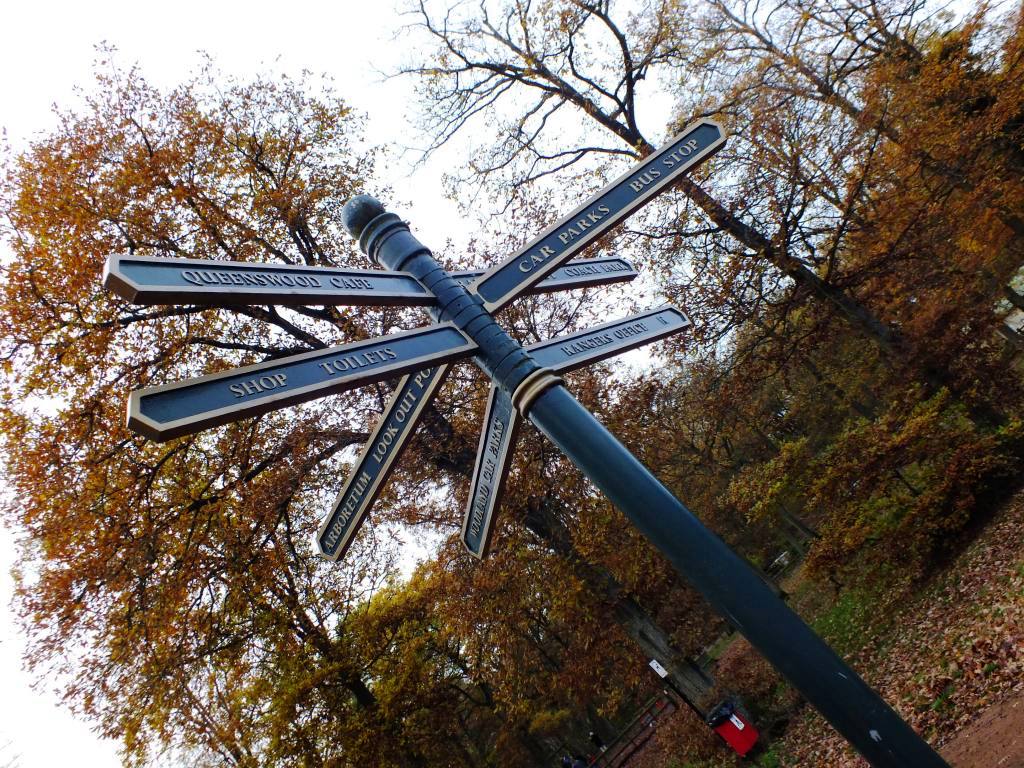
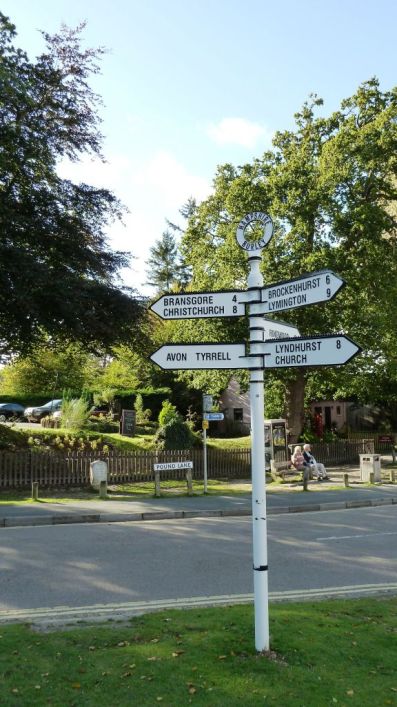
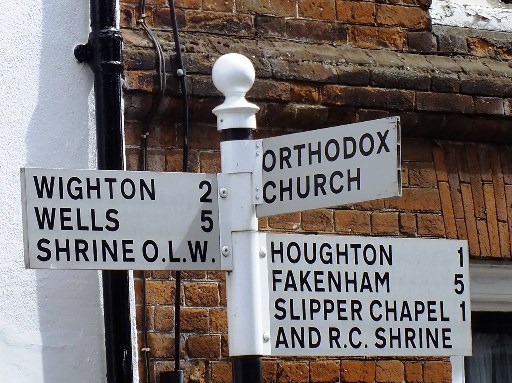
A fingerpost (sometimes referred to as a guide post) is a traditional type of sign post in the United Kingdom and Ireland, consisting of a post with one or more arms – known as fingers – pointing in the direction of travel to places named on the fingers. The posts have traditionally been made from cast iron or wood, with poles painted in black, white or grey and fingers with black letters on a white background, often including distance information in miles. In most cases, they are used to give guidance for road users, but examples also exist on the canal network and walking trails for instance.
Wooden finger post with mileage on the Coastal Path in NorfolkModern Finger post in cast iron in a park in Herefordshire
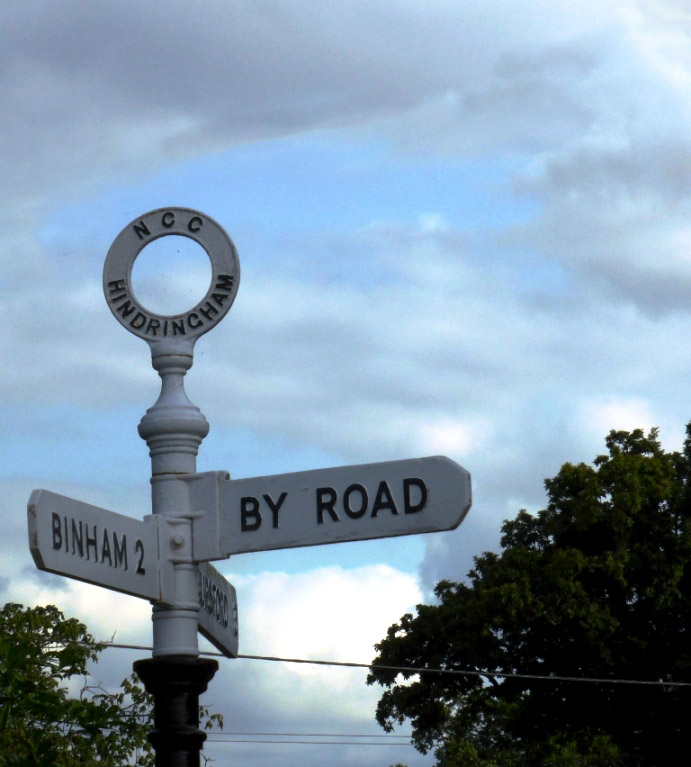
There was plenty of scope for distinctive spread of designs which remains to today. Roundel designs can include the junction name, a village name, highway authority names in full or initials, and some can include grid numbers.
Roundel in Hampshire with the village name of BurleyA Roundel in Norfolk with the village name of Hindringham
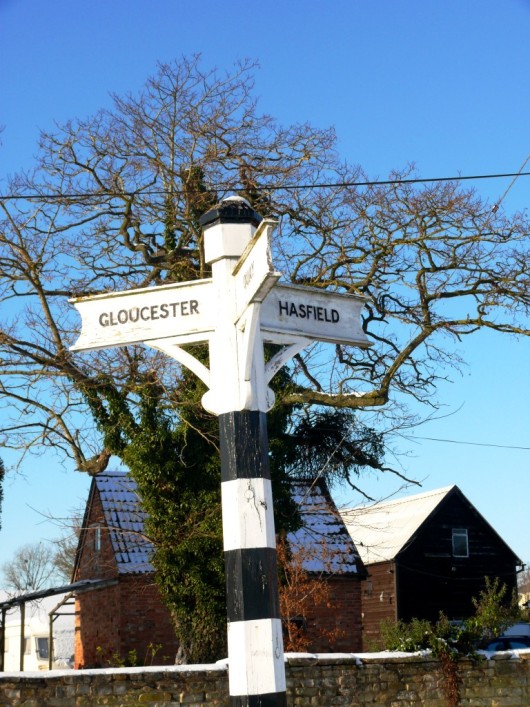
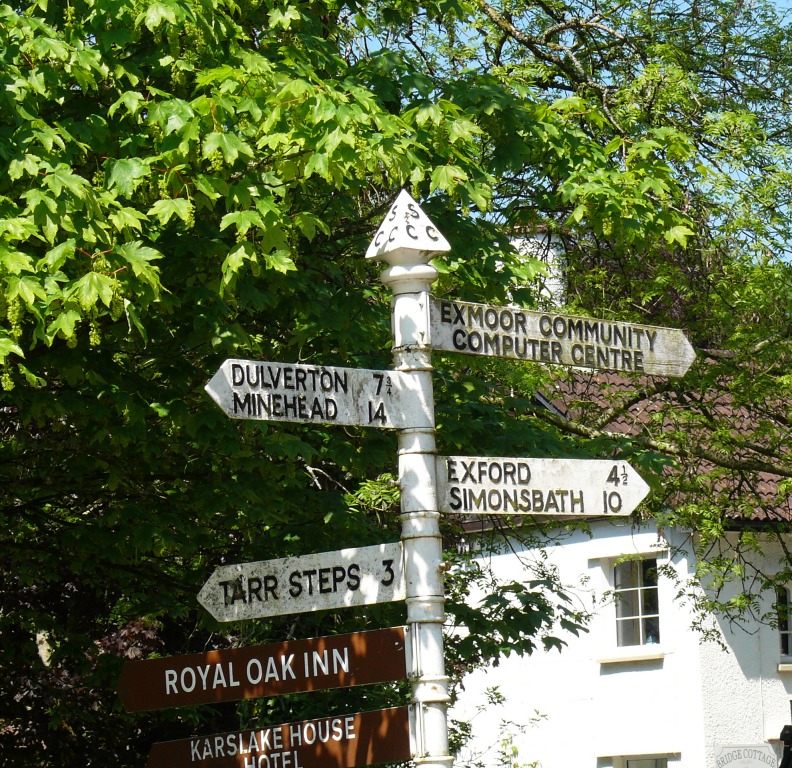
The fingers also vary with some (Cornwall and Devon) being square ended, Dorset is curved and Somerset triangular ended. Note the different shapes at the top of the column too.
Triangular in SomersetSquare in NorfolkCurved in Gloucestershire
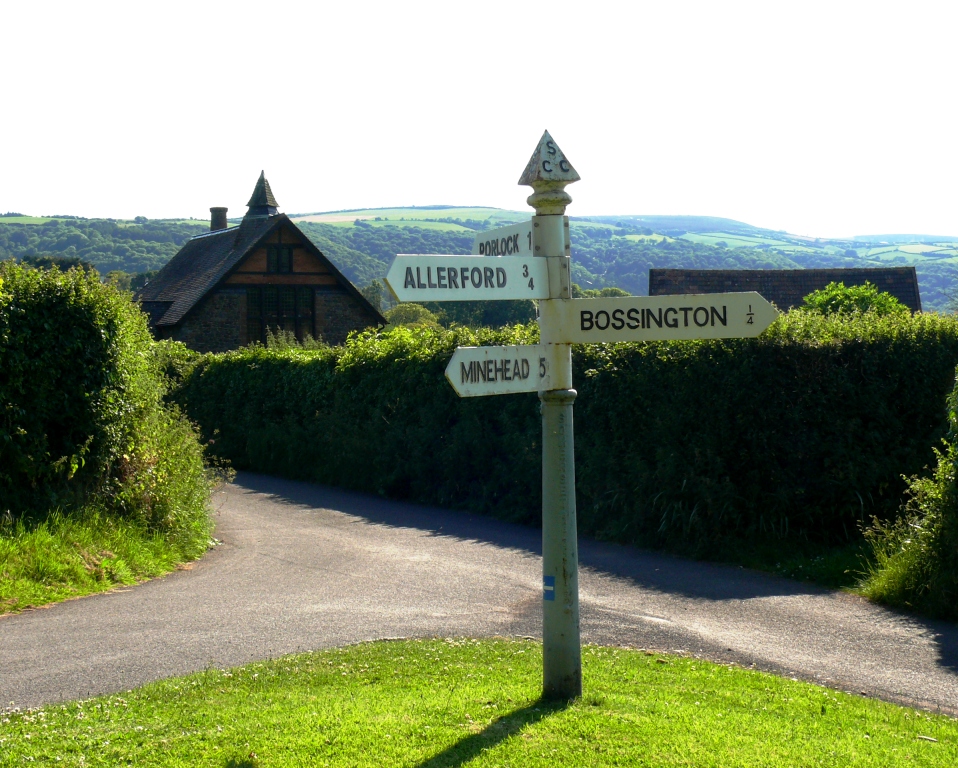
And note the mileage information in this post in Somerset. We were parked in Bossington, so only had 1/4 mile to walk back to the car.
Somerset County Council (SCC) with the triangular top
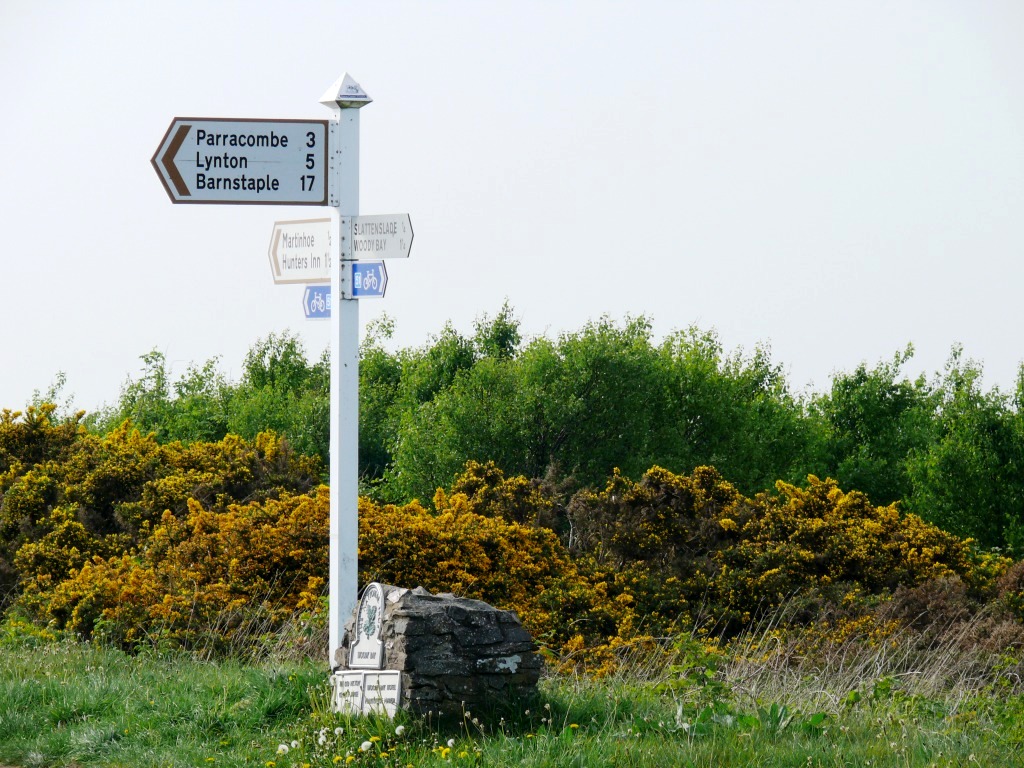
Most finger posts are coloured white, black and grey, but there are others. Red ones are seen in Dorset and you may find green ones that indicate a minor road or ‘drift’ road. Brown signs (below) indicate a tourist site or location and blue signs indicate a cycle network. These are more recent.
So, have you seen any unusual finger posts on your travels? If you have then I’d like to hear about them.
Description: Every Tuesday I offer the “A to Z challenge”, walking step by step through the alphabet.
If you would like to join in then please click here.
This exhibition on the life and work of Prague’s most famous literary son, entitled ‘City of K’, is the third in a series of exhibitions about world writers and their cities. It explores the intimate relationship between the writer and the city that shaped him through the media of documents, photography and video.
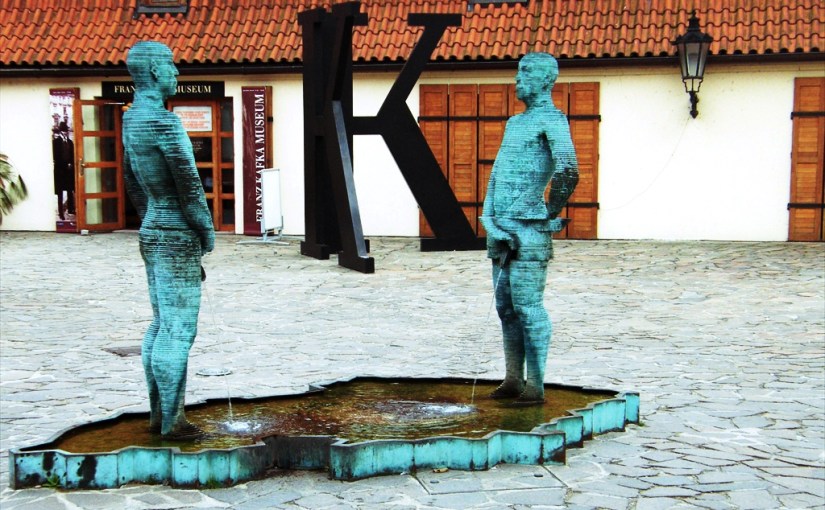
The fountain in the courtyard of the Franz Kafka Museum in the Lesser Quarter, is created by artist David Černý. Two urinating men stand opposite one another above a lake in the shape of the Czech Republic. An electronic device turns their hips and raises their penises in a way that the flow of water traces the letters of several quotes on the water’s surface. But since Kafka wrote in German I’m afraid that aspect of the fountain passed me by.
I find it very amusing, but I’m sure some people are extremely shocked when they suddenly find themselves face to face with this – what do you think?
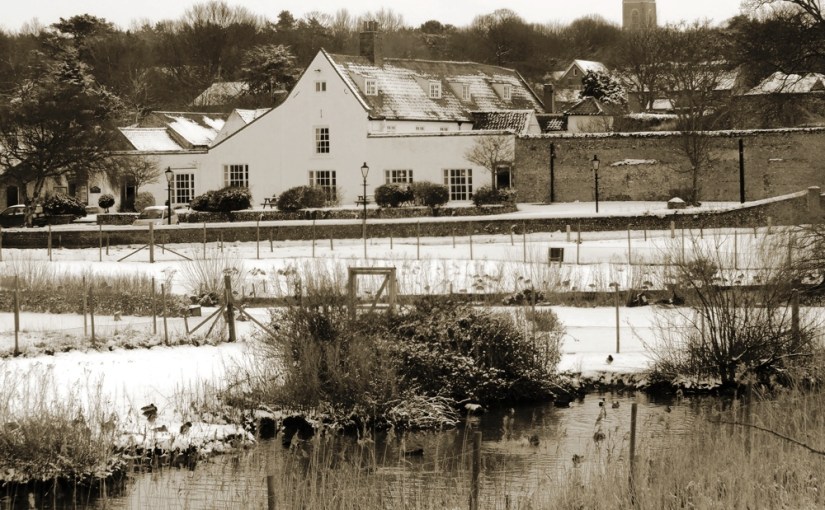
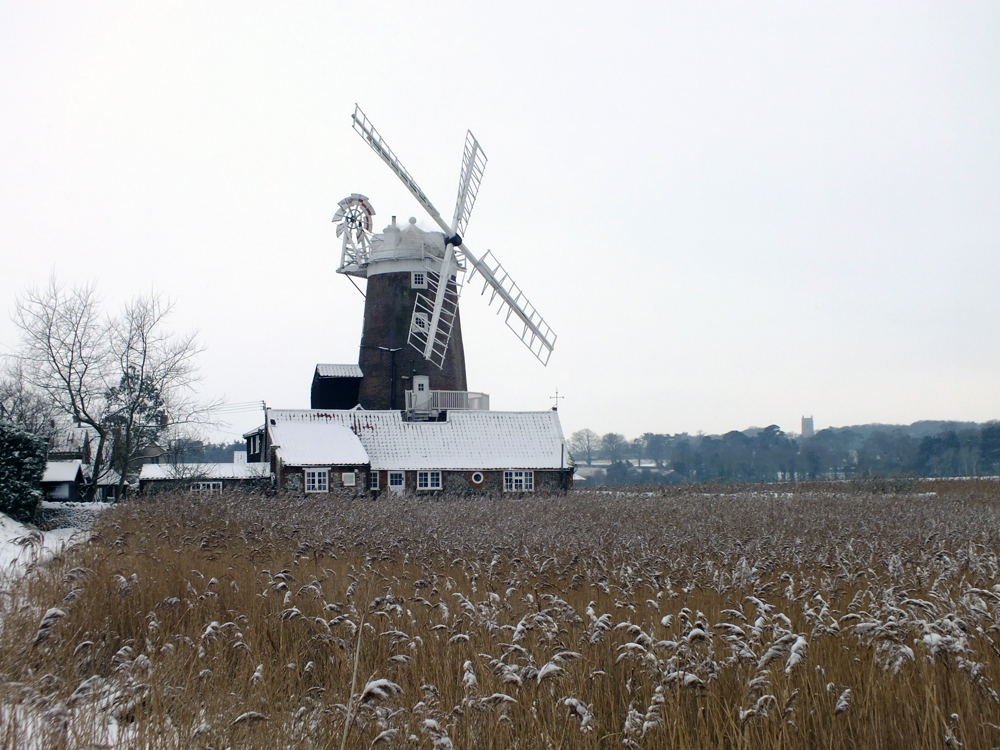
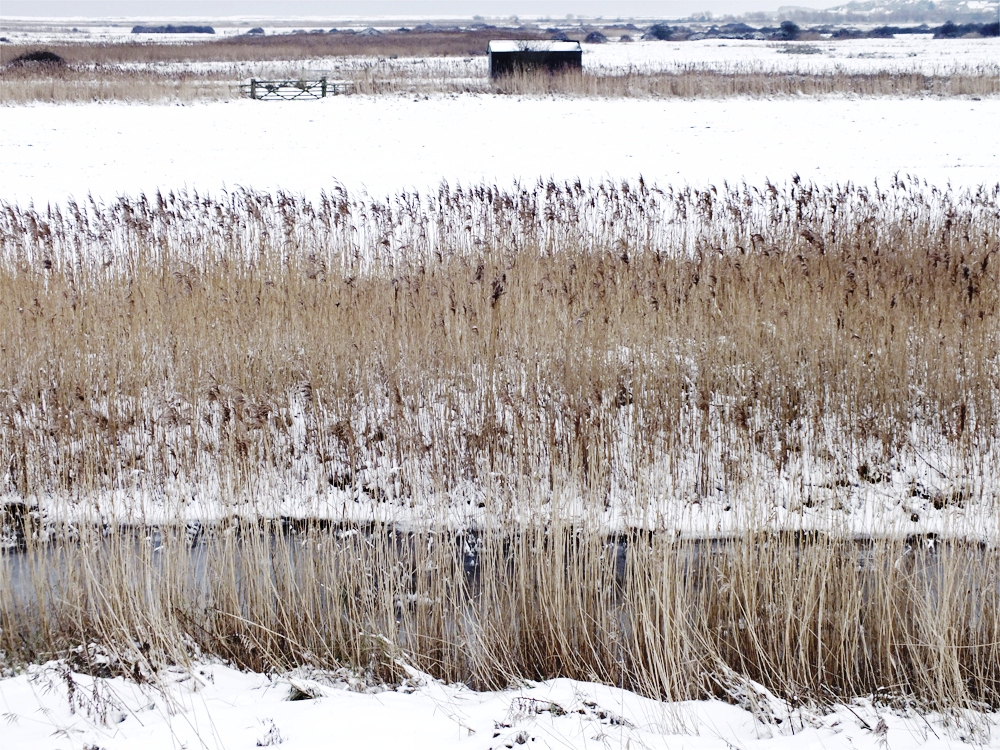
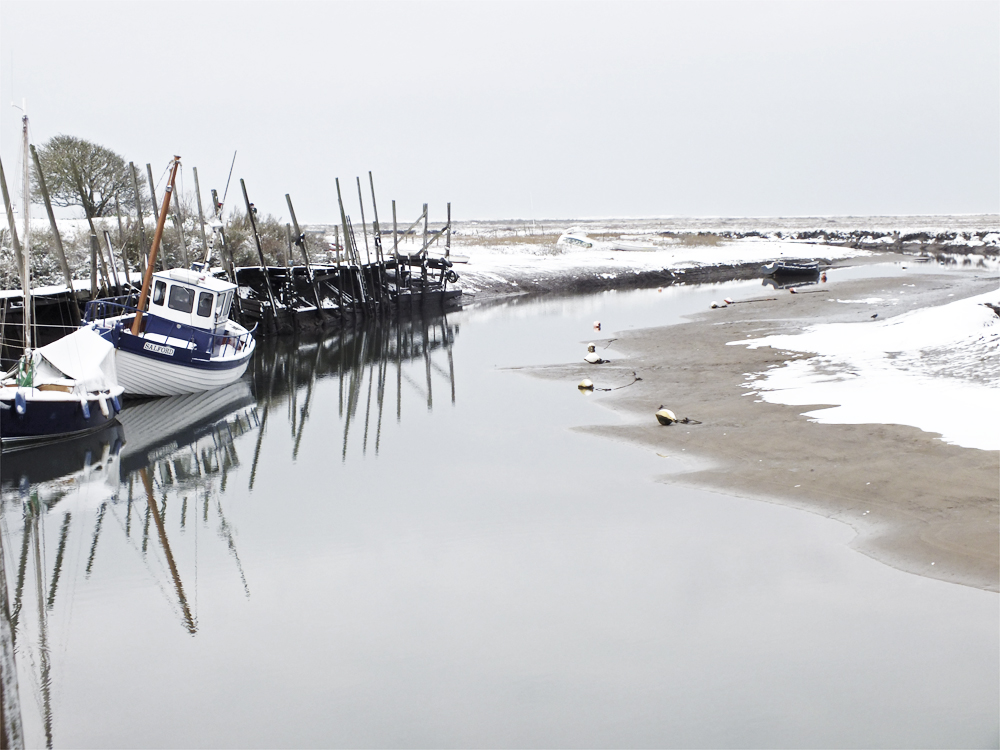
Ed wants us to think outside the box – now that comes easy to me as I am always thinking of unusual ways to interpret a challenge. So perversely my entry this week is quite safe – images of the North Norfolk coast in last year’s winter snow when everything was bleached of any colour with the exception of a natural brown palette.
(click on an image to enlarge)
Cley WindmillBlakeney Marshes
Hogweed
Something from the War
Ducks at Blakeney
Blakeney
Getting your Ducks in a Row
Blakeney Quay
I admit to using a sepia effect on the header photo, but the rest of the images are as seen, with some slight processing of saturation and levels.
Today was a much shorter drive, though very different from yesterday as we were driving through the snow that had fallen overnight. After a lovely breakfast and snapping a few shots of Steller Jays and Dark Eyed Juncos who were breakfasting outside on monkey nuts we were on our way to the Grand Canyon. Would it live up to the hype I wondered? Or would the reality fall flat.
(please click on an image to enlarge)
Black Eyed Junco
Steller Jay
We continued along 89A through Oak Creek Canyon weaving its way up and around the mountains. At the top we pulled into a viewing place to take a few photos of the canyon and the road on which we had just driven. I am so glad that they clear the roads in this part of the world!
A winding road
By noon we’d arrived at Tusayan the town just before the south entrance to the park and we stopped to visit the IMAX theatre to watch a film about the Canyon which is well worth doing if you haven’t been there before. Though I must be the only person on earth who suffers travel sickness whilst watching these films! I have to close my eyes to stop myself from feeling dizzy.
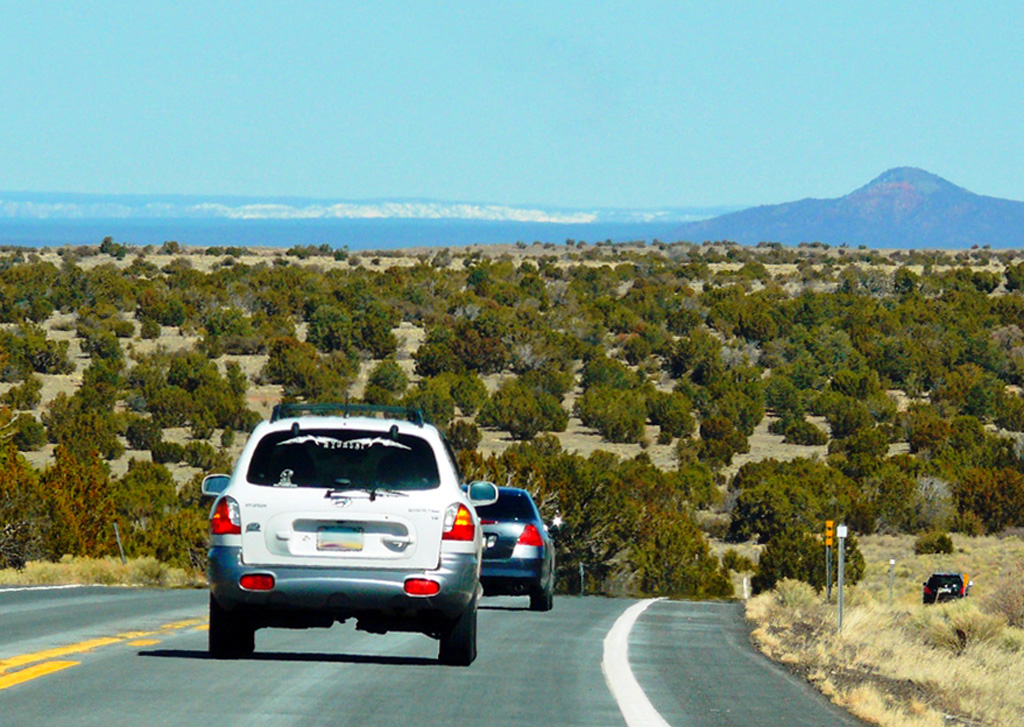
On the road to the Canyon, North Rim in the distance
The Grand Canyon fills me with awe. It is beyond comparison – beyond description, absolutely unparalleled throughout the wide world. Let this great wonder of nature remain as it is now. Do nothing to mar its grandeur, sublimity and loveliness. You cannot improve on it. But what you can do is keep it for your children, your children’s’ children and all who come after you, as the one great sight which every American should see. Don’t let them skin this wonderful country – as they will try to do” ~ Theodore Roosevelt, May 6, 1903
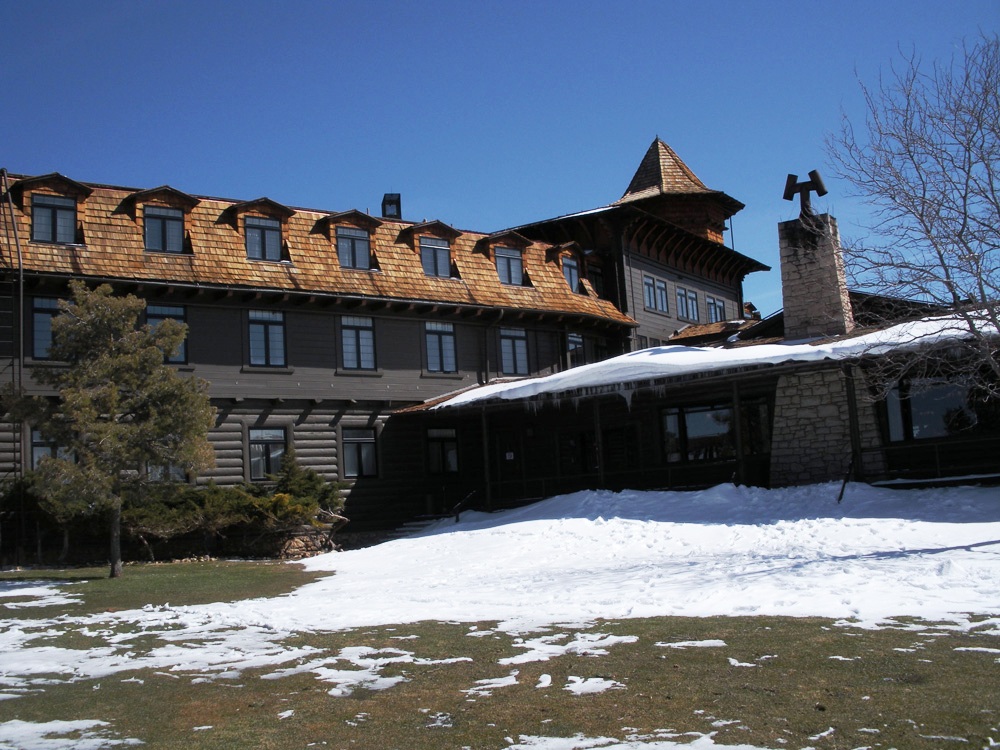
Now we were in the park and following the one-way system to our hotel – El Tovar – where we had booked for the night. It is a National Historic Landmark and is right on the South Rim with views of the canyon from rooms on the northern wing.
The hotel is made from native stone and Oregon pine and the design is based on European hunting lodges and has a world-renowned restaurant along with canyon views.
After settling in to our room, we went to have our first look at the view and then find the shuttle bus which would take us to Hermits Rest which is closed to private vehicles.
El TovarHopi HouseIcicles
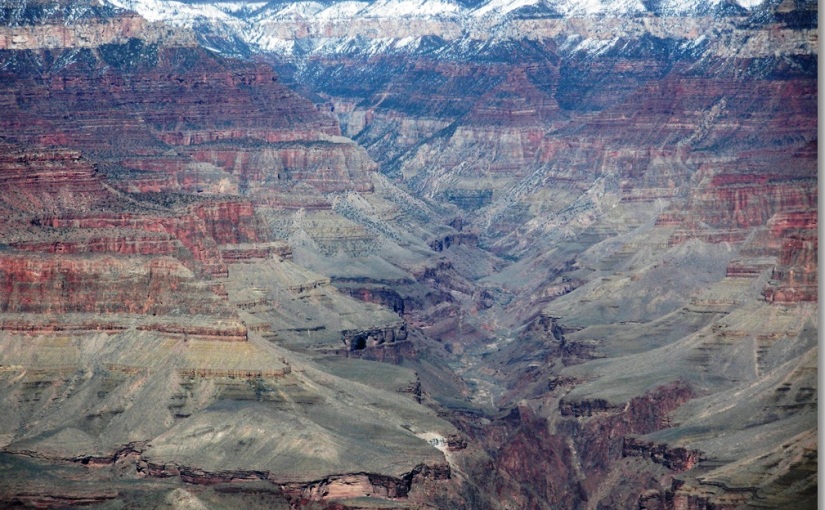
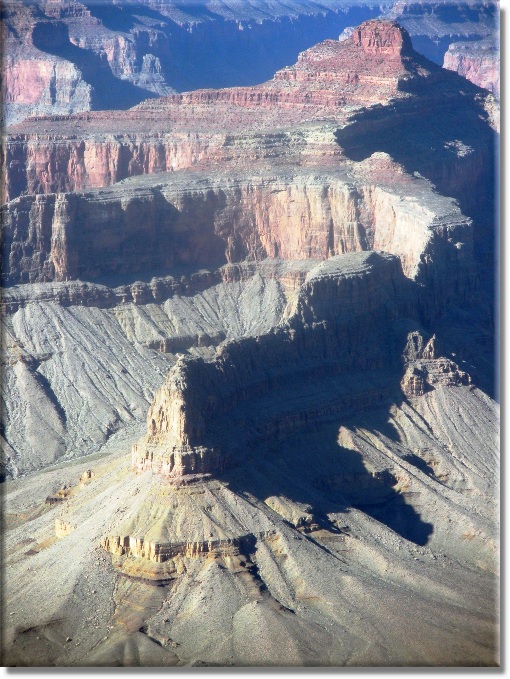
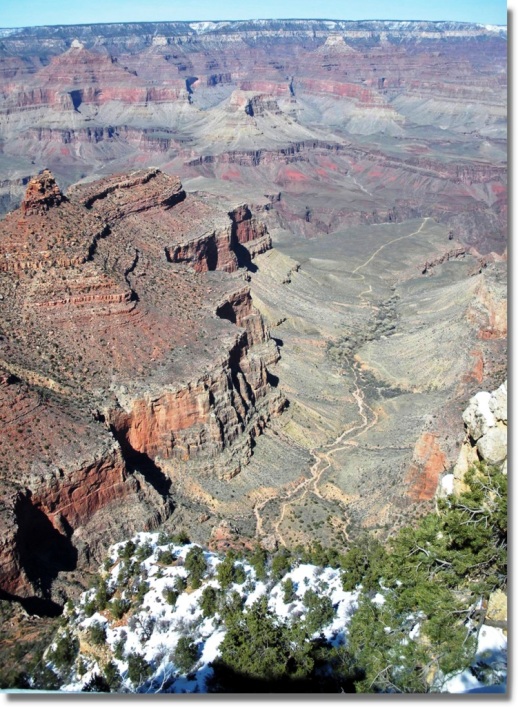
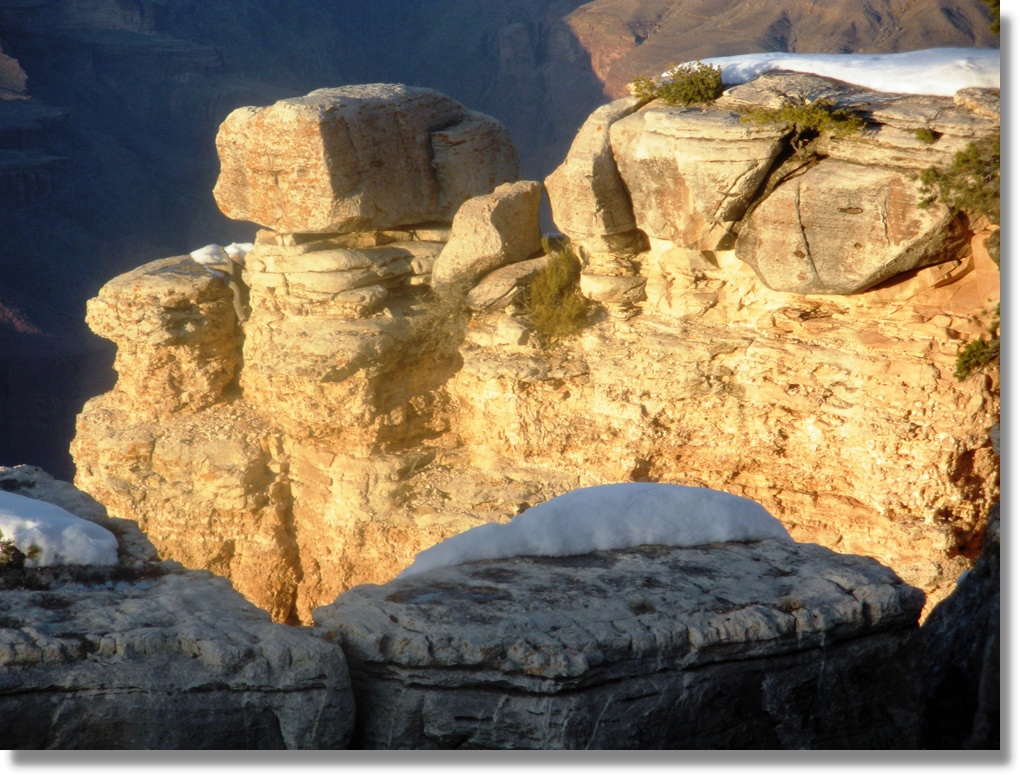
There are no words to describe your first view of the grand Canyon. Photographs do not do it justice, you cannot capture the multiple layers and colours and the sheer scale of the size and form. It overwhelms the senses and all you can do is stand and stare. Take time to pause on the rim and take in Earth’s history.
Hindu AmpitheatreView from Hermit’s rest
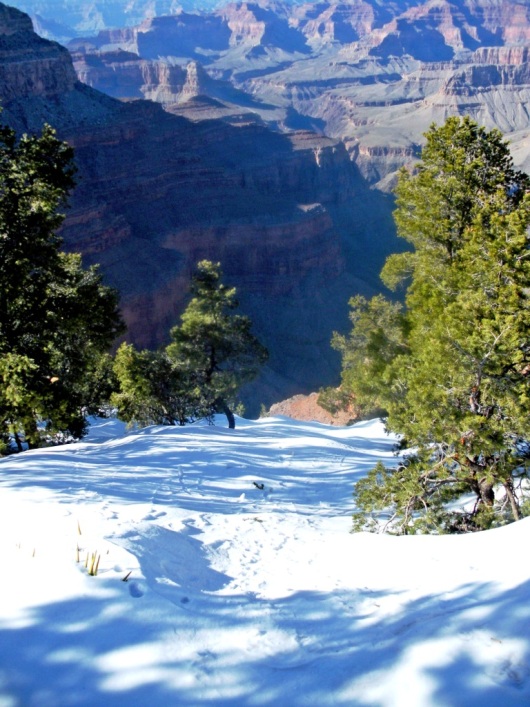
Don’t rush your visit to the Canyon. I know some people do a half day trip from Las Vegas, but it is worth spending at least one night there. During the afternoon we used the shuttle bus along the 7 miles to Hermits Rest and stopped off at different viewpoints along the way. You can of course walk the trail along the rim, but there are unpaved sections and while we were there it was very icy and snow covered so unless you have adequate walking boots I would advise using the bus.
The Colorado River Runs Through It
Visit the Kolb Studio, perched on the edge of the rim, the Victorian home of the Kolb Brothers who created a lasting legacy of adventure, exploration, family love, and amazing Grand Canyon photography or hike down Bright Angel Trail, if only to the first tunnel, if you are brave and it is not covered in snow!
The Bright Angel TrailPinyon Pines cling to the edge
And if time allows the genuine artistry of Native American jewellery deserves a look in the better gift shops at the Hopi House or the Watchtower. Check for a genuine silver hallmark and the quality of stones in the lovely silver and turquoise jewellery. Hopi rugs, pottery and Kachina dolls are also good souvenirs. Finally we returned to the Village just before sunset around 6:30 before heading off into the El Tovar restaurant for a well-deserved steak.
Ailsa of “Where’s My Backpack?” has been pondering her visits to gardens around the world this week. If you would like to join in with her challenge then please do. Everyone is welcome.
And I am combining this with the Weekly Photo Challenge from WordPress:Inside.
As some of you will know I do have another blog which is specifically for flowers – Earth Laughs in Flowers – and if you click this link you will be able to read about some of the gardens I have been enchanted by and see some lovely flowers and plants.
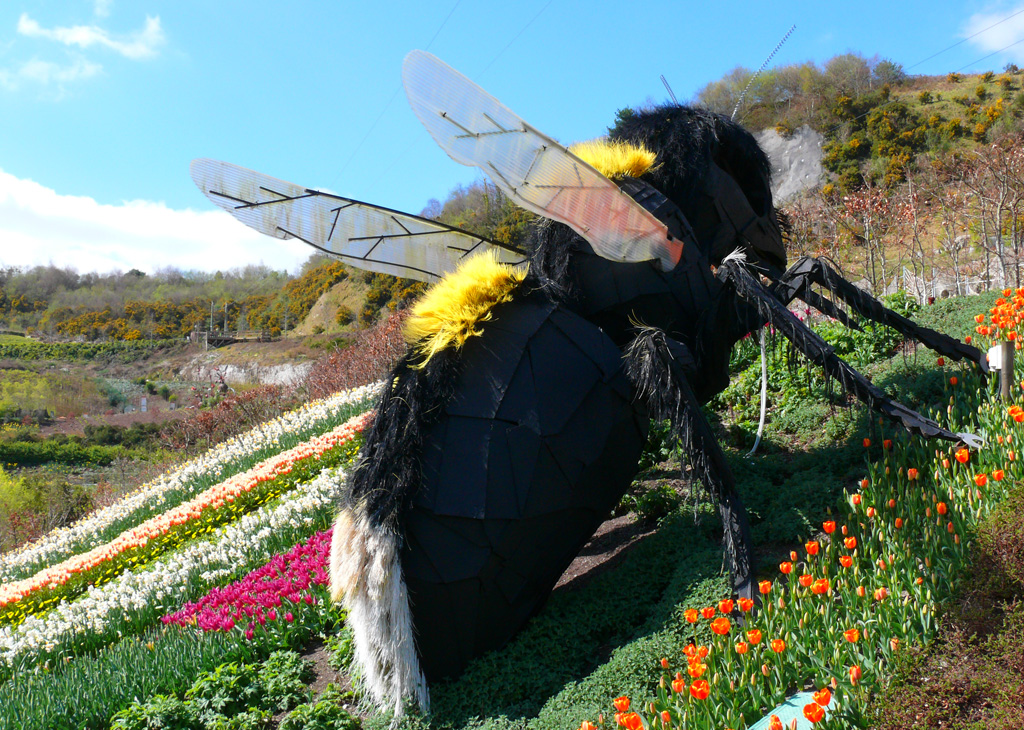
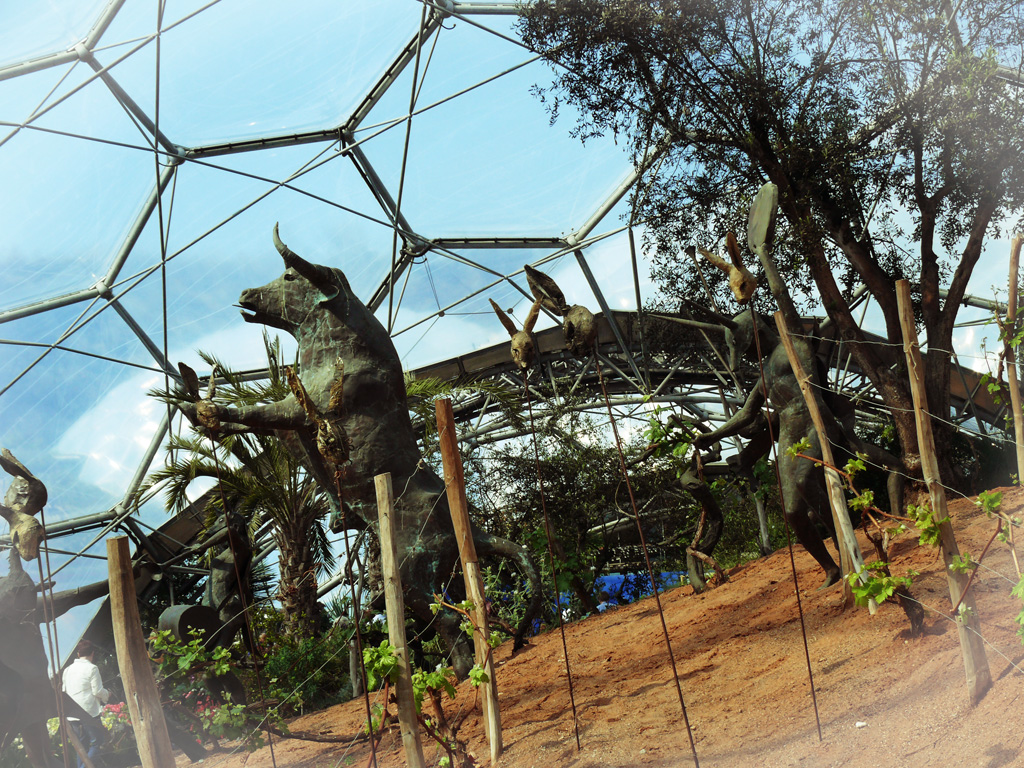
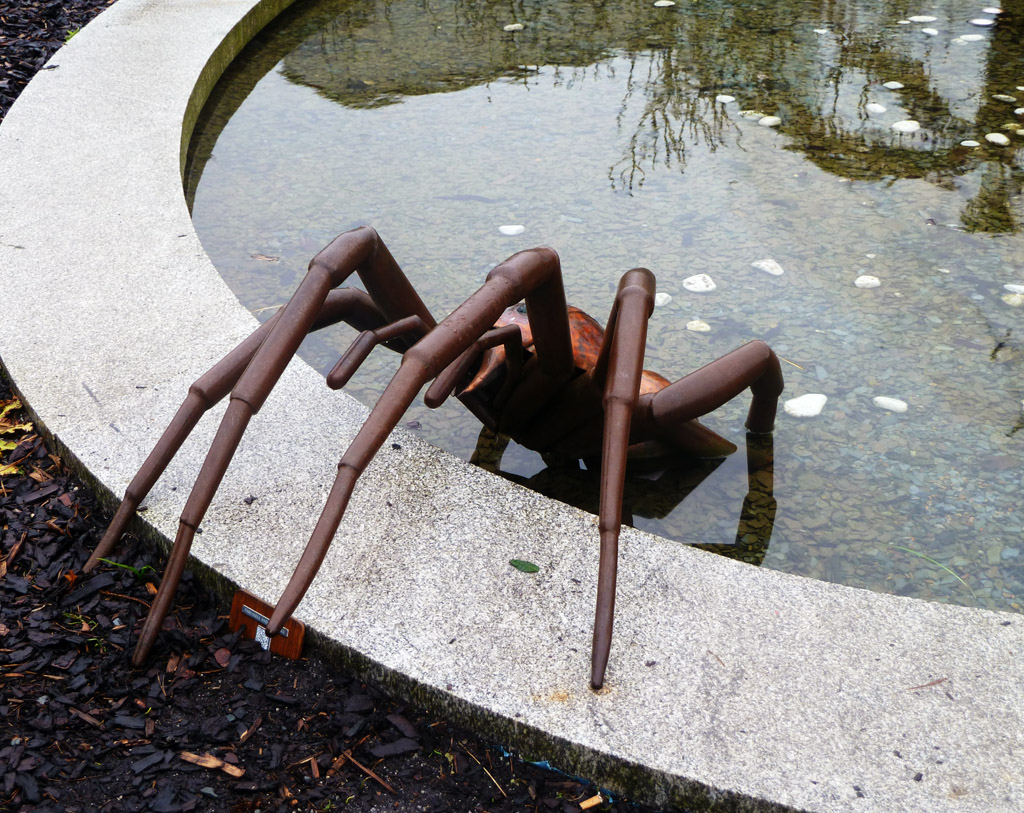
But for this challenge I am going to show you some of the odd sculptures and statues that have caught my eye whilst wandering inside the gardens, beginning with the infamous Eden Project in Cornwall.
(click on an image to enlarge)
The BeeThe Rites of Dionysus by Tim ShawWEEE Man, Outdoor BiomeIncy Wincy spider…or is it a crab?
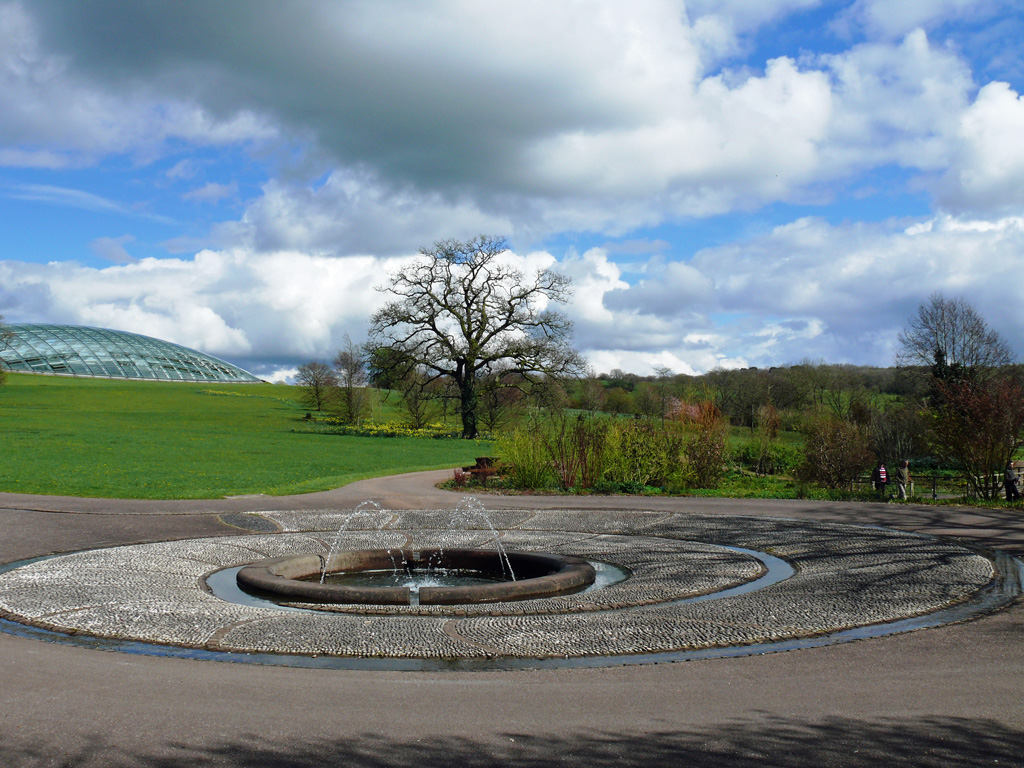
Next is a visit to the National Botanic Garden of Wales.
‘Tawr’ A Welsh Black by Sally Matthews‘Pi’ by Rawleigh ClayCircle of Decision
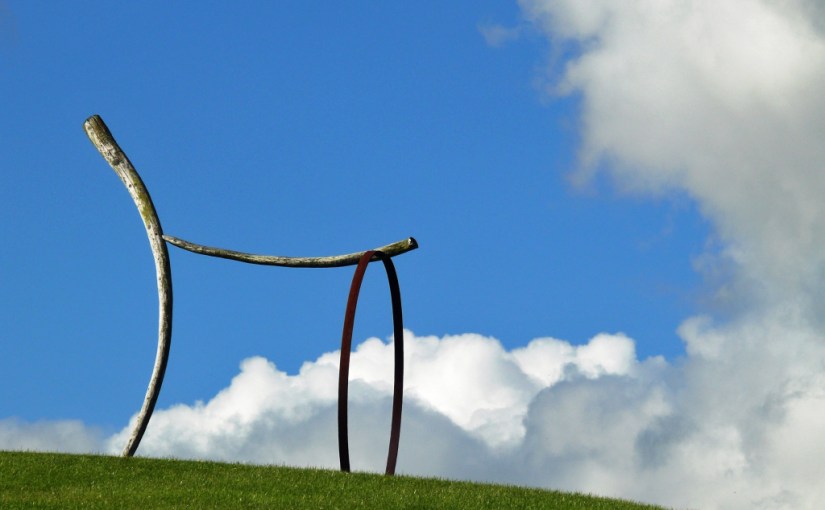
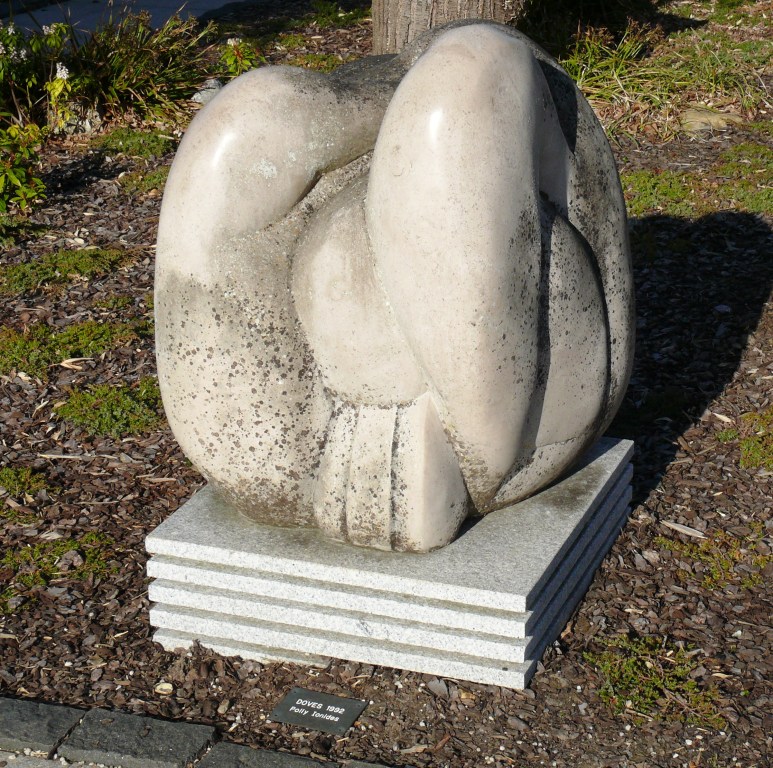
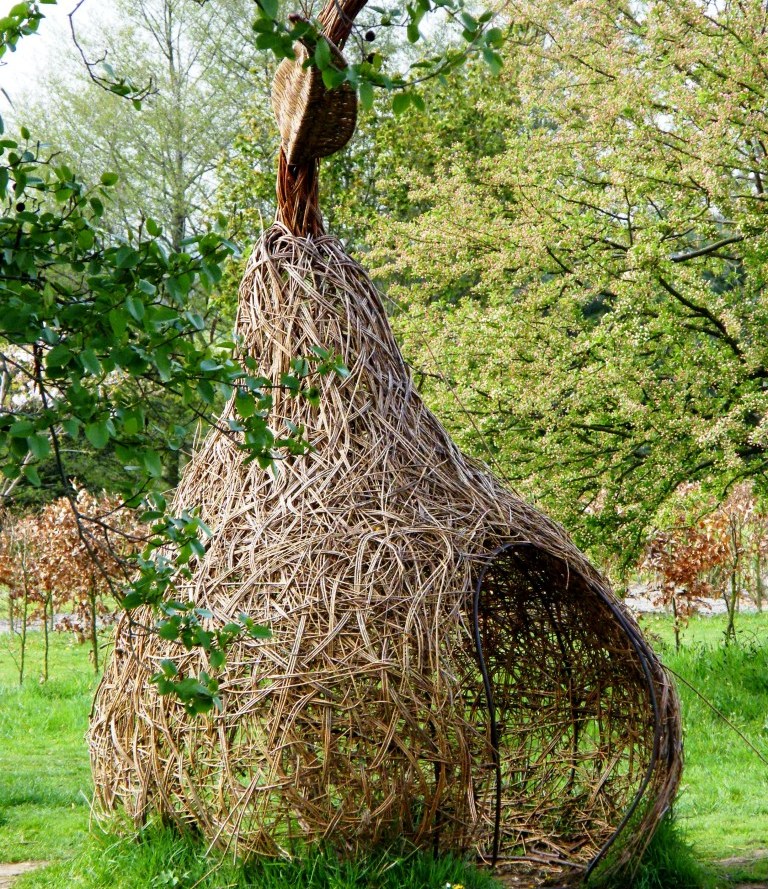
And finally a few sculptures that have appeared in my favourite garden, RHS Wisley in Surrey.













 TRAVEL WORDS