A – Z of Locations: S is for St Bride’s Bay

During this year I shall be posting photographs from places around the UK, many of which have not been published before. Where I have previously blogged about a location I will provide a link to the post, though you won’t be able to comment on it as I restrict comments to six months.

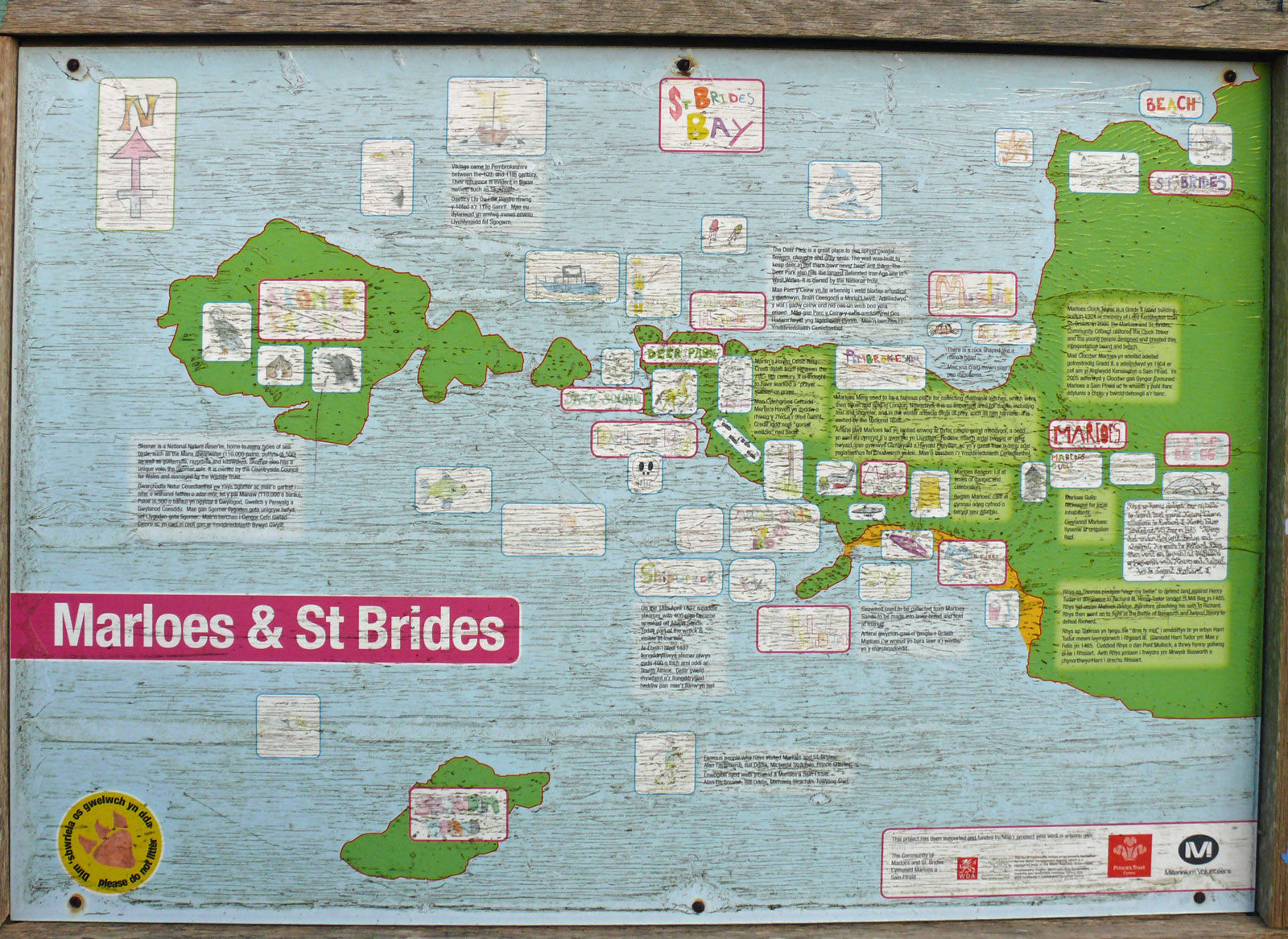
S is for St Bride’s Bay and Skomer and Skokholm Islands

Another one from Wales, this time in Pembrokeshire.

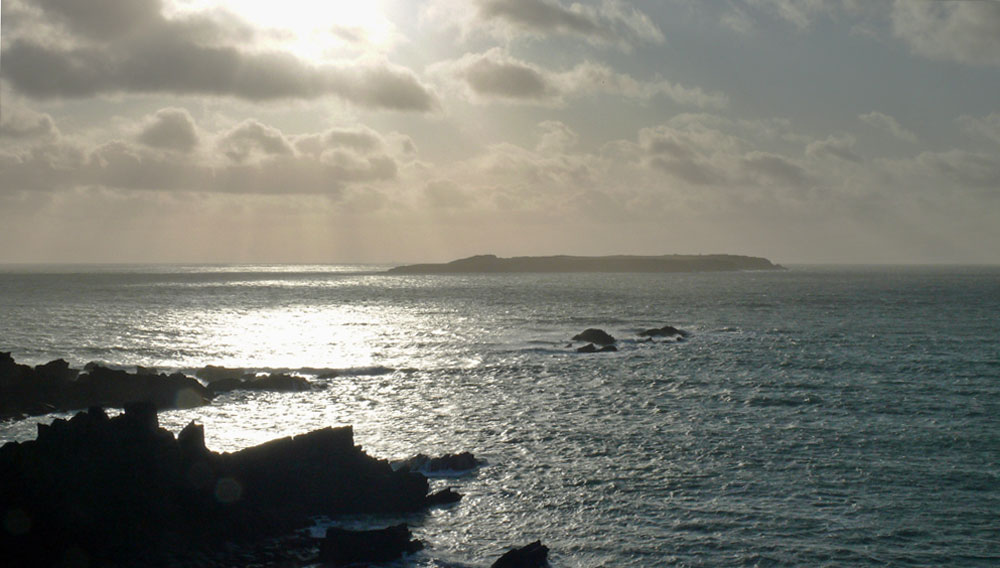
Lying in the Celtic Sea two miles off the southwest Pembrokeshire coast, Skokholm has its own charm and sense of remoteness with tall, sandstone cliffs and a wild landscape

In the warmer months Skokholm is colonised by tens of thousands of nesting seabirds. By day there is frenetic activity among the puffins, razorbills, guillemots and gulls – and by night there is more commotion from the Manx shearwaters and storm petrels! (Source: Welsh Wildlife Trust)

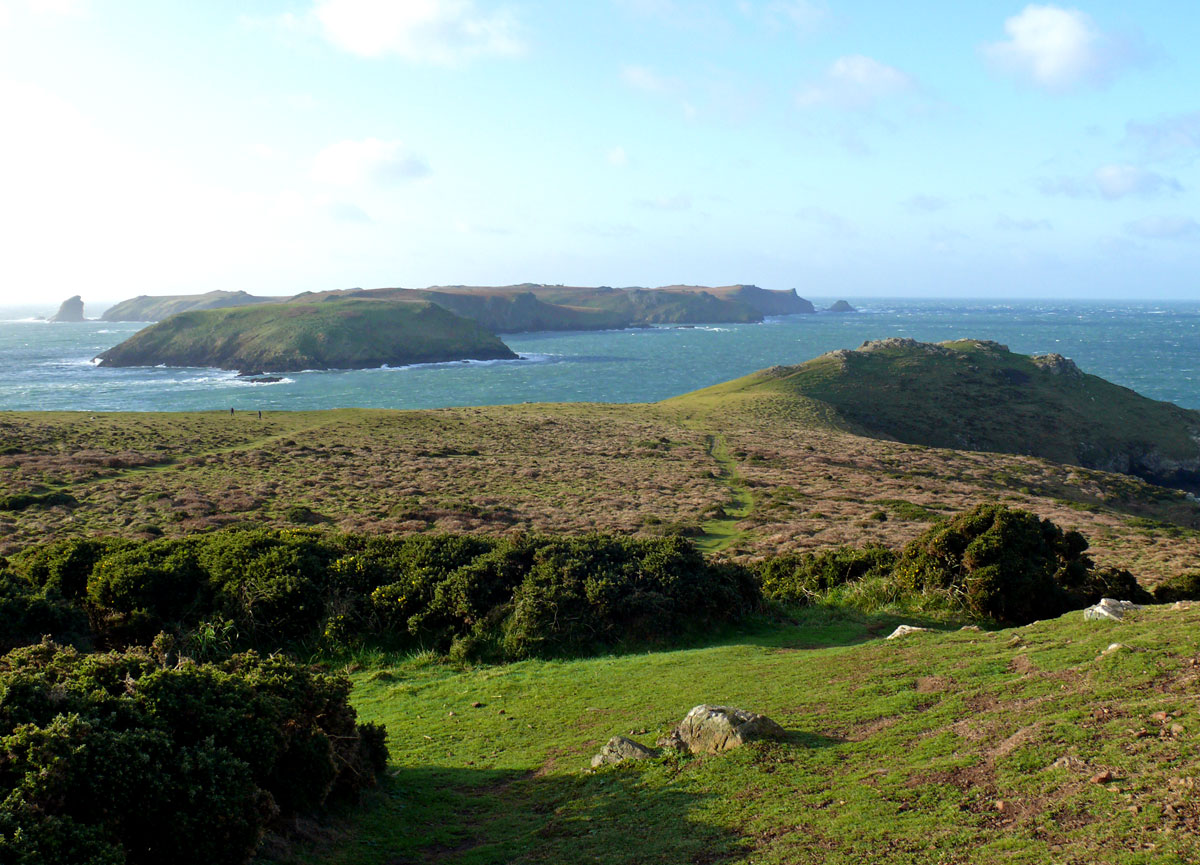
Skomer Island is less than a mile off the beautiful Pembrokeshire coast.

Between April and July, Skomer is well known for its puffins, but there is so much more to this National Nature Reserve – including Manx shearwaters, dolphins, seals, razorbills, and so much more! You can visit for just a day  or even stay overnight in a hostel. (Source: Welsh Wildlife Trust)

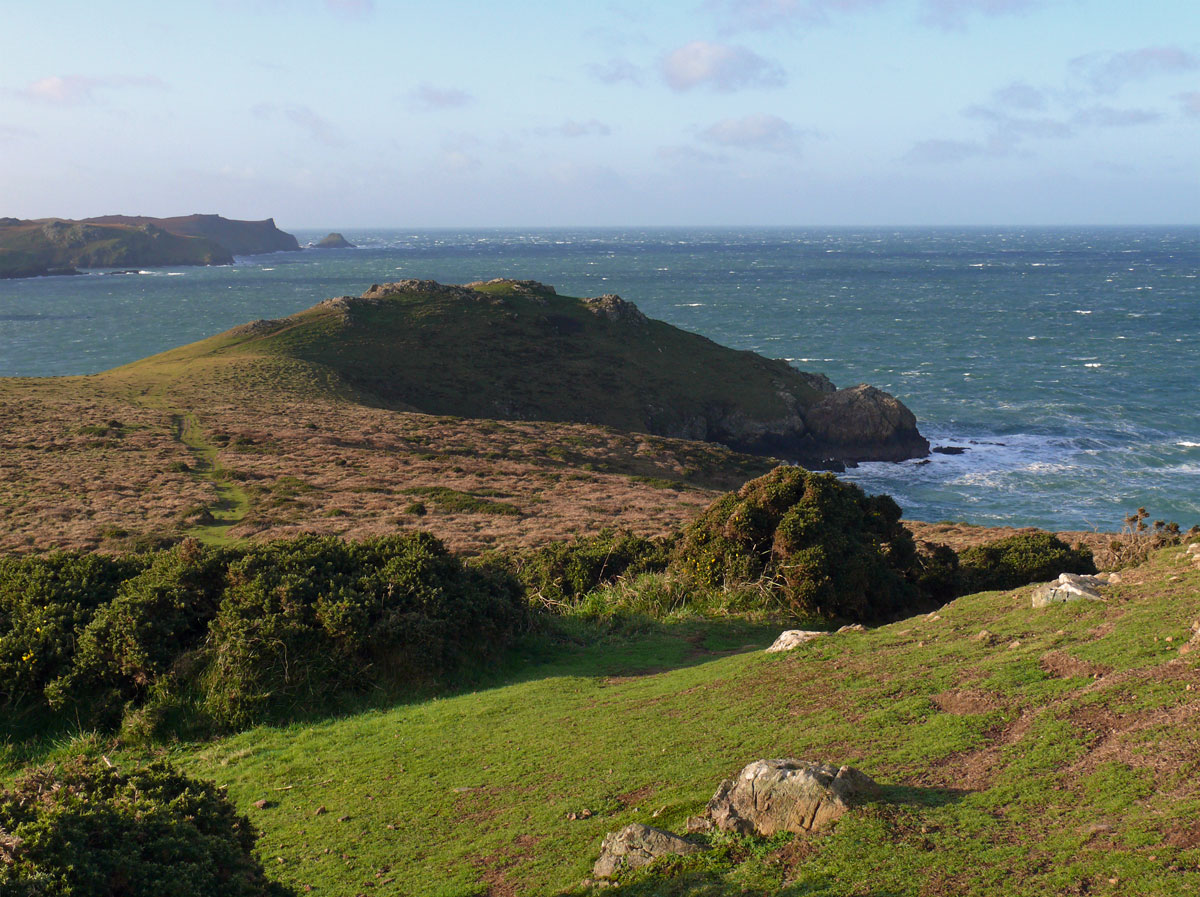
Incredible views from the top of Wooltack Point

Our visit was on the last day of our family Christmas holiday in Wales in 2011. We stayed in a former pub near Rosebush and well remembered for being absolutely freezing cold all week with rain and/or fog every day bar this one! Whilst the children and grandchildren went off to visit Pembroke Castle, the OH and I decided to have a little road trip around the Pembrokeshire coast first to Fishguard then on to St David’s (the smallest city in Wales) before following the coast down to Marloes and St Brides.

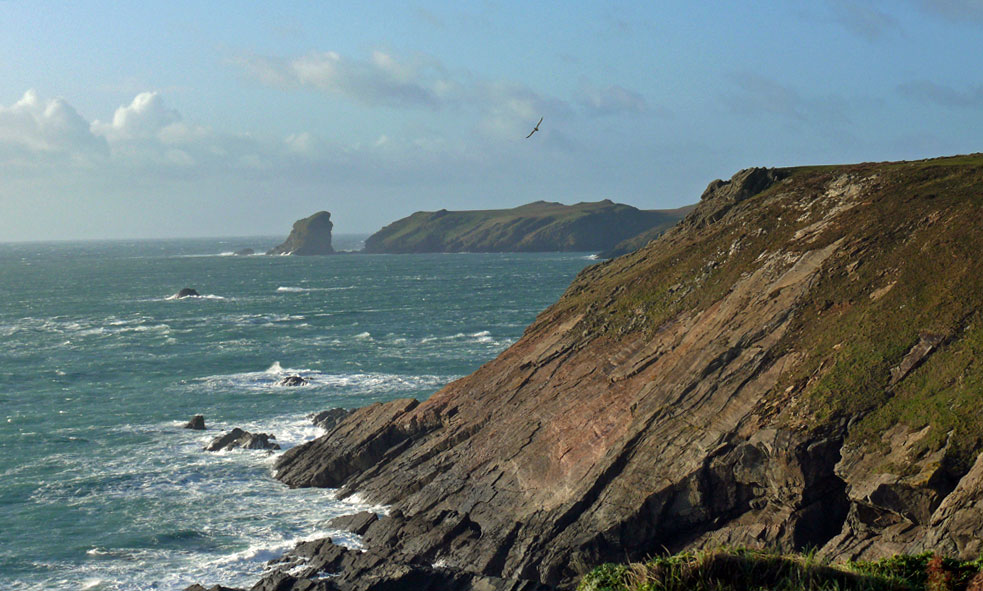
Wild white-capped waves

We parked at Martin’s Haven close to the Deer Park for a walk and to get a glimpse of the islands. Although it was a dry and sunny day the wind was fierce so it was a very quick walk.

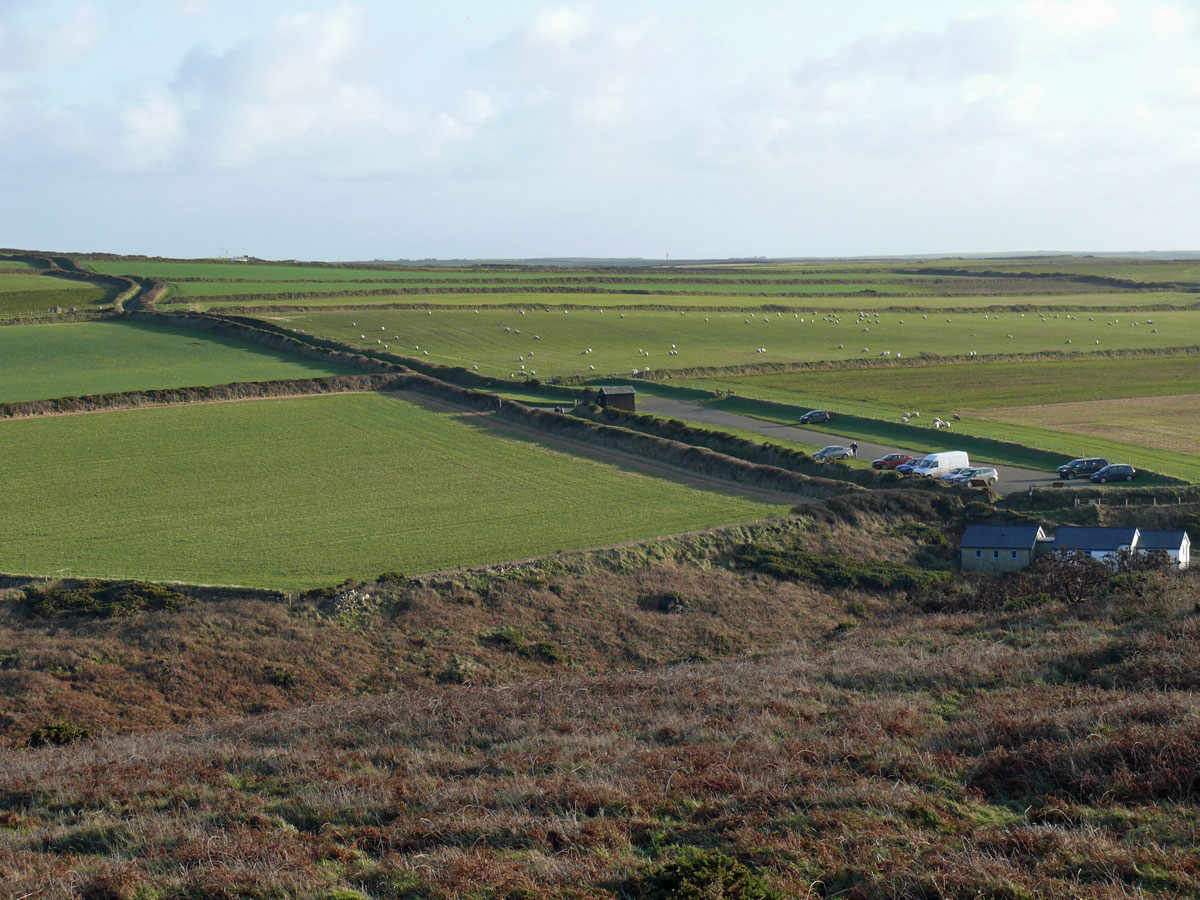
The car park at Martin’s haven (the end of the road)

From here we returned to Marloes for some lunch and then a quick drive to Dale which is on the Milford Haven Waterway, an estuary forming a natural harbour that has been used as a port since the Middle Ages, before dashing back north to catch the sunset at the Pentre Ifan Burial Chamber in the Preseli Hills.

If you haven’t already visited Pembrokeshire then I recommend that you do. It has an amazing landscape with towering cliffs, pristine beaches, rolling moorlands rich with wildlife and history, beautiful coastal towns like Tenby (equivalent to Cornwall’s St Ives) and Britain’s smallest city, St Davids with its Cathedral and the ruin of The Bishops Palace.

A – Z of Locations: R is for Rye

During this year I shall be posting photographs from places around the UK, many of which have not been published before. Where I have previously blogged about a location I will provide a link to the post, though you won’t be able to comment on it as I restrict comments to six months.

R is for Rye / Rye Harbour

Rye is an English town with a fascinating history near the coast in East Sussex about 20 miles east of Hastings and four miles from the white beach of Camber Sands. In the centre, cobbled lanes like Mermaid Street are lined with medieval, half-timbered houses.

Mermaid Street (The Mermaid Inn was rebuilt in 1420)
Walk along Mermaid Street and you’ll come across houses with names like “The House Opposite”, or the “House with Two Front Doors”.
One thing Rye isn’t short of is pubs. Here we have The Swan.

The redbrick Lamb House was once owned by writer Henry James. Nearby, the tower of the Norman St. Mary’s Church overlooks the town. The 14th-century Ypres Tower, which formed part of Rye’s defences, is now Rye Castle Museum.

Originally a seaport, Rye was incorporated in 1289 and became a full member of the Cinque Ports (a confederation of English Channel ports) about 1350. Now Rye Harbour lies 2 miles away from the actual town.

My only visit to Rye itself was back in November 2003 and I’m sad to say I don’t remember much about it other than it being quite cold and windy down by the sea. The second visit was a more pleasant one to the Nature Reserve in July 2014, but for some reason we didn’t bother to visit the town.

You can read about that visit here for a comprehensive walk along the shingle beach and an introduction to the wild flowers that grow in such an inhospitable landscape.

A – Z of Locations: Q is for Quex Park

During this year I shall be posting photographs from places around the UK, many of which have not been published before. Where I have previously blogged about a location I will provide a link to the post, though you won’t be able to comment on it as I restrict comments to six months.

Q is for Quex Park

The Quex Park estate dates back to the 15th century. There is a Victorian walled garden, cucumber pit, woodland walk, croquet lawn and resident doves and peacocks.

The Grade II listed Quex House is located in Birchington close to the Thanet coast in Kent and home to the Powell-Cotton Museum which houses unique natural history dioramas of African and Asian animals and wildlife, culturally significant and meaningful world-culture objects and, local archaeology from the Thanet coastline.

My visit though was to see the historic Victorian Walled Gardens

which is still undergoing restoration.

But these are not the only attractions at the site which has 15-acres of gardens, an activity centre, play areas, adventure golf, Jungle Jim’s, the Maize mazes and build a base to keep the kids amused.

There is also a craft village, Quex Barn to buy your organic fish, meat and vegetables or sit for something to eat, The Secret Garden Centre, Mama Feelgood’s café and a packed programme of events.

A – Z of Locations: P is for Portsmouth

During this year I shall be posting photographs from places around the UK, many of which have not been published before. Where I have previously blogged about a location I will provide a link to the post, though you won’t be able to comment on it as I restrict comments to six months.

P is for Portsmouth

Portsmouth is a port city and naval base on England’s south coast, mostly spread across Portsea Island. It’s known for its maritime heritage and Portsmouth Historic Dockyard.

The dockyard is home to the interactive National Museum of the Royal Navy, the wooden warship HMS Victory, where Nelson died in the Battle of Trafalgar, and HMS Warrior 1860. The Tudor ship Mary Rose is also conserved in a dockyard museum.

The Spinnaker Tower is a 170-metre landmark observation tower which reflects Portsmouth’s maritime history through its design and is named after a spinnaker, a type of sail that balloons outward. The tower was opened on 18 October 2005.

Having previously lived in Hampshire and Surrey and even done a spell of teaching in Portsmouth this is not a city that screams out ‘holiday’ destination to me, but it’s worth a day trip to visit the Historic Dockyard. There is also a good shopping mall, Gunwharf Quays, with plenty of places to eat, drink and stop for a coffee as well as the Spinnaker Tower. There is a railway station right in the harbour area and of course ferries leave here for nearby Gosport as well as the Isle of Wight, Jersey, France and Spain.

Oh and Portsmouth is also the birth place of Charles Dickens.  The house that now stands as his birthplace museum is situated on Old Commercial Road, but back then it was called Mile End Terrace.

A – Z of Locations: O is for Orford

During this year I shall be posting photographs from places around the UK, many of which have not been published before. Where I have previously blogged about a location I will provide a link to the post, though you won’t be able to comment on it as I restrict comments to six months.

O is for Orford / Orford Ness

Orford Ness shingle spit

Orford Ness is a shingle spit linked to the mainland at Aldeburgh, stretching along the coast to Orford and divided from the mainland by the River Alde. It is ranked among the most important shingle features in the world, this National Nature Reserve sees rare and fragile wildlife thrive where weapons, including atomic bombs, were tested and perfected.

To reach the shingle spit you need to take a National Trust ferry ‘Octavia’ and once there you can follow trails through a stunning landscape and ex-military testing areas, buildings and displays.

Orford itself is one of the prettiest villages on the Suffolk Coast with a castle, pretty cottages and welcoming pubs to the picturesque quay offering river cruises.