I used to photograph doors almost obsessively – and have several posts on this site about them. But for this week’s challenge from Sofia I wanted to simply show one door that I don’t think has been posted.
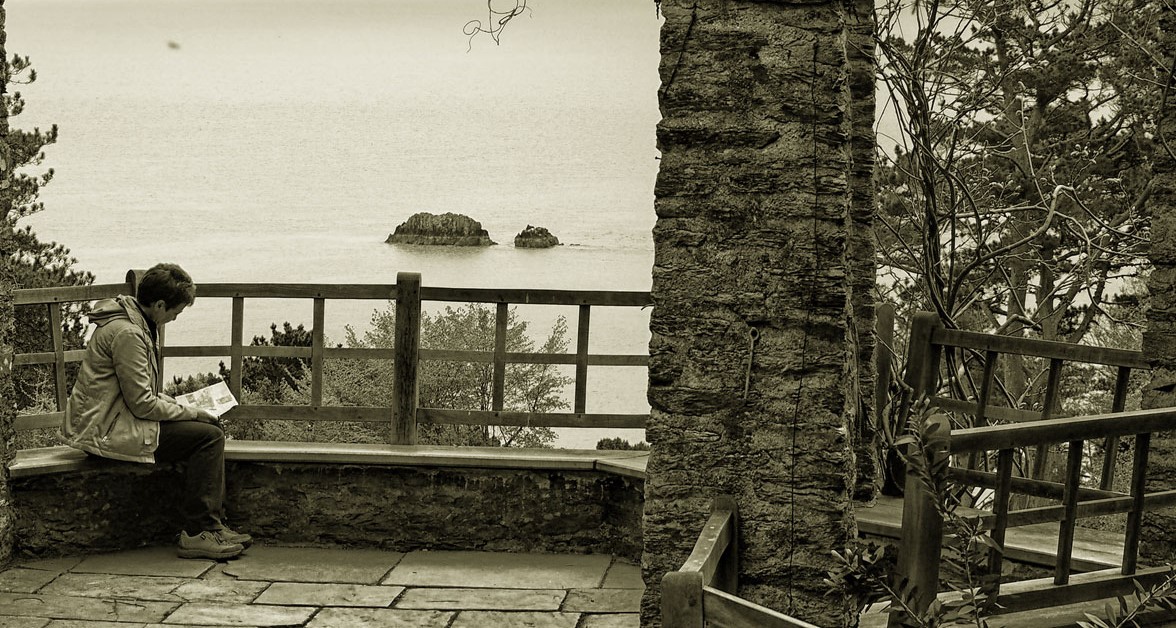
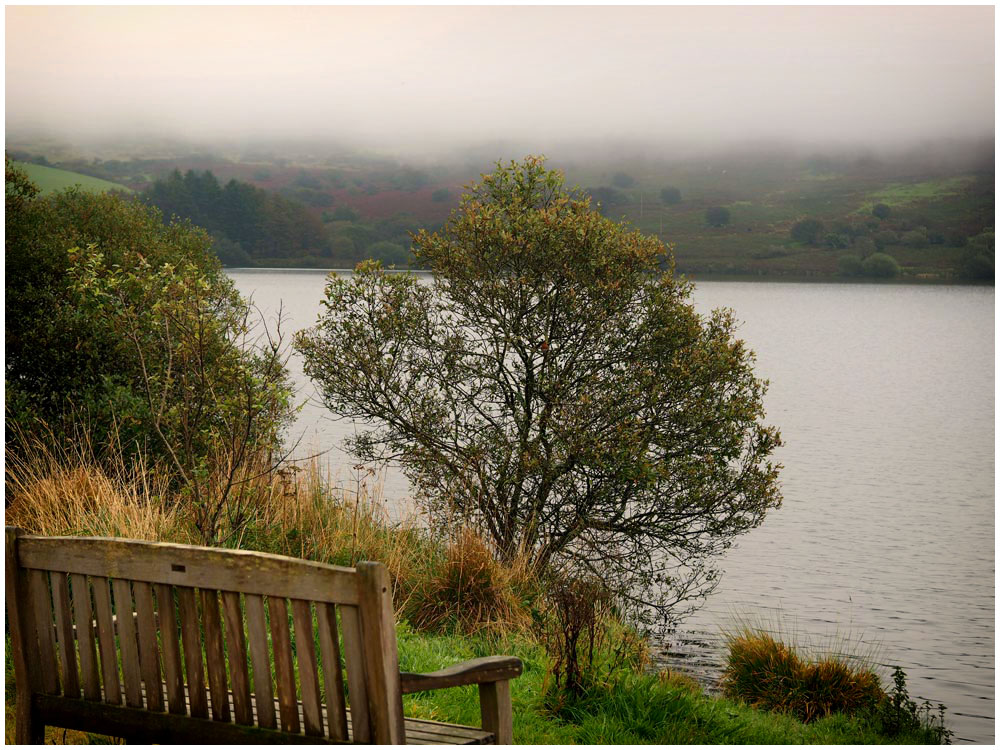
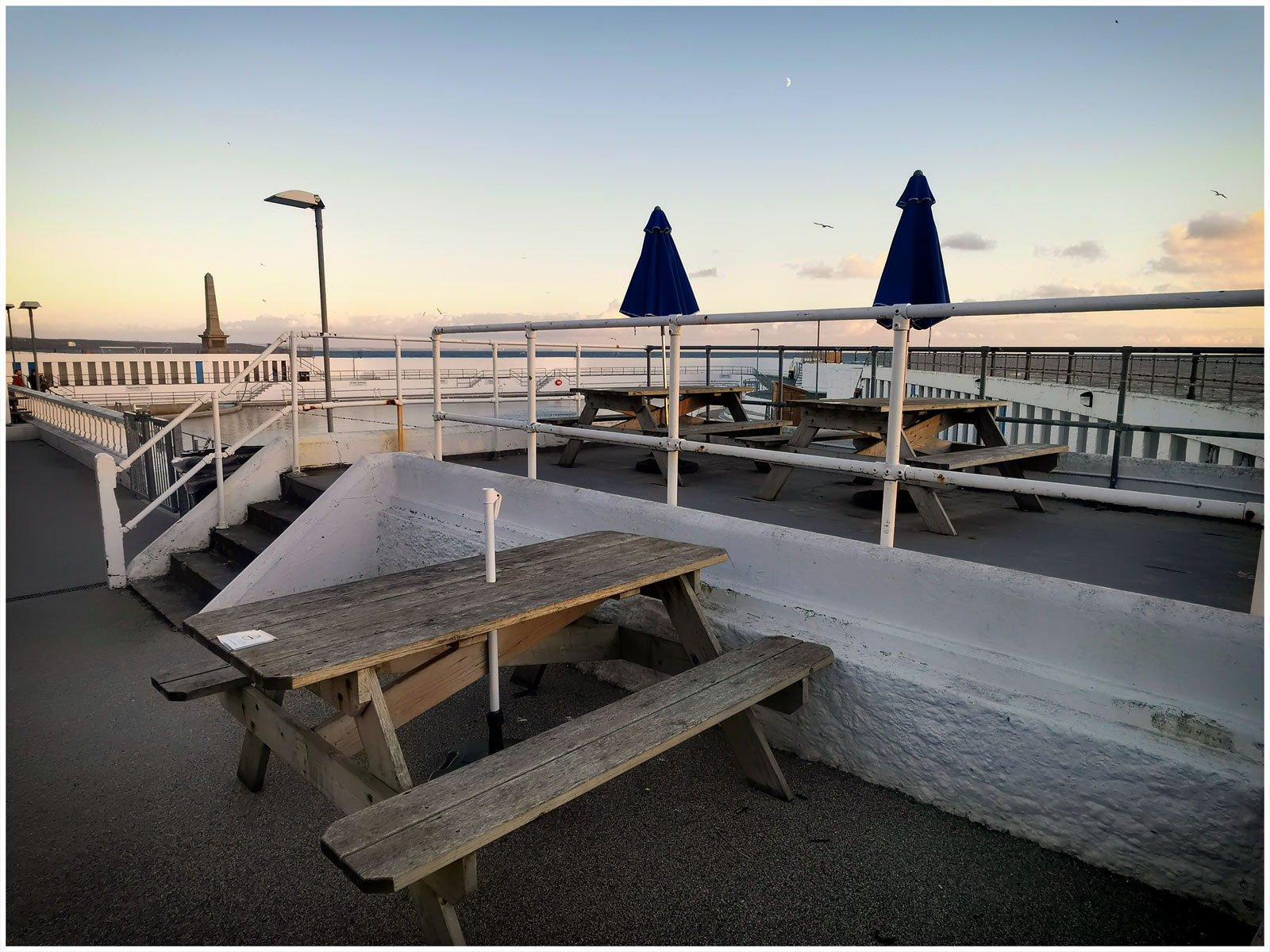
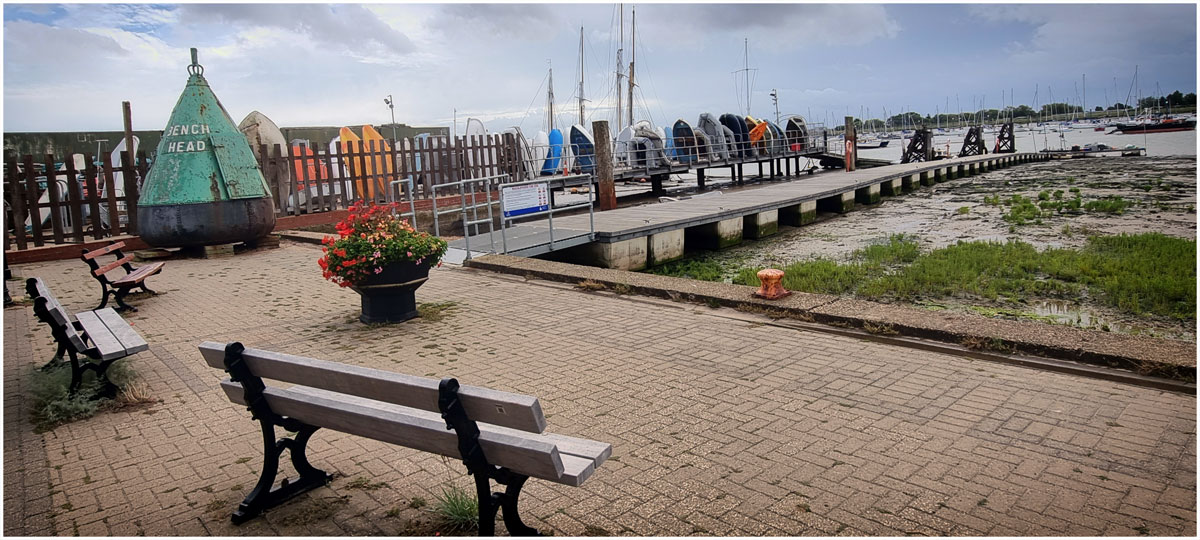
Way back in 2015 – yes that really is ten years ago – I decided to post photos of the numerous benches sitting in my folders. It seemed that I was not alone and suddenly it turned into the Bench Challenge where I set a particular criterion each month and people joined in posting their bench photos. It was a lot of fun and I met a lot of wonderful bloggers through it.
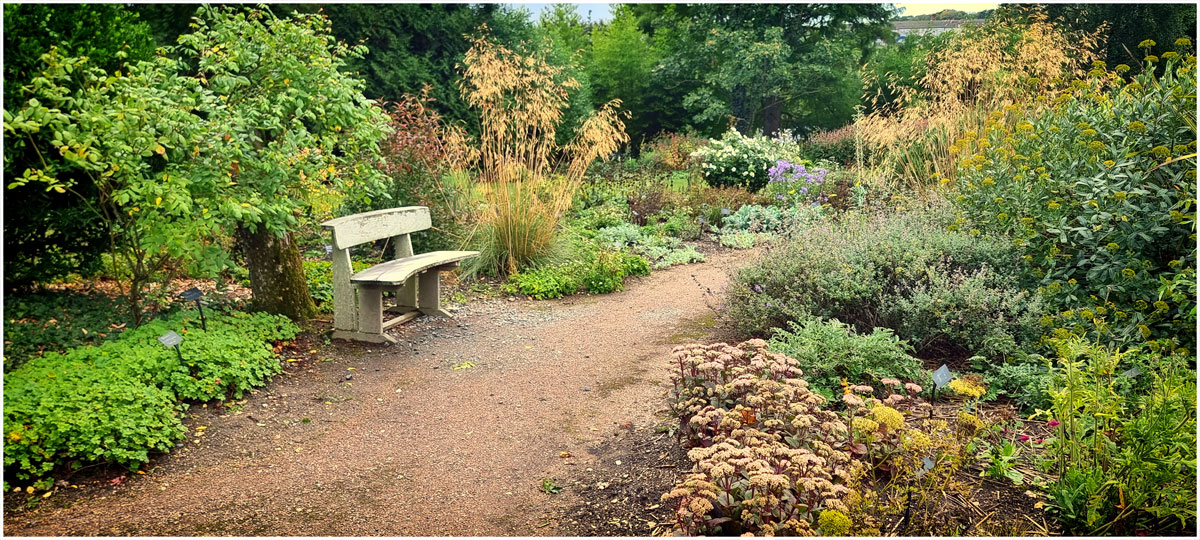
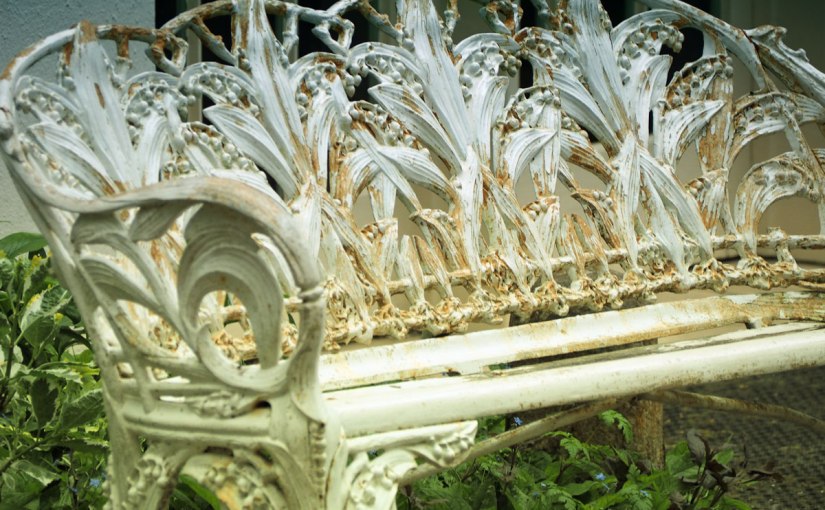
A bench in a cottage garden, Lavenham, Suffolk
This year I am returning to mark the occasion by posting a bench photo every Sunday. There will not be any particular theme set this year so it’s not really much of a challenge, but if there is anyone out there who still has a bucketful of bench photos and would like to join me, then please do so by adding a link in the comments or a link to my post in yours (a pingback) and I will happily pop along to admire.
Way back in 2015 – yes that really is ten years ago – I decided to post photos of the numerous benches sitting in my folders. It seemed that I was not alone and suddenly it turned into the Bench Challenge where I set a particular criterion each month and people joined in posting their bench photos. It was a lot of fun and I met a lot of wonderful bloggers through it.
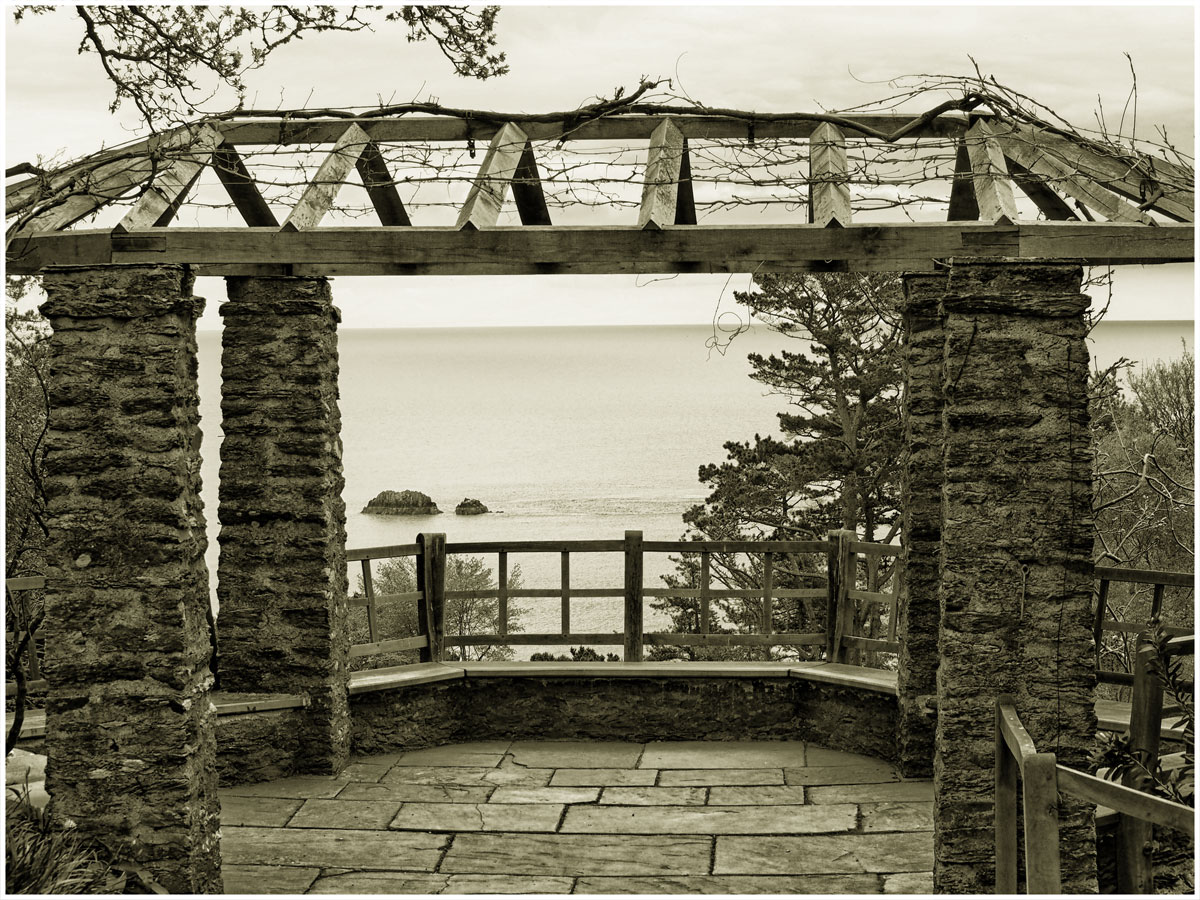
Another Lutyens bench in Hestercombe. Room for a few.
This year I am returning to mark the occasion by posting a bench photo every Sunday. There will not be any particular theme set this year so it’s not really much of a challenge, but if there is anyone out there who still has a bucketful of bench photos and would like to join me, then please do so by adding a link in the comments or a link to my post in yours (a pingback) and I will happily pop along to admire.
What is backlighting I hear you say? Essentially it is using a light source that is not directly behind you to create a more dramatic scene. It’s best not to shoot directly into the sun for instance, but having the light coming from in front or to the side of you can work well to highlight shapes and patterns in leaves or flowers, or to create soft light around the subject or to create a dramatic silhouette where the subject matter is a solid black shape.
I often shoot into the sun when I am at the beach because it creates that lovely sun glitter on the water and here I think it accentuates the rolling waves.And in this instance you get the liquifying effect of water on the sand and the silhouettes of happy dogs chasing along the shoreline.
Shooting the light through leaves can create a transparent effect. I’m not sure this works as well in black and white as it does in colour, but it is something I do frequently when photographing leaves and flowers. A backlit tulip can be stunning.
Ballerina
In winter when the light is low you can often utilise this by shooting directly with the sun behind your subject. Here I waited until the sun was almost below the horizon.
I will end with one of my favourite ‘contre-jour’ photos of the entrance into the courtyard of the Louvre, Paris, France. The figures closer to the light source are more defined, whilst the figures closer to the camera are more solid shapes.
All photos were taken in colour and edited using Photoshop Elements and Nik Silver Efex Pro 2.
Way back in 2015 – yes that really is ten years ago – I decided to post photos of the numerous benches sitting in my folders. It seemed that I was not alone and suddenly it turned into the Bench Challenge where I set a particular criterion each month and people joined in posting their bench photos. It was a lot of fun and I met a lot of wonderful bloggers through it.
You may be wondering whether this is actually a bench or not. Built as it is from local stone blocks it is quite comfortable and easily seats three people.Serpentine stone, a group of minerals known for their unique green hues and often mottled or veined appearance, similar to a snake’s skin, hence the name (from the Latin “serpentinus”). Lizardite is named after the Lizard Peninsula in Cornwall, England, where it was first discovered.And the reason for taking a break here. The enchanting view of Kynance Cove.
This year I am returning to mark the occasion by posting a bench photo every Sunday. There will not be any particular theme set this year so it’s not really much of a challenge, but if there is anyone out there who still has a bucketful of bench photos and would like to join me, then please do so by adding a link in the comments or a link to my post in yours (a pingback) and I will happily pop along to admire.