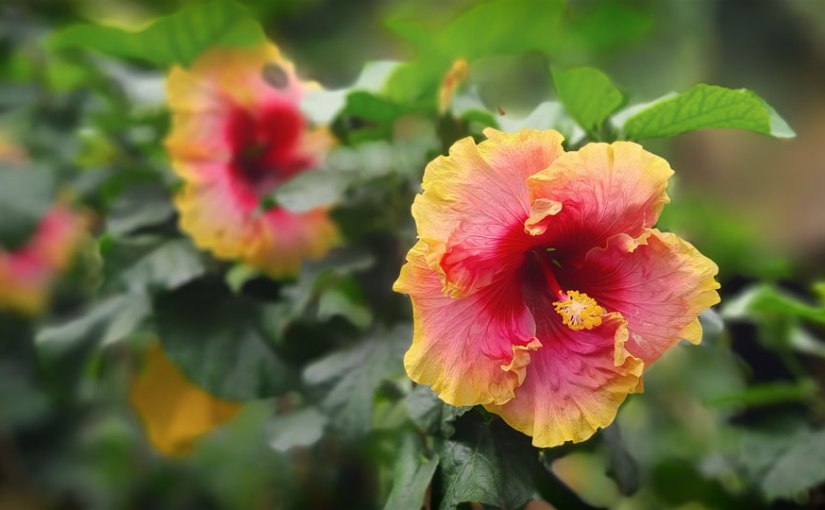


Hibiscus is a genus of common flowering plants in the mallow family, Malvaceae. The genus is quite large, comprising several hundred species that are native to warm temperate, subtropical and tropical regions throughout the world.
Hibiscus is a genus of common flowering plants in the mallow family, Malvaceae. The genus is quite large, comprising several hundred species that are native to warm temperate, subtropical and tropical regions throughout the world.
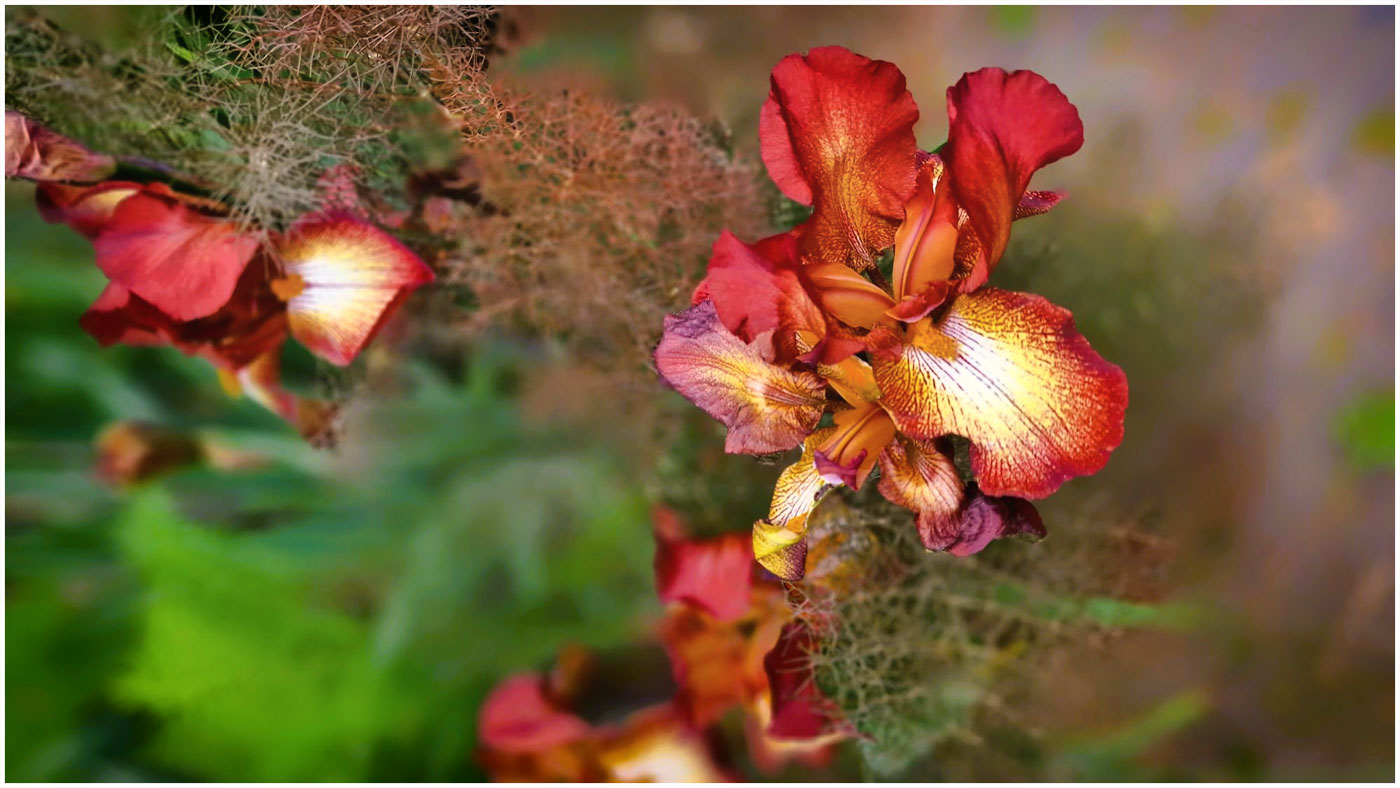
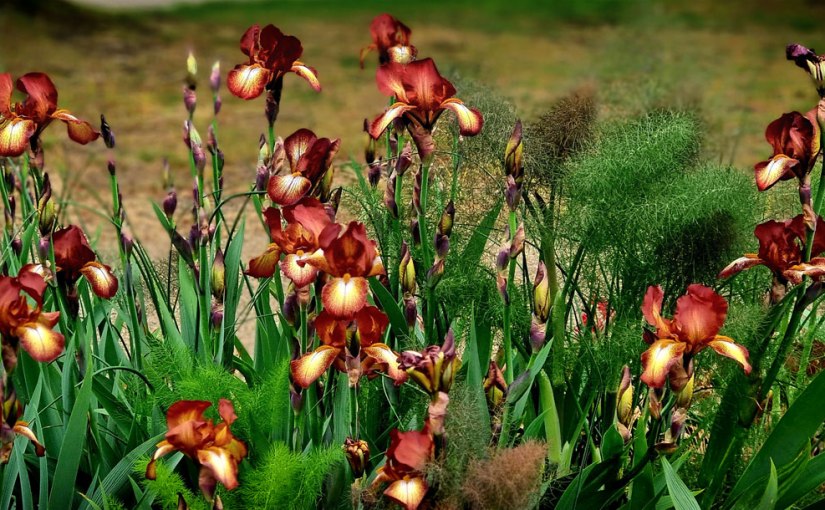
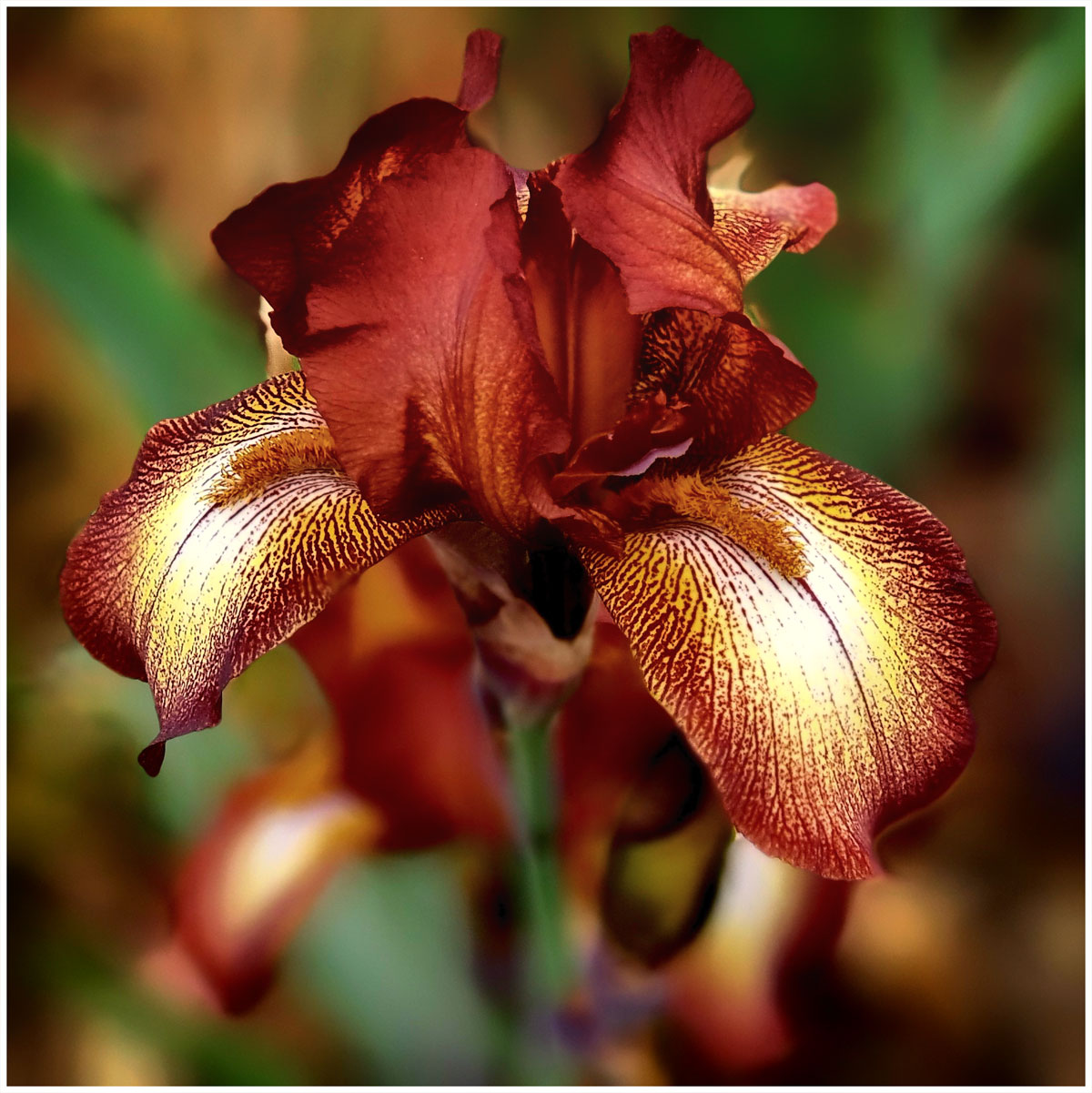
Seen growing among Bronze Fennel at RHS Wisley. I have the Bronze Fennel, I think I need to buy some of these irises to plant with it.
My weekend in Bude, north Cornwall was interrupted by the first named storm of the year – Amy. Sunday looked to be the better day so the one I decided to travel 50 mins across to north Devon and visit RHS Rosemoor. Not as big as RHS Wisley in the south-east, but I thought it would be nice to revisit this garden, last seen in April 2011.
The lesson I have thoroughly learnt, and wish to pass on to others, is to know the enduring happiness that the love of a garden gives – Gertrude Jekyll
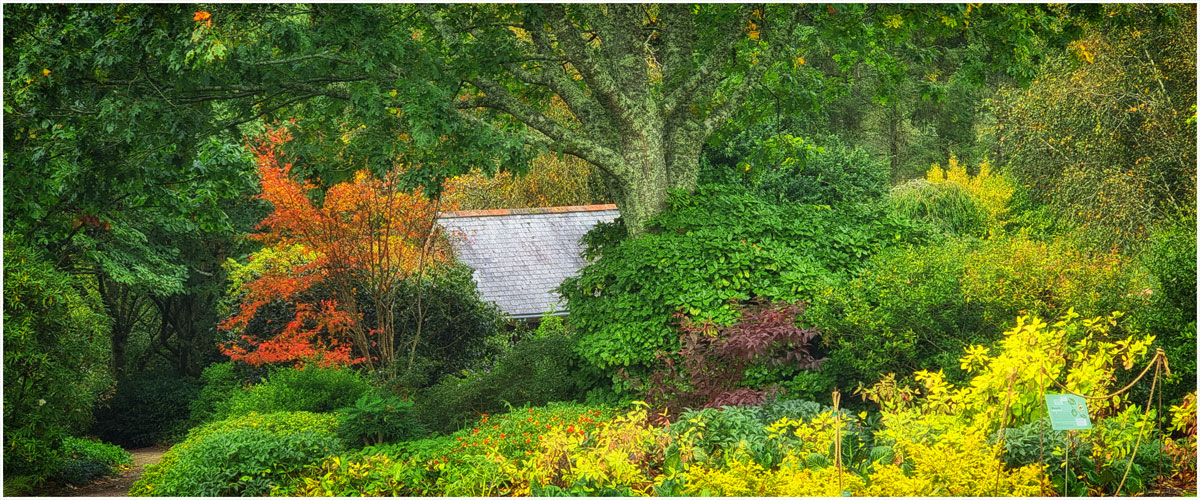
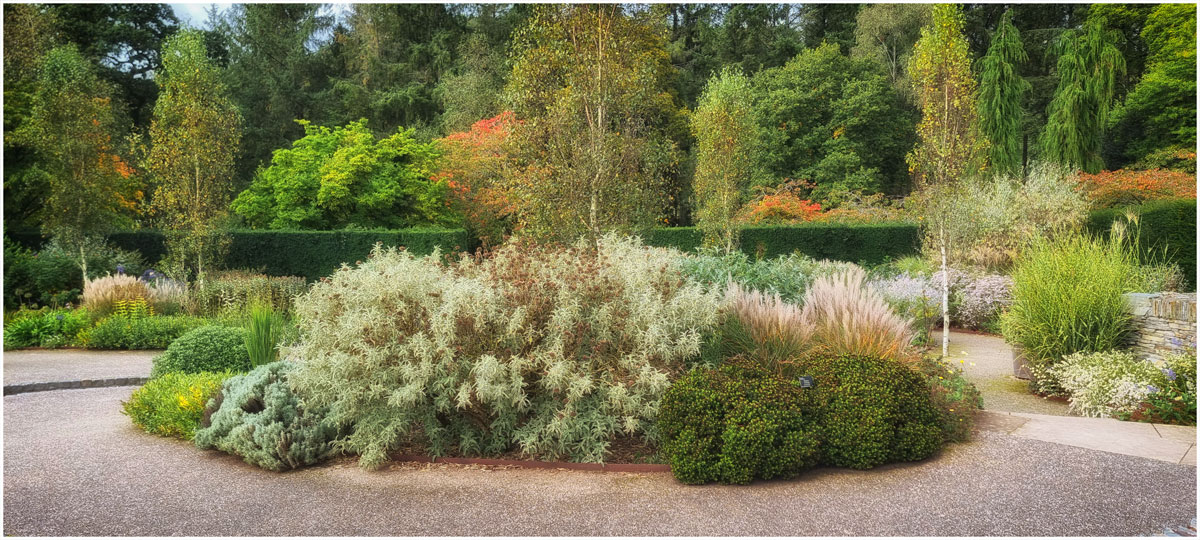
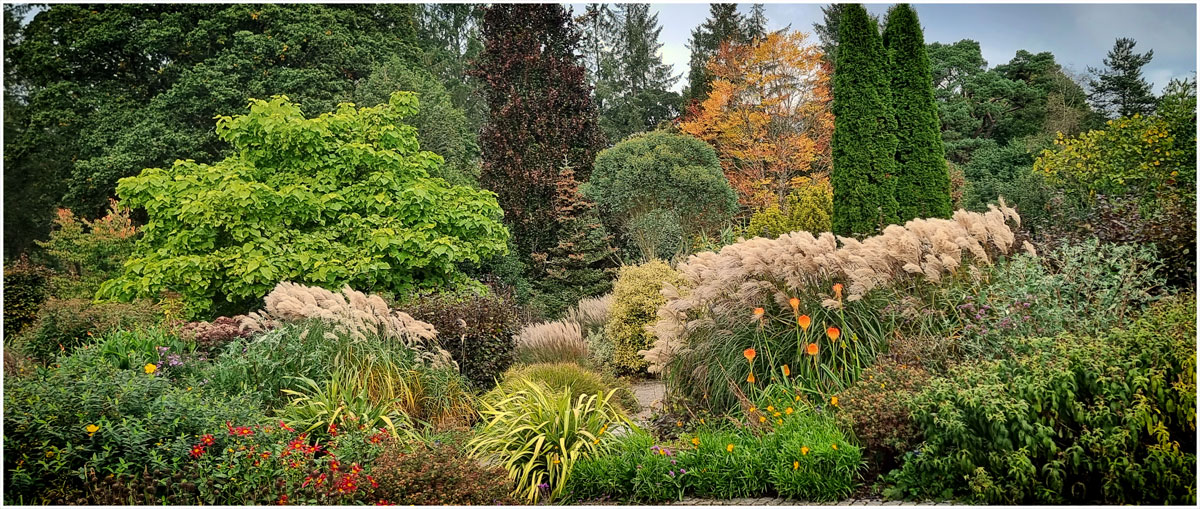
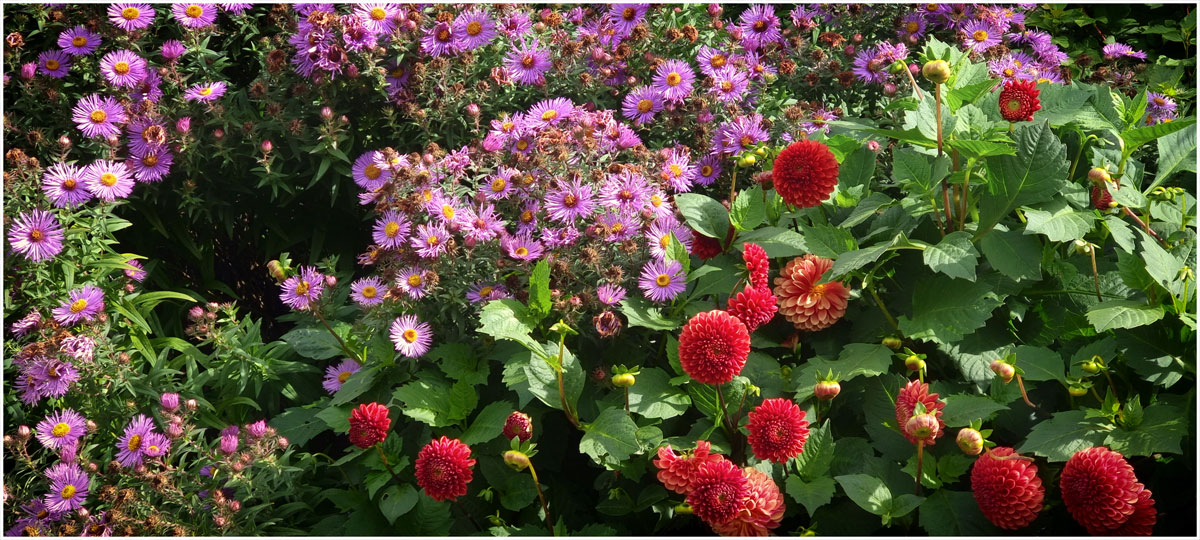
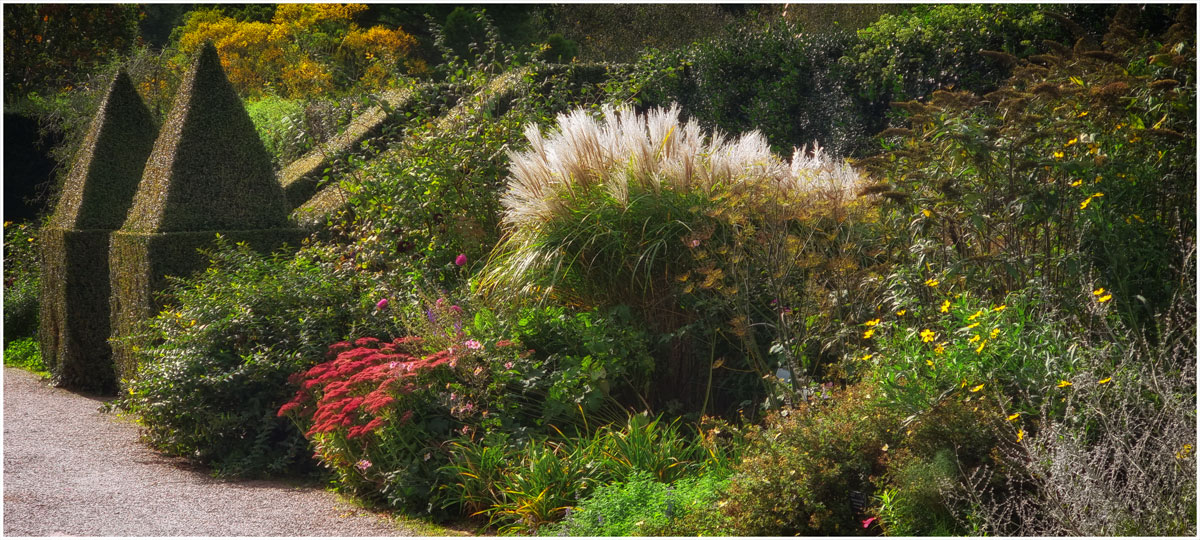
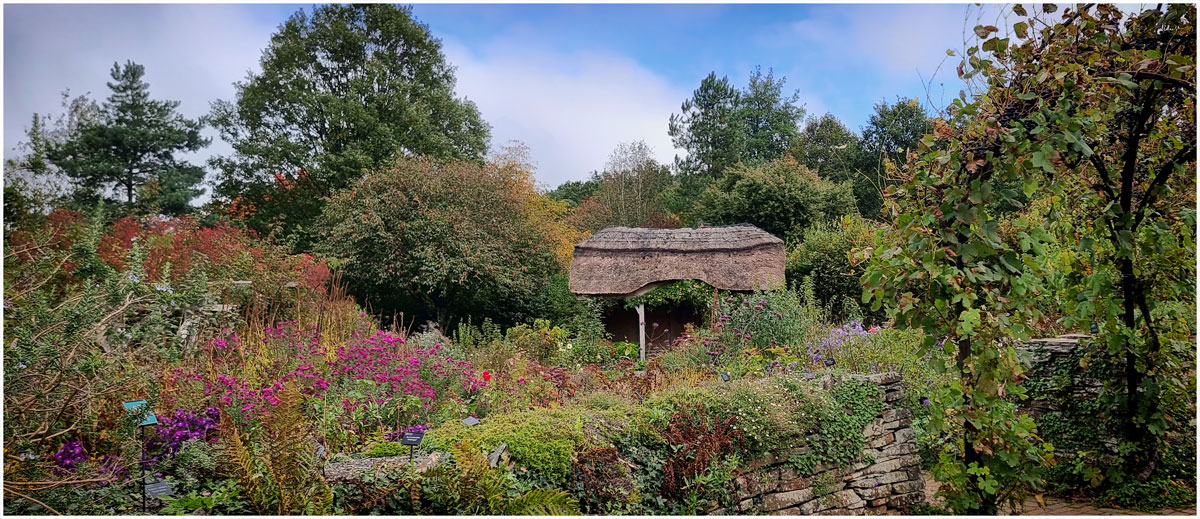
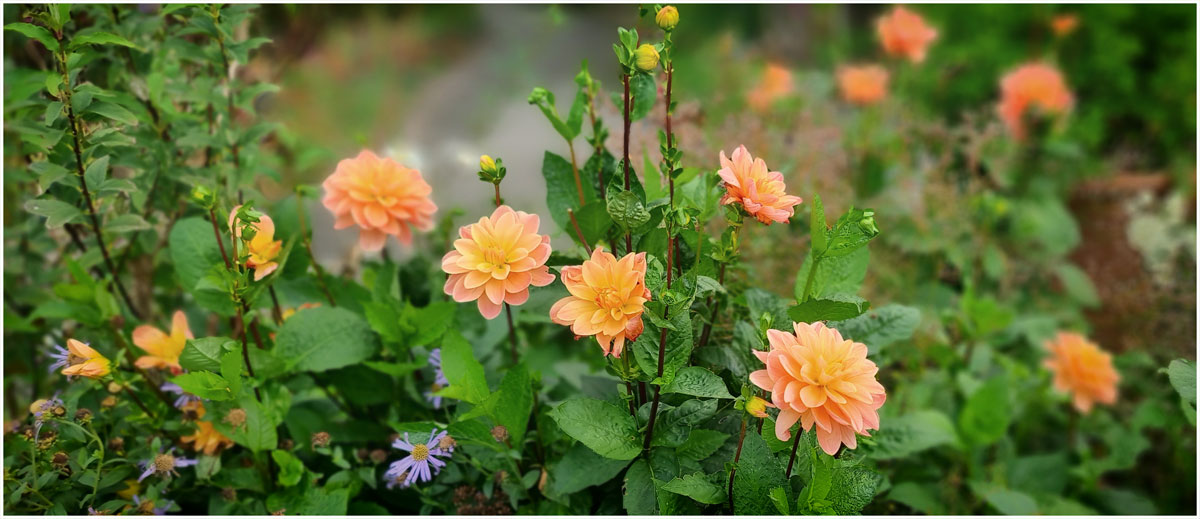
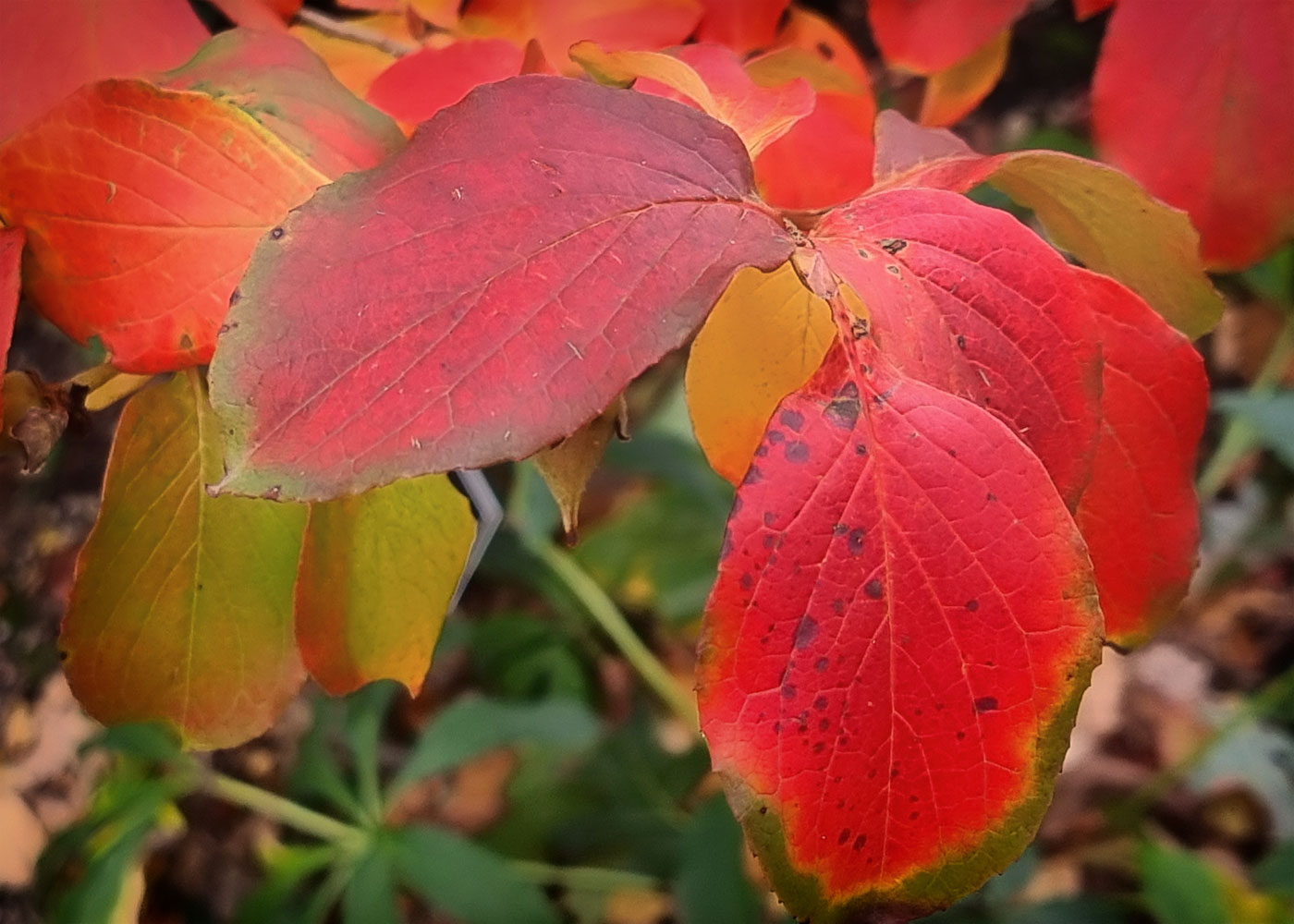
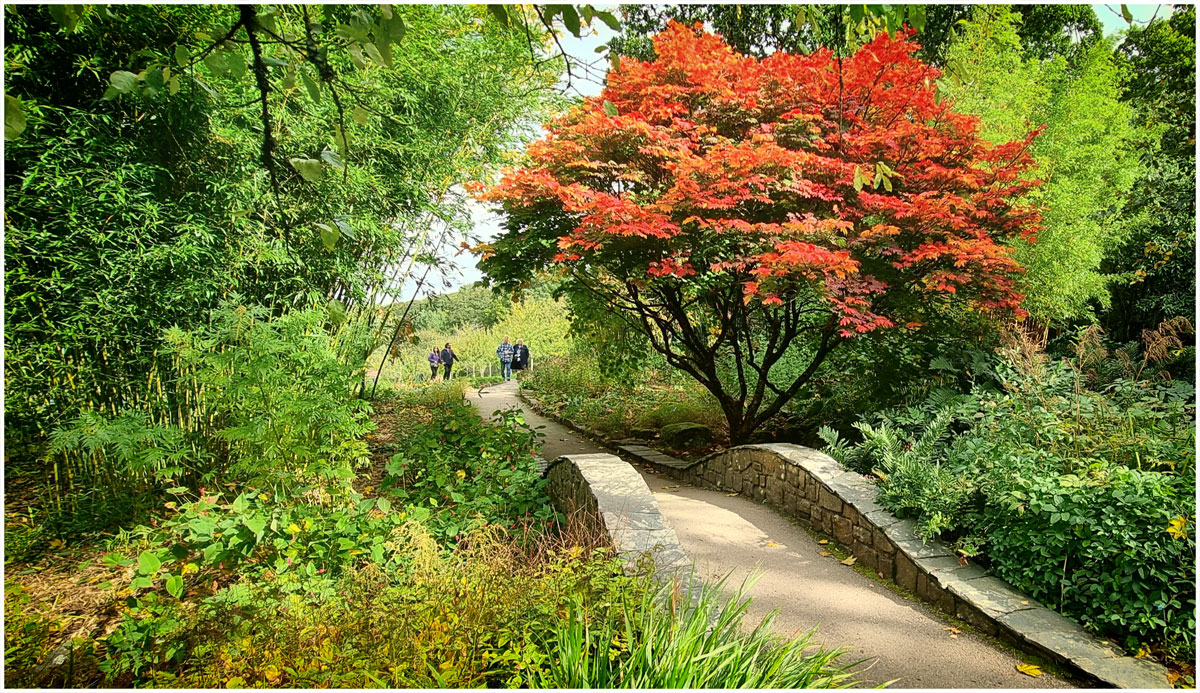
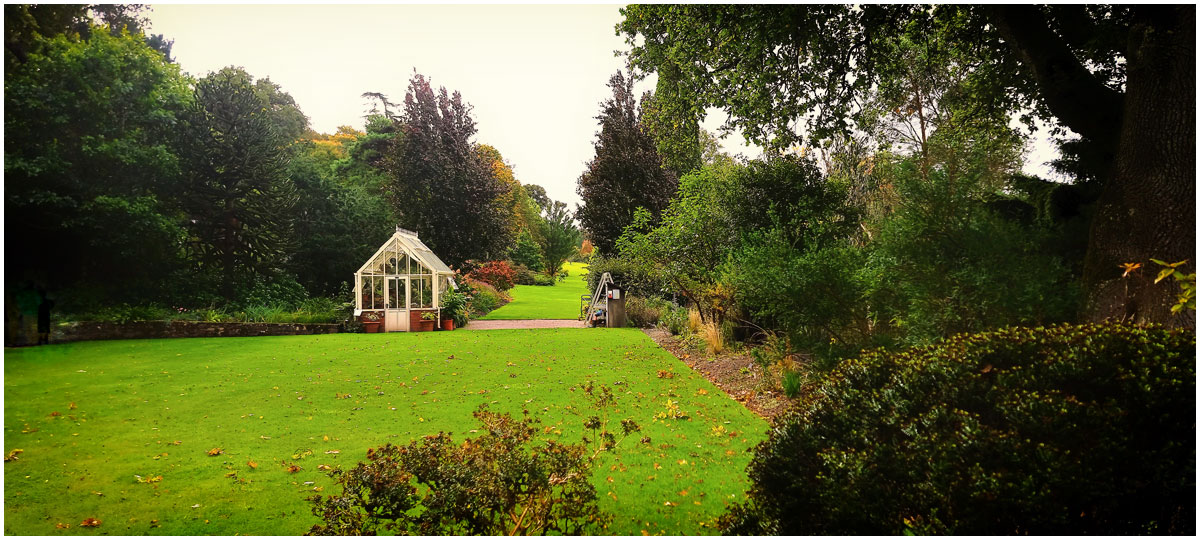
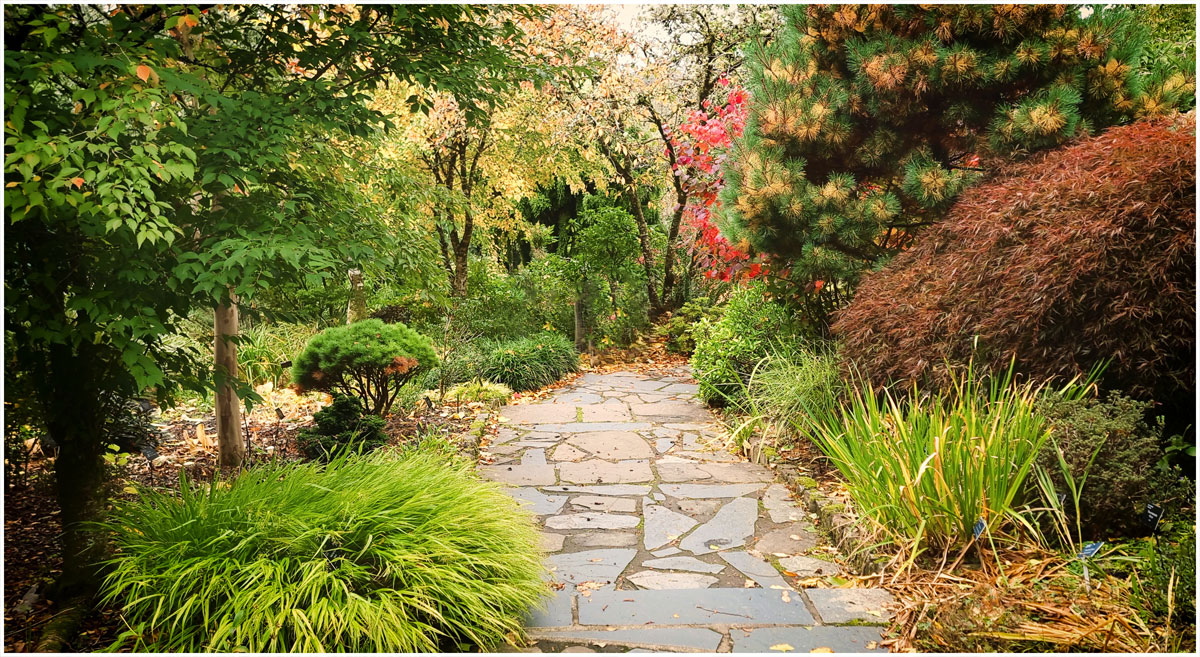
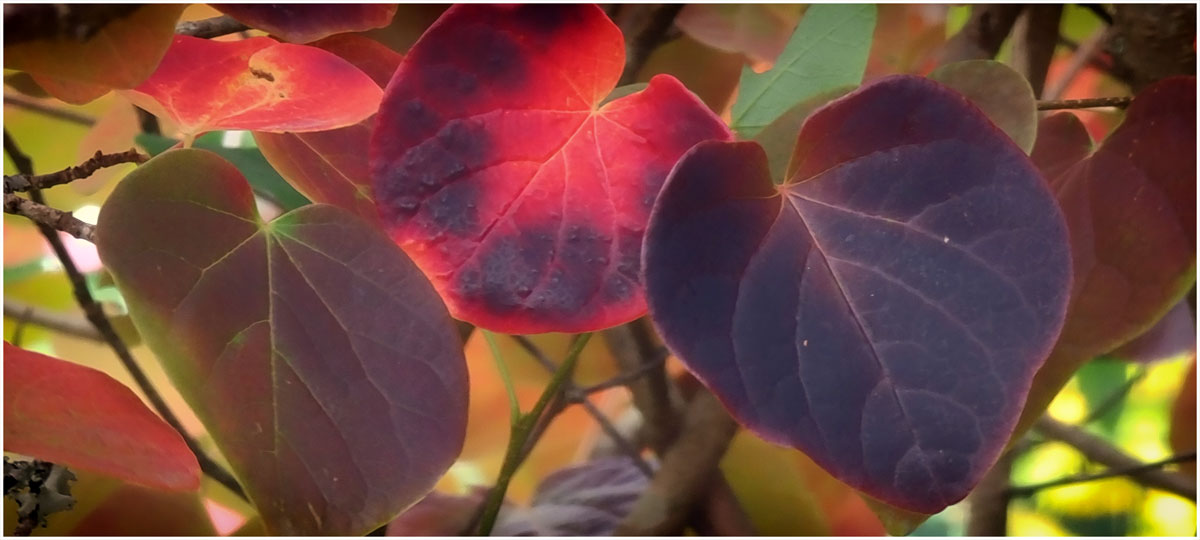
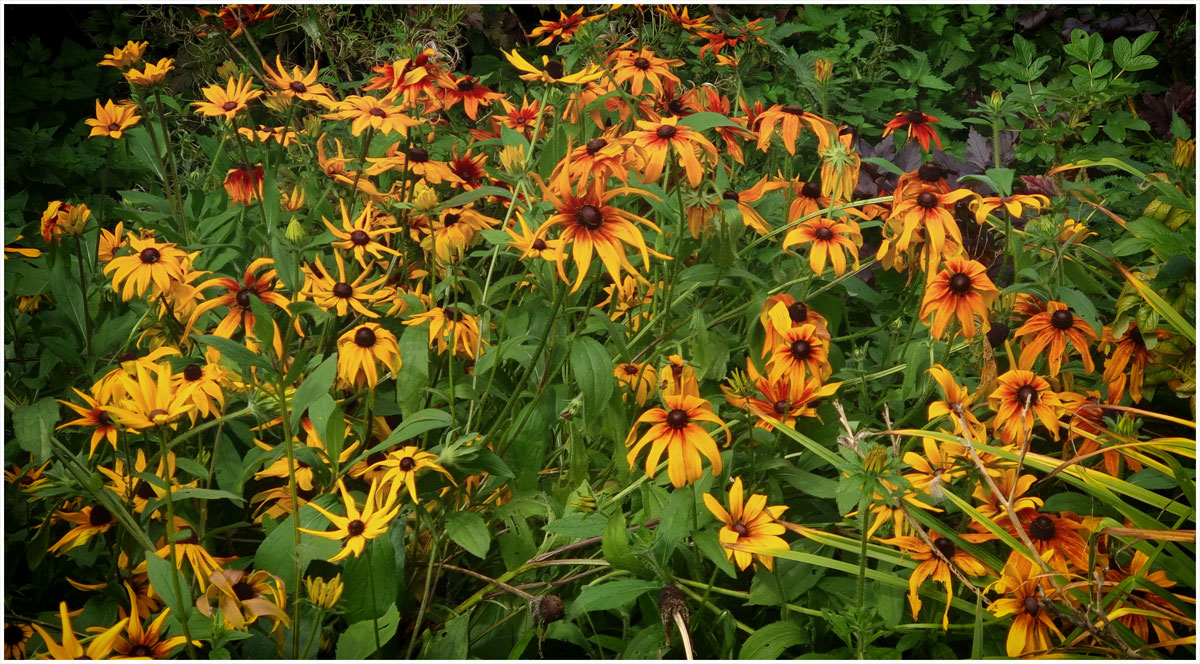
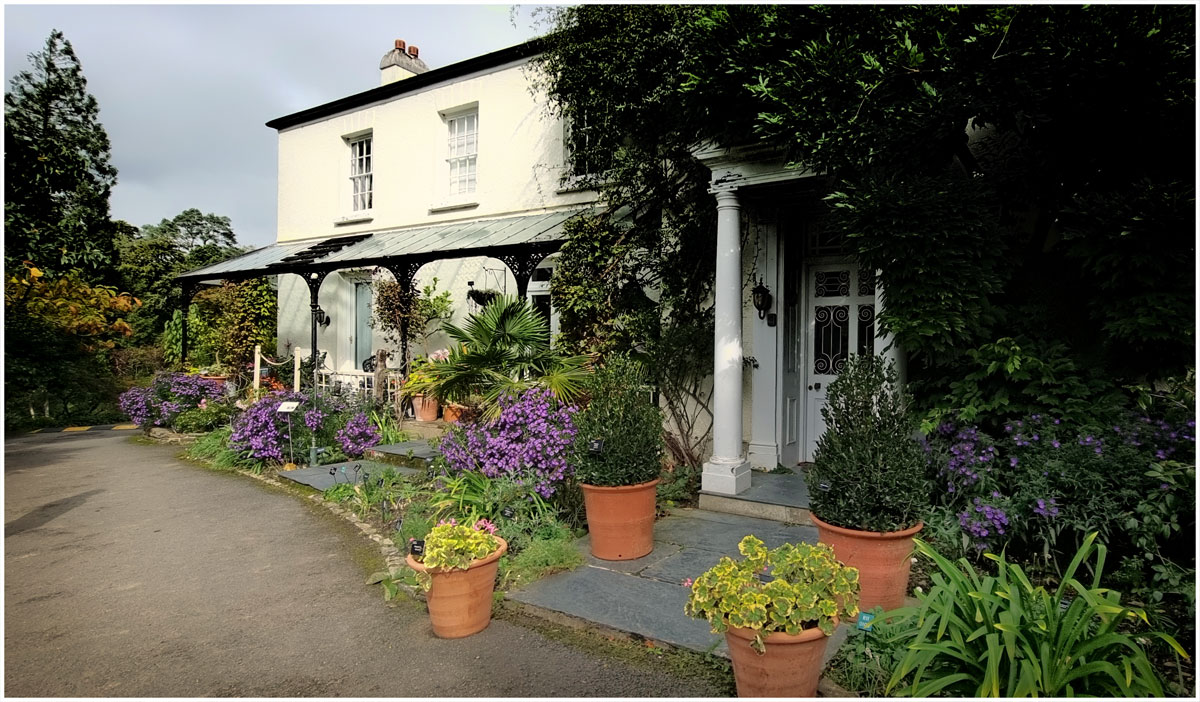
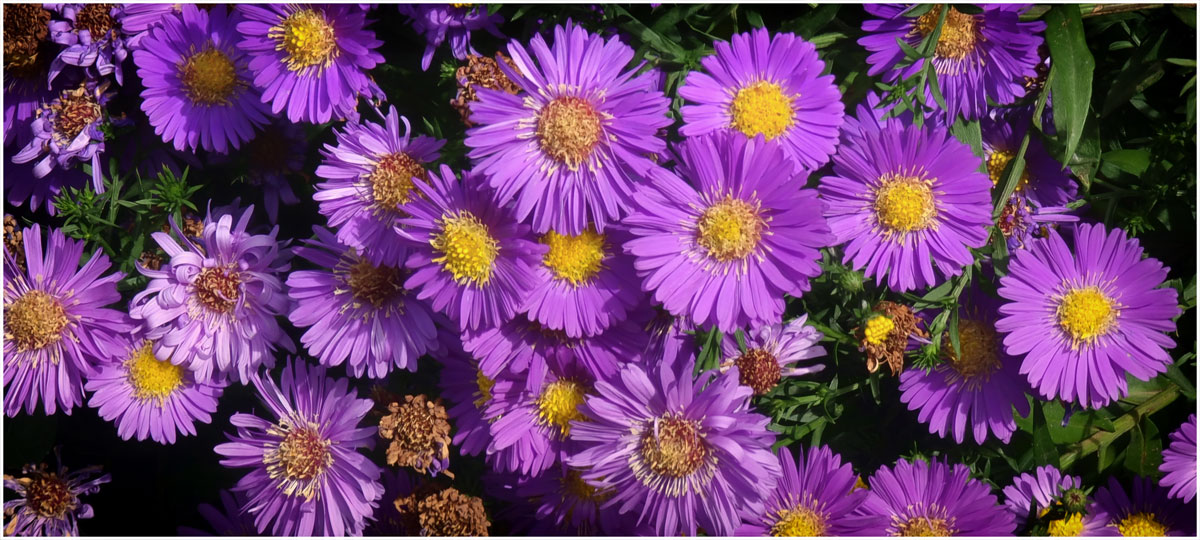
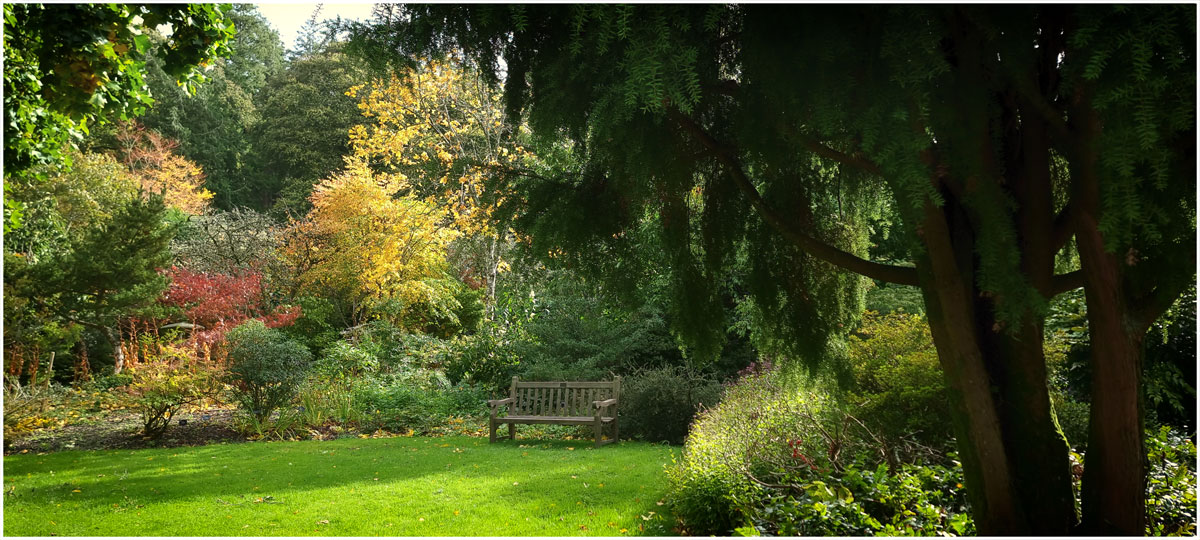
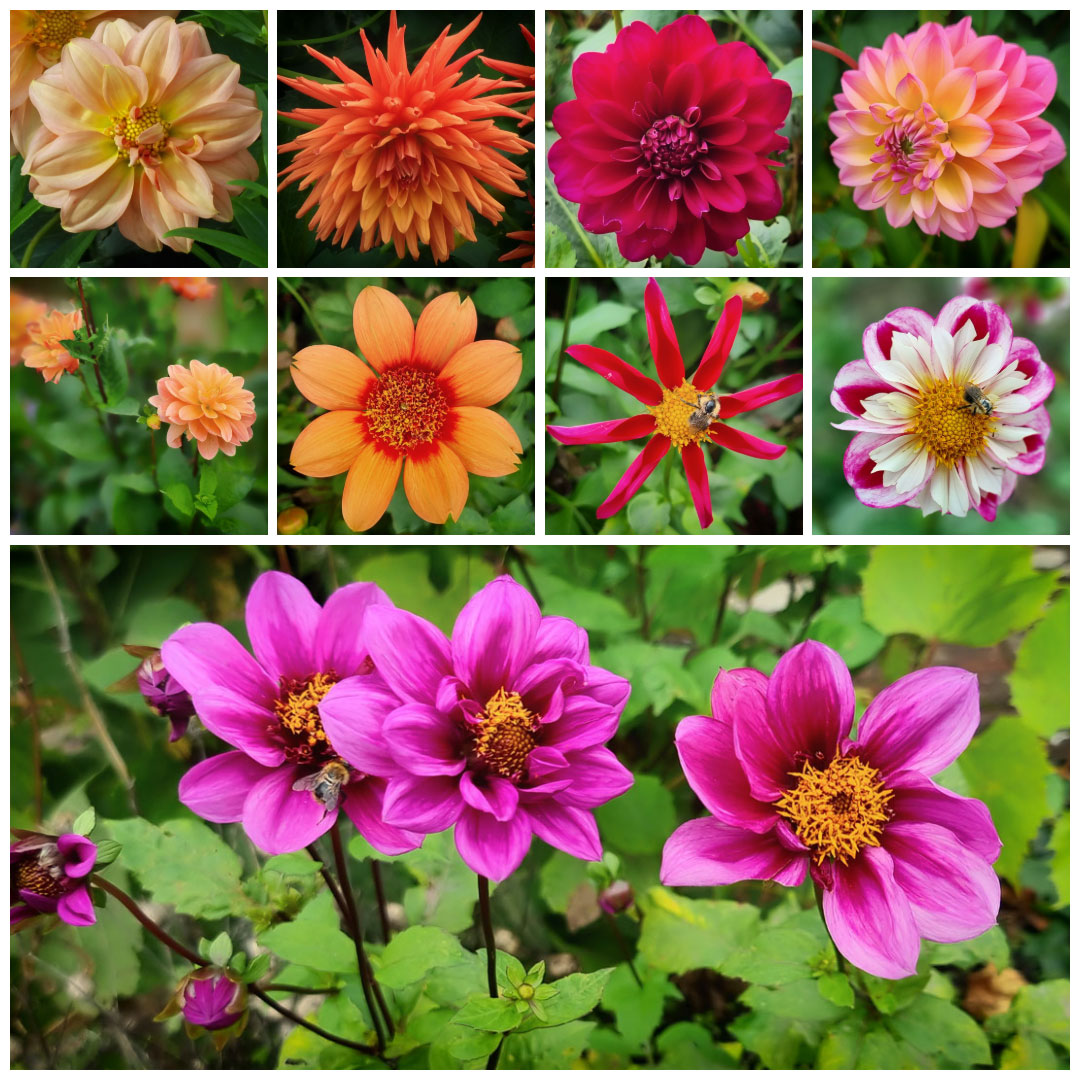
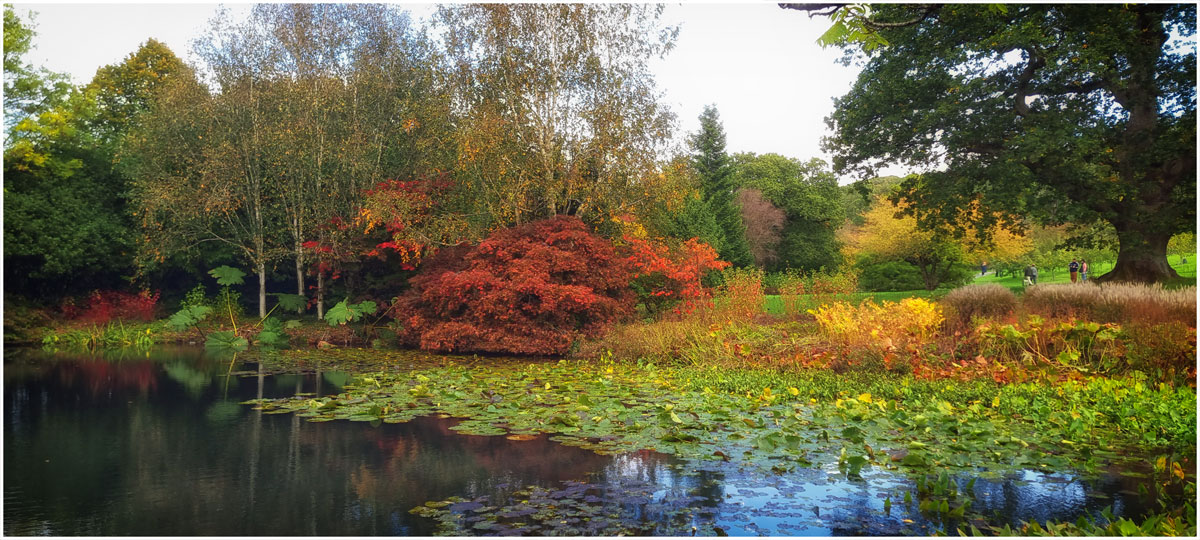
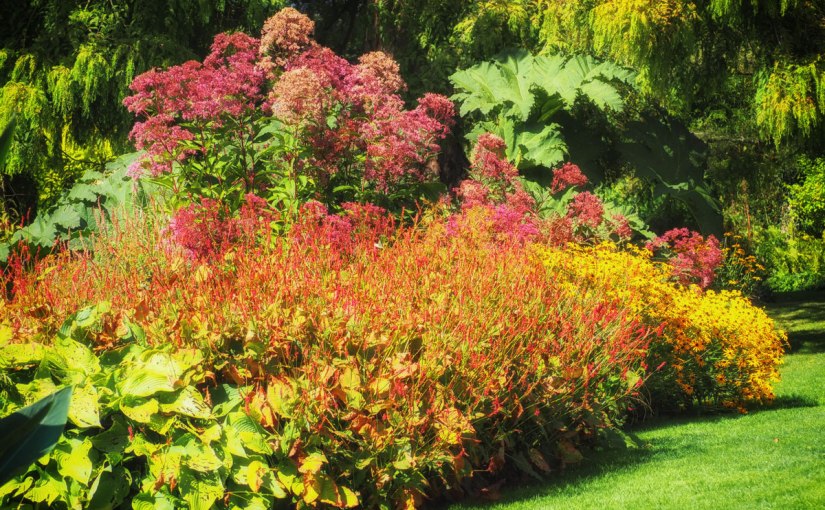
All approaches to the garden involve navigating miles of winding roads, hence Rosemoor is also one of the quietest RHS gardens, but utterly charming and demonstrating how colourful a garden can look in early October.
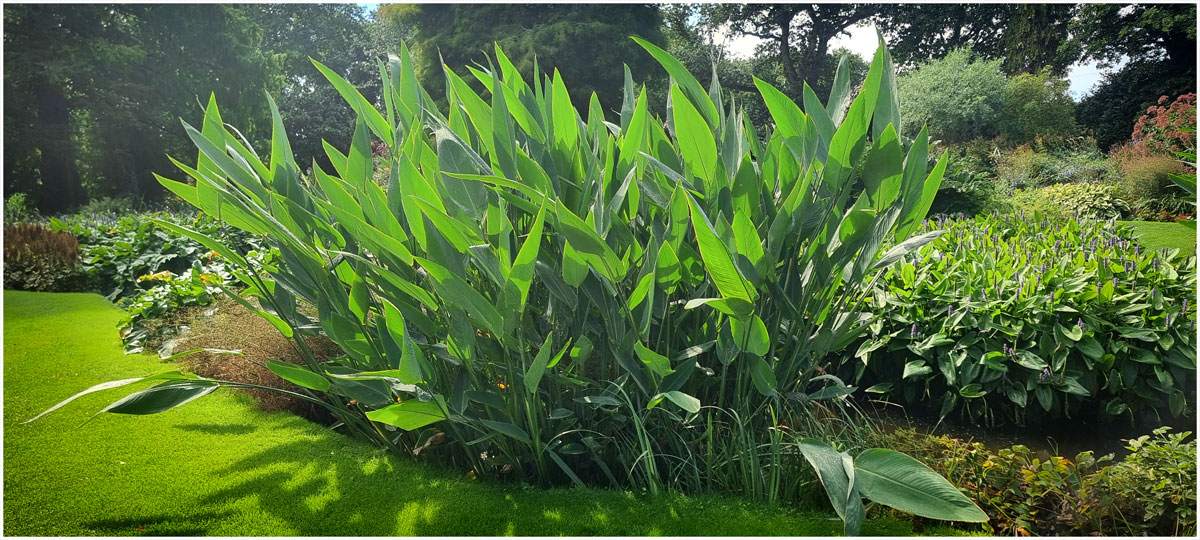
A short walk onto the cool, emerald-green grass of the Water Garden feels like stepping into another climate. In stark contrast to the hot, arid Gravel Garden, this area features lush, moisture-loving plants.
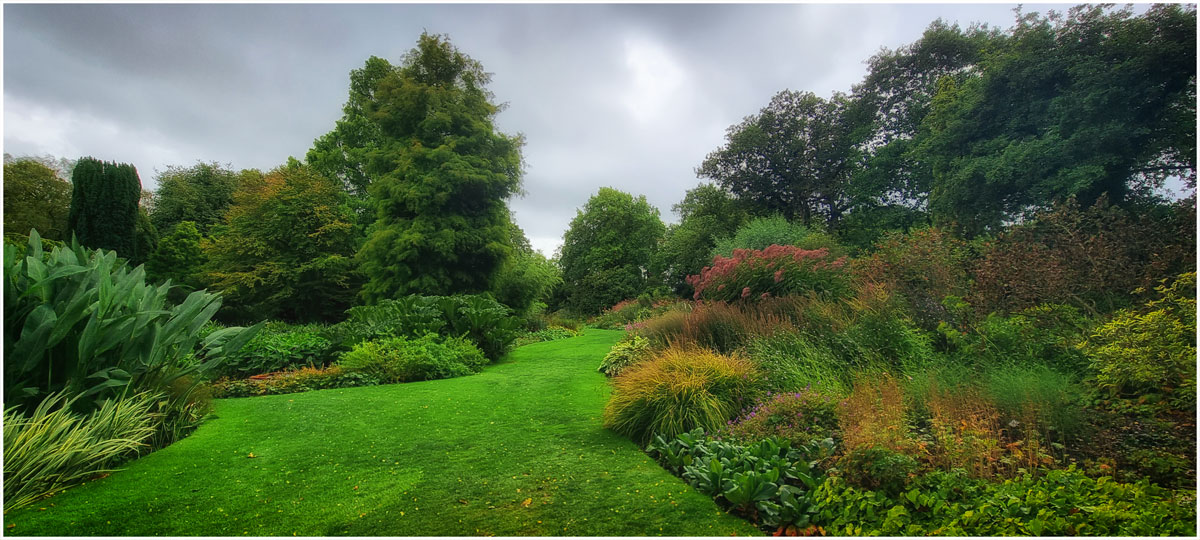
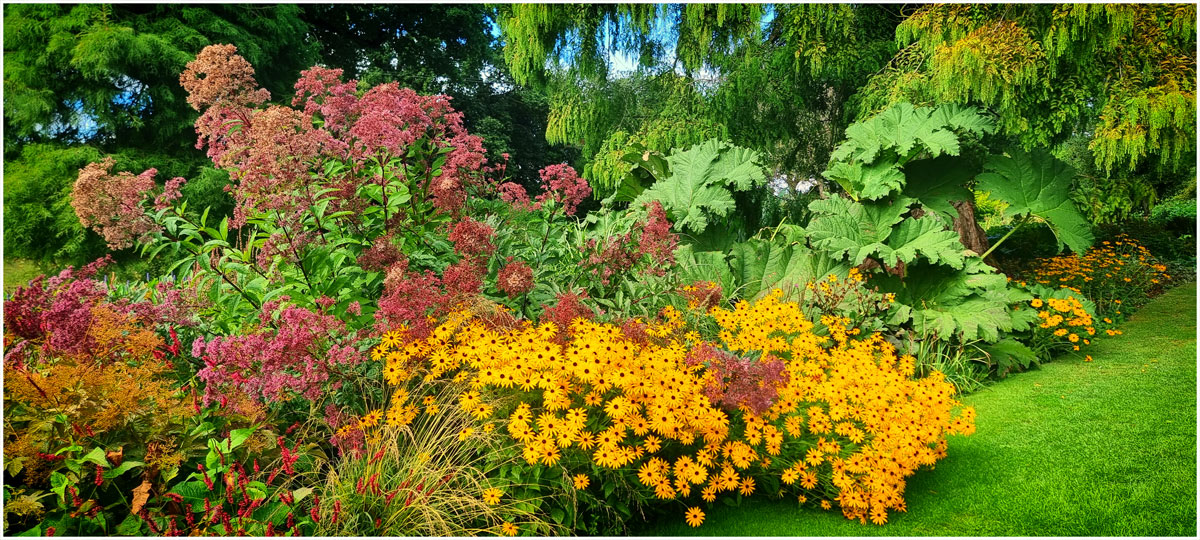
It’s a calming space full of large, dramatic foliage and deserving of a visit on a hot day as the temperature by the water is several degrees cooler than the rest of the Gardens.
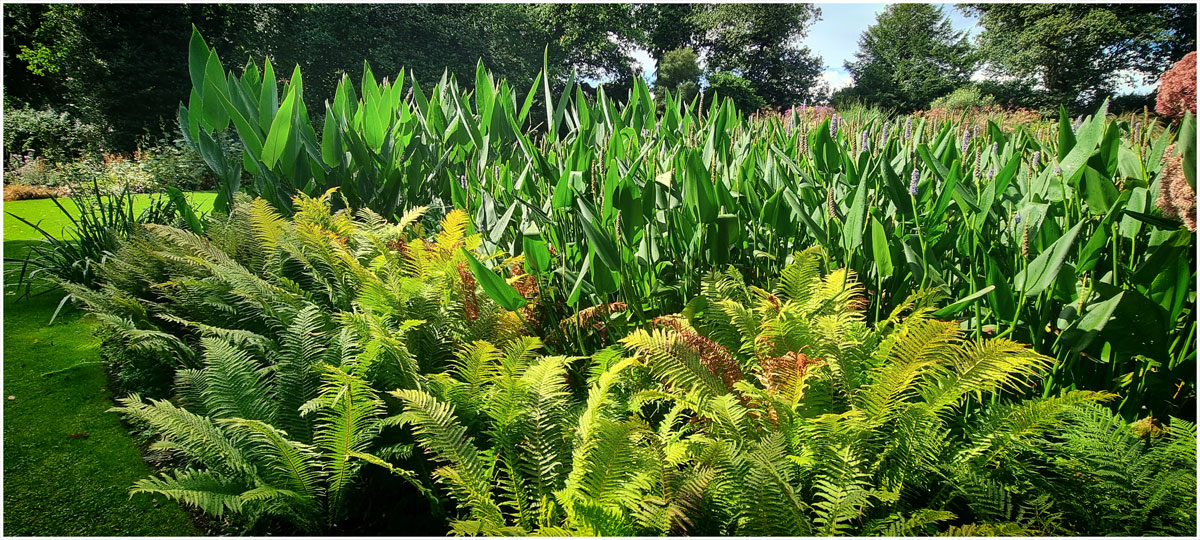
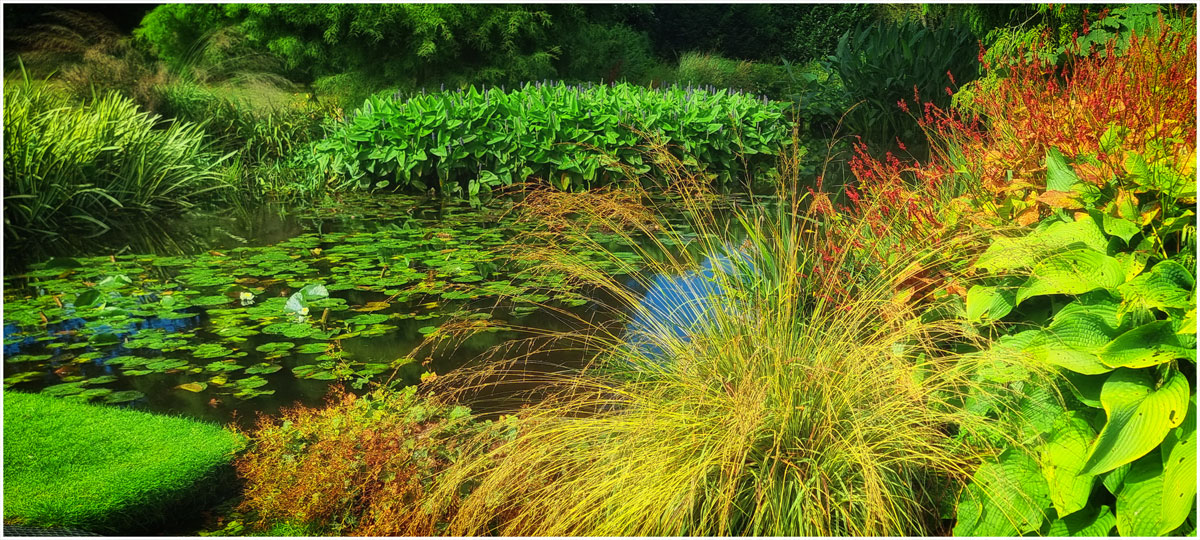
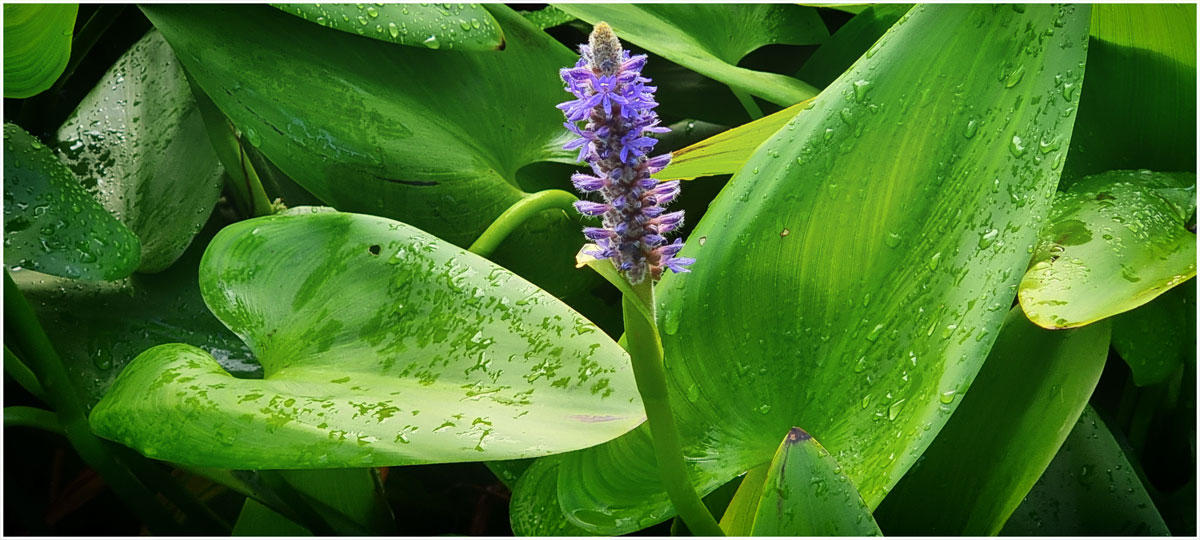
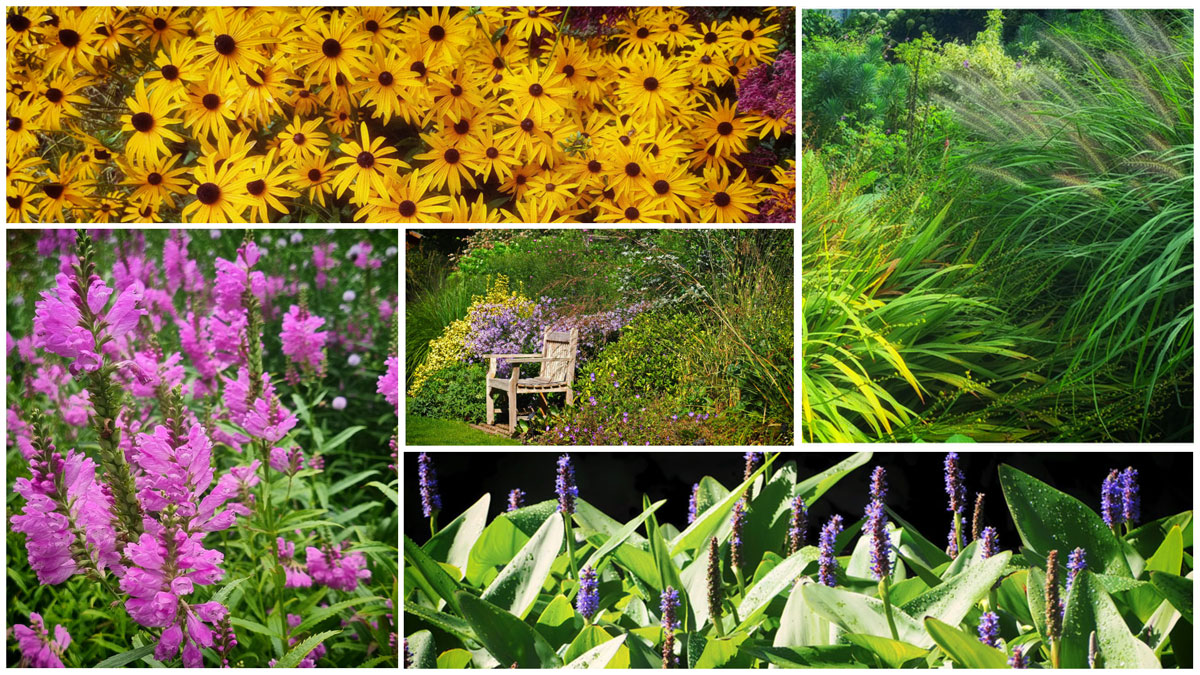
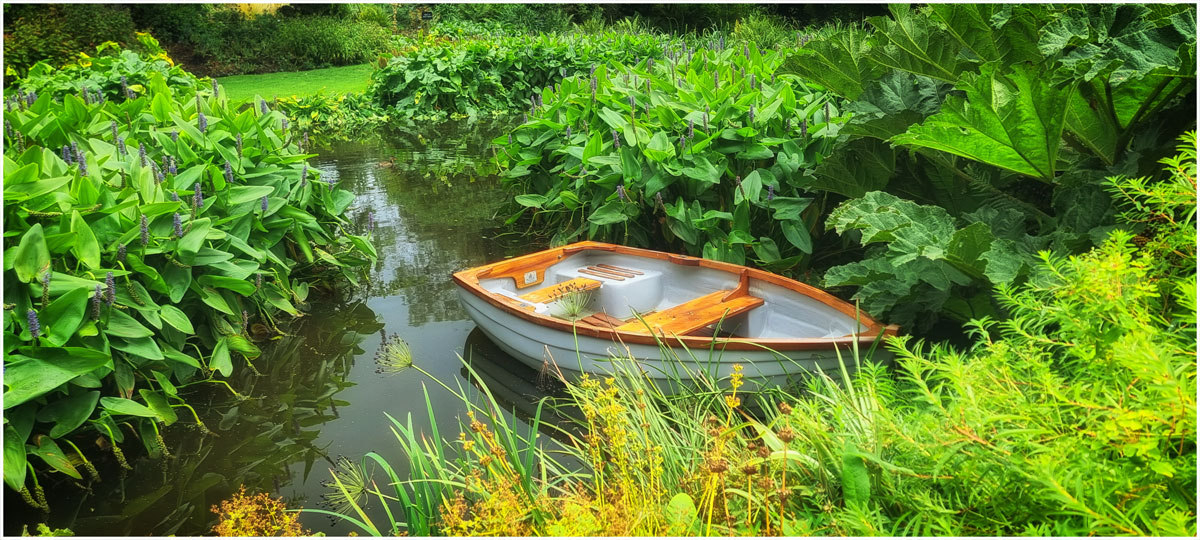
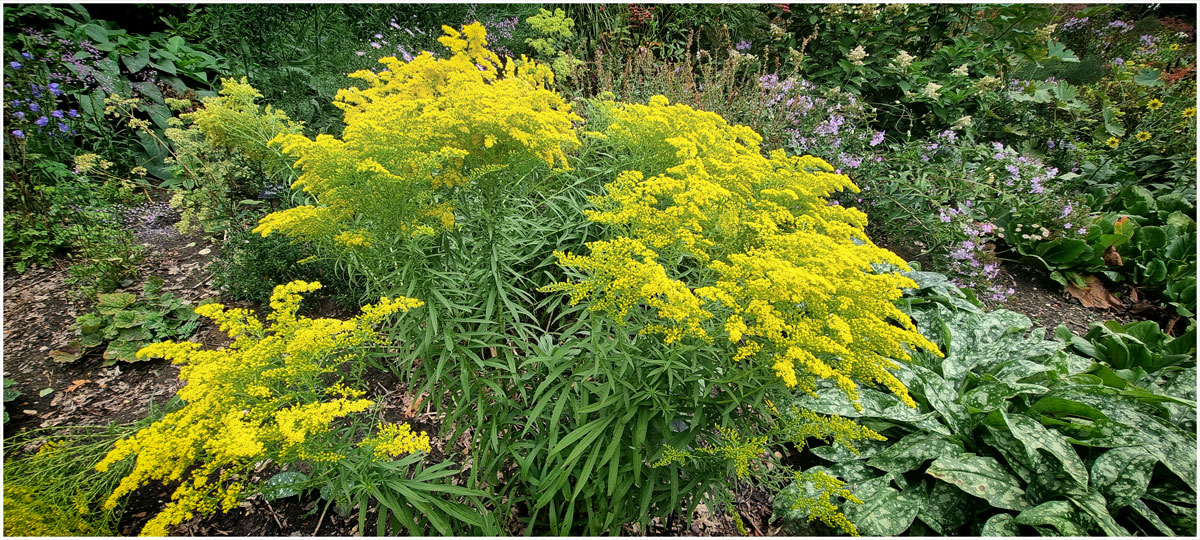
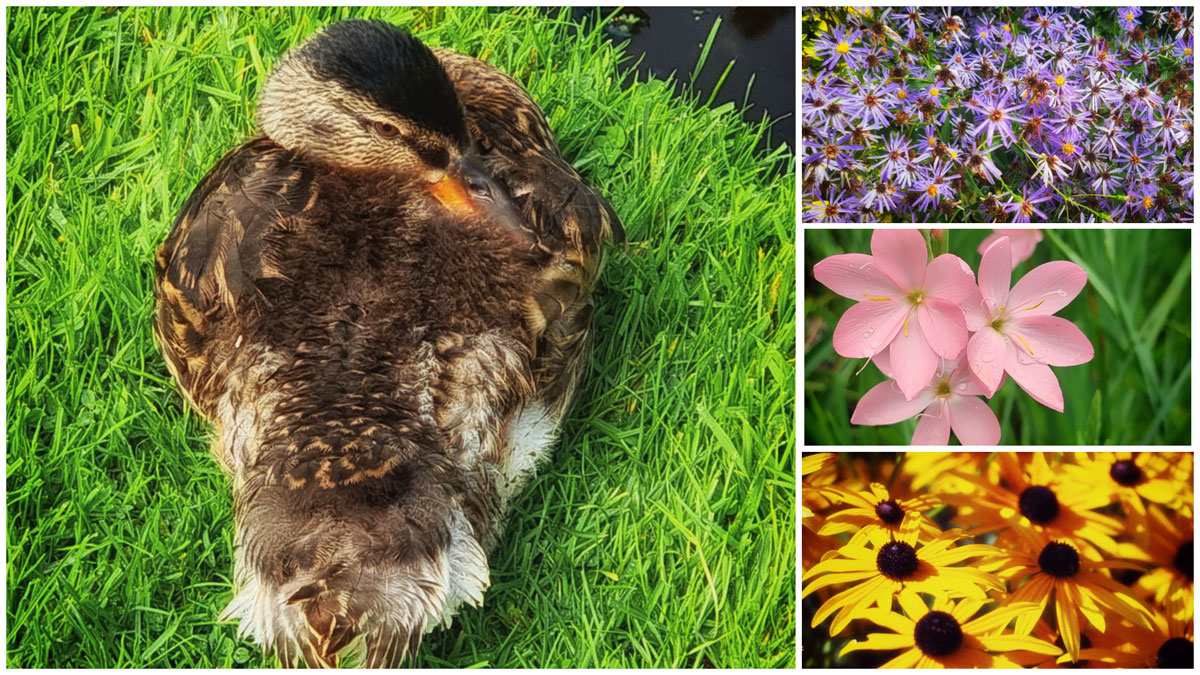
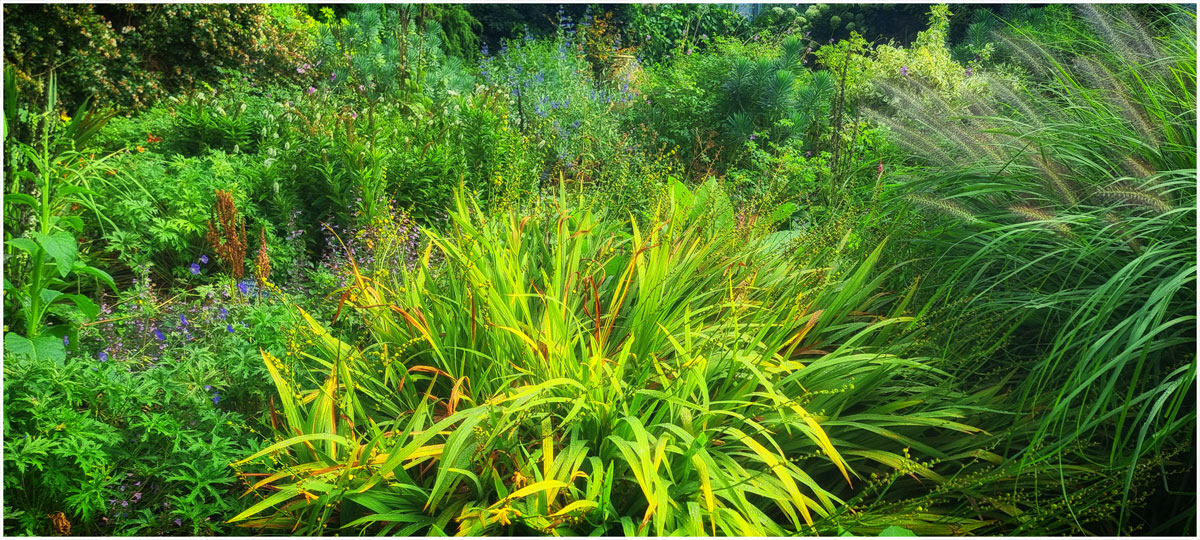
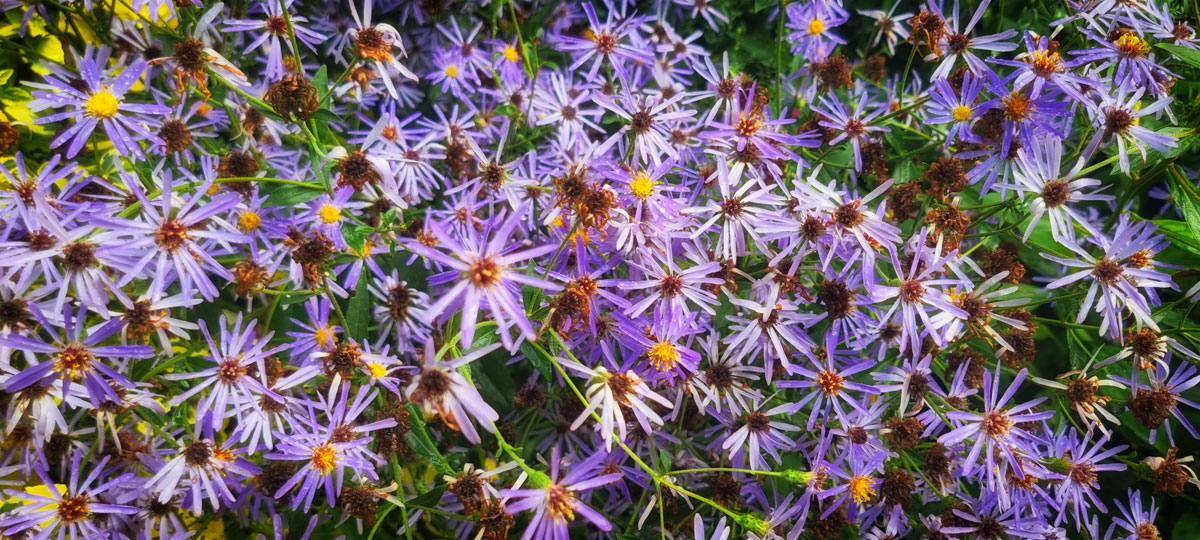
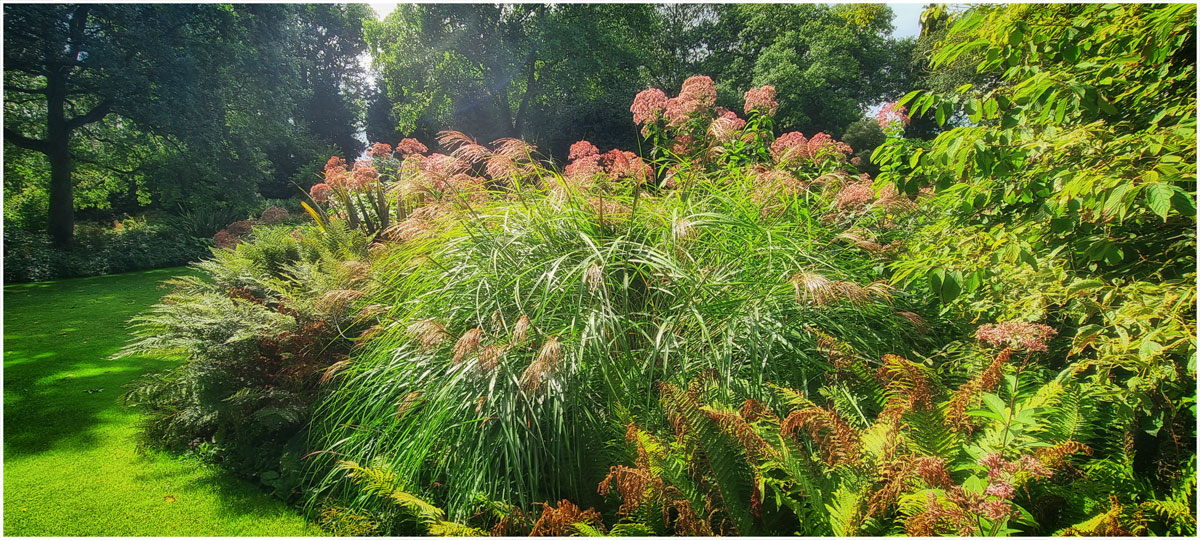
My visit to this area of the gardens was cut short due to a very heavy rainburst, but fortunately the sun did reappear and I was able to continue my ramble. I have only ever seen these gardens in September. I wonder what they are like at other times of the year. The Woodland for instance is probably best in spring with the bulbs, at this time of year I only saw colchiums (Also call ‘Naked ladies’ as they appear in autumn without leaves) and some patches of cyclamen. Sadly flattened by the rain so no photos.
Sadly this is the end of my series on Beth Chatto’s Gardens, I hope you have enjoyed the visit and I recommend it if you are ever in the Colchester area.
The Scree Garden showcases a large collection of alpines typically found growing naturally on stony, mountainous slopes. The free draining, nutrient poor soil in this area of the garden provides the perfect conditions for alpine plants to thrive.
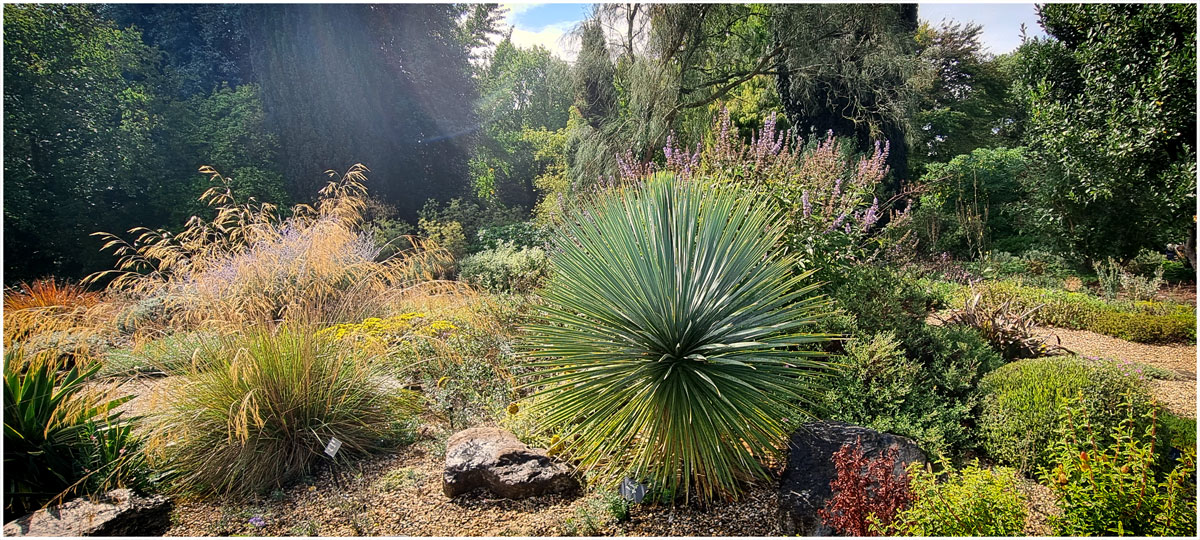


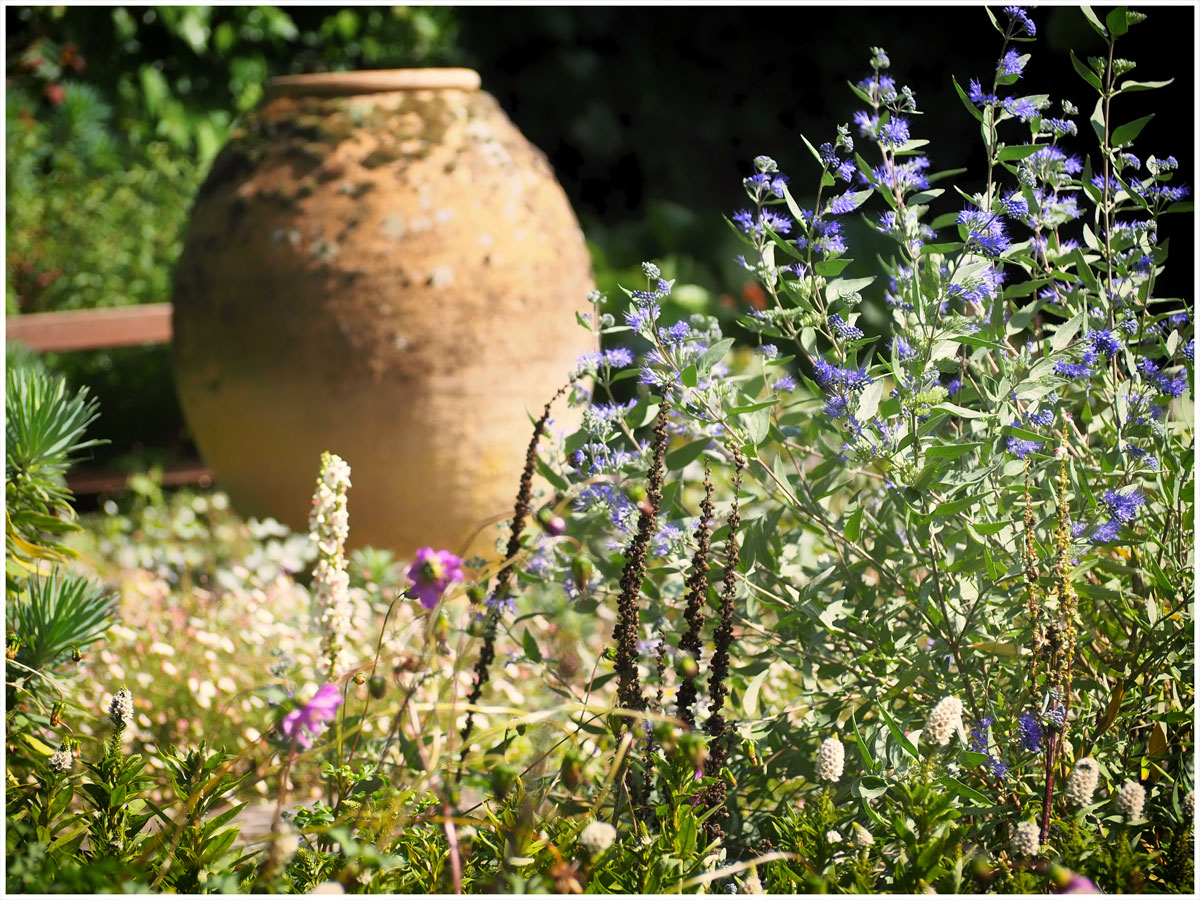
I didn’t take many photos in this area, it’s probably at its best during spring and early summer.