During this year I shall be posting photographs from places around the UK, many of which have not been published before. Where I have previously blogged about a location I will provide a link to the post, though you won’t be able to comment on it as I restrict comments to six months.
K is for Kirkstone Pass
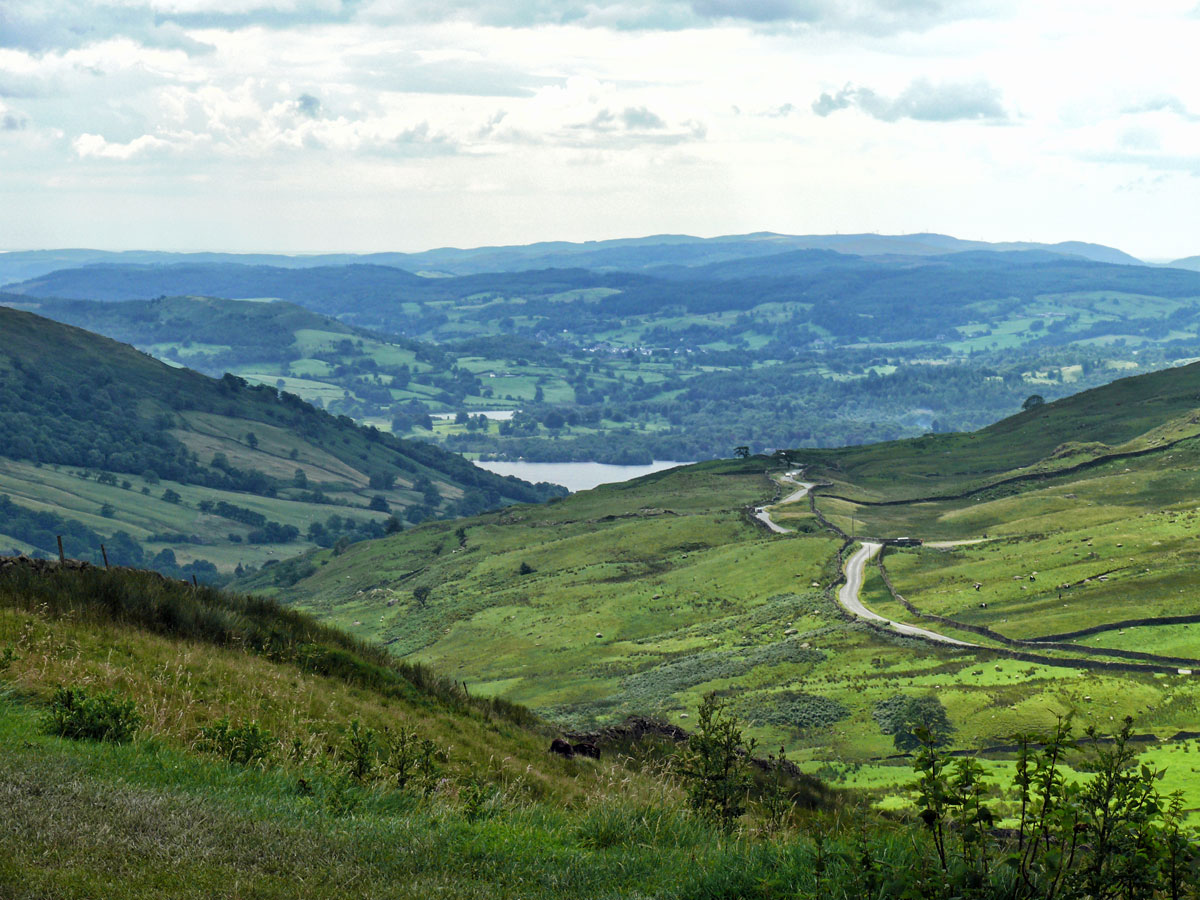
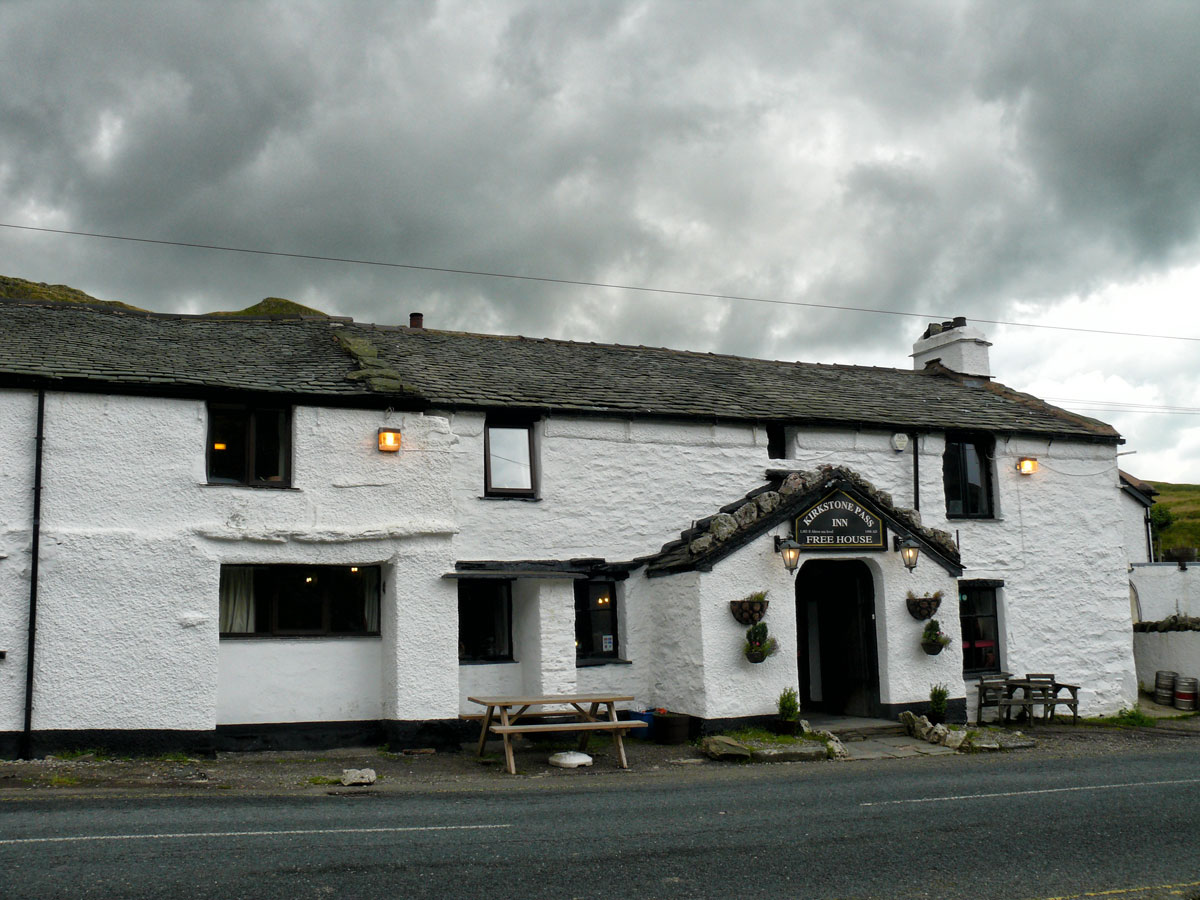
The Kirkstone Pass with an altitude of 1,489 feet is the Lake District’s highest pass that is open to motor traffic. The A592, which follows the route of a drover’s road used by farmers, runs from Windermere to Patterdale, but we took the short three mile winding road from Ambleside through the mountains, known as ‘The Struggle’ which leads to the Kirkstone Pass Inn.
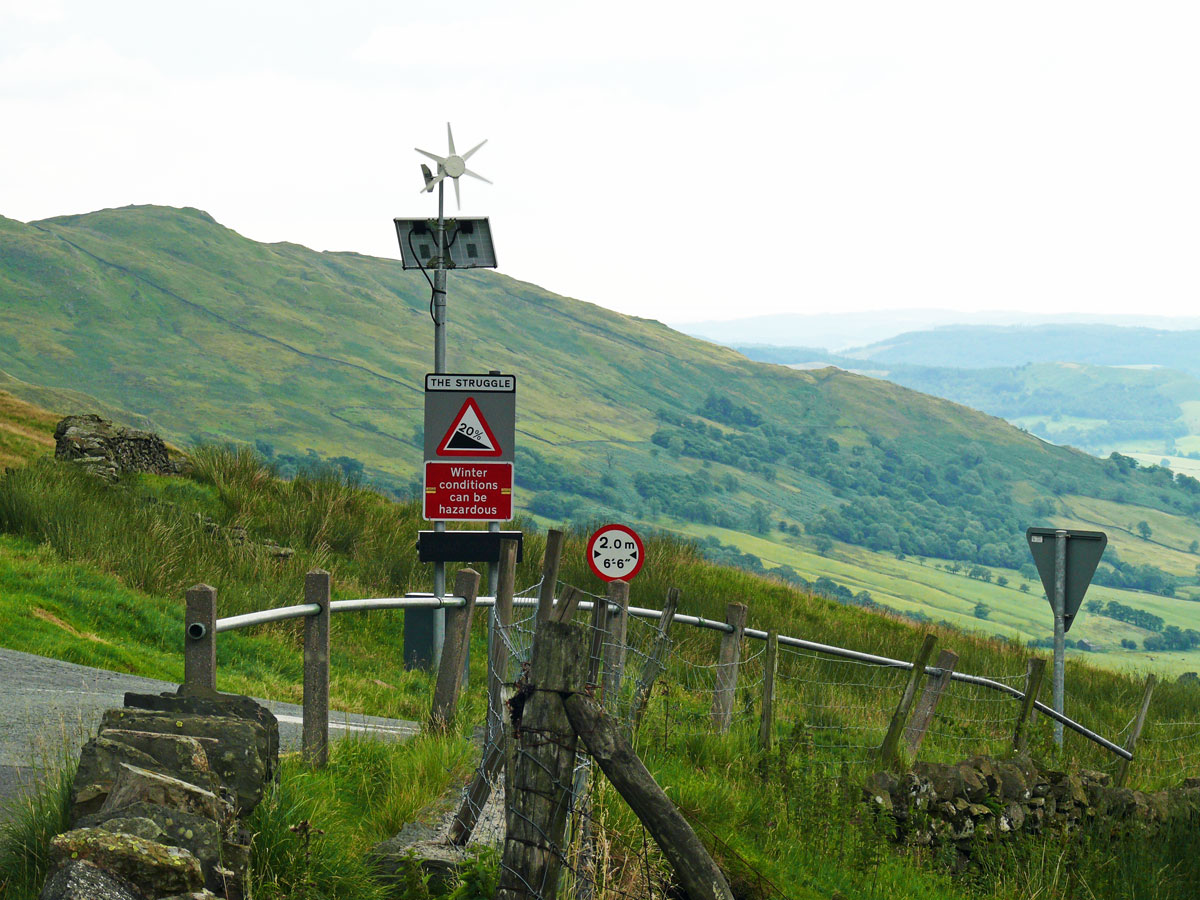
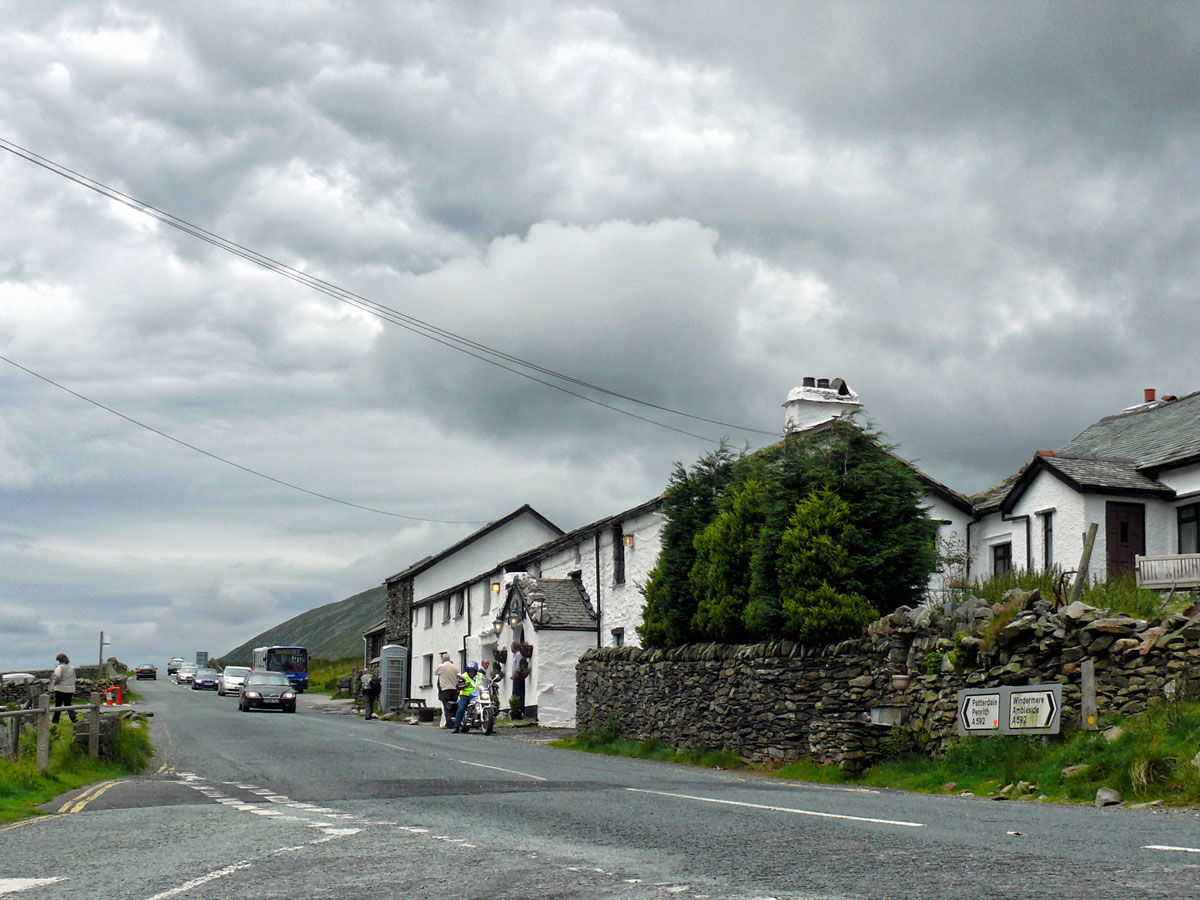
The steep twisty road is totally paved but curvy, narrow and very steep, hitting a harsh 17% of maximum gradient through some of the ramps. Due its steepness it was traditionally known as ‘The Struggle’.The StruggleThe Kirkstone Pass Inn stands close to the summit of the pass. Formerly an important coaching inn, it now caters primarily for tourists. It is the third highest public house in England.
Continuing past the inn towards Ullswater, you find yourself looking at this spectacular view.
Brothers Water is in the Hartsop valley and is a small lake in the eastern region of the Lake District. Once called Broad Water, it lies at the northern end of Kirkstone Pass, affording picturesque views on the descent towards Patterdale.
The Pass is only to be driven in good weather. It can get dangerous in the winter when covered with snow and ice.
During this year I shall be posting photographs from places around the UK, many of which have not been published before. Where I have previously blogged about a location I will provide a link to the post, though you won’t be able to comment on it as I restrict comments to six months.
J is for Jackfield
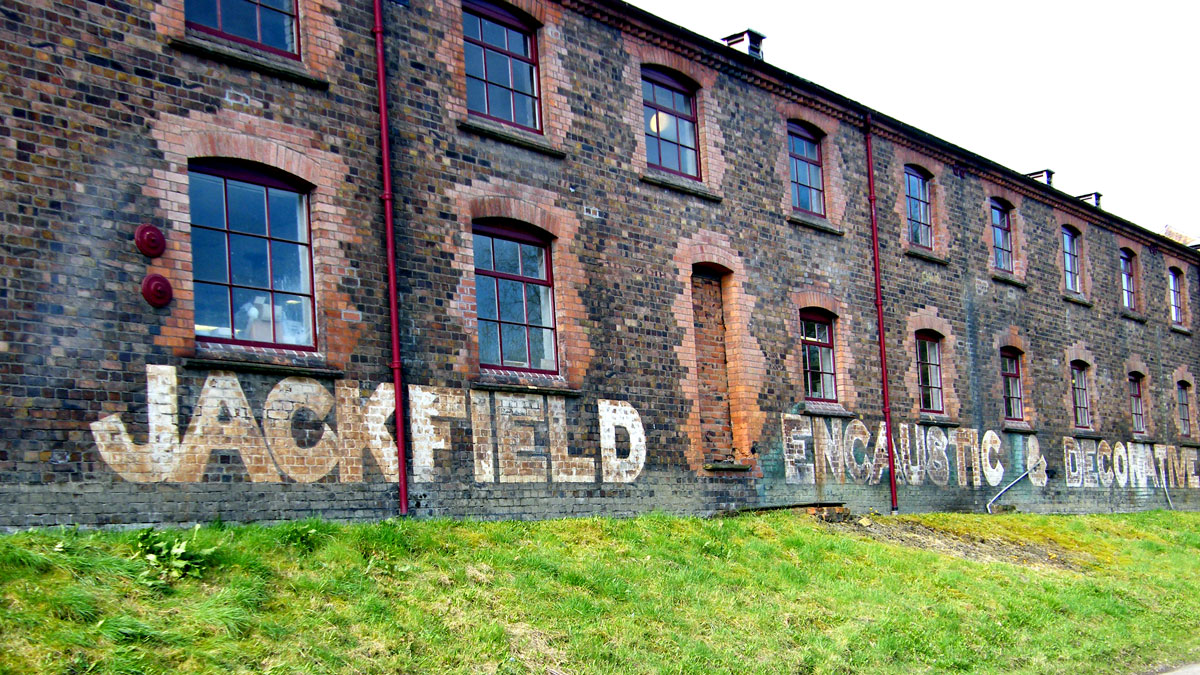
Jackfield is a village in Shropshire on the south bank of the River Severn, in the Ironbridge Gorge. There was a pottery here from at least 1634 and corn mills existed along the stream that flowed into the river. Manufacture of pottery continued throughout the 19th and 20th centuries, with specialism moving on to the production of tiles, including high quality encaustic tiles.
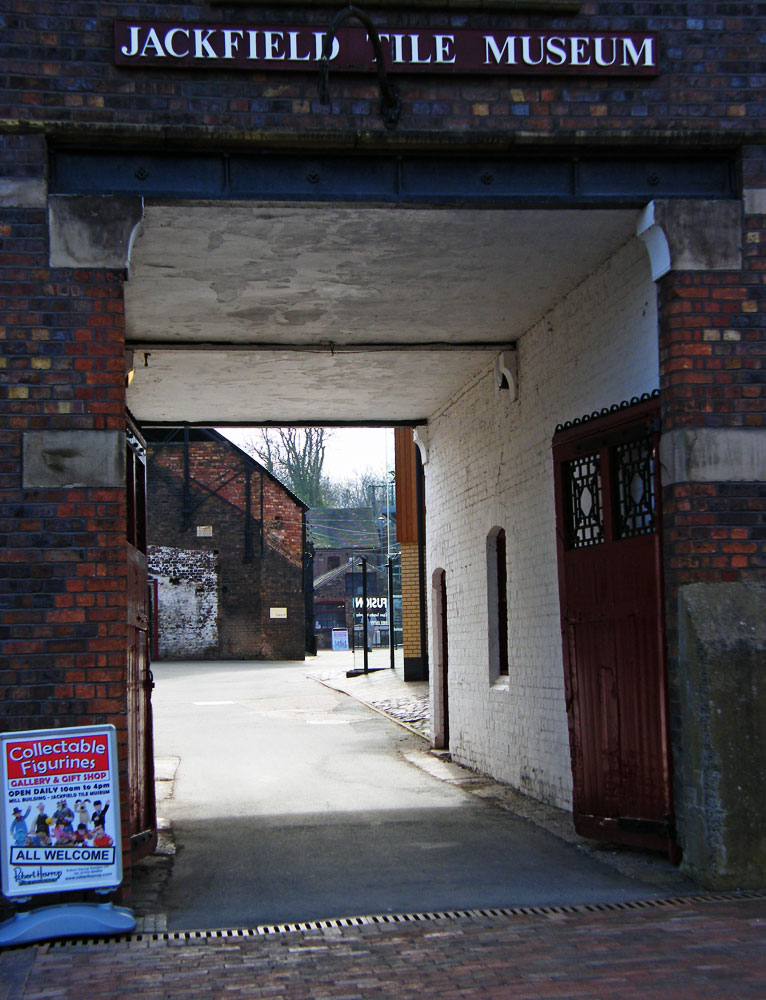
The Jackfield Tile Museum is one of ten museums in the Severn Gorge.
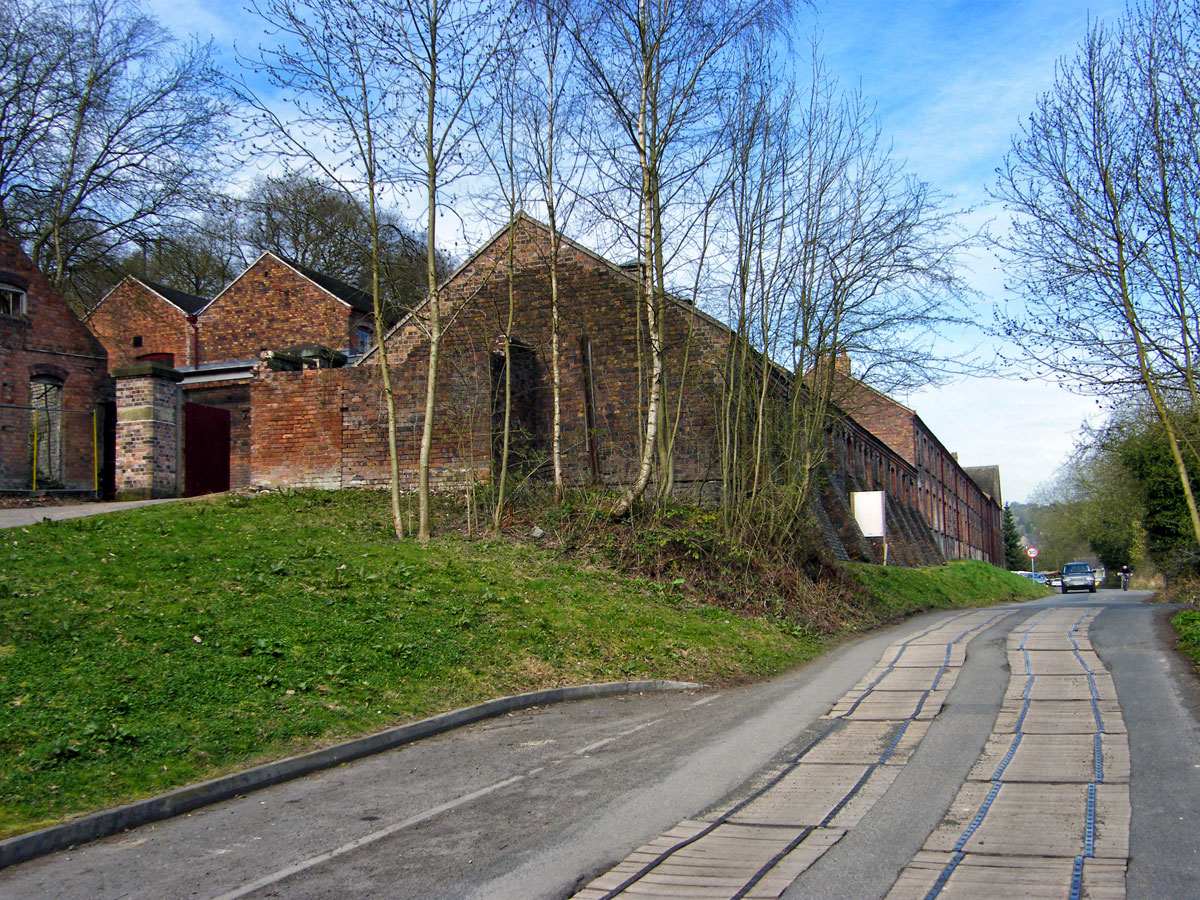
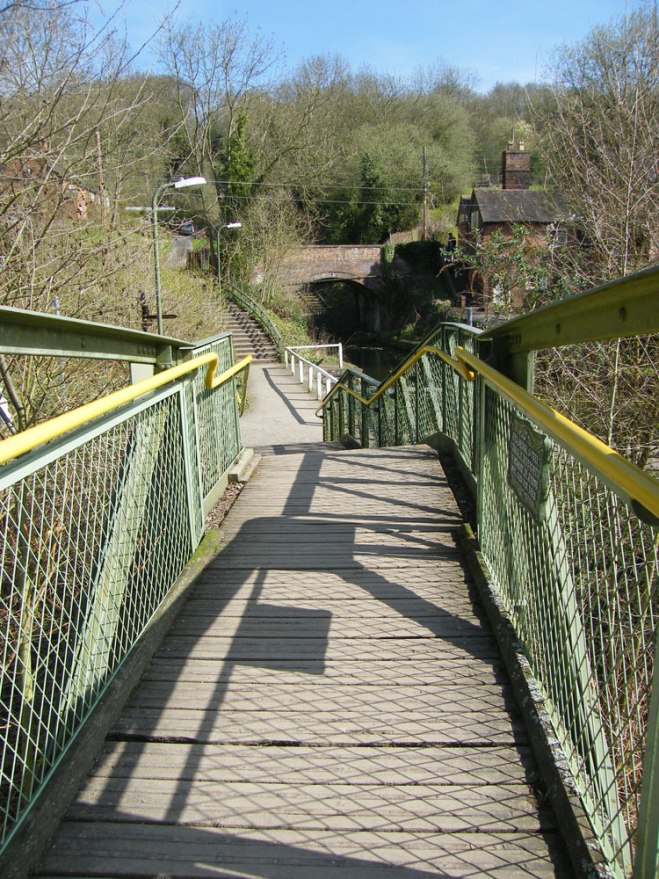
The Jackfield Tile Museum with some lengths of the former Severn Valley Railway trackbed today serve as a vehicle-free route for pedestrians and cyclists.
The settlement is mainly linear alongside the steep bank of the river from the Free Bridge to the Memorial Bridge which crosses over to the north bank and onto Coalport.
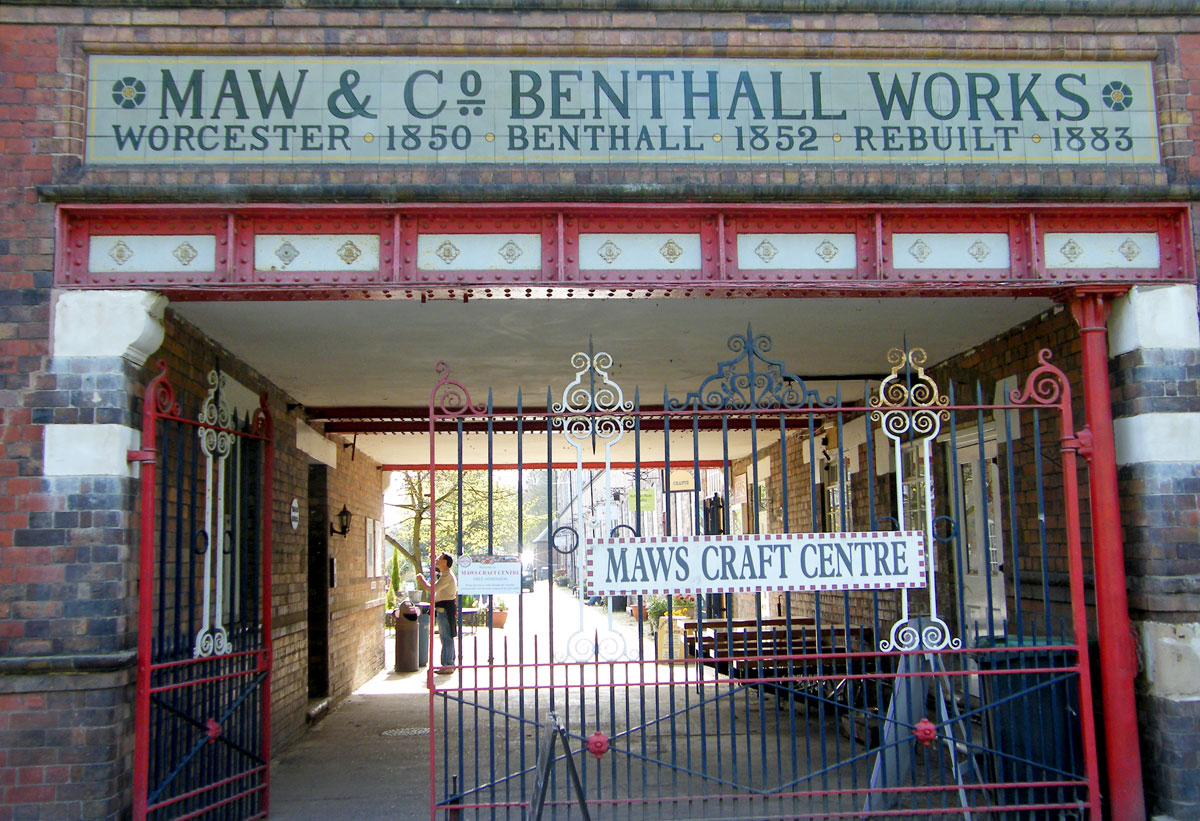
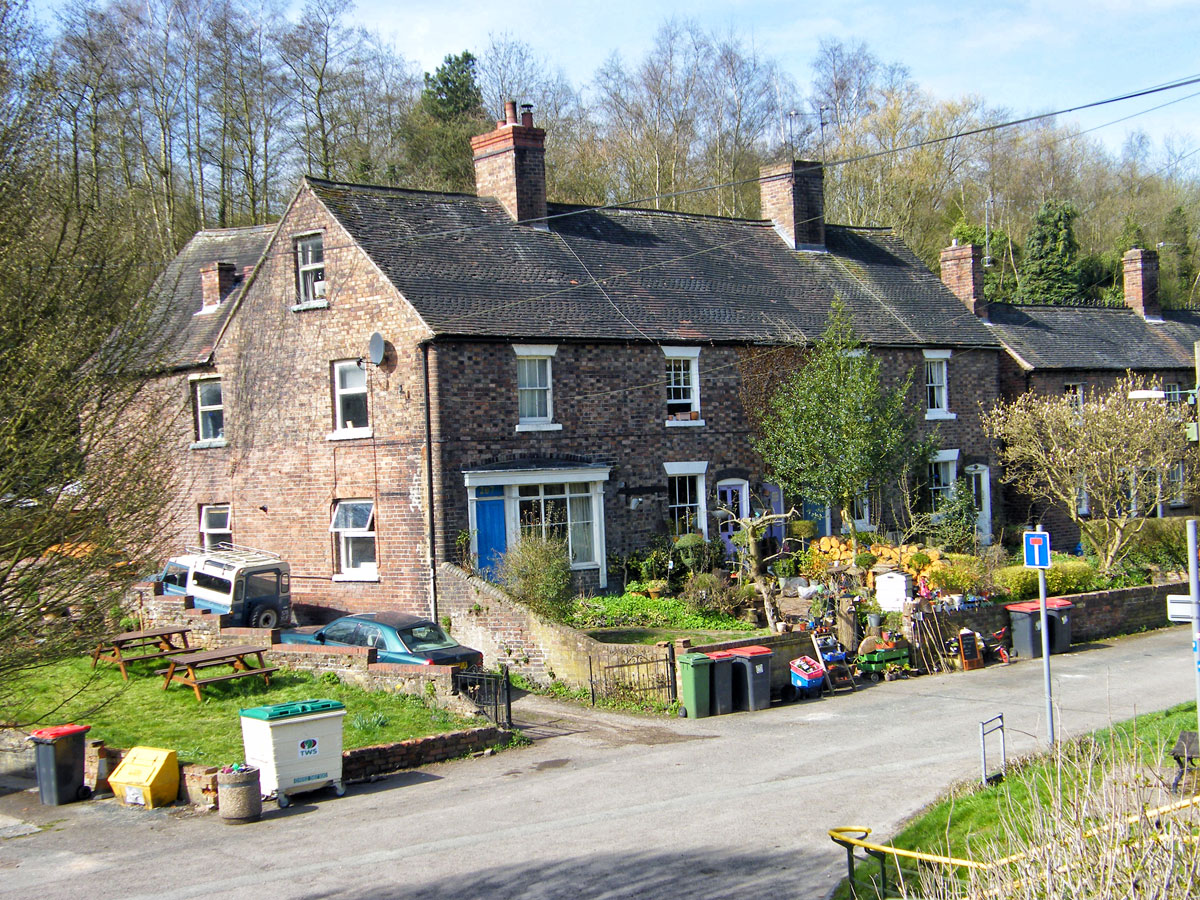
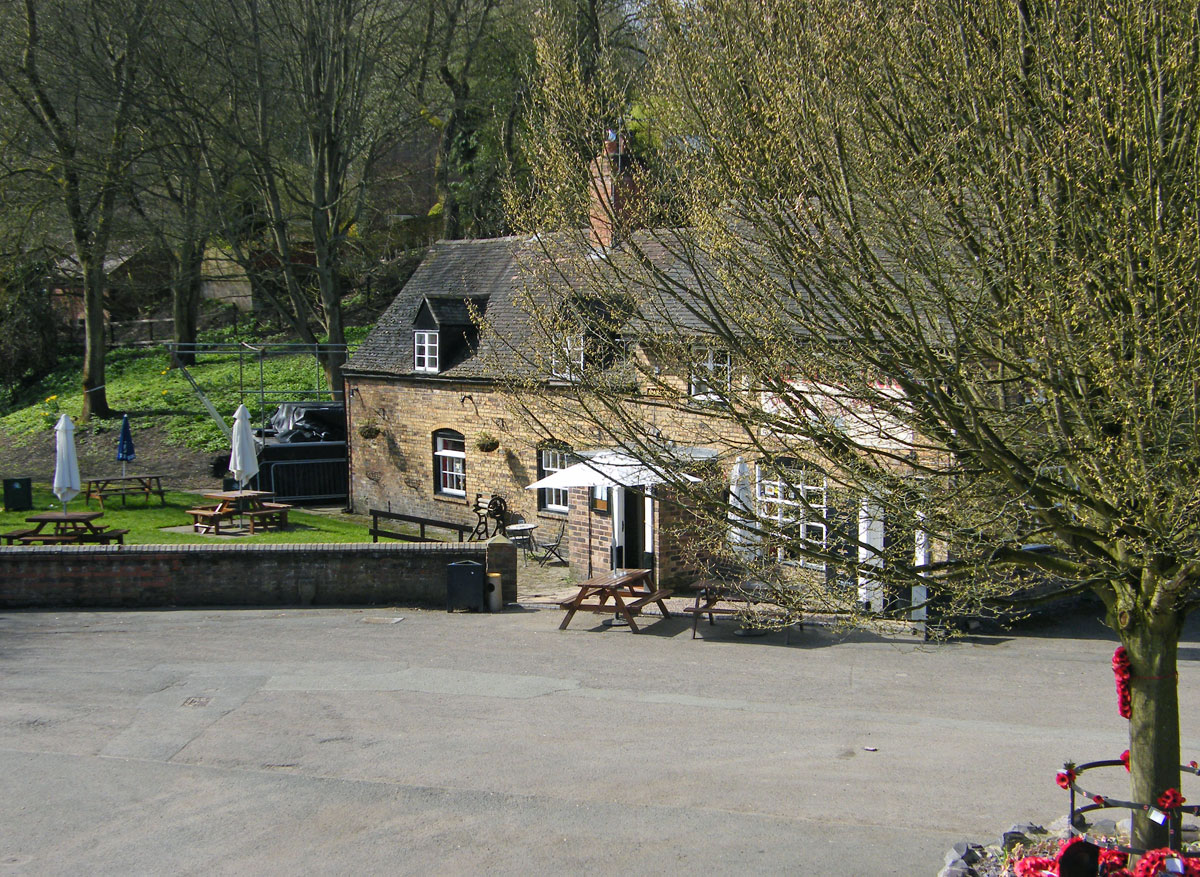
The Maws Craft Centre, formerly a part of the area’s tile works, is located on Salthouse Road between the Tile Museum and the Memorial Bridge and hosts a number of independent shops.The eastern part of the settlement consists of the Tuckies and Salthouses.Flooding badly affects the lower parts of Jackfield from time-to-time, including the Boat House pub which has floods recorded on its front door (the highest recorded at the pub being on 1 November 2000).The Memorial Bridge is a footbridge spanning the River Severn, linking the Tuckies part of Jackfield with Coalport. It was built with funds raised by public subscription in 1922, and is in memorial to the men of Jackfield and Coalport who were killed in the First World War.
During this year I shall be posting photographs from places around the UK, many of which have not been published before. Where I have previously blogged about a location I will provide a link to the post, though you won’t be able to comment on it as I restrict comments to six months.
I is for IOW – Isle of Wight
The Isle of Wight is a small island measuring 23 miles by 13 miles off the coast of Hampshire in the south of England. Regular ferry services cross from the mainland at Portsmouth, Southampton and Lymington. Passengers can also choose from catamarans and hovercraft options to Ryde. We went over for a few days break during August in 2008. Unfortunately the weather wasn’t on our side.
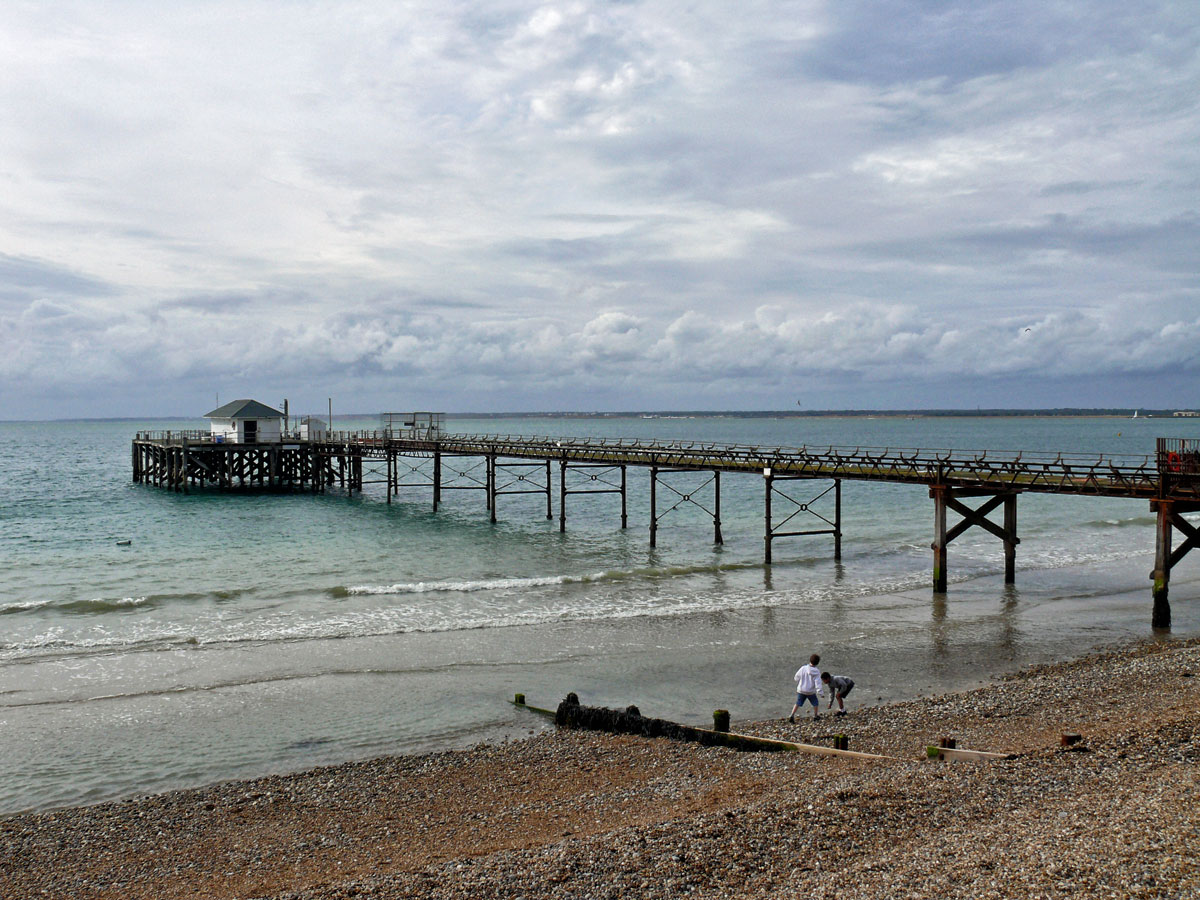
West coast pier
There is a lot packed into such a small island from the busy seaside town of Ryde on the north coast to the quieter south coast. The Military Road which runs along the coast between Chale and Freshwater Bay was built by the military in the 1860’s as part of the defence of the Island.
South Coast where dinosaur fossils can be found
Also known as the Dinosaur Island it is regarded as one of the richest areas for Dinosaur discovery in Europe. There are picturesque inland villages with thatched roofed buildings, traditional seaside resorts, beautiful beaches and a botanic garden and miles of footpaths and cycling tracks.
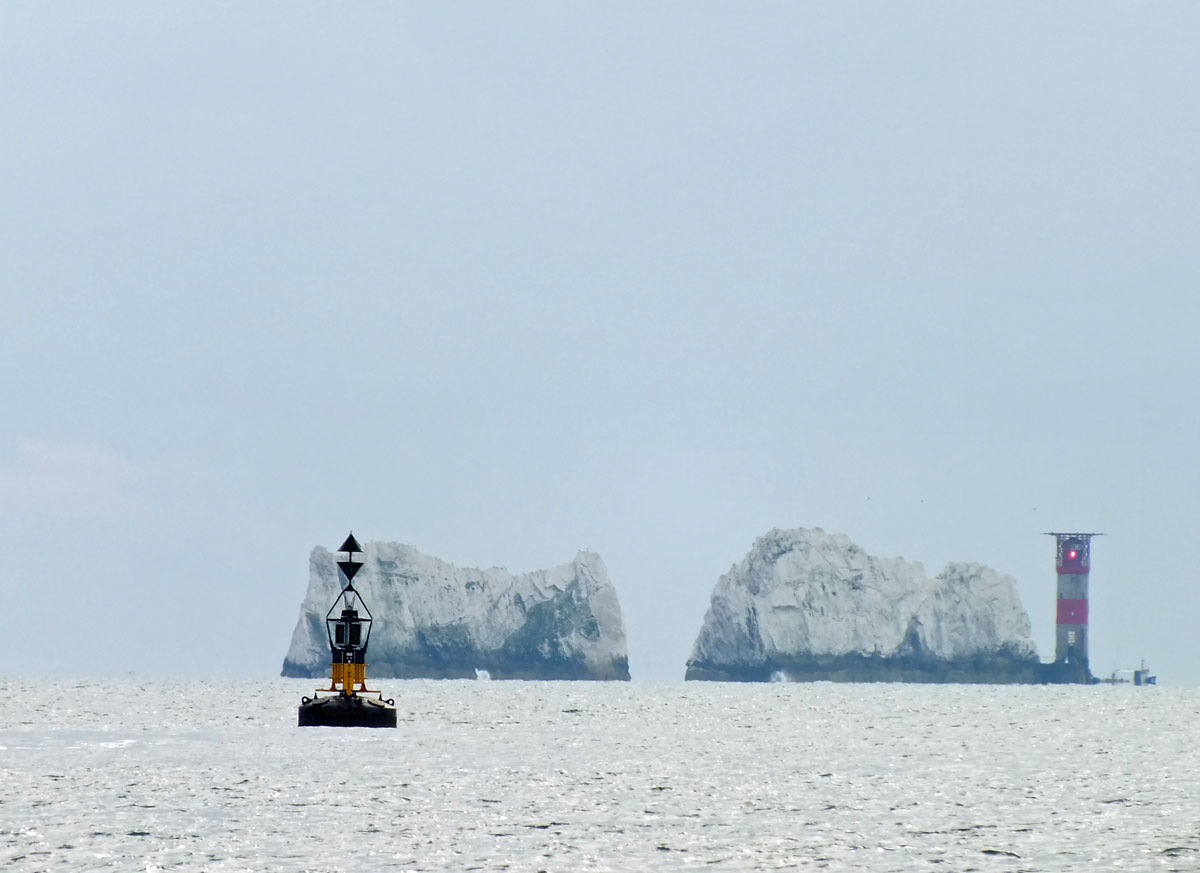
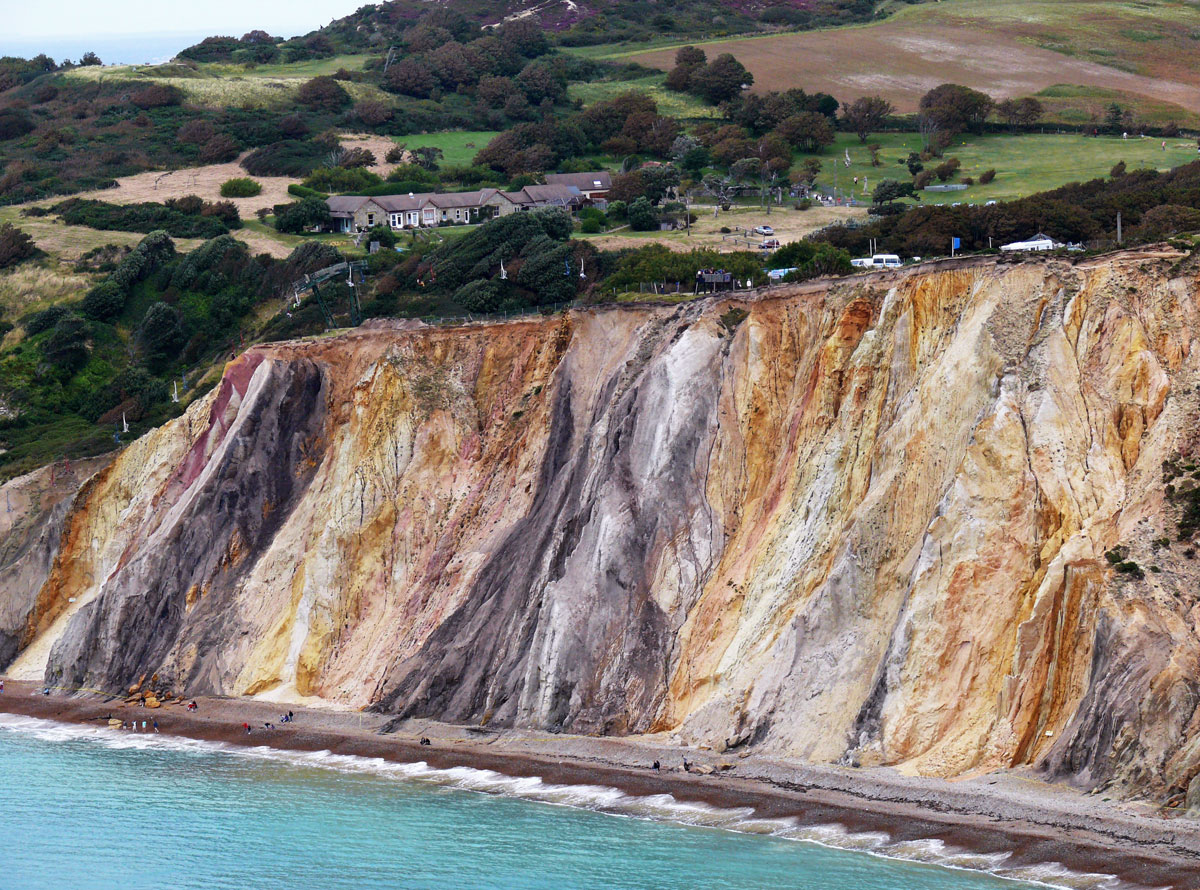
Thatched cottagesThe Needles is a row of three stacks of chalk that rise about 30 metres out of the sea off the western extremity of the Isle of WightThe Needles from the mainland. The Needles Lighthouse stands at the outer, western end of the formation. Built in 1859, it has been automated since 1994.Alum Bay is well known for its multi-coloured sand cliffs. The Needles offers a range of attractions and rides for all ages. No visit to The Needles would be complete without a visit to one of their entertaining demonstrations, where you can get hands on with fascinating glass blowing, sweet making and sand filling and take away a piece of the Isle of Wight you won’t find anywhere else.
On the north coast is the lovely town of Yarmouth with ferry crossings over to Lymington (New Forest). The historic port town sits at the mouth of the River Yar and contains some of the oldest architecture on the Isle of Wight, including a 16th Century castle.
A little further east is the Newtown National Nature Reserve with several bird hides which is a nice place for some quiet time.
Newtown National Trust West Bird Hide – a unique bird hide that feels more like home. Set on two levels, it has windows all around. Inside you can find books, chairs, binoculars and a lot of information about the local wildlife.
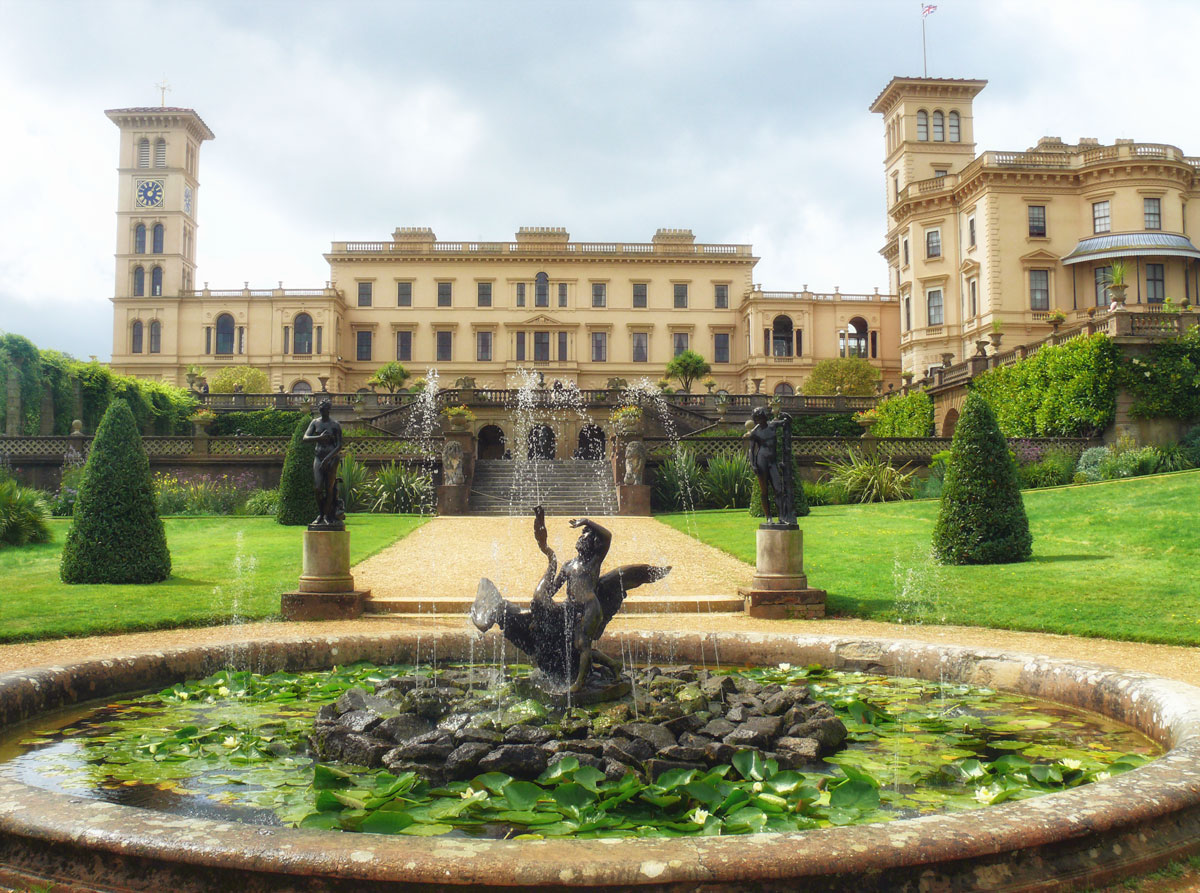
And if you like visiting historic houses then there is Osborne House. Queen Victoria and Albert bought the Osborne estate in 1845, and built a new mansion here as an escape from court life in London and Windsor.
The Italianate design of the house, in which Albert was closely involved, became known as ‘the Osborne style’ and was imitated throughout the British empire.
There are extensive grounds to explore including a walled garden and the ornate terrace garden which is a riot of colours in spring and summer. Take a walk to the private beach where Victoria and the royal children used to swim.
Complementing the magnificent Italianate ‘royal palace by the sea’, are gardens and grounds filled with breathtaking views.
The Isle of Wight has been known as a holiday destination since the Victorian era and it is definitely worth visiting.
During this year I shall be posting photographs from places around the UK, many of which have not been published before. Where I have previously blogged about a location I will provide a link to the post, though you won’t be able to comment on it as I restrict comments to six months.
H is for Hartland Quay
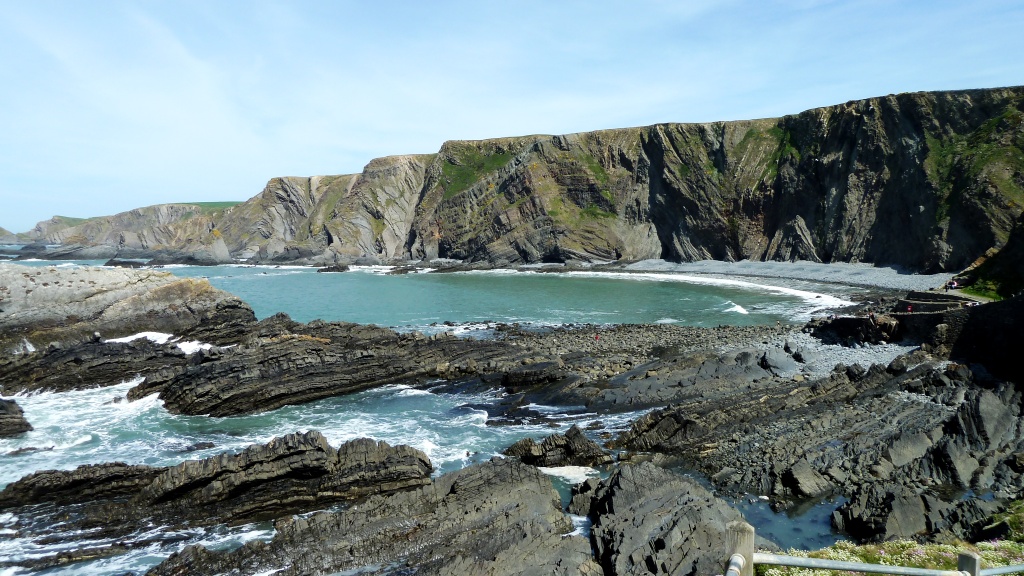
Hartland Quay on the north coast of Devon is wild and rugged with contorted rock layers.
The wilderness of Hartland Peninsula is well worth exporing – it is a lost world of narrow roads winding their way to the coast. Visit Hartland Point, the Quay, Speke’s Mill Mouth and the glorious Hartland Abbey where paths around the estate lead to the beach and Blackpool Mill Cottage where ‘Sense and Sensibility’ was filmed. Nearby St Nectan’s Church has been a landmark for sailors for generations with its tower believed to be the highest in Devon.
Hartland Quay
It is one of the most dramatic landscapes in the UK with the highest granite cliffs overlooking Atlantic rollers. Take a walk along the coastal path here for wonderful views of the rugged coastline, astonishing folded and compressed rock formations, jutting ribs in the sand and waterfalls and inland moorland, heath and wooded valleys.
Screda CoveSpekes Mill Mouth
North Devon is often overlooked in favour of its southern neighbour, but it is a stunning part of the county. And much less traffic.
During this year I shall be posting photographs from places around the UK, many of which have not been published before. Where I have previously blogged about a location I will provide a link to the post, though you won’t be able to comment on it as I restrict comments to six months.
G is for Grasmere
Is there any landscape more beautiful in England than the Lake District? Known for its glacial ribbon lakes, rugged fell mountains and historic literary associations. Throw in a few market towns, lakeside walks and cruises, good food and fresh air. Lots of fresh air.
Reflections in Grasmere Lake
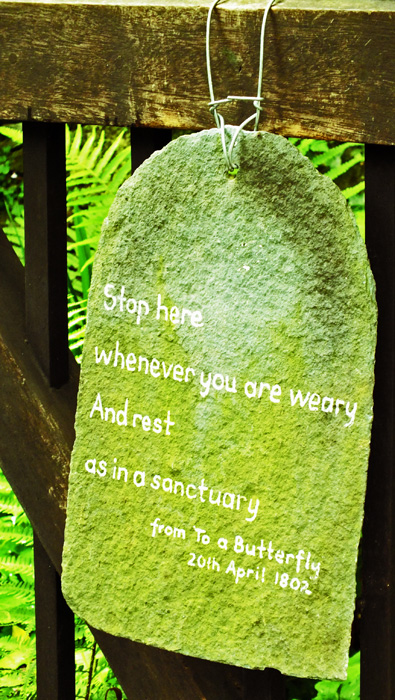
It has links with the Lake Poets: William and Dorothy Wordsworth lived in Grasmere for 14 years and called it “the loveliest spot that man hath ever found.”
 Continuing past the inn towards Ullswater, you find yourself looking at this spectacular view.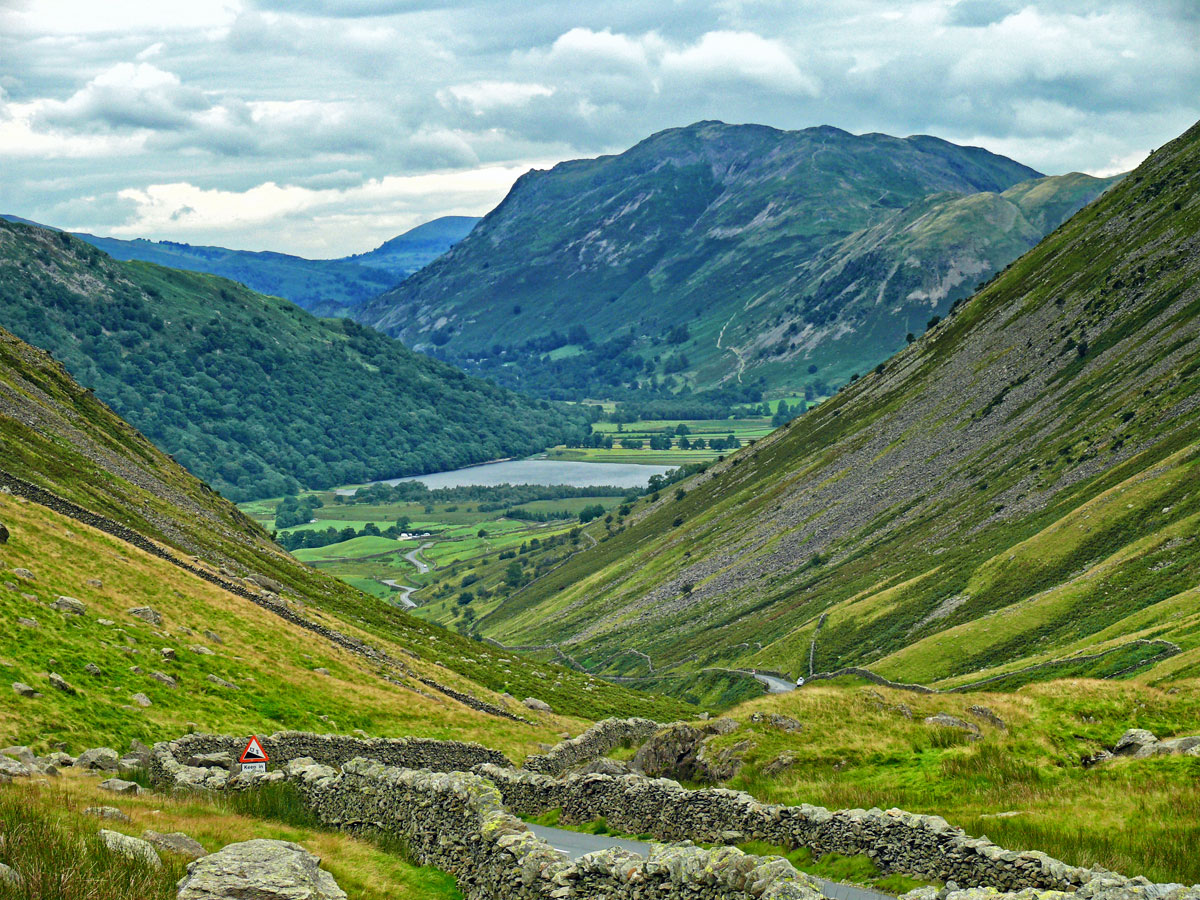








 TRAVEL WORDS