Exeter Cathedral was founded in 1050 with the enthronement of the first Bishop of Exeter and construction began in 1114, initially in the Norman (Romansque) style. The two towers are from this period. A major rebuild was done between 1270 and 1350.
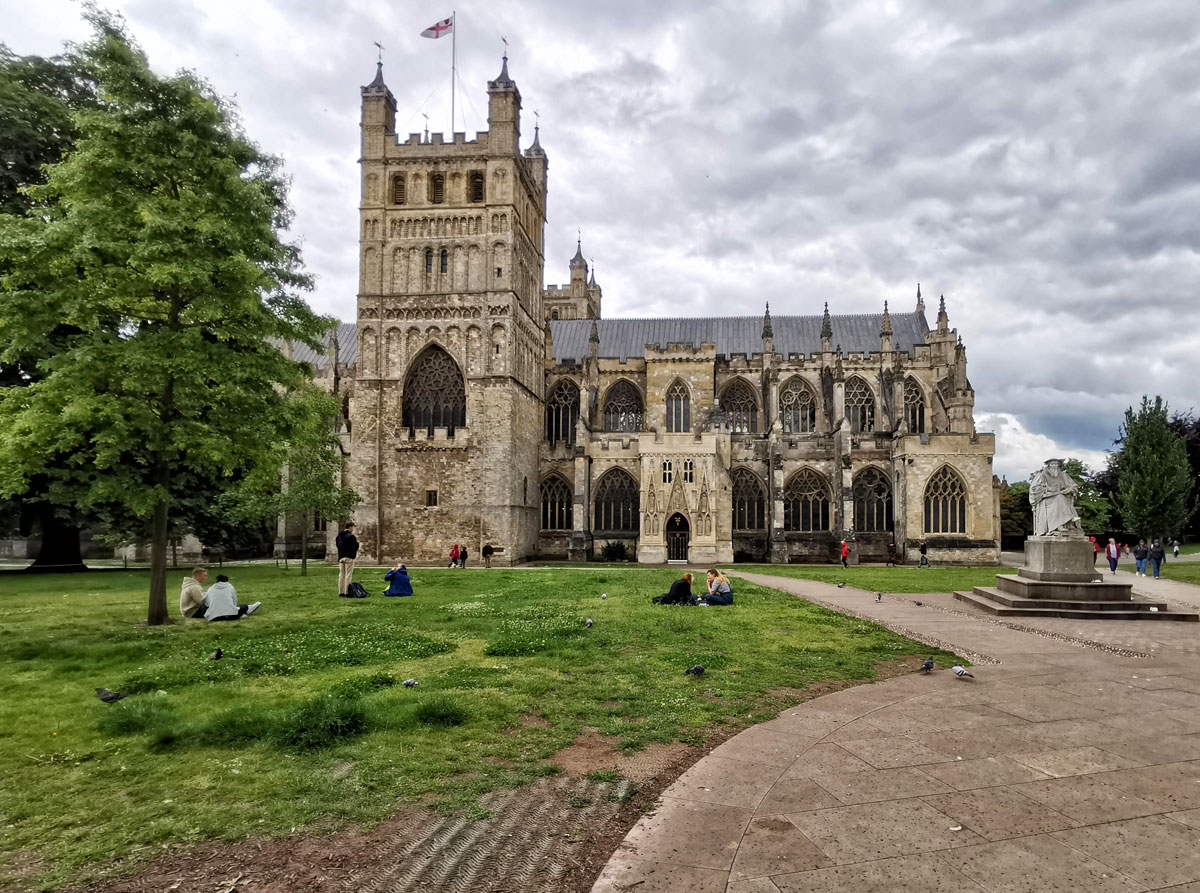
Although it is 18 months since my visit to this cathedral I didn’t get around to posting about it. You may wonder why someone who is nonreligious enjoys visiting churches and other religious buildings. I can’t help admiring the craftsmanship that goes into these religious buildings. And of course they are a big part of our history.
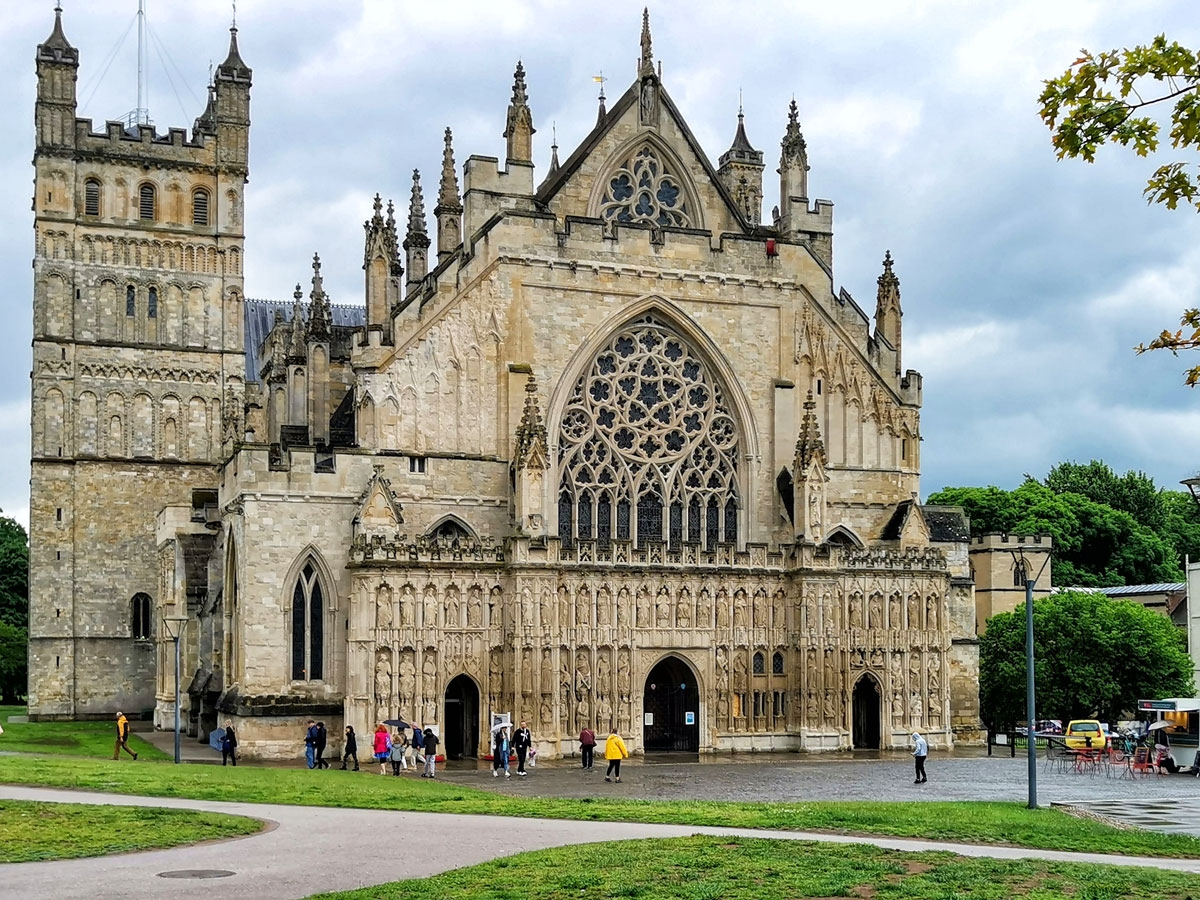
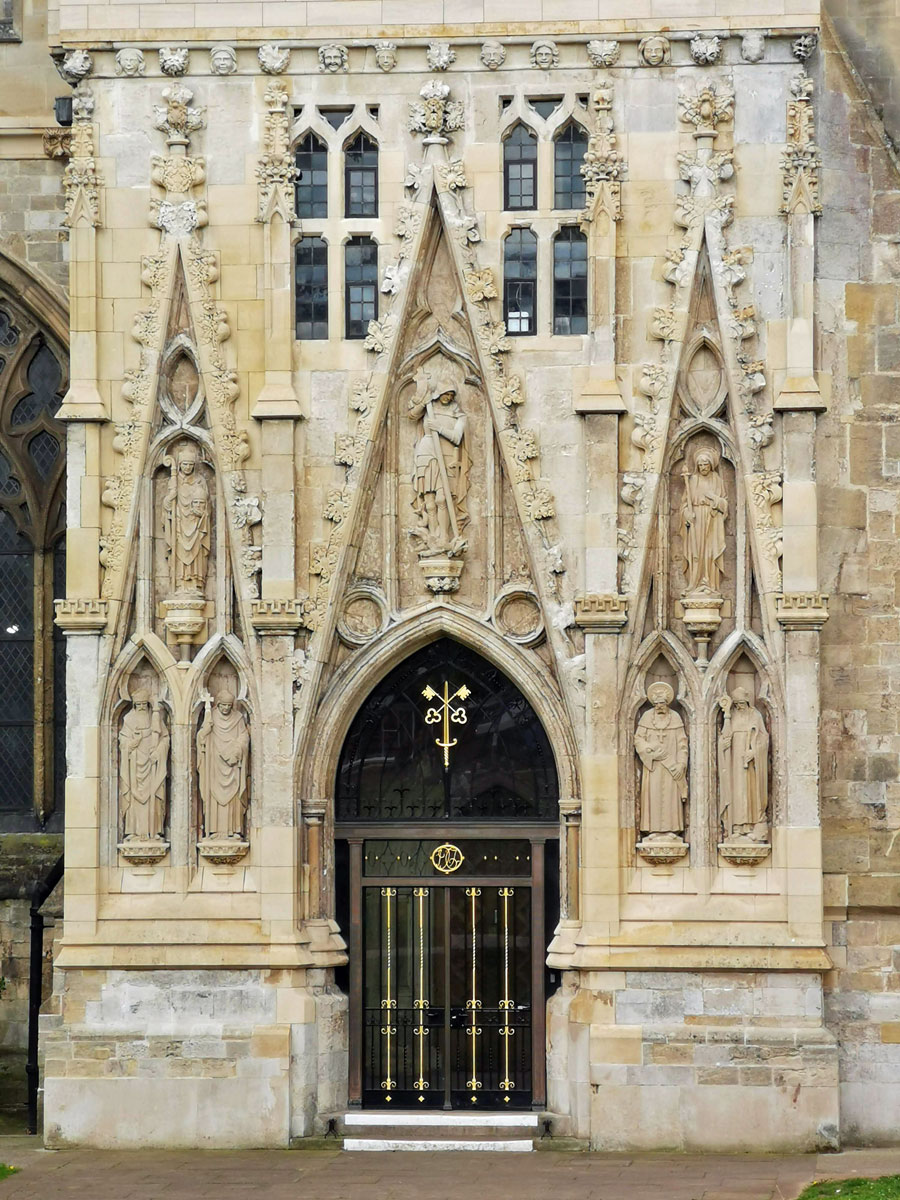
White and honey stone was used to face the building, brought from quarries along the East Devon coast. Above the rows of statues is the beautiful 14th century tracery of the great west window and high up in a niche at the top of the west front is a modern statue of St Peter, the patron saint of the cathedral, depicted as a naked fisherman
Let’s head inside.
Measuring approx. 96m in length, Exeter Cathedral’s ceiling is the longest continuous medieval stone vault in the world. This style of vaulting is known as tierceron. The round stones (bosses) of the vault act as keystones and there are more than 400 of them carved with a variety of Gothic images including plants, animals, heads, figures and coats of arms.
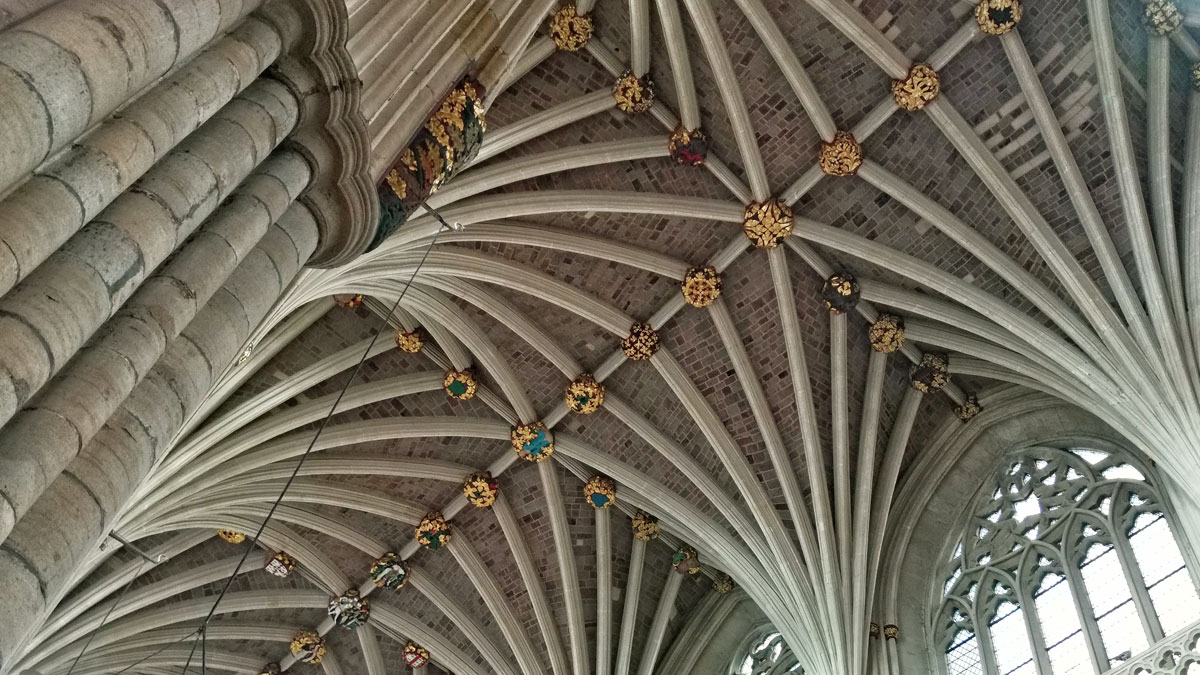


One of the bosses shows the murder of Thomas Becket, Archbishop of Canterbury by King Henry II’s knights. It is a rare survival as Henry VIII proclaimed in 1538 that all images of Becket were to be destroyed. Unfortunately I didn’t manage to photograph that one.
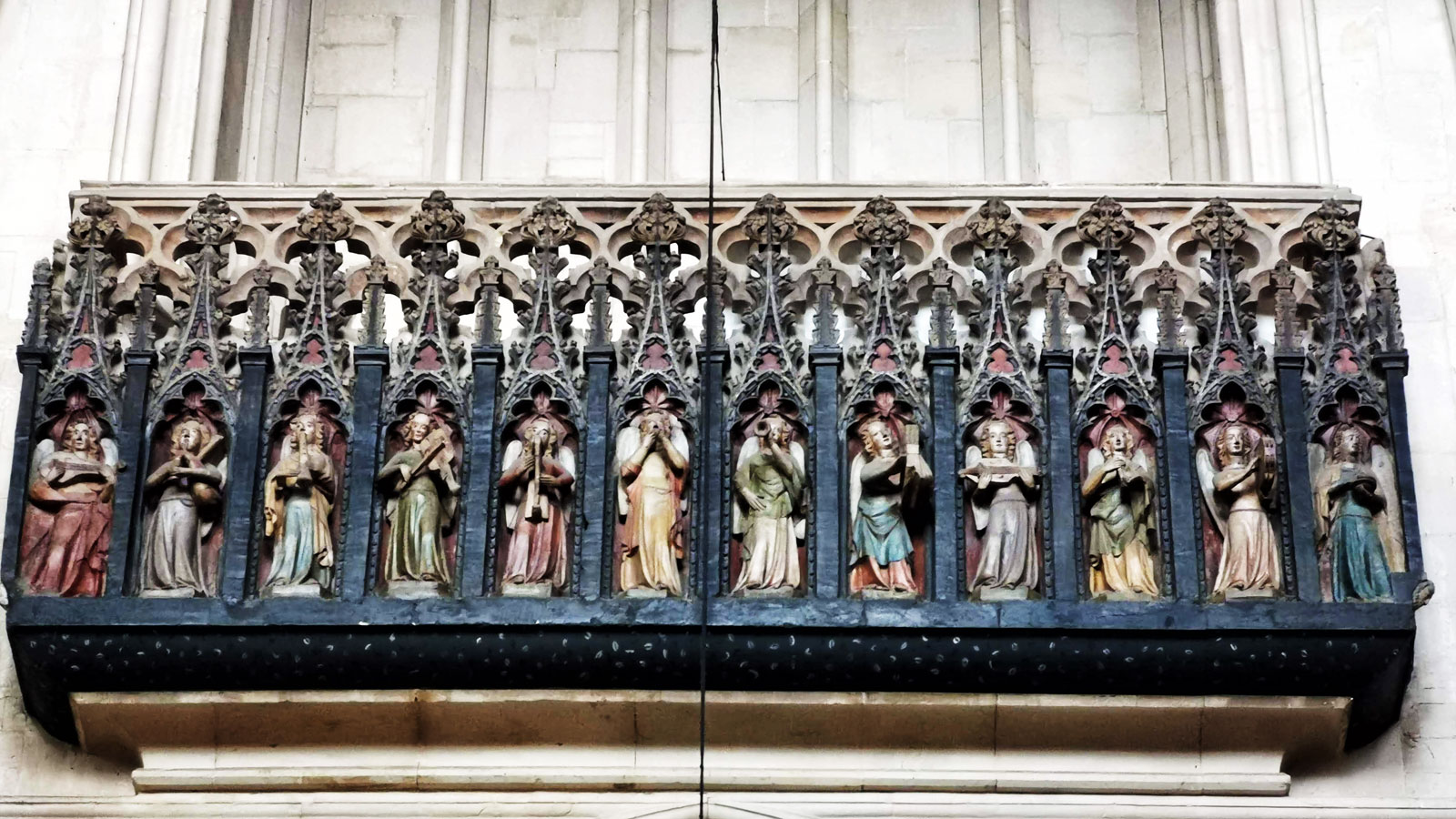
Overlooking the nave is this unique 14th century Minstrels’ Gallery. The purpose of it is uncertain; its name derives from the 12 angels along the front, all playing medieval musical instruments including the cittern, bagpipe, hautboy, crwth, harp, trumpet, organ, guitar, tambourine and cymbals.
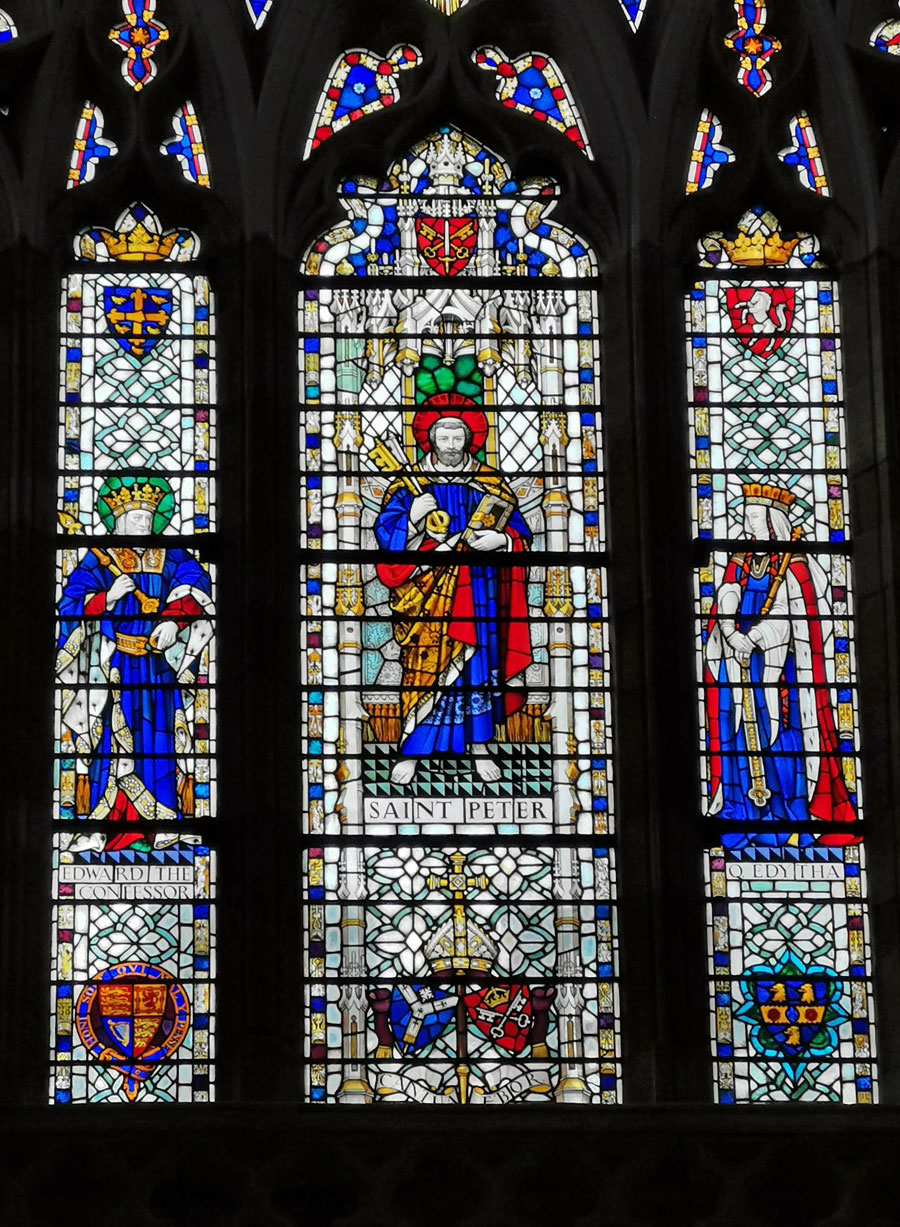
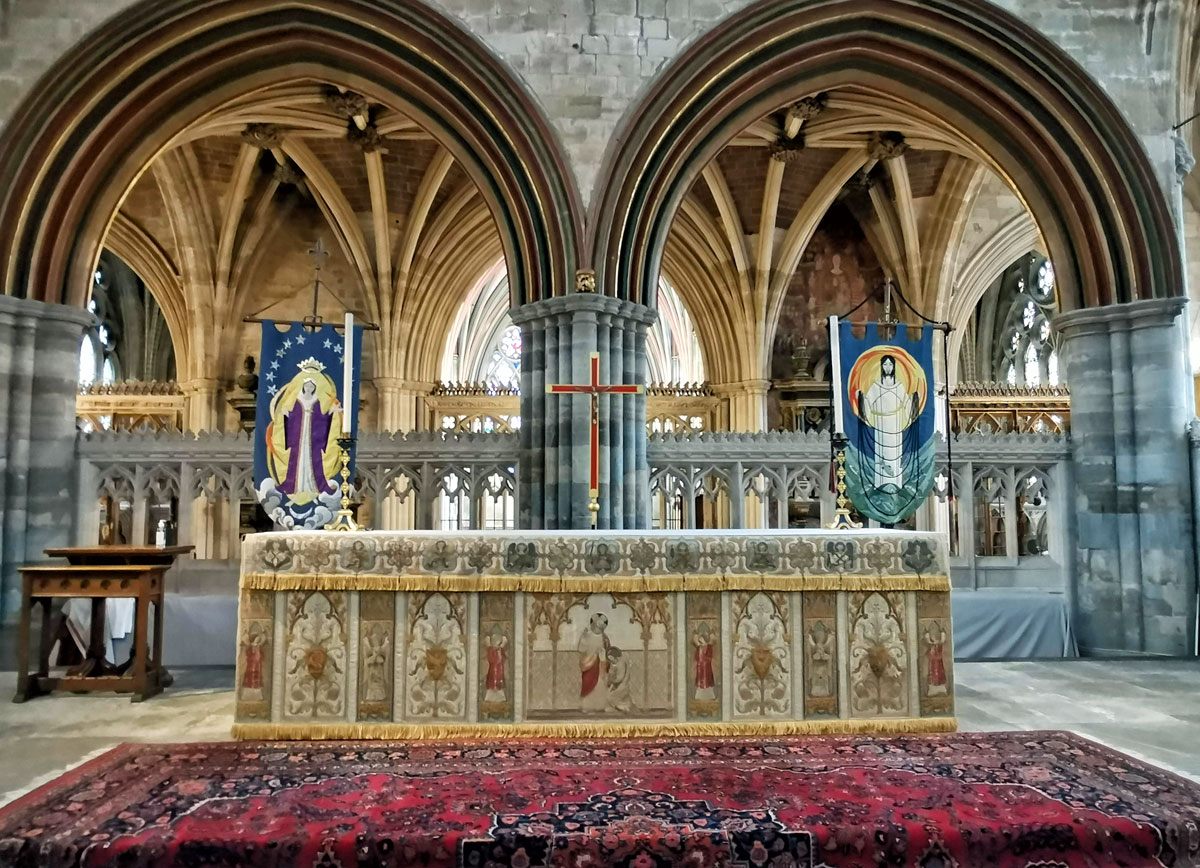


As is the norm in any cathedral you will find a number of tombs.


Stories of Christian martyrdom through the ages are depicted in the stone panels of the 19th century Martyrs’ Pulpit. Designed 1876-7 by George Gilbert Scott, it shows the martyrdoms of St Alban, St Boniface and the Victorian missionary bishop, John Coleridge Patteson.


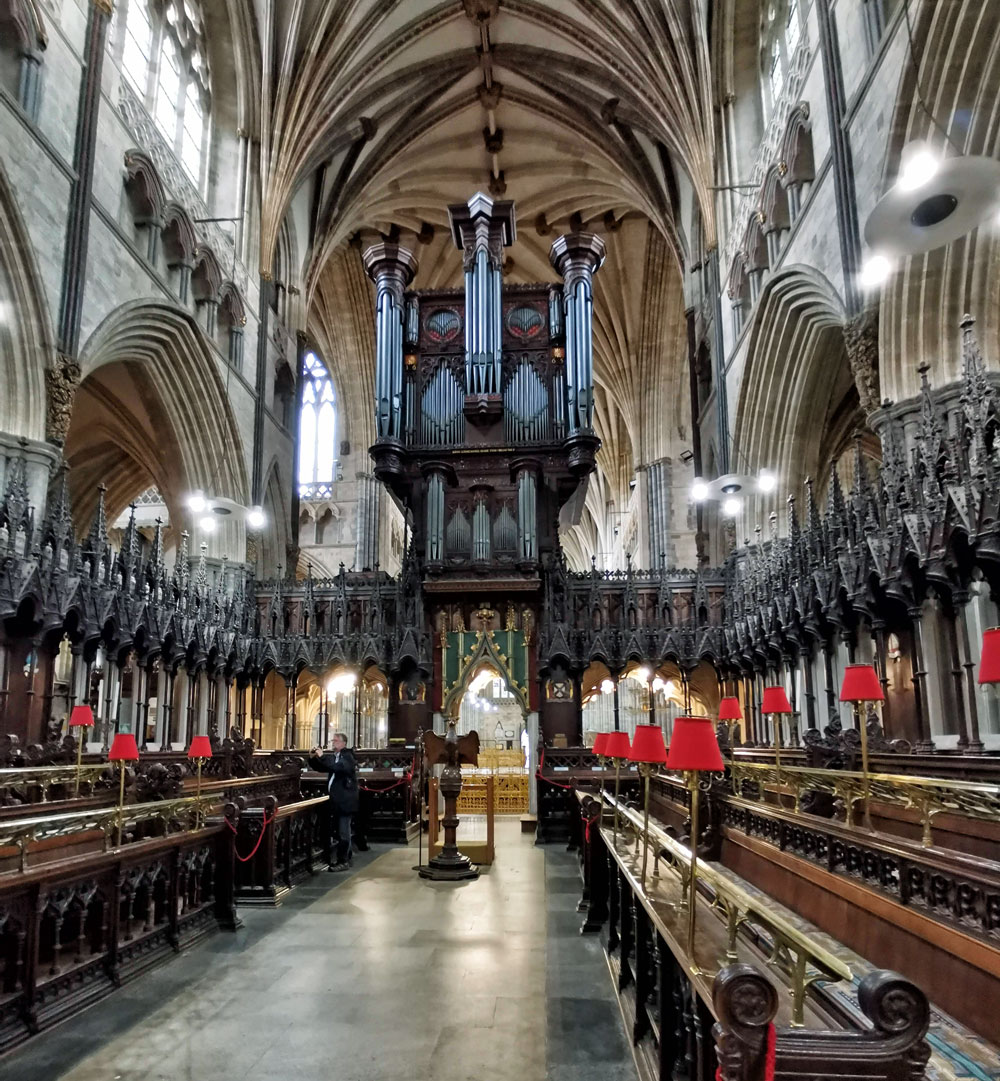
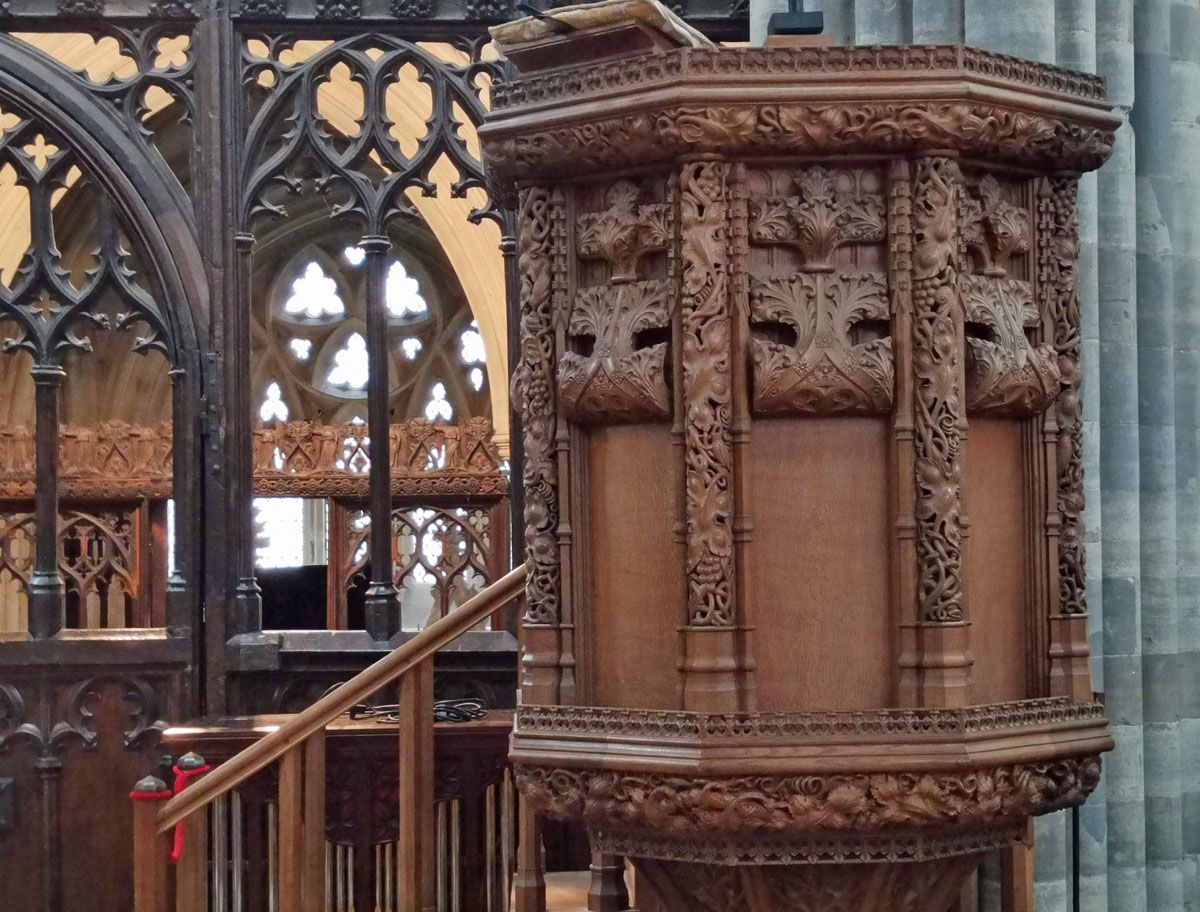


The Quire stalls were installed by Sir George Gilbert Scott in 1876 during a 19th century restoration of the cathedral. It is uncertain when the medieval choir stalls were removed, but the seats in the back row incorporate one of the oldest sets of misericords. Unfortunately they are not in good condition and only one is on display.
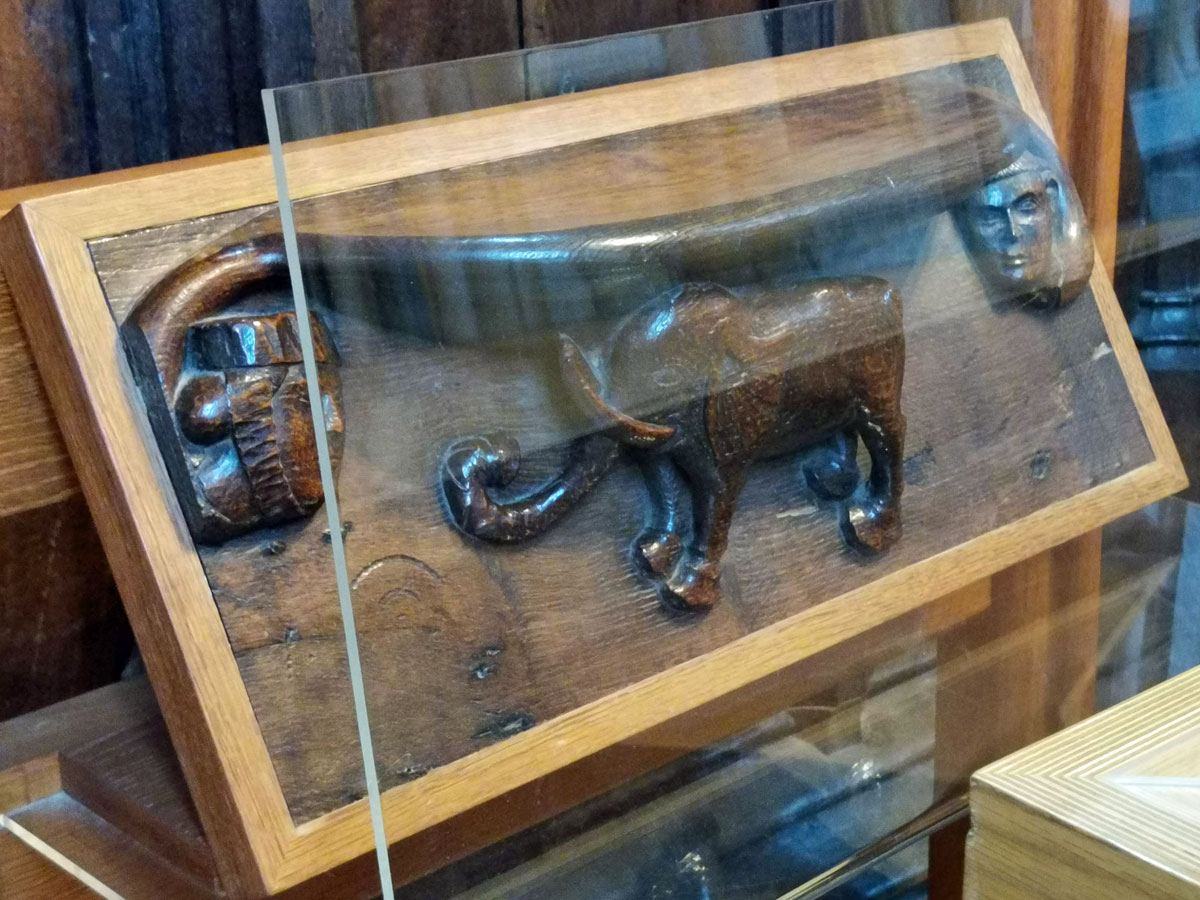
The Elephant Misericord is the most famous of a complete set surviving from the 13th century under the Prebendaries’ stalls. The carving may have been done from a drawing of the animal given as a present to Henry III
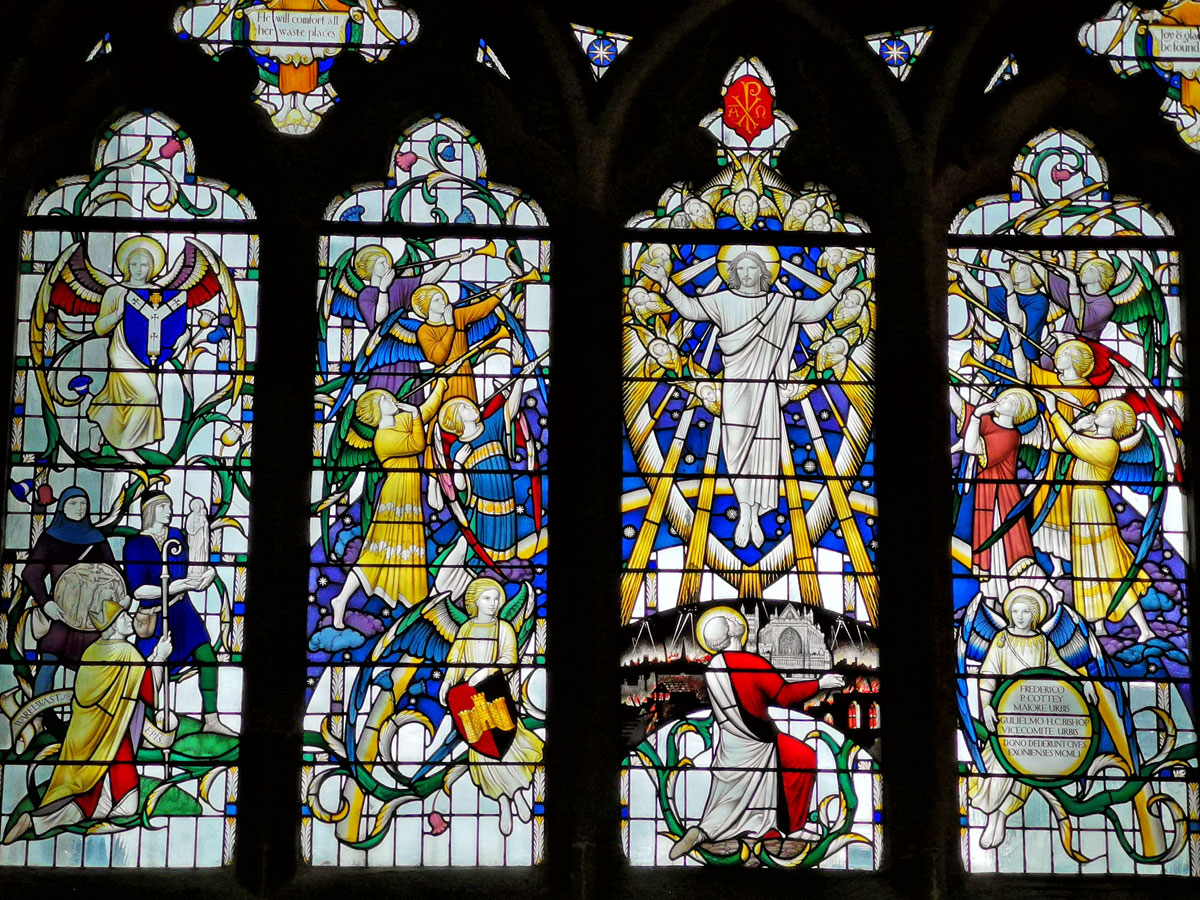
The clock in the north tower is an early attempt to represent the relationship of the earth, moon and sun.


A hole at the bottom of the tower door in the north transept of Exeter Cathedral for the Cathedral Cat. The cat kept down the population of rats and mice and had a recognised position as a member of staff, with salary of 13d a quarter or 4s. 4d. a year. (s = shillling and d = penny)
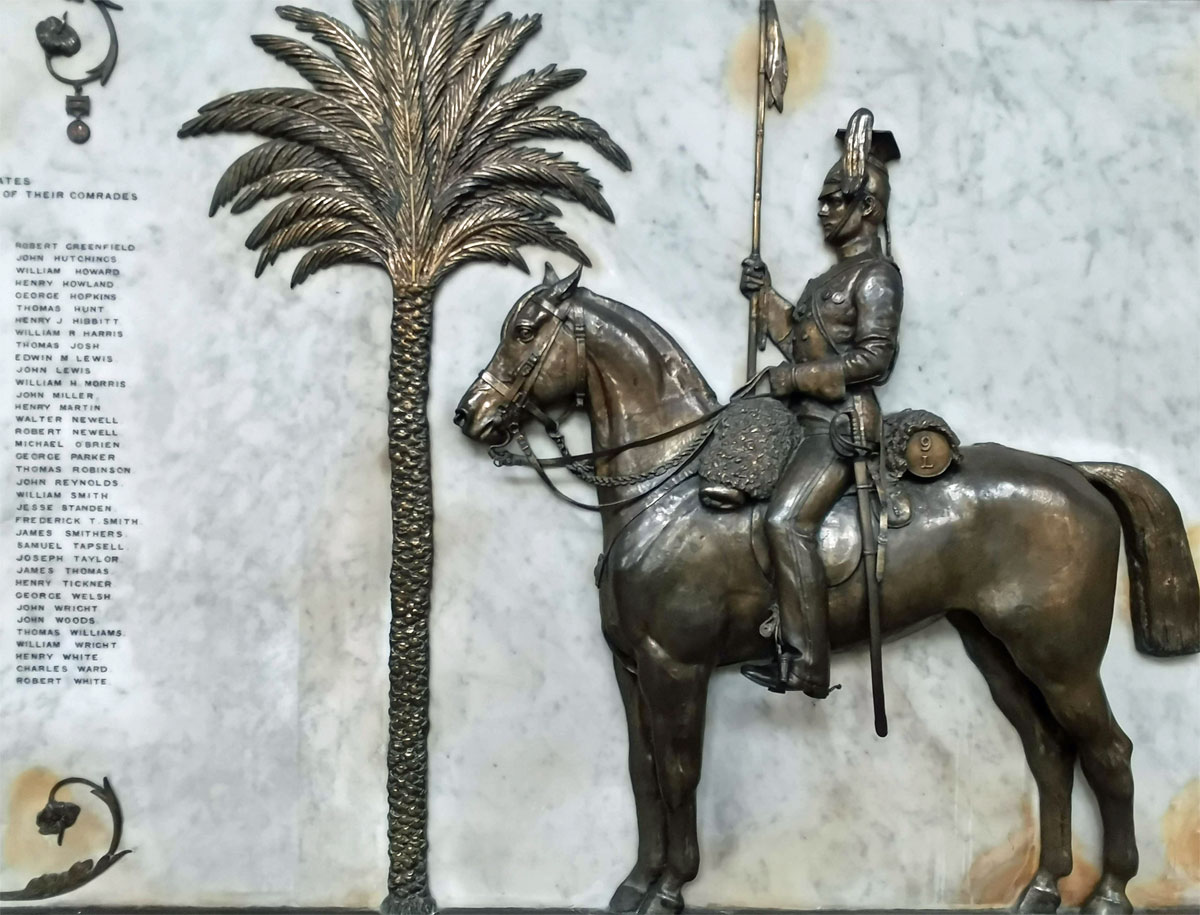
Also in the Nave is a memorial to the Polish 307 Squadron night-fighters who fought the Luftwaffe over the skies in Britain. On 15th November 1942 they helped protect Exeter from potential destruction. It was dedicated on the 15th November 2017, the 75th anniversary of the day that the squadron presented the city with the Polish flag as a sign of international co-operation.
Outside the cathedral, situated on the Exeter Cathedral Green, a statue of Richard Hooker dates from 1907 and is sculpted from white Pentilicon marble from Greece. Born in Heavitree in 1554, Hooker became an Anglican priest and influential theologian. Hooker was exceptional in promoting religious tolerance.
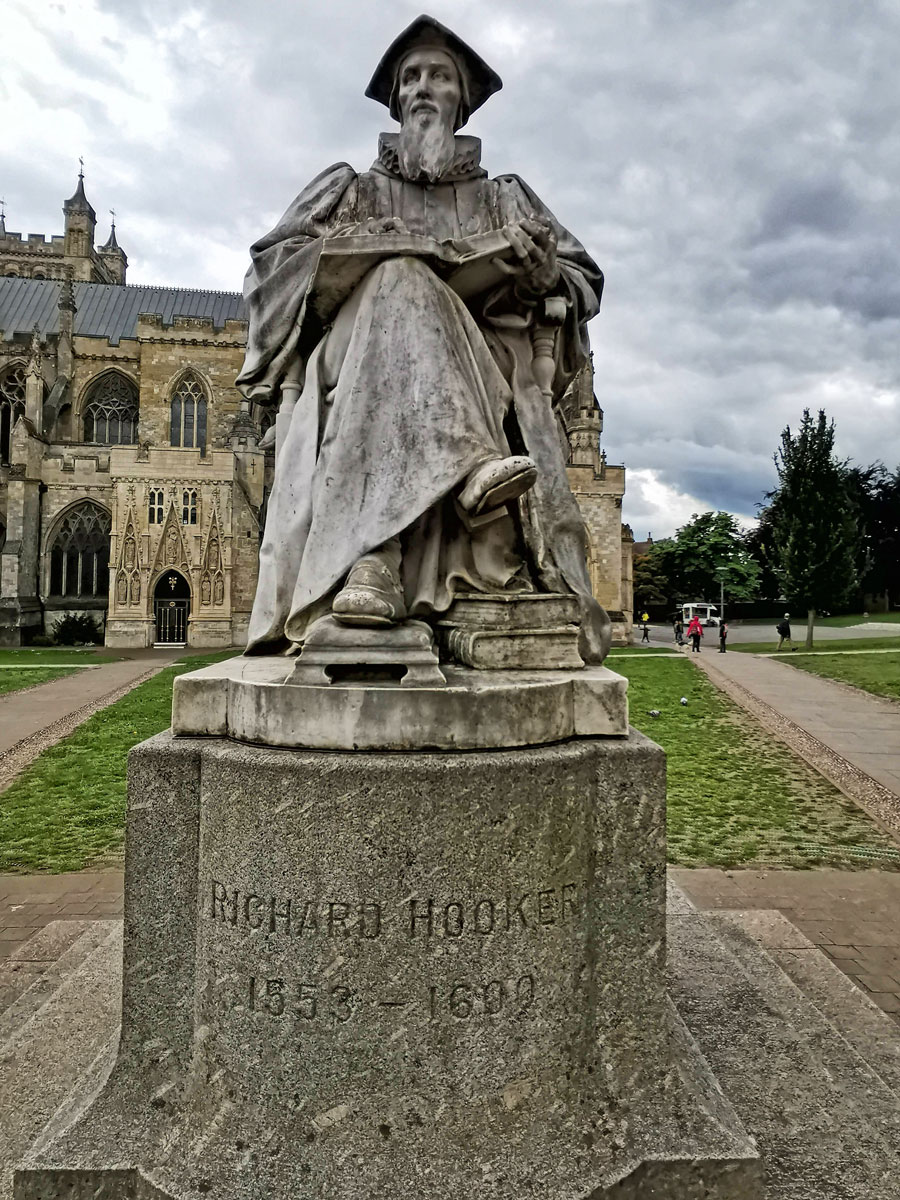
If the world should lose her qualities. If the celestial spheres should forget their wonted motions. If nature should intermit her course and leave altogether the observations of her own laws. If the moon should wander from her beaten way, the times and seasons blend themselves by disordered and confused mixture, what shall become of man who sees not plainly that obedience unto the law of nature is the stay of the whole world?
The quotation, from Hooker’s masterwork, Of The Laws of Ecclesiastical Politie




 TRAVEL WORDS