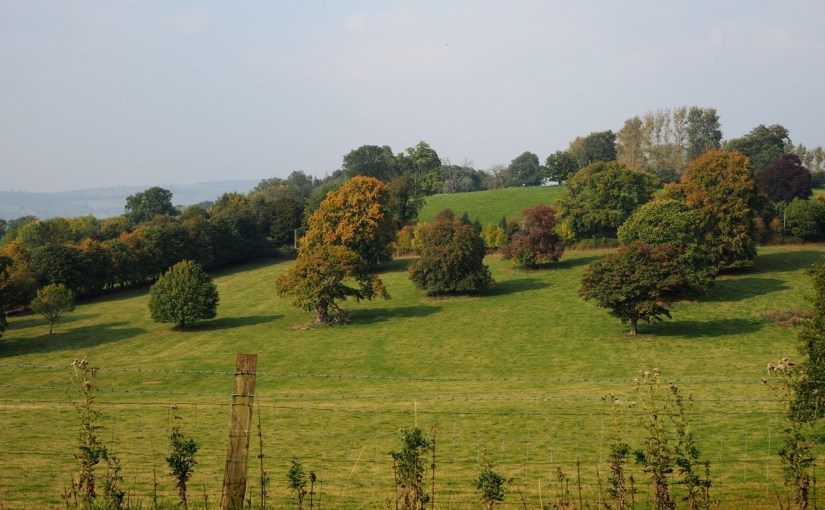
Park Life

Sunday was a beautiful day. The sun was shining. It was reasonably warm for the time of year and it was my birthday. To celebrate we went for a walk in a nearby National Trust parkland, Berrington Hall, where a new route has been created through the broadleaf-woodland, followed by coffee and cake in the courtyard with live music from a folk group celebrating the apple harvest and a last lingering stroll around the walled garden and orchard simply dripping with apples of all colours and sizes. Care to join me?
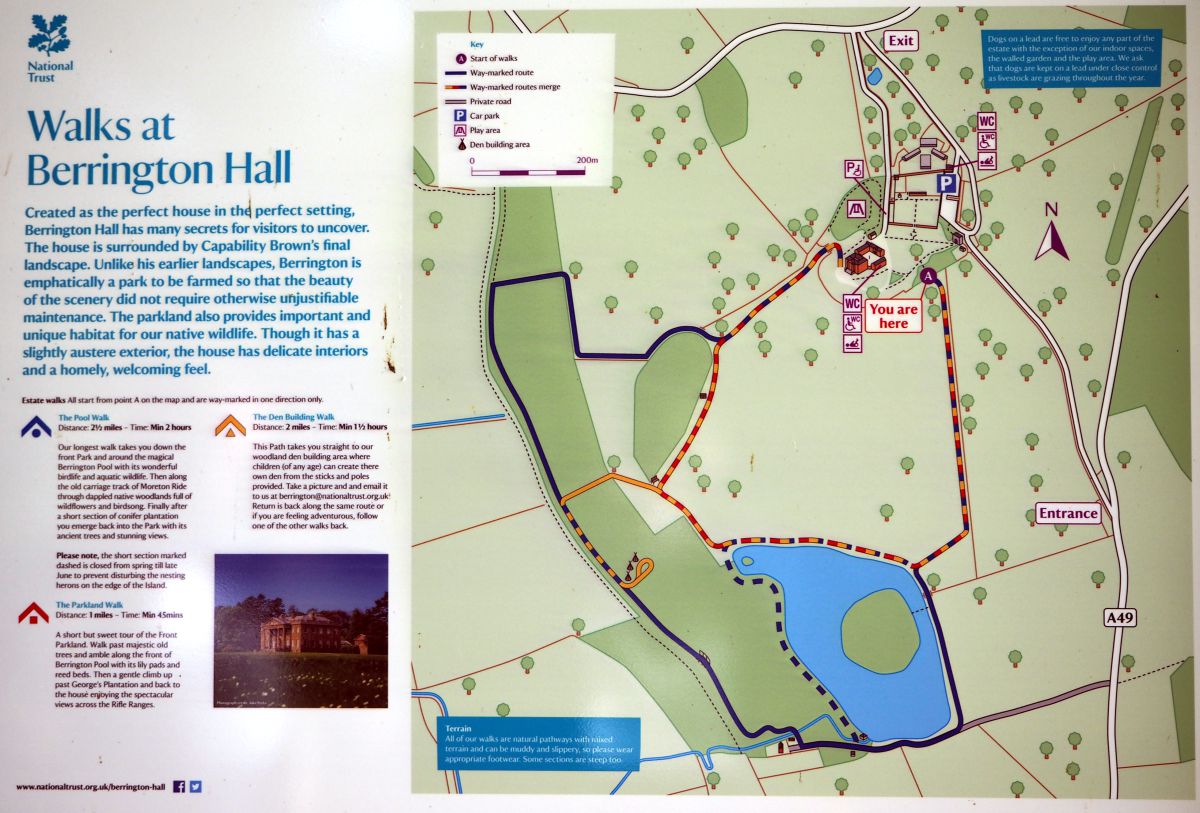
Walks

We decided to follow the blue route but cut alongside the lake and then follow the yellow route to cut across and join the blue one again. Although we have visited Berrington many times, it has always been during the period when the lake walk is closed due to grey herons nesting there between March and July.
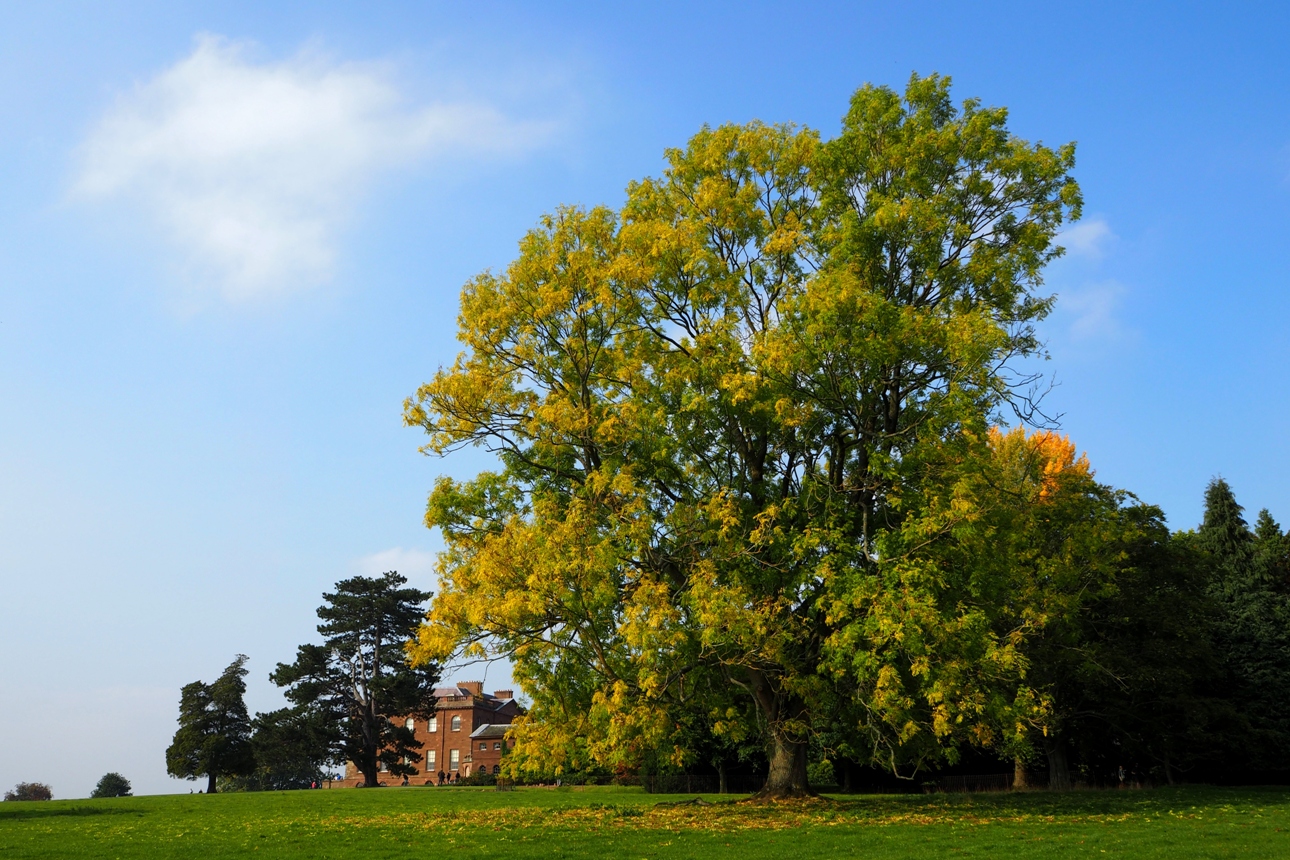
Looking back towards the house, built in 1775 by Thomas Harley and designed by Henry Holland in the latest French influenced Neo-classical style. Continue reading Park Life

Autumn Arrives

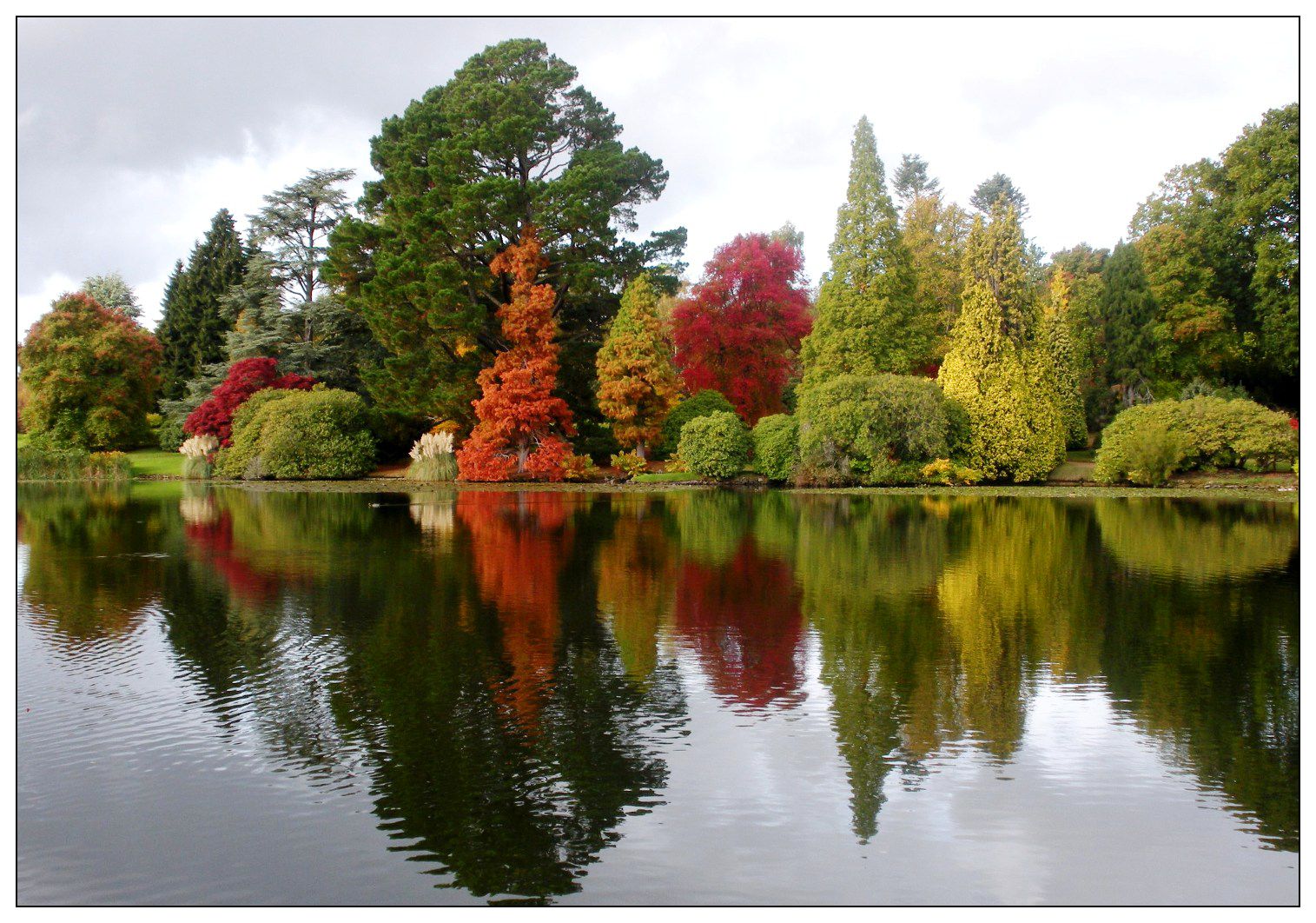
The Autumnal Equinox on September 23 heralded the beginning of autumn in the northern hemisphere which usually brings a change in the temperatures and the beginning of the chemical processes that take place in the trees as the seasons change from summer to winter. One of the best places to see the beautiful colours in autumn is Sheffield Park in West Sussex, a wooded landscape park of about 74 hectares, laid out in the mid and late 18th century by Lancelot Brown. Features include four lakes, waterfalls and cascades, and an arboretum with a mix of native and exotic species including conifers, azaleas, rhododendrons and acers. The arrival time of the vibrant displays varies every year, but they are generally at their best in October, when the acers turn burnished red.

DSCN5513

Enjoy the colour, it only occurs for a brief period each autumn.

Wightwick Manor

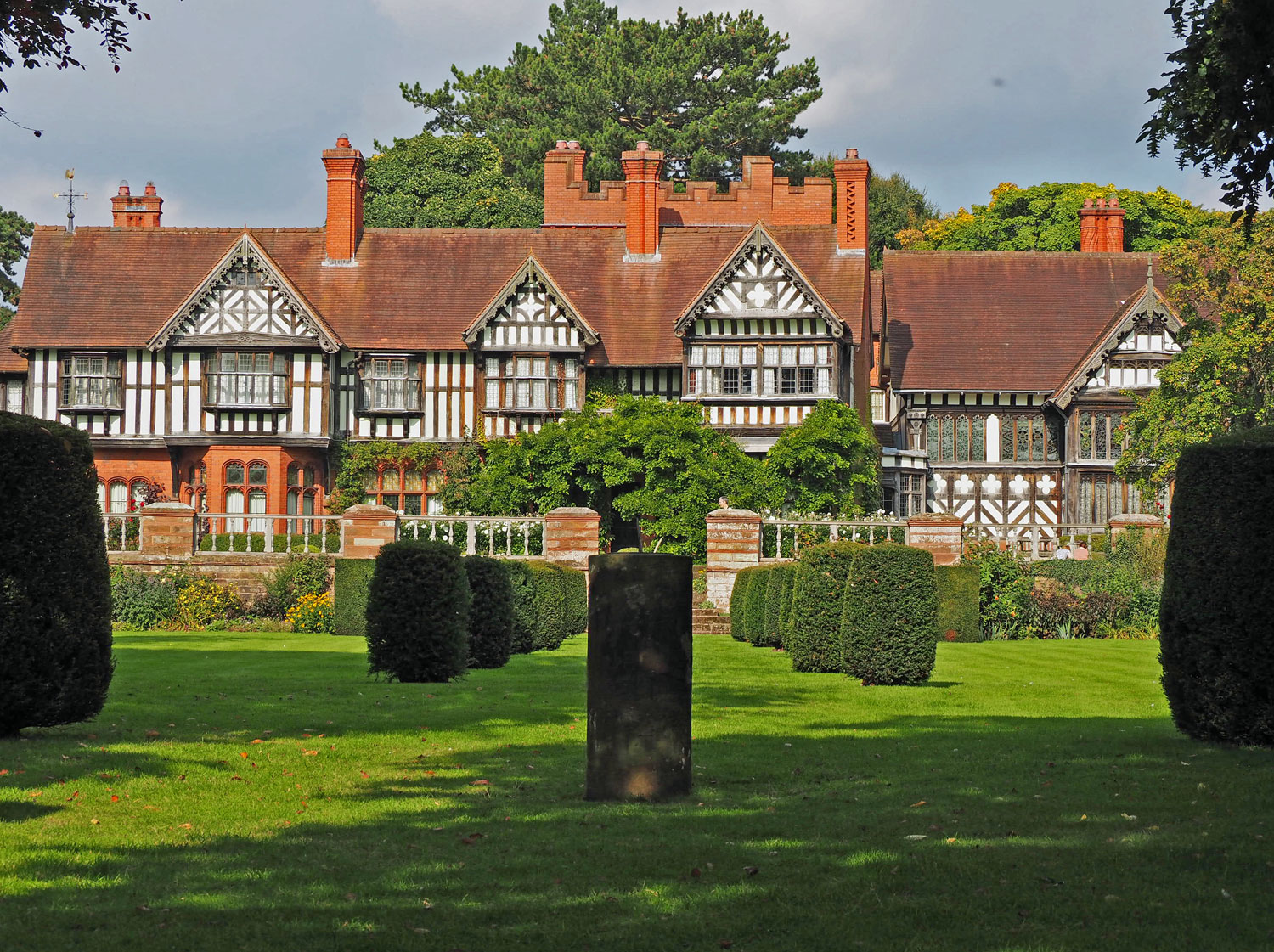
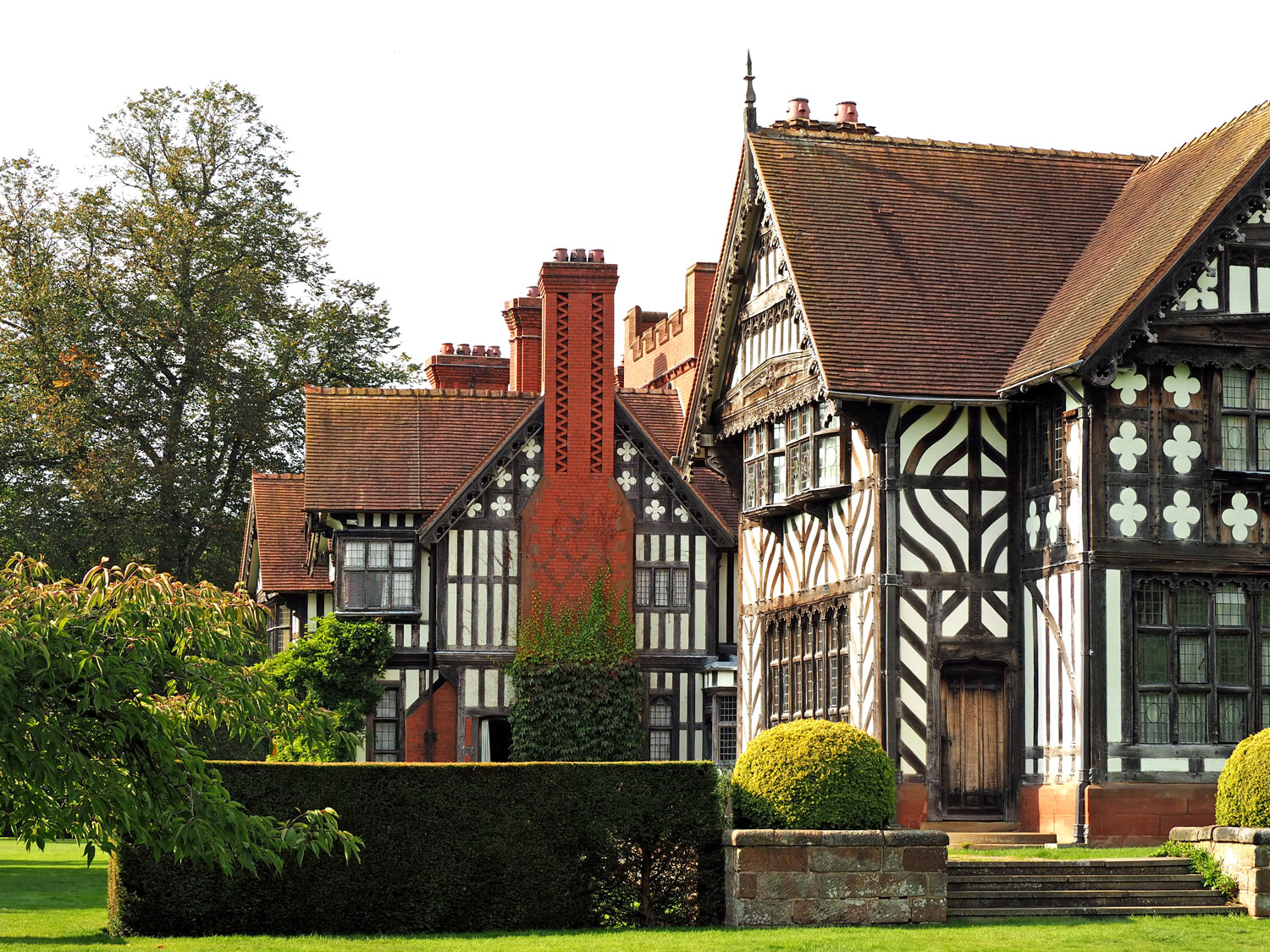
Wightwick Manor (pronounced wittick) was built in 1887 for the Manders family who were Wolverhampton paint, varnish and ink manufacturers. The house is designed in the ‘Old English’ style of timber and brick and influenced by the Aesthetic and Arts and Crafts movement.

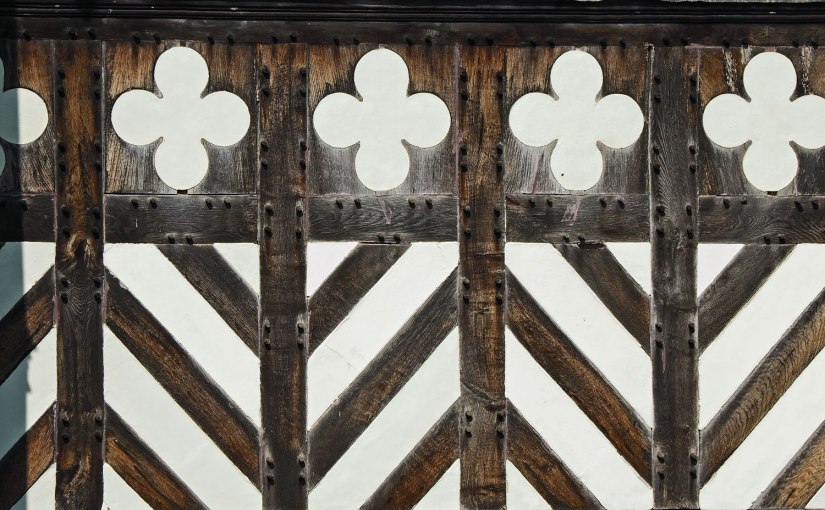
Here the ‘grid‘ is definitely the star.

P9191879

P9191934

P9191912

The Levant Mine

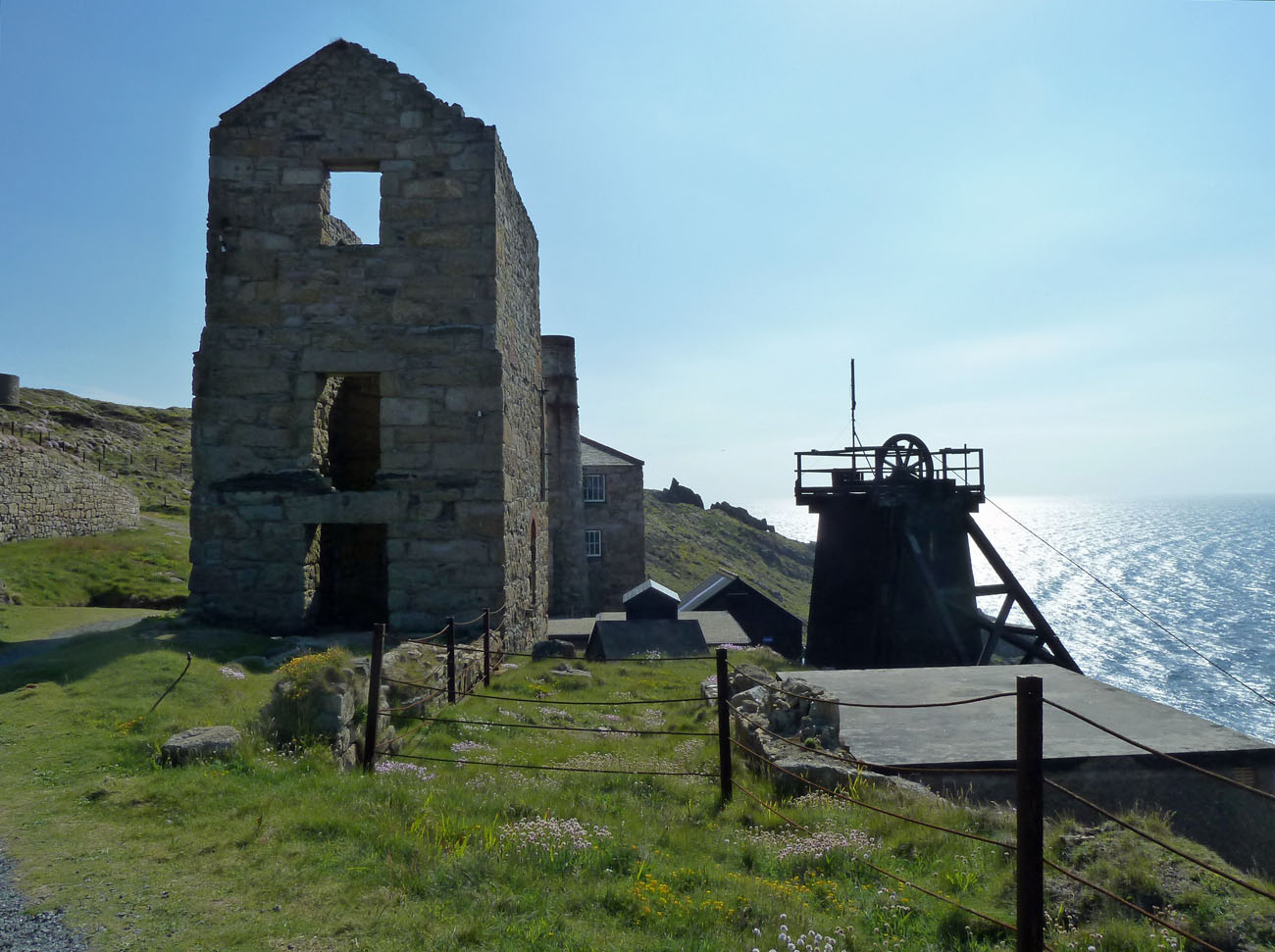
The site of the Levant Mine is truly splendid, perched as it is on the edge of the Atlantic coast in the south-west. Man has mined here since the Bronze Age. A copper mine was around in 1670 followed by the profitable tin mine in 1850. It was one of the top ten mines in Cornwall and shafts were sunk deeper and further under the sea. It was finally closed in 1930 partially brought about through the Man Engine* disaster in 1919.

P1210634

The Levant Beam Engine is still steamed up on selected days from April to October and guided tours of the site are available or you can do a self-guided trail. The site is under the control of the National Trust.

The Miner’s Dry is the site of the former washrooms and the tunnel to the Man Engine is at the bottom of the spiral staircase in the corner. It was here that a man ran in 1919 crying out “the engine’s gone!” Continue reading The Levant Mine

On the Edge

Cape Cornwall

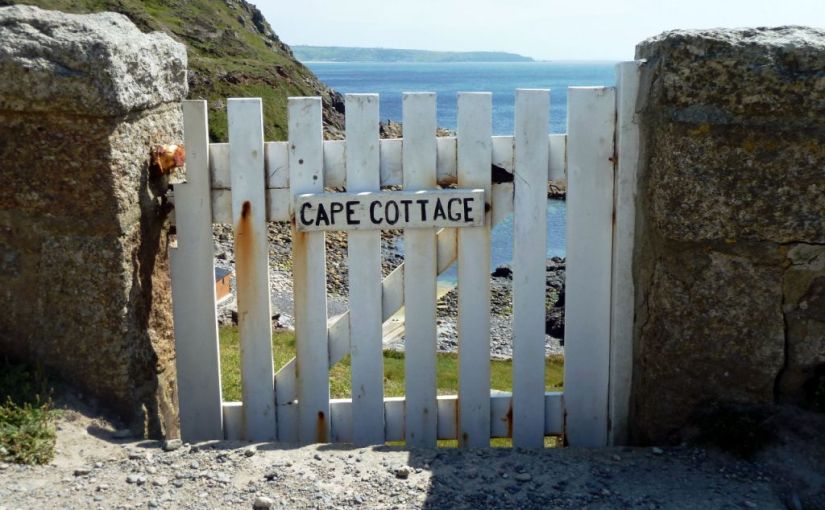
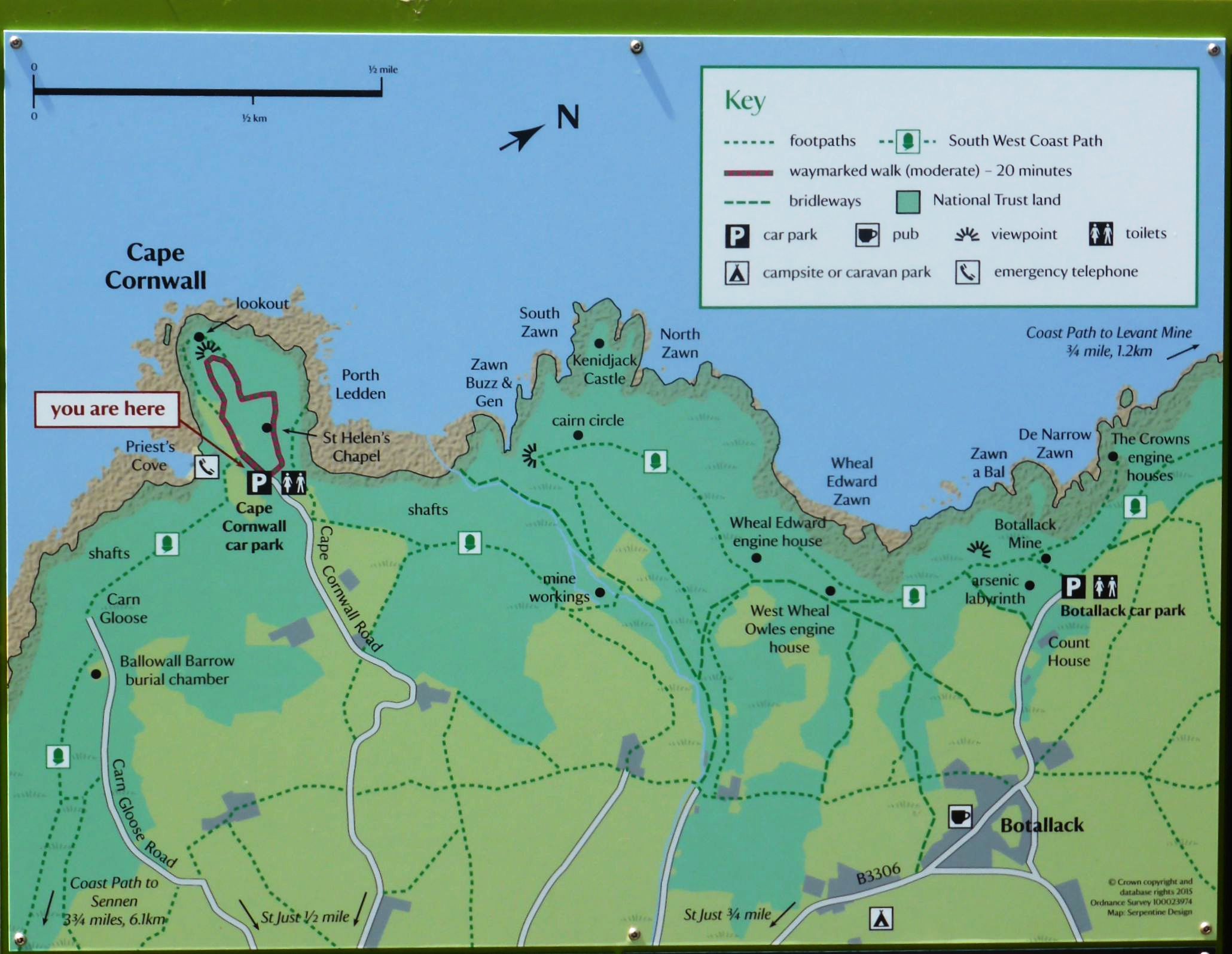
Cape Cornwall is the only Cape in England and is so-called because until the 19th century it was thought to overlook the meeting of the English Channel and St George’s Channel (they actually meet at Gwennap Head, near Land’s End). A climb up the Cape headland to the stack offers panoramic views of Lands End, Sennen Cove, the Brisons rocks, the Isles of Scilly and the Wolf Rock lighthouse. You can either walk here from St Just or via the south-coastal path, or drive down to the National Trust car park, from where you can walk down to the former Count House and holiday cottage Brisons Vean (the dark facing house with the two round windows)  and around to the lookout, or take one of the routes behind the house up to the summit.

The Summit

Continue reading On the Edge