Nature Photo Challenge: edibles

Once upon a time (2016) I ran a challenge on my Earth Laughs in Flowers blog with different topics for each month. During July it was edibles. So I have picked out a few of my favourites from that month for Denzil’s challenge this week.

As summer comes to an end you see the fruits appearing in the orchards all over the country. Kent is known as the ‘Garden of England’ and where better to show you fat, juicy, purple plums

Kentish Plums

and fresh crisp pears.

Kentish pears

Known as zucchini  in the USA, Germany and Australia from the Italian word zucchina or simply squash or baby marrows in other parts of the world. The word courgette comes from France. Although considered a vegetable in the culinary sense, botanically it is actually a fruit.

Courgettes / Zucchini

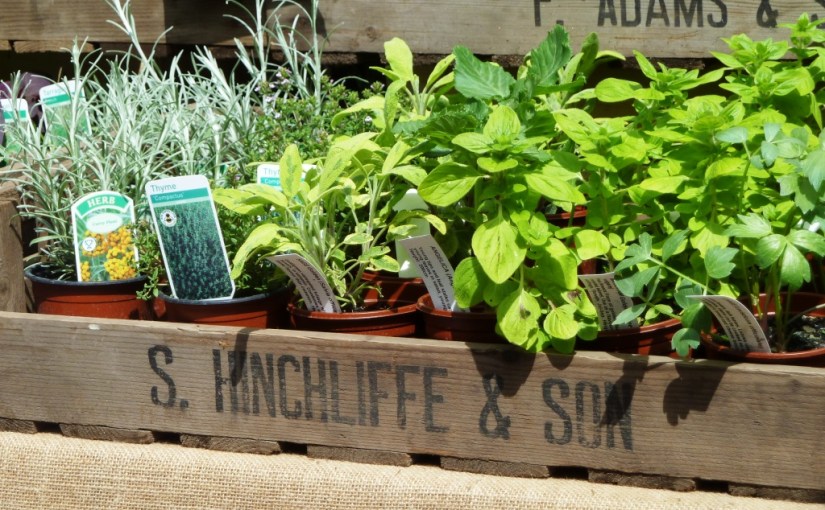
Herb gardens and potagers are favourites of mine. And herbs are really the only edibles that I have been successful in growing.

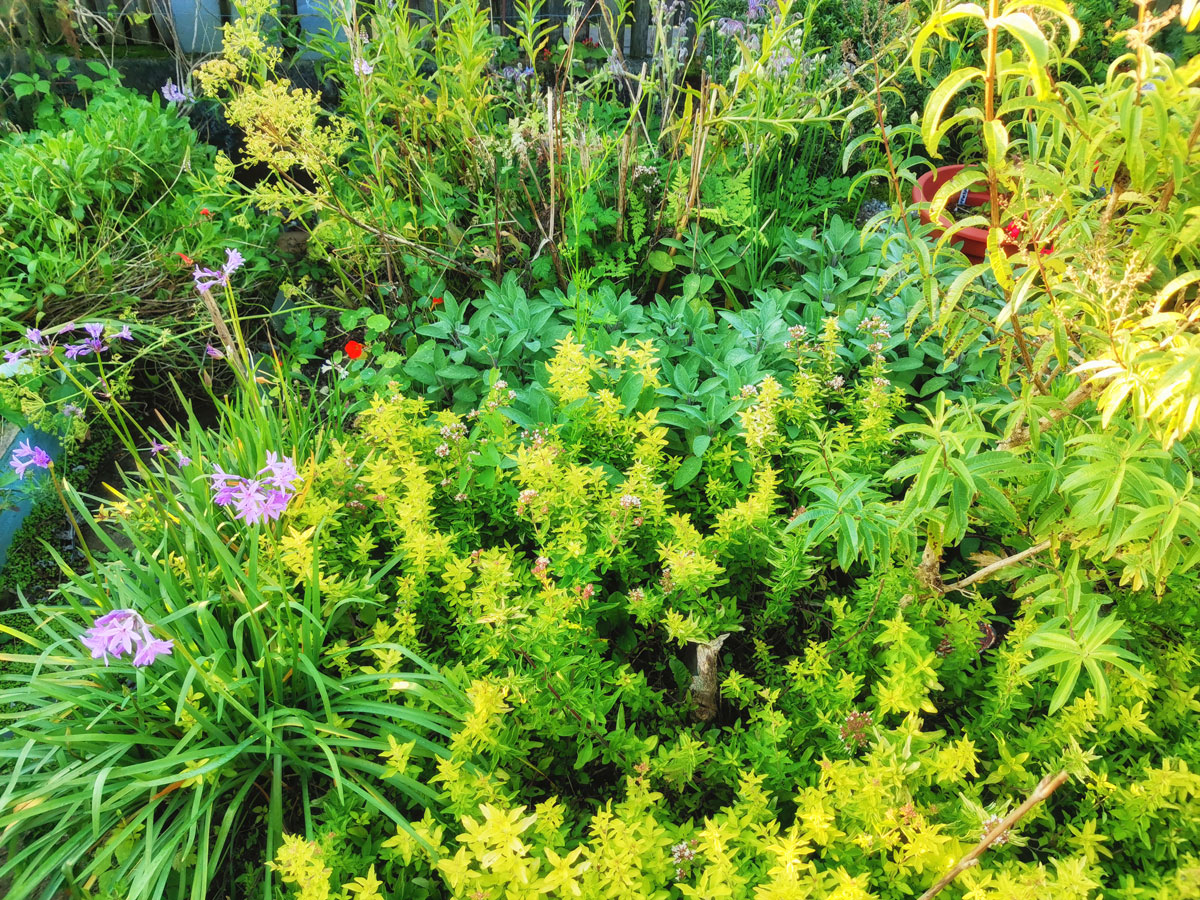
My herb garden: Society Garlic, Golden Marjoram, Lemon Verbena, Sage, Nasturtiums, Sweet Cicely, Parsley, Borage, Garlic Chives, Origanum

A potager is really a combination of a traditional English kitchen garden (which always used to be consigned to the back of the garden) and the style and elegance of a French garden. Plants are chosen for their edible and ornamental nature and put together in such a way to look beautiful whilst providing food for the table.

Potager where edible flowers and herbs grow among vegetables.

A potager can be any design, from traditional knot gardens to informal cottage garden style.

Potager

Sunflower seeds or kernels are commonly eaten as a snack food. Often used in bread making and baking, added to muesli and other cereals, mixed with peanut butter or even made in to sunflower butter as well as being sold as food for wild birds.

Sunflower

Finally my daughter’s allotment. With a growing family and a full-time job as a child minder as well as studying for a degree she no longer had time for it so had to give it up, but for several years she managed a plot a few hundred yards from her home where she learned how to grow her own produce for the table. Beans, carrots, onions, squash, courgettes, sweetcorn, garlic, peas, radishes, beetroot, strawberries, rhubarb and even Cape gooseberries.

Beetroot

An allotment is a lot of hard work – preparing the soil, digging in lots of compost and manure (where she lives it is all clay), weeding, sowing, watering, keeping bugs at bay – but the rewards are immense.

Gem squash

Not only the flavours of freshly picked produce, but also the ability to grow unusual varieties not found in the supermarket, the knowledge that no air miles are involved, the sense of achievement in growing your own and the enjoyment of sheer hard work keeping you fit and healthy and outdoors.

Red onions

Denzil’s Nature Photo Challenge #24 | Edibles

Nature Photo Challenge: tree bark

This week’s challenge from Denzil is interesting, visit his site for lots of information about tree bark that you probably never knew. I have always been fascinated by bark, mainly for the colours and textures so here’s a few from my archives.

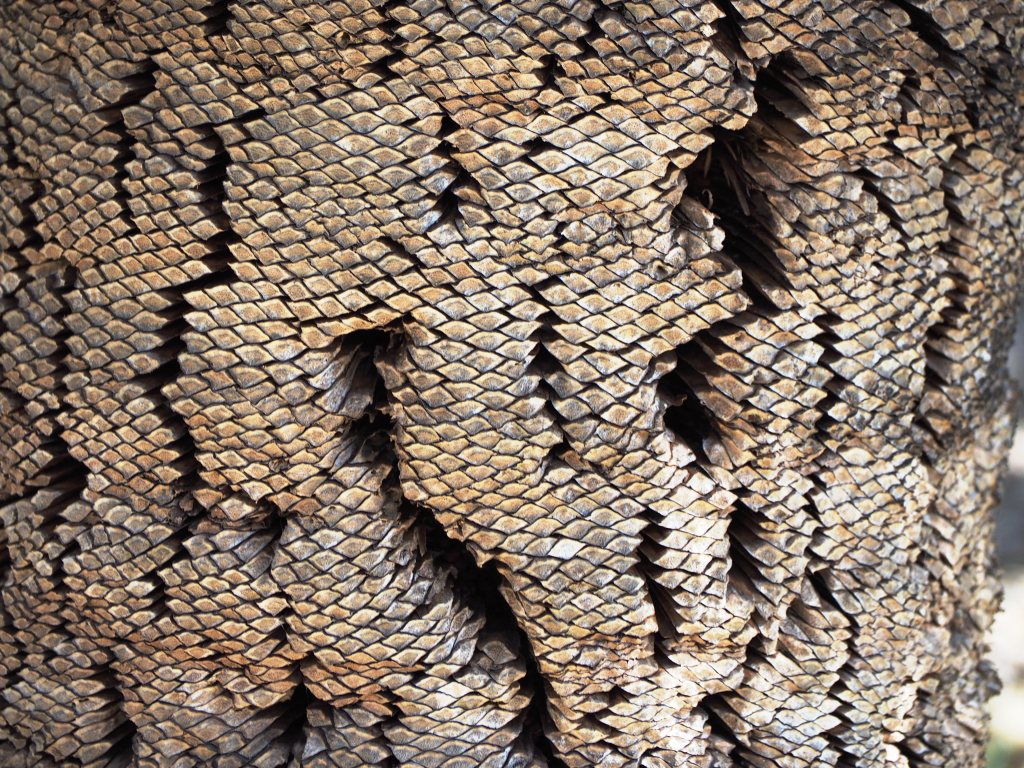
The amazing texture of Xanthorrhoea glauca, the Australian grass tree.

Prunus serrula. A magnificent small garden tree for year round interest its most prominent feature is its tactile, silky, polished bark. The smooth, mahogany bark peels in translucent cinnamon and honey coloured sheets to reveal a fresh new hue of bronze-red gloss beneath. Caught in autumn sunlight this tree almost glows.

Chinese Paperbark Maple

Chinese Paperbark Maple (Acer griseum) has the advantage of being attractive all year round: in spring, when the leaves appear, in autumn when its wonderful, rich leaf colour shines, and throughout the dormant season because of its remarkable bark. When the brilliant deep crimson and scarlet leaves have fallen in late November, the full majesty of the rusty-brown bark, which peels in loose tatters, is revealed. Catching it with the sunlight behind creates this gorgeous orange-cinnamon peel.

Australian Eucalyptus / Gum trees often have interesting coloured bark.

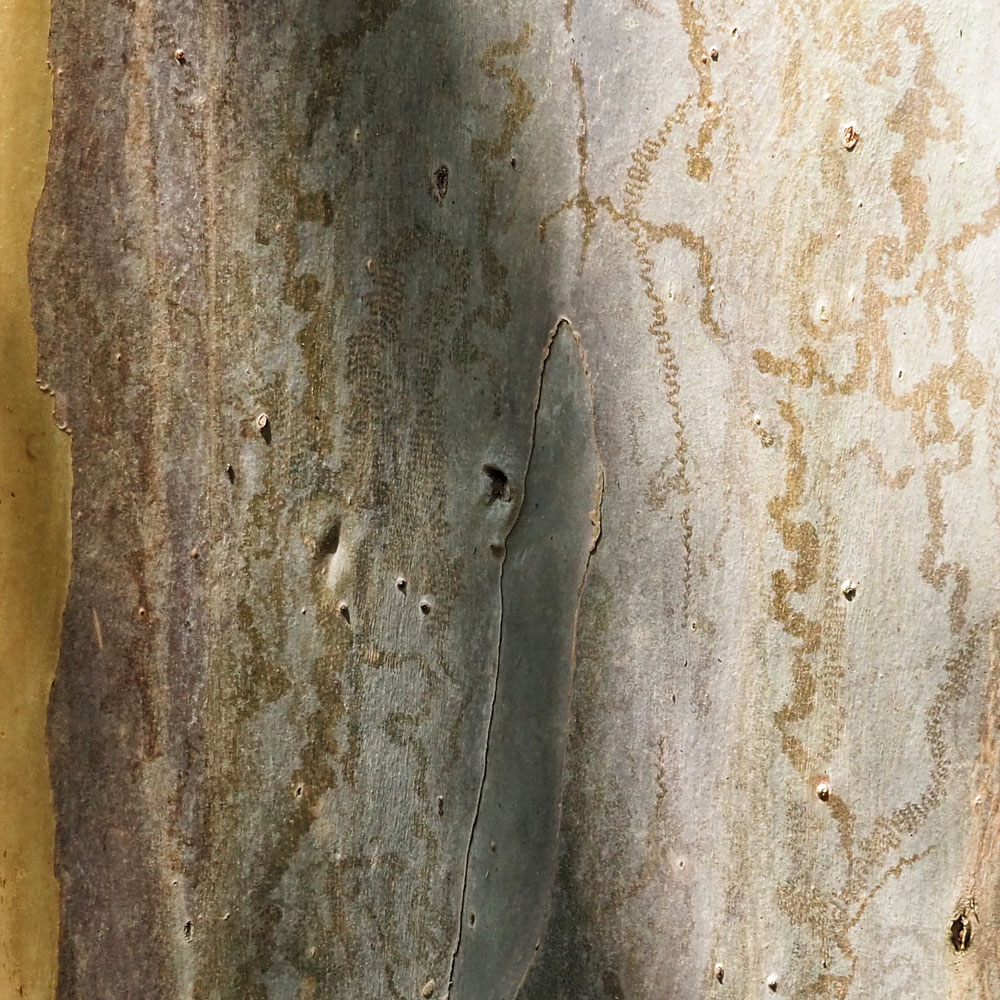
Scribbly gum is a name given to a variety of different Australian Eucalyptus trees which play host to the larvae of scribbly gum moths which leave distinctive scribbly burrowing patterns on the bark.

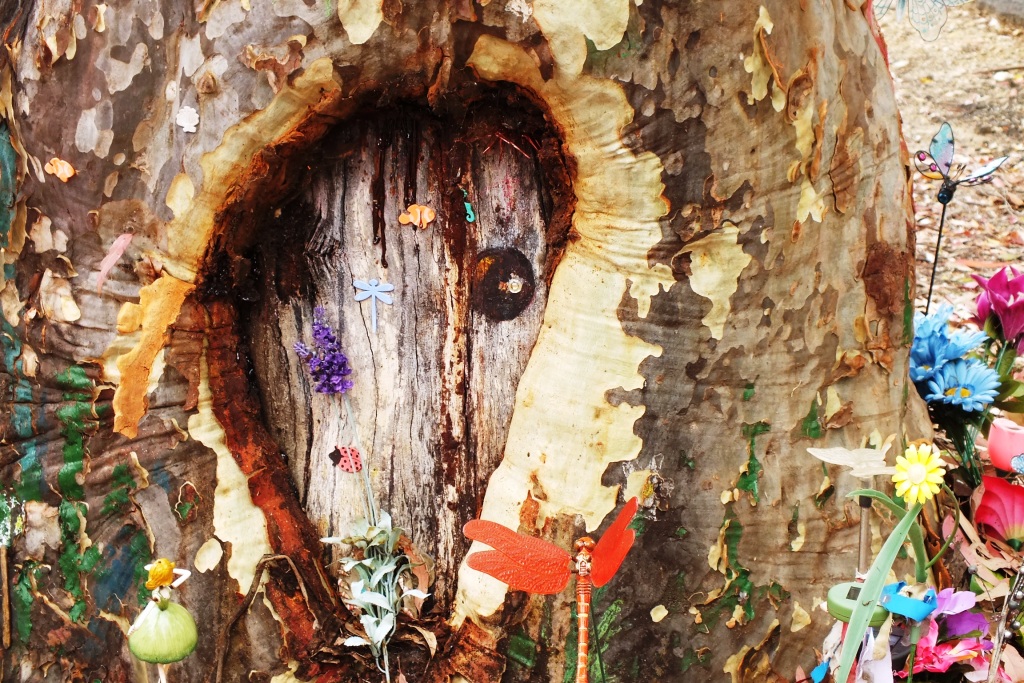
And I’ll leave you with this. Along the road to Potato Point (NSW, Australia) you will come across the most magical tree. An enchanting gum tree decorated with toadstools, butterflies, dragonflies and flowers amongst the discarded eucalyptus leaves. Want to know more? Click here.

One of the most fascinating trees
The fairy house

Denzil’s Nature Photo Challenge #22 | Bark

Nature Photo Challenge: Water Plants

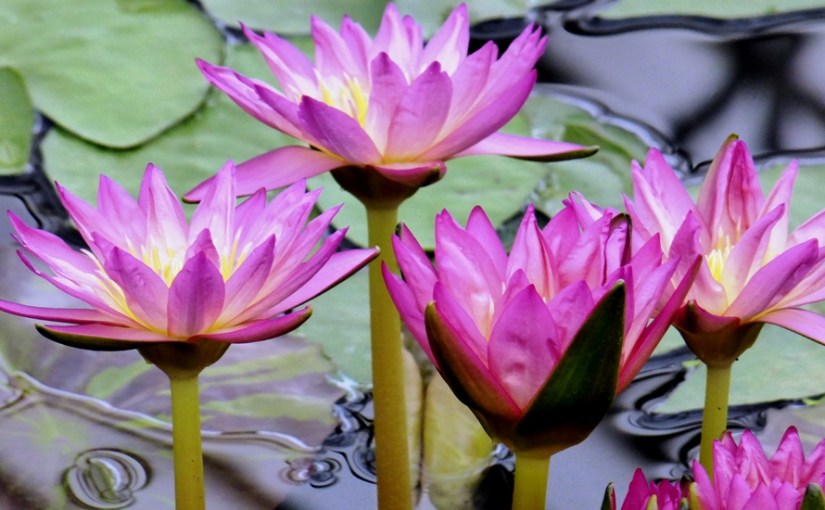
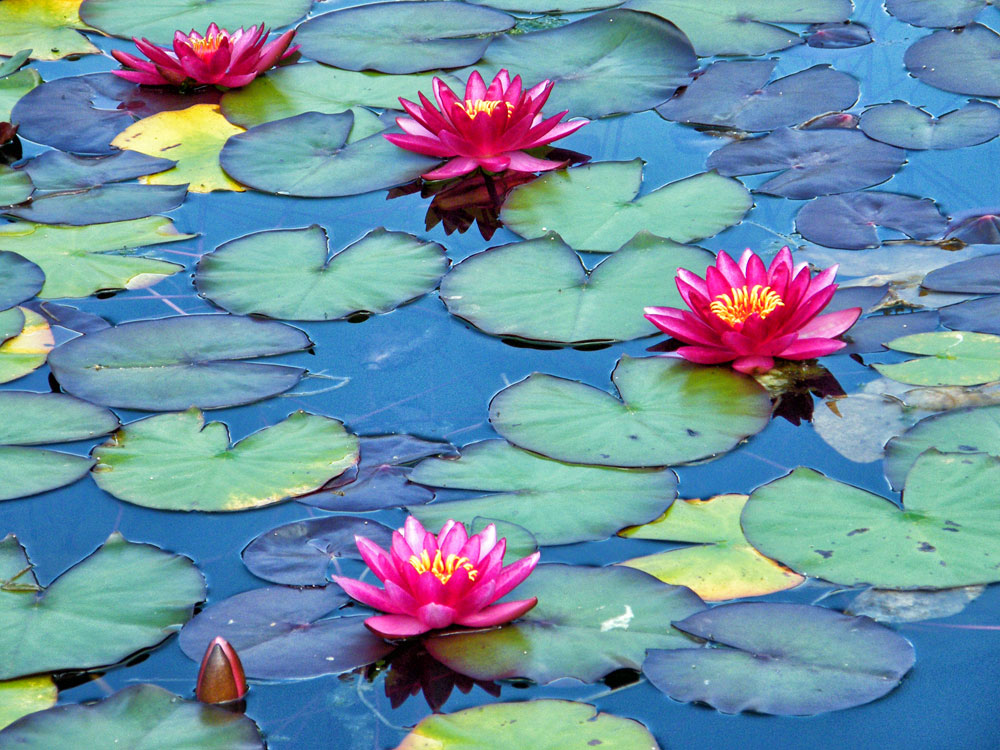
Nymphaea are rhizomatous, submerged aquatic perennials with floating, rounded leaves and showy, sometimes fragrant, cup- or bowl-shaped flowers in a wide range of colours, held on or above the water and followed by submerged, berry-like fruits.

These water-lilies are in Kew Garden’s Victorian Waterlily House completed in 1852, which was  specifically to showcase the giant Amazon waterlily (Victoria amazonica) – a natural wonder of the age.

The Nelumbonaceae (Lotus-lily) are from Sydney’s Botanic Garden (Australia) in the main and waterlily ponds close to the Palm Grove Centre.

Lotus flowers are considered sacred in China, Tibet and India and the lotus flower is symbolic in Hindu and Buddhist religions as lotus displays all the different stages of growth simultaneously – bud, flower and seed pod.

Denzil’s Nature Photo Challenge #21 | Water Plants

Nature Photo Challenge: Cacti

I am not a fan of cacti though I have been known to have some in the house many years ago and when I lived in Cape Town we had some of the lovely Lithops in the garden which look like living stones. But they are succulents so not quite the same. One very tall cactus only flowered at night so there were many anxious evenings once a bud appeared. And I do recall a trough of cacti into which my son fell at the age of 18 months. It happened at night and I hadn’t realised that his hand was full of the spines when I washed it under the tap!

But back in 2009 – 2012 I was lucky enough to spend some time in San Diego and on one occasion went to visit Balboa Park – a definite must see if you are ever in SD. There are several gardens including a desert garden with magnificent cacti and succulents.

The 1935 (Old) Cactus Garden was developed under the direction of Kate Sessions for the 1935 California Pacific International Exposition. It contains some of the largest cactus and succulent specimens in the Park and has also been developed to include the exotic African and Australian Protea plants.

Denzil’s Nature Photo Challenge #18 | Cacti