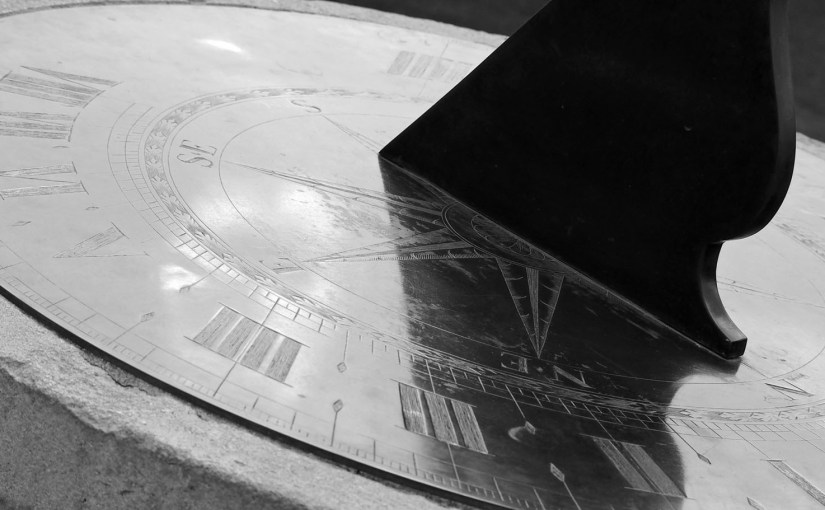
It’s rare for me to photograph anything directly from the front, especially with a subject such as this sundial at Polesden Lacey in Surrey. I mean, which IS the front? So, bearing in mind the direction of the sun let’s consider every angle.
Trelissick’s colourful history stretches as far back as 1750 but it’s most distinguished owner was Leonard Cunliffe, a former director of the bank of England.
Cunliffe fell in love with this Cornish house as he sailed past it on his yacht Laranda in the early 1900s. In 1937 he passed the house down to his stepdaughter Ida and her husband Ronald Copeland. Ronald was the chairman of the Spode-Copeland firm of bone china manufacturers in Staffordshire and hence part of the potteries aristocracy. They lived at Trelissick throughout their careers donating the house and gardens to the National Trust in 1955
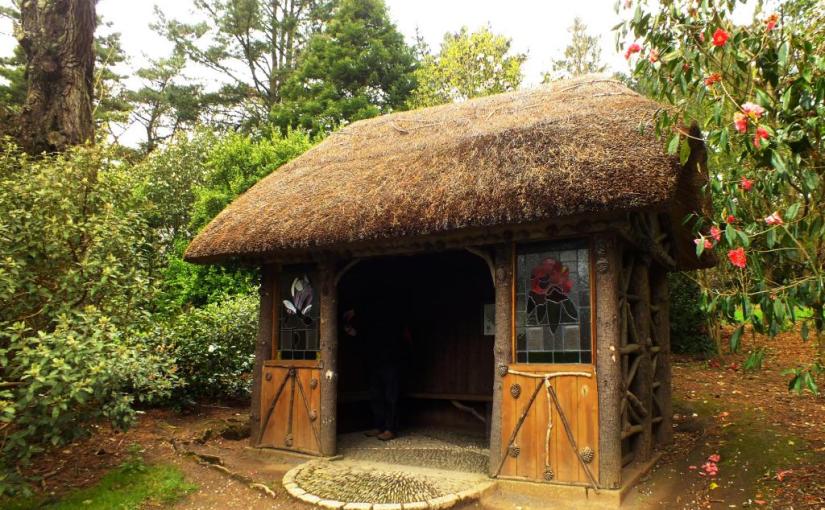
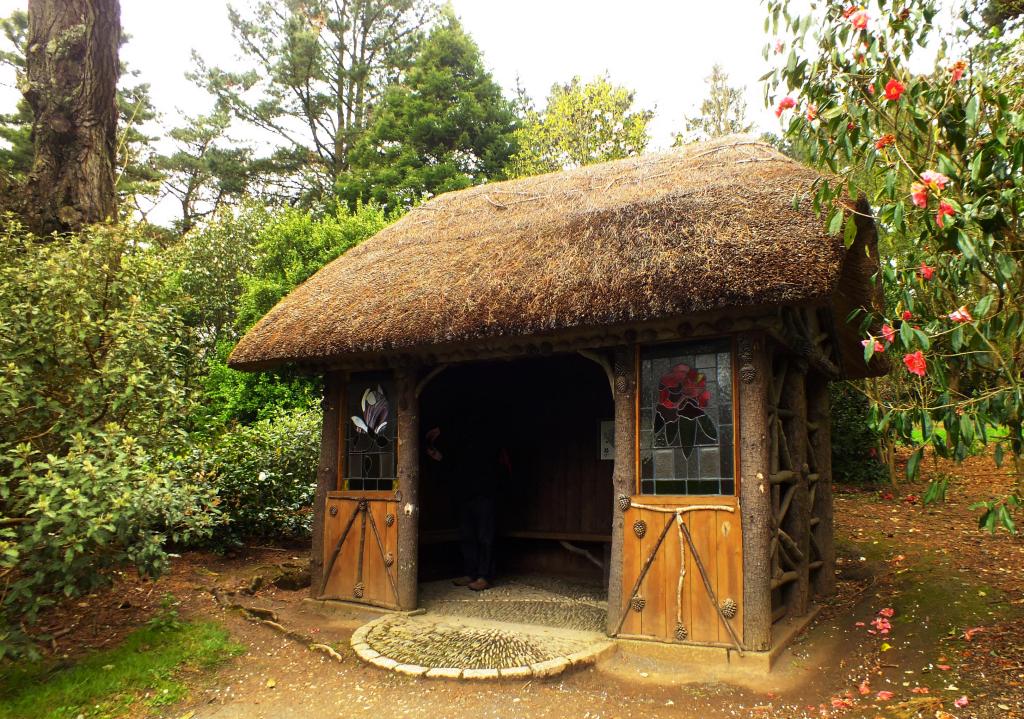
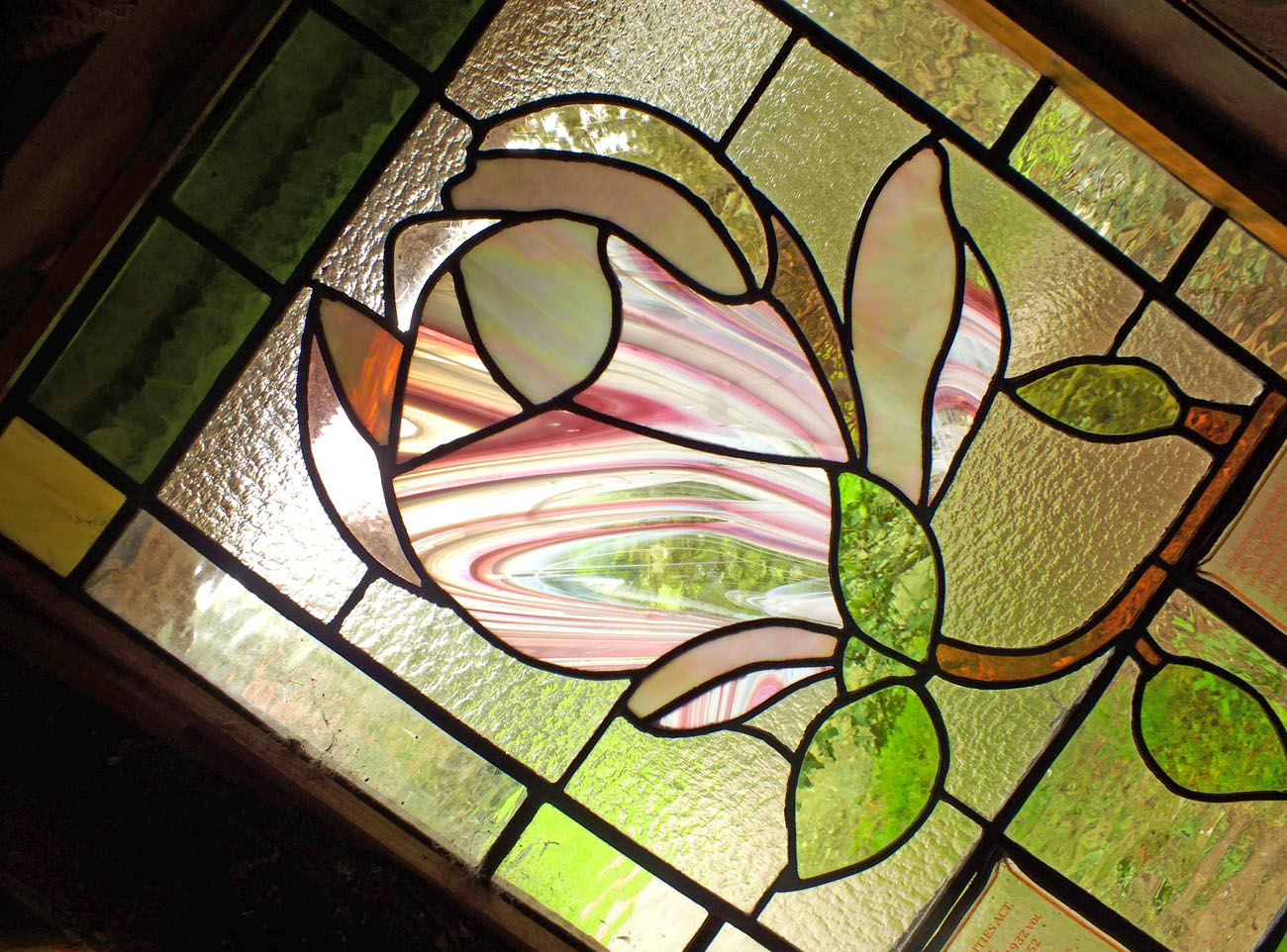
Trelissick has no less than four summer-houses. One in the area called Carcaddon* has two beautiful stained-glass windows.
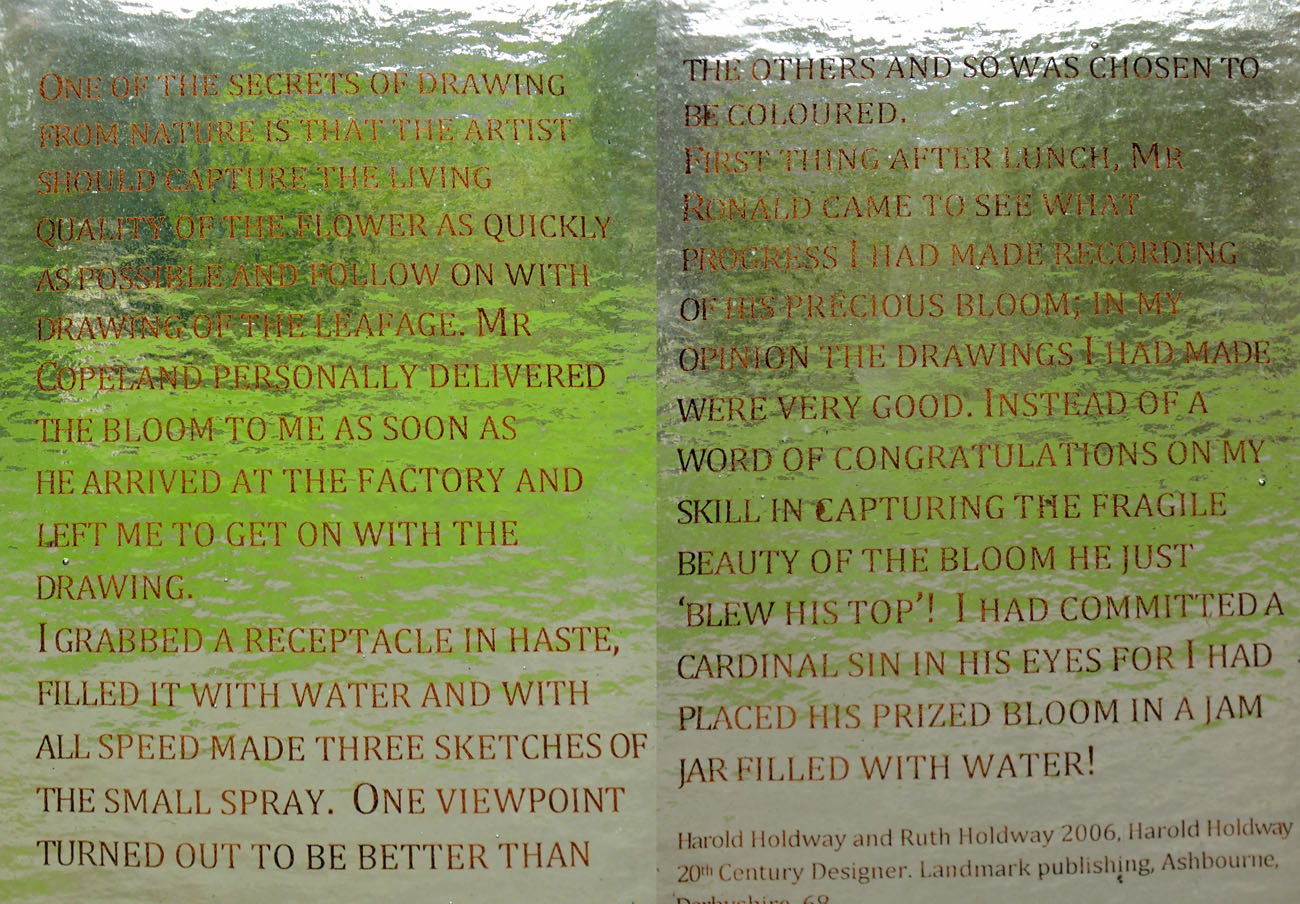
The magnolia, “Rustic Rubera” window is for Ida Copeland and highlights her time as an MP for Stoke from 1931 to 1935 and contains an excerpt from her maiden speech to Parliament on the introduction of import duties on inferior ceramics being imported from abroad, taking away work from highly skilled people and threatening their livelihood.
The rhododendron, “Taurus” window celebrates Ronald Copeland’s passion for rhododendrons and retells a story told by Harold Holdway, chief designer at the Copeland factory in Stoke. Mr Copeland took his prized rhododendrons from Trelissick and had Harold Holdway create designs from them for a Botanical series.
*The Cornish prefix ‘Car’ or ‘Caer’ denotes a fortified place. It contains mass plantings of daffodils followed by camellias, magnolias (including magnolia Trelissick), rhododendrons, viburnum and many other shrubs. Deutzia gives an early summer show, and lace-cap hydrangeas offer colour well into autumn.
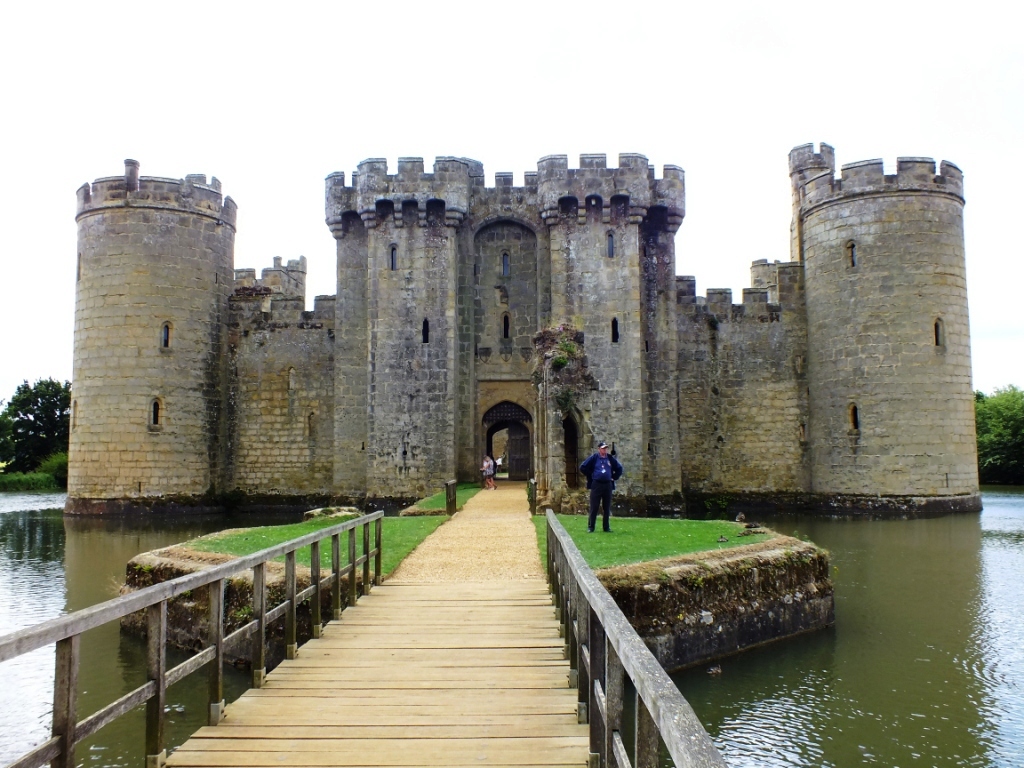
In the south-eastern corner of England you can find several impressive castles – Hever, Leeds, Dover, Rochester, Deal and Bodiam amongst them. Historically the region has always been vulnerable to attack from foreign shores.
As we were staying in the Weald of Kent for a few days, which is on the East Sussex border, we decided to take the historic steam train from Tenterden to Bodiam and walk to the moated castle, often glimpsed from the road when passing by. We could have driven there in about 10 minutes, but sometimes it is nice to take things slowly and enjoy the journey as much as the destination.
In 1377 French ships raided the Sussex coast, causing widespread damage and panic among the local population which led to the building of nearby Scotney Castle. The French later raided nearby Winchelsea in 1380, so when a new French invasion threatened in 1385 Sir Edward Dalyngrigge (one of Edward III’s knights) applied to King Richard II for a license to fortify and strengthen the existing hall he lived in.
Having been granted permission he decided to build a new sandstone fortress near the River Rother, which at that time was navigable to the coast. Though its primary aim was defense, Dalyngrigge made sure that Bodiam was also a comfortable abode, as much a fortified residence as a military stronghold. And of course a visual symbol of his wealth.
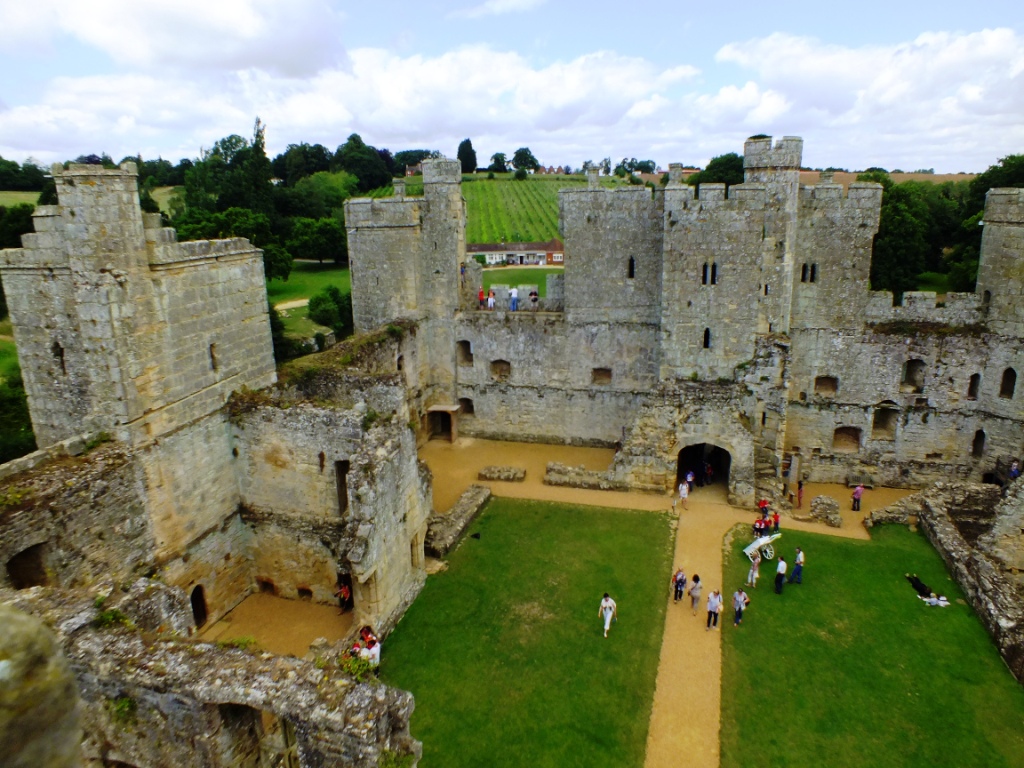
Bodiam Castle is considered to be the finest example of medieval, moated, military architecture in Britain.
Postern Tower
Chapel
The Servants Kitchen
In the Buttery and Pantry
Gate and Portcullis
Murder Holes
North-east tower
The East Tower
A gargoyle
Read This!!
Carved face
The interior from the Postern Tower
The French invasion never took place, and Bodiam’s impressive defenses were never tested until 1484 when the castle fell to a siege by Richard III.








 TRAVEL WORDS