National Cream Tea Day

June 26 2015

There seems to be a national day for anything these days and I’d love to know who decides on what and when, but as a cream tea aficionado how can I let this one pass without a mention?

“There are few hours in life more agreeable than the hour dedicated to the ceremony known as afternoon tea”
~ Henry James

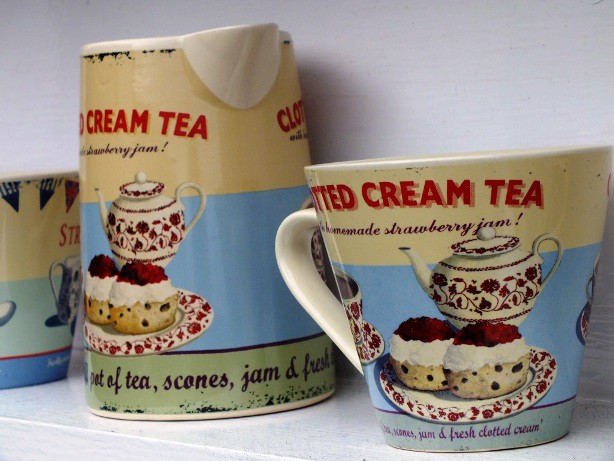
And surely there is a no more perfect one than the cream tea – whether Devon style (with the jam on top) or the Cornish style (with the cream on top) what matters most is the freshness of the ingredients. Light. melt in the mouth scones, fruity strawberry jam, and lashings of golden crusted clotted cream. Are you drooling yet?
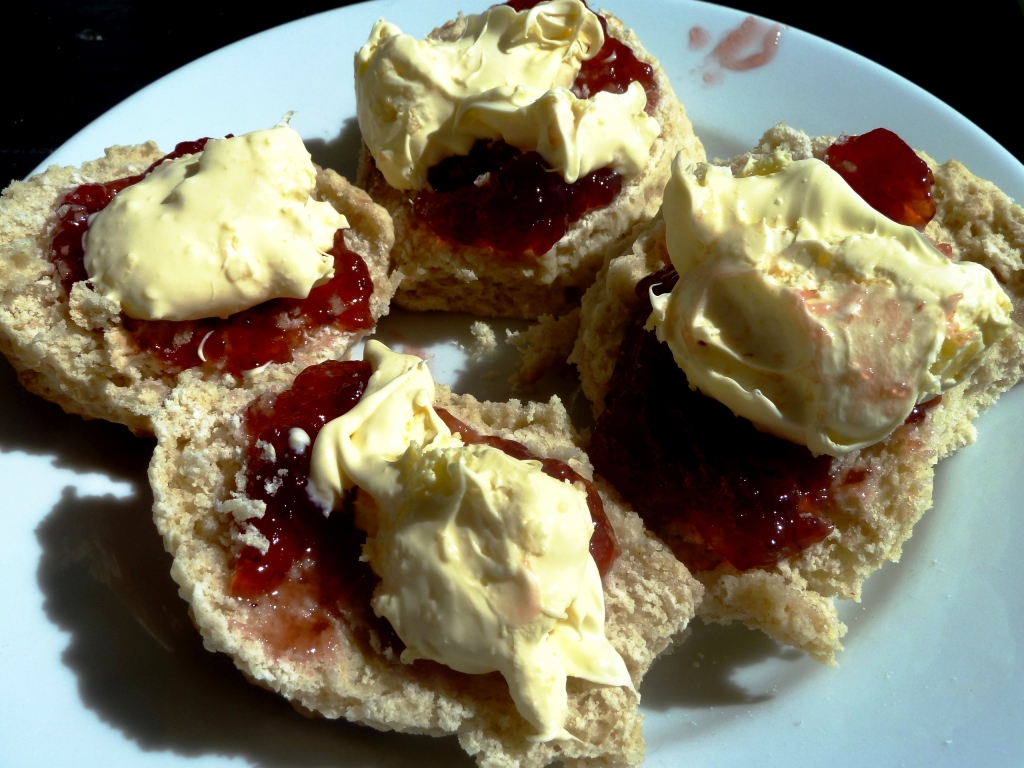
P1190929

The Waymarker, near Constantine, was named champion of the ‘Truly Cornish Clotted Cream Tea‘ in 2014 but I am doing my best to seek out decent rivals 🙂

Where and what is the best afternoon tea you have experienced? My most memorable is High Tea at the Victoria Falls Hotel, Zimbabwe – tiny crust-less sandwiches, Petit fours, scones, cakes and Earl Grey tea served on Stanley Terrace with spectacular views of the Victoria Falls bridge down the Batoka Gorge with the spray rising from The Falls.

A Mermaid in a Church?

That’s right. You didn’t misread the title. There is a little church in Zennor, west-Cornwall that is home to a mermaid.

Why a mermaid?

Before the Christian era, mermaids were one of the symbols for Aphrodite, Goddess of the sea and of love. In one hand she held a quince (love apple) and in the other a comb. Later the quince was changed to a mirror, symbol of vanity and heartlessness.

P1210747

In the Middle Ages, when Cornish mystery plays were performed, the mermaid was used as a symbol to explain the two natures of Christ. She was both human and a fish. He was both a man and god.

Mermaid frescoes are found in other Cornish churches – Breage, Poughill and Altarnun – but Zennor is the only one with a carving.

P1210752

The mermaid reminds us that St Senara also came by sea and founded a church at Zennor more than 1400 years ago.

The Legend of the Chair

The only remaining Medieval bench ends carved over 500 years ago are linked to the chorister Matthew Trewhella who, it is said, was lured into the sea at Pendour Cove by a mermaid who came into the church to hear his beautiful singing.

source: Zennor Church

Dawn of Lingering Look at Architecture has churches as the topic for the month of June so I am linking this post to her challenge.

And I shall link it to Paula’s Thursday Special too as she is interested in things from the past this week.

Cornish Engine Houses

If you have ever visited Cornwall, or if you have watched Poldark, then you will be aware that the county is littered with the remains of abandoned engine houses and chimney stacks. It would be remiss of me not to show some of these, though I didn’t venture down the one open to the public (Geevor Mine above) as I suffer from mild claustrophobia and can’t stand being in the dark.

The engine houses were built to provide a framework for the steam-pumping engine and more beam engines were installed in Cornwall and west Devon than any other mining region of the world: it is thought that around 3,000 engine houses were built in total to house them of which 200 still remain. They stand adjacent to where the main mine shafts were and provide one of the most distinctive displays of industrial buildings anywhere in the world.

P1210722

Near Pendeen
Near Pendeen

The strength and size of the structures, usually built out of local stone and granite with brick detailing over the windows, arches and topmost chimney stack, is the principle reason that so many have survived. They are quite appealing to a photographer, but beware of getting too close as there might be a danger of falling stonework, hidden holes and stones and deep drops.

And of course they often provide an excellent subject for a silhouette.

Bench series #25

For the month of June I’m looking for a bench with ‘Art Effects’ 

kent railway 50s
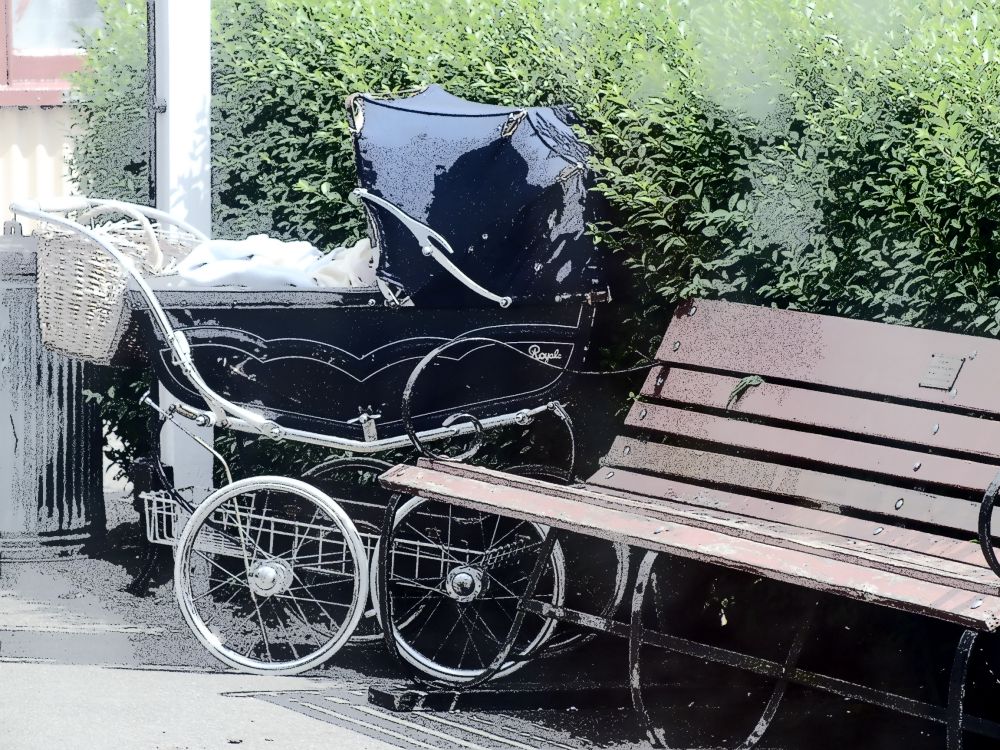
Kent Railway Station platform reliving the 1950s  – india ink in colour

(This month I want to see photos with some post-processing – use your imagination, it can be subtle or bold as long as it includes a bench or even part of a bench!)

If you would like to join in with the Bench photo challenge then please take a look at my Bench Series page. No complicated rules, just a bench and a camera required 🙂

  • Create your own post and title it Bench Series: June
  • Include a link to this page in your post so others can find it too
  • Add the tag ‘bench series’ so everyone can find the benches easily in the WP Reader
  • Get your post in by the end of the month, as the new bench theme comes out on the first Sunday in July.

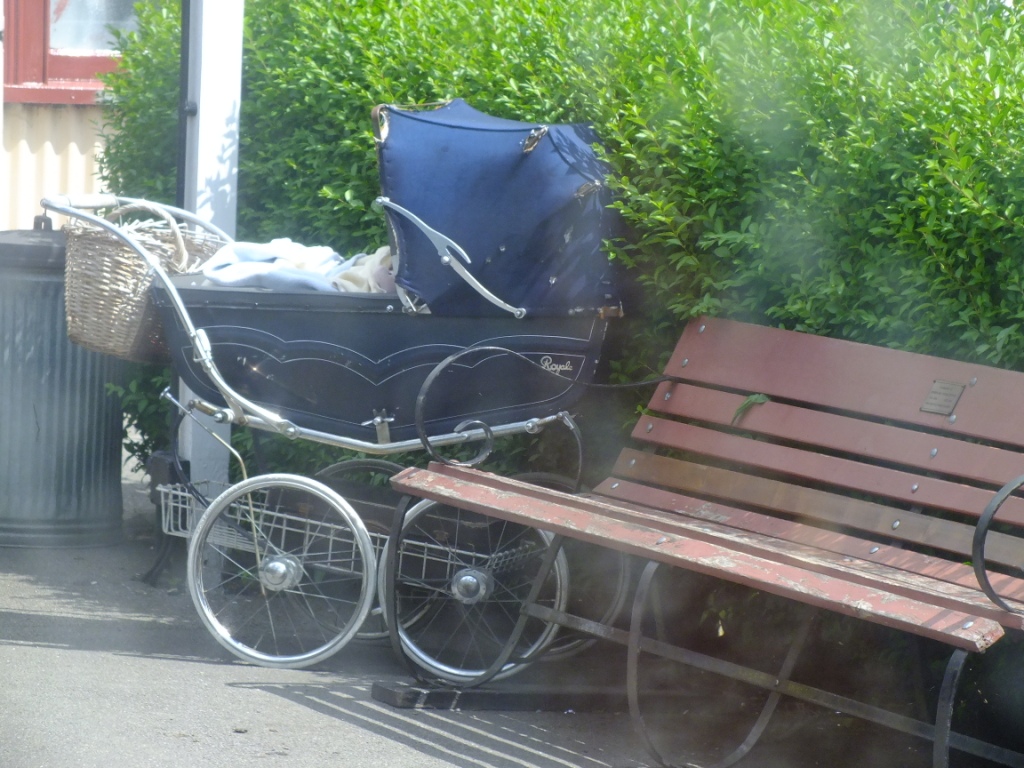
And for those of you who are interested here is the original, not a great image I’ll agree, but sometimes a little creative editing can restore something you would like to keep:

DSCF2623
Through a grimy train window. Image straightened. Contrast adjusted then applied the India effect in Pixlr with a 40% opacity to allow the colours to show through.

My Picks of the Week:

Take a look at Issy’s impressionist bench
or maybe Pauline’s water-colour is more to your liking?
I have a soft spot for Elaine’s dreamy image, now that would look nice in a conservatory.
Ruth blames for me for wasting enjoying time spent applying different effects to a few of her bench photos – see which you like best
and Meg accuses me of unleashing a demon! What can I say? 

As always, thanks to everyone who has joined in. I find it fascinating to see what benches you all have in your digital shoe-box and how creative you can be this month 🙂

Just Back From… West Penwith

P1200996 - CopyWe transferred to Bojewyan, slightly north of Pendeen on Friday 5 June from Penzance. Initially we’d only booked for a one week holiday/house-hunting trip, but at the last minute I managed to find an extension. I was looking forward to exploring the coastline in this wild region of West Penwith. It has a very different character to the rest of Cornwall; it feels almost like an island. Remote villages and hamlets are strung along one of the most beautiful roads in the land  between St Just and St Ives. Travelling by road is slow, tractors, trucks, German campervans, French motorhomes, sharp bends, drystone granite walls, abandoned tin mines, carns, views across the patchwork arable fields, bleak moorland, gravel lay-bys barely big enough to fit two cars in to, a maze of hidden lanes and paths and tiny trout streams trickling down to the aquamarine coloured coast. Continue reading Just Back From… West Penwith