WPC: Fray

fray
verb
verb: fray; 3rd person present: frays; past tense: frayed; past participle: frayed; gerund or present participle: fraying.
  1. (of a fabric, rope, or cord) unravel or become worn at the edge, typically through constant rubbing.
    “cheap fabric soon frays”
    synonyms: unravel, wear, wear thin, wear out, wear away, wear through, become worn, become threadbare, become tattered, become ragged, go into holes, go through

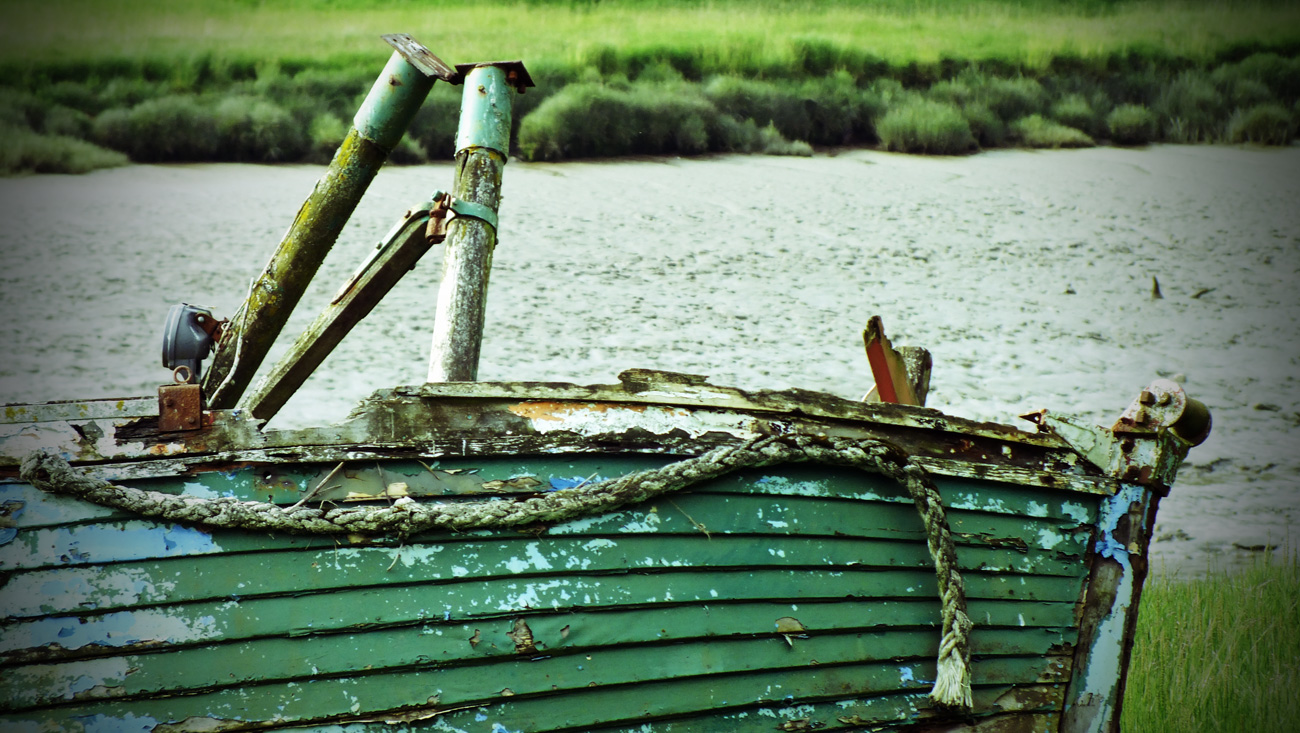
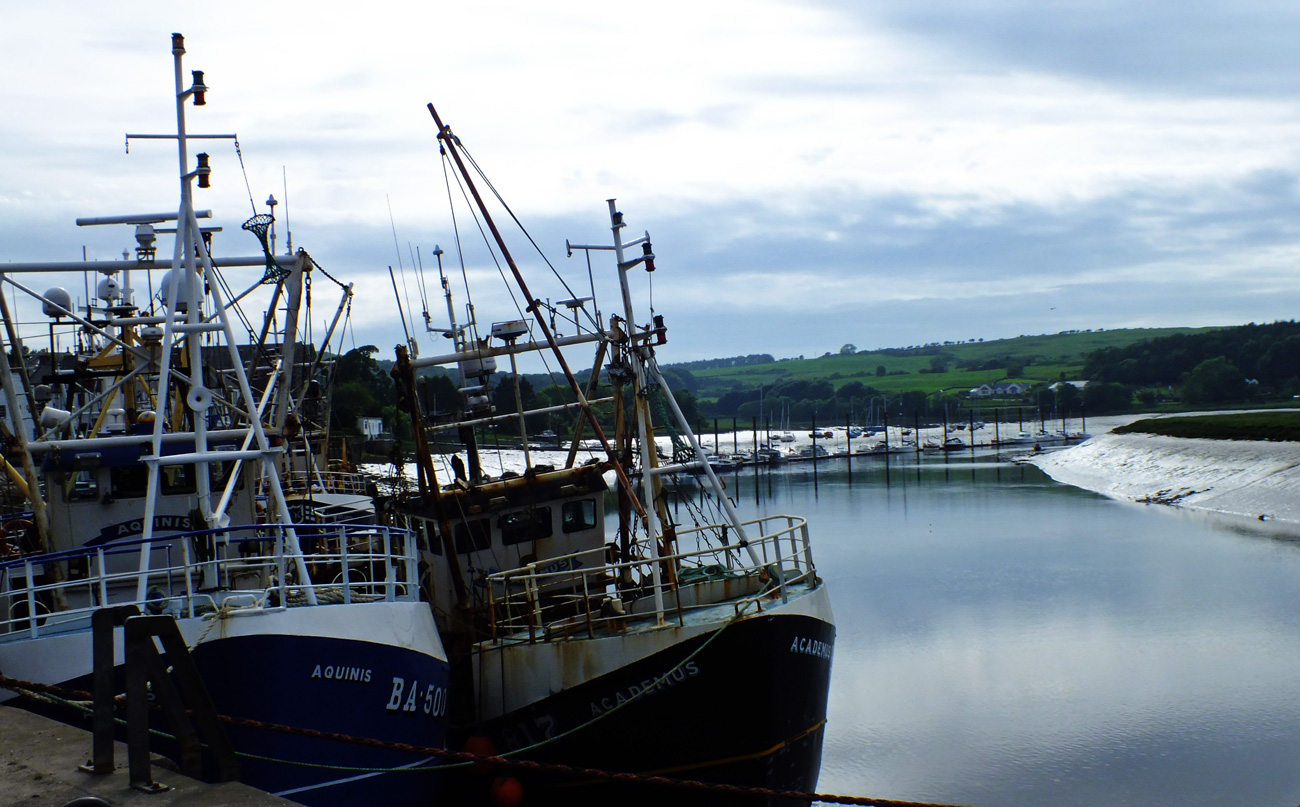
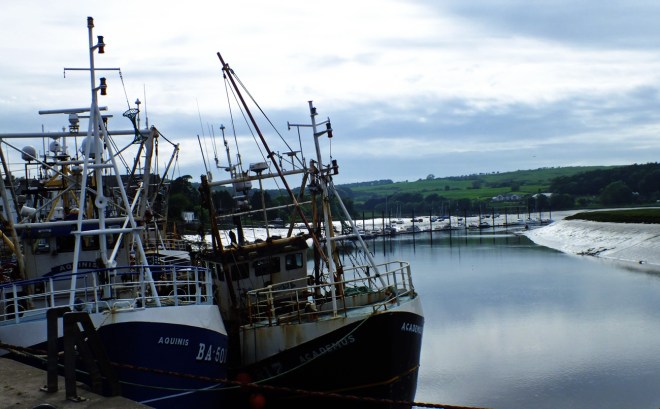
I love the coast. I love what you can find at the coast. From typical bucket and spade beaches to wild unpopulated coastlines. And the variety of photographs that can be taken. Although I am a terrible sailor (just looking at waves can make me sea-sick) I like to wander near fishing harbours for scenes to snap, boats and ropes, lobster pots, chains and winches. I also like to look for flotsam and jetsam, driftwood and frayed rope.

DSCF9405

Travel Theme: Orange

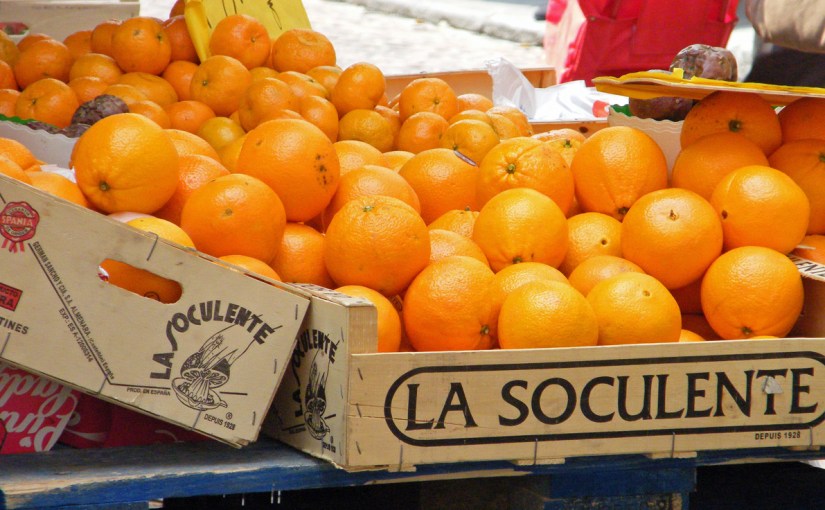
Orange is the colour of saffron, pumpkins and apricots. It is between red and yellow on the spectrum of light, and in the traditional colour wheel used by painters. Its name is derived from the orange fruit.

In traditional colour theory, orange is a range of colours between red and yellow

Kleurenovergang van rood naar geel.png
Kleurenovergang van rood naar geel” by Original uploader was Wilinckx at nl.wikipedia. Licensed under CC BY-SA 3.0 via Wikimedia Commons.

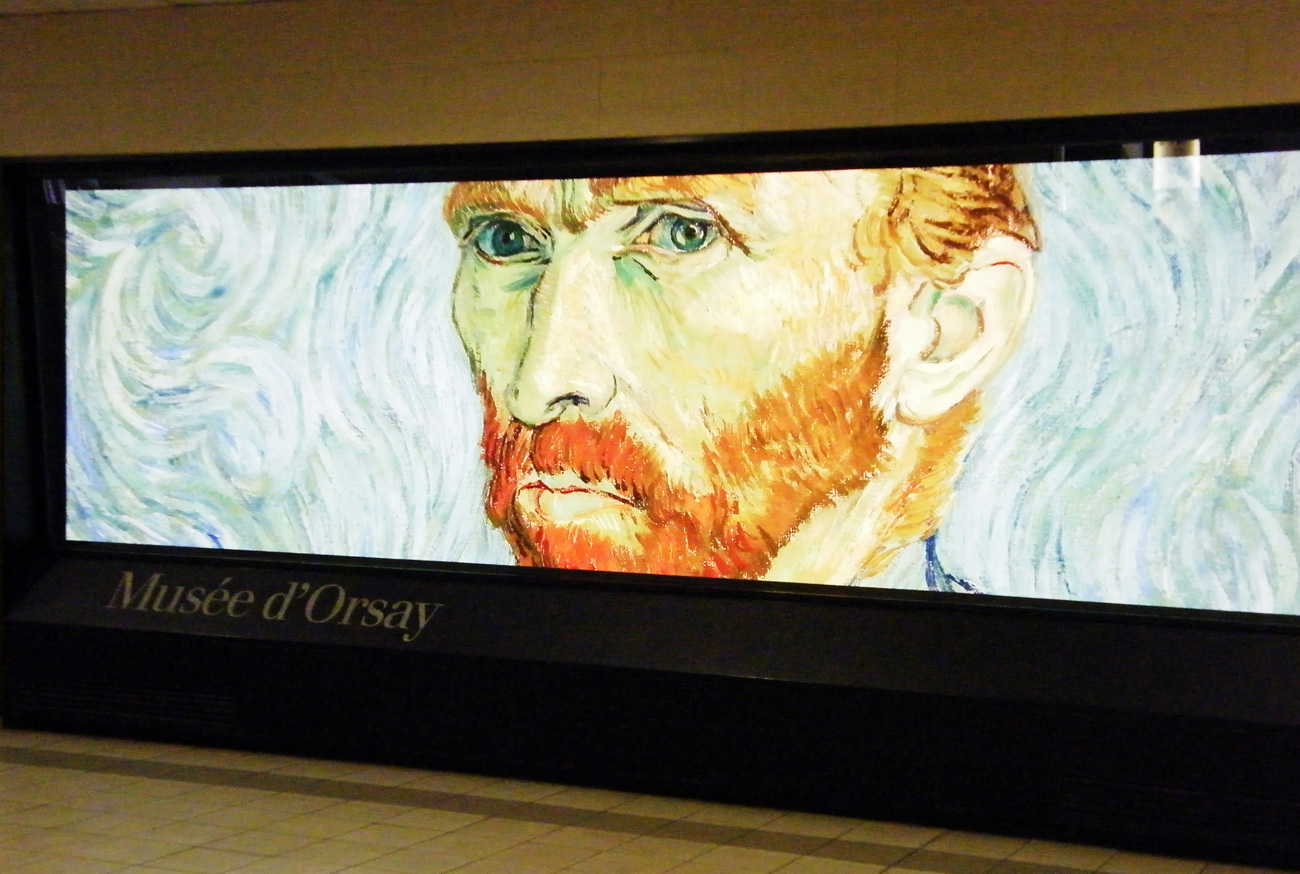
Van Gogh
Van Gogh

I hope this has brightened up your day 🙂

A Walk along the Dee

It was another lovely evening and time for some exercise. We decided to take the riverside walk following the tidal waters of the River Dee up to Tongland Bridge. A three and a half mile stroll along a level path felt doable and would take us around a couple of hours if we didn’t stop too many times to take photos.
DSCF9388

“While looking towards the north the scene is truly delightful, the banks of the river, from Tongland to the sea, being peculiarly rich in natural beauty. In the foreground is the river sparkling in the sun’s rays, and winding like a silver thread among the green meadows; while the grounds around Compstone, sloping gently to the river’s margin, are clothed with plantations of great freshness and beauty.”

Rambles in Galloway, by M. McL., Harper.1876.

The tree-lined Dee Walk begins at the end of the Kirkcudbright bridge and continues upstream alongside the river.

DSCF9421

At the end of the walk several paths lead off back into town, but carry on across the open grass and then after crossing a wooden footbridge (3/4 mile) turn left and walk along the flood embankment by the riverside hedgerow.

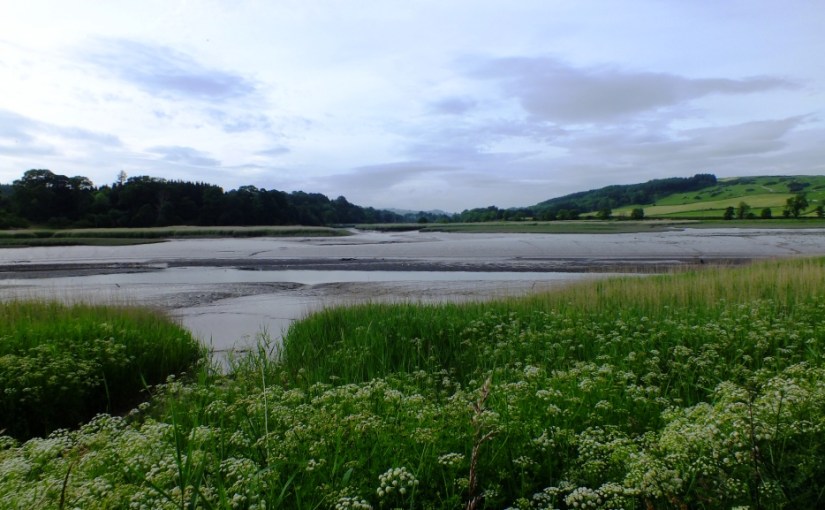
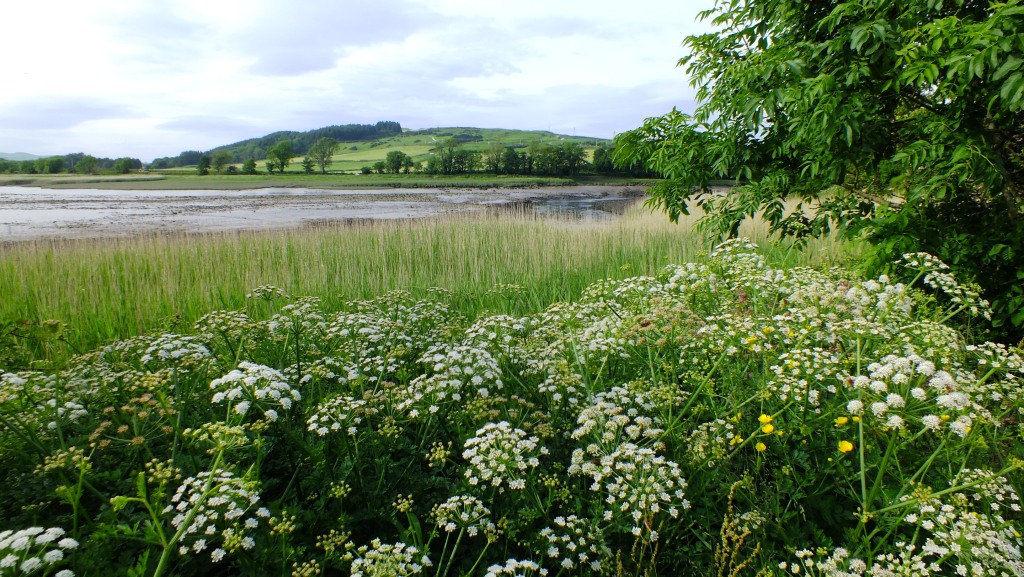
Unfortunately it was low tide, so the walk wasn’t as picturesque as it may be when the river is in full flow. Mud banks aren’t the prettiest of things, but still it was a lovely sunny evening and the wet mud glistened silver in the late sunlight.

DSCF9462

DSCF9450

Several abandoned boats provided photo opportunities

And a cormorant standing out on the sand bank drying his wings

DSCF9455

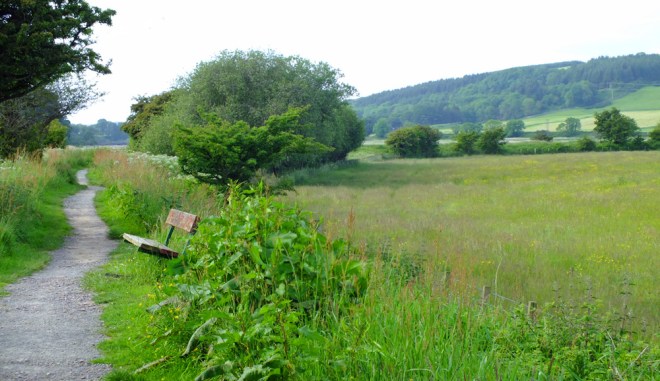
There are good views over the reed beds and the odd bench provides a rest and chance to look back at the town.
DSCF9472

DSCF9449

DSCF9484

Just before the Bridge, there is an attractive strip of deciduous woodland, with some steep drops by the river side.

DSCF9495

DSCF9522

And finally we reached the bridge. Which proved very difficult to photograph because of all the trees and scrub in front of it. This is a Thomas Telford design with three Gothic-pointed arches. The crenellated towers and the corbelled parapets are the work of Alexander Nasmyth.

DSCF9505

We returned to the town by retracing our steps, though we could have followed the road back as there is a roadside footpath. There we picked up some excellent fish and chips from Polarbites and took them back to our cottage to eat.

If you enjoy a walk, short or long, then you may enjoy visiting Jo’s Monday Walk where you are in for a treat.

One Day One World Project: 03:00 – 04:00

a ghostly story

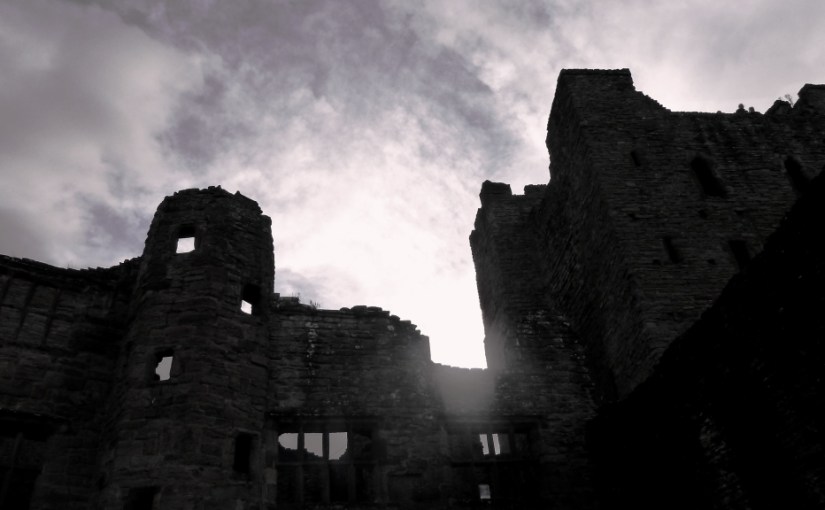
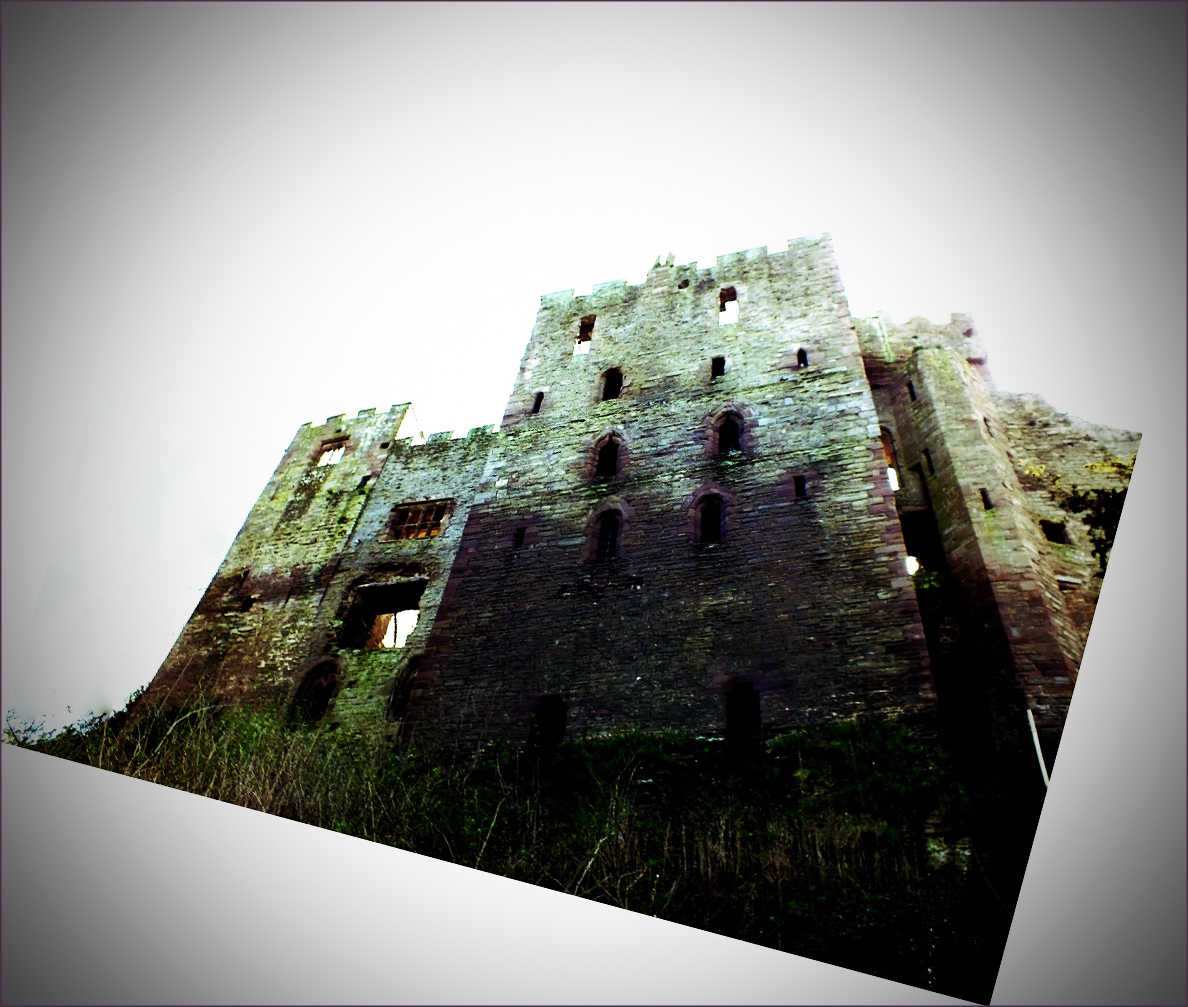
I have written several posts about Ludlow Castle, but now that we are in the middle of the night perhaps it is time for a slightly darker tale?

The castle is reputed to be haunted by the twelfth century Marion de la Bruyere. Legend suggests that the fair damsel Marion, who lived within the castle walls, was besotted by  a knight called Arnold de Lisle who was an enemy of the castle’s lord, Josse de Dinant. Although he had been captured together with Walter de Lacy during a previous attack on the castle, de Lisle persuaded Marion into giving him a piece of knotted linen which the men used to escape from their prison.

One fateful night some time later when de Dinant was absent, Marion sent Arnold a secret message saying that the castle was almost empty and that she would leave a rope dangling for him to climb in.  De Lisle, who was more intent on capturing the castle than romance, gained access to the castle and left the rope for a hundred of de Lacy soldiers to climb in and capture the castle, murdering the sleeping garrison in their beds. Marion, whilst in the arms of her lover,  was woken by the screams of the dying men and realised that she had been betrayed. She snatched her lover’s sword from the table beside her and ran it through him, then filled with grief and shame she threw herself from the Pendover or Hanging Tower.

Stories vary somewhat regarding the ghost itself. Some say  if you visit the tower at dusk on quiet evenings her ghost can be seen, but if you go on the anniversary of her death you can hear her scream as she falls to the rocks below.

castle

(Sorry Lisa, I struggled with this time period – but things can only get better…)

Lisa of the blog NorthWest Frame of Mind has decided to run a different project over the next 24 weeks. To try to show what is happening in different parts of the world (if you all join in) at a particular time of day. If you would like to participate you have until next Saturday midnight to post a photo or write about what is happening in your part of the world.   This week is between 03:00 – 04:00.  I hope you’ll join in! See links for more details.

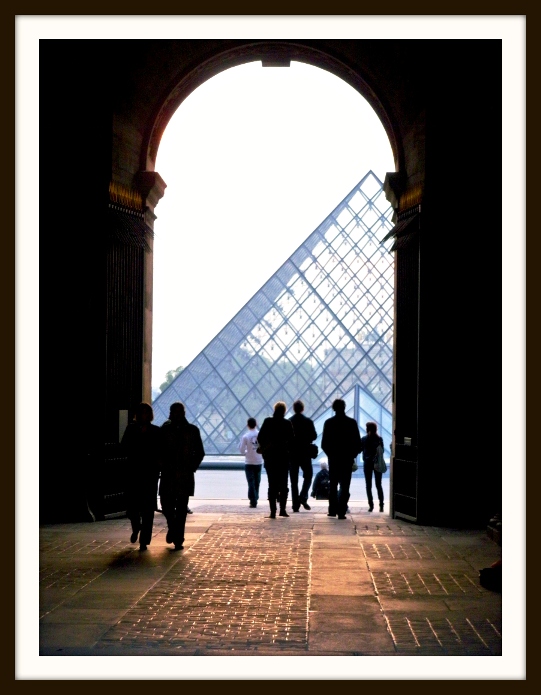
Contre-jour

Contre-jour

produces backlighting of the subject. This effect usually hides details, causes a stronger contrast between light and dark, creates silhouettes and emphasizes lines and shapes. The sun, or other light source, is often seen as either a bright spot or as a strong glare behind the subject.

Entrance to the Pyramid - Louvre a