Road Trip: Cape Town to Hermanus


Distance: 280 km via Muizenberg, False Bay, Pringle Bay, Betty’s Bay, Hermanus, Botrivier and Sir Lowry’s Pass. Time: 4 hours without stopping

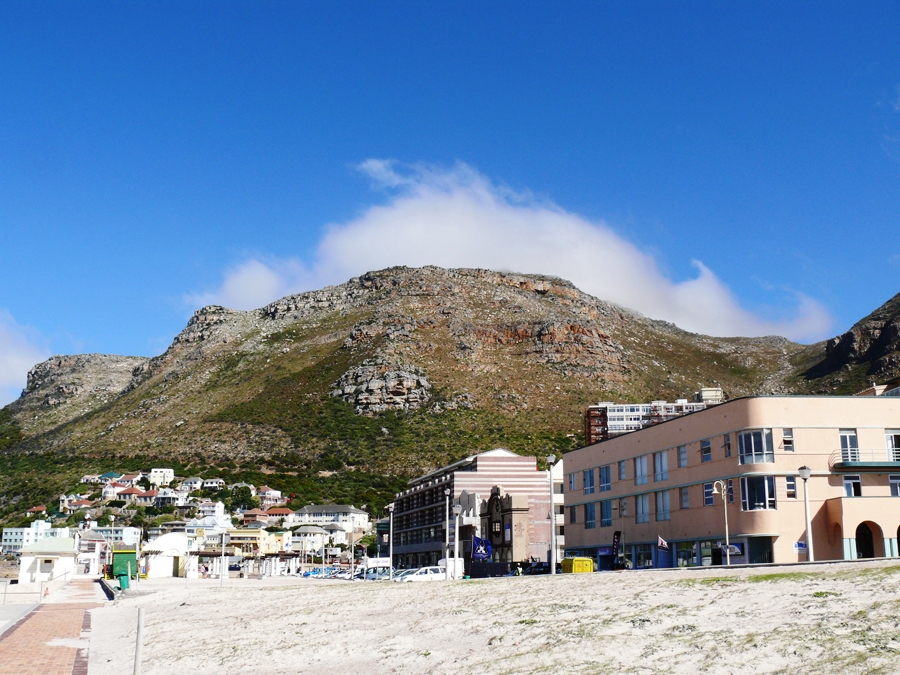
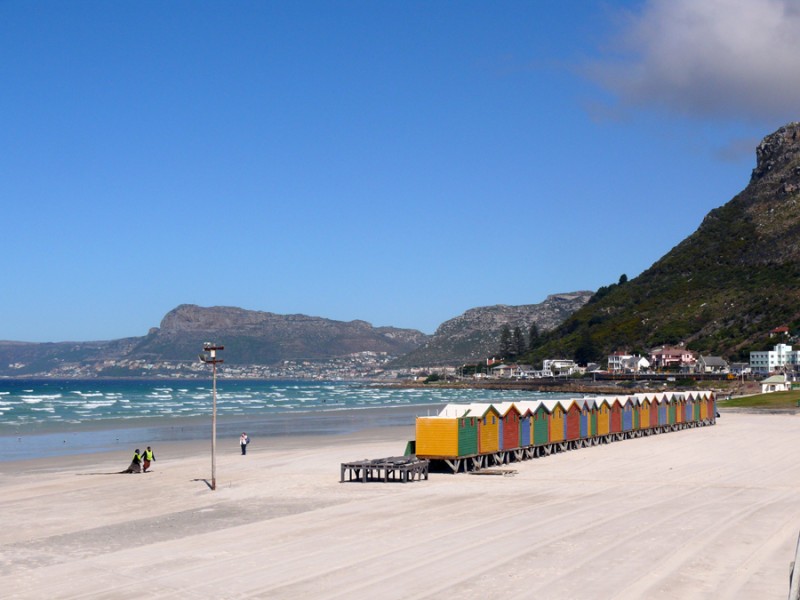
On our final day in Cape Town we decided to drive around the False Bay coast eastwards to Betty’s Bay and on to Hermanus (a good spot in the winter months for whale watching from land) and it turned out to be one of the best drives of the trip. Our first stop was in Muizenberg where I had lived for several years in the 1970s and 1980s well before it went through a period of crime and deprivation which almost ruined it. P1110194 Now it appears to be on the up with lots of investment in the region including new housing developments around the village and the beach which is very popular with surfers and the longest and most spectacular in the peninsula.
Muizenberg
Muizenberg

Even the iconic Victorian beach huts have been spruced up and rearranged into uniform lines so hopefully tourists will be encouraged back here. And although it lacks the turquoise waters and dramatic boulders of Clifton or Llandudno it is one of the best beaches in the peninsula with its sugar soft white sand dunes to the eastern edge and child-friendly rock pools to the west and warm waters to swim or body-surf in. Wandering around this little village you will see examples of Victorian, Edwardian and Art Deco architecture. The lovely Edwardian-era red-brick railway station which opened in 1913  with its arched sandstone entrances and beautiful teak clock tower is reminiscent of the golden days of Muizenberg. 310 Begin the trip by driving eastwards along Baden-Powell Drive (the R310) towards the Strand following closely the shoreline of False Bay, another amazing drive as sea-spray and sand blow over the road you are that close to the ocean. One that is often overlooked by visitors, believing that Chapman’s Peak Drive is the only one to do.

Baden Powell Drive is one of those areas ‘highly vulnerable’ to a rise in sea level with the advent of climate change. Even now it is regularly blocked by blowing sand and the city may well decide in the near future that it can no longer afford to maintain the road, and to reinstate a dune system here. So drive it whilst you can.

Stop at Gordon’s Bay, which huddles beneath the sheer mountains of the Helderberg (formerly known as the Hottentots-Holland range) that provide shelter for the bay, to check the views back towards the other side. It is a busy summer destination with Bikini Beach popular with the younger population who want to play volleyball, sunbathe and surf. The sea temperature is warmer here and the main beach is safe for swimming and has sheltered rock pools for exploring.You’ll know when you’ve entered Beach Road – the sea will be on one side and the retro character of the town on the other. It’s lined with little shops and cafés – not the trendy sort you’ll find in Camps Bay, but old seaside-village types oozing home-grown character.

Kogelbaai
Kogelbaai on R44

Continue along the R44 (Clarence Drive) where around the corner you will find Kogel Bay (Cool Bay) which is essentially a surfers beach but has a long stretch of white sand and a couple of exciting caves. This scenic coastal road meanders between Gordon’s Bay and Betty’s Bay offering some of the best designated whale watching spots on the coast and magnificent views over the bay to Cape Point. Pass through tiny Rooiels and Pringle Bay, a little seaside village nestled at the foot of the Hangklip Mountain, which is very secluded and unspoilt. The Hangklip marks the south-eastern point of False Bay and is about an hours drive from Cape Town. There are also many hiking trails through the Kogelberg Nature Reserve.

Stony Point
Stony Point, Betty’s Bay

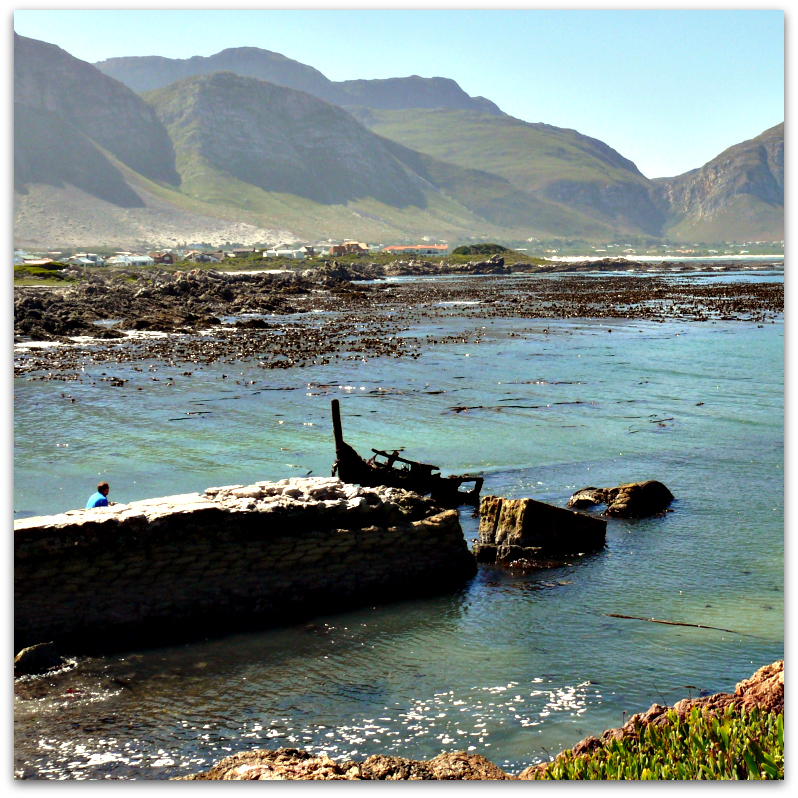
At Betty’s Bay, another picturesque village positioned in a narrow strip of land between the Kogelberg Mountains and the Atlantic Ocean, you will find the Harold Porter Botanical Gardens. From October to February you will find a glorious array of gladioli, watsonias and rare red disas on display. There is another smaller colony of African penguins at Stony Point, Betty’s Bay and the remnants of an old whaling station.
Stony Point
The Old Whaling Station at Stony Point, Betty’s Bay

Further on you come to Kleinmond which lies on a lagoon at the small mouth of the Bot River between the Palmiet Mountains and the Atlantic. It is another quiet place offering good walking, hiking and bird-watching activities. Now take the R43 through Vermont, to Hermanus our destination. We parked in the Square in Hermanus and had a wander around this lovely little town which is quite charming though no longer the quiet fisherman’s village it once was. Hermanus is often described as the ‘Riviera of the South’ with its mild climate and is a popular weekend destination for the residents of Cape Town.
Old Harbour Hermanus

Make sure you get a parking ticket from the meter inspector, who you will find walking about somewhere in the area, to avoid a parking fine. There are no self-ticket machines.

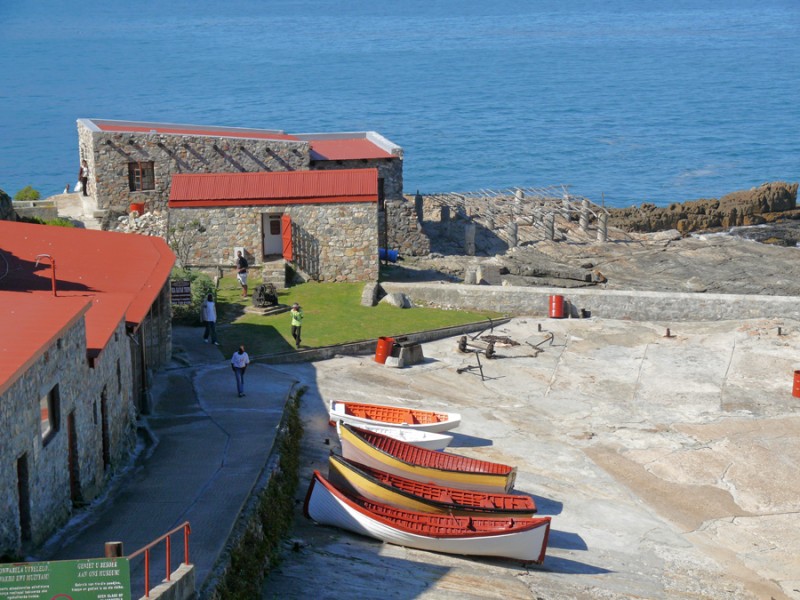
The Old Harbour complex offers an insight into its past and where you will find Bientang’s Cave, a restaurant on the shores of Walker Bay serving seafood only. It really is in a cave. July is the best time to see the Southern Right Whale as they frolic in Walker Bay in easy view of the cliff path and during the summer months the white sandy beaches, such as Grotto beach, are filled with holiday makers enjoying the sunny weather. And if you want to partake in white shark cage diving then carry on to Gansbaai around the bay.

Further on is Cape Agulhas the most southerly point of Africa and officially the point where the Atlantic and Indian Oceans meet. This point is about a 2 hours direct drive from Cape Town.

We headed back along the R43 from Hermanus up to Botrivier, a small picturesque village with a lagoon and wetlands; then we joined the N2 over the Helderberg (Clear Mountain) back to Cape Town. Stop off at the viewpoint at the summit of  ‘Sir Lowry’s Pass’ (420m) for a bird’s eye view of False Bay and across the Cape Flats to Table Mountain, but keep an eye out for the sign as you have to turn left off the road almost immediately, it is very easy to miss the turn-off.

You may see baboons here, but whatever you do, do not feed them, and it’s also used as a paragliding jump point. Watch them drift languorously to the coast below you.
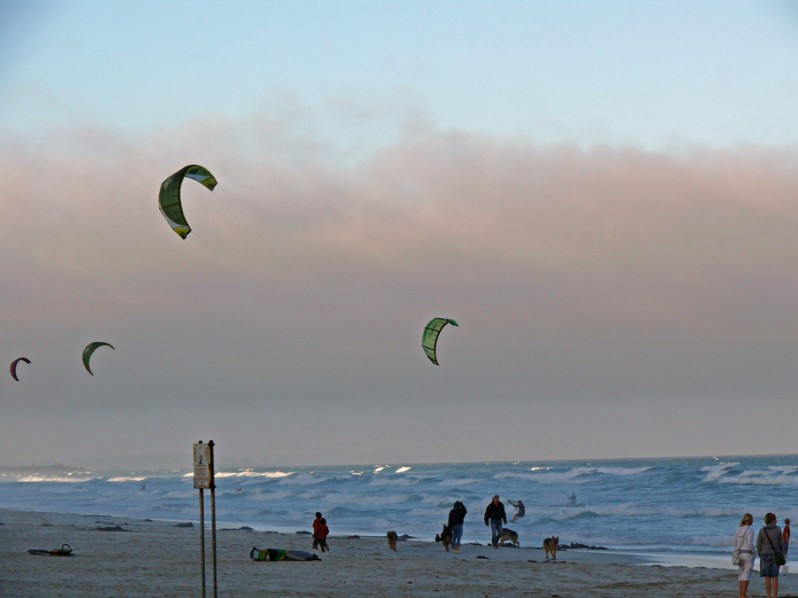
Kite Surfing
Kite Surfing at Sunset Beach, Muizenberg, False Bay

You can continue along the N2 past the international airport all the way to the city, but we returned along the Baden-Powell Drive to make one last stop at Sunrise Beach near Muizenberg to watch people kite-surfing in the late evening sunlight. From here you can easily return to Cape Town along the M3.
Cape Town: A Circular Drive to Cape Point

Distance:  124 km from Constantia via False Bay, Cape Point, Kommetjie, Hout Bay.
Time: 2 hours 50 minutes without stopping

Leaving Constantia, where we were staying, we drove down the M3 then on to the M4 (Main Road) towards Muizenberg, where I lived in the 1970s and took a right shortly before the village onto Boyes Drive to Kalk Bay.

False bay
False Bay from Boyes Drive

This road climbs up above Lakeside and the bay with outstanding views from the top of Boyes Drive across Lakeside, Marina da Gama, the Cape Flats and the entire False Bay coastline. It clings to the lower edge of the Muizenberg Mountains until reaching Kalk Bay where you rejoin the Main Road.

Kalk Bay is an attractive character village with a great harbour where you can still buy fresh fish direct from the boats as they return with the days catch; I can recommend cooking a whole fish on a braai, freshly stuffed with limes and coriander and wrapped in foil  (they will scale and gut it for you if you ask).  It has several antique shops plus a very decent restaurant “The Brass Bell” situated right next to the railway station and directly on the waterside which used to do a very good crayfish thermidor in the past.

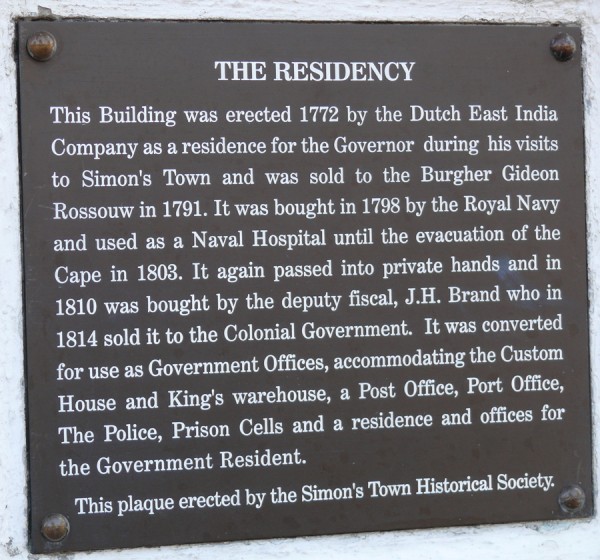
The Residency
The Residency

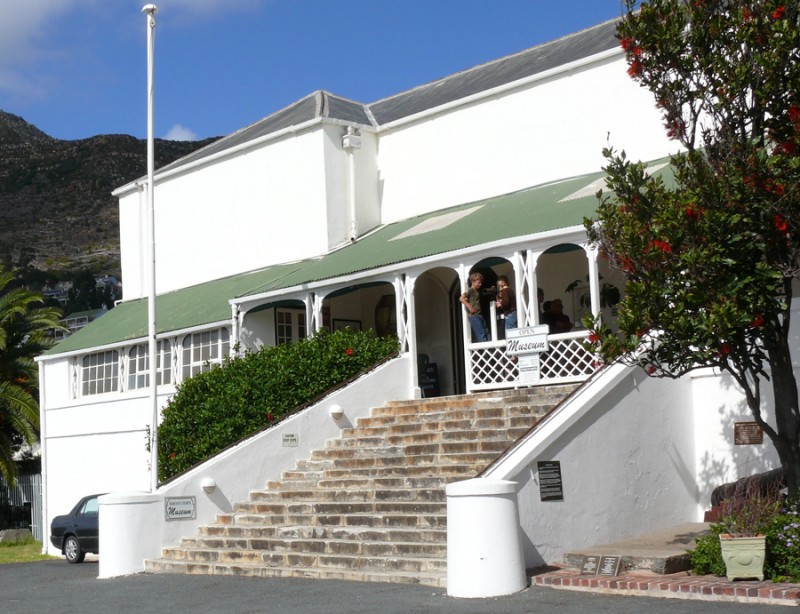
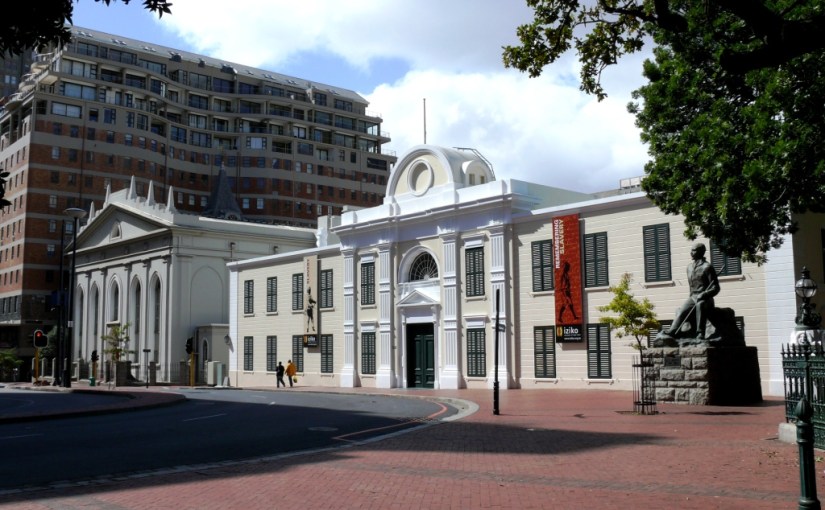
We stopped briefly in Simonstown to visit the museum there which is housed in a lovely building “The Residency” dating from 1772.

The Residency Museum

The views from the veranda across Simon’s Bay are well worth the visit and if you are interested in the Dutch East Indies Company, Simon van der Stel or the Royal Navy then it is a must see.

The “Historic Mile” (twenty one of the buildings in St Georges street are over 150 years old), is a popular walk along pavements once trodden by Admiral Horatio Nelson and Captain James Cook.

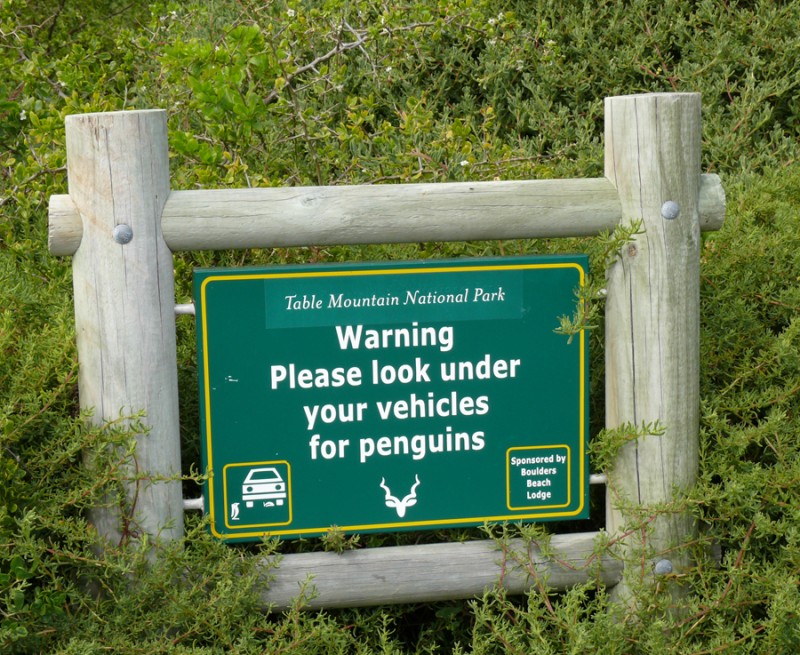
Warning
Warning

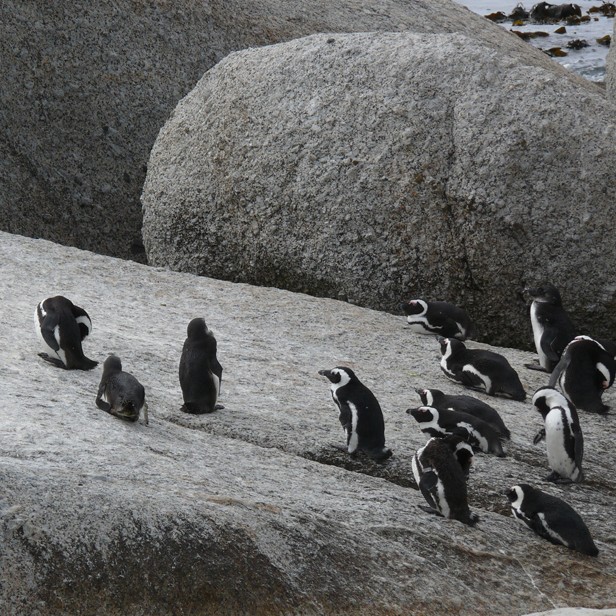
Next stop has to be at the Boulders Beach where you can walk along the boardwalk to see the African or Black-footed (formerly known as the Jackass) penguins that have colonised this area since 1983. March to May is the time when they are breeding in South Africa and we saw many birds on nests in amongst the bush and boulders.

African Penguins
African Penguins

They are noisy and it can be smelly, but on this occasion the wind was in the right direction!

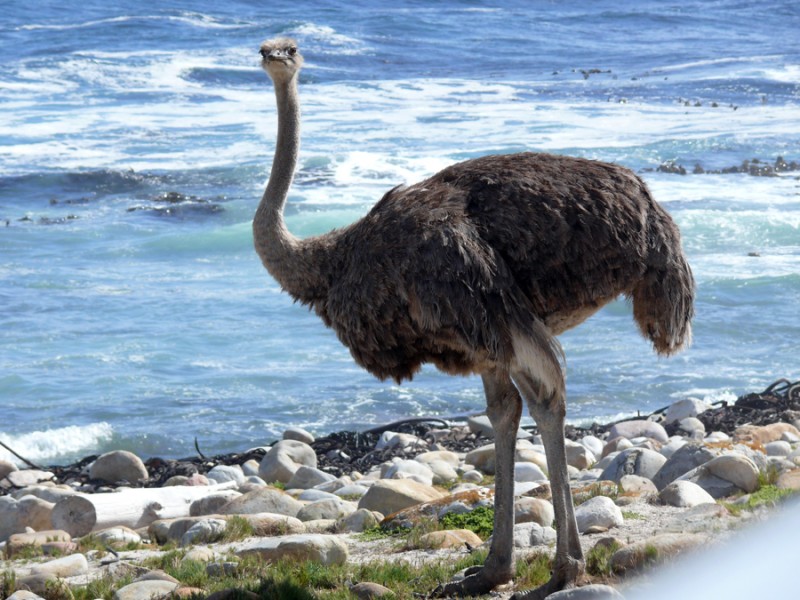
Continue along what is known as the Cape Peninsula Scenic Route to Cape Point the most south westerly point in Africa which is at the end of the Table Mountain National Park chain stretching from Signal Hill. Not to be missed is the short hike from the Point to the Cape of Good Hope on the Atlantic side. Good walking shoes are a necessity plus a head for heights or if you are a serious hiker there are trails from here all the way back to Table Mountain. We came across ostrich at the Cape of Good Hope but you may well see kudu or sable.

Ostrich
Ostrich

A funicular railway replaced the little bus “the Flying Scotsman” in 1996 taking passengers up to the ‘new’ lighthouse at the top or if you want to spend all day in the park then head down to one of the secluded beaches at Buffels Bay or Bordjiesrif where there are tidal pools and you can picnic or have a braai (South African BBQ).

Diaz Beach
Diaz Beach at Cape Point

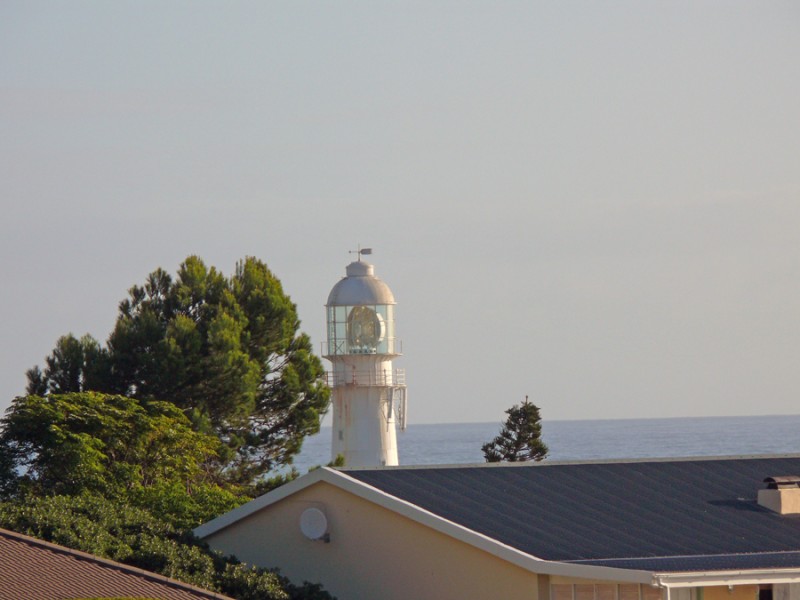
We decided to loop back to Constantia along the Atlantic coast road so headed for Scarborough (with its strange Camel rock formation, which we missed completely) and the twisty road towards Kommetjie, a peaceful rural delight with the Slangkop lighthouse.

Slangkop Lighthouse - Kommetjie
Slangkop Lighthouse – Kommetjie
View to Hout Bay
View to Hout Bay from Kommetjie

Just before Kommetjie is a stretch of road called ‘Misty Cliffs’ so called because of the sea spray which hangs over the road. Every twist in the road is a scenic delight and it is hard to keep concentrating on the road ahead, (but essential as the drop below is a long way).

Long Beach
Long Beach, Noordhoek

At Noordhoek we stopped to access the long beach which is still a place to go for horse rides on the beach or fly a kite and then we drove along the infamous ‘Chapmans Peak Drive’ with its 114 curves (though I confess I did not count them all). This is a now a toll road and cost us 24 ZAR (2008). The last time I went along this stretch of road was in the early 1980s.

Chapman's Peak Drive
Chapman’s Peak Drive

Every visit since then it has been partially closed due to rock falls and eventually was closed completely in 2000. Fortunately it re-opened in 2003 with a new tunnel so I was at long last able to fulfil my wish of driving along this road myself. The road ends in Hout Bay a seaside resort town about 20 minutes from Cape Town.

Chapman's Peak Drive
Chapman’s Peak Drive Tunnel

Dinner at ‘The Mariner’s Wharf’ in Hout Bay is recommended for the best lobster in town, though booking is advisable. Return to Cape Town via Constantia or around the coast road via Camps Bay, Clifton and Sea Point.

Cape Town Revisited

When I met my OH twelve years ago we each had a different favourite city in the world, which the other had not visited, so we made a promise to see each place together. In 2005 I went to Vancouver, his choice, and a very good one too, this is the story of my choice – Cape Town, South Africa.

I lived in Cape Town between 1973 and 1984 and fell in love with this beautiful city. I was eager to return with my (new) husband to show him my favourite parts. It had been over eight years since my last visit to the Mother City and a lot longer since I had travelled along the Garden Route, so I was keen to explore old and new places and show him what I thought made this the best city in the world. On arrival at the politically neutral named Cape Town International airport we picked up the VW Polo hire car and drove to our first destination in Constantia. We were staying in a lovely, welcoming bed and breakfast close to the beautiful Kirstenbosch National Botanical Gardens.

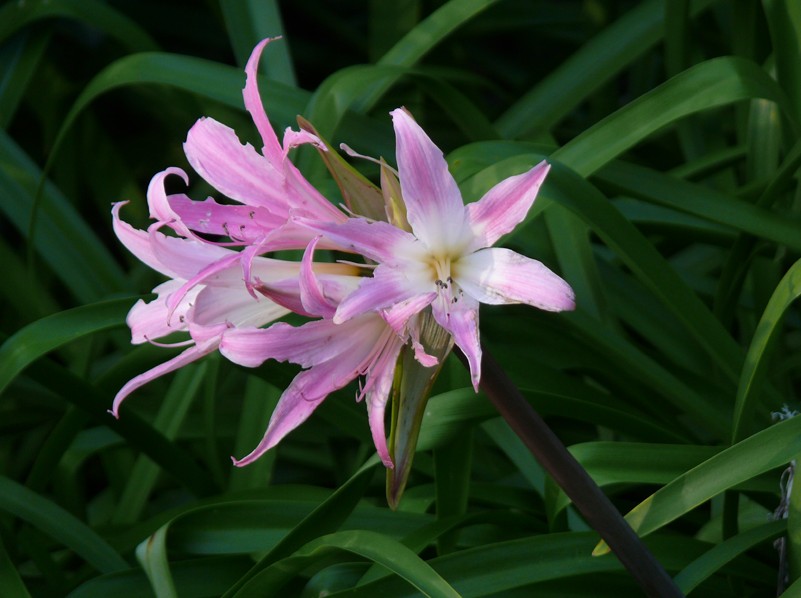
Lily

The only slightly off-putting aspect was the electric fencing surrounding the property and the guard at the entrance of the electronic gates. Oh, how things have changed, and not necessarily better for anyone. I was concerned that this might put my husband off. He already had some misgivings about visiting the country because of its notorious crime rate. Seeing the neighbourhood covered in ‘Armed Response’ signs wasn’t going to appease him.

The weather on the other hand was perfect with azure blue skies, a soft, gentle breeze and it was pleasantly warm. Having unpacked in our large bright bedroom, overlooking gardens to the front and rear, we strolled up to Kirstenbosch to stretch our legs after the long flight from London, via Windhoek and get some well-needed sunshine.

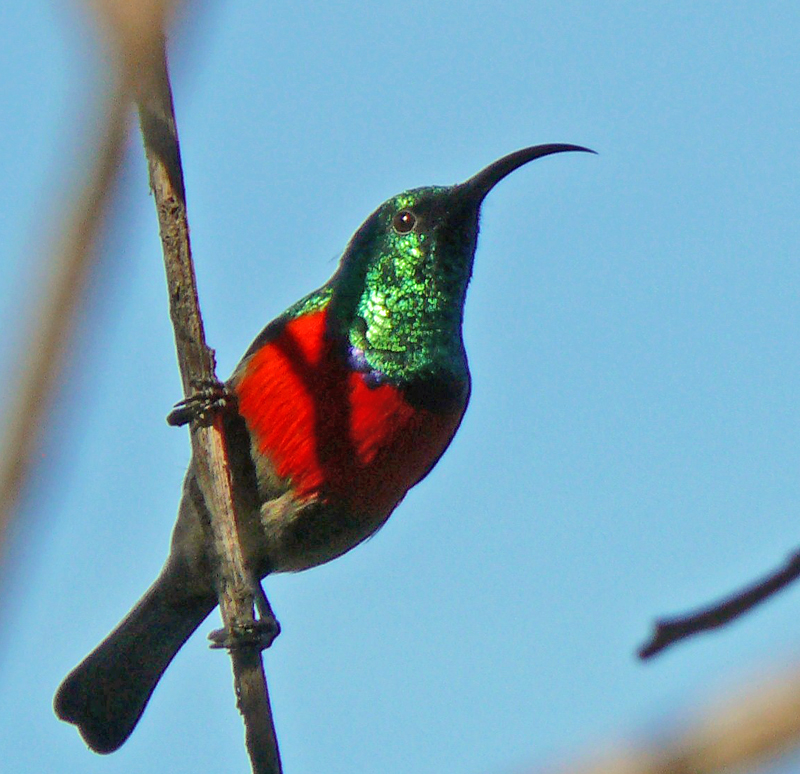
sunbird

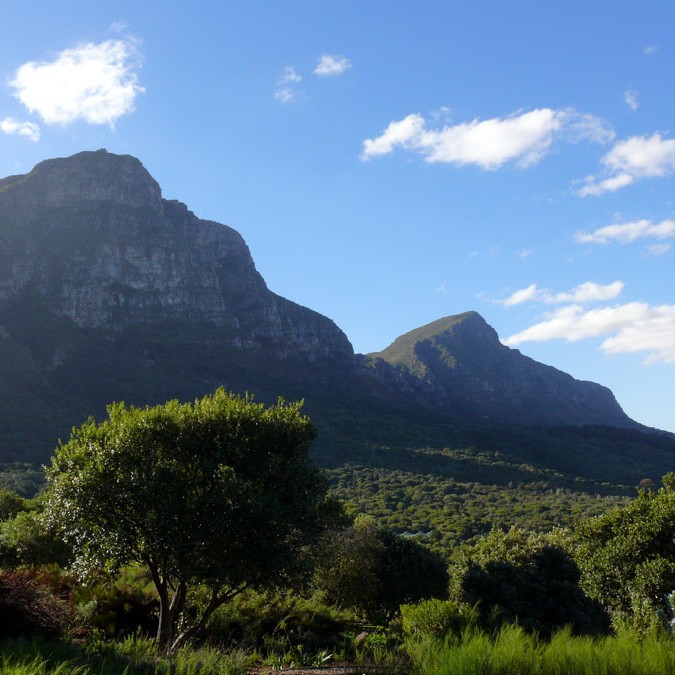
This botanic garden is so tranquil and the backdrop of Table Mountain is so dramatic I could have stayed here for the entire trip photographing the many spectacular proteas and sunbirds. It became a regular evening walk during our stay.

Table Mountain
Table Mountain from Kirstenbosch

Later we drove over Constania Nek and down to Hout Bay and along the coast road to Llandudno hoping to see a decent sunset, but cloud on the horizon put paid to that idea. As we drove back to the B&B we called in for a meal of Kingklip, a firm white, buttery, local fish and chips at the Constantia Nek Hotel and Pub. Continue reading Cape Town Revisited

Postcard from Genève

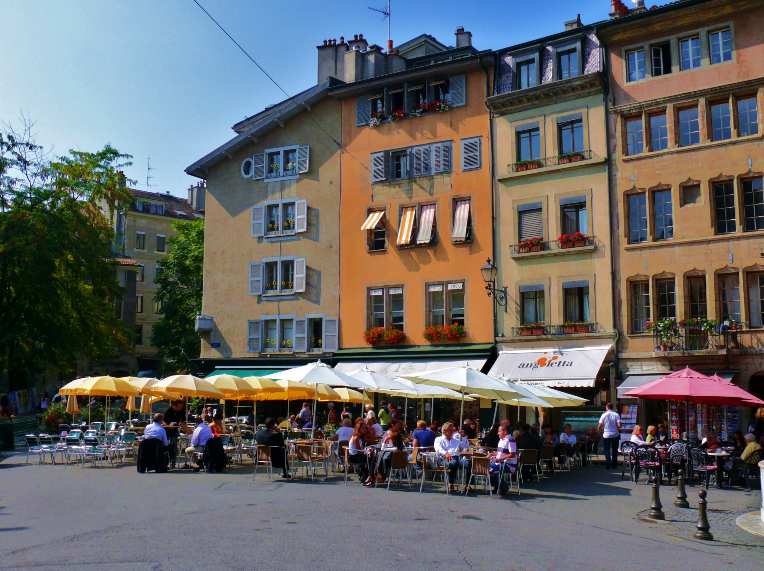
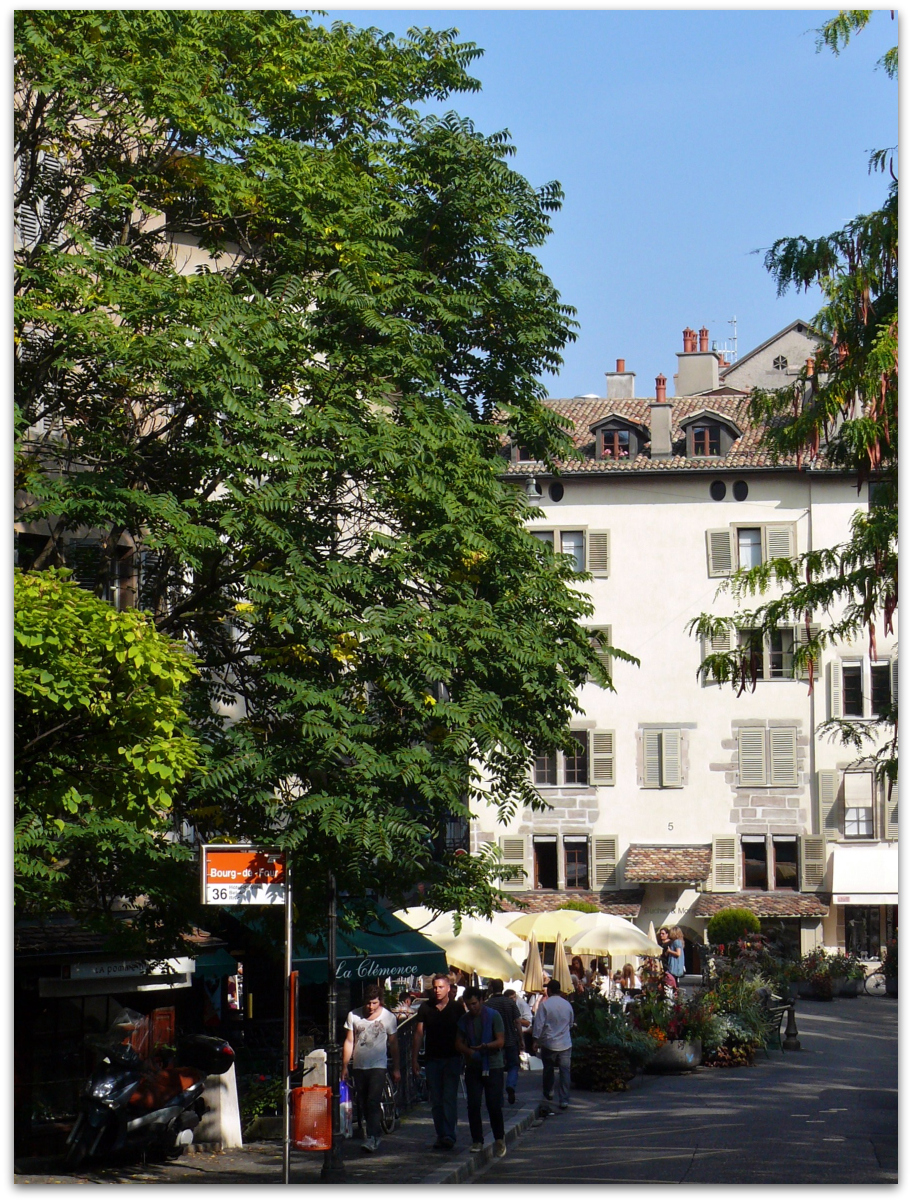
September 2009 – Place du Bourg de Four

Place du Bourg-de-Four

I am sitting here outside Chez Ma Cousine ‘on y mange du poulet’, (literal translation – at the house of my cousin one only eats chicken) which is just one of the little cafés in the square, having a rest after walking around the Old Town (lots of ups and downs and cobbled streets), sipping a large café crème. The sun is shining and it has been another very warm day for late September, so the shade of the umbrella above me is welcome. The Place du Bourg is lovely!

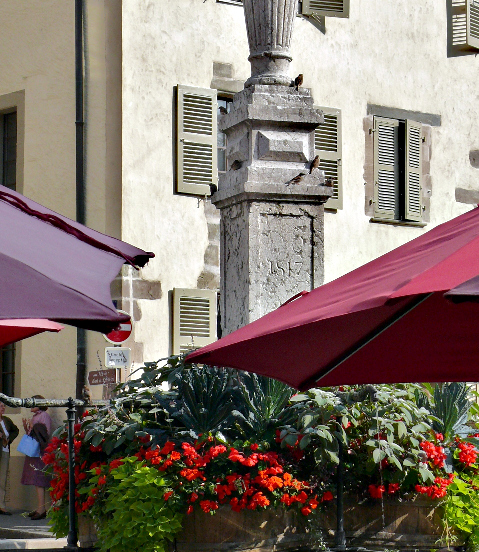
Geneva, fountains and flowersThis is the centre of the Old Town and has an 18th century flowered fountain, which I am sitting next to. I have got into fountains in a big way since coming to Genève – they are everywhere, and all so different, flowers, sculptures, swans – fascinating!

As I look around me I notice that this spot attracts lots of little sparrows alternating between sips of water and splashing in the fountain to cheekily trying to pinch crumbs off the tables. They land on the tables and chairs all around me, but are too quick for my camera, though I manage to capture one poised on the edge of the fountain, with his back towards me, of course! There is the sound of someone playing a recorder, badly, from within one of the apartments in the square. Shutters and windows wide open to the sun and the constant murmur of people in conversation buzzes in the background.

Geneva - Place du Bourg-de-FourAlthough it is only four o’clock in the late afternoon there is very little space at any of the cafés. Empty tables are soon filled. People are now drinking cold beers and white wine; groups of friends meeting up – standing up to greet each other nosily  with the flamboyant kiss/kiss/kiss on both cheeks.

“Eh! Comment ça va?”

(Hey! How are you?) their happy smiling faces. Husbands wait patiently for their wives to stop their shopping in the Rue du Rhone, Rue de Rive and Place du Molard (watches, parfumeries, fashion and chocolatiers); elderly ladies, very smartly dressed and coiffured, read a book or a newspaper and a young student sitting opposite me with her study books open on the table makes notes whilst casually sipping her Evian water

Geneva Fountain
Sparrows on the fountain

Occasionally a young boy on his way home from school will arrive at the fountain and climb up for a drink, casually dropping his school bag in the dust and eyeing my camera with curiosity. Small children amuse themselves by running around the circumference, giggling as they hide from their parents. It is a busy, lively place, sunlight streaming through the autumnal trees. I have had to buy another coffee as I am reluctant to leave just yet.

boy and fountain
Boy in the fountain

An elderly gentleman has come to sit at the table next to me, he is also alone, his red polo shirt matches the red umbrella under which he sits in the shade and together we observe all who pass by. Two young Genevois couples meet up and order bottles of Rosé wine and a tall jug of Pimms: they all light up cigarettes.

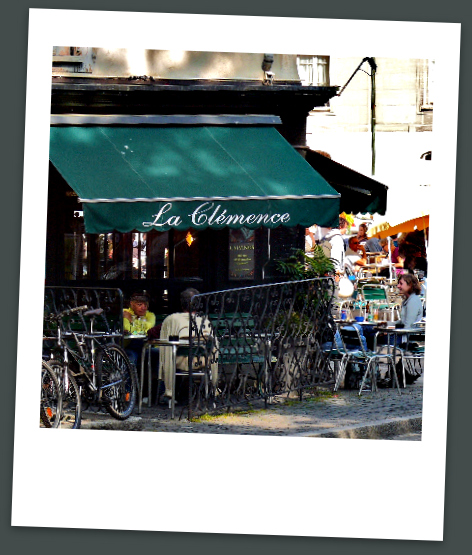
Geneva - la Clemence

It strikes me how many young Genevois smoke. Must be how they keep so slim! Funny how we have become so used to no smoking in public in the UK that it is now so noticeable in Europe!

At another table in the next café along which has white umbrellas, a beautiful Italian-looking lady is wearing the classic dark glasses. Silver bands hold back her glossy black hair and she talks loudly on her mobile phone – hands gesticulating in the air – her large cup of cappuccino forgotten and going cold. Ah life is wonderful, but now I must go and make my way to the Promenade de la Treille to see the avenue of Chestnut trees and the world’s longest bench.

Ciao, ciao – I’ll write again soon xx

AWESOME

Dictionary definition: 1. extremely impressive or daunting; inspiring great admiration, apprehension or fear. 2. extremely good; excellent

People use this word so habitually that it becomes meaningless; however today I am happy to use it myself. I have been to a place in accordance with both definitions.

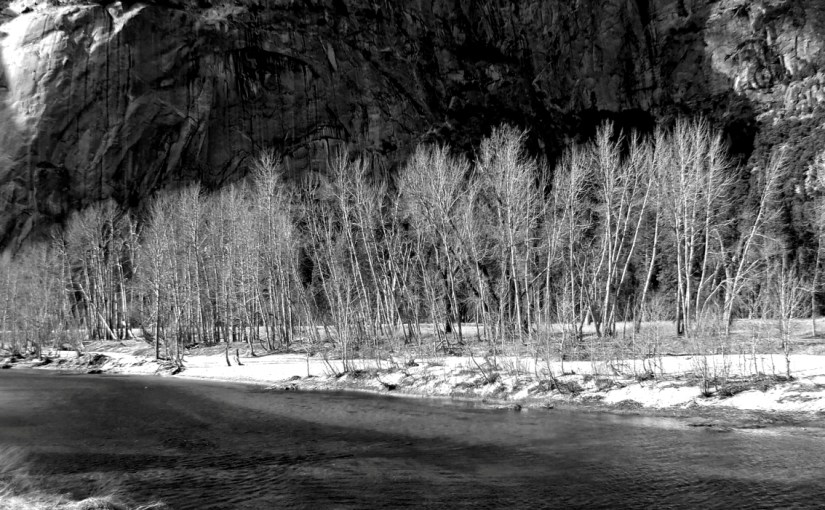
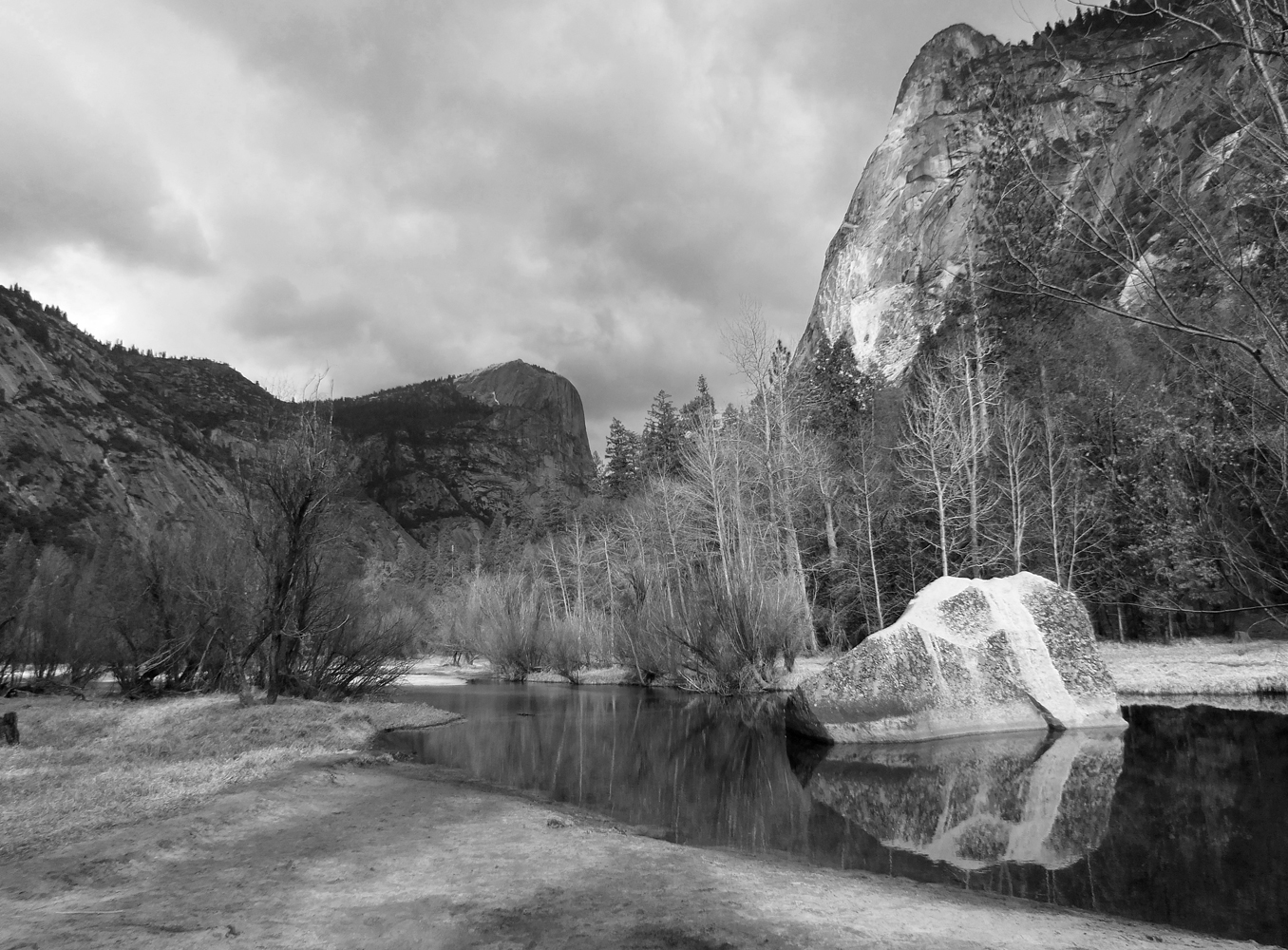
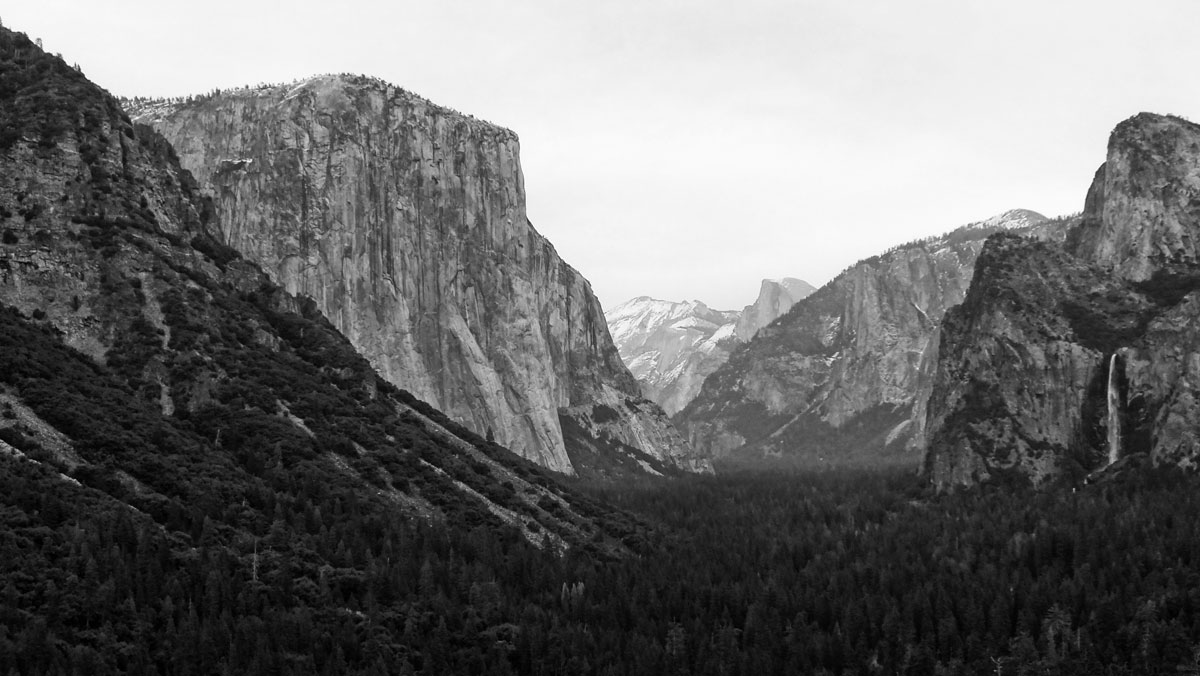
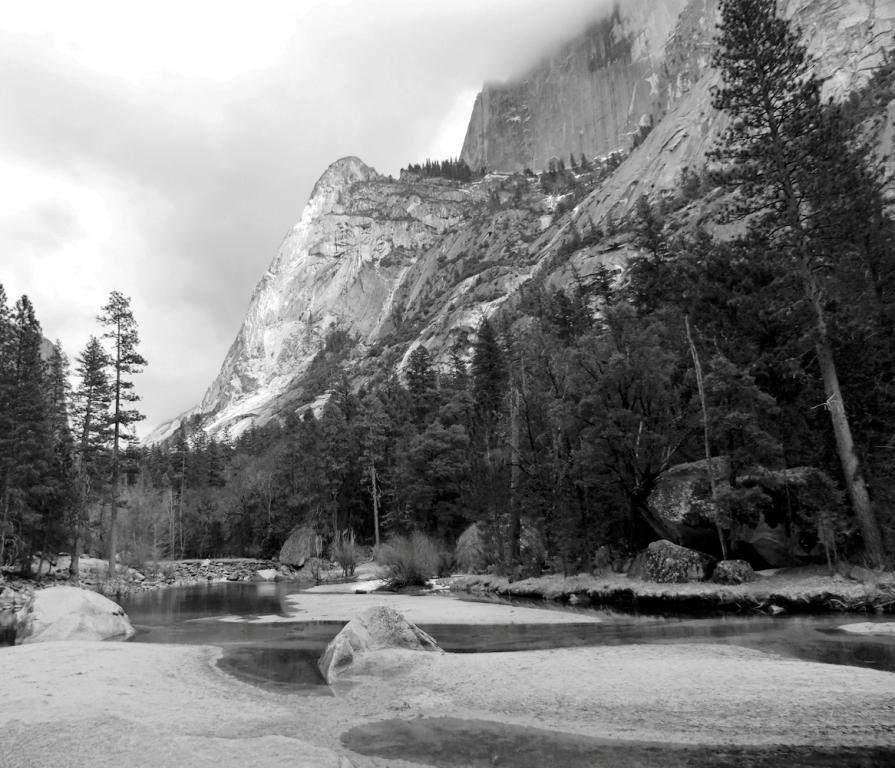
 mirror-lake-boulderWhat has reduced my vocabulary to a single word, uttered with a breathless wonder? I will tell you. Only a few days ago I was standing on an empty beach alongside the River Merced in the heart of Yosemite Valley, surrounded by vast slabs of granite in all directions and facing one of the world’s iconic mountains – El Capitan.

The nausea, the dizziness, the swollen ankles and shortness of breath may have been the result of mild altitude sickness – after all this valley floor is still 4,000 feet above sea level – or possibly the 4 mile hike from the village that you have to make to reach this spot if you are without a car.

Yosemite: It’s like you have arrived at the very centre of the earth, at the planet’s temple. It is strong, powerful and very moving. These rocks, those waterfalls – they came out of nothing and now stand two thousand metres high.

awiyah-point

I have teetered on the edge of the Grand Canyon.

I have marvelled at the balancing rocks in Marble Canyon.

I have gazed in wonder at the red sandstone hoodoos of Bryce’s Amphitheatre

and shaken my head at the craziness of climbers scaling the sheer side of Angel’s Landing in Zion.

Although each and every one of these has filled me with surprise and astonishment at the unique formation of their landscape  and sheer scale and size none have quite moved me like this place.

It doesn’t have to be Zen, but it is a place where you can breathe and be inspired.

Lens-Artists #65 | Pick a Place