I have lived in the UK for most of my life, but when young I definitely had wanderlust and even ended up living in South Africa for several years which was a wonderful experience. I now look forward to a long and leisurely retirement doing what I like most - gardening, photography, walking and travelling.
Those of you who have followed me for a while will know that I am passionate about flowers, nature and gardens. In fact I even have a blog dedicated to them. Earth Laughs in Flowers is no longer being updated but it is a resource of my garden visits from around the world. Wherever I travel I seek out a garden.
“My garden is all overblown with roses,
My spirit is all overblown with rhyme”
~ Vita Sackville-West
So what can I say in a single post? What do gardens mean to me?
A lot of the pleasure of a garden of one’s own is nurturing the plants through their lives. Sowing seeds, watching them grow, making sure they have the right conditions, changing them if not. It’s a lot like having children or pets. You make mistakes. You learn. And when things go well, it makes you happy. And when they don’t you try again.
(Please click on an image to enlarge / scroll through the gallery)
Details
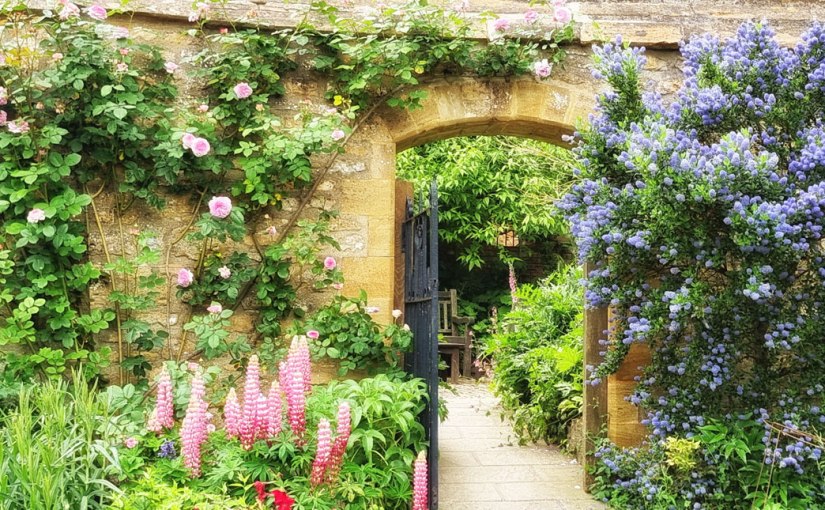
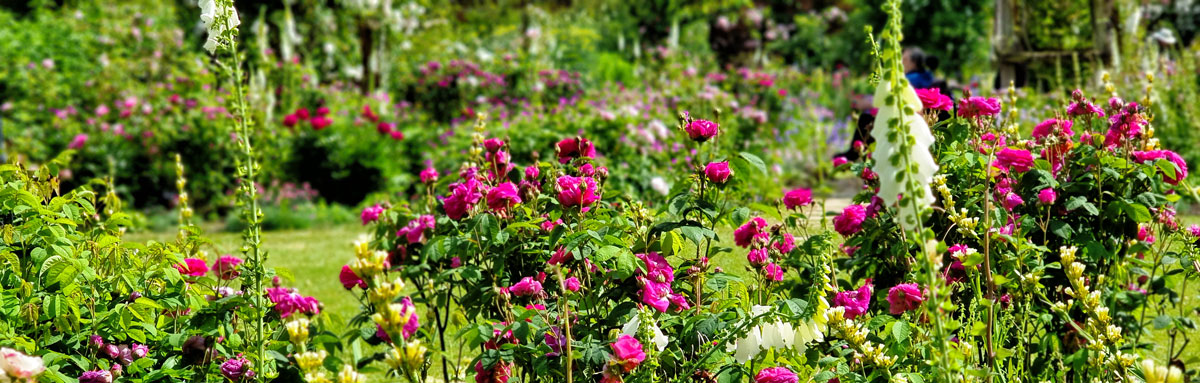
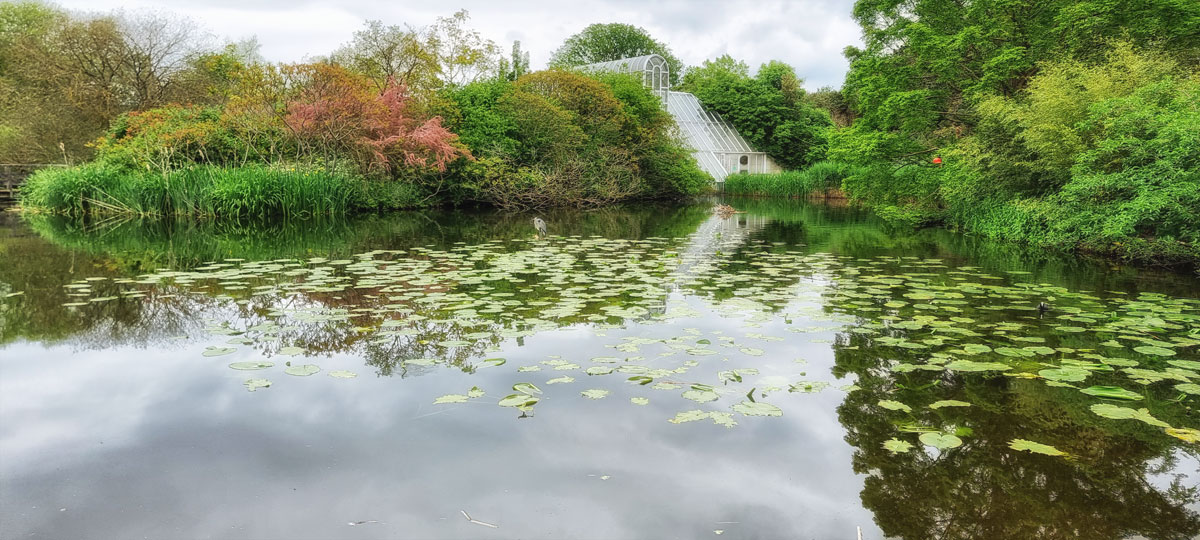
I like to visit other gardens for many reasons. Combining a walk in pleasant surroundings is one. Having a nosey around small gardens to pick up ideas of what might work in my own is another. Large estates often have stunning vistas too. Then there are the design features, colour combinations to copy, unusual plants to admire, tiny details picked up through the camera lens, a walled garden, a fragrant garden, an edible garden, a secret garden to explore, gardens to relax in and listen to nature: mindfulness.
Colours to admire
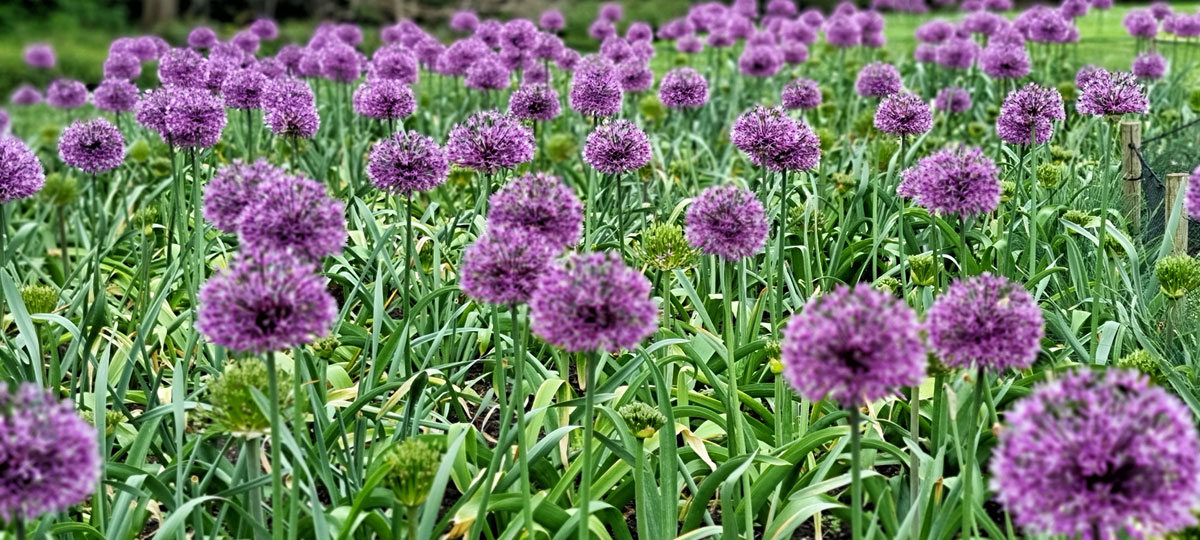
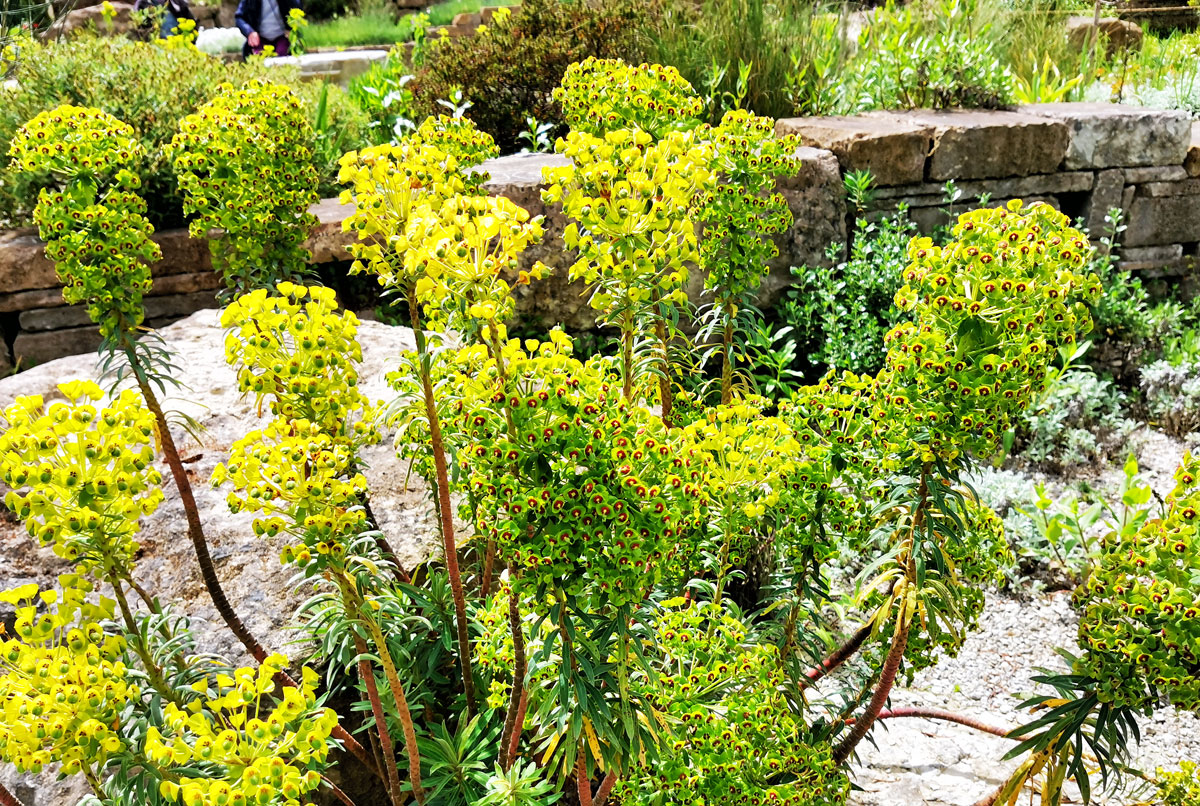
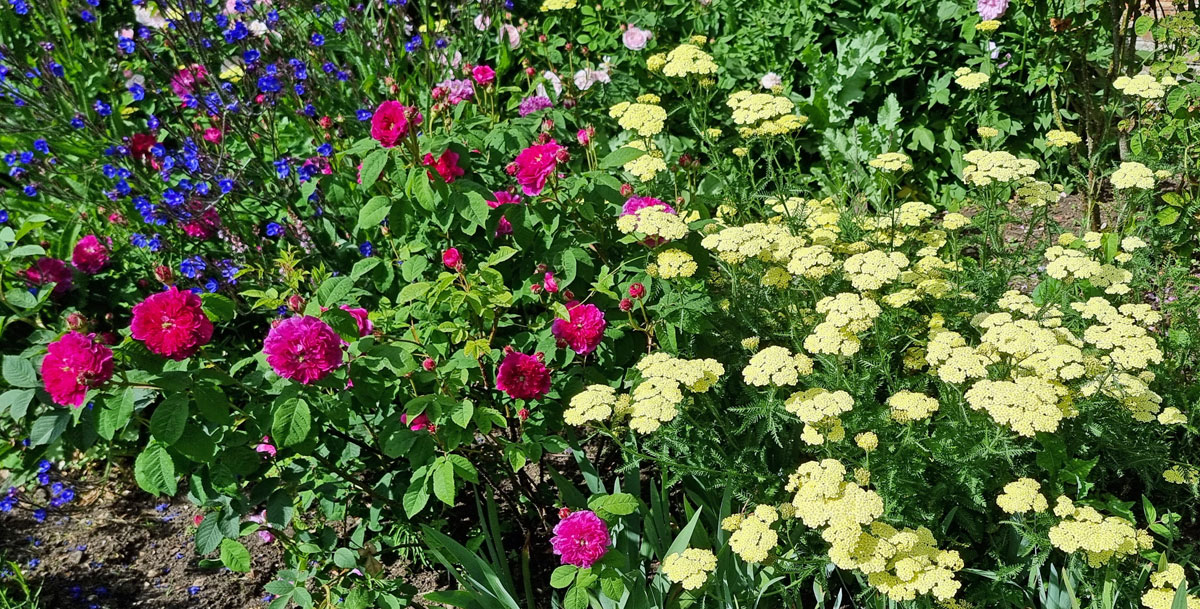
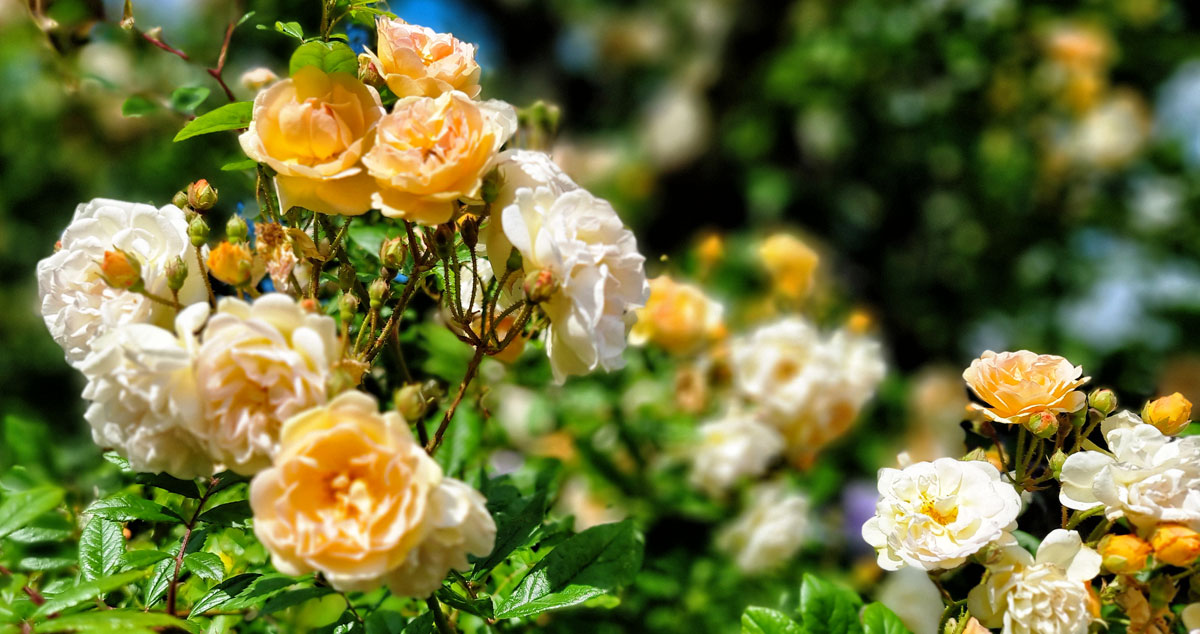
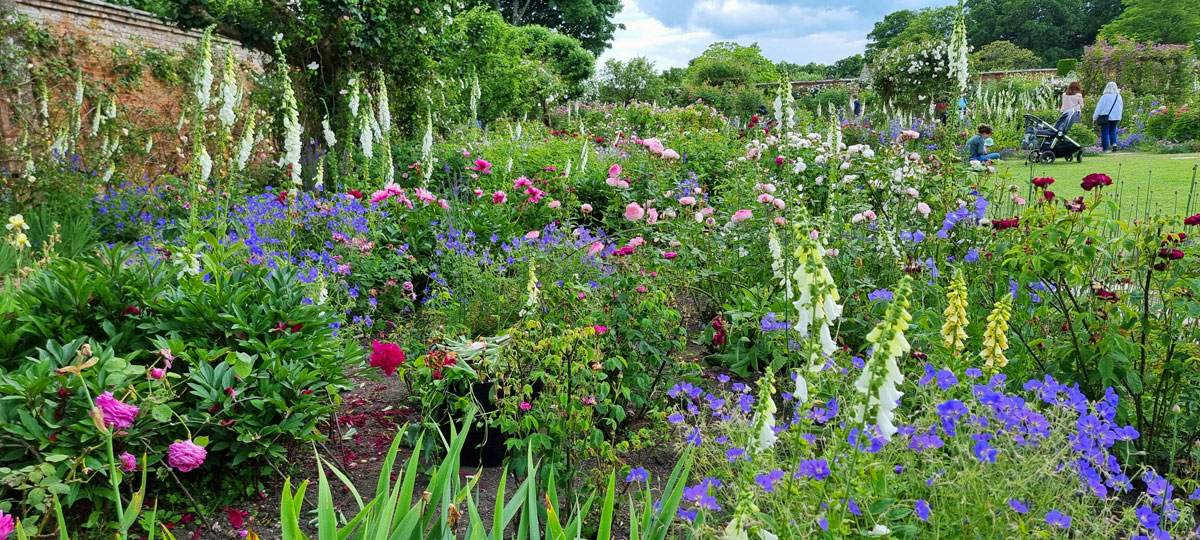
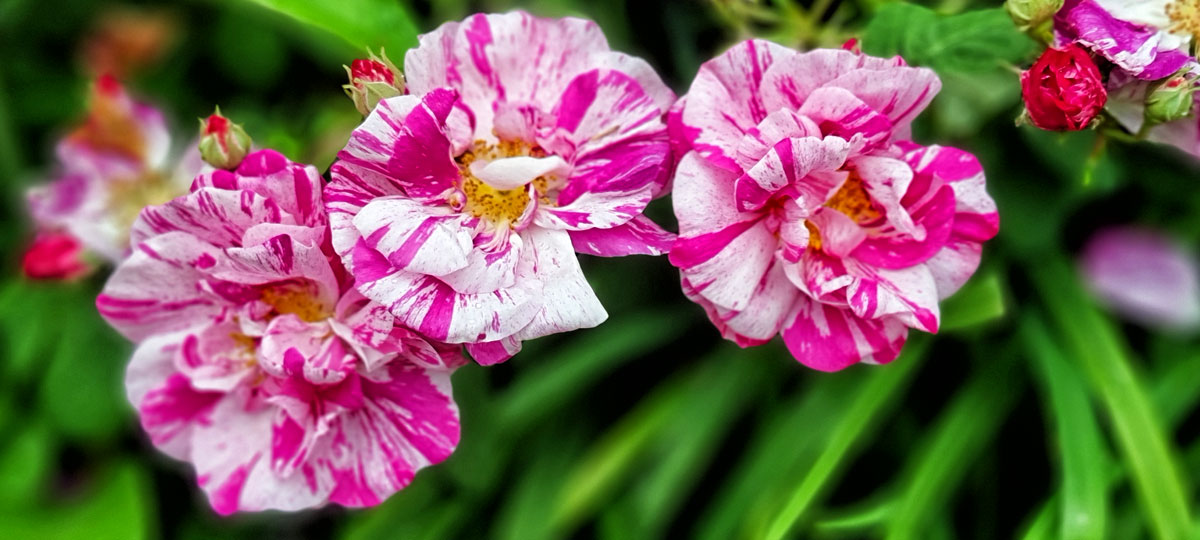
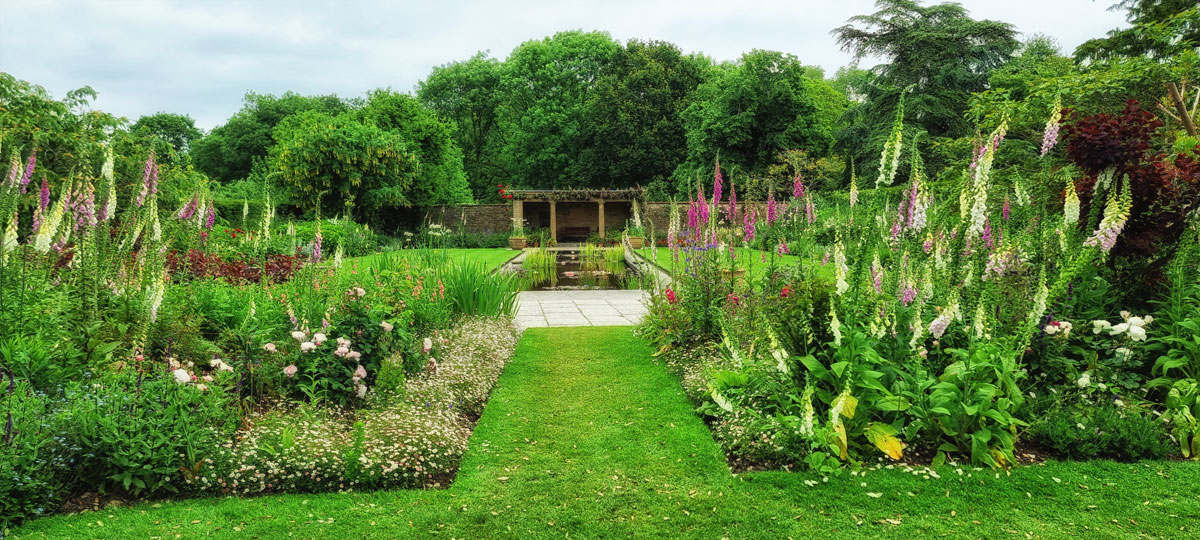
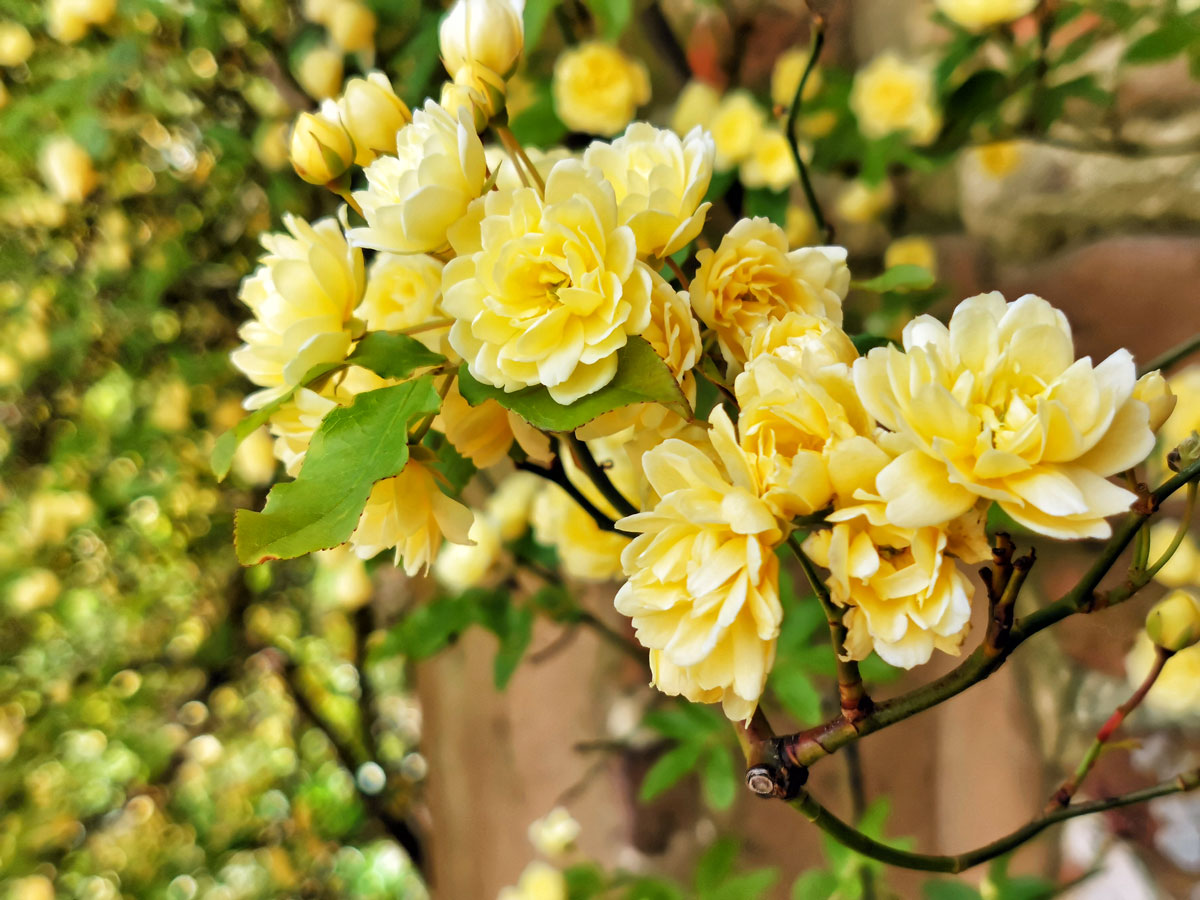
Alliums at Kew Garden, May 2024Euphorbia in the Delos garden, Sissinghurst, May 2024Roses and Achillea and Bugloss at Mottisfont, June 2024Ghislaine de Feligonde (Musk rose)Roses and foxgloves and hardy geraniums at Mottisfont, June 2024Rosa Mundi (Gallica var, officinalis ‘Versicolor’)Tintinhull Garden, Somerset – Pool garden with towering foxgloves. June 2024Rosa banksiae ‘Lutea’ at Sissinghurst
Design Ideas to inspire
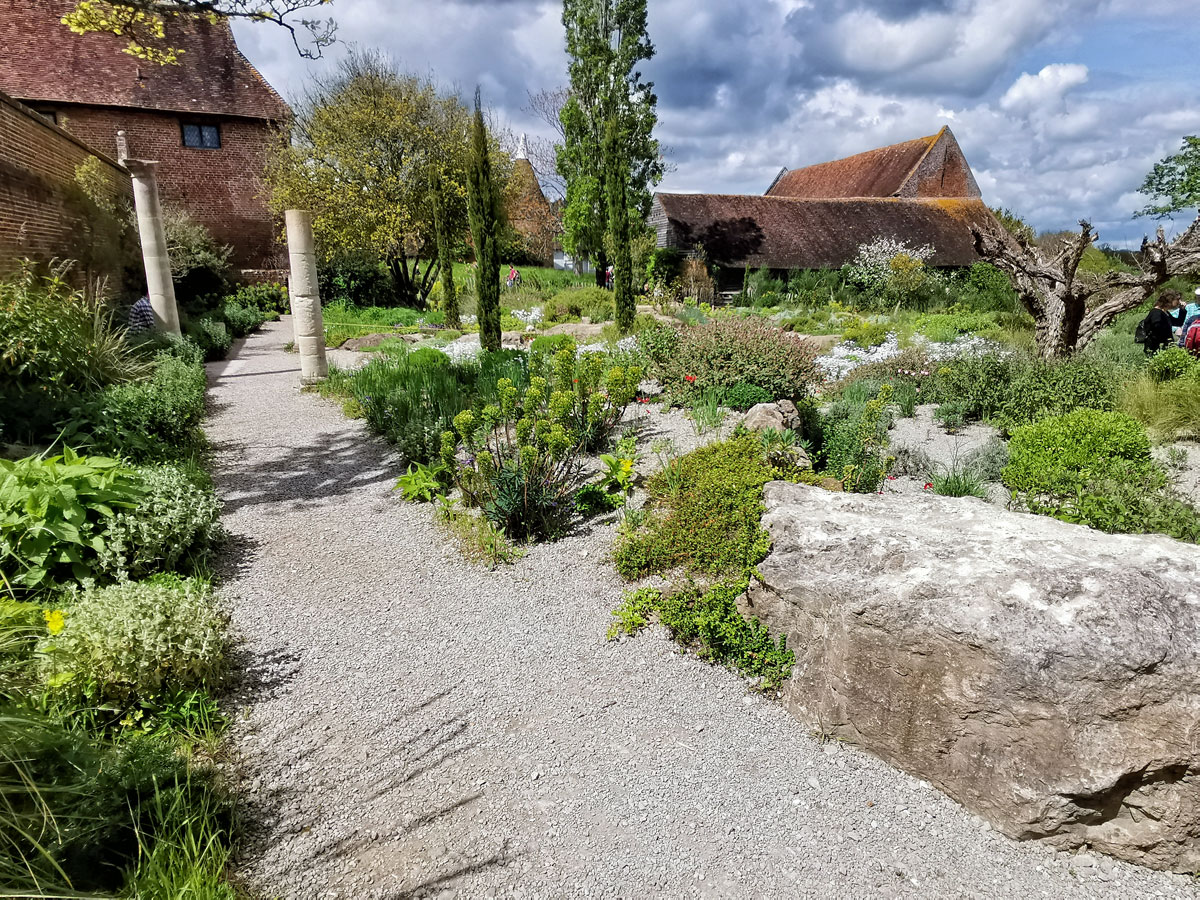
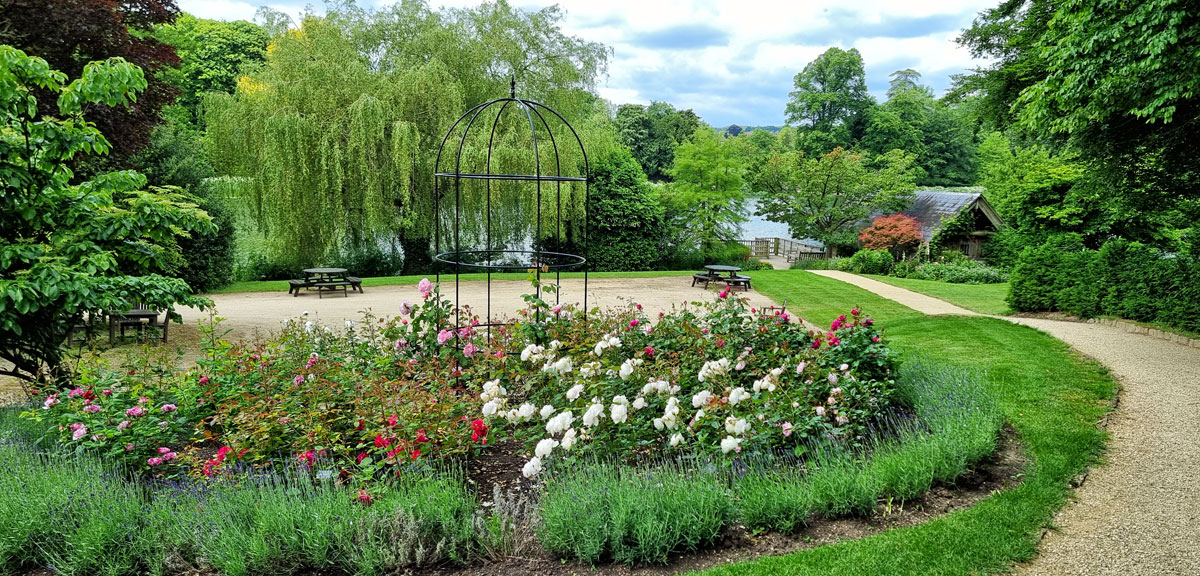
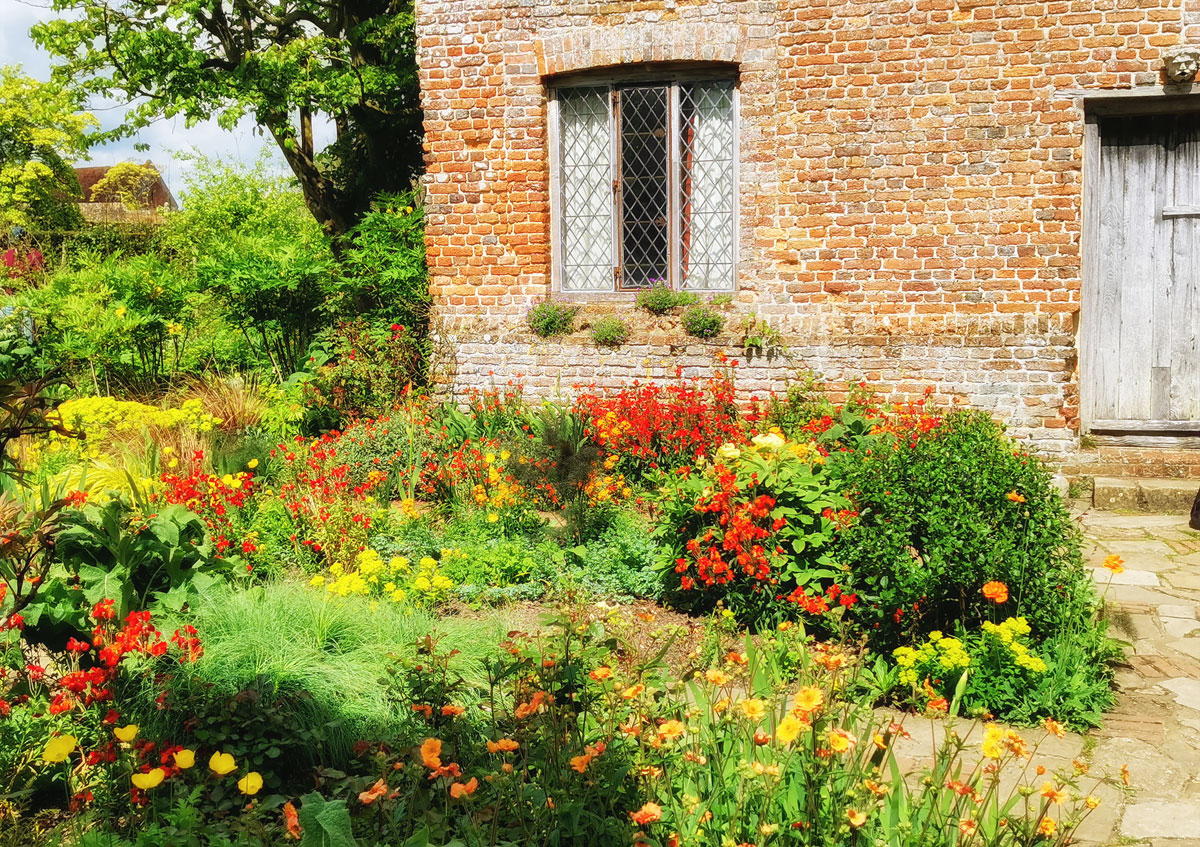
The new Delos-inspired garden at Sissinghurst Castle Garden in Kent, re-imagined from Vita and Harold’s original vision. May 2024Rose Garden, Sherborne Castle and Gardens, Dorset, June 2024Hot borders, Sissinghurst, May 2024
Vistas
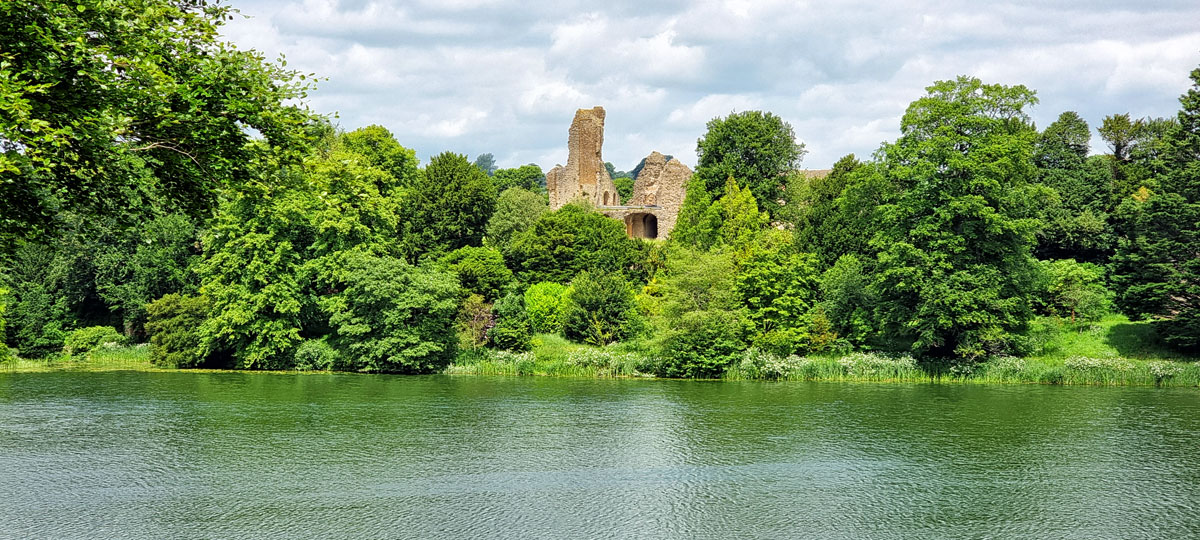
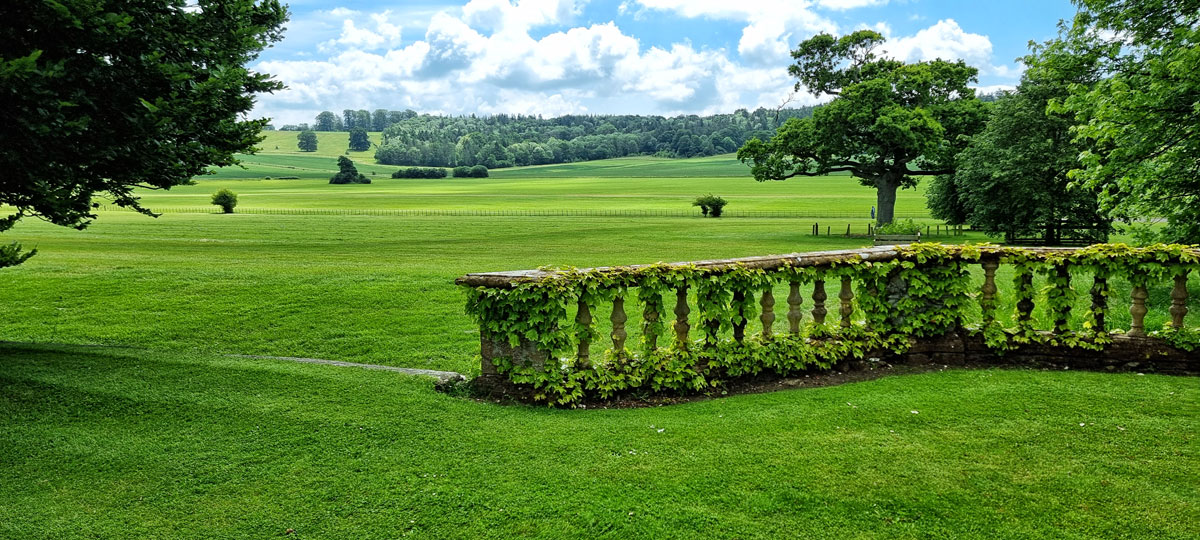
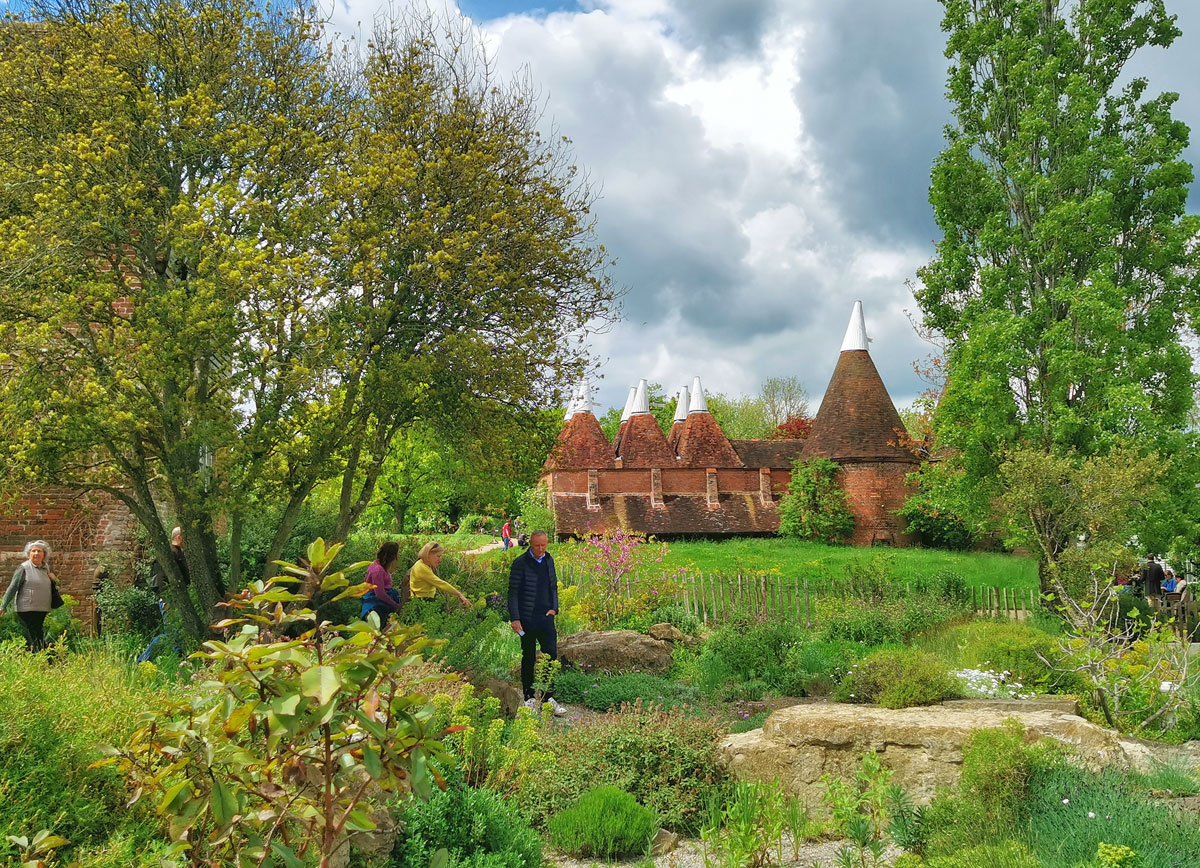
View of Sherborne’s Old Castle from Sherborne Castle and Gardens, Dorset, June 2024Sherborne Castle and Gardens, Dorset, June 2024Kew Garden, London, May 2024Oast Houses at Sissinghurst from the Delos garden, May 2024Cool, tranquil and calming aspect in Sissinghurst Castle Garden, May 2024
Somewhere to relax
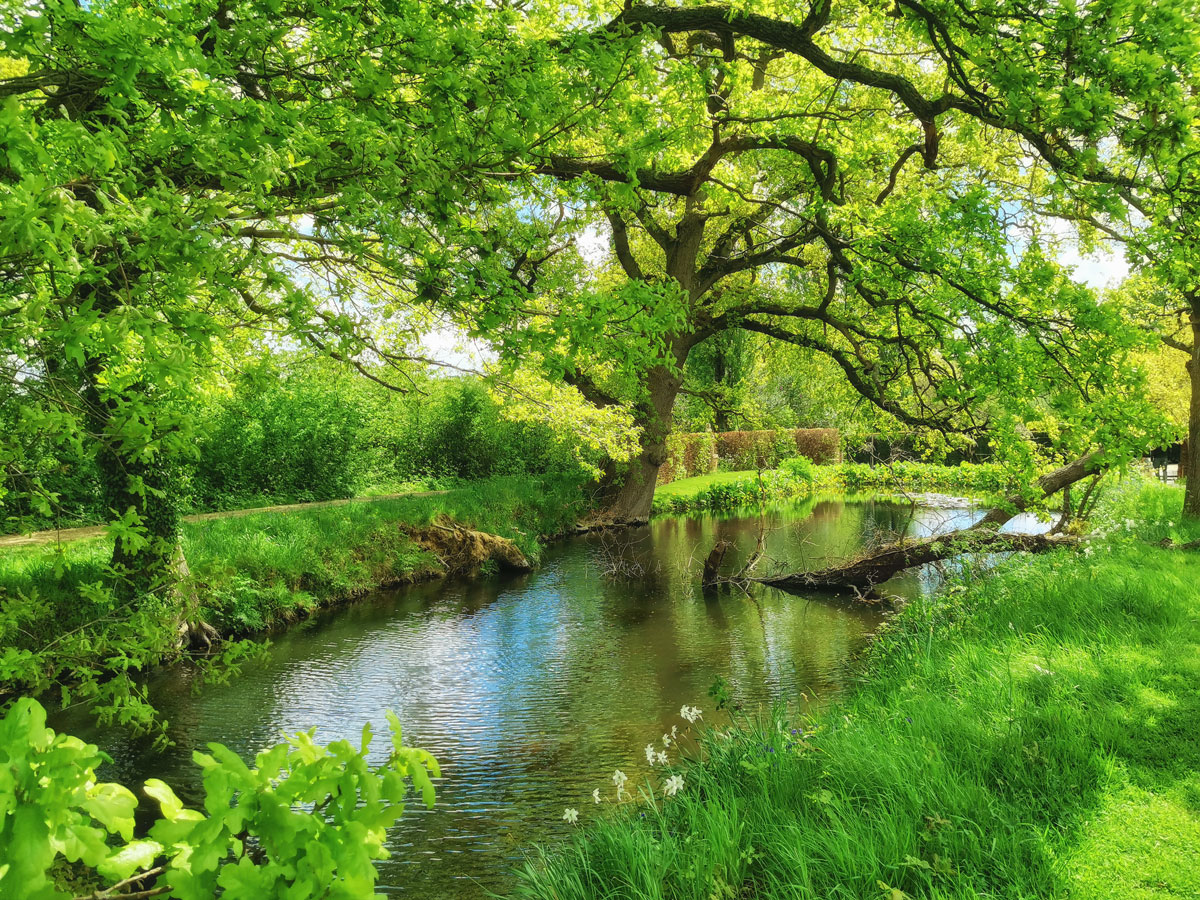
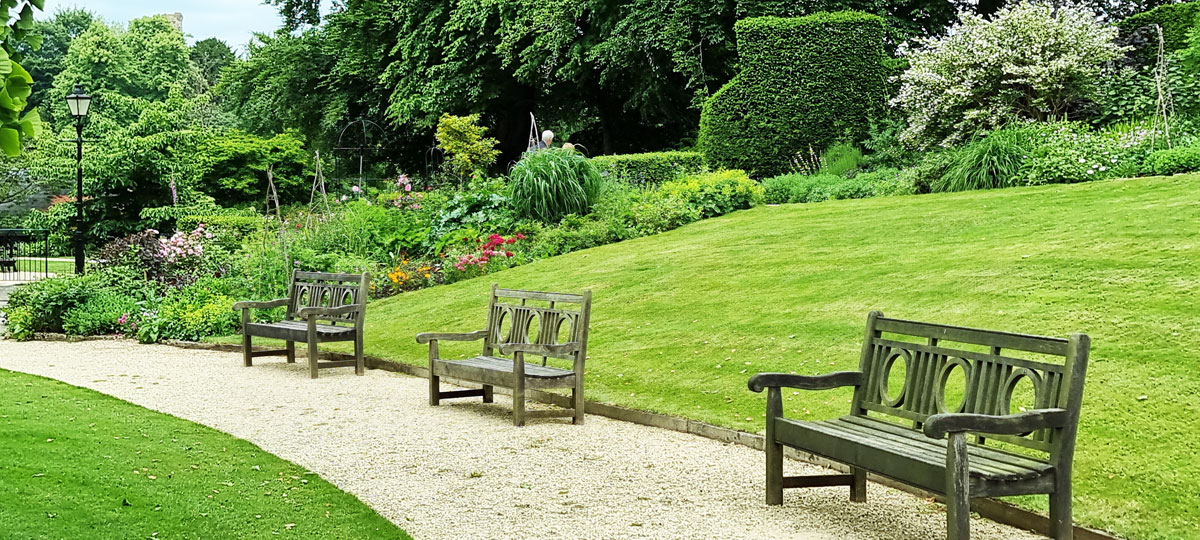
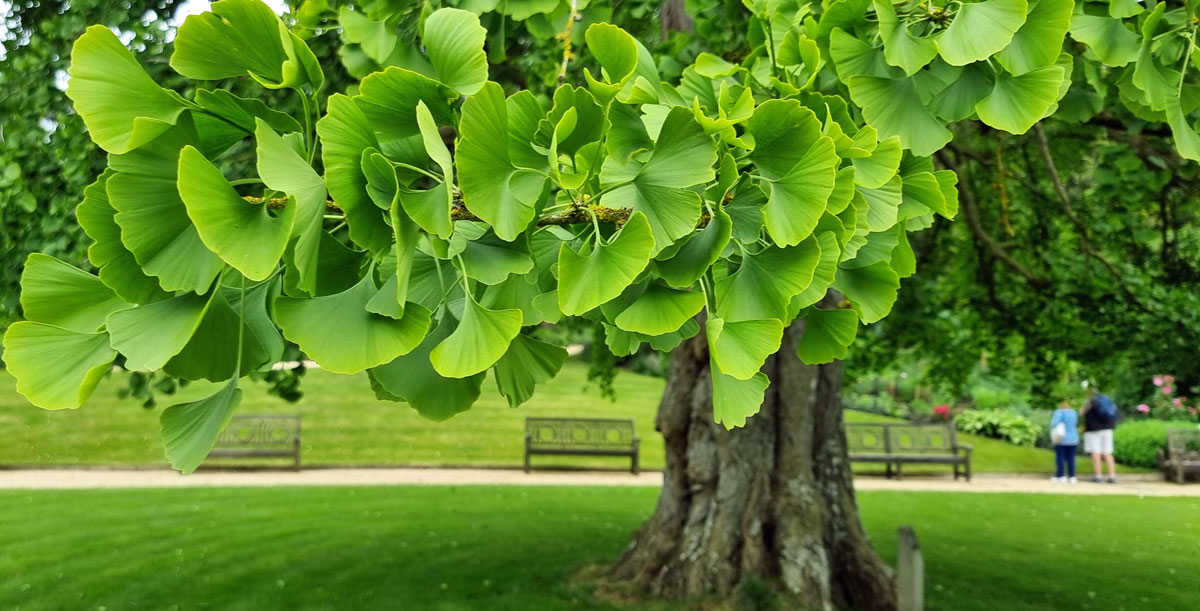
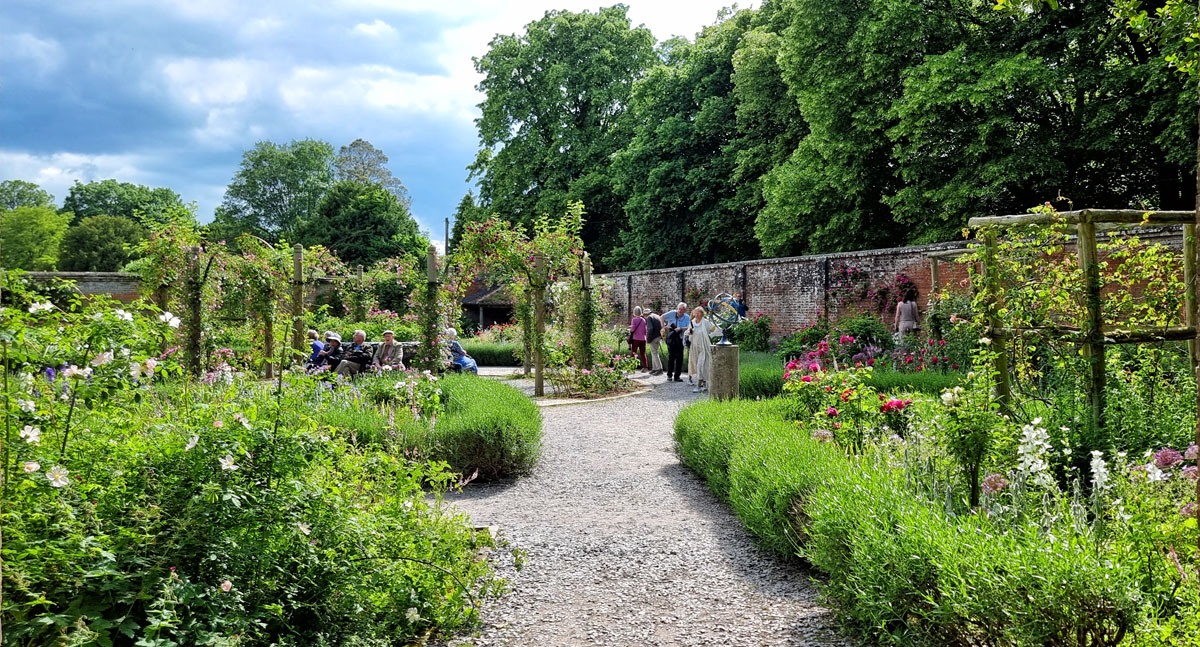
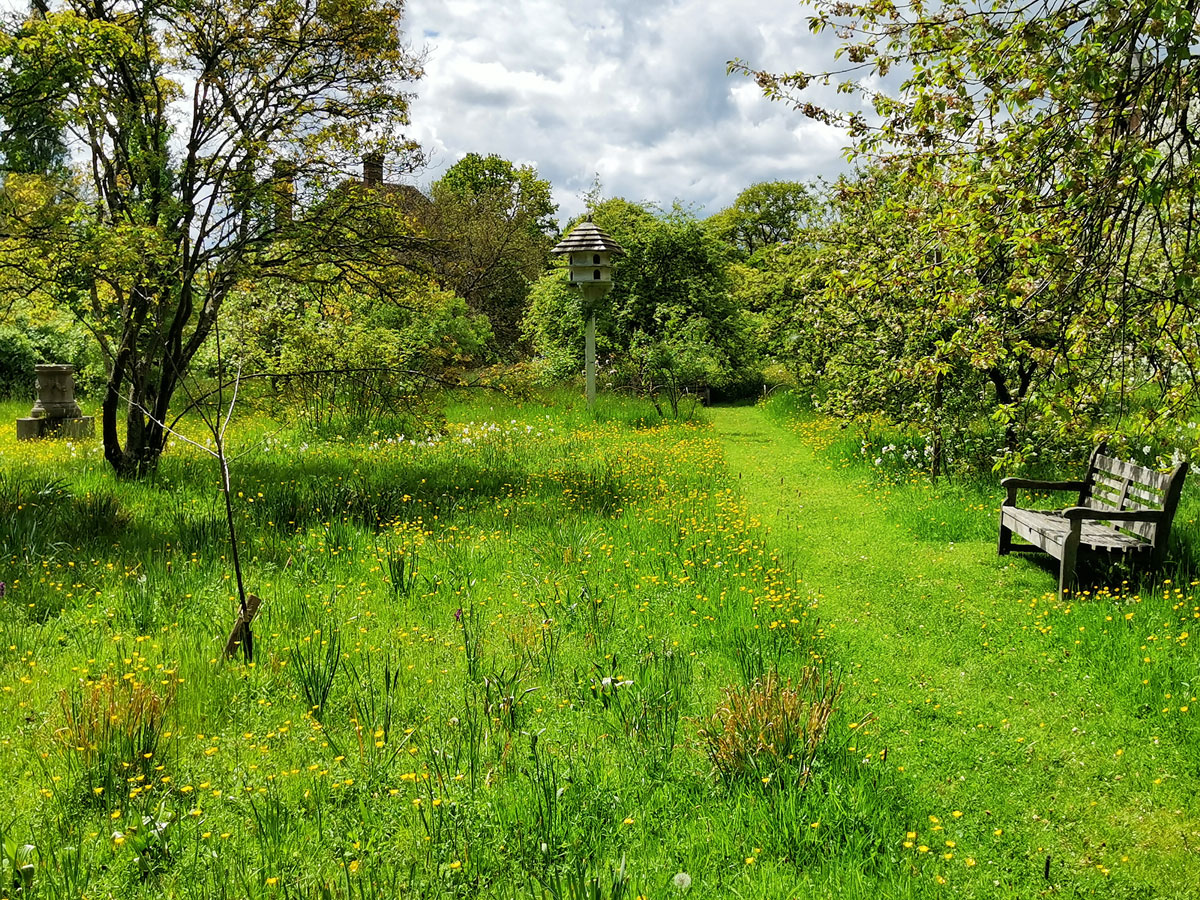
Sherborne Castle and Gardens, Dorset, June 2024Ginkgo Tree – Sherborne Castle and Gardens, Dorset, June 2024Relaxing in the walled garden at Mottisfont, Hampshire. June 2024Meadow and orchard in Sissinghurst Castle Garden, May 2024
The last words come from my favourite garden designer who says it much better than I can.
“I try for beauty and harmony everywhere, and especially for harmony of colour. A garden so treated gives the delightful feeling of repose, and refreshment, and purest enjoyment of beauty, that seems to my understanding to be the best fulfilment of its purpose; while to the diligent worker its happiness is like the offering of a constant hymn of praise.
For I hold that the best purpose of a garden is to give delight and to give refreshment of mind, to soothe, to refine, and to lift up the heart in a spirit of praise and thankfulness.”
~ Gertrude Jekyll (Wood and Garden)
[Leaf peepingis an informal term in the United States and Canada for the activity in which people travel to view and photograph the fall foliage in areas where leaves change colours in autumn, particularly in northern New England]
When I was teaching it meant holidays could only be taken during the school holidays when it was more expensive and busy. And I couldn’t tag on to the OH’s conferences either. Which is why during one October half term we decided to do a fly drive holiday to the eastern side of the USA and do a spot of leaf peeping.
New Hampshire Route 112 is a 56.39-mile-long east–west state highway in northern New Hampshire. The highway winds across the state, connecting Bath to Conway through the heart of the scenic and mountainous White Mountain National Forest. The Kancamagus Highway is a portion of NH Route 112 spanning east to west from Lincoln to Conway. The 34.5-mile drive is a recognised National Scenic Byway.
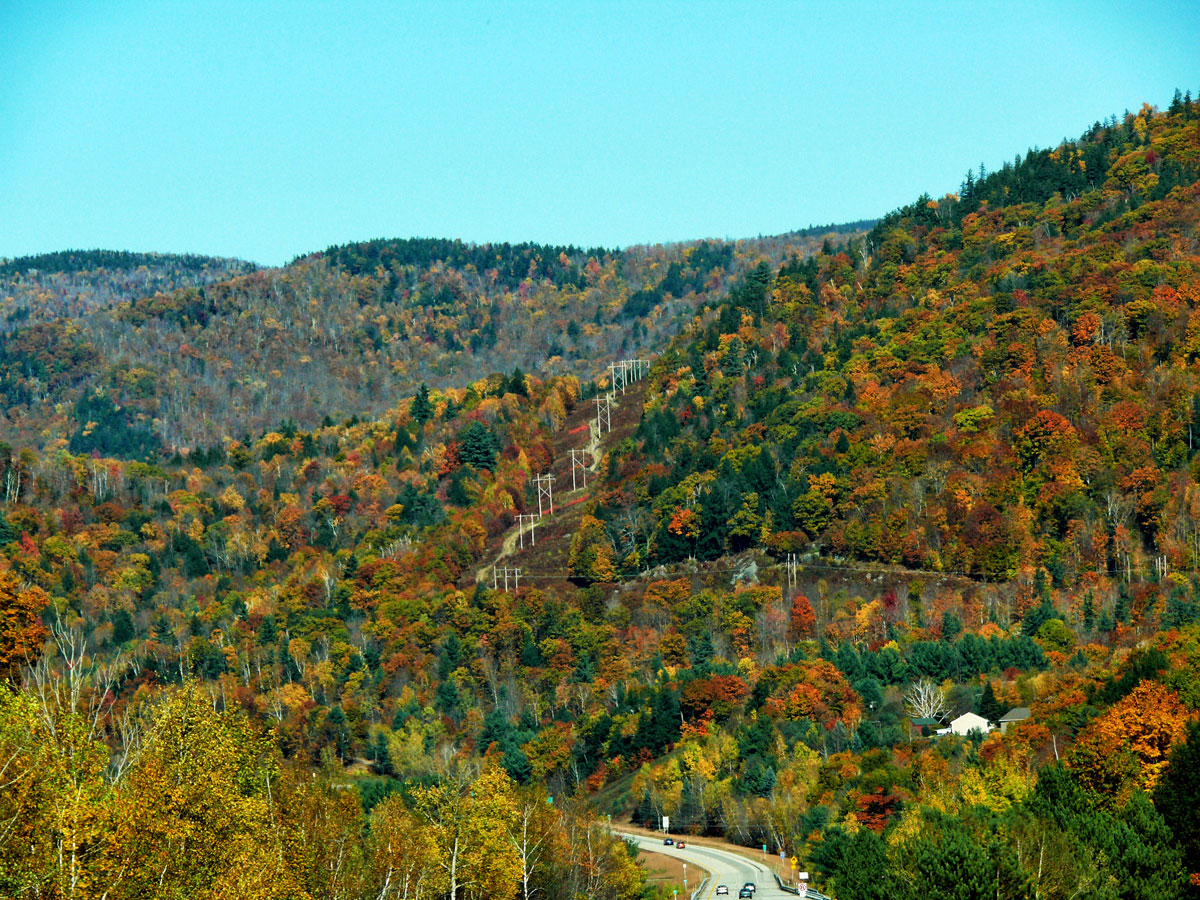
Our first day in the White Mountains was sunny and warm so we took the opportunity to drive from our hotel to Conway and to Bath. It’s a route that is well known as one of the best Fall Foliage viewing areas.
“The Kanc” takes you through a route cut through the White Mountain National Forest with breath-taking views of the White Mountains, the Swift River, Lower Falls, Rocky Gorge and Sabbaday Falls. There are no hotels or resorts or even gas (petrol) stations to spoil this wonderful landscape, though you’ll find them at either end of the Kanc and there are several camping grounds along the route as well as rest rooms.
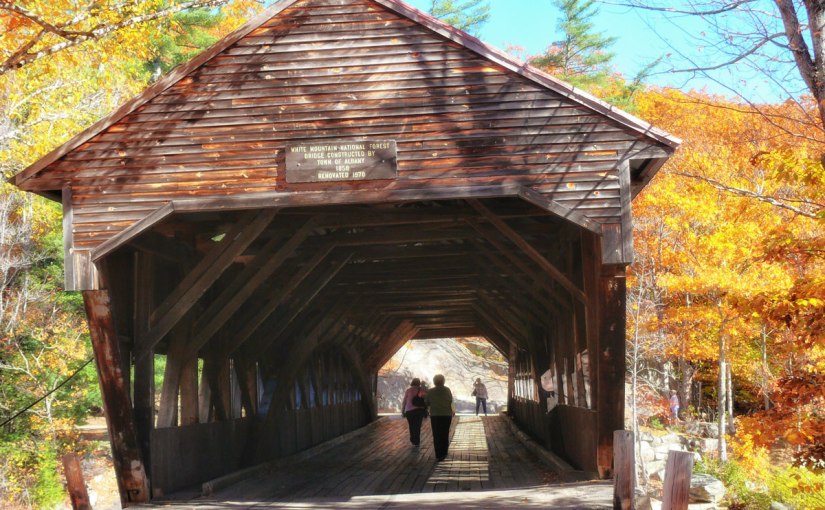
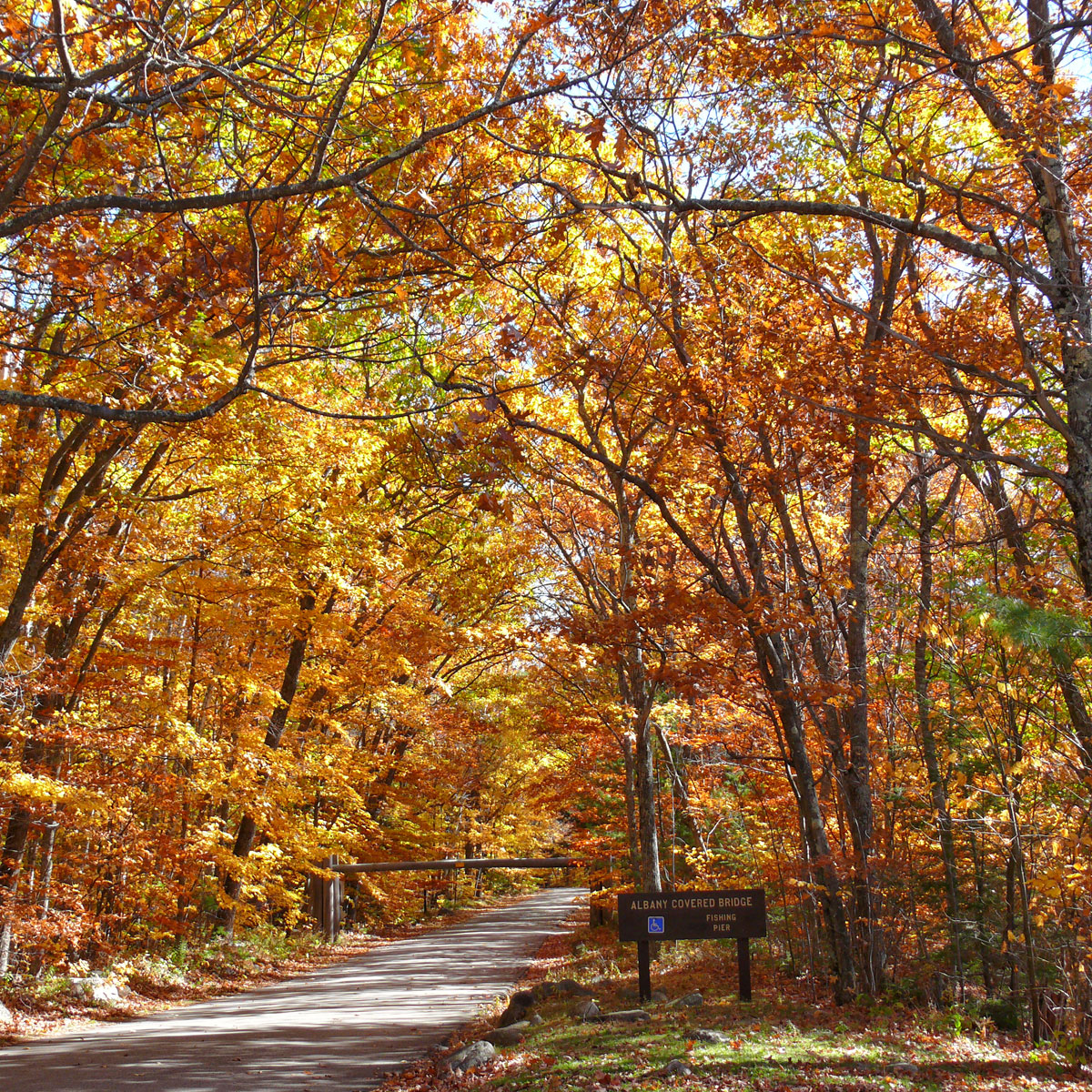
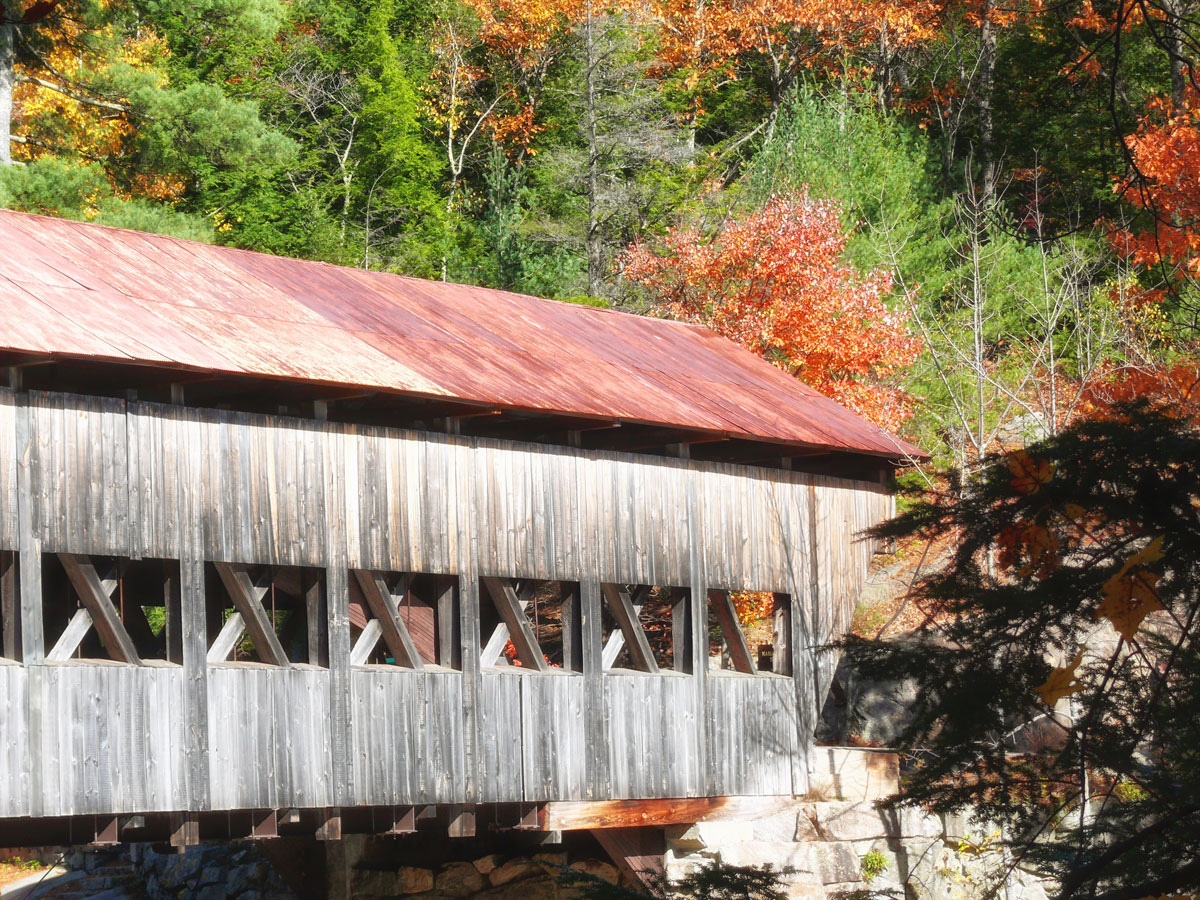
Albany Covered Bridge
Albany covered bridge
Built in 1858, the Albany Covered Bridge spans the Swift River. The bridge is 120 feet long. The construction is a Paddleford truss with added arches. The bridge leads to a camping ground but it should be noted that there is a 7’ 9” height restriction for vehicles using the bridge. And it is closed during the winter months to traffic. Several hiking trails can be found in the White Mountain National Forest area.
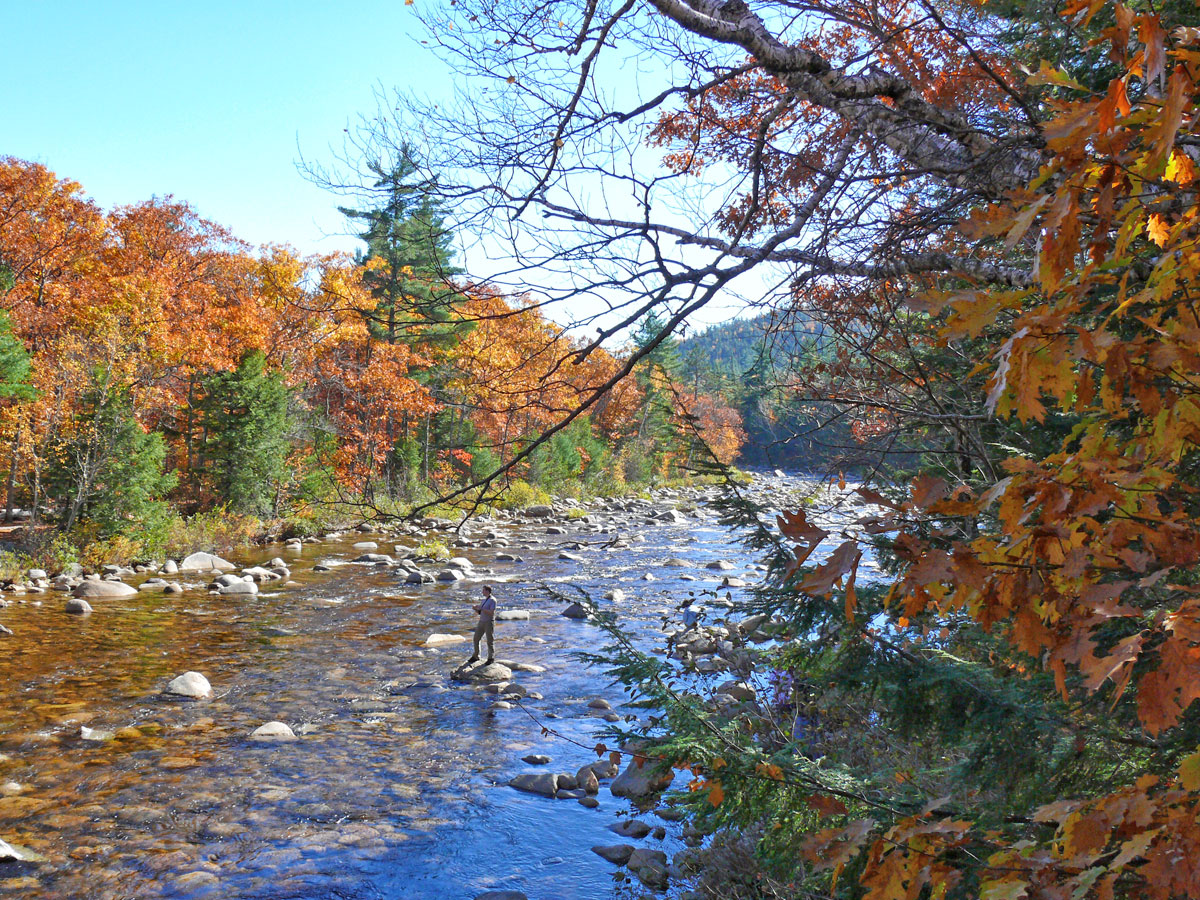
The Swift River
Rocky Gorge
About 10,000 years ago, a mile high sheet of ice covered Rocky Gorge and all of the White Mountains. When it melted, torrents of glacial melt water started the process of carving Rocky Gorge creating a waterfall over thousands of years of melting water and erosion.
From the parking lot, it is a short and easy walk along the Swift River that takes you over a over a foot bridge across the Swift River. You can stand directly above the gorge for viewing and photos. Swimming is not allowed because of an unusual event that occurred in 1942 when a young woman was trapped under the falls for 3 hours.
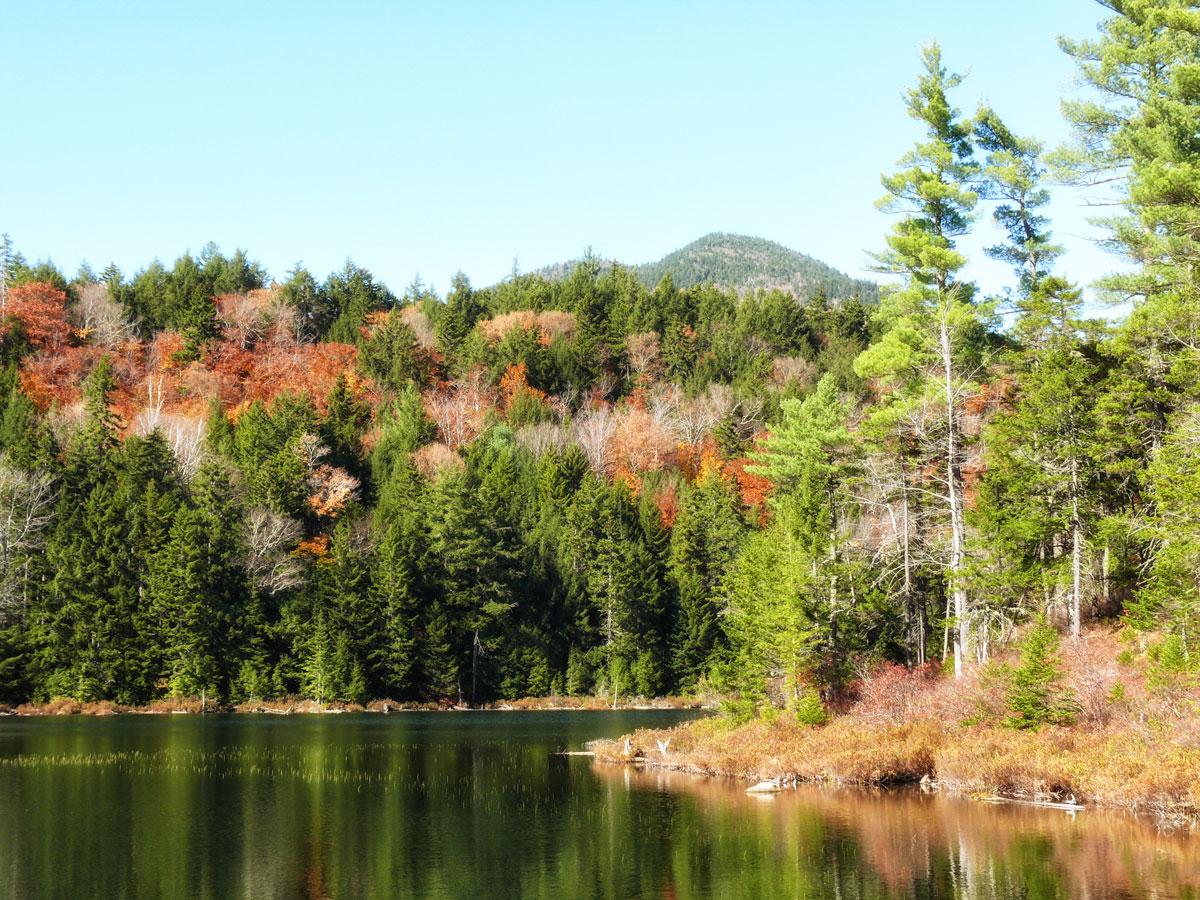
Just up the trail from the footbridge is Falls pond a picturesque pond surrounded by the dense White Mountain National Forest.
Sabbaday Falls
Sabbaday Falls has a gravel pathway that leads you to the edges of the falls. Swimming is not allowed at Sabbaday Falls.
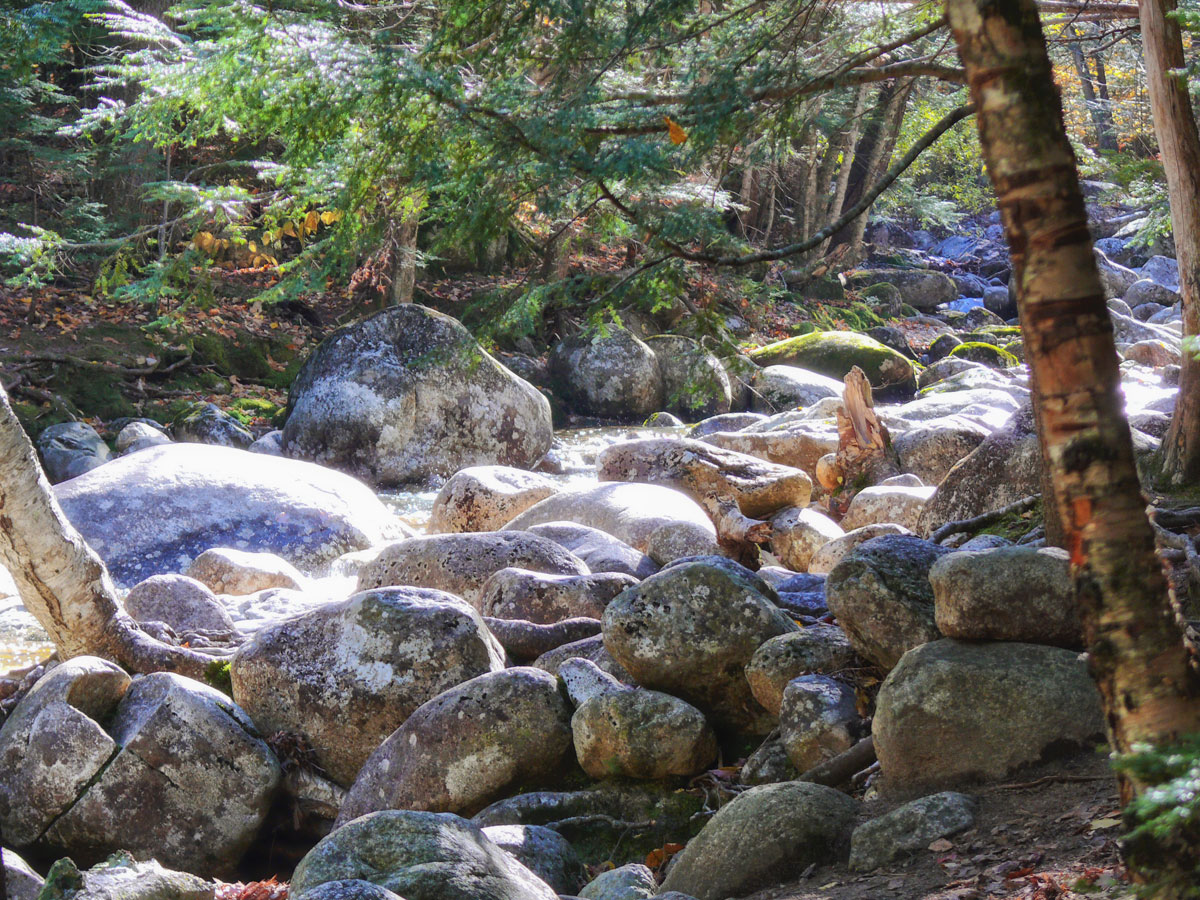
The rounded rocks here reminded me of the Mossman River / Gorge in Queensland, Australia with its huge ancient granite boulders in the river.
Hancock Overlook
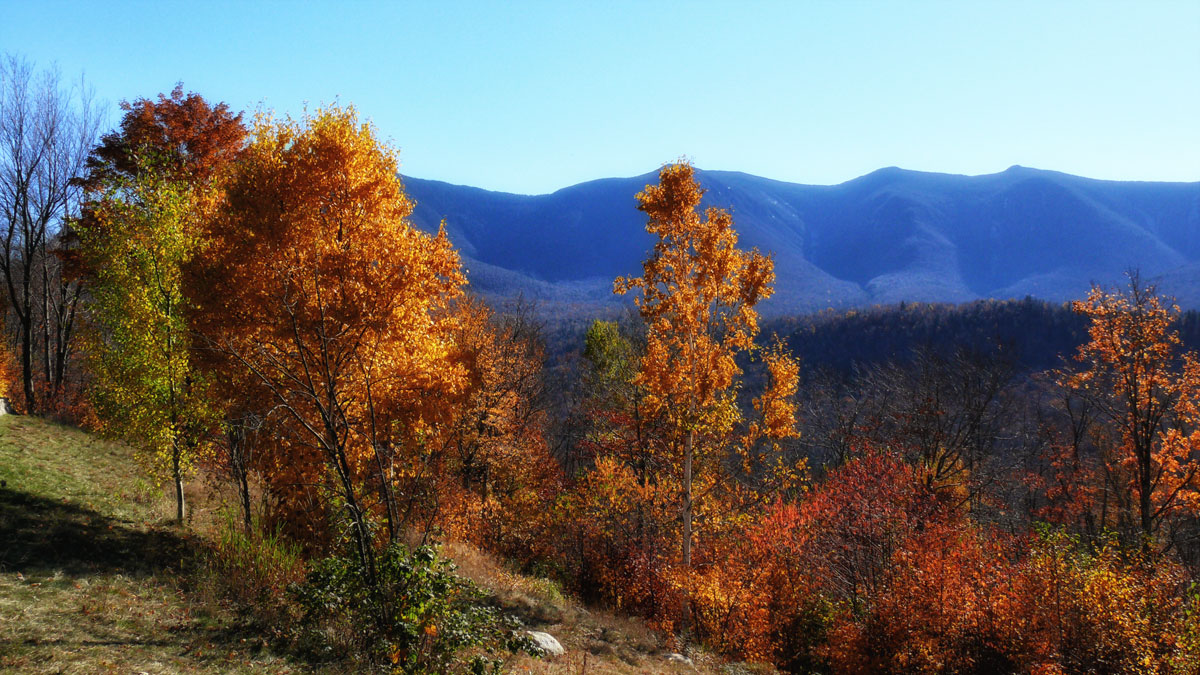
Views towards the Osceola mountains
The Kanc highway ends in Lincoln, where we stopped for yet another break. On the Lincoln NH side of the Kancamagus Highway, you will find Loon Mountain, which offers skiing in the Winter time and other activities year round.
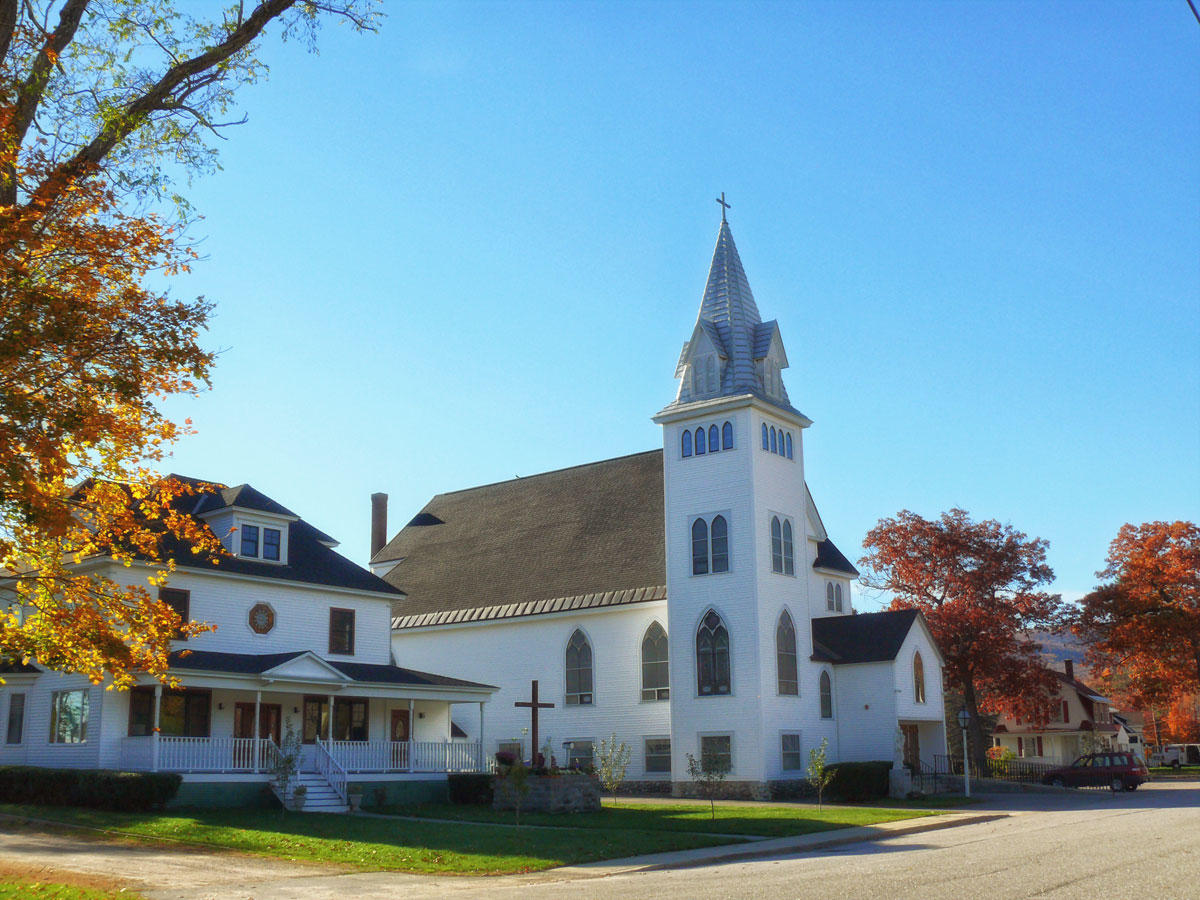
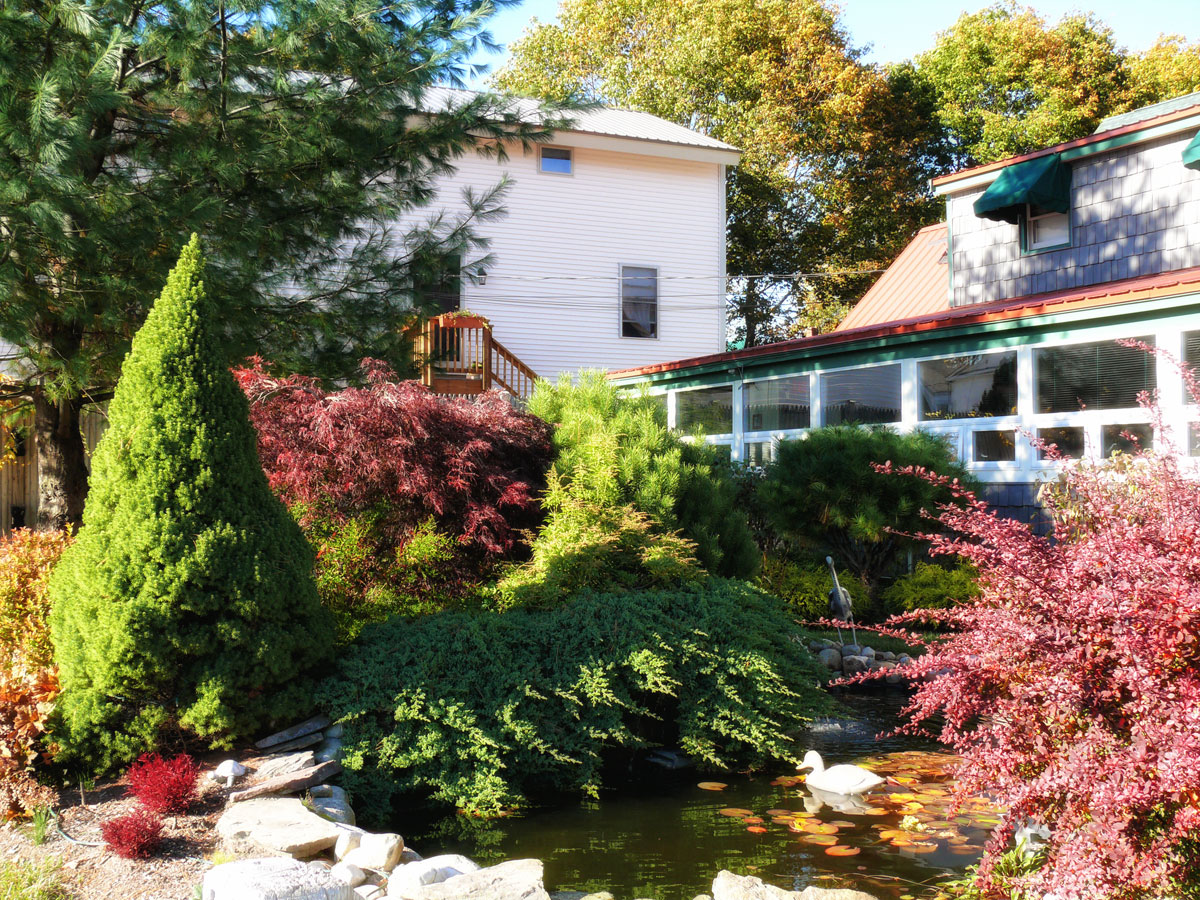
St Joseph’s in LincolnPretty Japanese style gardenUpper Pemigewasset Historical Society
We continued further west to Bath to see the covered bridge there. It’s on the 302 route so a very straightforward journey back to the hotel.
Bath
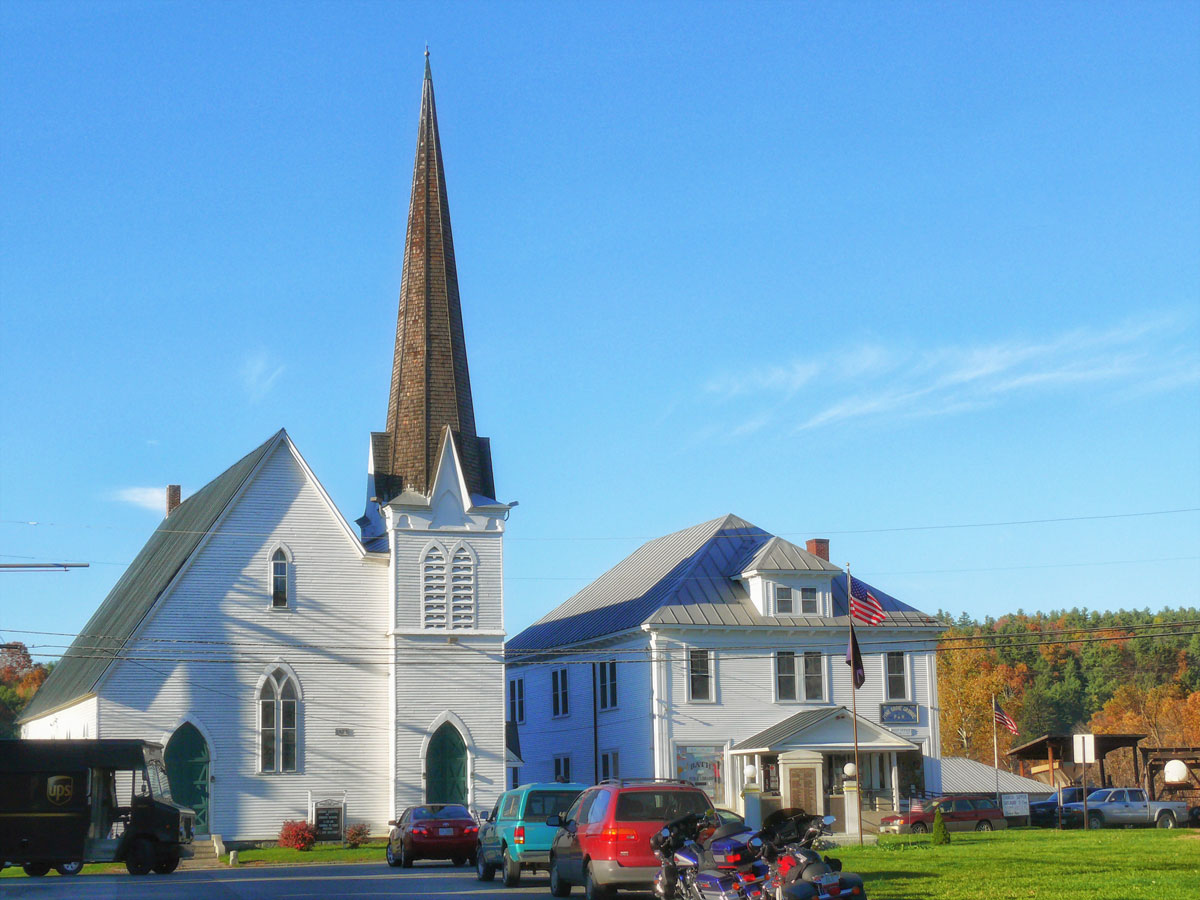
Bath Congregational Church and Public Library
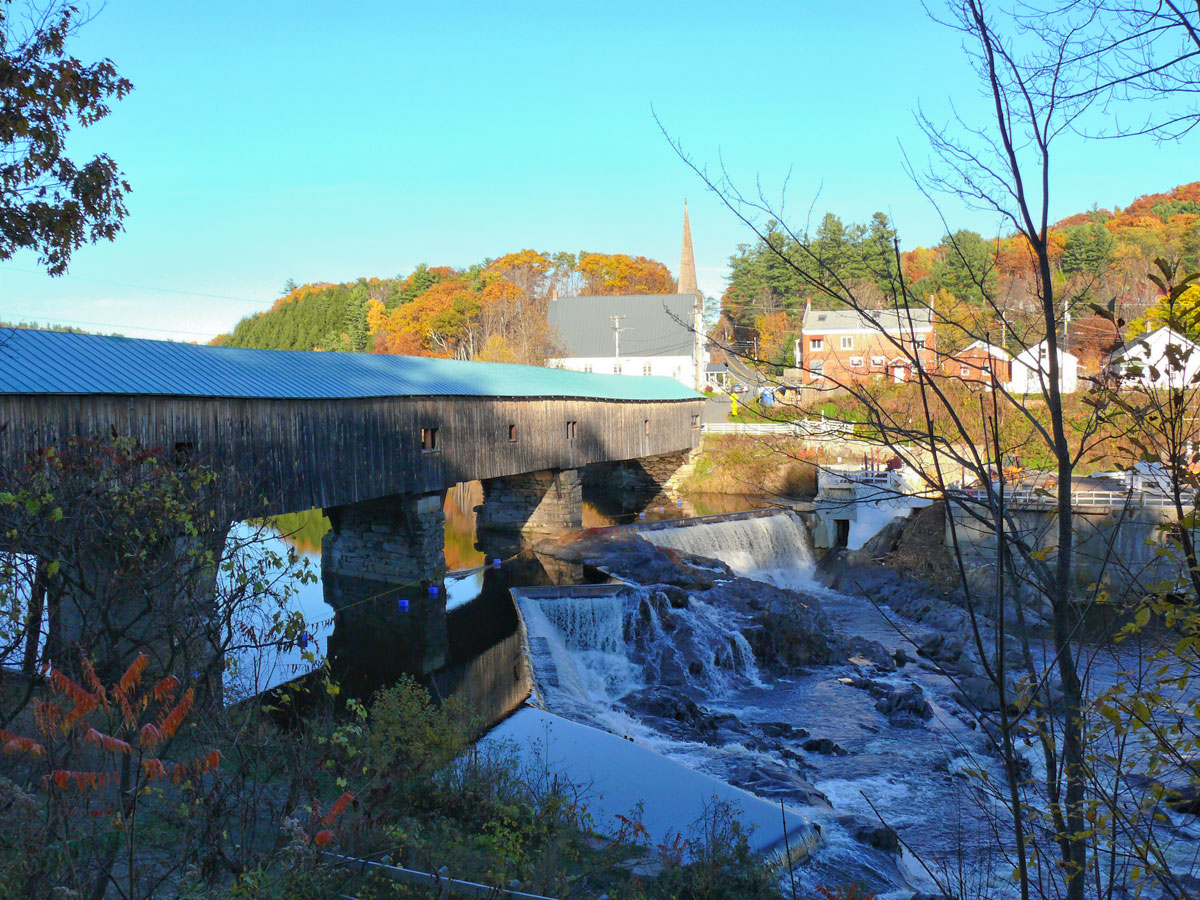
Bath covered bridge
The Bath Covered Bridge is a historic covered bridge over the Ammonoosuc River off US 302 and NH 10 in Bath, New Hampshire. Built in 1832, it is one of the state’s oldest surviving covered bridges. It was listed on the National Register of Historic Places in 1976, and underwent a major rehabilitation in the 2010s. (Wikipedia)
The bridge consists of four spans supported by Burr trusses, resting on stone piers and abutments, and is finished with vertical board siding.
Bath
The Kancamagus Highway does not lack its share of scenic views. There are a series of hairpin turns before the Kancamagus Pass, the highest point of elevation along the byway at 2,855 feet. There are plenty of overlooks and parking places from which you can enjoy awe-inspiring alpine and valley panoramas, with views from the height of land looking far out over the Pemigewasset River Valley to the west, Mad River Notch to the south, and down into Livermore and Passaconaway to the east (especially beautiful in the autumn colours), or perhaps you’d like to take one of the many hiking trails or walking paths to view picturesque ponds and natural wonders.
[Leaf peepingis an informal term in the United States and Canada for the activity in which people travel to view and photograph the fall foliage in areas where leaves change colours in autumn, particularly in northern New England]
When I was teaching it meant holidays could only be taken during the school holidays when it was more expensive and busy. And I couldn’t tag on to the OH’s conferences either. Which is why during one October half term we decided to do a fly drive holiday to the eastern side of the USA and do a spot of leaf peeping.
Break at Canterbury rest area
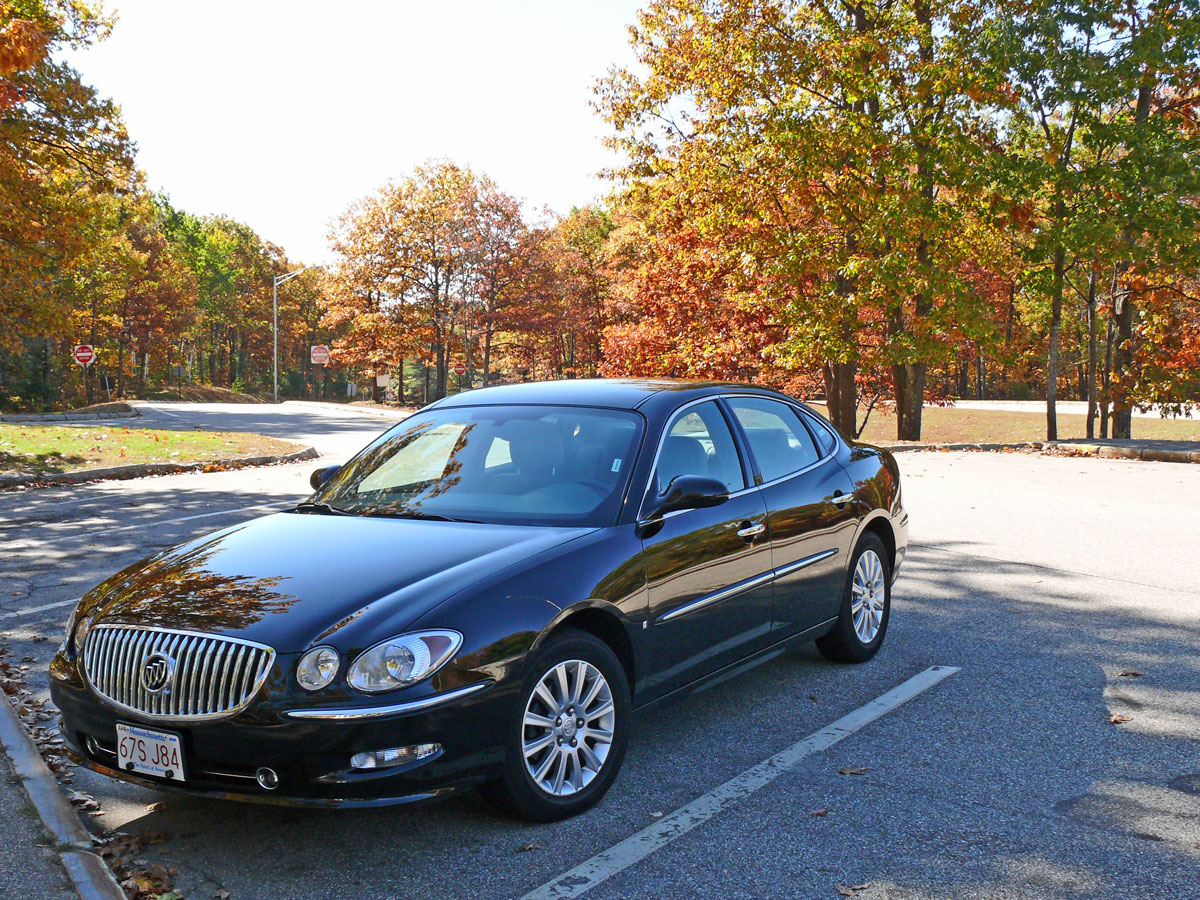
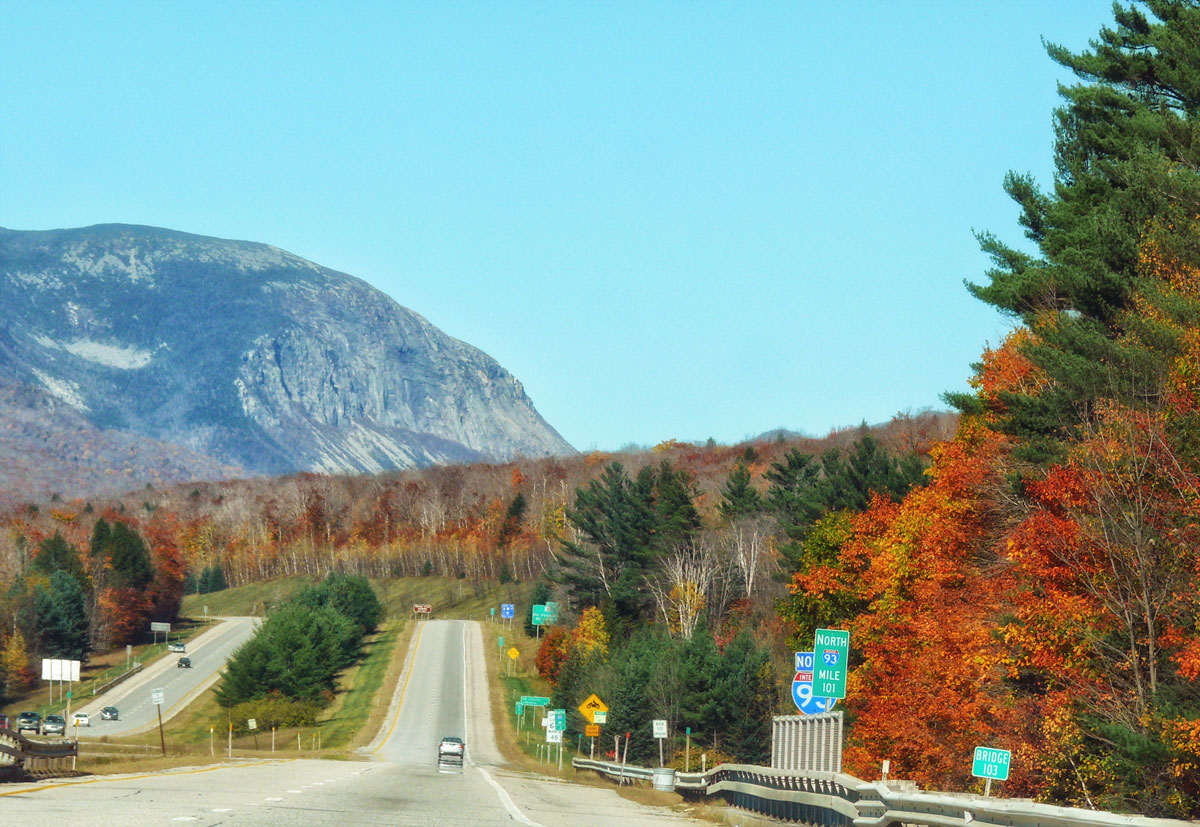
Collecting our hire car (a very nice black Buick) from Boston’s Logan International airport we headed north to the White Mountains in New Hampshire following the I93 as far as Franconia where we turned off onto the Daniel Webster Highway (3) before joining the 302 east to Bretton Woods where we were staying for a few nights at the Mount Washington Hotel resort. (3 hour drive without stops)
Highway viewsHighway views
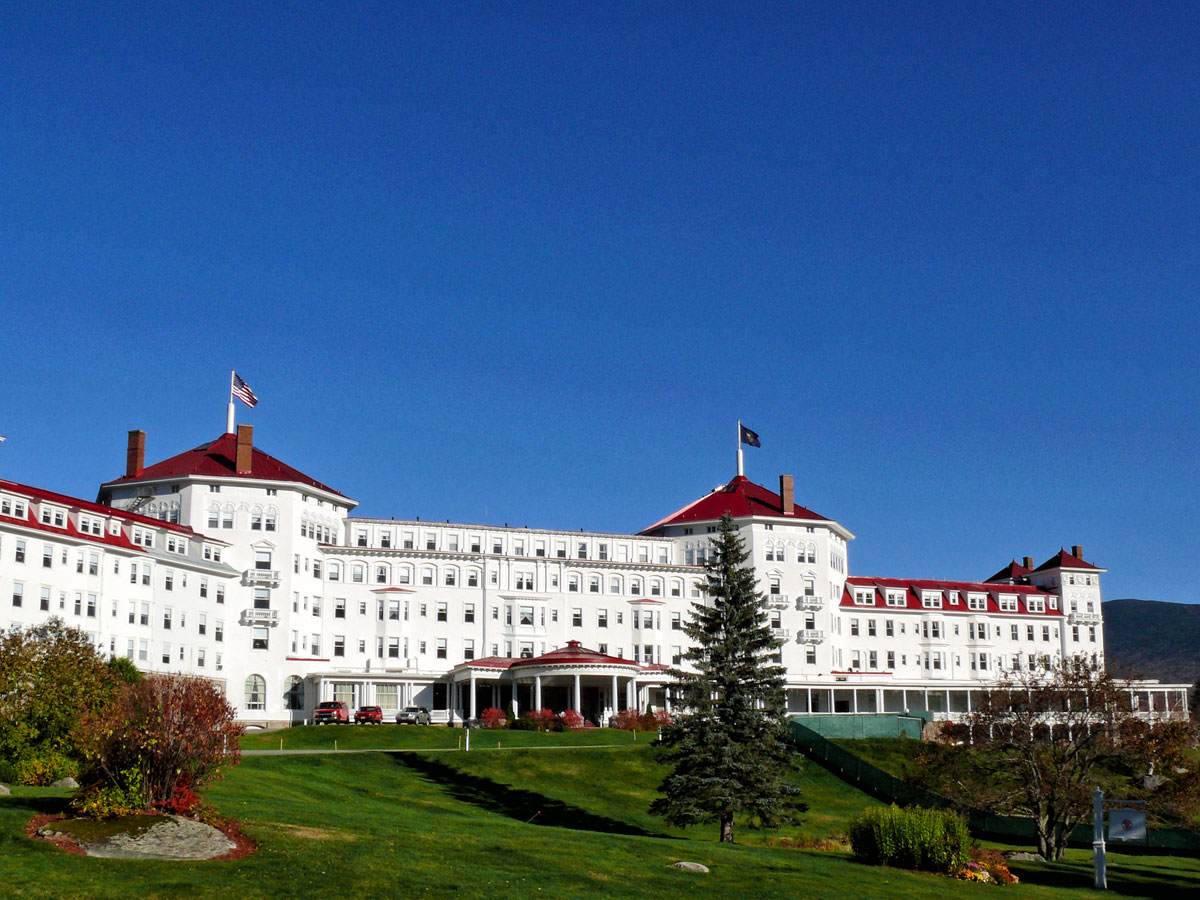
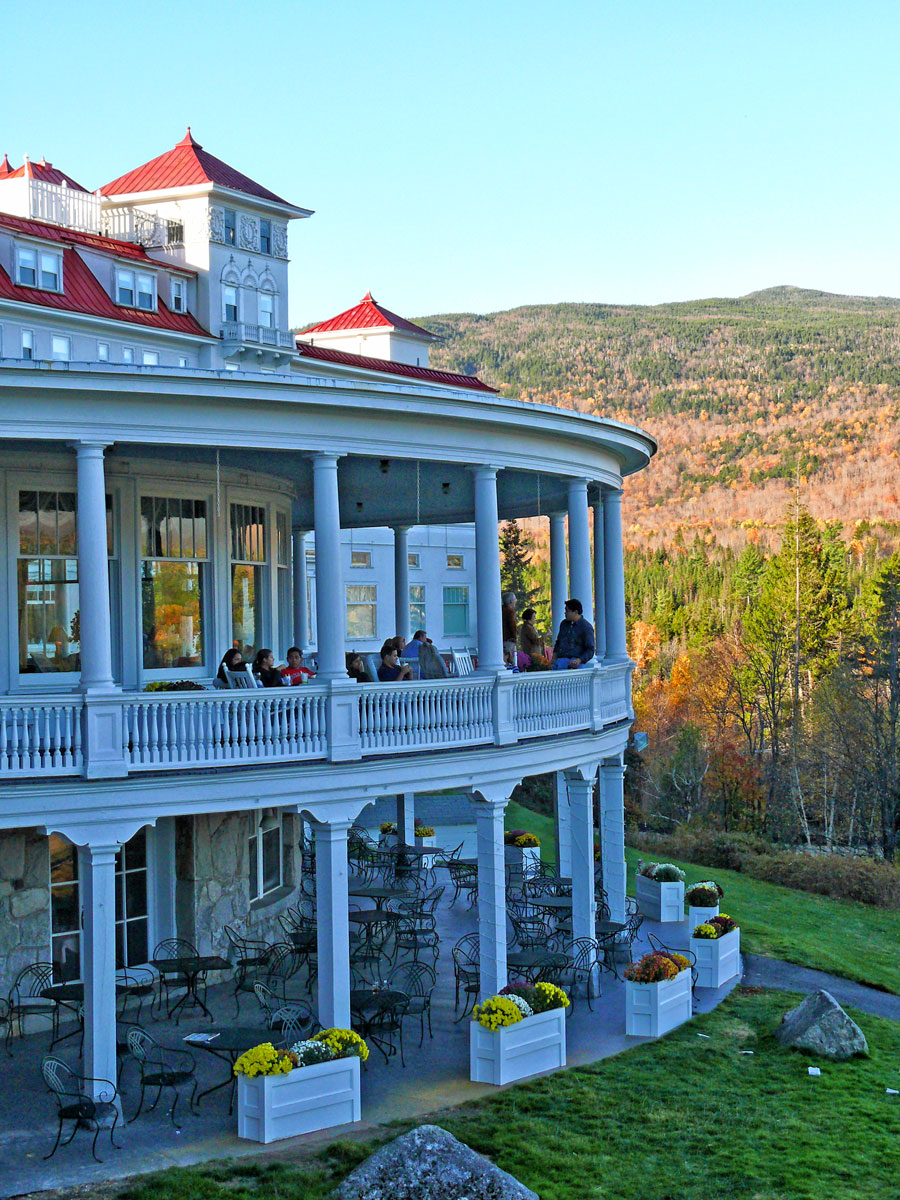
We didn’t stay at the hotel itself though we did go up to have a look around and enjoy a cocktail sitting on the balcony looking at the amazing views.
Mount Washington Resort Hotel
Conceived by New Hampshire native Joseph Stickney, the Mount Washington Hotel opened its doors in 1902 and immediately became one of New England’s premier resorts. The hotel welcomed guests from Boston, New York and beyond, and many families would stay for the entire summer with an entourage of staff and extended family, enjoying a respite from busy city life. It was designed by Charles Alling Gifford. In 1944, it hosted the Bretton Woods Conference, which established the International Monetary Fund and the World Bank. In December 2015, the hotel and the Bretton Woods Mountain Resort were purchased by Omni Mount Washington LLC
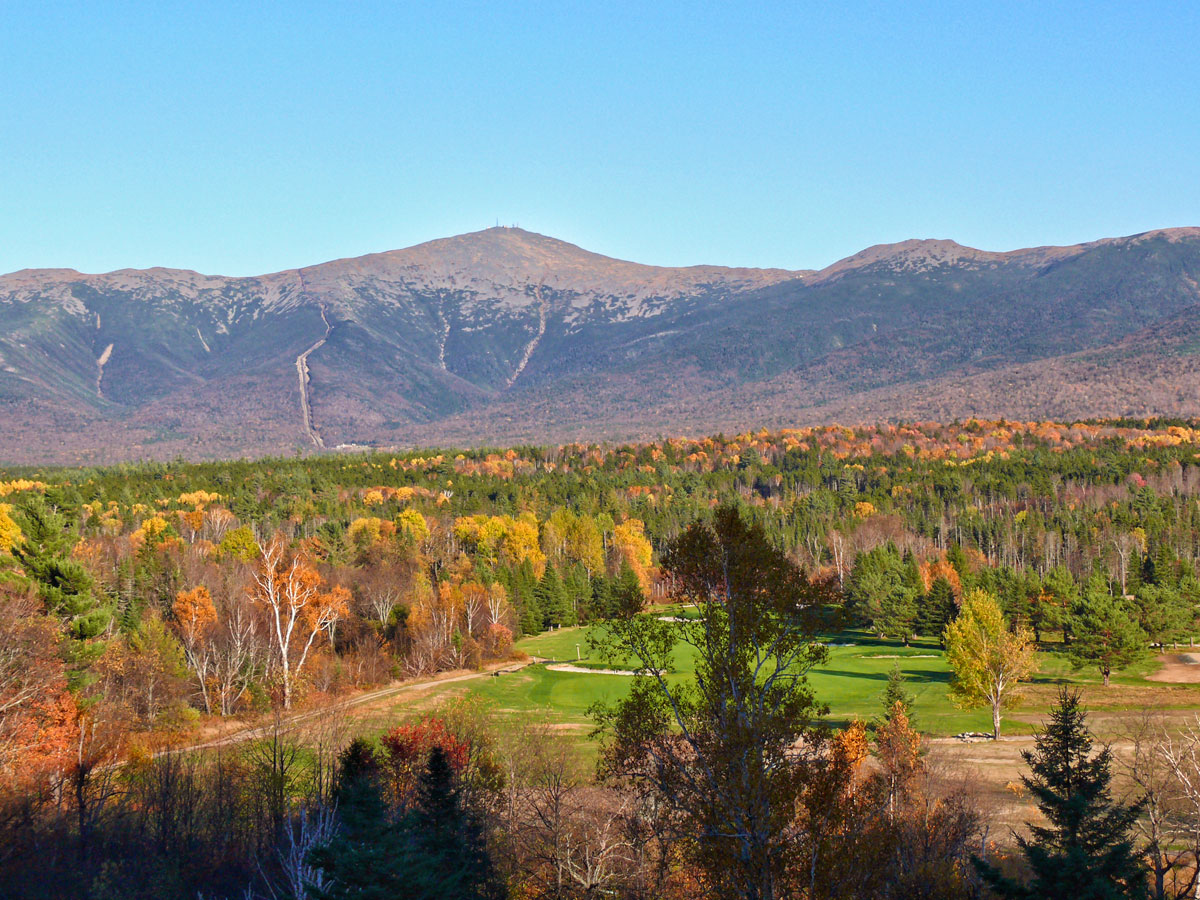
Views from the hotel balcony of the Mount Washington cog railway
Just off Rte. 302 in Bretton Woods is the Mt. Washington Cog Railway (base road entrance 27.8), the world’s very first mountain climbing cog railway. When the Cog Railway was first proposed, the New Hampshire legislature was so doubtful it could be completed that they gave the builder the right to build a “railway to the moon!” Today you can ride the Cog to the top of 6,288-foot Mt. Washington, as well as see “Old Peppersass,” the world’s first mountain climbing locomotive which reached the summit on July 3, 1869. (White Mountains)
One of the covered balconies at the hotel where we relaxed with a cocktail and admired the views.
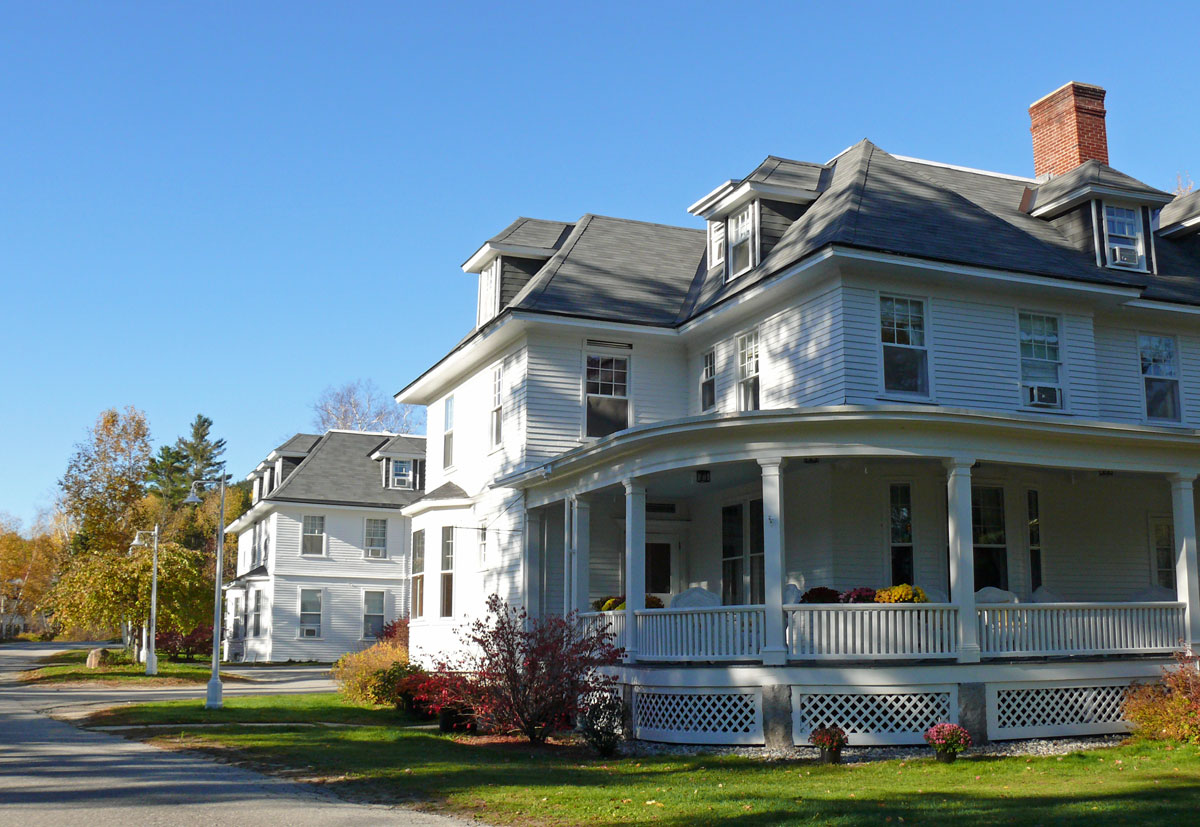
We actually stayed at the Bretton Arms Inn.
Bretton Arms Inn
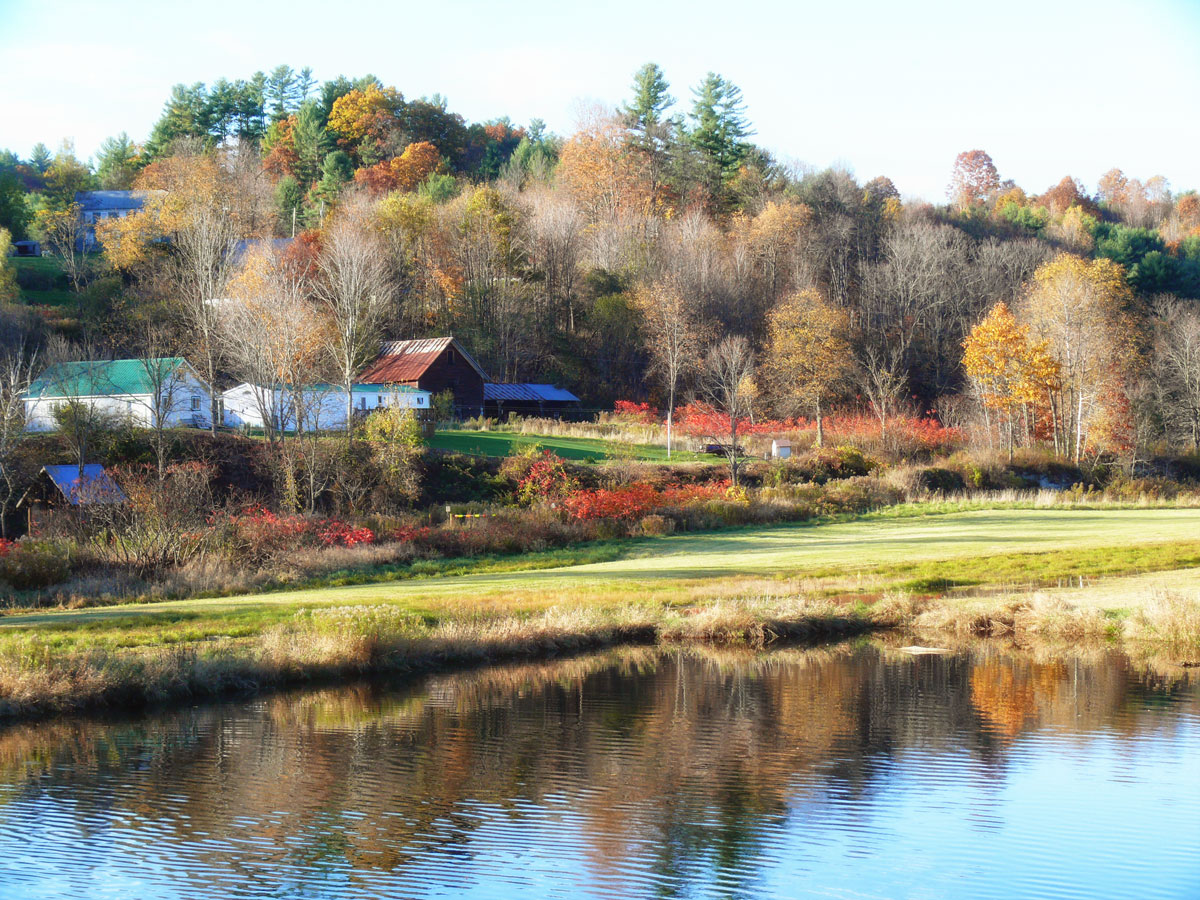
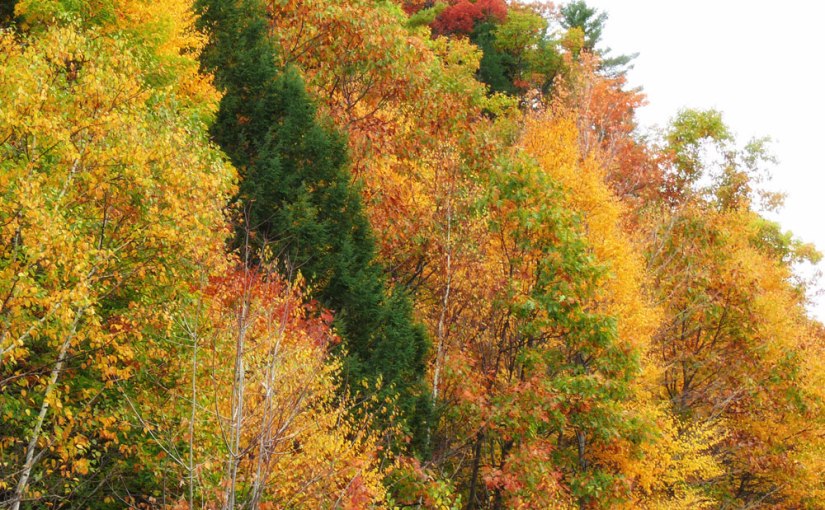
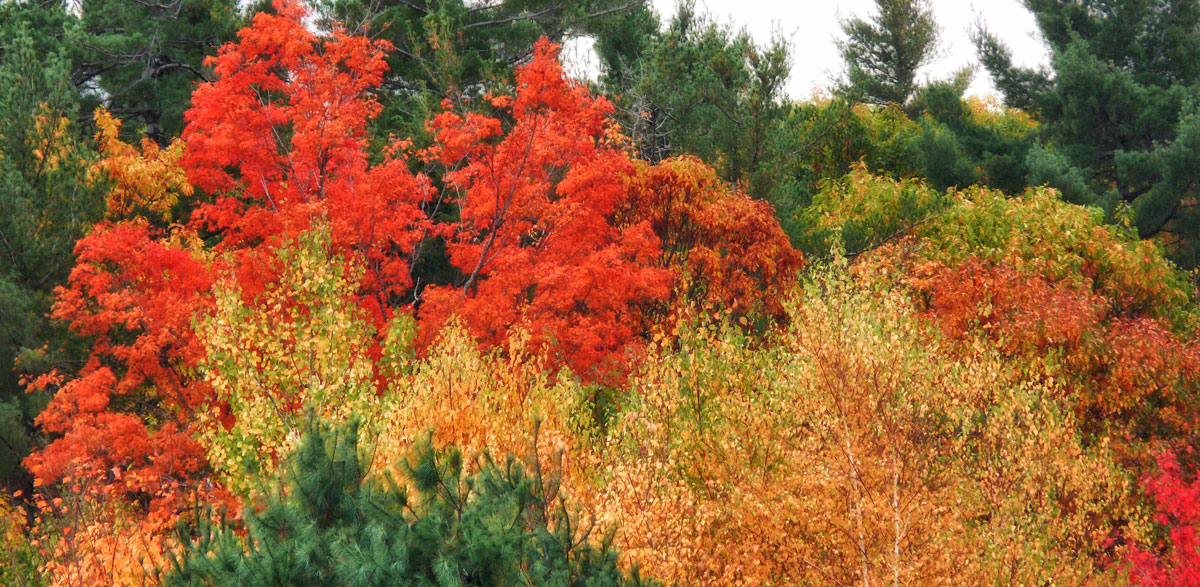
We had three nights here and unfortunately the weather didn’t remain as nice as it was on the drive up here. But we did see some amazing scenery and wonderful colours.
 So what can I say in a single post? What do gardens mean to me?








 TRAVEL WORDS