#WordlessWednesday
#WordlessWednesday
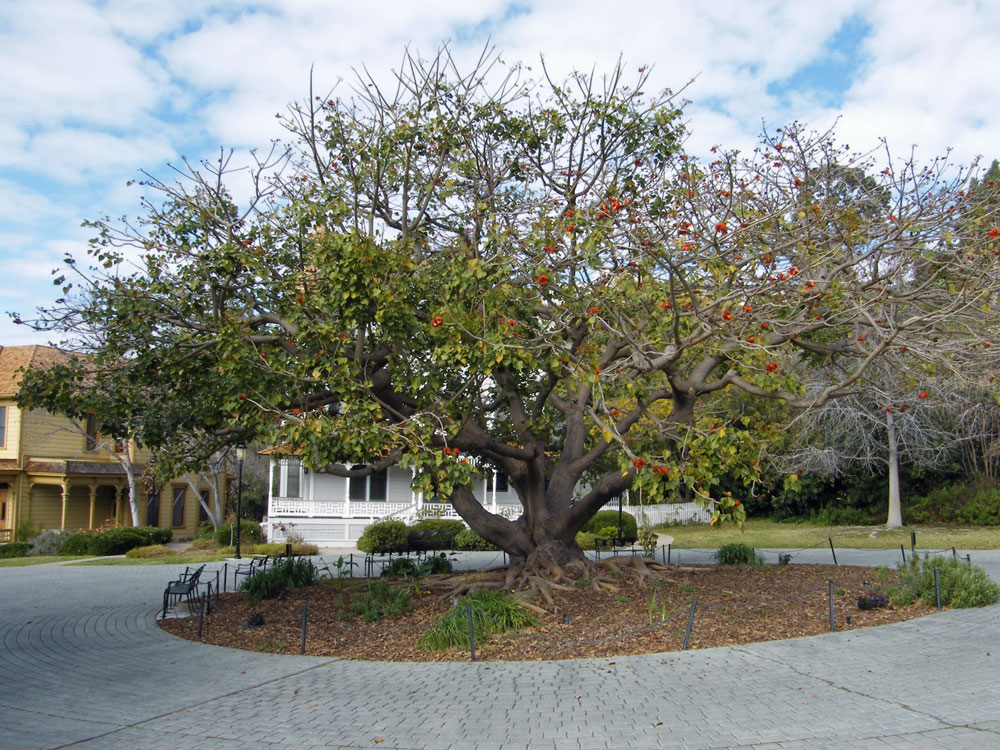
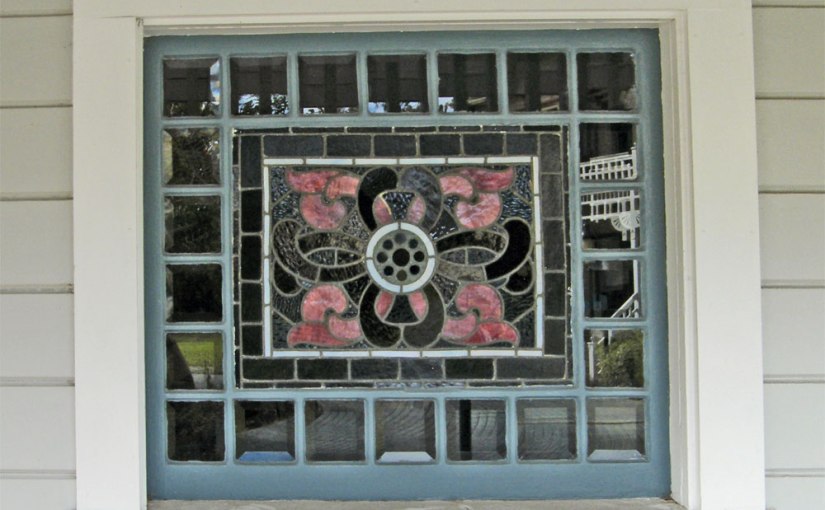
Adjacent to the Old Town San Diego State Historic Park is nearby Heritage County Park which features several restored Victorian homes and the city’s first synagogue. Several of the exteriors of the Victorian architecture of wealthy San Diego residents in the late 1880s-1890s have been restored although the interiors are currently undergoing improvements.
Senlis Cottage: 1896, moved to Heritage County Park in 1981 (Queen Anne Cottage)
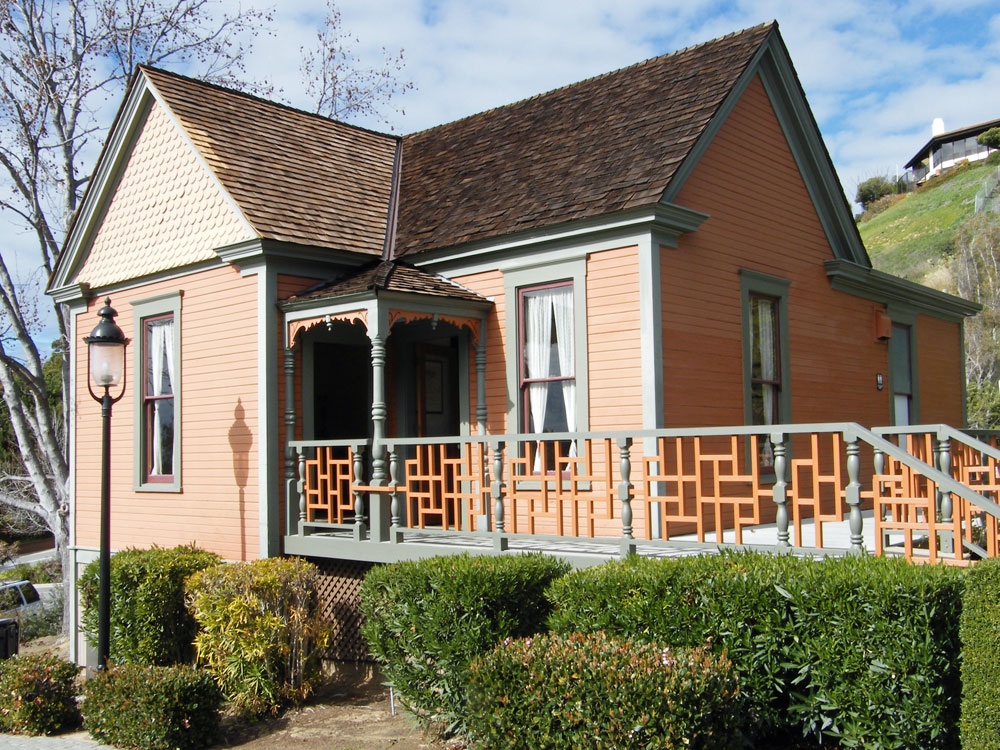
Sherman-Gilbert House: 1887, moved to Heritage County Park in 1971 (Stick Eastlake Style)
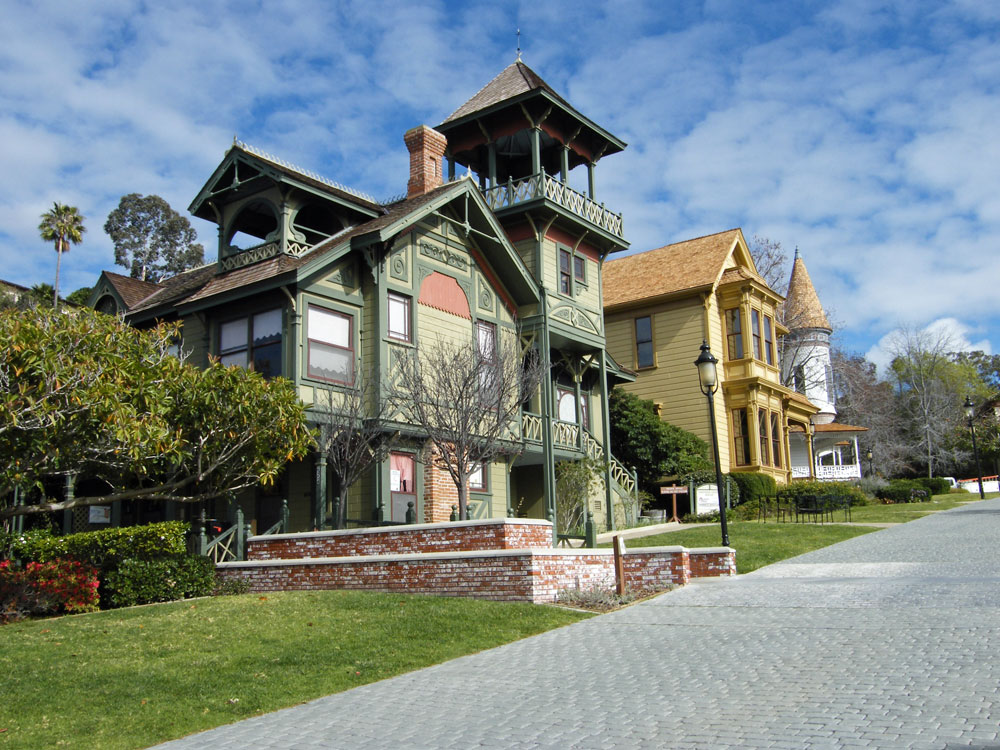


Bushyhead House: 1887, moved to Heritage County Park in 1976 (Eastlake Style)
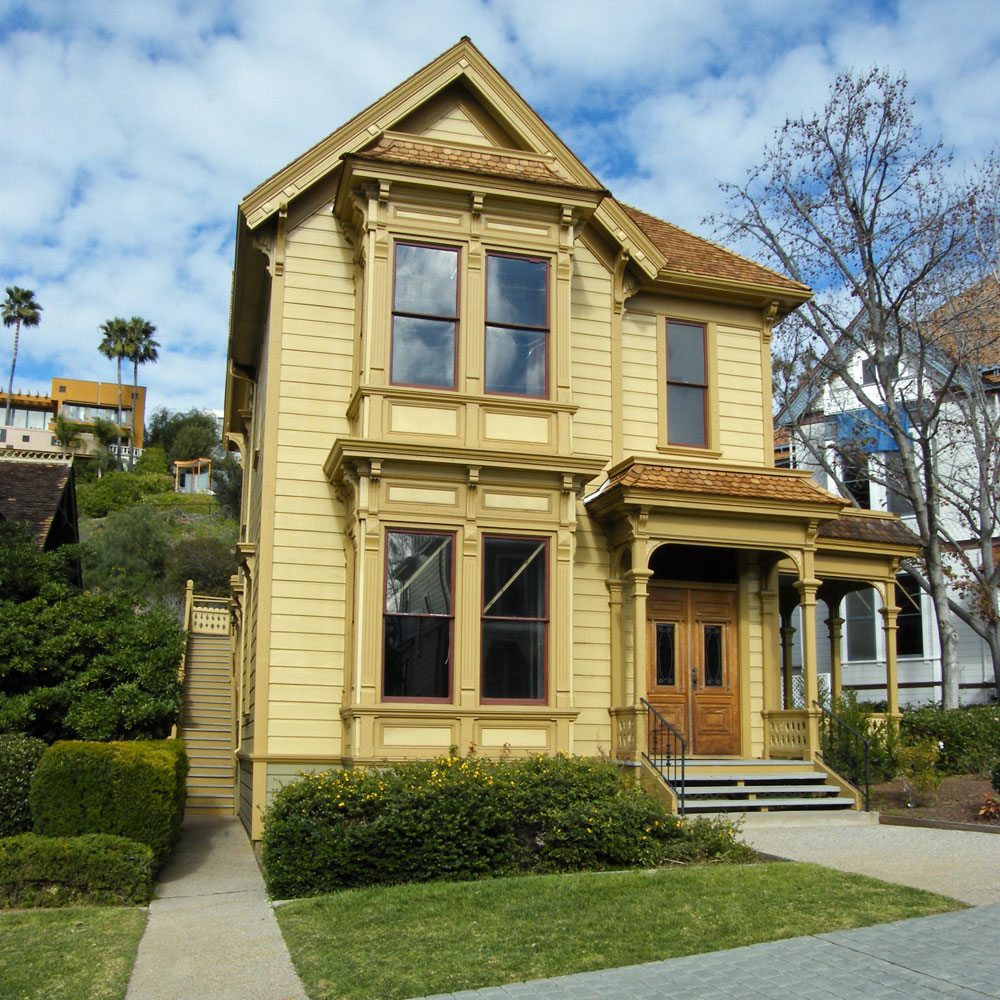
Christian House: 1889, moved to Heritage County Park in 1976 (Queen Anne style)
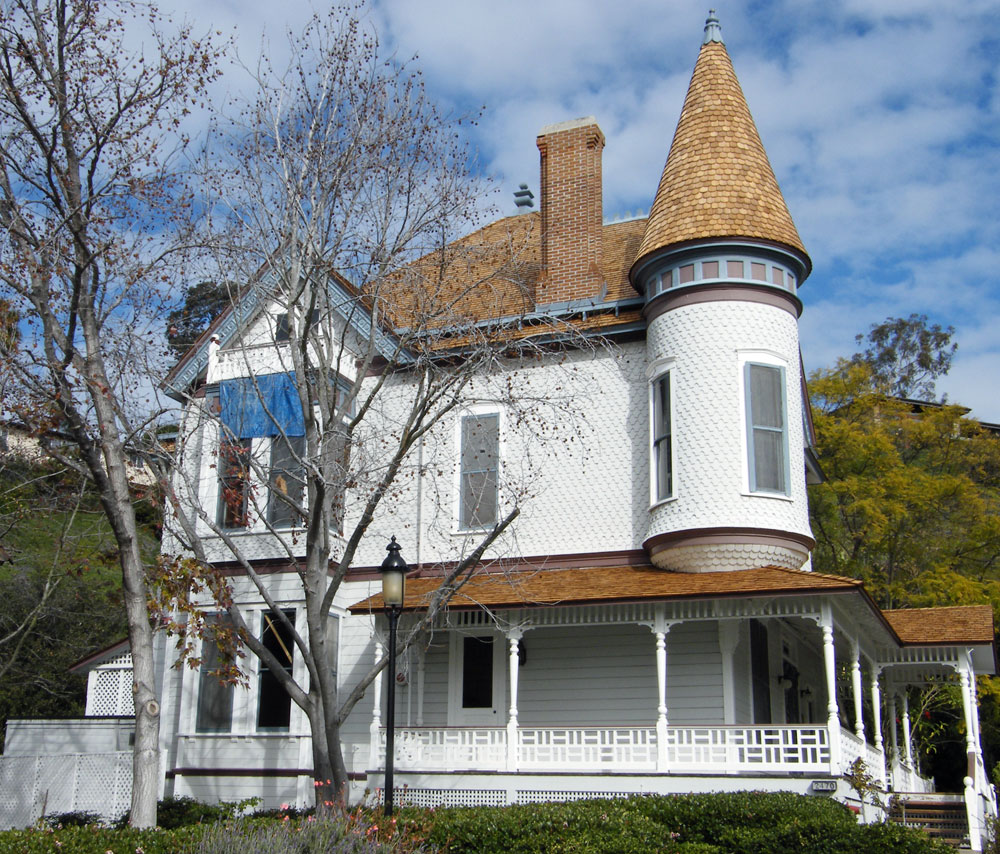
McConaughy House: 1887, moved to Heritage County Park in 1981 (Italianate Style)
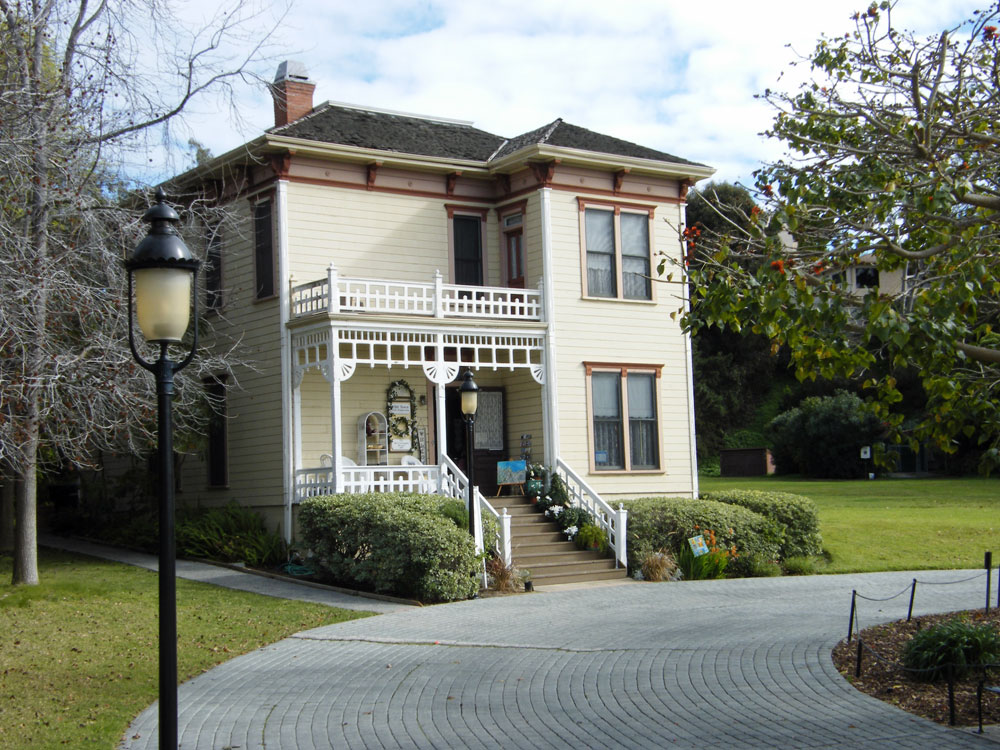
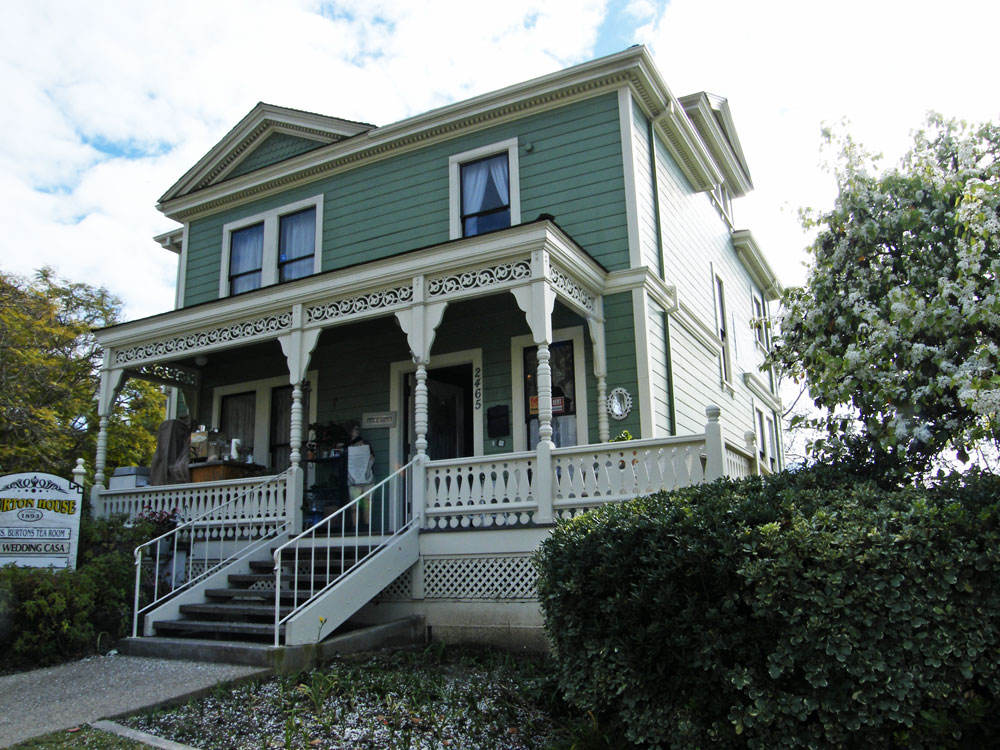
Burton House: 1893, moved to Heritage County Park in 1976 (Classic Revival Style)
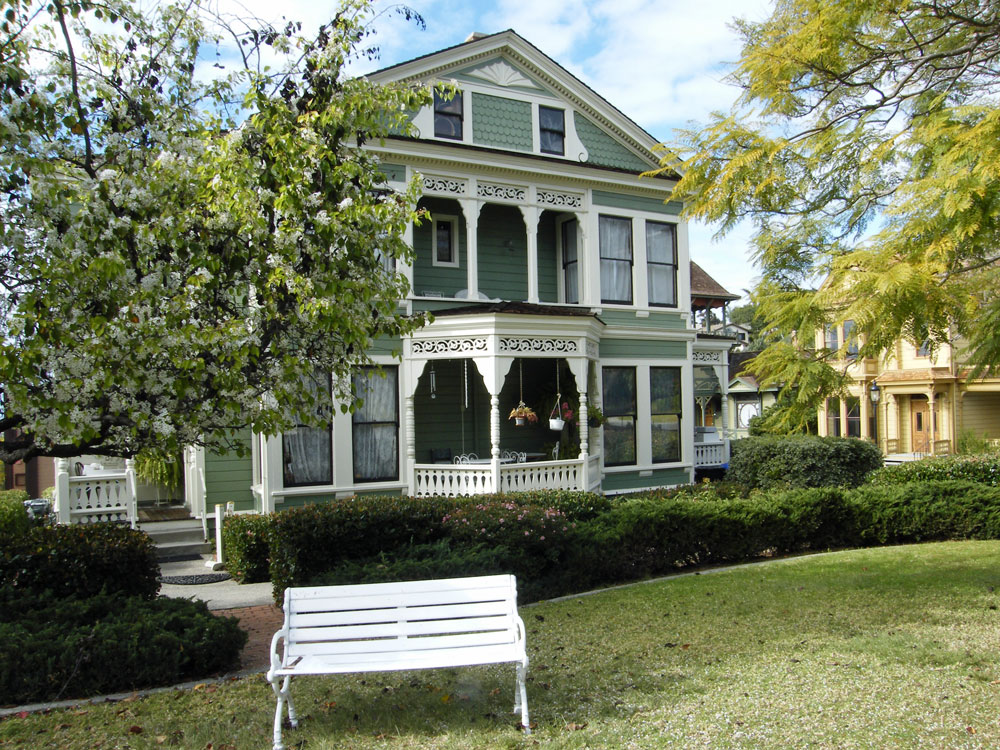
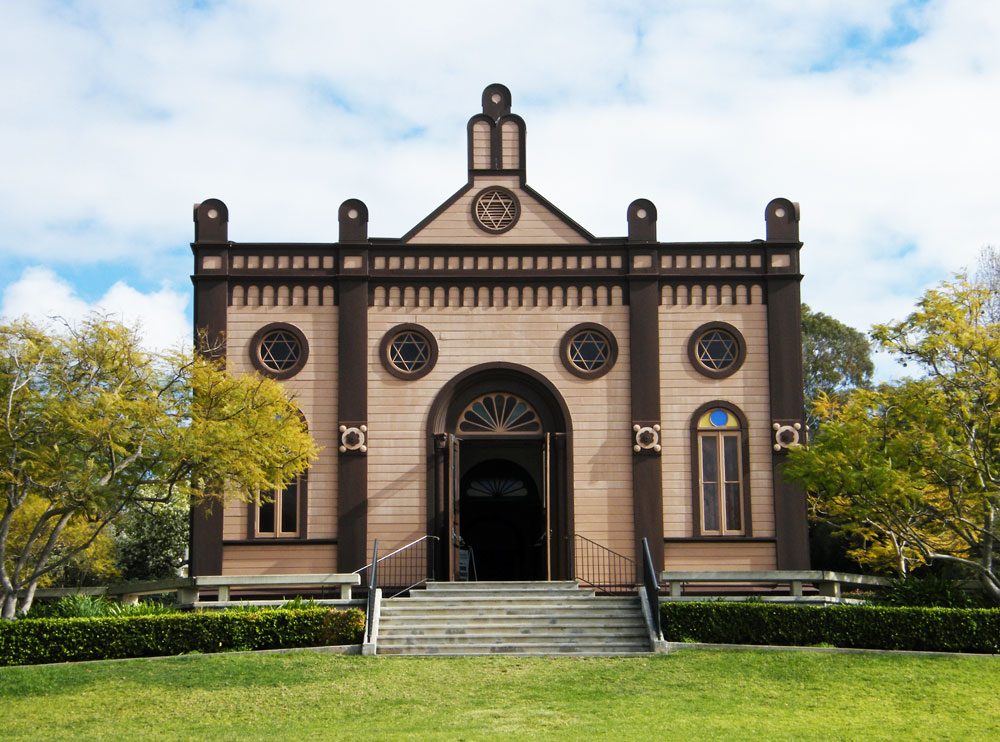
Temple Beth Israel: 1889, moved to Heritage County Park in 1978 (Synagogue architecture)
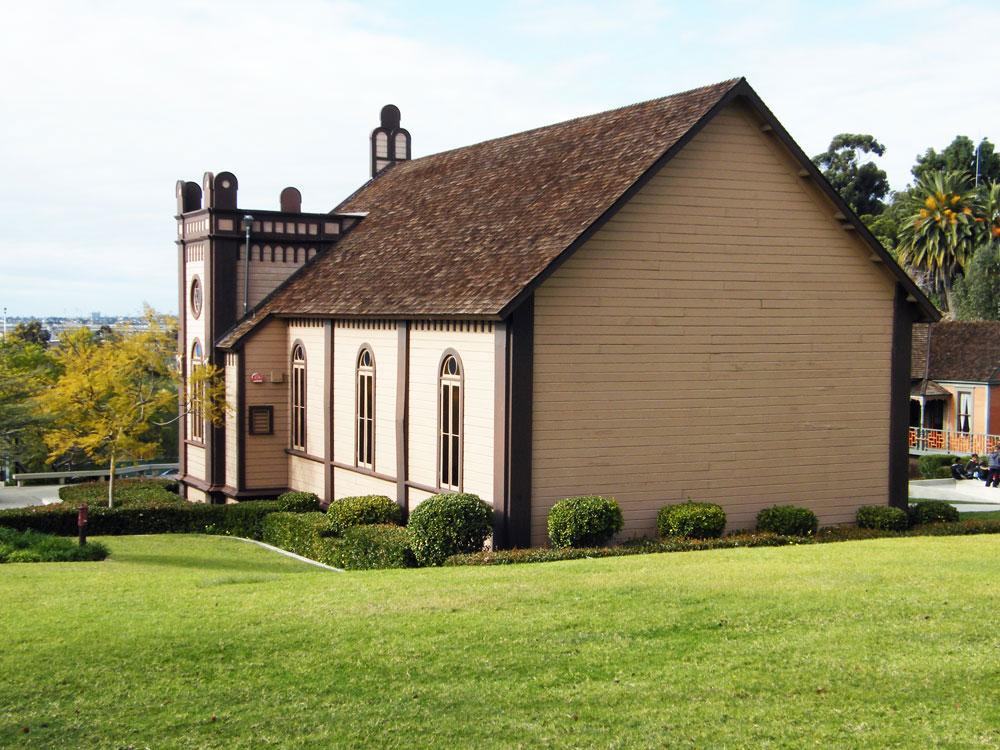
Heritage County Park arose from County Parks’ commitment to the preservation of San Diego’s cultural as well as natural resources. The park is a joint project with the Save Our Heritage Organisation.
A document with more information by SOHO can be found here. San Diego Parks & Recreations have more recent information here
Note that my photos are from February 2009 and that the exterior colour of these houses may well have altered.
Lens-Artists Photo Challenge #305 | Two Rectangles
Old Town San Diego State Historic Park has history, restaurants (particularly Mexican cuisine) and shopping, as well as festivals and music events. Here are a few more images from the site.





Source of information from Old Town San Diego guide.
Established in 1968, the Old Town San Diego State Historic Park is a living history museum that commemorates and preserves numerous historic buildings and recreates Old Town as it existed during the Mexican and early American periods, from its settlement in 1821, through 1872 when it lost its dominant position to Downtown.

Five original adobe buildings are part of the complex, which includes shops, restaurants and museums. Other historic buildings include a schoolhouse, a blacksmith shop, San Diego’s first newspaper office, a cigar and pipe store, houses and gardens, and a stable with a carriage collection.


Constructed in 1825 as the home of Don Jose Antonio de Estudillo, a Spanish aristocrat. It became a sanctuary for women and children during the American occupation in 1846. For a number of years it was incorrectly identified as “Ramona’s Marriage Place” from Helen Hunt Jackson’s “Ramona”. The adobe structure is considered to be one of Old Town’s outstanding show places.


Begun in 1868 by Father Antonio D. Ubach. Due to the boom that set in for the New San Diego, the church was not completed and dedicated until 1919.


Originally a hotel, now houses the Wells Fargo Museum. The building is a reconstruction of the 1860 original. The Wells Fargo Museum is a historically furnished Wells Fargo agent’s office, including one of the famous 30 Coaches shipped to Wells Fargo in 1867


One of the most historic buildings in Old Town San Diego, the Whaley House was built in 1857 by Thomas Whaley, a San Diego pioneer, as his family home. Over the course of history the Whaley House has served as a general store, county courthouse and theatre. Apparently known as the most haunted house in America and after-hours they run paranormal tours.

James Robinson built this two-story structure in 1853 as his family residence and as the home of the San Diego Herald, the San Diego and Gila Railroad office and other private offices.

This wood-frame structure was prefabricated in Maine and shipped around the Horn in 1851. This first office of the San Diego Union newspaper is restored as it was when the Union printed its first edition on October 10, 1868.
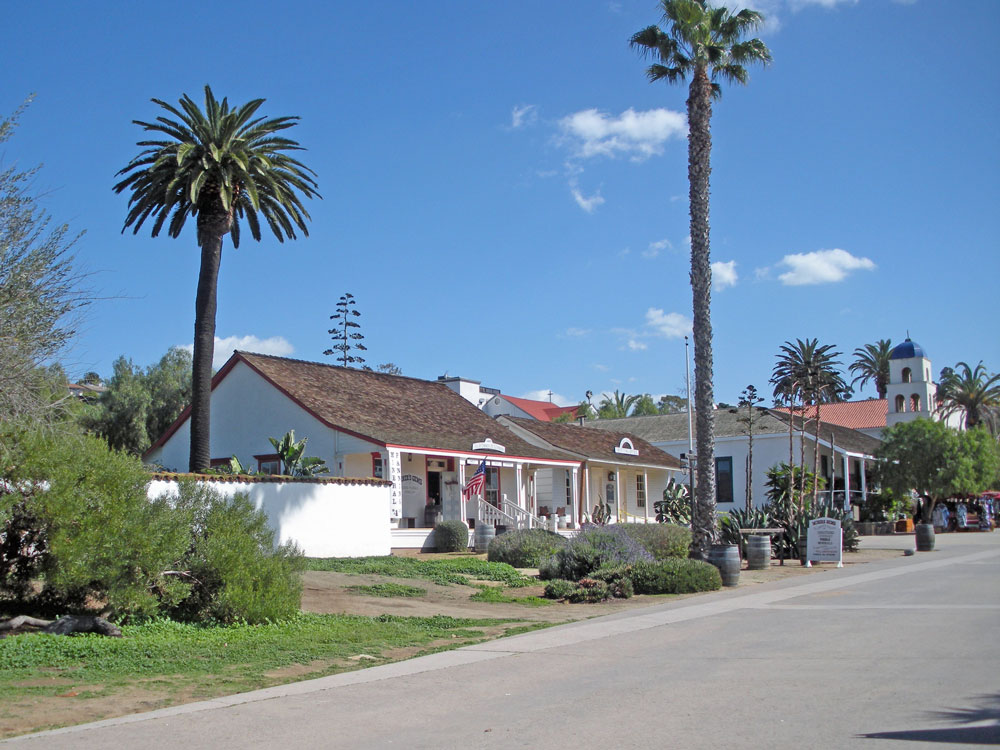
Built in 1865, the Schoolhouse was the first publicly owned school in San Diego County. The building was a one-room, wood-frame, shingle-roofed structure with a ten foot high ceiling. A pot-bellied iron stove heated the room, and a water bucket and dipper provided the only indoor plumbing. All eight grades were taught in the single room.


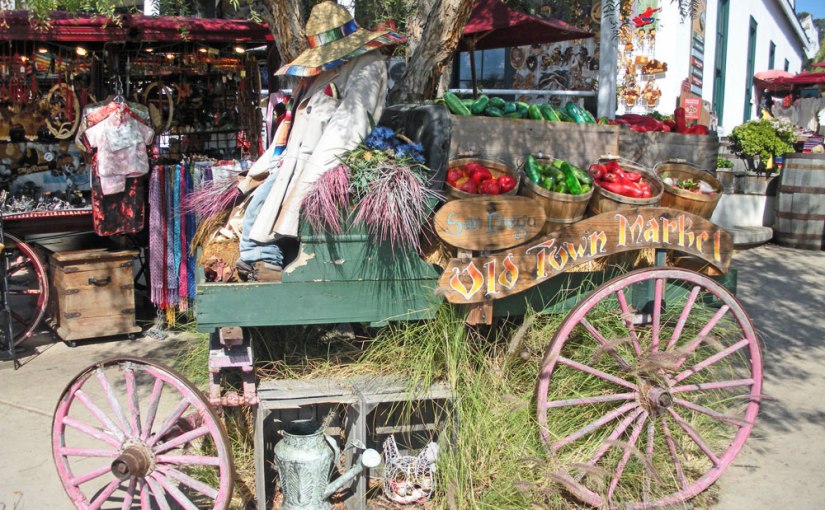
Although it seems a little bit like a film set, it is still an interesting place to visit. And admission is free. Next time I will show you some of the more colourful aspects of this open museum.
Source of information from Old Town San Diego guide.


 TRAVEL WORDS