

Dee Why, Sydney, Australia

It has been quite a week for Ailsa and me with foot injuries. And what better place to illustrate feet than being on a beach in Australia, where bare feet results in lots of footprints in the sand.
It has been quite a week for Ailsa and me with foot injuries. And what better place to illustrate feet than being on a beach in Australia, where bare feet results in lots of footprints in the sand.

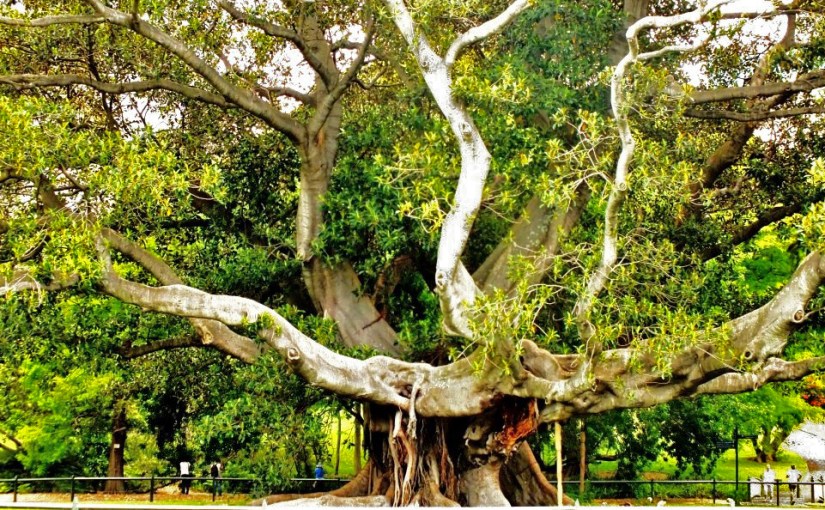
The Moreton Bay fig tree with its powerful buttresses and long dangling, intertwisted aerial roots creates a sense of awe and wonder. The characteristic “melting” appearance is due to its habit of dropping aerial roots from its branches, which upon reaching the ground, thicken into supplementary trunks which help to support the weight of its crown.
The rule of thirds is applied by aligning a subject with the guide lines and their intersection points, placing the horizon on the top or bottom line, or allowing linear features in the image to flow from section to section.
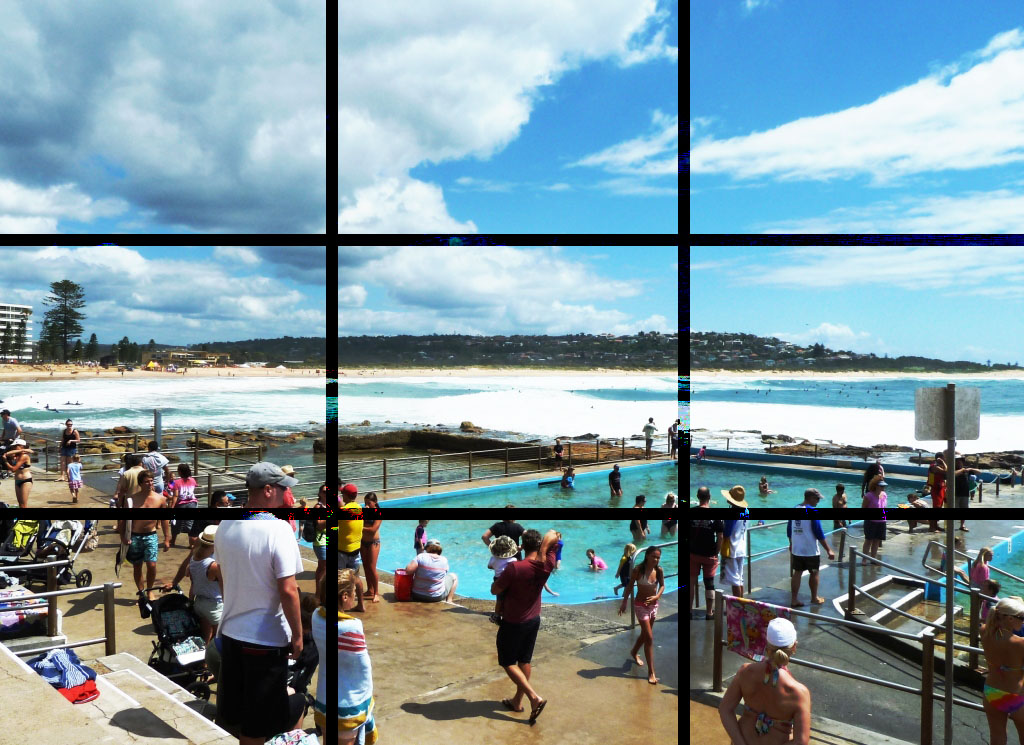
The theory is that if you place the point(s) of interest at the intersections, or along the lines you will have a better balanced image and the viewer will interact more naturally. With the photo above you can see that the main figures in this image are more or less in the bottom left sector and the main interest is in the lower half of the photo. I should have balanced the image though by having the horizon along the upper horizontal line.

In learning how to use the rule of thirds (and then to break it) the most important questions to be asking of yourself are:
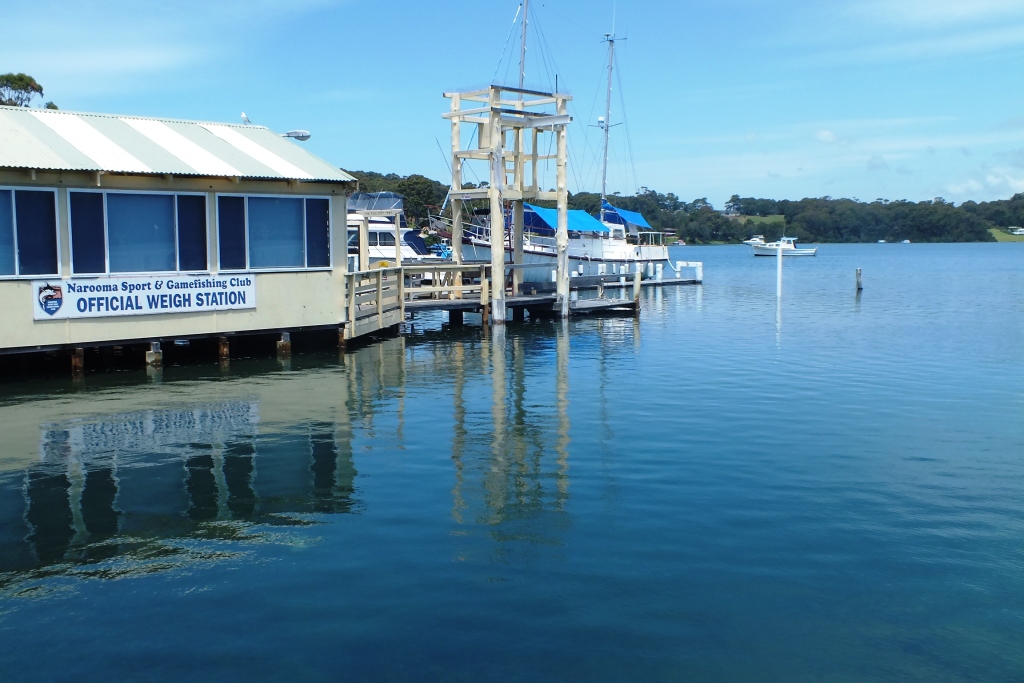
Sometimes it will be necessary to use cropping and editing to re-frame the image so it fits the rules as I have done with the photo below. I liked the pelican and the jetty posts, but felt that the photo was uninteresting overall.
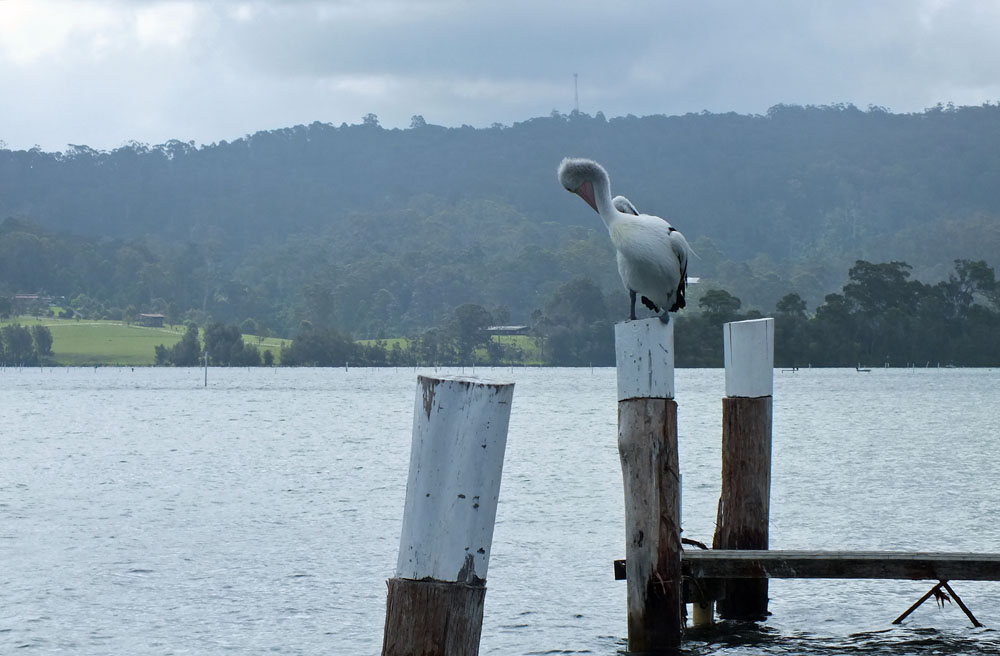
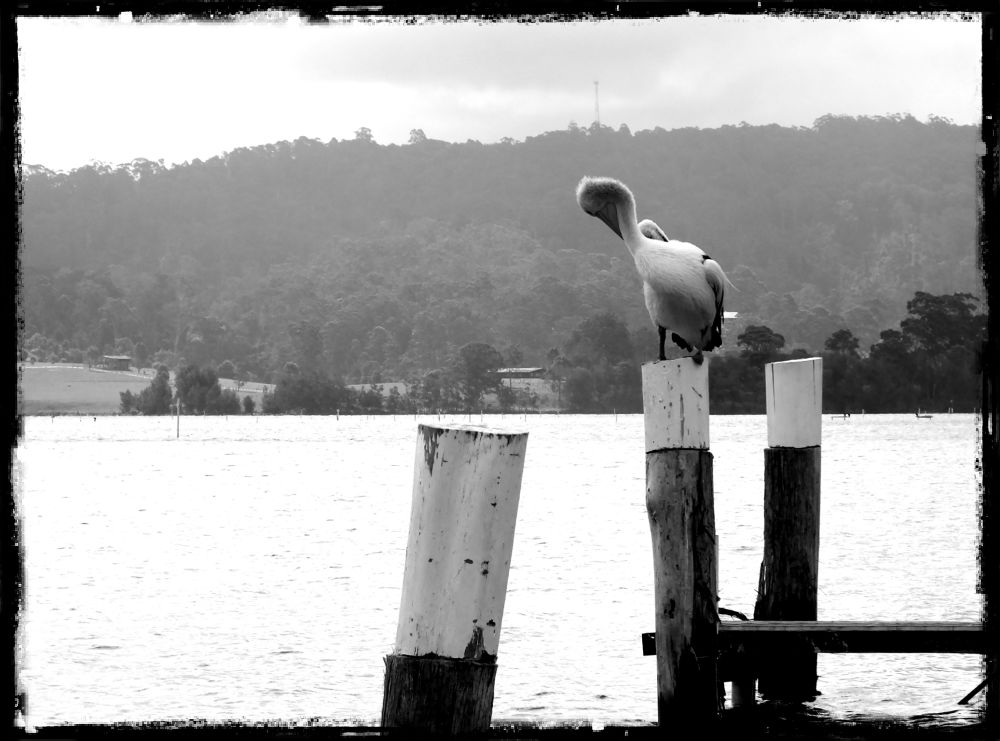
To my eye there was too much unnecessary space on the right of the shot. I wanted to balance the pelican in line with the intersection on the right with its head and beak on the upper horizontal line.

So I did a little cropping from the left and right-hand sides to align the pelican and the post and because the background was a little dull I also converted it to black and white and upped the contrast slightly. Hopefully this has resulted in a better balanced and more interesting image.
When taking a close-up or macro shot you might also find yourself with a lovely bokeh background, where the out-of-focus parts are aesthetically blurred, but the subject is sharp. Again, think of the rule of thirds as to where you position your subject.
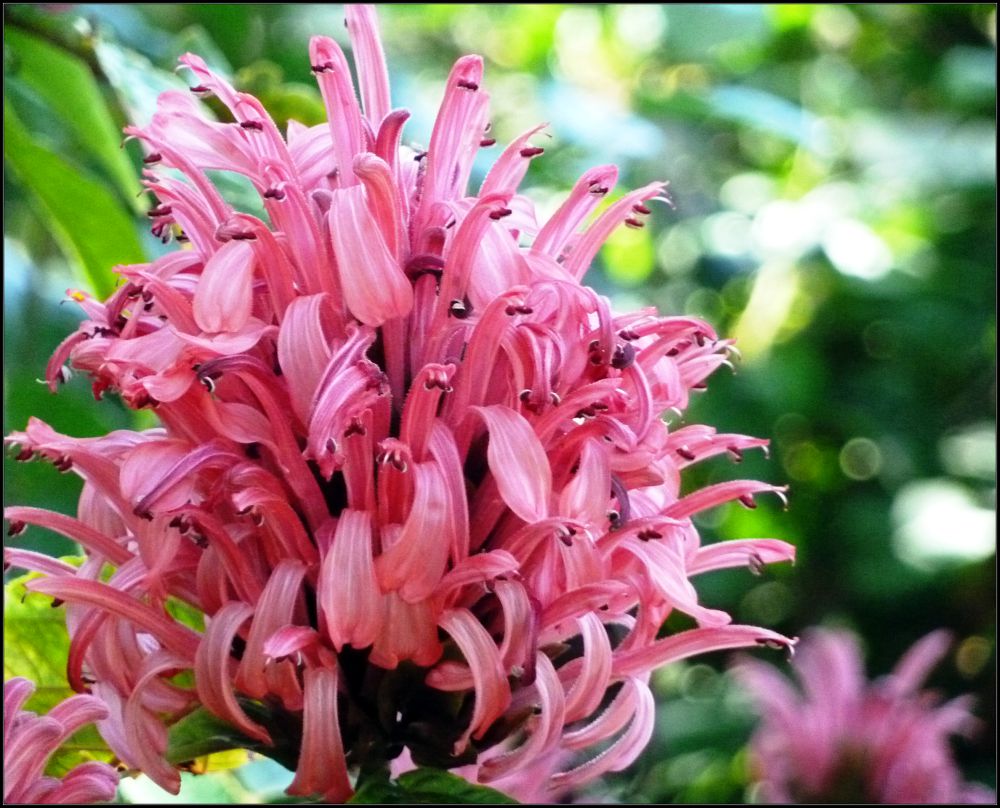
Rules are of course meant to be broken, but it is worthwhile understanding the ‘rules of thirds’ first so that you understand why you want to break the rule.
 This creative plate of food is more or less centred in my photograph. The reason for this is because I want you to focus on the food, and this composition felt right to me. I often shoot on instinct and although I have the idea of the ‘rules of thirds’ in my head I also consider the subject, the light and how I want to ‘frame’ the image.
I hope you find this useful and if you have any additional information to add then please do so in the comments. I’m not a ‘technical’ photographer so I have explained this in very simplistic terms.
“this series has a line of symmetry through its centre”
“the overall symmetry makes the poem pleasant to the ear”
“the political symmetry between the two debates”


I could have gone for architecture for this week’s challenge, but as I have only recently written a post about that I thought I would try for something different. My choice is to represent the third definition of symmetry.
Manly is named after the Aboriginal people first encountered on the shores of Port Jackson in 1788. Due to its remoteness from Sydney it was not developed by Europeans until the mid-nineteenth century when a ferry service was introduced. Over the subsequent years Manly has undergone countless changes in its environment. Fortunately there are many fascinating buildings and parks that have been retained and the Heritage trails have been created to take visitors from the harbour beaches into the centre to appreciate Manly’s history.
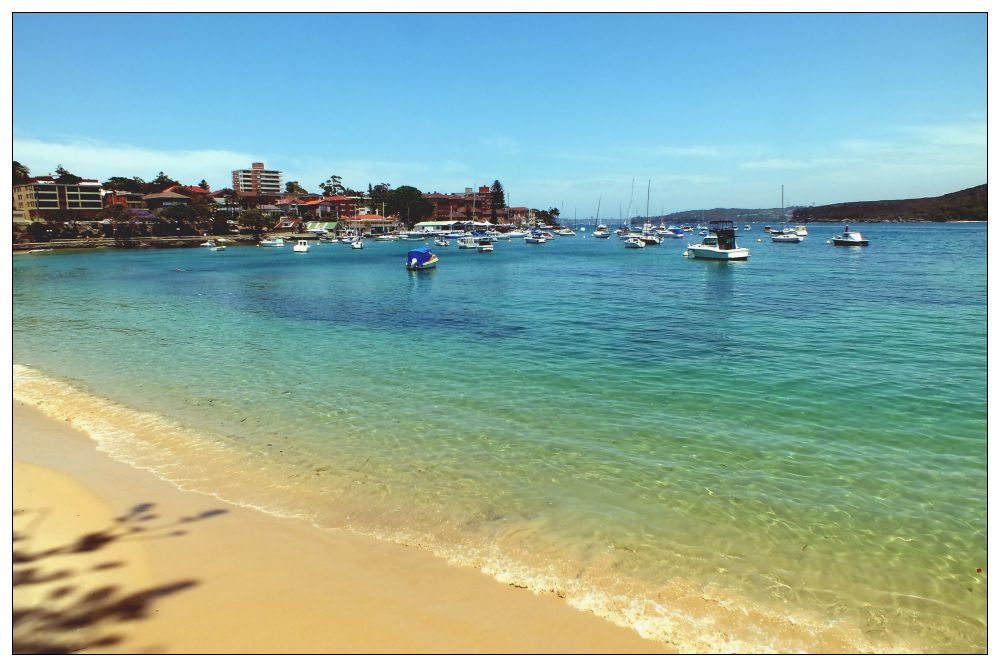
I started on this trail from the East Esplanade on a very hot day in November. Under a large Moreton Bay fig tree is an interesting plaque that informs you about the first inhabitants of the Manly area who were the Aborigines known as the Kayimai. They lived as hunter-gatherers, roaming according to the seasonal availability of food and trading with other clans. They moved around, making shelter as needed from branches and fronds or using the many sandstone caves in the area.


Following the path around the corner you find the Manly Cove Launch Club, established in 1937. Next to it stands the heritage-listed Manly Rowing and Sailing Club Boatshed. Established in 1875, this was one of the earliest waterside clubs in NSW. Carry on up the steps and right on East Esplanade to the corner of Stuart Street. Walk up Stuart Street to the junction with Addison Road, the second road to your right.

The road has been planted with an avenue of Norfolk Island Pines and mixed with Port Jackson Fig trees (smaller than the Moreton Bay fig) and was first planted in 1882. It provided the most welcoming shade on this hot day as I wandered down the road peering over fences to look at the homes.
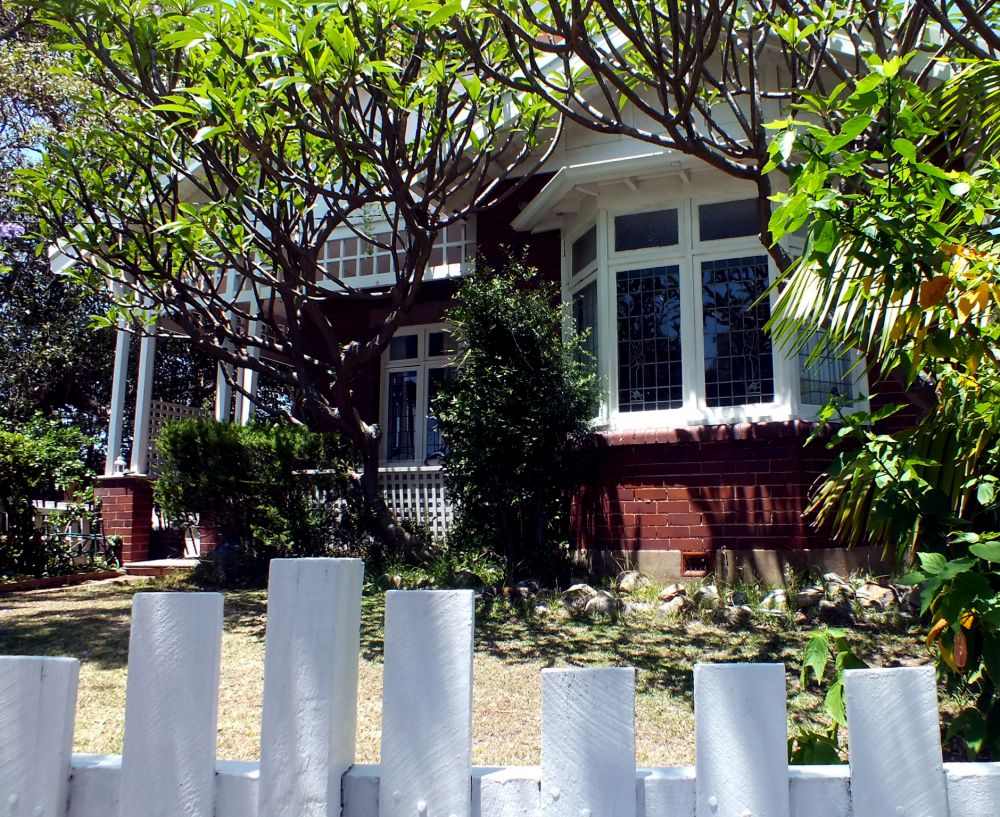
Here are some excellent examples of different styles and periods of architecture. There are Italianate, Victorian Villa, Federation, Interwar Spanish Mission, Old English, Californian Bungalow, Post-war International, Late Twentieth Century, and Post-modern architectural styles! I’m not expert enough to be able to identify them, but I do know that there are several very interesting features that I admire.
Could this be an example of Post-war International?

Federation Style, maybe?


At the end of Addison is a path onto Manly Point ‘Peace Park’, an area now a Little Penguin Critical Habitat. A plaque close by reads:
“World peace begins in the hearts and minds of each individual – may we each seek harmony and peace in our daily lives. “
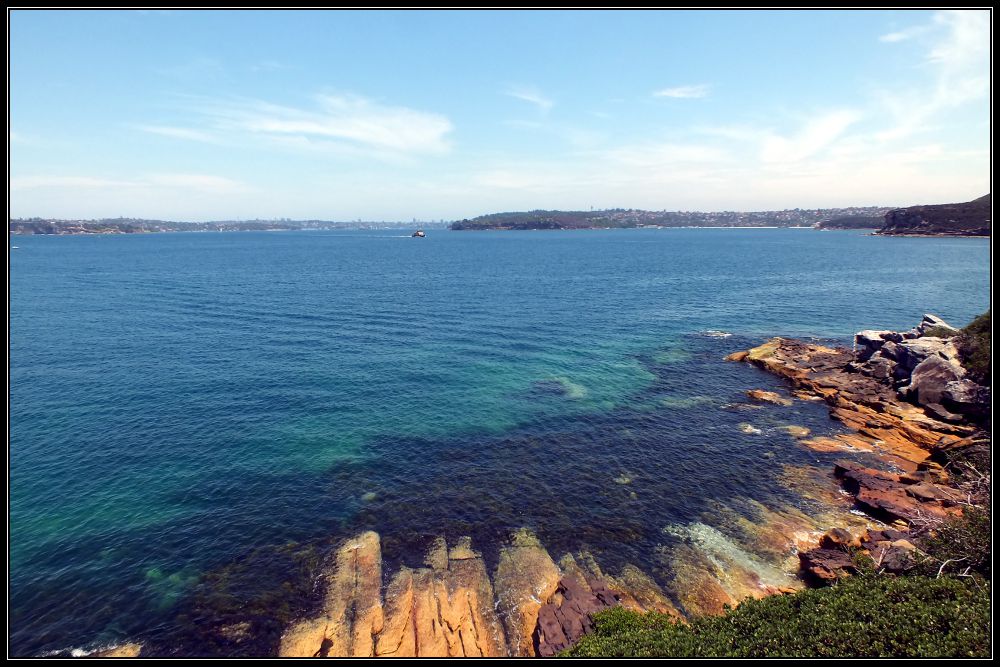
A couple of metal benches provide a resting place with a view over to the Quarantine Station and across the bay to Middle and South Head and where I sat and watched the Manly ferries pass by. Even if you are not interested in architecture it is still worth walking to the end of this road for the views.
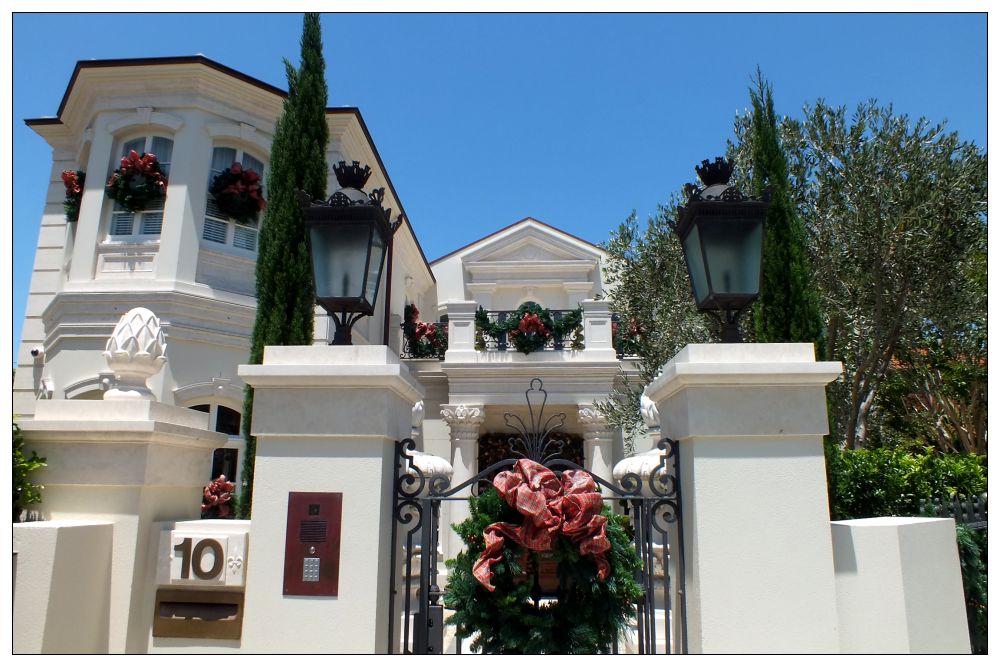
Retracing my steps I passed this imposing white building which was dressed for Christmas with beautifully designer wreaths and ribbons.
The grey and white decoration on this house (California Bungalow?) is perfectly framed by this wonderful gum tree with its peeling grey bark revealing a chalk-white trunk. Even the white lilies match. And just look at that fretwork above the windows!

And this one has interesting gables and windows. Lots of straight lines going on here.

I’d love to see inside some of these houses.

Returning to Stuart Street I turned right, then right again into Craig Avenue for Little Manly Beach. Here I walked along the beach to the Kiosk where I could get a much-needed drink, and decide where I went from here. My intention was to continue to Little Manly Point and follow the trail around Spring Cove to Collins Beach and possibly visit the Old Quarantine Station, but given the soaring temperature and the fact that storm clouds were fast appearing on the horizon, I decided to cut across Marshall Street (this area of Manly reminds me of San Francisco with all the steep hills).
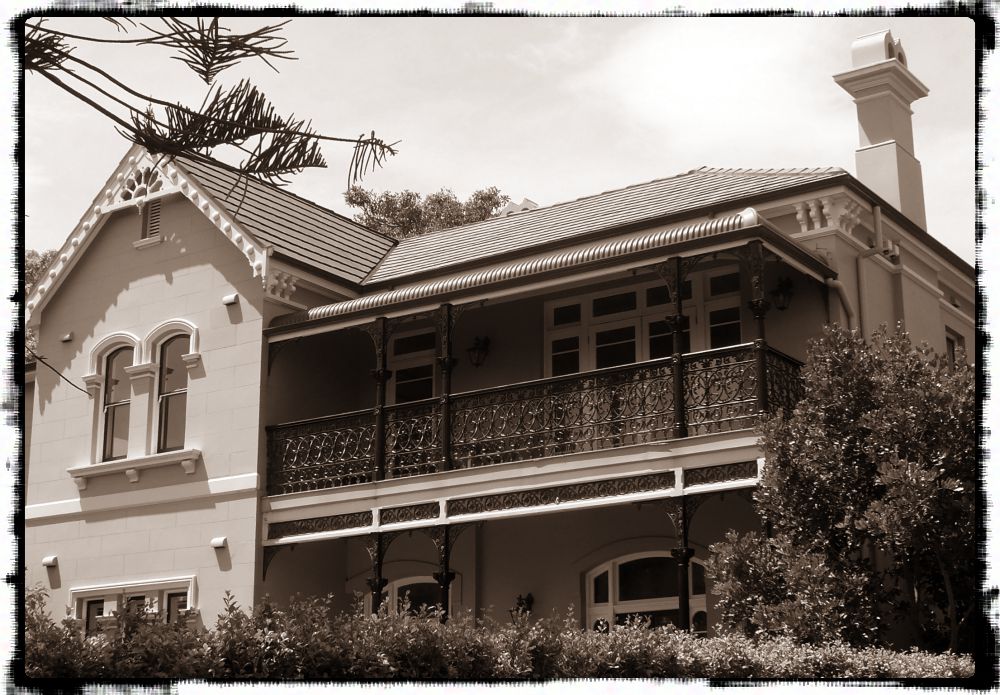
Observe the chimney pots on this house on Marshall Street and the lovely 3D bargeboard on the gable end. Not to mention that wonderfully scrolled wrought-iron balcony and the arched windows.
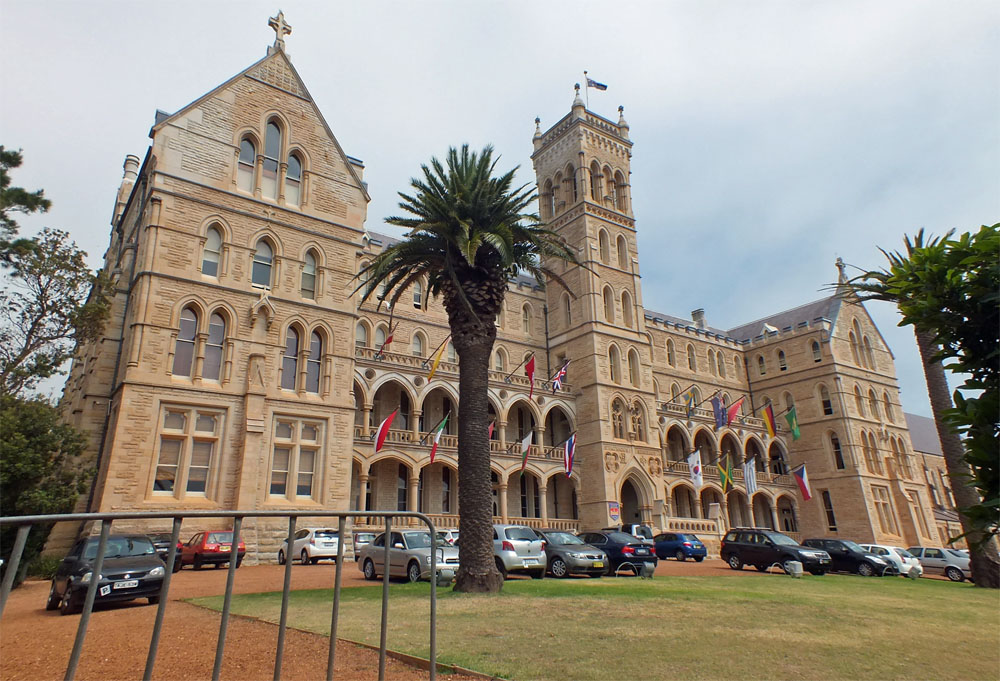
I cut through the grounds of St Patrick’s (the International College of Management, Sydney is now located in the former St Patrick’s Seminary) and down several sets of steps which brought me out onto College Street.
From there it was an easy stroll down Bower Lane to Marine Parade near the swimming pool and Mambo Coffee shop and make my way back to the esplanade. Just before the storm broke!

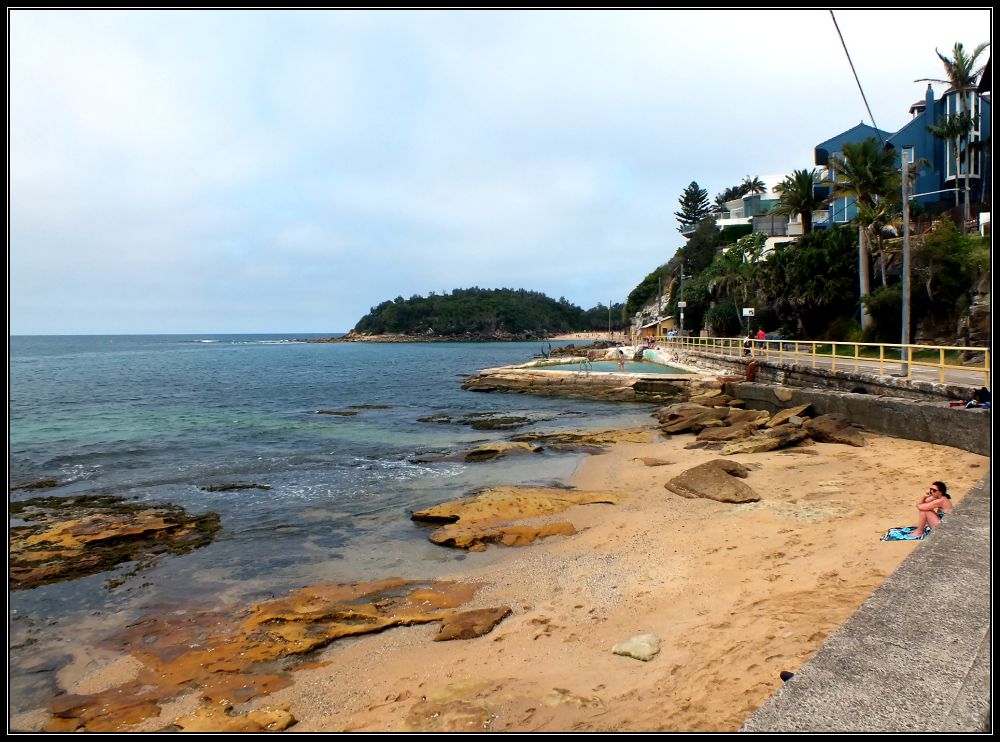
This blue house (below right) overlooking Cabbage Tree Bay and in spitting distance of Shelly Beach is my dream house. Location, location, location!!

I noticed some very interesting windows along this route:
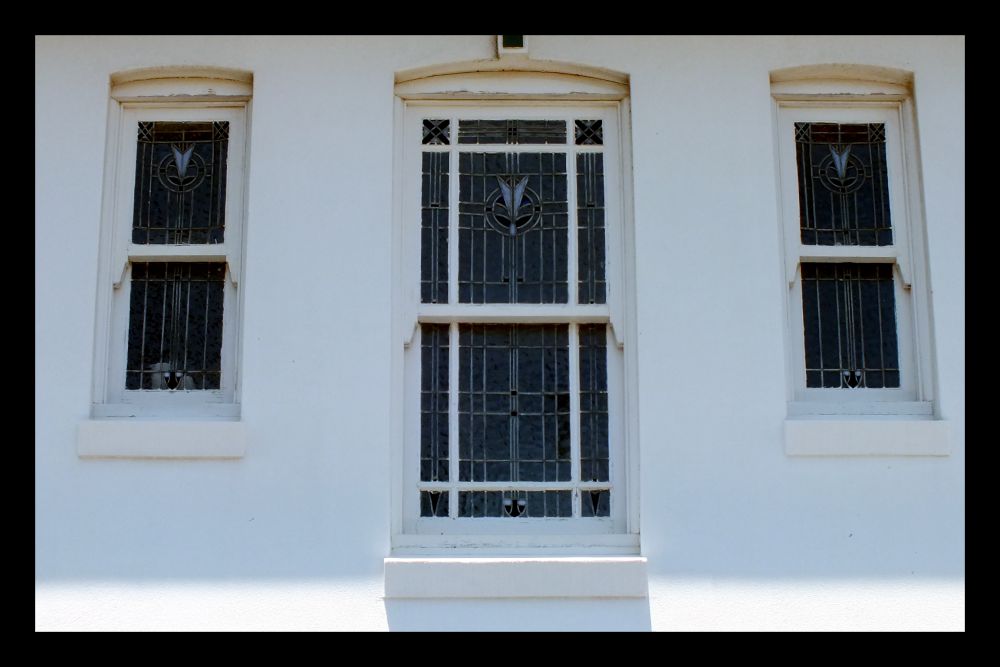


When walking an historical trail like this one it is important to pay attention to the details you see along the way. That might be a picket-fence post, a barge-board, a colourful tile, an interestingly shaped window, or some stained glass or gable ends.


…and maybe there are some Australians (or architects) out there who can help me to identify the different styles.


 TRAVEL WORDS