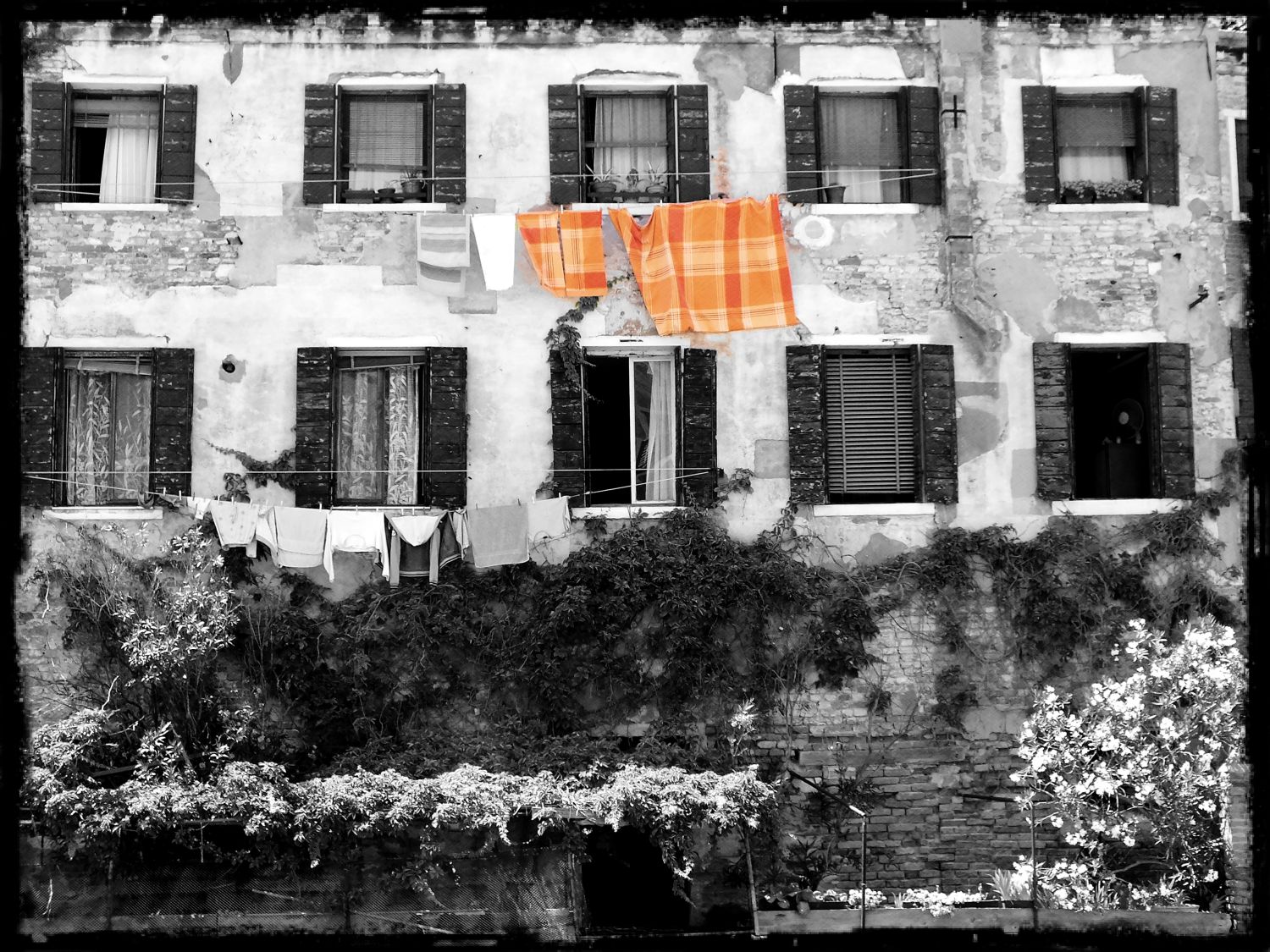
broken shutters hide
broken promises inside
shattered by your lies
broken shutters hide
broken promises inside
shattered by your lies
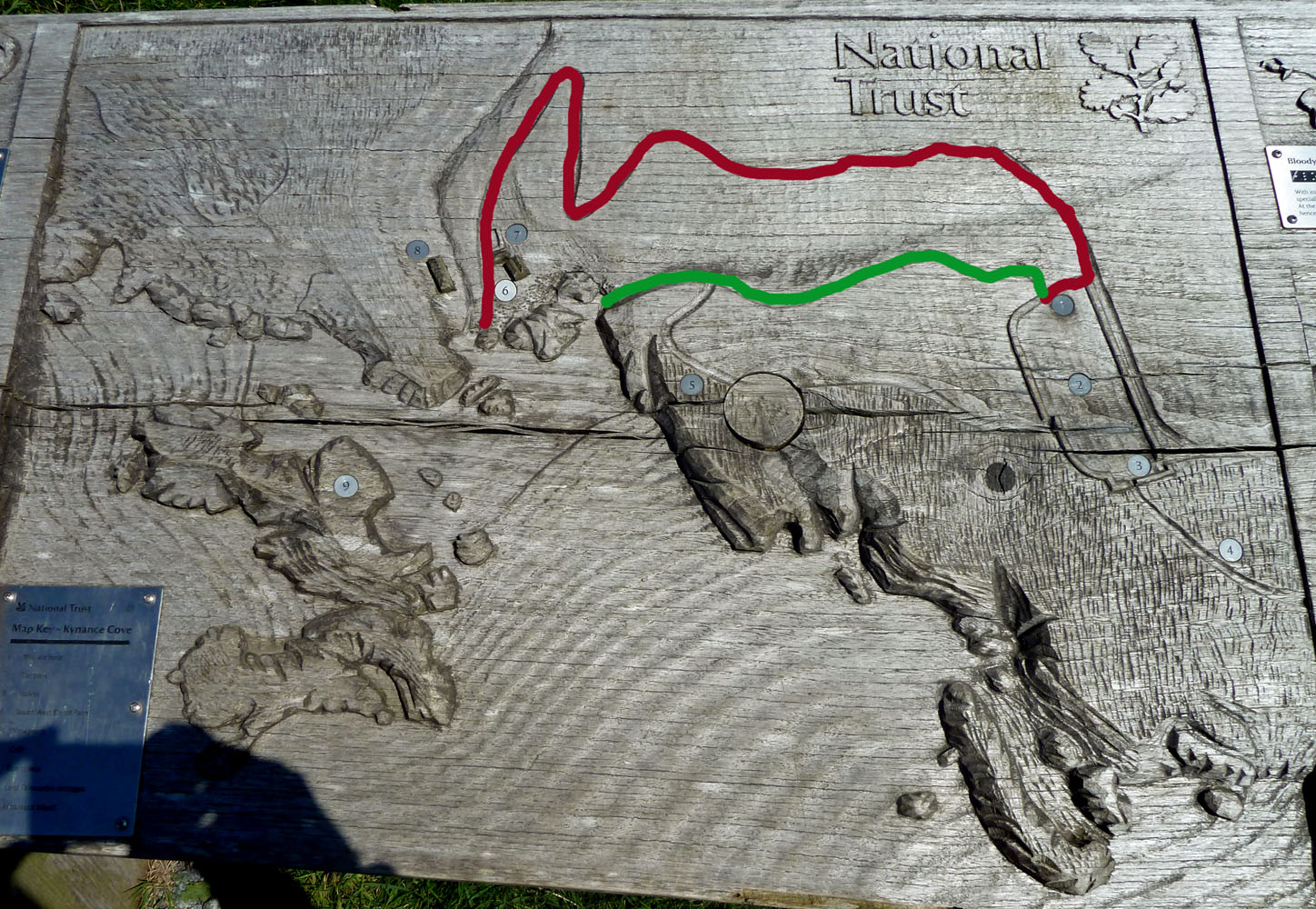
Kynance beach is probably one of the most beautiful in Cornwall set in an area of outstanding natural beauty AONB. In fact I have seen it voted as being one of the most beautiful in the world. It is certainly one of the most remote as it is practically at the end of the Lizard peninsula (the Lizard is Britain’s most southerly mainland point) and it is not a beach that you can drive up to. Oh no, getting there involves a short (10 – 15 mins green route) hike down a fairly steep narrow trail , littered with loose rocks and steep steps at the end, or a longer, winding (20 – 30 mins red route) stroll along an uneven track with exposed bedrock and slightly loose stone surface which brings you out at the back of the cove near the toilets and tea-room. We opted for the longer route suitable for wheelchairs and pushchairs without any steps.
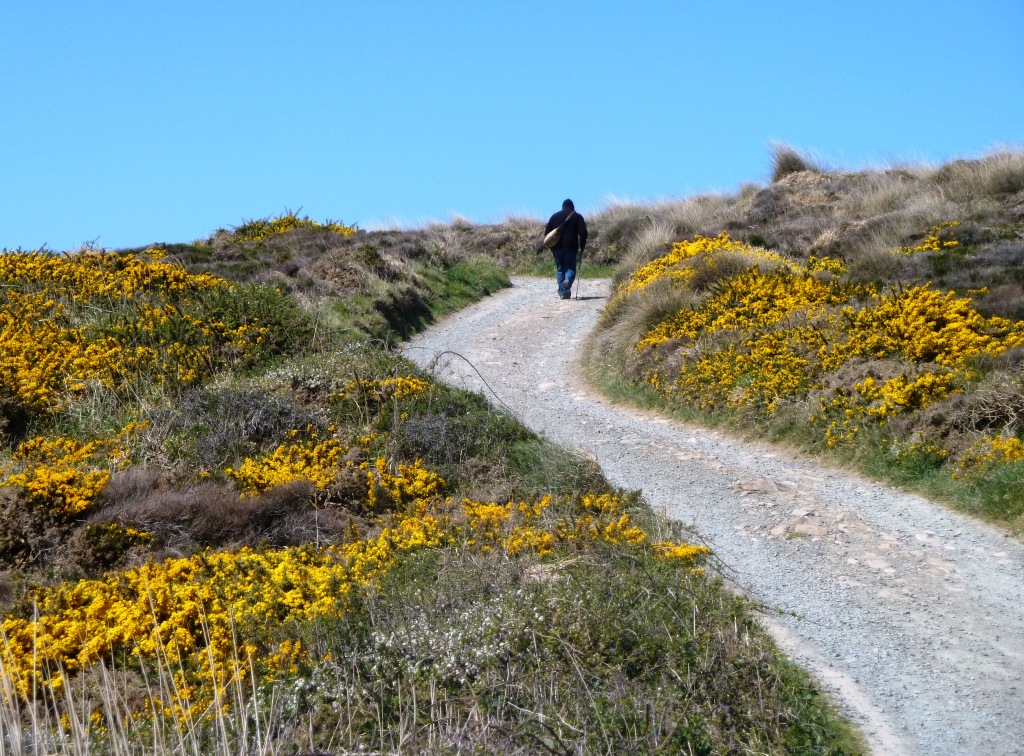
The trail winds itself down the cliffs to the beach passing through swathes of golden gorse and outcrops of rocks, some covered in the deep egg-yolk yellow lichens. The views over the bay are stunning.


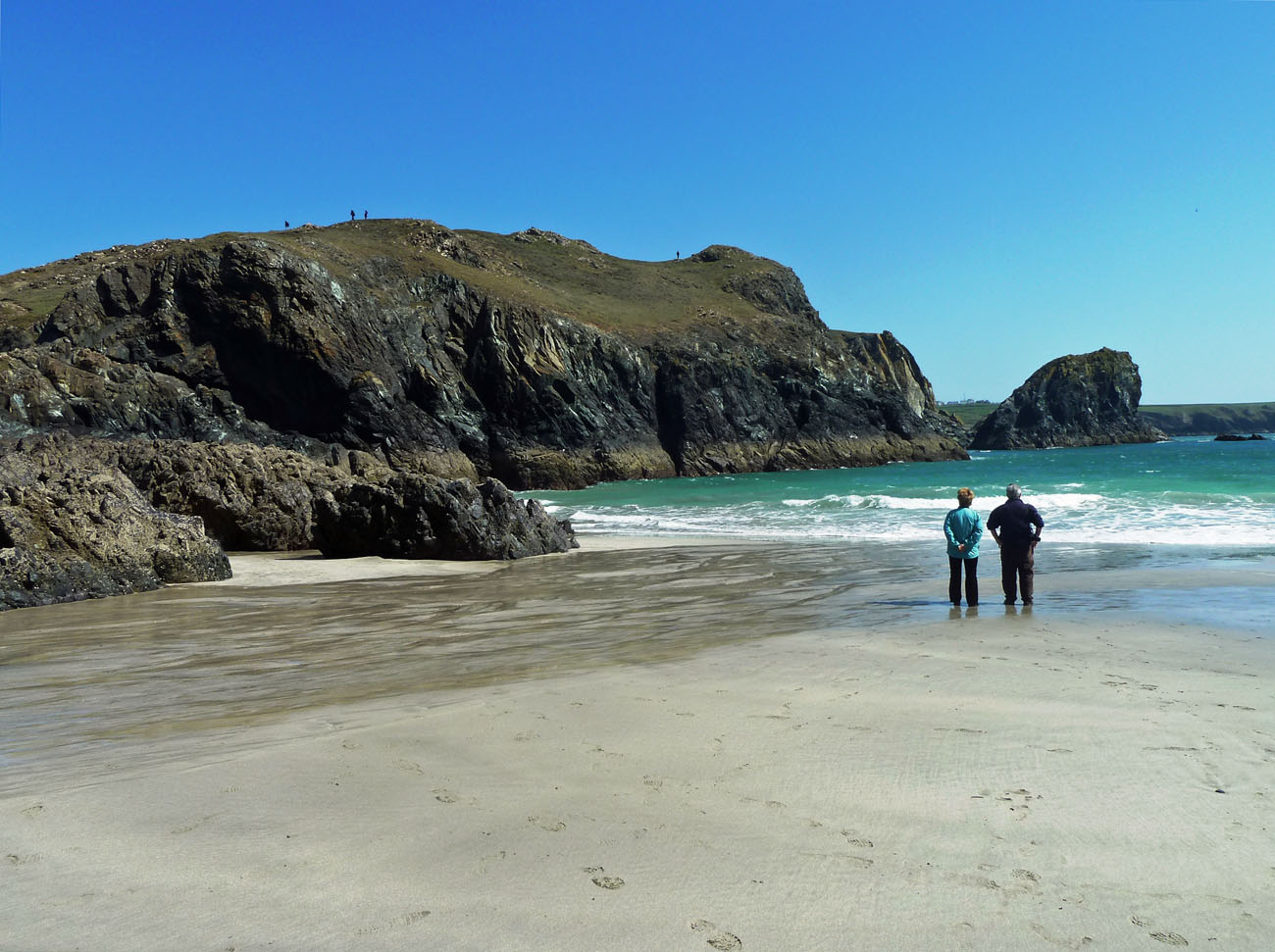
At low tide the white sands are revealed contrasting with the dark green and red serpentine rocks and the incredibly clear turquoise water. It is probably the most photographed and painted spot in the county. You can explore the towering rocks stacks and the caves with names such as The Parlour and The Drawing Room.


There is an excellent tea-room serving pasties and cream teas as well as sandwiches, drinks and beach stuff. We stopped for coffee and a cream tea and sat mesmerised by the colour of the sea whilst chaffinches hopped around our feet. I felt as though I had stepped back to New Zealand for a while.


From Kynance there is a fantastic 2 mile scenic walk around the coast to Lizard Point, but as the OH is not a cliff-top walker we drove there instead. I’ll show you what that looks like in another post 🙂
If you enjoy a walk, long or short, then have a look at Jo’s site where you are welcome to join in.
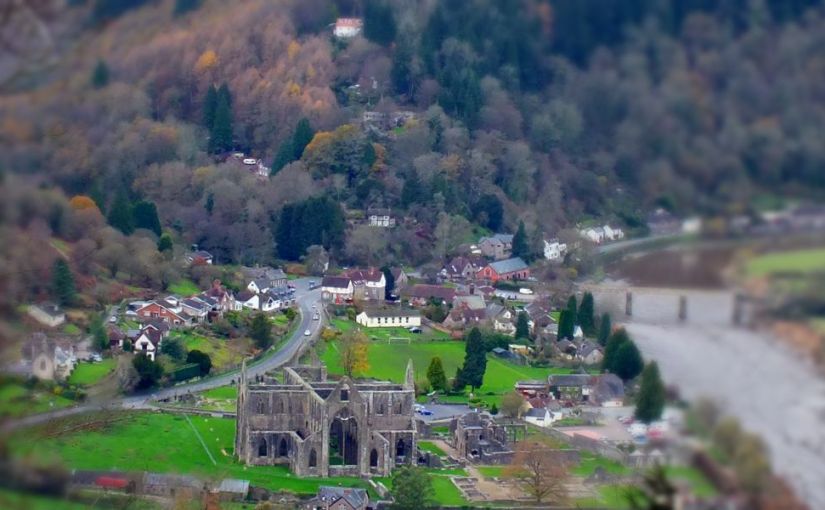
Dawn of “The Day After” runs a monthly architecture challenge as well as her windows, I haven’t joined in for a while, but thought it would be a good opportunity to share some photos of Tintern Abbey. Long since abandoned.

the Cistercian abbey of Tintern is one of the greatest monastic ruins of Wales. It was only the second Cistercian foundation in Britain, and the first in Wales, and was founded on 9 May 1131 by Walter de Clare, lord of Chepstow.

In the 1500s monastic life in England and Wales was brought to an abrupt end by the political actions of King Henry VIII. The Dissolution of the Monasteries was part of the king’s policy to establish total control over the church in his realm.

Tintern Abbey was surrendered to the king’s visitors on 3 September 1536. With the roofs gone and windows smashed it was destined to fall into decay, but was rediscovered in the late 18th century and became a fashionable place to visit by many people wanting to discover a wild and romantic place including the artist JMW Turner and the poet William Wordsworth.


Since the early twentieth century the abandoned ruin has been cared for and restored so that it will remain the perfect ruined abbey for many years to come. If you would like to read more about the abbey then please visit Castle Wales.
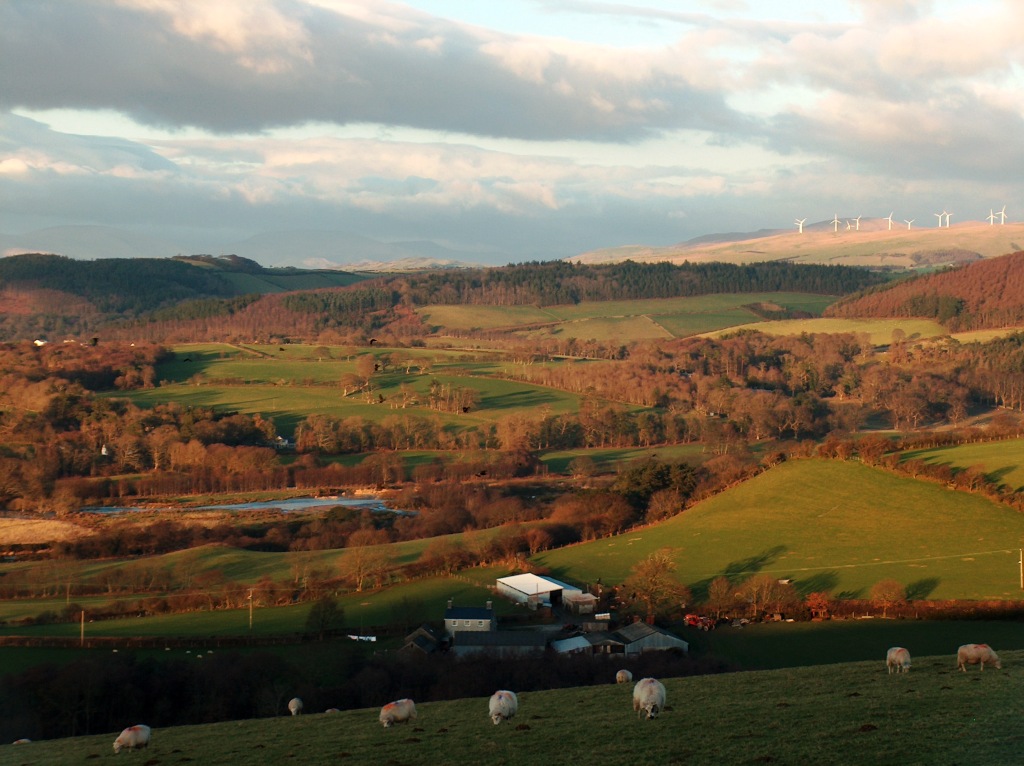
Compared to the environmental impact of traditional energy sources, the environmental impact of wind power is relatively minor. Wind power consumes no fuel, and emits no air pollution, unlike fossil fuel power sources. The energy consumed to manufacture and transport the materials used to build a wind power plant is equal to the new energy produced by the plant within a few months. While a wind farm may cover a large area of land, many land uses such as agriculture are compatible, with only small areas of turbine foundations and infrastructure made unavailable for use. Wikipedia
What are your thoughts about wind turbines? Do you think they spoil the environment?
I have a bit of a thing obsession for doorways and doors so this week’s theme is right up my doorway alley.
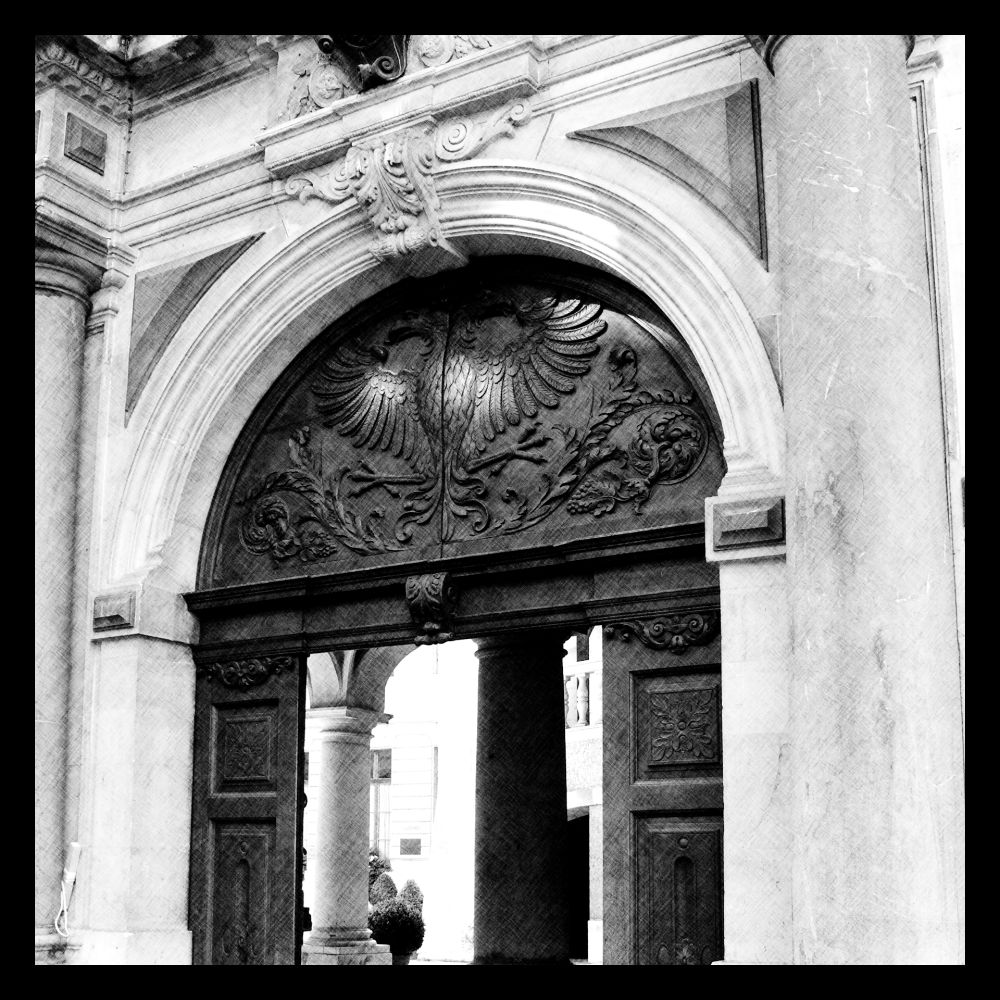
In the old town of Geneva you will find this impressive doorway – The 15th century Hotel De Ville (Town Hall) located along Rue de l’Hotel-de-Ville still serves as the seat of government in Geneva and is the site of many political milestones including the first convening of the Geneva Convention in 1864 and the founding of the League of Nations in 1920.

Have a peep through the doorway
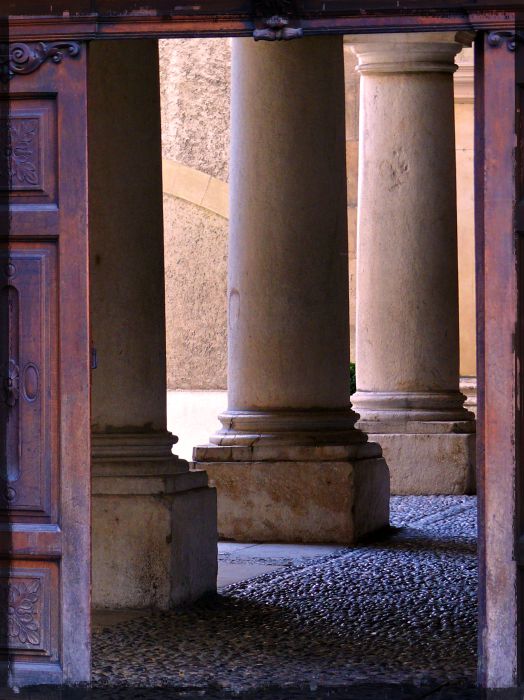
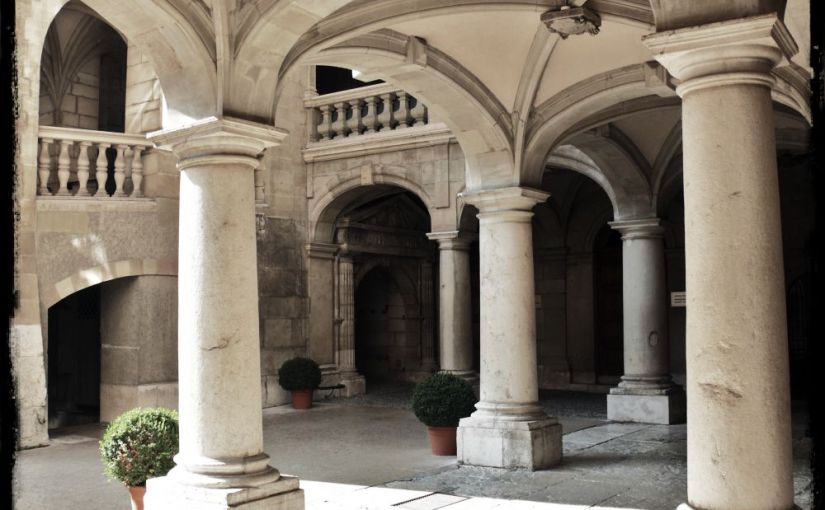
Inside you will find an impressive courtyard, with more doorways
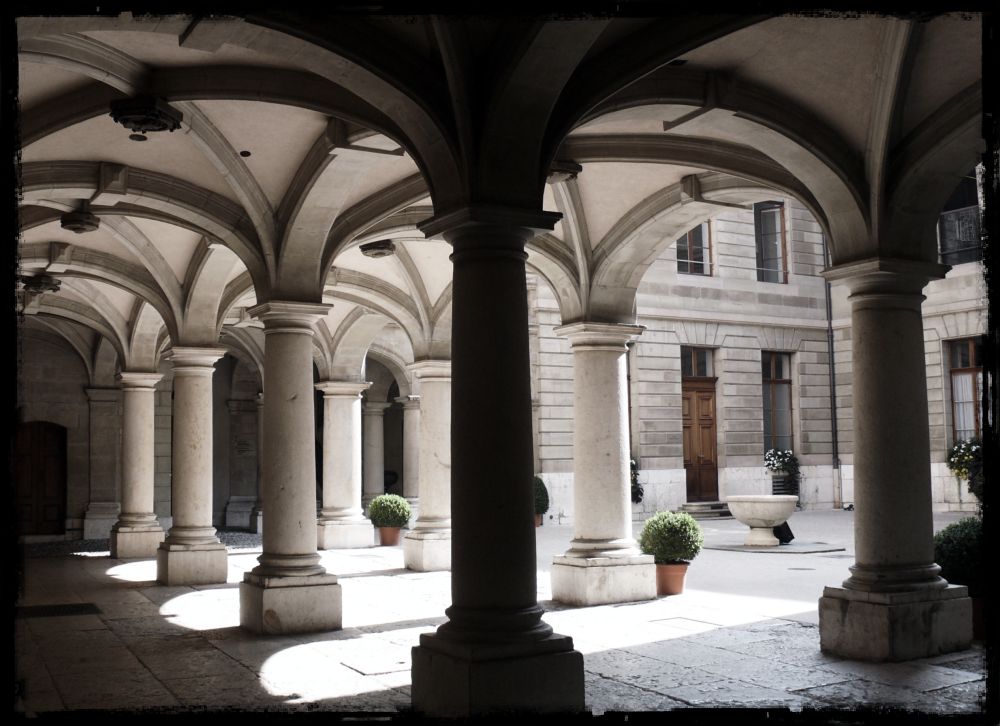
The large paved ramp surrounding the building its most unique feature. Built between 1555 and 1578 by Peter Desfosses, the design of the ramp enabled direct access to the upper floors on horseback or on foot.


 TRAVEL WORDS