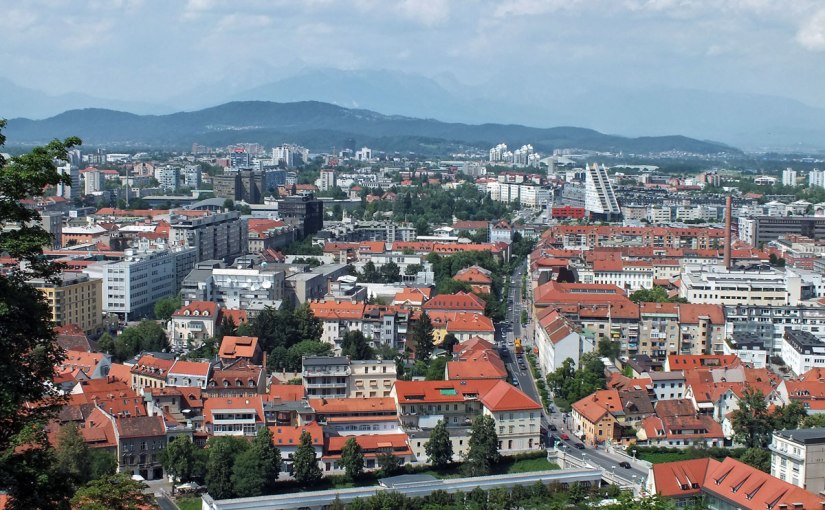
This week we are remaining in Slovenia, but heading to the capital city the delightfully named Ljubljana, the city of the dragons. And there are literally dragons everywhere: guarding the bridges, flying high on the city’s official flag, and even adorning the drain covers throughout the city.


Not to mention bridges. There are in fact 17 bridges crossing the Ljubljanica River.
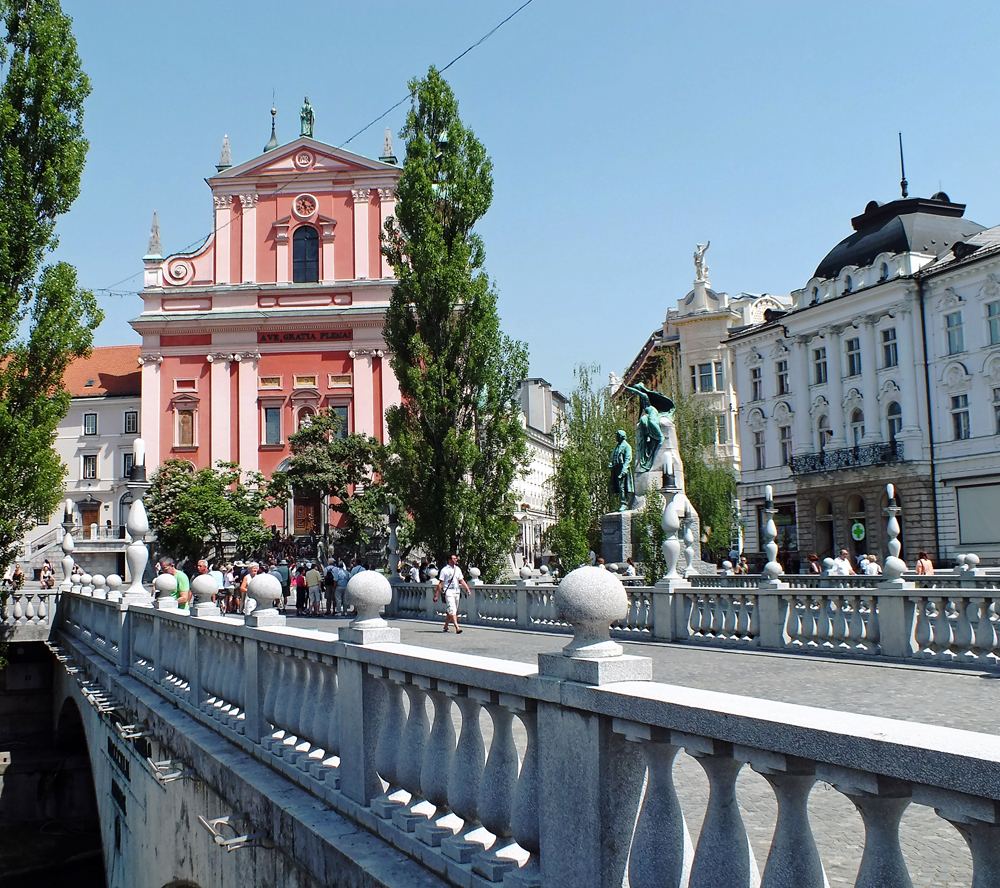
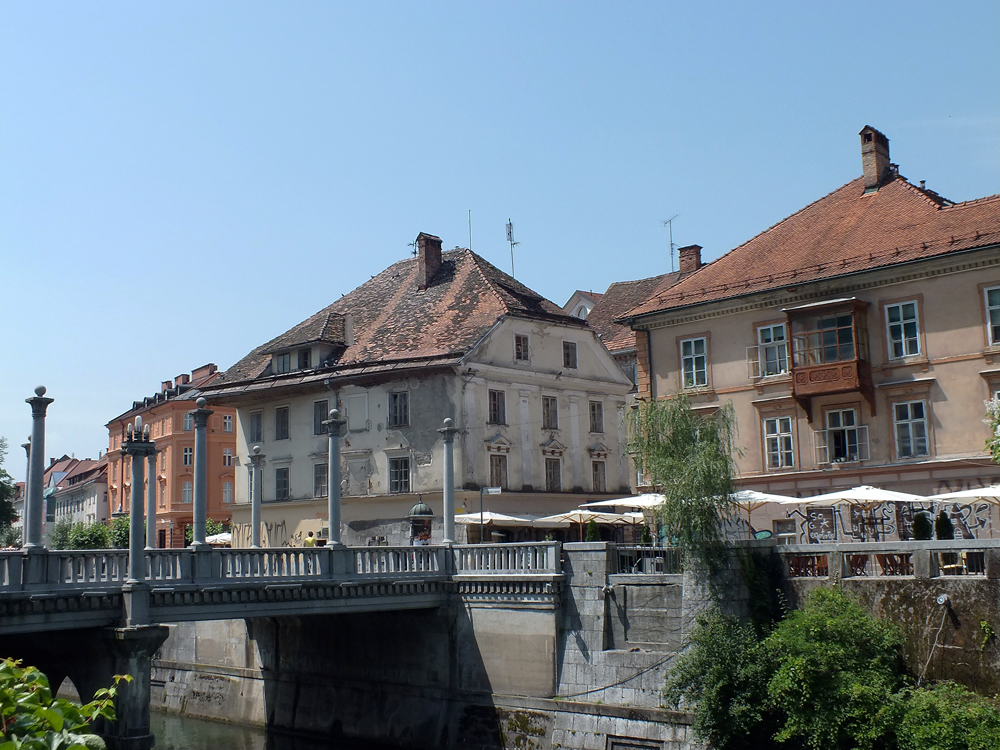
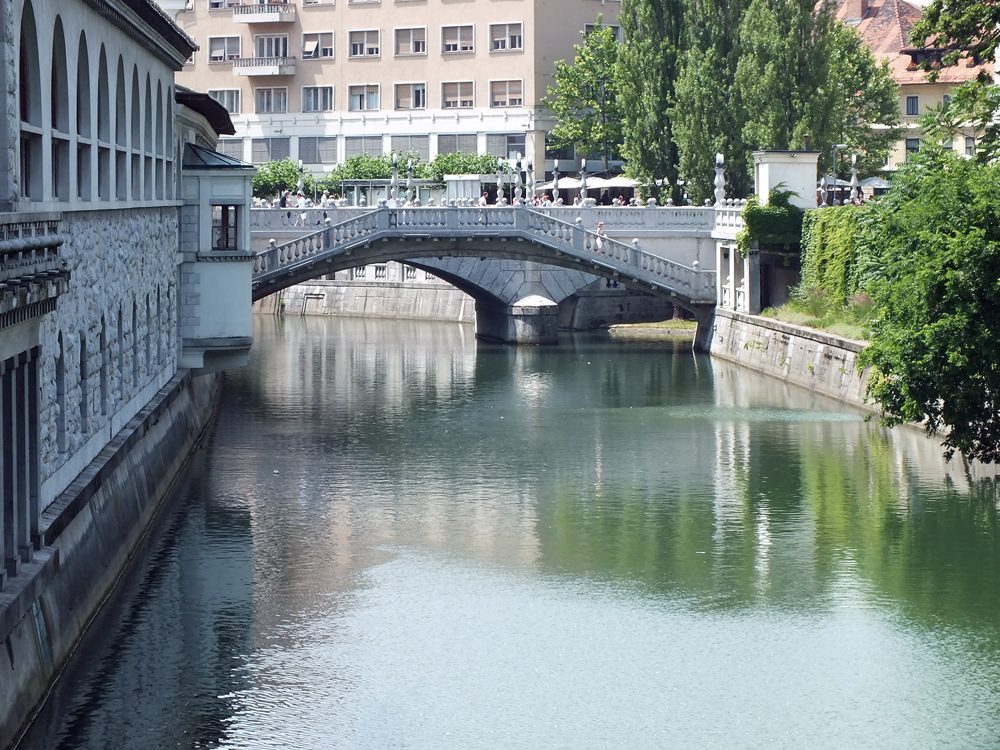
Between Castle Hill and the Ljubljanica River is the city’s Old Town, defined by three ‘squares’, which are actually more like narrow, cobbled streets. The whole area is pedestrianised and easily walkable with lots of charm and history.
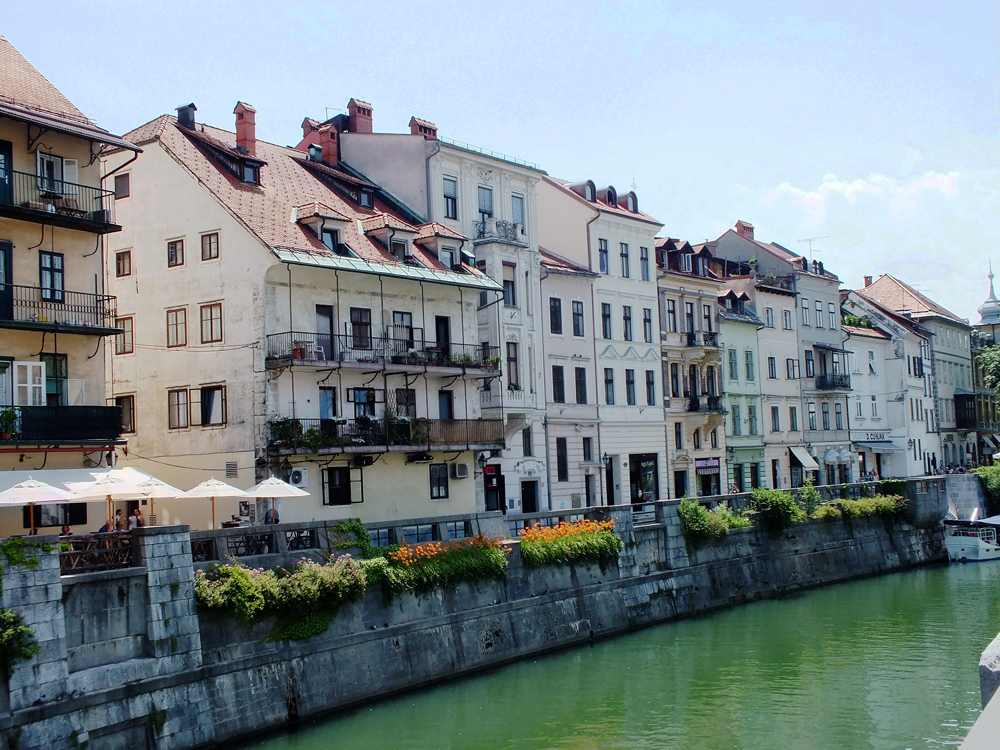
I have blogged about this city before, but let me introduce you to some more of the interesting and quirky sights on my wander around.
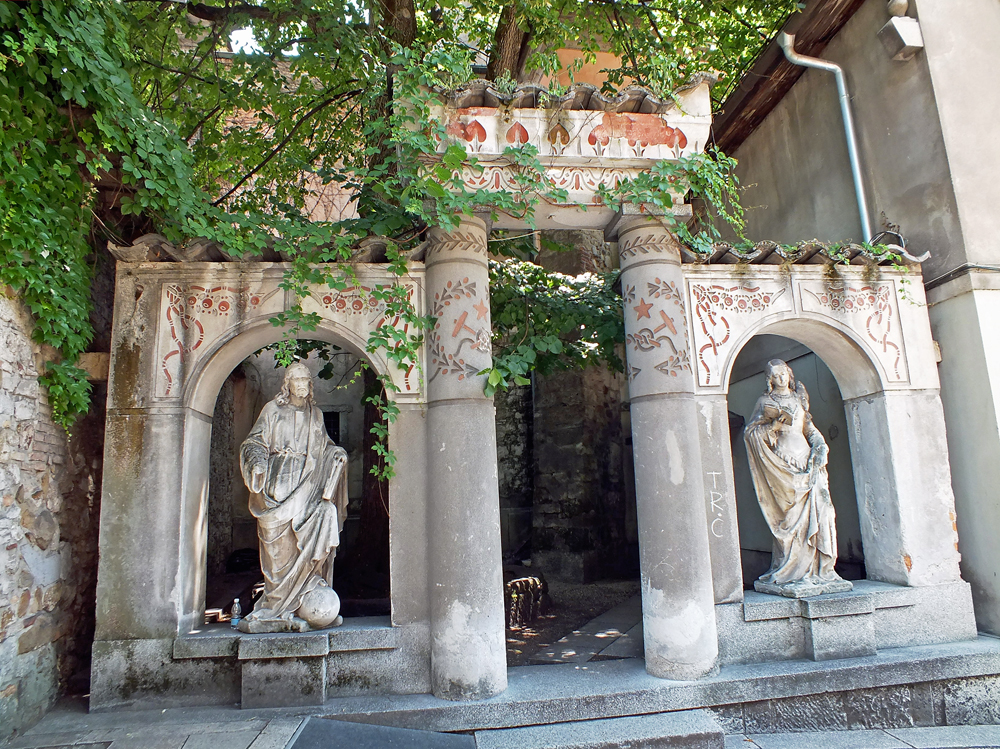


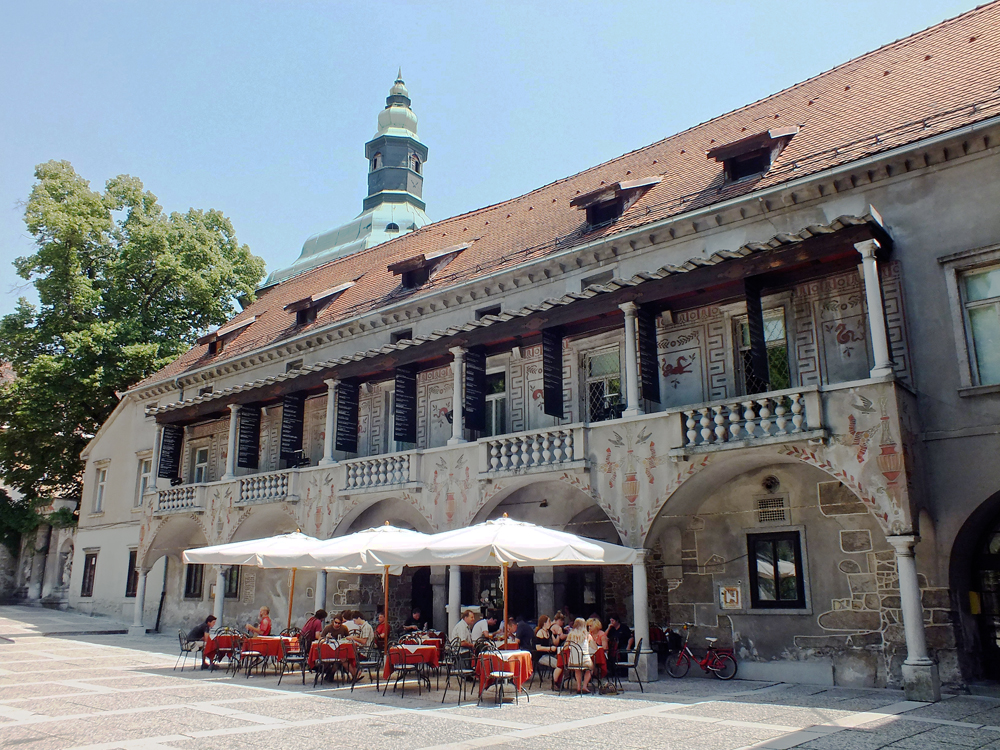
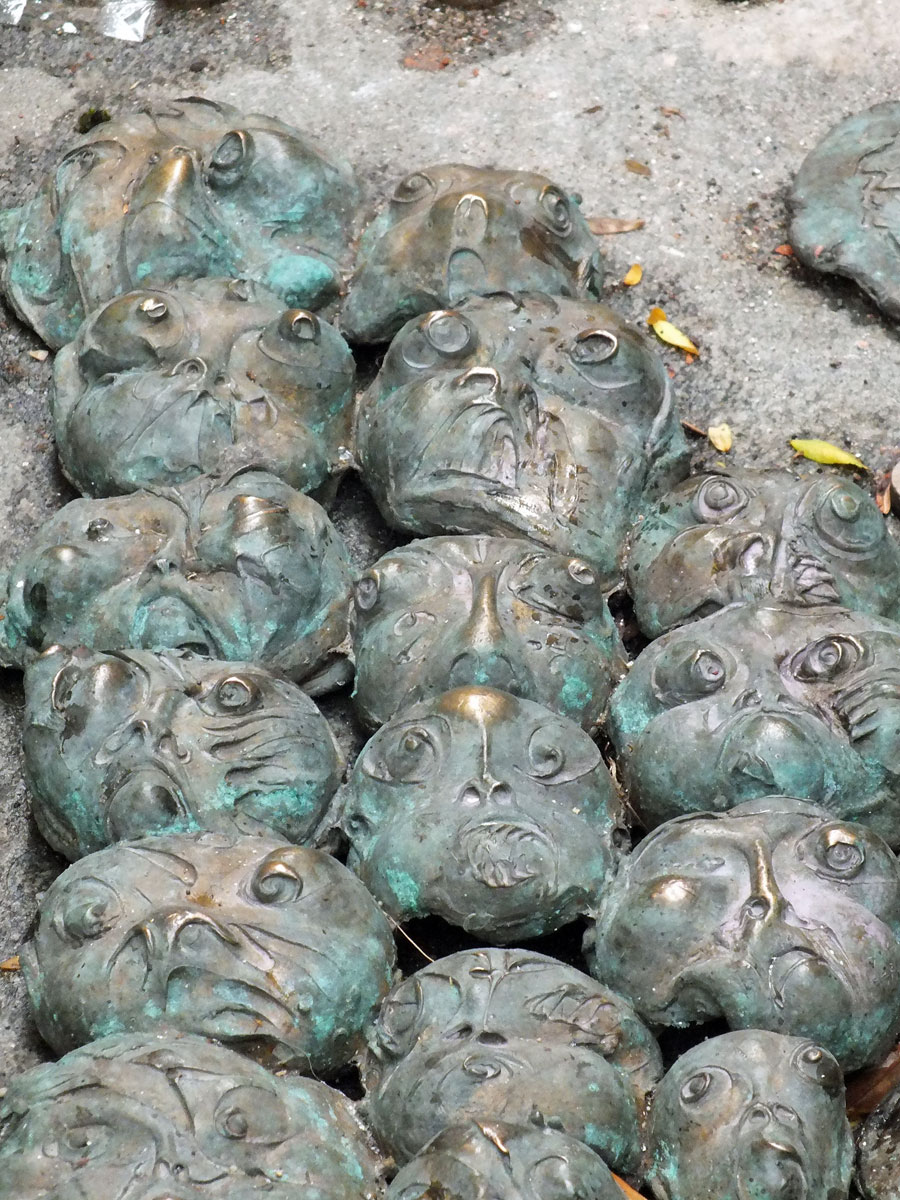
“Locksmith Street,” is a narrow alley in the medieval old town in the Slovenian capital city. The entrance is marked by a key. In the middle of the cobblestoned street is a gully that appears to be flowing with hundreds of strange little faces. Some happy, some sad, some rather strangely distorted. There are 700 of these bronze faces running through the centre of the alley, culminating in a drinking fountain and a couple other odd sculptures, namely a bronze hand and a skeleton trapped in a cage.
Ljubljana Grad, is the castle on top of the hill in the centre of the city. It was originally constructed in the 11th century as a medieval fortress, but most of the current structure dates back to the early 16th century, when most of the castle was rebuilt after a devastating earthquake. It’s been used for everything from a military defence fortress to an army hospital and even a prison; as late as the 1960s it was even used as public housing.
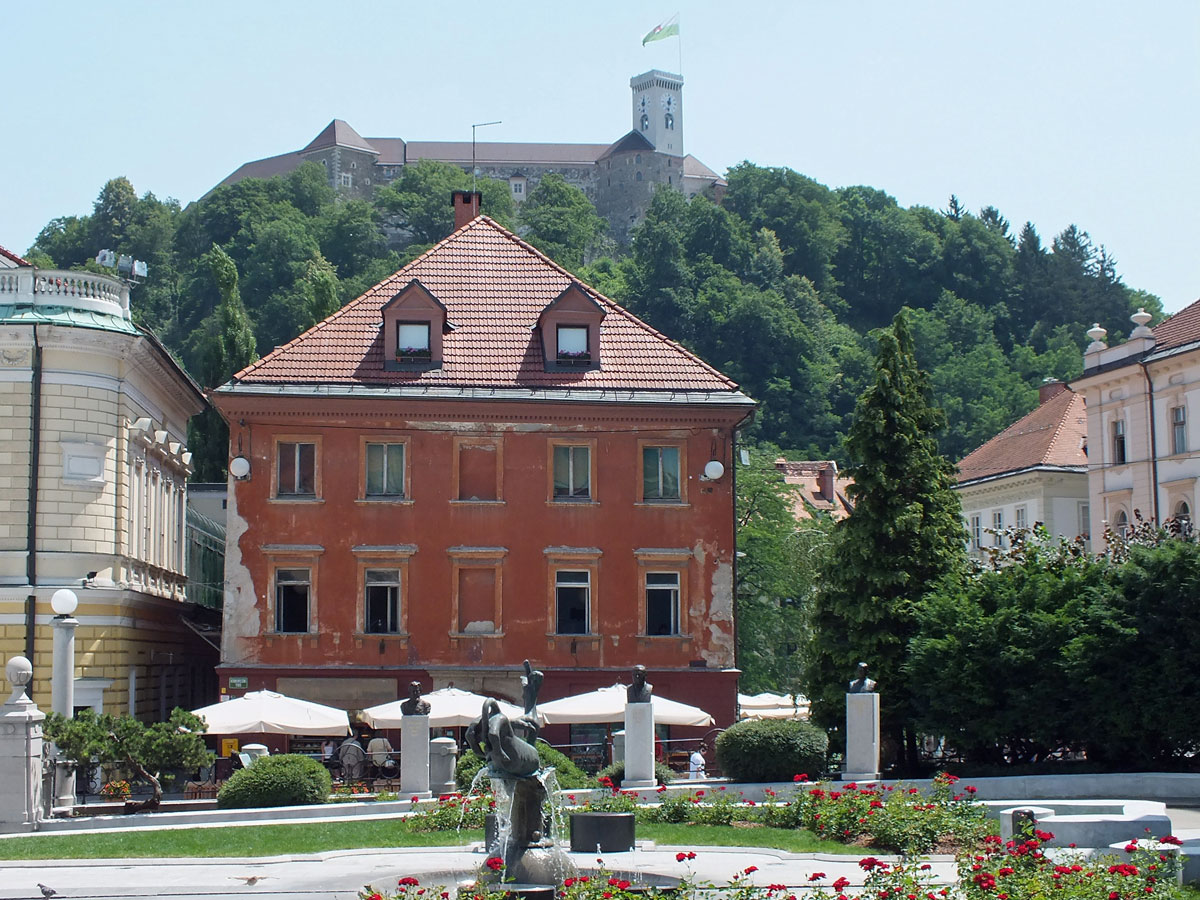


A good thing about this European city is that it is not overrun with passengers from cruise ships so although there are tourists it still very much feels like a city where locals live and work and have fun.
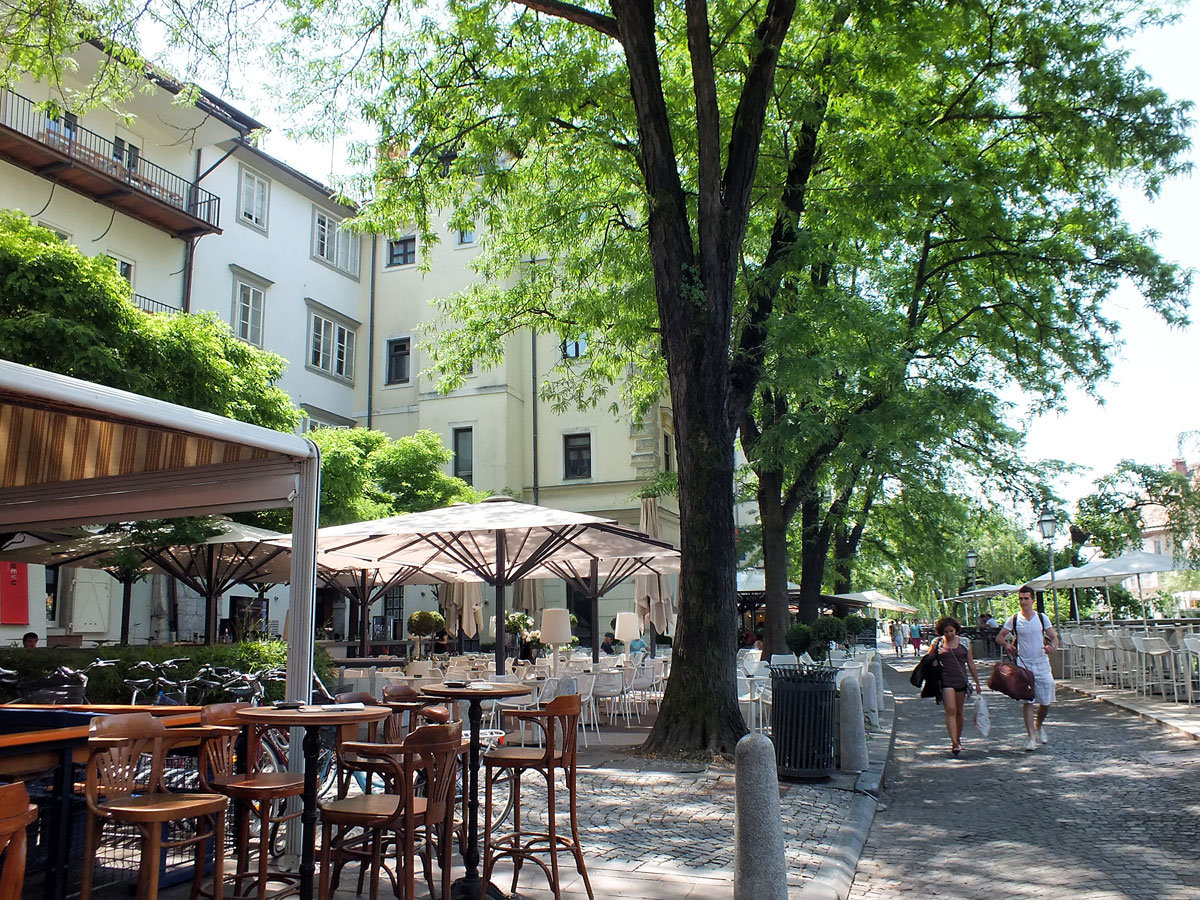
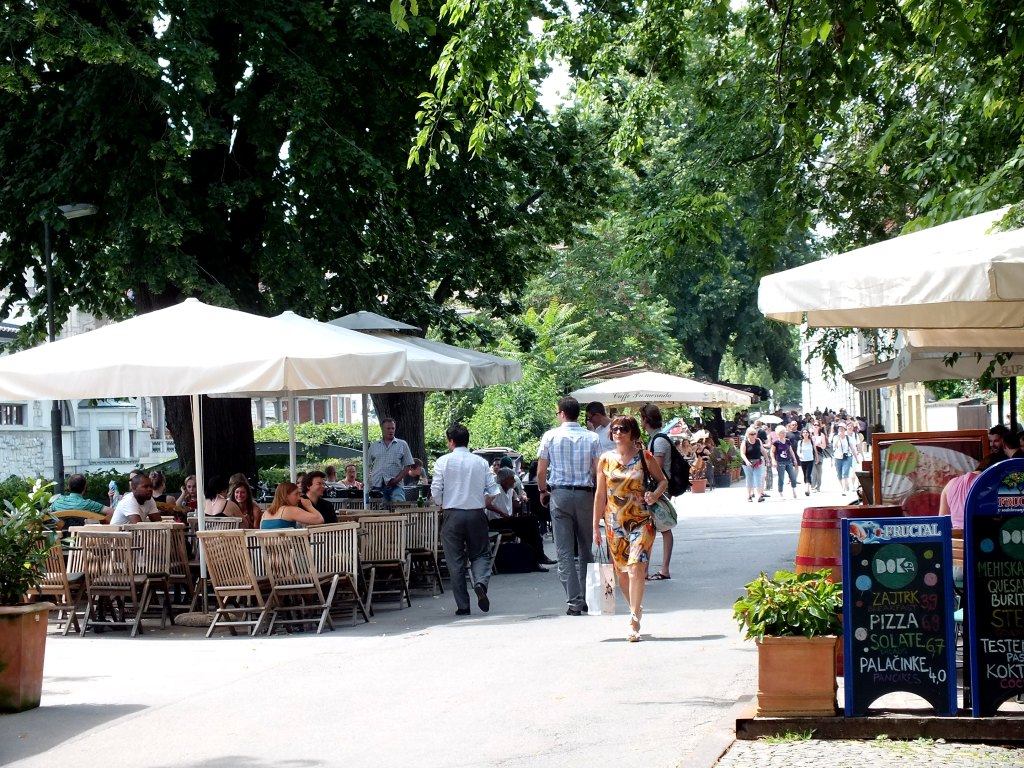
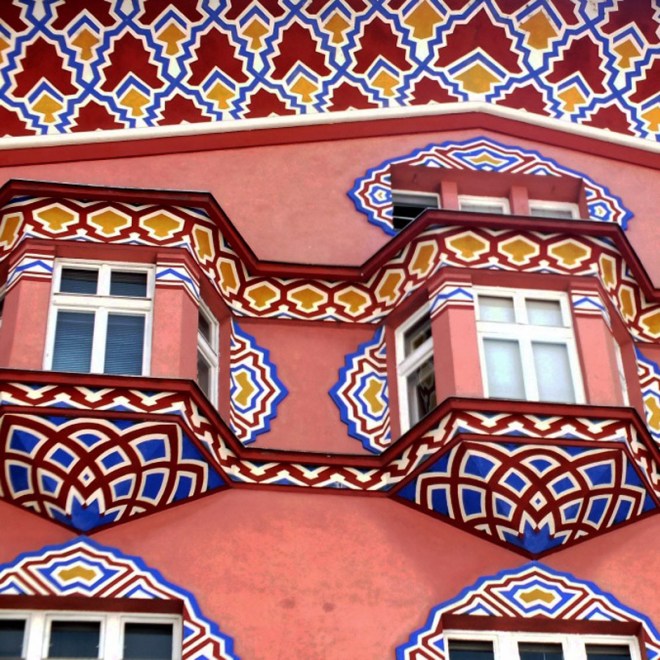
The city has a vibrant café scene and one of the best places to be on a sunny day is sitting outdoors by the riverside watching the world go by. It feels a bit Mediterranean crossed with eastern European with street cafés, bars and restaurants, lovelocks, open air markets and Viennese Secessionist architecture and 19th-century wooden shop fronts, quiet courtyards and cobblestone passageways.









 TRAVEL WORDS