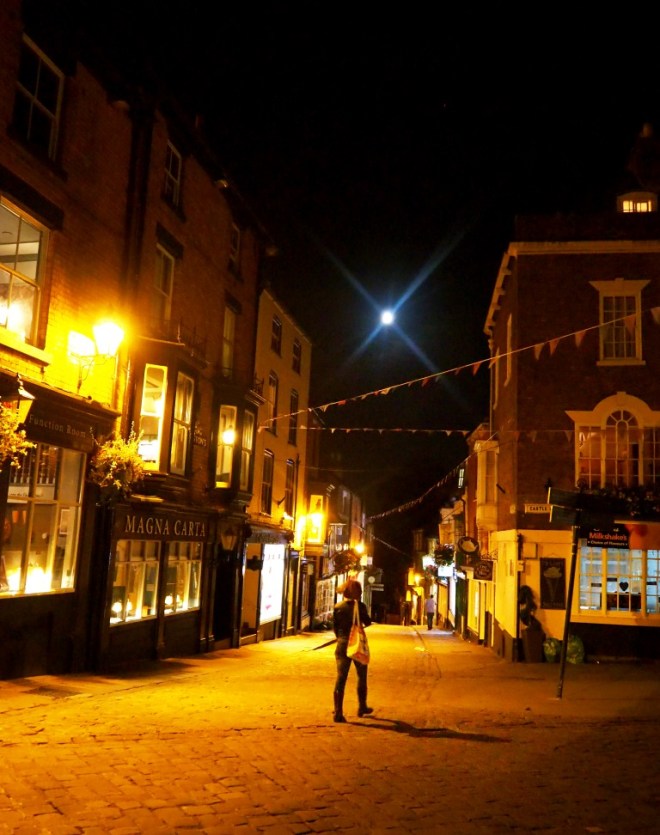
Whilst going through my Lincoln photos for future posts, I came across this image of a woman heading down Steep Hill with a perfect shadow.
Whilst going through my Lincoln photos for future posts, I came across this image of a woman heading down Steep Hill with a perfect shadow.
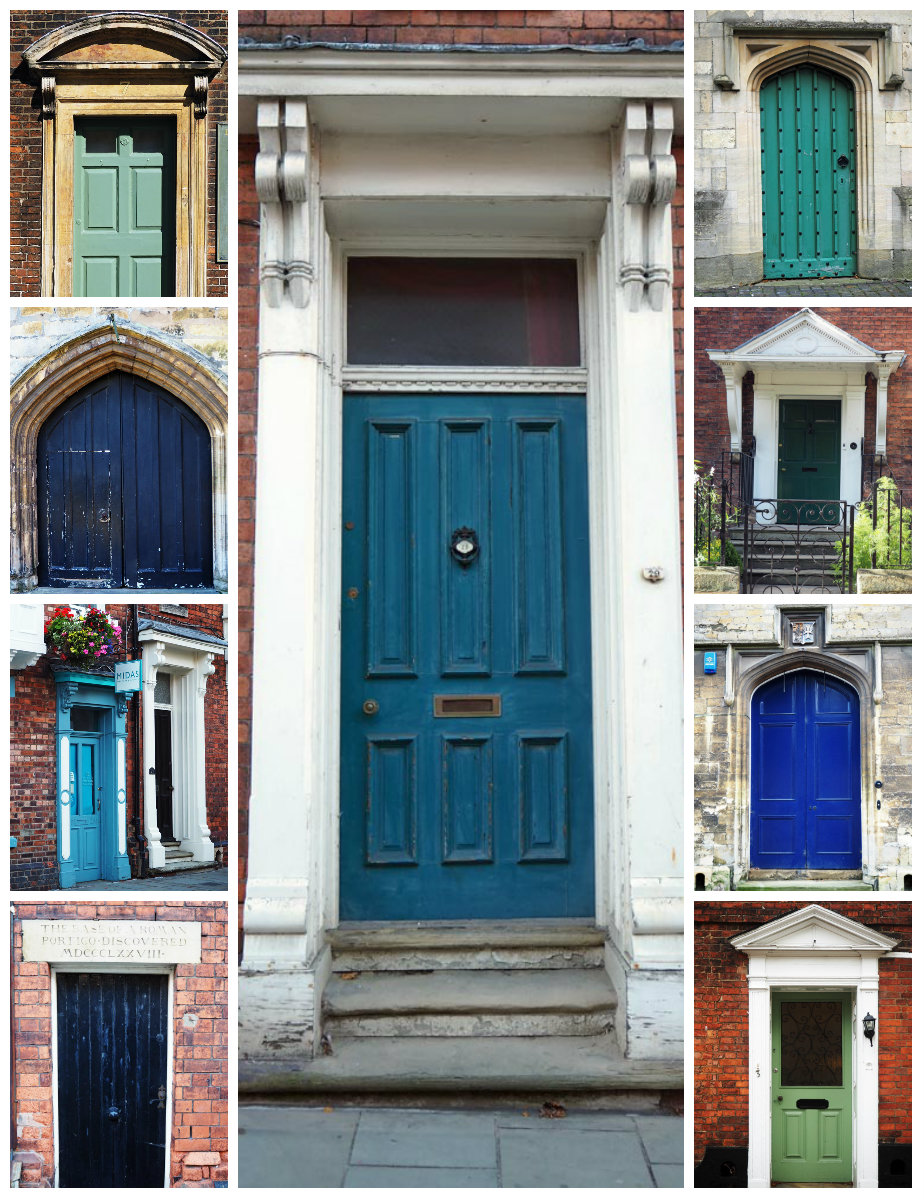
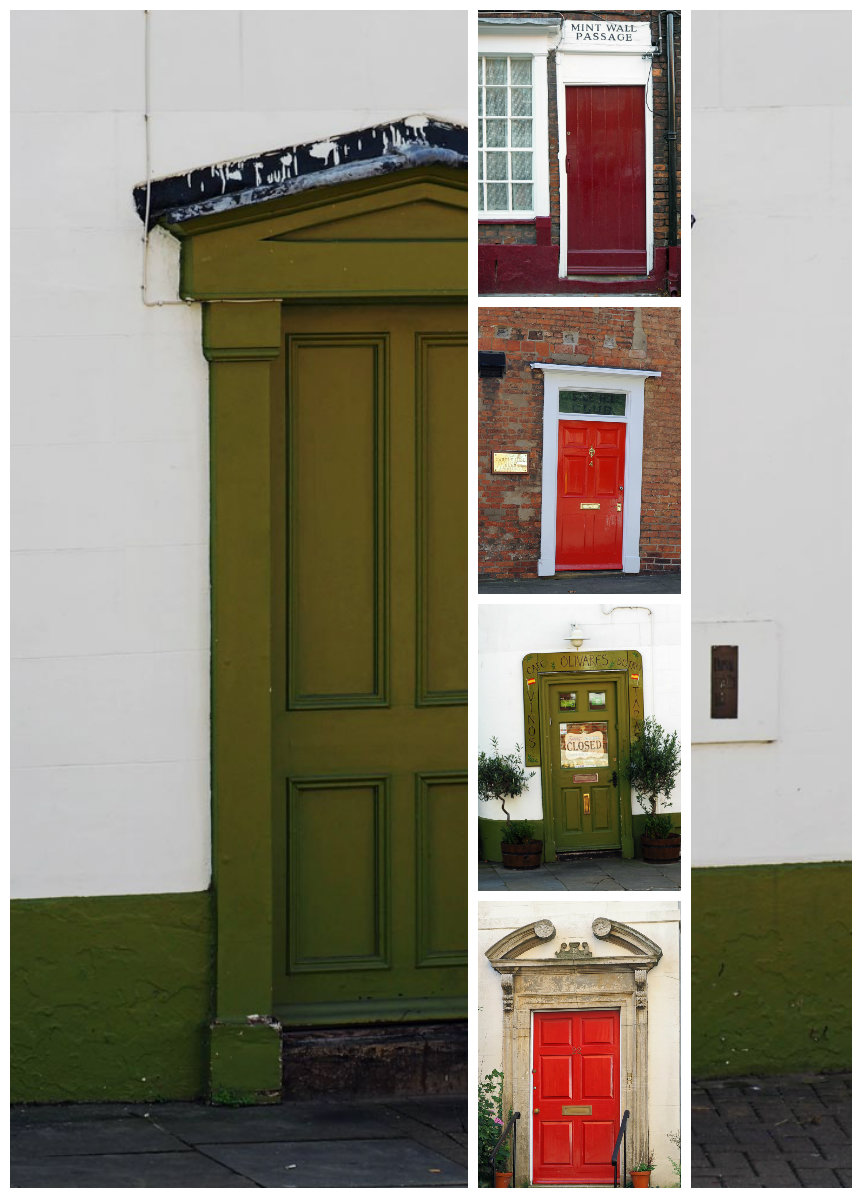
It was like being back in Ludlow. All the beautiful doors of Lincoln’s Cathedral Quarter beckoned. Often wonky, scuffed and peeling paint, elaborate stonework, fancy fanlights or just brightly coloured wooden doors. Each with oodles of character.
Leaving Norwich behind the next stage of our journey was northwards to Lincoln where we would stay a couple of nights and explore the Cathedral area. As the journey was quite short and we couldn’t check in until after 3 pm I decided to make a couple of detours en route.
Driving through the flat landscape with polytunnels stretching far on either side of the road, you realise that this is the agricultural heart of England. The distinct whiff of cabbages was all too familiar.

The first stop was to see the windmill at Heckington. The second stop was in nearby Sleaford to have a look at the Navigation Wharf and have a bite to eat. We parked up in the market place where you find an imposing church and a large war memorial. Being a Sunday there was no market and the parking was free. Always good.

I haven’t been to Lincolnshire for a long while. But the red brick houses and quiet streets and even the market place, immediately took me back to my childhood when I lived in Nottinghamshire and Lincolnshire before returning to the county of my birth when I was ten.

Slipping around the corner we made our way to the Navigation Wharf, originally the terminus of the Sleaford Navigation. Goods shipped on the Navigation were stored at Quayside House to await collection or dispatch. Navigation House was the Sleaford Navigation Company office, built in 1838 and now is now a small museum explaining the early development of the River Slea and the story of the Navigation. We had a quick look inside and then went to the National Centre for Craft and Design to have a look at the exhibitions.

And also the view over the town from the roof-top gallery.

A short walk takes you on a circular route along a section of the River Slea to Cogglesford Mill and back to Navigation Wharf. We were hoping to get a coffee and sandwich at the Mill, but were sadly disappointed.


After crossing the footbridge (originally built in 1962) replaced in 2008 the path follows alongside the East Banks towards the Leisure Centre. Three interesting mosaics have been laid in the pathway.


Just past the Leisure Centre is a footbridge and a sluice gate which marks the splitting of the river into two channels; the New Slea and the Old Slea which used to be the most important channel but is now mostly used as an overflow. Original Iron Age and Roman settlements at Old Sleaford were founded on a ford at this point. The New Slea was straightened when it became the Navigation in 1790 and it may have been the site of several Anglo-Saxon watermills.


We continued along the East Banks until we reached the mill pond and tilting weir (1961) where we turned left over the lock and mill headrace to Cogglesford Watermill.


The mill dates back to Saxon times and is thought to be the only Sheriff’s watermill still in operation in England. The present mill was built in the early †18C and still produces flour on milling days which take place from April to December.

We were disappointed not to find a tea-room here, only a vending machine, and since we weren’t in the market to buy any flour, continued to head back to town on the opposite bank.

On the right-hand side of the river is Lollycocks Field, a 5.5 acre nature reserve. The unusual name is thought to derive from the fact that it was once used for raising turkeys (lollycocks). The pond was added in 1960 and is a lovely quiet spot for local fishermen.


Crossing the footbridge near the sluice gate we returned to the Navigation Wharf via the East Banks and were pleased to find a proper coffee machine in the licensed café in the National Centre for Design and Craft where we sat in the sunshine, enjoying a piece of cake and a decent flat white. Always nice to end a walk with cake!

Source: Sleaford Riverside Historic Heritage Trail leaflet and Cogglesford Watermill leaflet.
IF YOU ENJOY A WALK, LONG OR SHORT, THEN HAVE A LOOK AT JO’S SITE WHERE YOU ARE WELCOME TO JOIN IN WITH HER MONDAY WALKS.
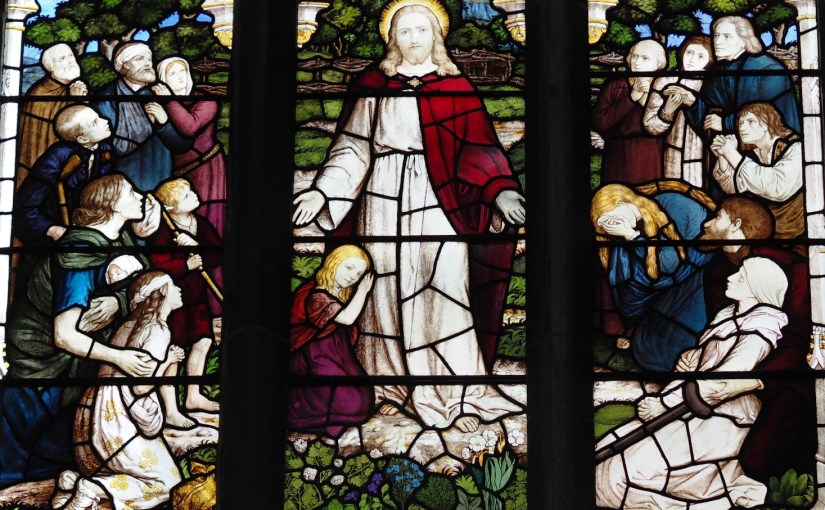
Finally, the windows. I am only going to show you a few glimpses of some of the windows, to be honest it is was quite dark inside this cathedral on this day (it was raining) and not easy to photograph the stained-glass. There are some lovely pieces so if you are able to visit then make sure you examine the windows or visit the Norfolk Stained Glass site which provided much of the information about the windows in Norwich Cathedral.
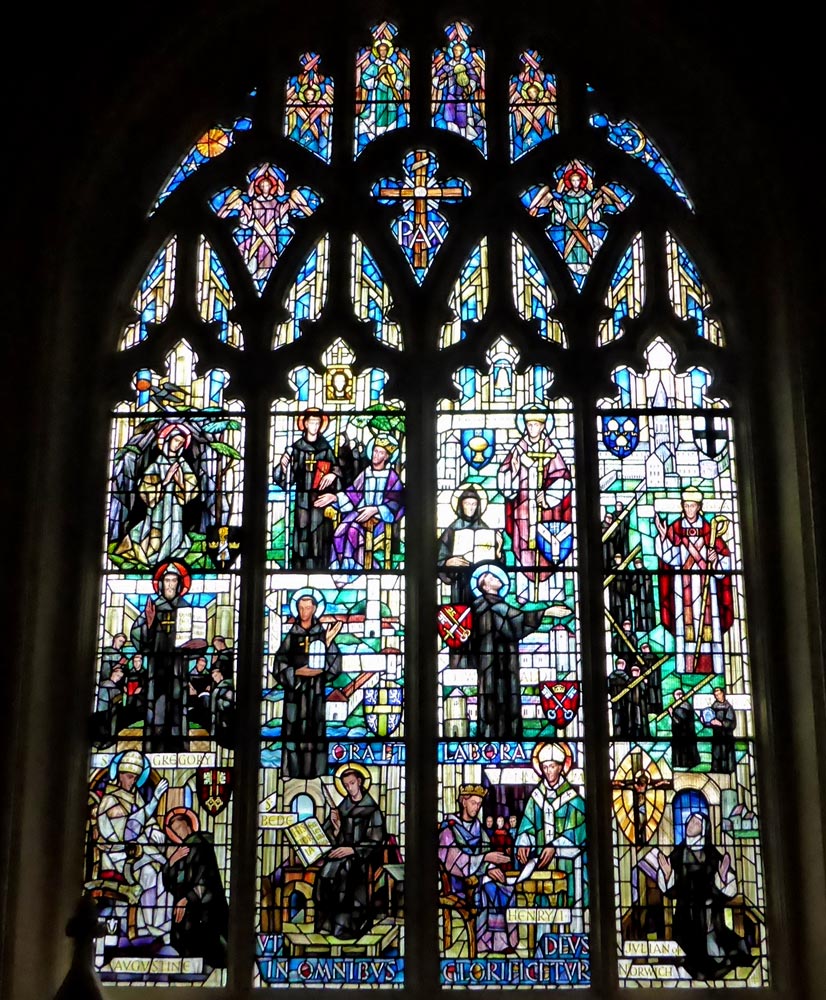 The Bauchon Window was designed by Maria Forsyth and made by Dennis King of G King & Son in 1964. The window given in honour of Julian of Norwich is in memory of Harriet Mabel Campbell (1874 – 53). The main lights depict Julian of Norwich, unusually dressed as a Benedictine nun, together with another eleven Benedictine Saints and other personages.


The tracery lights contain angels (some playing musical instruments) flanking a cross proclaiming “Pax.”


 TRAVEL WORDS