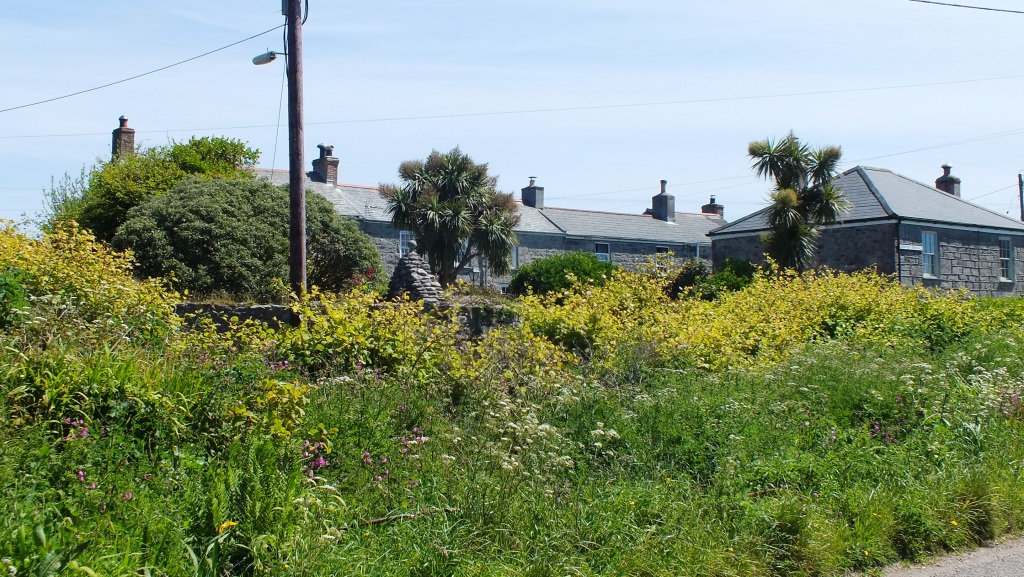
The Levant Mine

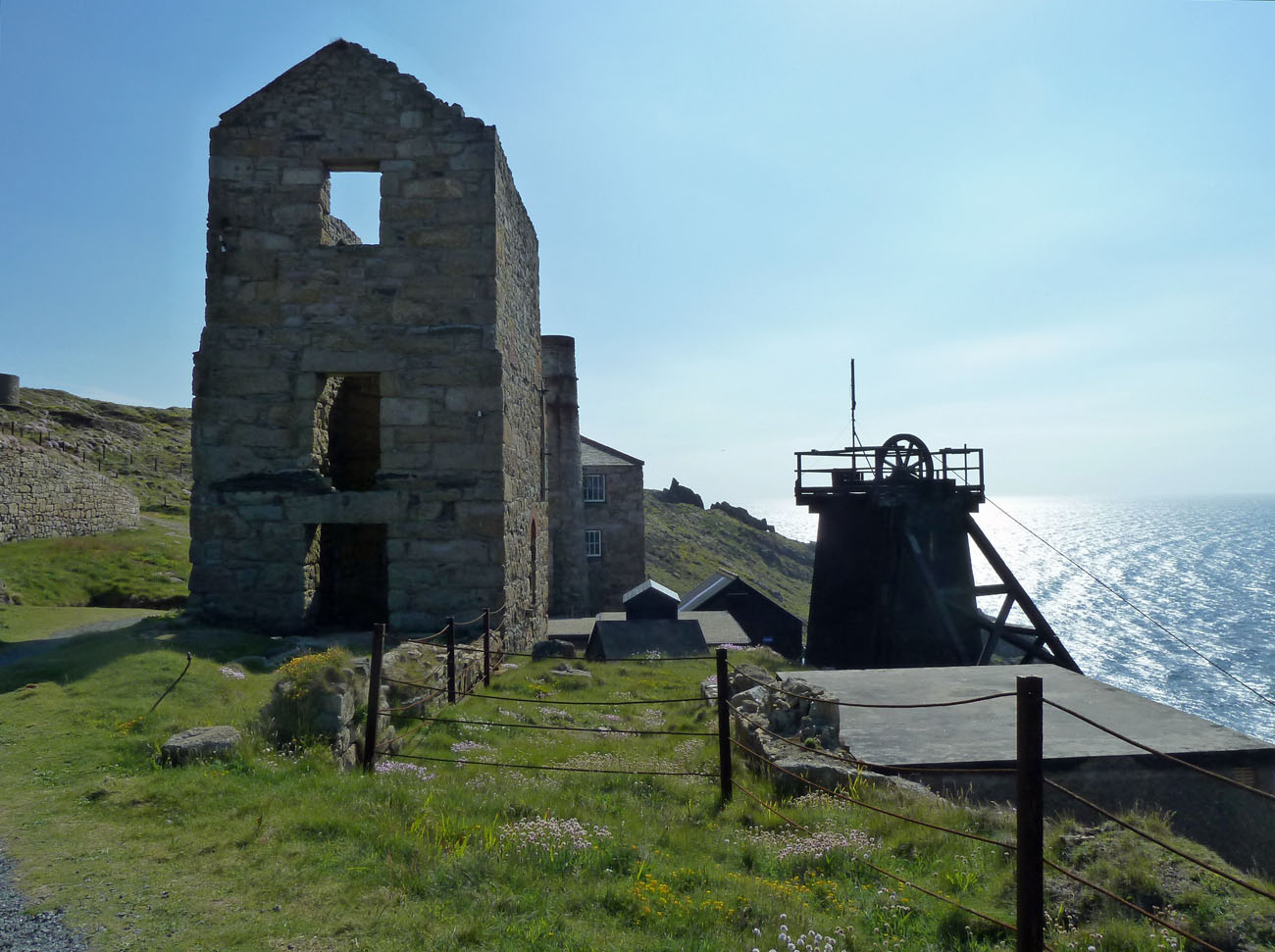
The site of the Levant Mine is truly splendid, perched as it is on the edge of the Atlantic coast in the south-west. Man has mined here since the Bronze Age. A copper mine was around in 1670 followed by the profitable tin mine in 1850. It was one of the top ten mines in Cornwall and shafts were sunk deeper and further under the sea. It was finally closed in 1930 partially brought about through the Man Engine* disaster in 1919.
P1210634

The Levant Beam Engine is still steamed up on selected days from April to October and guided tours of the site are available or you can do a self-guided trail. The site is under the control of the National Trust.

The Miner’s Dry is the site of the former washrooms and the tunnel to the Man Engine is at the bottom of the spiral staircase in the corner. It was here that a man ran in 1919 crying out “the engine’s gone!” Continue reading The Levant Mine
St Just in Penwith

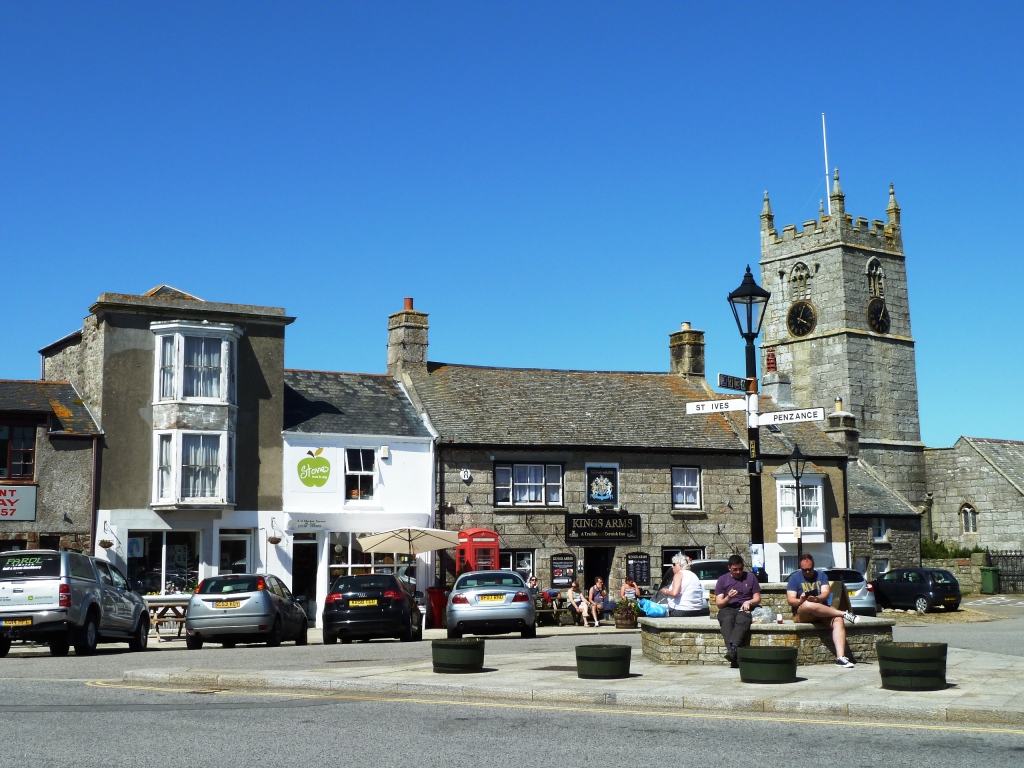
St Just in Penwith, shaped by its industrial mining past, is the most westerly town in England and began as a medieval settlement called Lafrowda. It is surrounded by dramatic landscapes of wild moorland, wind-shaped carns and Bronze Age remains. The town made its fortune from tin and the marks left by the boom of the mid-1800s still dominate. There are two squares – Bank (with its 1931 clock tower) which was the business centre (and where the miners would have collected their wages) and Market where the shops and pubs are located (and where the miners would have spent their wages).

Market Square
Bank Square

The grass amphitheatre behind the clock tower is Plen-an-Gwary (Old Cornish for ‘playing place’) where Miracle plays would have been performed 500 years ago. In more recent times it has been used to stage the full cycle again in 2004 and also to hold the Gorsedd, an important Cornish festival. Continue reading St Just in Penwith

A walk in the past

West Penwith. The furthest west you can go on British mainland and where you will find Land’s End. An area which was once rich in mineral wealth and is therefore riddled with mine shafts and abandoned engine houses. It is also an area rich in megalithic and archaeological sites. Fields of standing stones, stone circles, rocks with holes in the middle and a quoit or two.

Bojewyan

Staying near the former mining village of Pendeen which lies between the sea and moorland gave me a chance to explore this wild and rugged region. The sun shone brightly every day, although the accompanying wind from the north reduced the temperature to a mere 14°C and made walks on the exposed coastline ‘interesting‘ difficult to stand up in.

Higher Bojewyan

A rather more pleasant walk was inland to find Chûn Quoit and Chûn Castle (though the castle is reduced to a heap of stones as most of it was used to pave the streets of Penzance) as much of the route was along a sheltered lane with high Cornish hedges at either side.

Finding the start of the public bridleway was the first hurdle as it isn’t marked from the road, but consulting the Ordnance Survey map we had with us it appeared to start at the back of a group of houses/farm in Higher Bojewyan just around the corner from our cottage.

Continue reading A walk in the past

A Mermaid in a Church?

That’s right. You didn’t misread the title. There is a little church in Zennor, west-Cornwall that is home to a mermaid.

Why a mermaid?

Before the Christian era, mermaids were one of the symbols for Aphrodite, Goddess of the sea and of love. In one hand she held a quince (love apple) and in the other a comb. Later the quince was changed to a mirror, symbol of vanity and heartlessness.

P1210747

In the Middle Ages, when Cornish mystery plays were performed, the mermaid was used as a symbol to explain the two natures of Christ. She was both human and a fish. He was both a man and god.

Mermaid frescoes are found in other Cornish churches – Breage, Poughill and Altarnun – but Zennor is the only one with a carving.

P1210752

The mermaid reminds us that St Senara also came by sea and founded a church at Zennor more than 1400 years ago.

The Legend of the Chair

The only remaining Medieval bench ends carved over 500 years ago are linked to the chorister Matthew Trewhella who, it is said, was lured into the sea at Pendour Cove by a mermaid who came into the church to hear his beautiful singing.

source: Zennor Church

Dawn of Lingering Look at Architecture has churches as the topic for the month of June so I am linking this post to her challenge.

And I shall link it to Paula’s Thursday Special too as she is interested in things from the past this week.

Cornish Engine Houses

If you have ever visited Cornwall, or if you have watched Poldark, then you will be aware that the county is littered with the remains of abandoned engine houses and chimney stacks. It would be remiss of me not to show some of these, though I didn’t venture down the one open to the public (Geevor Mine above) as I suffer from mild claustrophobia and can’t stand being in the dark.

The engine houses were built to provide a framework for the steam-pumping engine and more beam engines were installed in Cornwall and west Devon than any other mining region of the world: it is thought that around 3,000 engine houses were built in total to house them of which 200 still remain. They stand adjacent to where the main mine shafts were and provide one of the most distinctive displays of industrial buildings anywhere in the world.

P1210722

Near Pendeen
Near Pendeen

The strength and size of the structures, usually built out of local stone and granite with brick detailing over the windows, arches and topmost chimney stack, is the principle reason that so many have survived. They are quite appealing to a photographer, but beware of getting too close as there might be a danger of falling stonework, hidden holes and stones and deep drops.

And of course they often provide an excellent subject for a silhouette.