Historic Dumfries and Galloway

Historic sites are scattered through the glorious region of  Dumfries and Galloway. Being the border county with England there is a history of battles. Till the 12th century, when it came under the Normans, the eastern Solway had alternated between English and Scottish rule.

We passed several interesting looking properties on the way to somewhere else, though nearly always during the evening when the grounds were closed. Fortunately some were quite small and close to the road so we were able to take photographs.

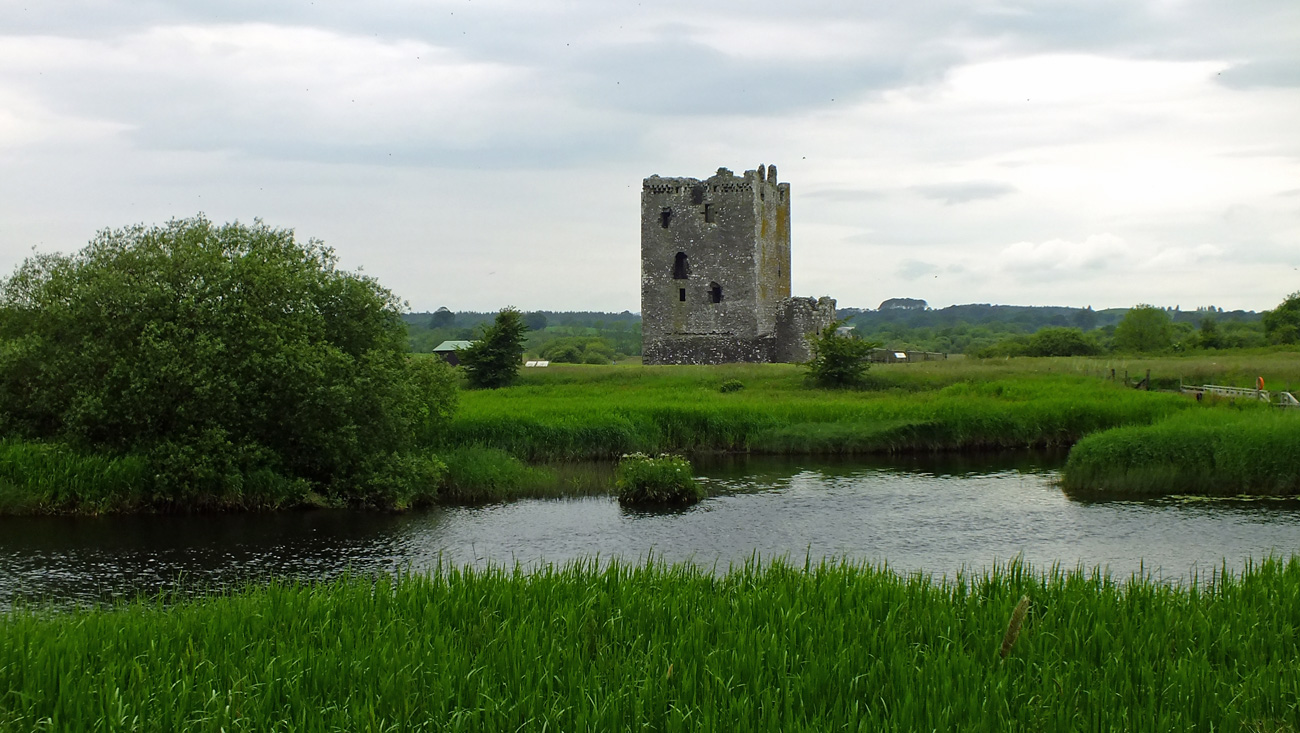
Threave Castle

Located in one of the more interesting locations, this castle is built on an island in the middle of the River Dee and you have to take a small boat across. A lovely circular walk from the entrance takes you through Kelton Mains farm to a small wood leading to the river. A number of bird hides can be found along the route, including one to view an osprey nest.
Threave-Castle-1

This massive tower house was built in the late 14th century by Archibald the Grim, Lord of Galloway. It became the stronghold of the Black Douglases and still today, round its base you can see the artillery fortification, an innovative defence years ahead of its time, built before 1455 when James II besieged the castle. (Threave Castle)

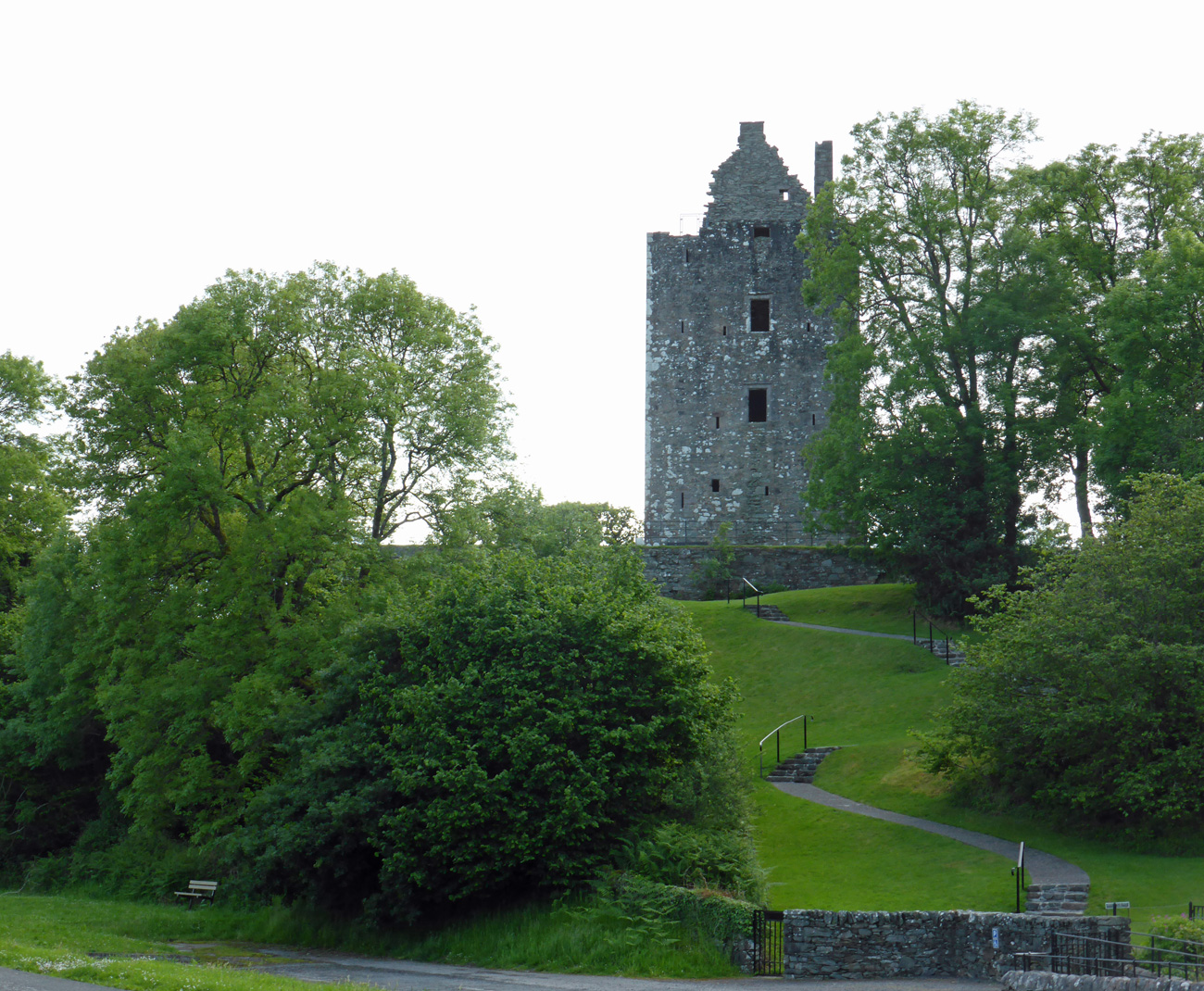
Cardoness Castle

A fine example of a six storey Scottish tower-house castle, Cardoness Castle was built in the later 15th century as the fortified residence of the McCullochs.  Its battlements command excellent views over Fleet Bay.
P1120880

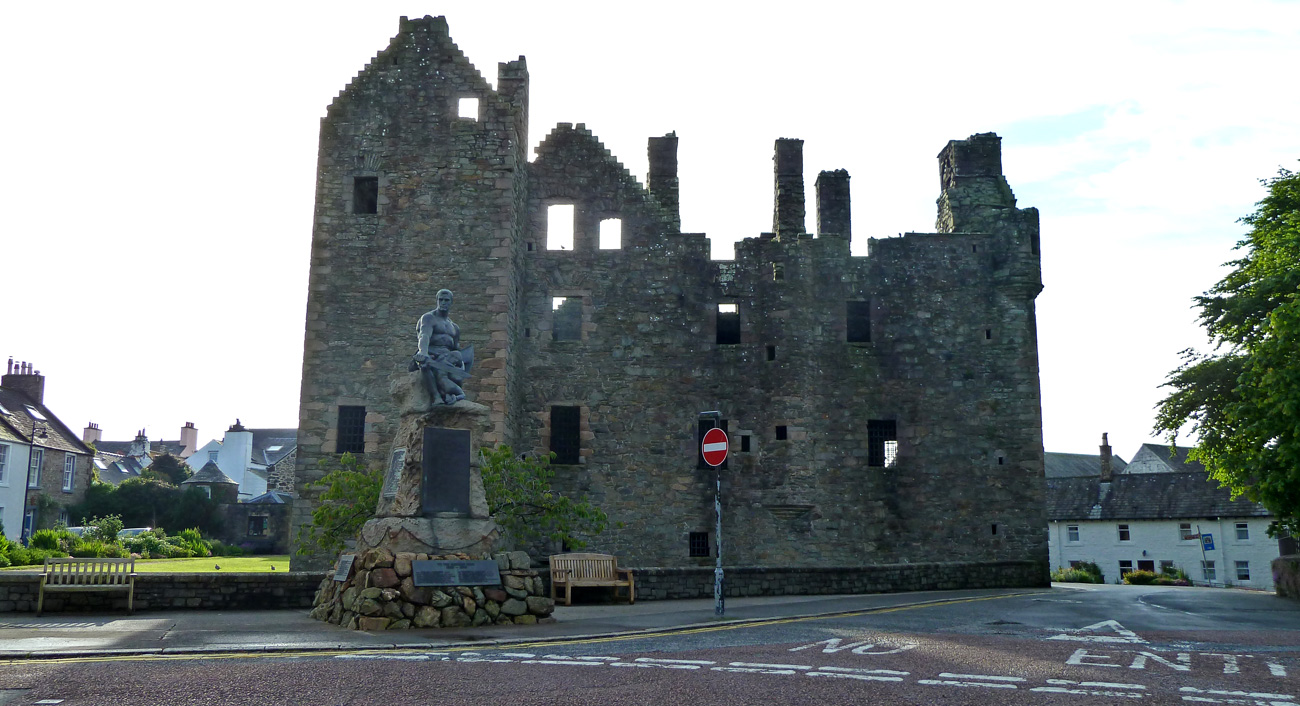
MacLellan’s Castle

MacLellan’s Castle was named after Sir Thomas MacLellan of Bombie (d. 1597). Sir Thomas was provost of Kirkcudbright and a powerful man in local politics. Following the Protestant Reformation in 1560, he acquired the site and buildings of the convent of Greyfriars, established in the town by James II in 1449, and set about building himself a new residence in its place. By 1582, MacLellan’s Castle was sufficiently complete for him to move in. Five years later, he and his second wife, Grissel, entertained their sovereign, James VI, in this spacious house.
P1170588

The remains of this late 16th century house shows how architecture changed from the heavily defended tower house to a new, more domestic scale.

Dundrennan Abbey

Dundrennan Abbey was founded in 1142 by Fergus, Lord of Galloway, with the help of King David I of Scotland. The white-robed Cistercian monks came from Rievaulx Abbey, in North Yorkshire. After establishing the abbey at Dundrennan, monks went forth to found two more Cistercian abbeys in Galloway – Glenluce, near Stranraer, around 1190, and Sweetheart, in the village of New Abbey, south of Dumfries, in 1273.

DSCF8356

The abbey‘s most famous visitor was Mary Queen of Scots. On 15 May 1568, she was welcomed at the gates following her escape from Lochleven Castle, near Kinross, and her defeat at Langside, beside Glasgow. Mary was making for England and the comparative safety, so she thought, of her cousin, Elizabeth I of England. On the following morning she boarded a boat bound for the Cumberland coast. She never returned to her native land.

Sweetheart Abbey

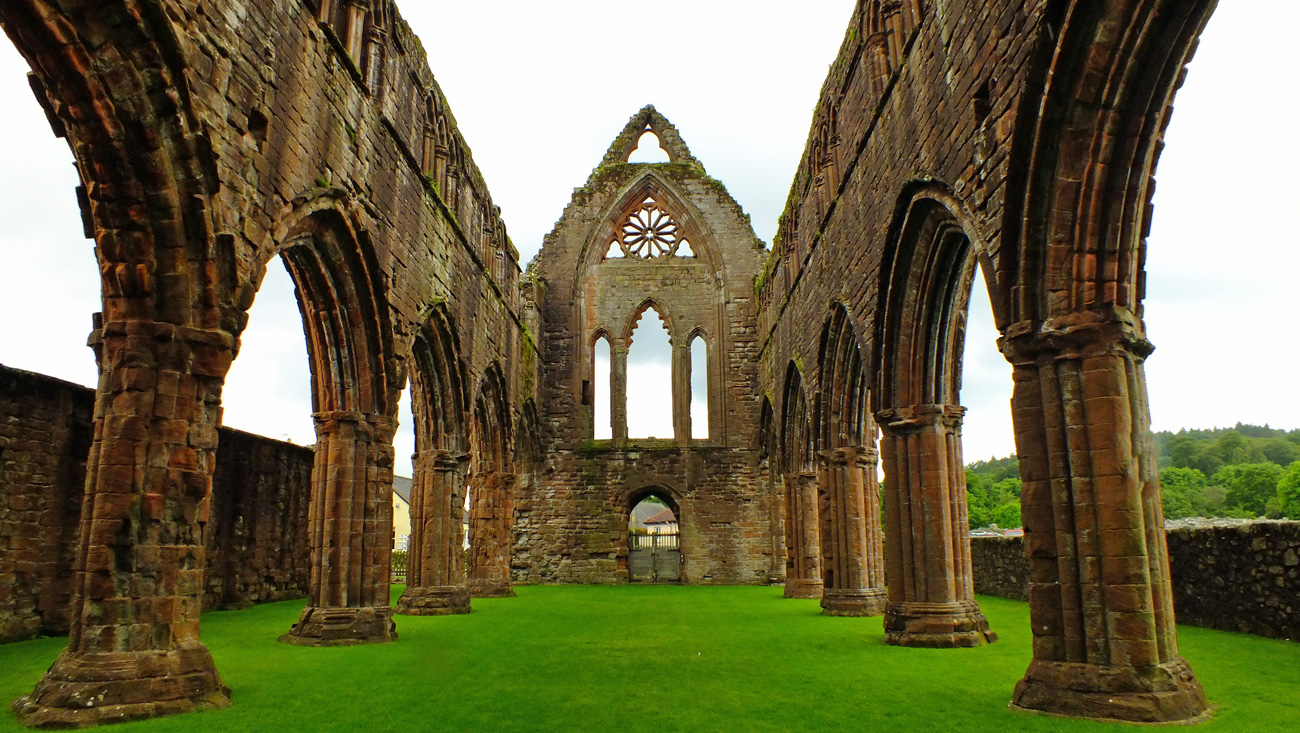
Sweetheart Abbey was founded in 1273 by Lady Dervorgilla of Galloway in memory of her husband John Balliol. In 1268, Lord John Balliol died. His grieving widow, Lady Dervorgilla of Galloway, had his heart embalmed and placed in an ivory casket. She carried it with her everywhere. When she too died in 1289, she was laid to rest in front of the abbey church’s high altar, clutching her husband’s heart to her bosom.
3

The graceful ruin nestles between the grey bulk of Criffel and the shimmering waters of the Solway Firth, whilst its blood-red sandstone walls contrast with the lush green grass at their feet.

Carsluith Castle

Carsluith Castle is a lightly-defended tower house. It is typical of the many L-planned tower houses built by the landed gentry throughout Scotland after the Protestant Reformation of 1560.  This eye-catching tower is on the road between Newton Stuart and Dumfries. And next to it is the Markbury Smokehouse.
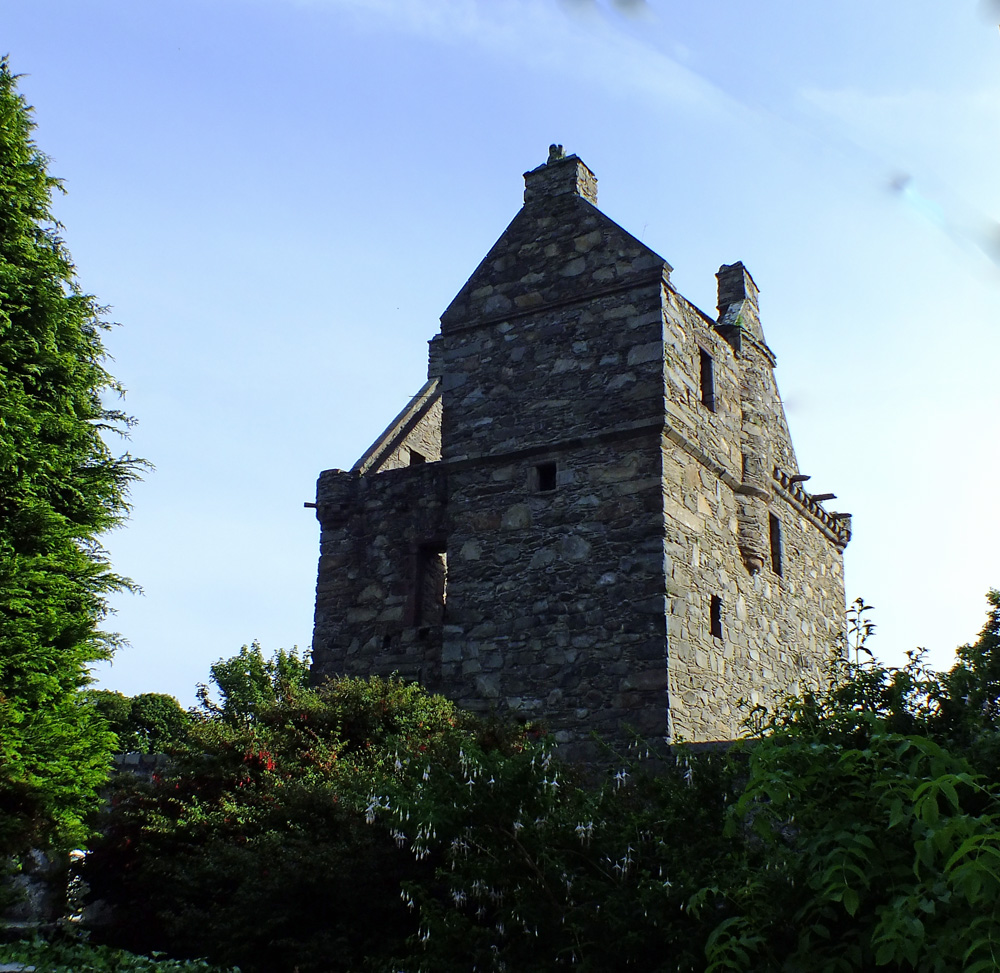
DSCF9347

One Day One World Project: 21:00 – 22:00

The Kirkyard in Kirkcudbright

The site of St Cuthbert’s Kirk lies in the older part of the kirkyard in Kirkcudbright. The ancient church was dedicated to Saint Cuthbert, the patron saint of Anglian kingdom of Northumbria. The town is named after it.

Rising above the town, the kirkyard can be viewed from across the River Dee and is a perfect spot to watch the sun set.

Lisa of the blog NorthWest Frame of Mind has decided to run a different project over the next 24 weeks. To try to show what is happening in different parts of the world (if you all join in) at a particular time of day. If you would like to participate you have until next Saturday midnight to post a photo or write about what is happening in your part of the world.   This week is between 21:00 – 22:00.  I hope you’ll join in! See links for more details.

One Day One World Project: 17:00 to 18:00 hours

1-hr-(1)

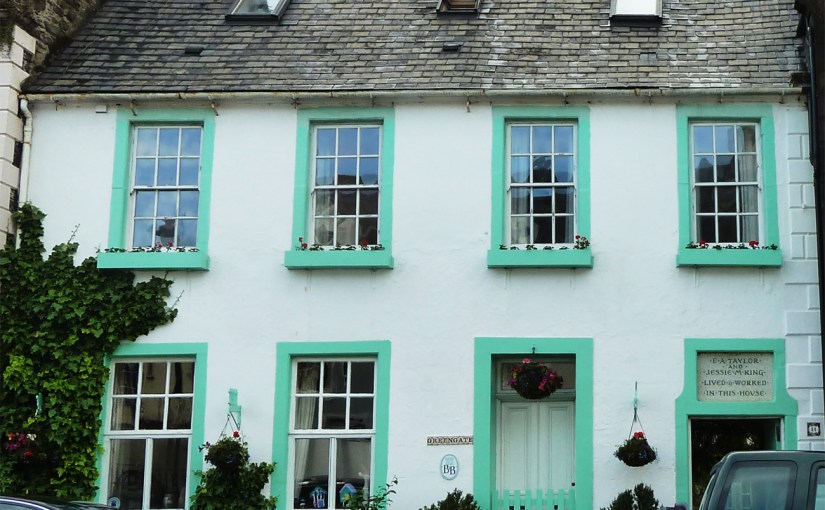
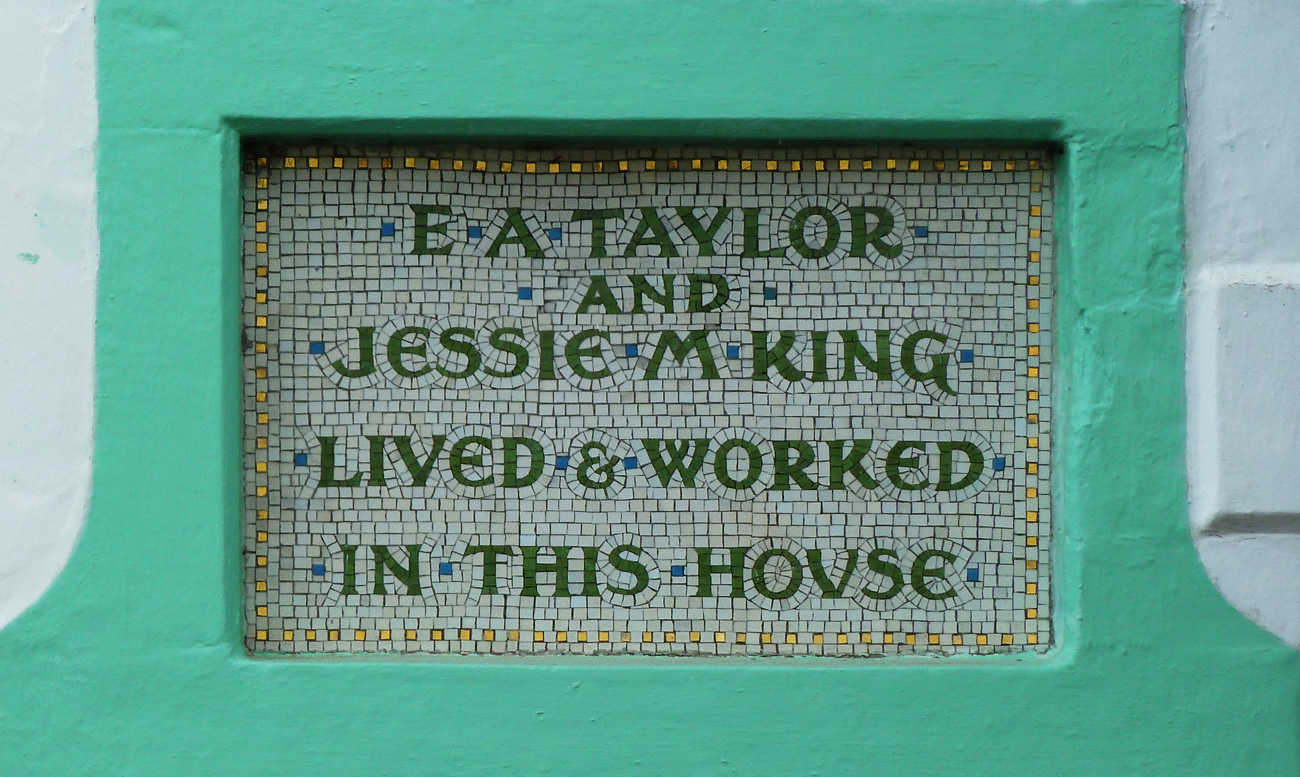
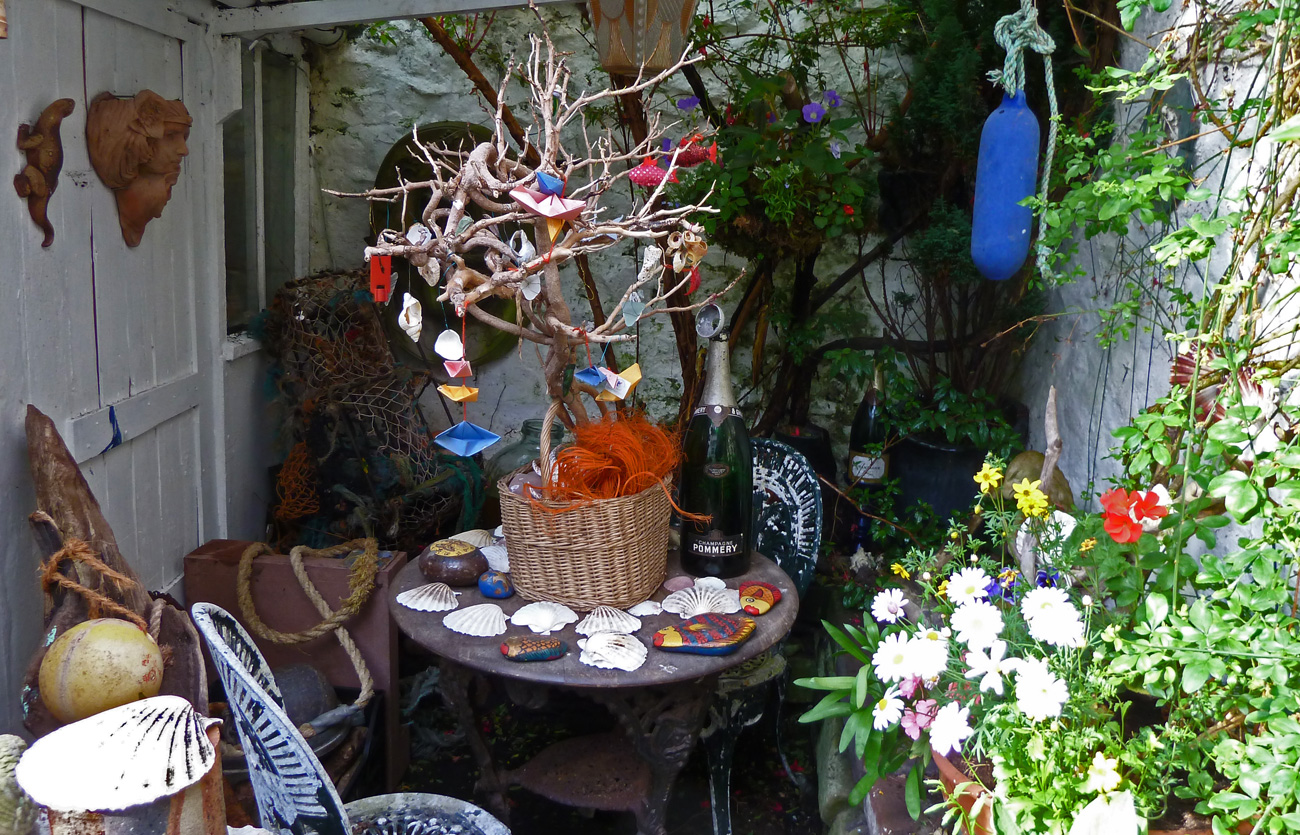
When I see something like this opposite where I am staying, it just cries out for me to investigate. Just who were these people?

1-hr-(3)

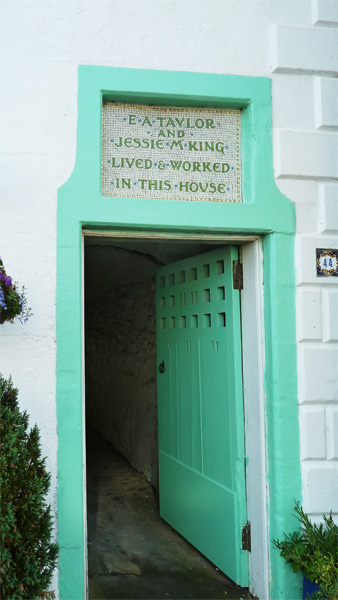
At 5:30 in the evening, the rain had cleared and the sun encouraged us to go out and explore the little town that will be our home for the next week.  And an open doorway to a cobbled wynd (a narrow street or alley in Scotland, especially between houses) …well could you resist?

1-hr-(6)

Stained-glass artist and watercolourist E A Taylor and his wife, illustrator Jessie M King used to live here after their return from Paris at the outbreak of the First World War. (Both attended the Glasgow School of Art )

Kirkcudbright is known at ‘The Artists Town‘ having hosted generations of painters, craftmakers and artisans, a culture still thriving today.

1-hr-(4)

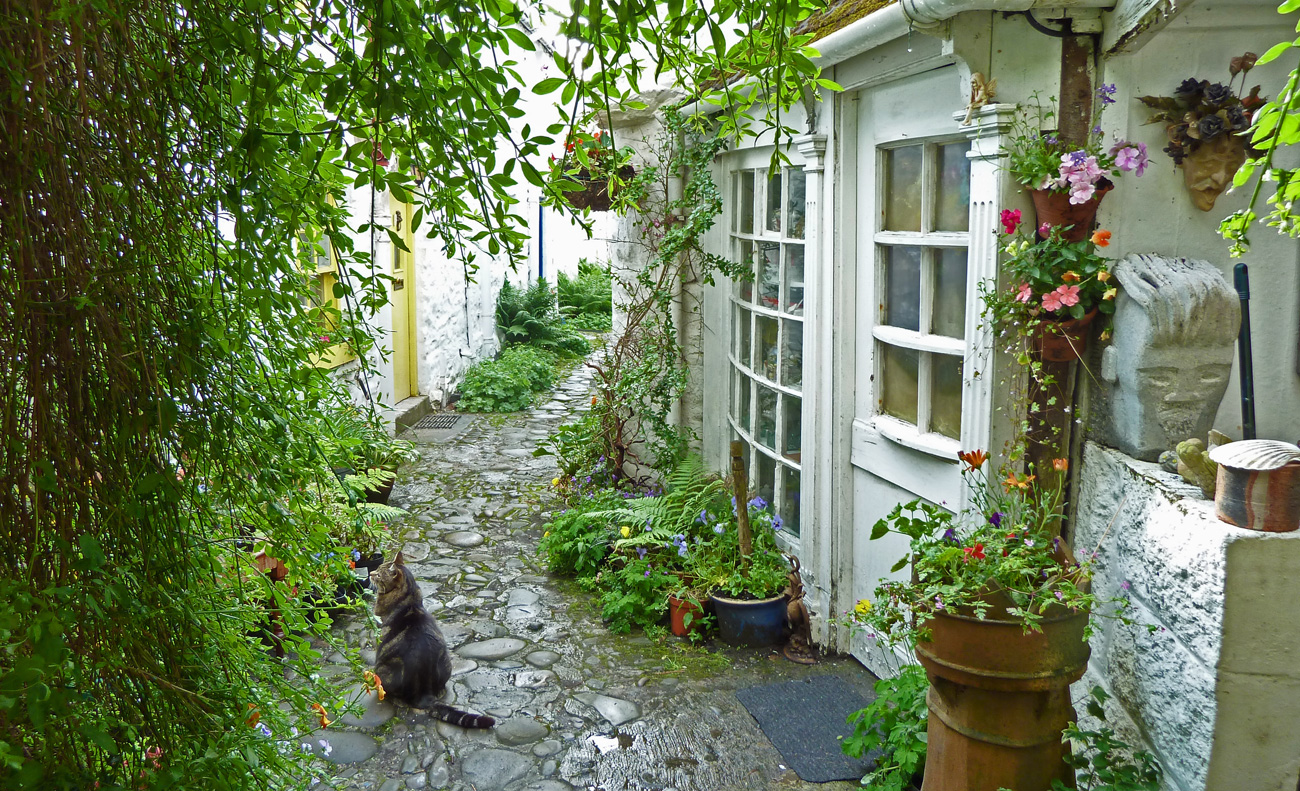
And along with a cute and friendly tabby cat, I unexpectedly found this.

1-hr-(5)

Lisa of the blog NorthWest Frame of Mind has decided to run a different project over the next 24 weeks. To try to show what is happening in different parts of the world (if you all join in) at a particular time of day.

If you would like to participate you have until next Saturday midnight to post a photo or write about what is happening in your part of the world between 17:00 – 18:00 this week.  I hope you’ll join in! See links for more details.

Windows from the New Testament

This weekly challenge is hosted by Dawn from ‘The Day After’ who invites participants to post pictures of any windows that  they find curious, inviting, photogenic, or in some way tell a story. Visit her blog to see more windows and/or to join in with the challenge.

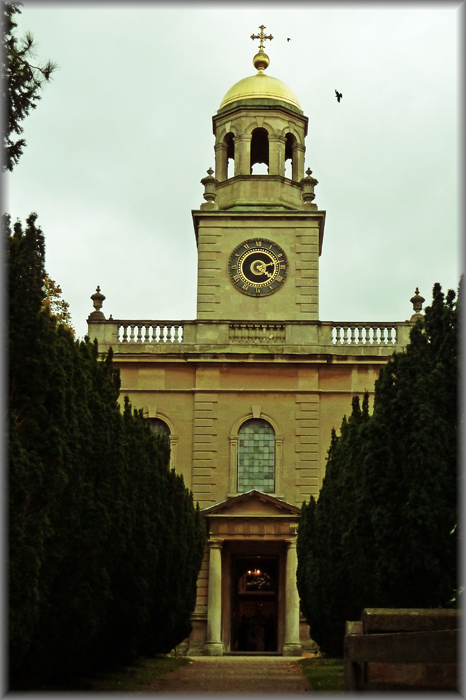
Following on from last week’s post about Witley Court today I am showing you the windows from the local parish church for Great and Little Witley. A more elaborate church on such a small scale I have never seen; thank goodness this didn’t burn down at the same time as the house. It is a very small church as you can see from the header photo above!

external

Nine of the ten windows made from stained and enamelled glass by Joshua Price in 1719 and 1721 from designs by an Italian artist are scenes from the New Testament. I’ll let you try and work out what they depict.

(click an image to enlarge)

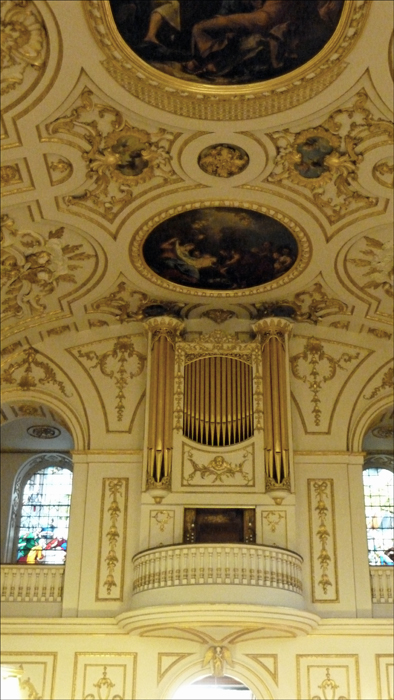
The pictures on the ceiling are painted by the Italian artist Antonio Bellucci (1654 -1726) and are oil on canvas.

interior

ceiling

This delectable baroque style church is St. Michael and All Angels Church, Great Witley.

Source: Great Witley Church

Once there were windows…

This weekly challenge is hosted by Dawn from ‘The Day After’ who invites participants to post pictures of any windows that  they find curious, inviting, photogenic, or in some way tell a story. Visit her blog to see more windows and/or to join in with the challenge.
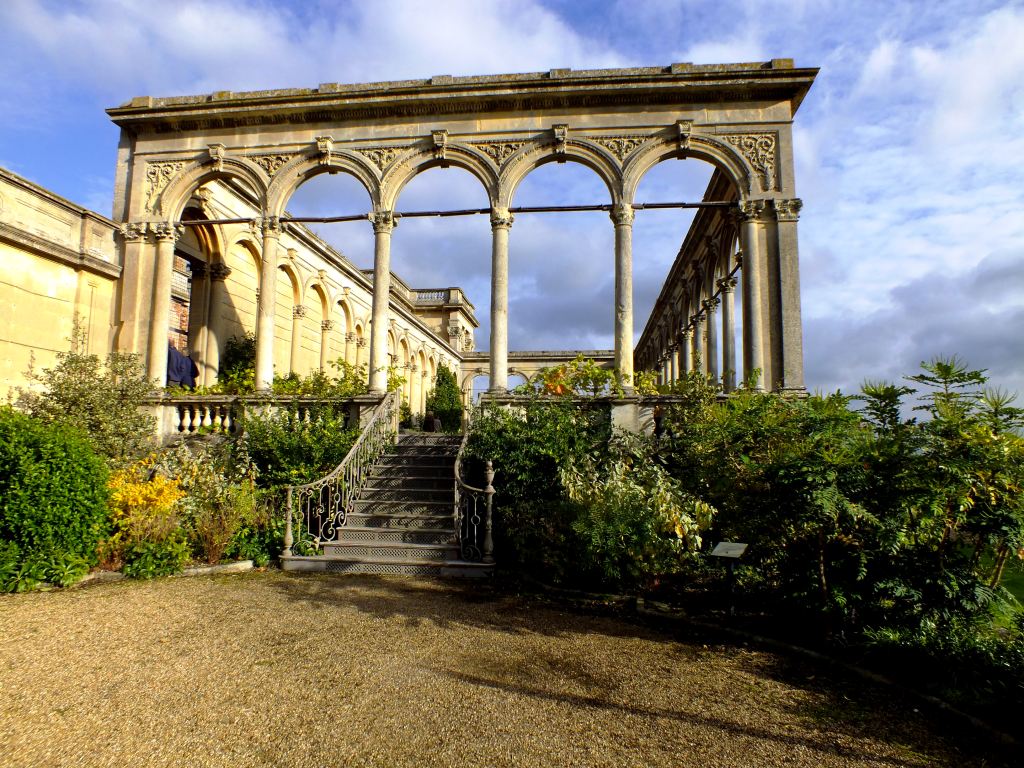
DSCF5016

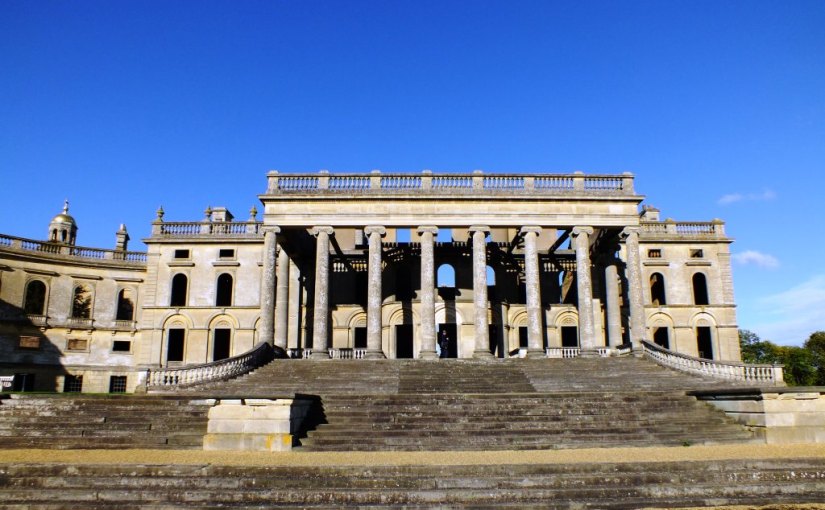
Witley Court in Worcestershire was once a grand Victorian country house, developed over several centuries, but it’s heyday was in the 19th century when the 1st Earl of Dudley invested heavily in the refurbishment of the house spending the equivalent of £100 million. His fortune came from the coal mines of the Black Country together with iron works, chemical factories and the railways.

DSCF5100

After the First World War the family’s fortunes declined and the second Earl decided to sell it to a carpet manufacturer from Kidderminster. In 1937 the main part of the house was destroyed by fire, believed to have started in one of the kitchens. Now you see the shell of the house, without any glazing in the stone mullion window frames.

The South Wing
The South Wing
Through the Door
Through the Door

The main attraction to the site is a restored working fountain which represents  Perseus and Andromeda and reaches the original high cascades when fired on the hour between 11 am and 4 pm.

fountainThere are also lovely woodland walks and  restored parterre gardens and the ruins of a gorgeous conservatory which once housed exotic plants and had an enormous cast-iron, plate glass roof.

conservatorySource: English Heritage and Information plaques on site.