Field of Gold

Field of bright yellow rapeseed in flower (canola) under a blue sky near Ludlow, Shropshire. Rapeseed is grown for the production of animal feed, vegetable oil for human consumption, and biodiesel.

DSCF2788

Field of golden sun
A dazzling azure blue sky
Heat up the summer

The last time I saw this golden field was four years ago in 2011. A good example of crop rotation. Growing above head height I had to hold the camera above my head to get some of these shots. And the pollen causes my eyes to water and my nose to sneeze. I think it was worth it.

Beautiful Patches

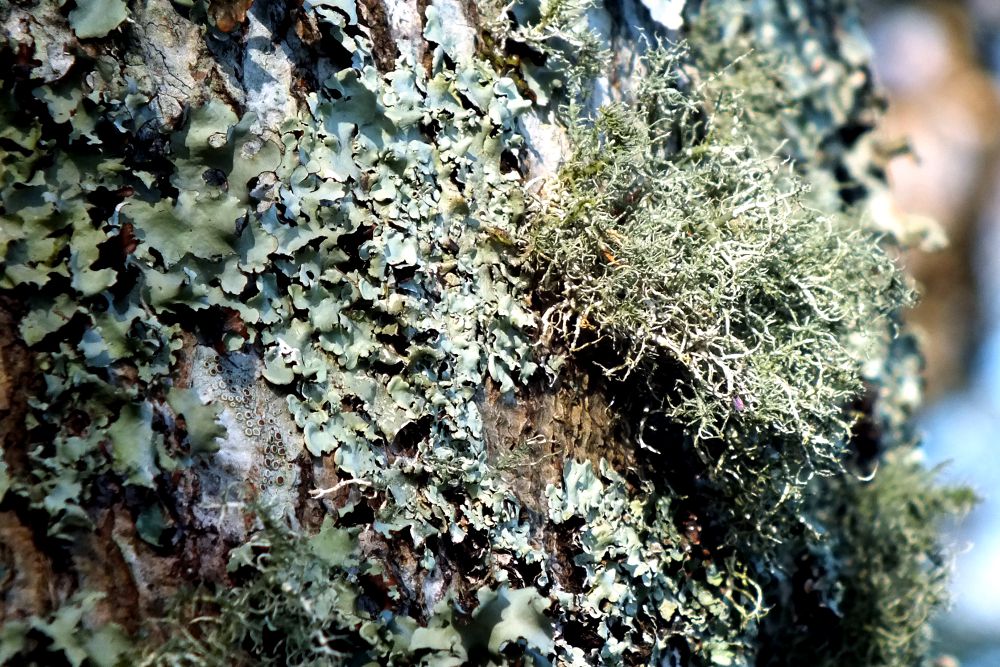
A while ago I posted a photo of lichens. The yolk-yellow ones Caloplaca marina you find at the coast on rocks and walls and roofs of houses. My camera was drawn to the patterns and the textures and the way that no two are identical. I then noticed other lichens including the grey/olive-green ones growing on the sides of trees (which tell you that this is north-facing – as they prefer darker conditions, although if you live in the southern hemisphere this would be south-facing, and if you are in a rain-forest it won’t make any difference… OK, enough, I’ll let you find out about them yourselves if you are interested and it is probably safer to carry a compass than to rely on lichens in a forest if you get lost)

DSCF2074
Lichen foliose and fruticose

Suffice to say that lichens are living organisms and there are several types. The yolk-yellow crusty ones are crustose, and some are crustose placodioid as the pattern spreads out from the centre like those blue-grey ones; those on trees tend to be foliose or fruticose, the latter being like a mini shrub. And then you get the dusty powder sort that you find on rocks which is called leprose lichen.

Apparently there are 20,000 known species of lichens. Fascinating!