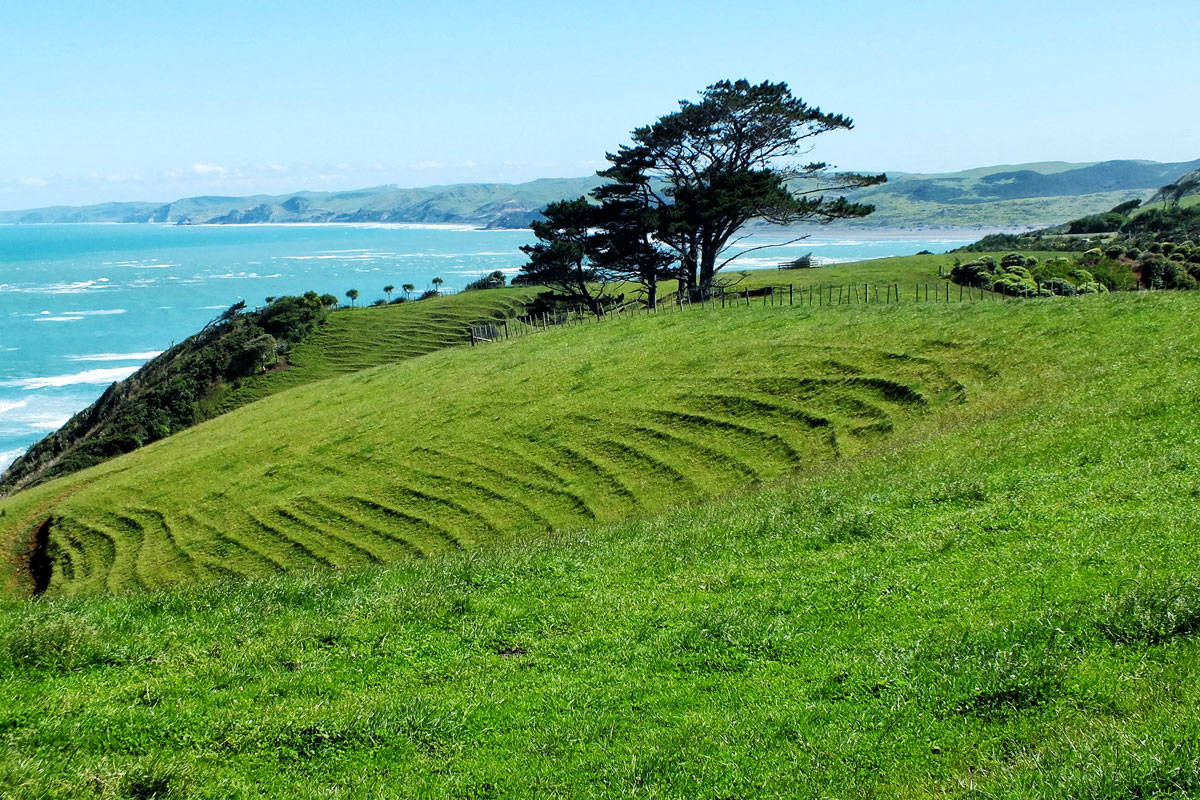
For my final postcards I am going to revisit New Zealand. An all too brief visit almost 10 years ago and one which I had hoped to repeat, but my enthusiasm for long haul travel has very much diminished over the years. My overall impressions were the colours of green and blue, rounded hills in the Waikato region, wonderful trees often bent out of shape by the winds, black sand, tree ferns, the long white clouds and excellent coffee. No words this time, just pictures.
New Zealand Part 2
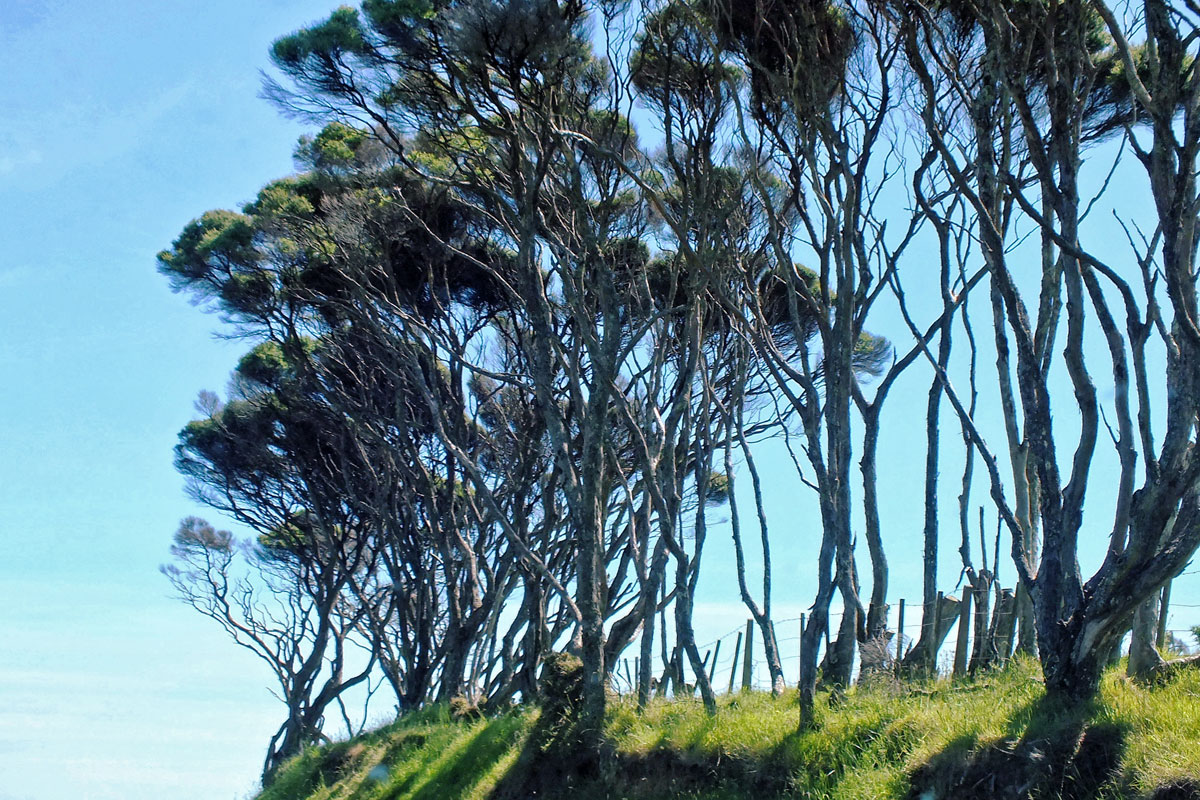
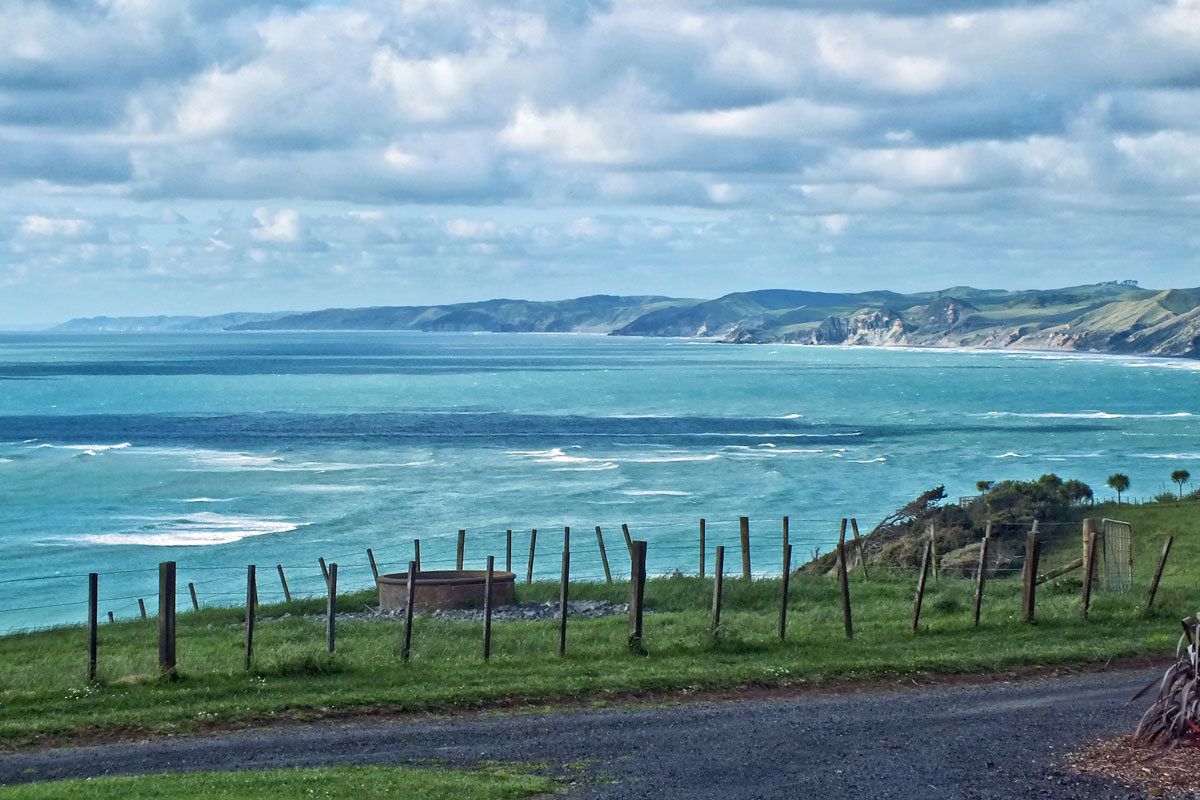
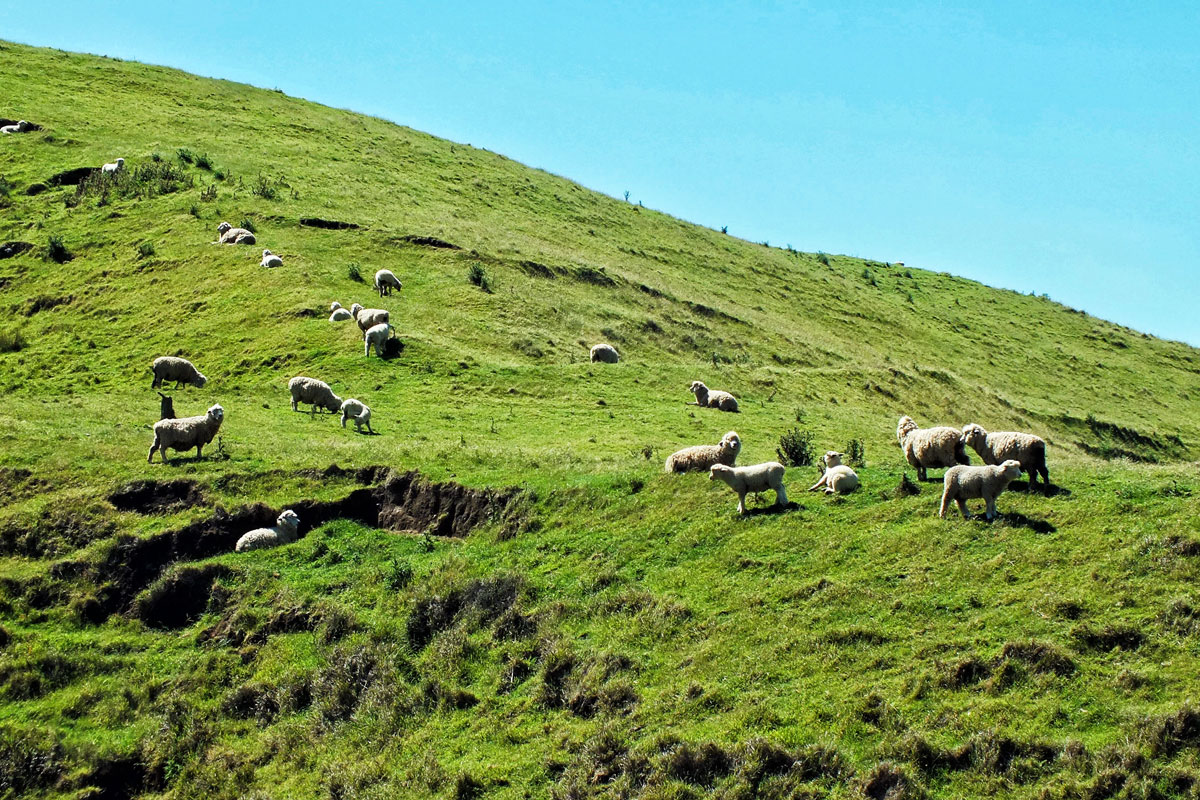
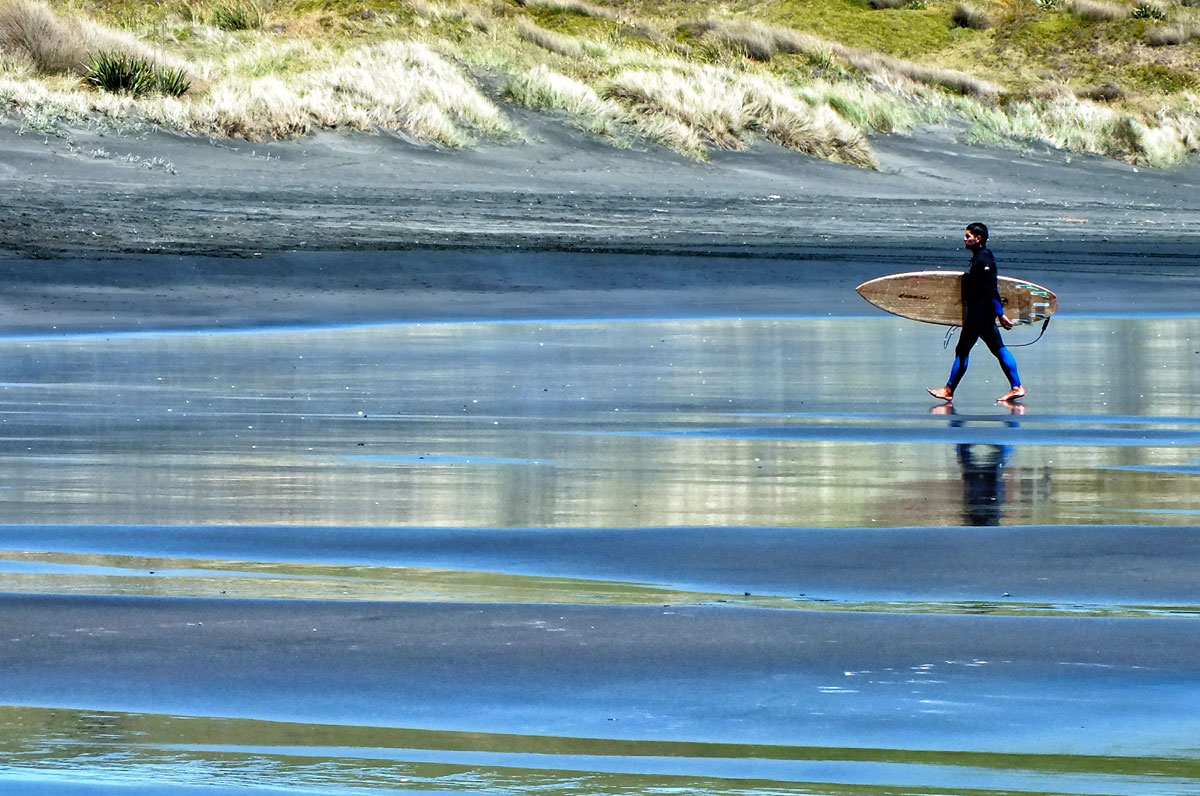
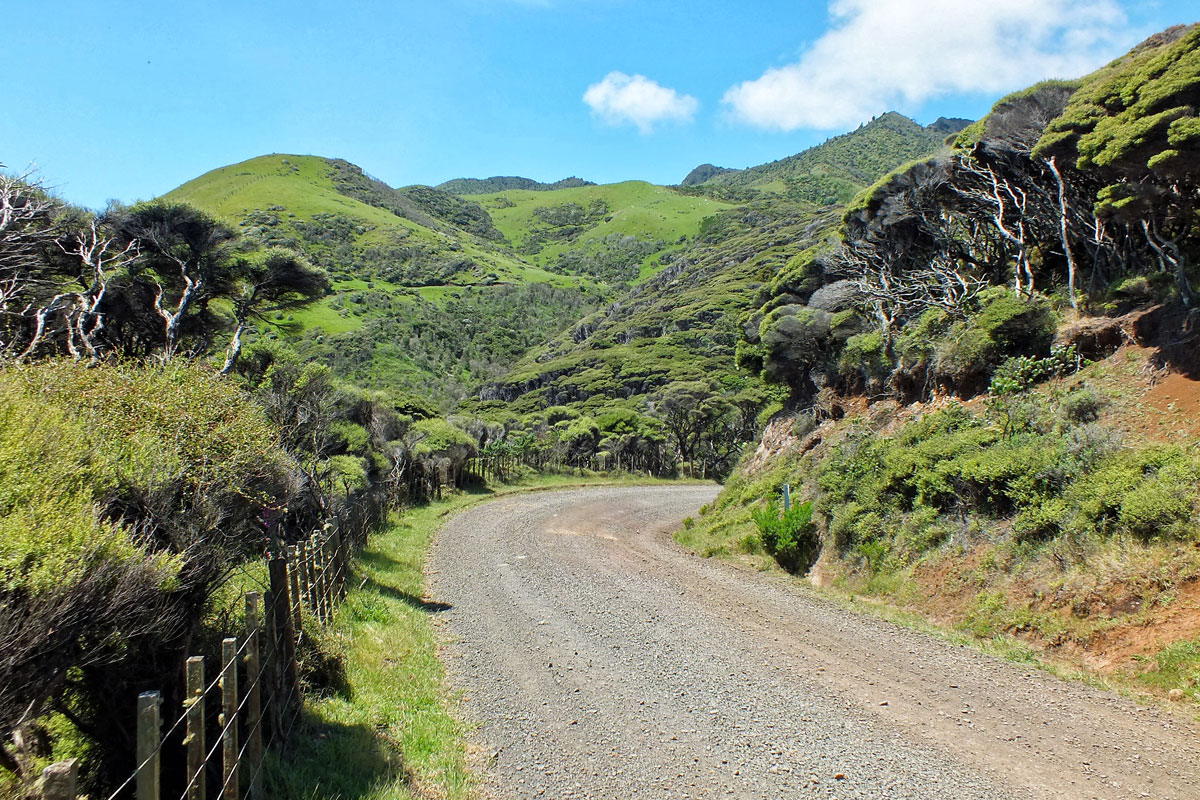
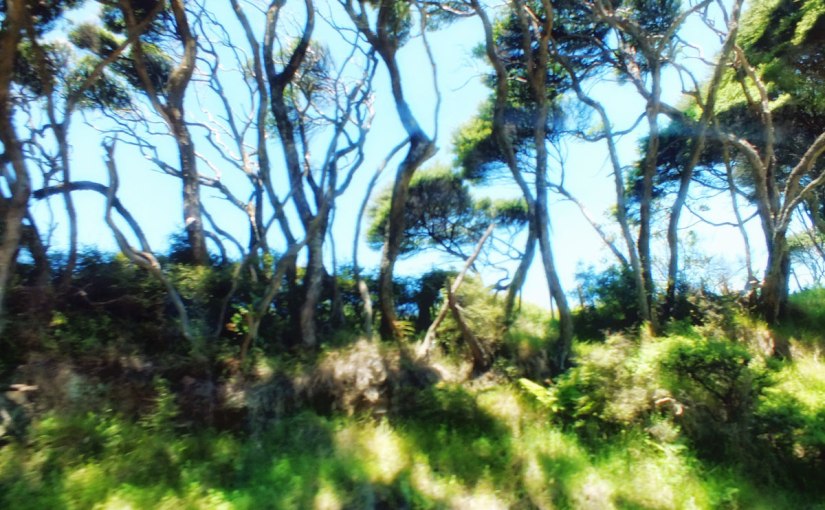
Fabulous treesAnd more sea views from our accommodationSheep. Of courseBlack sand beaches and surfers. This is Ruapuke Beach about 10.5 km from RaglanThe winding gravel track to Ruapuke Beach
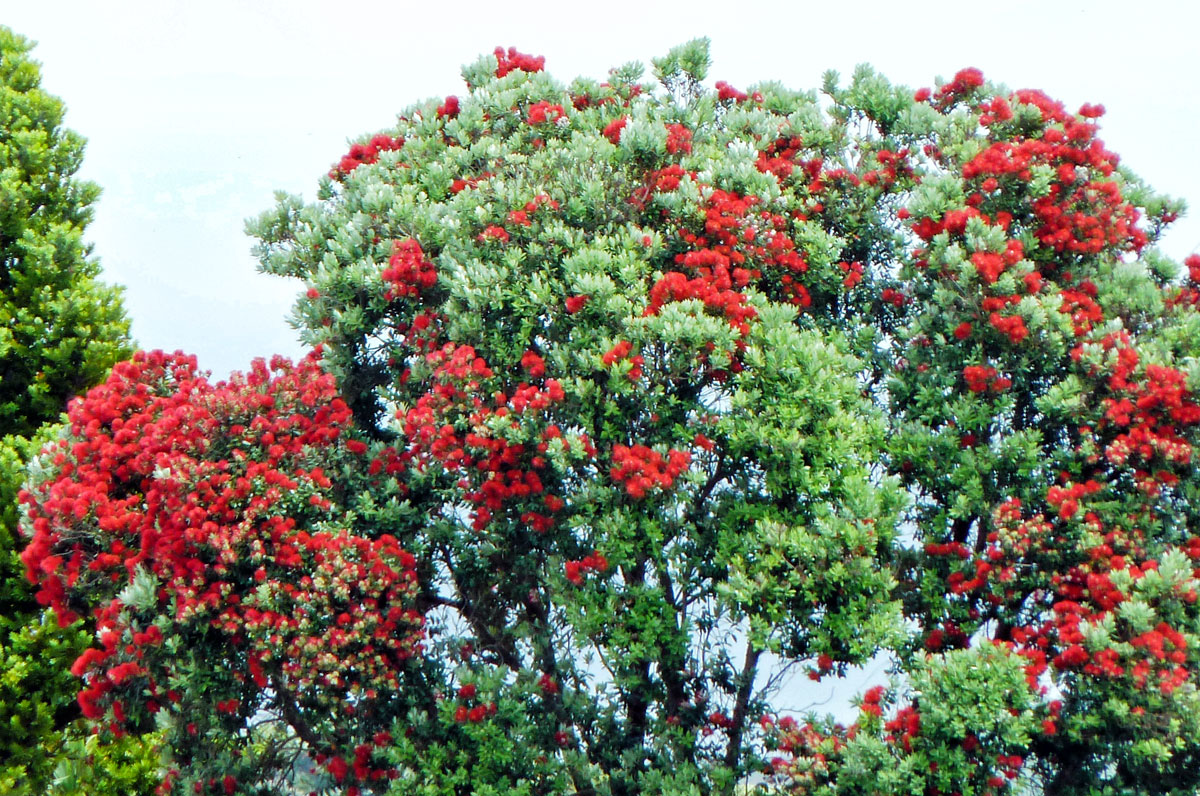
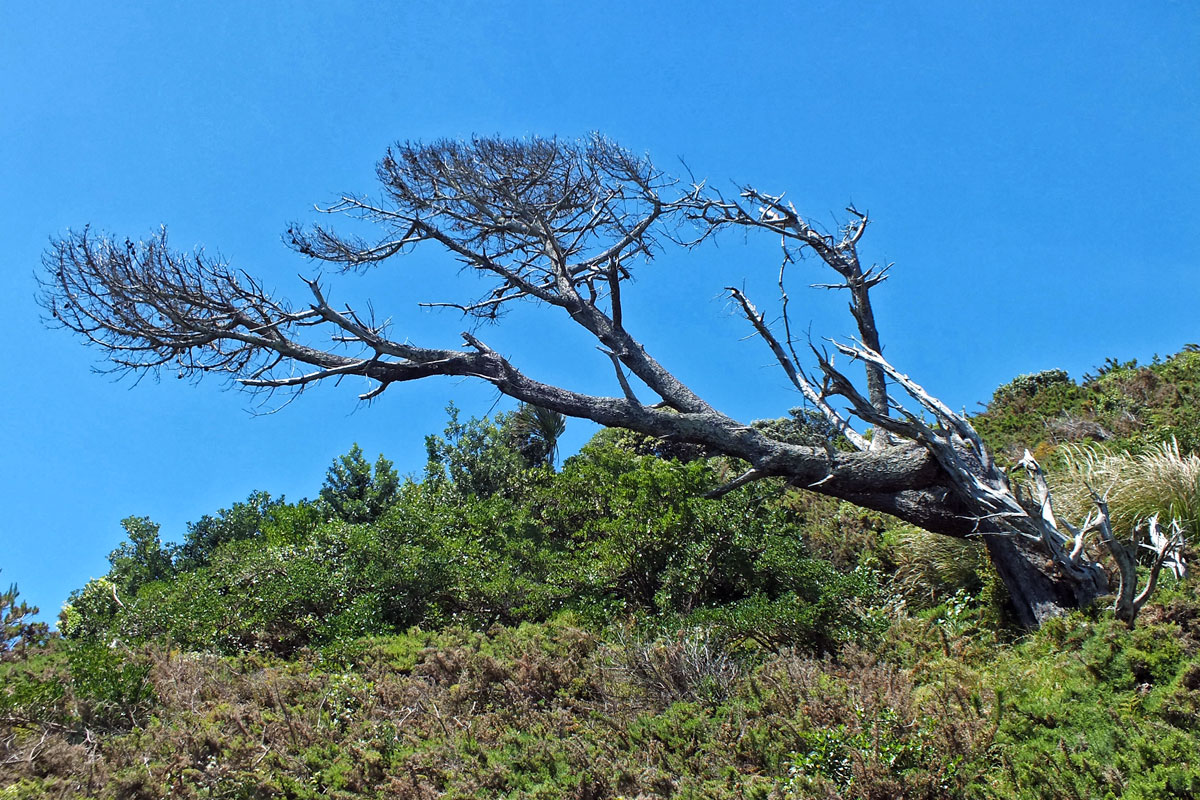
Metrosideros excelsa, commonly known as the pōhutukawa, or New Zealand Christmas tree, produces a brilliant display of red flowers around Christmas time.Distorted tree by the prevailing winds.
This is my last postcard for now. I hope you have enjoyed my catch up with places I have visited but not had time to blog about. And if you want to see more then please look under the destinations or road trips on the menu.
For my final postcards I am going to revisit New Zealand. An all too brief visit almost 10 years ago and one which I had hoped to repeat, but my enthusiasm for long haul travel has very much diminished over the years. My overall impressions were the colours of green and blue, rounded hills in the Waikato region, wonderful trees often bent out of shape by the winds, black sand, tree ferns, the long white clouds and excellent coffee. No words this time, just pictures.
New Zealand Part 1
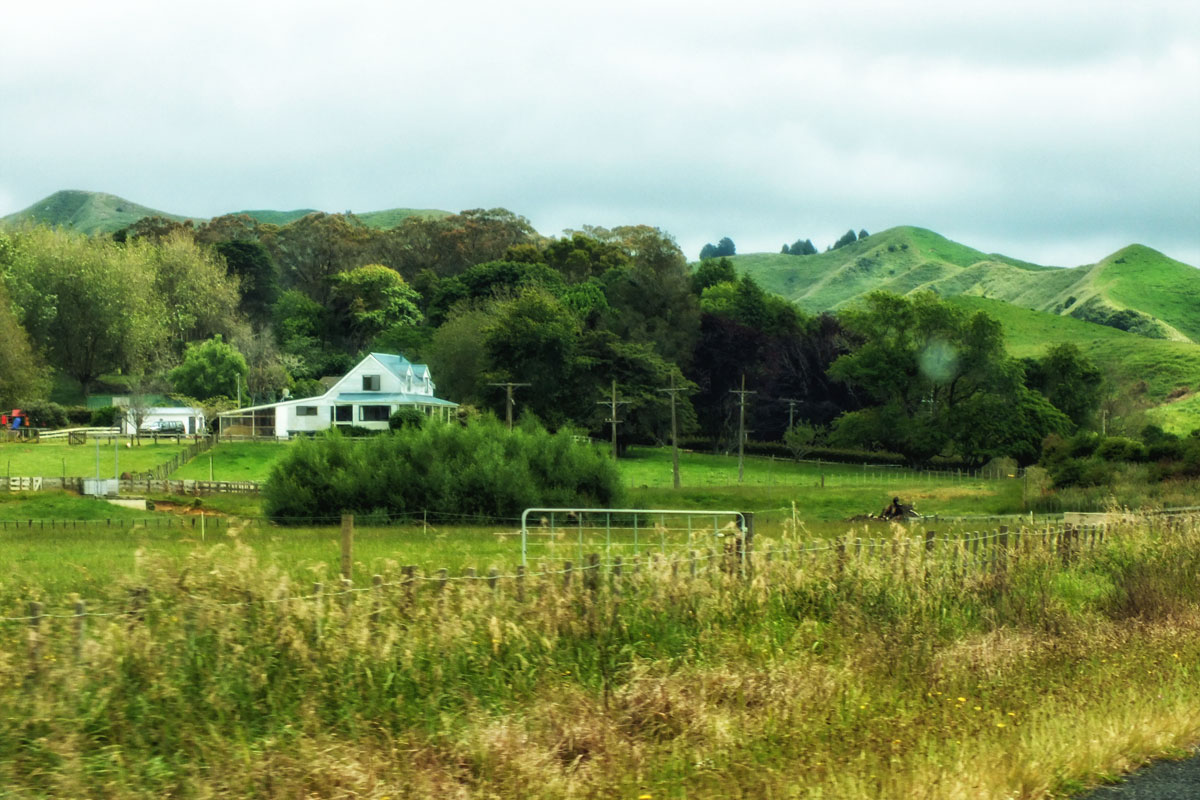
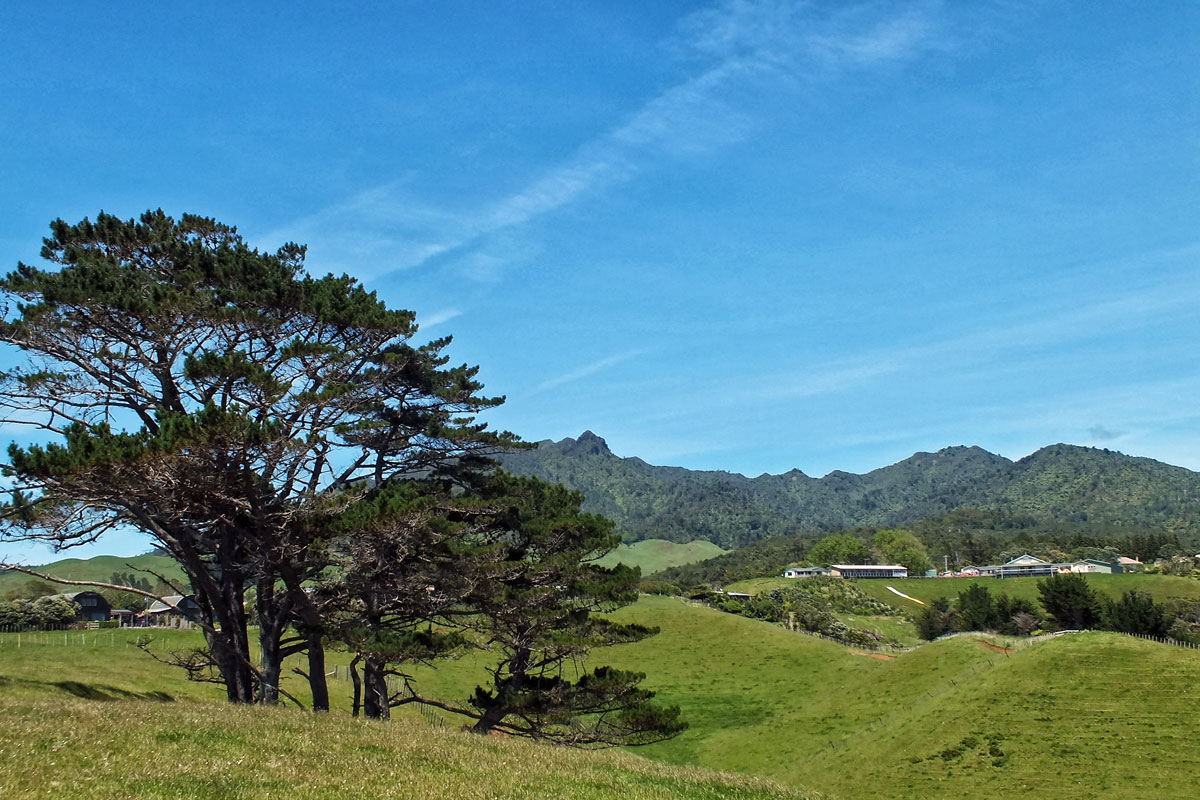
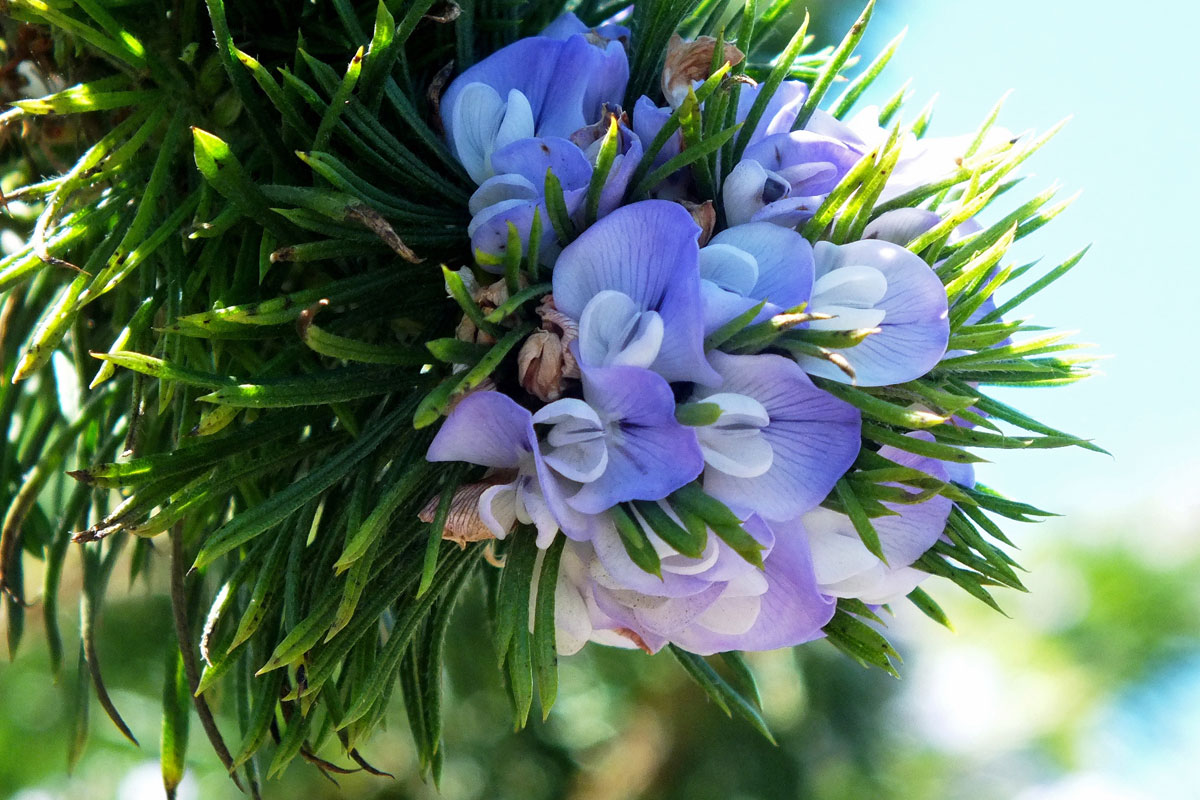
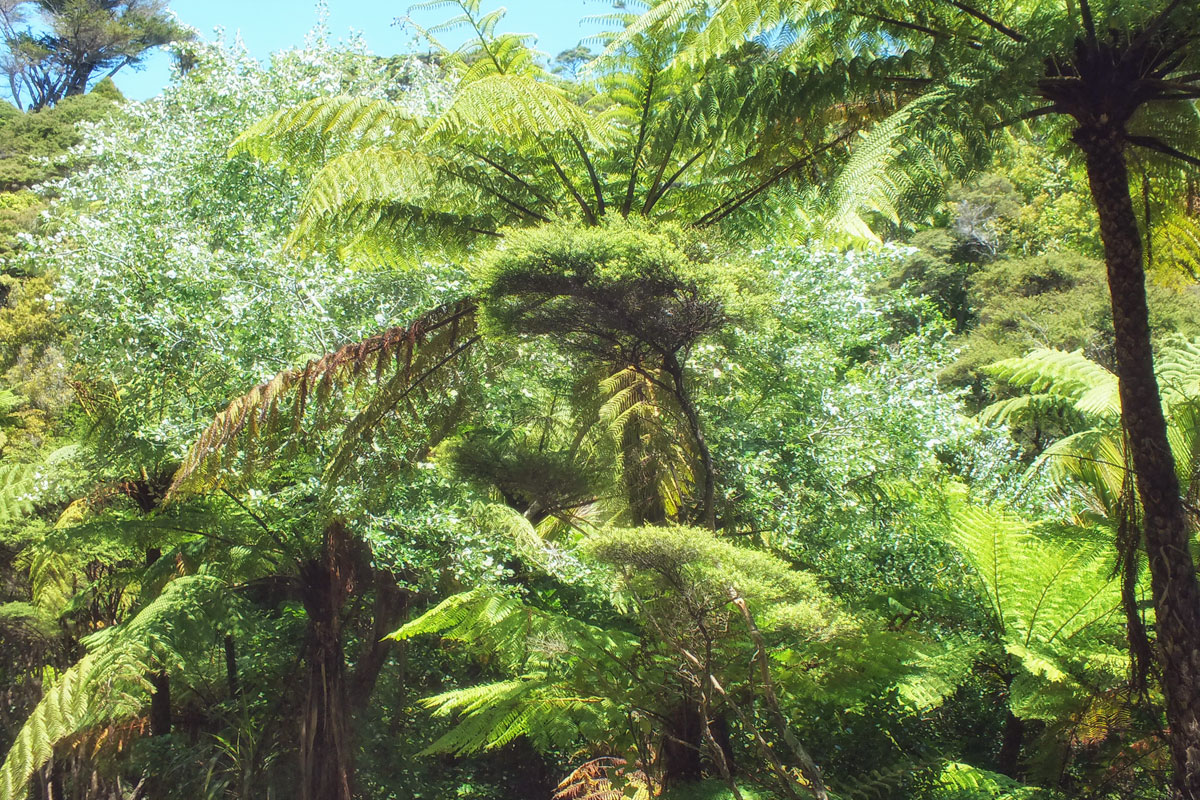
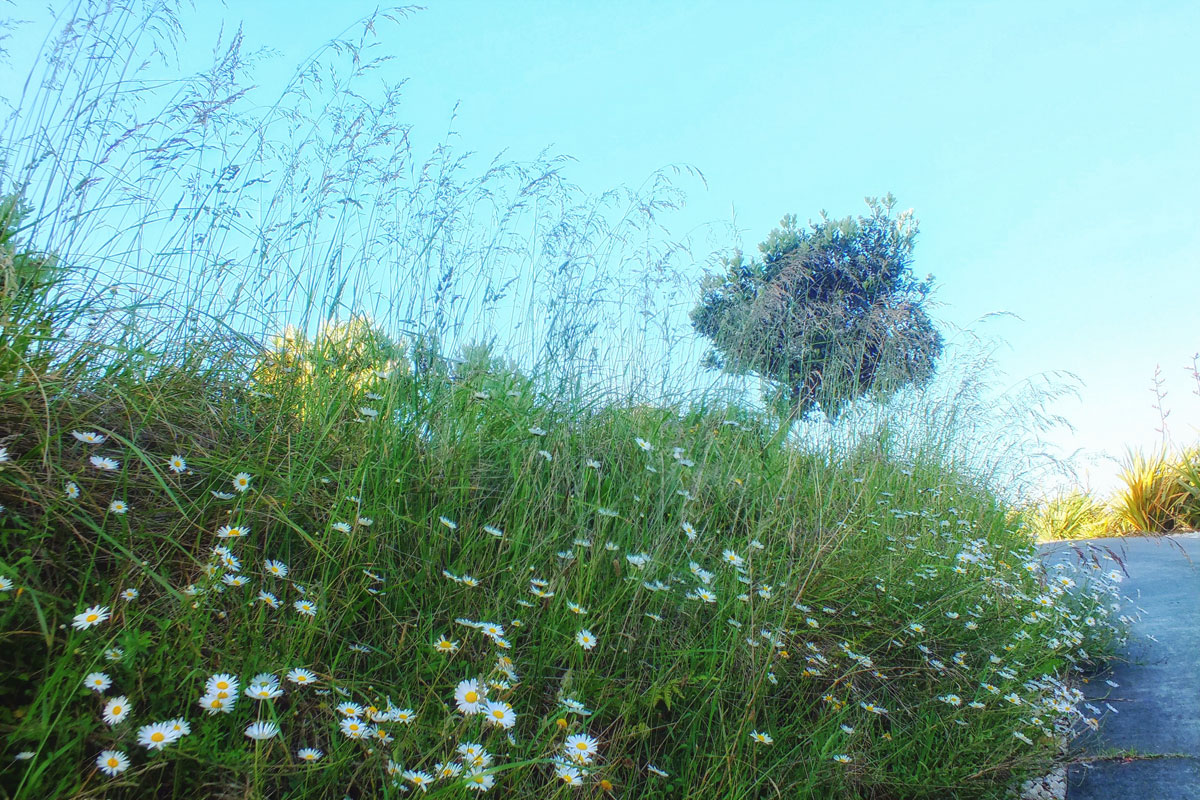
Ngarunui (sometimes called Ocean Beach, Main Beach or Wainui Beach) is the main sandy swimming beach in Raglan. A magnificent black sand surfing beach. We were staying at the far south-western end of the beach about 6km out of Raglan.The wonderful rounded hills of the region. This is on the way to Raglan where we stayed.Mount Karioi is an ancient volcano about 8km SW of RaglanPsoralea pinnata, called fountain bush is an erect shrub or small tree, which grows up to 4 m high, with blue, lilac and white, pea-shaped flowers which bloom in early summer. A south African plant which smells of Kool-Aid!Taken near the Te Toto Gorge Lookout. A beautiful view from a platform, hanging high on the air at the top of sheer cliff – it’s reached by a narrow winding gravel track so take care.View from Te Toto Gorge Lookout up the coast towards Auckland. It is a very long way down!Wonderful greenery provided by the tree fernsThe views from where we were staying situated on a hilltop above Ngarunui BeachLots of pretty wild flowers and grasses along the roadside
Those of you who have followed me for a while will know that I am passionate about flowers, nature and gardens. In fact I even have a blog dedicated to them. Earth Laughs in Flowers is no longer being updated but it is a resource of my garden visits from around the world. Wherever I travel I seek out a garden.
“My garden is all overblown with roses,
My spirit is all overblown with rhyme”
~ Vita Sackville-West
So what can I say in a single post? What do gardens mean to me?
A lot of the pleasure of a garden of one’s own is nurturing the plants through their lives. Sowing seeds, watching them grow, making sure they have the right conditions, changing them if not. It’s a lot like having children or pets. You make mistakes. You learn. And when things go well, it makes you happy. And when they don’t you try again.
(Please click on an image to enlarge / scroll through the gallery)
Details
I like to visit other gardens for many reasons. Combining a walk in pleasant surroundings is one. Having a nosey around small gardens to pick up ideas of what might work in my own is another. Large estates often have stunning vistas too. Then there are the design features, colour combinations to copy, unusual plants to admire, tiny details picked up through the camera lens, a walled garden, a fragrant garden, an edible garden, a secret garden to explore, gardens to relax in and listen to nature: mindfulness.
Colours to admire
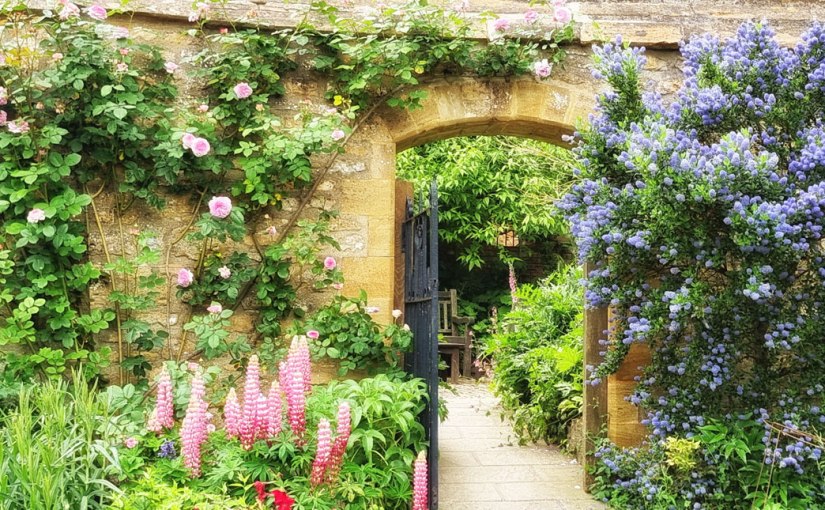
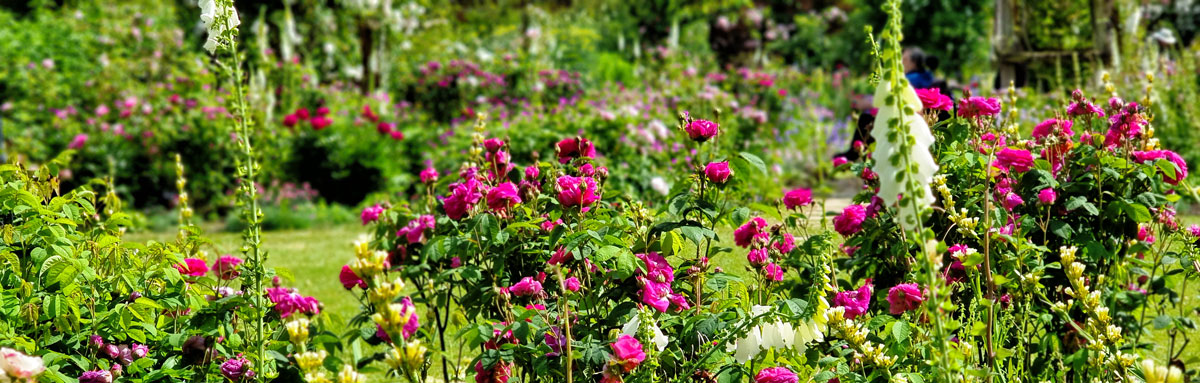
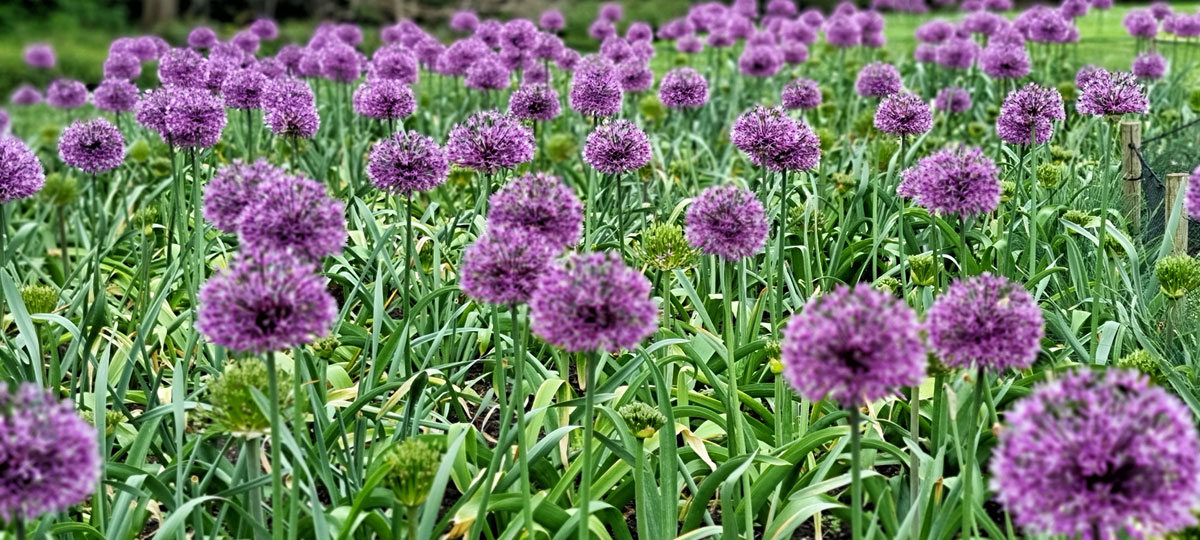
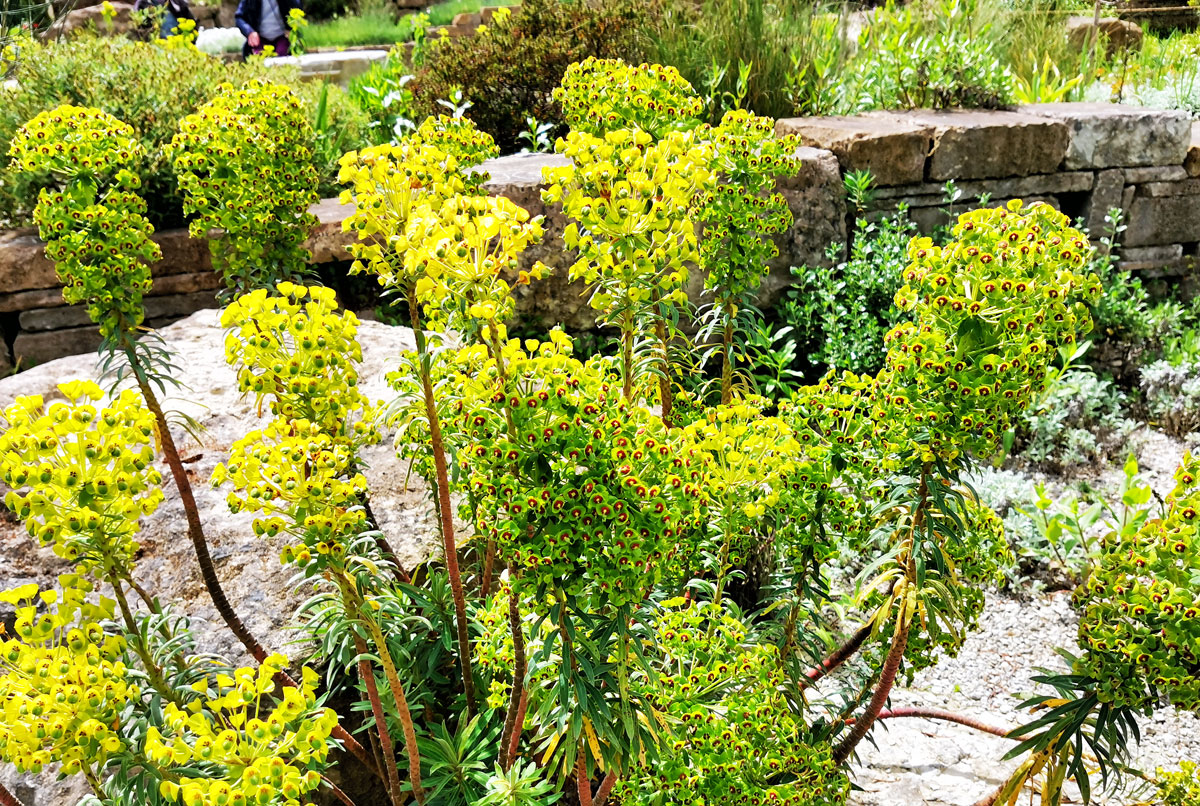
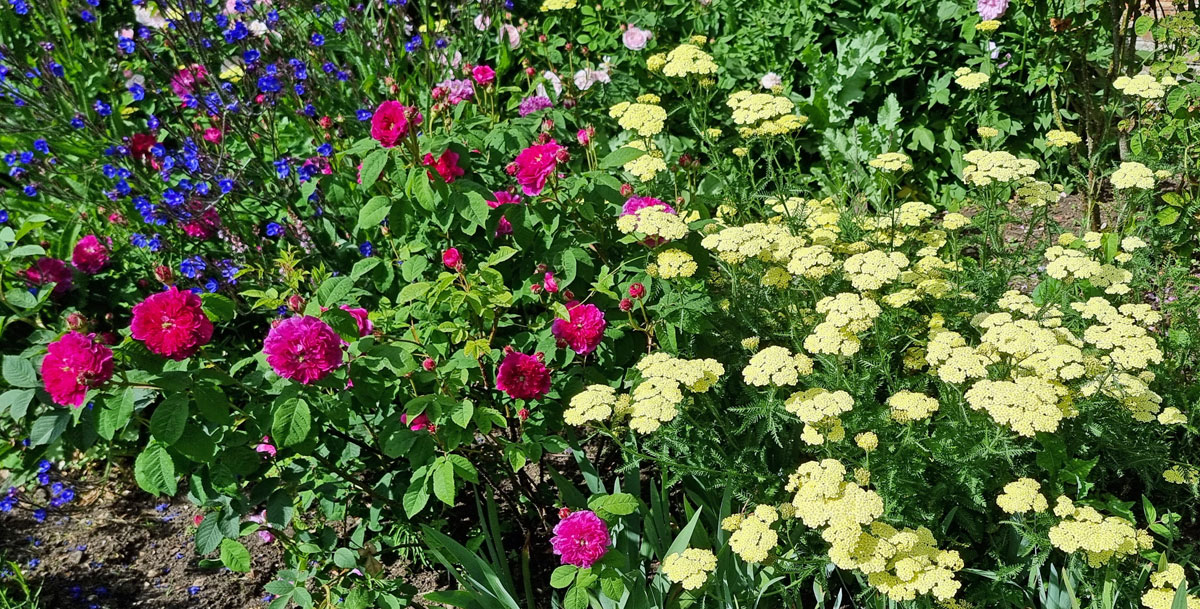
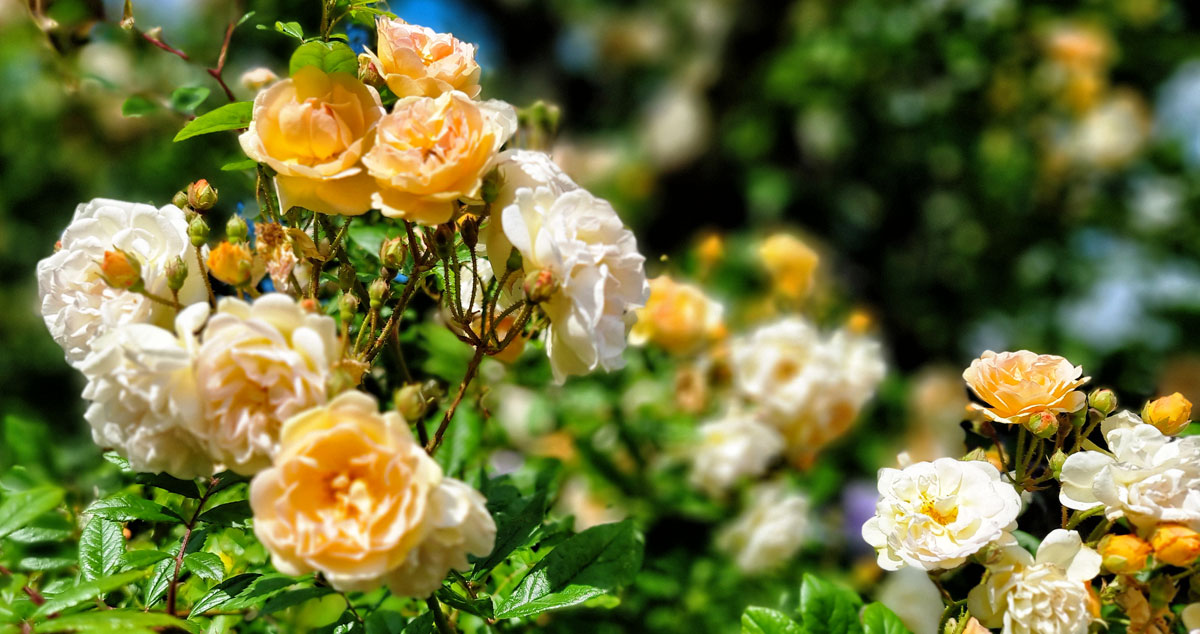
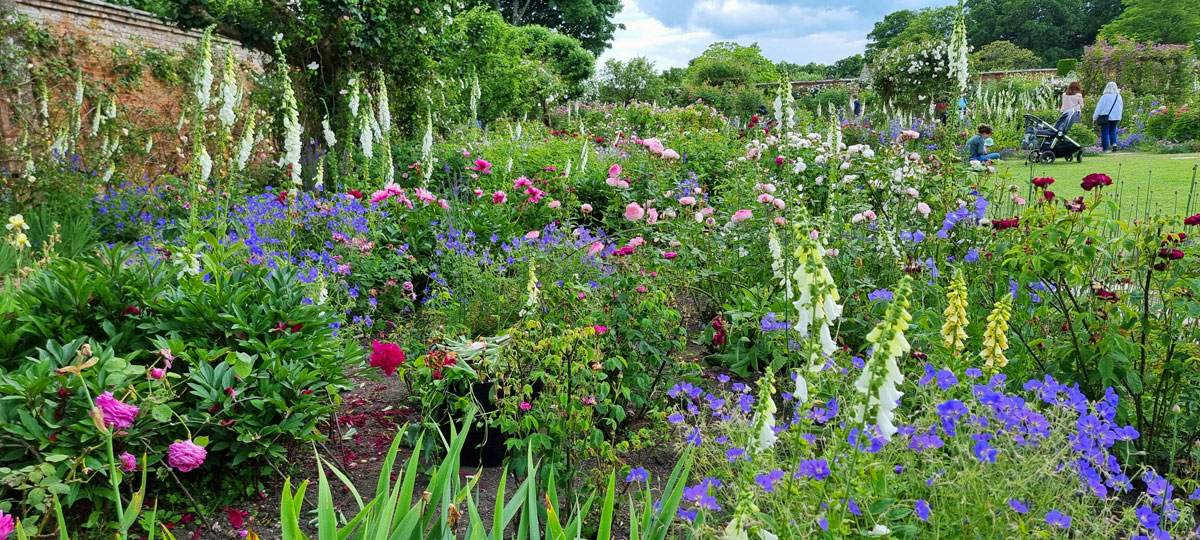
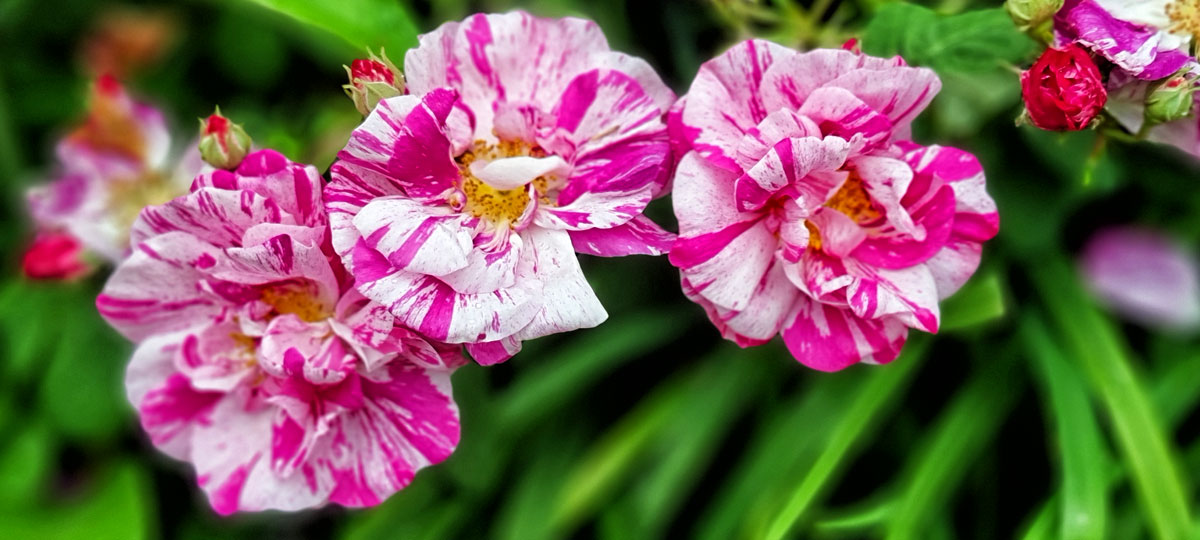
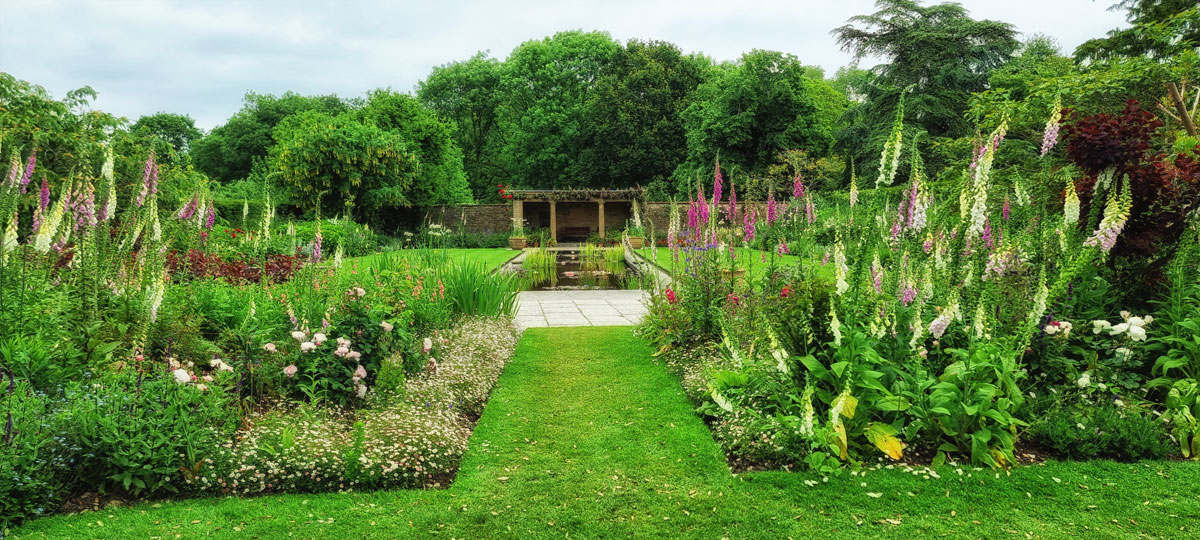
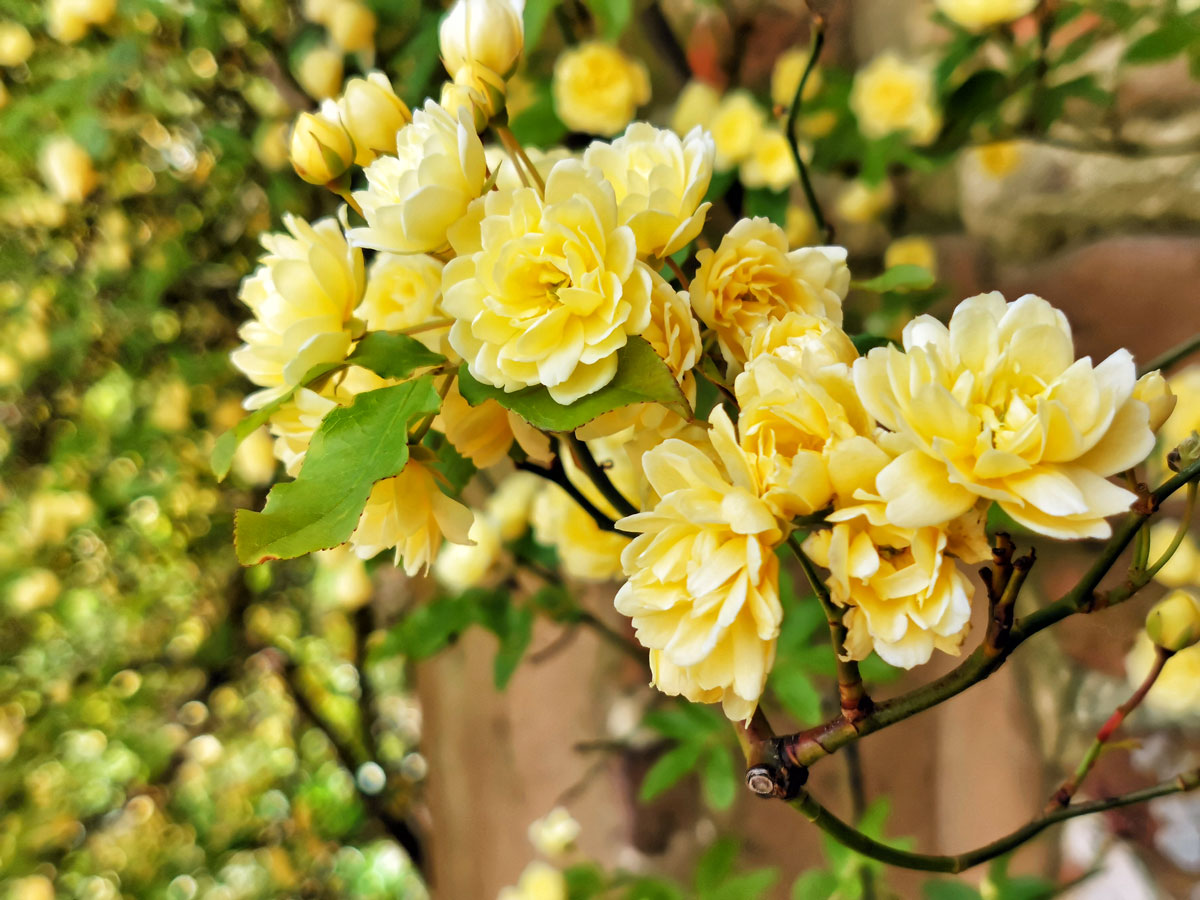
Alliums at Kew Garden, May 2024Euphorbia in the Delos garden, Sissinghurst, May 2024Roses and Achillea and Bugloss at Mottisfont, June 2024Ghislaine de Feligonde (Musk rose)Roses and foxgloves and hardy geraniums at Mottisfont, June 2024Rosa Mundi (Gallica var, officinalis ‘Versicolor’)Tintinhull Garden, Somerset – Pool garden with towering foxgloves. June 2024Rosa banksiae ‘Lutea’ at Sissinghurst
Design Ideas to inspire
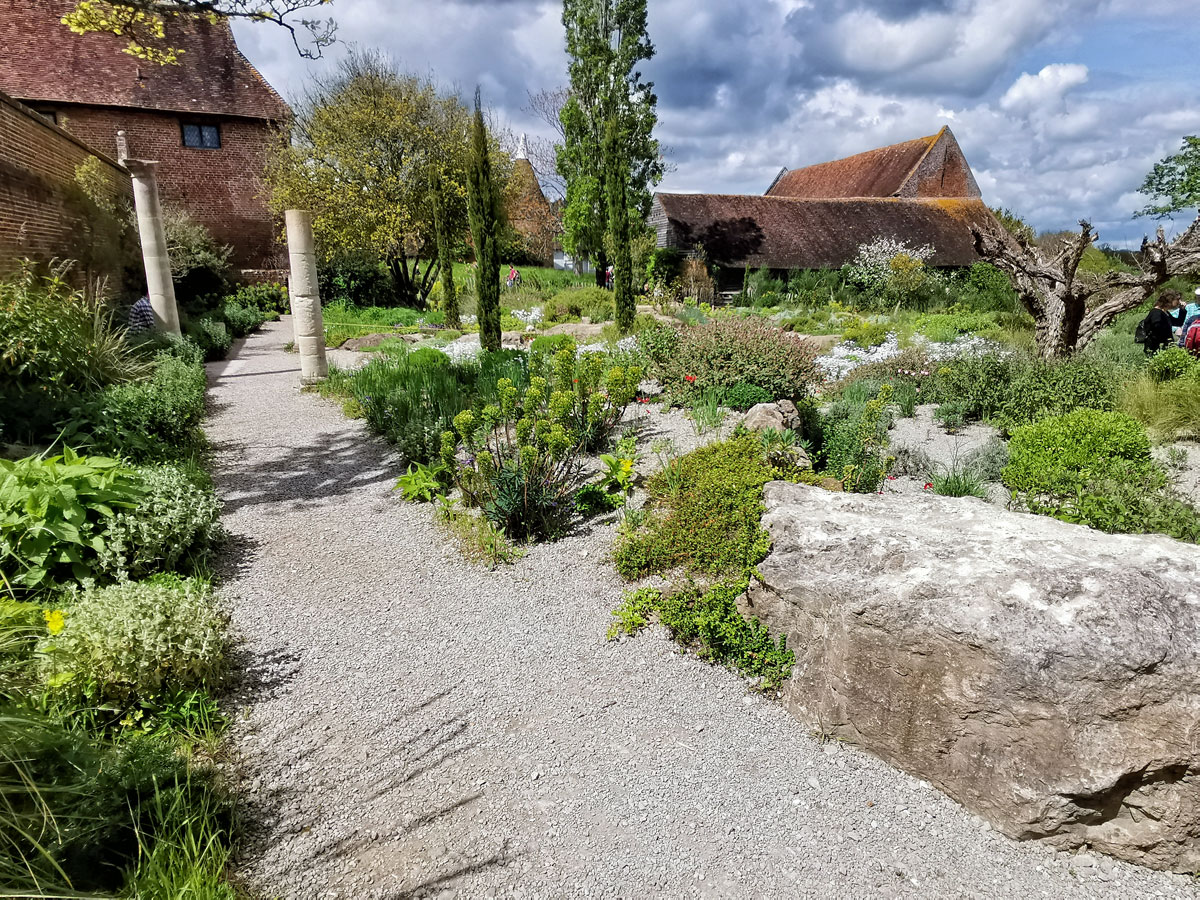
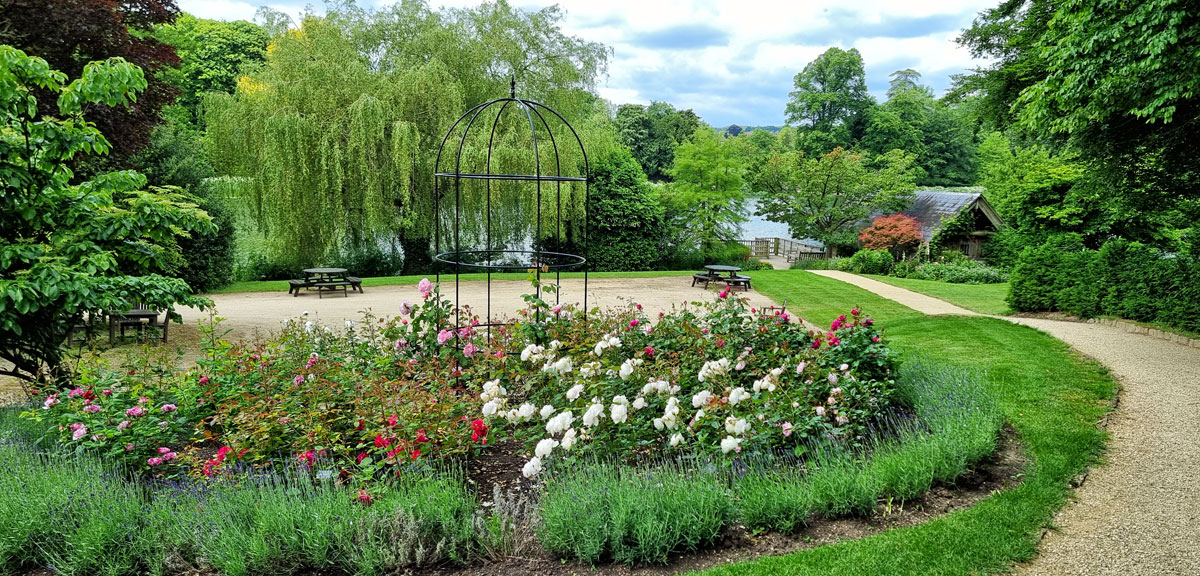
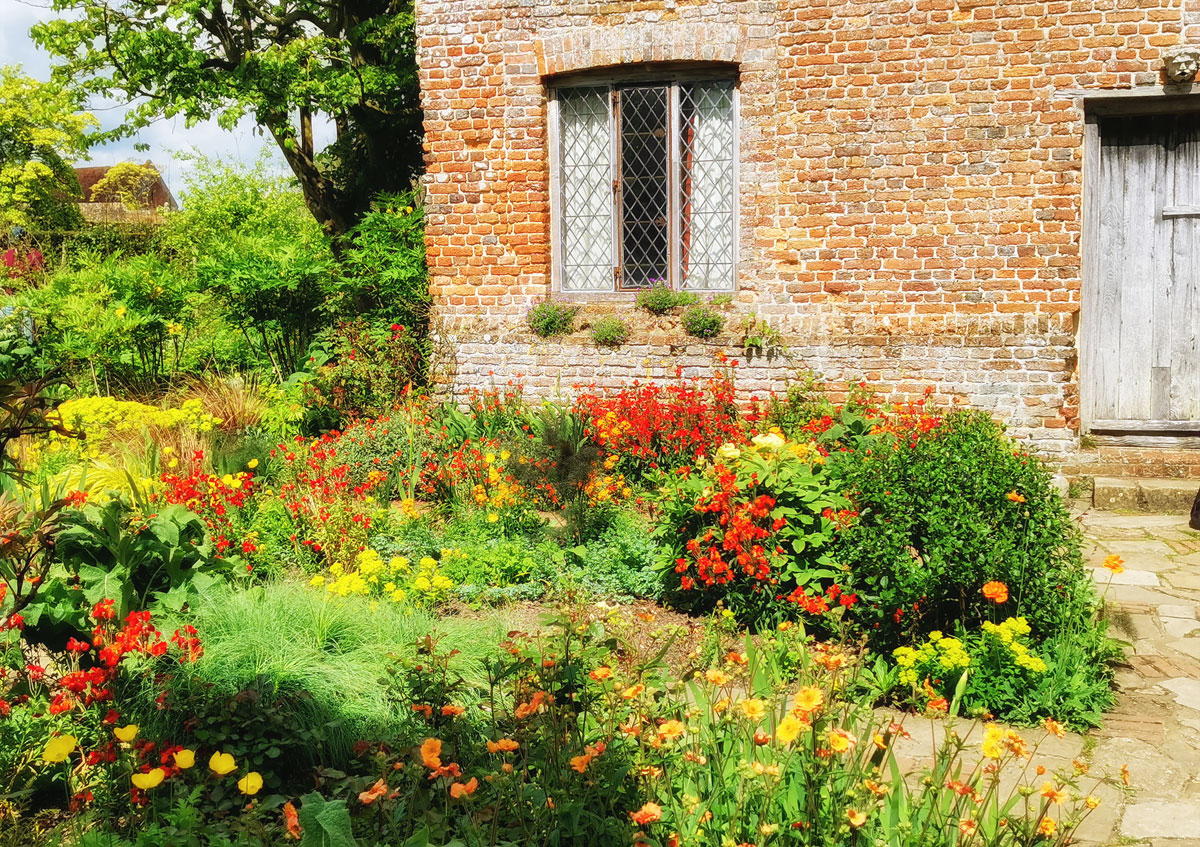
The new Delos-inspired garden at Sissinghurst Castle Garden in Kent, re-imagined from Vita and Harold’s original vision. May 2024Rose Garden, Sherborne Castle and Gardens, Dorset, June 2024Hot borders, Sissinghurst, May 2024
Vistas
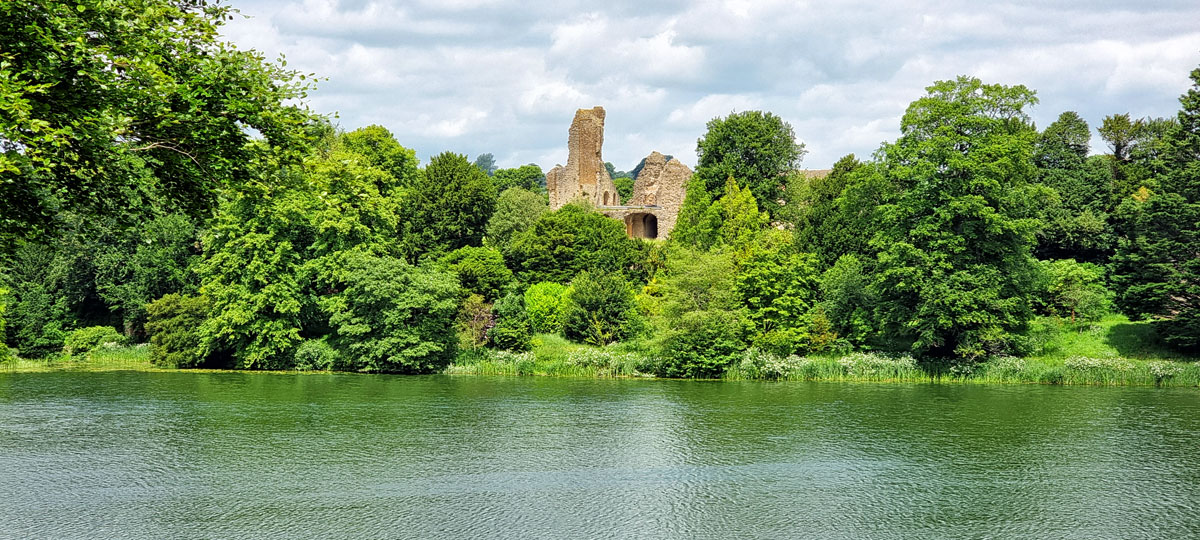
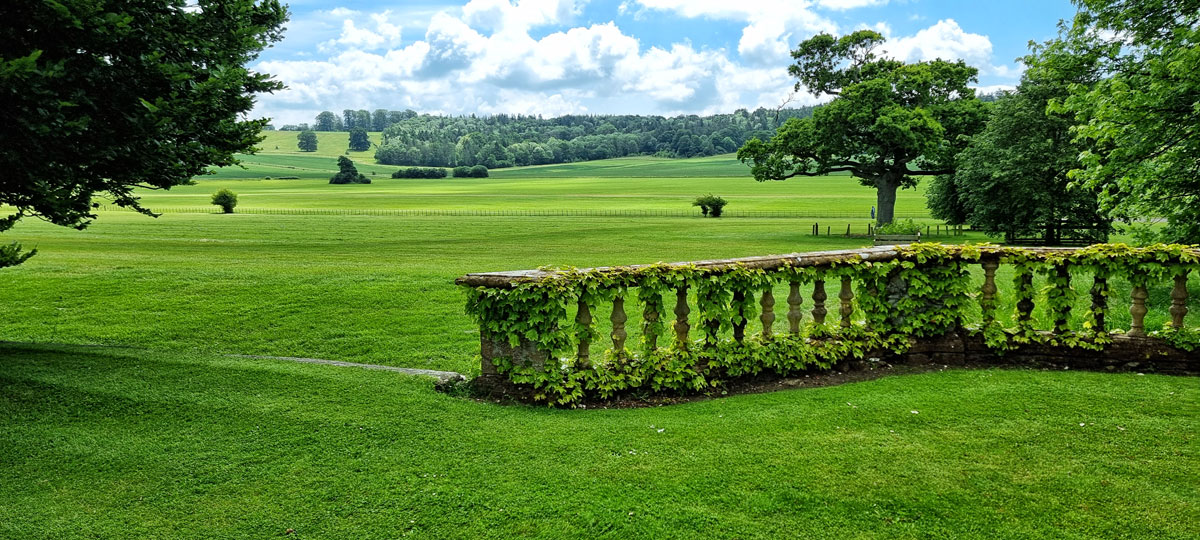
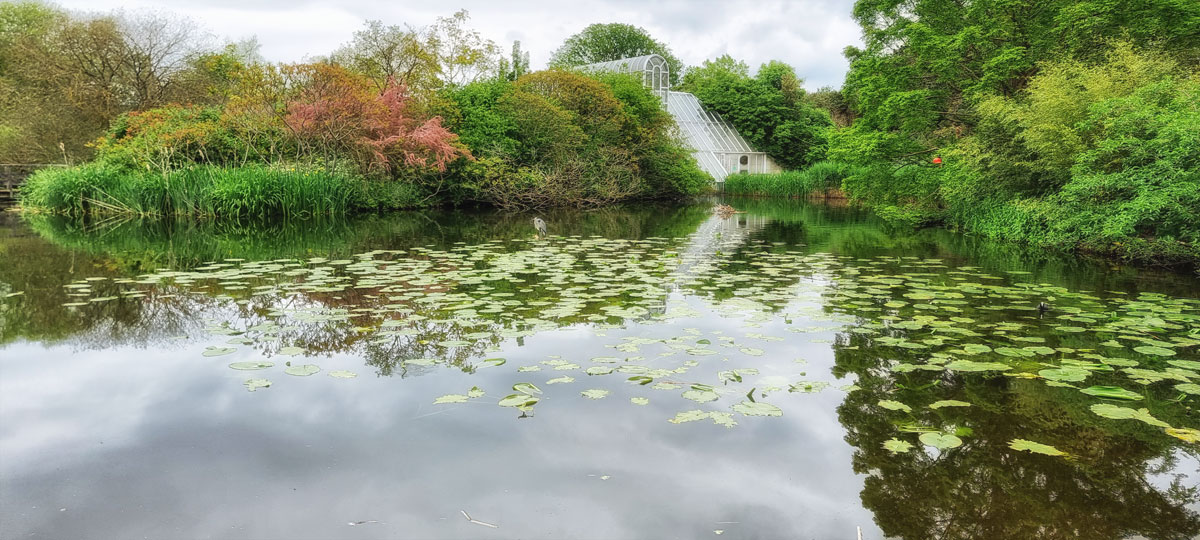
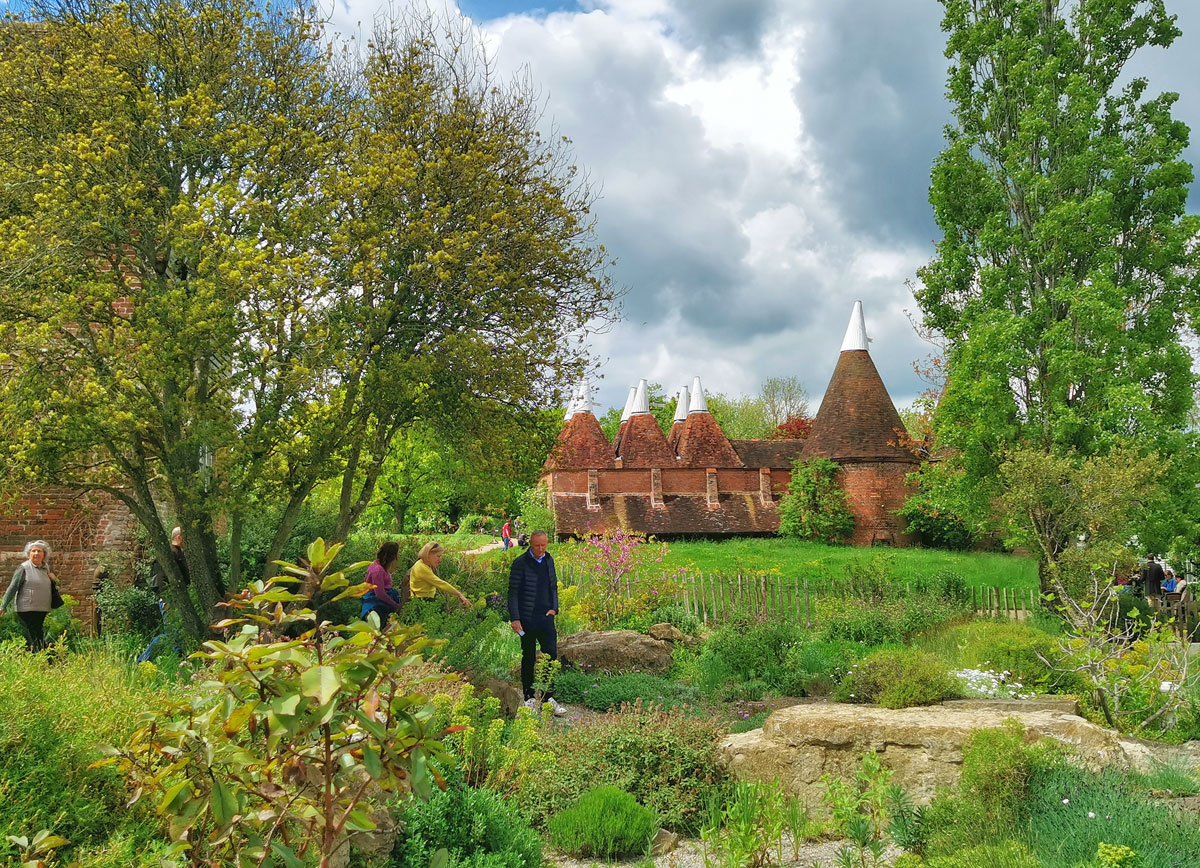
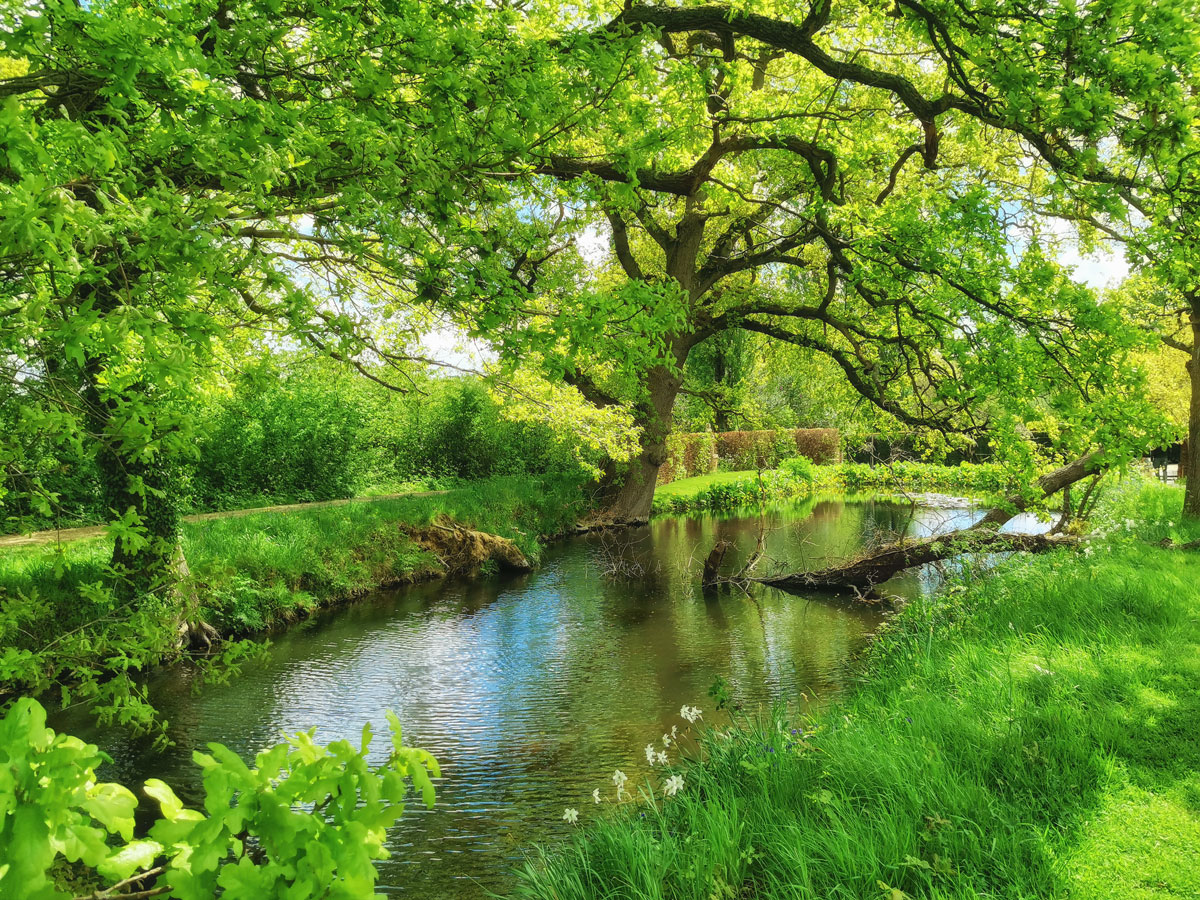
View of Sherborne’s Old Castle from Sherborne Castle and Gardens, Dorset, June 2024Sherborne Castle and Gardens, Dorset, June 2024Kew Garden, London, May 2024Oast Houses at Sissinghurst from the Delos garden, May 2024Cool, tranquil and calming aspect in Sissinghurst Castle Garden, May 2024
Somewhere to relax
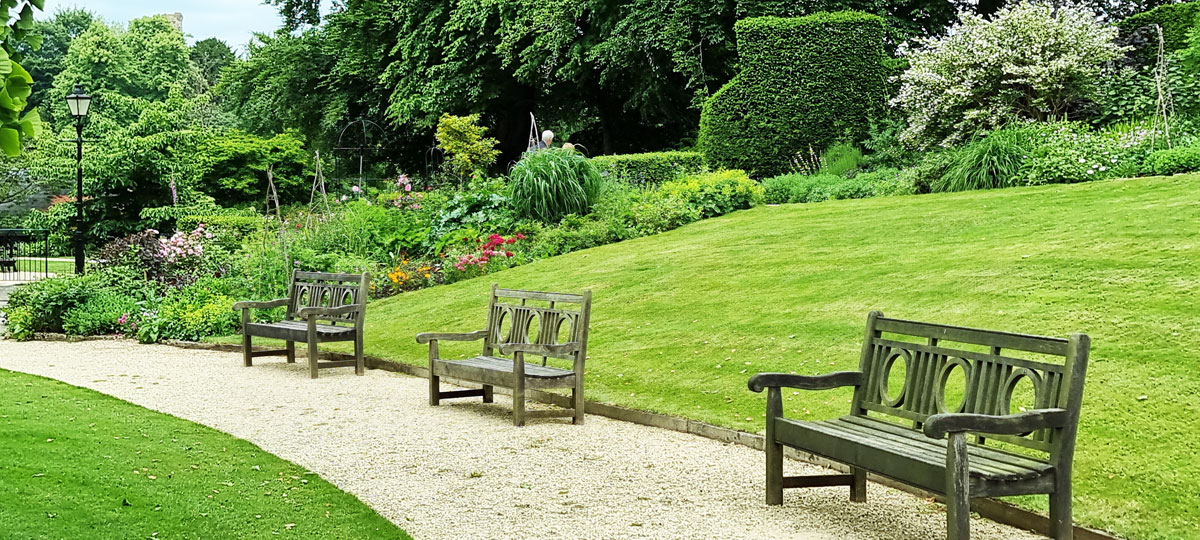
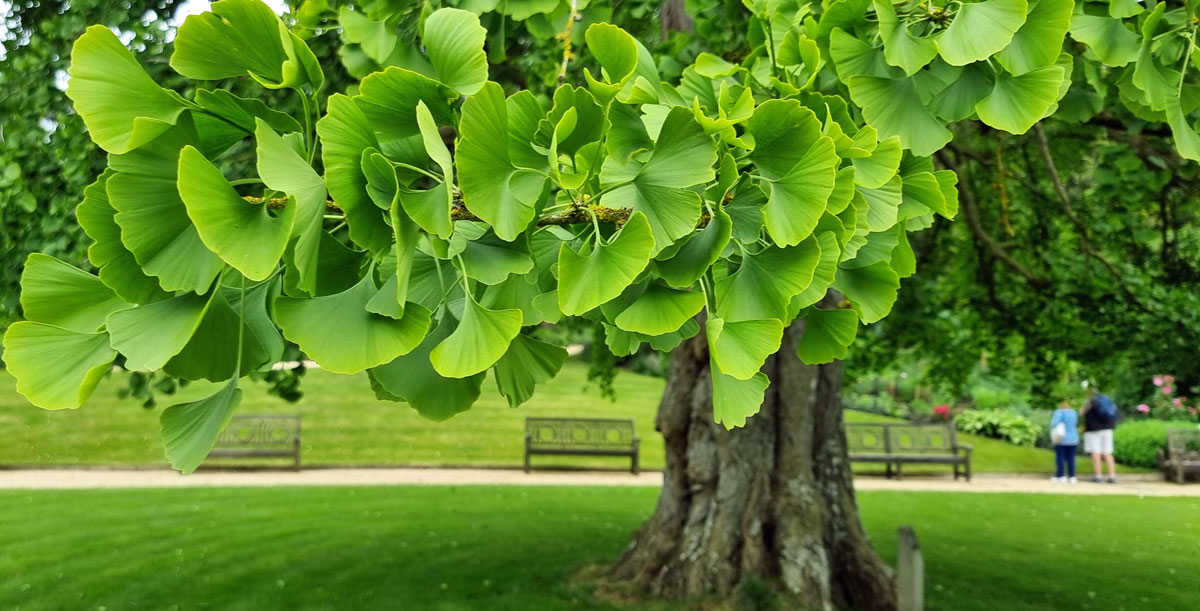
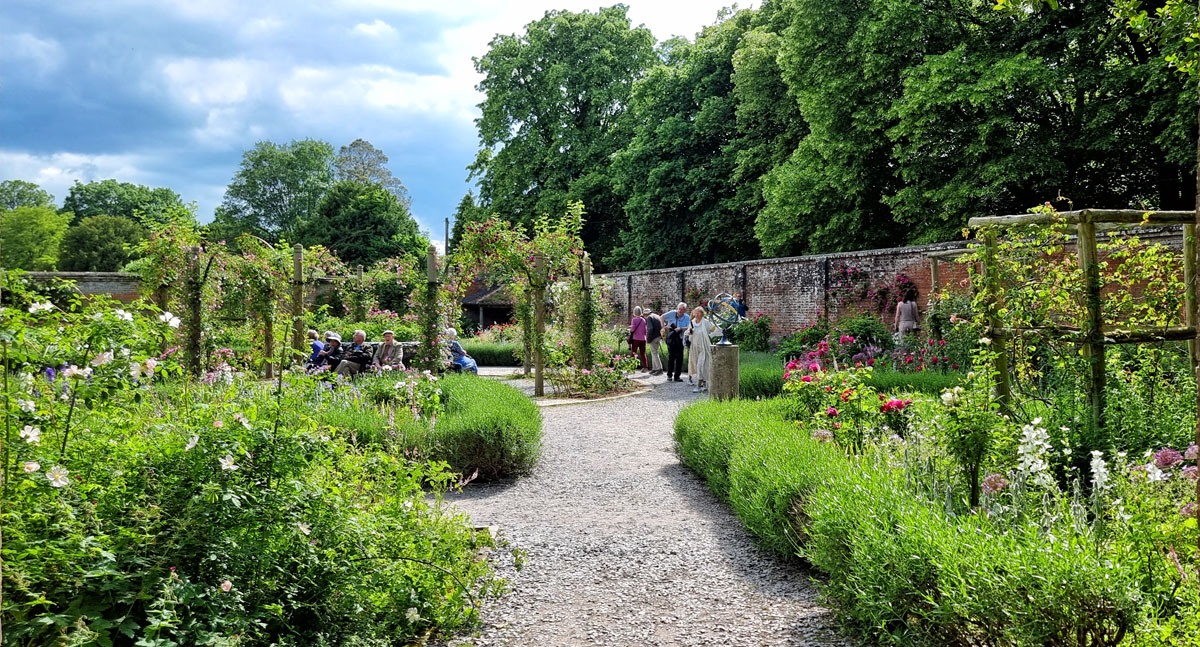
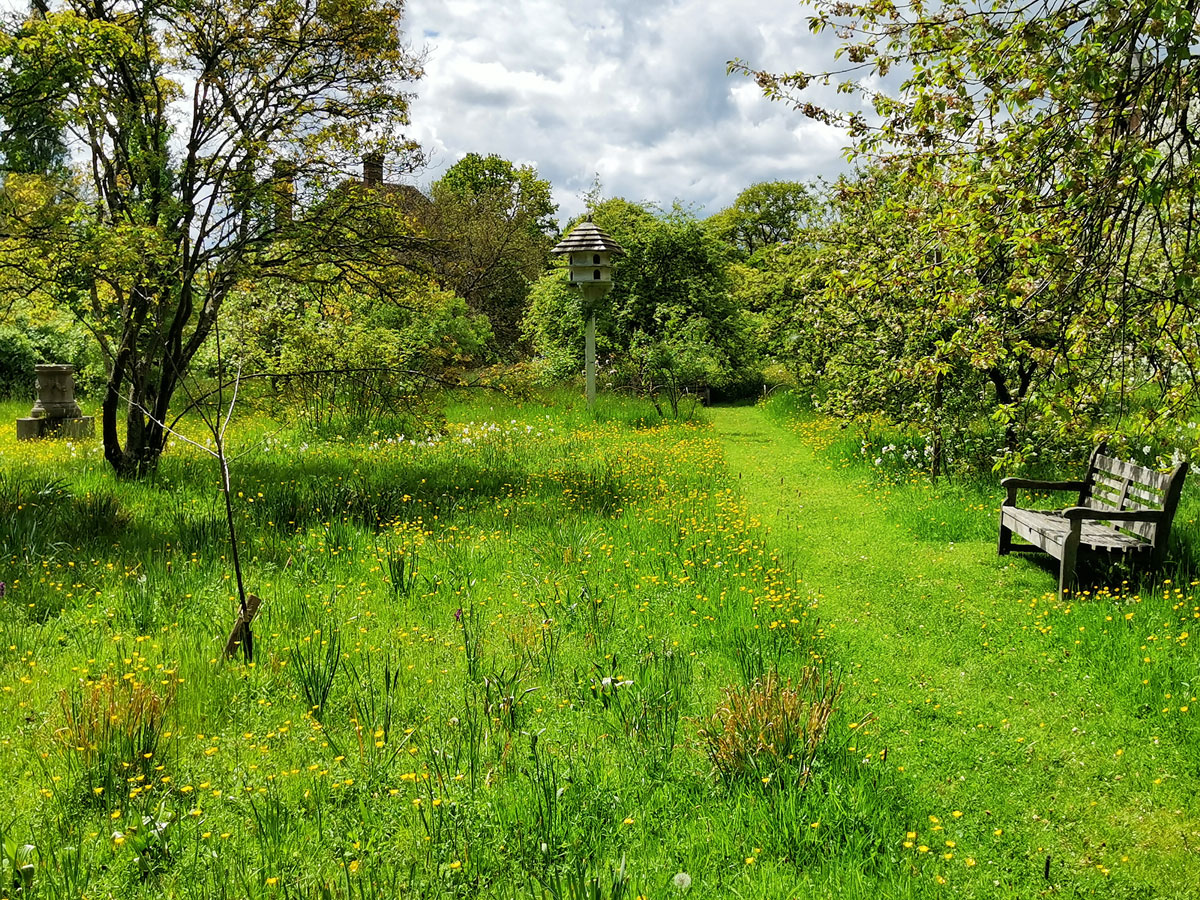
Sherborne Castle and Gardens, Dorset, June 2024Ginkgo Tree – Sherborne Castle and Gardens, Dorset, June 2024Relaxing in the walled garden at Mottisfont, Hampshire. June 2024Meadow and orchard in Sissinghurst Castle Garden, May 2024
The last words come from my favourite garden designer who says it much better than I can.
“I try for beauty and harmony everywhere, and especially for harmony of colour. A garden so treated gives the delightful feeling of repose, and refreshment, and purest enjoyment of beauty, that seems to my understanding to be the best fulfilment of its purpose; while to the diligent worker its happiness is like the offering of a constant hymn of praise.
For I hold that the best purpose of a garden is to give delight and to give refreshment of mind, to soothe, to refine, and to lift up the heart in a spirit of praise and thankfulness.”
~ Gertrude Jekyll (Wood and Garden)
Once upon a time (2016) I ran a challenge on my Earth Laughs in Flowers blog with different topics for each month. During July it was edibles. So I have picked out a few of my favourites from that month for Denzil’s challenge this week.
As summer comes to an end you see the fruits appearing in the orchards all over the country. Kent is known as the ‘Garden of England’ and where better to show you fat, juicy, purple plums
Kentish Plums
and fresh crisp pears.
Kentish pears
Known as zucchini in the USA, Germany and Australia from the Italian word zucchina or simply squash or baby marrows in other parts of the world. The word courgette comes from France. Although considered a vegetable in the culinary sense, botanically it is actually a fruit.
Courgettes / Zucchini
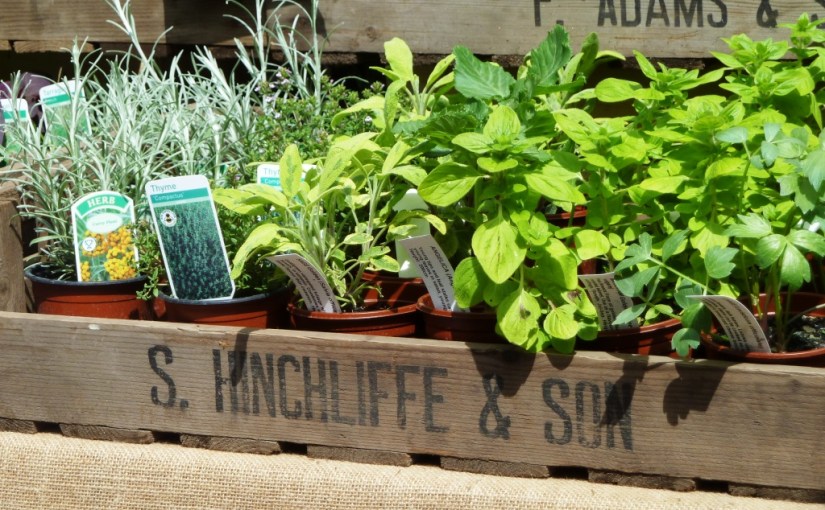
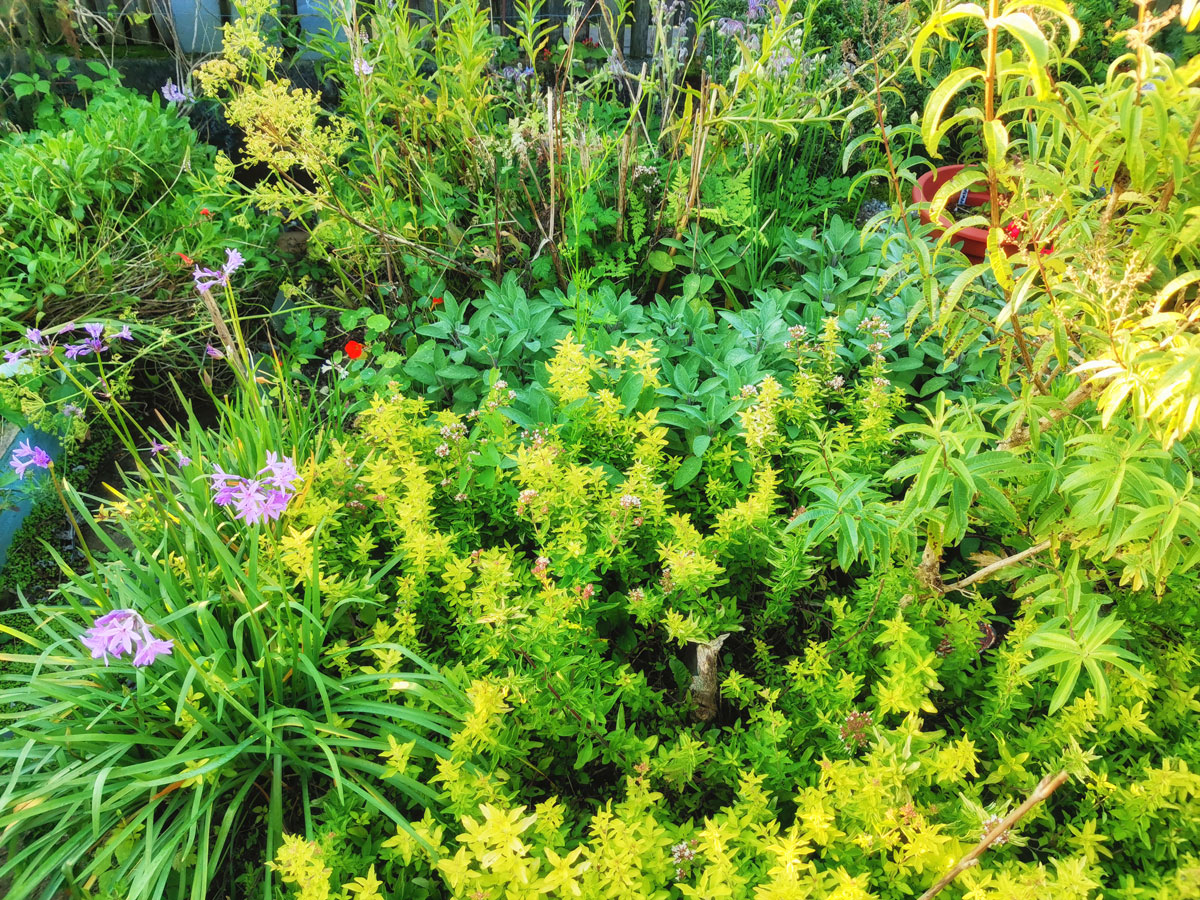
Herb gardens and potagers are favourites of mine. And herbs are really the only edibles that I have been successful in growing.
My herb garden: Society Garlic, Golden Marjoram, Lemon Verbena, Sage, Nasturtiums, Sweet Cicely, Parsley, Borage, Garlic Chives, Origanum
A potager is really a combination of a traditional English kitchen garden (which always used to be consigned to the back of the garden) and the style and elegance of a French garden. Plants are chosen for their edible and ornamental nature and put together in such a way to look beautiful whilst providing food for the table.
Potager where edible flowers and herbs grow among vegetables.
A potager can be any design, from traditional knot gardens to informal cottage garden style.
Potager
Sunflower seeds or kernels are commonly eaten as a snack food. Often used in bread making and baking, added to muesli and other cereals, mixed with peanut butter or even made in to sunflower butter as well as being sold as food for wild birds.
Sunflower
Finally my daughter’s allotment. With a growing family and a full-time job as a child minder as well as studying for a degree she no longer had time for it so had to give it up, but for several years she managed a plot a few hundred yards from her home where she learned how to grow her own produce for the table. Beans, carrots, onions, squash, courgettes, sweetcorn, garlic, peas, radishes, beetroot, strawberries, rhubarb and even Cape gooseberries.
Beetroot
An allotment is a lot of hard work – preparing the soil, digging in lots of compost and manure (where she lives it is all clay), weeding, sowing, watering, keeping bugs at bay – but the rewards are immense.
Gem squash
Not only the flavours of freshly picked produce, but also the ability to grow unusual varieties not found in the supermarket, the knowledge that no air miles are involved, the sense of achievement in growing your own and the enjoyment of sheer hard work keeping you fit and healthy and outdoors.
This week’s challenge from Denzil is interesting, visit his site for lots of information about tree bark that you probably never knew. I have always been fascinated by bark, mainly for the colours and textures so here’s a few from my archives.
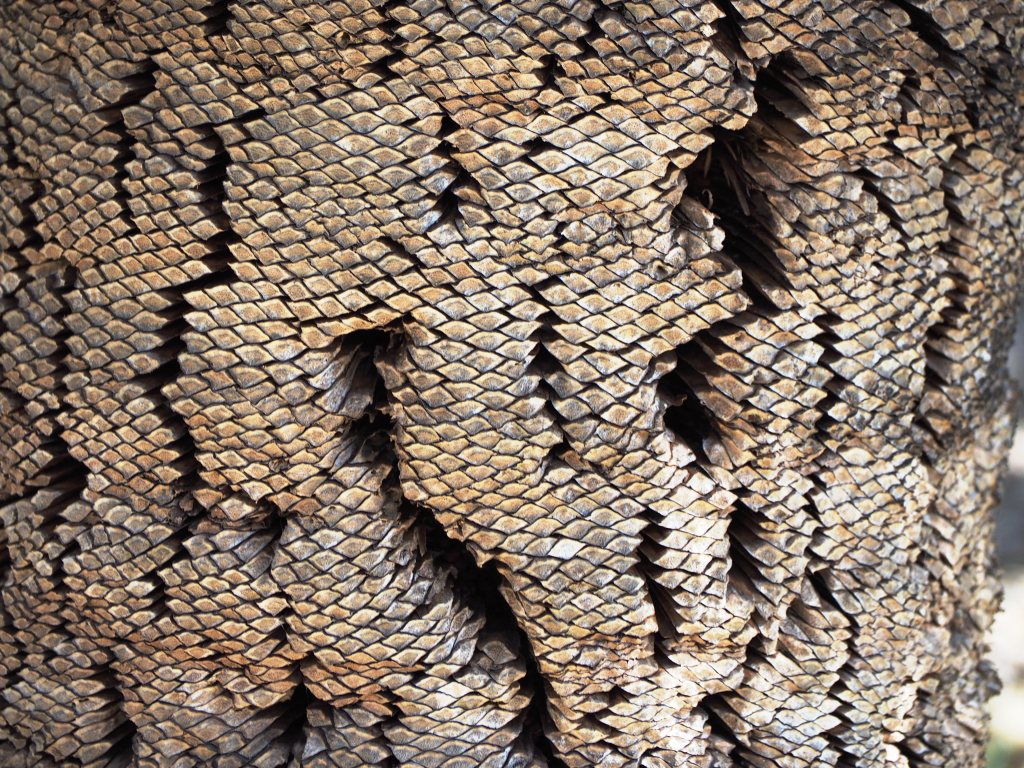
The amazing texture of Xanthorrhoea glauca, the Australian grass tree.
Prunus serrula. A magnificent small garden tree for year round interest its most prominent feature is its tactile, silky, polished bark. The smooth, mahogany bark peels in translucent cinnamon and honey coloured sheets to reveal a fresh new hue of bronze-red gloss beneath. Caught in autumn sunlight this tree almost glows.
Prunus serrula, called birch bark cherry, birchbark cherry, paperbark cherry, or Tibetan cherry, is a species of cherry native to China
This multi-stemmed one is a highly prized specimen.
Chinese Paperbark Maple
Chinese Paperbark Maple (Acer griseum) has the advantage of being attractive all year round: in spring, when the leaves appear, in autumn when its wonderful, rich leaf colour shines, and throughout the dormant season because of its remarkable bark. When the brilliant deep crimson and scarlet leaves have fallen in late November, the full majesty of the rusty-brown bark, which peels in loose tatters, is revealed. Catching it with the sunlight behind creates this gorgeous orange-cinnamon peel.
Australian Eucalyptus / Gum trees often have interesting coloured bark.
Sydney Blue Gum
Sydney Red Gum
Sydney Red Gum
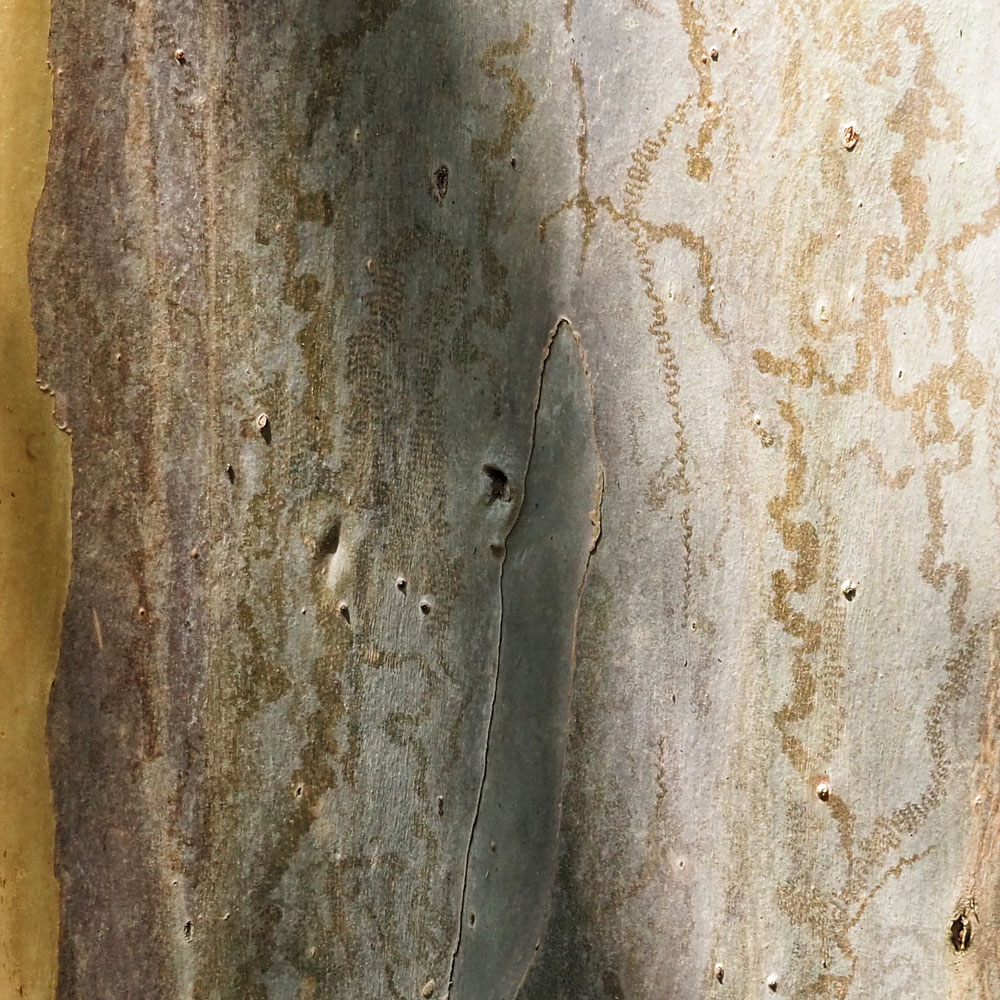
Scribbly gums are a type of eucalyptus or gum tree. There are a few species that are known as scribbly gums as they all have the ‘scribbles’ across their bark.
Scribbly gum is a name given to a variety of different Australian Eucalyptus trees which play host to the larvae of scribbly gum moths which leave distinctive scribbly burrowing patterns on the bark.
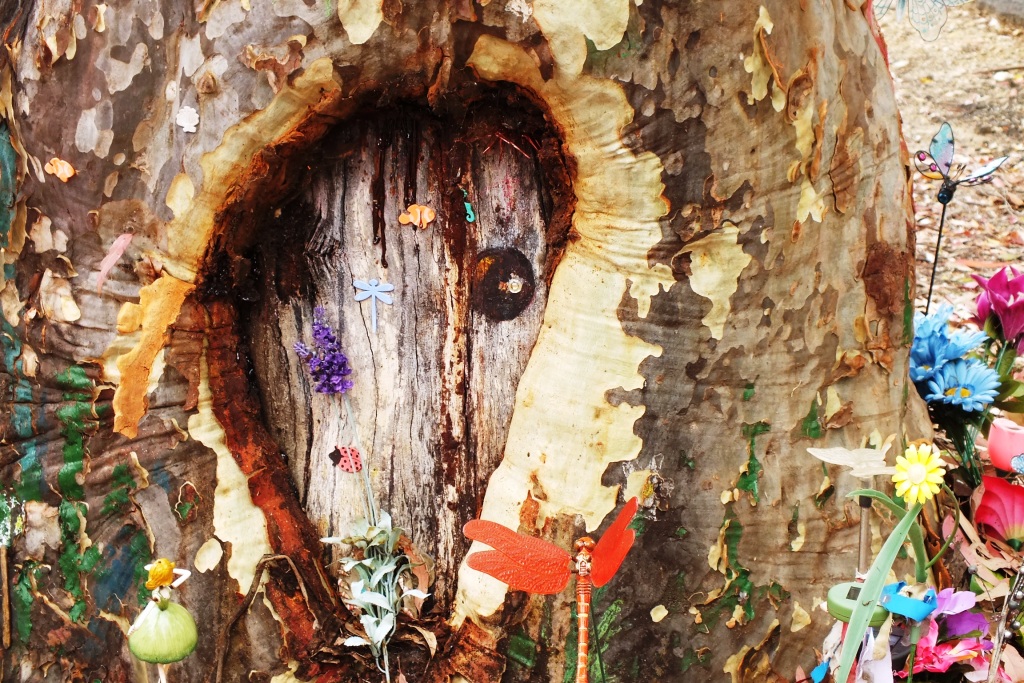
And I’ll leave you with this. Along the road to Potato Point (NSW, Australia) you will come across the most magical tree. An enchanting gum tree decorated with toadstools, butterflies, dragonflies and flowers amongst the discarded eucalyptus leaves. Want to know more? Click here.