Cee’s Which Way Challenge: Finger Posts

Cee’s Which Way Challenge: There is no specific theme given.  It just needs to be some sort of  ‘Which Way’. The possibilities are endless.

 Join in with the challenge or to view other ‘Which Ways’.

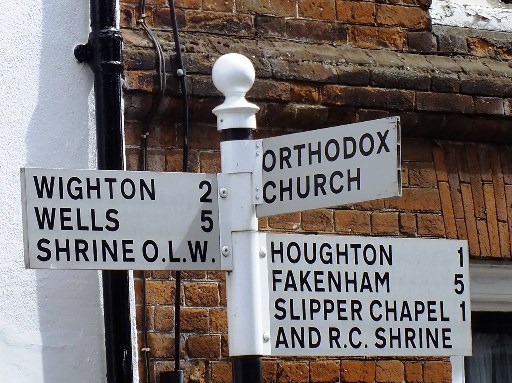
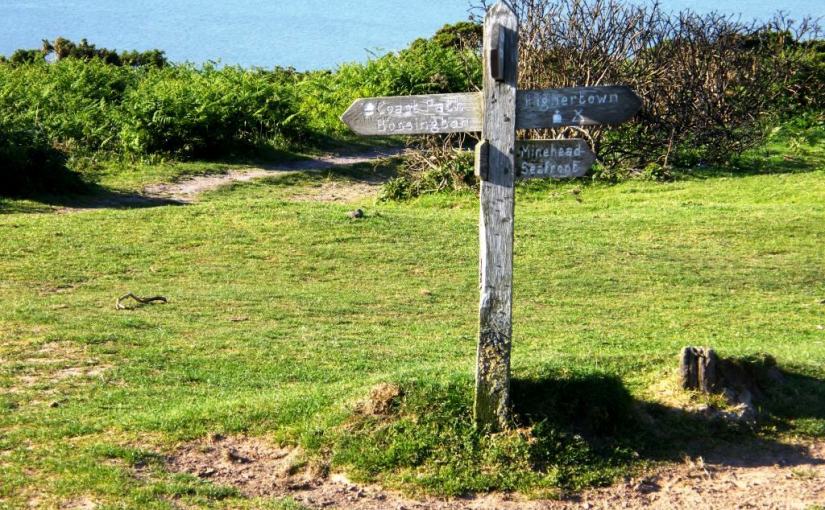
fingerpost (sometimes referred to as a guide post) is a traditional type of sign post in the United Kingdom and Ireland, consisting of a post with one or more arms – known as fingers – pointing in the direction of travel to places named on the fingers. The posts have traditionally been made from cast iron or wood, with poles painted in black, white or grey and fingers with black letters on a white background, often including distance information in miles. In most cases, they are used to give guidance for road users, but examples also exist on the canal network and walking trails for instance.
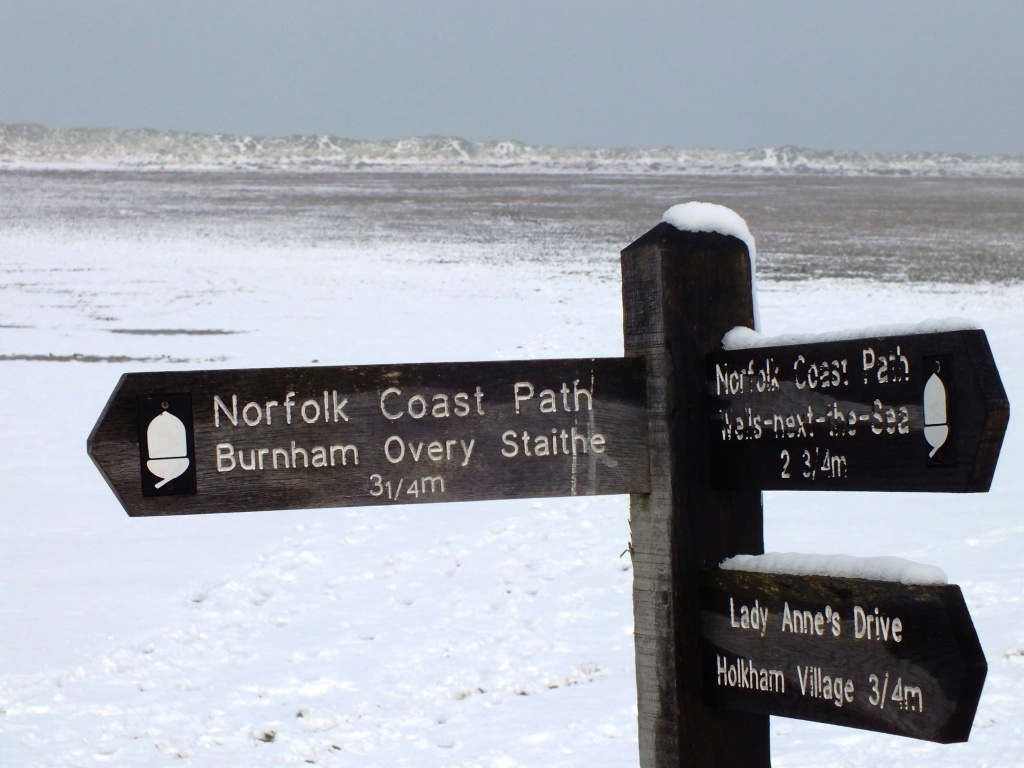
Wooden finger post with mileage on  the Coastal Path in Norfolk
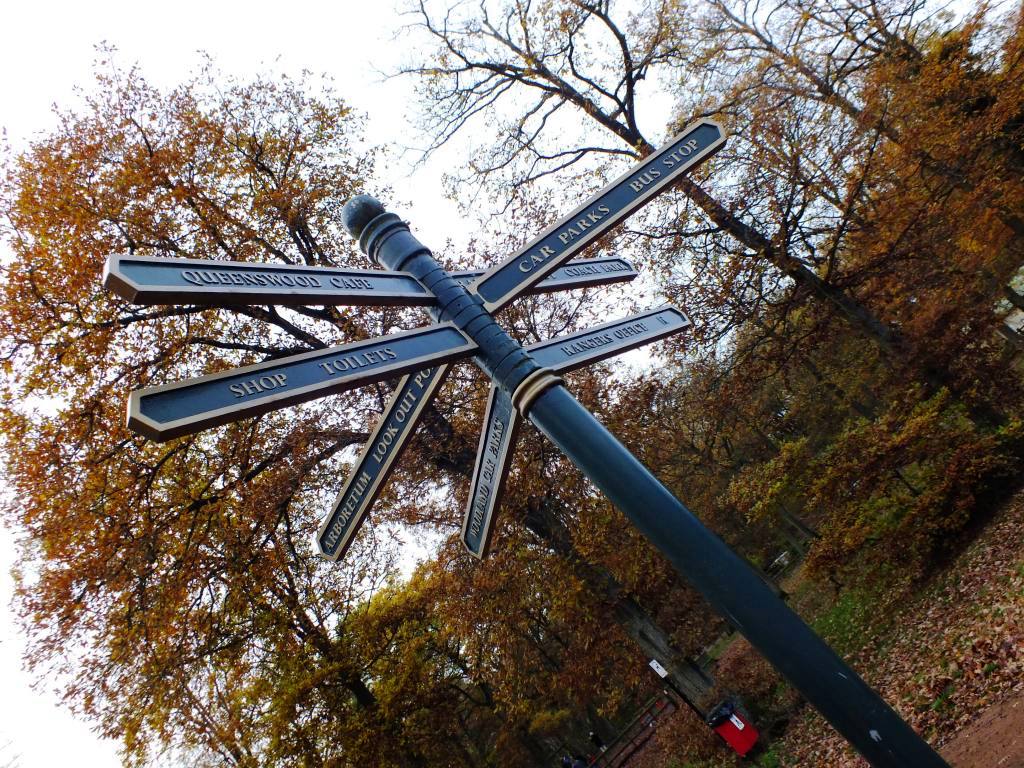
Modern Finger post in cast iron in a park in Herefordshire

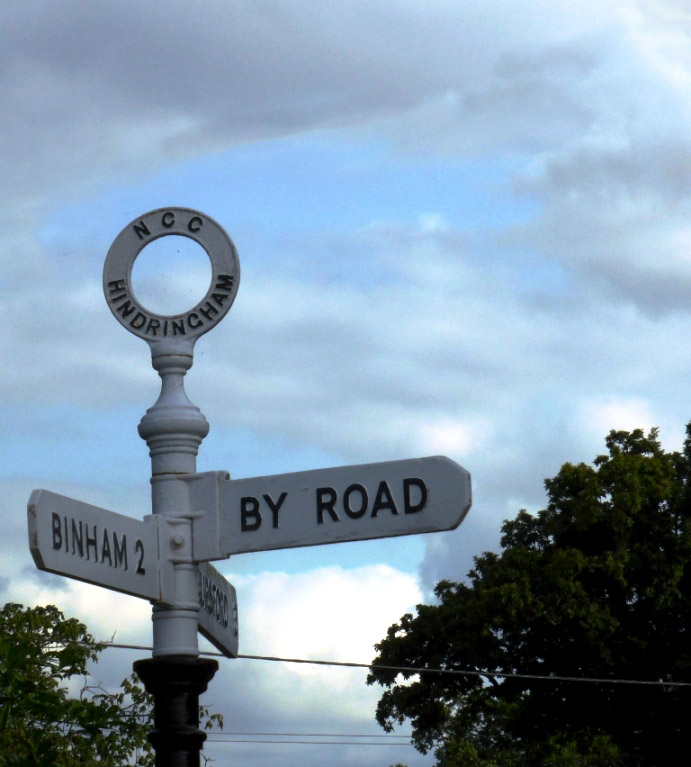
There was plenty of scope for distinctive spread of designs which remains to today.  Roundel designs can include the junction name, a village name, highway authority names in full or initials, and some can include grid numbers.
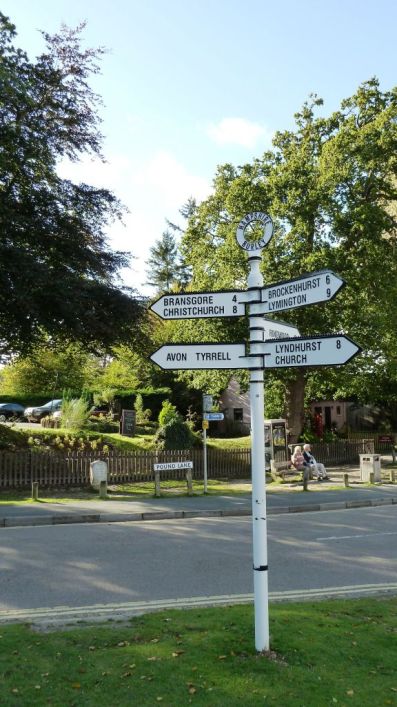
Roundel in Hampshire
Roundel in Hampshire with the village name of Burley
A Roundel in Norfolk with the village name of Hindringham

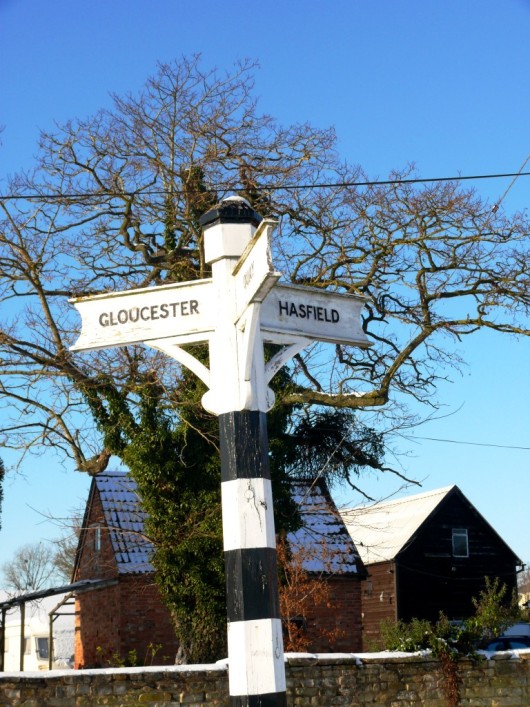
The fingers also vary with some (Cornwall and Devon) being square ended, Dorset is curved and Somerset triangular ended.  Note the different shapes at the top of the column too.
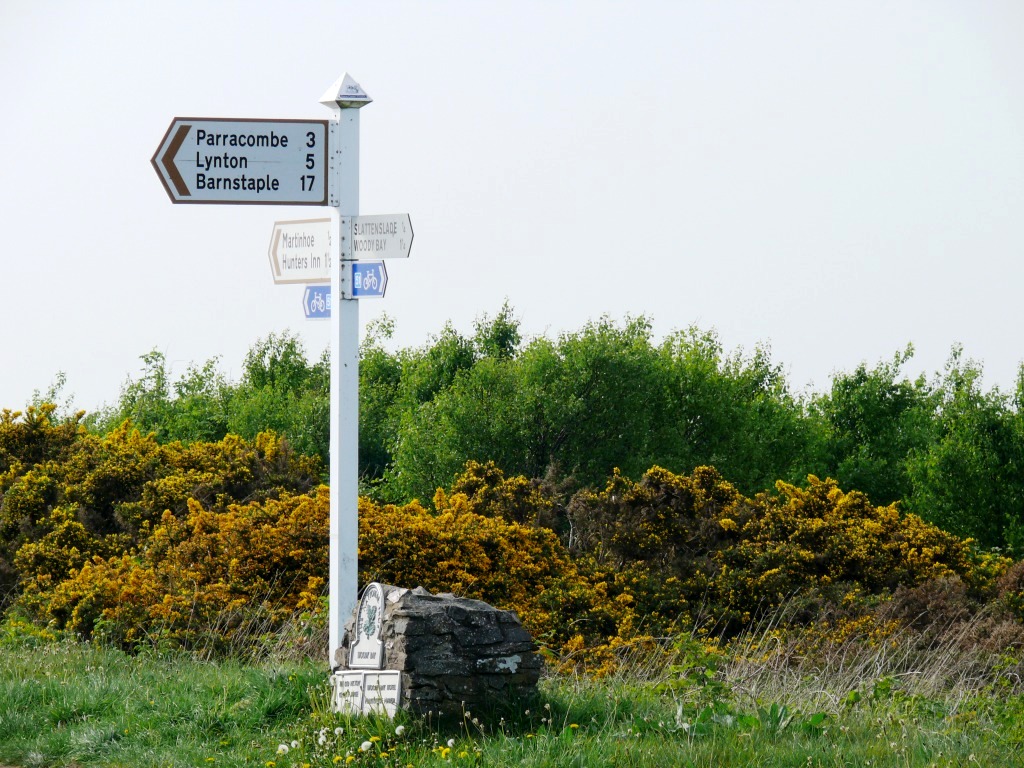
Triangular in Somerset
Square in Norfolk
Square in Norfolk
Curved in Gloucestershire

And note the mileage information in this post in Somerset. We were parked in Bossington, so only had 1/4 mile to walk back to the car.
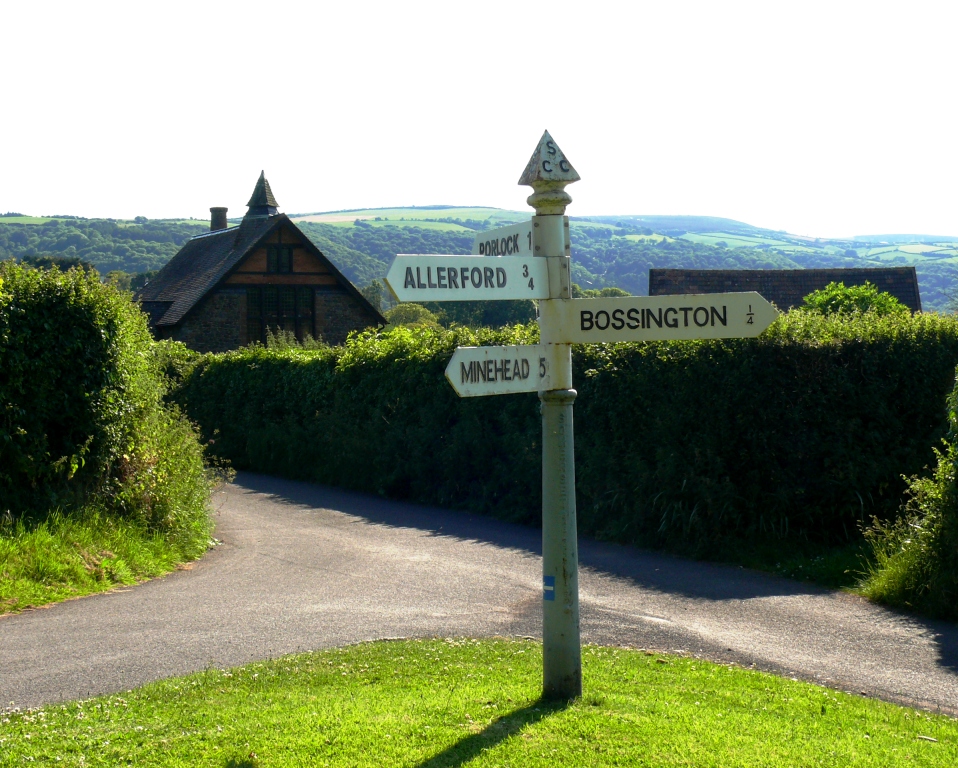
Somerset Mileag
Somerset  County Council (SCC)  with the triangular top

Most finger posts are coloured white, black and grey, but there are others. Red ones are seen in Dorset and you may find green ones that indicate a minor road or ‘drift’ road. Brown signs (below) indicate a tourist site or location and blue signs indicate a cycle network. These are more recent.
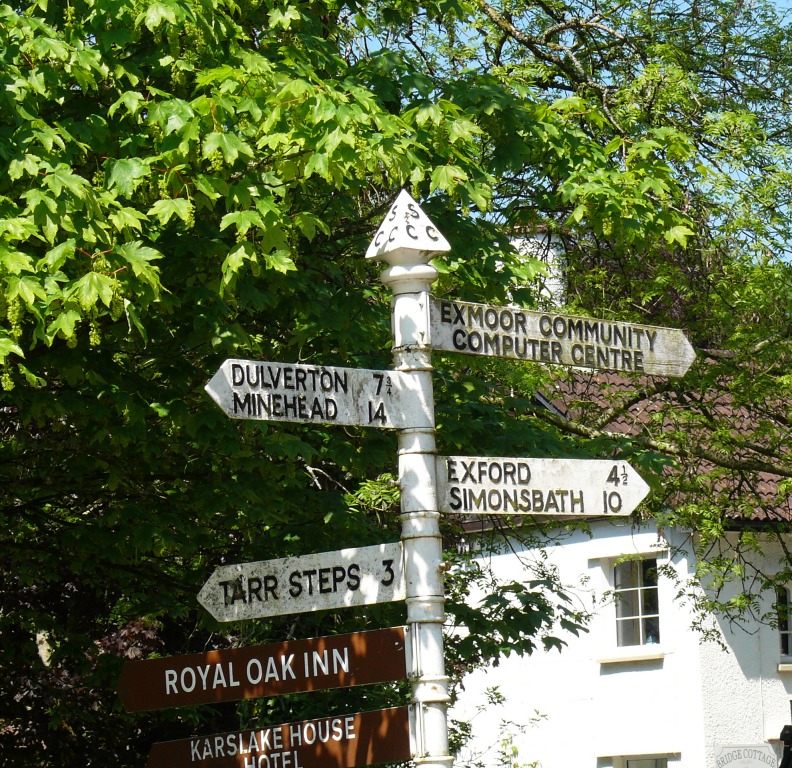
Jun 01 2009_Somerset_6871

So, have you seen any unusual finger posts on your travels? If you have then I’d like to hear about them.
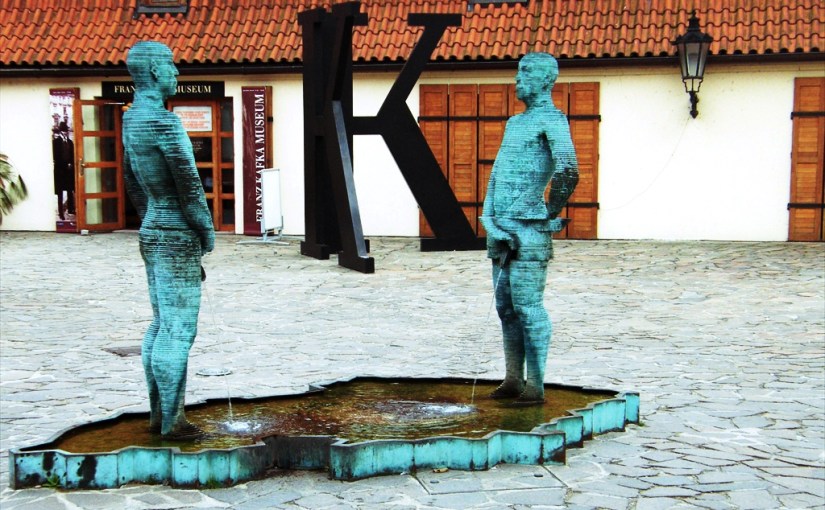
K for Kafka

frizztext hosts a weekly A – Z Challenge

A_Z logo Event Type: General Blogging

Start Date: Tuesdays, recurring weekly

Description: Every Tuesday I offer the “A to Z challenge”, walking step by step through the alphabet.

If you would like to join in then please click here.

This exhibition on the life and work of Prague’s most famous literary son, entitled ‘City of K’, is the third in a series of exhibitions about world writers and their cities.  It explores the intimate relationship between the writer and the city that shaped him through the media of documents, photography and video.

Read more: Lonely Planet

K - Franz-Kafka

 The fountain in the courtyard of the Franz Kafka Museum  in the Lesser Quarter, is created by artist David Černý.  Two urinating men stand opposite one another above a lake in the shape of the Czech Republic. An electronic device turns their hips and raises their penises in a way that the flow of water traces the letters of several quotes on the water’s surface. But since Kafka wrote in German I’m afraid that aspect of the fountain passed me by.

I find it very amusing, but I’m sure some people are extremely shocked when they suddenly find themselves face to face with this – what do you think?

When the world was Brown

Ed is a truck driving photographer from Tennessee who hosts a photography challenge blog called Sunday Stills here on WordPress.

This week Ed would like to see something BROWN.

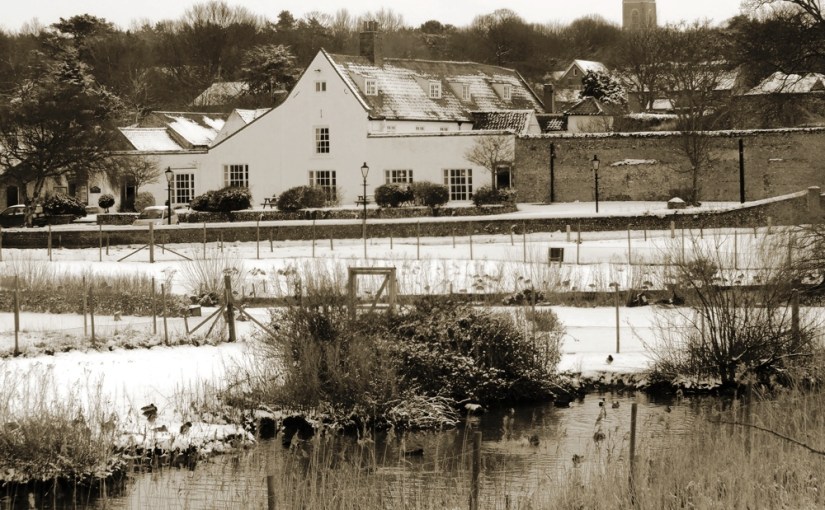
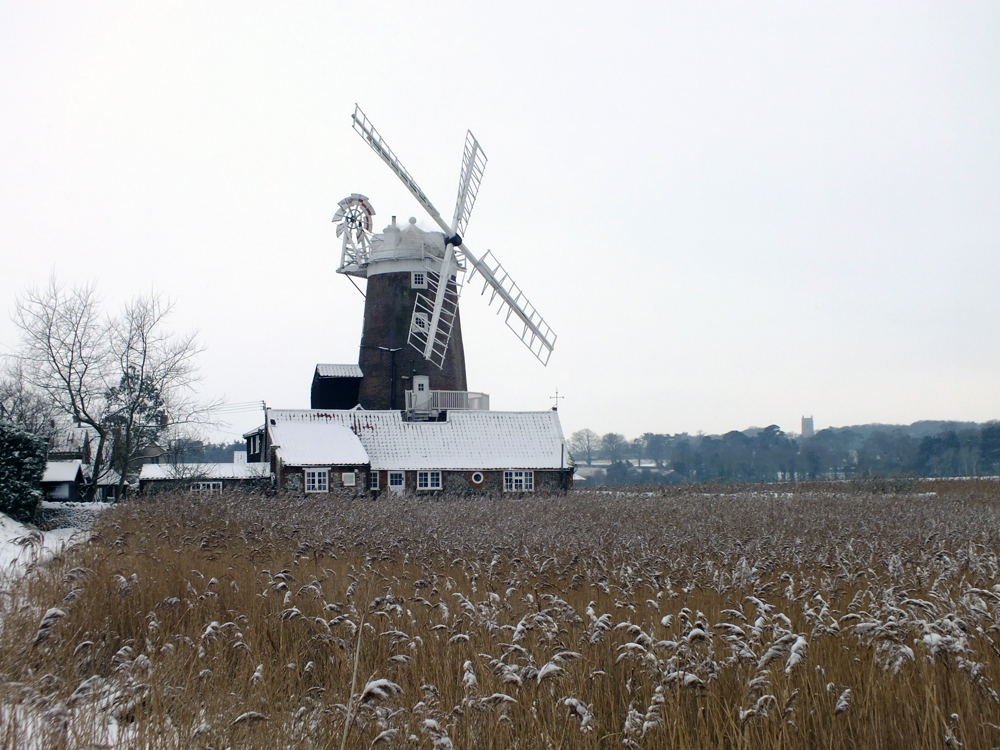
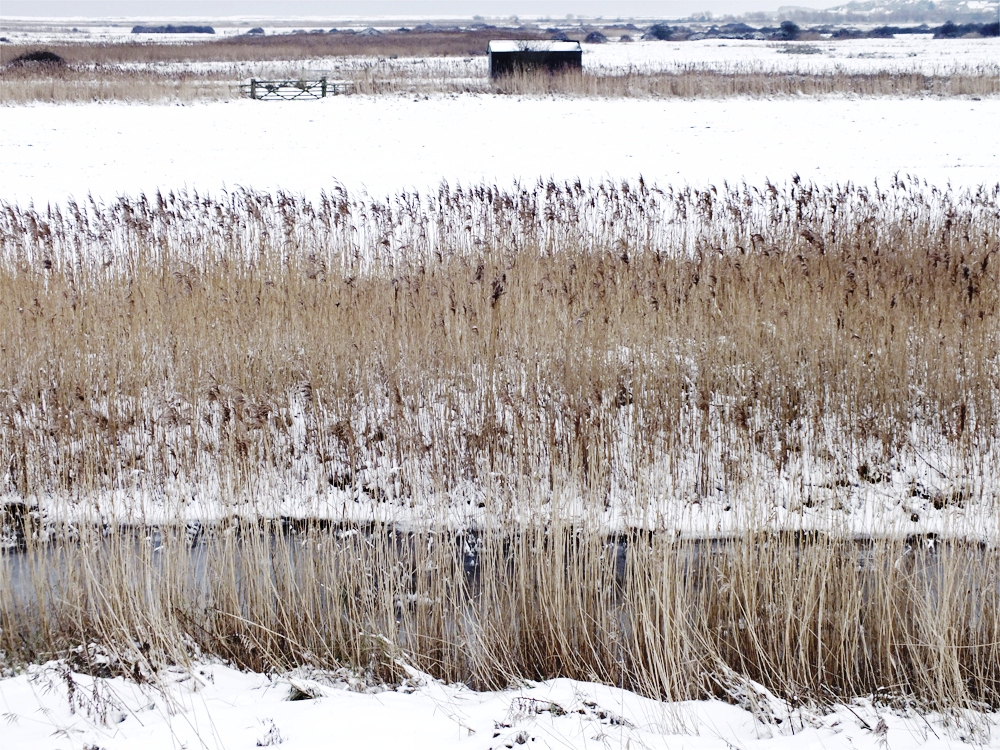
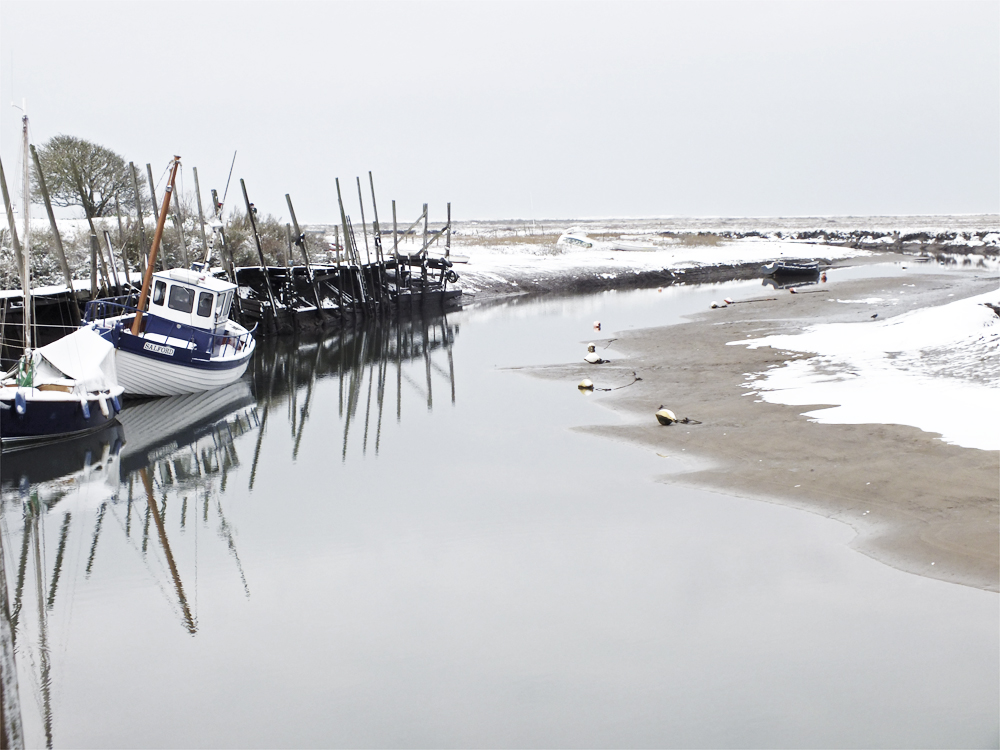
Ed wants us to think outside the box – now that comes easy to me as I am always thinking of unusual ways to interpret a challenge. So perversely my entry this week is quite safe – images of the North Norfolk coast in last year’s winter snow when everything was bleached of any colour with the exception of a natural brown palette.

(click on an image to enlarge)

Cley Windmill
Cley Windmill
Blakeney Marshes
Blakeney Marshes
Blakeney Quay
Blakeney Quay

I admit to using a sepia effect on the header photo, but the rest of the images are as seen, with some slight processing of saturation and levels.

Unusual Things You Find Inside a Garden

Ailsa of “Where’s My Backpack?” has been pondering her visits to gardens around the world this week. If you would like to join in with her challenge then please do. Everyone is welcome.

And I am combining this with the Weekly Photo Challenge from WordPress: Inside.

As some of you will know I do have another blog which is specifically for flowers – Earth Laughs in Flowers – and if you click this link you will be able to read about some of the gardens I have been enchanted by and see some lovely flowers and plants.

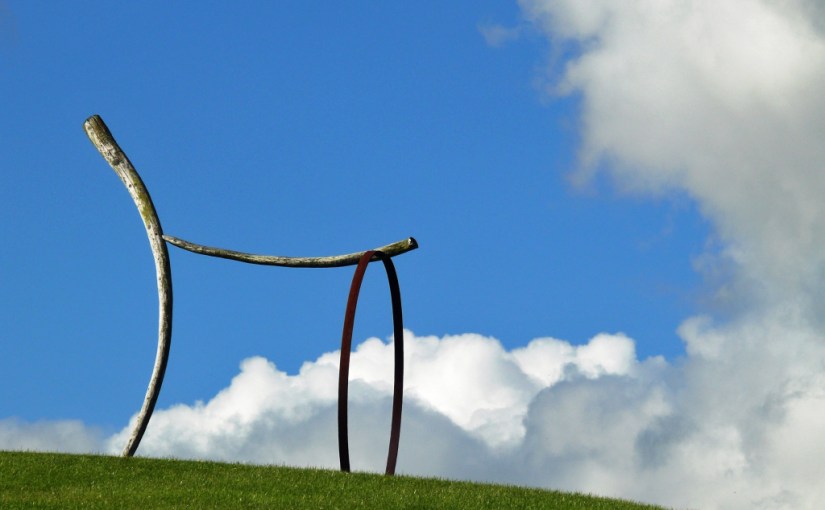
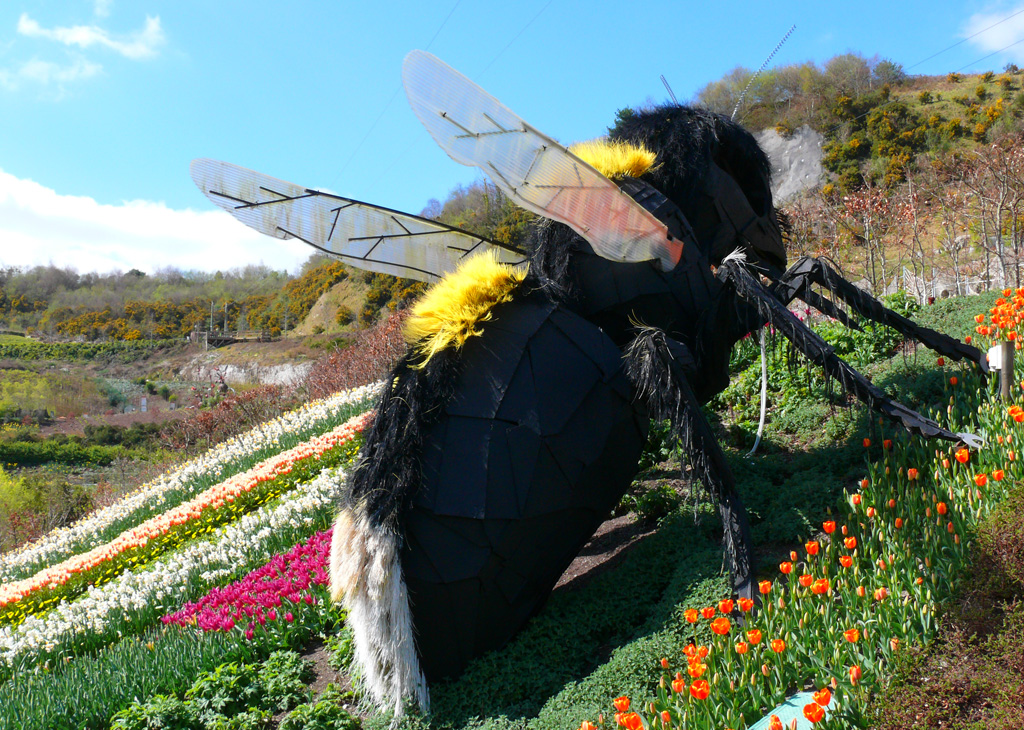
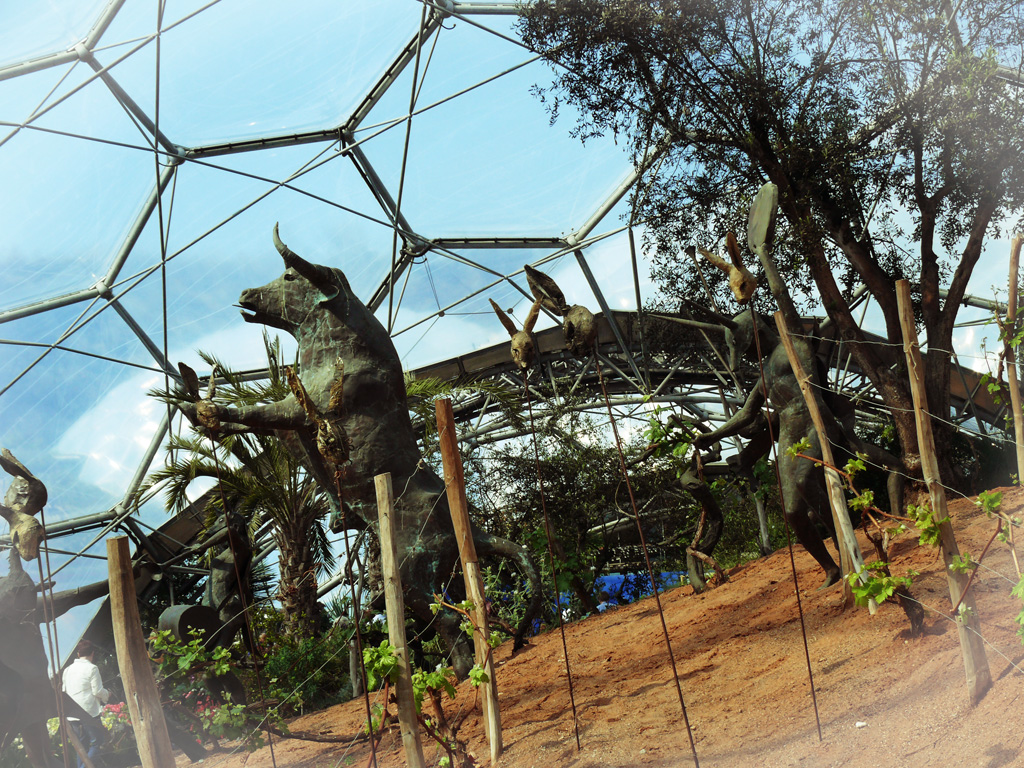
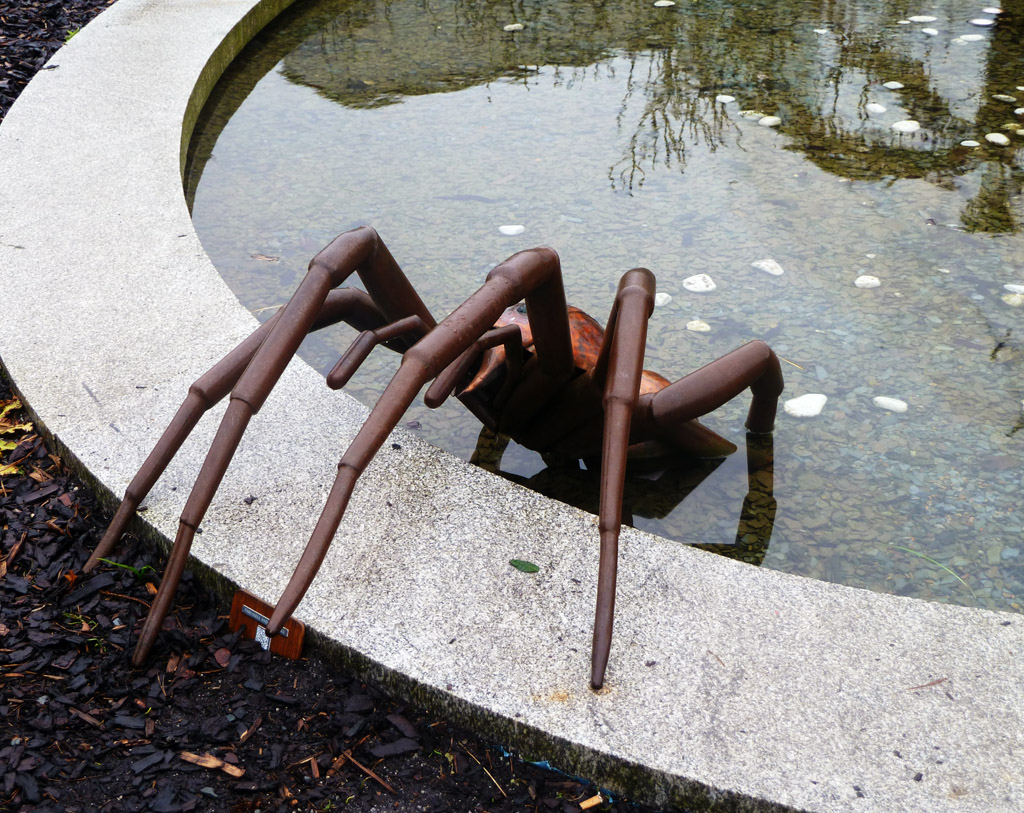
But for this challenge I am going to show you some of the odd sculptures and statues that have caught my eye whilst wandering inside the gardens, beginning with the infamous Eden Project in Cornwall.

(click on an image to enlarge)

The Bee
The Bee
The Rites of Dionysus by Tim Shaw
WEEE Man, Outdoor Biome
spider
Incy Wincy spider…or is it a crab?

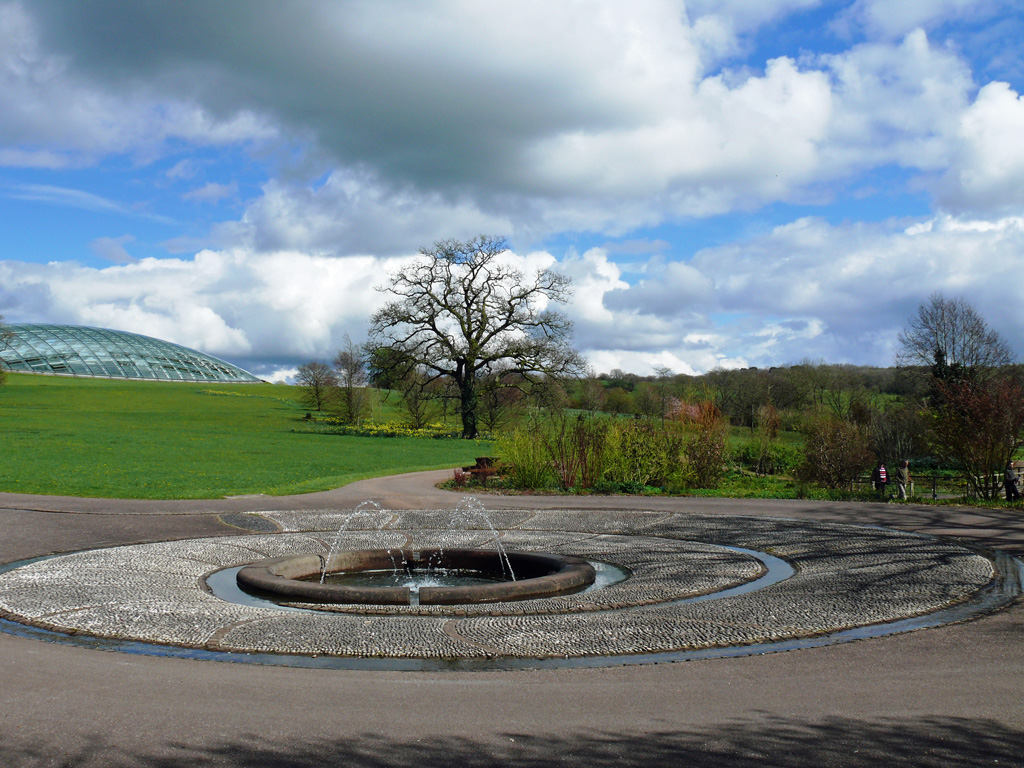
Next is a visit to the National Botanic Garden of Wales.

Welsh Black by Sally Matthews
‘Tawr’ A Welsh Black by Sally Matthews
'Pi' by Rawleigh Clay
‘Pi’ by Rawleigh Clay
Circle of Decision
Circle of Decision

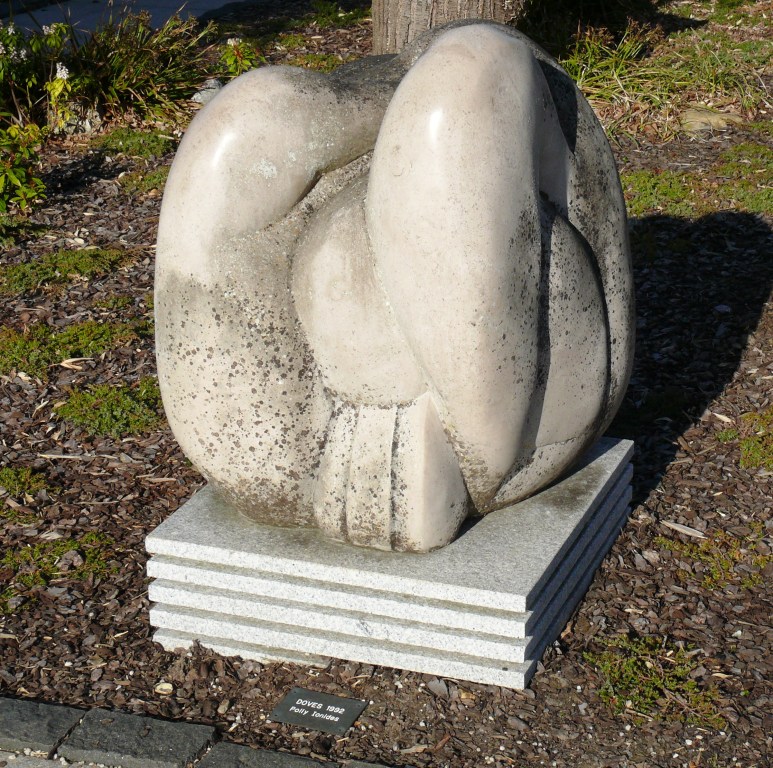
And finally a few sculptures that have appeared in my favourite garden, RHS Wisley in Surrey.

Doves
Doves
Henry Moore's Arch
Henry Moore’s Arch
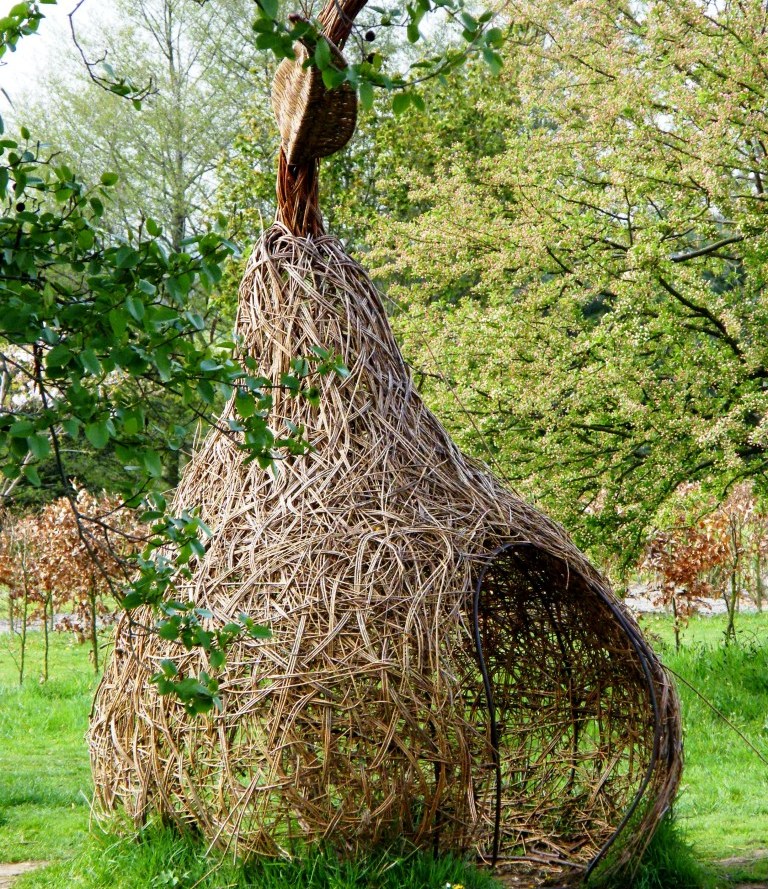
Wicker 'Pear'
Wicker ‘Pear’
Wicker Sculptures
Wicker Sculptures

What unusual things have you found in a garden?

A Lingering Look at The Round Market

This weekly challenge is hosted by Dawn from ‘The Day After’ who invites participants to post pictures of any windows that  they find curious, inviting, photogenic, or in some way tell a story. Visit her blog to see more windows and/or to join in with the challenge.

When visiting Tenbury (Wells) we grabbed a Tenbury Heritage Trail map from the tourist office and set off to admire the buildings from Tenbury’s past.  After looking around the Pump Rooms (last week’s post) we carried on into Market Street, which leads into Market Square and where we discovered another unusual building that was also built by James Cranston.

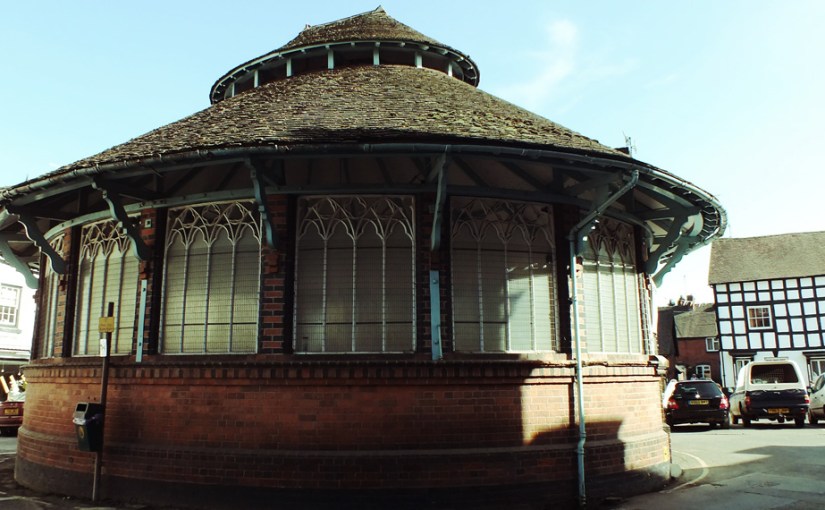
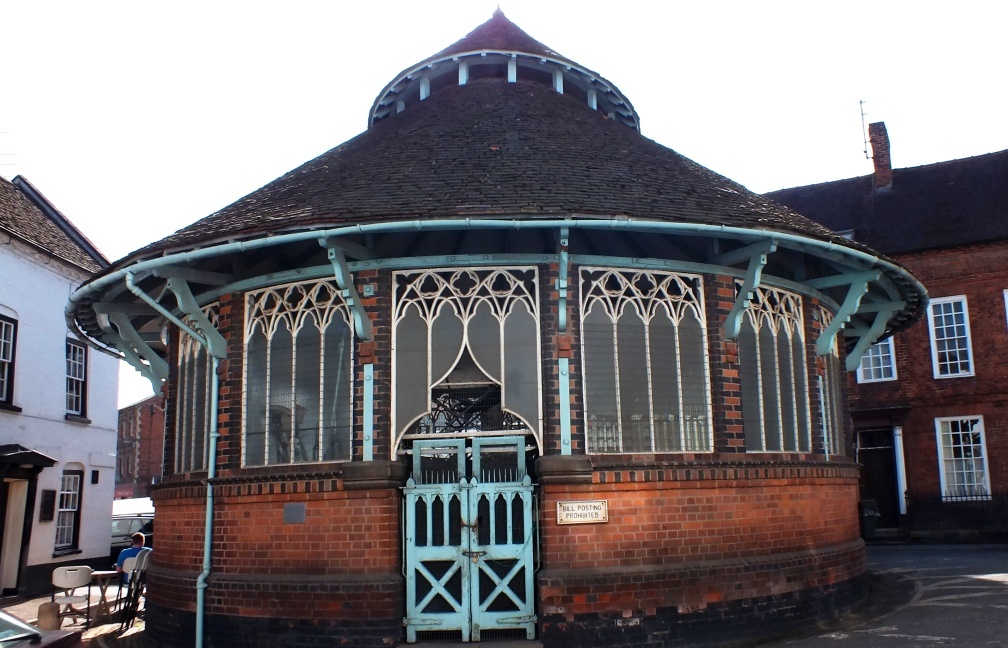
The Round Market

The Round Market (which is actually oval) was built to enable the farmers’ wives to sell their butter and poultry inside, with walls to keep out the wind and rain. Market Days are still held on Tuesday, Friday and Saturday.

But as usual I was drawn to the wonderful windows – just look at the shapes above the gateway! And the trefoils and quatrefoils at the top of each window (click image to enlarge). Divine.

(source of information from Tenbury Tourist Information Centre )