We’re goin’ to the zoo, zoo, zoo

This month Becky’s Squares are focusing on odd things – you can interpret this any way you want so I am going to take you all to the zoo this month. San Diego Zoo to be precise and the photos featured will be either odd looking animals, animals with odd names, odd facts or slightly odd photos. I hope you’ll enjoy my selection.
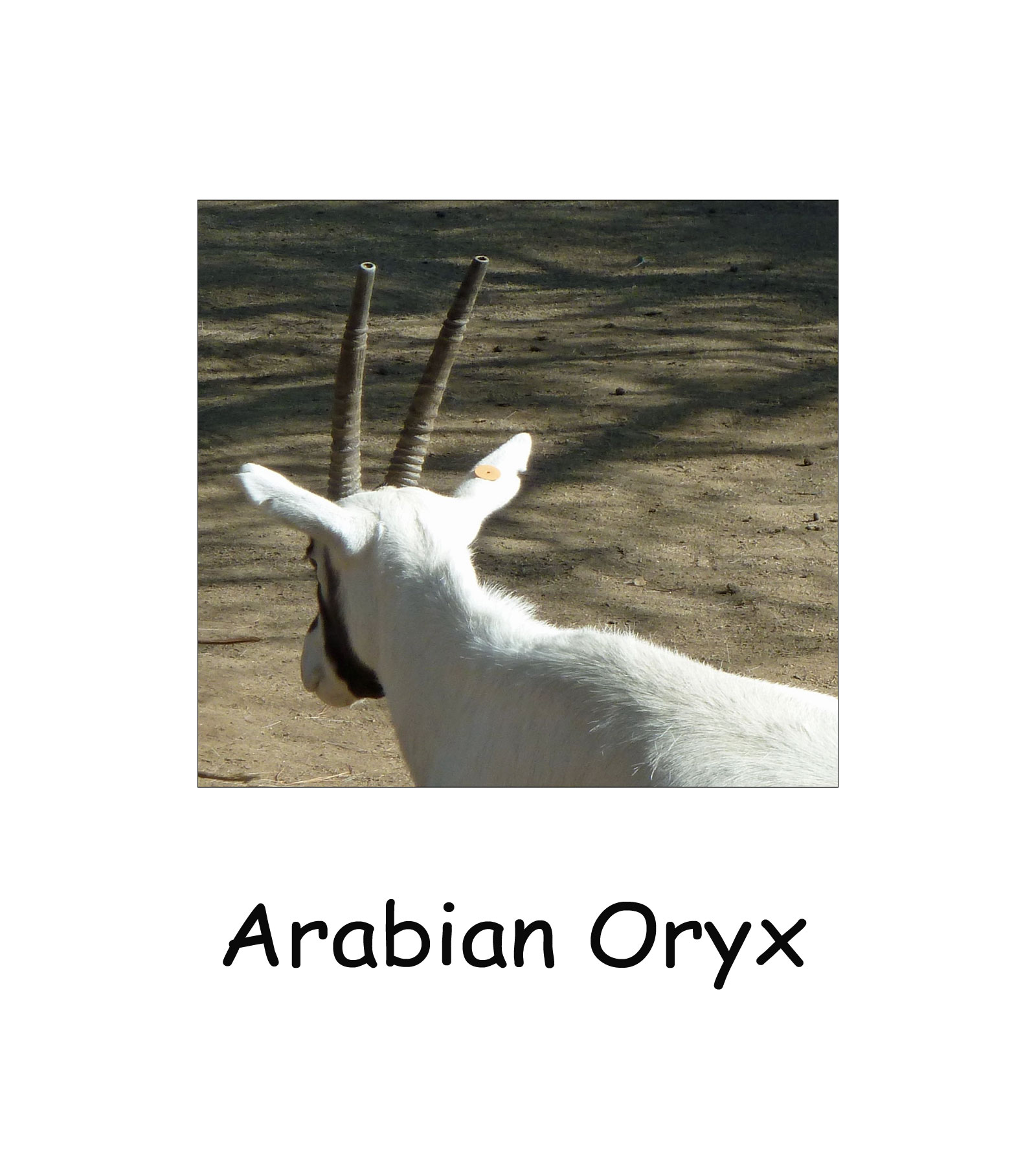
Day 15

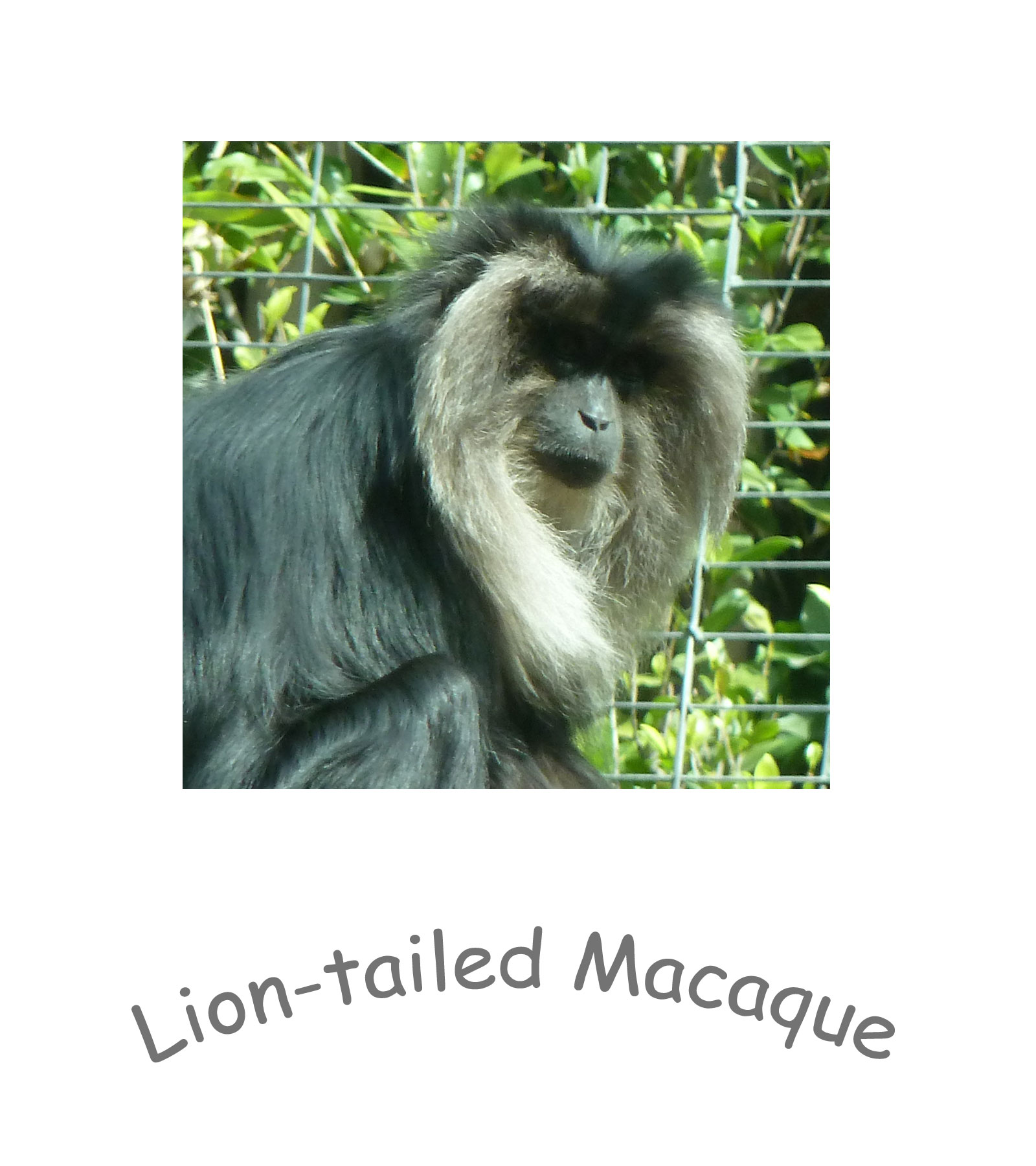
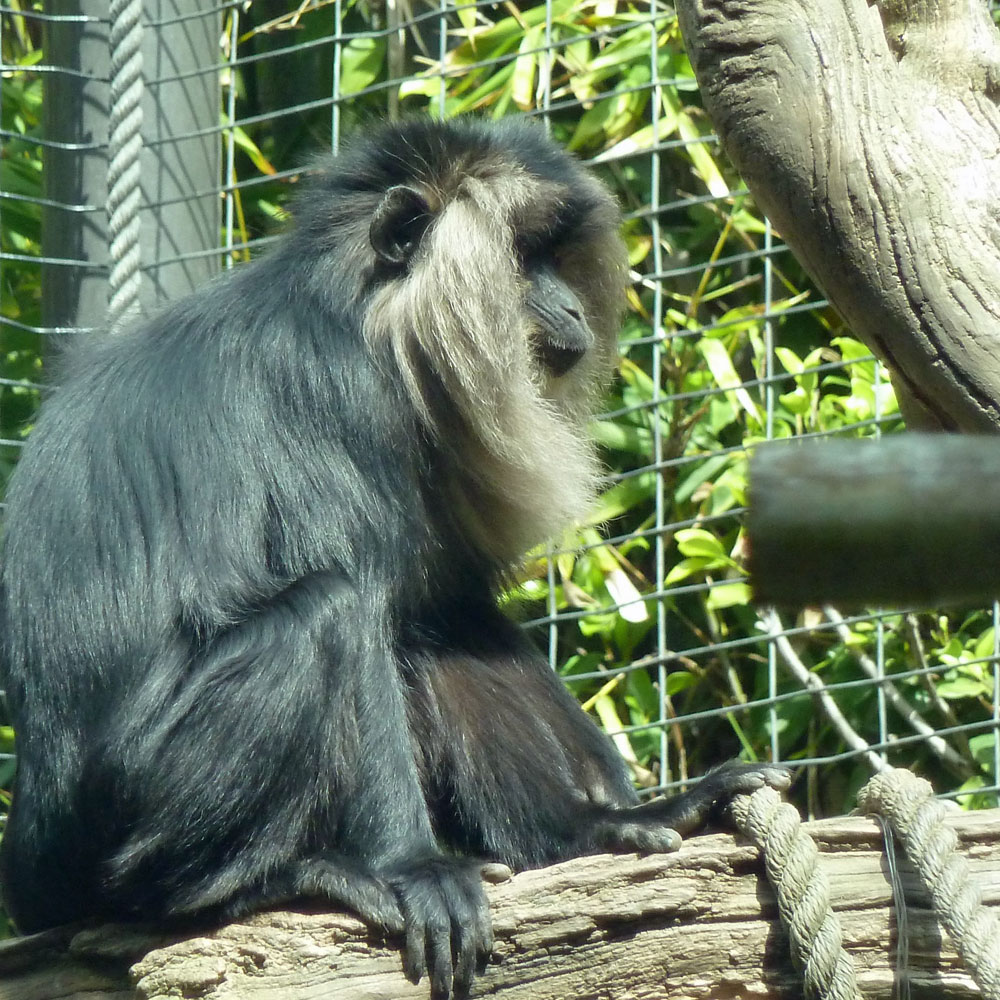
The lion-tailed macaque’s name is derived from its long tail, which has a tassel at the end like that of a lion. Unfortunately this one was sitting on his! In the wild, lion-tailed macaques live in tropical dry forest and tropical rainforest in India. They spend most of their time high up in the trees of the dense, wet forests.

Lion-tailed macaques have handy cheek pouches for quick and easy sustenance storage. They routinely employ these convenient and roomy pouches to keep their valuable findings away and safe from the prying eyes and grasps of others.

If you want to join in either daily, weekly or just on the odd occasion then please visit Becky, the only rule is that the main photo MUST be a square – that is four equal sides! You have been warned 😉
We’re goin’ to the zoo, zoo, zoo

This month Becky’s Squares are focusing on odd things – you can interpret this any way you want so I am going to take you all to the zoo this month. San Diego Zoo to be precise and the photos featured will be either odd looking animals, animals with odd names, odd facts or slightly odd photos. I hope you’ll enjoy my selection.

Day 14

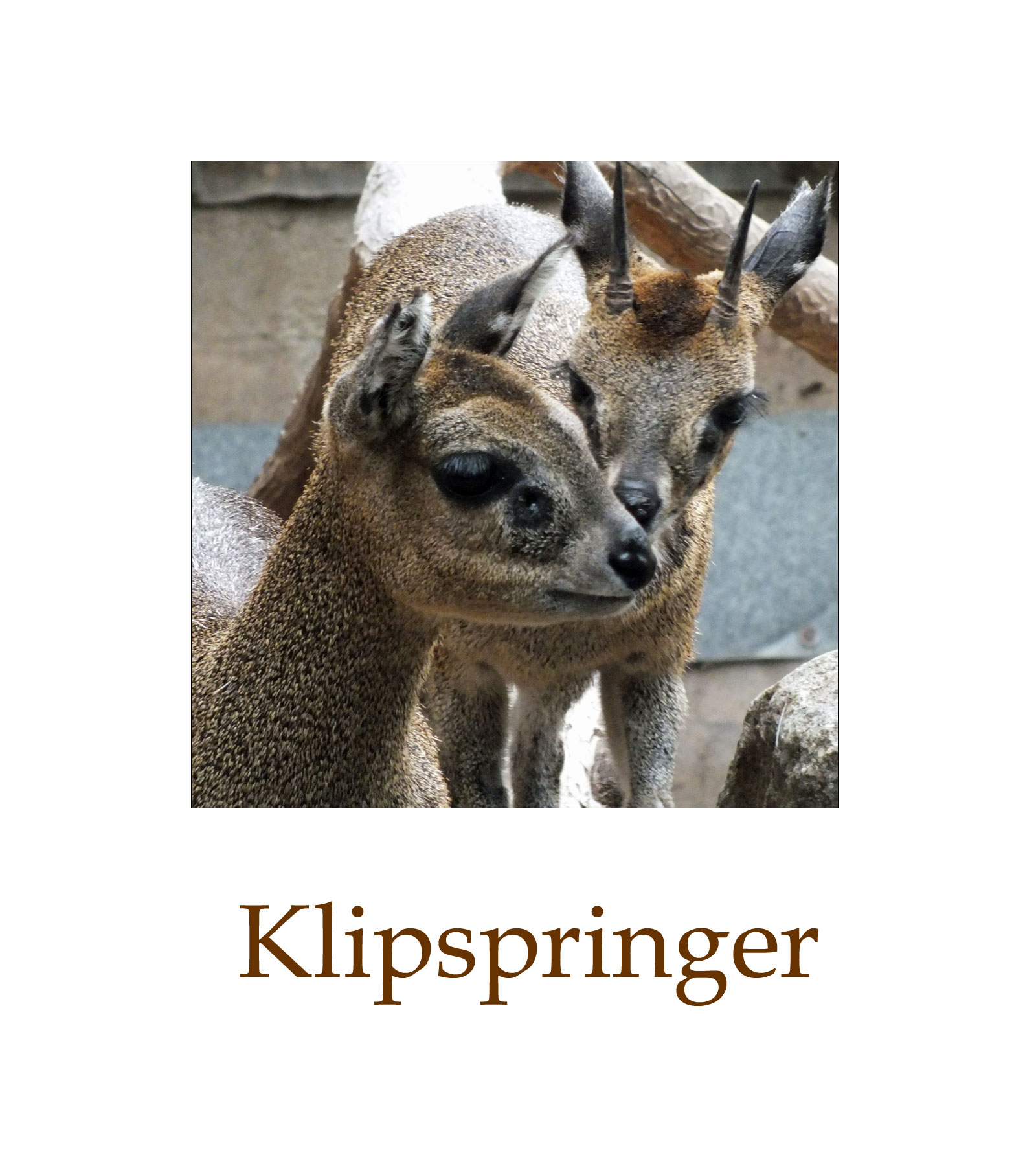
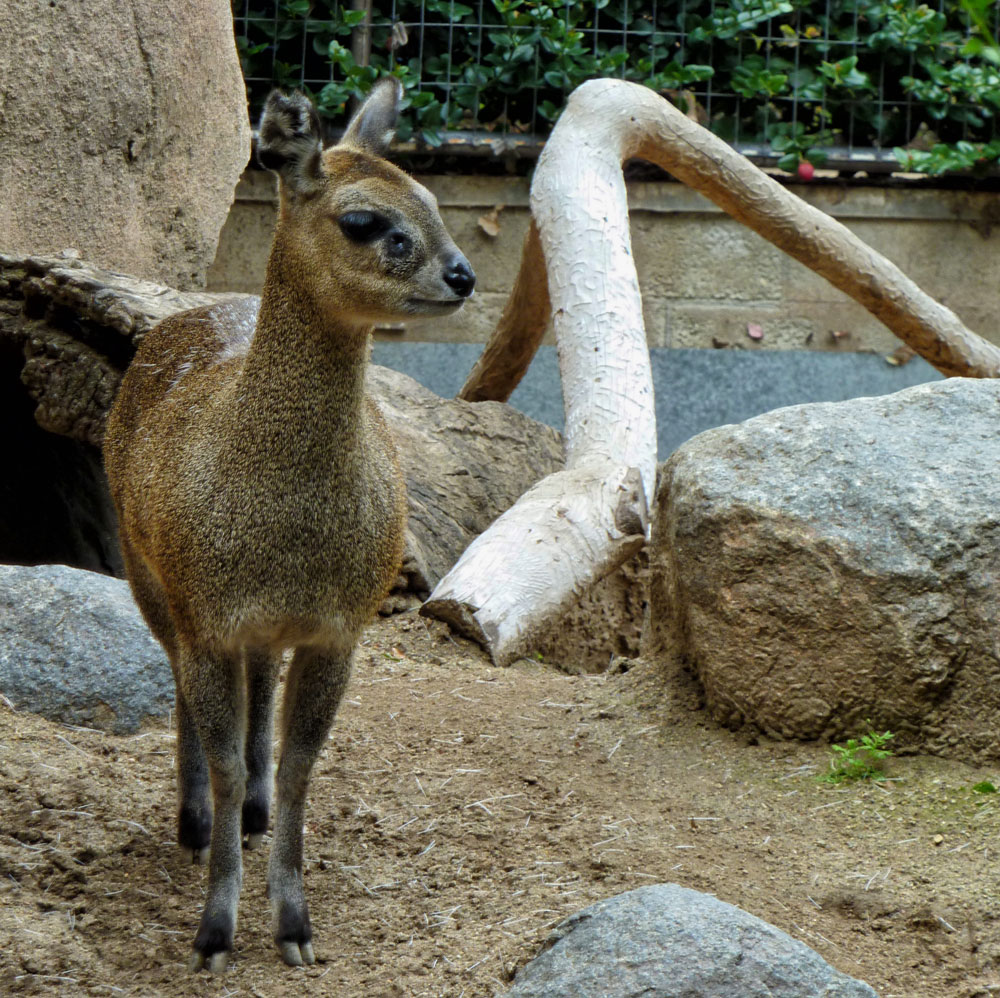
This type of dwarf antelope lives among rock formations in Africa called kopjes, (pronounced ko-pea), a Dutch word meaning “small head.” One the klipspringer’s most notable characteristics is its hooves. Its hooves are small, almost dainty giving it the appearance of standing on its tiptoes, their feet are specially adapted for traction on rocky surfaces, with a slight suction-cup effect.

Klipspringers communicate with whistles when alarmed. They stand still and erect for long periods of time, presumably watching out for predators. They use scent to communicate with outsiders, marking territory with dung piles and excretions from a preorbital gland, a dark, slit-like area beneath each eye.

If you want to join in either daily, weekly or just on the odd occasion then please visit Becky, the only rule is that the main photo MUST be a square – that is four equal sides! You have been warned 😉
We’re goin’ to the zoo, zoo, zoo

This month Becky’s Squares are focusing on odd things – you can interpret this any way you want so I am going to take you all to the zoo this month. San Diego Zoo to be precise and the photos featured will be either odd looking animals, animals with odd names, odd facts or slightly odd photos. I hope you’ll enjoy my selection.

Day 13

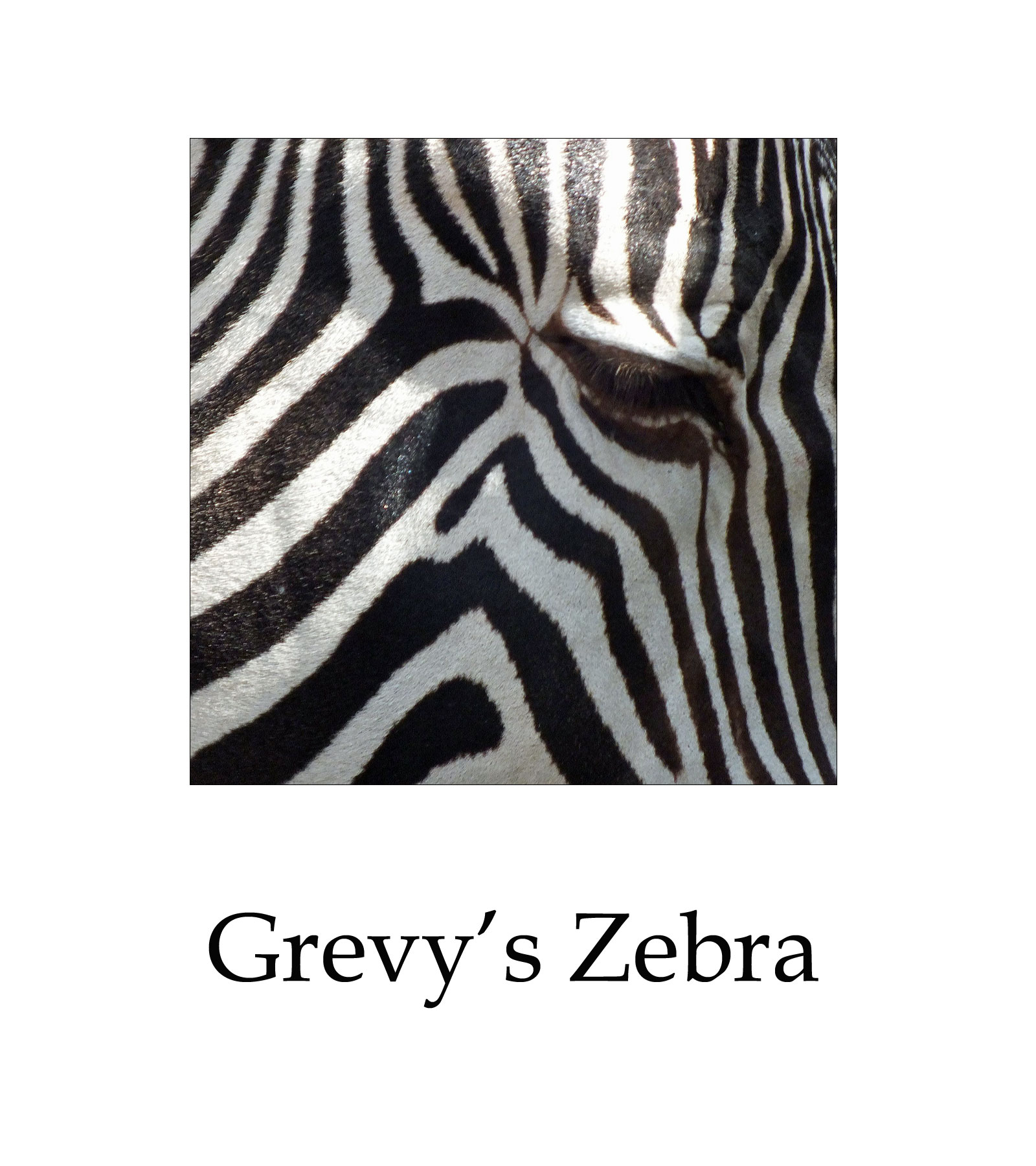
Zebras are generally thought to have white coats with black (sometimes brown) stripes. That’s because if you look at most zebras, the stripes end on their belly and toward the inside of the legs, and the rest is all white. However (there had to be a catch, right?), some zebras are born with genetic variations that make them all black with white stripes, or mostly dark with the striped pattern on just part of their coats. And as it turns out, zebras have black skin underneath their hair.

Grevy’s Zebra

There are three different species: plains, mountain, and Grevy’s zebras. Different zebra species have different types of stripes, from narrow to wide. In fact, the farther south on the African plains you travel, the farther apart the stripes on the zebras get!  The Grevy’s zebra is the largest and also has the thinnest stripes, extending all the way down to their white belly; on the hindquarters the stripes are vertical until above the hind legs.

If you want to join in either daily, weekly or just on the odd occasion then please visit Becky, the only rule is that the main photo MUST be a square – that is four equal sides! You have been warned 😉
We’re goin’ to the zoo, zoo, zoo

This month Becky’s Squares are focusing on odd things – you can interpret this any way you want so I am going to take you all to the zoo this month. San Diego Zoo to be precise and the photos featured will be either odd looking animals, animals with odd names, odd facts or slightly odd photos. I hope you’ll enjoy my selection.

Day 12

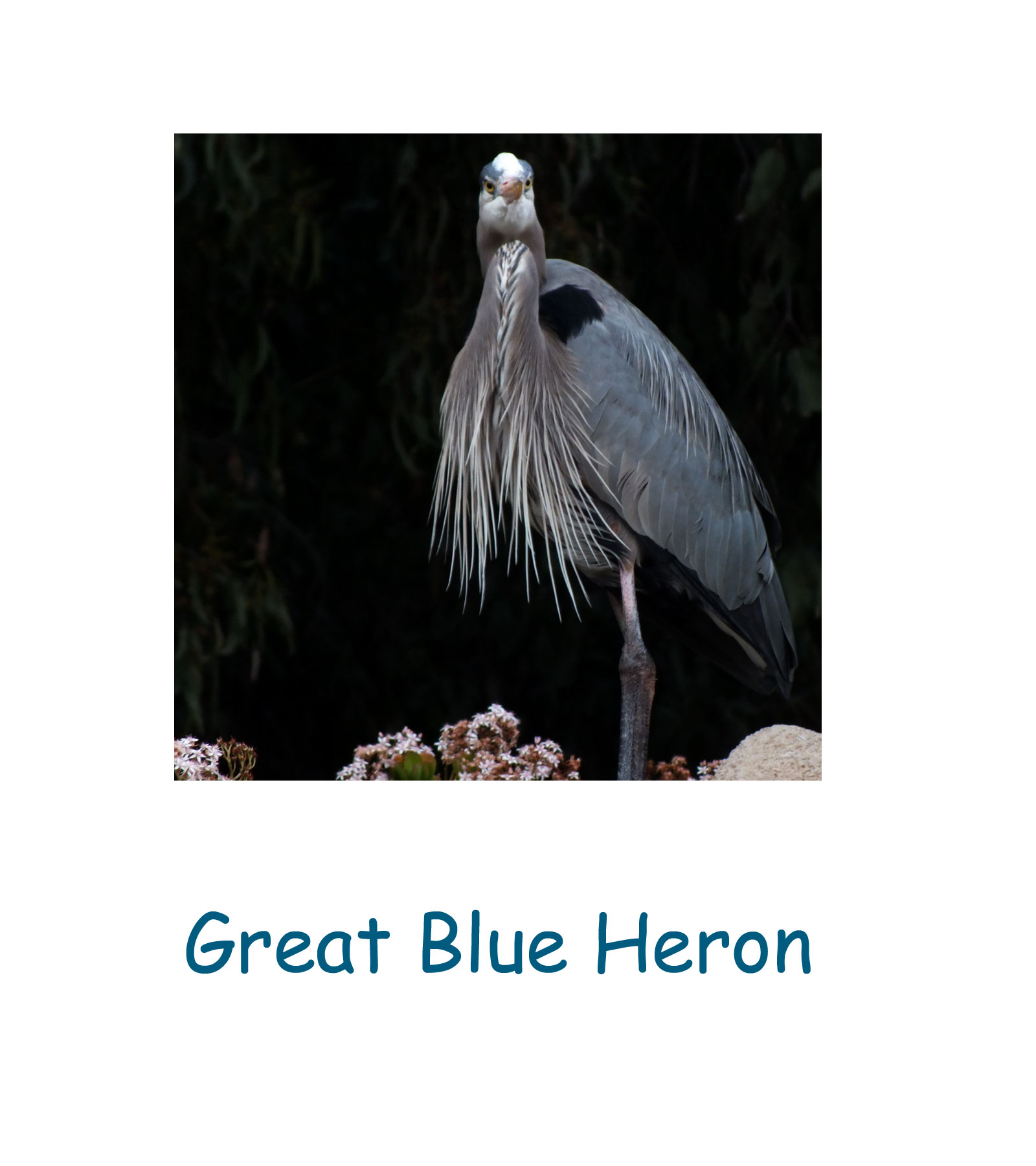
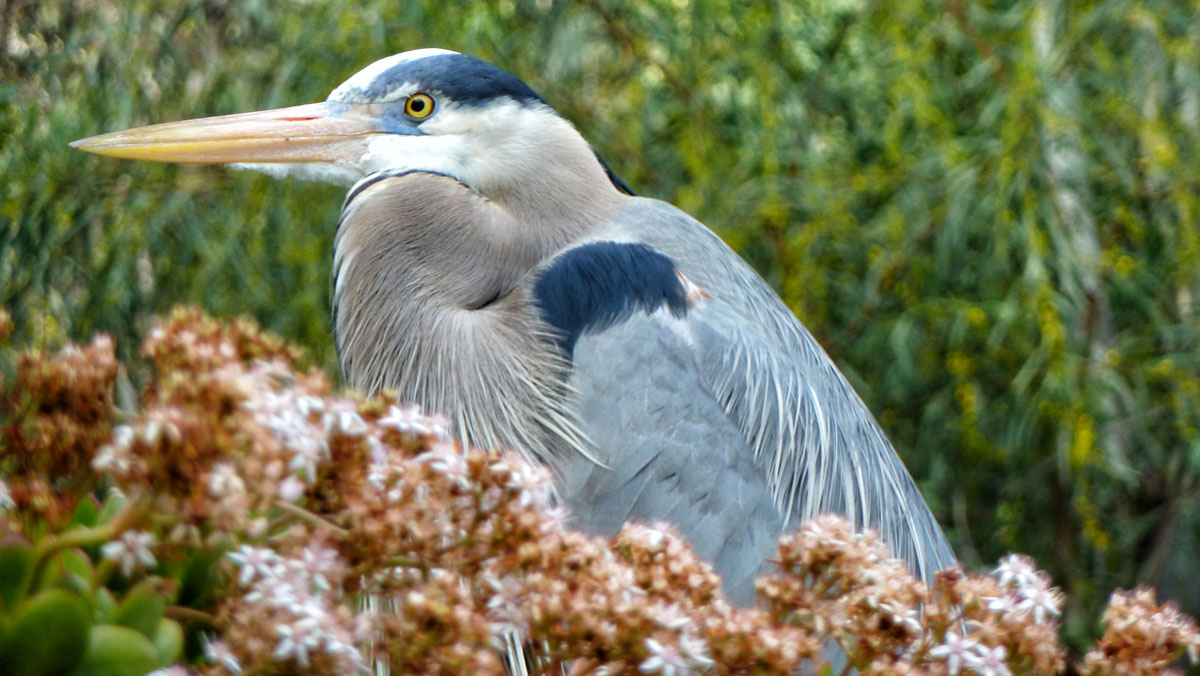
The Great Blue Heron is the largest of the North American herons with long legs, a sinuous neck, and thick, daggerlike bill. Within colonies territorial display includes ruffling the long breeding plumes. Highly adaptable, it thrives around all kinds of waters from subtropical mangrove swamps to desert rivers to the coastline of southern Alaska.

If you want to join in either daily, weekly or just on the odd occasion then please visit Becky, the only rule is that the main photo MUST be a square – that is four equal sides! You have been warned 😉
We’re goin’ to the zoo, zoo, zoo

This month Becky’s Squares are focusing on odd things – you can interpret this any way you want so I am going to take you all to the zoo this month. San Diego Zoo to be precise and the photos featured will be either odd looking animals, animals with odd names, odd facts or slightly odd photos. I hope you’ll enjoy my selection.

Day 11

New Guinea singing dogs are different from domestic dog breeds in several ways. Physically, their upper first molar, called a carnassial tooth, is quite large, a trait normally present only in wild canid species such as wolves. Then, their eyes seem to be more reflective of light than domestic dogs’, shining bright green in low light. The singers also appear to have social or play behaviours that are different from that of wolves and dogs. They like to be tidy and neat, and they regularly groom themselves, much like a cat.

When in a group, one singing dog starts singing and then others join in at different pitches, each with its own unique voice. Singers also whine, yelp, bark, and scream (a drawn-out yelp).

If you want to join in either daily, weekly or just on the odd occasion then please visit Becky, the only rule is that the main photo MUST be a square – that is four equal sides! You have been warned 😉